Edo was the sword’s age of connoisseurship: the Hon’ami appraisers, the shogunal register of famous blades of 1719, and a thriving literature turned the sword into an object of study even as it ceased to be drawn in war.
 NihontoWatchNihontoWatch
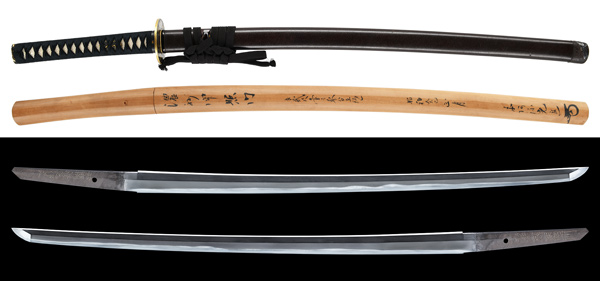
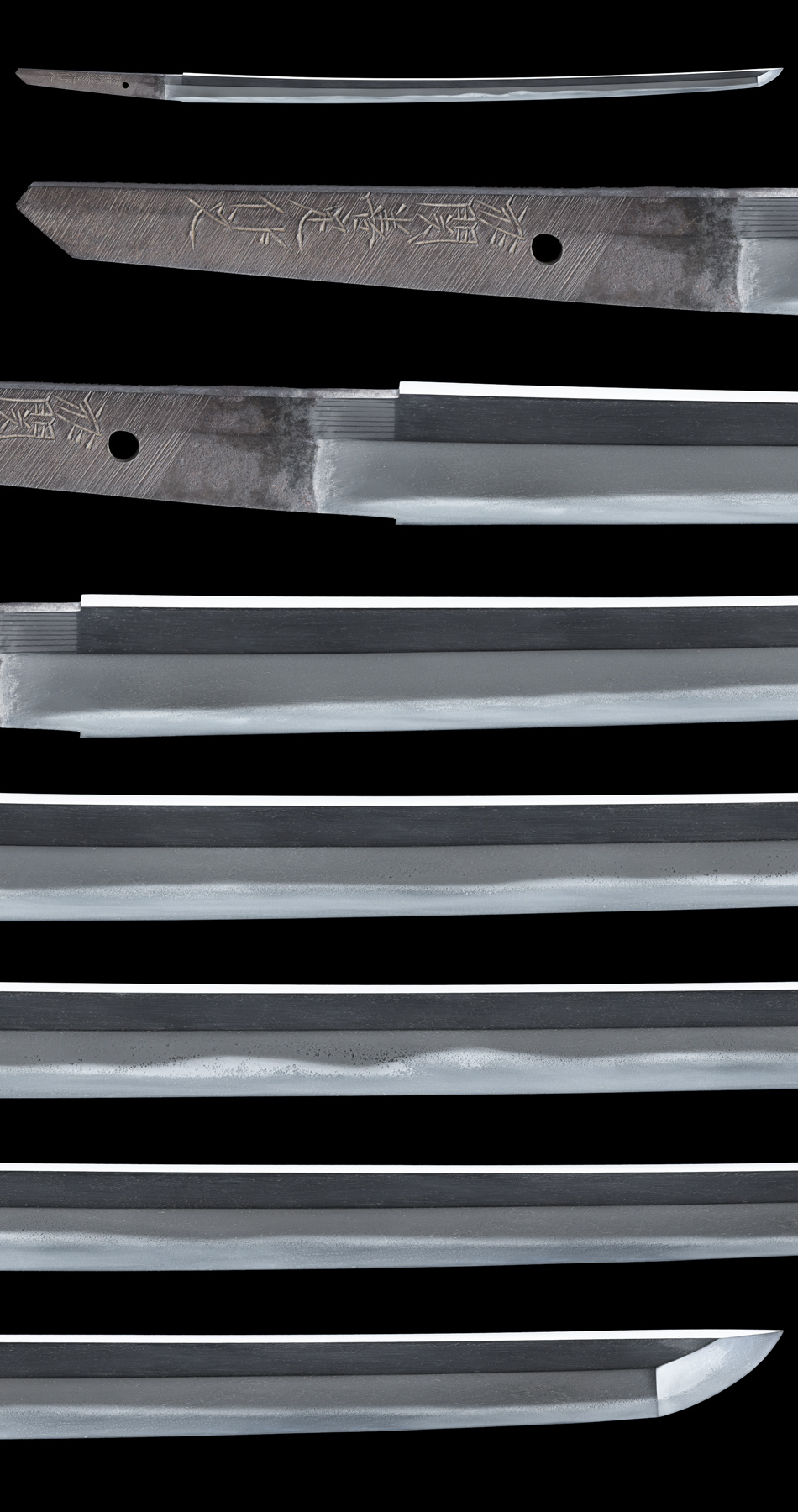
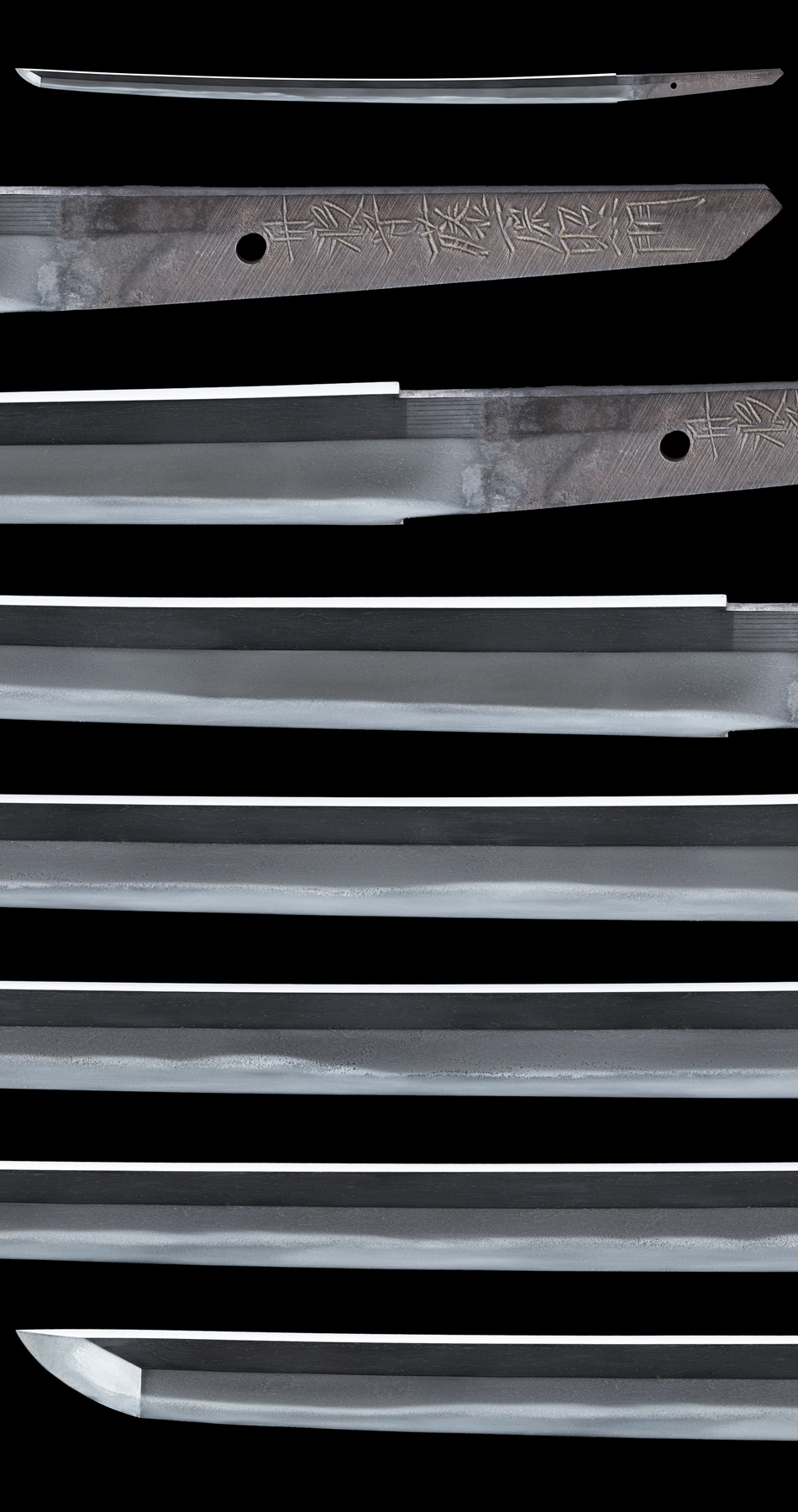
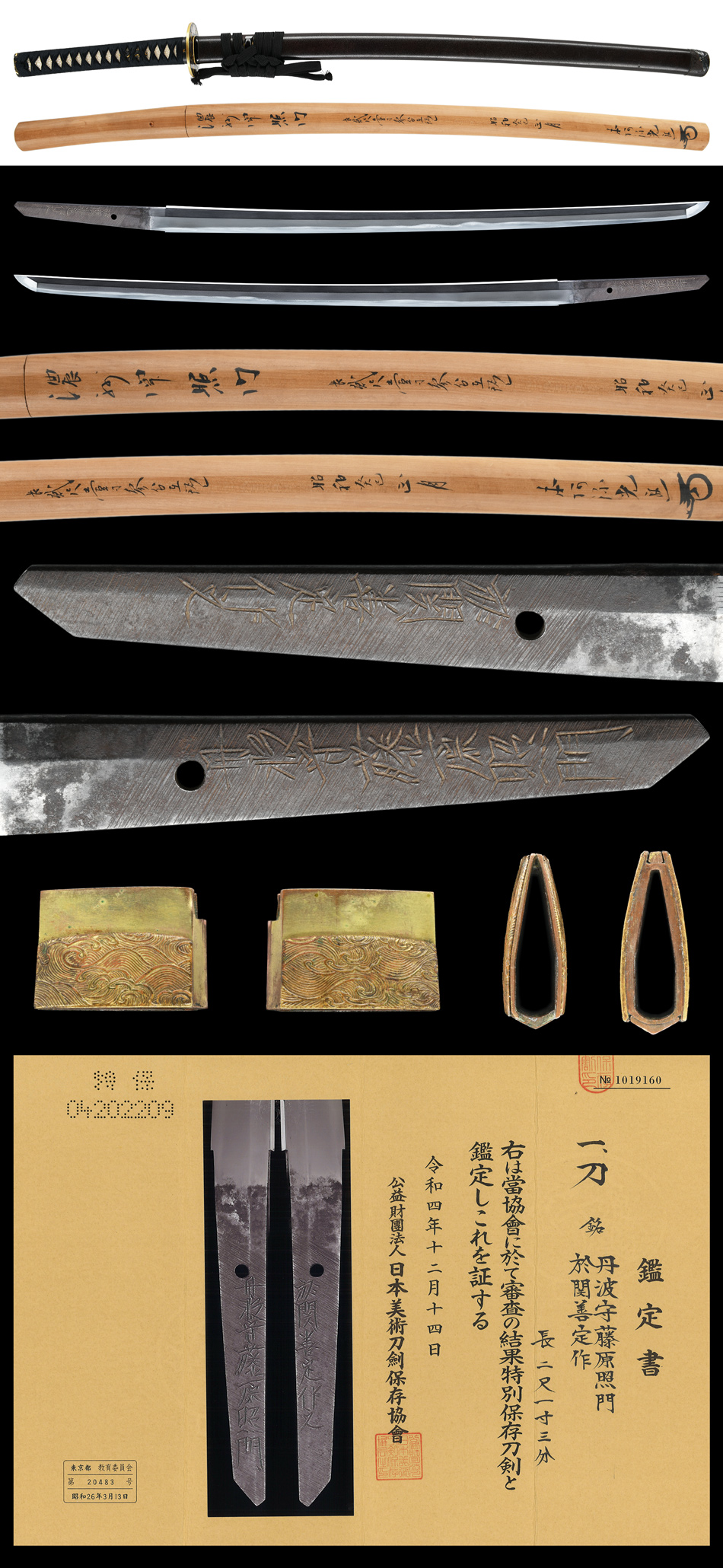
Stock No:KA-120424Paper(Certificate): [N.B.T.H.K] Tokubetsu Hozon TokenCountry(Kuni)/Period(Jidai): Mino(Gifu), Middle edo period about 1661~Blade length(Cutting edge): about 64.6cmCurve(SORI):about 0.8cmWidth at the hamachi(Moto-Haba): 3.26cmThickness at the Moto-Kasane: 0.73cmWide at the Kissaki(Saki-Haba): 2.50 cmThickness at the Saki-Kasane: 0.50 cmHabaki: Two parts, Gold plated HabakiSword tang(Nakago): Unaltered,Sujikai file patternRivet Holes(Mekugiana): 1Length of Koshirae : about 99cmShape(Taihai): Shinogizukuri, Iorimune, Chu-kissakiJigane(Hada): ItameTemper patterns(Hamon): Hiro-suguha with NotareTemper patterns in the point(Bohshi): Sugu then hakikake round tipRegistration Card: Tokyo 1951【Additional Information】丹波守藤原照門は宗九朗といい、美濃伝関七流の善定家に属し、俗名を善定惣右衛門と称しました。初銘は兼門で、善定家の頭領であった氏房が名古屋に移住すると、後を継いで関鍛冶の鍛冶頭を務めました。新撰組局長の近藤勇の愛刀としても知られる丹波守藤原照門は万治頃の関を代表する刀工です。はじめ丹波大掾を任官し、万治二年に丹波守を受領すると同時に照門と改銘しました。当時照門はなかなかの人気工であったため、於関善定作之のほか、武州於江戸以南蛮鉄作之 、於桑名以地金下作之など、各地に出向いて作刀したことが遺作の茎に刻されて残ります。照門を名乗ったのは一代限りで次代からは兼門銘に復し、その銘は現代まで続きます。本刀、刃長が二尺一寸三分。身幅元先でやや幅差付き、重ね尋常、反り浅く、中切っ先となる寛文新刀姿の一口です。地鉄はよく練れた板目肌で、地沸よく付き、精強な鍛を呈します。焼刃は沸出来の広直刃で、処々湾れ調子となります。総体刃縁に荒沸が付き、匂口爛々と明るく冴えます。また一部刃縁から沸が零れるなど、力感がこもった出来を示します。帽子はそのまま直ぐで先掃きかけて返ります。茎は時代の錆味が風合い良く現れ、勢いのある鏨使いで銘が切られます。本作は美濃伝関七流善定家、関鍛冶頭領であった丹波守藤原照門の一作。沸を強く出した出来口で、荒々しさの中に野趣を感ぜられる上々の御刀です。白鞘、金鍍金二重はばき、茶石目地塗鞘打刀拵、特別保存刀剣鑑定書。
NihontoWatchTerukado照門
Offered by World Seiyudo
This piece has sold
Get an email when a new Terukado piece hits the market.


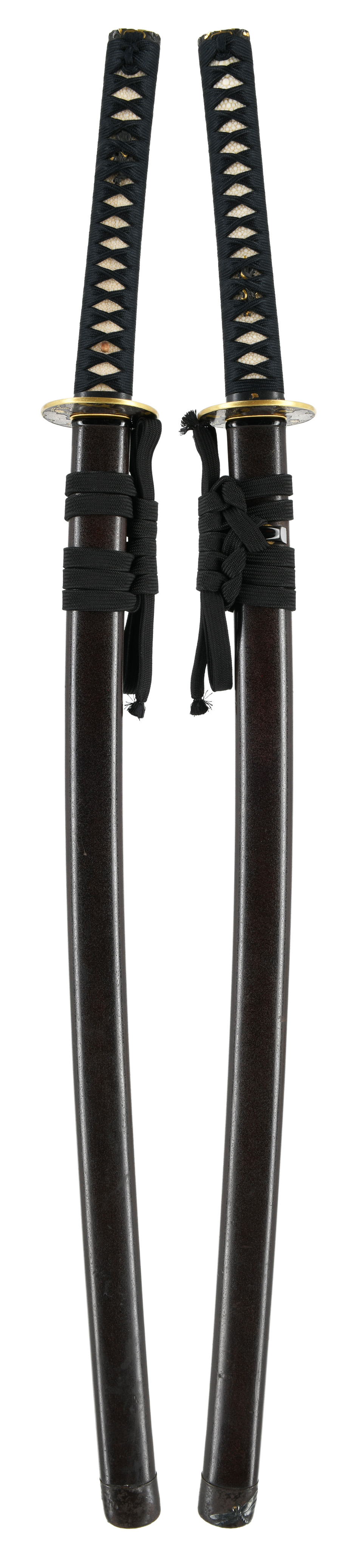
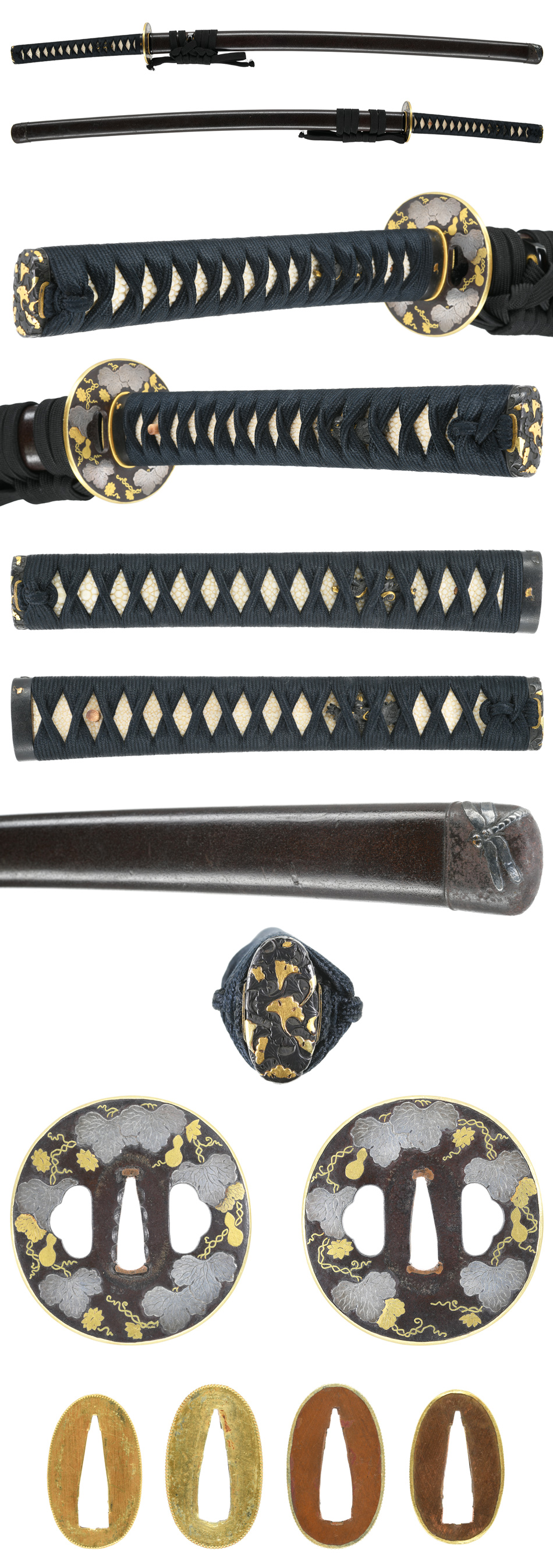
Mino · around 1658-1661
Fujishiro Jo saku · Tōken Taikan top 63%
1 piece on the market now
The Edo period (1615 to 1868)
Edo was the sword’s age of connoisseurship: the Hon’ami appraisers, the shogunal register of famous blades of 1719, and a thriving literature turned the sword into an object of study even as it ceased to be drawn in war.
A Hozon-certified blade judged to show notably superior workmanship and a better state of preservation. The bar is higher: re-tempered blades and most unsigned Muromachi/Edo works are excluded.
The NBTHK (Nihon Bijutsu Tōken Hozon Kyōkai, the Society for the Preservation of Japanese Art Swords) is a public-interest incorporated foundation founded in 1948 and supervised by Japan’s Agency for Cultural Affairs (Bunkachō); it is based at the Japanese Sword Museum in Tokyo. Its expert panels physically examine each submitted work (shinsa) and issue a certificate (kanteishō) ranking it by artistic and historical merit. NBTHK papers are the most widely recognized standard of authentication for Japanese swords and fittings.
NBTHK official siteNo cooling-off period or returns; refund only if the purchased sword is proven fake, capped at purchase price (excludes commission sales, accessories, auction items).