Two courts, sixty years of war, and the most dramatic silhouettes in the sword’s history: broad blades, extended points, true ōdachi later cut down into the majestic katana collectors prize. The Sōshū manner was the style of the age.
 NihontoWatchNihontoWatch
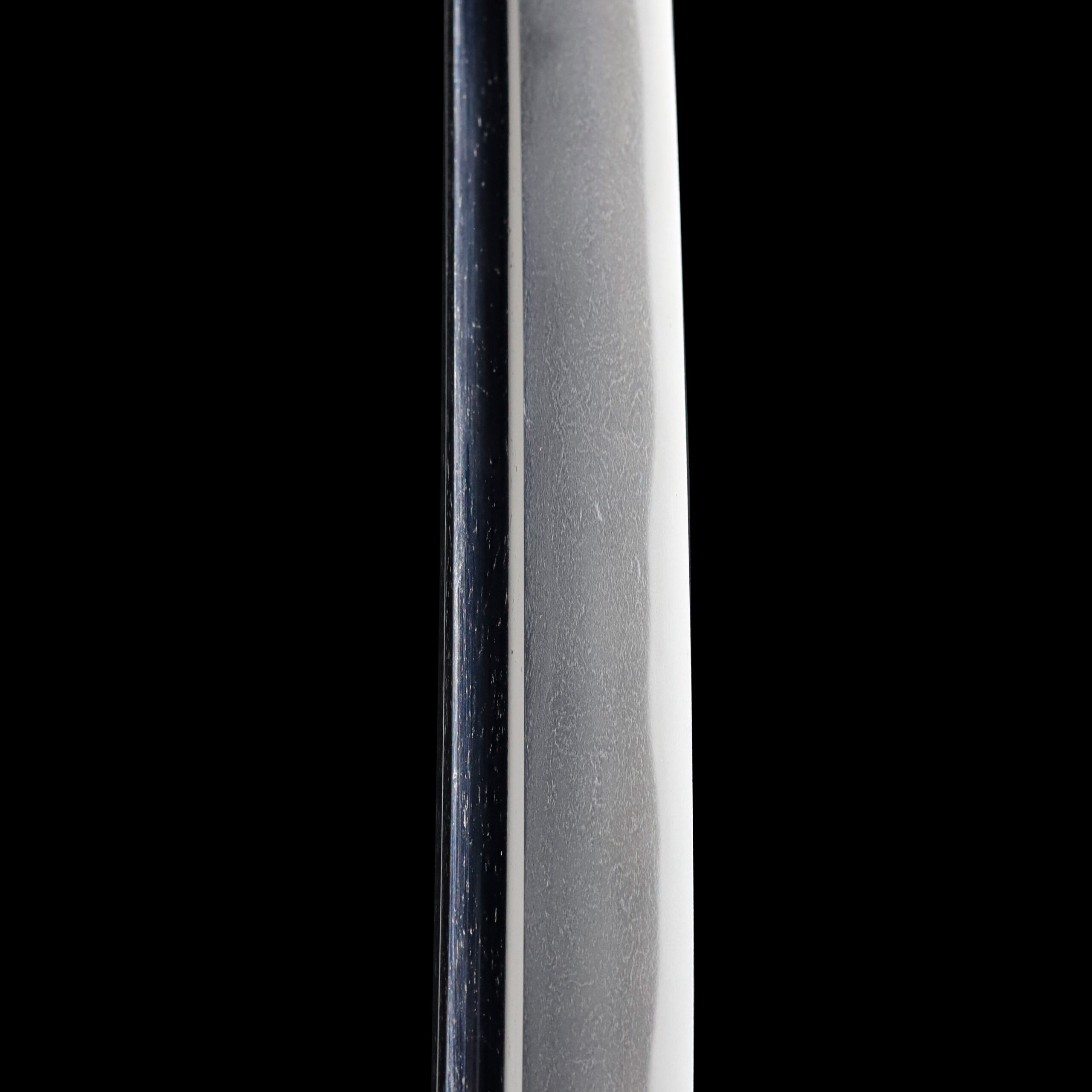
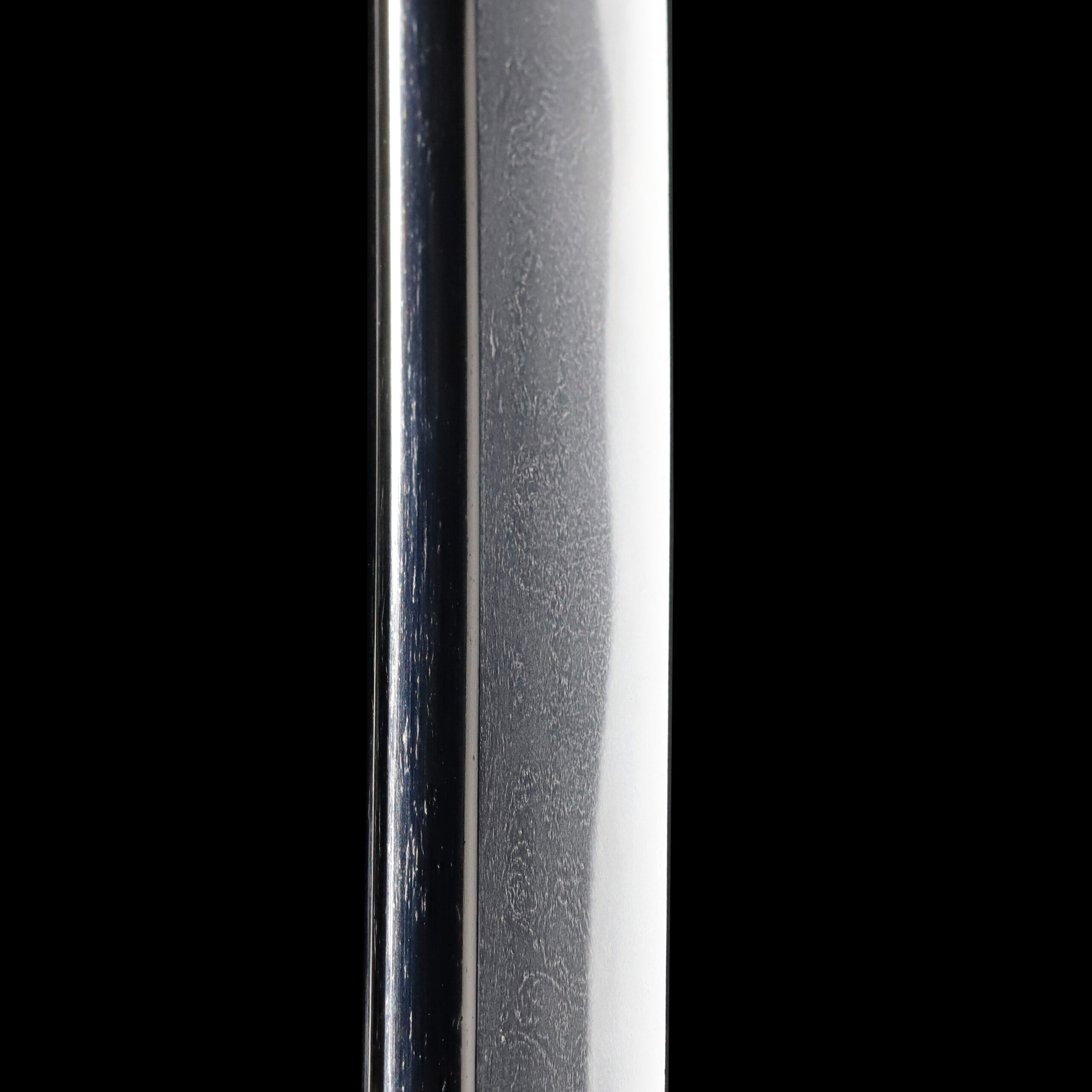
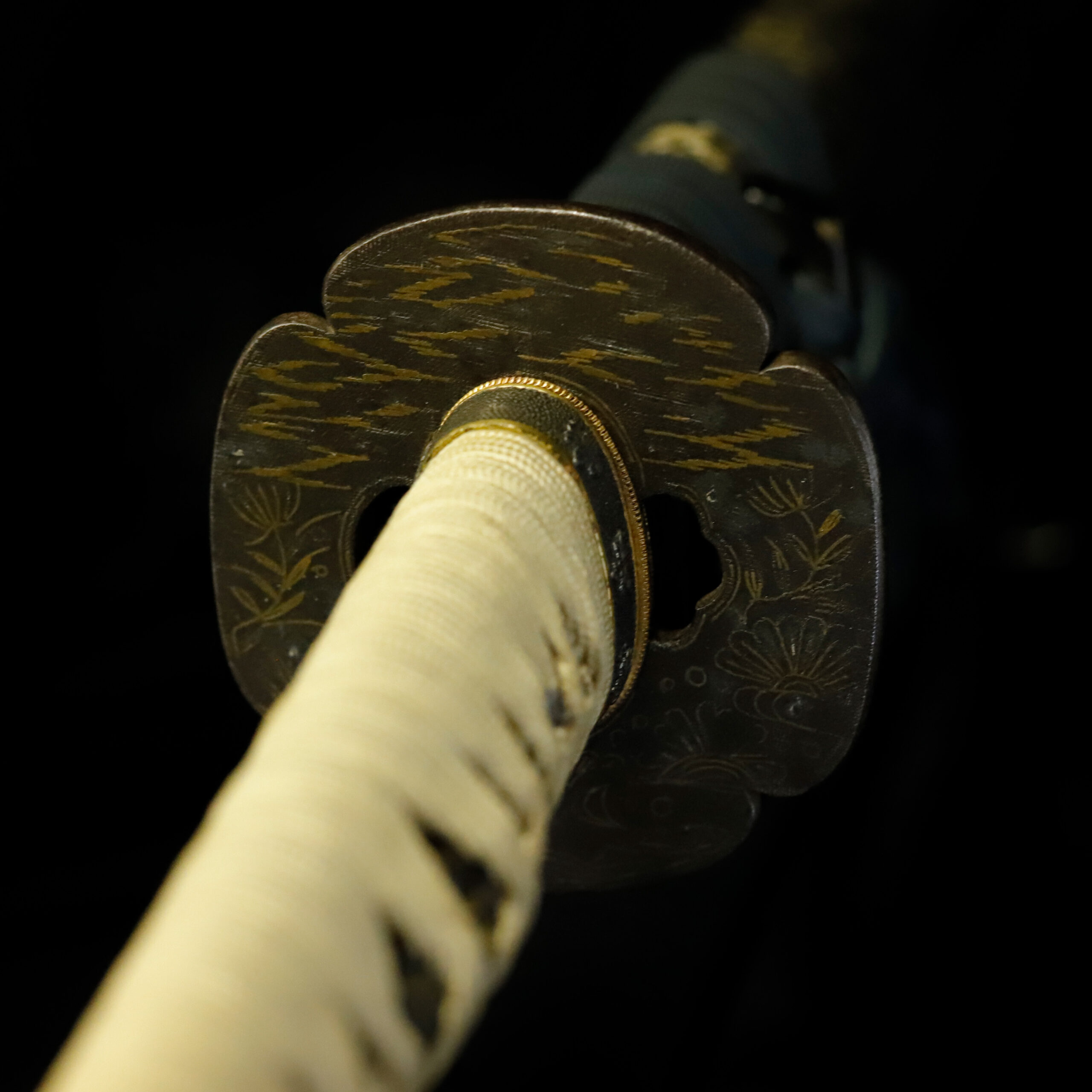
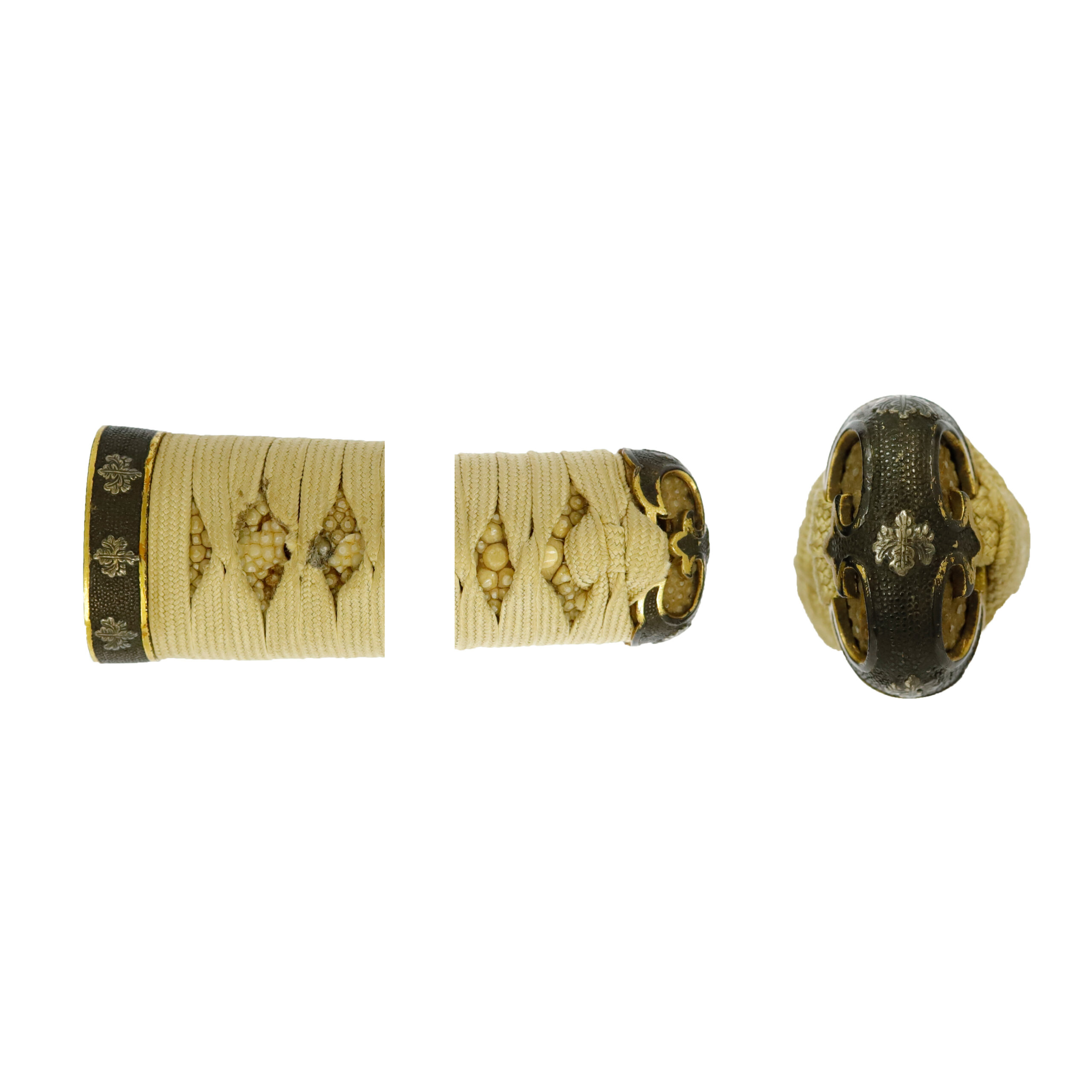
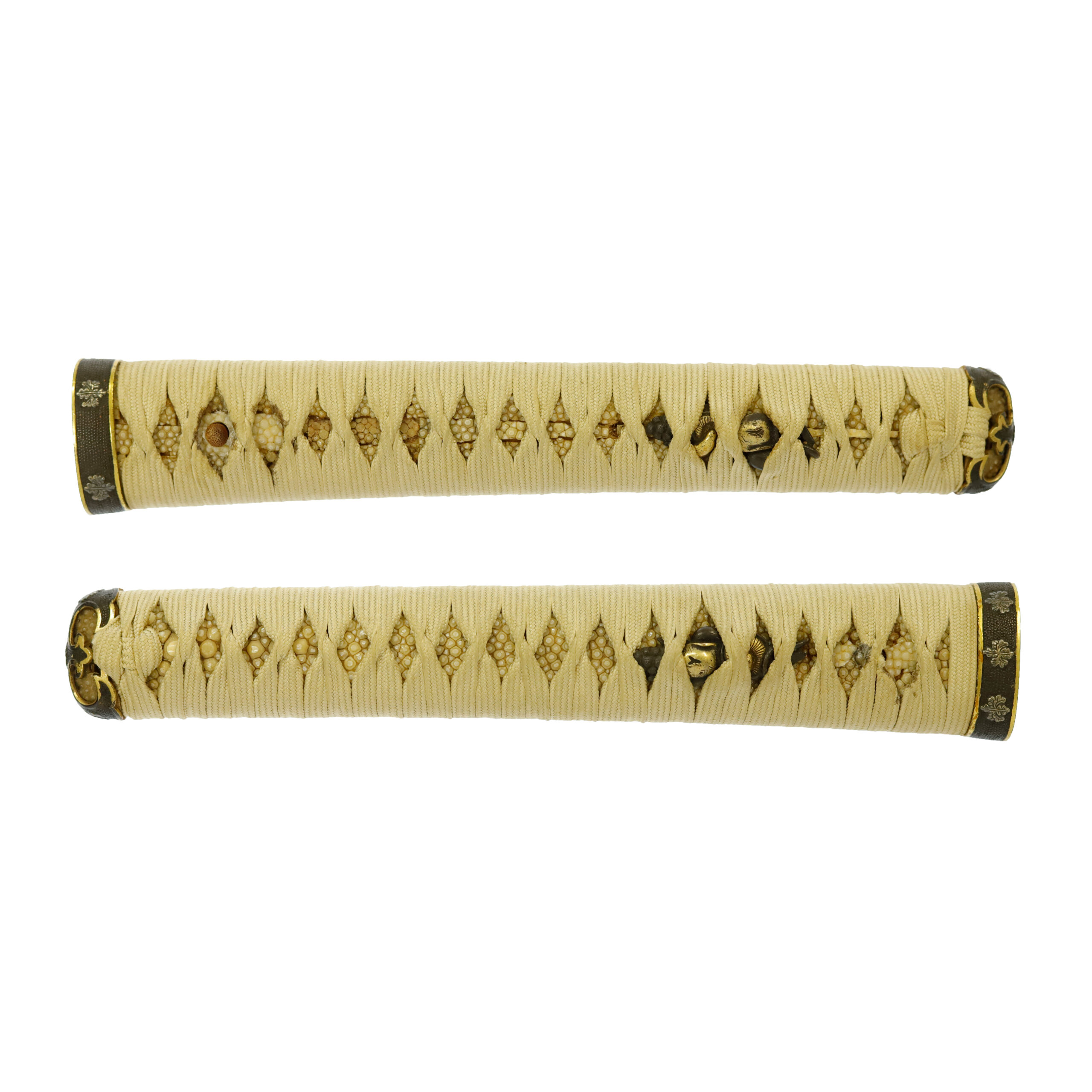
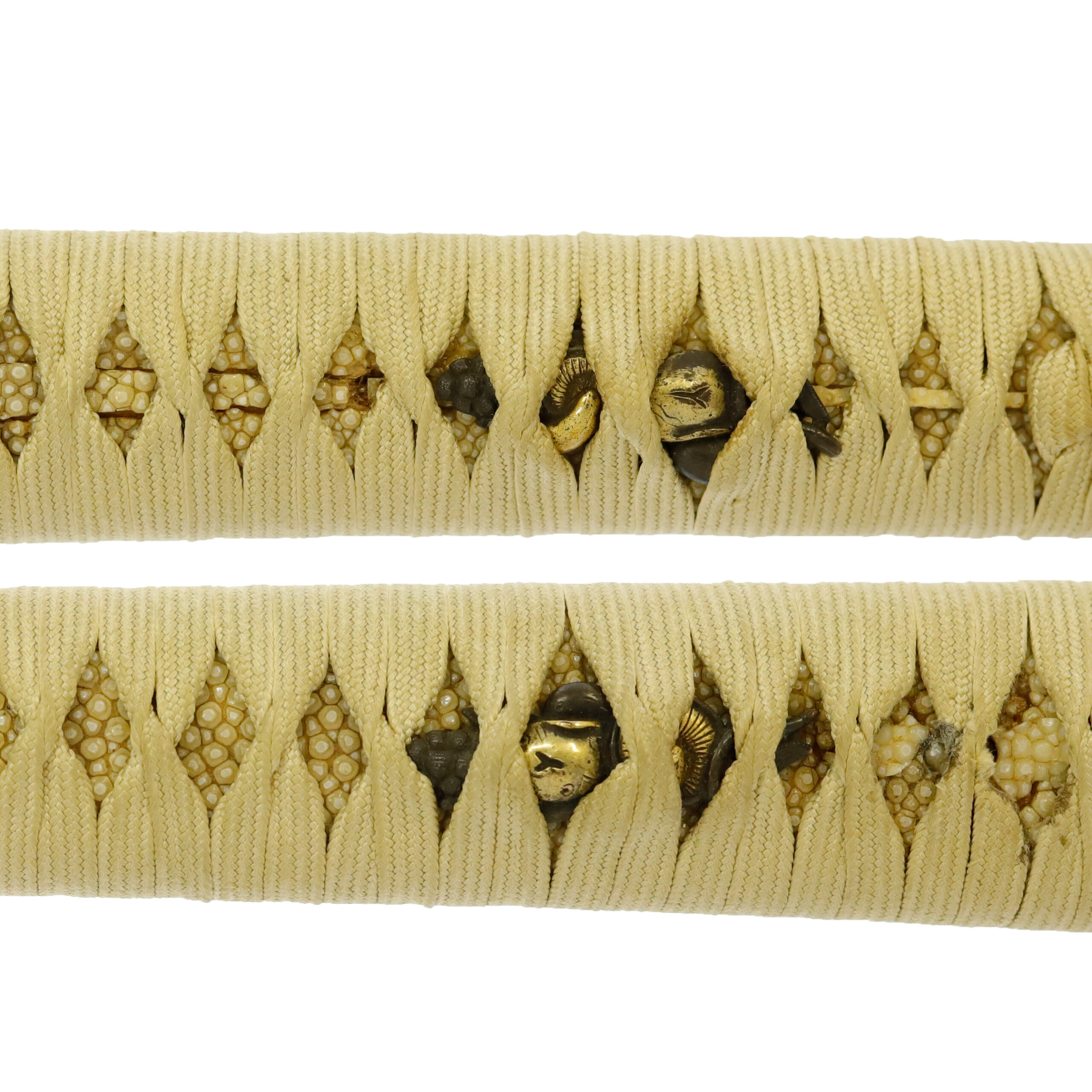
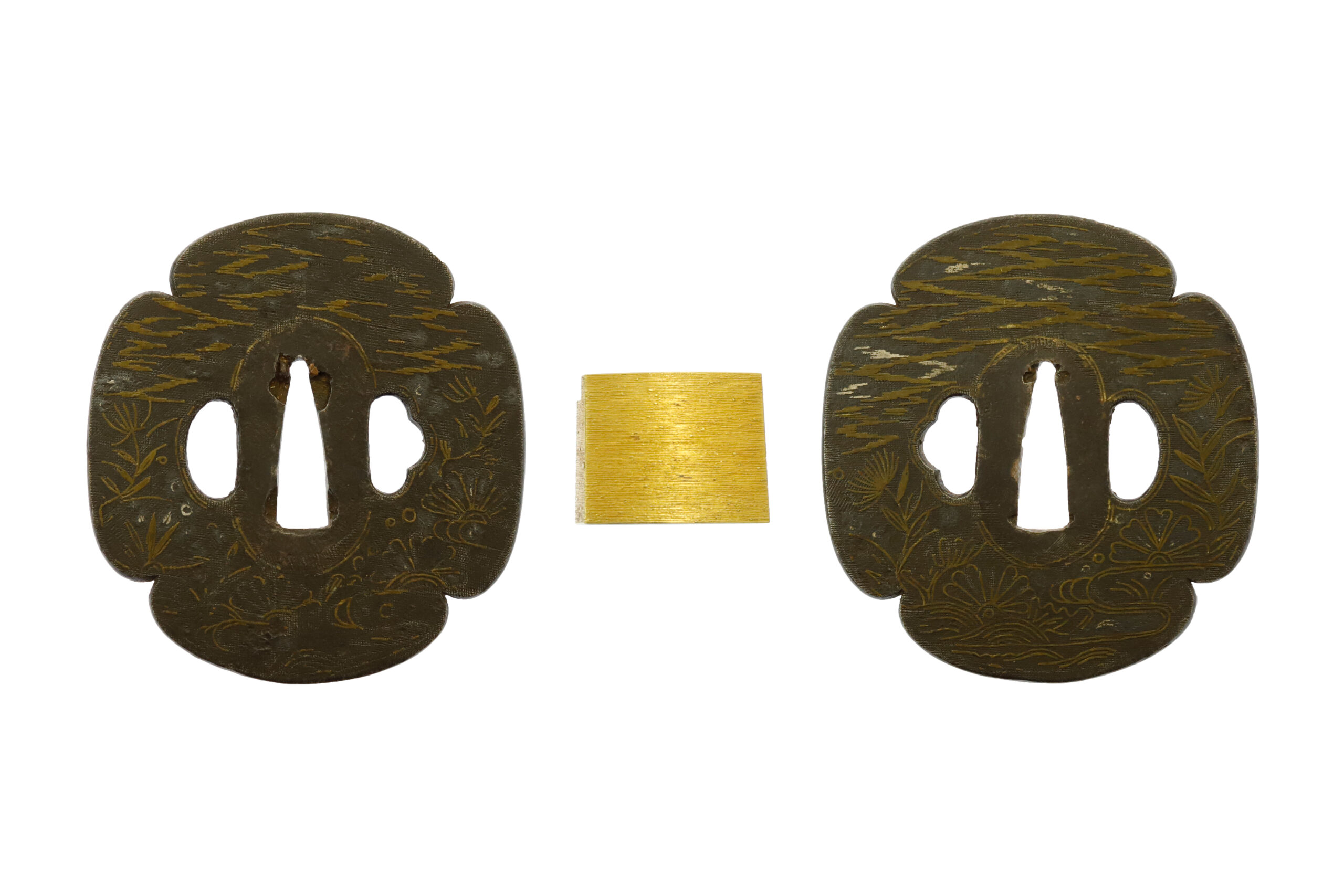
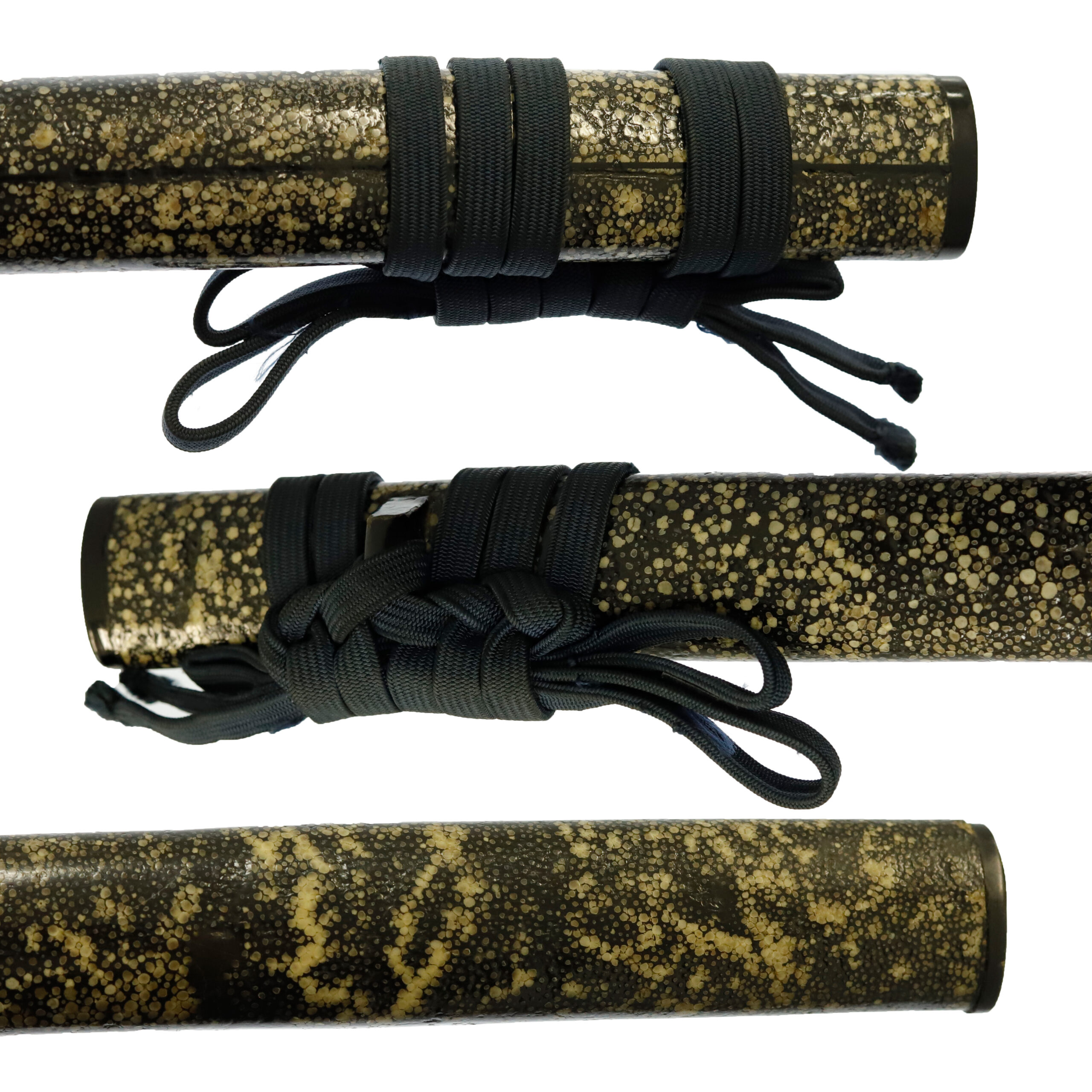
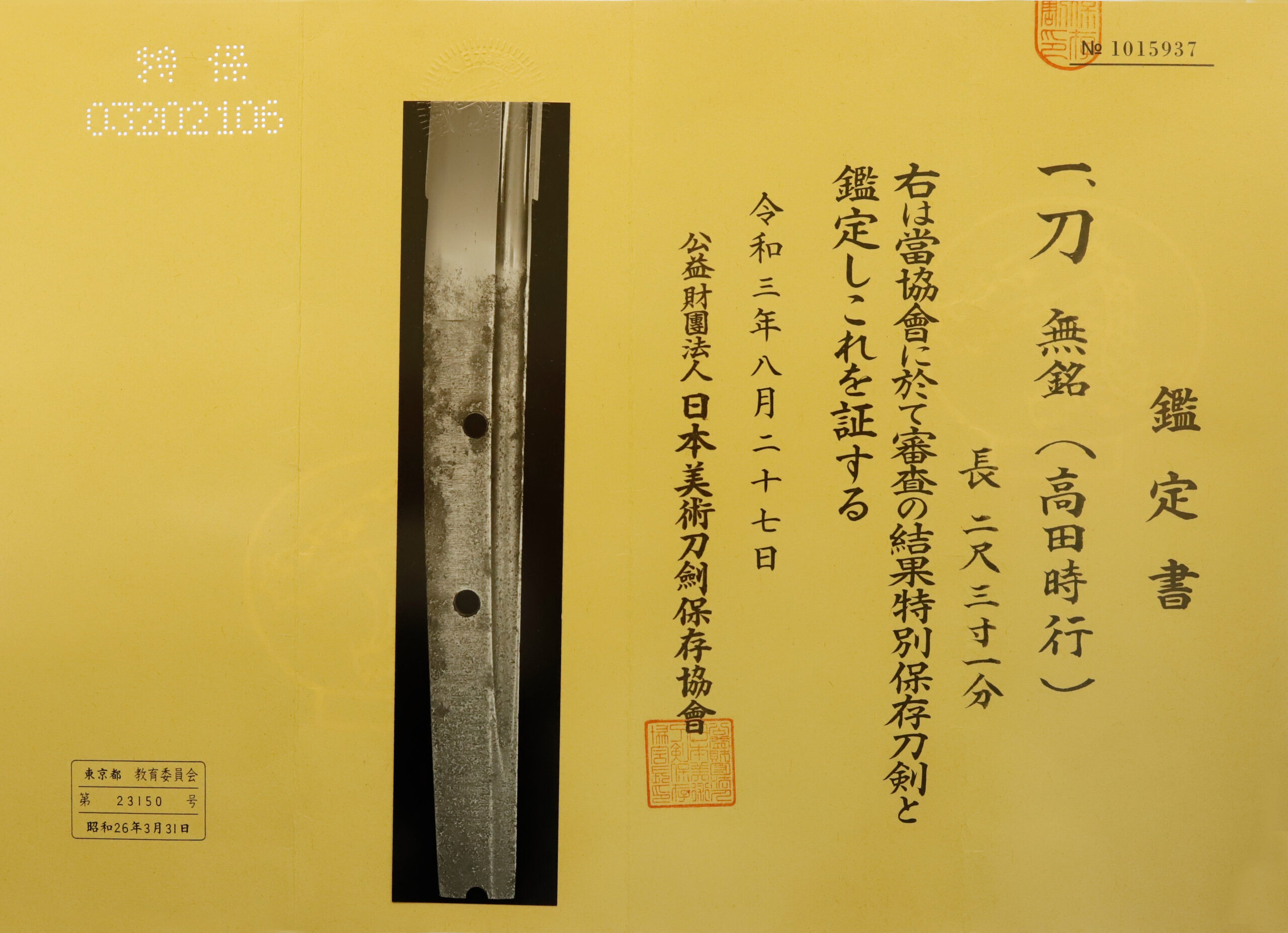
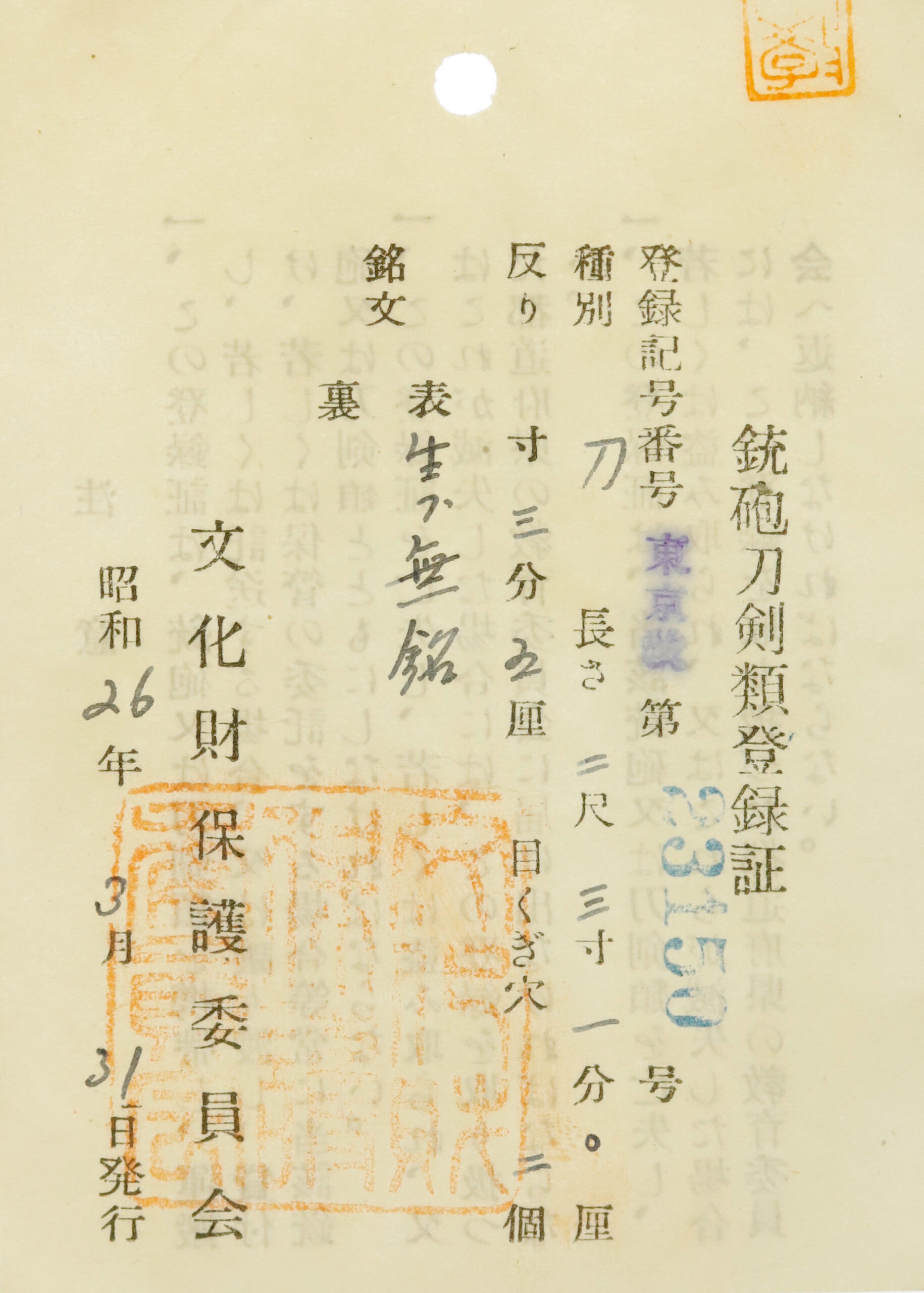
This blade is attributed to Takada Tokiyuki (高田時行) , who was active during the mid Nabokucho period (1368-1375). Tokiyuki belonged to Takada school. Takada school was founded by Takada Tomoyuki, the father of Tokiyuki, in Takada village, Ohita prefecture, during the Nanbokucho period. (1334-1338 A.D). Tomoyuki went to Bizen province(today’s Okayama prefecture) to master the sword-forging techniques of BIZEN and came back to the village and trained his apprentices. That is how Takada school started. Those who forged swords in Takada village before the Edo period are called Taira Takada and Fujiwara Takada during the Edo period. The blades made before the Muromachi period are categorized as Ko-Takada (Old Takada) swords. The blades made by Tokiyuki are considered this Ko-Takada. Generally speaking, Kyushu island was prosperous in sword-making because of the long trading history with Asian countries. To gain an advantage in trading, many feudal lords on this island fought against each other. Takada school was able to receive many orders as the demand increased among those lords. The material of Japanese swords(high-quality iron sand and charcoal) was abundant in the mount Sobo Katamuki, located near Takada village. We believe Takada school prospered because of its geographic location and natural resources. It is appraised as a Tokubetsu Hozon Token(特別保存刀剣) issued by NBTHK(Nihon Bijutsu Touken Hozon Kyokai:日本美術刀剣保存協会). *Please keep in mind that there are a couple of Kitae Kizu on the Hi (groove) on the blade. Fuchi-Kashira The surface of this Fuchi Kashira is decorated with the Nanako-Ji (魚子地) technique. This process makes a uniform minimal protrusions pattern by hitting the Nanako-Ji Tagane (魚子地鏨, a chisel for this technique) on a metal surface. This decorative technique is often seen on sword mountings. In addition, golden paint is applied to edges; it is also an element for making its ornamental look. The Gosan-no Kiri (五三の桐) pattern is designed on both Fuchi and Kashira parts. It is a kind of Kiri (桐, paulownia) design. This plant pattern is generally composed of three standing straight inflorescences and three leaves. The number of blooming flowers at each inflorescence means the ranks of this design. Today, this plant pattern is used as the crest of the Japanese Government. The Gosan-no Kiri pattern was once used by the imperial family and people in authority at that time. Today, it is permitted to use by ordinary households and is appreciated as their family crests. According to a tradition, the Houou (鳳凰, Fenghuang, a kind of sacred beast) rests its wings at the paulownia tree; therefore, it has come to be regarded as a sacred plant. Tsuba and Habaki Yotsu-Mokkou-shaped Tsuba that has Kozuka and Kougai holes. About the design, this Tsuba depicts a waterside scenery, as if we are submerged in water like a river and see a landscape with aquatic plants growing. Line patterns expressing water flow and aquatic plants are probably drawn using the technique of brass inlay. Saya The Sayanuri (鞘塗, coating of sheath) of this scabbard is categorized as a type of the Same Zaya (鮫鞘). This is a highly decorative scabbard that utilizes the surface of stingray skin. Many of them were processed to smoothen the uneven surface of the skin, and such sheaths were called the Samegawa Togidashi Saya (鮫皮研出鞘). Authentication Paper They authenticated the blade on August 27th in the 3rd year of Reiwa (2021). They appraised it as Tokubetsu Hozon Touken, the blade especially worth preserving for Japanese society.
Tokiyuki時行
Offered by Samurai Museum
This piece has sold
Get an email when a new Tokiyuki piece hits the market.

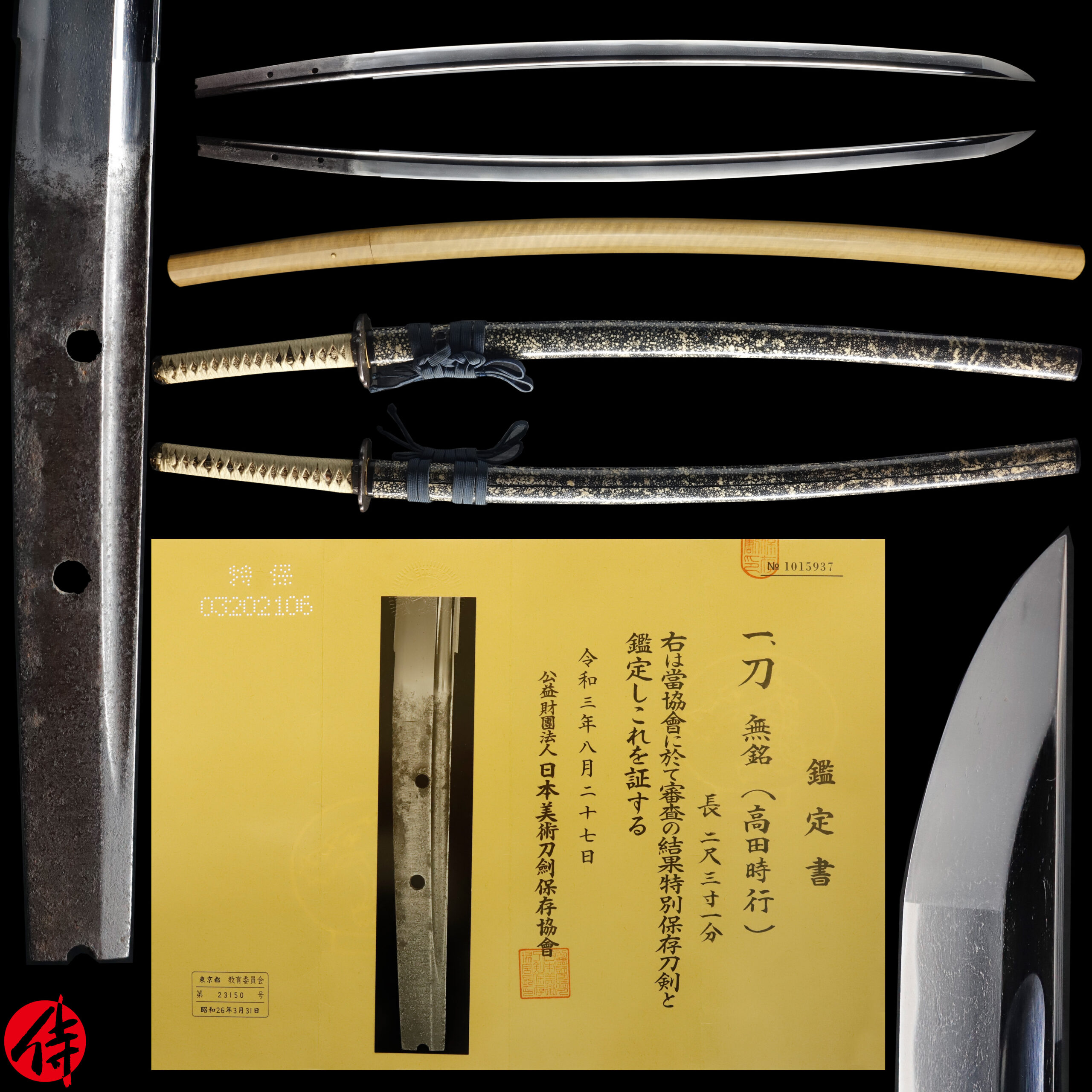
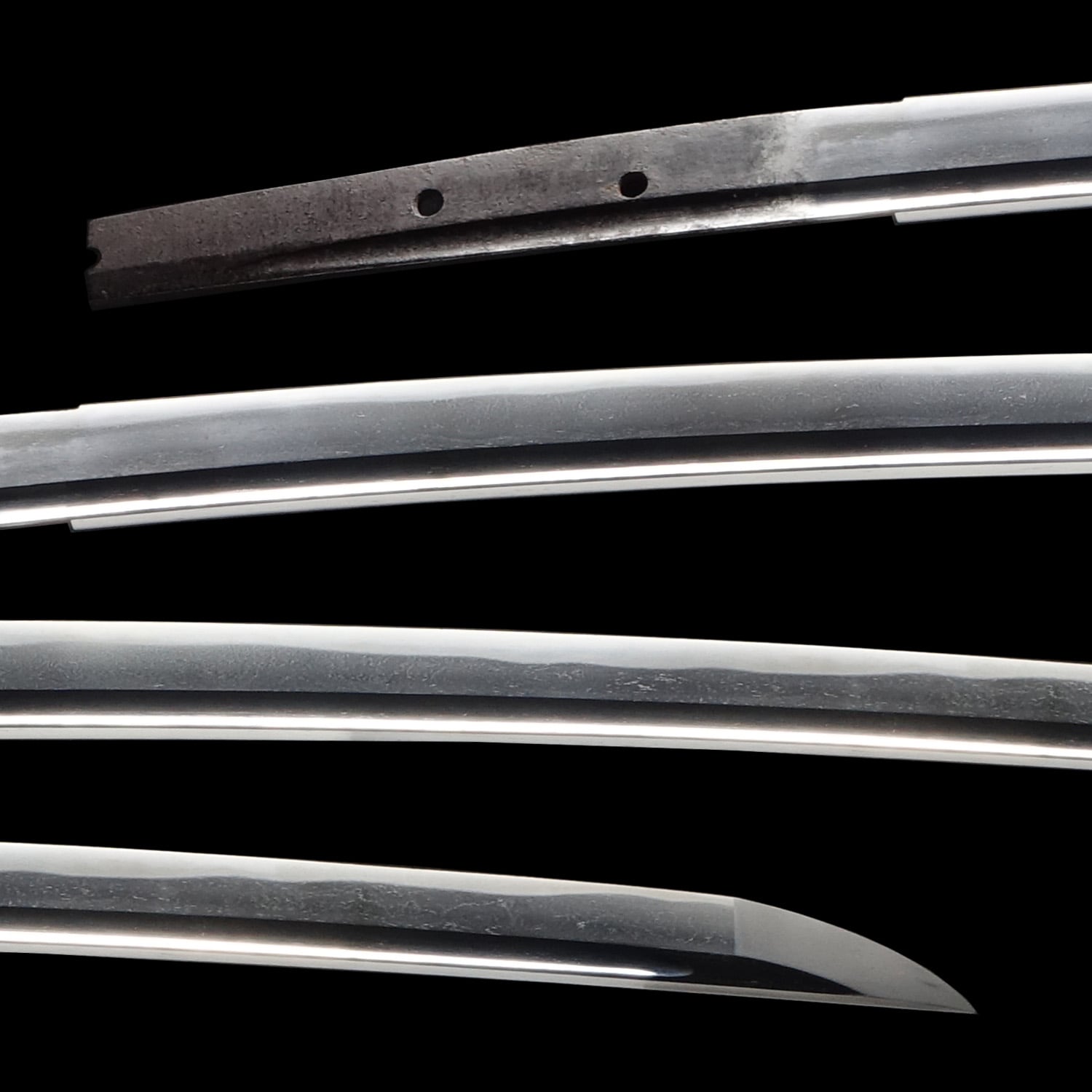
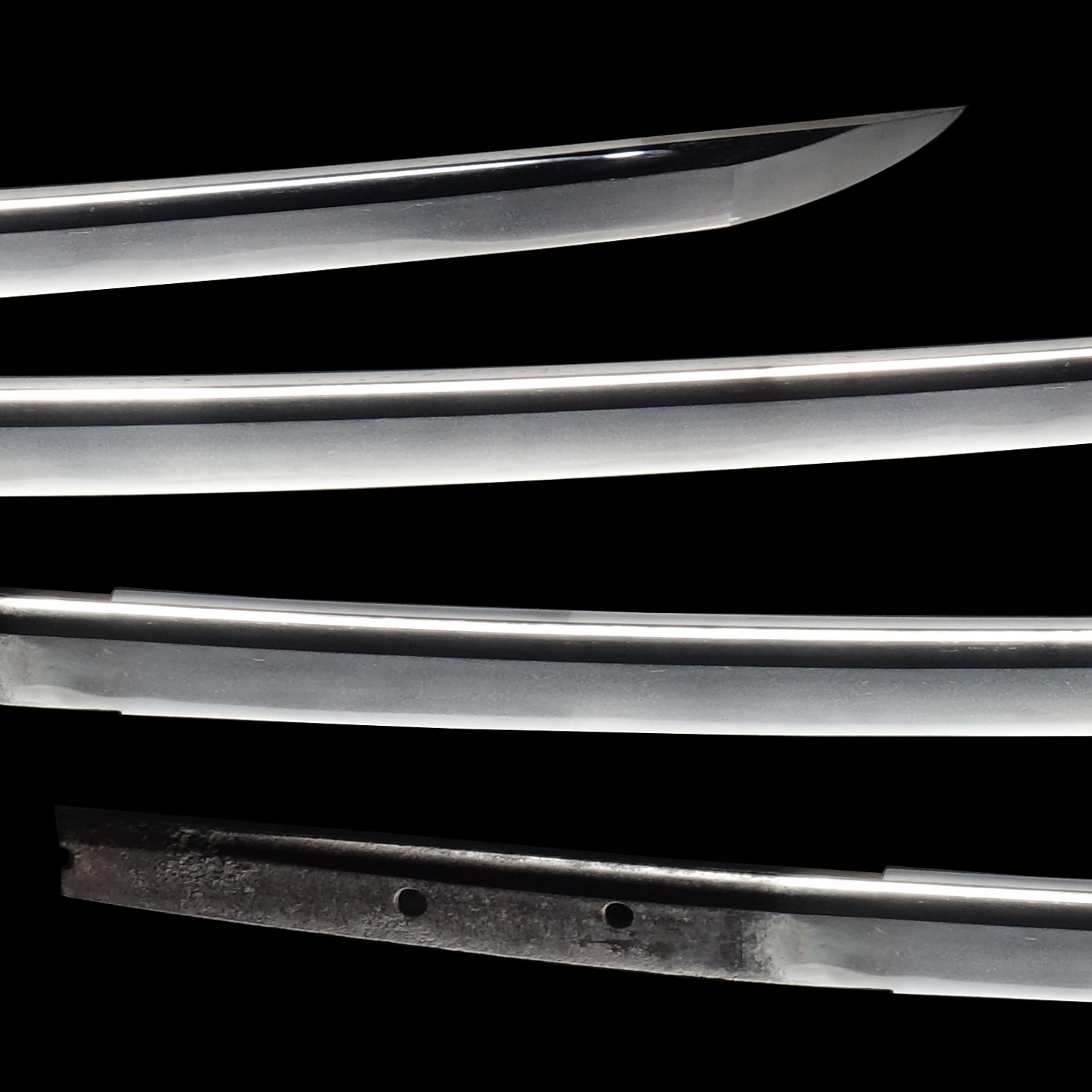
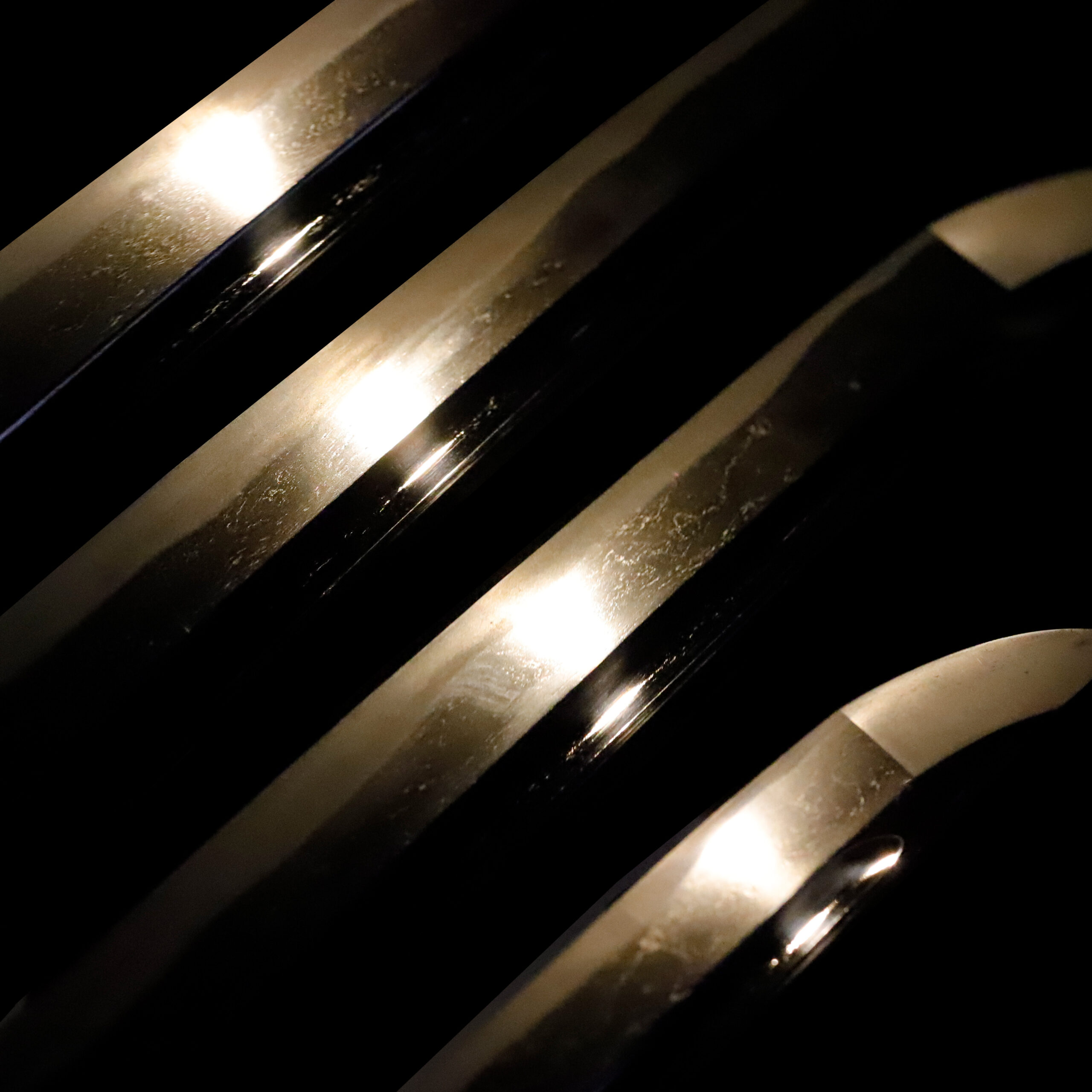
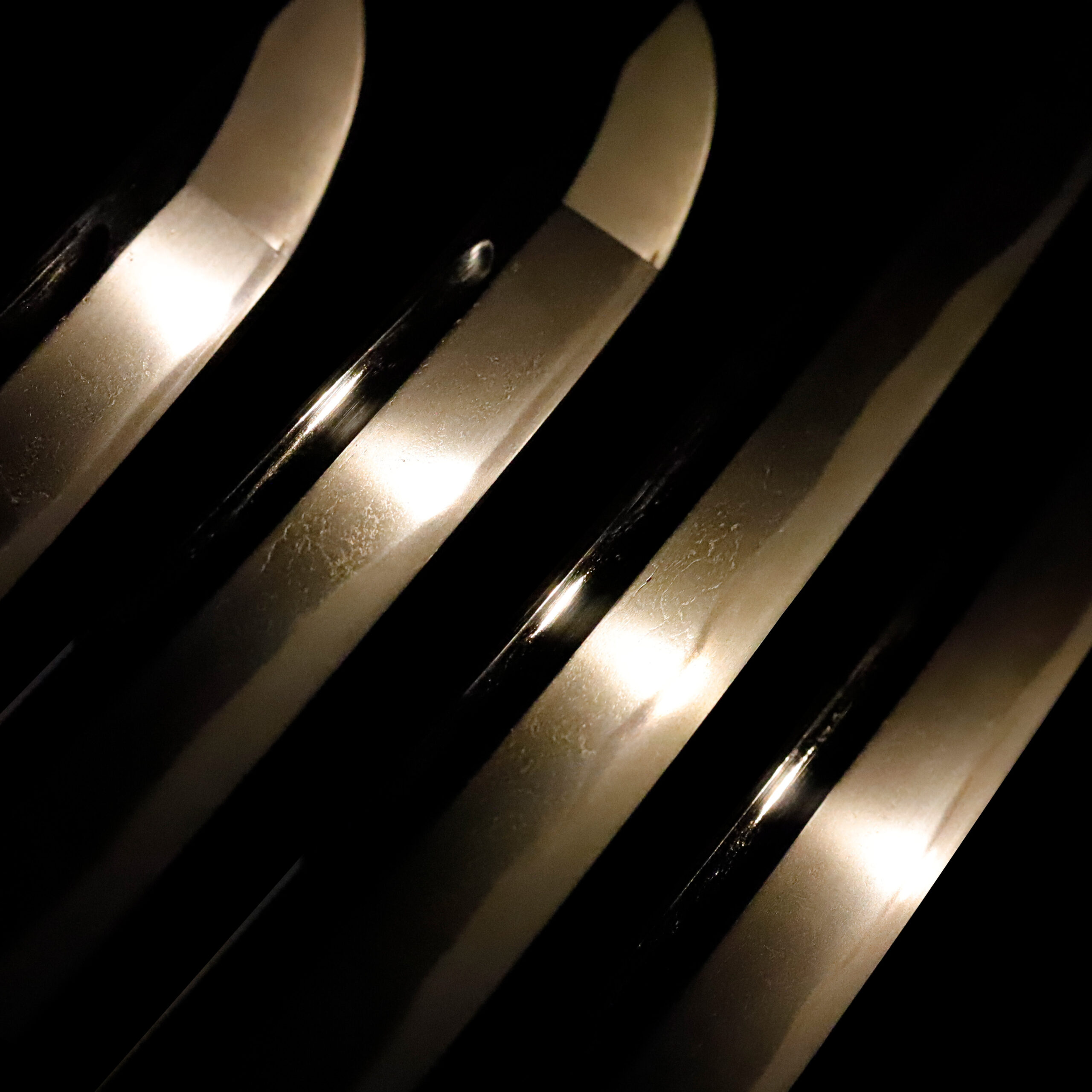
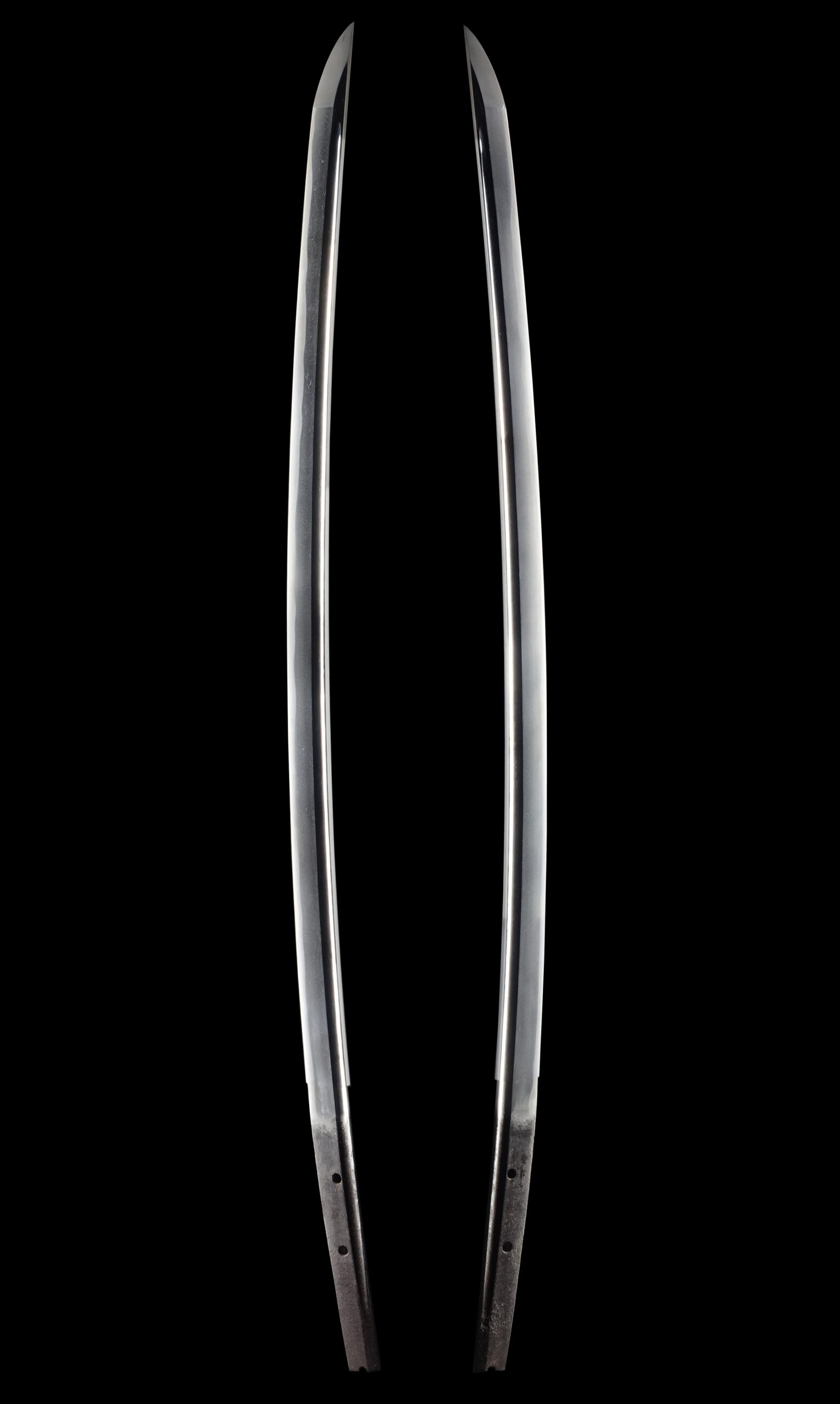
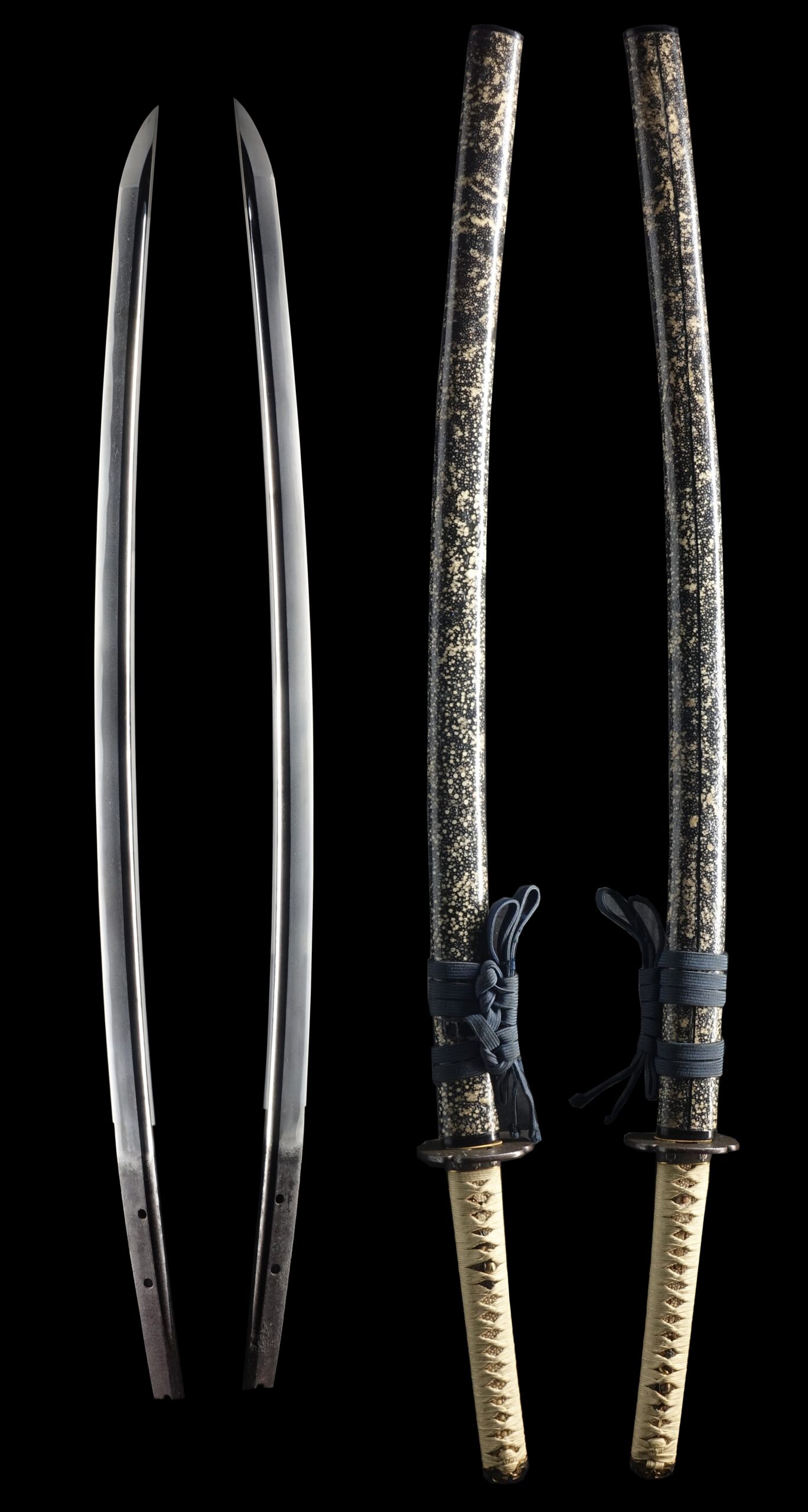
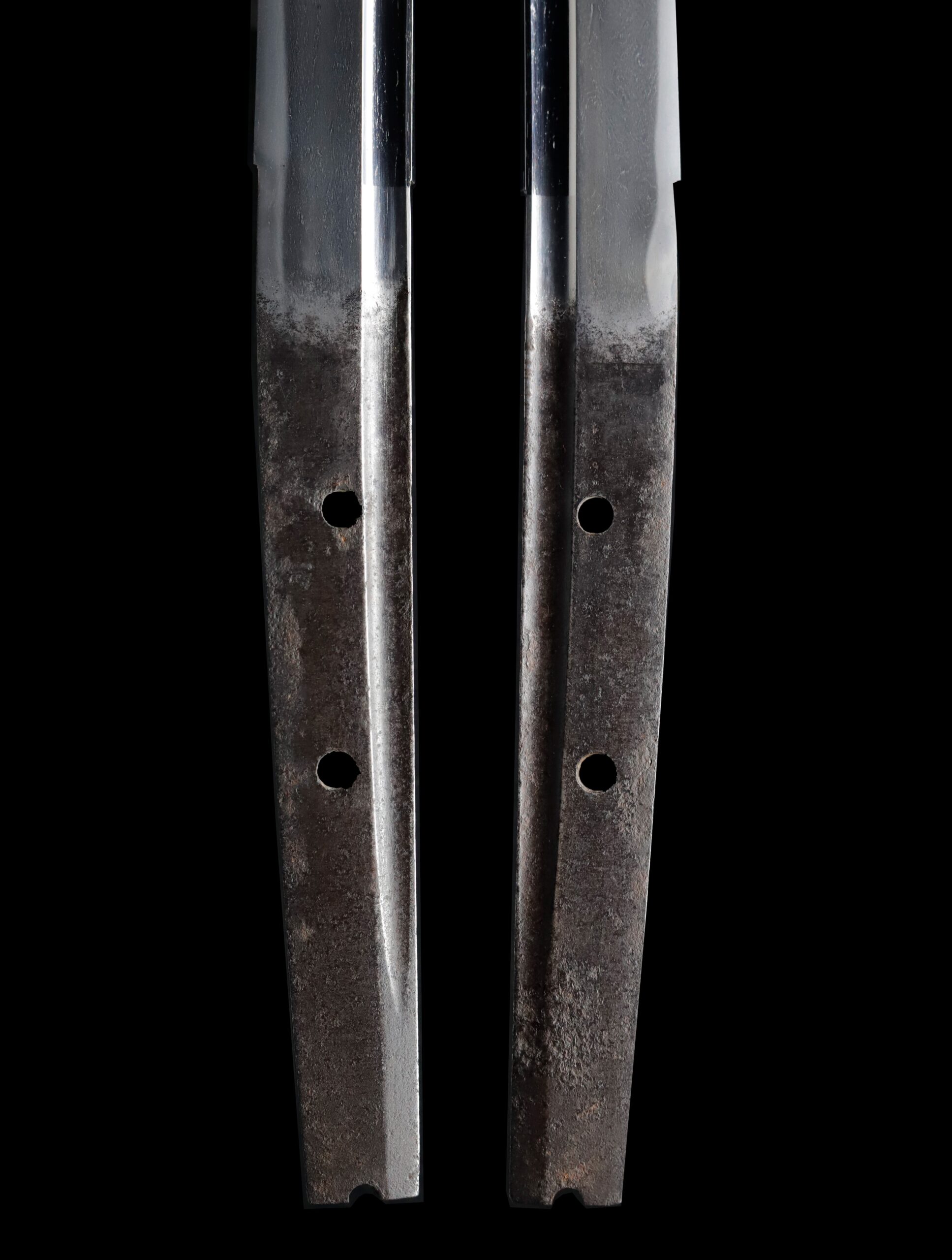
Bungo · around 1368-1375
Tōken Taikan top 23%
1 piece on the market now
The Nanbokuchō period (1333 to 1392)
Two courts, sixty years of war, and the most dramatic silhouettes in the sword’s history: broad blades, extended points, true ōdachi later cut down into the majestic katana collectors prize. The Sōshū manner was the style of the age.
A Hozon-certified blade judged to show notably superior workmanship and a better state of preservation. The bar is higher: re-tempered blades and most unsigned Muromachi/Edo works are excluded.
The NBTHK (Nihon Bijutsu Tōken Hozon Kyōkai, the Society for the Preservation of Japanese Art Swords) is a public-interest incorporated foundation founded in 1948 and supervised by Japan’s Agency for Cultural Affairs (Bunkachō); it is based at the Japanese Sword Museum in Tokyo. Its expert panels physically examine each submitted work (shinsa) and issue a certificate (kanteishō) ranking it by artistic and historical merit. NBTHK papers are the most widely recognized standard of authentication for Japanese swords and fittings.
NBTHK official siteReturns/exchanges limited to defects caused by shipping (except willful misconduct or gross negligence by the company); customers must contact within 72 hours of receiving the product.