NihontoWatch Mon

NihontoWatch

Market
Encyclopedia
Kantei
NihontoWatch Mon

NihontoWatch

Market
Encyclopedia
Kantei

Description

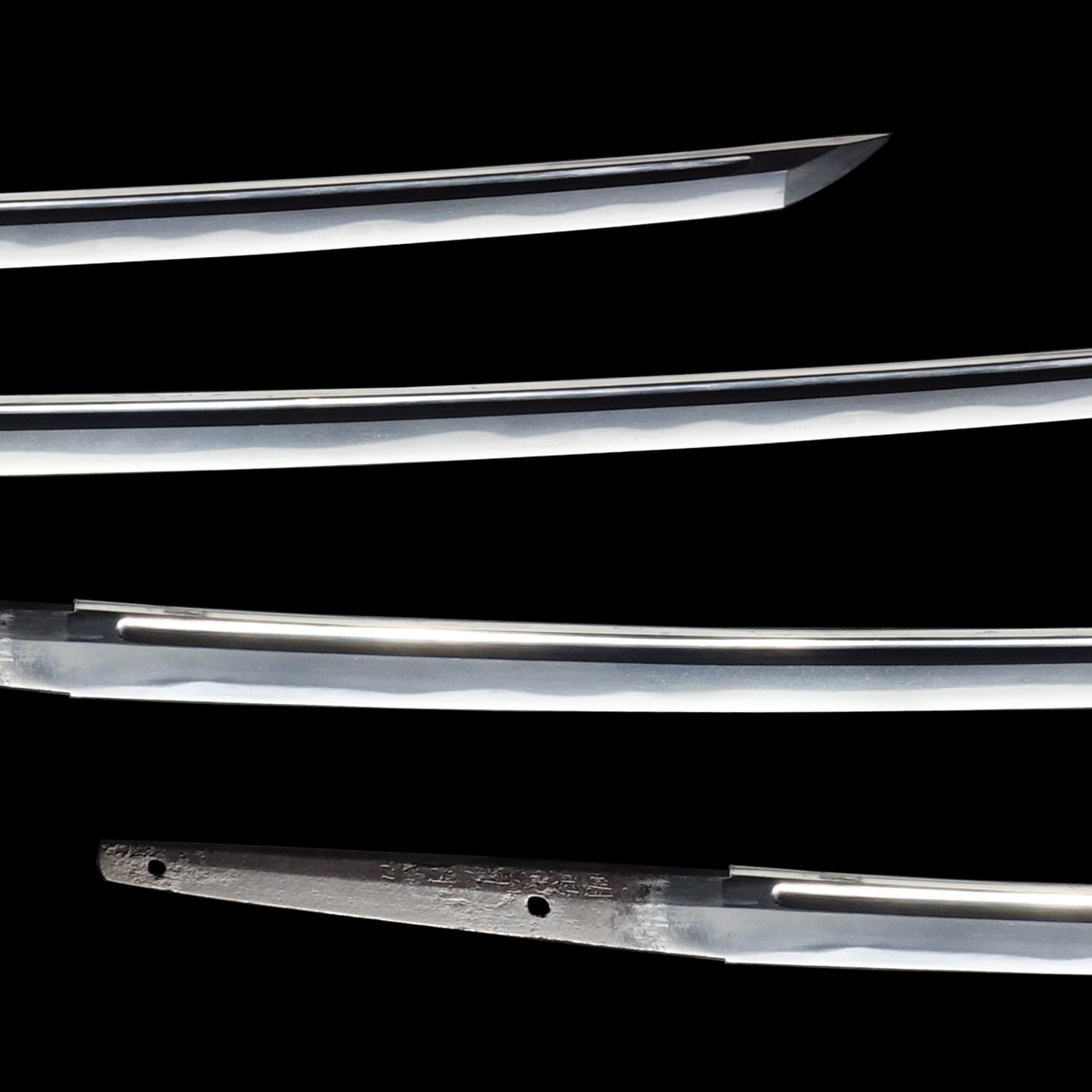
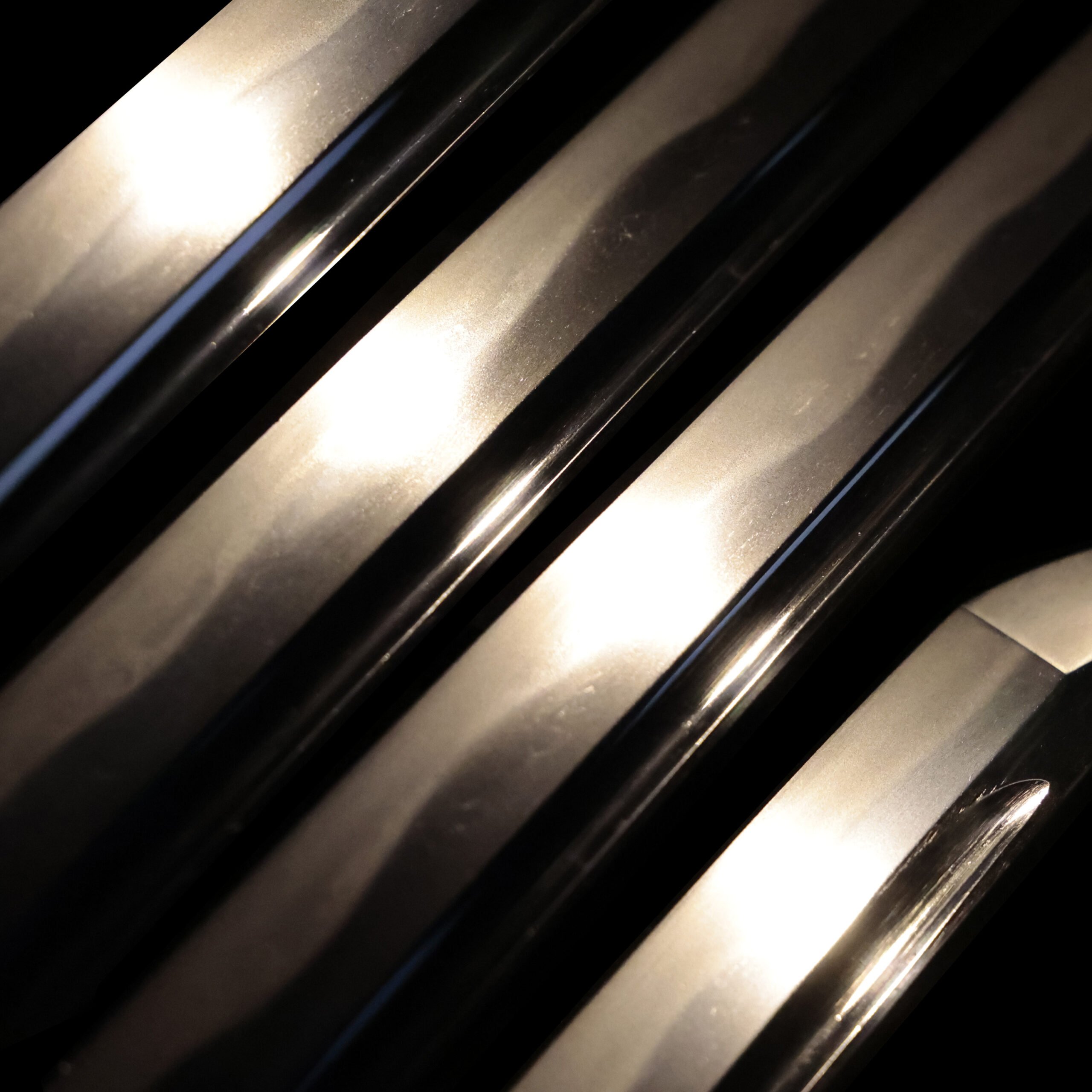
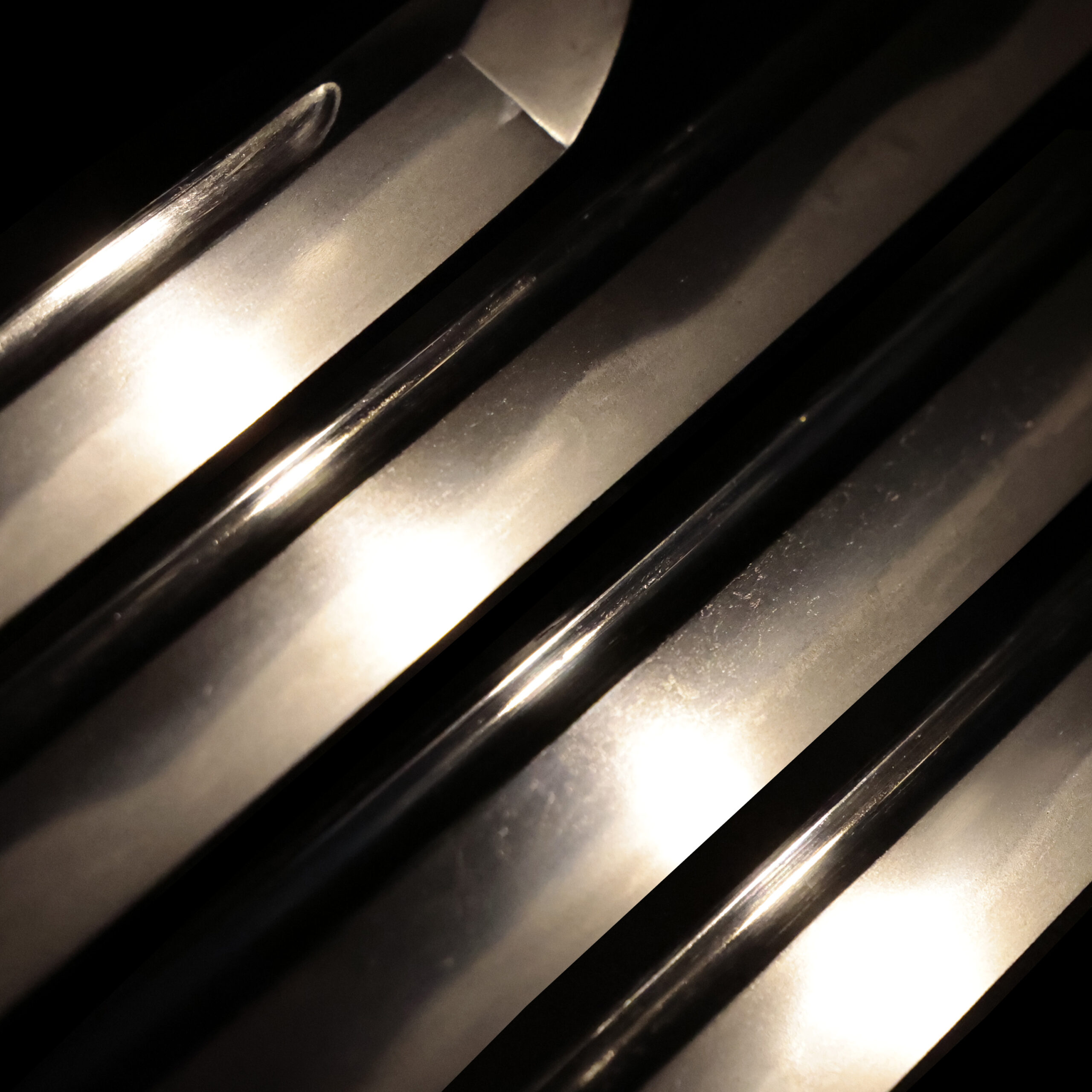
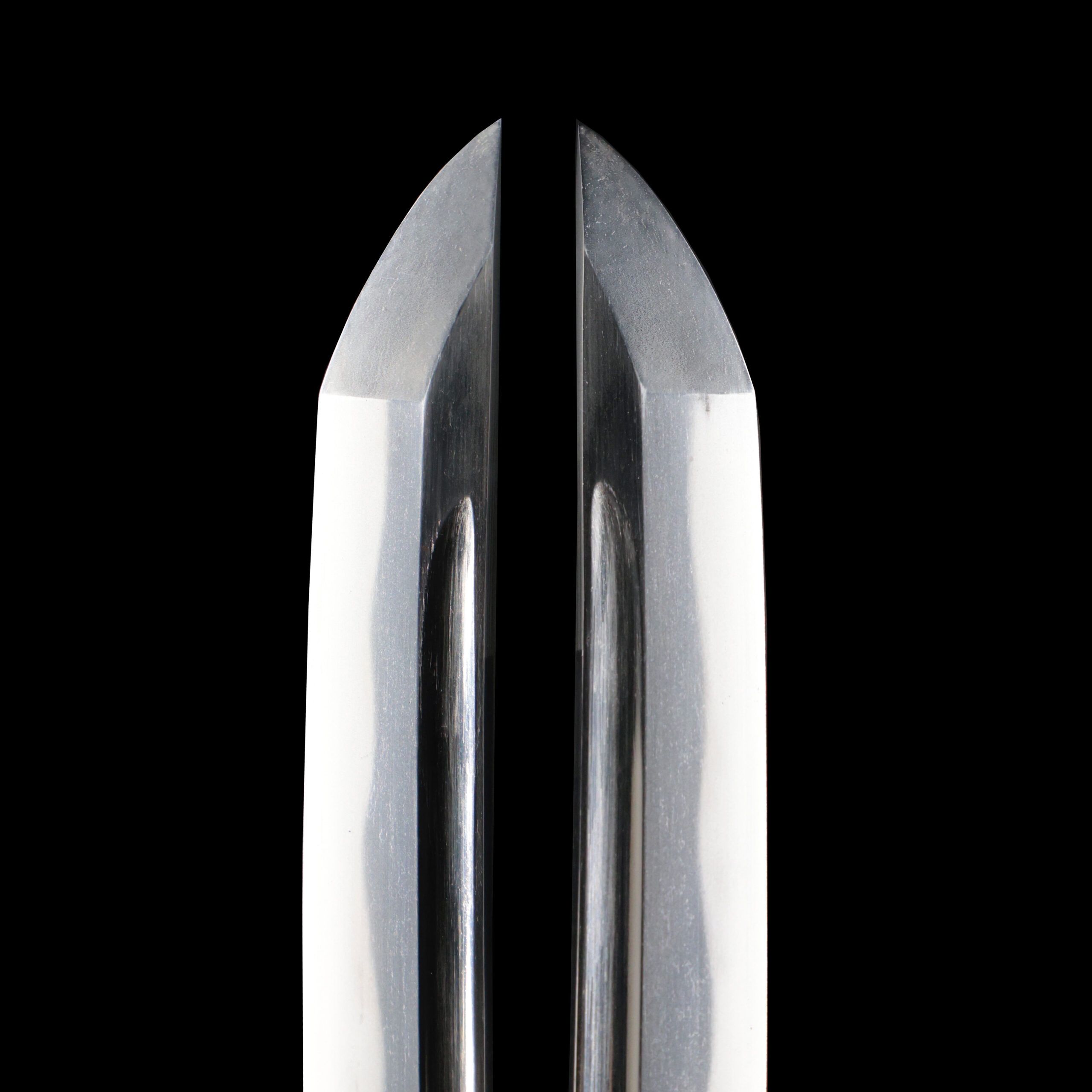
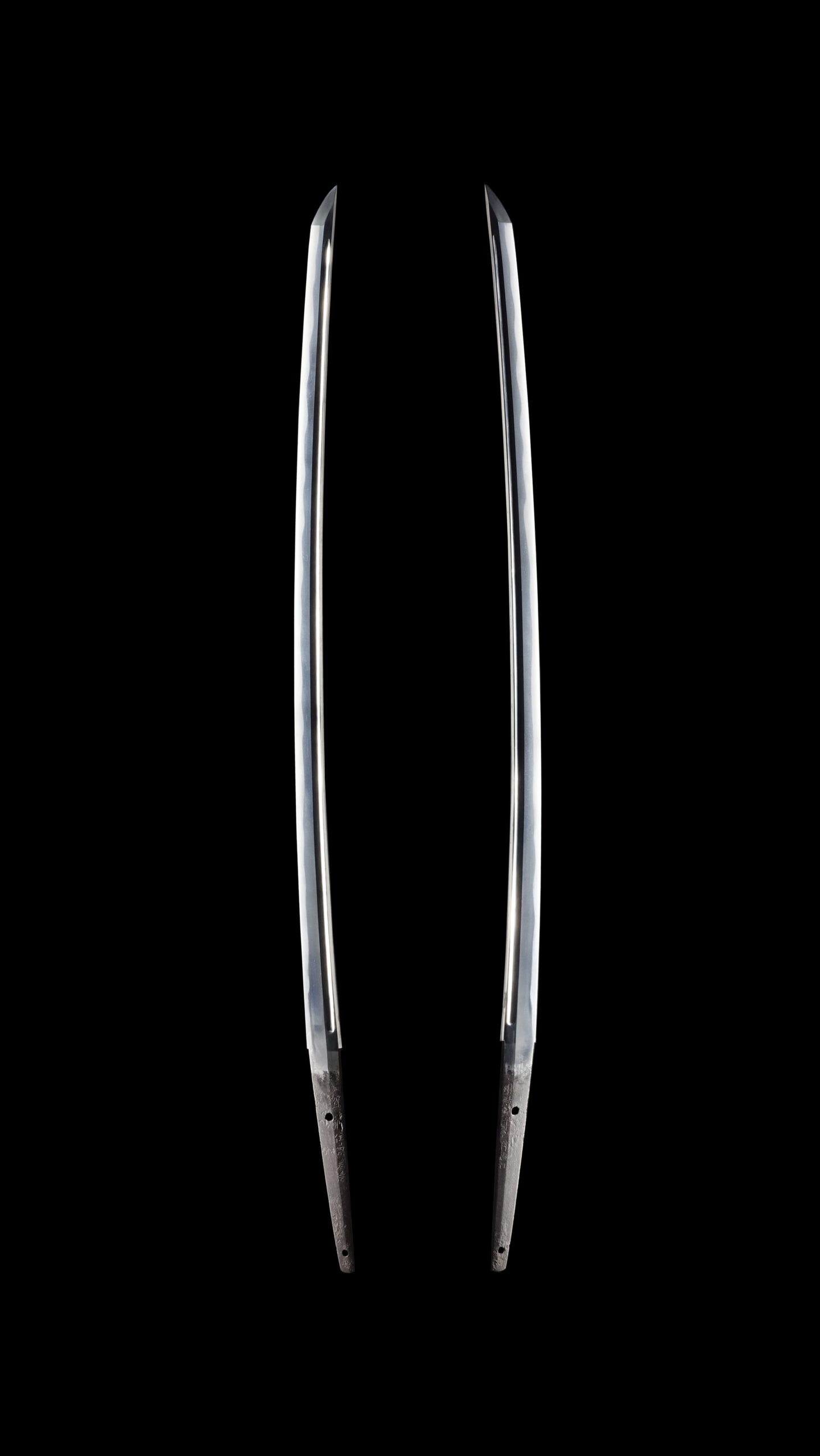
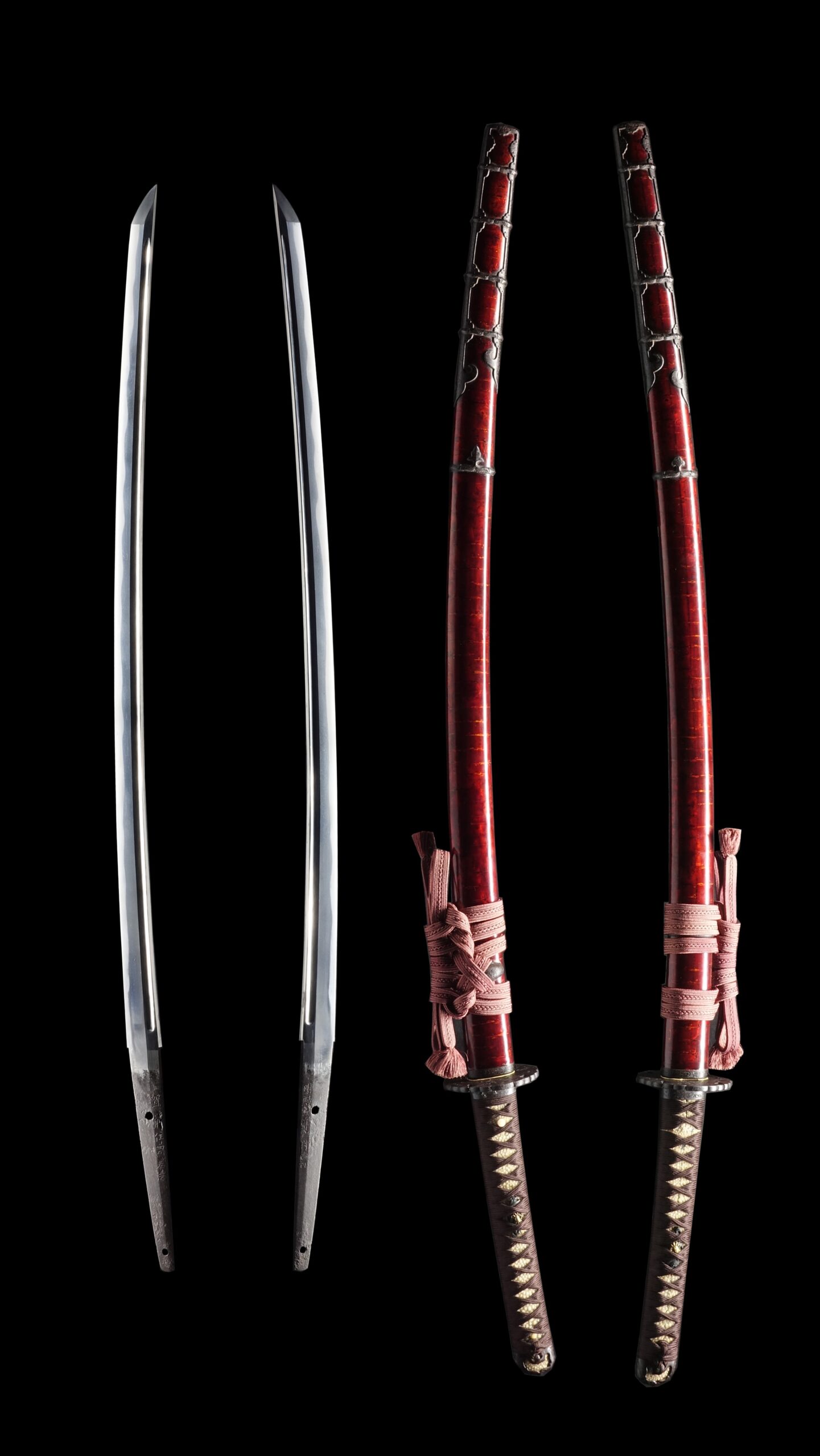
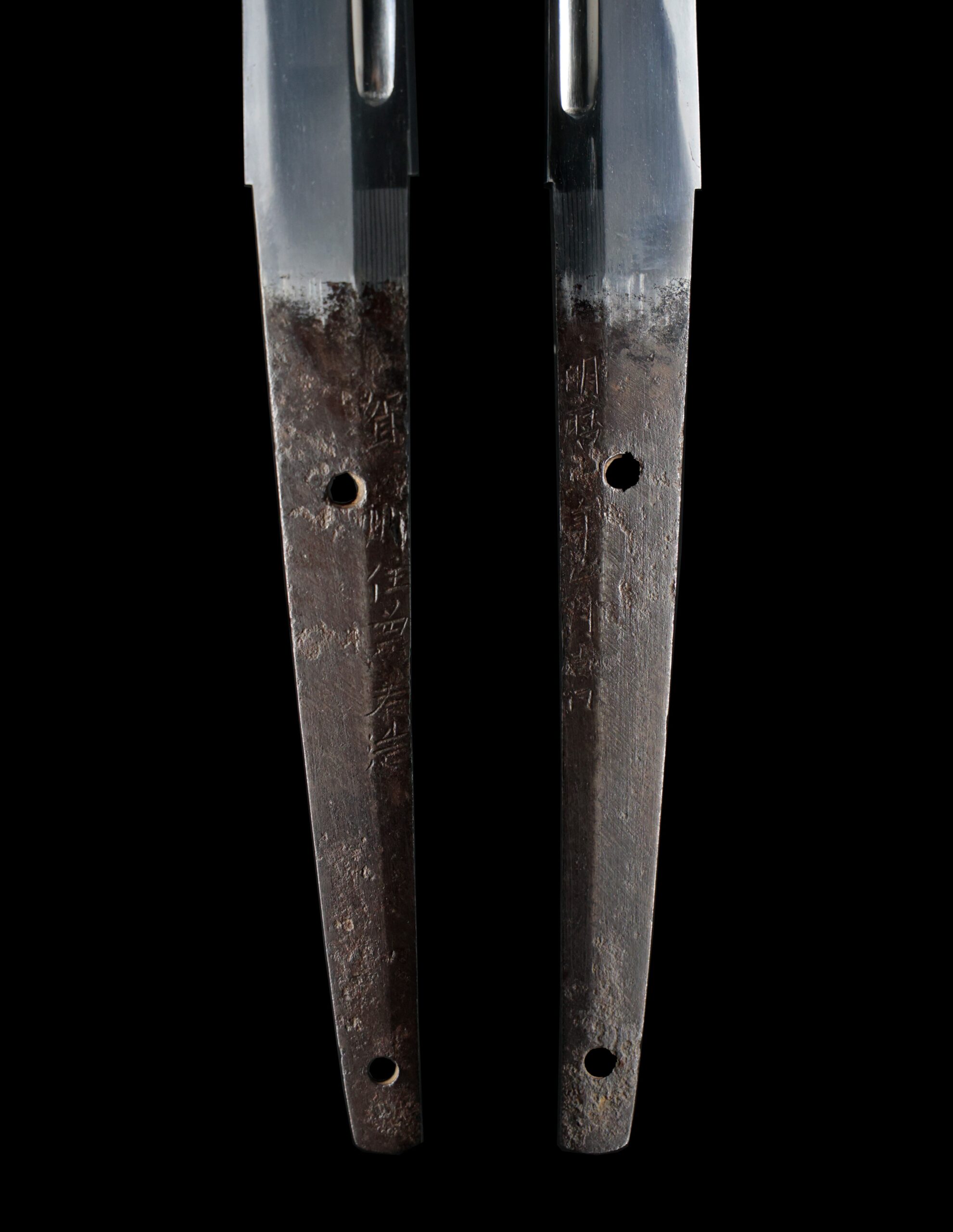
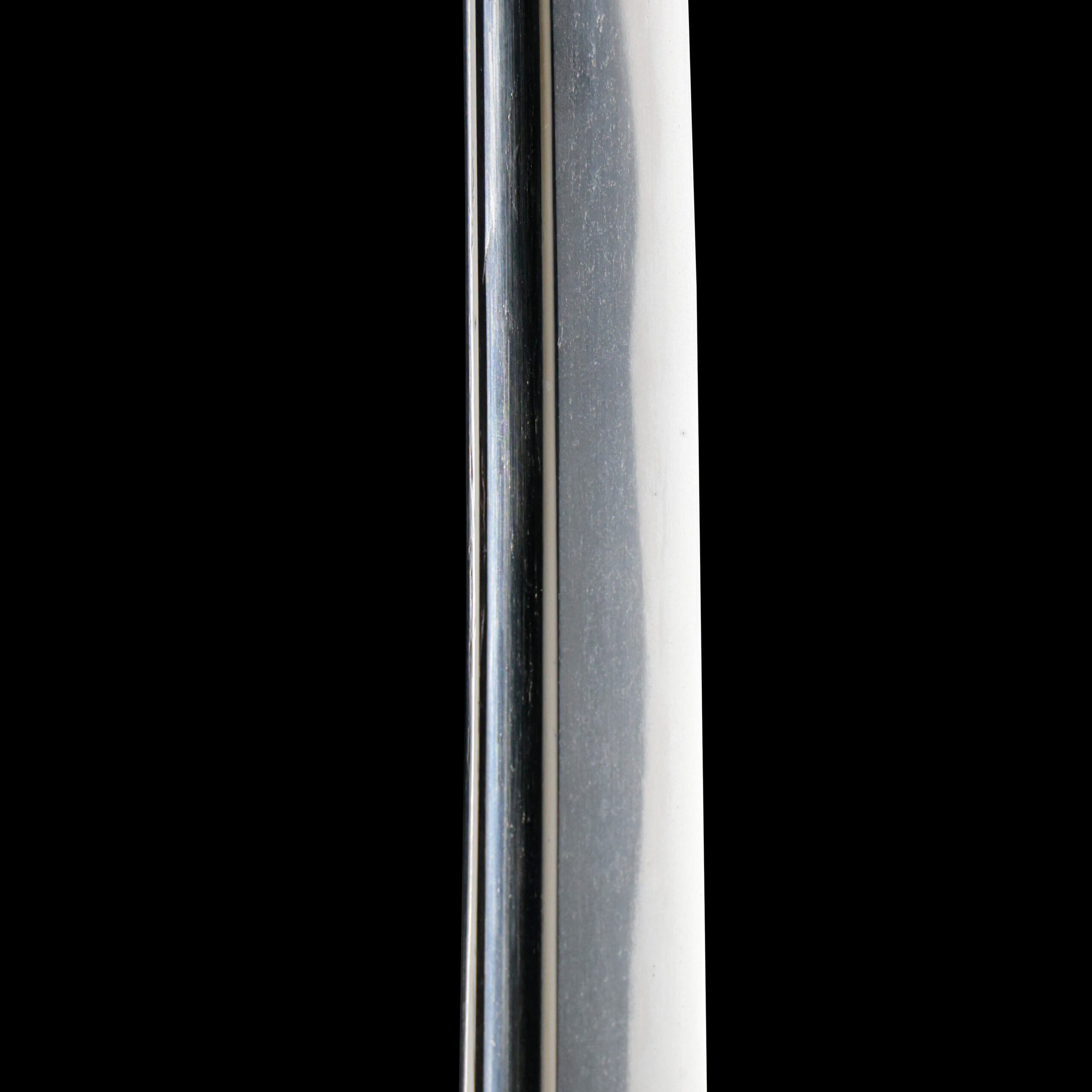
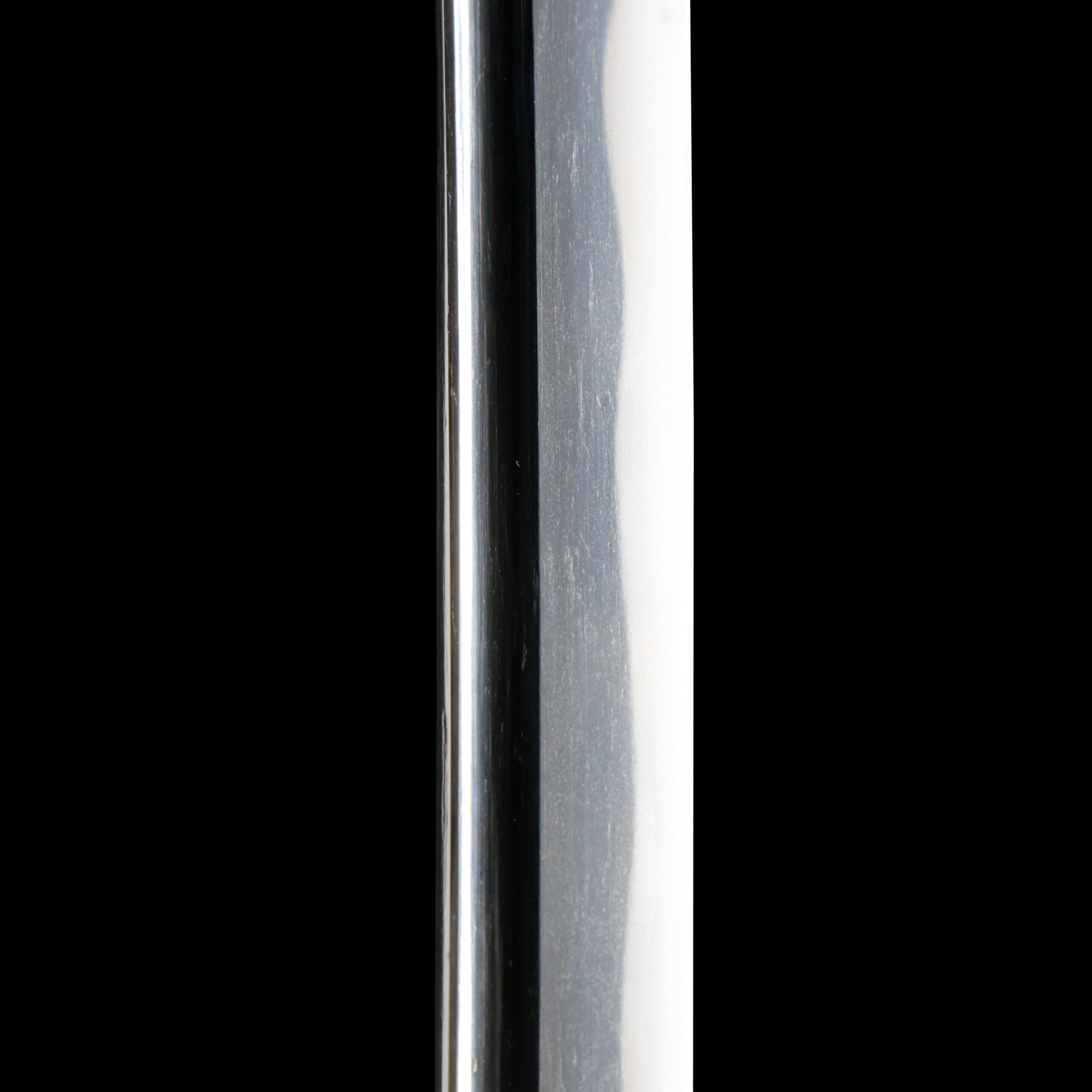
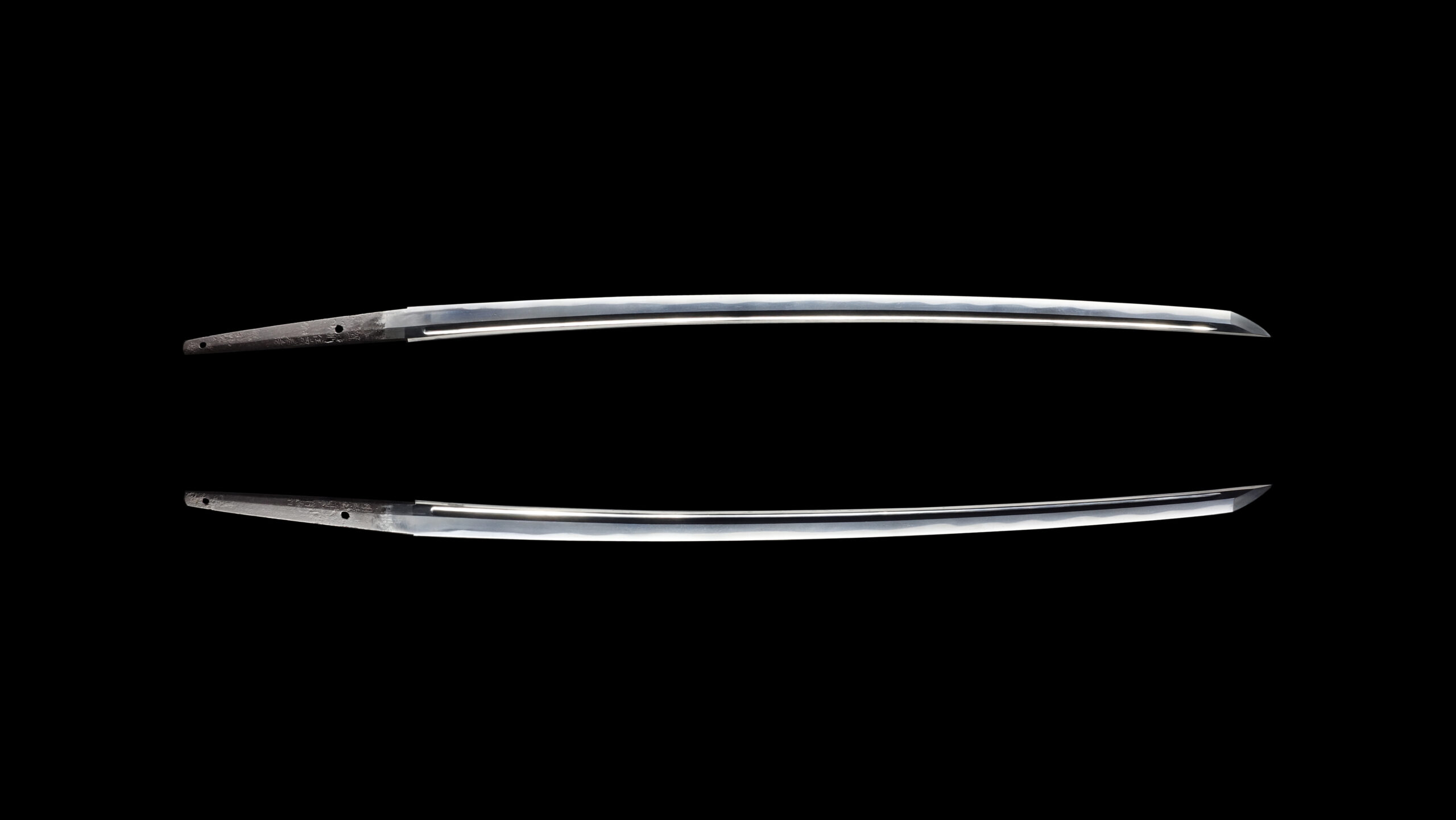
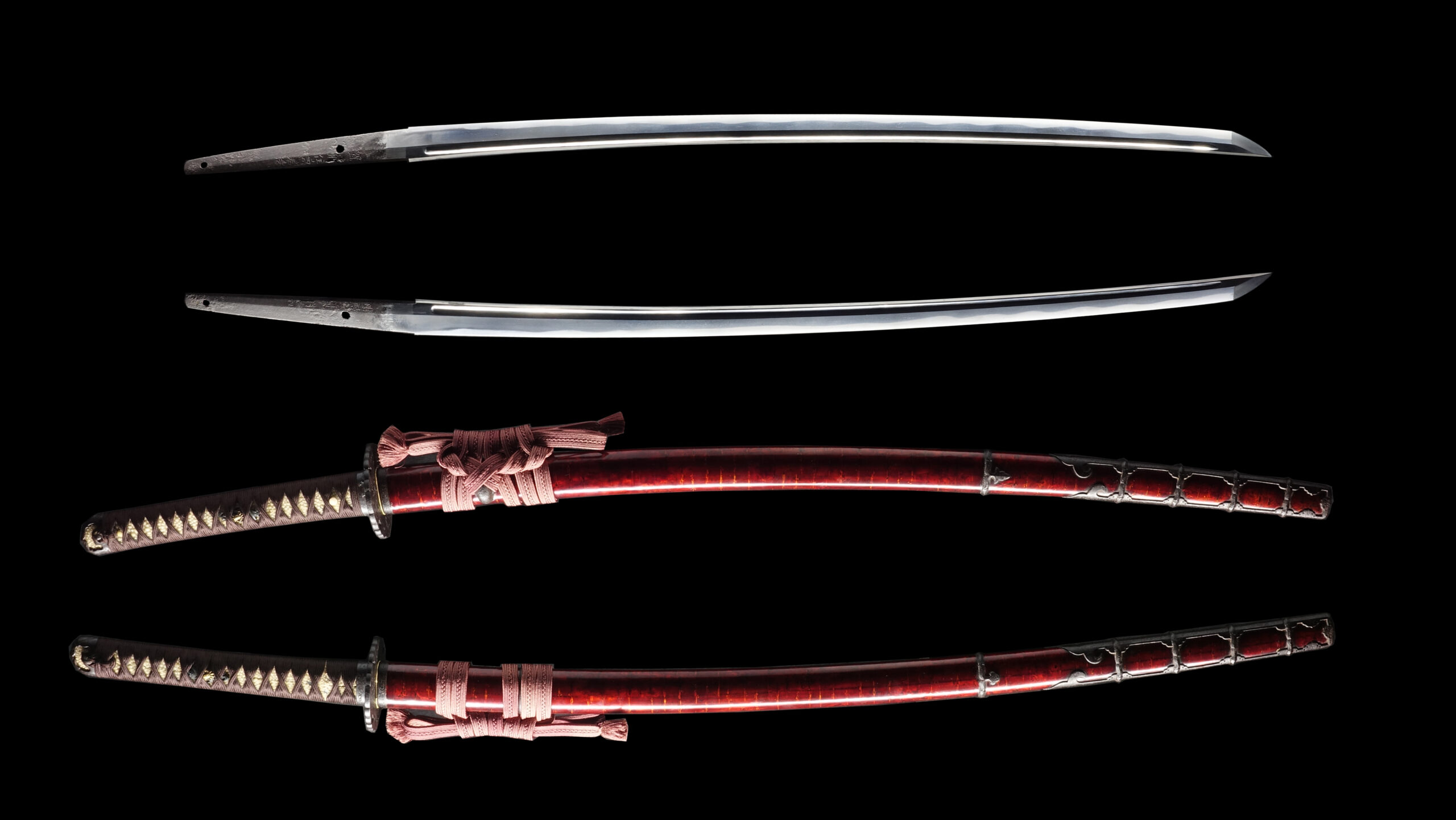
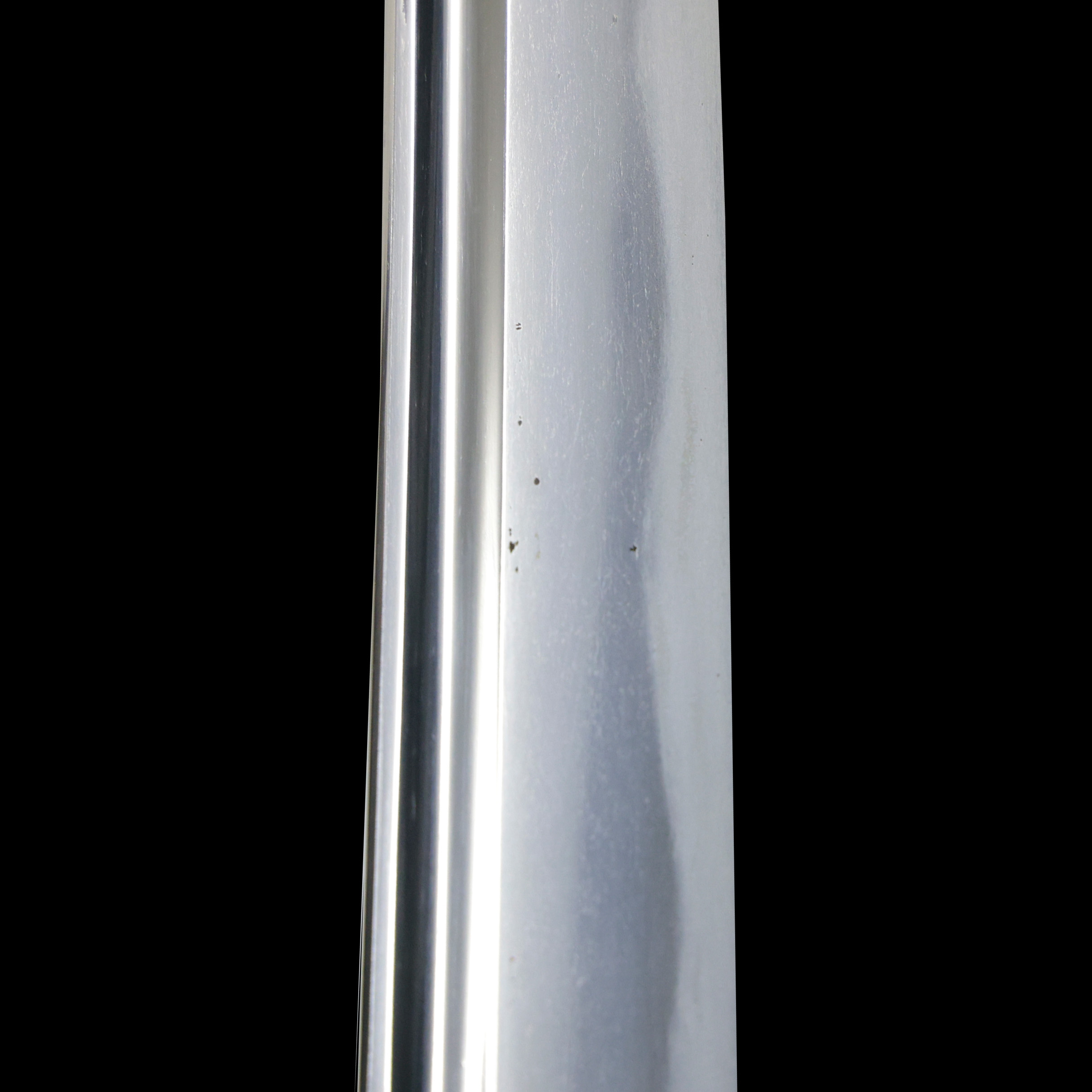
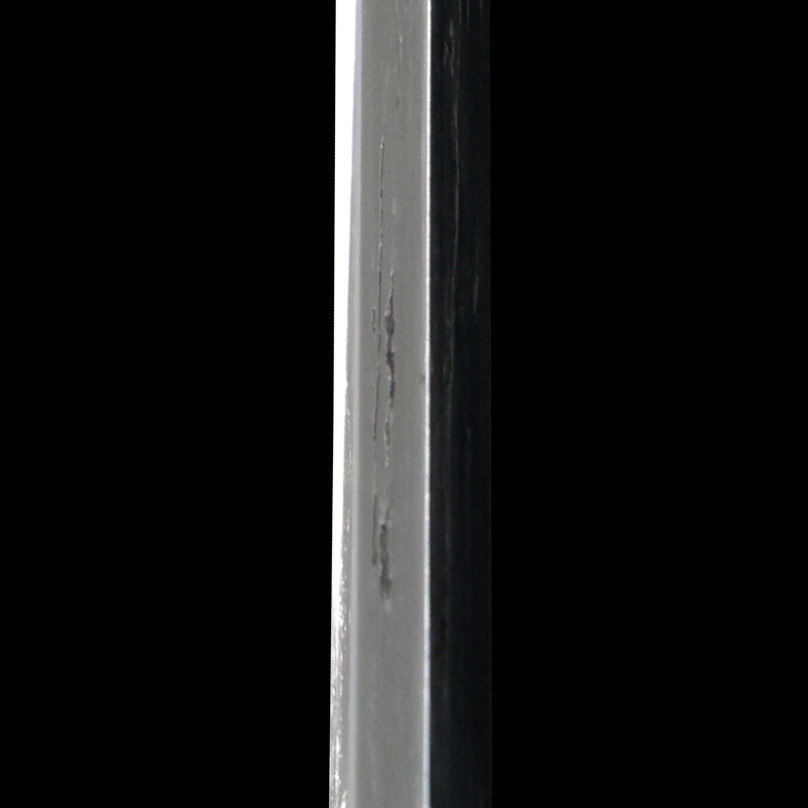
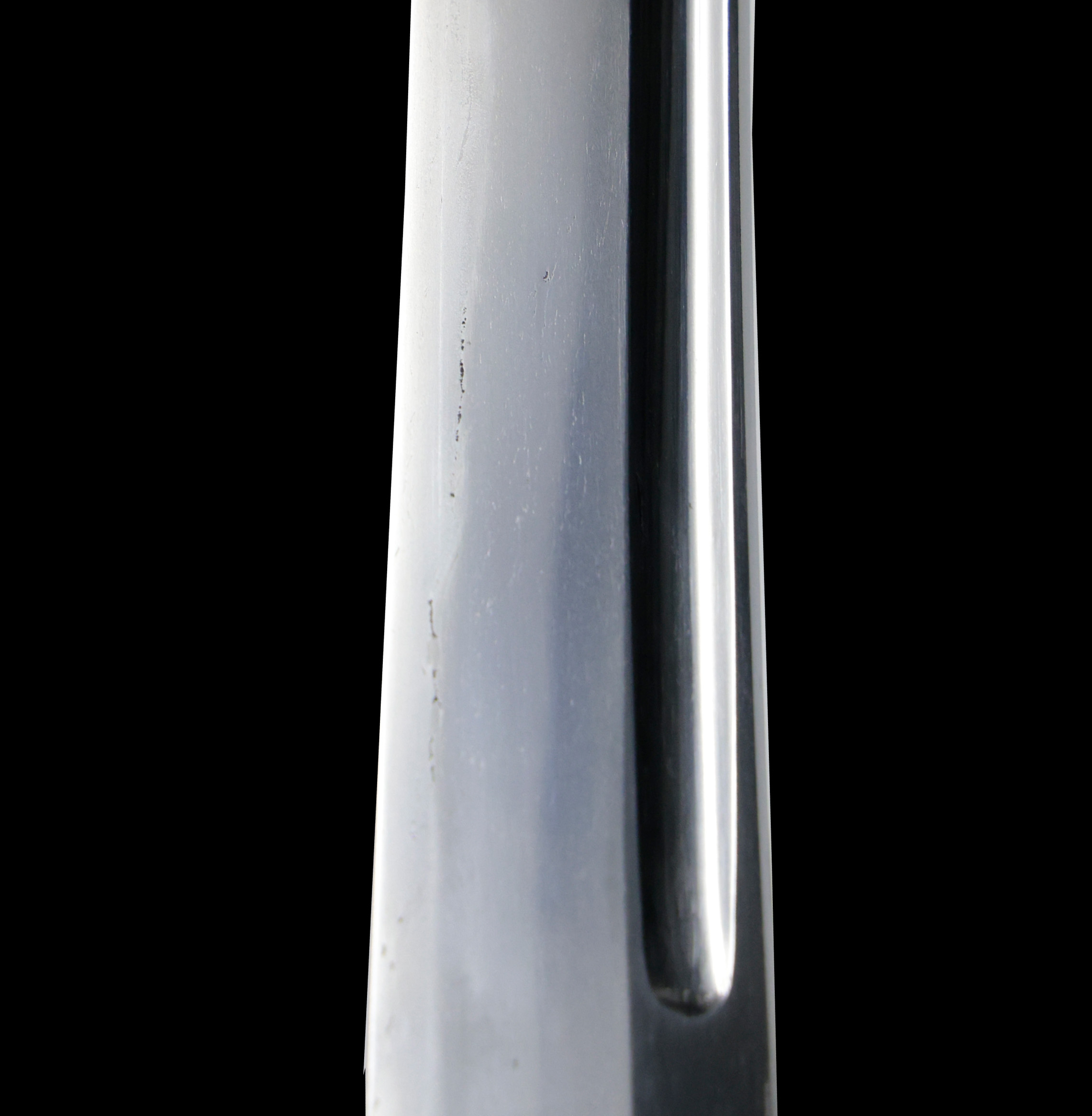
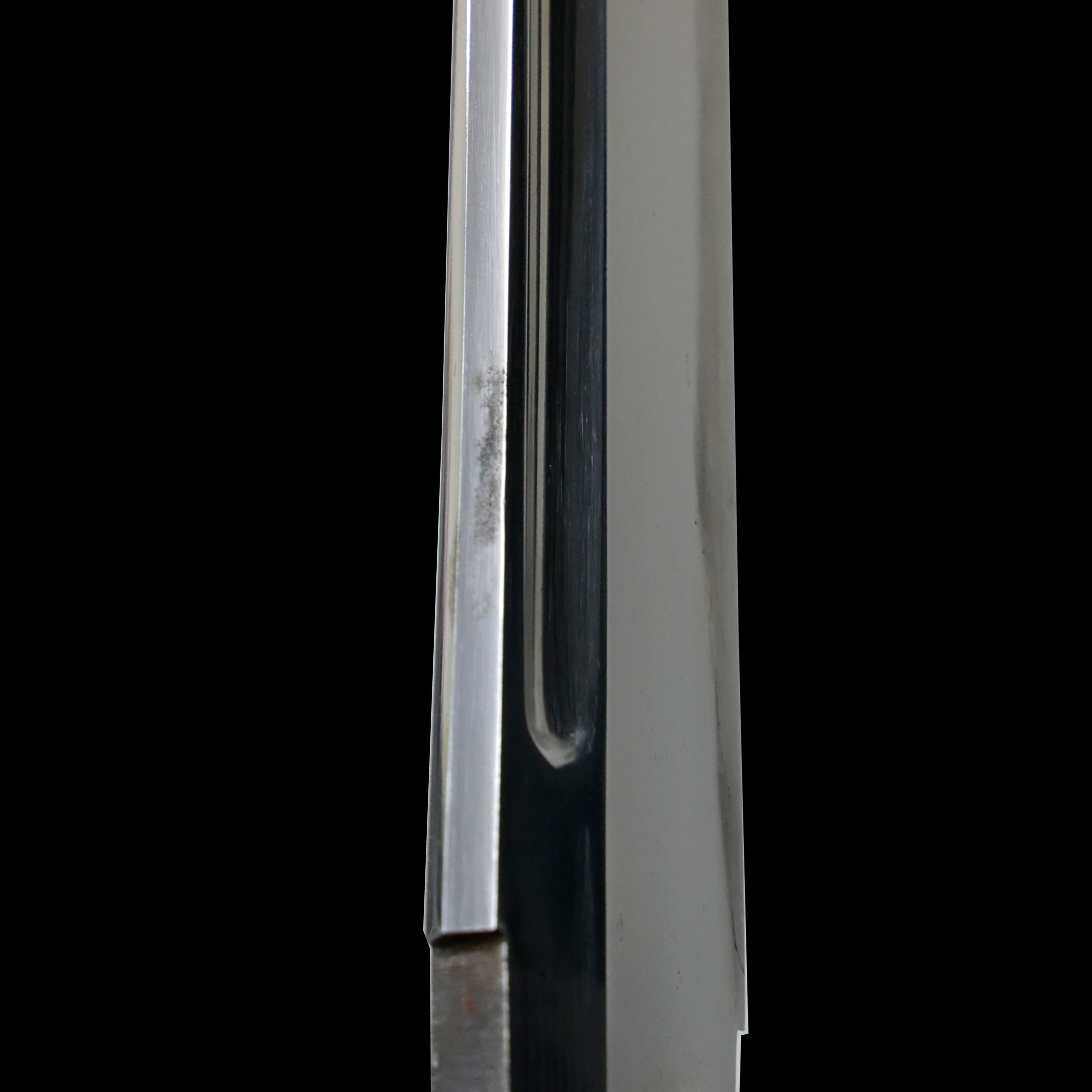
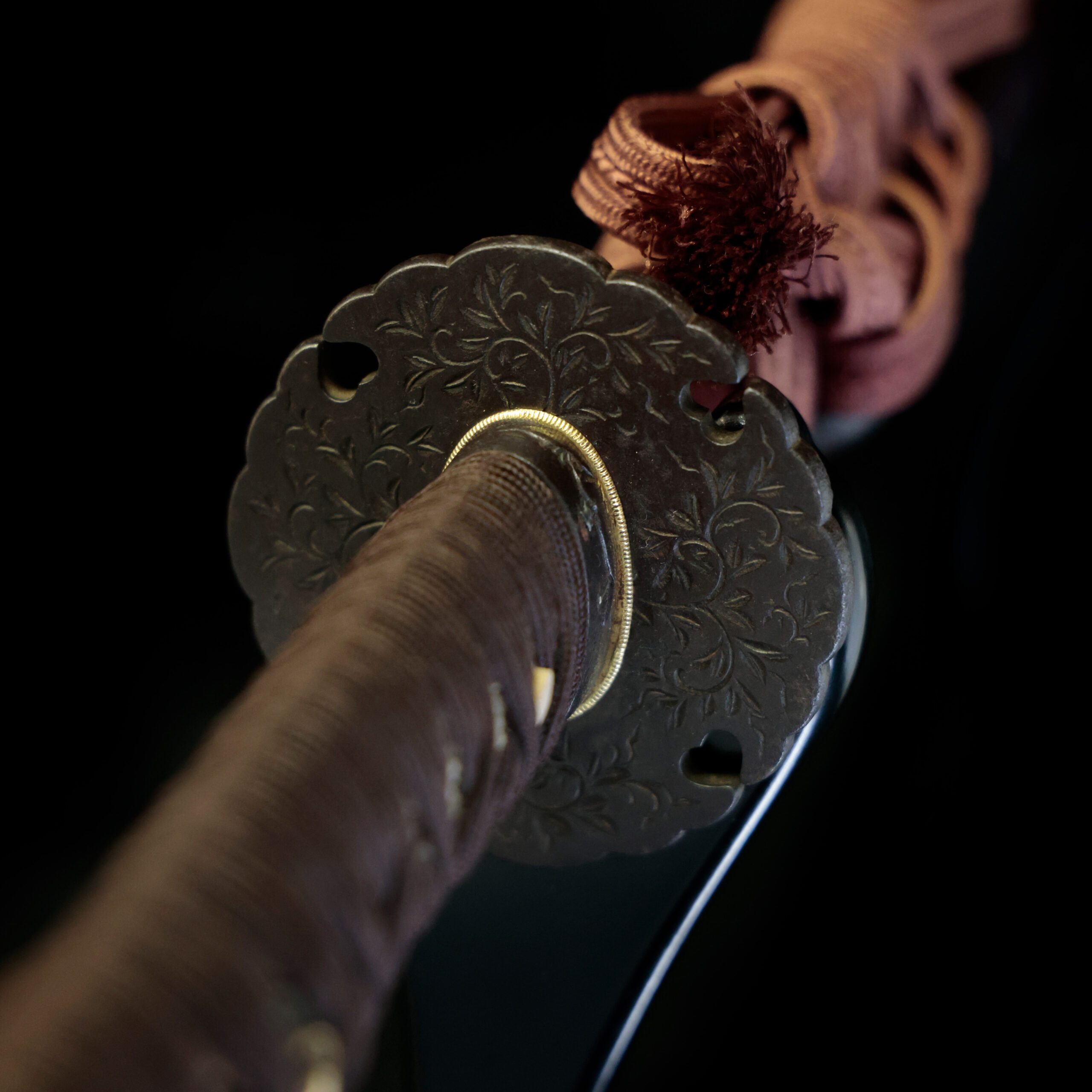
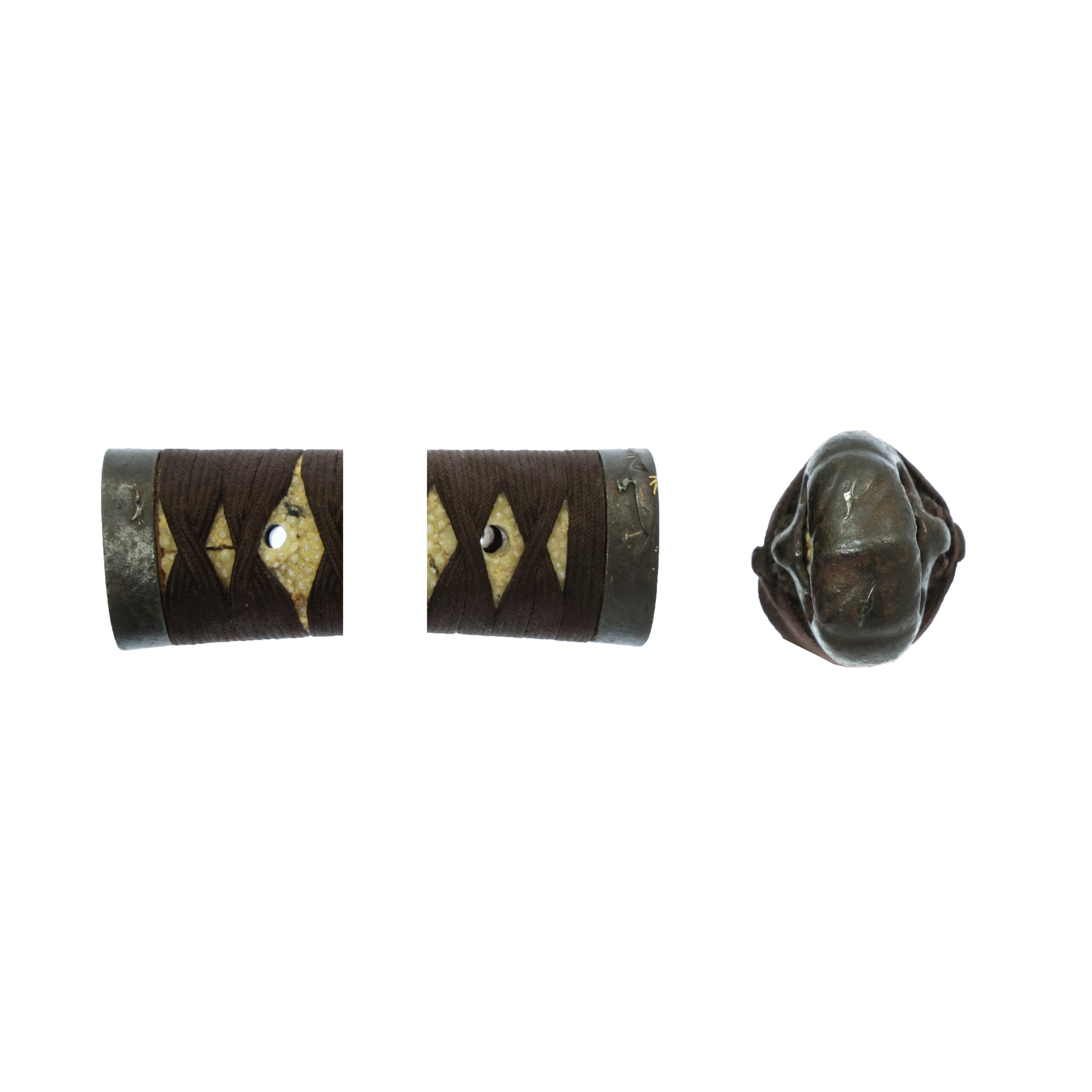
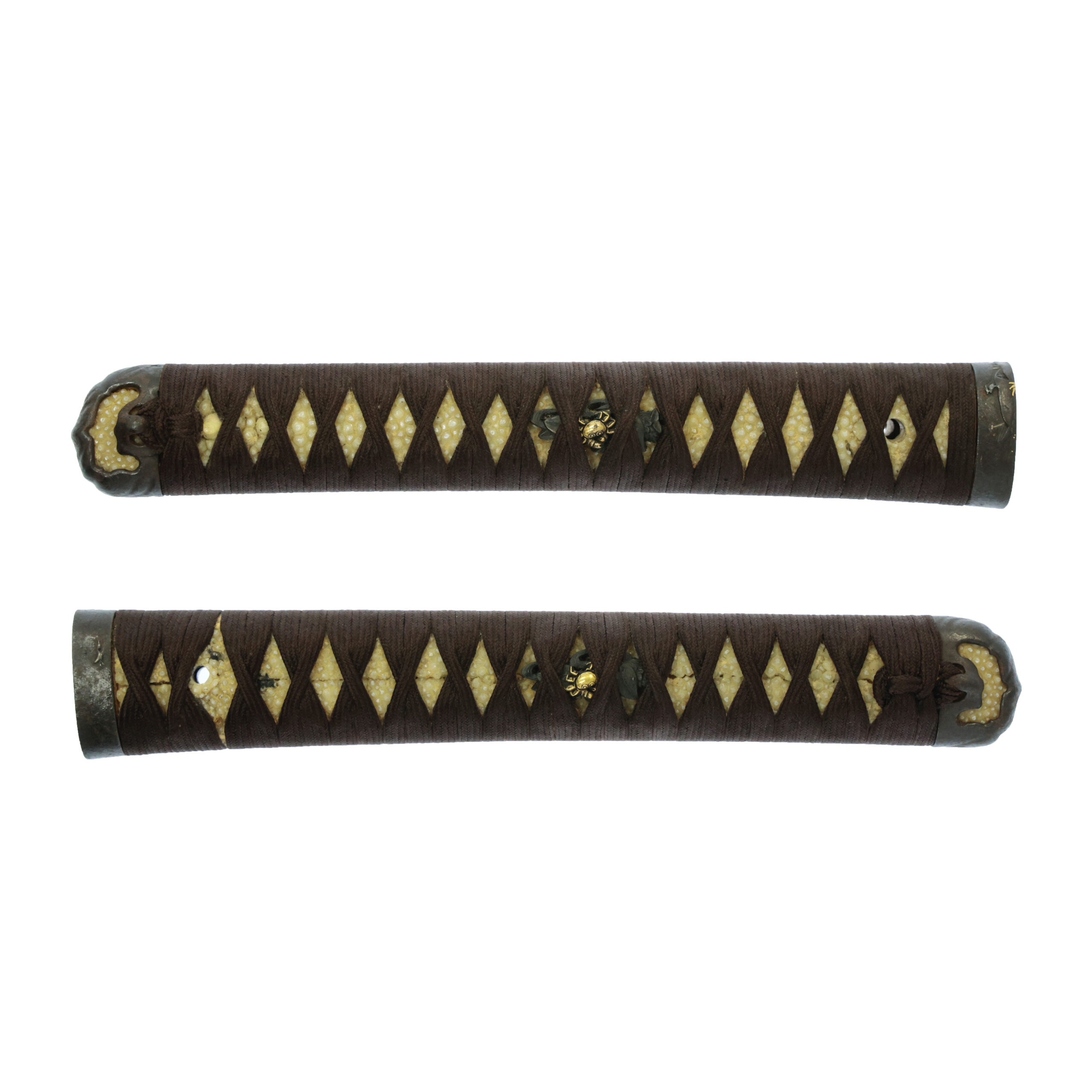
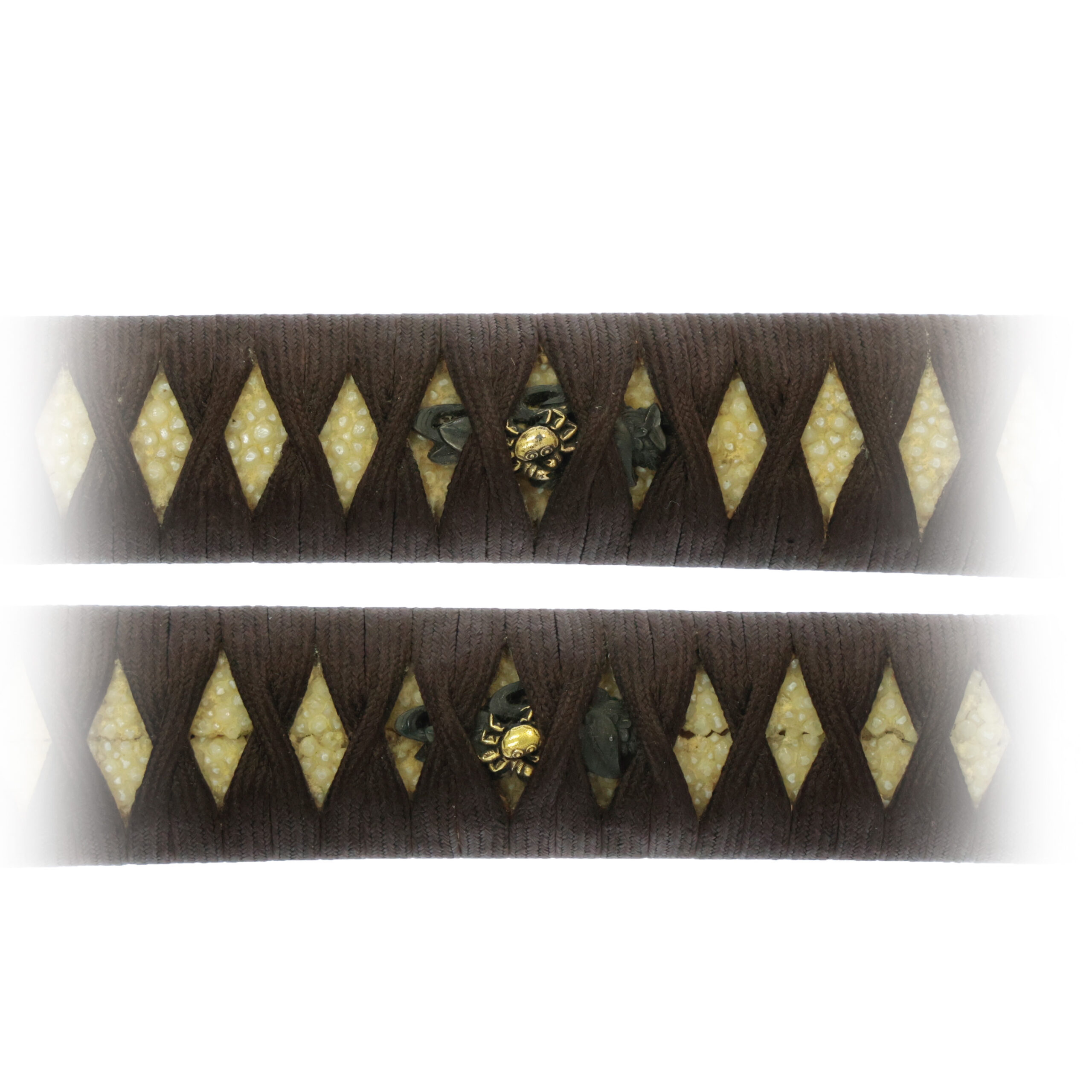
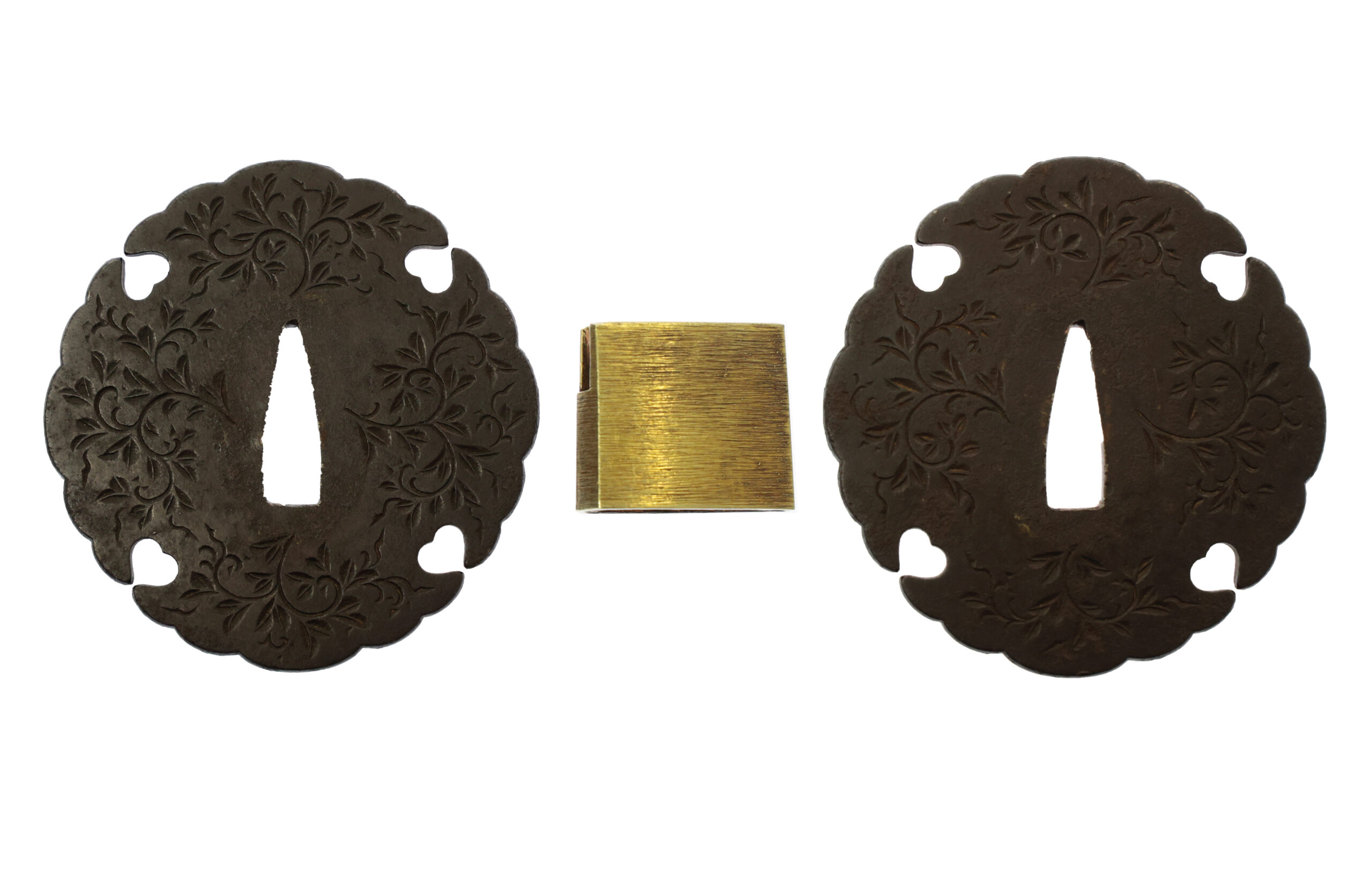
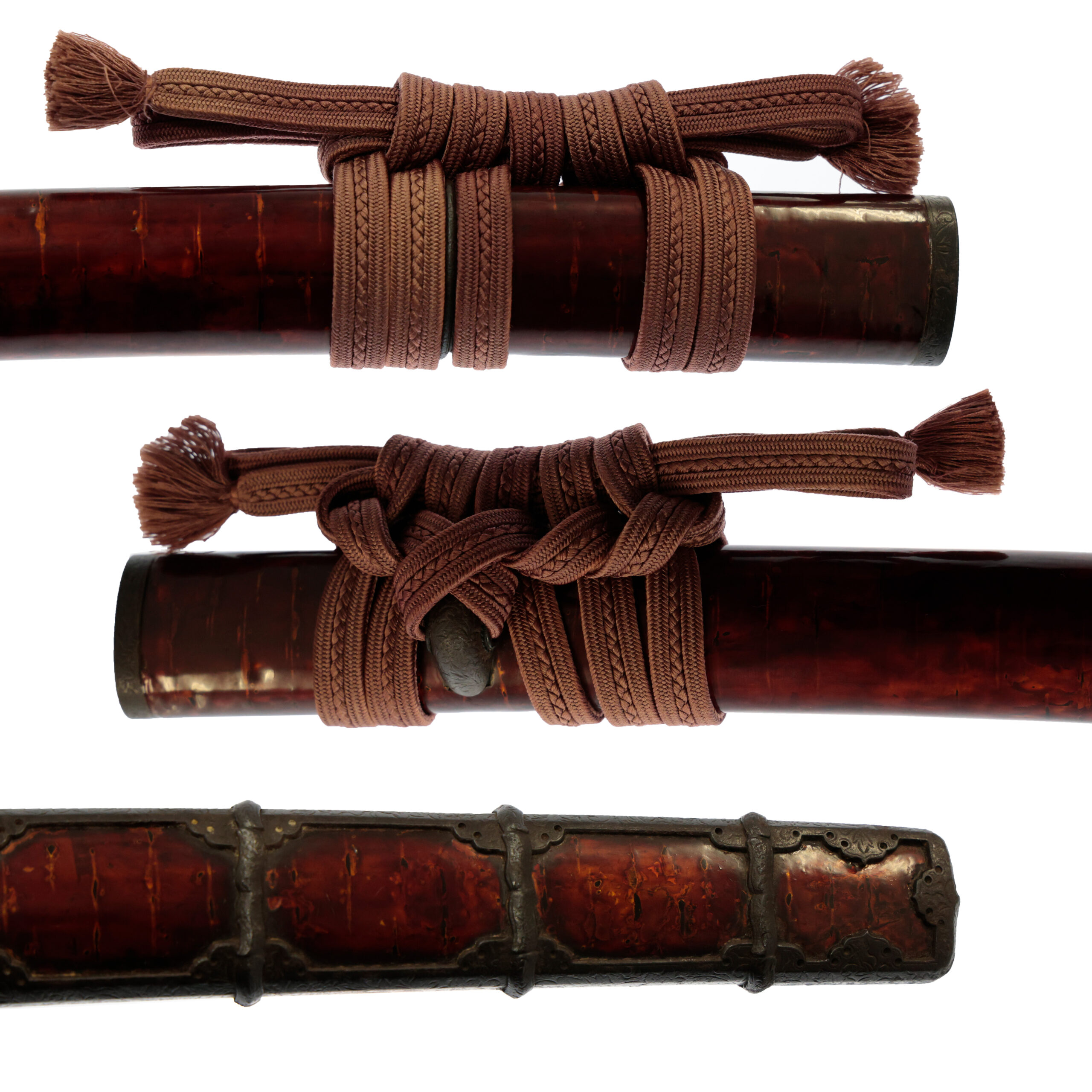
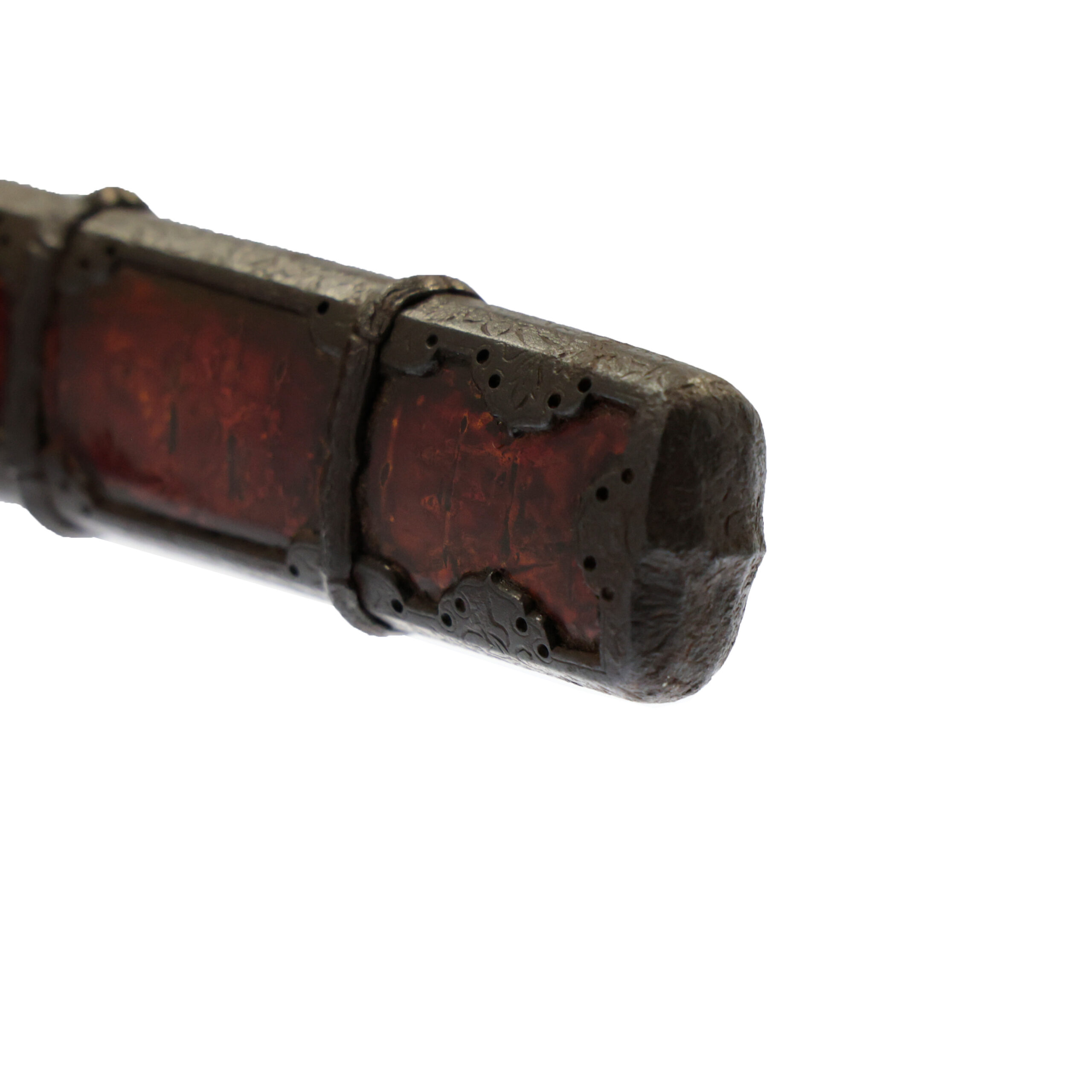
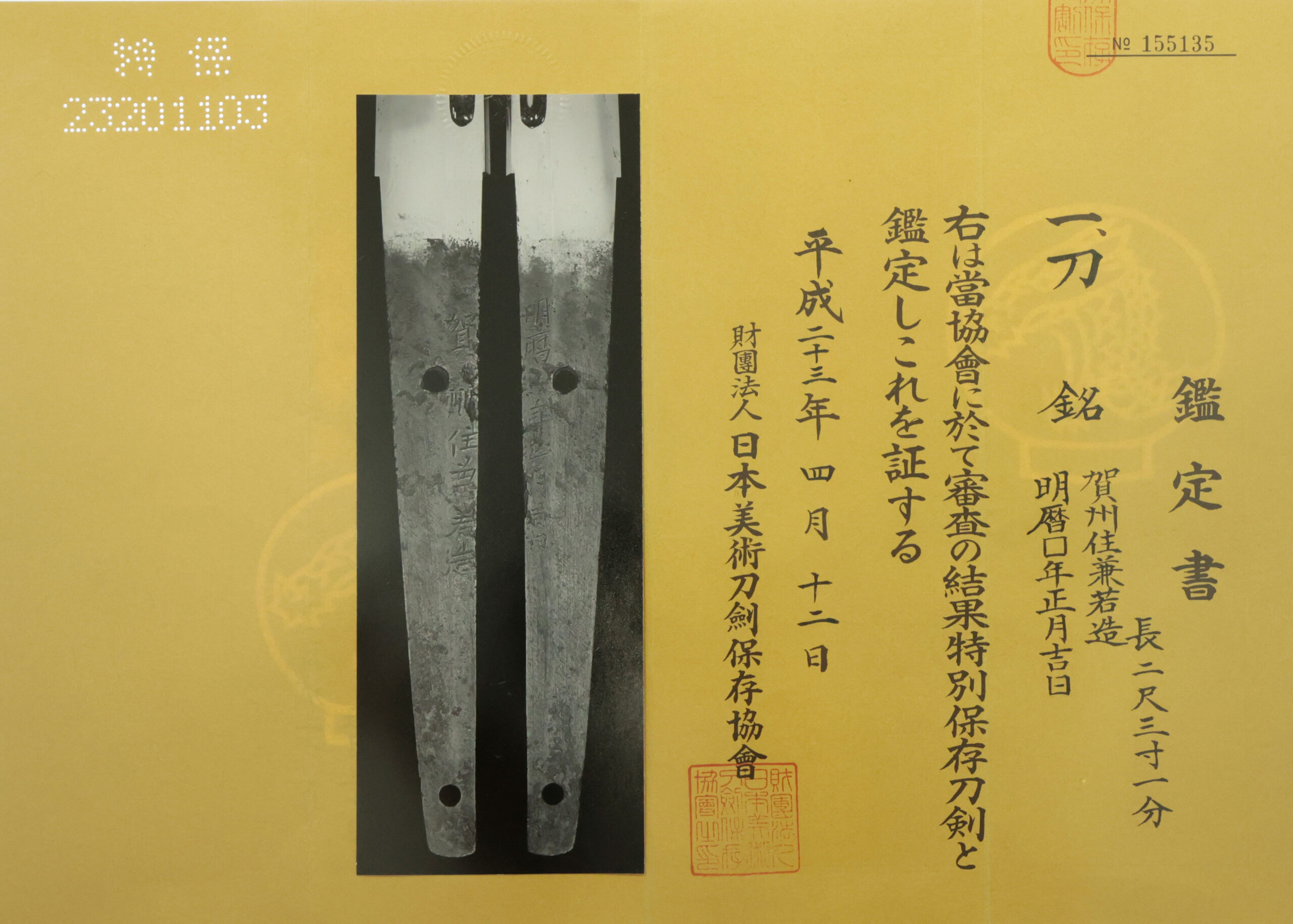
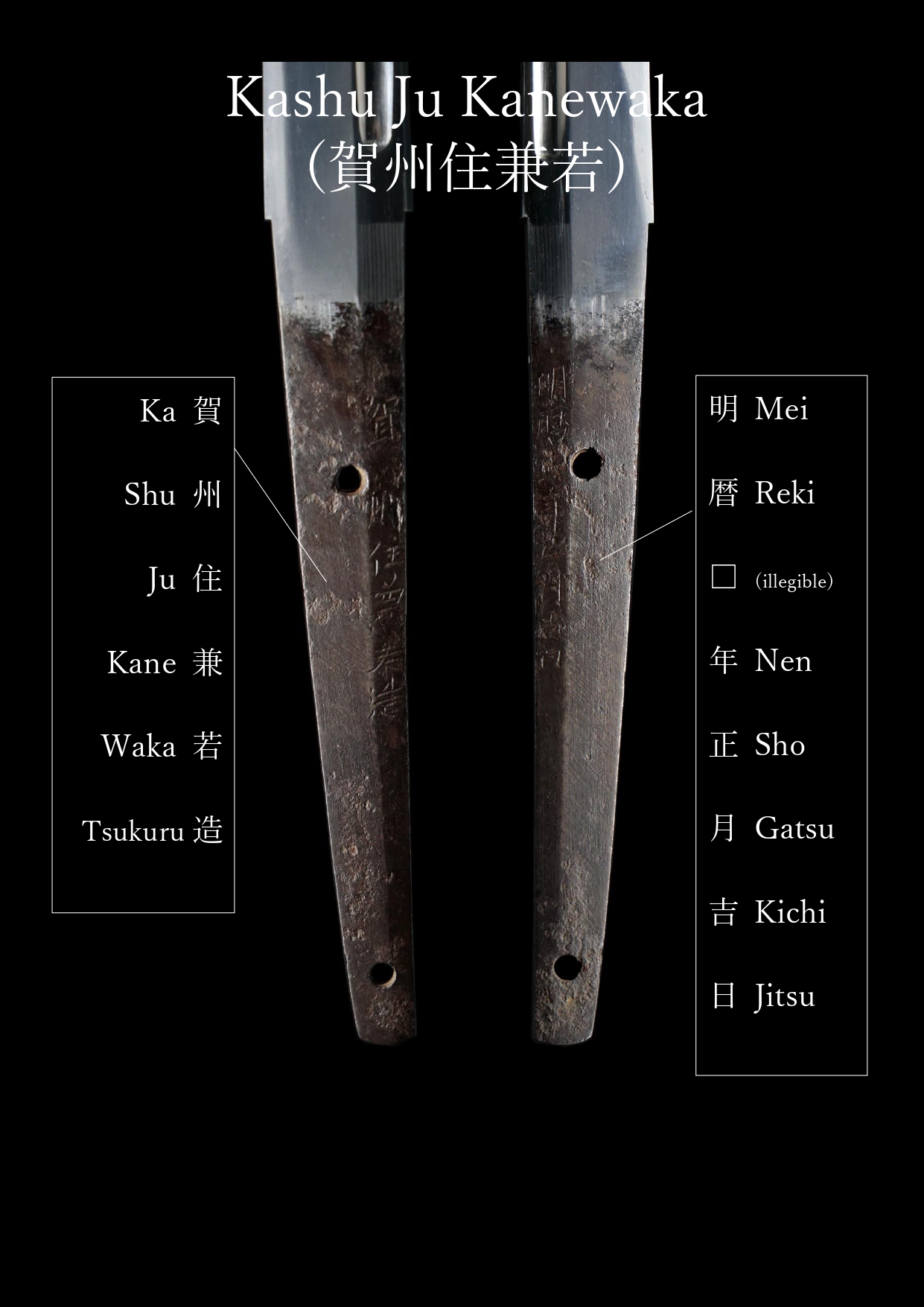
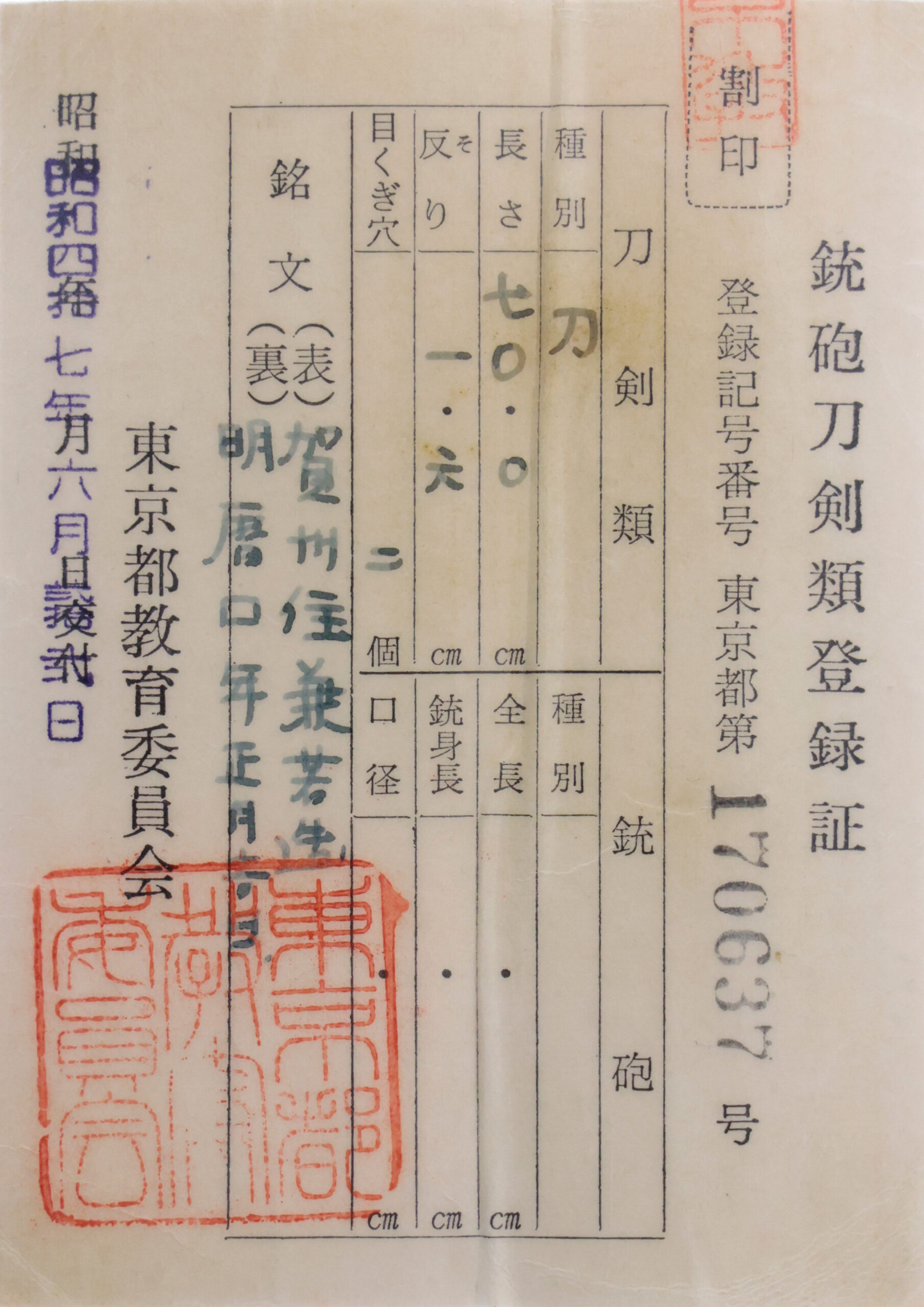
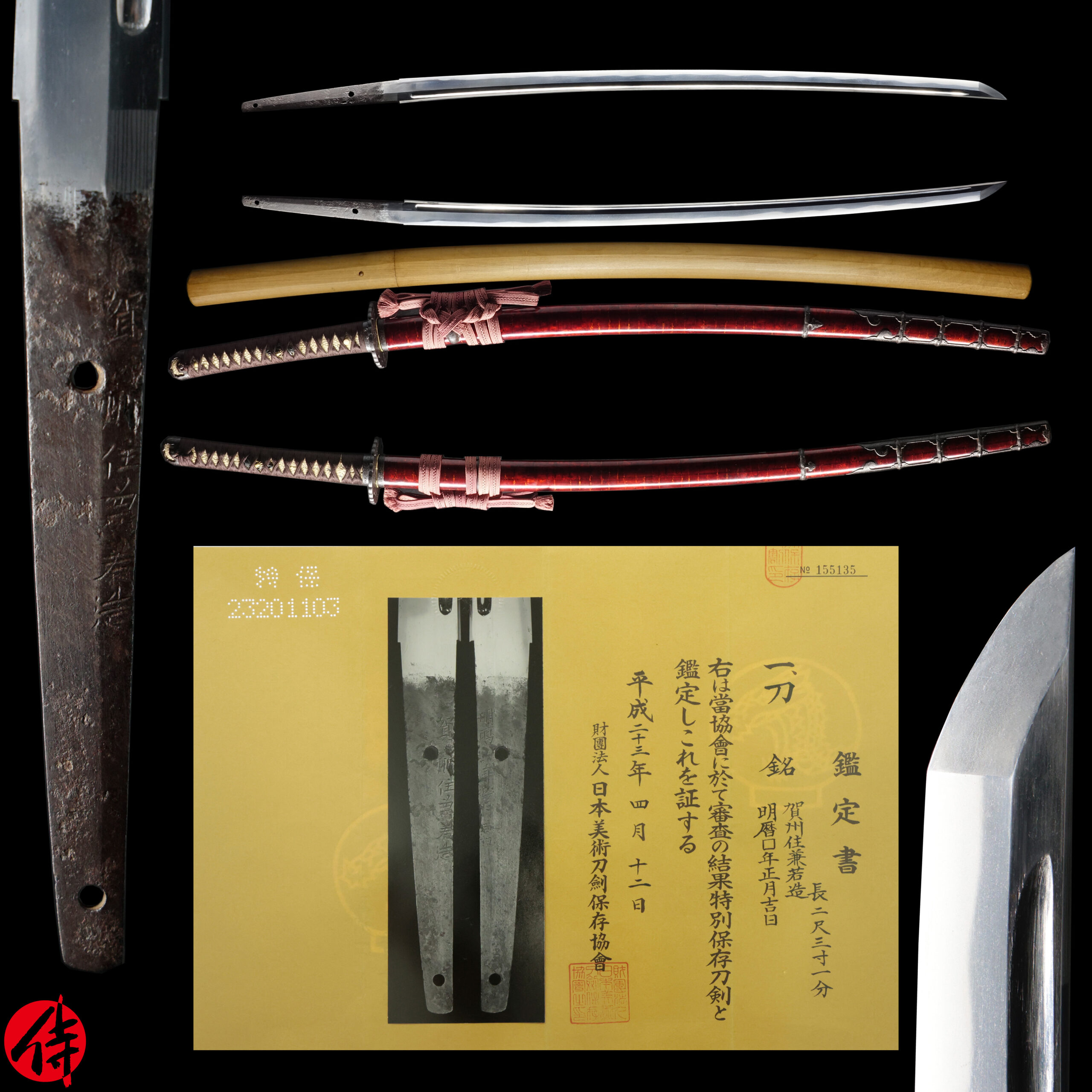
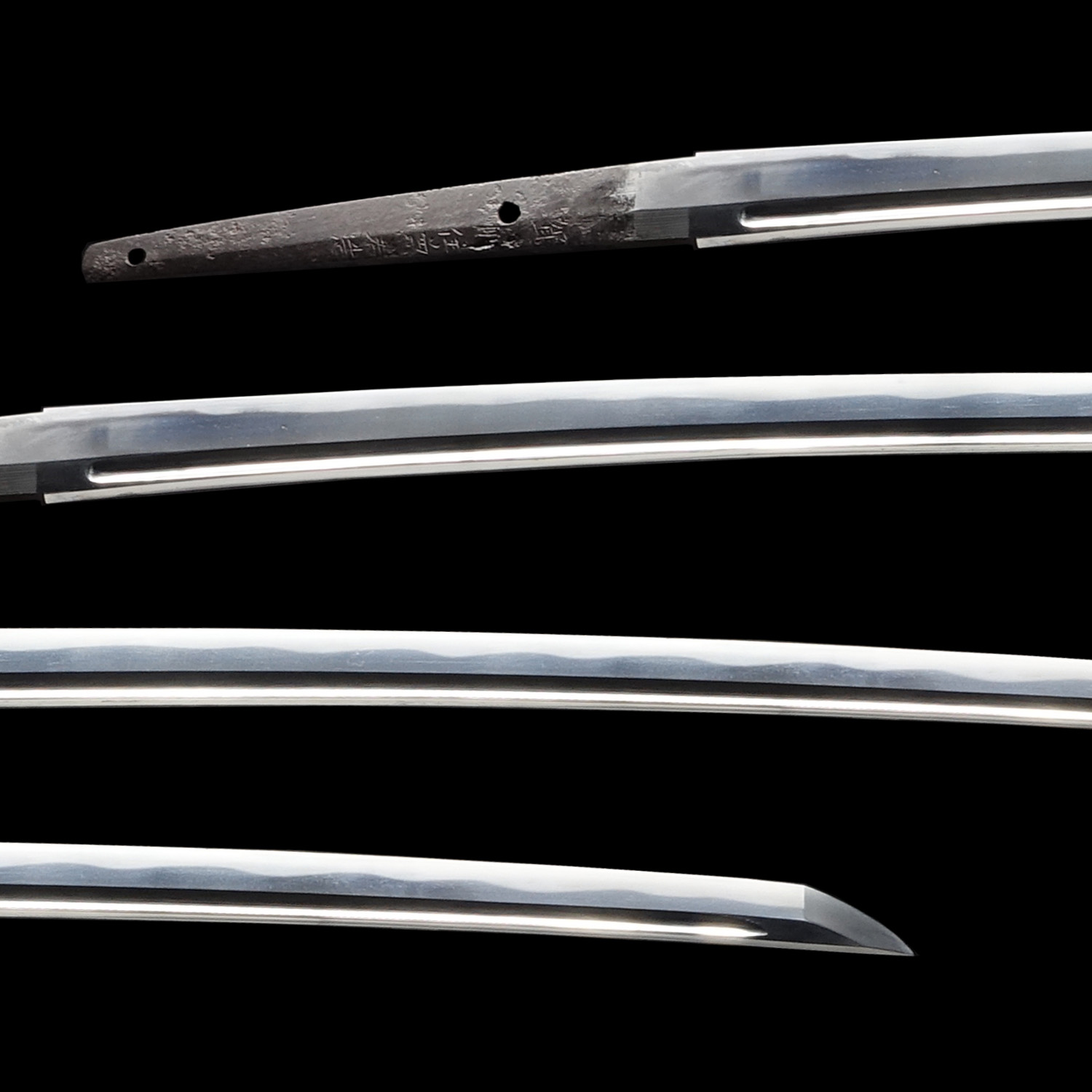
This katana is signed by Kashu Ju Kanewaka (2nd generation) and was forged during the Meireki era (1655-1658) in Kaga province. It comes with an NBTHK Tokubetsu Hozon Certificate, a shirasaya, and a beautiful Handachi Koshirae featuring heron and crab motifs. The blade has a cutting edge length of 70.0 cm and a curvature of 1.6 cm.

NihontoWatch MonNihontoWatch
MarketEncyclopediaKantei
Swords›Kashu Kanewaka›Kanewaka›Antique Japanese Sword Katana Signed by the second-gen Kanewaka NBTHK Tokubetsu Hozon Certificate
katanaTokubetsu Hozon
Kashu Kanewaka

Antique Japanese Sword Katana Signed by the second-gen Kanewaka NBTHK Tokubetsu Hozon Certificate

mei · Shinto · nagasa 70cm · sori 1.6cm

SOLD
Kashu Kanewaka — 1 of 27
Kashu Kanewaka — 2 of 27
Kashu Kanewaka — 3 of 27
Kashu Kanewaka — 4 of 27
Kashu Kanewaka — 5 of 27
Kashu Kanewaka — 6 of 27
Kashu Kanewaka — 7 of 27
Kashu Kanewaka — 8 of 27
Kashu Kanewaka — 9 of 27
Kashu Kanewaka — 10 of 27
Kashu Kanewaka — 11 of 27
Kashu Kanewaka — 12 of 27
Kashu Kanewaka — 13 of 27
Kashu Kanewaka — 14 of 27
Kashu Kanewaka — 15 of 27
Kashu Kanewaka — 16 of 27
Kashu Kanewaka — 17 of 27
Kashu Kanewaka — 18 of 27
Kashu Kanewaka — 19 of 27
Kashu Kanewaka — 20 of 27
Kashu Kanewaka — 21 of 27
Kashu Kanewaka — 22 of 27
Kashu Kanewaka — 23 of 27
Kashu Kanewaka — 24 of 27
Kashu Kanewaka — 25 of 27
Kashu Kanewaka — 26 of 27
Kashu Kanewaka — 27 of 27
1 / 27
1 / 27
Kashu Kanewaka — 1 of 27Kashu Kanewaka — 2 of 27Kashu Kanewaka — 3 of 27Kashu Kanewaka — 4 of 27Kashu Kanewaka — 5 of 27Kashu Kanewaka — 6 of 27Kashu Kanewaka — 7 of 27Kashu Kanewaka — 8 of 27Kashu Kanewaka — 9 of 27Kashu Kanewaka — 10 of 27Kashu Kanewaka — 11 of 27Kashu Kanewaka — 12 of 27Kashu Kanewaka — 13 of 27Kashu Kanewaka — 14 of 27Kashu Kanewaka — 15 of 27Kashu Kanewaka — 16 of 27Kashu Kanewaka — 17 of 27Kashu Kanewaka — 18 of 27Kashu Kanewaka — 19 of 27Kashu Kanewaka — 20 of 27Kashu Kanewaka — 21 of 27Kashu Kanewaka — 22 of 27Kashu Kanewaka — 23 of 27Kashu Kanewaka — 24 of 27Kashu Kanewaka — 25 of 27Kashu Kanewaka — 26 of 27Kashu Kanewaka — 27 of 27
Measurements & details
Smith
Kashu Kanewaka
Type
Katana
School
Kashu Kanewaka
Period
Around 1624–1644(Kanei)
Province
Kaga
Signature
Signed(100% of this smith's designated works are signed)
Measurements
Nagasa 70cmSori 1.6cm
Description

This katana is signed by Kashu Ju Kanewaka (2nd generation) and was forged during the Meireki era (1655-1658) in Kaga province. It comes with an NBTHK Tokubetsu Hozon Certificate, a shirasaya, and a beautiful Handachi Koshirae featuring heron and crab motifs. The blade has a cutting edge length of 70.0 cm and a curvature of 1.6 cm.

About the maker

Kanewaka

兼若

Shinto · Kaga · around 1624-1644

Fujishiro Jo saku · Tōken Taikan top 37%

1 piece on the market now

›

Kanewaka of Kashu was originally from Mino Province and later relocated to Kaga, establishing what would become one of the most distinguished shinto lineages of the Hokuriku region. The first generation, known as Tsujimura Jinroku, began forging swords in Kaga with dated works commencing from Keicho 9 (1604); around Genna 5 (1619) he received the court title Etchu no Kami and changed his name to Takahira. The second generation, called Matasuke, was the third son of the founder, born in Keicho 17 (1612) and active from Kan'ei through Enpo, dying in Enpo 5 (1677) at the age of sixty-six. The third generation, Shiroemon, was the legitimate heir of Matasuke and carried on the family tradition from the Kanbun era through Shotoku, a span of roughly fifty years. It is said that early in his career the third generation frequently produced works made in his father's stead and also executed pieces bearing his father's name as dai-saku and dai-mei. A fourth generation, Tsujiura Shiroemon, inherited the name after his father's death, and his works have been recognized even among the imperial collection.

The Kanewaka lineage retained a strong Mino flavor deriving from its place of origin. The first generation's workmanship characteristically shows a midare tendency mixed with gunome and pointed togariba, with nie adhering well; tobiyaki appear, and the nioiguchi is bright. His forging displays itame-hada with a tendency toward flowing grain, the hada standing out with chikei and abundant ji-nie, imparting an antique impression noted by examiners as characteristic of the northern provinces' workmanship. From the second generation onward, a clearly defined hako-ba became the family's most recognized hallmark: the valleys of the midare assume angular, boxed contours in a manner the setsumei consistently describe as hako-gakatta. The second generation's gunome-midare with ko-notare, angular notare, and deep nioi clearly exhibits the traits of Kaga work, while sunagashi sweeps conspicuously through the temper and kinsuji appear. In the third generation, the hakoba tends to become more sharply defined, and works in masame forging, while comparatively uncommon, demonstrate the breadth of the school's technical range.

Taken collectively, the Kanewaka school produced swords of a forceful, spirited presence. Each generation was highly skilled, and the setsumei note that the third generation proved worthy of his father and grandfather. Particularly distinctive are their taka-no-ha influences and vigorous hotsure along the edge, with the boshi characteristically finishing in hakikake. The school's works span katana, wakizashi, ken, and tanto, and examples bearing the maker's common name or precise dates are valued as documentary material. Among early shinto smiths of Kaga, the Kanewaka line stands as a defining presence, and its finest works are praised as possessing both dignified taihai and bold vigor.

Historical importance

Where Kanewaka stands among comparable artisans: across all of nihontō, and within tradition, era, and period. The tiers (Foremost · Leading · Major · Notable) weigh official designations from the NBTHK and Japan's Agency for Cultural Affairs, together with historical honors of lasting repute such as the Sansaku and Meibutsu-chō.

随一
Foremost
屈指
Leading
有数
Major
著名
Notable

Select a lens to see how it's measured.

Designation record
2 designated works
Jūyō
2
1 work by Kanewaka on the market→
Kanewaka — full profileShinto school

Dated Works

Years he was demonstrably active, proven by signed-and-dated blades

Active period
1661Editorial estimate: 1624–1644
1 of 2 designated works carry a date
About the school

Kashu Kanewaka

加州兼若

Shinto · Kaga

6 pieces on the market now

›

Among the shintō workshops of the northern provinces, the Kanewaka line of Kaga (Kashū) traces its root to Mino. The setsumei record that the first-generation smith was a son of Shihōsuke Kanewaka of Seki and that, though he stood in the lineage of the Seki smiths, he forged his blades in Kaga. " The second generation, Matasuke, was the third son of the first, born in Keichō 17 (1612), active from Kan'ei through Enpō, and dead in Enpō 5 (1677) at sixty-six. The third, his legitimate heir, took the name Shirōemon and worked from Kanbun through Shōtoku, with dated pieces from Enpō 5 to Hōei 4 (1677 to 1707); a fourth, the Tsujiura Shirōemon of the same name, assisted his father as a substitute smith and inherited the name after Matasuke's death. The cutting-test katana signed Tsujimura Etchū no Kami Fujiwara Takahira[[c:2]] ties the workshop to the Maeda domain's swords, its blade tested five times and the result inlaid in kinzōgan. The shared hand is grounded in Mino forging carried north. The jigane across these blades is itame mixed with masame and mokume, often with standing grain (hada-dachi), abundant ji-nie, fine chikei, and a steel of slightly blackish yet clear tone, a cast the setsumei call a trait of the northern provinces (Hokukoku-mono). The temper is built on ko-notare mixed with gunome and pointed togariba, frequently assuming a boxed (hako-ba) character, with deep nioi, well-adhering nie, conspicuous sunagashi, kinsuji, and at times tobiyaki; the bōshi runs sugu with ko-maru or enters midare-komi, often with hakikake and a yakitsume-leaning point, a Yamato-tradition close noted on the masame-forged third-generation work.

To read the hand, the setsumei point to Mino Shizu and Naoe Shizu affinity, the wanare-based mixture of gunome and togari, and the box-shaped temper. Generations are told apart by that box: in the first generation it tends toward nie-kuzure, flavorful and not sharply drawn, and a defined hako-ba is comparatively uncommon; from the second and third it grows more crisply outlined. The third generation also worked saka-chōji-midare (reverse chōji), and in such pieces the fourth produced utsuri effects that could be taken for the Ishidō school. The kantei points the setsumei fix upon are the standing, blackish itame-masame ground, the boxed notare with sunagashi and kinsuji, and the Shizu-derived midare leaning. " Named works carry the lineage: a Genna 5 ken, whose date proves the title came later; the Kashū Fujiwara Yukimitsu tachi dated Bunmei 17 (1485) marks the older Muromachi Kashū ground from which such northern work descends; and a katana with kenuki-gata tachi koshirae in ashide maki-e shows the dress that accompanied the line. The setsumei place one blade in the Imperial Collection, attributed to the fourth-generation Tsujiura Shirōemon, and record provenance in Kaga and Ishikawa hands. Across the generations the verdict is consistent: each smith was skilled in his own right, the forging at times exceeding ordinary Kashū work, and the dated inscriptions stand as documentary anchors for early Kaga shintō. Learn more →

5 recorded smiths18 designated works
Leading smiths
SmithEraDesignated
Kanewaka兼若1596-161910
Kanewaka兼若1673-16814
Kanewaka兼若1624-16442
Takahira高平1673-16811
Yukimitsu行光1469-14871
Explore the Kashu Kanewaka school →

Historical context

For two and a half centuries of peace the sword was the warrior’s legal badge rather than his weapon. Each great city developed its own manner, Edo’s tested strength against Ōsaka’s polished brilliance, until demand thinned in the era’s last decades.

The Edo period (1615 to 1868) →

NBTHK Certificate
Tokubetsu Hozon Tōken特別保存刀剣
Sword Especially Worthy of Preservation
›

A Hozon-certified blade judged to show notably superior workmanship and a better state of preservation. The bar is higher: re-tempered blades and most unsigned Muromachi/Edo works are excluded.

About the NBTHK›

The NBTHK (Nihon Bijutsu Tōken Hozon Kyōkai, the Society for the Preservation of Japanese Art Swords) is a public-interest incorporated foundation founded in 1948 and supervised by Japan’s Agency for Cultural Affairs (Bunkachō); it is based at the Japanese Sword Museum in Tokyo. Its expert panels physically examine each submitted work (shinsa) and issue a certificate (kanteishō) ranking it by artistic and historical merit. NBTHK papers are the most widely recognized standard of authentication for Japanese swords and fittings.

NBTHK official site→
Seller
S
Samurai Museum
🇯🇵Ships from Japan
›
✓Verified dealersamuraimuseum.jp
✓Ships worldwide✓English supportPayPalCredit card
Return policy

Returns/exchanges limited to defects caused by shipping (except willful misconduct or gross negligence by the company); customers must contact within 72 hours of receiving the product.

View all of Samurai Museum’s listings→View this item on the dealer’s site→

More works by Kashu Kanewaka

View all →
E-sword
Tokuho
Katana - Tokuho - by Kashu Kanewaka - Kashu-Ju Kanewaka (2nd Gen. Matasuke)Katana - Tokuho - by Kashu Kanewaka - Kashu-Ju Kanewaka (2nd Gen. Matasuke)

Katana

ByKashu Kanewaka
¥1,300,000

Previously sold by Kashu Kanewaka

Choshuya
Wakizashi - by Kashu Kanewaka - Kaga ju Kanewaka (Matasuke)Wakizashi - by Kashu Kanewaka - Kaga ju Kanewaka (Matasuke)
Sold

Wakizashi

ByKashu Kanewaka
SOLD
Token-Net
Tokuho
Katana - Tokuho - by Kashu Kanewaka - 2nd Gen. Kanewaka (Kaga)Katana - Tokuho - by Kashu Kanewaka - 2nd Gen. Kanewaka (Kaga)
Sold

Katana

ByKashu Kanewaka
SOLD
Eirakudo
Tokuho
Katana - Tokuho - by Kashu Kanewaka - Kanewaka - Tokubetsu Hozon TokenKatana - Tokuho - by Kashu Kanewaka - Kanewaka - Tokubetsu Hozon Token
Sold

Katana

ByKashu Kanewaka
SOLD
Samurai Museum
Tokuho
Tanto - Tokuho - by Kashu Kanewaka - Antique Japanese Sword Tanto Signed by the second-gen Kanewaka NBTHK Tokubetsu Hozon CertificateTanto - Tokuho - by Kashu Kanewaka - Antique Japanese Sword Tanto Signed by the second-gen Kanewaka NBTHK Tokubetsu Hozon Certificate
Sold

Tantō

ByKashu Kanewaka
SOLD
Unique Japan
Wakizashi - by Kashu Kanewaka - A Kanewaka ‘Matasuke’ WakizashiWakizashi - by Kashu Kanewaka - A Kanewaka ‘Matasuke’ Wakizashi
Sold

Wakizashi

ByKashu Kanewaka
SOLD

More from the Kashu Kanewaka school

View all →
Nihonto Art
Tokuho
Wakizashi - Tokuho - by Kashu Kanewaka School - Test Cut Gold Inlay Wakizashi by Gashu ju Tsujimura KanewakaWakizashi - Tokuho - by Kashu Kanewaka School - Test Cut Gold Inlay Wakizashi by Gashu ju Tsujimura Kanewaka

Wakizashi

ByKashu Kanewaka School
¥10,850
Samurai Museum
Jūyō
Katana - Jūyō - by Kashu Kanewaka - Antique Japanese Sword Katana Signed by Kanewaka NBTHK JUYO TOKEN CertificateKatana - Jūyō - by Kashu Kanewaka - Antique Japanese Sword Katana Signed by Kanewaka NBTHK JUYO TOKEN Certificate

Katana

ByKashu Kanewaka
¥35,838
Aoi Art
Hozon
Wakizashi - Hozon - by Kashu Kanewaka Takahira - (Kirikomi-mei) Ecchu Kami Takahira Saku KoreWakizashi - Hozon - by Kashu Kanewaka Takahira - (Kirikomi-mei) Ecchu Kami Takahira Saku Kore

Wakizashi

ByKashu Kanewaka Takahira
¥600,000
Tsuruginoya
Tokuho
Katana - Tokuho - by Kashu Kanewaka - Kanewaka (Shiroemon) 3rd GenerationKatana - Tokuho - by Kashu Kanewaka - Kanewaka (Shiroemon) 3rd Generation

Katana

ByKashu Kanewaka
¥2,600,000
Nipponto
Tokuho
Katana - Tokuho - by Kashu Kanewaka School - Katana by Fujiwara Kanewaka of Kaga, KanazawaKatana - Tokuho - by Kashu Kanewaka School - Katana by Fujiwara Kanewaka of Kaga, Kanazawa

Katana

ByKashu Kanewaka School
¥950,000

Swords

  • Katana
  • Wakizashi
  • Tantō
  • Tachi
  • Naginata
  • Yari

Fittings

  • Tsuba
  • Fuchi-Kashira
  • Kozuka
  • Menuki

Armor

  • Kabuto
  • Samurai Armor

By Certification

  • Tokujū
  • Jūyō
  • Tokuho
  • Hozon

Resources

  • Dealer Directory
  • Artist Directory
  • The Daily Kantei
  • Glossary
  • Browse All
Nihontowatch© 2026
TermsPrivacyCookiesAbout

Description

This katana is signed by Kashu Ju Kanewaka (2nd generation) and was forged during the Meireki era (1655-1658) in Kaga province. It comes with an NBTHK Tokubetsu Hozon Certificate, a shirasaya, and a beautiful Handachi Koshirae featuring heron and crab motifs. The blade has a cutting edge length of 70.0 cm and a curvature of 1.6 cm.

NihontoWatch MonNihontoWatch
MarketEncyclopediaKantei
Swords›Kashu Kanewaka›Kanewaka›Antique Japanese Sword Katana Signed by the second-gen Kanewaka NBTHK Tokubetsu Hozon Certificate
katanaTokubetsu Hozon
Kashu Kanewaka

Antique Japanese Sword Katana Signed by the second-gen Kanewaka NBTHK Tokubetsu Hozon Certificate

mei · Shinto · nagasa 70cm · sori 1.6cm

SOLD
Kashu Kanewaka — 1 of 27
Kashu Kanewaka — 2 of 27
Kashu Kanewaka — 3 of 27
Kashu Kanewaka — 4 of 27
Kashu Kanewaka — 5 of 27
Kashu Kanewaka — 6 of 27
Kashu Kanewaka — 7 of 27
Kashu Kanewaka — 8 of 27
Kashu Kanewaka — 9 of 27
Kashu Kanewaka — 10 of 27
Kashu Kanewaka — 11 of 27
Kashu Kanewaka — 12 of 27
Kashu Kanewaka — 13 of 27
Kashu Kanewaka — 14 of 27
Kashu Kanewaka — 15 of 27
Kashu Kanewaka — 16 of 27
Kashu Kanewaka — 17 of 27
Kashu Kanewaka — 18 of 27
Kashu Kanewaka — 19 of 27
Kashu Kanewaka — 20 of 27
Kashu Kanewaka — 21 of 27
Kashu Kanewaka — 22 of 27
Kashu Kanewaka — 23 of 27
Kashu Kanewaka — 24 of 27
Kashu Kanewaka — 25 of 27
Kashu Kanewaka — 26 of 27
Kashu Kanewaka — 27 of 27
1 / 27
1 / 27
Kashu Kanewaka — 1 of 27Kashu Kanewaka — 2 of 27Kashu Kanewaka — 3 of 27Kashu Kanewaka — 4 of 27Kashu Kanewaka — 5 of 27Kashu Kanewaka — 6 of 27Kashu Kanewaka — 7 of 27Kashu Kanewaka — 8 of 27Kashu Kanewaka — 9 of 27Kashu Kanewaka — 10 of 27Kashu Kanewaka — 11 of 27Kashu Kanewaka — 12 of 27Kashu Kanewaka — 13 of 27Kashu Kanewaka — 14 of 27Kashu Kanewaka — 15 of 27Kashu Kanewaka — 16 of 27Kashu Kanewaka — 17 of 27Kashu Kanewaka — 18 of 27Kashu Kanewaka — 19 of 27Kashu Kanewaka — 20 of 27Kashu Kanewaka — 21 of 27Kashu Kanewaka — 22 of 27Kashu Kanewaka — 23 of 27Kashu Kanewaka — 24 of 27Kashu Kanewaka — 25 of 27Kashu Kanewaka — 26 of 27Kashu Kanewaka — 27 of 27
Measurements & details
Smith
Kashu Kanewaka
Type
Katana
School
Kashu Kanewaka
Period
Around 1624–1644(Kanei)
Province
Kaga
Signature
Signed(100% of this smith's designated works are signed)
Measurements
Nagasa 70cmSori 1.6cm
Description

This katana is signed by Kashu Ju Kanewaka (2nd generation) and was forged during the Meireki era (1655-1658) in Kaga province. It comes with an NBTHK Tokubetsu Hozon Certificate, a shirasaya, and a beautiful Handachi Koshirae featuring heron and crab motifs. The blade has a cutting edge length of 70.0 cm and a curvature of 1.6 cm.

About the maker

Kanewaka

兼若

Shinto · Kaga · around 1624-1644

Fujishiro Jo saku · Tōken Taikan top 37%

1 piece on the market now

›

Kanewaka of Kashu was originally from Mino Province and later relocated to Kaga, establishing what would become one of the most distinguished shinto lineages of the Hokuriku region. The first generation, known as Tsujimura Jinroku, began forging swords in Kaga with dated works commencing from Keicho 9 (1604); around Genna 5 (1619) he received the court title Etchu no Kami and changed his name to Takahira. The second generation, called Matasuke, was the third son of the founder, born in Keicho 17 (1612) and active from Kan'ei through Enpo, dying in Enpo 5 (1677) at the age of sixty-six. The third generation, Shiroemon, was the legitimate heir of Matasuke and carried on the family tradition from the Kanbun era through Shotoku, a span of roughly fifty years. It is said that early in his career the third generation frequently produced works made in his father's stead and also executed pieces bearing his father's name as dai-saku and dai-mei. A fourth generation, Tsujiura Shiroemon, inherited the name after his father's death, and his works have been recognized even among the imperial collection.

The Kanewaka lineage retained a strong Mino flavor deriving from its place of origin. The first generation's workmanship characteristically shows a midare tendency mixed with gunome and pointed togariba, with nie adhering well; tobiyaki appear, and the nioiguchi is bright. His forging displays itame-hada with a tendency toward flowing grain, the hada standing out with chikei and abundant ji-nie, imparting an antique impression noted by examiners as characteristic of the northern provinces' workmanship. From the second generation onward, a clearly defined hako-ba became the family's most recognized hallmark: the valleys of the midare assume angular, boxed contours in a manner the setsumei consistently describe as hako-gakatta. The second generation's gunome-midare with ko-notare, angular notare, and deep nioi clearly exhibits the traits of Kaga work, while sunagashi sweeps conspicuously through the temper and kinsuji appear. In the third generation, the hakoba tends to become more sharply defined, and works in masame forging, while comparatively uncommon, demonstrate the breadth of the school's technical range.

Taken collectively, the Kanewaka school produced swords of a forceful, spirited presence. Each generation was highly skilled, and the setsumei note that the third generation proved worthy of his father and grandfather. Particularly distinctive are their taka-no-ha influences and vigorous hotsure along the edge, with the boshi characteristically finishing in hakikake. The school's works span katana, wakizashi, ken, and tanto, and examples bearing the maker's common name or precise dates are valued as documentary material. Among early shinto smiths of Kaga, the Kanewaka line stands as a defining presence, and its finest works are praised as possessing both dignified taihai and bold vigor.

Historical importance

Where Kanewaka stands among comparable artisans: across all of nihontō, and within tradition, era, and period. The tiers (Foremost · Leading · Major · Notable) weigh official designations from the NBTHK and Japan's Agency for Cultural Affairs, together with historical honors of lasting repute such as the Sansaku and Meibutsu-chō.

随一
Foremost
屈指
Leading
有数
Major
著名
Notable

Select a lens to see how it's measured.

Designation record
2 designated works
Jūyō
2
1 work by Kanewaka on the market→
Kanewaka — full profileShinto school

Dated Works

Years he was demonstrably active, proven by signed-and-dated blades

Active period
1661Editorial estimate: 1624–1644
1 of 2 designated works carry a date
About the school

Kashu Kanewaka

加州兼若

Shinto · Kaga

6 pieces on the market now

›

Among the shintō workshops of the northern provinces, the Kanewaka line of Kaga (Kashū) traces its root to Mino. The setsumei record that the first-generation smith was a son of Shihōsuke Kanewaka of Seki and that, though he stood in the lineage of the Seki smiths, he forged his blades in Kaga. " The second generation, Matasuke, was the third son of the first, born in Keichō 17 (1612), active from Kan'ei through Enpō, and dead in Enpō 5 (1677) at sixty-six. The third, his legitimate heir, took the name Shirōemon and worked from Kanbun through Shōtoku, with dated pieces from Enpō 5 to Hōei 4 (1677 to 1707); a fourth, the Tsujiura Shirōemon of the same name, assisted his father as a substitute smith and inherited the name after Matasuke's death. The cutting-test katana signed Tsujimura Etchū no Kami Fujiwara Takahira[[c:2]] ties the workshop to the Maeda domain's swords, its blade tested five times and the result inlaid in kinzōgan. The shared hand is grounded in Mino forging carried north. The jigane across these blades is itame mixed with masame and mokume, often with standing grain (hada-dachi), abundant ji-nie, fine chikei, and a steel of slightly blackish yet clear tone, a cast the setsumei call a trait of the northern provinces (Hokukoku-mono). The temper is built on ko-notare mixed with gunome and pointed togariba, frequently assuming a boxed (hako-ba) character, with deep nioi, well-adhering nie, conspicuous sunagashi, kinsuji, and at times tobiyaki; the bōshi runs sugu with ko-maru or enters midare-komi, often with hakikake and a yakitsume-leaning point, a Yamato-tradition close noted on the masame-forged third-generation work.

To read the hand, the setsumei point to Mino Shizu and Naoe Shizu affinity, the wanare-based mixture of gunome and togari, and the box-shaped temper. Generations are told apart by that box: in the first generation it tends toward nie-kuzure, flavorful and not sharply drawn, and a defined hako-ba is comparatively uncommon; from the second and third it grows more crisply outlined. The third generation also worked saka-chōji-midare (reverse chōji), and in such pieces the fourth produced utsuri effects that could be taken for the Ishidō school. The kantei points the setsumei fix upon are the standing, blackish itame-masame ground, the boxed notare with sunagashi and kinsuji, and the Shizu-derived midare leaning. " Named works carry the lineage: a Genna 5 ken, whose date proves the title came later; the Kashū Fujiwara Yukimitsu tachi dated Bunmei 17 (1485) marks the older Muromachi Kashū ground from which such northern work descends; and a katana with kenuki-gata tachi koshirae in ashide maki-e shows the dress that accompanied the line. The setsumei place one blade in the Imperial Collection, attributed to the fourth-generation Tsujiura Shirōemon, and record provenance in Kaga and Ishikawa hands. Across the generations the verdict is consistent: each smith was skilled in his own right, the forging at times exceeding ordinary Kashū work, and the dated inscriptions stand as documentary anchors for early Kaga shintō. Learn more →
5 recorded smiths18 designated works
Leading smiths
SmithEraDesignated
Kanewaka兼若1596-161910
Kanewaka兼若1673-16814
Kanewaka兼若1624-16442
Takahira高平1673-16811
Yukimitsu行光1469-14871
Explore the Kashu Kanewaka school →

Historical context

For two and a half centuries of peace the sword was the warrior’s legal badge rather than his weapon. Each great city developed its own manner, Edo’s tested strength against Ōsaka’s polished brilliance, until demand thinned in the era’s last decades.

The Edo period (1615 to 1868) →

NBTHK Certificate
Tokubetsu Hozon Tōken特別保存刀剣
Sword Especially Worthy of Preservation
›

A Hozon-certified blade judged to show notably superior workmanship and a better state of preservation. The bar is higher: re-tempered blades and most unsigned Muromachi/Edo works are excluded.

About the NBTHK›

The NBTHK (Nihon Bijutsu Tōken Hozon Kyōkai, the Society for the Preservation of Japanese Art Swords) is a public-interest incorporated foundation founded in 1948 and supervised by Japan’s Agency for Cultural Affairs (Bunkachō); it is based at the Japanese Sword Museum in Tokyo. Its expert panels physically examine each submitted work (shinsa) and issue a certificate (kanteishō) ranking it by artistic and historical merit. NBTHK papers are the most widely recognized standard of authentication for Japanese swords and fittings.

NBTHK official site→
Seller
S
Samurai Museum
🇯🇵Ships from Japan
›
✓Verified dealersamuraimuseum.jp
✓Ships worldwide✓English supportPayPalCredit card
Return policy

Returns/exchanges limited to defects caused by shipping (except willful misconduct or gross negligence by the company); customers must contact within 72 hours of receiving the product.

View all of Samurai Museum’s listings→View this item on the dealer’s site→

More works by Kashu Kanewaka

View all →
E-sword
Tokuho
Katana - Tokuho - by Kashu Kanewaka - Kashu-Ju Kanewaka (2nd Gen. Matasuke)Katana - Tokuho - by Kashu Kanewaka - Kashu-Ju Kanewaka (2nd Gen. Matasuke)

Katana

ByKashu Kanewaka
¥1,300,000

Previously sold by Kashu Kanewaka

Choshuya
Wakizashi - by Kashu Kanewaka - Kaga ju Kanewaka (Matasuke)Wakizashi - by Kashu Kanewaka - Kaga ju Kanewaka (Matasuke)
Sold

Wakizashi

ByKashu Kanewaka
SOLD
Token-Net
Tokuho
Katana - Tokuho - by Kashu Kanewaka - 2nd Gen. Kanewaka (Kaga)Katana - Tokuho - by Kashu Kanewaka - 2nd Gen. Kanewaka (Kaga)
Sold

Katana

ByKashu Kanewaka
SOLD
Eirakudo
Tokuho
Katana - Tokuho - by Kashu Kanewaka - Kanewaka - Tokubetsu Hozon TokenKatana - Tokuho - by Kashu Kanewaka - Kanewaka - Tokubetsu Hozon Token
Sold

Katana

ByKashu Kanewaka
SOLD
Samurai Museum
Tokuho
Tanto - Tokuho - by Kashu Kanewaka - Antique Japanese Sword Tanto Signed by the second-gen Kanewaka NBTHK Tokubetsu Hozon CertificateTanto - Tokuho - by Kashu Kanewaka - Antique Japanese Sword Tanto Signed by the second-gen Kanewaka NBTHK Tokubetsu Hozon Certificate
Sold

Tantō

ByKashu Kanewaka
SOLD
Unique Japan
Wakizashi - by Kashu Kanewaka - A Kanewaka ‘Matasuke’ WakizashiWakizashi - by Kashu Kanewaka - A Kanewaka ‘Matasuke’ Wakizashi
Sold

Wakizashi

ByKashu Kanewaka
SOLD

More from the Kashu Kanewaka school

View all →
Nihonto Art
Tokuho
Wakizashi - Tokuho - by Kashu Kanewaka School - Test Cut Gold Inlay Wakizashi by Gashu ju Tsujimura KanewakaWakizashi - Tokuho - by Kashu Kanewaka School - Test Cut Gold Inlay Wakizashi by Gashu ju Tsujimura Kanewaka

Wakizashi

ByKashu Kanewaka School
¥10,850
Samurai Museum
Jūyō
Katana - Jūyō - by Kashu Kanewaka - Antique Japanese Sword Katana Signed by Kanewaka NBTHK JUYO TOKEN CertificateKatana - Jūyō - by Kashu Kanewaka - Antique Japanese Sword Katana Signed by Kanewaka NBTHK JUYO TOKEN Certificate

Katana

ByKashu Kanewaka
¥35,838
Aoi Art
Hozon
Wakizashi - Hozon - by Kashu Kanewaka Takahira - (Kirikomi-mei) Ecchu Kami Takahira Saku KoreWakizashi - Hozon - by Kashu Kanewaka Takahira - (Kirikomi-mei) Ecchu Kami Takahira Saku Kore

Wakizashi

ByKashu Kanewaka Takahira
¥600,000
Tsuruginoya
Tokuho
Katana - Tokuho - by Kashu Kanewaka - Kanewaka (Shiroemon) 3rd GenerationKatana - Tokuho - by Kashu Kanewaka - Kanewaka (Shiroemon) 3rd Generation

Katana

ByKashu Kanewaka
¥2,600,000
Nipponto
Tokuho
Katana - Tokuho - by Kashu Kanewaka School - Katana by Fujiwara Kanewaka of Kaga, KanazawaKatana - Tokuho - by Kashu Kanewaka School - Katana by Fujiwara Kanewaka of Kaga, Kanazawa

Katana

ByKashu Kanewaka School
¥950,000

Swords

  • Katana
  • Wakizashi
  • Tantō
  • Tachi
  • Naginata
  • Yari

Fittings

  • Tsuba
  • Fuchi-Kashira
  • Kozuka
  • Menuki

Armor

  • Kabuto
  • Samurai Armor

By Certification

  • Tokujū
  • Jūyō
  • Tokuho
  • Hozon

Resources

  • Dealer Directory
  • Artist Directory
  • The Daily Kantei
  • Glossary
  • Browse All
Nihontowatch© 2026
TermsPrivacyCookiesAbout
NihontoWatch Mon

NihontoWatch

Market
Encyclopedia
Kantei
NihontoWatch Mon

NihontoWatch

Market
Encyclopedia
Kantei