Edo was the sword’s age of connoisseurship: the Hon’ami appraisers, the shogunal register of famous blades of 1719, and a thriving literature turned the sword into an object of study even as it ceased to be drawn in war.
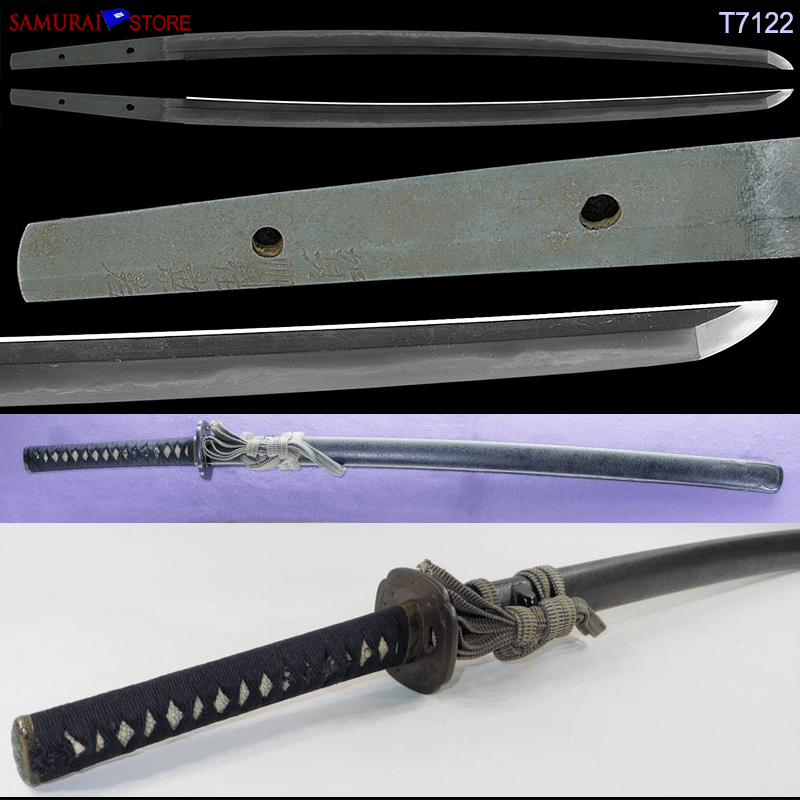
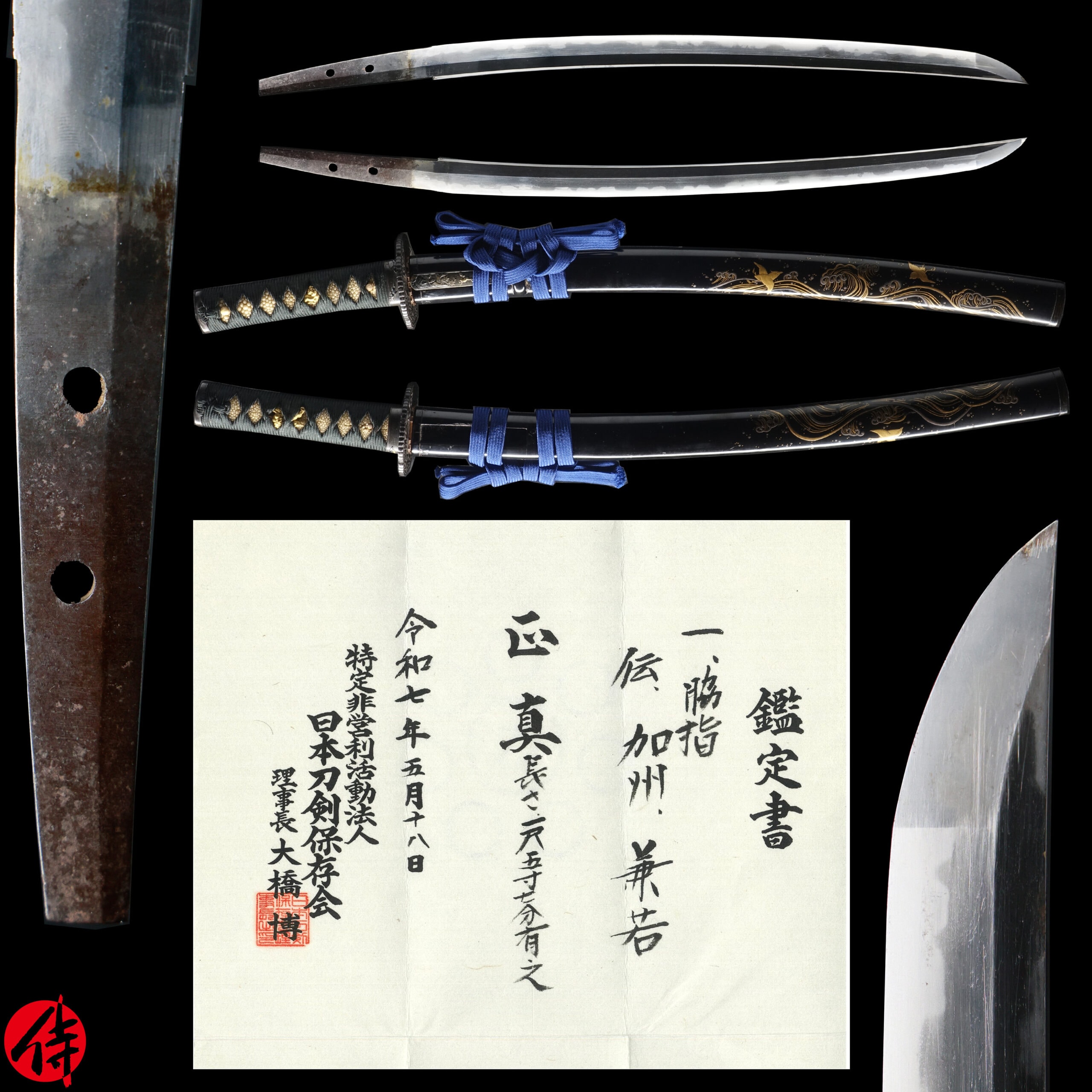
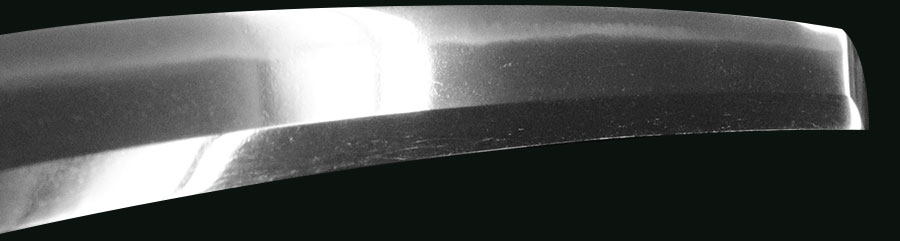
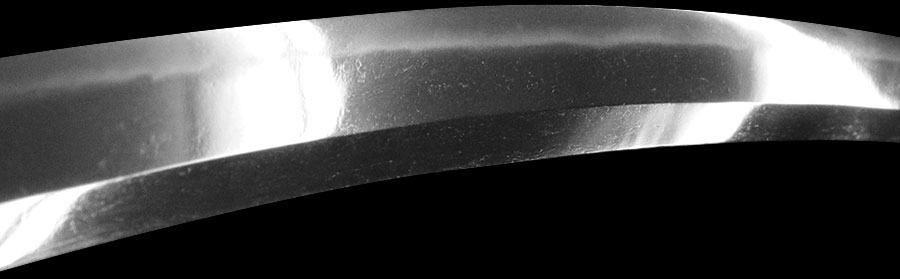
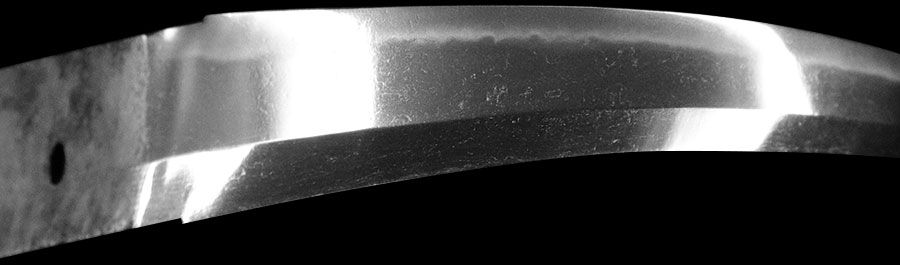
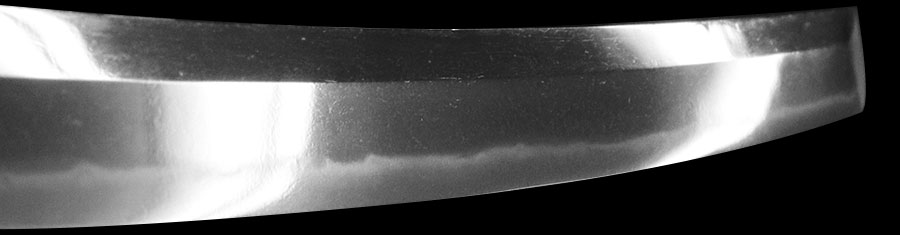
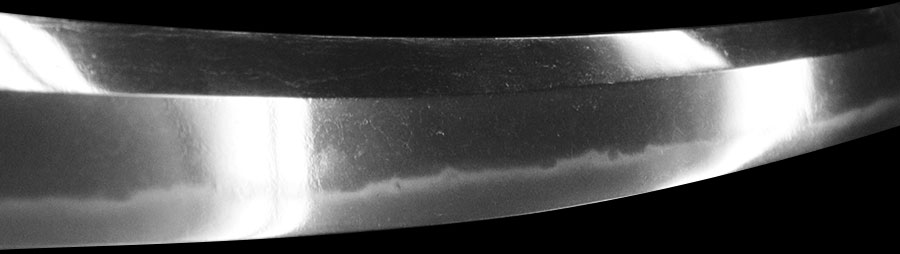
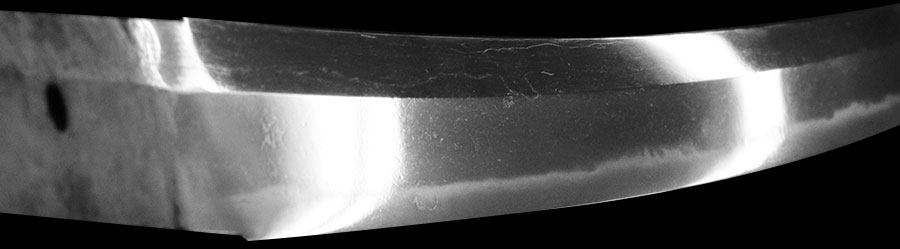
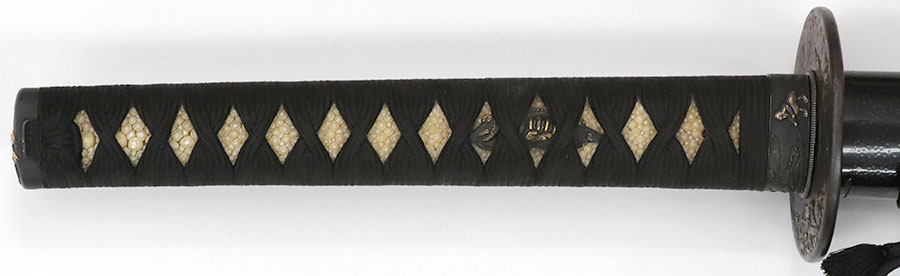
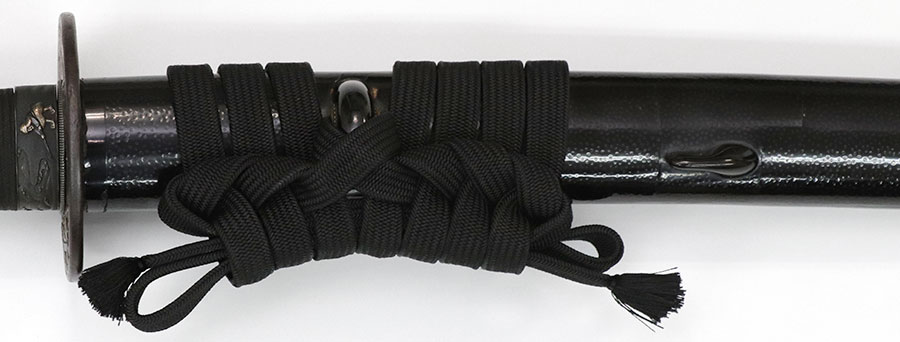
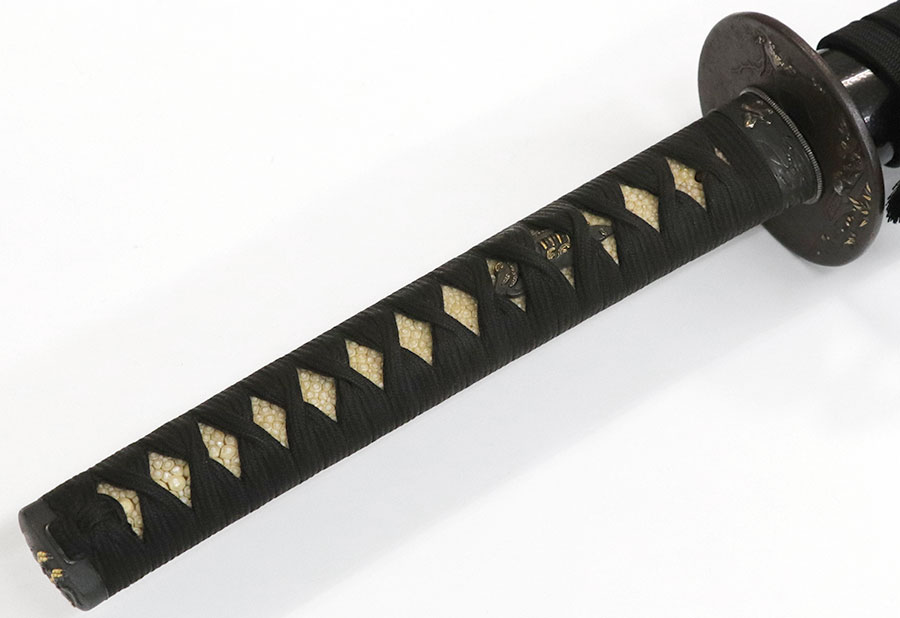
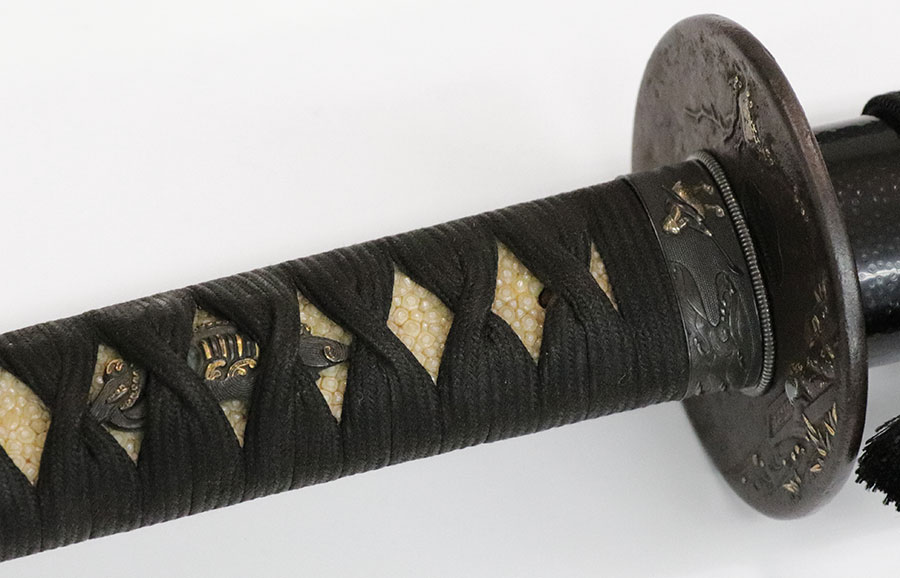
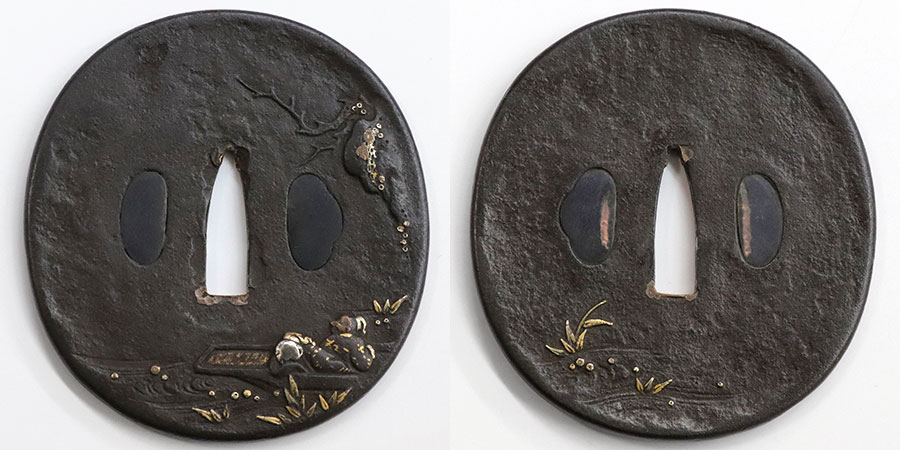
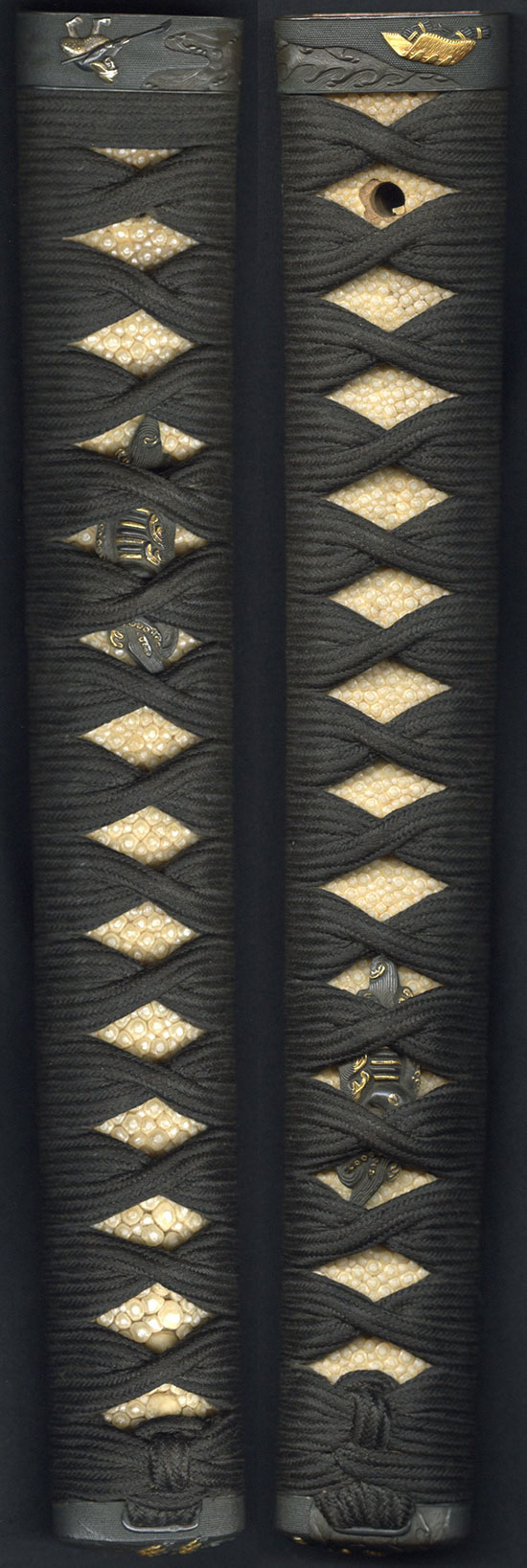
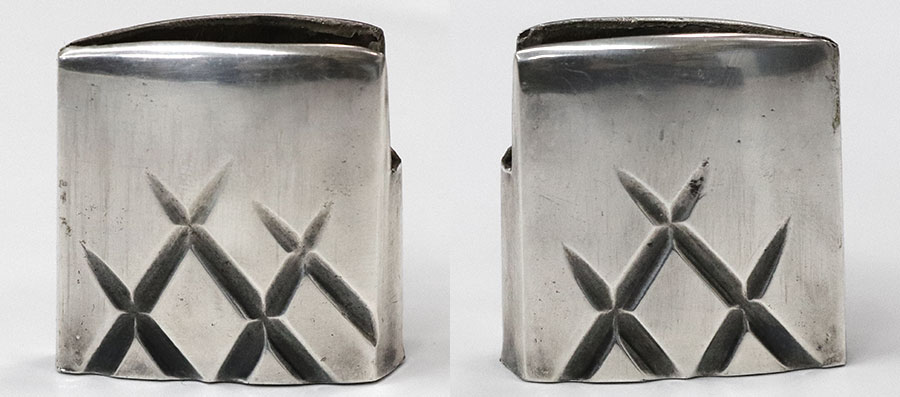
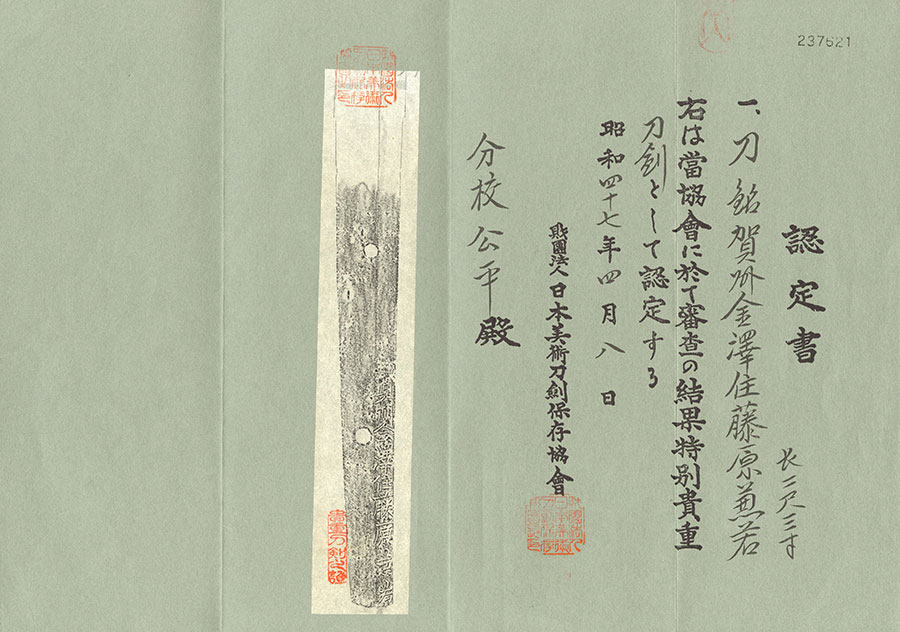
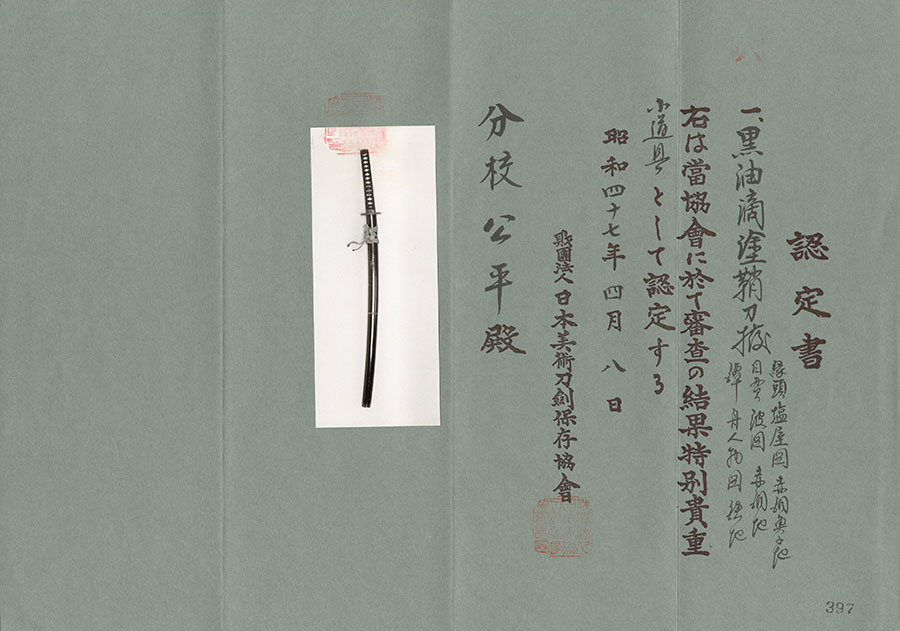
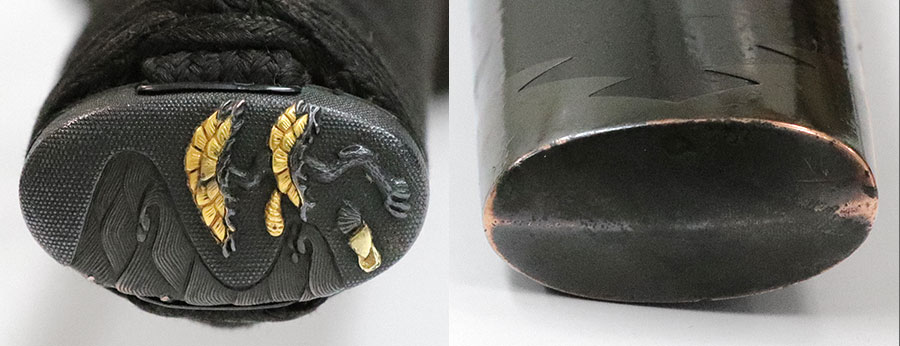
It has arrived, it has arrived! From Kanazawa, a city now bustling with tourists from around the world due to the opening of the Hokuriku Shinkansen, comes a work by the second generation Kashu Kanewaka, Tsujimura Matasuke Kanewaka. He is counted among the first-rank retained smiths of the Maeda family of the Kaga Hyakumangoku domain. Born in the 16th year of Keicho (1611) (413 years ago) as the third son of the first generation Jinroku Kanewaka, he succeeded to the name of the second generation Kanewaka because his eldest brother Kagehira had no male heir. The sugata of this katana was originally a long blade of about 2 shaku 5 sun, which a later samurai of the Kaga domain shortened to match his own swordsmanship style out of a desperate desire to make it his own sashiryo. It is in shinogi-zukuri with a difference between the moto-mihaba and saki-mihaba and a shallow sori, presenting a fine sugata. The jigane is a well-tightened itame-hada, with chikei appearing in the ji. The hamon is Kanewaka’s specialty notare-ba, appearing as if deep nioi of light snow has accumulated; it is a masterpiece katana of Kanewaka Matasuke. In the Kaga Hyakumangoku Maeda family, it was said since ancient times of young samurai who owned a Kanewaka: "If he is a samurai with such strong ambition and good conduct as to possess a famous sword by Kanewaka, even if his rank is low, his heart is good, so let us give him a daughter in marriage." To such an extent were authentic Kanewaka swords cherished. The koshirae, featuring a black yuteki-nuri saya from the Edo period and a Kashu-habaki, adds further elegance to this historic and precious Kanewaka katana. As this is the first time this piece has appeared "raw" (fresh to the market), we are offering it at a special bargain price. Please do enjoy it.
 NihontoWatch
Edo · nagasa 69.7cm · sori 1.2cm

















Shinto · Kaga
3 pieces on the market now
Among the shintō workshops of the northern provinces, the Kanewaka line of Kaga (Kashū) traces its root to Mino. The setsumei record that the first-generation smith was a son of Shihōsuke Kanewaka of Seki and that, though he stood in the lineage of the Seki smiths, he forged his blades in Kaga. " The second generation, Matasuke, was the third son of the first, born in Keichō 17 (1612), active from Kan'ei through Enpō, and dead in Enpō 5 (1677) at sixty-six. The third, his legitimate heir, took the name Shirōemon and worked from Kanbun through Shōtoku, with dated pieces from Enpō 5 to Hōei 4 (1677 to 1707); a fourth, the Tsujiura Shirōemon of the same name, assisted his father as a substitute smith and inherited the name after Matasuke's death. The cutting-test katana signed Tsujimura Etchū no Kami Fujiwara Takahira[[c:2]] ties the workshop to the Maeda domain's swords, its blade tested five times and the result inlaid in kinzōgan. The shared hand is grounded in Mino forging carried north. The jigane across these blades is itame mixed with masame and mokume, often with standing grain (hada-dachi), abundant ji-nie, fine chikei, and a steel of slightly blackish yet clear tone, a cast the setsumei call a trait of the northern provinces (Hokukoku-mono). The temper is built on ko-notare mixed with gunome and pointed togariba, frequently assuming a boxed (hako-ba) character, with deep nioi, well-adhering nie, conspicuous sunagashi, kinsuji, and at times tobiyaki; the bōshi runs sugu with ko-maru or enters midare-komi, often with hakikake and a yakitsume-leaning point, a Yamato-tradition close noted on the masame-forged third-generation work.
To read the hand, the setsumei point to Mino Shizu and Naoe Shizu affinity, the wanare-based mixture of gunome and togari, and the box-shaped temper. Generations are told apart by that box: in the first generation it tends toward nie-kuzure, flavorful and not sharply drawn, and a defined hako-ba is comparatively uncommon; from the second and third it grows more crisply outlined. The third generation also worked saka-chōji-midare (reverse chōji), and in such pieces the fourth produced utsuri effects that could be taken for the Ishidō school. The kantei points the setsumei fix upon are the standing, blackish itame-masame ground, the boxed notare with sunagashi and kinsuji, and the Shizu-derived midare leaning. " Named works carry the lineage: a Genna 5 ken, whose date proves the title came later; the Kashū Fujiwara Yukimitsu tachi dated Bunmei 17 (1485) marks the older Muromachi Kashū ground from which such northern work descends; and a katana with kenuki-gata tachi koshirae in ashide maki-e shows the dress that accompanied the line. The setsumei place one blade in the Imperial Collection, attributed to the fourth-generation Tsujiura Shirōemon, and record provenance in Kaga and Ishikawa hands. Across the generations the verdict is consistent: each smith was skilled in his own right, the forging at times exceeding ordinary Kashū work, and the dated inscriptions stand as documentary anchors for early Kaga shintō. Learn more →
| Smith | Era | Designated |
|---|---|---|
| Kanewaka兼若 | 1596-1619 | 10 |
| Kanewaka兼若 | 1673-1681 | 4 |
| Kanewaka兼若 | 1624-1644 | 2 |
| Takahira高平 | 1673-1681 | 1 |
| Yukimitsu行光 | 1469-1487 | 1 |
The Edo period (1615 to 1868)
Edo was the sword’s age of connoisseurship: the Hon’ami appraisers, the shogunal register of famous blades of 1719, and a thriving literature turned the sword into an object of study even as it ceased to be drawn in war.
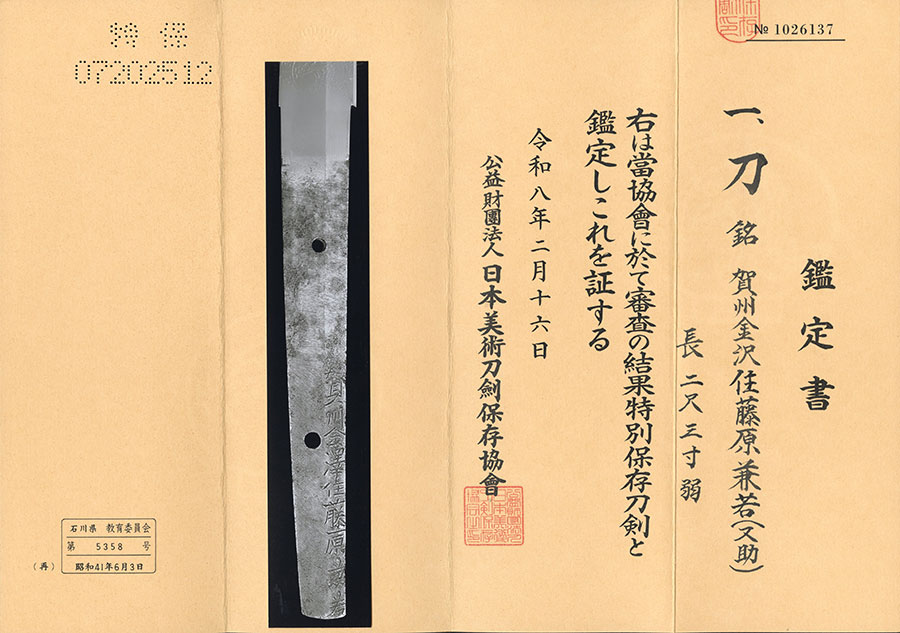
A Hozon-certified blade judged to show notably superior workmanship and a better state of preservation. The bar is higher: re-tempered blades and most unsigned Muromachi/Edo works are excluded.
The NBTHK (Nihon Bijutsu Tōken Hozon Kyōkai, the Society for the Preservation of Japanese Art Swords) is a public-interest incorporated foundation founded in 1948 and supervised by Japan’s Agency for Cultural Affairs (Bunkachō); it is based at the Japanese Sword Museum in Tokyo. Its expert panels physically examine each submitted work (shinsa) and issue a certificate (kanteishō) ranking it by artistic and historical merit. NBTHK papers are the most widely recognized standard of authentication for Japanese swords and fittings.
NBTHK official siteFor returns due to customer circumstances, the cost is the customer's responsibility. For returns due to our mis-shipment or a defective item, we bear the cost.
¥950,000
It has arrived, it has arrived! From Kanazawa, a city now bustling with tourists from around the world due to the opening of the Hokuriku Shinkansen, comes a work by the second generation Kashu Kanewaka, Tsujimura Matasuke Kanewaka. He is counted among the first-rank retained smiths of the Maeda family of the Kaga Hyakumangoku domain. Born in the 16th year of Keicho (1611) (413 years ago) as the third son of the first generation Jinroku Kanewaka, he succeeded to the name of the second generation Kanewaka because his eldest brother Kagehira had no male heir. The sugata of this katana was originally a long blade of about 2 shaku 5 sun, which a later samurai of the Kaga domain shortened to match his own swordsmanship style out of a desperate desire to make it his own sashiryo. It is in shinogi-zukuri with a difference between the moto-mihaba and saki-mihaba and a shallow sori, presenting a fine sugata. The jigane is a well-tightened itame-hada, with chikei appearing in the ji. The hamon is Kanewaka’s specialty notare-ba, appearing as if deep nioi of light snow has accumulated; it is a masterpiece katana of Kanewaka Matasuke. In the Kaga Hyakumangoku Maeda family, it was said since ancient times of young samurai who owned a Kanewaka: "If he is a samurai with such strong ambition and good conduct as to possess a famous sword by Kanewaka, even if his rank is low, his heart is good, so let us give him a daughter in marriage." To such an extent were authentic Kanewaka swords cherished. The koshirae, featuring a black yuteki-nuri saya from the Edo period and a Kashu-habaki, adds further elegance to this historic and precious Kanewaka katana. As this is the first time this piece has appeared "raw" (fresh to the market), we are offering it at a special bargain price. Please do enjoy it.
NihontoWatchEdo · nagasa 69.7cm · sori 1.2cm
Shinto · Kaga
3 pieces on the market now
Among the shintō workshops of the northern provinces, the Kanewaka line of Kaga (Kashū) traces its root to Mino. The setsumei record that the first-generation smith was a son of Shihōsuke Kanewaka of Seki and that, though he stood in the lineage of the Seki smiths, he forged his blades in Kaga. " The second generation, Matasuke, was the third son of the first, born in Keichō 17 (1612), active from Kan'ei through Enpō, and dead in Enpō 5 (1677) at sixty-six. The third, his legitimate heir, took the name Shirōemon and worked from Kanbun through Shōtoku, with dated pieces from Enpō 5 to Hōei 4 (1677 to 1707); a fourth, the Tsujiura Shirōemon of the same name, assisted his father as a substitute smith and inherited the name after Matasuke's death. The cutting-test katana signed Tsujimura Etchū no Kami Fujiwara Takahira[[c:2]] ties the workshop to the Maeda domain's swords, its blade tested five times and the result inlaid in kinzōgan. The shared hand is grounded in Mino forging carried north. The jigane across these blades is itame mixed with masame and mokume, often with standing grain (hada-dachi), abundant ji-nie, fine chikei, and a steel of slightly blackish yet clear tone, a cast the setsumei call a trait of the northern provinces (Hokukoku-mono). The temper is built on ko-notare mixed with gunome and pointed togariba, frequently assuming a boxed (hako-ba) character, with deep nioi, well-adhering nie, conspicuous sunagashi, kinsuji, and at times tobiyaki; the bōshi runs sugu with ko-maru or enters midare-komi, often with hakikake and a yakitsume-leaning point, a Yamato-tradition close noted on the masame-forged third-generation work.
To read the hand, the setsumei point to Mino Shizu and Naoe Shizu affinity, the wanare-based mixture of gunome and togari, and the box-shaped temper. Generations are told apart by that box: in the first generation it tends toward nie-kuzure, flavorful and not sharply drawn, and a defined hako-ba is comparatively uncommon; from the second and third it grows more crisply outlined. The third generation also worked saka-chōji-midare (reverse chōji), and in such pieces the fourth produced utsuri effects that could be taken for the Ishidō school. The kantei points the setsumei fix upon are the standing, blackish itame-masame ground, the boxed notare with sunagashi and kinsuji, and the Shizu-derived midare leaning. " Named works carry the lineage: a Genna 5 ken, whose date proves the title came later; the Kashū Fujiwara Yukimitsu tachi dated Bunmei 17 (1485) marks the older Muromachi Kashū ground from which such northern work descends; and a katana with kenuki-gata tachi koshirae in ashide maki-e shows the dress that accompanied the line. The setsumei place one blade in the Imperial Collection, attributed to the fourth-generation Tsujiura Shirōemon, and record provenance in Kaga and Ishikawa hands. Across the generations the verdict is consistent: each smith was skilled in his own right, the forging at times exceeding ordinary Kashū work, and the dated inscriptions stand as documentary anchors for early Kaga shintō. Learn more →
| Smith | Era | Designated |
|---|---|---|
| Kanewaka兼若 | 1596-1619 | 10 |
| Kanewaka兼若 | 1673-1681 | 4 |
| Kanewaka兼若 | 1624-1644 | 2 |
| Takahira高平 | 1673-1681 | 1 |
| Yukimitsu行光 | 1469-1487 | 1 |
The Edo period (1615 to 1868)
Edo was the sword’s age of connoisseurship: the Hon’ami appraisers, the shogunal register of famous blades of 1719, and a thriving literature turned the sword into an object of study even as it ceased to be drawn in war.
A Hozon-certified blade judged to show notably superior workmanship and a better state of preservation. The bar is higher: re-tempered blades and most unsigned Muromachi/Edo works are excluded.
The NBTHK (Nihon Bijutsu Tōken Hozon Kyōkai, the Society for the Preservation of Japanese Art Swords) is a public-interest incorporated foundation founded in 1948 and supervised by Japan’s Agency for Cultural Affairs (Bunkachō); it is based at the Japanese Sword Museum in Tokyo. Its expert panels physically examine each submitted work (shinsa) and issue a certificate (kanteishō) ranking it by artistic and historical merit. NBTHK papers are the most widely recognized standard of authentication for Japanese swords and fittings.
NBTHK official siteFor returns due to customer circumstances, the cost is the customer's responsibility. For returns due to our mis-shipment or a defective item, we bear the cost.
¥950,000