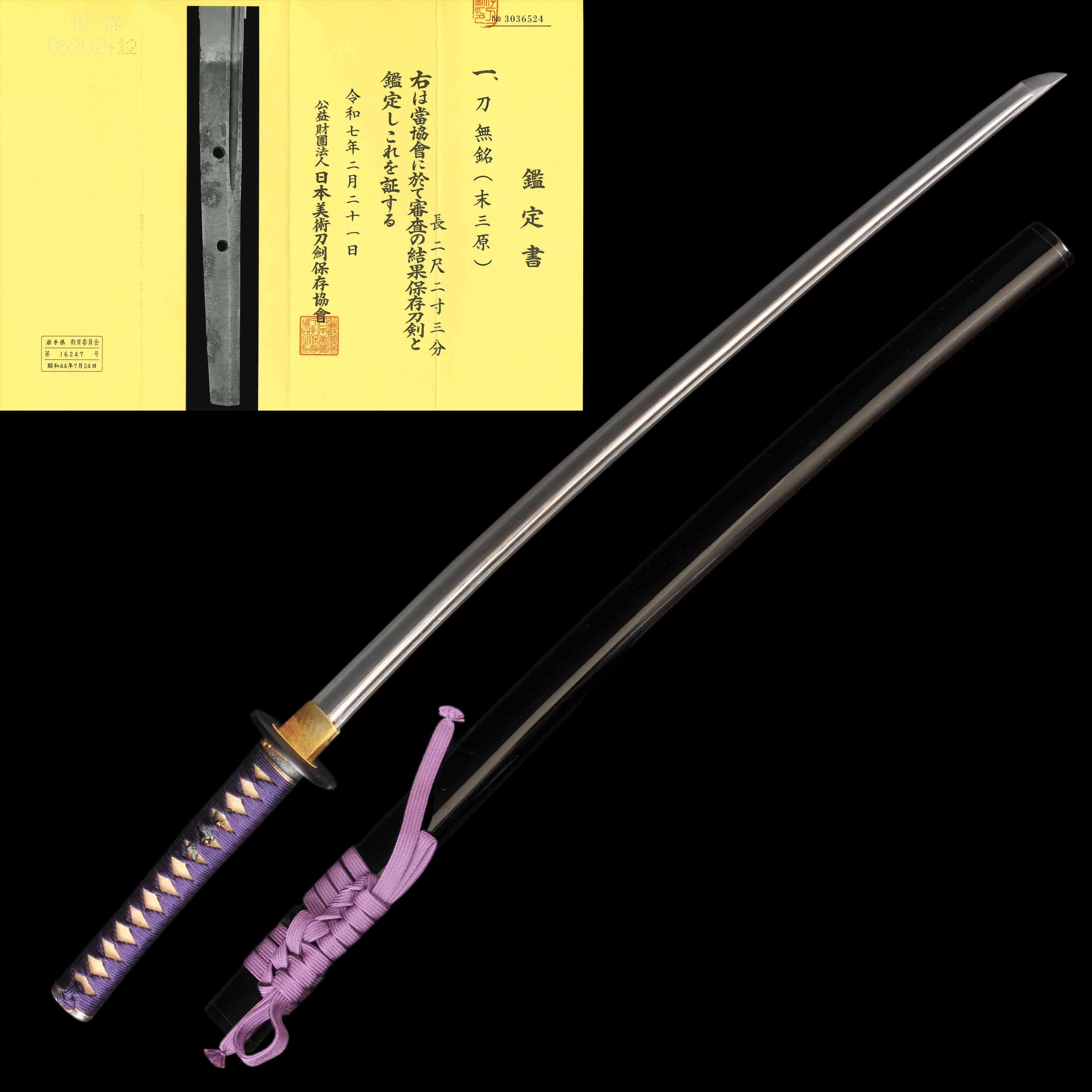
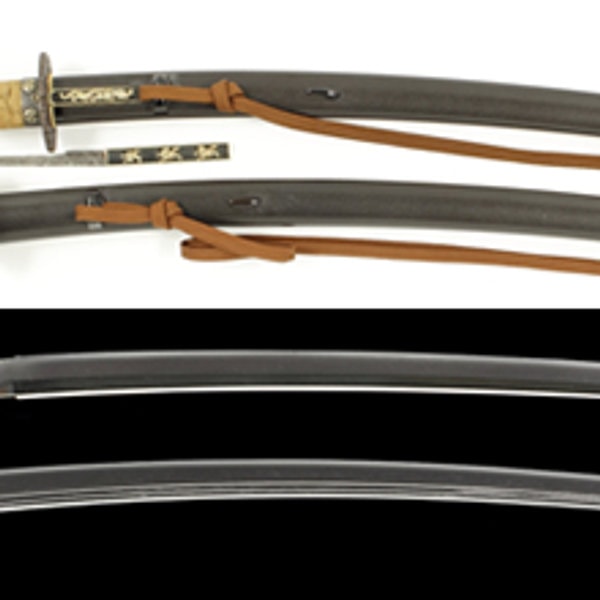
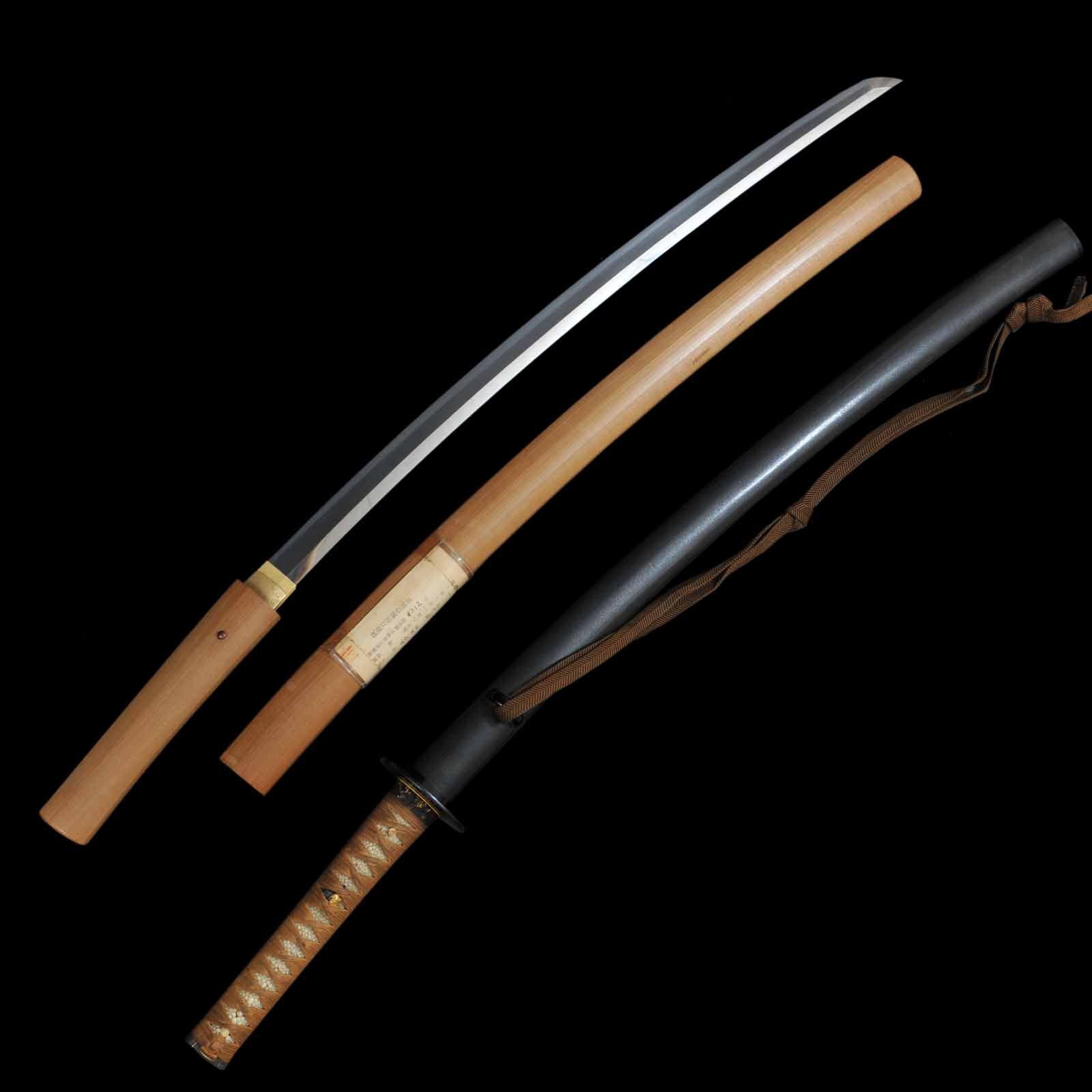
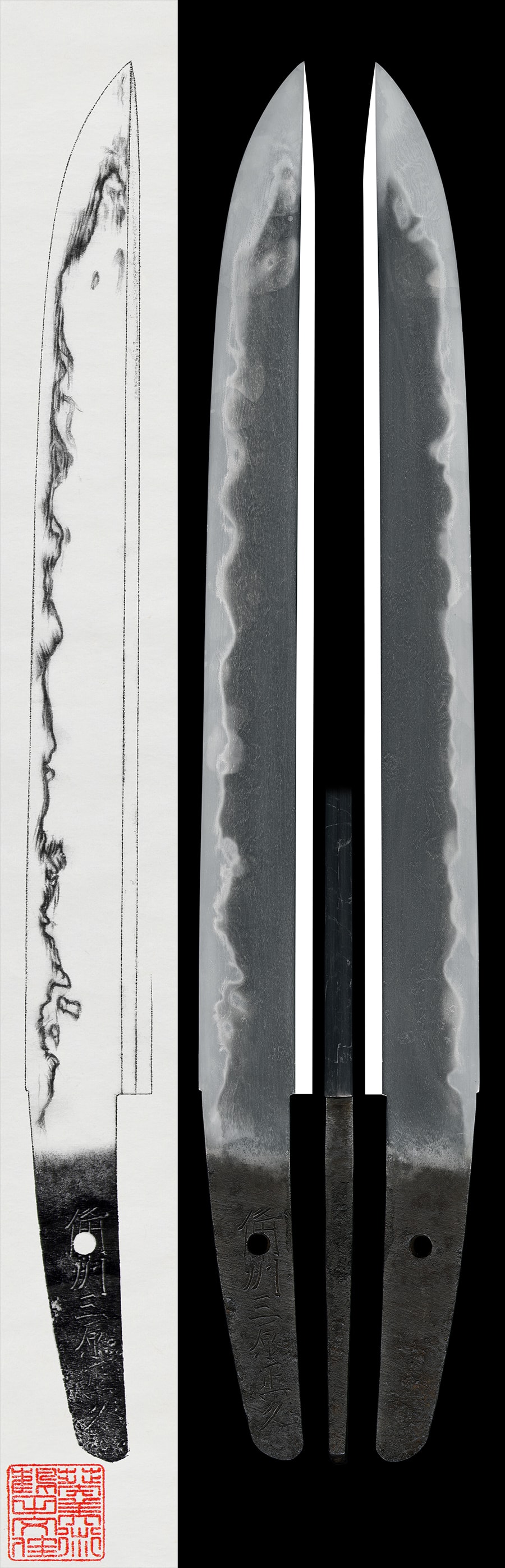
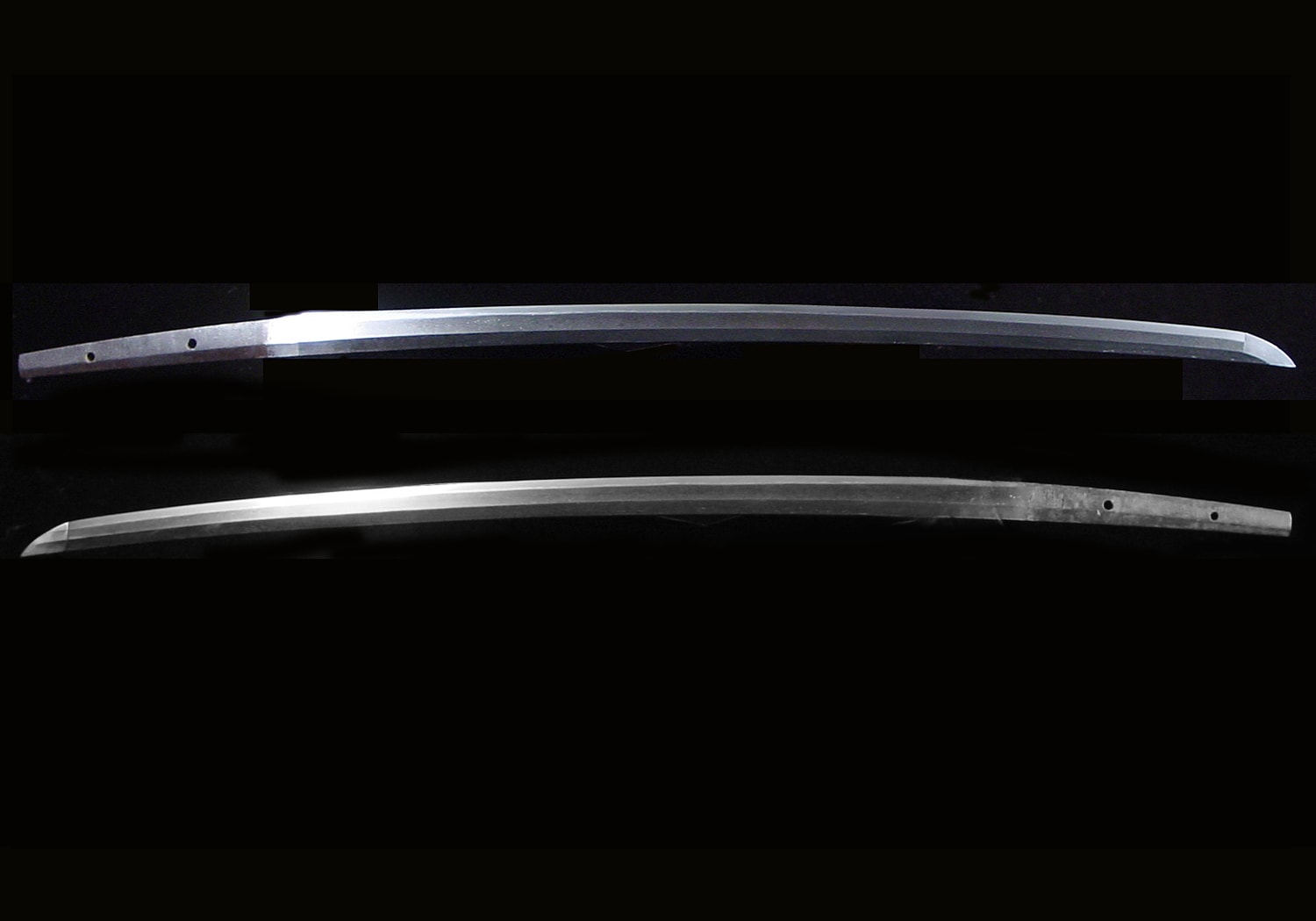
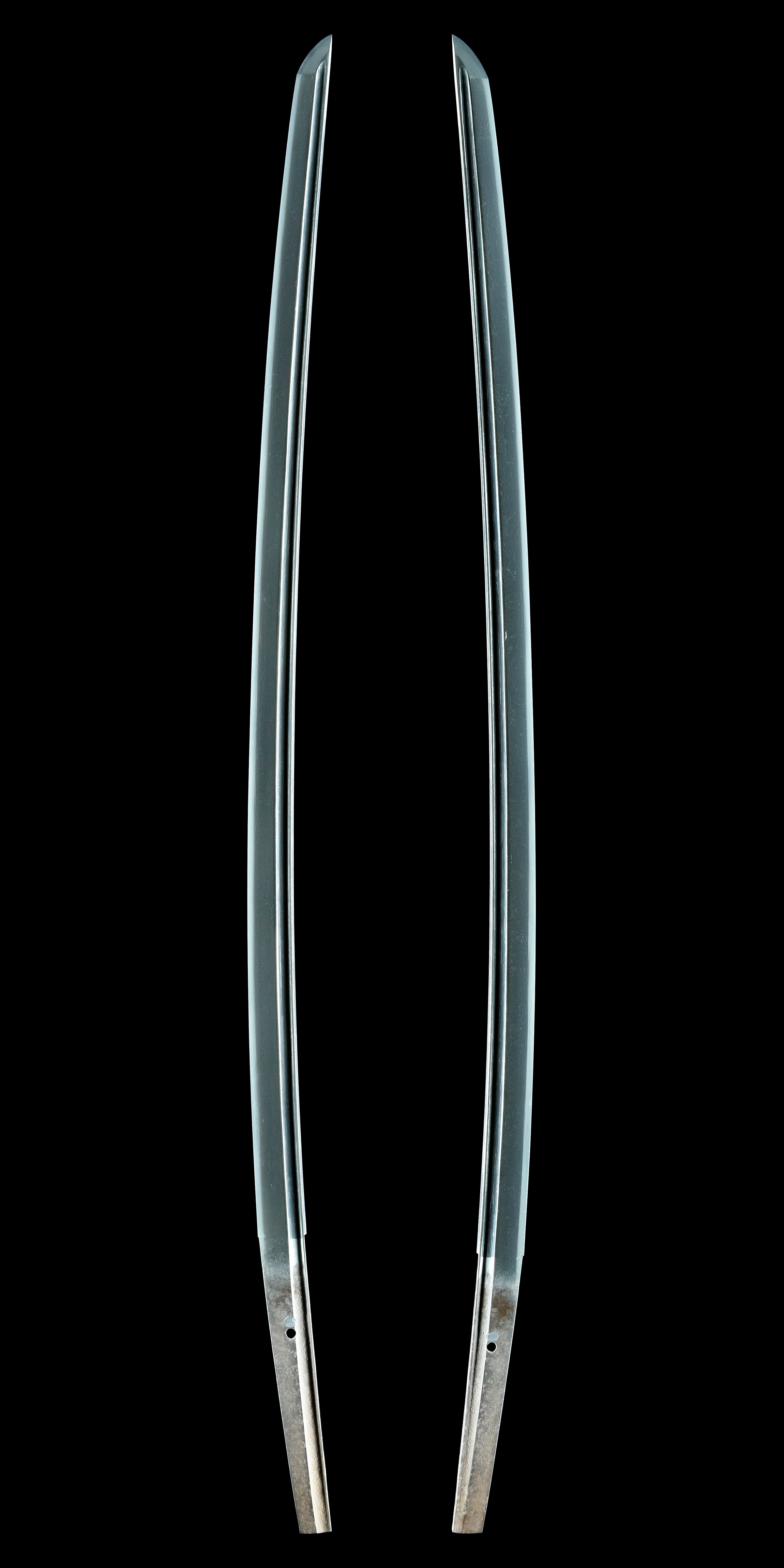
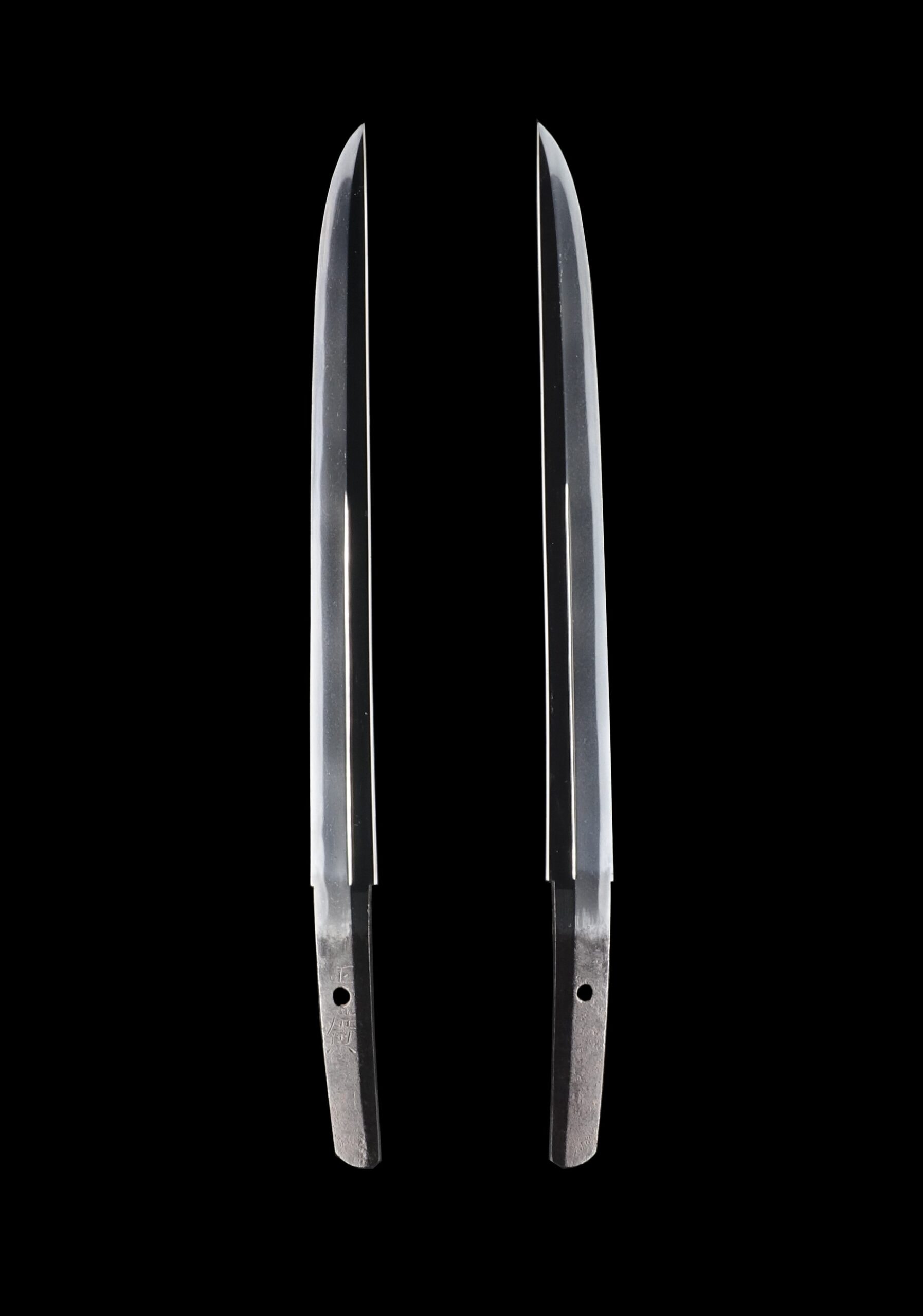
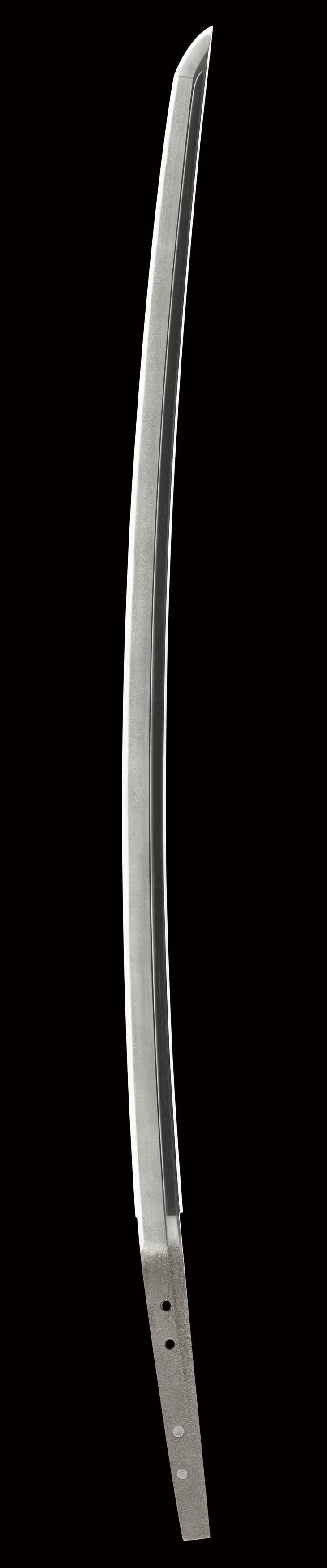
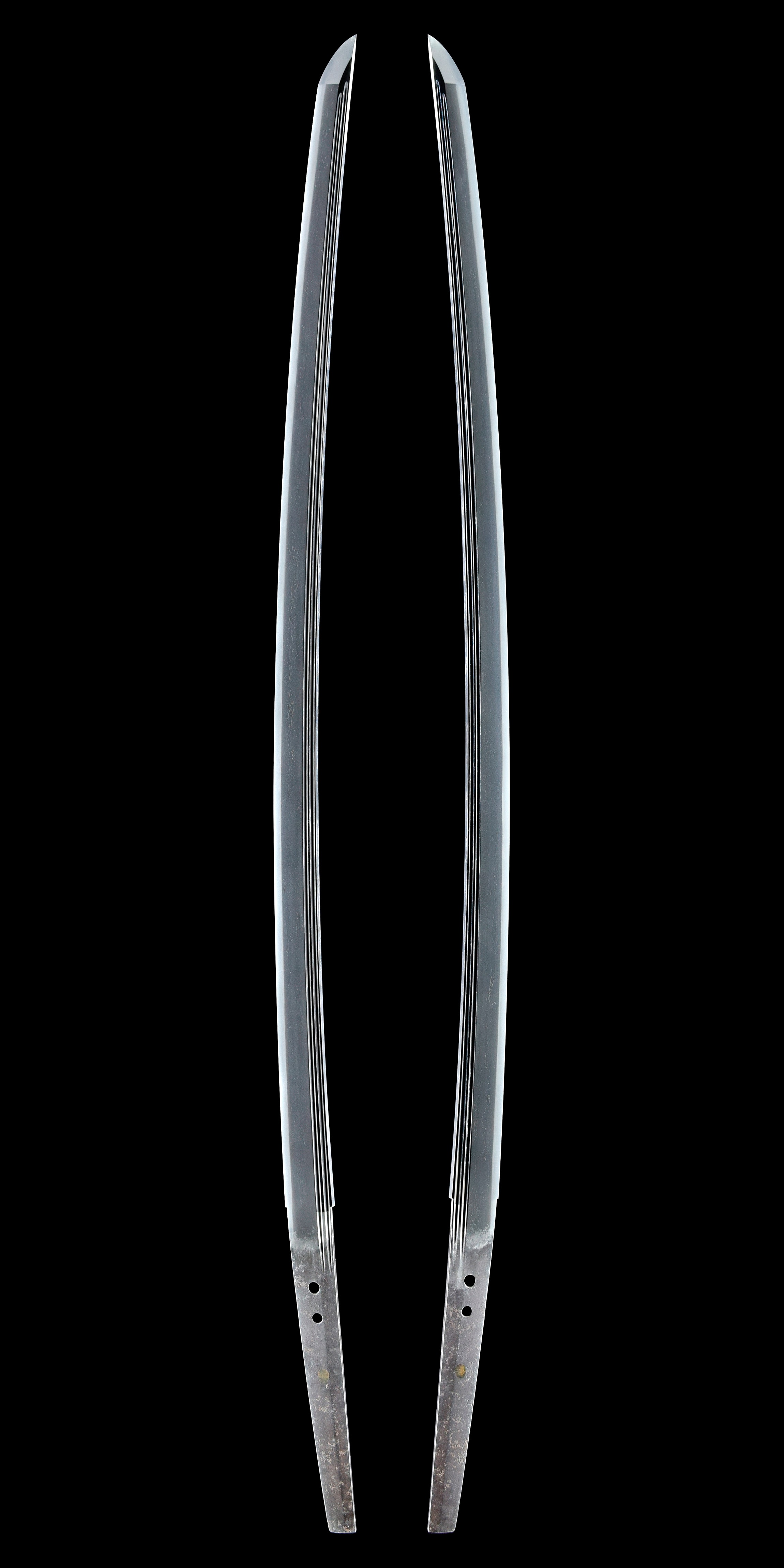
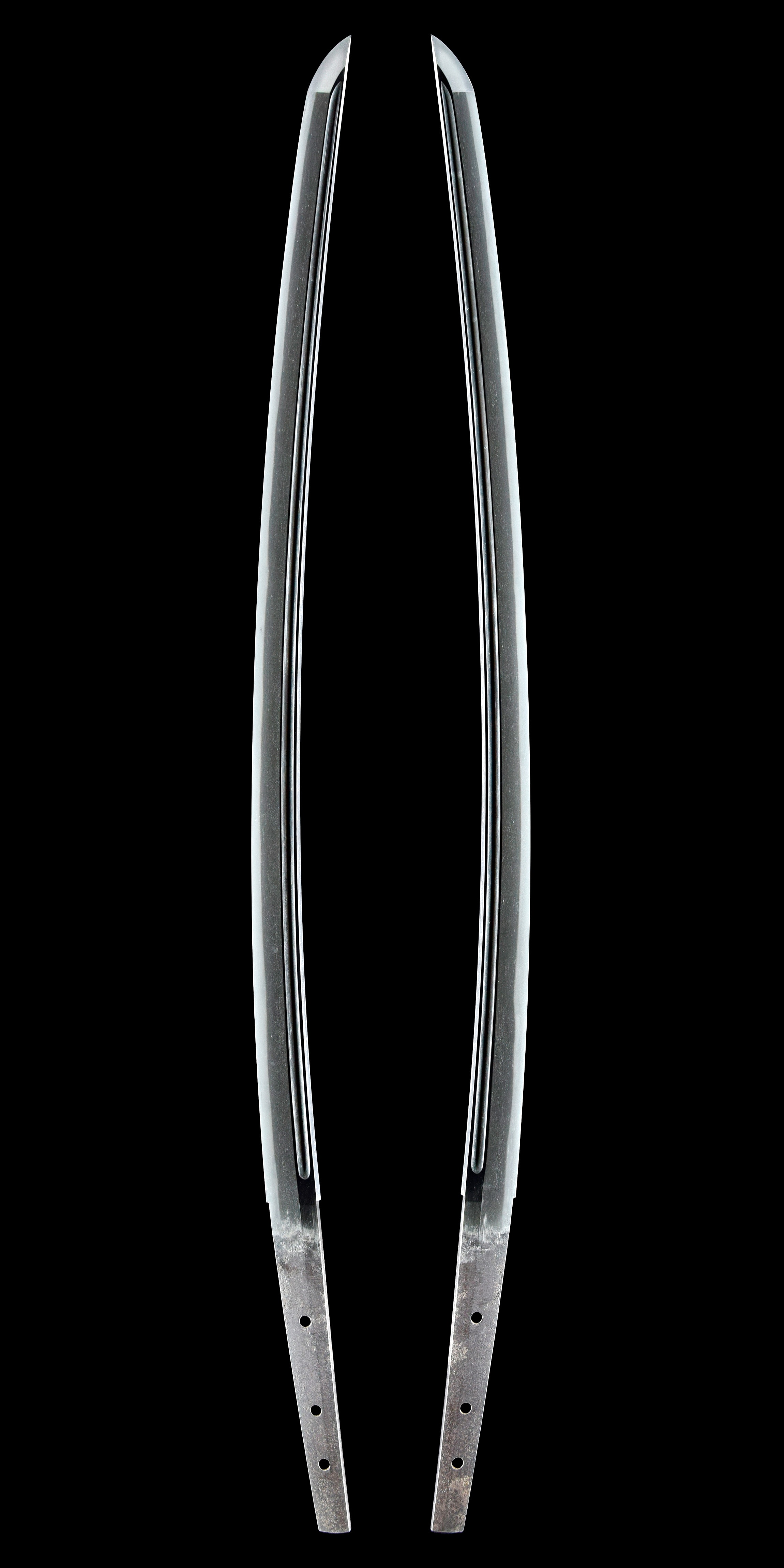
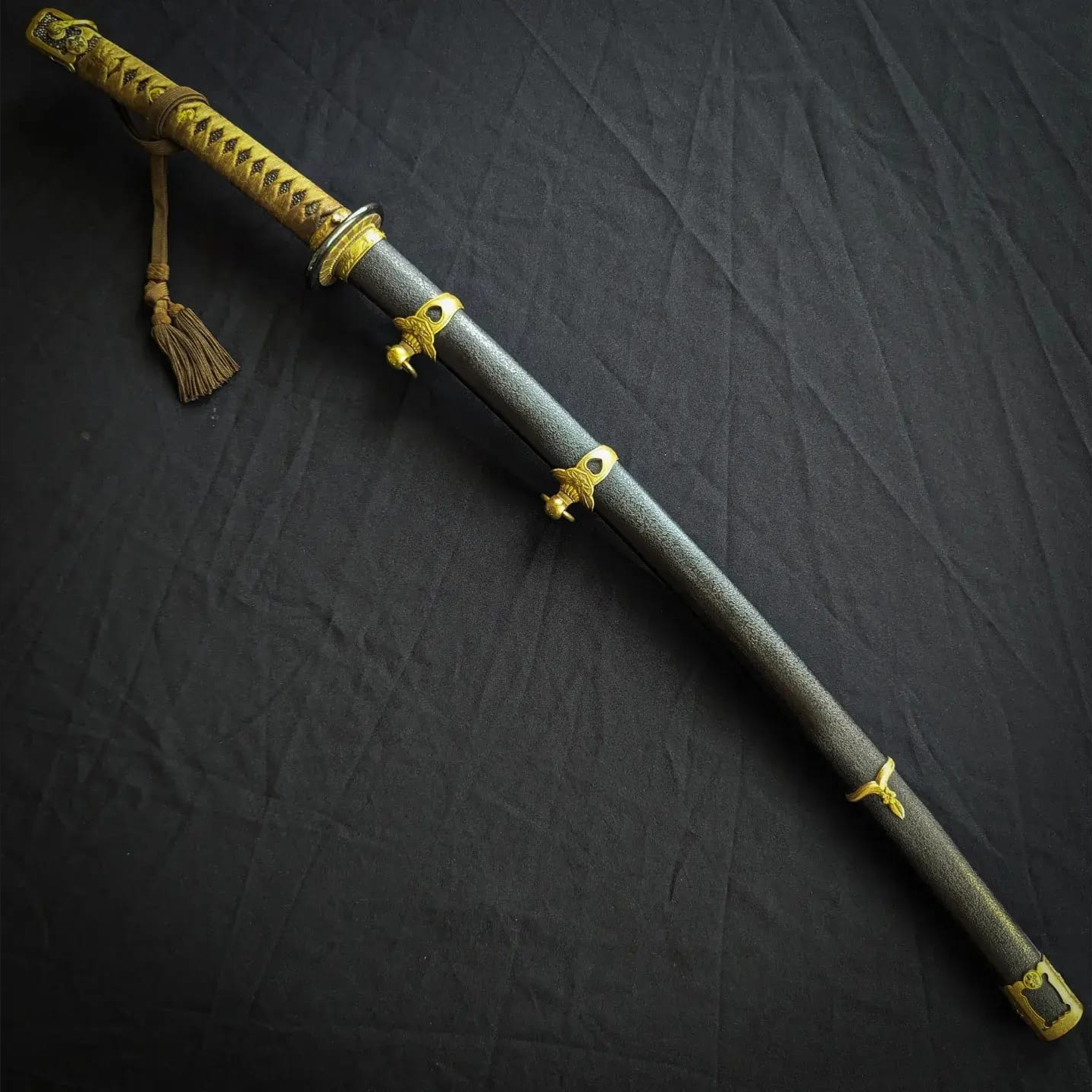
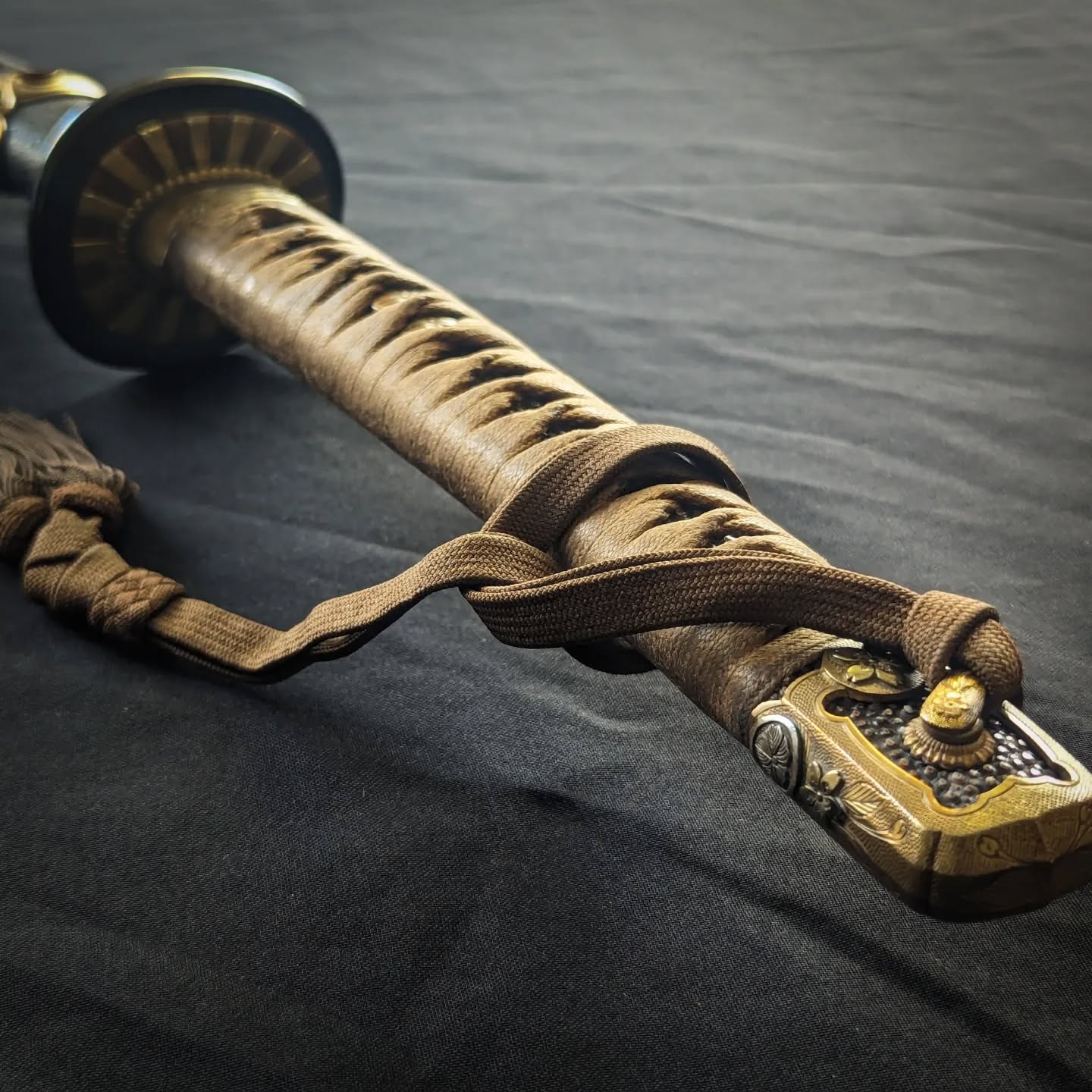
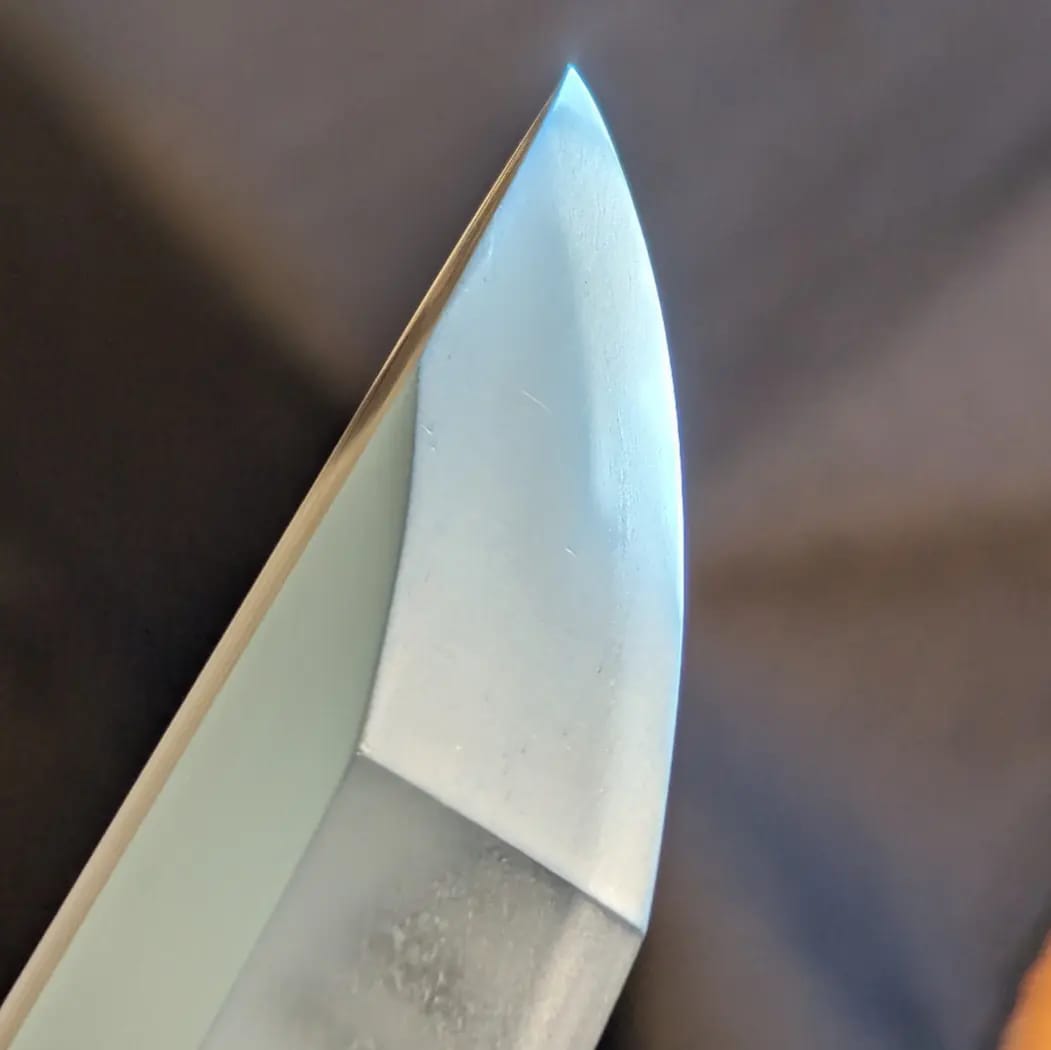
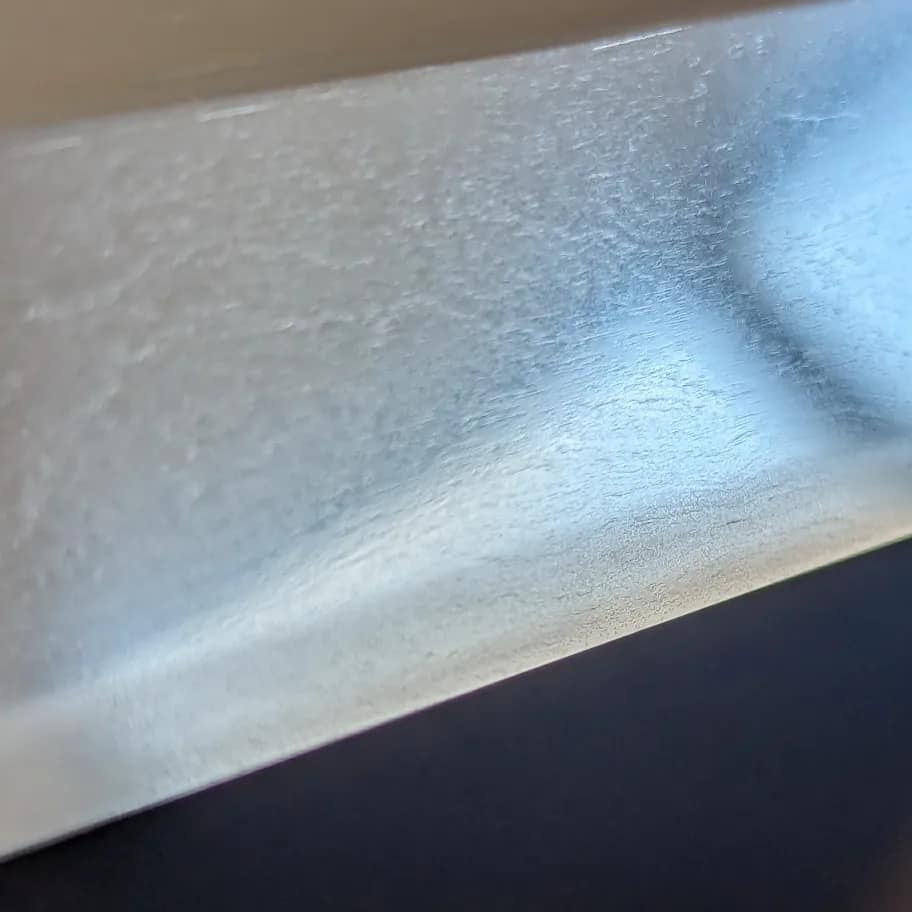
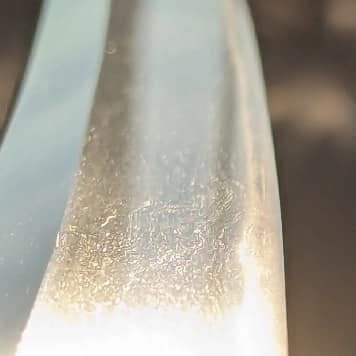
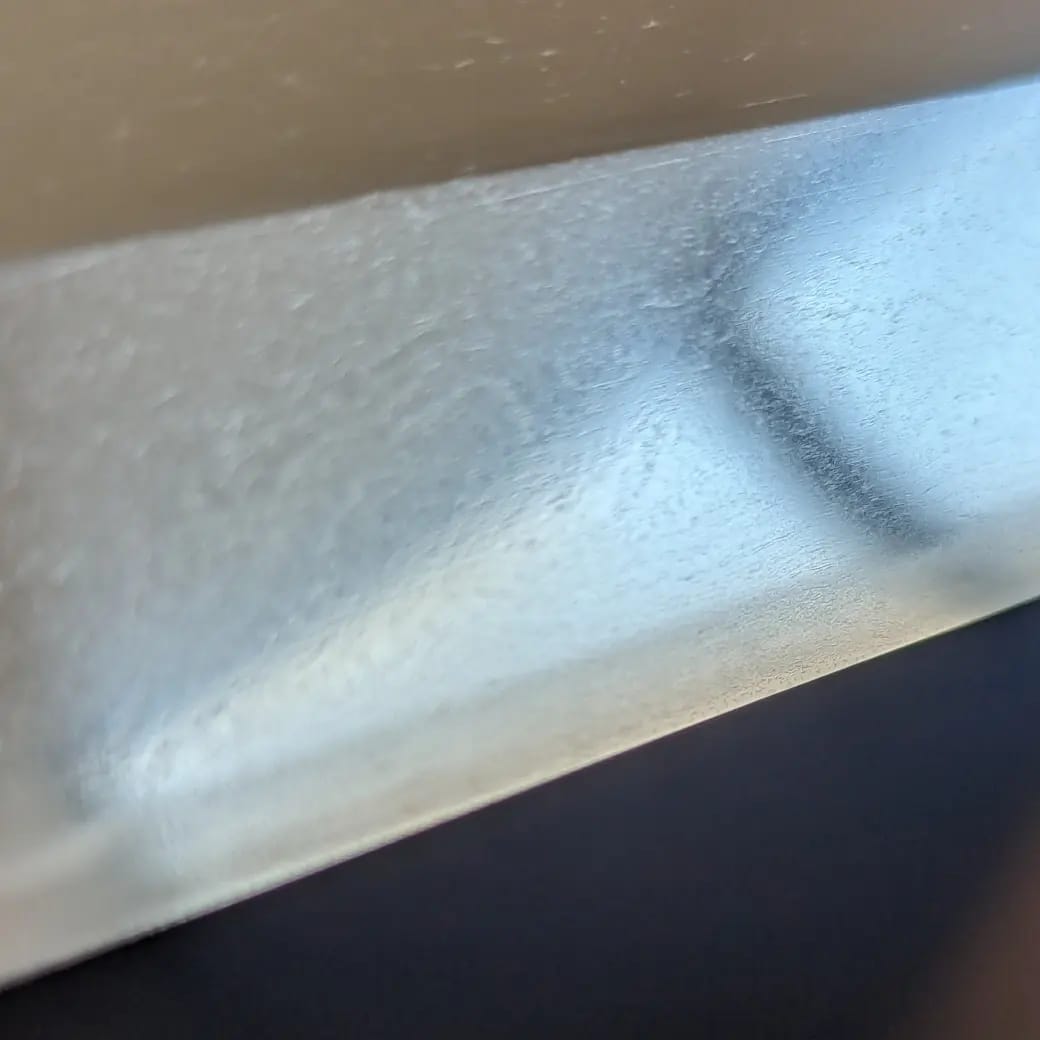
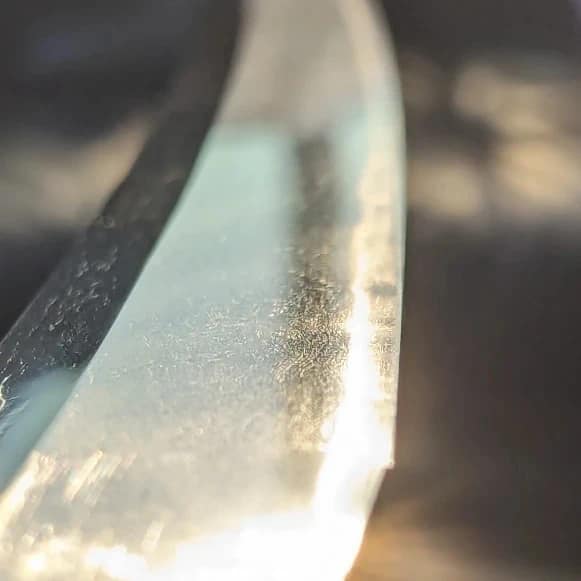
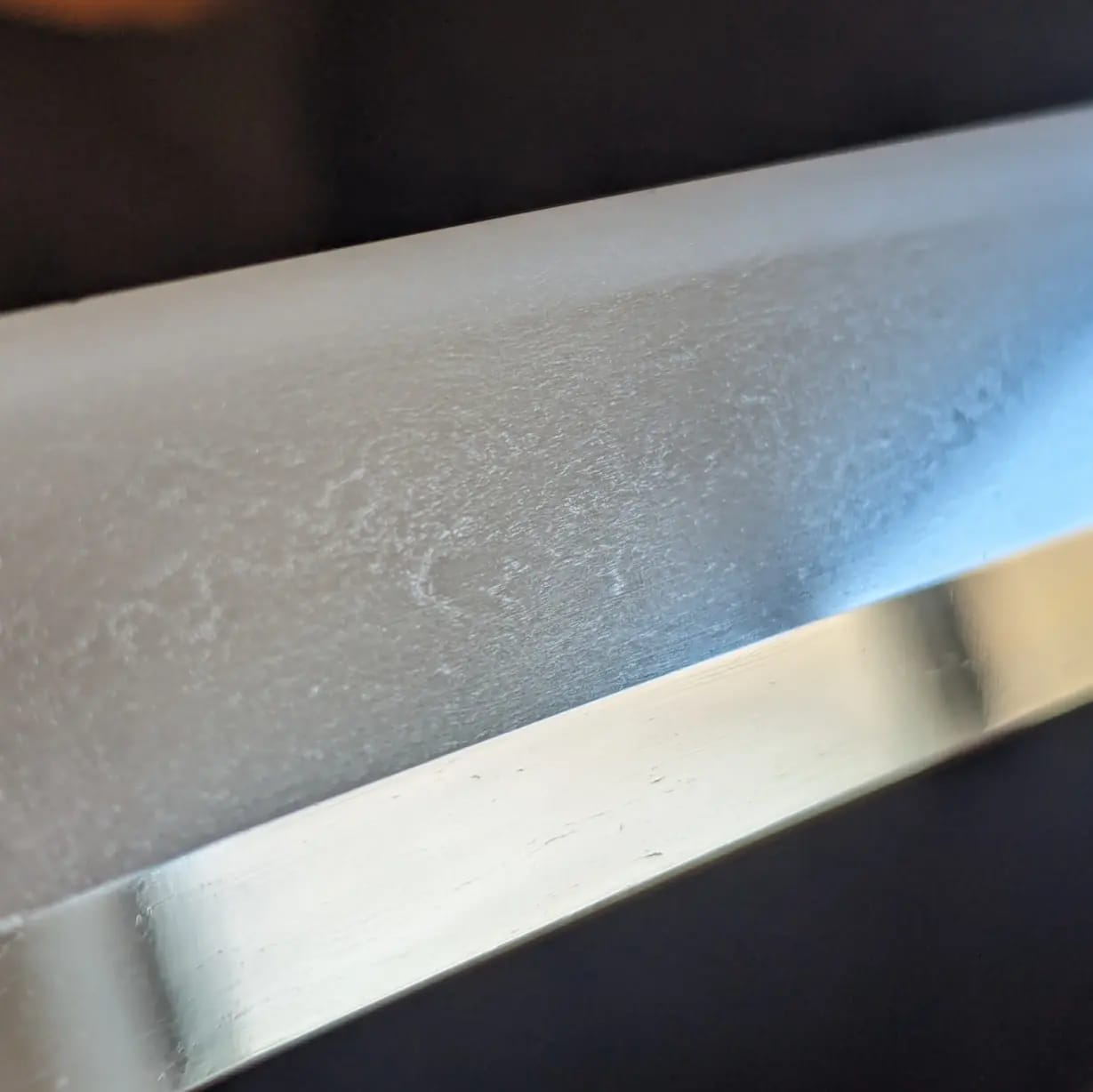
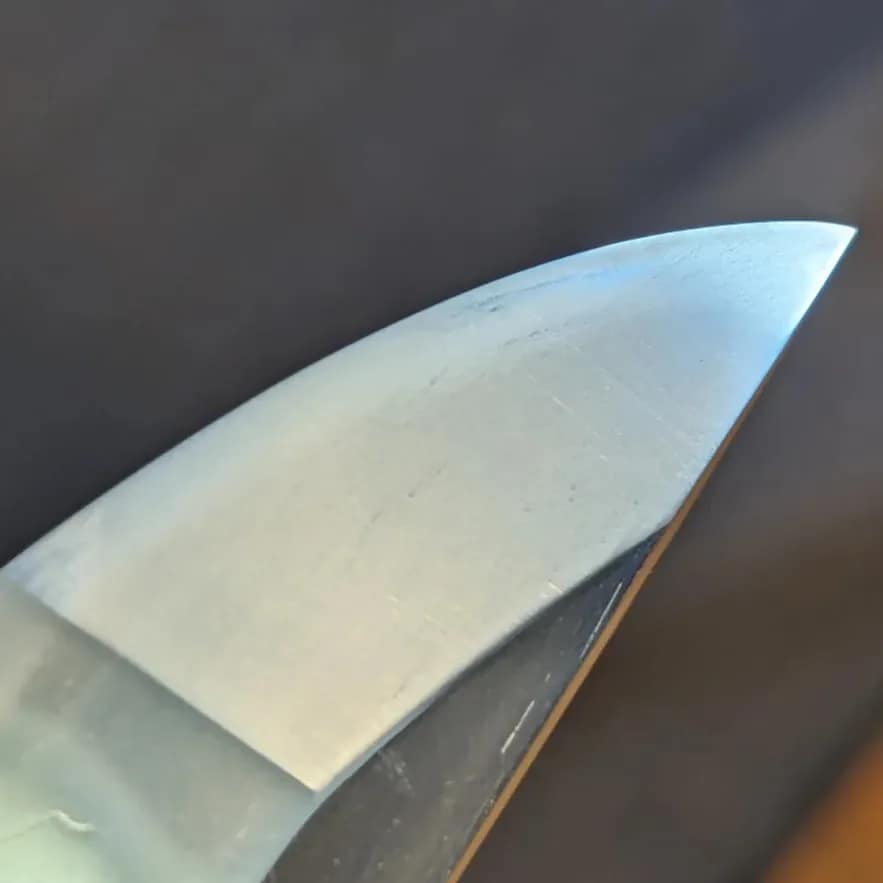
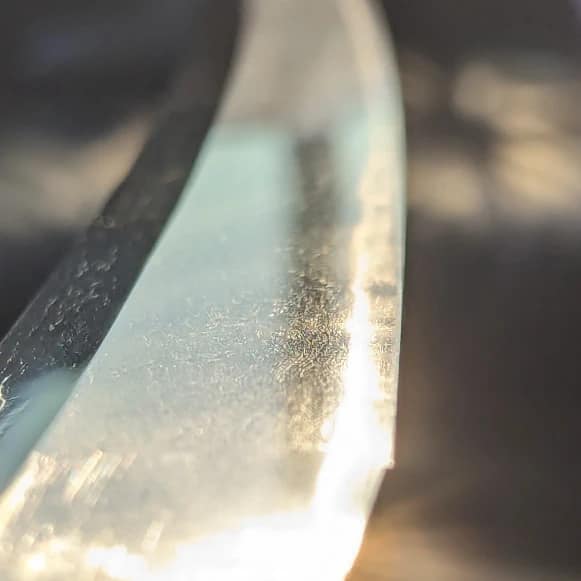
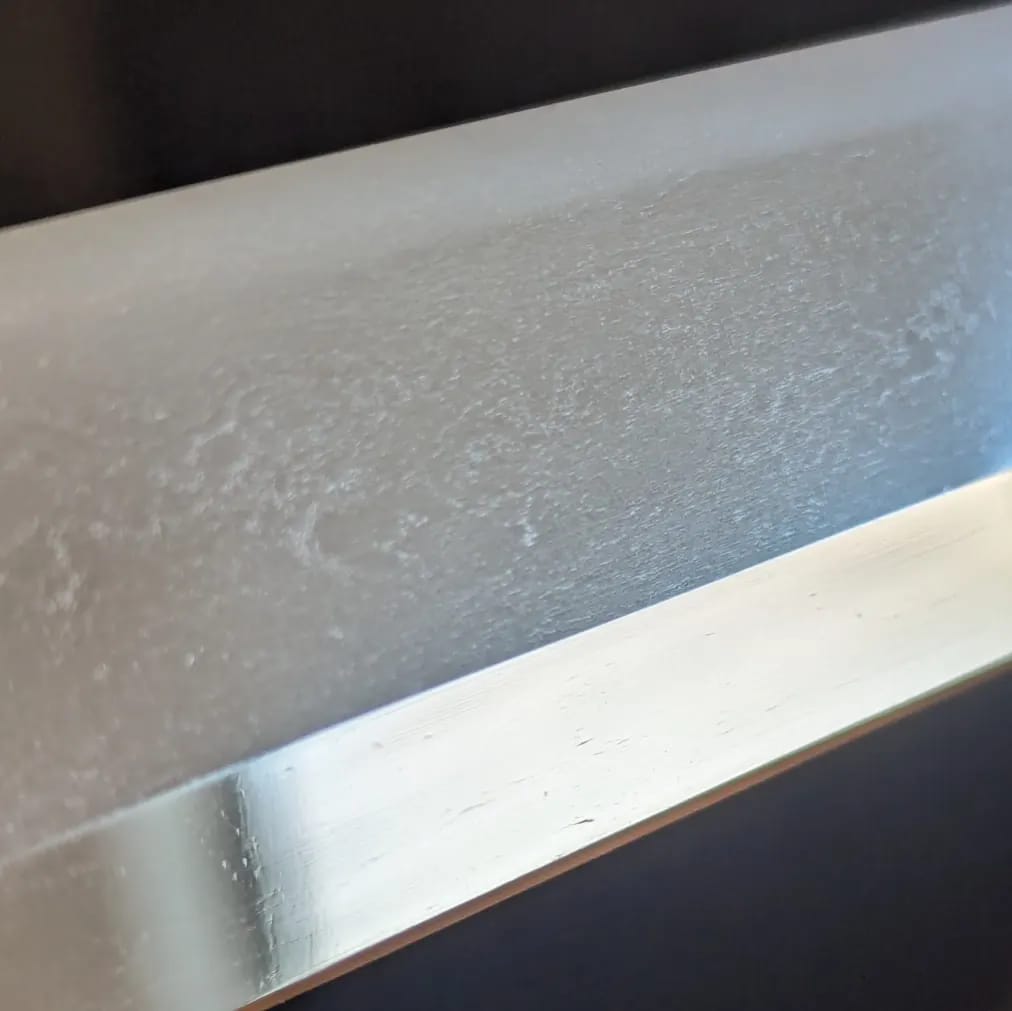
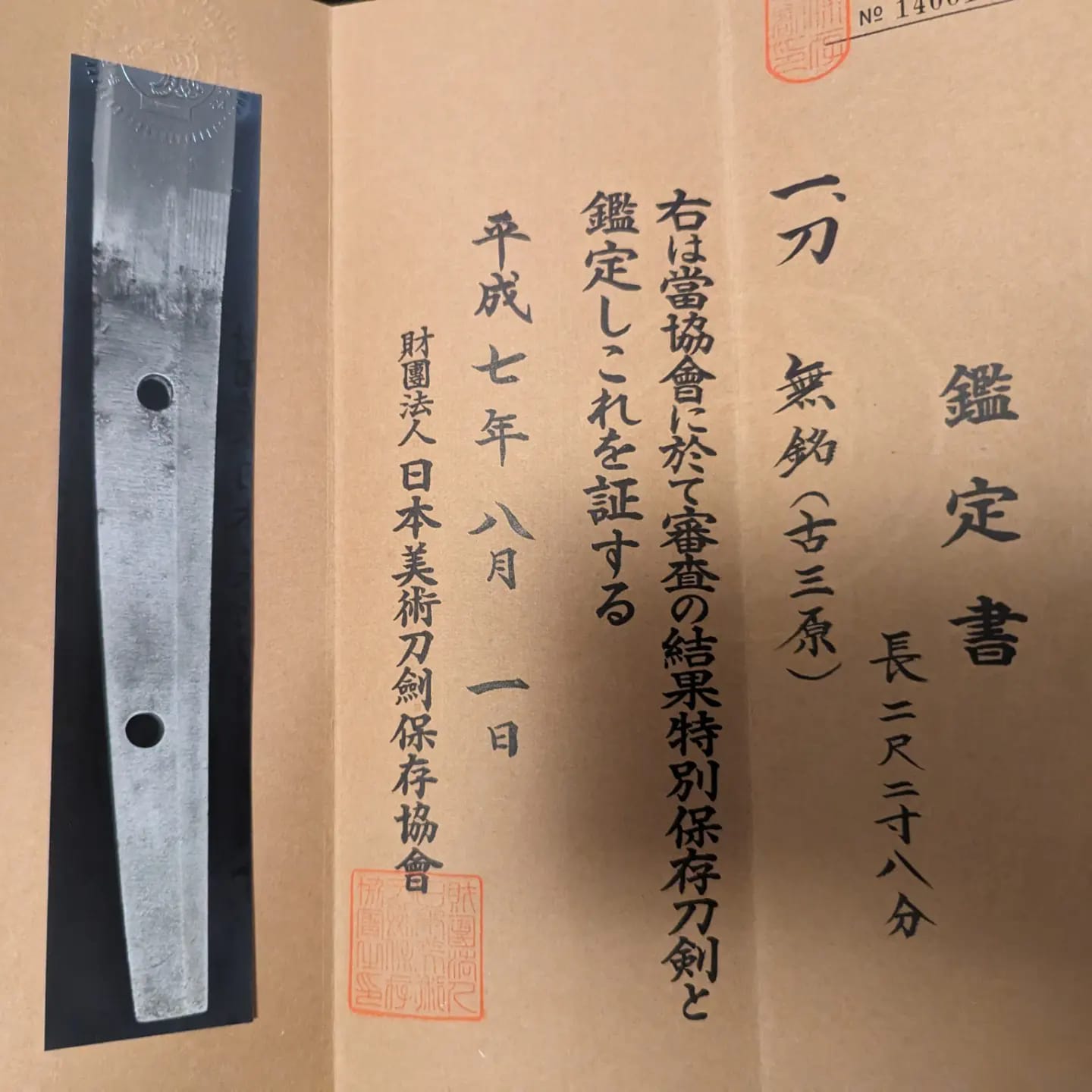
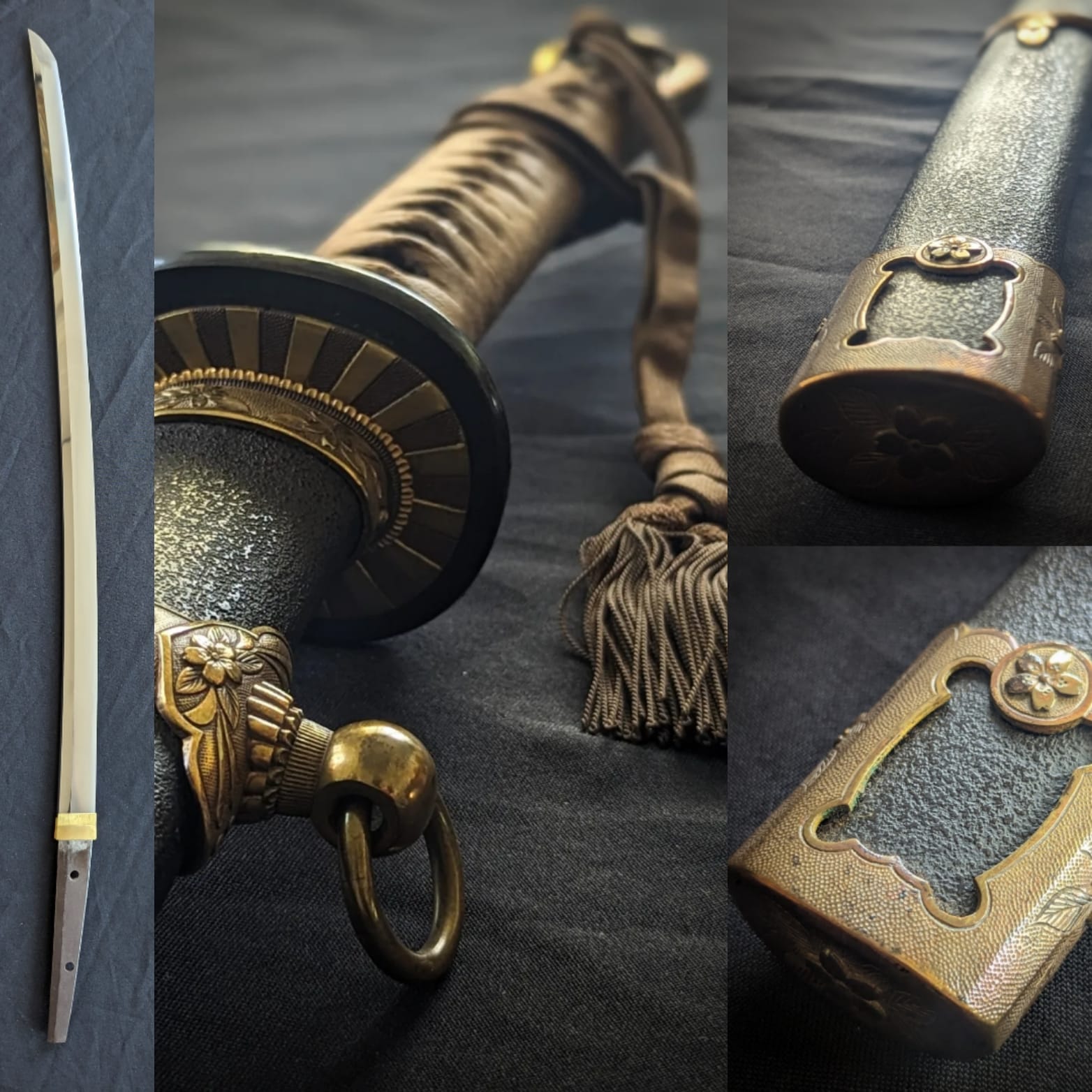
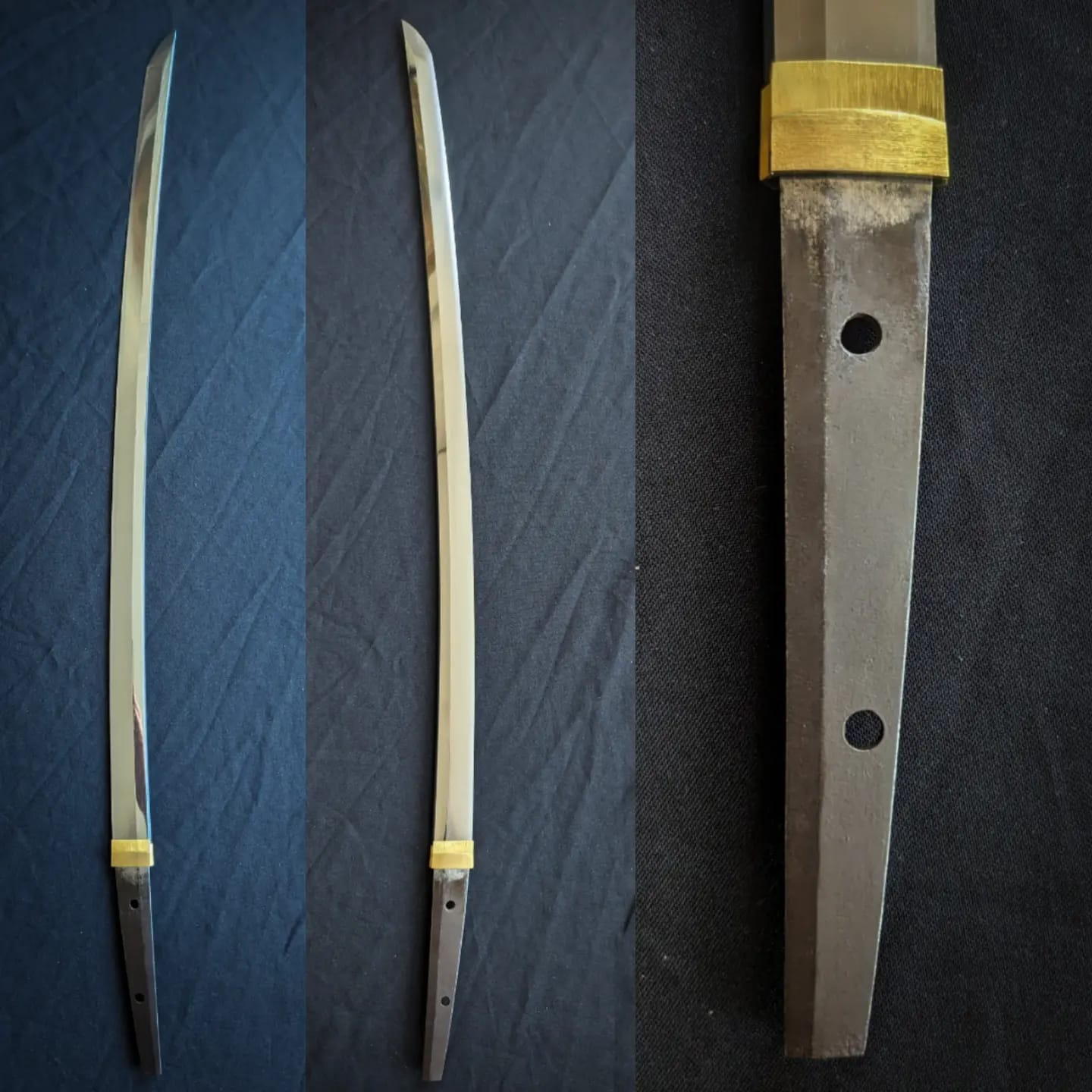
This listing features a rare Ko-Mihara tachi from the late Kamakura to Nanbokucho period, housed in a bespoke Kai-Gunto koshirae. The blade is attributed to the Ko-Mihara school from Bingo province and has been certified as Tokubetsu Hozon. This is described as one of the most interesting naval swords the dealer has handled due to its unusual configuration.
 NihontoWatchBETA
mumei · Ko-Mihara · Kamakura
Yamato-den · Bingo
32 pieces on the market now
The Mihara school arose in Bingo Province during the late Kamakura period and maintained continuous production through the end of the Muromachi period. The region's ancient reputation as a center for iron goods—documented as early as Engi 14 (914) in the Seiji Yōryaku—provided the technical foundation for this sustained tradition. Learn more →
| Smith | Era | Designated |
|---|---|---|
| Nobumori信守 | 987-1596 | 0 |
| Sadakuni貞國 | 1441-1444 | 0 |
| Nobutsugu信次 | 1444-1449 | 0 |
| Nobuie信家 | 1394-1428 | 0 |
| Tomotsugu朝次 | 1394-1428 | 0 |
A Hozon-certified blade judged to show notably superior workmanship and a better state of preservation. The bar is higher: re-tempered blades and most unsigned Muromachi/Edo works are excluded.
The NBTHK (Nihon Bijutsu Tōken Hozon Kyōkai, the Society for the Preservation of Japanese Art Swords) is a public-interest incorporated foundation founded in 1948 and supervised by Japan’s Agency for Cultural Affairs (Bunkachō); it is based at the Japanese Sword Museum in Tokyo. Its expert panels physically examine each submitted work (shinsa) and issue a certificate (kanteishō) ranking it by artistic and historical merit. NBTHK papers are the most widely recognized standard of authentication for Japanese swords and fittings.
NBTHK official siteThis listing features a rare Ko-Mihara tachi from the late Kamakura to Nanbokucho period, housed in a bespoke Kai-Gunto koshirae. The blade is attributed to the Ko-Mihara school from Bingo province and has been certified as Tokubetsu Hozon. This is described as one of the most interesting naval swords the dealer has handled due to its unusual configuration.
NihontoWatchBETAmumei · Ko-Mihara · Kamakura
Yamato-den · Bingo
32 pieces on the market now
The Mihara school arose in Bingo Province during the late Kamakura period and maintained continuous production through the end of the Muromachi period. The region's ancient reputation as a center for iron goods—documented as early as Engi 14 (914) in the Seiji Yōryaku—provided the technical foundation for this sustained tradition. Learn more →
| Smith | Era | Designated |
|---|---|---|
| Nobumori信守 | 987-1596 | 0 |
| Sadakuni貞國 | 1441-1444 | 0 |
| Nobutsugu信次 | 1444-1449 | 0 |
| Nobuie信家 | 1394-1428 | 0 |
| Tomotsugu朝次 | 1394-1428 | 0 |
A Hozon-certified blade judged to show notably superior workmanship and a better state of preservation. The bar is higher: re-tempered blades and most unsigned Muromachi/Edo works are excluded.
The NBTHK (Nihon Bijutsu Tōken Hozon Kyōkai, the Society for the Preservation of Japanese Art Swords) is a public-interest incorporated foundation founded in 1948 and supervised by Japan’s Agency for Cultural Affairs (Bunkachō); it is based at the Japanese Sword Museum in Tokyo. Its expert panels physically examine each submitted work (shinsa) and issue a certificate (kanteishō) ranking it by artistic and historical merit. NBTHK papers are the most widely recognized standard of authentication for Japanese swords and fittings.
NBTHK official site