Sengoku Seki was an industry: smiths organized under their tutelary Kasuga shrine, arming the war bands of central Japan. Magoroku Kanemoto’s sanbonsugi and the finest Kanesada work prove quality survived inside mass production.
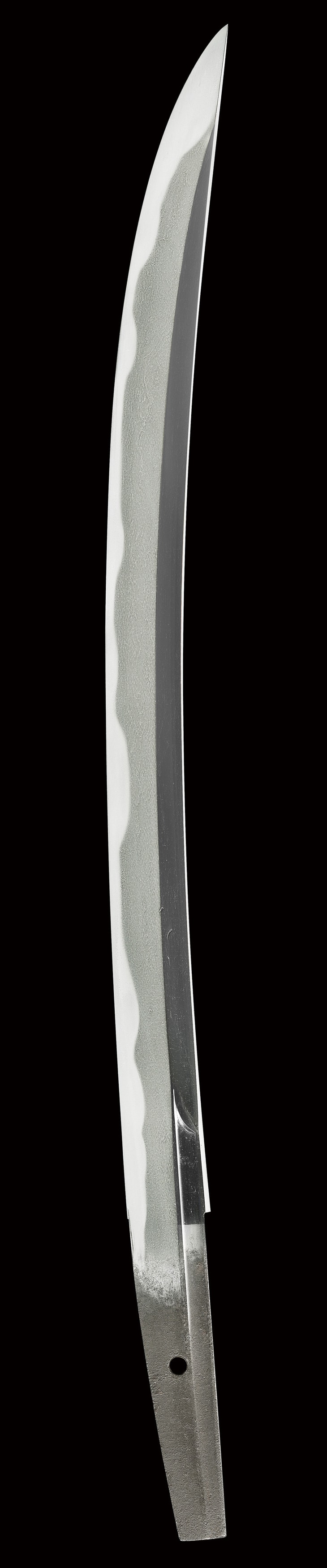
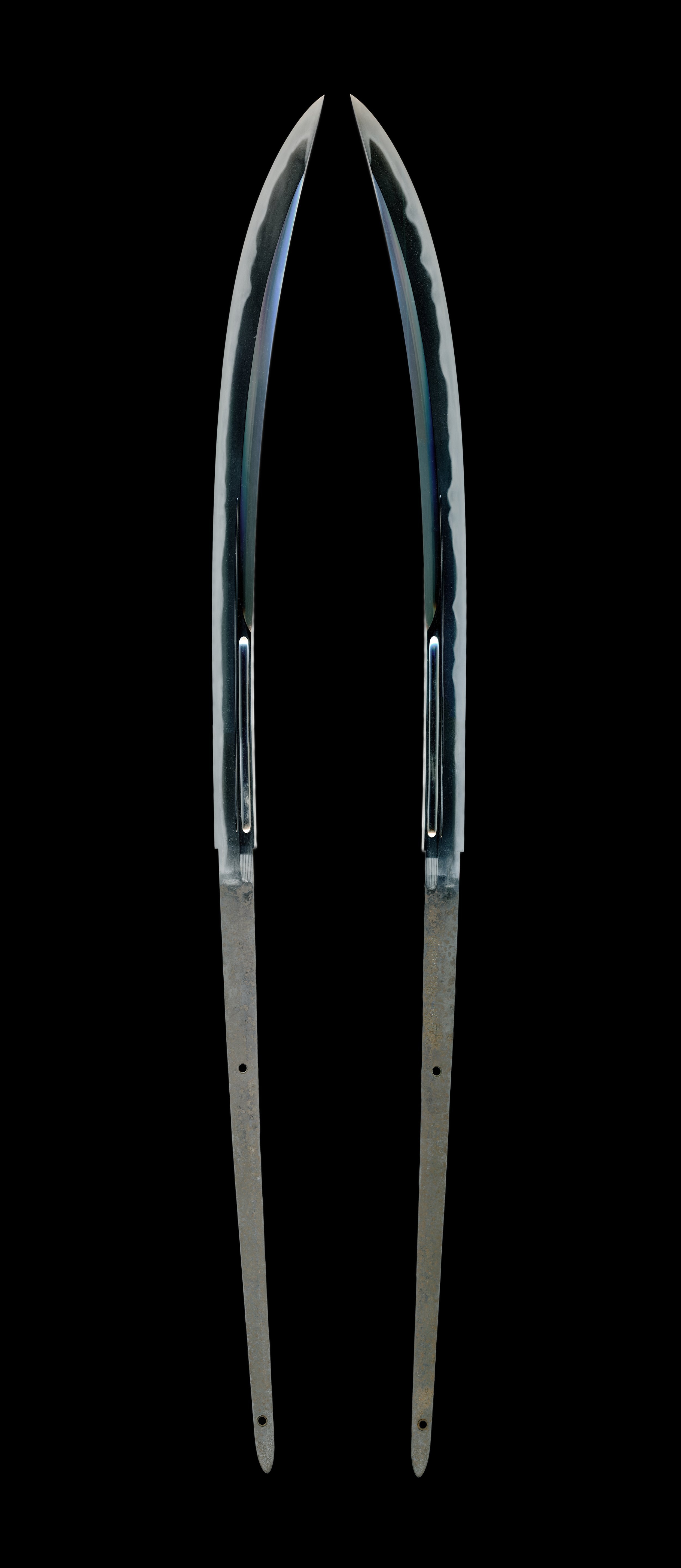
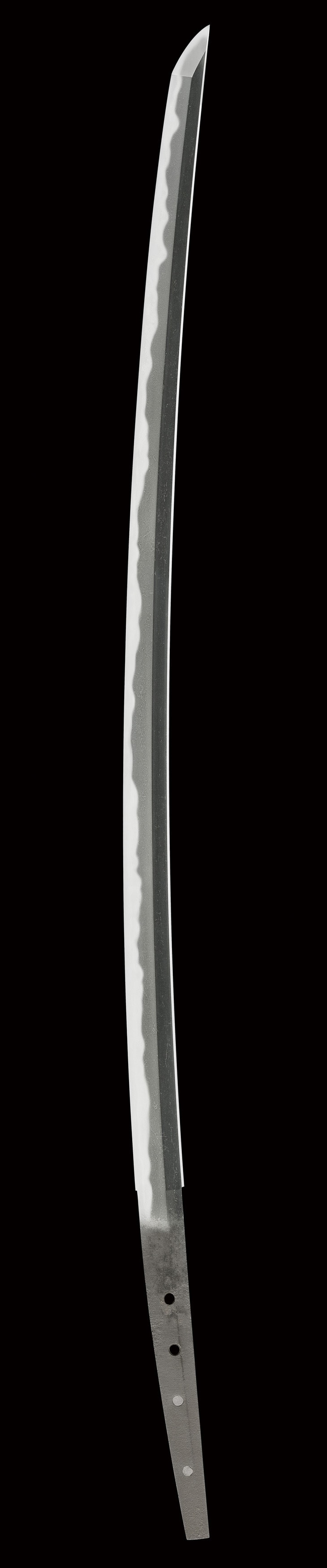
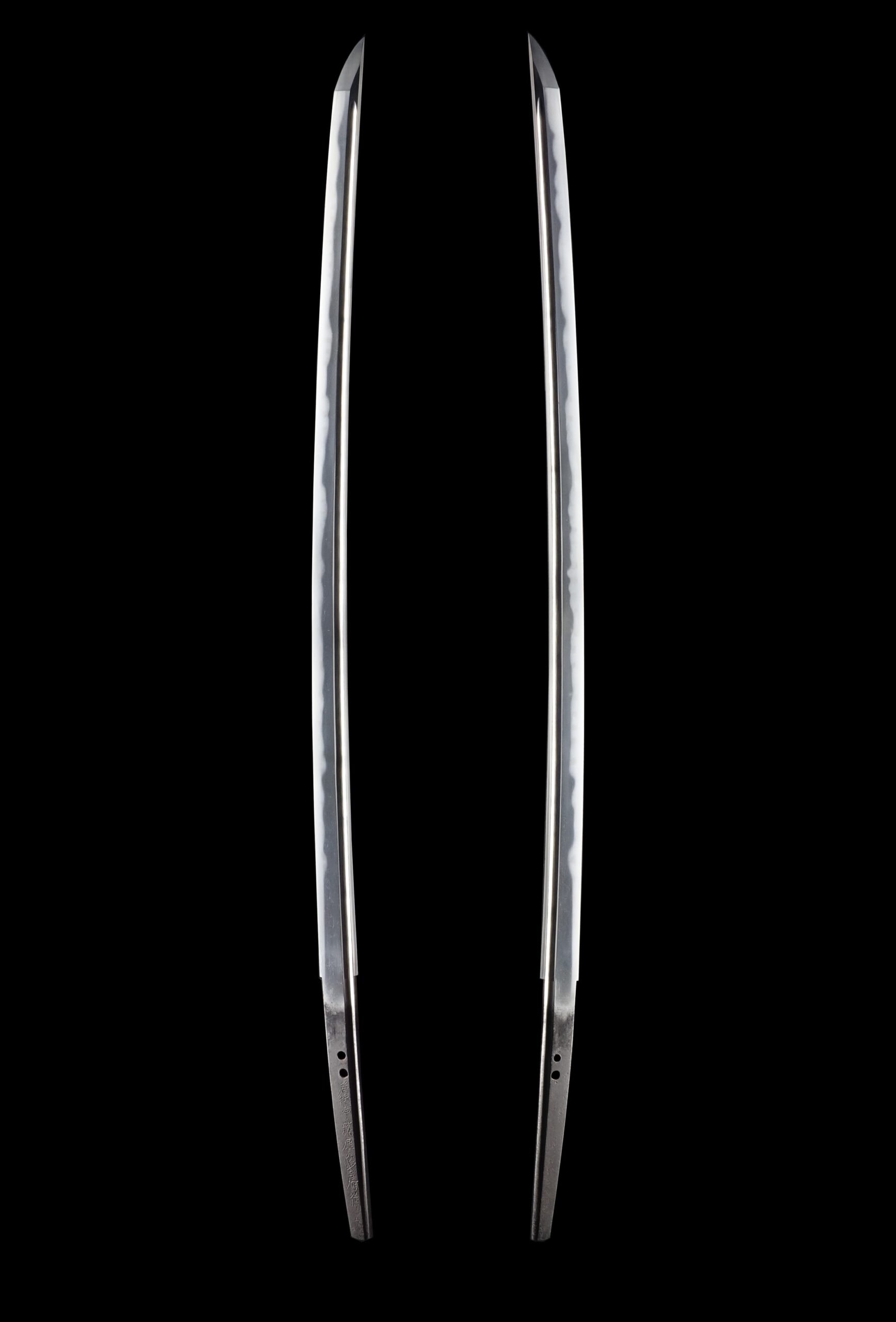
This listing is for a healthy tanto by Kanesada from the late Muromachi period (around Eisho era) in Mino Province. The first generation Kanesada is said to be Masamitsu, a son or disciple of Daruma Shigemitsu, who was active in front of Kurama-dera Temple in Yamashiro Province. The school flourished after moving to Hachiya in Mino Province, a key transportation hub, and continued for several generations from Oei to the end of the Muromachi period. Known as Hachiya Daruma, it is a highly trusted lineage following famous smiths like Izumi no Kami Kanesada and Magoroku Kanemoto.
 NihontoWatch
mei · Muromachi








Mino-den · Mino · around 1469-1487
Tōken Taikan top 49%
Mino-den · Mino
| Smith | Era | Designated |
|---|---|---|
| Kanesada兼貞 | 1394-1428 | 0 |
| Kanesada兼貞 | 1469-1487 | 0 |
| Kanesada兼貞 | 1492-1501 | 0 |
| Kanemasa兼正 | 1469-1487 | 0 |
Sengoku Seki was an industry: smiths organized under their tutelary Kasuga shrine, arming the war bands of central Japan. Magoroku Kanemoto’s sanbonsugi and the finest Kanesada work prove quality survived inside mass production.
We could not find an authenticity certificate on the seller’s listing. Japanese swords and fittings are normally papered by the NBTHK (or the NTHK). Without one, the attribution is the seller’s own assessment and has not been independently verified — treat it with caution and ask the dealer about certification before buying.
If, due to our fault, the item differs significantly from its proper condition, the item may be returned. Cooling-off is within one week of the item's arrival.
This listing is for a healthy tanto by Kanesada from the late Muromachi period (around Eisho era) in Mino Province. The first generation Kanesada is said to be Masamitsu, a son or disciple of Daruma Shigemitsu, who was active in front of Kurama-dera Temple in Yamashiro Province. The school flourished after moving to Hachiya in Mino Province, a key transportation hub, and continued for several generations from Oei to the end of the Muromachi period. Known as Hachiya Daruma, it is a highly trusted lineage following famous smiths like Izumi no Kami Kanesada and Magoroku Kanemoto.
NihontoWatchmei · Muromachi
Mino-den · Mino · around 1469-1487
Tōken Taikan top 49%
Mino-den · Mino
| Smith | Era | Designated |
|---|---|---|
| Kanesada兼貞 | 1394-1428 | 0 |
| Kanesada兼貞 | 1469-1487 | 0 |
| Kanesada兼貞 | 1492-1501 | 0 |
| Kanemasa兼正 | 1469-1487 | 0 |
Sengoku Seki was an industry: smiths organized under their tutelary Kasuga shrine, arming the war bands of central Japan. Magoroku Kanemoto’s sanbonsugi and the finest Kanesada work prove quality survived inside mass production.
We could not find an authenticity certificate on the seller’s listing. Japanese swords and fittings are normally papered by the NBTHK (or the NTHK). Without one, the attribution is the seller’s own assessment and has not been independently verified — treat it with caution and ask the dealer about certification before buying.
If, due to our fault, the item differs significantly from its proper condition, the item may be returned. Cooling-off is within one week of the item's arrival.