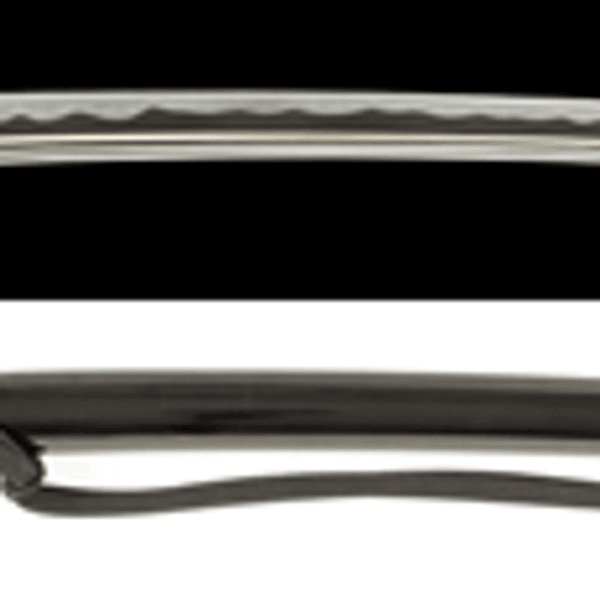
The twentieth century nearly killed the craft twice: wartime distortion, then the occupation ban. The NBTHK’s founding in 1948 and licensed forging from 1953 rebuilt the sword as an art, crowned by Living National Treasures and the mukansa rank.
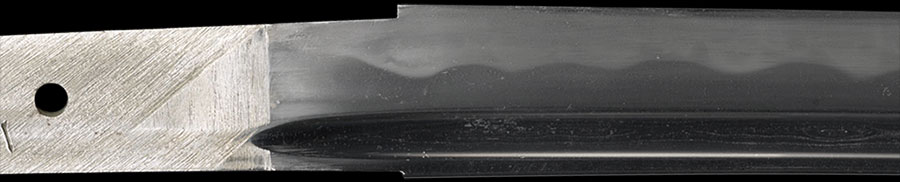
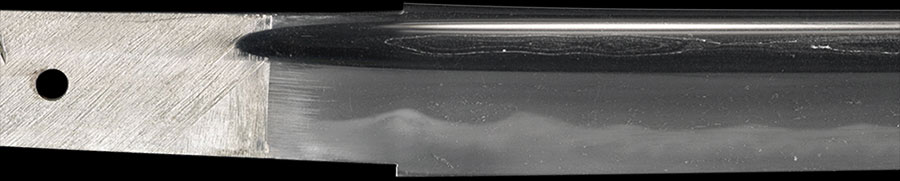
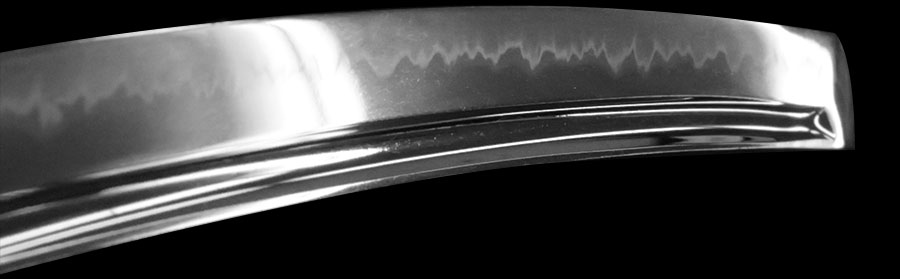
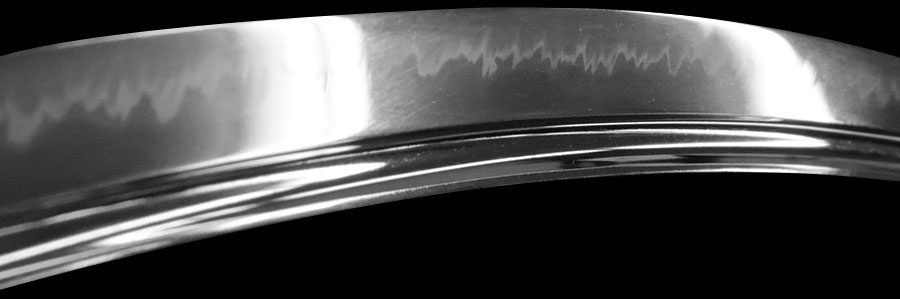
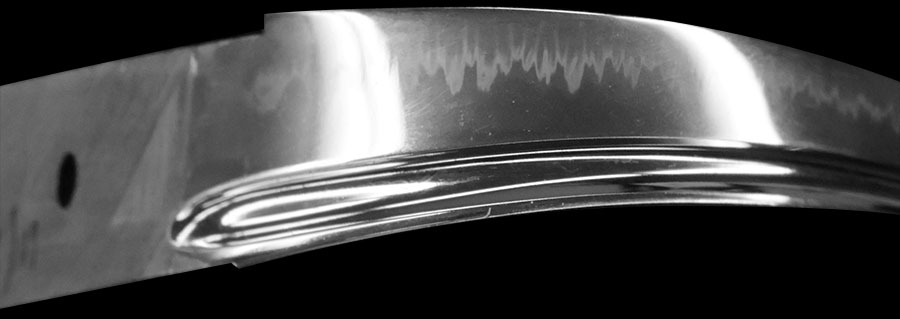
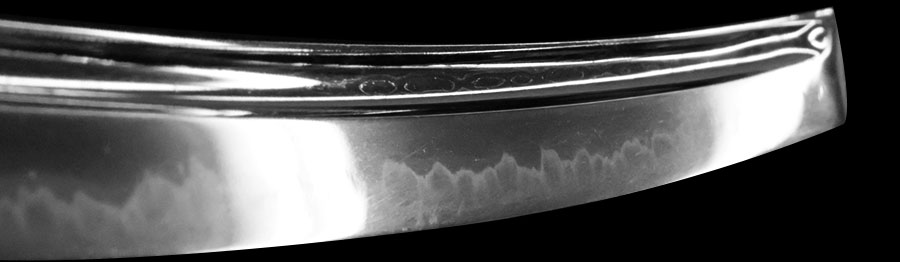
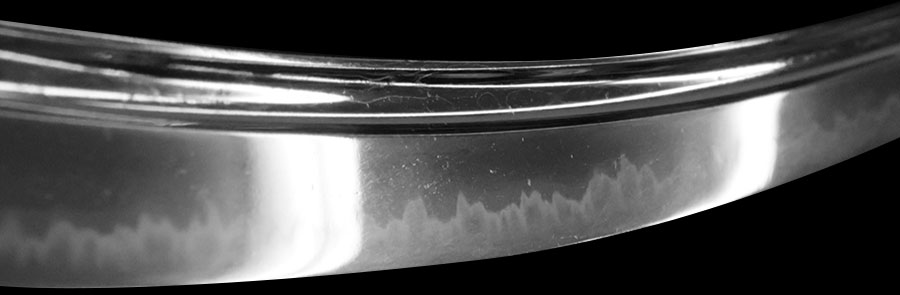
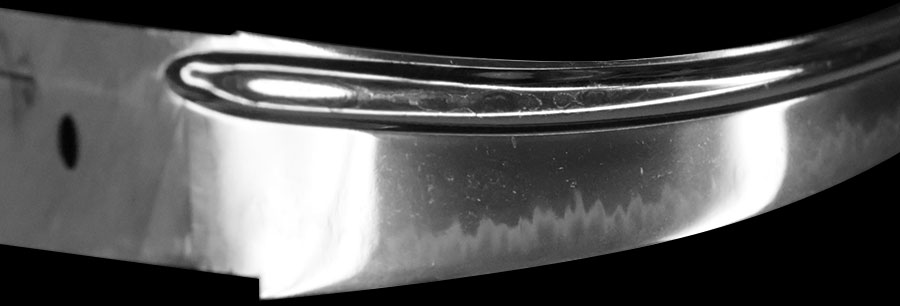
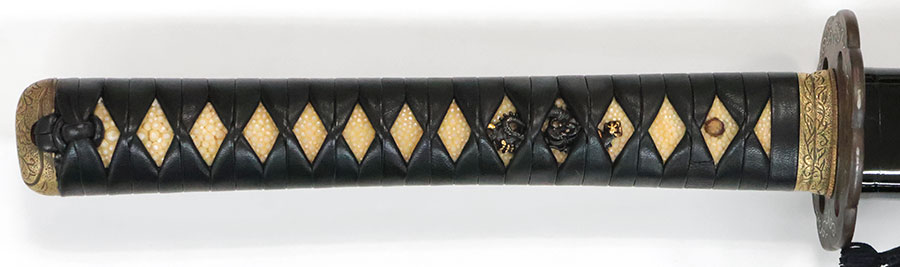
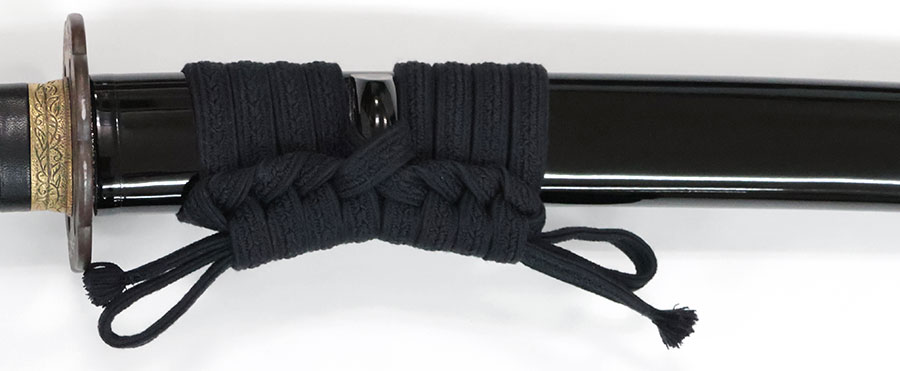
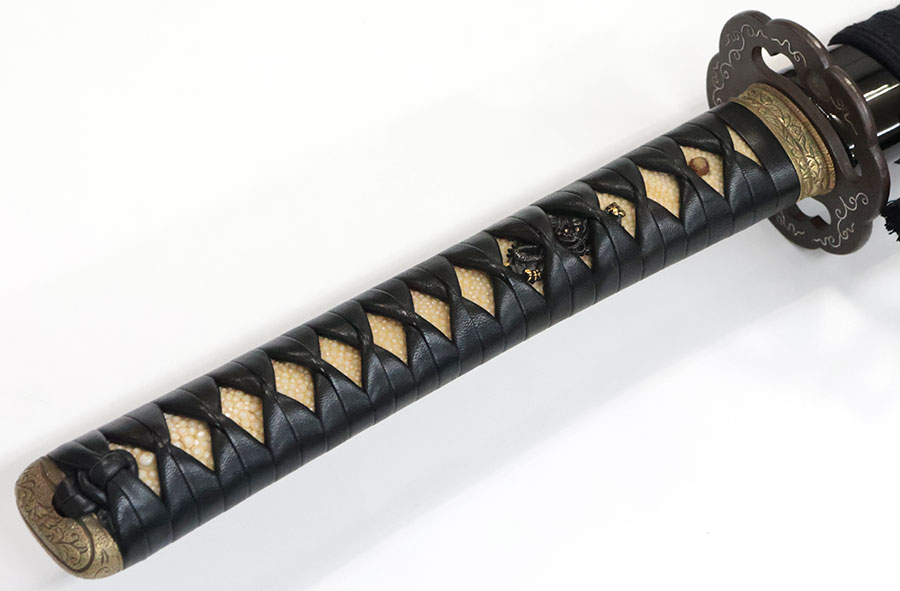
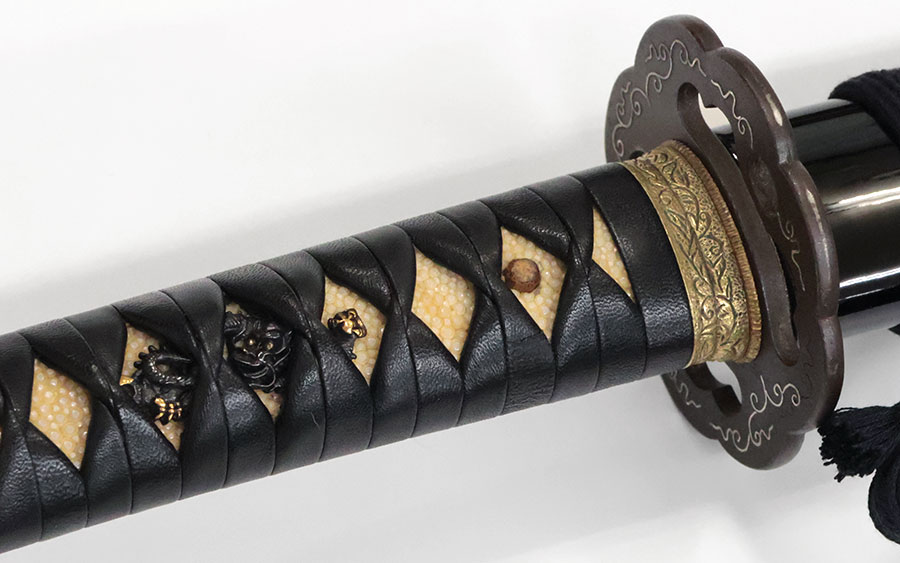
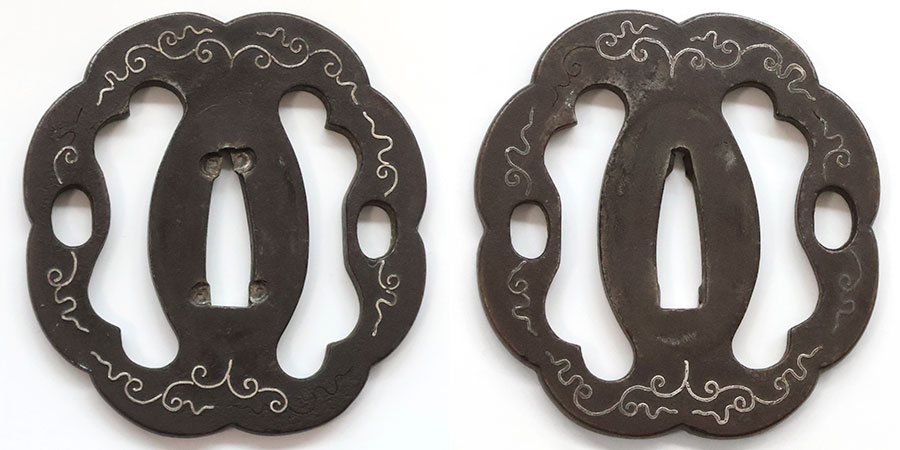
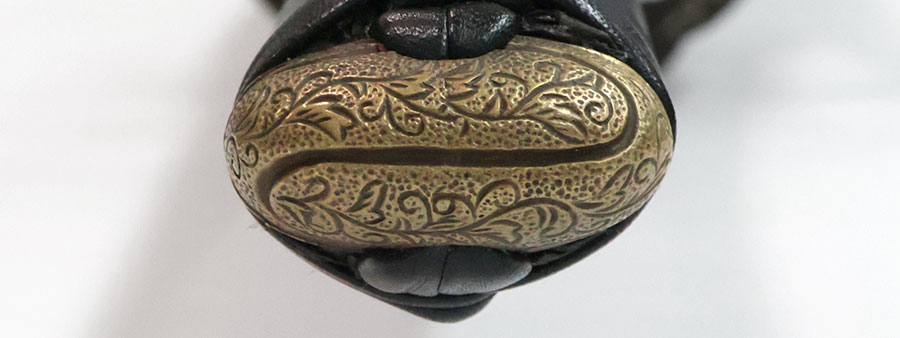
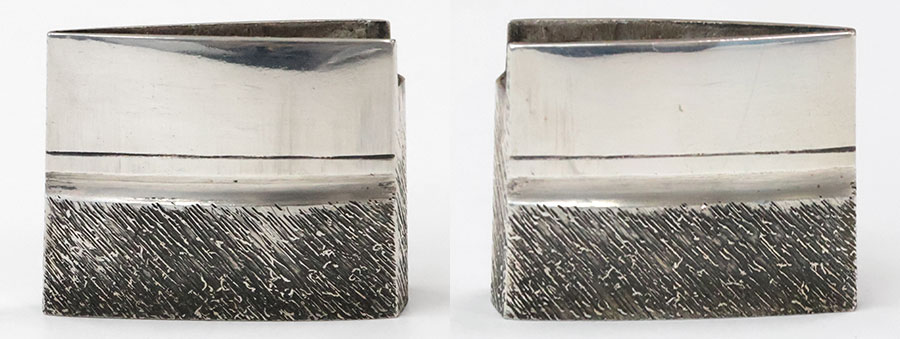
Weight (excluding saya): 915g It has arrived, it has arrived—a katana with outstanding sharpness by the swordsmith Miike-ju Kunitada. He is a master smith who has won special prizes at recent Shinsaku Meito-ten (New Masterpiece Sword Exhibitions). Kunitada, whose real name is Komiya Yokimitsu, resides in Omuta City, Fukuoka Prefecture. He was born as the eldest son of the swordsmith Komiya Shiro Kunimitsu, who was famous for forging the great "O-wazamono" of the Showa era. The Komiya clan is a renowned family of swordsmiths, consisting of the father Kunimitsu, the eldest son Kunitada, the second son Yasumitsu, and the third son Kunimitsu—all of whom are exceptionally famous masters. The Komiya family's ancestors were the retained smiths of the Tachibana clan of the Yanagawa domain in Chikugo during the Edo period. Later, in the Meiji era, the 4th generation Komiya Shiro Kunimitsu took the swords of the Heian period smith Miike Denta Mitsuyo as his ideal and moved from Yanagawa to Miike. In the finals of the national tameshigiri competition hosted by the Army before the war, his sword defeated the sharpness of a Kotetsu blade to win the championship, earning him the praise of being called the "Modern Kotetsu." The consistent principle among the swordsmiths of the Komiya school is to create swords that cut. This katana is a masterpiece crafted as a copy (utsushi) of the Bizen-no-kuni Fukuoka Ichimonji from the Kamakura period. It exhibits a fine sugata with a chu-kissaki and a distinct difference between the motohaba and sakihaba. The jitetsu is a powerful jigane forged in itame-hada with jinie. The carving consists of skillfully executed bo-hi. The hamon is a nioi-deki gunome-midare with konie, featuring many ashi within the ha, brilliantly capturing the essence of Bizen Fukuoka Ichimonji, often called the "flower" of Kamakura period swords. The modern koshirae, featuring a leather-wrapped tsuka, adds further splendor to this blade. On this occasion, we received this custom-ordered Bizen Fukuoka Ichimonji utsushi from an old family who stated, "We have thoroughly enjoyed this sword ourselves, so please pass it on at a low price to someone who will cherish it." Therefore, we are offering it at a special bargain price. Please enjoy this piece.
 NihontoWatch
Heisei (1989-2019) · nagasa 73.2cm · sori 1.5cm

















Chikugo · around 1989-
3 pieces on the market now
Shōwa to the present: destruction and revival
The twentieth century nearly killed the craft twice: wartime distortion, then the occupation ban. The NBTHK’s founding in 1948 and licensed forging from 1953 rebuilt the sword as an art, crowned by Living National Treasures and the mukansa rank.
We could not find an authenticity certificate on the seller’s listing. Japanese swords and fittings are normally papered by the NBTHK (or the NTHK). Without one, the attribution is the seller’s own assessment and has not been independently verified — treat it with caution and ask the dealer about certification before buying.
For returns due to customer circumstances, the cost is the customer's responsibility. For returns due to our mis-shipment or a defective item, we bear the cost.
¥650,000