

Description

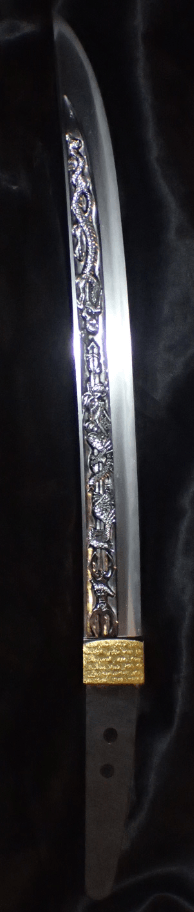
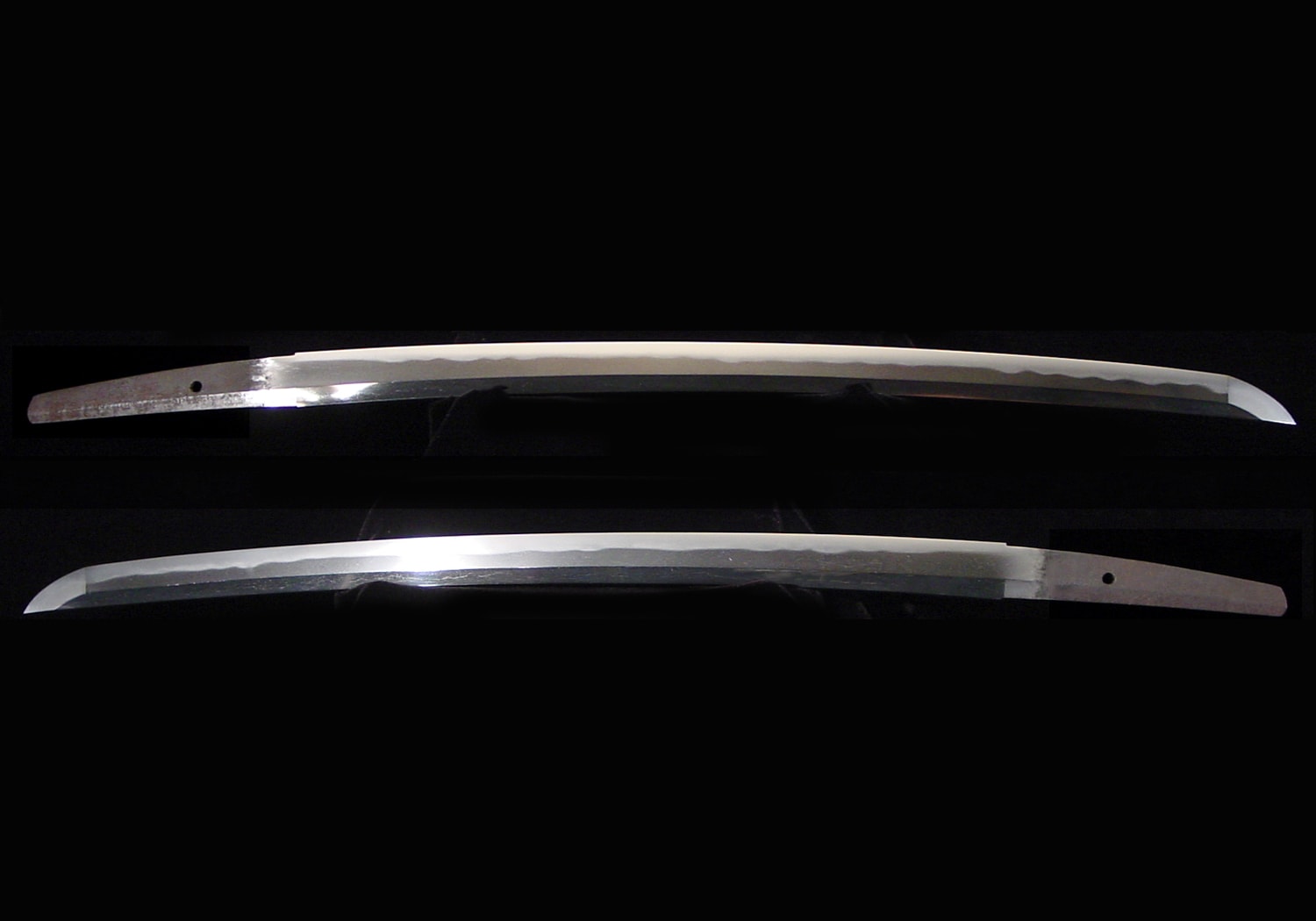
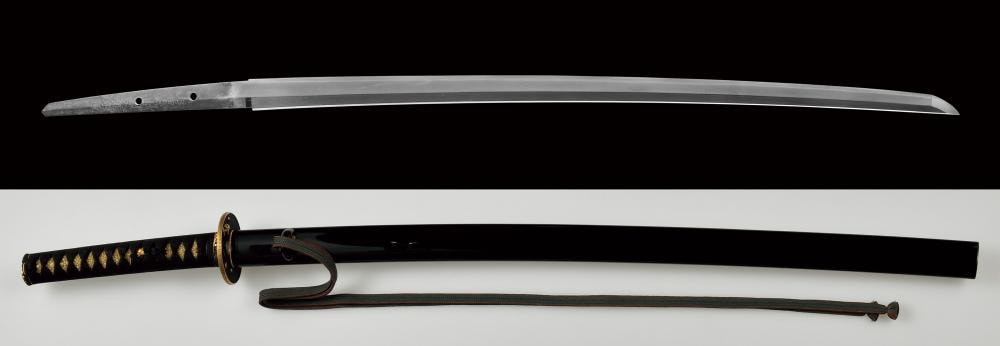
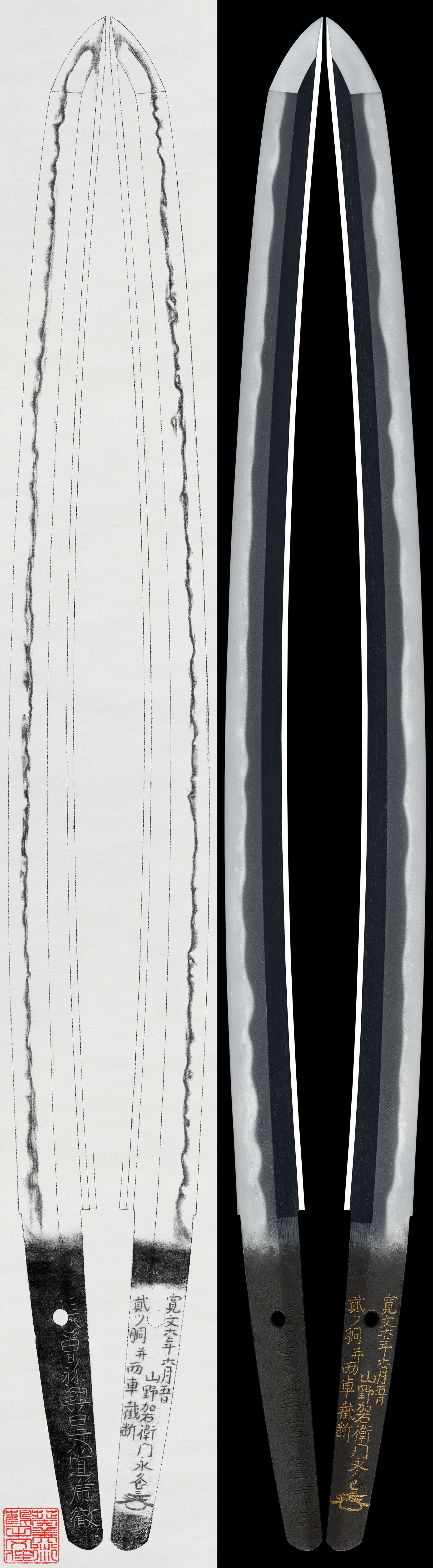
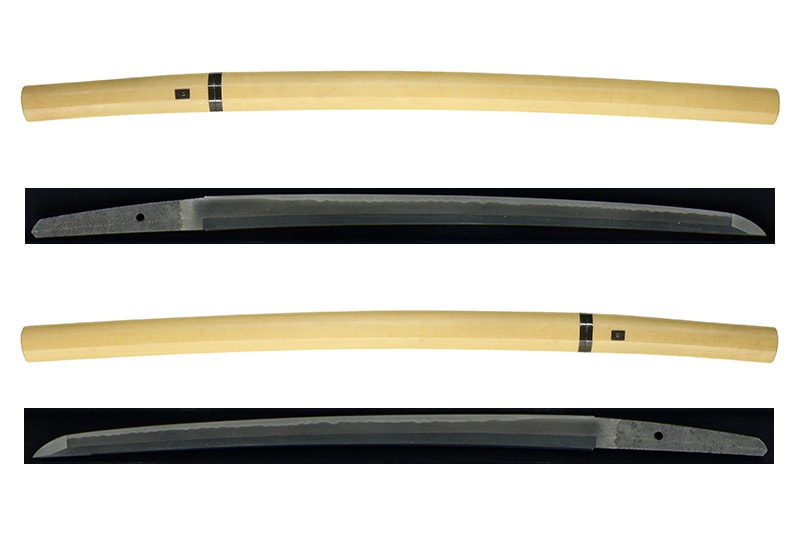
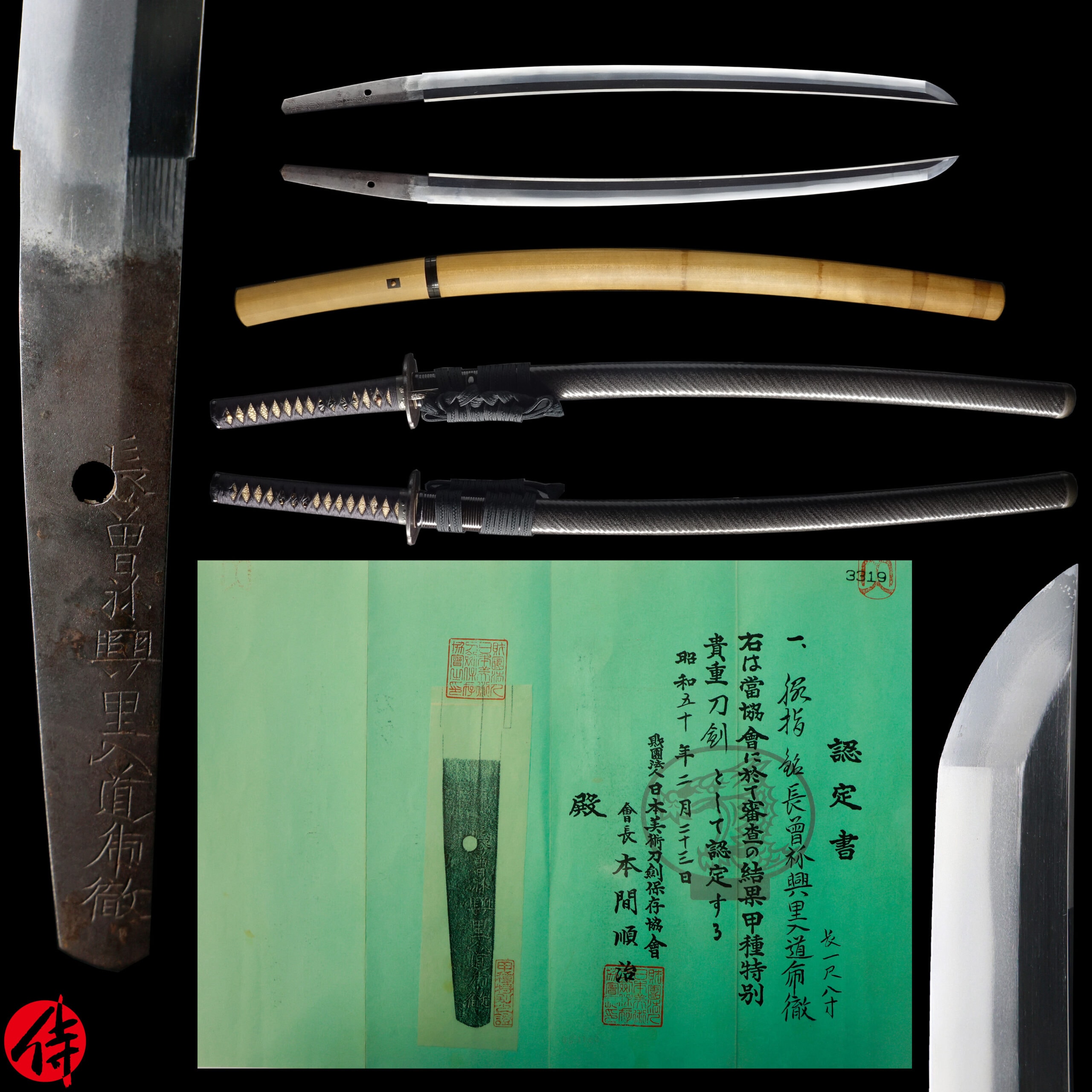
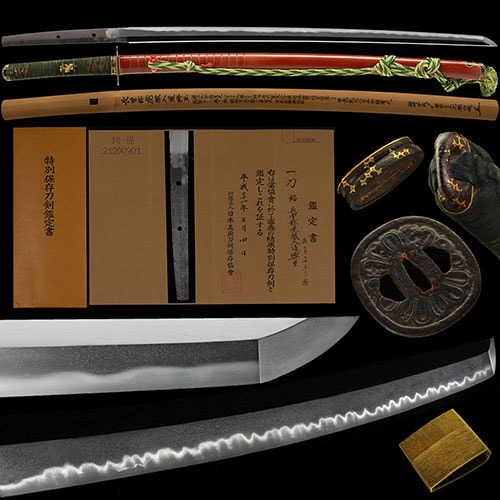
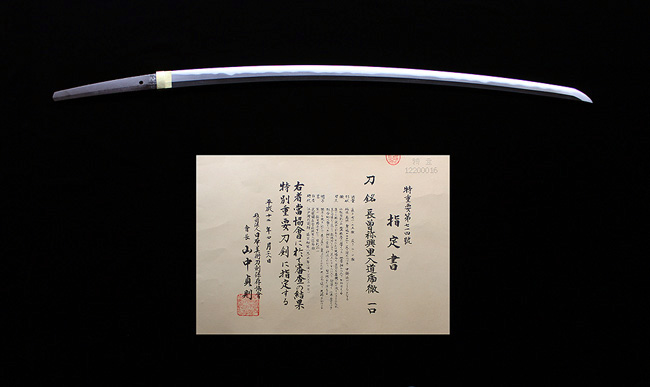
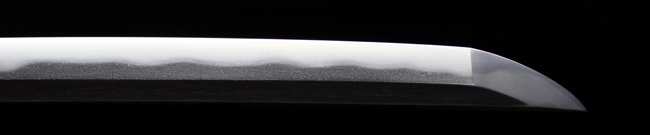
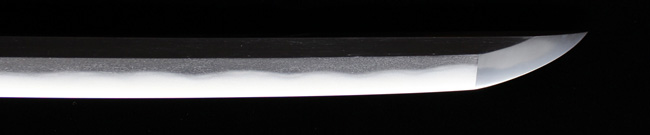
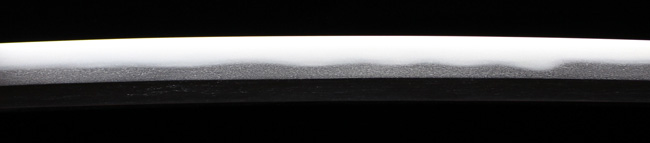
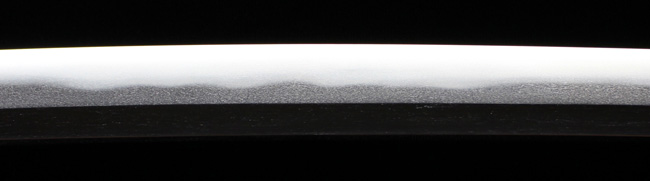
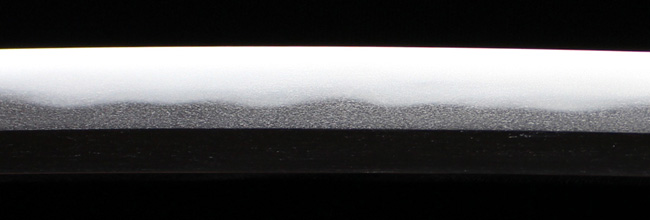
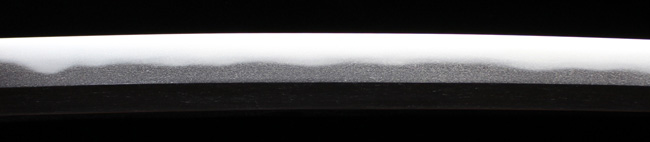
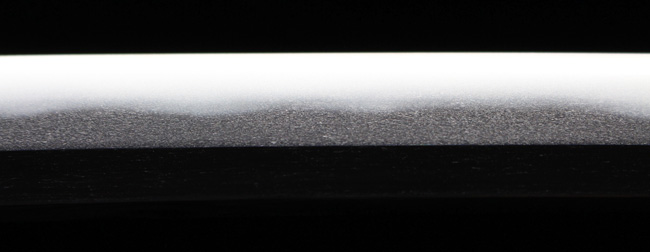
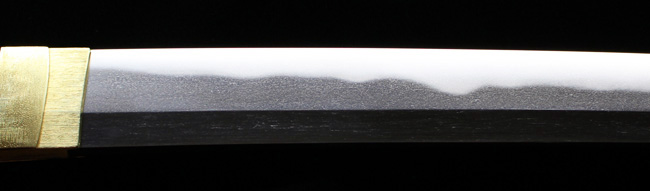
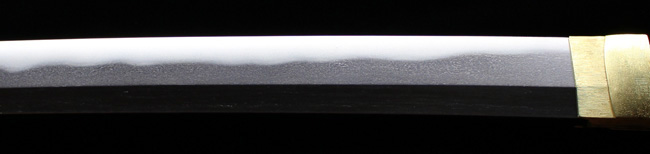
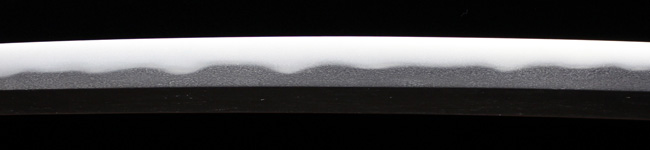
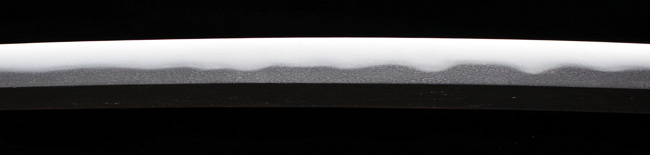
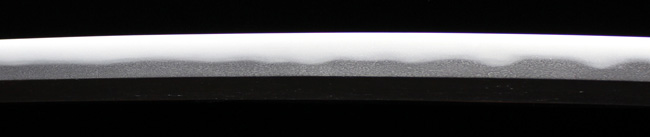
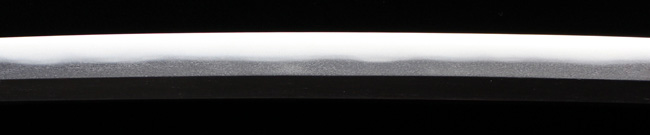
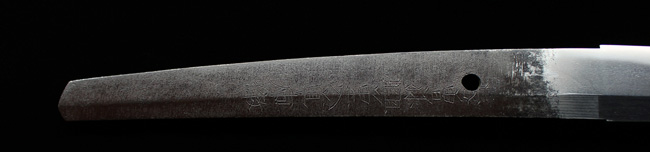
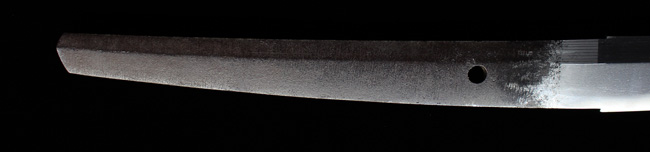
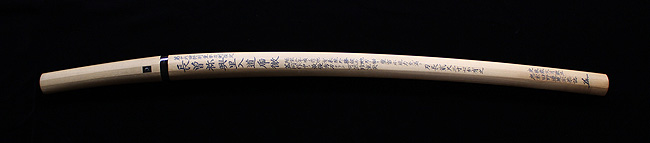
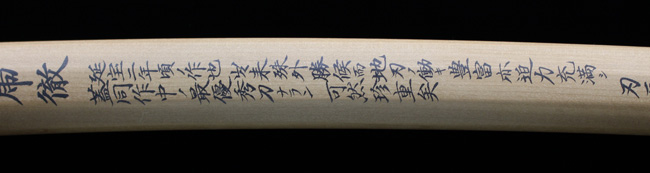
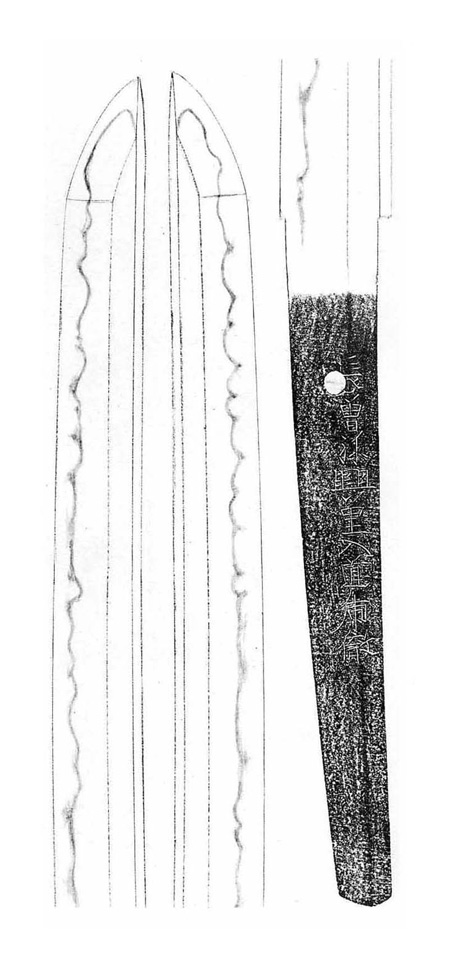
This katana is made by Kotetsu, a famous swordsmith of the Shinto period. The blade features a suguha hamon with round-headed gunome and abundant activity. It is designated as a Tokubetsu Juyo Token by the NBTHK.

長曽祢興里入道虎徹
Sold
TokujuSold

長曽祢興里入道虎徹

Katana

SOLD

Tracked across 76 dealers worldwide · price history · sold archive

Specifications

Nagasa

71.75 cm

Sori

2 cm

Motohaba

3 cm

Sakihaba

2.05 cm

About the maker

Kotetsu虎徹

5 Jūyō Bunkazai10 Jūyō Bijutsuhin2 Gyobutsu10 Tokubetsu Jūyō102 Jūyō Tōken

On a wakizashi of his debut years Kotetsu cut his own biography into the nakago: a native of Echizen who, past half a hundred years (半百), came to live in Edo of Musashi and gave himself to the smith's craft. Nagasone Okisato, called Sannojo, who after taking lay orders signed Kotetsu Nyudo, was originally an armorer (katchu-shi) of Echizen; around Meireki 2 (1656), when he was about fifty years old, he moved to Edo and turned swordsmith, a conversion the published commentary restates on blade after blade. Dated work runs from that same Meireki 2 to Enpo 5 (1677), the year before his death: one of the most celebrated careers in the Japanese sword fits inside two decades. The sources explain the sudden fame concretely: he brought from the armorer's forge a rare skill in treating iron, he excelled at carving, and he won his name by devising a strikingly novel hamon, the juzu-ba (数珠刃という斬新な刃文を創意工夫したことから名声をはせた), the proven sharpness of the edge and the beauty of the carving (その利刃と彫物の美しさ) doing the rest. The modern commentary calls him the most popular smith of the entire Shinto age (新刀随一の人気工). The standing formula of the published sources gives his work in one sentence: the jigane is strong, and the ji and ha are bright and clear (彼の作風は地鉄が強く、地刃が明るく冴えるのが特色); most of his blades open with a yakidashi (その作刀の多くに焼出しがあり), the short straight start of the temper above the machi. Above it, in the mature work, runs the hamon that made the name: the juzu-ba, the peculiar gunome-midare (独得の互の目乱れ) whose round-headed gunome (頭の丸い互の目) link so evenly that the crests stand almost in one line, like a string of prayer beads. Thick ashi enter frequently, the nioi is deep, ko-nie lies thick, fine kinsuji and sunagashi run through the ha, and the nioiguchi is bright and clear. The boshi is typically sugu with a small round return, and in his later years he often burned a gunome across the yokote itself, a habit one text calls the idiosyncratic gesture of Kotetsu (乕徹独特の所作). The jigane is the armorer's legacy, and the sources say so directly. Of a kanmuri-otoshi wakizashi of Meireki 2 or 3, his first manner, the commentary writes that the forging of the jigane is good even among his own works, well kneaded and extremely strong (地鉄の鍛は同作中でもよく、よくねれて極めて強い); in those early blades a large open hada (大肌) surfaces toward the middle, and the so-called tekogane (テコ鉄), the armorer's billet iron, appears in the ji. In the prime the forging tightens to a ko-itame knit to the utmost, ji-nie thick and dust-fine, chikei fine, the steel clear and bright, while flecks of jifu (地斑) still surface here and there. The horimono are his own hand: the early kurikara in splendid openwork (欄間透) is read straight from the Echizen carving of the Kinai school (記内彫), the add-mei moves from dosaku horinokore (同作彫之) to horimono dosaku (彫物同作), the shinkitae-saku addendum (真鍛作) marks selected forgings, and even unsigned carvings are given to him outright on the fineness of the chisel. The NBTHK dates his blades almost by the signature alone. He signed first with the old-iron characters (古鉄), a form with almost no parallel; then in the hane-tora manner; and from the eighth month of Kanbun 4 (1664) in the hako-tora form, both occurring within that single month. The early period belongs to the hyotan-ba, shallow gunome paired in twos (瓢箪刃と称される浅い互の目が二つずつ連れた刃) whose fused silhouettes suggest the double gourd, which one Juyo text dates as the hamon often seen from the end of Manji into the first years of Kanbun (万治の末年乃至寛文初年頃に多くみられる刃文). The later period carries the juzu-ba over the typical Kanbun-shinto sugata (いわゆる寛文新刀の典型的な姿): mihaba tapering markedly from base to tip, shallow sori, a compact chu-kissaki. The texts set the summit late, from Kanbun 10 to about Enpo 2 or 3 (虎徹は寛文十年以後、延宝二、三年頃までがその大成期である), call the sober blades of about Kanbun 8 mostly tight in the nioiguchi, short of flamboyance but solid (華麗さは乏しくとも堅実なものが多い), and praise a wakizashi of Enpo 3 or 4 as a work of complete ripeness (全く円熟の作). Two registers stand aside. Suguha is comparatively rare for him, and when he took it up the nioiguchi as a rule tightens (匂口がしまりごころとなるのが通例). Tanto are rarer still, probably not reaching ten extant pieces (短刀の作は極めて少なく恐らく十口に及ばない); in them the jifu stands out, the nioi runs deep with coarse nie, sunagashi and kinsuji mingle, and the feeling of Soshu is strong, one text reading the aim as lying in the direction of Go (江辺). The cutting tests are nearly a second signature. Many of his designated blades carry gold-inlaid attestations by Yamano Kaemon no Jo Nagahisa and Yamano Kanjuro Hisahide, the leading authorities on test-cutting of the day (当時試切の大家), recording two-body and three-body cuts (三ツ胴截断) dated to the day. These kinzogan inscriptions sit on the nakago beside his own mei as certifications of the edge, never as signatures. That wakizashi outnumber katana, with frequent masterpieces among them, one text lays to commissions from wealthy merchants more than from the warrior class (武士の注文よりも富商の注文が多かったが為であろう). Honma Junji's verdict stands in the Juyo Bijutsuhin records: among the Kanbun-shinto smiths, Kotetsu of the east is, with Sukehiro and Shinkai of the west, beyond question of the first rank (東の虎徹と西の助広並びに真改とともに第一人者であることは無論である); the same note adds that a market price overtaking the old masterpieces (その市価が古名刀を凌駕する) goes too far. The Nagasone forge outlived him: Okimasa, his adopted son, succeeded as the second-generation Kotetsu, with Okinao and Okihisa completing the gate, Okinao read as a daisaku hand during the master's lifetime. Fujishiro rates him Sai-jo saku, the top grade. The official record carries 129 designated works: five Important Cultural Properties, ten Tokubetsu Juyo and 102 Juyo, 112 in those two tiers together, and ten prewar Juyo Bijutsuhin. The record is almost entirely signed, 115 signed blades against a single unsigned piece, so the mei chronology above doubles as the connoisseur's map of the work. The recorded provenance runs through the great houses: the Nabeshima of Hizen, the Shimazu, the Okubo of Odawara, the Uwajima Date, the Maeda of Kaga and the Imperial Family; one blade passed through the house of Yamada Asaemon, the prewar premier Inukai Bokudo owned the wind-and-thunder-gods wakizashi of Enpo 5, his last year, and a blade of Kanbun 1 rests in the Tsukamoto Museum of Art. The five Important Cultural Properties are patrimony, preserved beyond the market; nearly everything else stands in the Tokubetsu Juyo and Juyo registers, long held in private collections, so a genuine Kotetsu surfaces only rarely and commands the very top of the market when it does. For the connoisseur the recognition runs ahead of the nakago: a juzu-ba over a strong, bright jigane in a Kanbun-shinto sugata reads as Kotetsu before the signature is ever examined.

Dealer

Seikeido

seikeido.com

Sold