The twentieth century nearly killed the craft twice: wartime distortion, then the occupation ban. The NBTHK’s founding in 1948 and licensed forging from 1953 rebuilt the sword as an art, crowned by Living National Treasures and the mukansa rank.
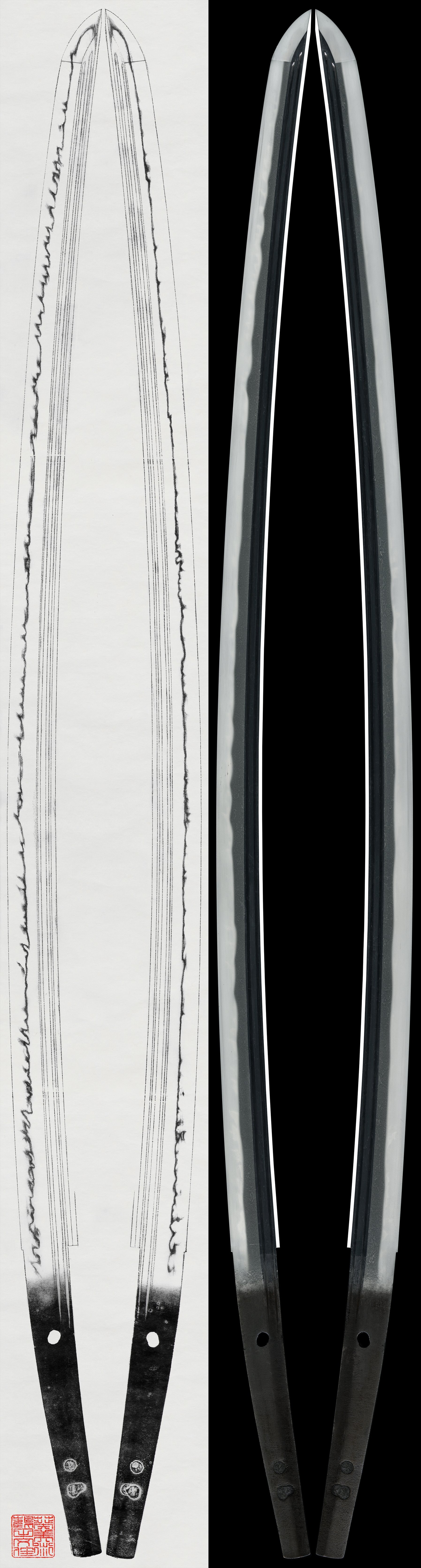
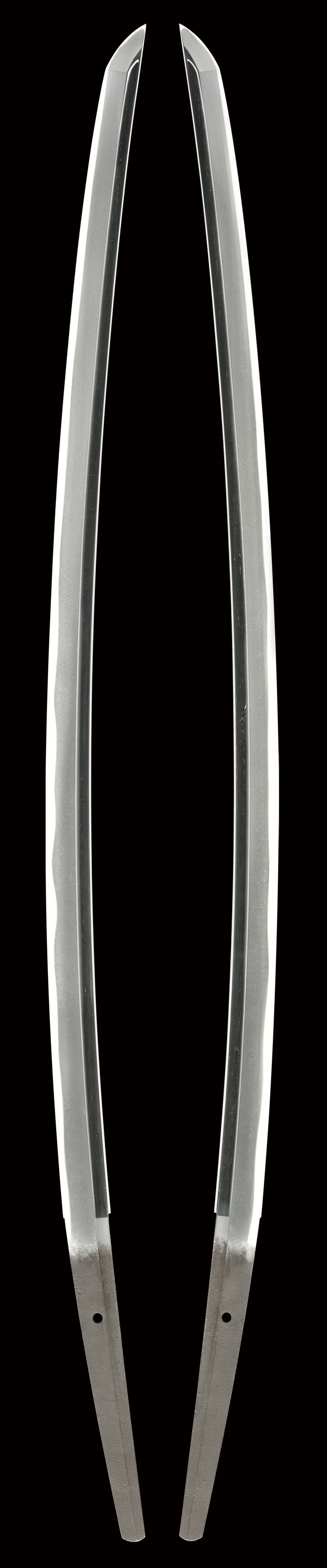
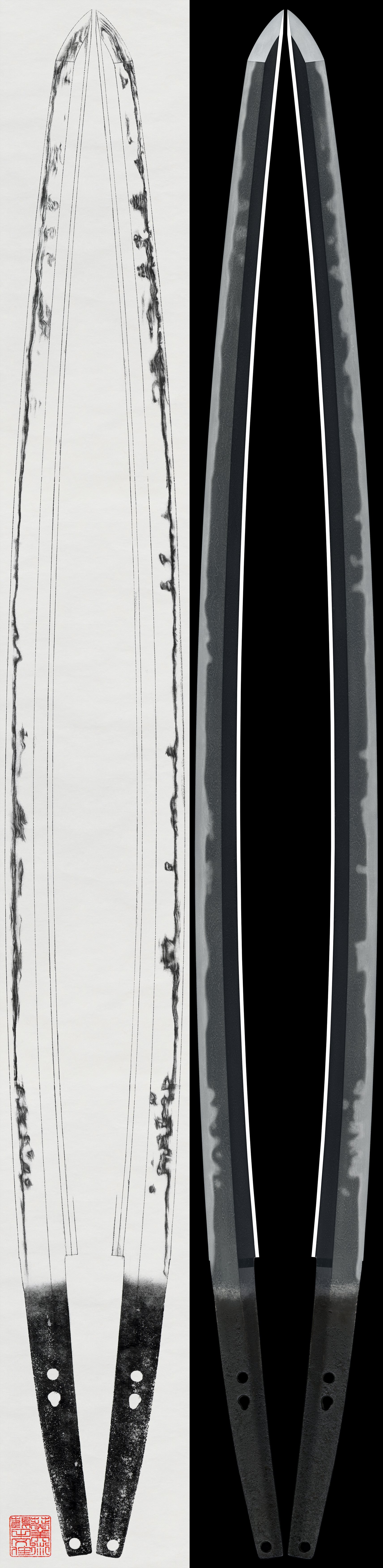
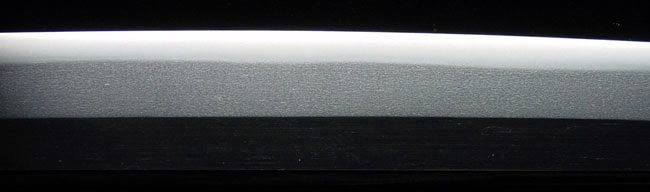
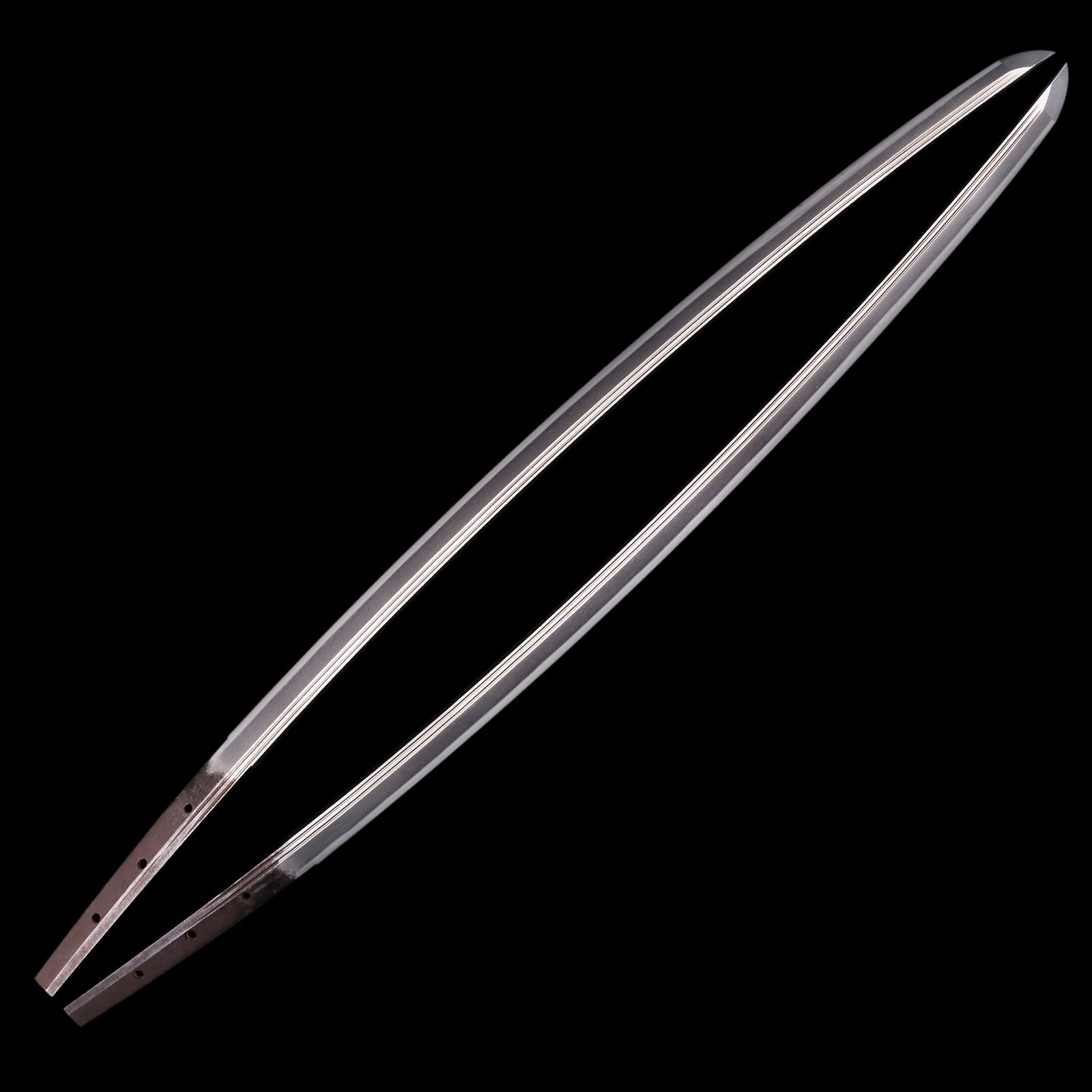
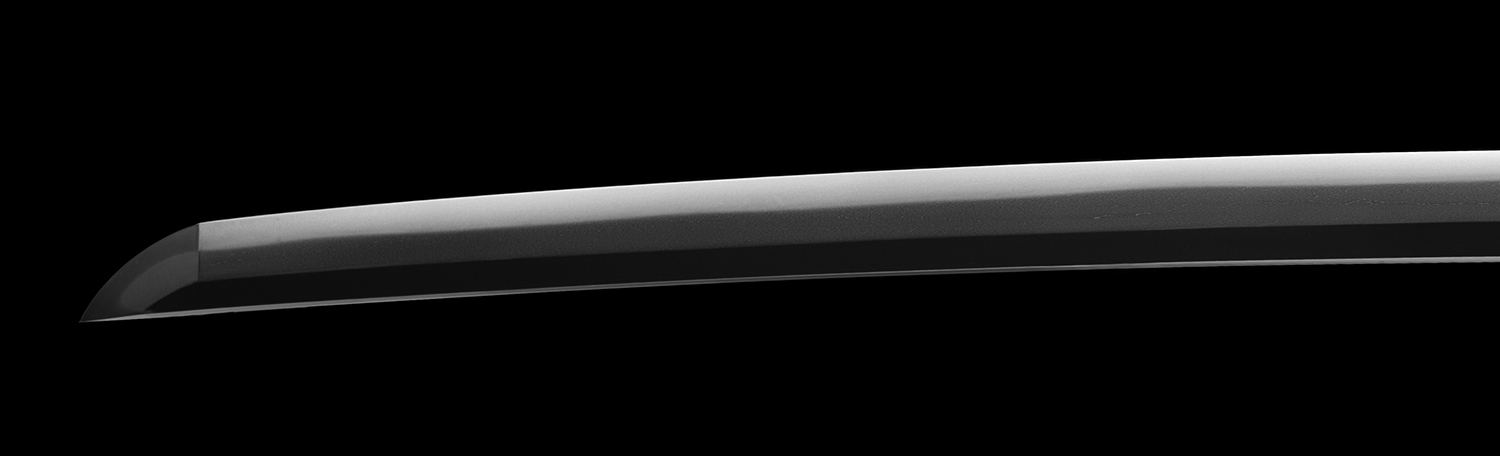
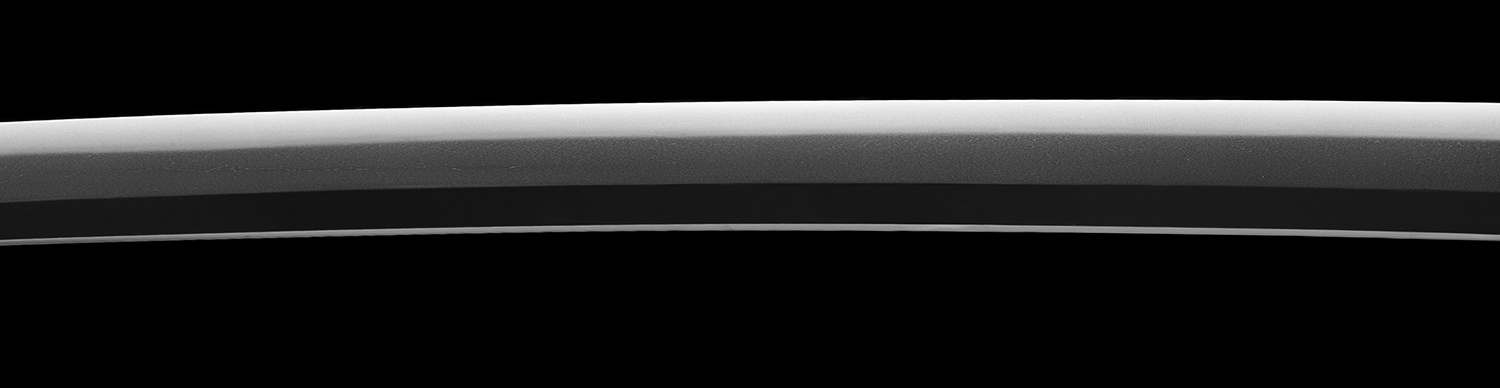
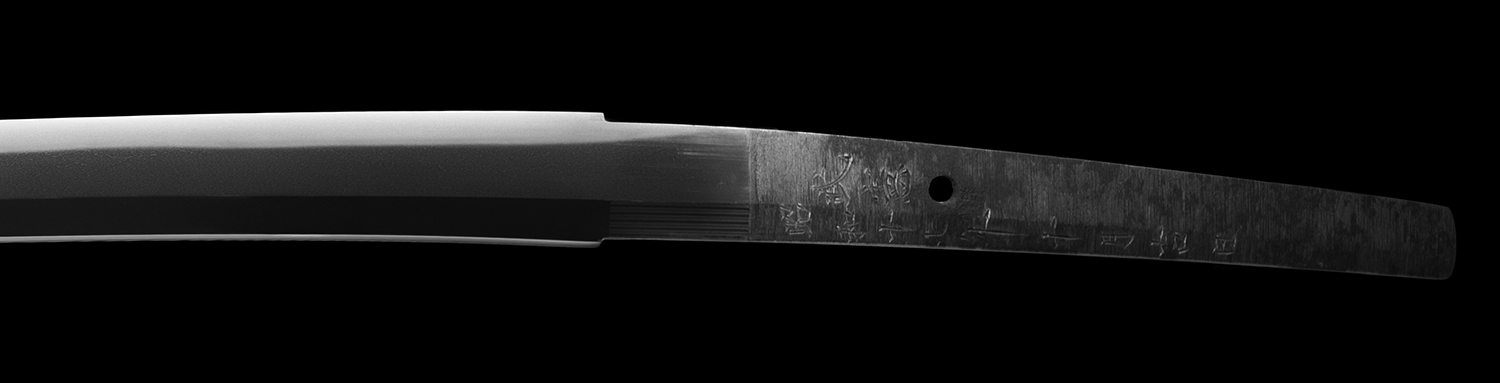
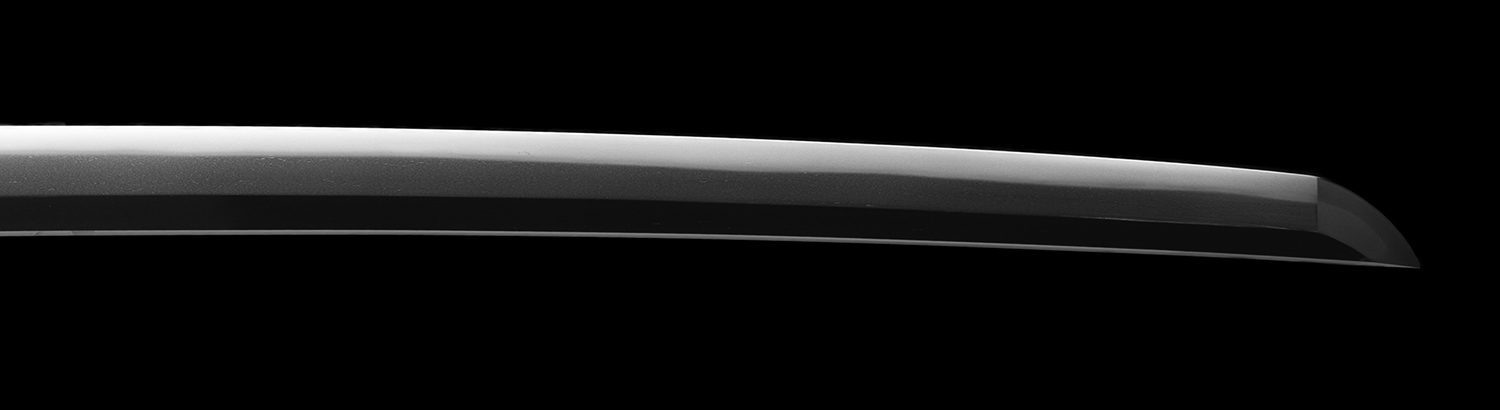
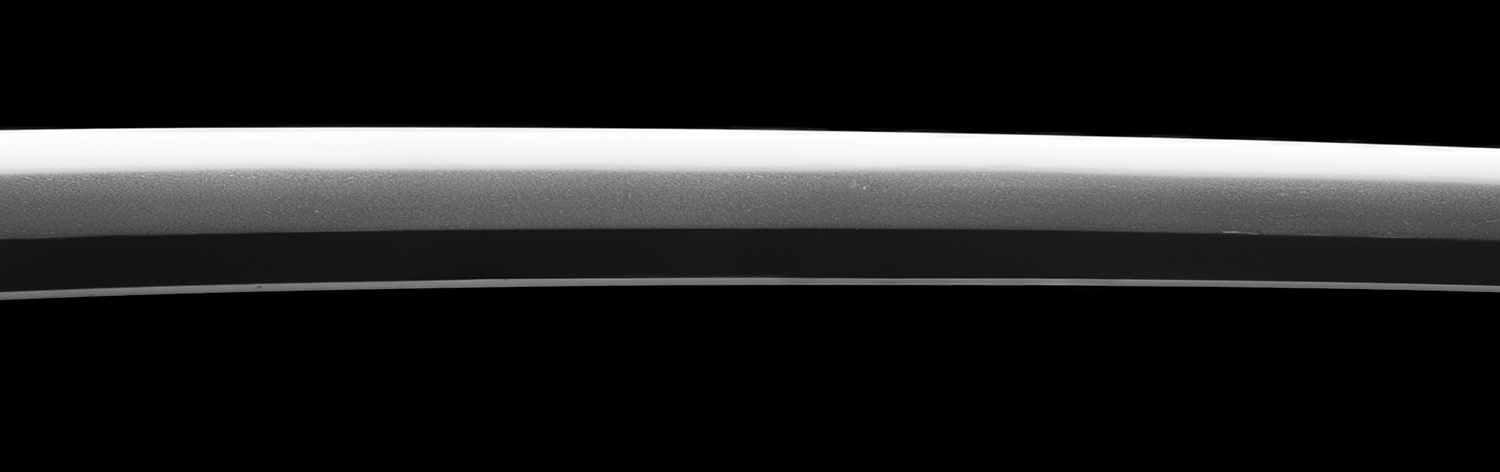
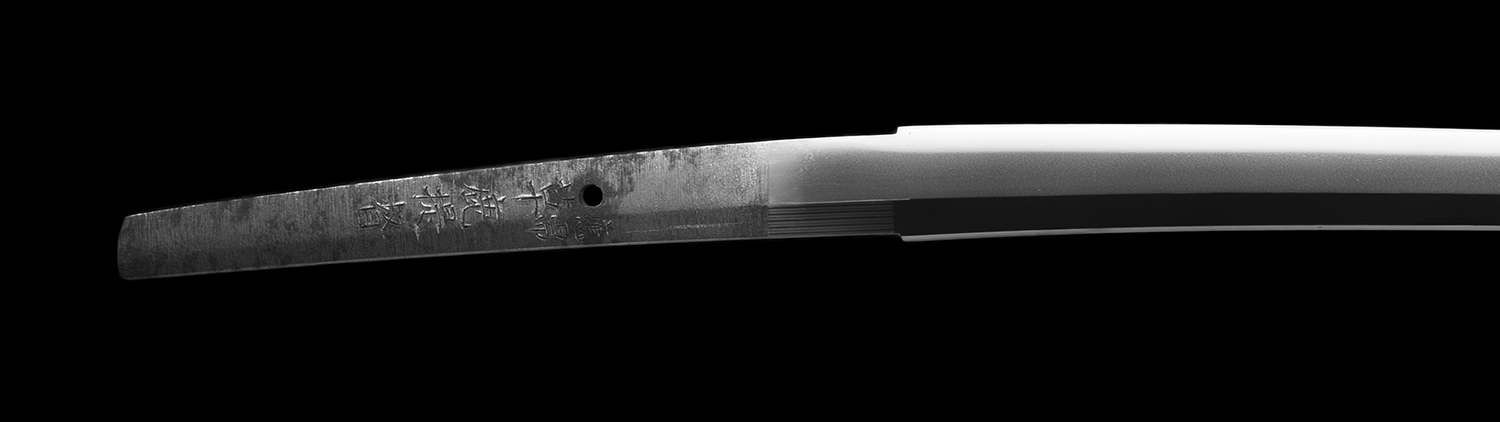
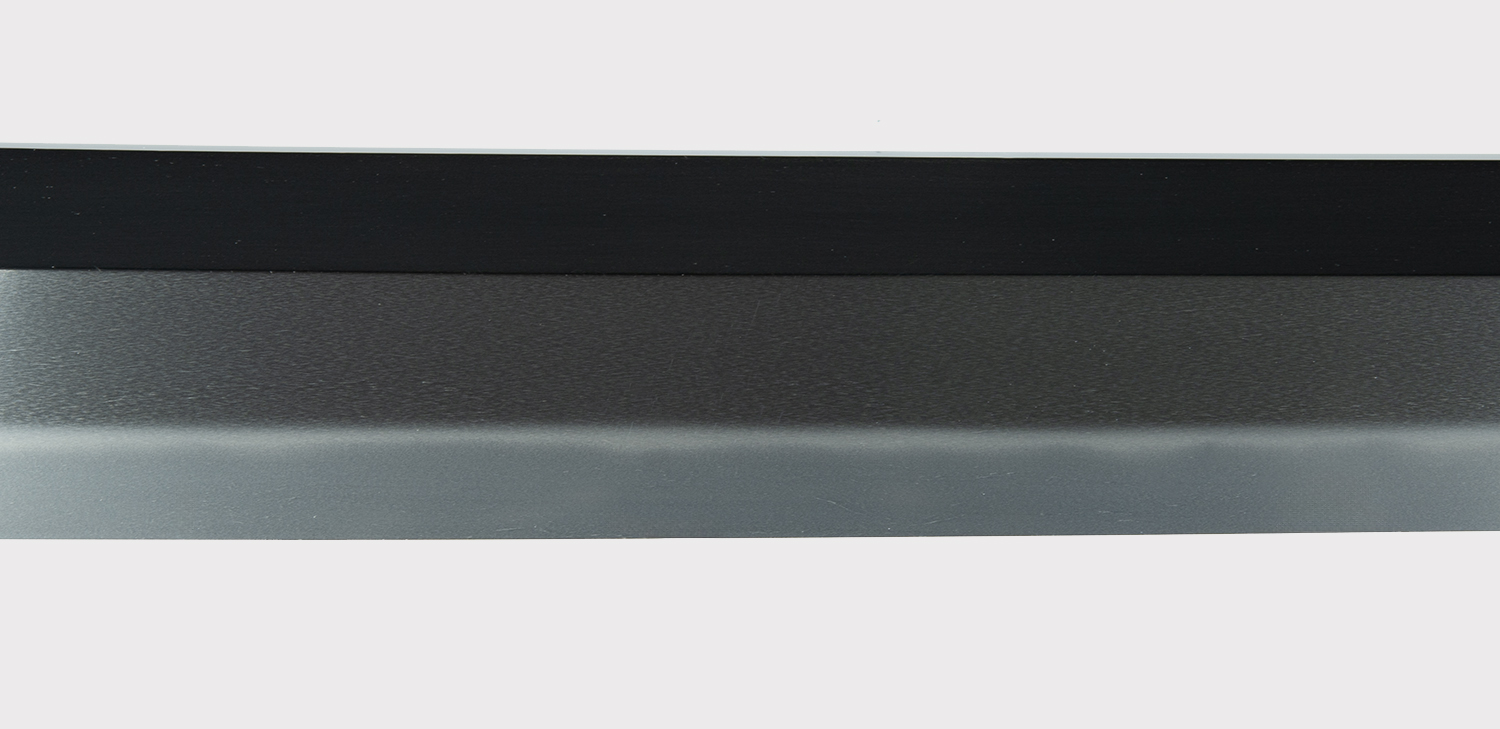
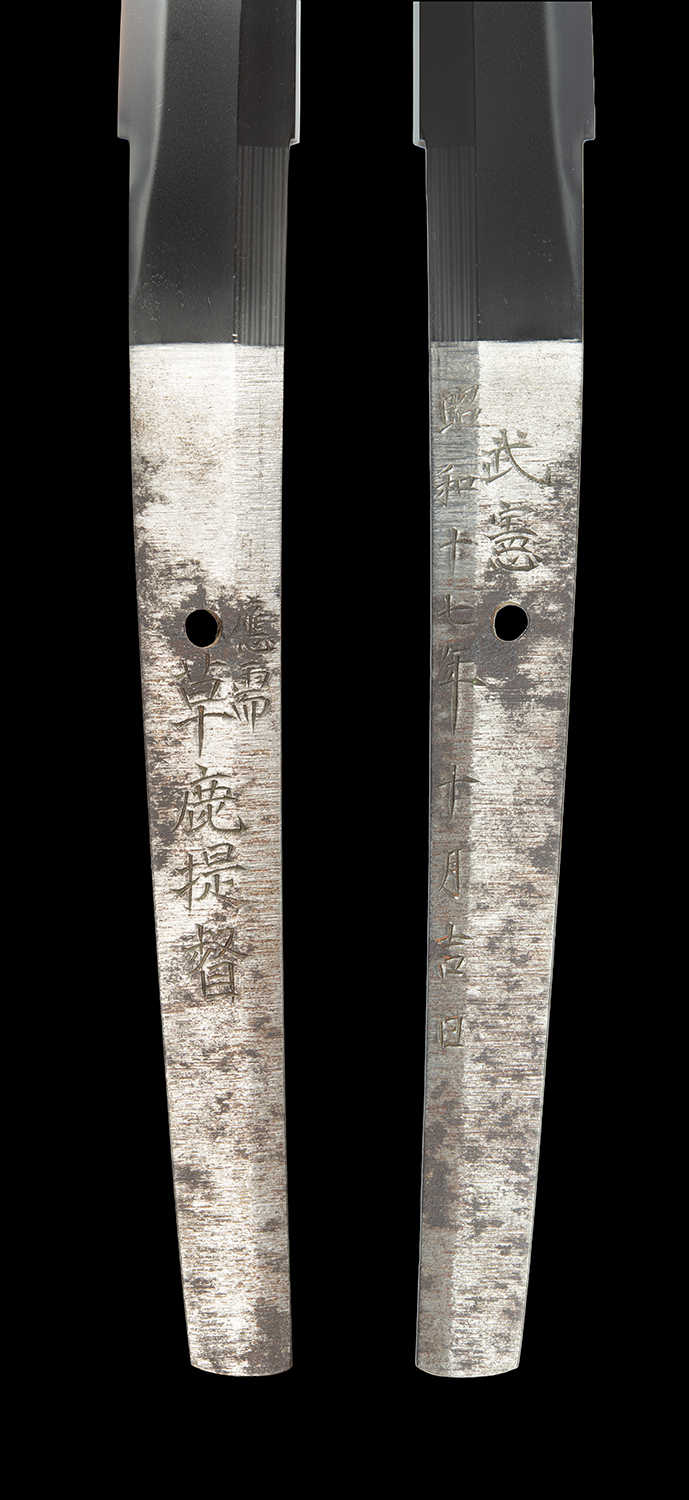
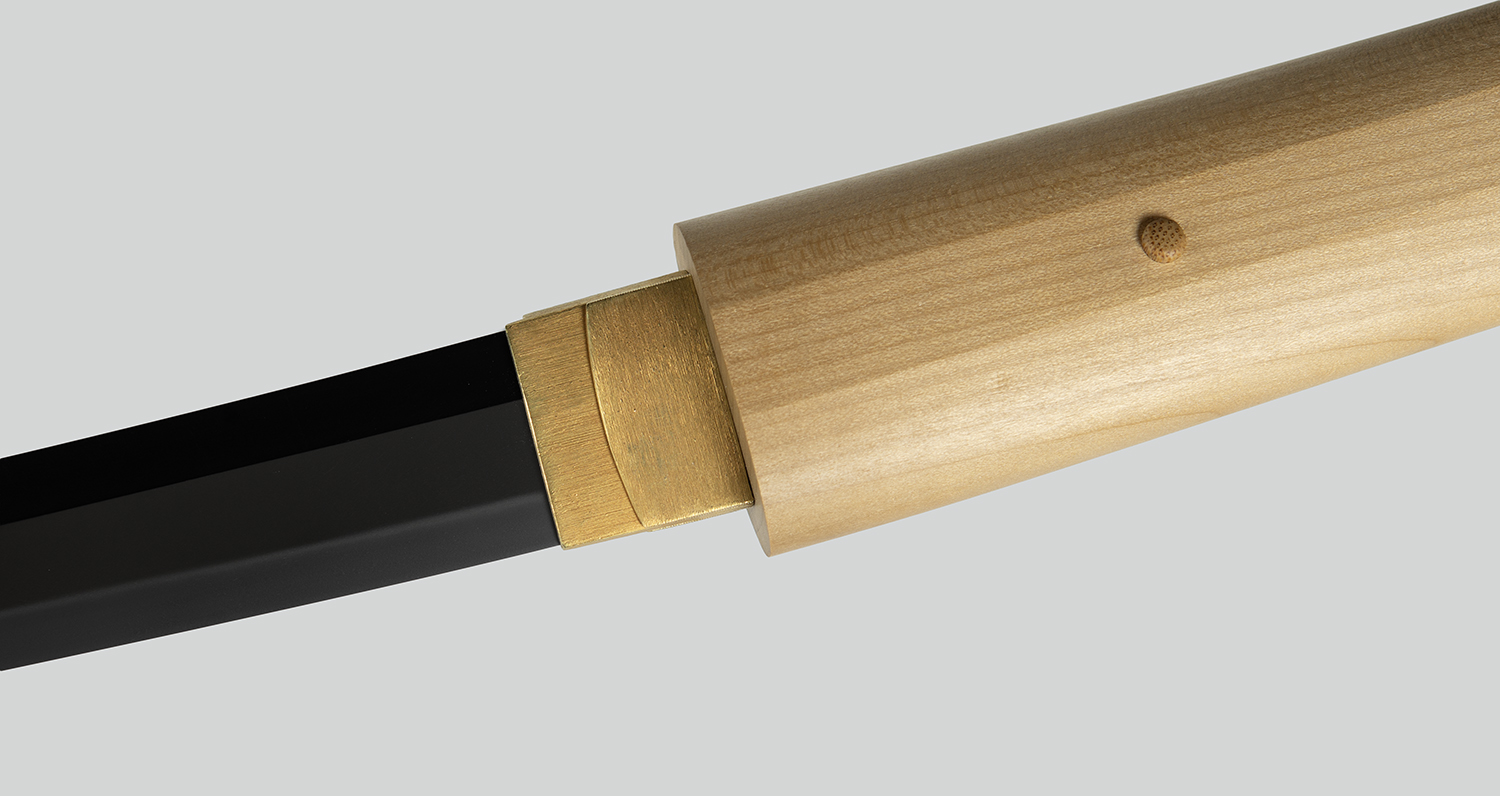
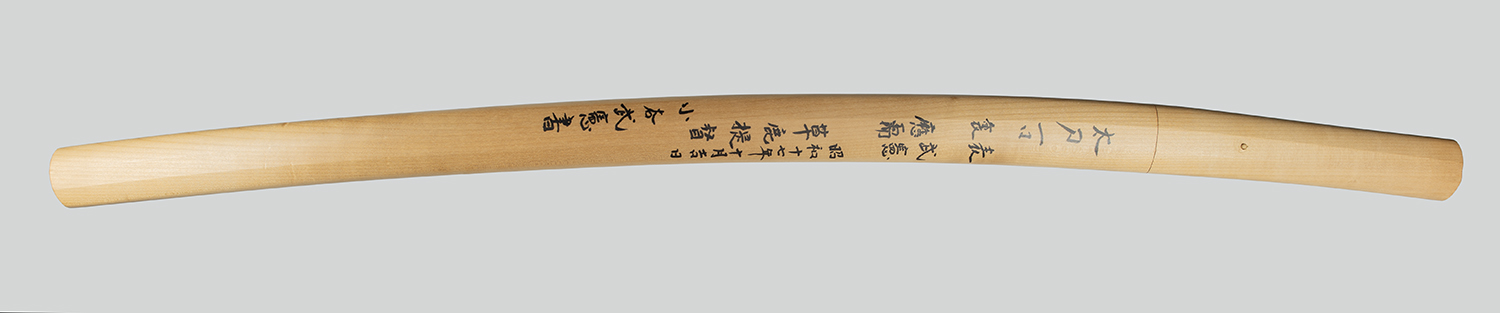
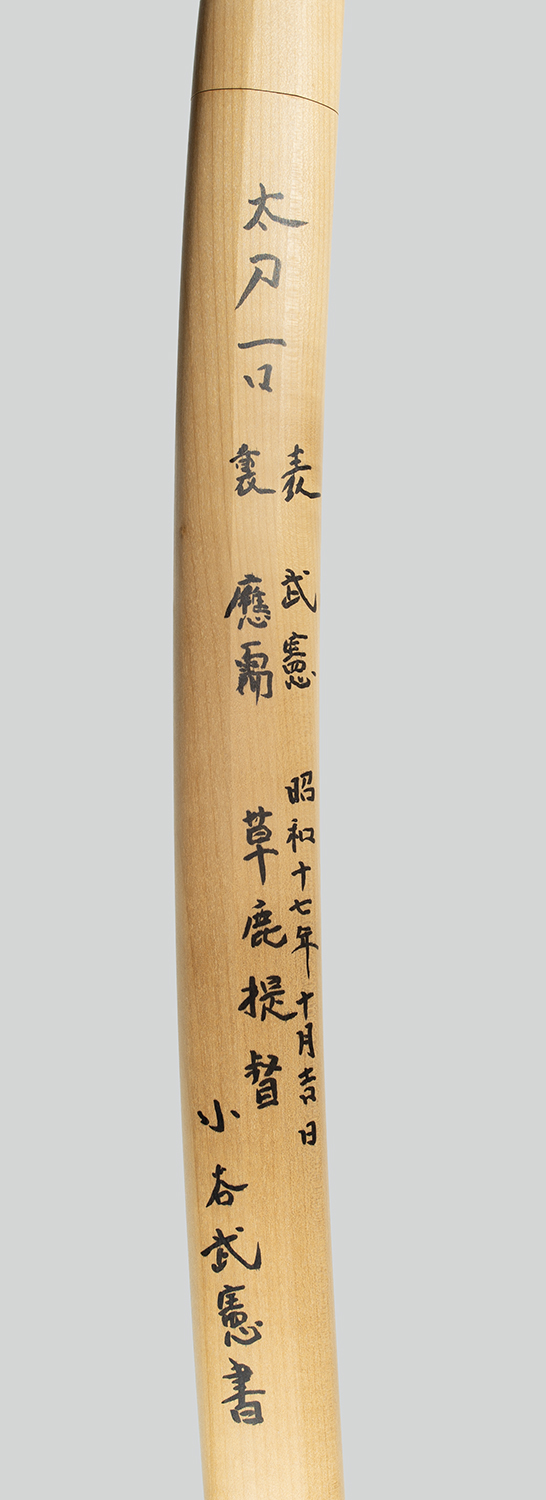
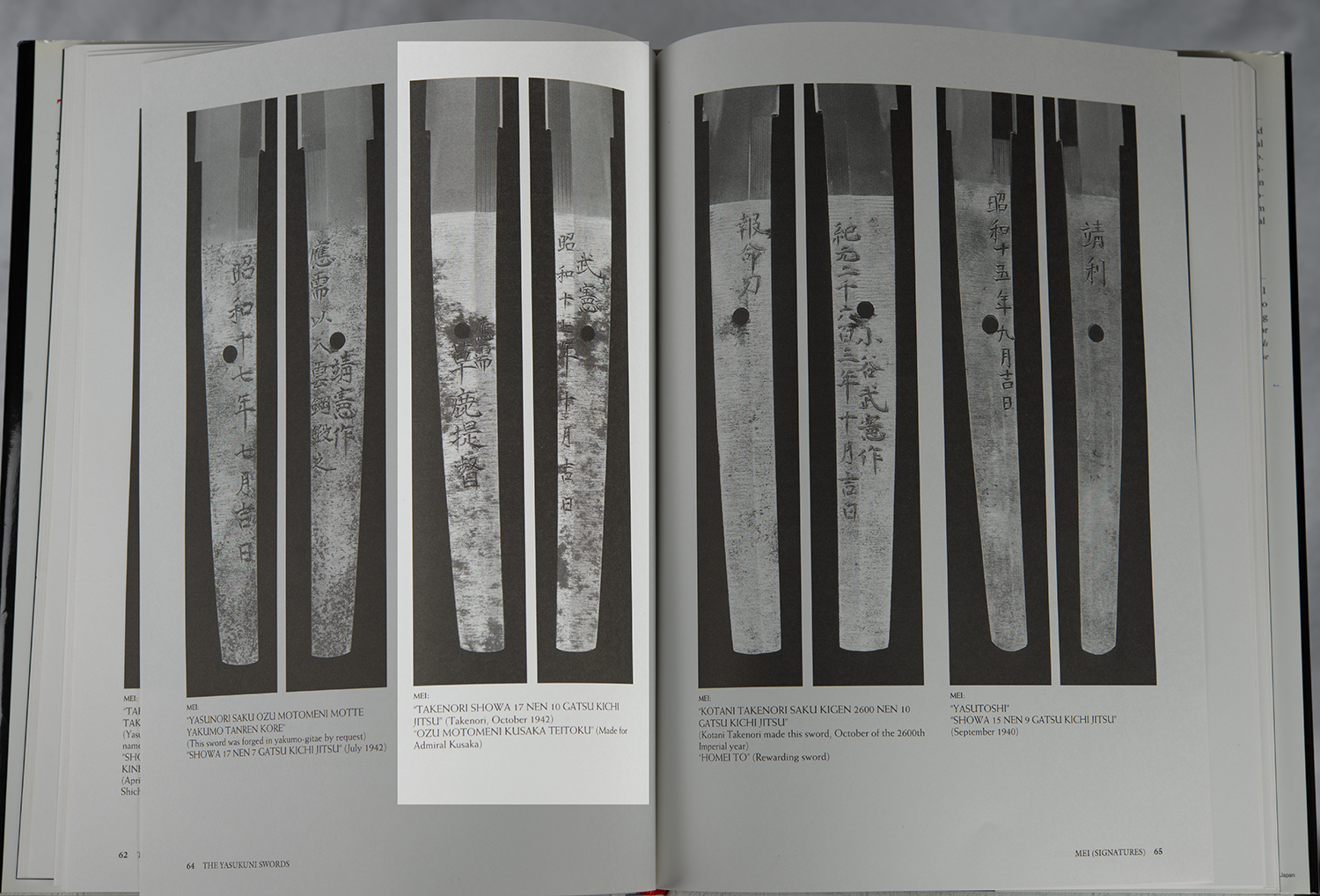
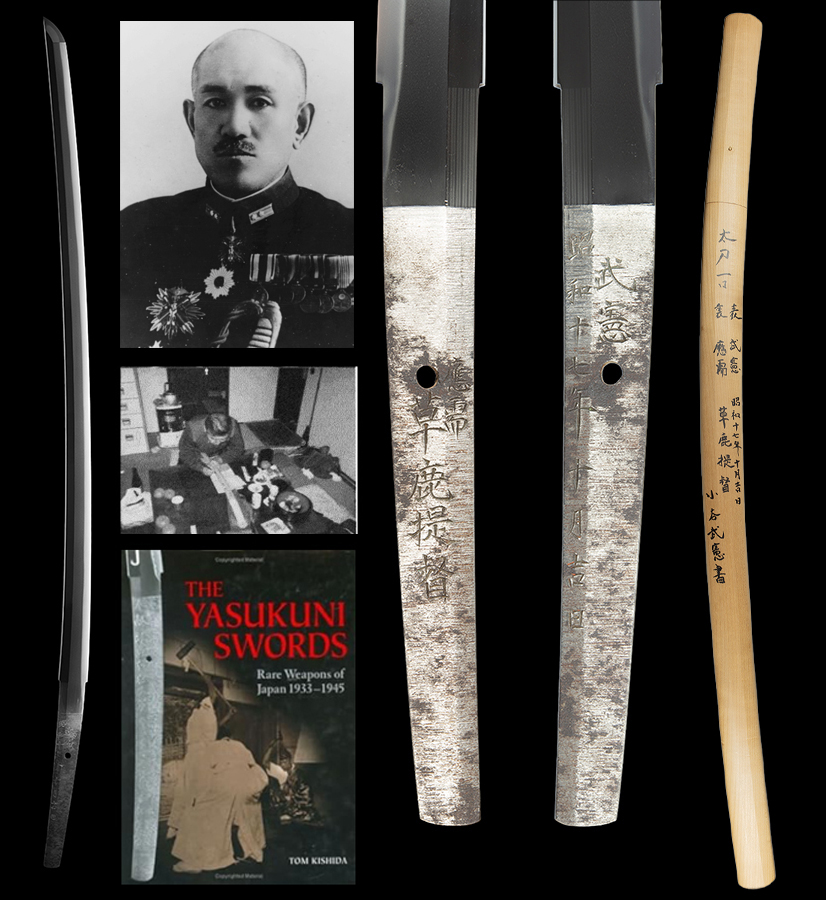
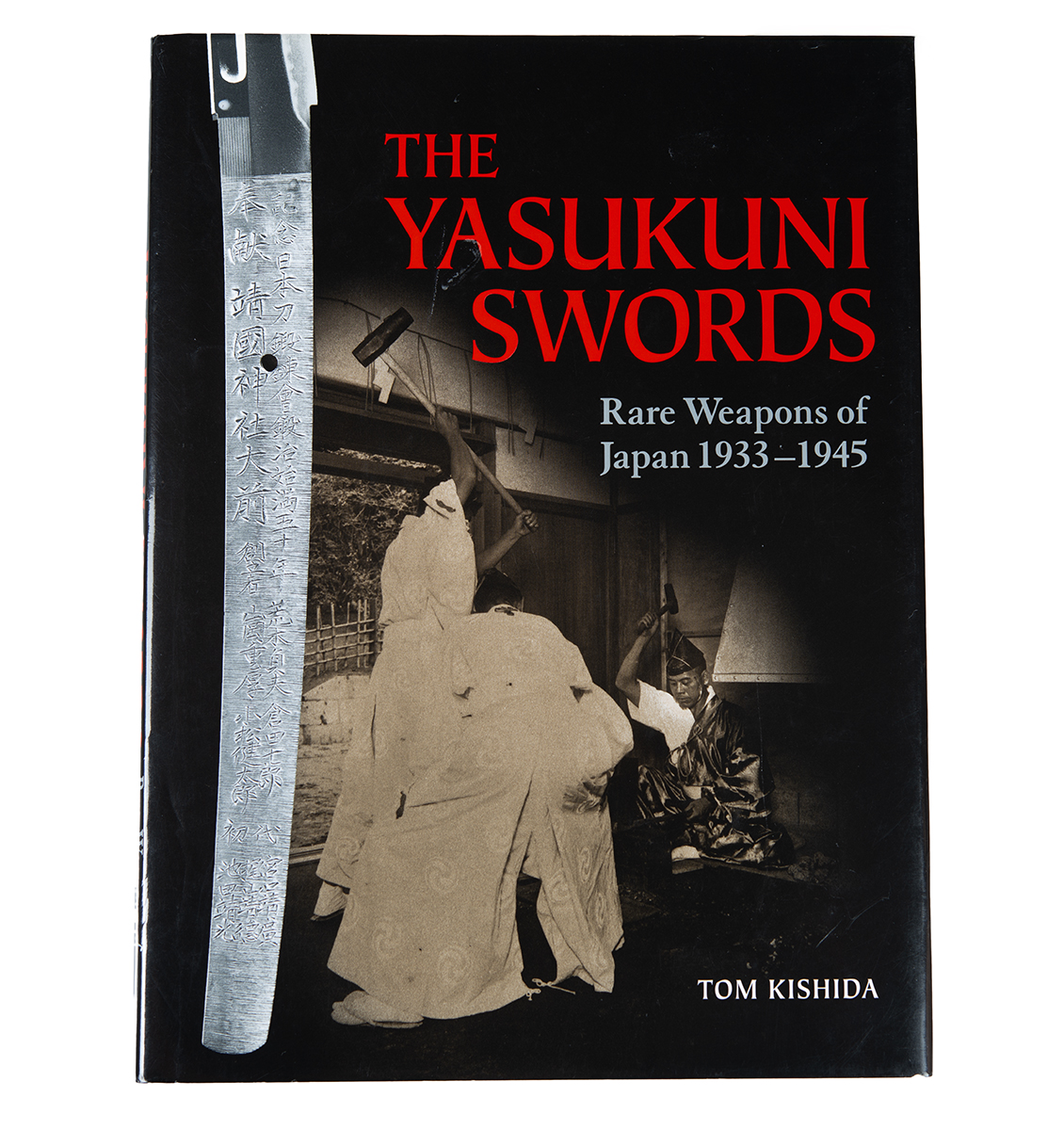
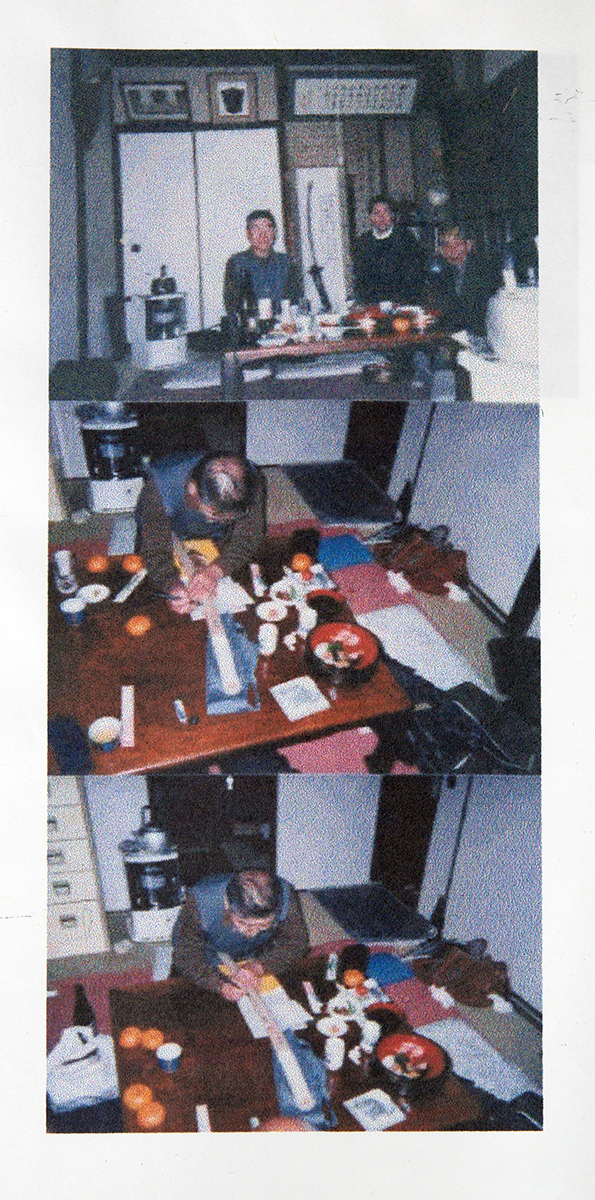
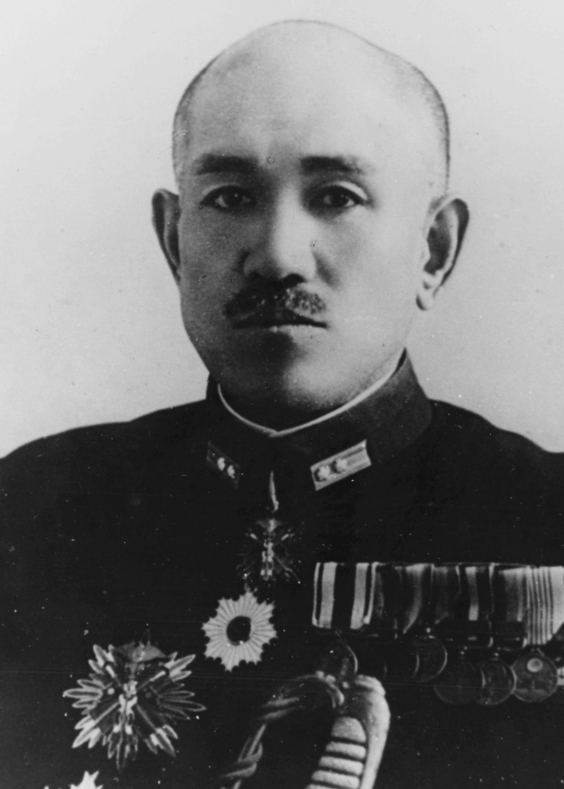
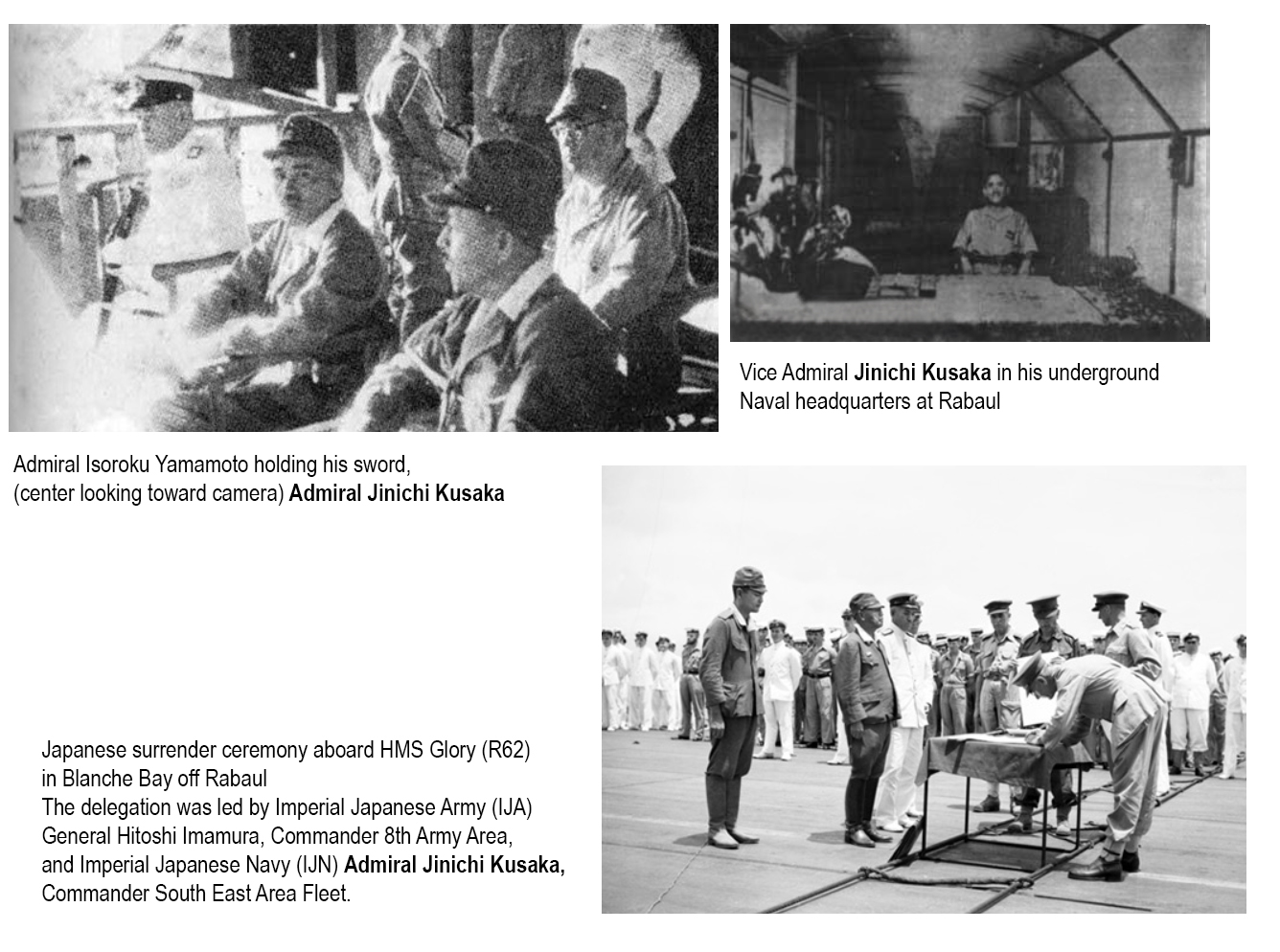
This is an outstanding Gendaito katana by Takenori (Kotani Yasunori), made in October 1942 for Vice Admiral Jinichi Kusaka. It is published in "The Yasukuni Swords" by Tom Kishida and features a sayagaki by the smith himself. The blade comes with an NBTHK Hozon paper and represents a significant piece of WWII history.
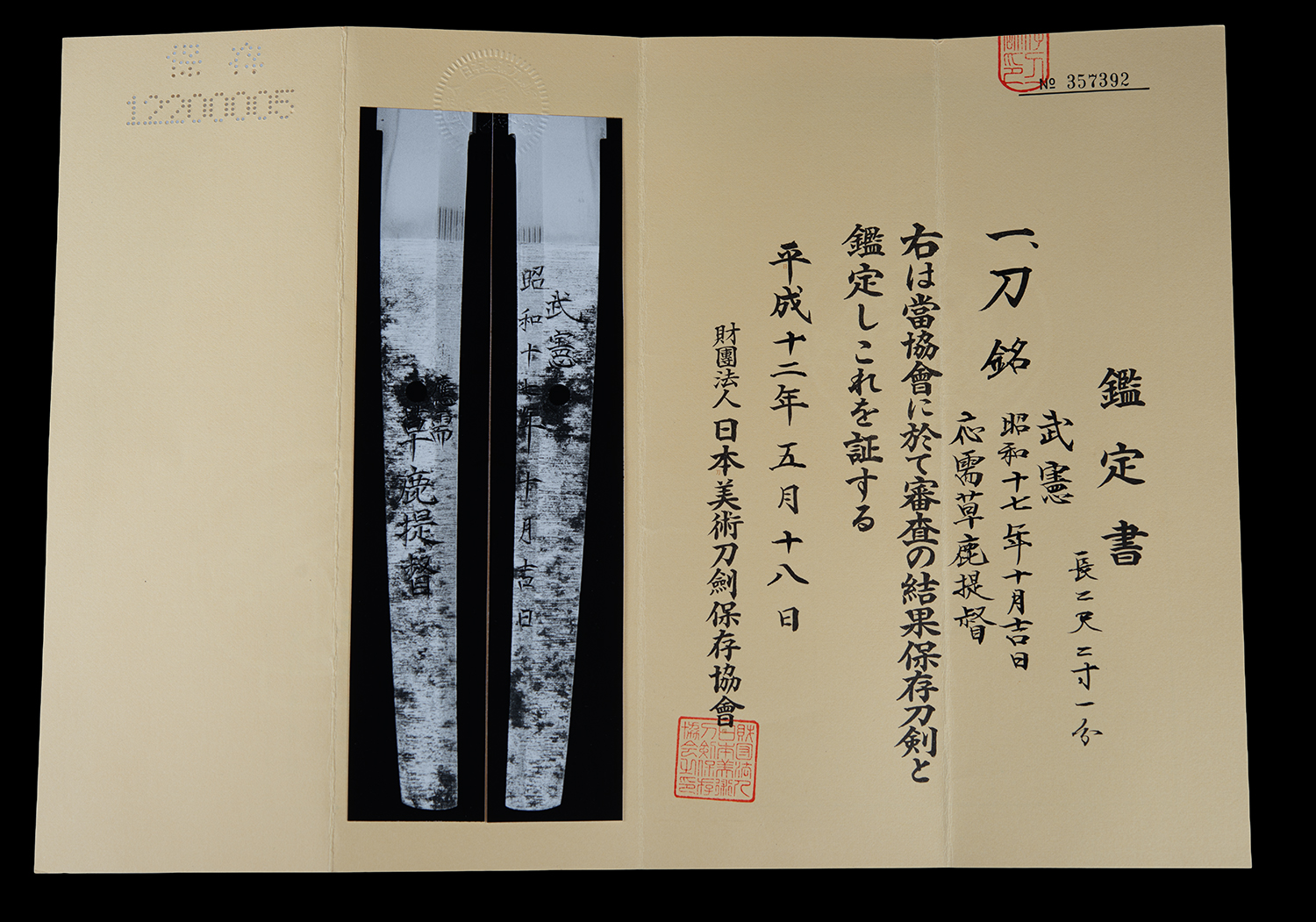
Certificate reading — 銘 武憲 昭和十七年十月吉日 応需草鹿提督
 NihontoWatch
mei · Yasukuni-Tosho · Showa (1926-1989) · nagasa 66.8cm · sori 1.4cm


Shōwa to the present: destruction and revival
The twentieth century nearly killed the craft twice: wartime distortion, then the occupation ban. The NBTHK’s founding in 1948 and licensed forging from 1953 rebuilt the sword as an art, crowned by Living National Treasures and the mukansa rank.
Certifies a genuine blade worth preserving: a signature confirmed correct, or, if unsigned, an era, province, and school that the NBTHK can reliably identify.
The NBTHK (Nihon Bijutsu Tōken Hozon Kyōkai, the Society for the Preservation of Japanese Art Swords) is a public-interest incorporated foundation founded in 1948 and supervised by Japan’s Agency for Cultural Affairs (Bunkachō); it is based at the Japanese Sword Museum in Tokyo. Its expert panels physically examine each submitted work (shinsa) and issue a certificate (kanteishō) ranking it by artistic and historical merit. NBTHK papers are the most widely recognized standard of authentication for Japanese swords and fittings.
NBTHK official site3 day inspection period on all sales. Items can be returned for any reason for a full refund, less return shipping cost. Returned items must be in the same condition as when purchased.
This is an outstanding Gendaito katana by Takenori (Kotani Yasunori), made in October 1942 for Vice Admiral Jinichi Kusaka. It is published in "The Yasukuni Swords" by Tom Kishida and features a sayagaki by the smith himself. The blade comes with an NBTHK Hozon paper and represents a significant piece of WWII history.
Certificate reading — 銘 武憲 昭和十七年十月吉日 応需草鹿提督
NihontoWatchmei · Yasukuni-Tosho · Showa (1926-1989) · nagasa 66.8cm · sori 1.4cm
Shōwa to the present: destruction and revival
The twentieth century nearly killed the craft twice: wartime distortion, then the occupation ban. The NBTHK’s founding in 1948 and licensed forging from 1953 rebuilt the sword as an art, crowned by Living National Treasures and the mukansa rank.
Certifies a genuine blade worth preserving: a signature confirmed correct, or, if unsigned, an era, province, and school that the NBTHK can reliably identify.
The NBTHK (Nihon Bijutsu Tōken Hozon Kyōkai, the Society for the Preservation of Japanese Art Swords) is a public-interest incorporated foundation founded in 1948 and supervised by Japan’s Agency for Cultural Affairs (Bunkachō); it is based at the Japanese Sword Museum in Tokyo. Its expert panels physically examine each submitted work (shinsa) and issue a certificate (kanteishō) ranking it by artistic and historical merit. NBTHK papers are the most widely recognized standard of authentication for Japanese swords and fittings.
NBTHK official site3 day inspection period on all sales. Items can be returned for any reason for a full refund, less return shipping cost. Returned items must be in the same condition as when purchased.