 NihontoWatchNihontoWatch
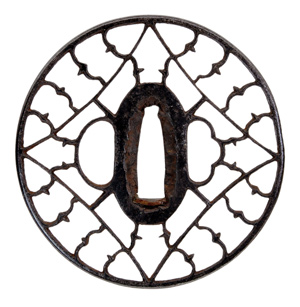
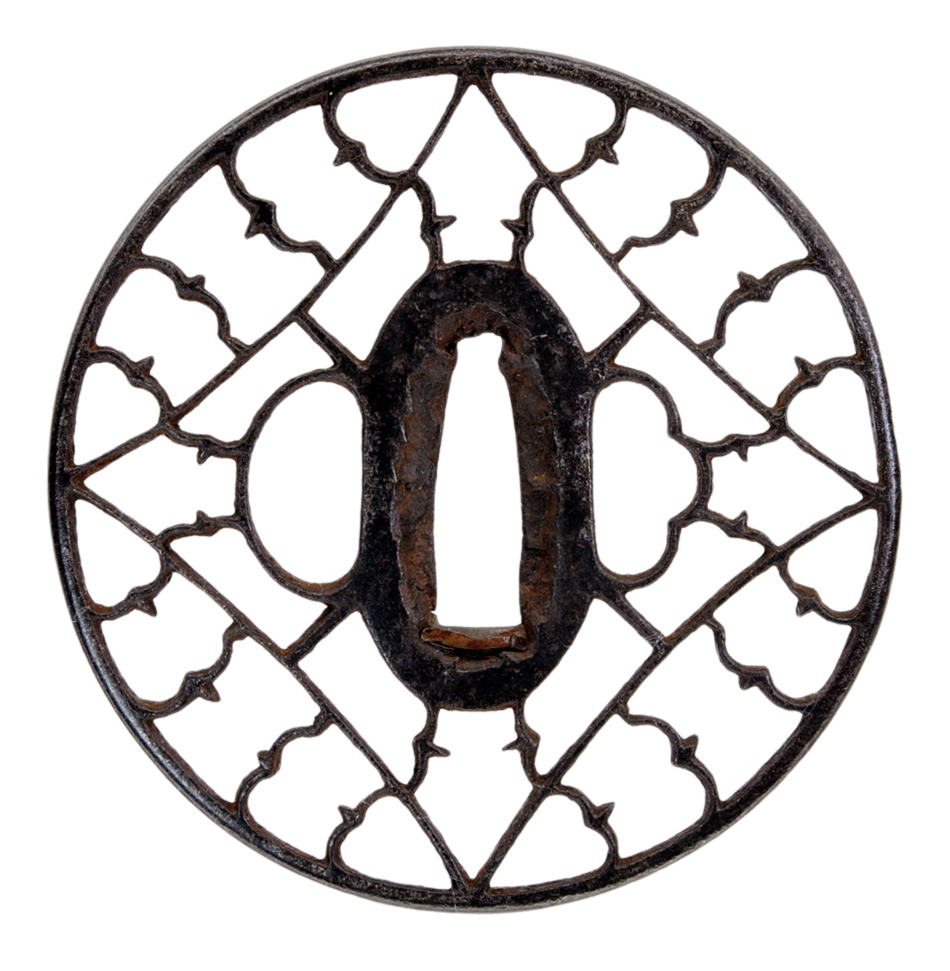
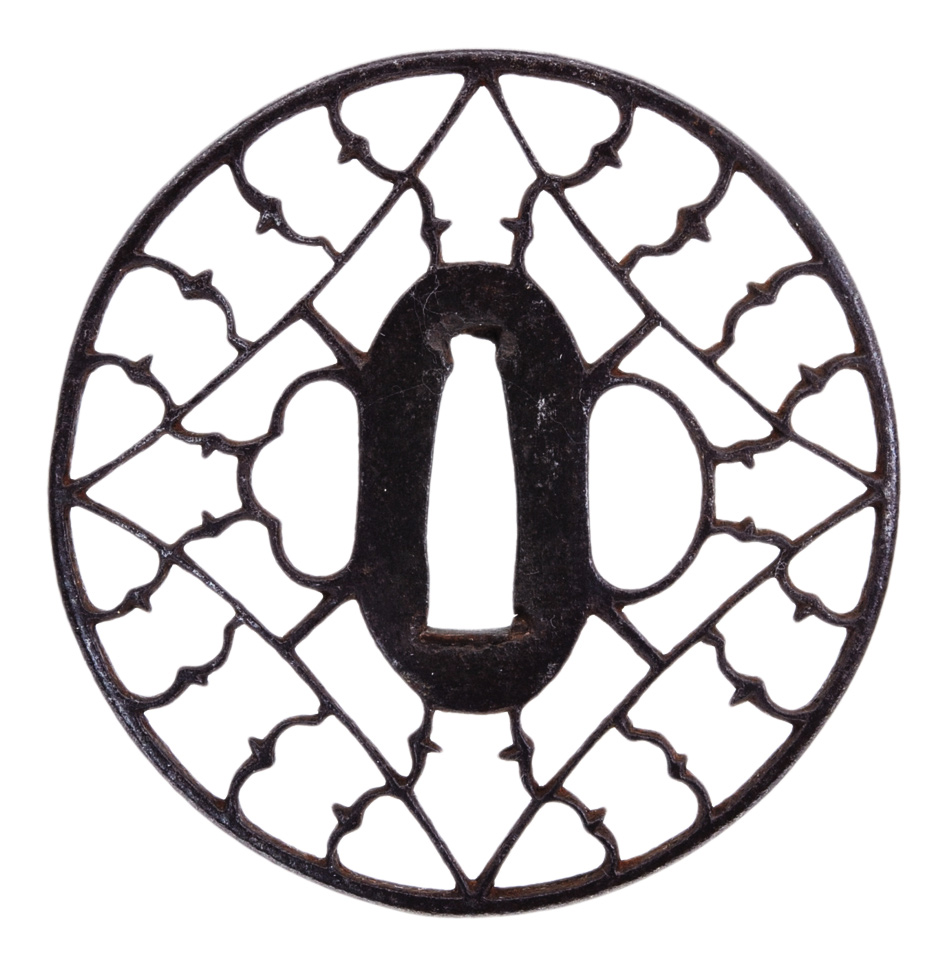
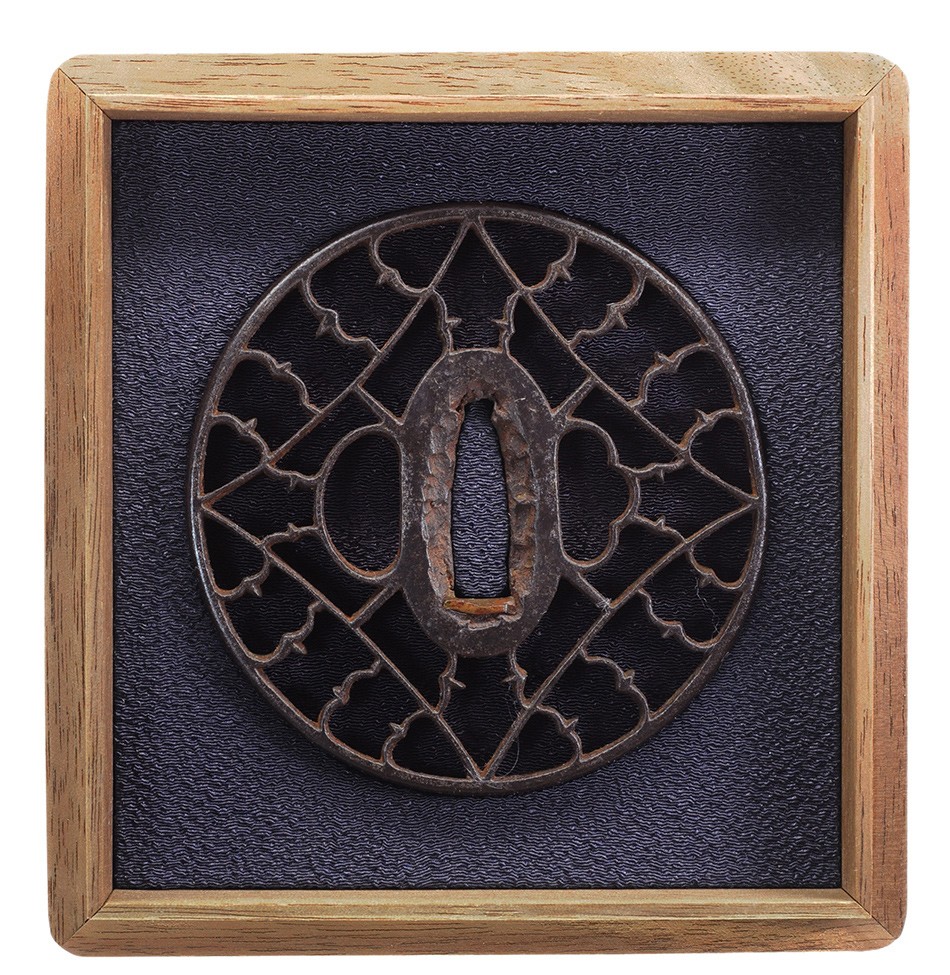
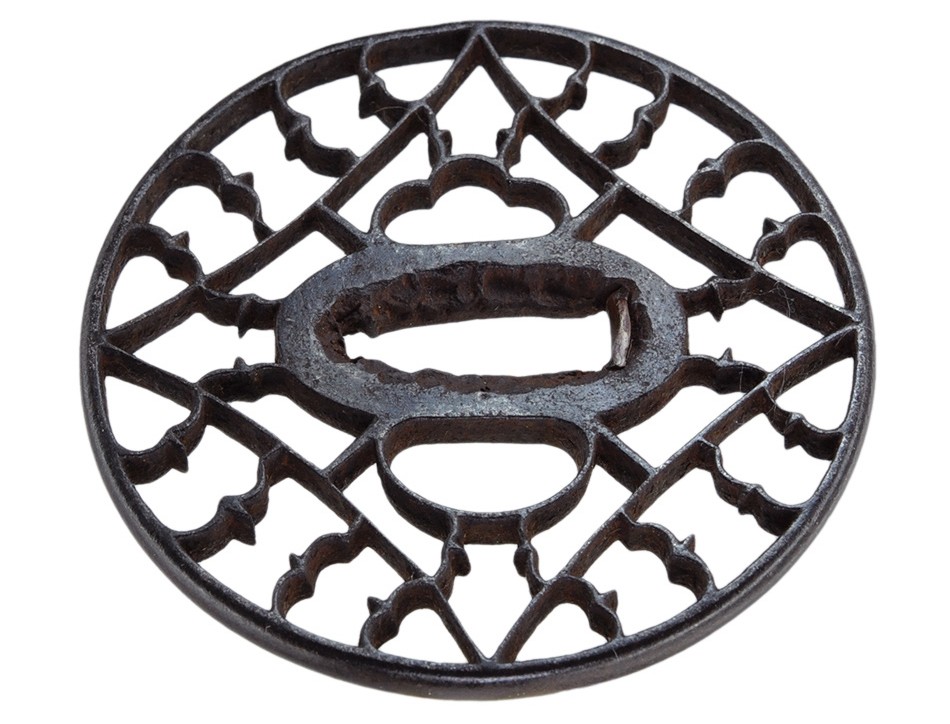
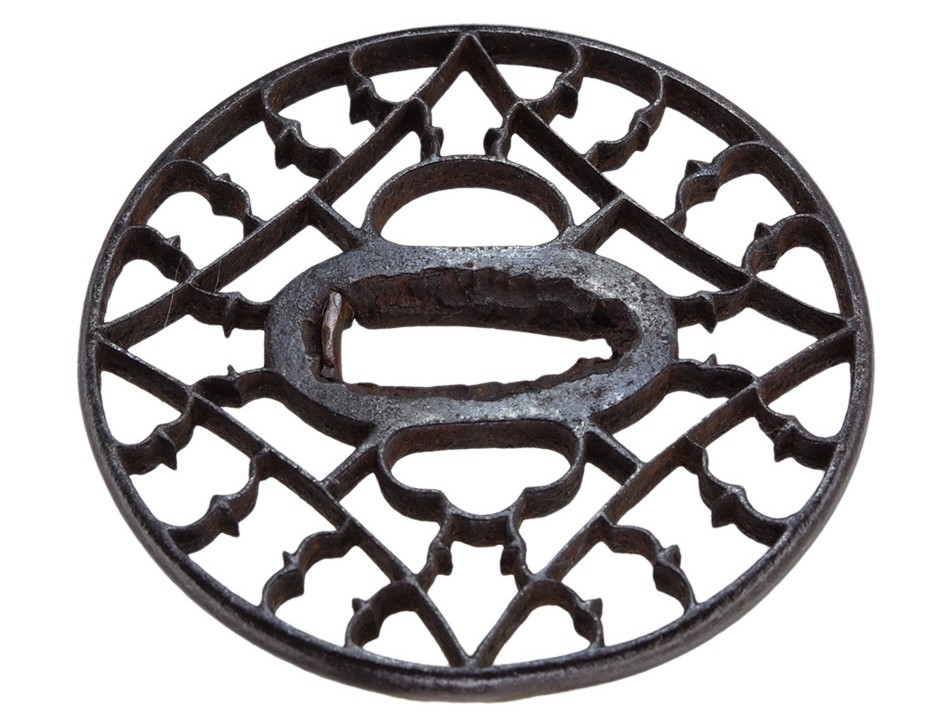
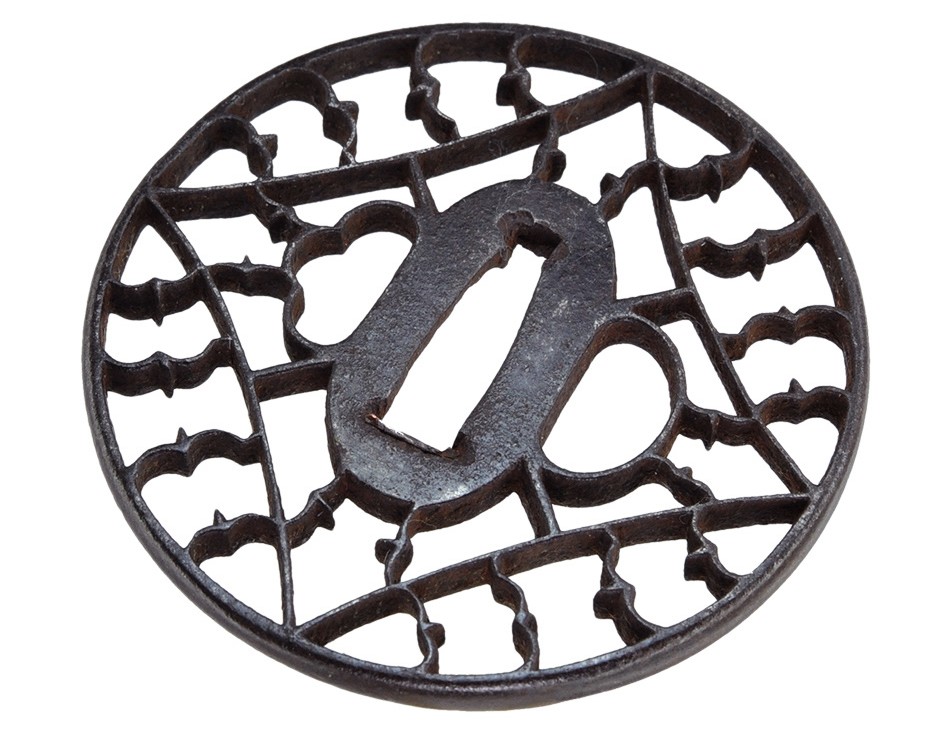
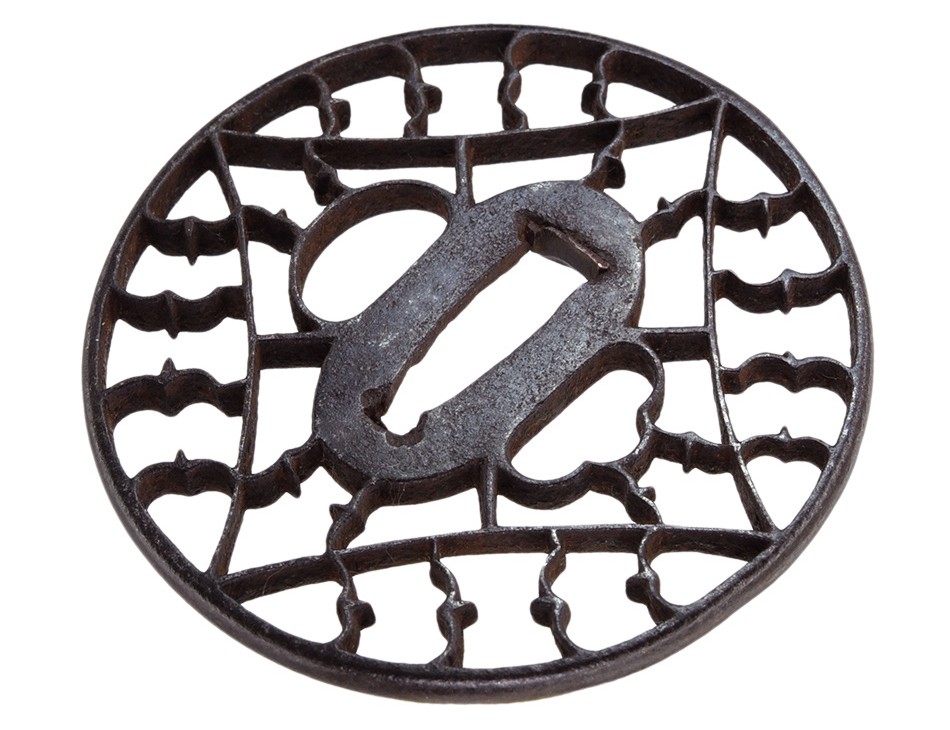
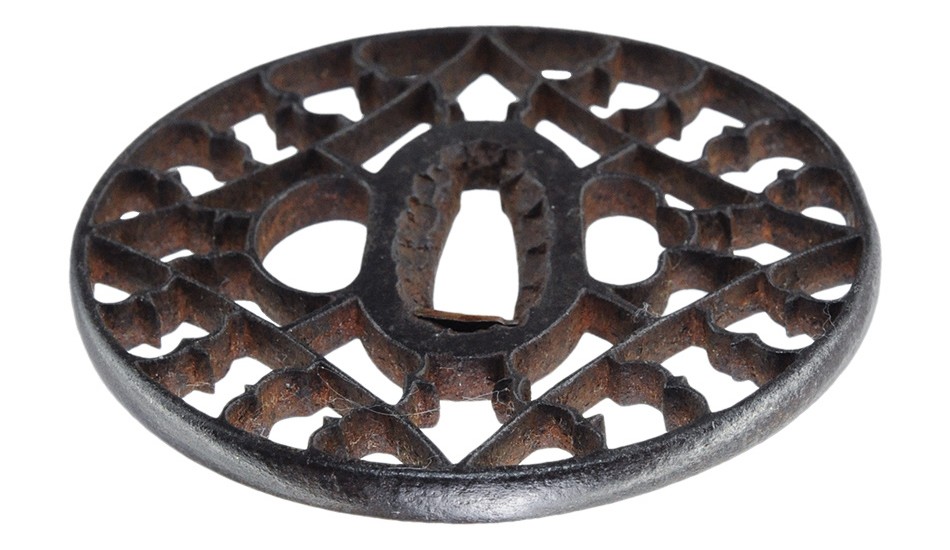
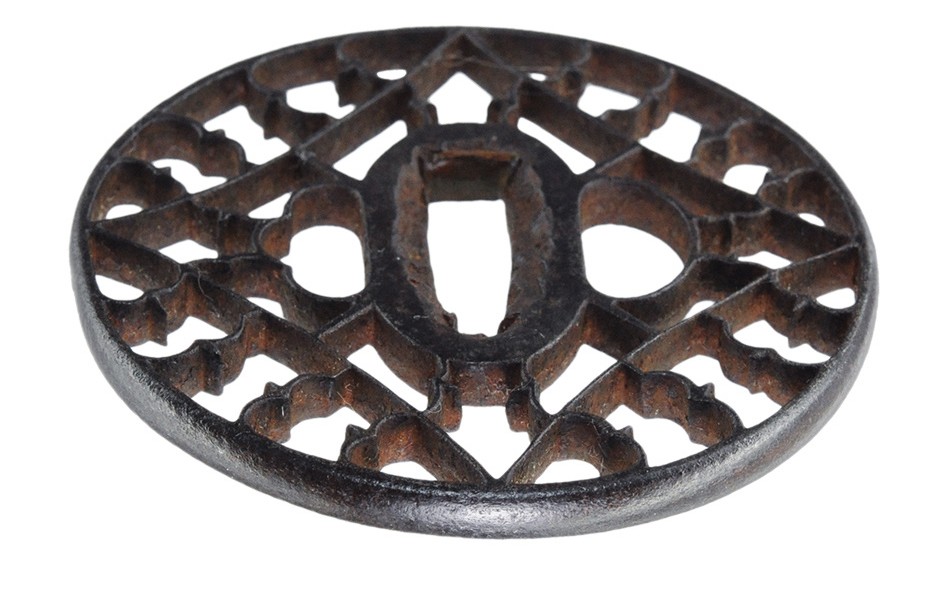
Itomaki-Karigane-sukashi Tsuba Tatemaru-gata, tetsu-ji, ji-sukashi, kaku-mimi koniku In paulownia wood box Although mumei, this tsuba has been appraised as Kyo-sukashi. It is a tatemaru-gata construction with well-refined jitetsu, featuring a large itomaki sukashi in the center, surrounded by 24 karigane. Using the ji-sukashi technique, the mimi is kaku-koniku, resulting in a well-proportioned form. This work is large in size, the seppa-dai is koban-gata, and the suhama follows suit by being large as well. The seme-gane are also strongly struck, and it is appraised as being no later than the early Edo period. Kyo-sukashi is a name for a group of tsubako; before the war, those from earlier periods were distinguished as Heianjo-sukashi, while later ones were called Kyo-sukashi. Recently, superior examples of iron pieces have become scarce, and this work is a fine reference for study as a textbook example of Kyo-sukashi.
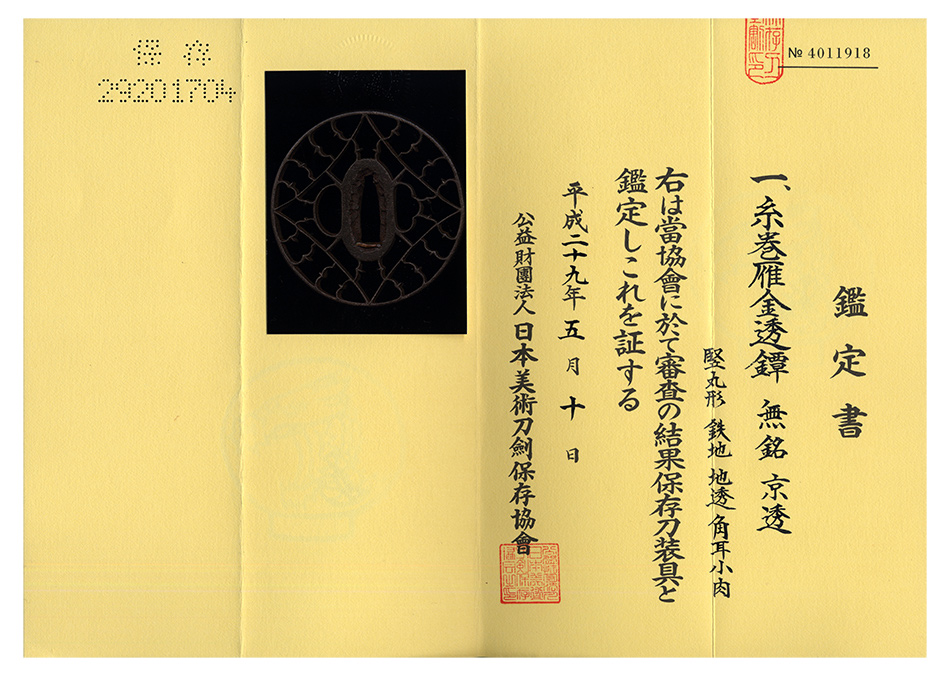
Certificate reading — 無銘(京透)
NihontoWatchOffered by World Seiyudo

Translated from the shop's Japanese ·
Machine translation from the shop's Japanese · may contain errors ·
Iron-tsuba · Yamashiro
Certifies a genuine fitting worth preserving: a correct signature, or, if unsigned, an identifiable era and school, with recognized artistic and craft value.
The NBTHK (Nihon Bijutsu Tōken Hozon Kyōkai, the Society for the Preservation of Japanese Art Swords) is a public-interest incorporated foundation founded in 1948 and supervised by Japan’s Agency for Cultural Affairs (Bunkachō); it is based at the Japanese Sword Museum in Tokyo. Its expert panels physically examine each submitted work (shinsa) and issue a certificate (kanteishō) ranking it by artistic and historical merit. NBTHK papers are the most widely recognized standard of authentication for Japanese swords and fittings.
NBTHK official siteNo cooling-off period or returns; refund only if the purchased sword is proven fake, capped at purchase price (excludes commission sales, accessories, auction items).
¥230,000