After the Ōnin War broke the Ashikaga order, a century of Sengoku warfare armed nearly every province in Japan. The era rewards a discriminating eye: routine work exists in quantity, and beside it stand custom blades of the first rank.
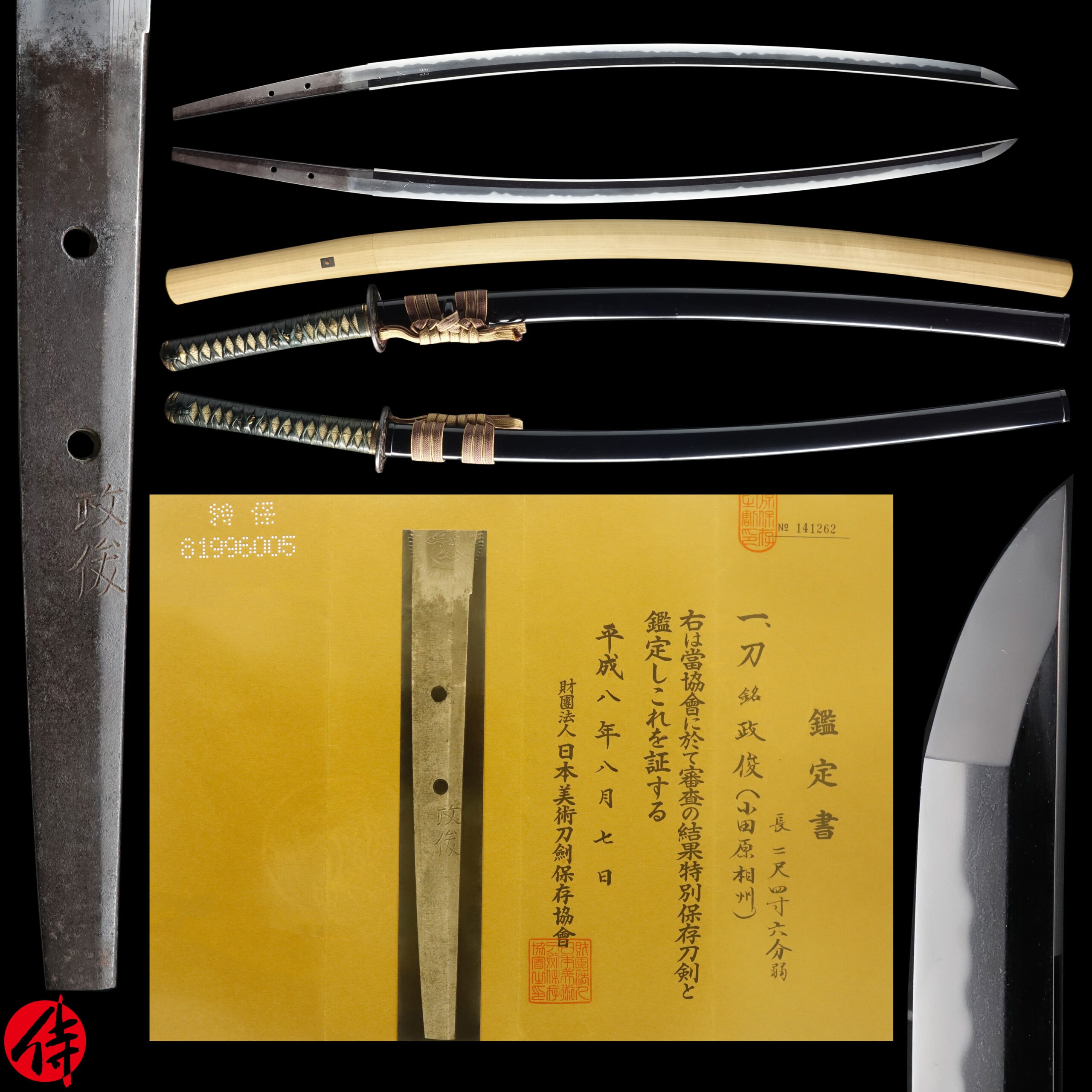
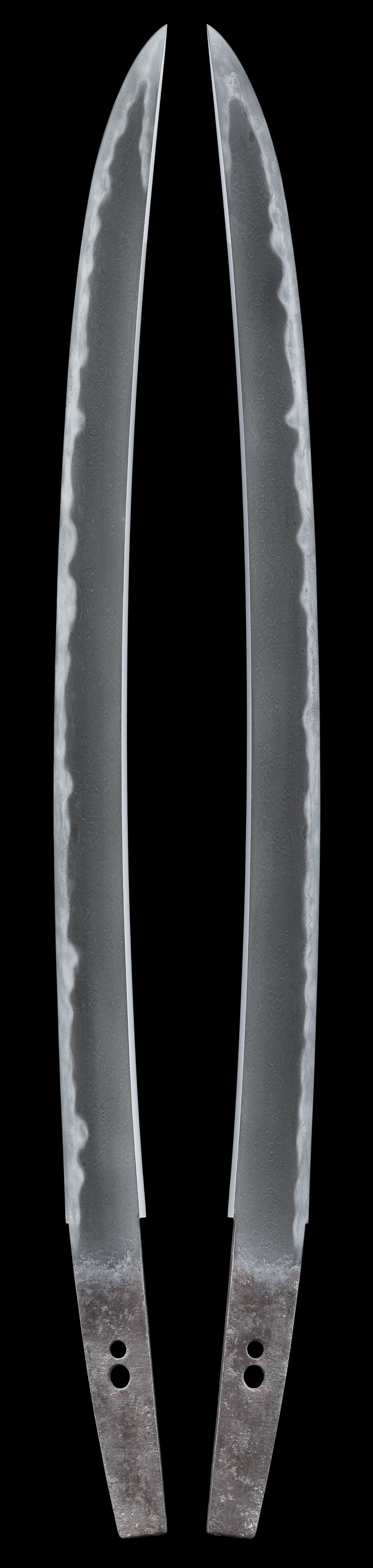
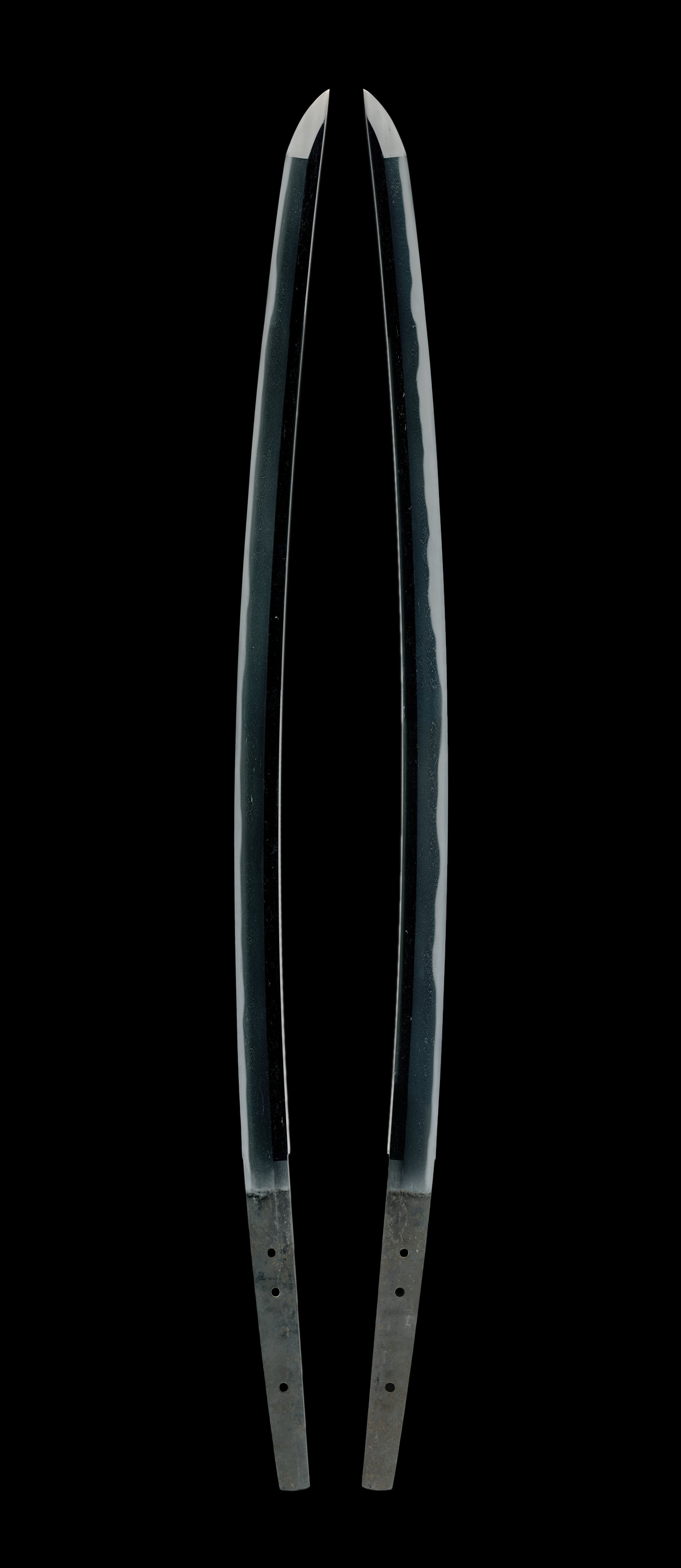
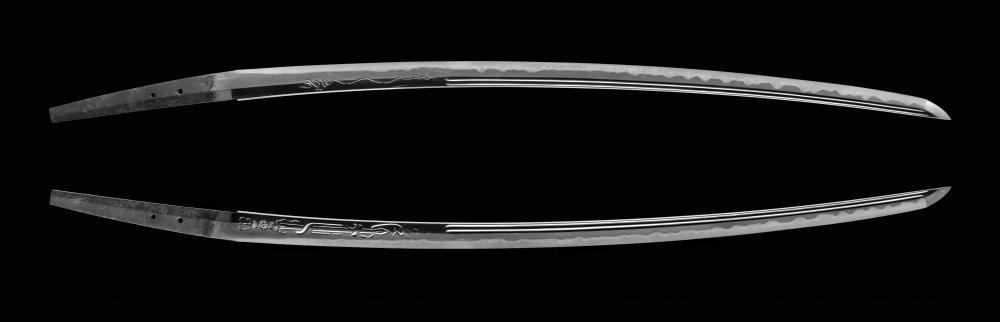
The workmanship is a masterpiece that can truly be called the mainstream of the Soshu-den style. Masatoshi was a swordsmith of the Soshu school around the Tensho era, and is one of the Soshu swordsmiths whose extant works are few in number. 0 Yen (Tax included)
 NihontoWatch
Soshu · nagasa 69cm · sori 1.7cm
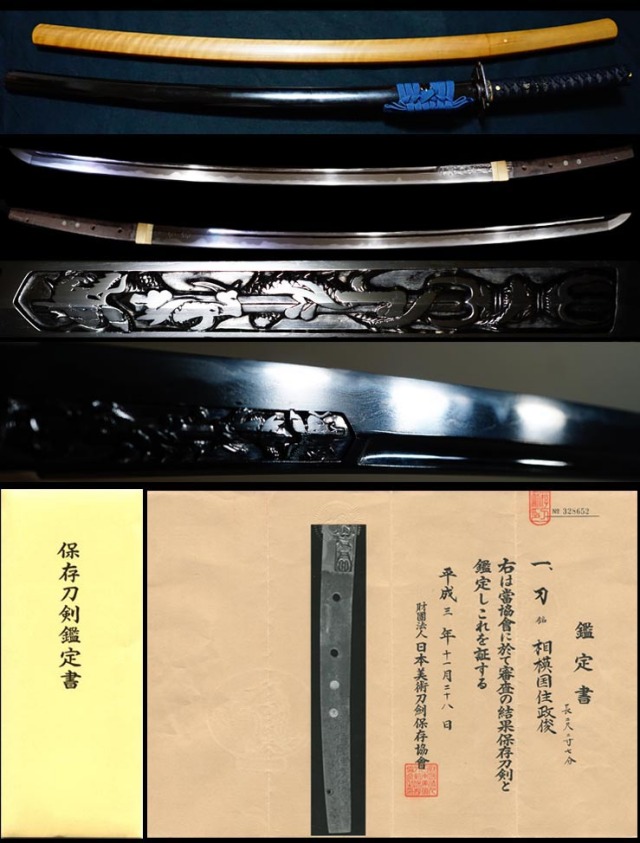


Sagami · around 1504-1521
Tōken Taikan top 60%
After the Ōnin War broke the Ashikaga order, a century of Sengoku warfare armed nearly every province in Japan. The era rewards a discriminating eye: routine work exists in quantity, and beside it stand custom blades of the first rank.
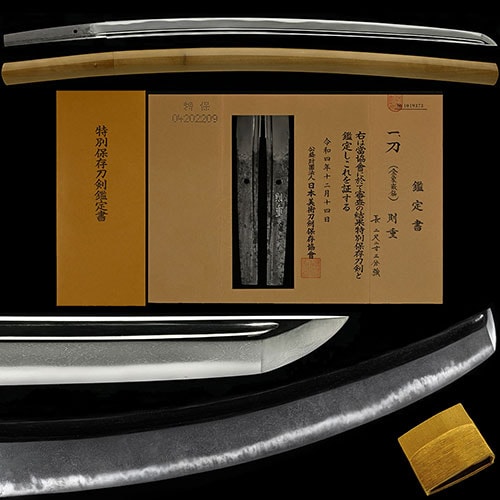
Certifies a genuine blade worth preserving: a signature confirmed correct, or, if unsigned, an era, province, and school that the NBTHK can reliably identify.
The NBTHK (Nihon Bijutsu Tōken Hozon Kyōkai, the Society for the Preservation of Japanese Art Swords) is a public-interest incorporated foundation founded in 1948 and supervised by Japan’s Agency for Cultural Affairs (Bunkachō); it is based at the Japanese Sword Museum in Tokyo. Its expert panels physically examine each submitted work (shinsa) and issue a certificate (kanteishō) ranking it by artistic and historical merit. NBTHK papers are the most widely recognized standard of authentication for Japanese swords and fittings.
NBTHK official sitePlease notify us of your intention to return, by email or fax, no later than the day after the item's arrival. Return shipping, insurance, and refund transfer fees are the customer's responsibility.
The workmanship is a masterpiece that can truly be called the mainstream of the Soshu-den style. Masatoshi was a swordsmith of the Soshu school around the Tensho era, and is one of the Soshu swordsmiths whose extant works are few in number. 0 Yen (Tax included)
NihontoWatchSoshu · nagasa 69cm · sori 1.7cm
Sagami · around 1504-1521
Tōken Taikan top 60%
After the Ōnin War broke the Ashikaga order, a century of Sengoku warfare armed nearly every province in Japan. The era rewards a discriminating eye: routine work exists in quantity, and beside it stand custom blades of the first rank.
Certifies a genuine blade worth preserving: a signature confirmed correct, or, if unsigned, an era, province, and school that the NBTHK can reliably identify.
The NBTHK (Nihon Bijutsu Tōken Hozon Kyōkai, the Society for the Preservation of Japanese Art Swords) is a public-interest incorporated foundation founded in 1948 and supervised by Japan’s Agency for Cultural Affairs (Bunkachō); it is based at the Japanese Sword Museum in Tokyo. Its expert panels physically examine each submitted work (shinsa) and issue a certificate (kanteishō) ranking it by artistic and historical merit. NBTHK papers are the most widely recognized standard of authentication for Japanese swords and fittings.
NBTHK official sitePlease notify us of your intention to return, by email or fax, no later than the day after the item's arrival. Return shipping, insurance, and refund transfer fees are the customer's responsibility.