Edo was the sword’s age of connoisseurship: the Hon’ami appraisers, the shogunal register of famous blades of 1719, and a thriving literature turned the sword into an object of study even as it ceased to be drawn in war.
 NihontoWatchNihontoWatch
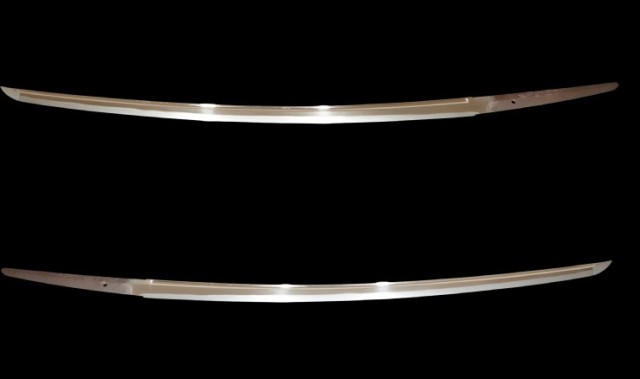
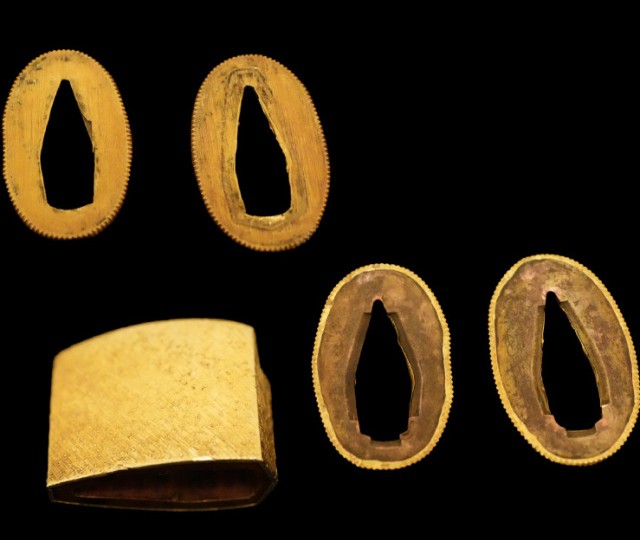
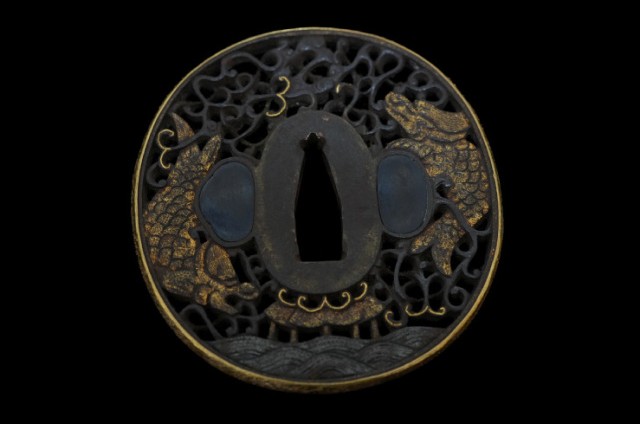
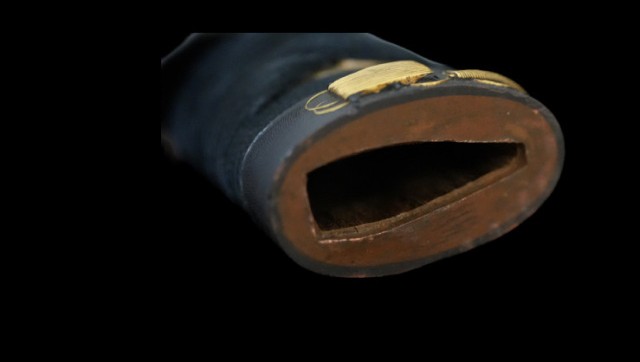
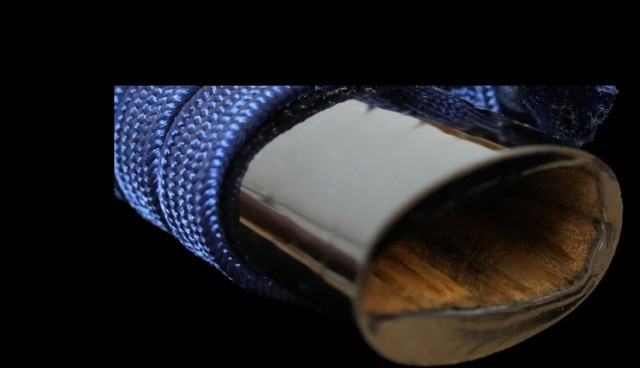
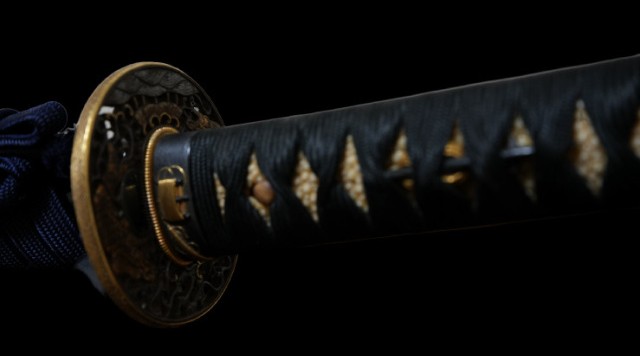
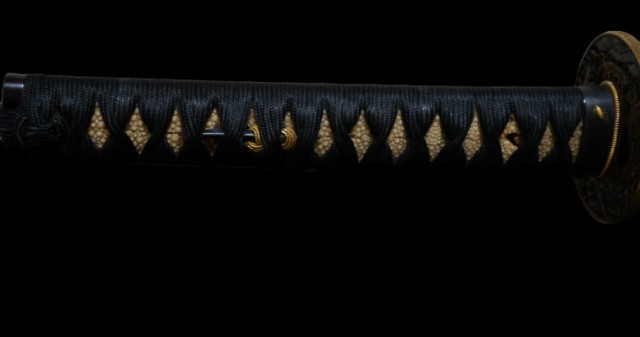
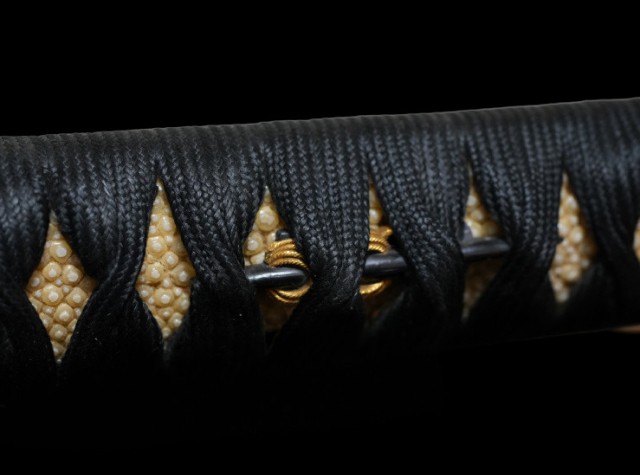
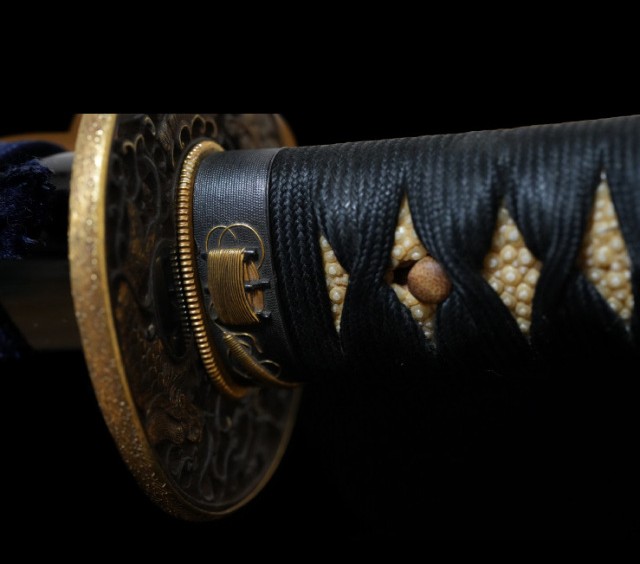
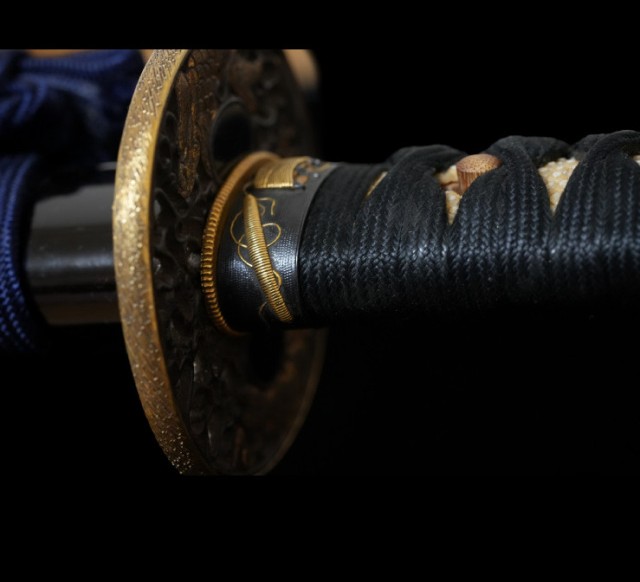
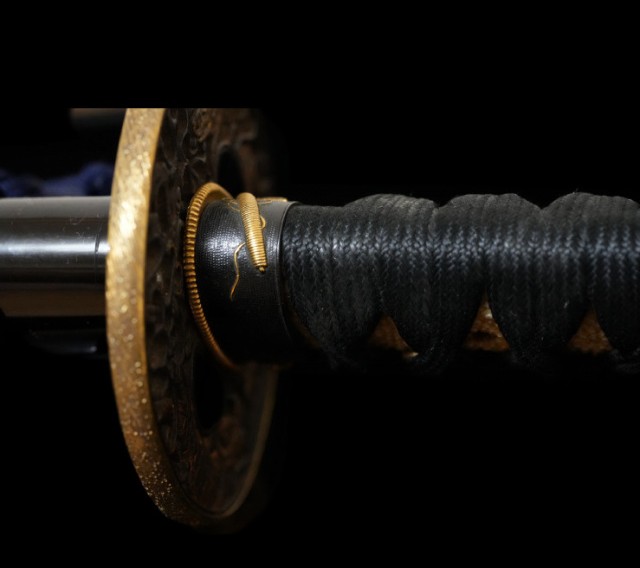
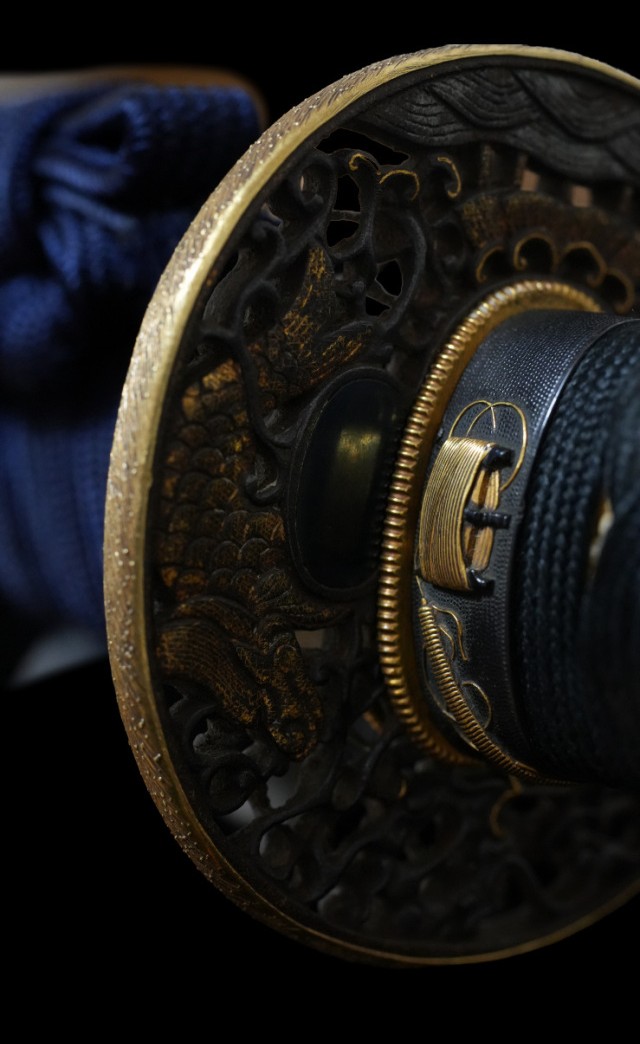
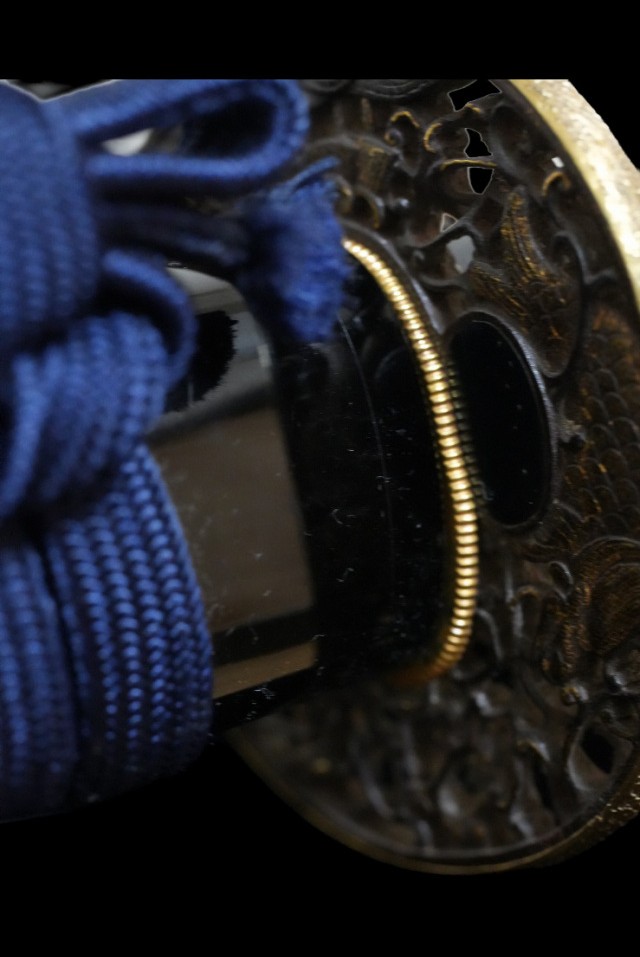
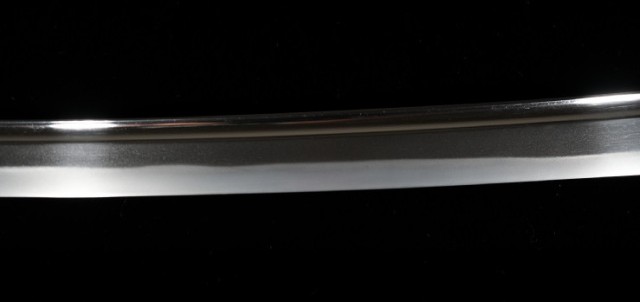
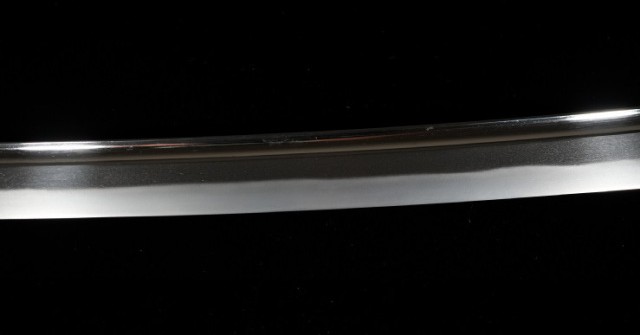
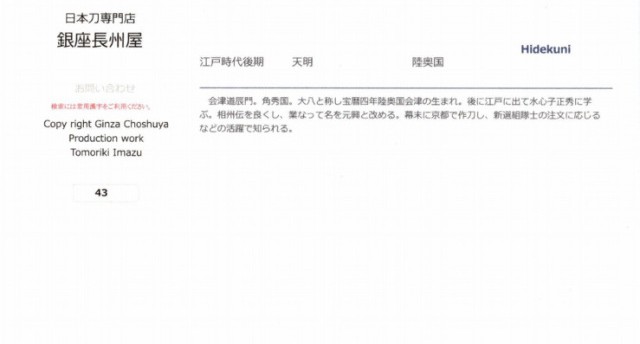
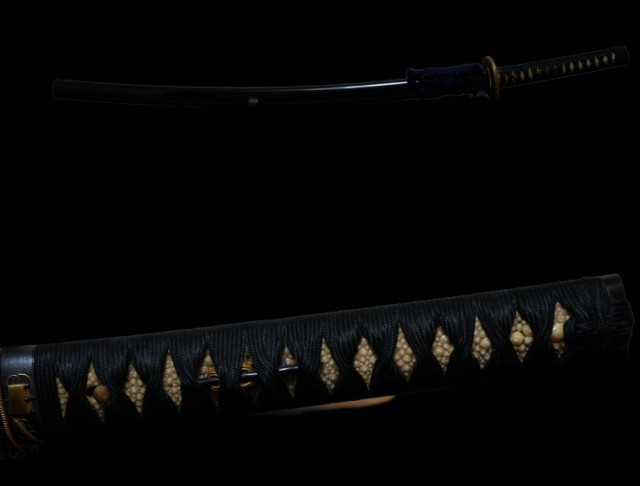
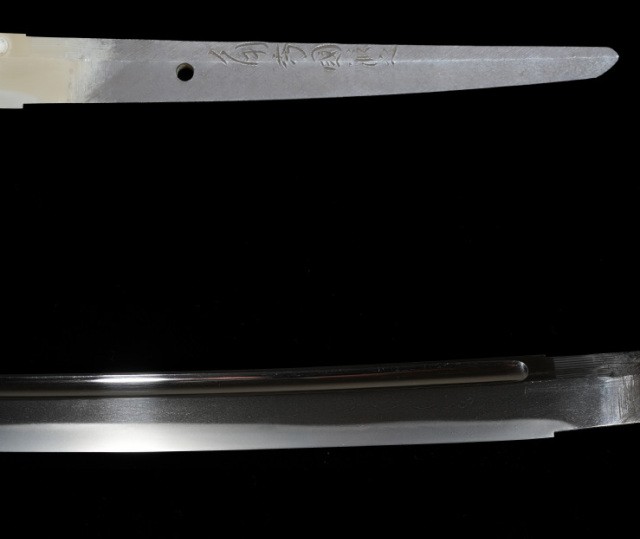
This is a very rare katana by the legendary swordsmith Sumi Hidekuni (Motooki), who was highly popular and held the highest rank in the Aizu Clan at that time. It is said that in Kansei 4, by order of the daimyo, he studied under Motohira to learn the Soshu-den. Surprisingly, it bears a nenkki from that period, and while the nakago finishing is the very image of his teacher Suishinshi Masahide, the deki strongly reflects the Soshu-den that was Motohira's greatest specialty, resulting in a deki that is truly the image of Soshu Sadamune itself. It is a work that seems as if Masahide and Motohira collaborated to take the best of both worlds, and I believe it can be called a supreme masterpiece. At first glance it appears to be a mild deki, but it is completely different from suguha and is a deki that serves as a textbook example for a kiwame to Soshu Sadamune. Furthermore, the koshirae is also thought to be from that period; while refined, it has sufficient flashiness and style, and the gold-wrapped portions are extremely thick. The habaki also appears to be wrapped in the thick gold of that era. The koshirae alone gives the impression of being considerably high-priced. Originally of the Aizu Michitatsu school. Sumi Hidekuni. Called Daihachi, born in Horeki 4 in Mutsu Province, Aizu. Later went to Edo and studied under Suishinshi Masahide. In Kansei 4, he went down to Satsuma for only one year under clan orders to study Soshu-den under Motohira, and receiving the character "Moto" from Motohira, he changed his name to Motooki. He is known for his activity at the end of the Edo period, making swords in Kyoto and fulfilling orders for members of the Shinsengumi.
NihontoWatchHidekuni英國
Offered by Kusanagi




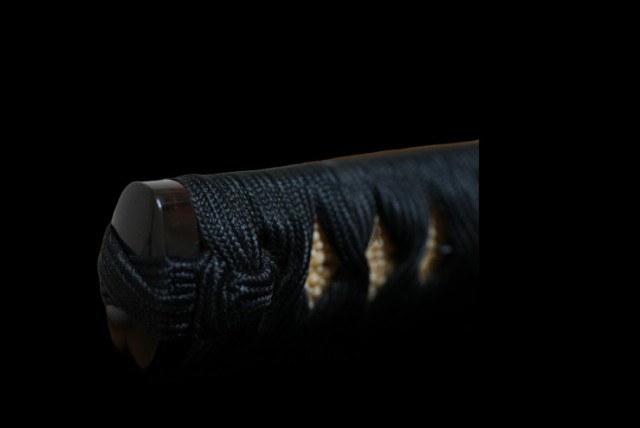
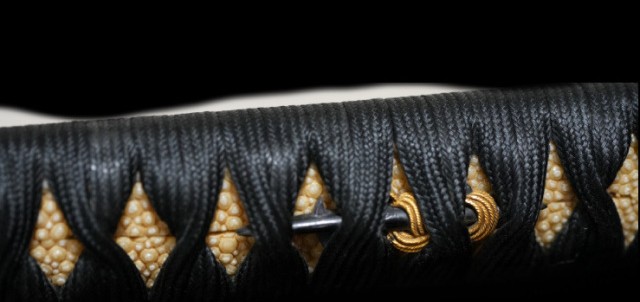
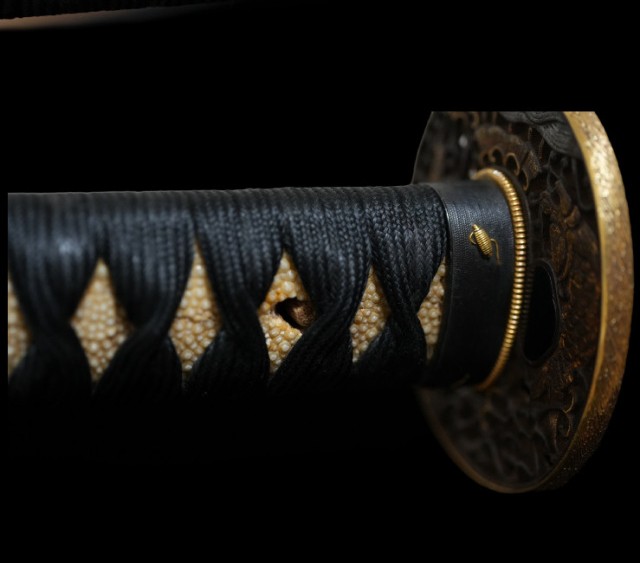
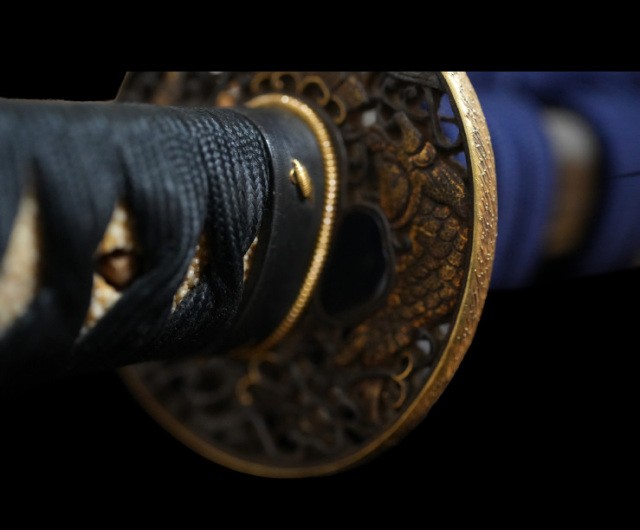
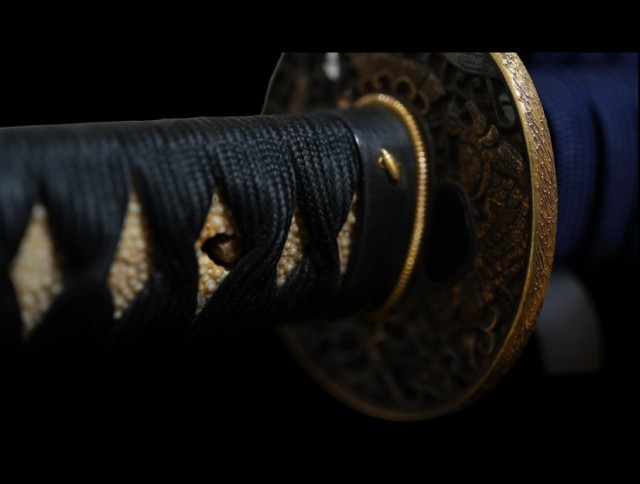
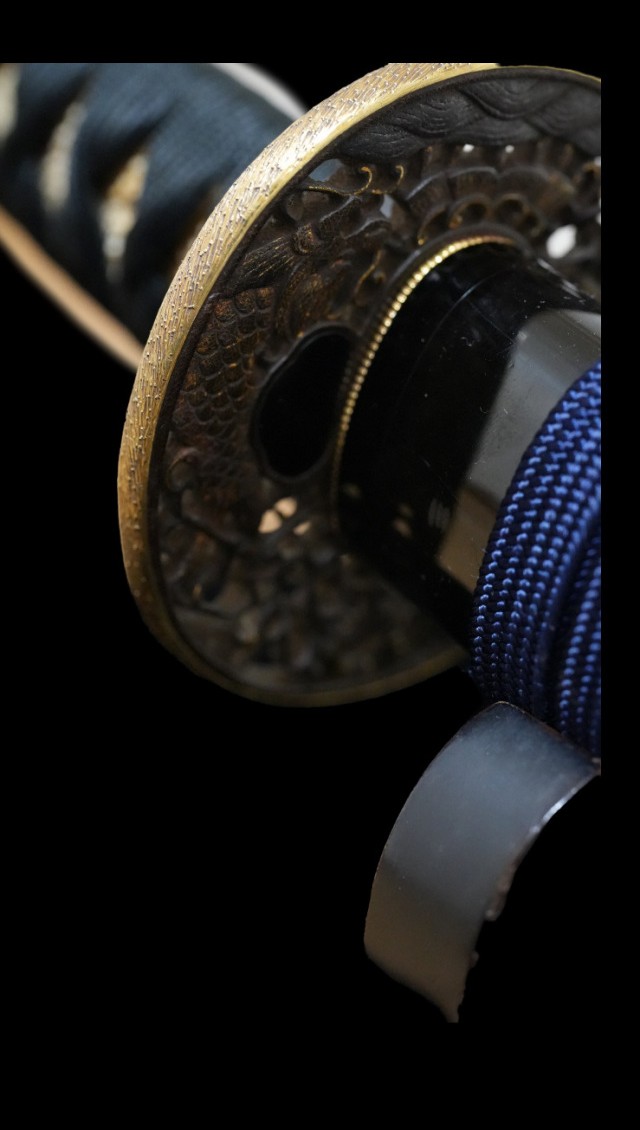
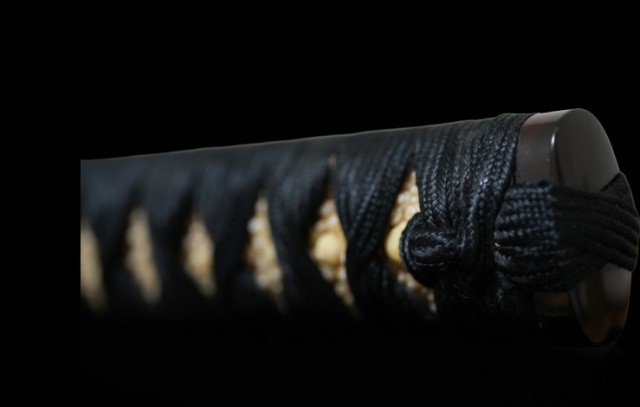
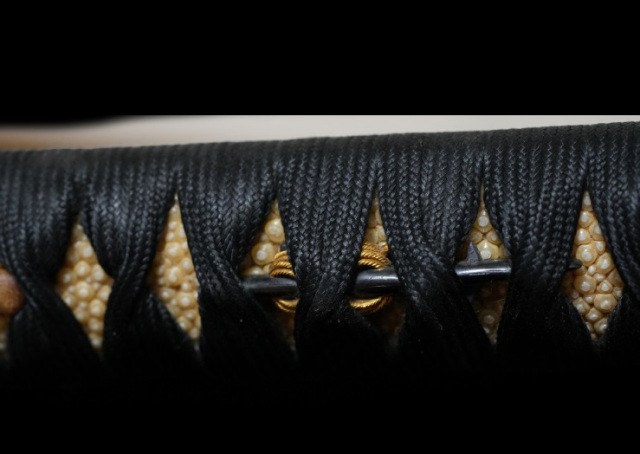
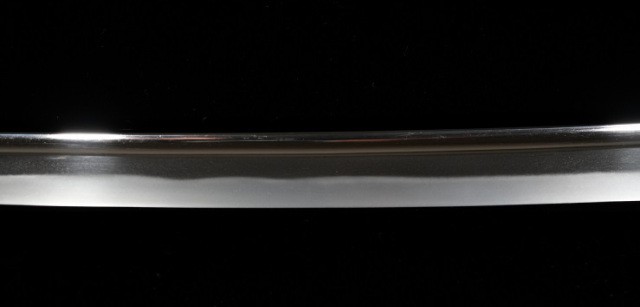
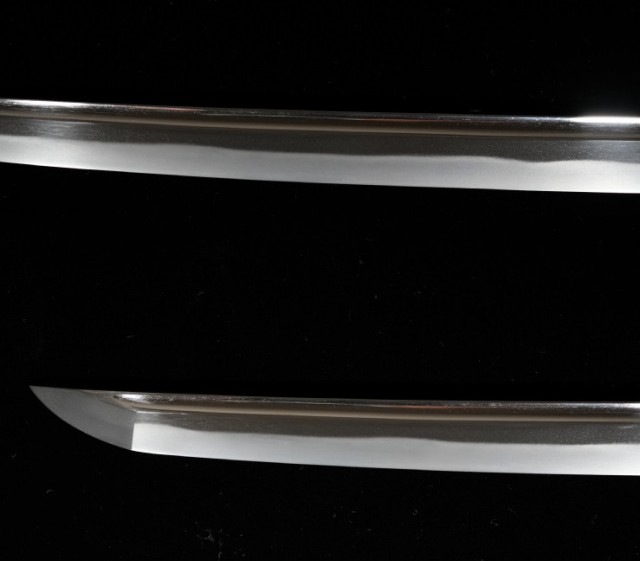
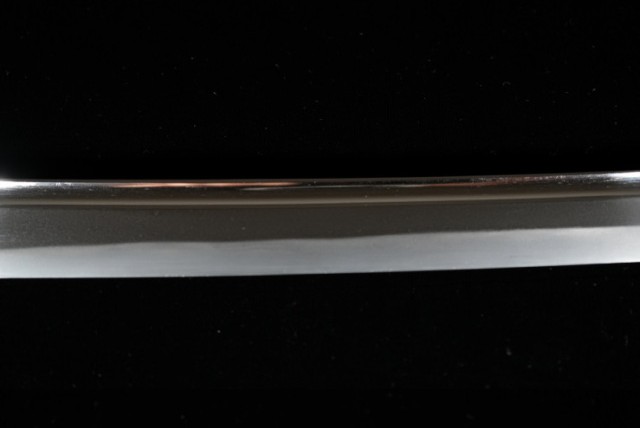
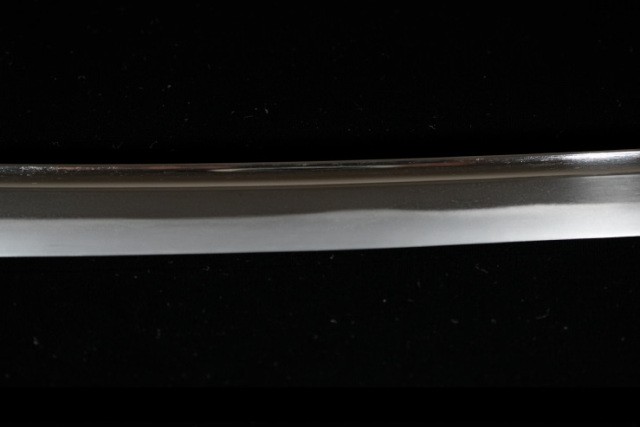
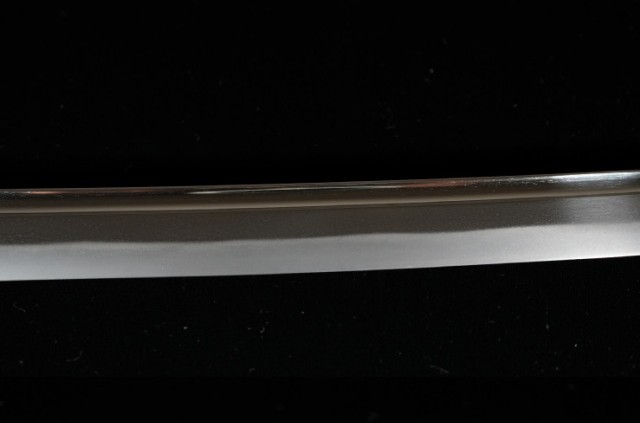
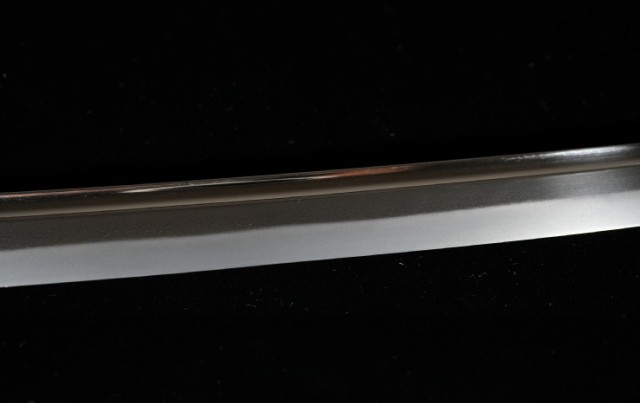
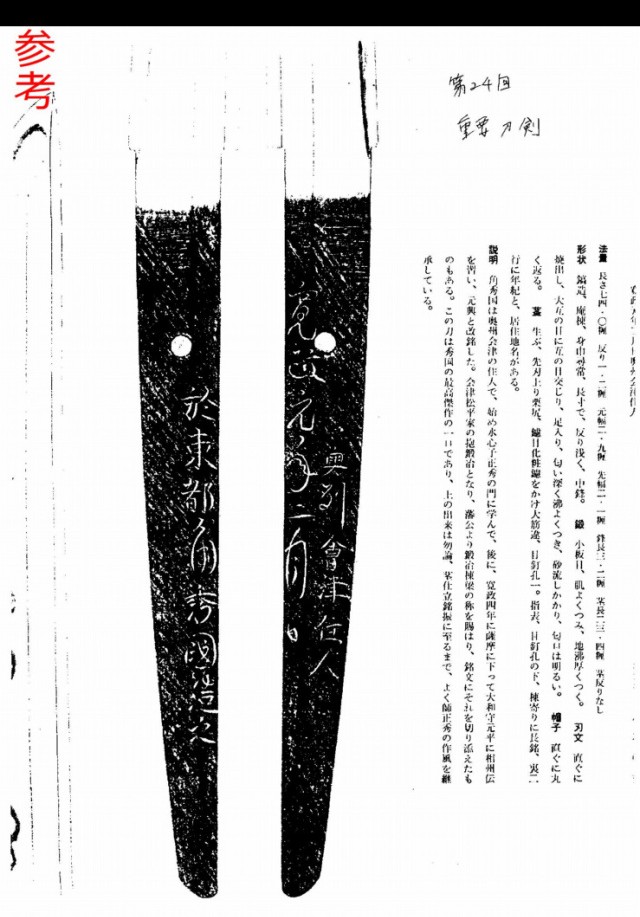
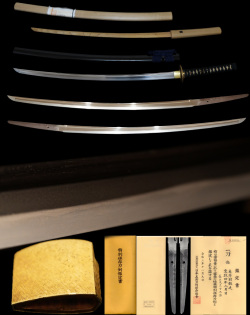
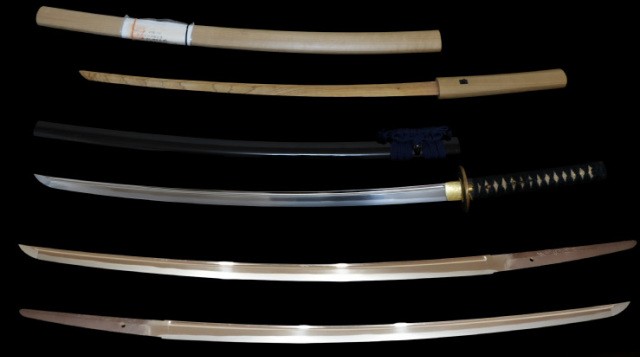
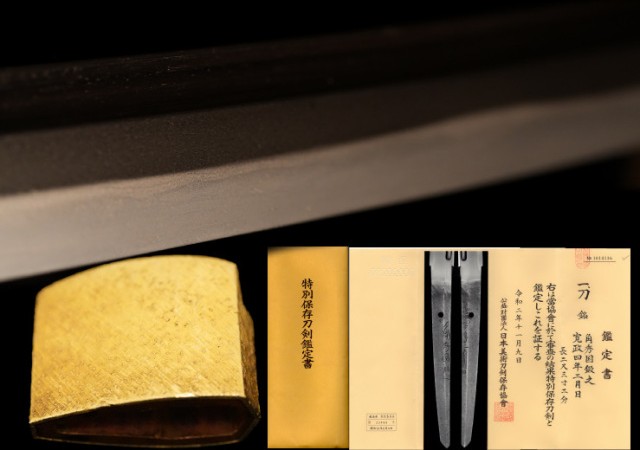
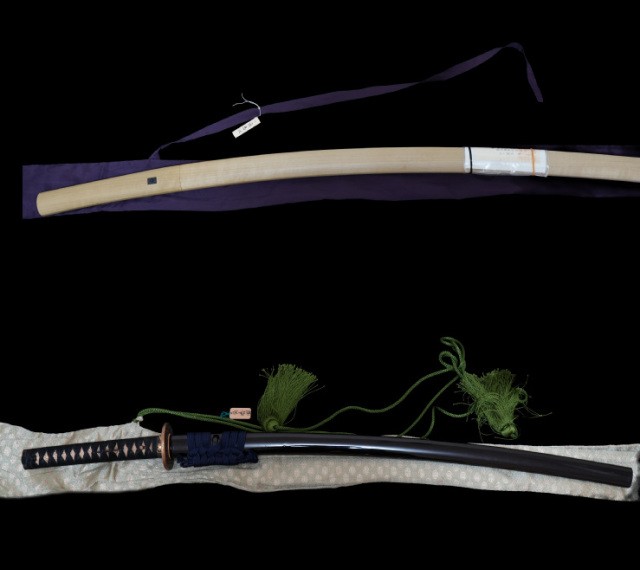
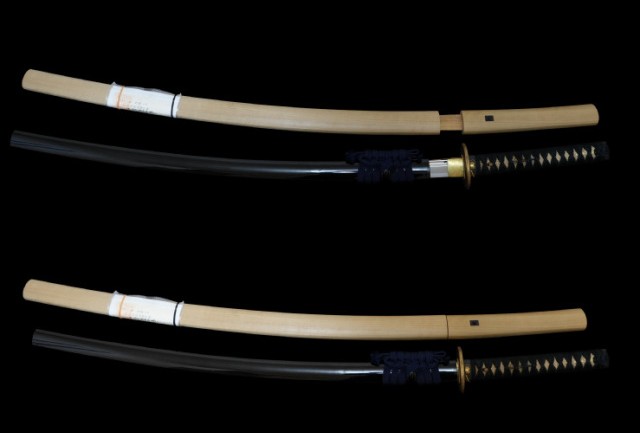
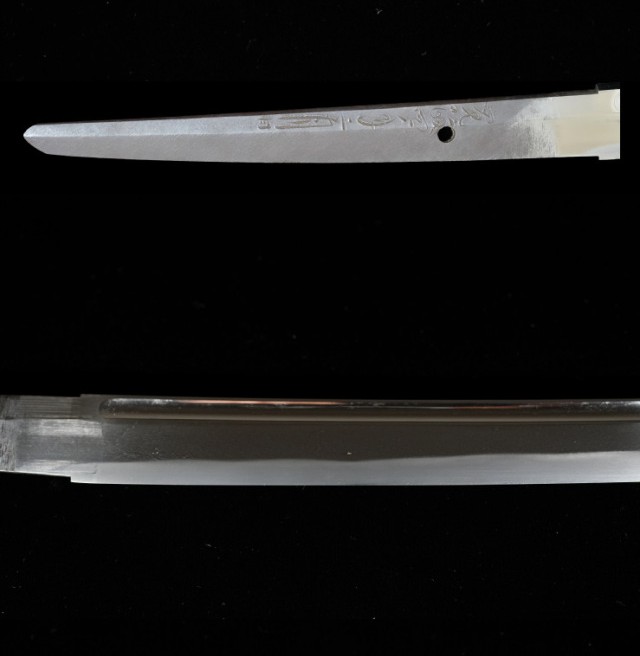
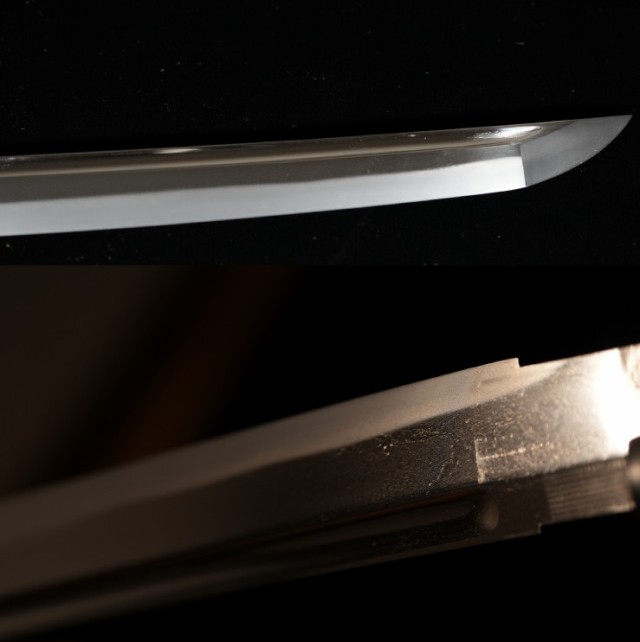
As written by the shop
Machine translation from the shop's Japanese · may contain errors ·
Musashi · around 1804-1818
1 piece on the market now
The Edo period (1615 to 1868)
Edo was the sword’s age of connoisseurship: the Hon’ami appraisers, the shogunal register of famous blades of 1719, and a thriving literature turned the sword into an object of study even as it ceased to be drawn in war.
A Hozon-certified blade judged to show notably superior workmanship and a better state of preservation. The bar is higher: re-tempered blades and most unsigned Muromachi/Edo works are excluded.
The NBTHK (Nihon Bijutsu Tōken Hozon Kyōkai, the Society for the Preservation of Japanese Art Swords) is a public-interest incorporated foundation founded in 1948 and supervised by Japan’s Agency for Cultural Affairs (Bunkachō); it is based at the Japanese Sword Museum in Tokyo. Its expert panels physically examine each submitted work (shinsa) and issue a certificate (kanteishō) ranking it by artistic and historical merit. NBTHK papers are the most widely recognized standard of authentication for Japanese swords and fittings.
NBTHK official sitePlease notify us of your intention to return, by email or fax, no later than the day after the item's arrival. Return shipping, insurance, and refund transfer fees are the customer's responsibility.
¥1,480,000