Muromachi turned sword making into an industry: the uchigatana rose with massed infantry warfare, Osafune and Seki produced bundle swords beside custom orders, and the Ming trade carried Japanese blades abroad by the tens of thousands.
 NihontoWatchNihontoWatch
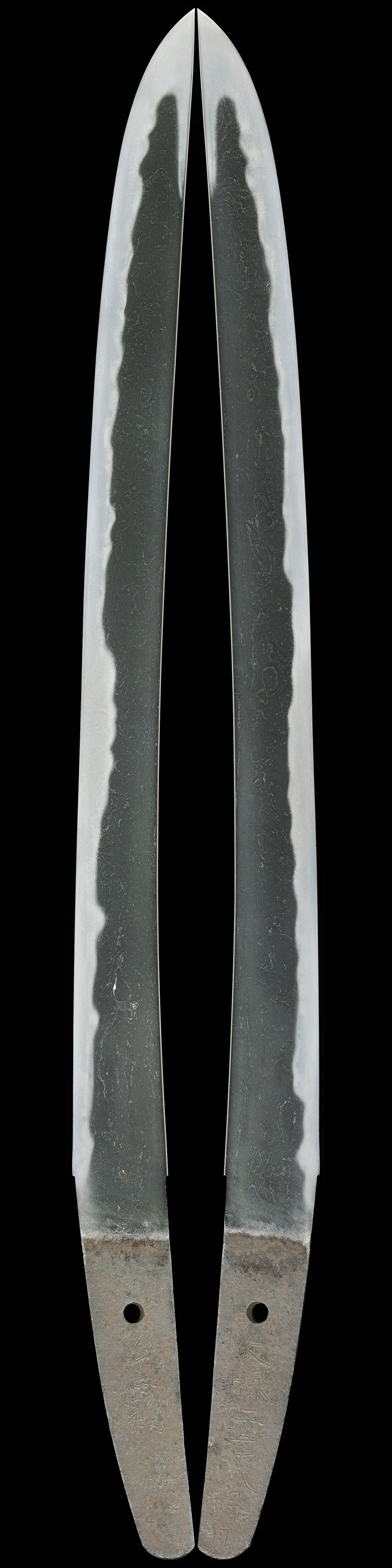
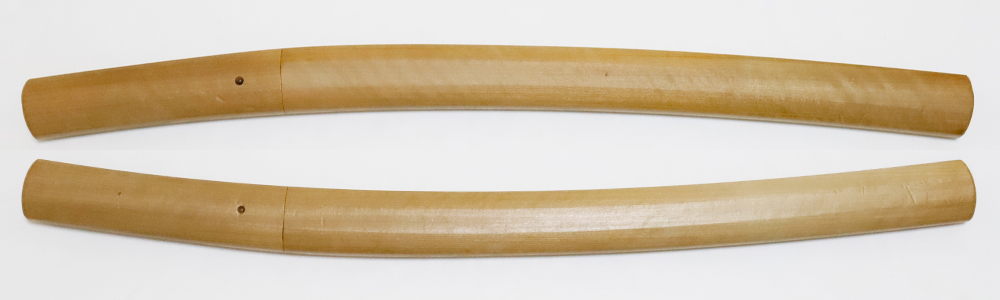
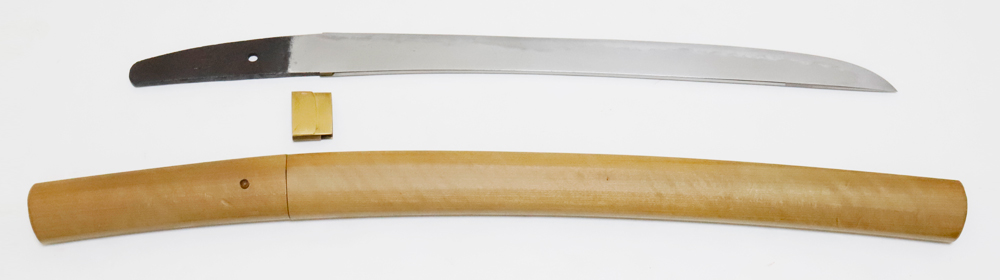
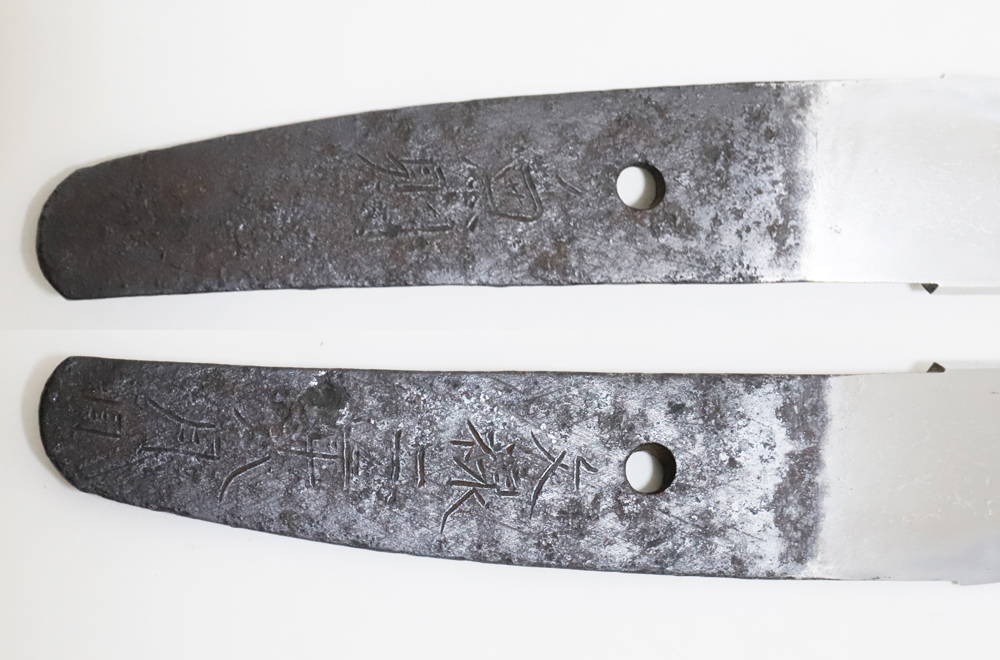
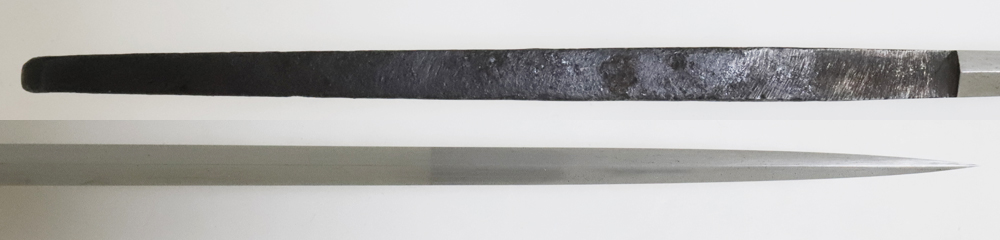
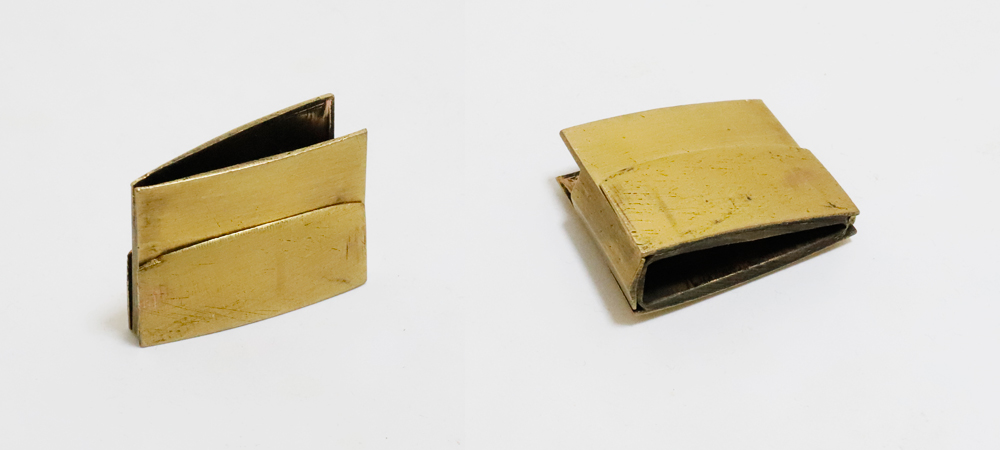
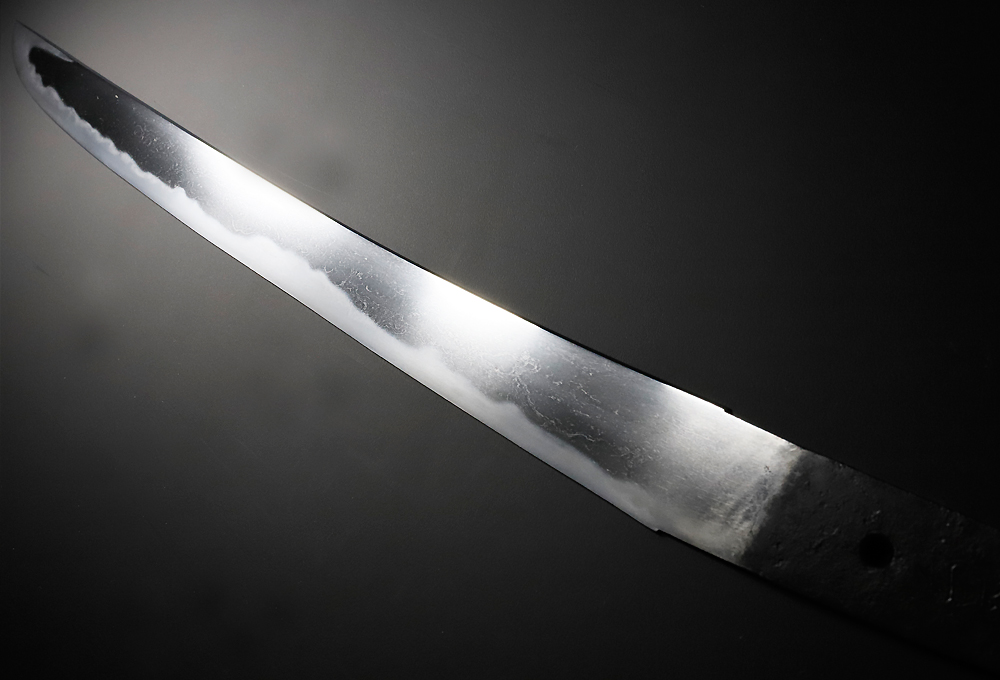
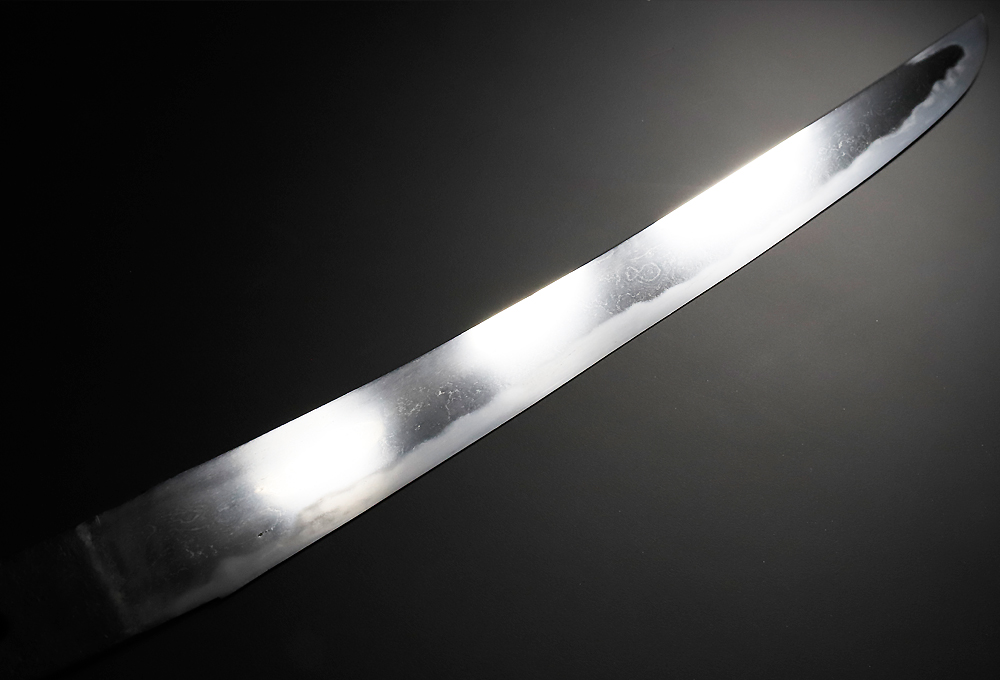
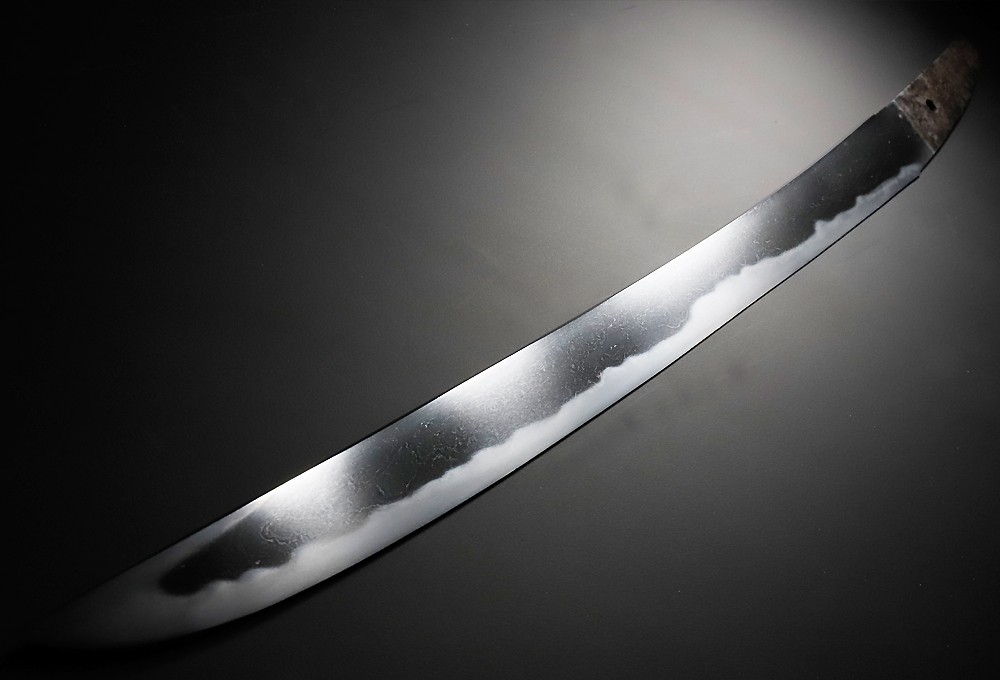
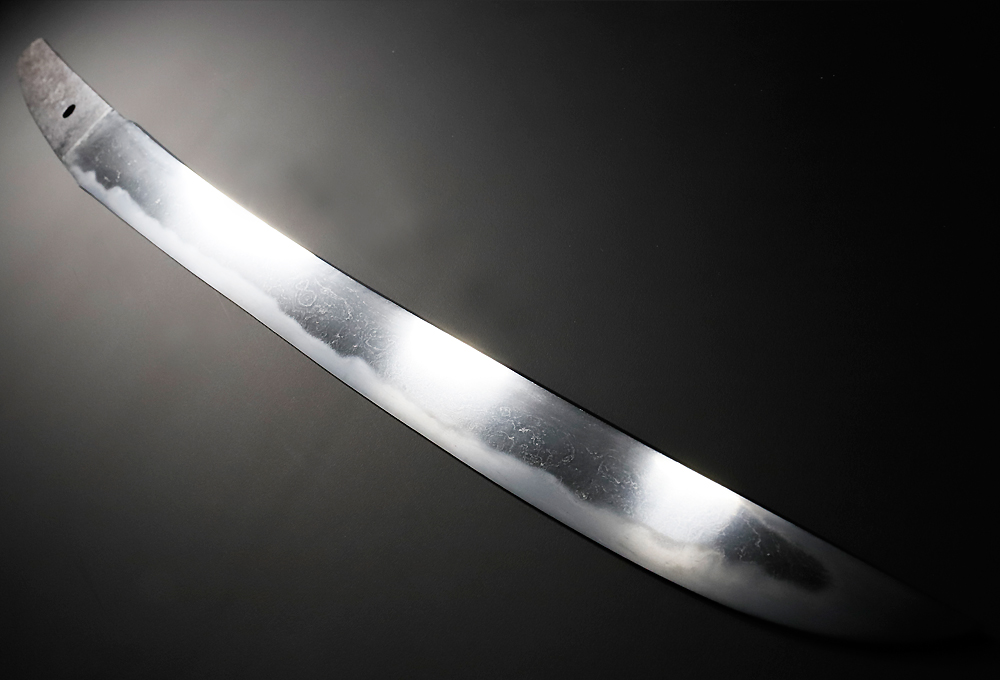
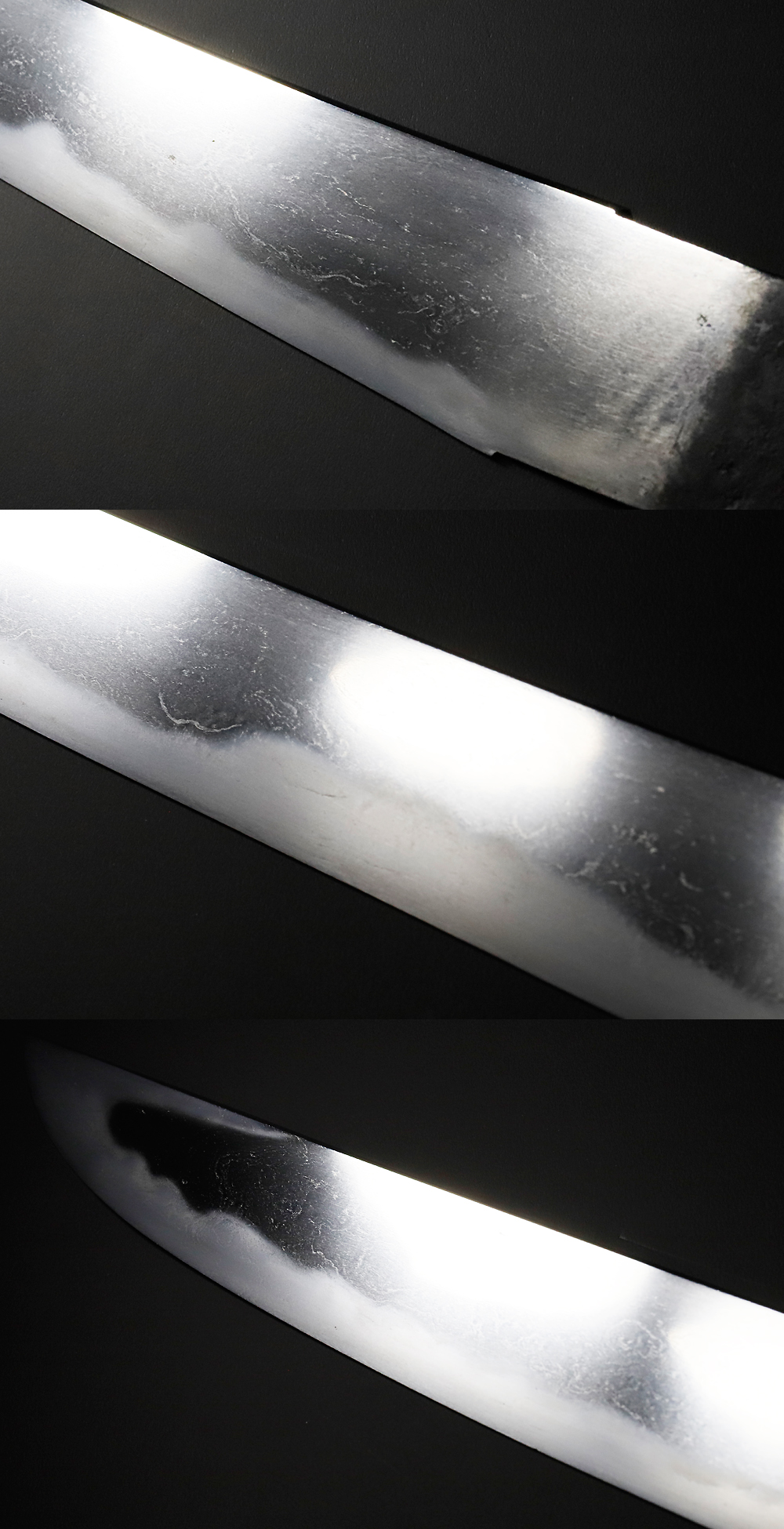
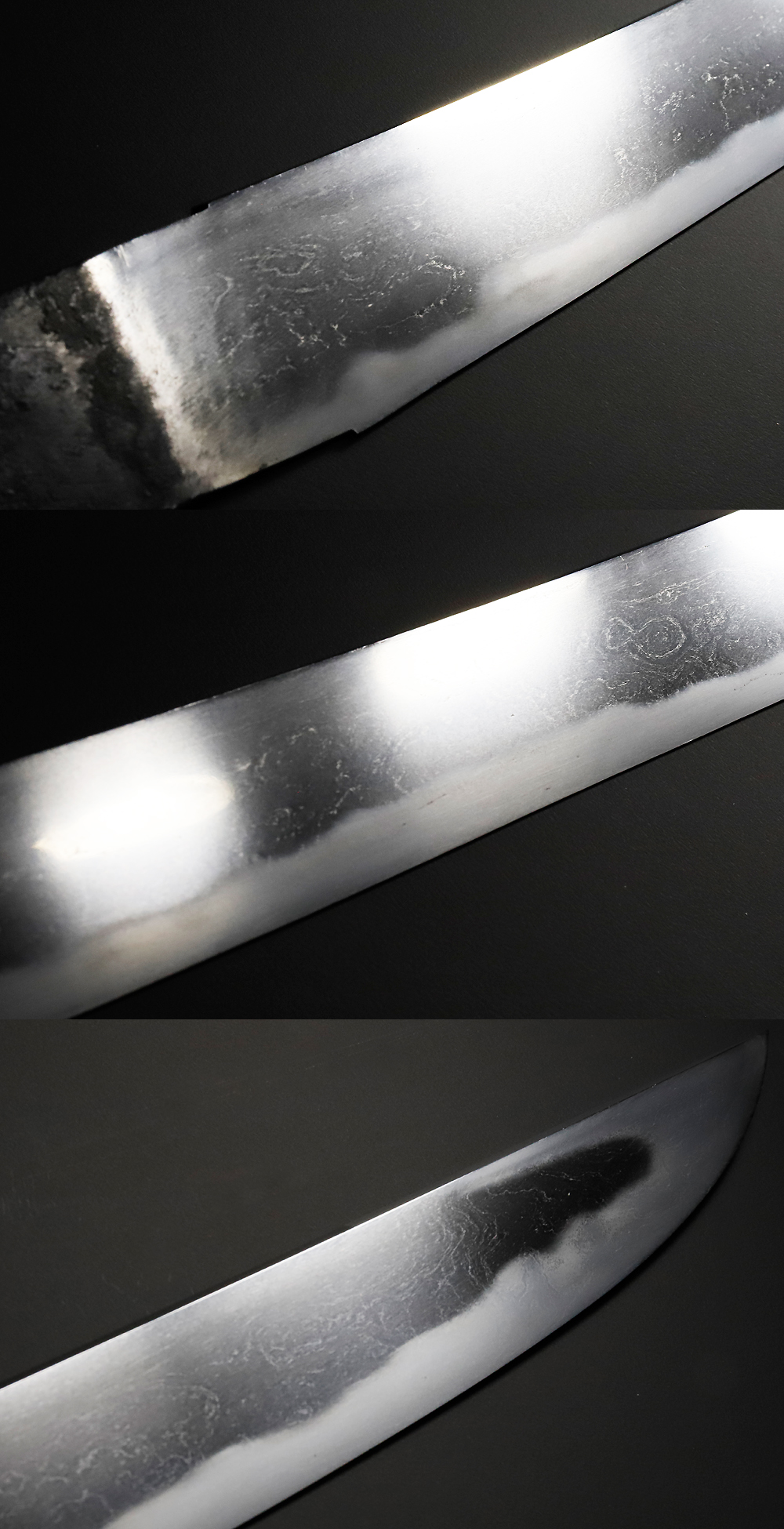
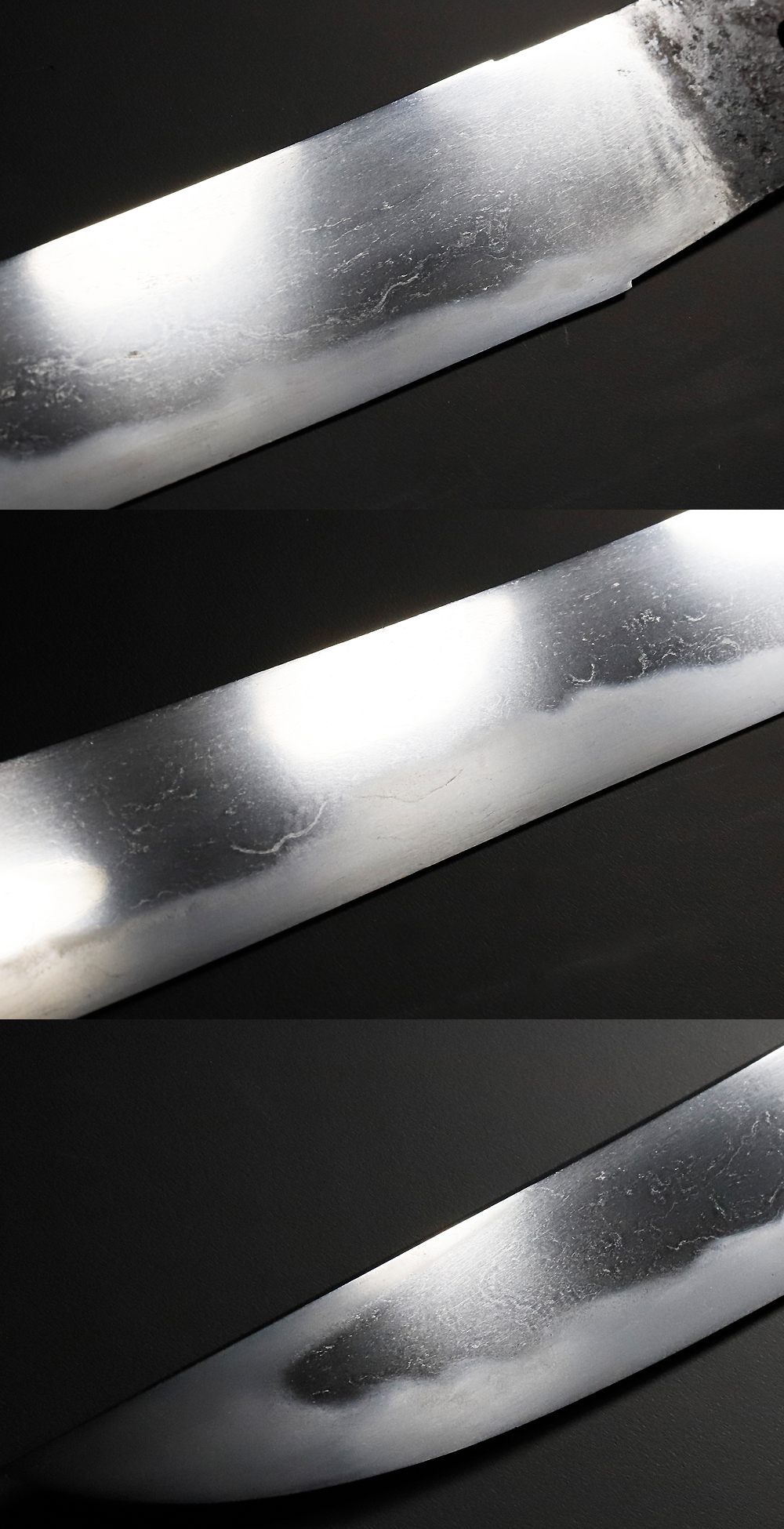
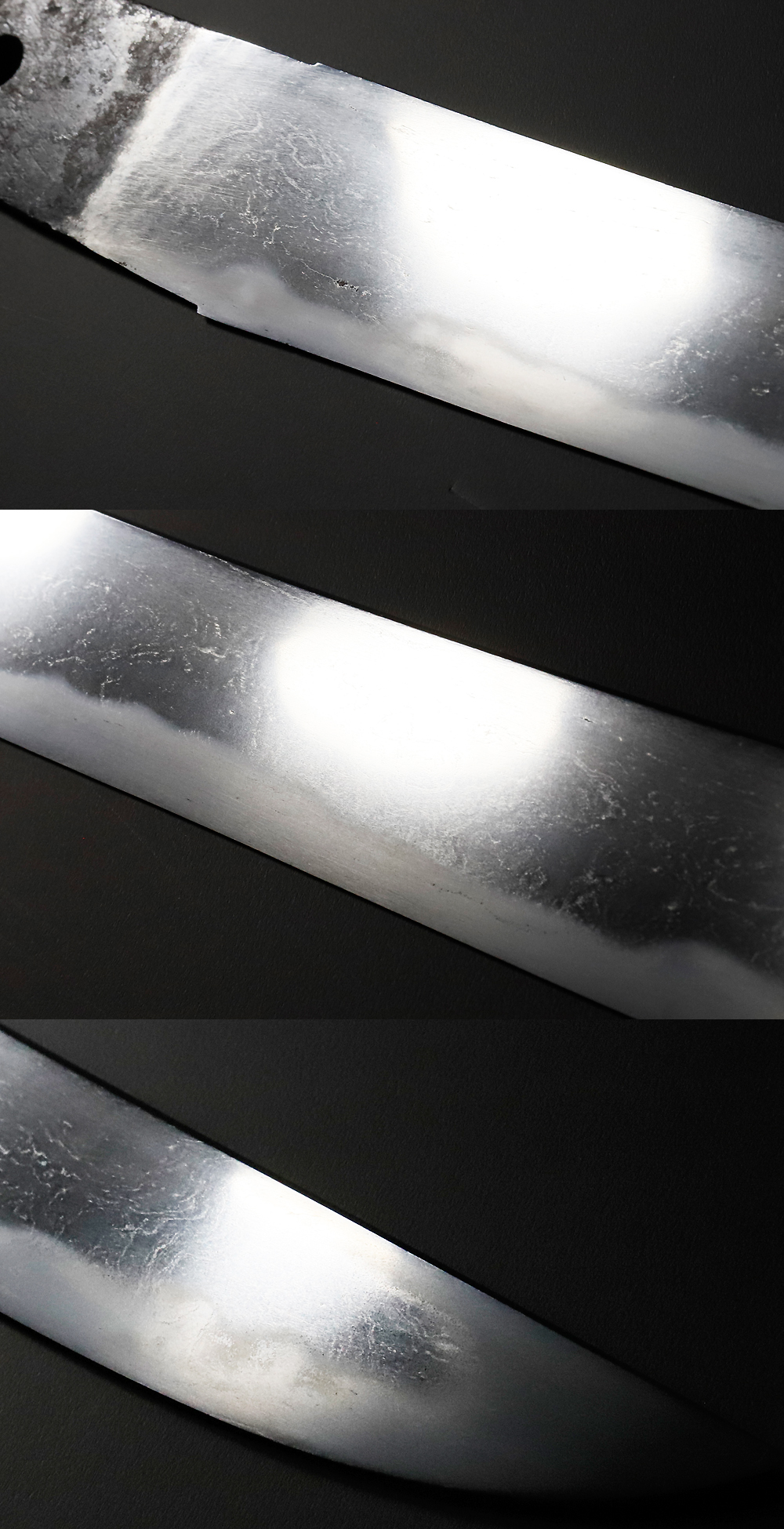
Kanenori was a swordsmith who flourished in Seki, Mino Province, and is a renowned name associated with the San'ami school, which is counted as one of the Seki Shichiryu. The name was passed down throughout the Muromachi period, supporting the development of Mino smiths. This piece is a ko-wakizashi bearing a date of Bunroku 2 (1593) August. It has a hira-zukuri shape with a wide mihaba, a fukura-kare, and a moderate sori. The jigane is itame mixed with mokume that is slightly hadadatsu, and the hamon is a notare base mixed with gunome and ashi. Bunroku 2, at the end of the Sengoku period, corresponds to the reign of Toyotomi Hideyoshi, a time of transition from the Sengoku period to the early modern era. From the late Muromachi period to the early Shinto period, Seki smiths migrated to other provinces in search of new demand, and the Kanenori school also had members who migrated to Echigo (Tenbun), Yamashiro (Bunroku), Echizen (Keicho), and other places using the name Kanenori. This piece is a valuable work by Kanenori that clearly conveys its production date of Bunroku 2. Passed the Hozon Token shinsa in Reiwa 8, June.
NihontoWatchOffered by Touken Matsumoto


Machine translation of the shop's Japanese ·
Machine translation from the shop's Japanese · may contain errors ·
Mino · around 1532-1555
1 piece on the market now
Where Kanenori stands among comparable artisans: across all of nihontō, and within tradition, era, and period. The tiers (Foremost · Leading · Major · Notable) weigh official designations from the NBTHK and Japan's Agency for Cultural Affairs, together with historical honors of lasting repute such as the Sansaku and Meibutsu-chō.
Select a lens to see how it's measured.
Years he was demonstrably active, proven by signed-and-dated blades
The Muromachi period (1392 to 1573)
Muromachi turned sword making into an industry: the uchigatana rose with massed infantry warfare, Osafune and Seki produced bundle swords beside custom orders, and the Ming trade carried Japanese blades abroad by the tens of thousands.
Certifies a genuine blade worth preserving: a signature confirmed correct, or, if unsigned, an era, province, and school that the NBTHK can reliably identify.
The NBTHK (Nihon Bijutsu Tōken Hozon Kyōkai, the Society for the Preservation of Japanese Art Swords) is a public-interest incorporated foundation founded in 1948 and supervised by Japan’s Agency for Cultural Affairs (Bunkachō); it is based at the Japanese Sword Museum in Tokyo. Its expert panels physically examine each submitted work (shinsa) and issue a certificate (kanteishō) ranking it by artistic and historical merit. NBTHK papers are the most widely recognized standard of authentication for Japanese swords and fittings.
NBTHK official siteReturns within 7 days of the item's arrival. Returns are not possible if (1) the item has been altered, or (2) for overseas transactions.
¥350,000