 NihontoWatchNihontoWatch
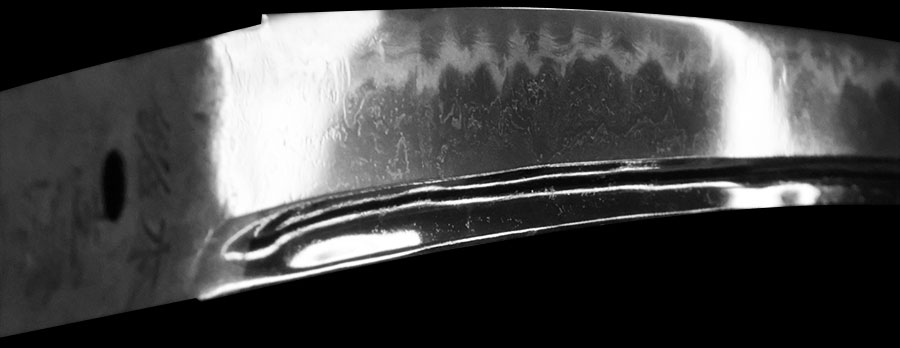
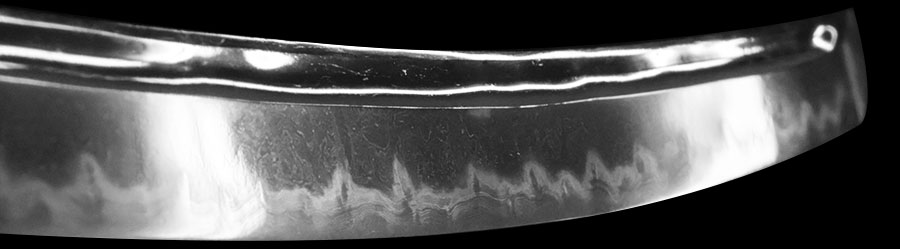
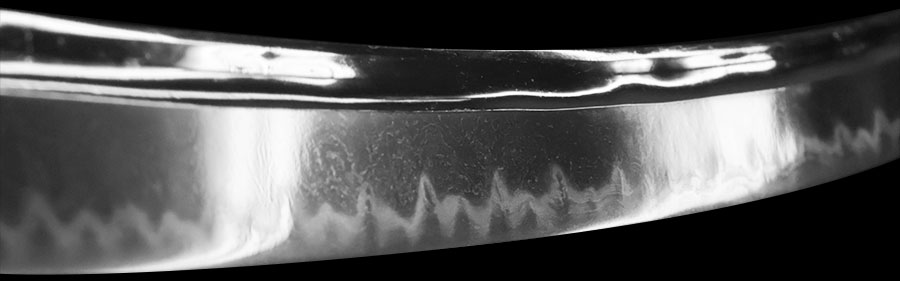
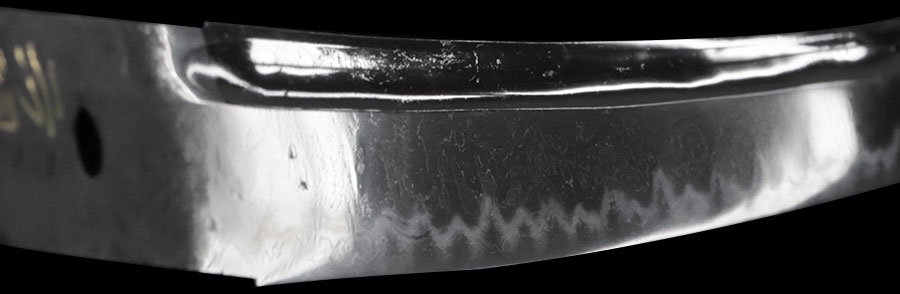
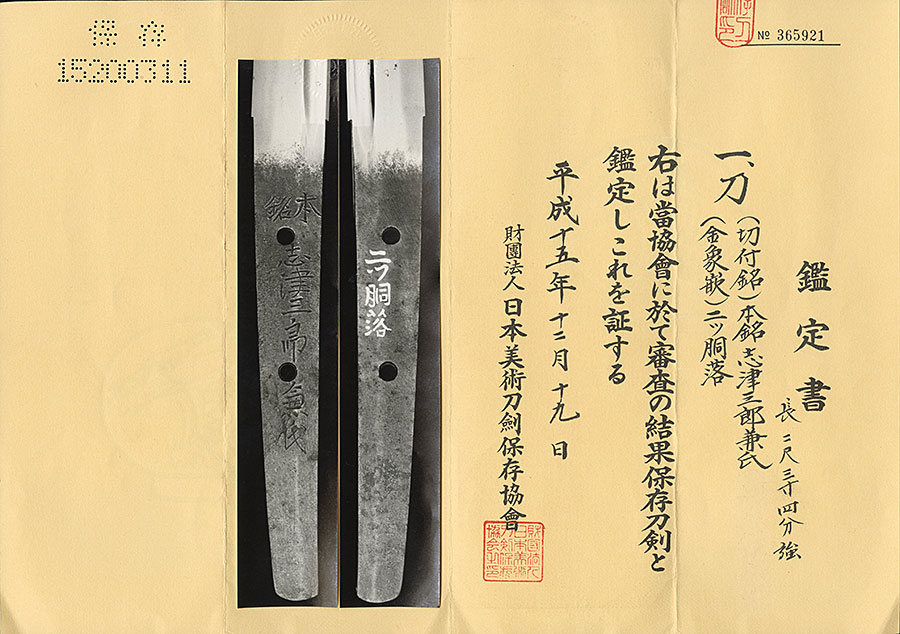
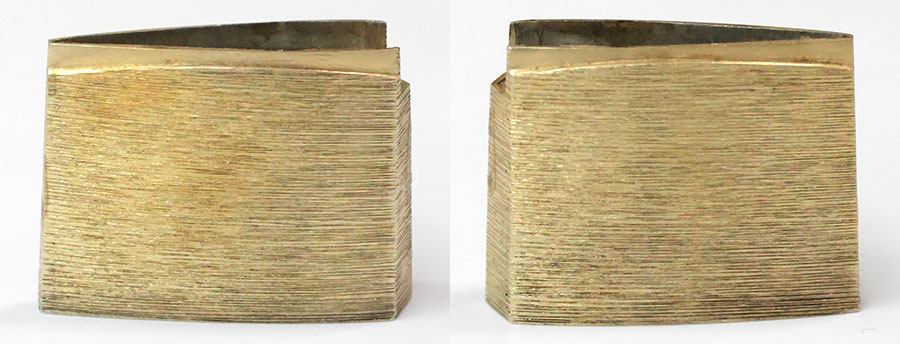
It has appeared, it has appeared; Shizu Saburo Kaneuji is a master smith famous as one of the Masamune Jittetsu, with only two tachi and two tanto bearing his mei, all of which are designated as Important Cultural Properties. Just as it has been said since ancient times that one has never seen a ghost or a sword by Go Yoshihiro, who was also one of the Masamune Jittetsu, works by Go are rare, and works by Shizu Saburo Kaneuji are similarly few; this sword, which was inscribed with the honmei of Shizu Saburo Kaneuji, is a wonderful and precious item. This sword is a blade where the mei of the first generation Kaneuji was made mumei, and it is a precious daimyo sword recognized by the Nihon Bijutsu Token Hozon Kyokai as a sword by the first generation Kaneuji, attributed to Shizu Saburo Kaneuji. The Shizu Saburo Kaneuji you all know well was a smith of the Yamato Tegai school who lived in Yurugi, Yamato Province (Yurugi, Nara City) around the Genko era of the Kamakura period (1332) (694 years ago); during his Yamato period he signed his mei as Kaneyuji (包氏), then moved to Nogami in Mino Province at the end of the Kamakura period and signed his mei as Kaneuji (兼氏), and in Kenmu 2 (1335) (691 years ago) he moved to Shizuyama in Tagi District and came to be called Shizu Saburo Kaneuji. This sword is healthy, with a thick moto-kasane and a difference between the moto-mihaba and saki-mihaba, showing a grand sugata with a slightly extended kissaki; the jigane is itame-hada mixed with mokume-hada, showing chikei and ji-nie in the ji, and the carving of the bo-hi is skillfully done. The hamon is gunome-midare in nioi-deki with nie, well-nie with deep nioi, and many sunagashi and kinsuji appear within the ha; the ha is clear, bright, well-made, and magnificent; the boshi is midare-komi with a hakikake tip, fired with spirit and skillfully done. Shizu Saburo Kaneuji is a sword among swords that has been the object of envy for sword lovers since ancient times, but his works are few; furthermore, like this sword, it is a blade that originally had the honmei of Shizu Saburo Kaneuji and the mei of the first generation Kaneuji but was shortened by suriage, and the fact that it is a masterpiece of incredible sharpness said to have performed Futatsu-do Otoshi—cutting through two human bodies stacked together—adds even more glory to this sword by Shizu Saburo Kaneuji. This is a masterpiece by the first generation Kaneuji that has been cherished for generations in an old family, but as they have grown old, we have received it with the request to pass it on to someone who will treasure it; therefore, we are offering it specially this time, so please enjoy it.
Offered by Nipponto






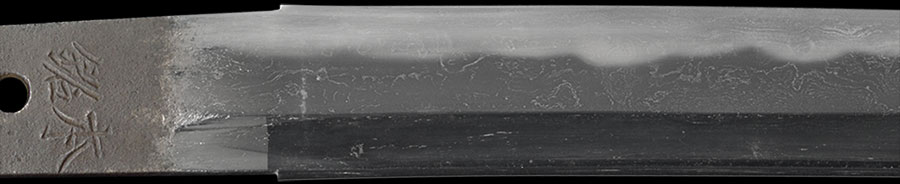





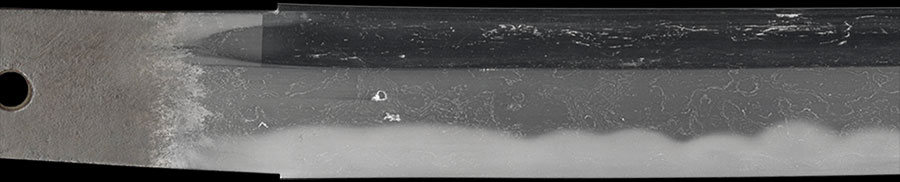

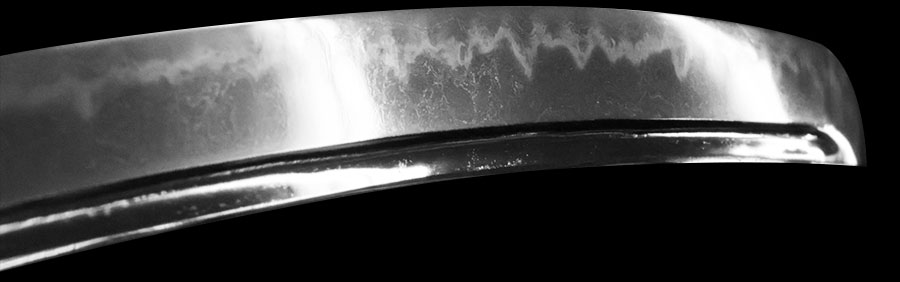
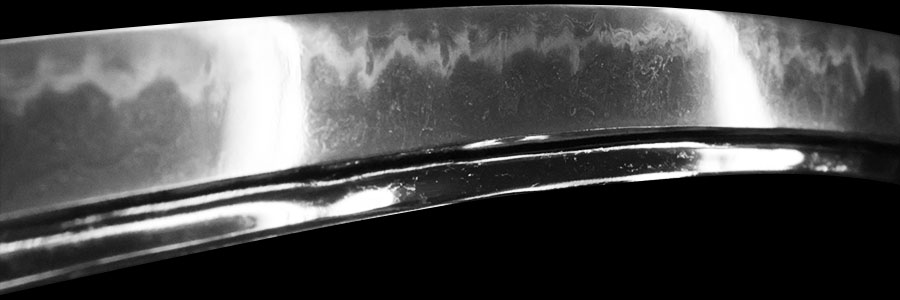
As written by the shop
Machine translation from the shop's Japanese · may contain errors ·
Certifies a genuine blade worth preserving: a signature confirmed correct, or, if unsigned, an era, province, and school that the NBTHK can reliably identify.
The NBTHK (Nihon Bijutsu Tōken Hozon Kyōkai, the Society for the Preservation of Japanese Art Swords) is a public-interest incorporated foundation founded in 1948 and supervised by Japan’s Agency for Cultural Affairs (Bunkachō); it is based at the Japanese Sword Museum in Tokyo. Its expert panels physically examine each submitted work (shinsa) and issue a certificate (kanteishō) ranking it by artistic and historical merit. NBTHK papers are the most widely recognized standard of authentication for Japanese swords and fittings.
NBTHK official siteFor returns due to customer circumstances, the cost is the customer's responsibility. For returns due to our mis-shipment or a defective item, we bear the cost.
Price on request