 NihontoWatchNihontoWatch
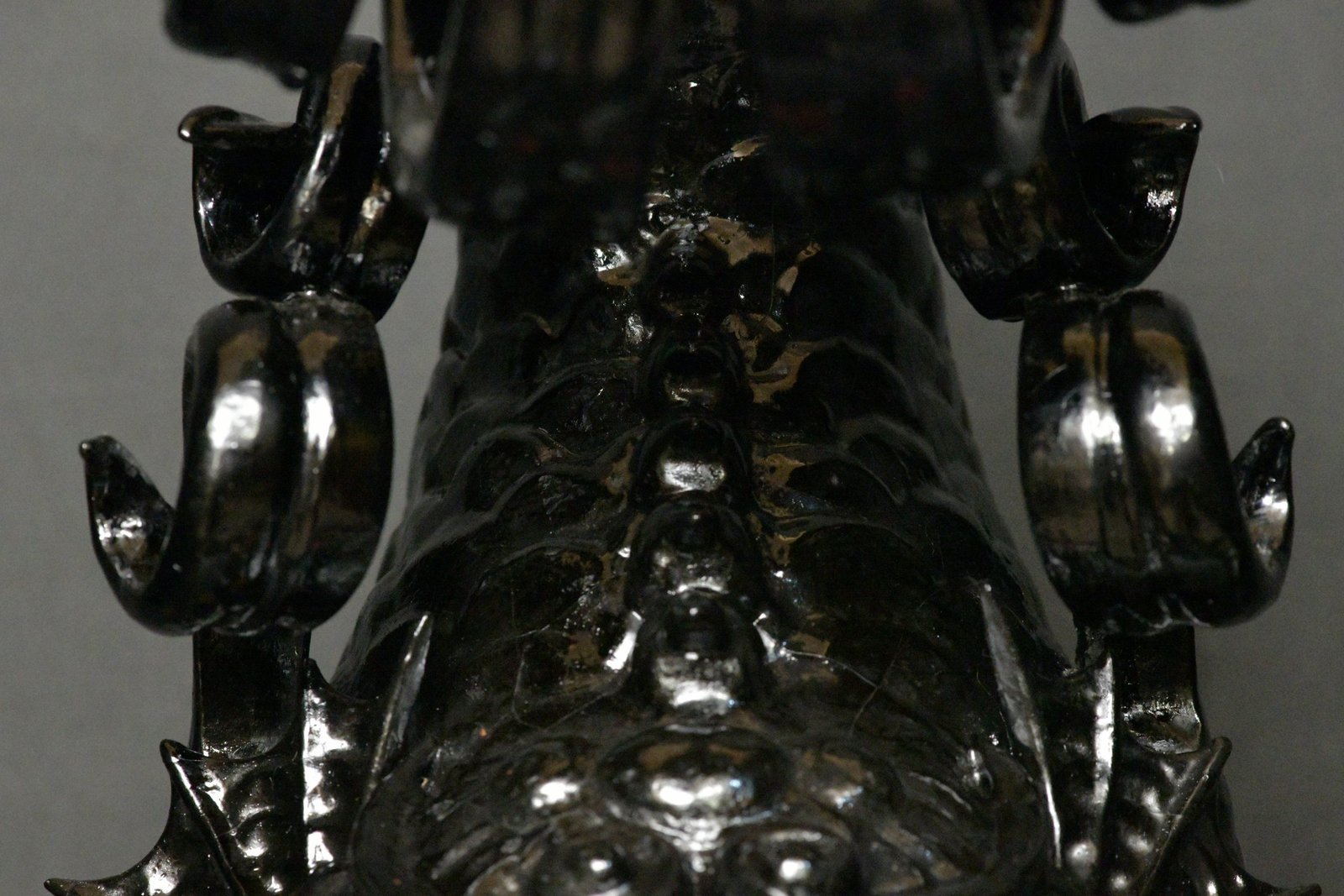
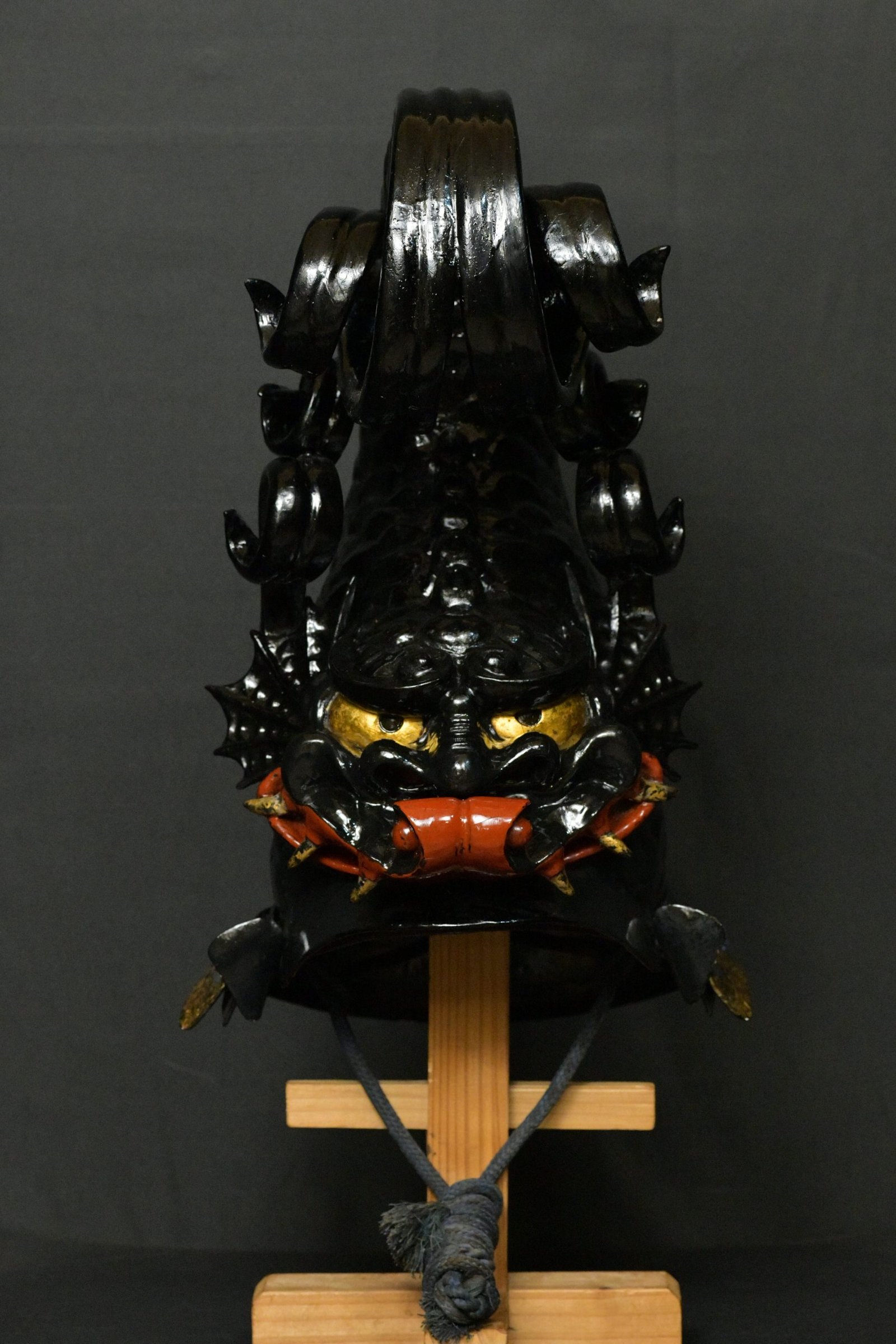
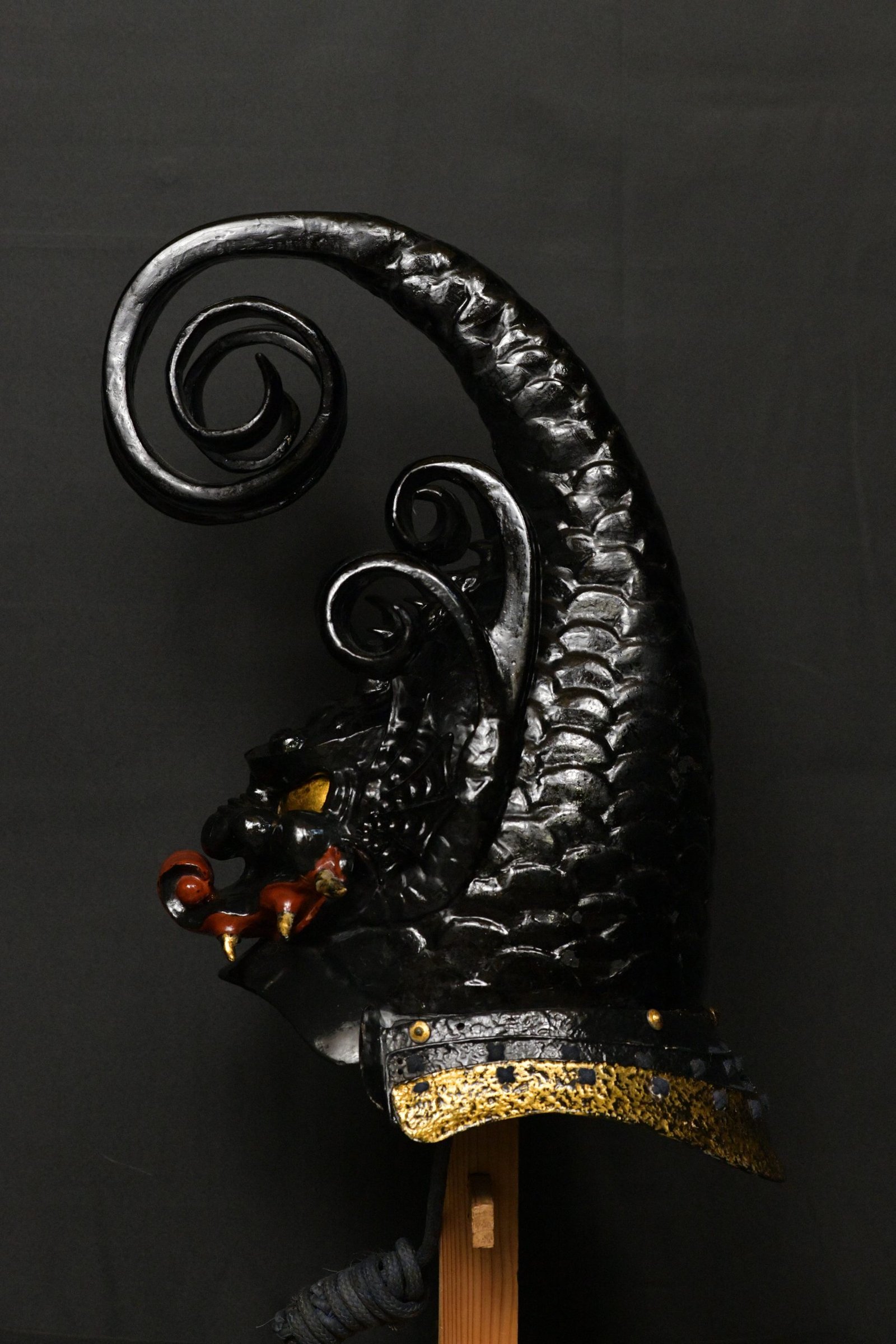
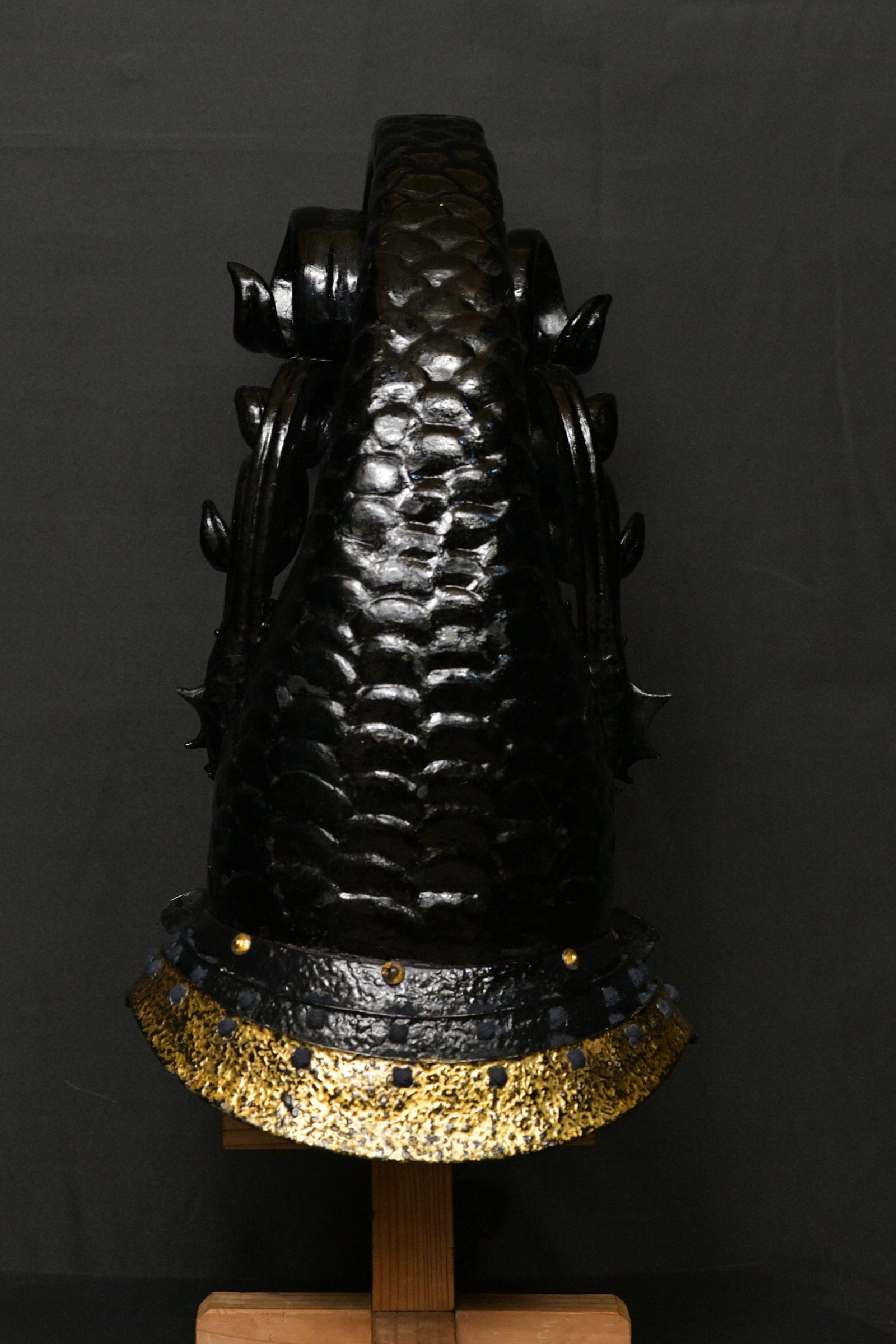
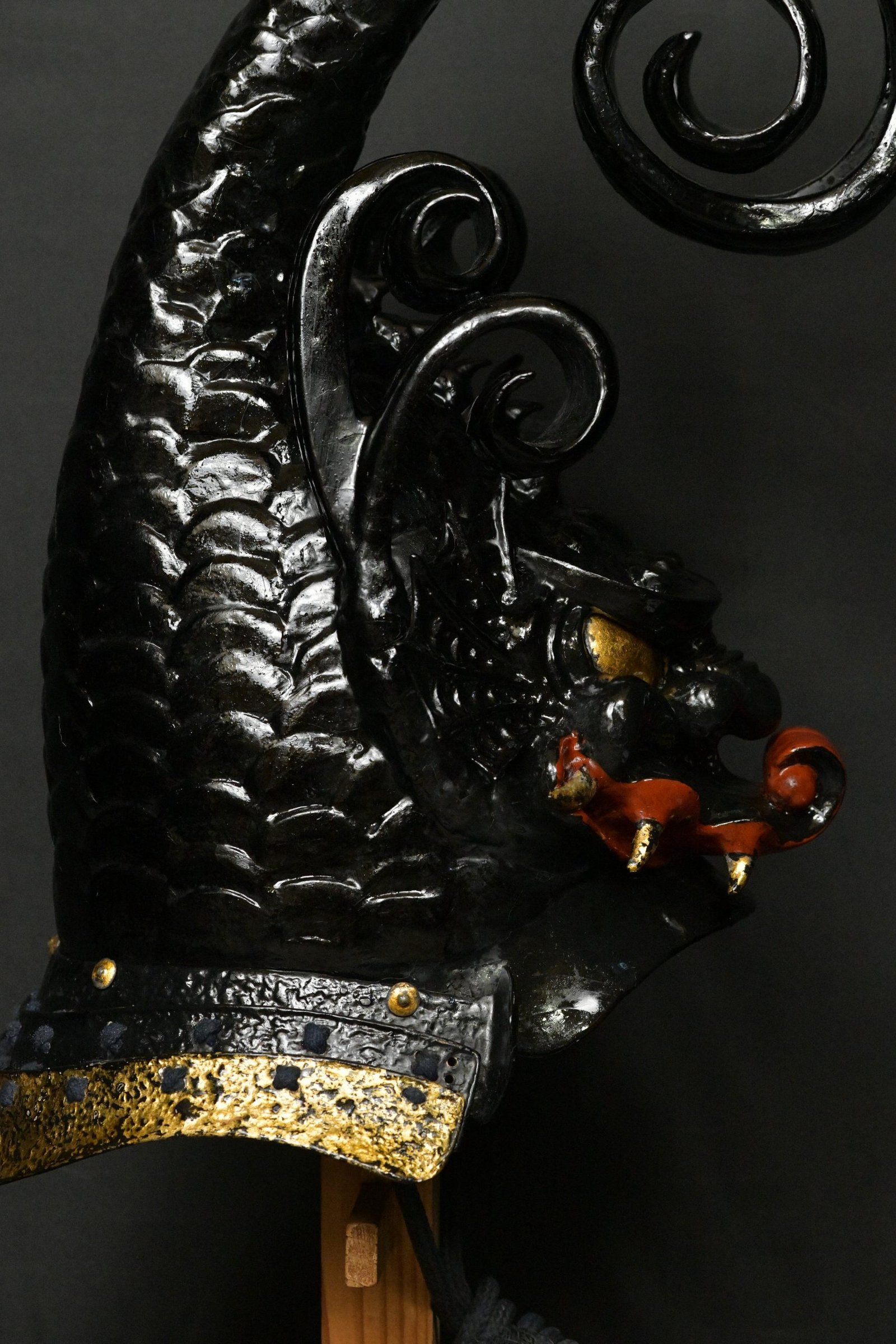
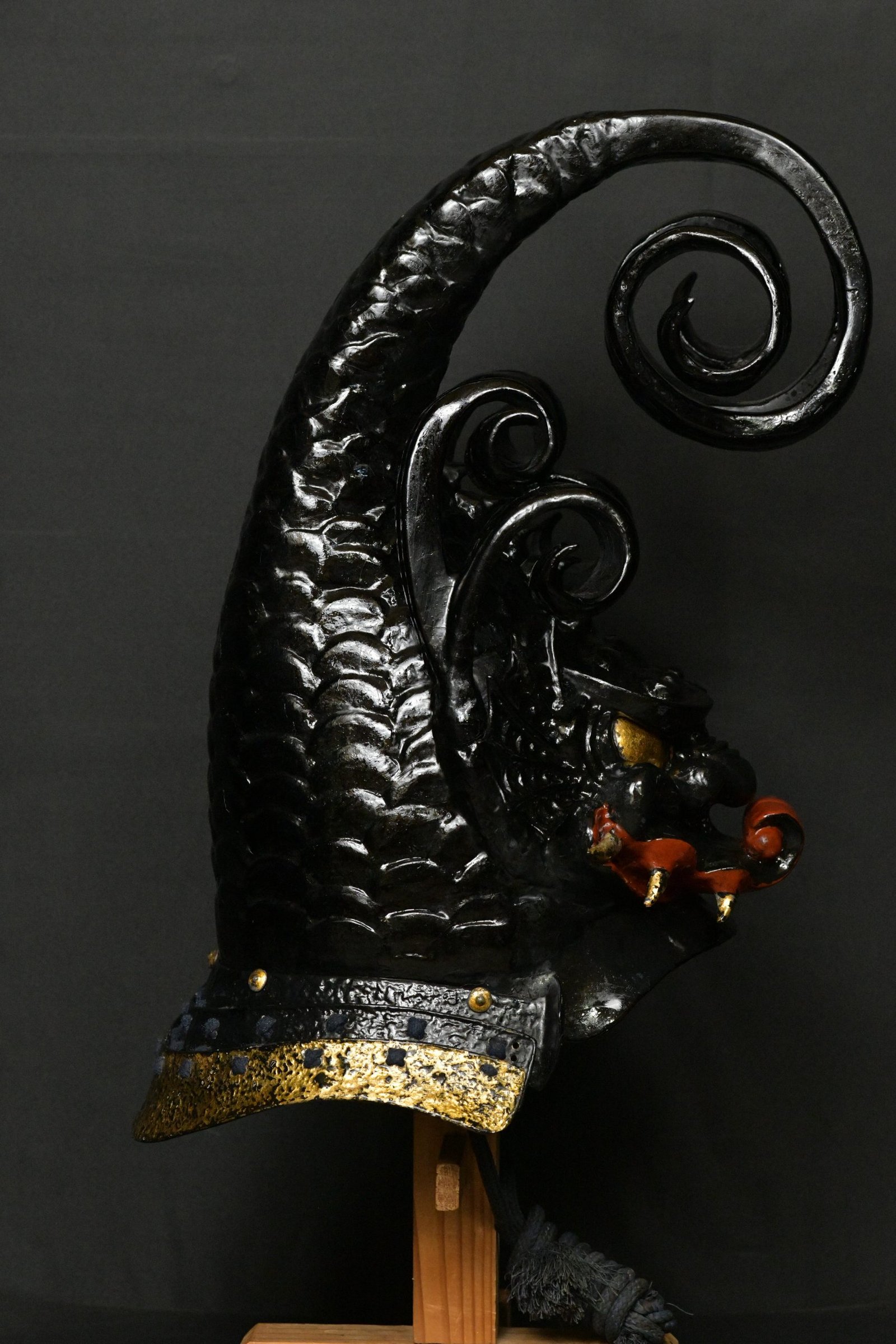
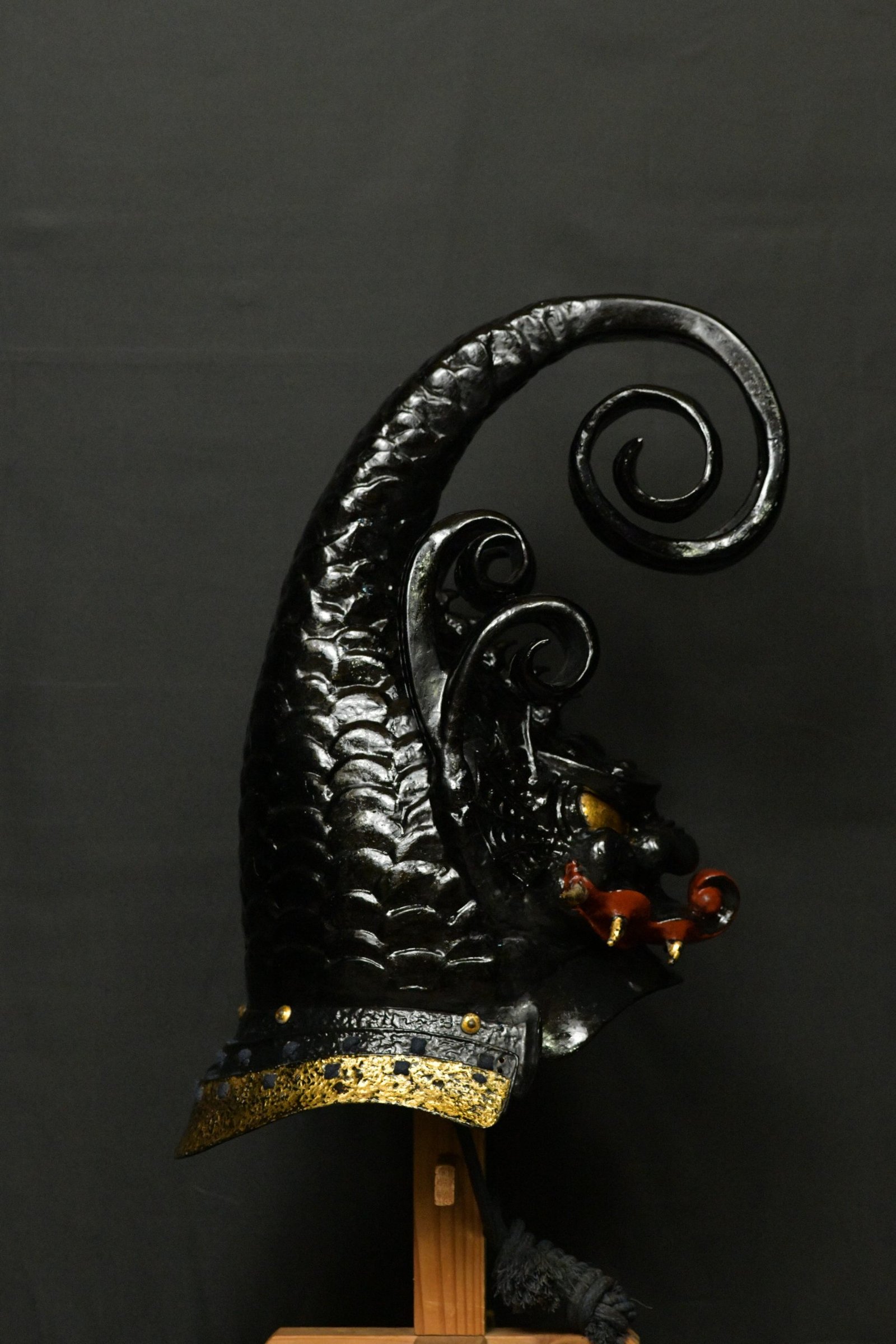
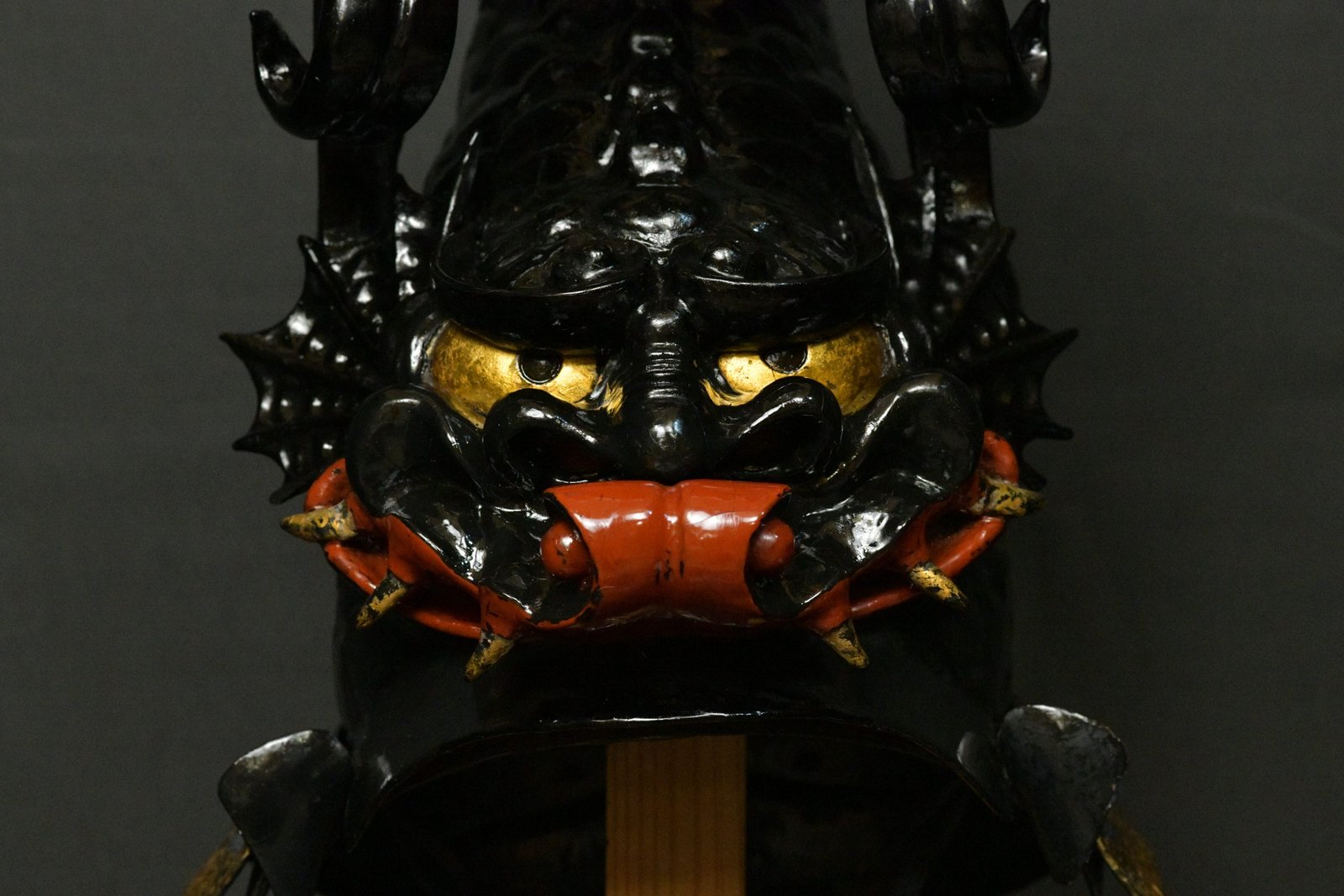
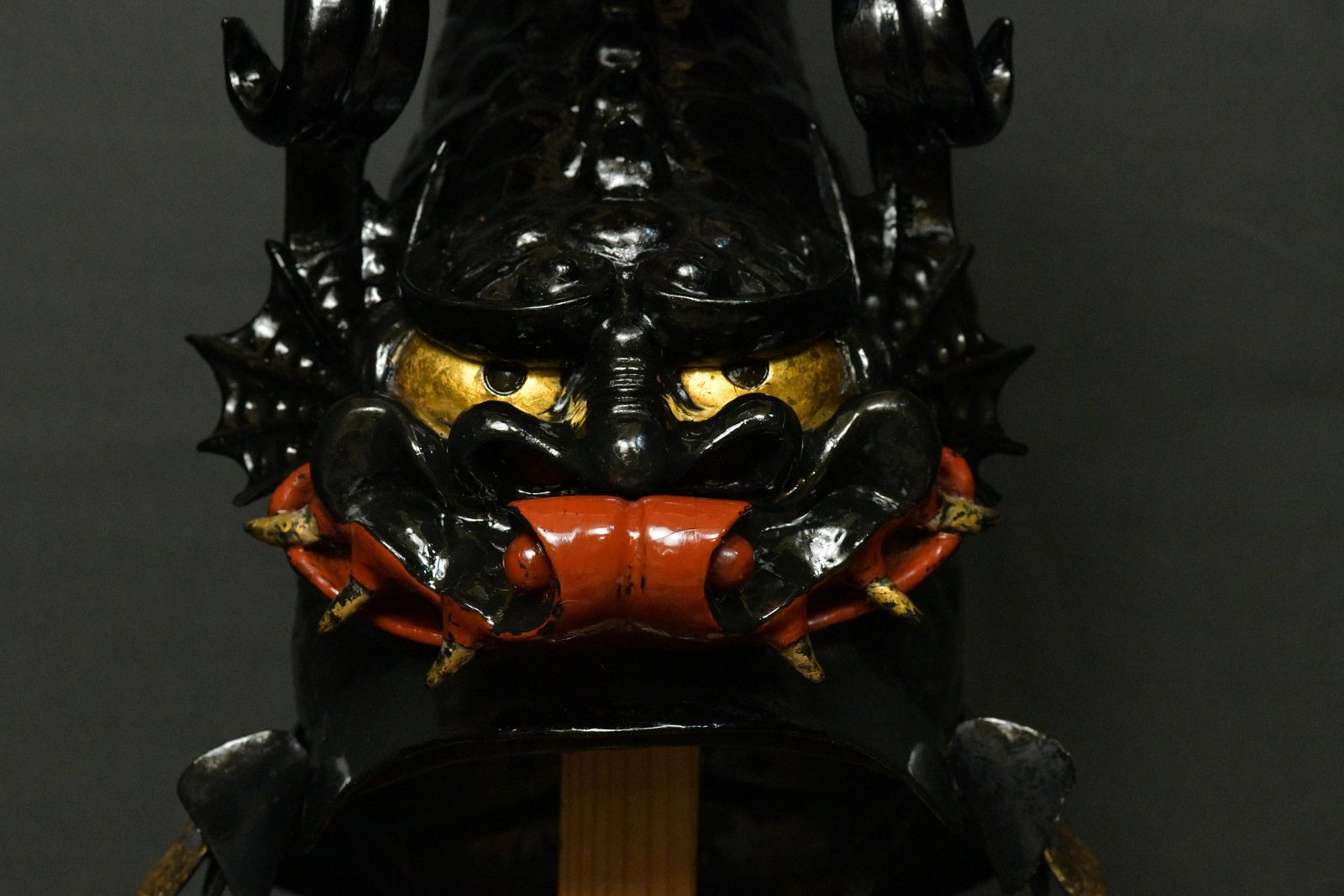
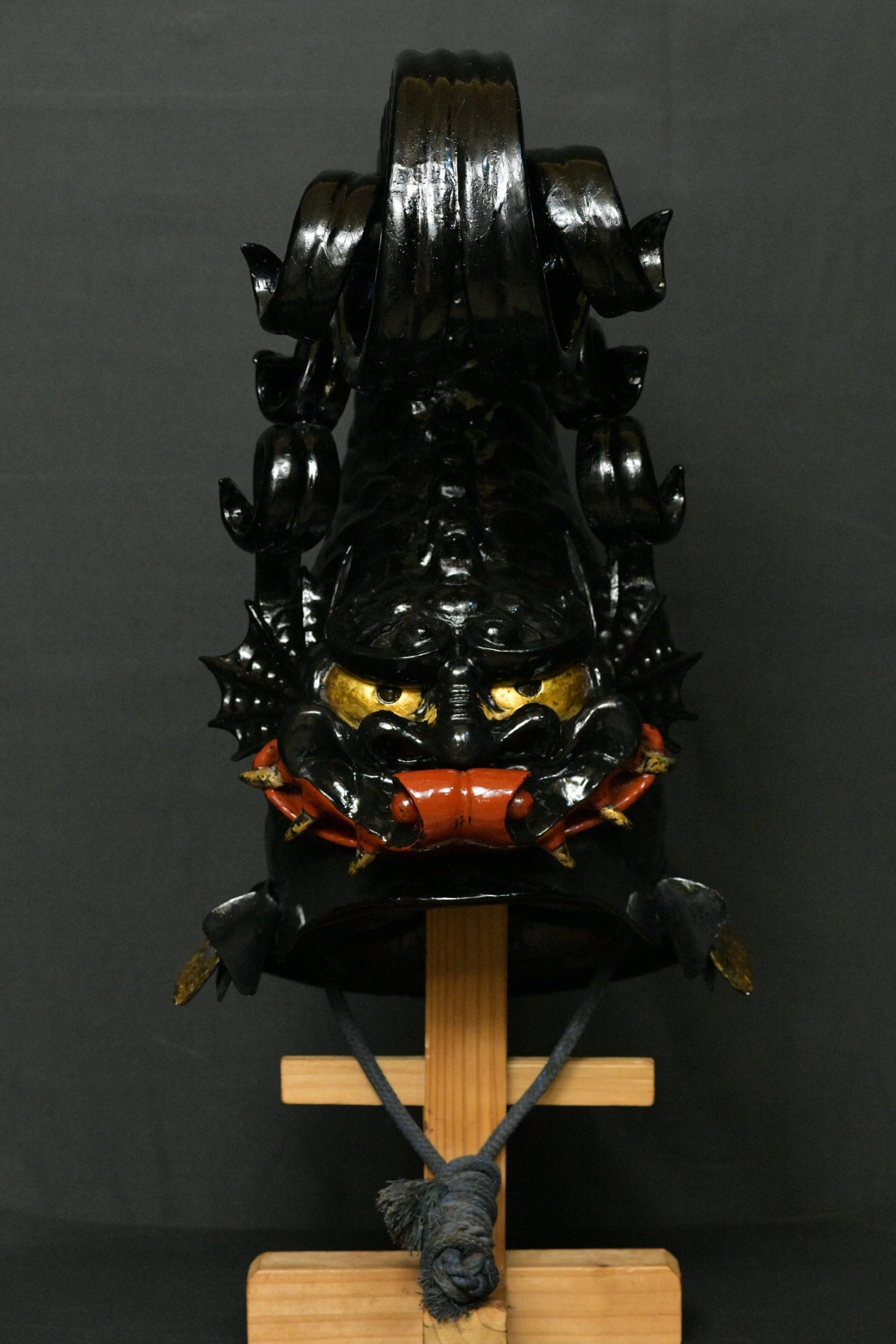
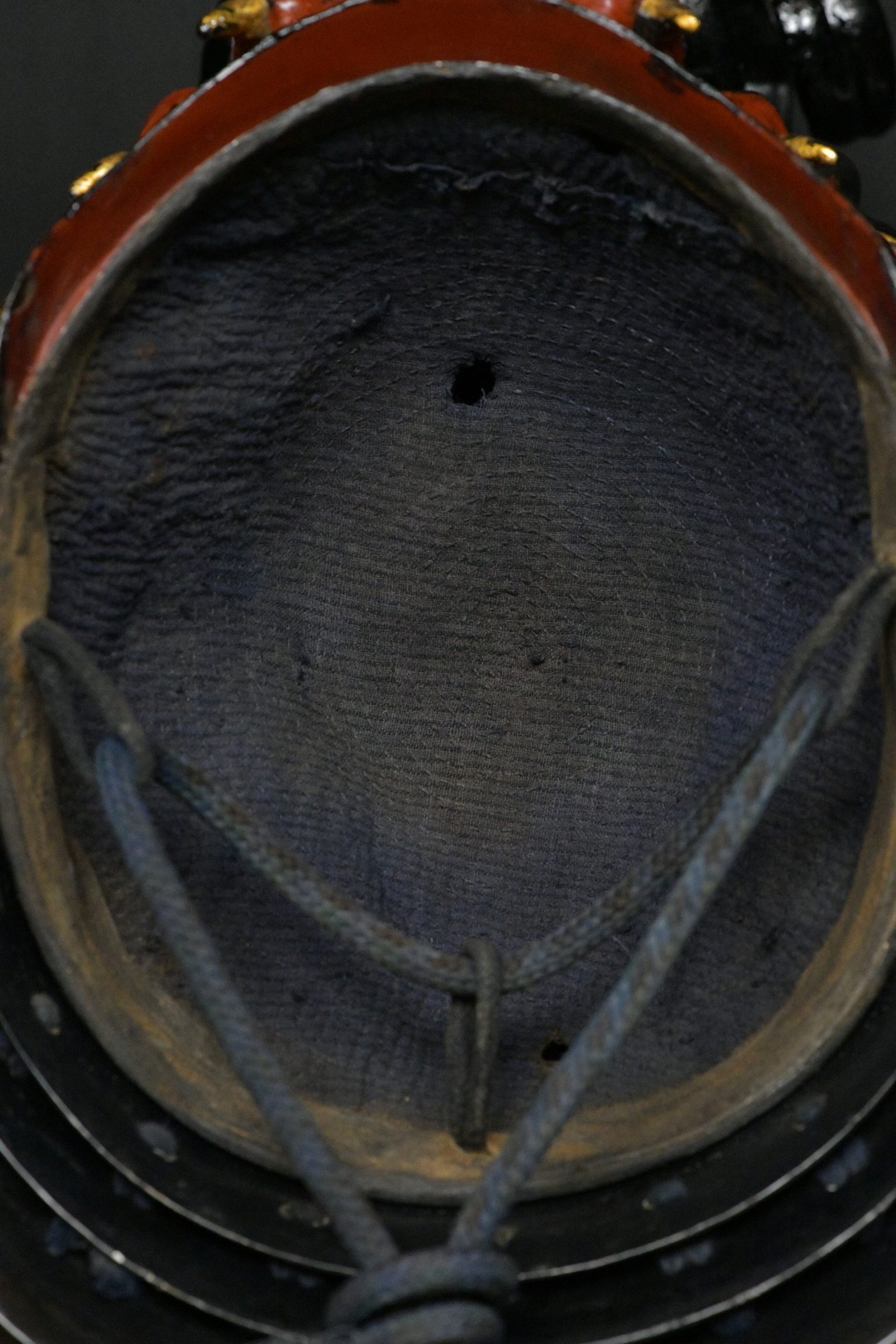
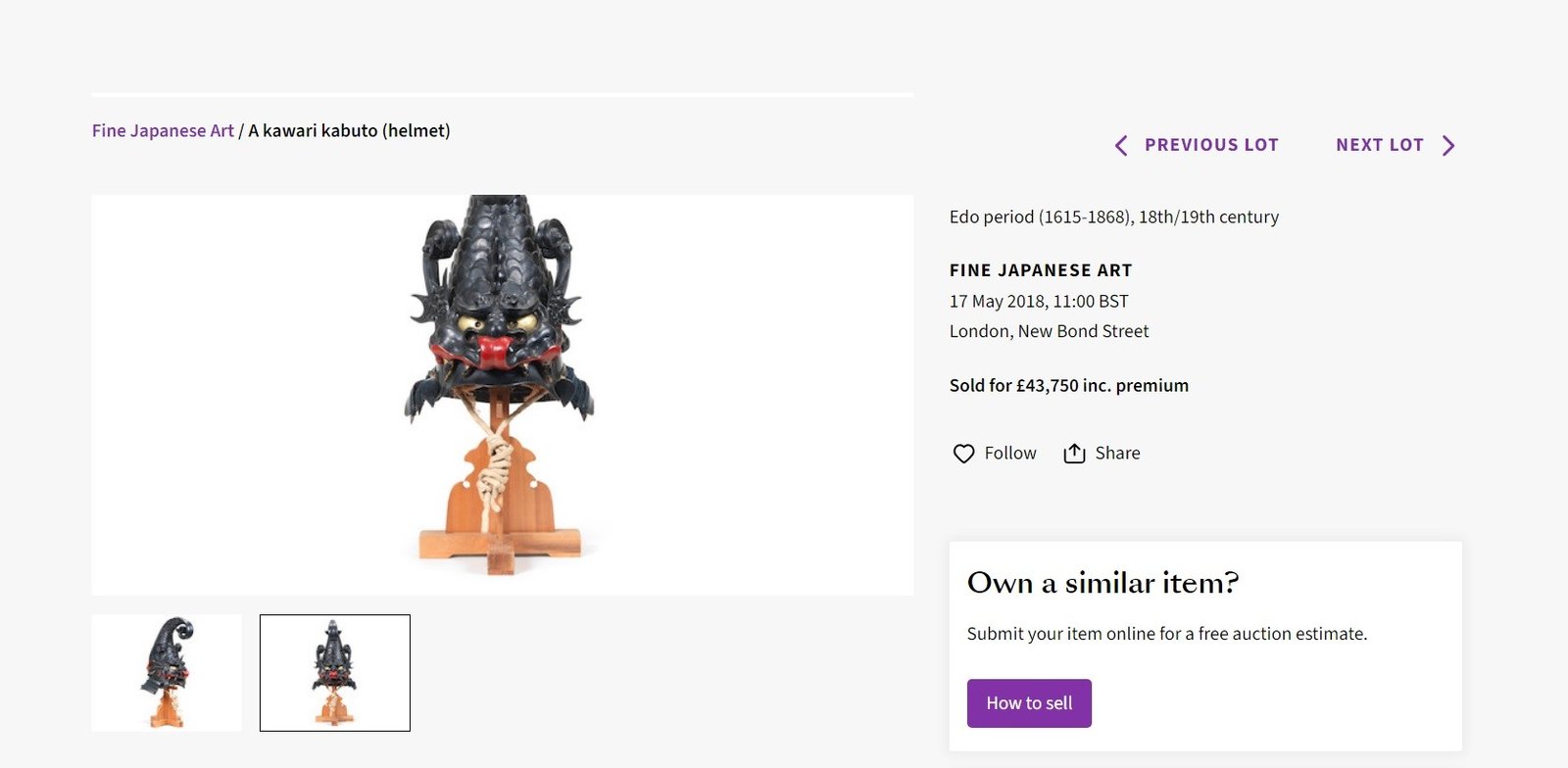
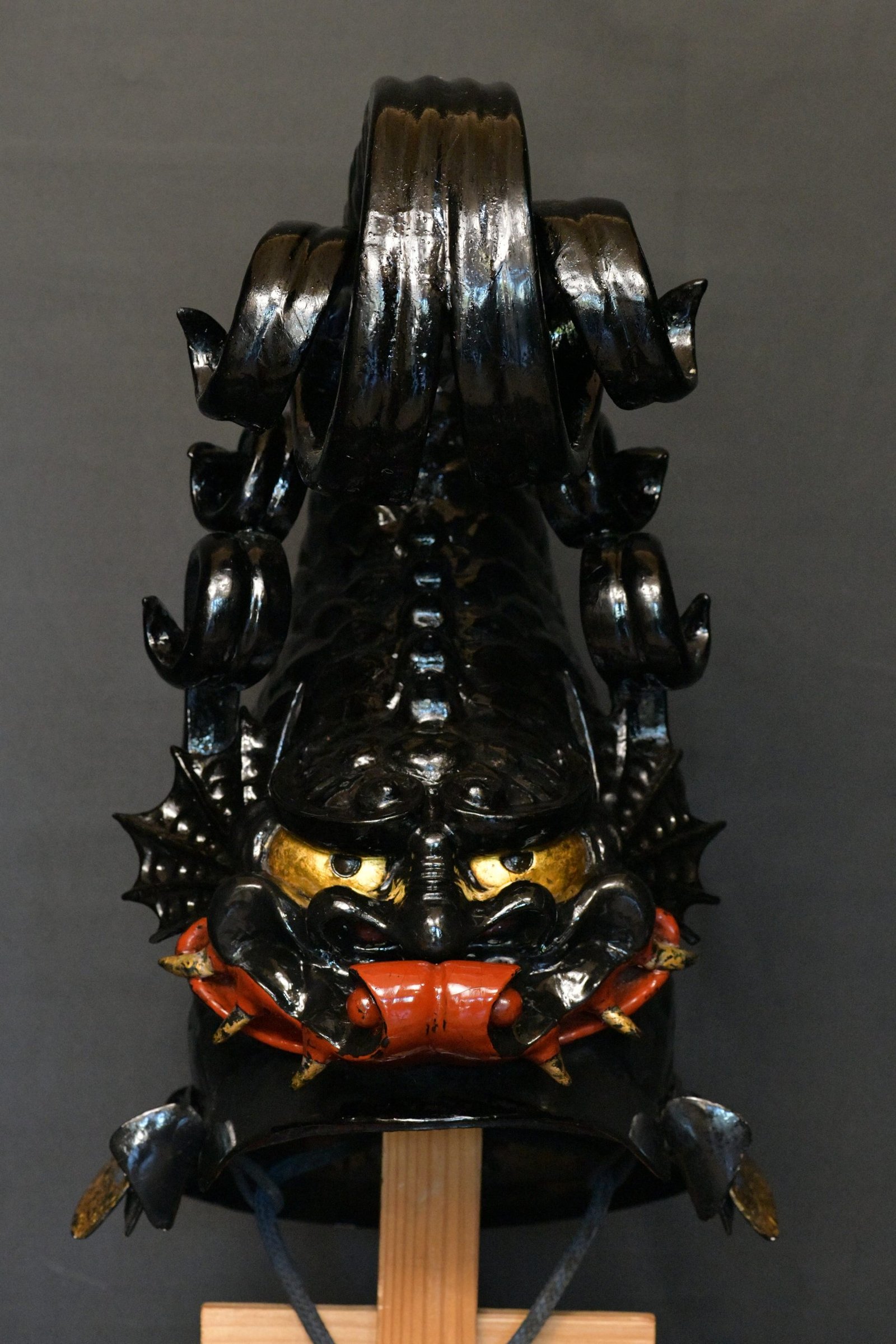
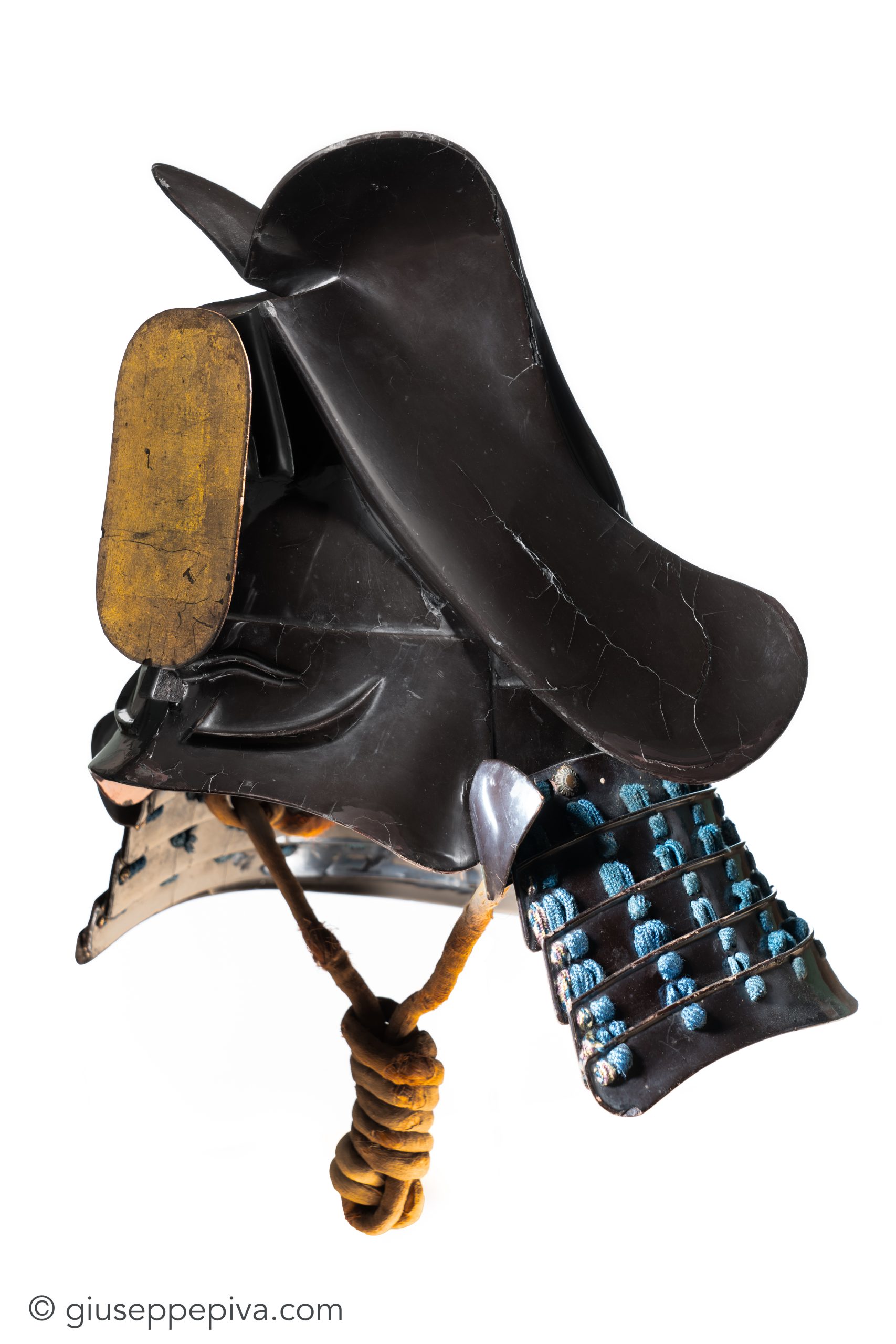
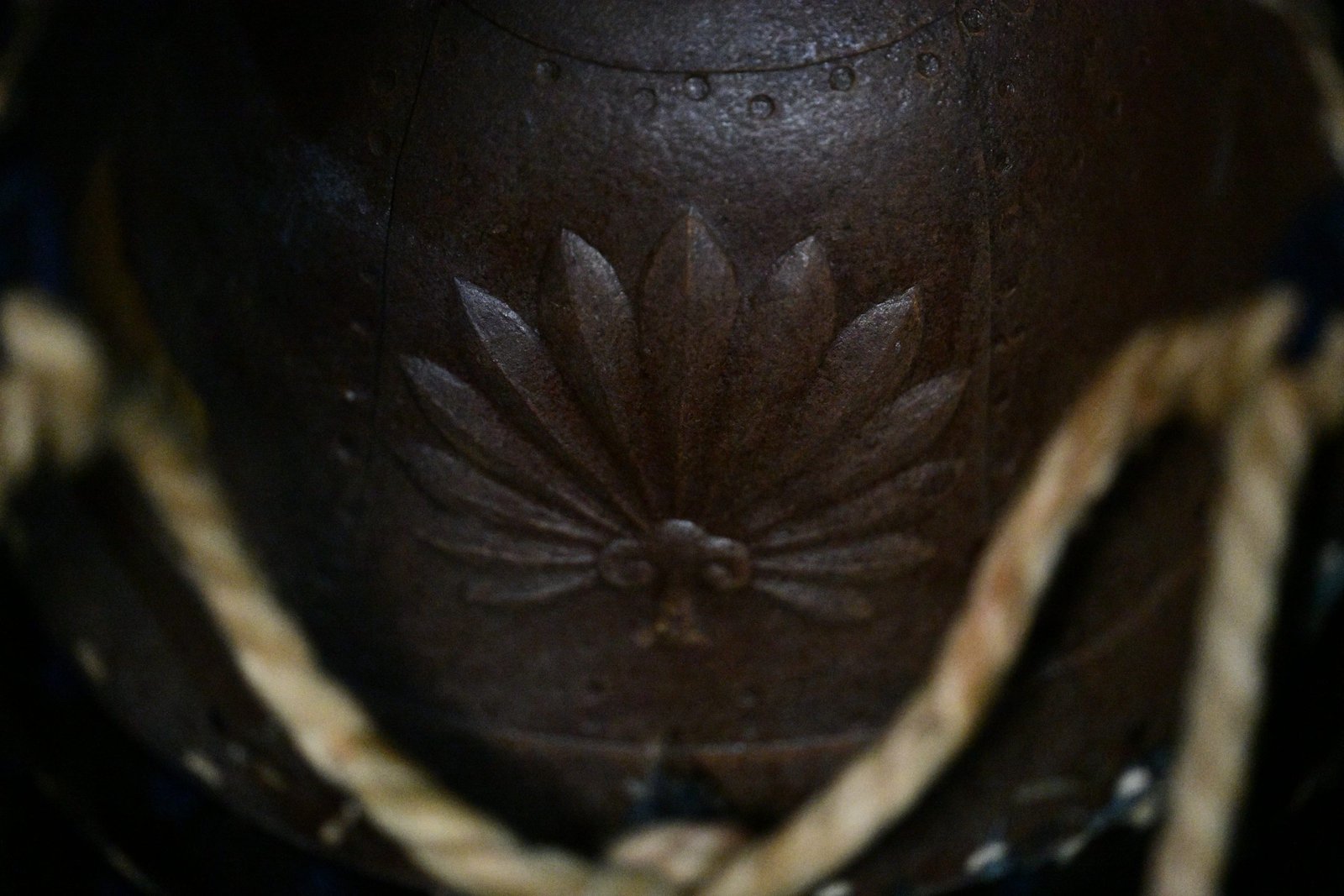
About the Kabuto: Edo period (1615-1868), 18th/19th century Amaing piece of art worthly of the best museums in the word. The iron helmet bowl built up with harikaki and wood, black lacquered to represent a shachihoko, the mythical dragon fish seen as roof end tiles on castles and temples as protection against fire, boldly modelled with scales and an extremely curled tail, on either side of the head curled fins, the lips on the wide mouth red lacquered, a red-lacquered tongue curling up under the nose, the gilt metal eyes, to the rear an iron itamono Hineno jikoro, black-lacquered and laced kebiki odoshi; unsigned. An image has been added of an almost identical helmet in slightly poorer condition for an asking price of £47,750 or its equivalent 56100 euros sold at Bonhams, London 17 May 2018. Free Shipping for Europe. Kawari Kabuto Shachihoko.
NihontoWatch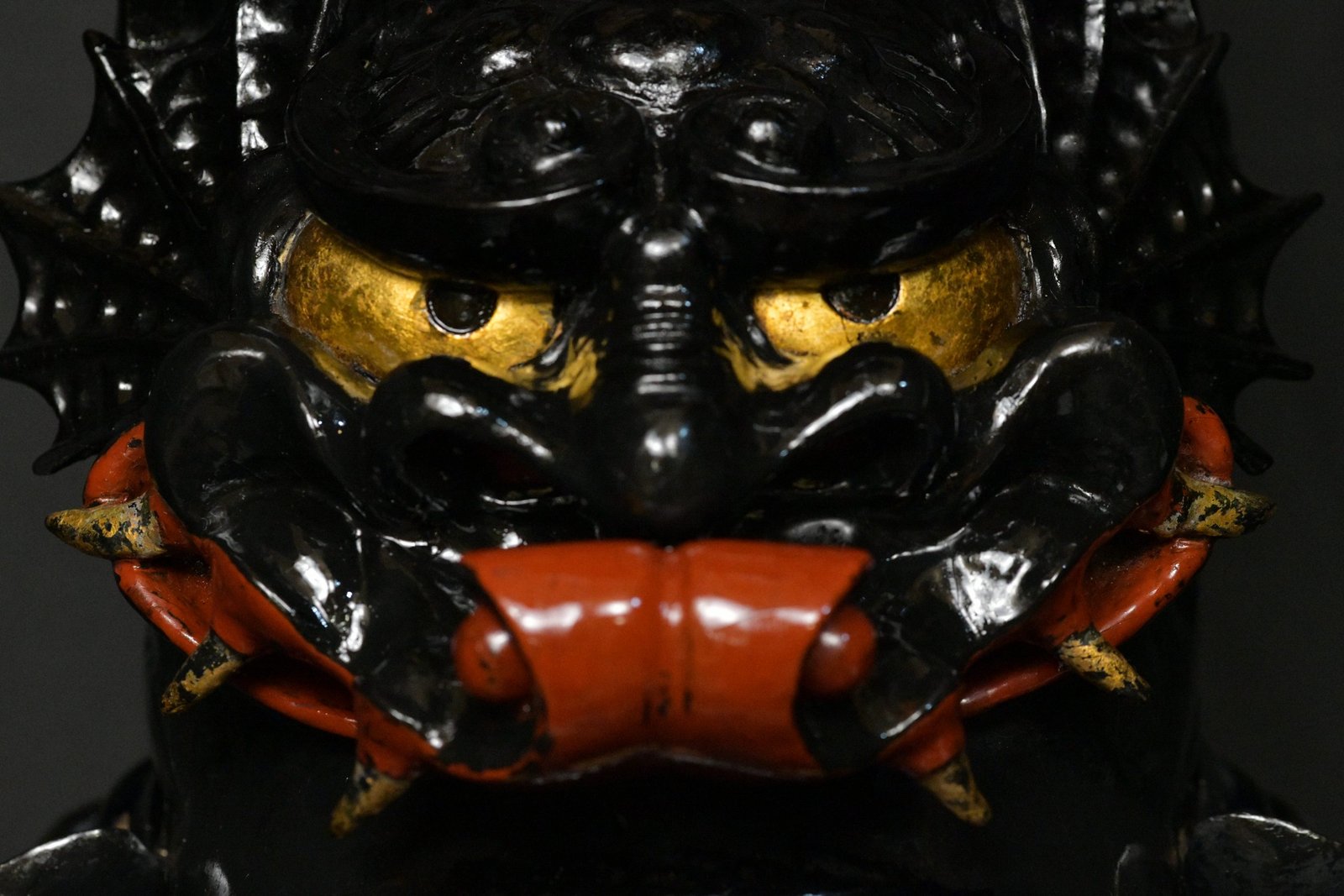
Single component
Hari-bachi · Kawari-kabuto
Unsigned
Kebiki-odoshi
Edo
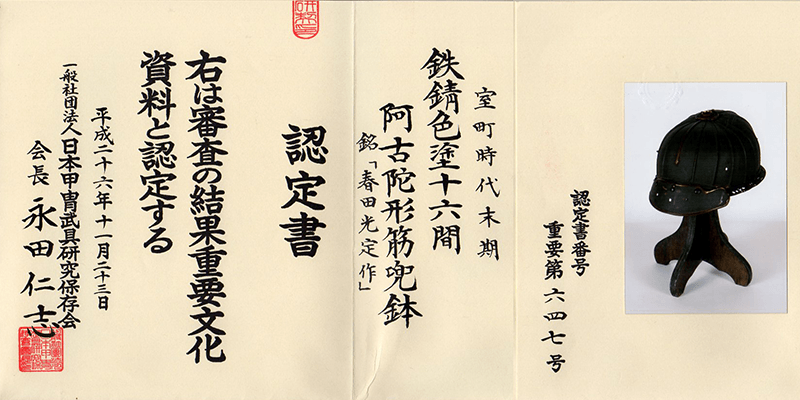
We could not find an authenticity certificate on the seller’s listing. Japanese armour is normally certified by the Nihon Katchū Bugu Kenkyū Hozon Kai (the armour society). Without one, the attribution is the seller’s own assessment and has not been independently verified — treat it with caution and ask the dealer about certification before buying.
14-day return if items arrive damaged or in unexpected condition; customer bears return shipping + insurance; items returned in original condition with all accessories; antique armour non-returnable; only regular priced items refundable; shipping costs non-refundable.
€35,000