 NihontoWatchNihontoWatch
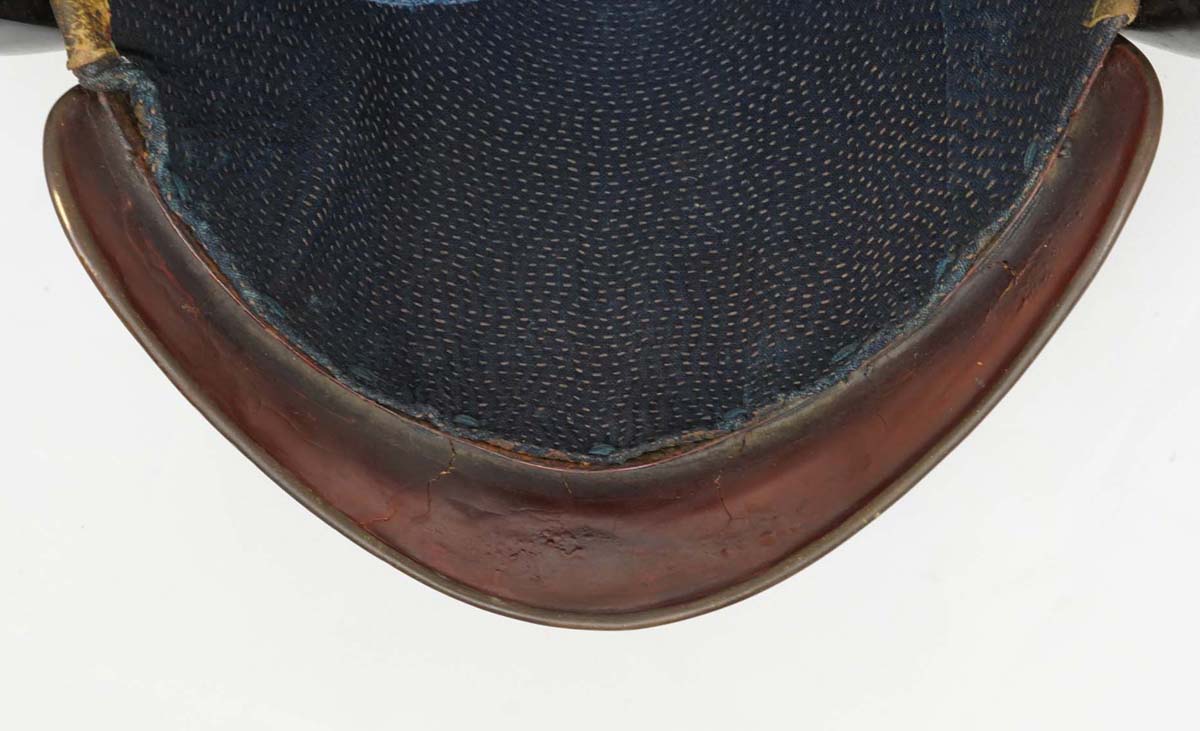
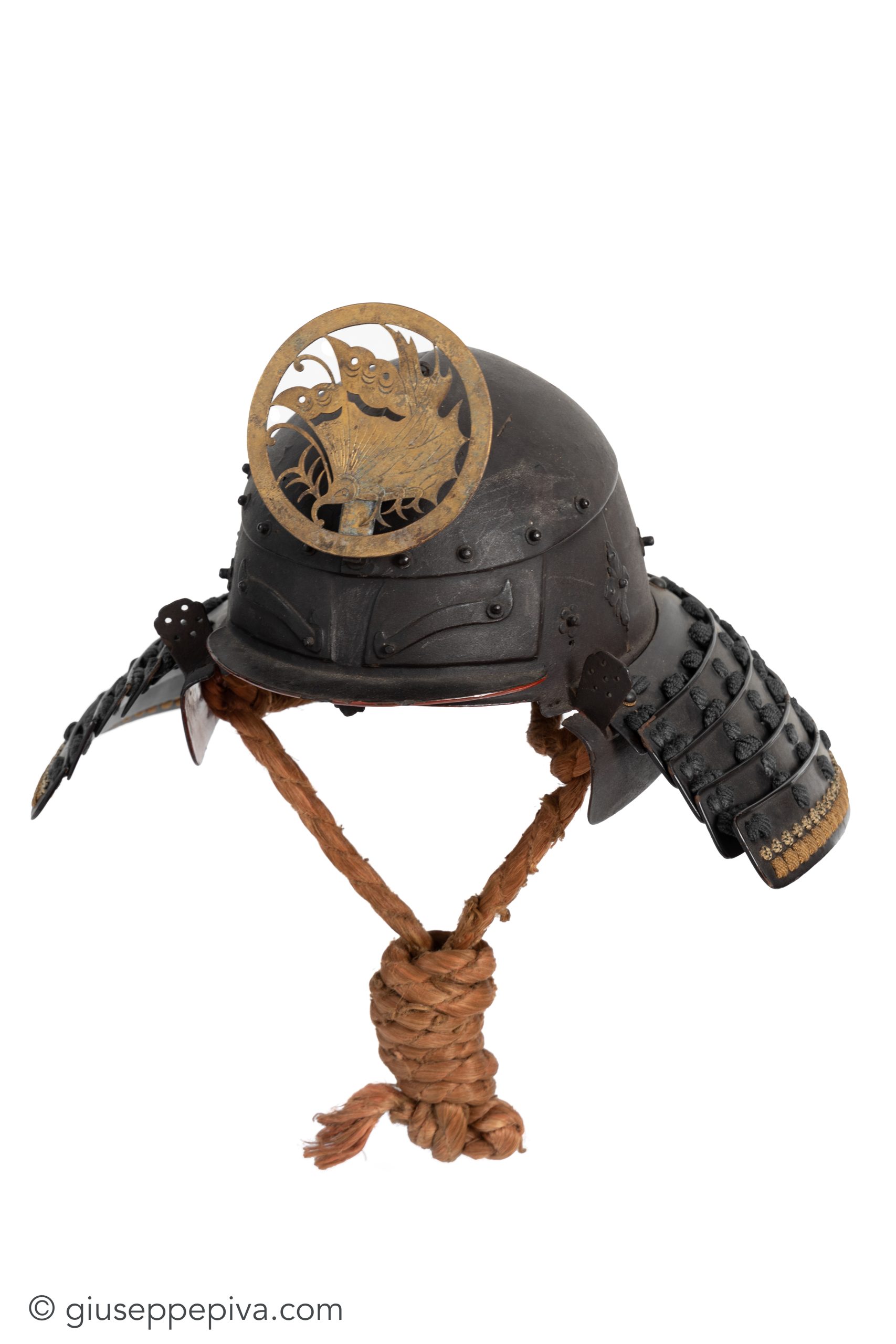
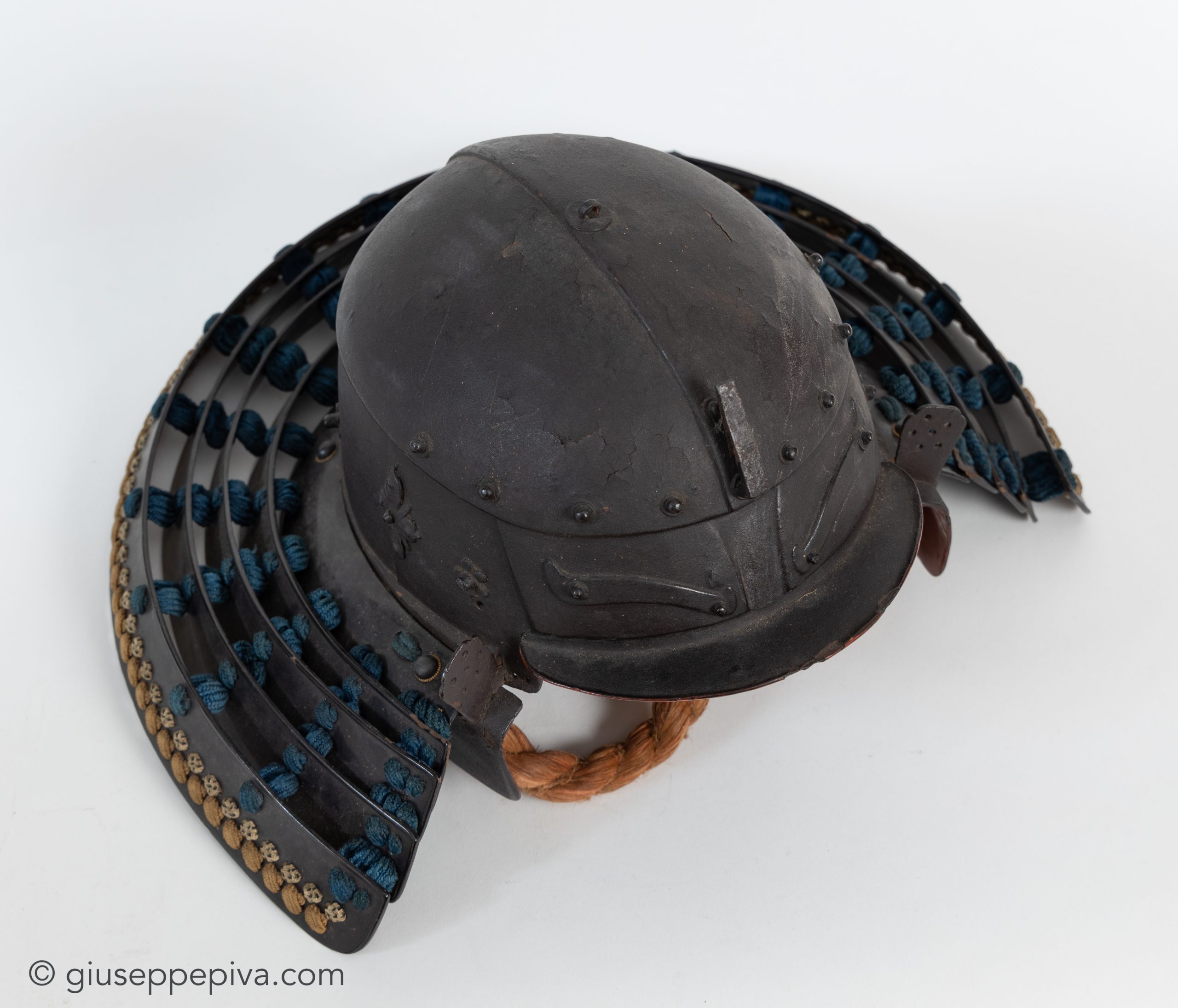
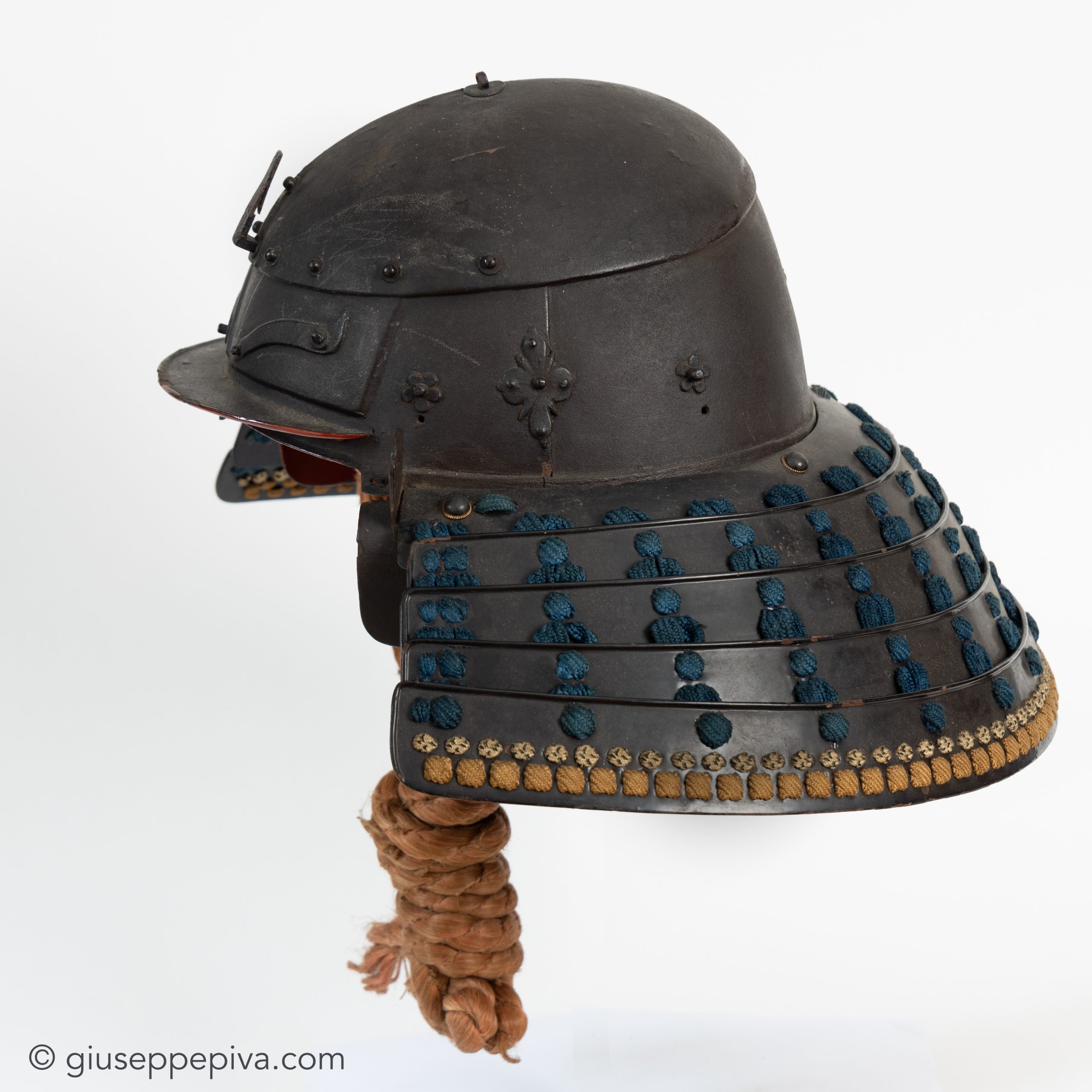
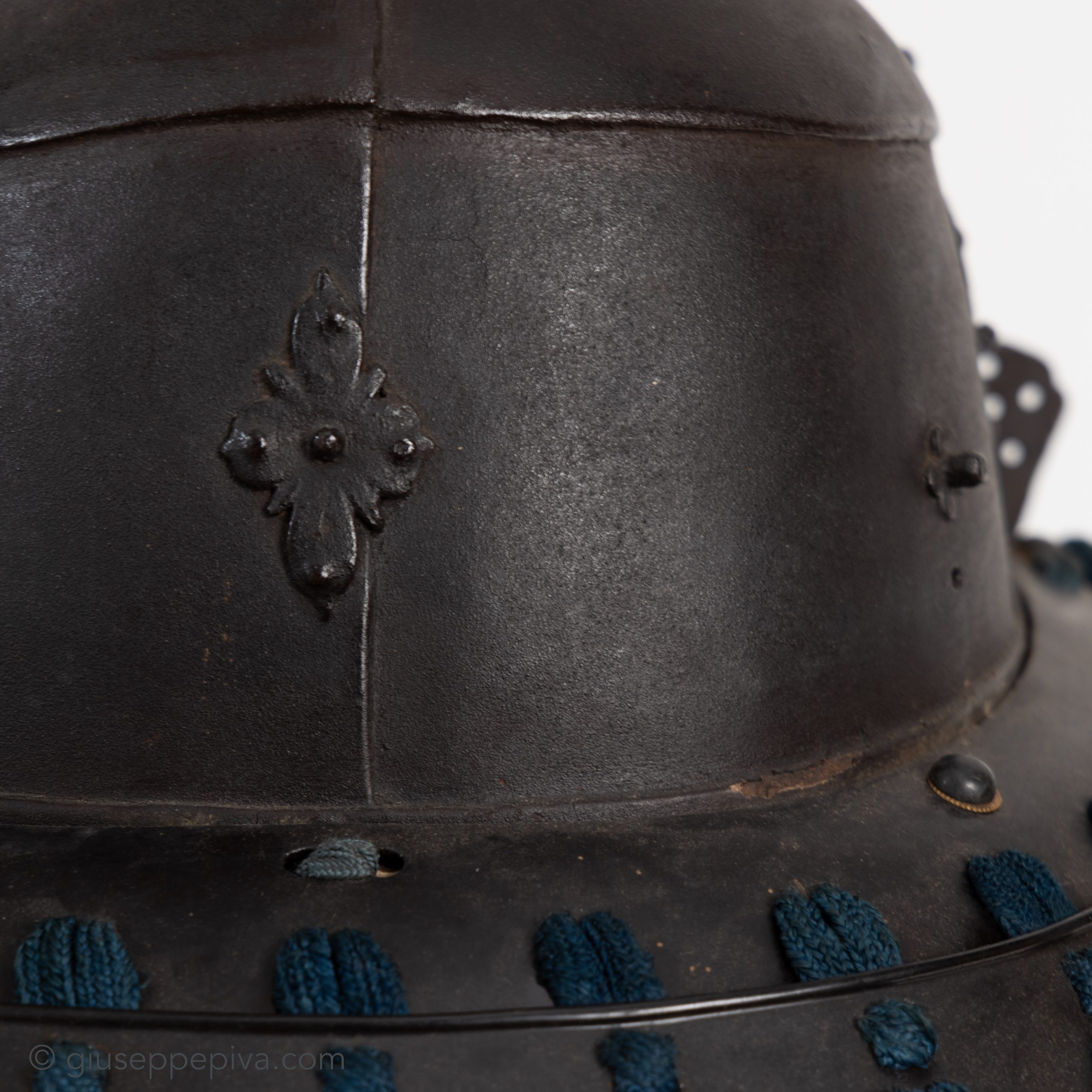
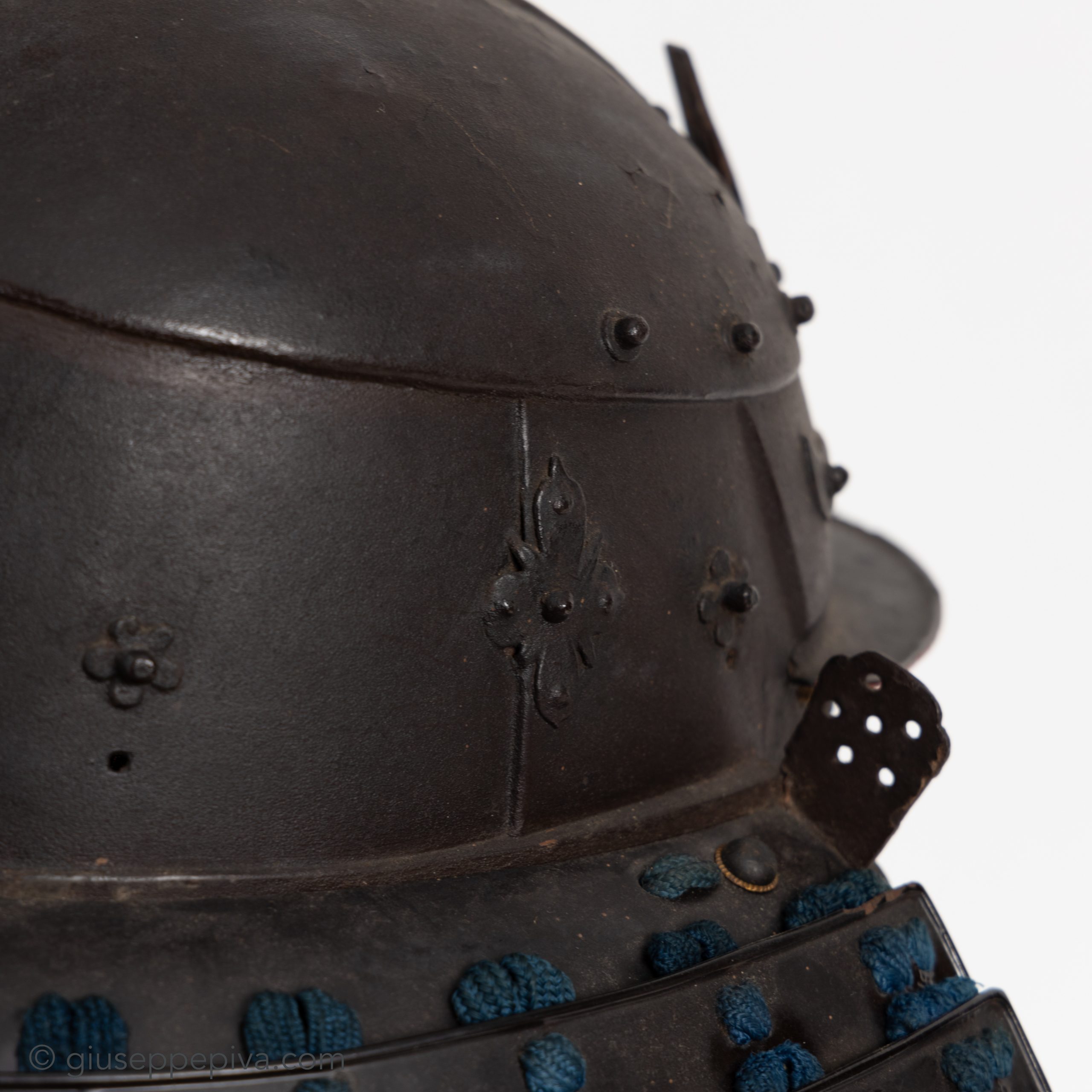
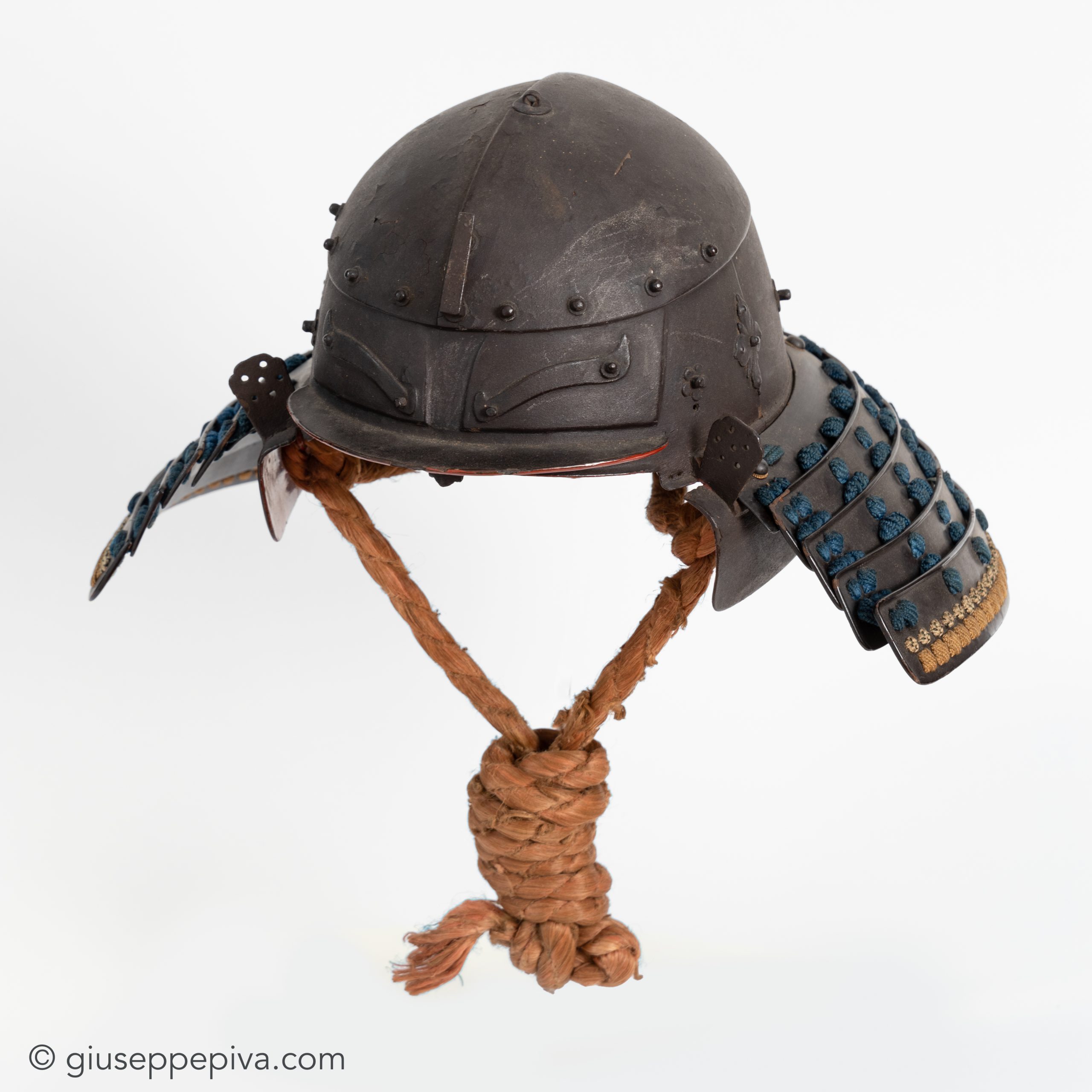
The Haruta armourers who moved to Kii province in the early 17th century, took the name from the village where they worked, Saika, near Wakayama, possibly on request of the local daimyō, Asano Yukinaga, a great armour amateur. Specialised in the construction of plate helmets, they produced mainly two typologies of kabuto: one with six plates covered with a chrysanthemum-shaped plate on top and one shaped as a “head towel”, called okitenugui. The latter type of kabuto employs very heavy plates crafted in a curved manner and was improved in order to make it resistant to firearms. This okitenugui kabuto features some distinctive decorations of the Saika school, including the application of cut-out iron elements, including eyebrows, washers and lozenge-shaped decorations on the sides. The ring on the top, however, is a rare feature and could be used to hold a small war flag.
NihontoWatchOffered by Giuseppe Piva
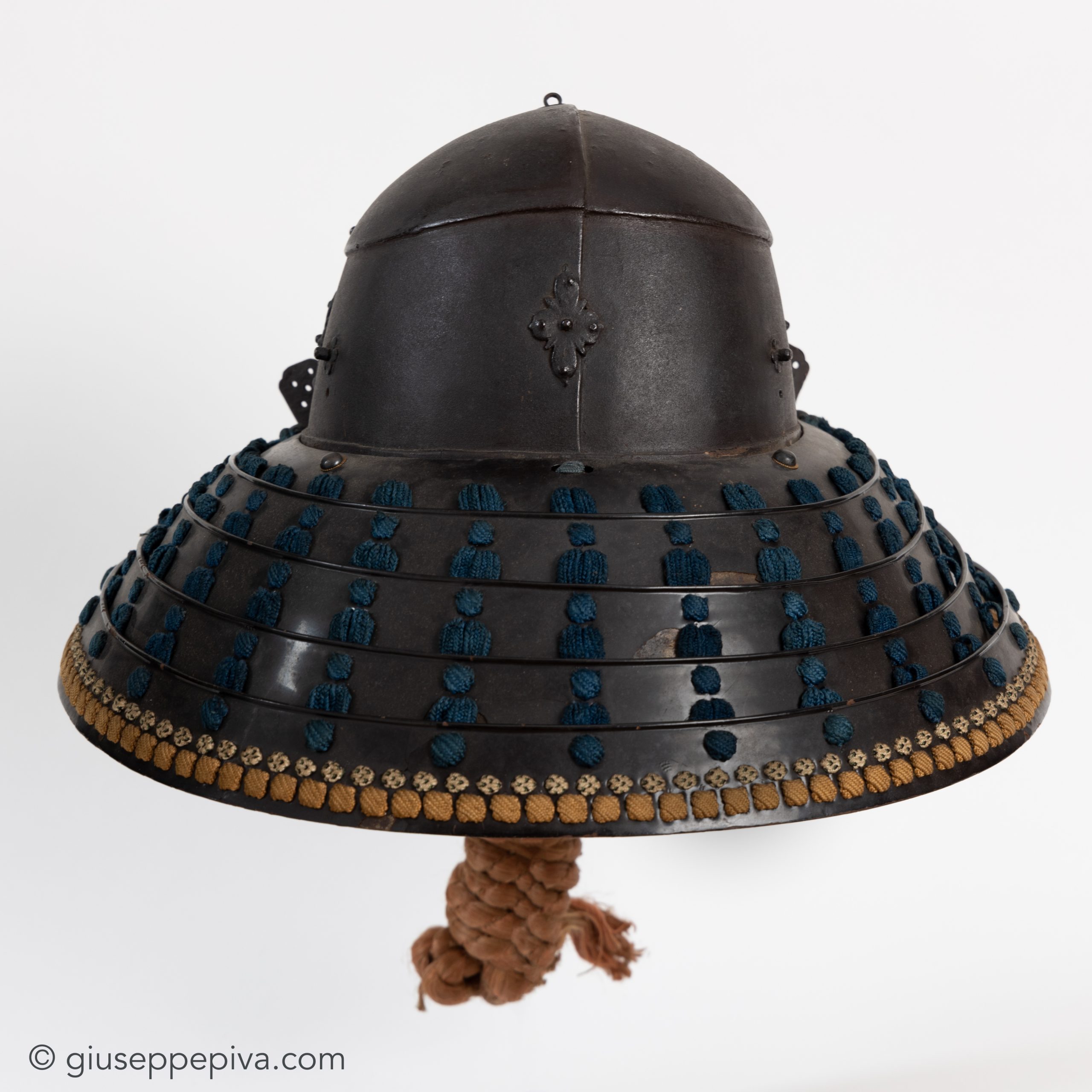
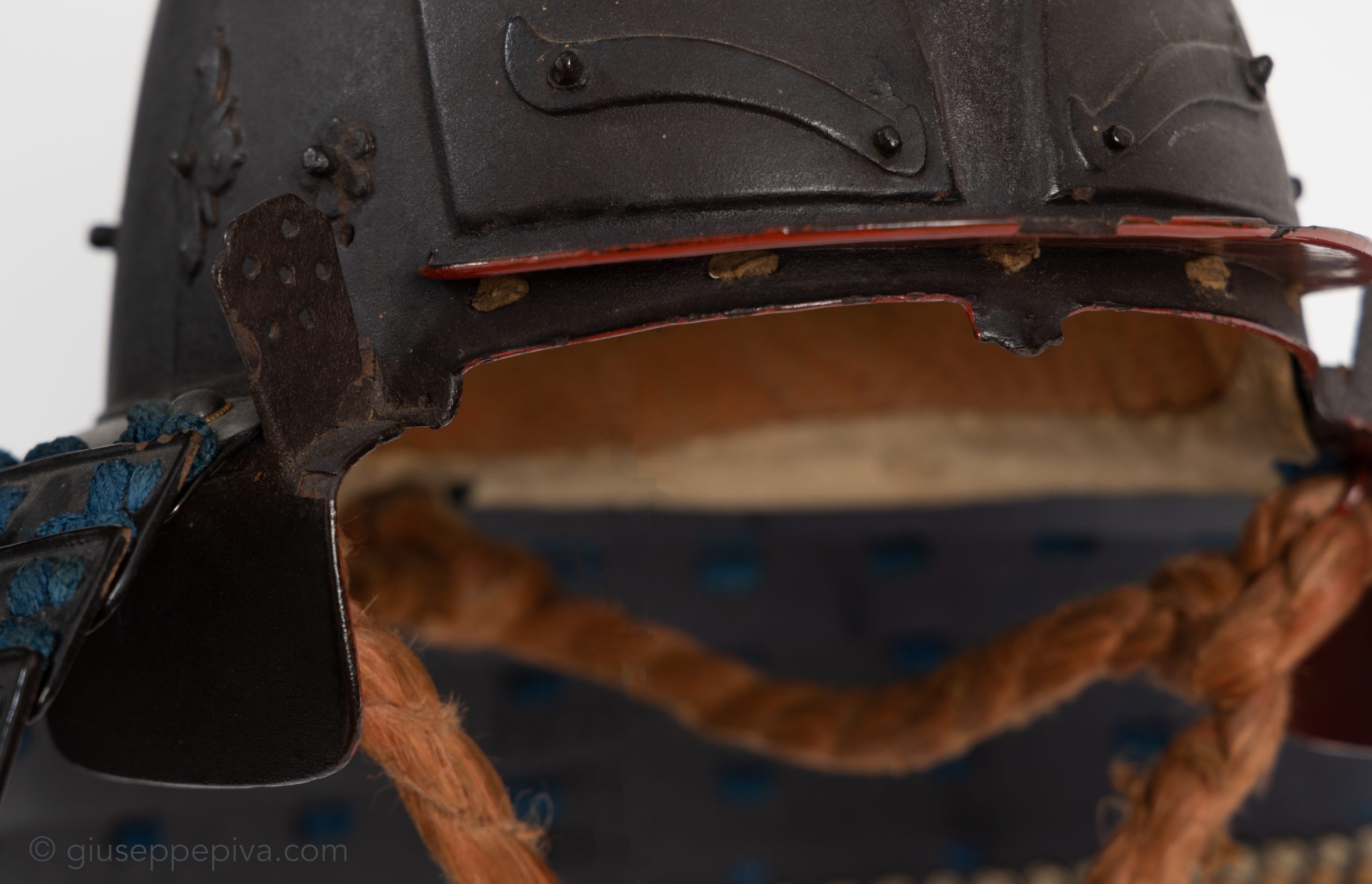
Edo
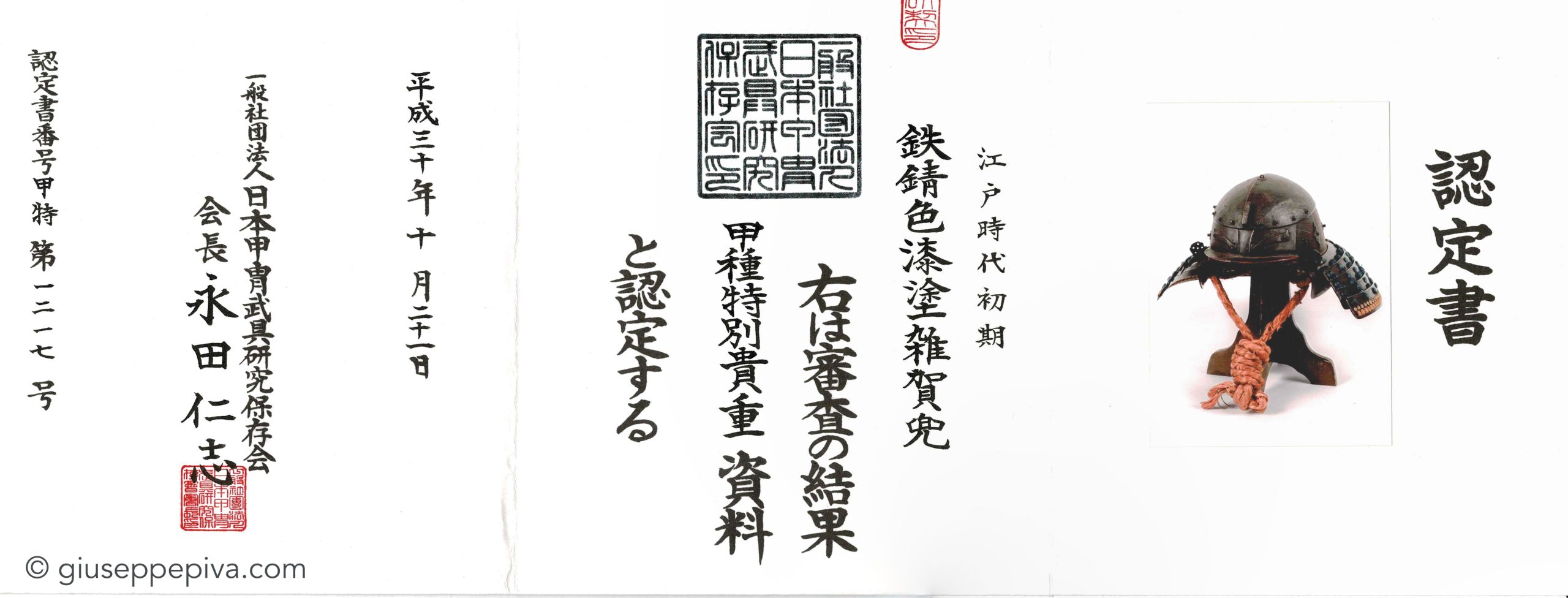
Kōshū Tokubetsu Kichō Shiryō · Nihon Katchū Bugu Kenkyū Hozon Kai
The first-class (kō-grade) of the especially-valuable rank and the society’s second-highest grade, reserved for armour of exceptional importance.
Japanese armour is not certified by the NBTHK. The Nihon Katchū Bugu Kenkyū Hozon Kai (the Association for the Research and Preservation of Japanese Helmets and Armour), founded in 1961, is the principal body for armour. Its shinsa grades a piece as 資料 (shiryō, "reference material") across five ascending ranks: Hozon, Kichō, Tokubetsu Kichō, Kōshū Tokubetsu Kichō, and the highest, Jūyō Bunka Shiryō. The 資料 framing reflects the society’s purpose of preserving armour as cultural and historical reference, distinct from the NBTHK’s sword paper tiers.
€28,000