 NihontoWatchNihontoWatch
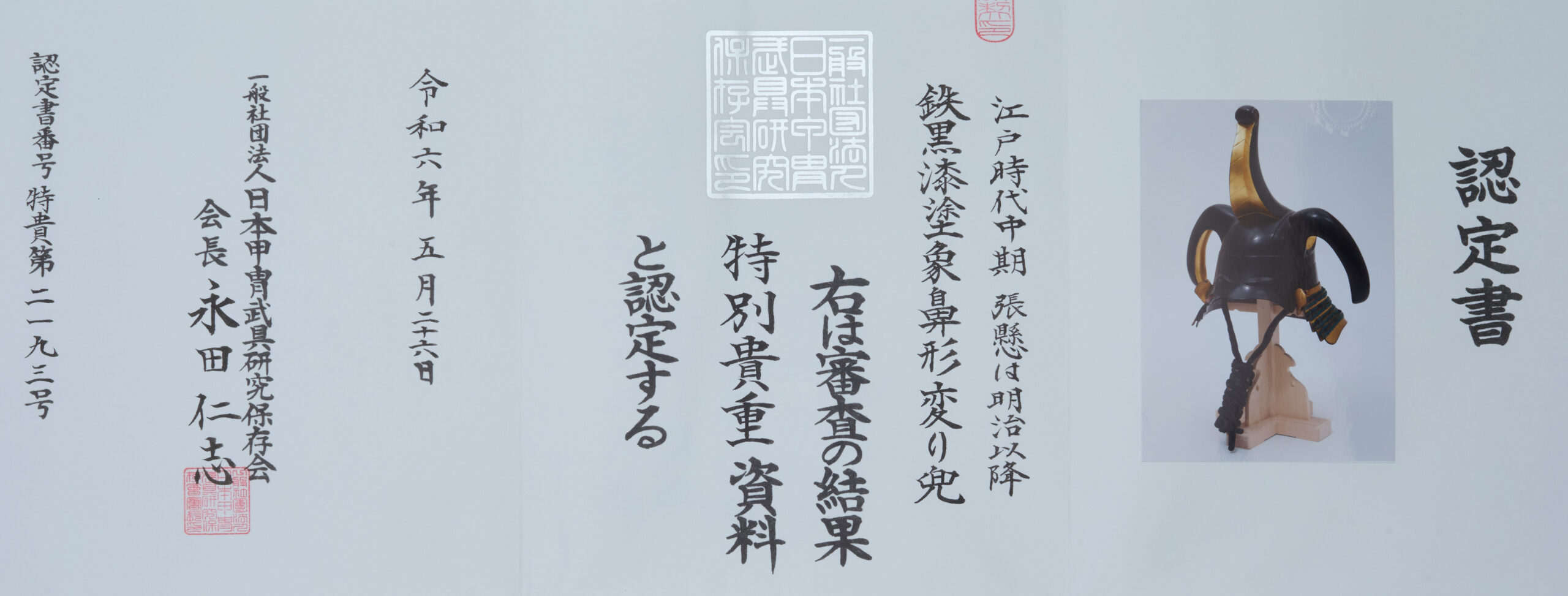
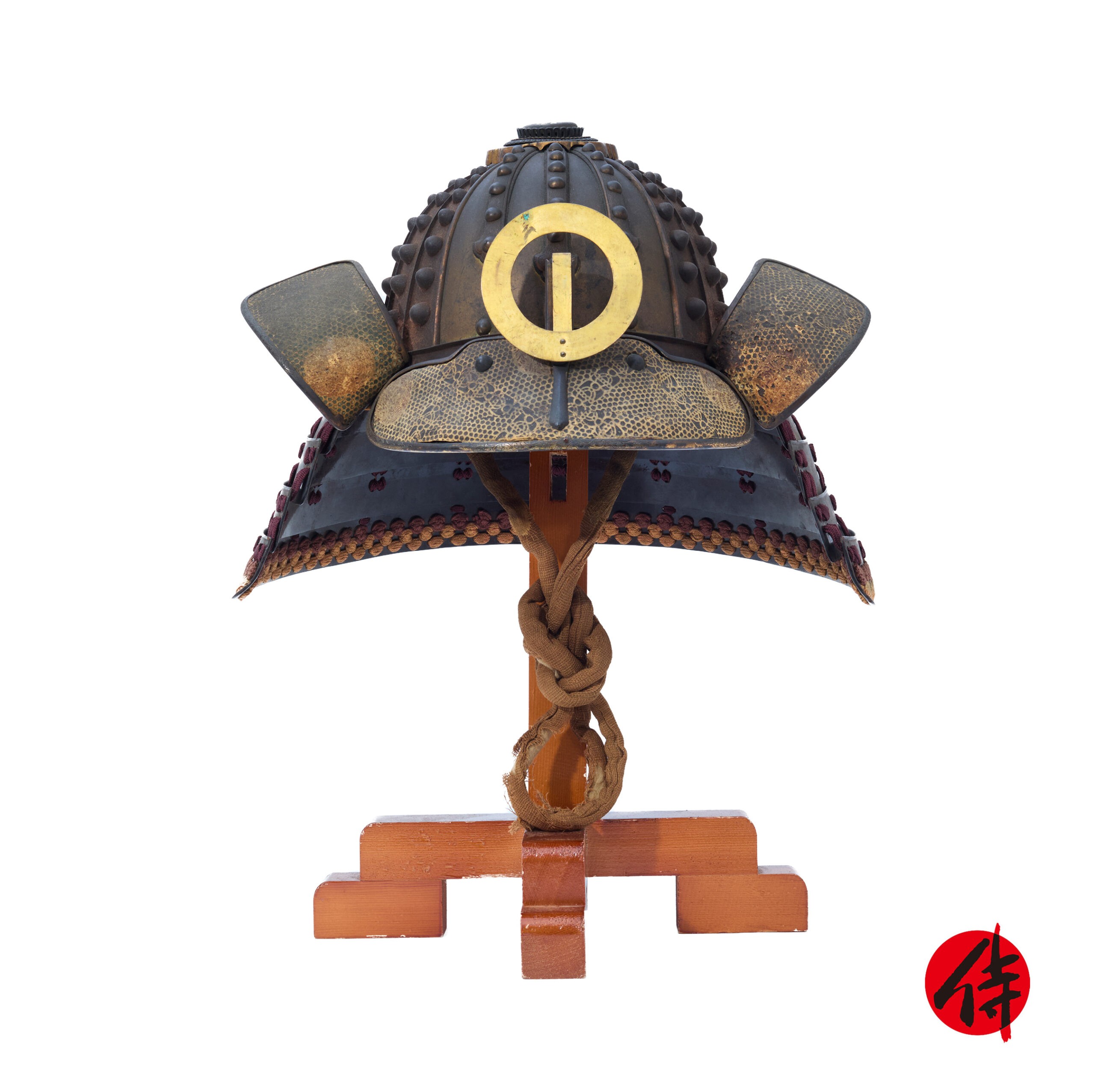
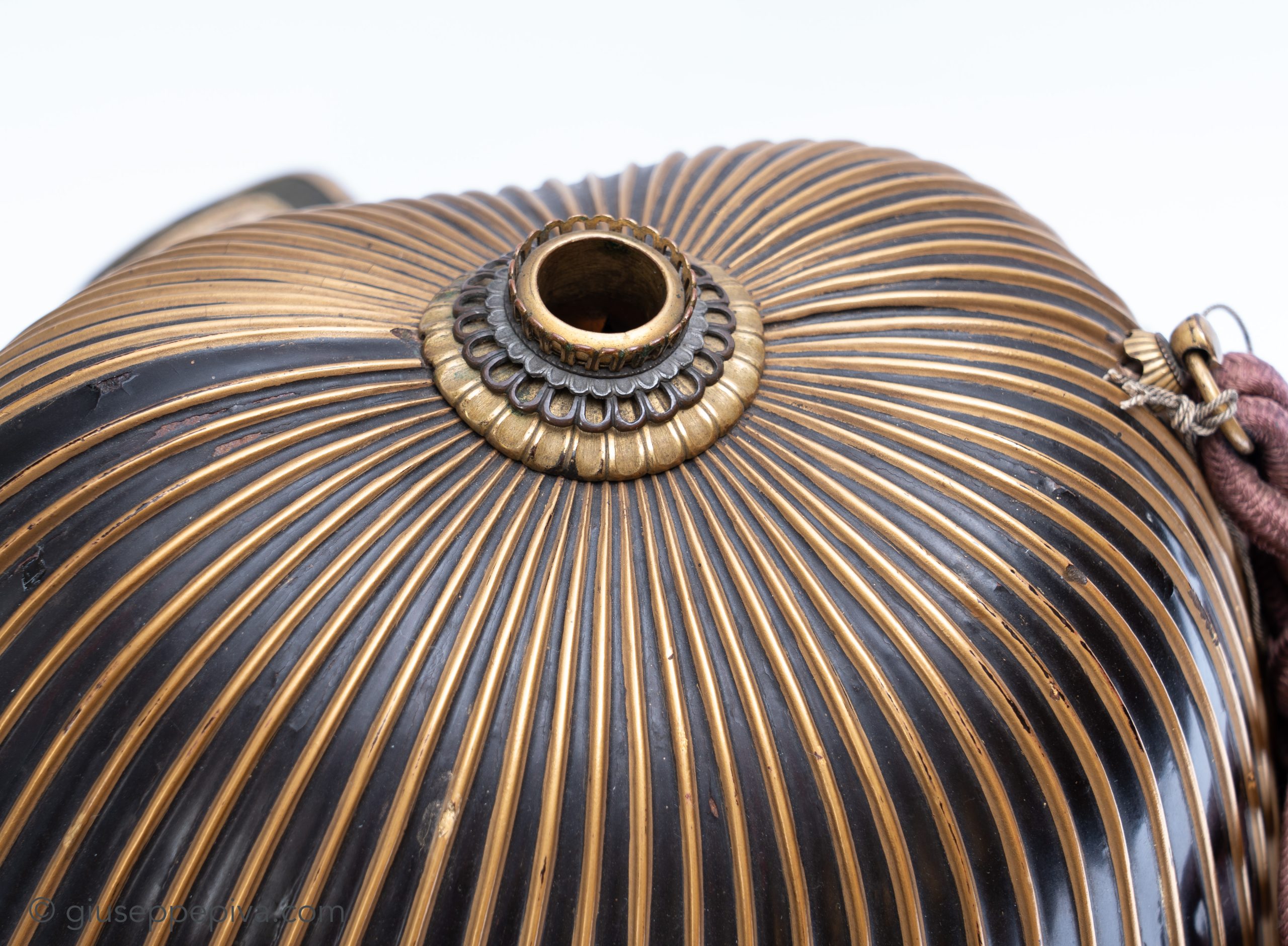
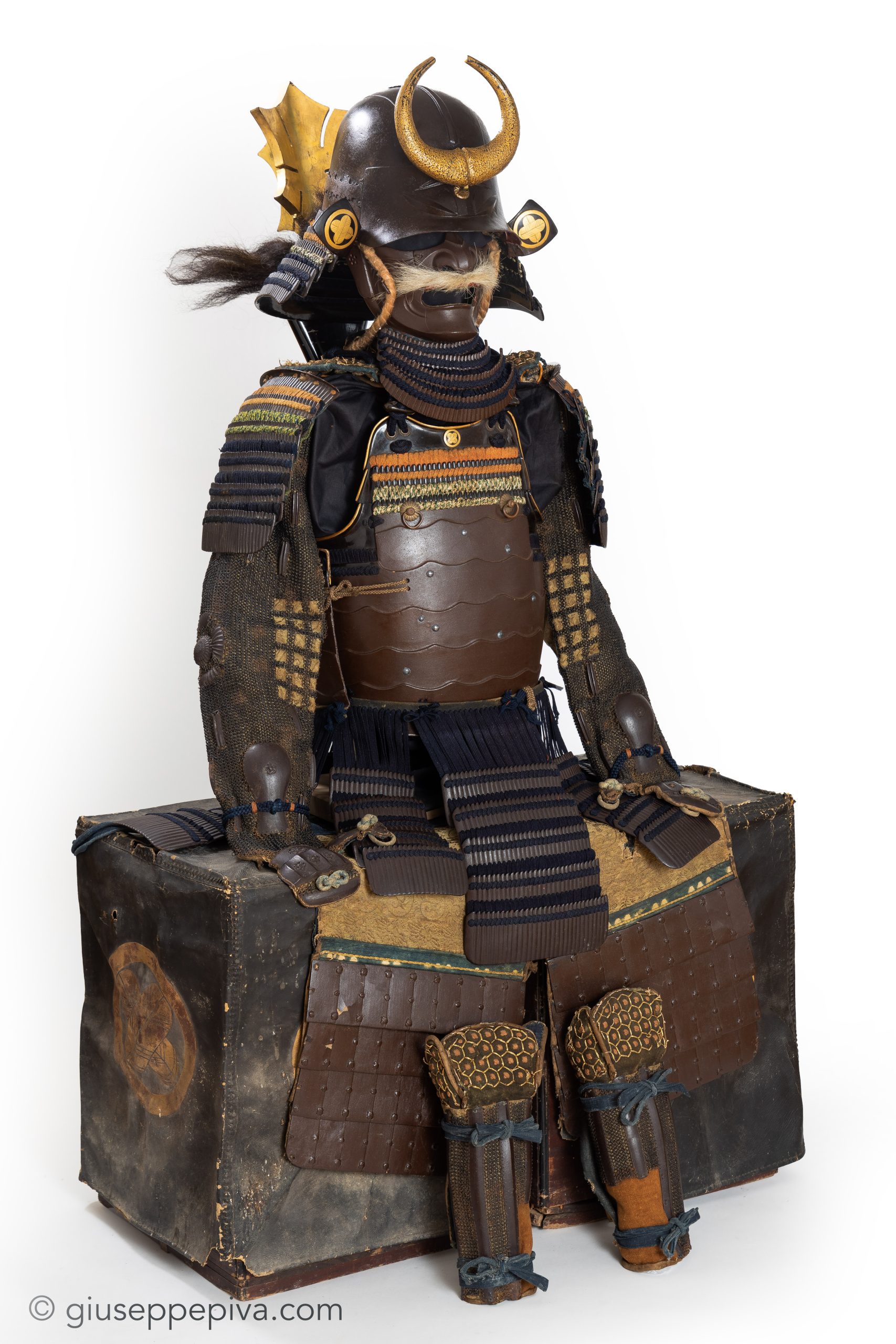
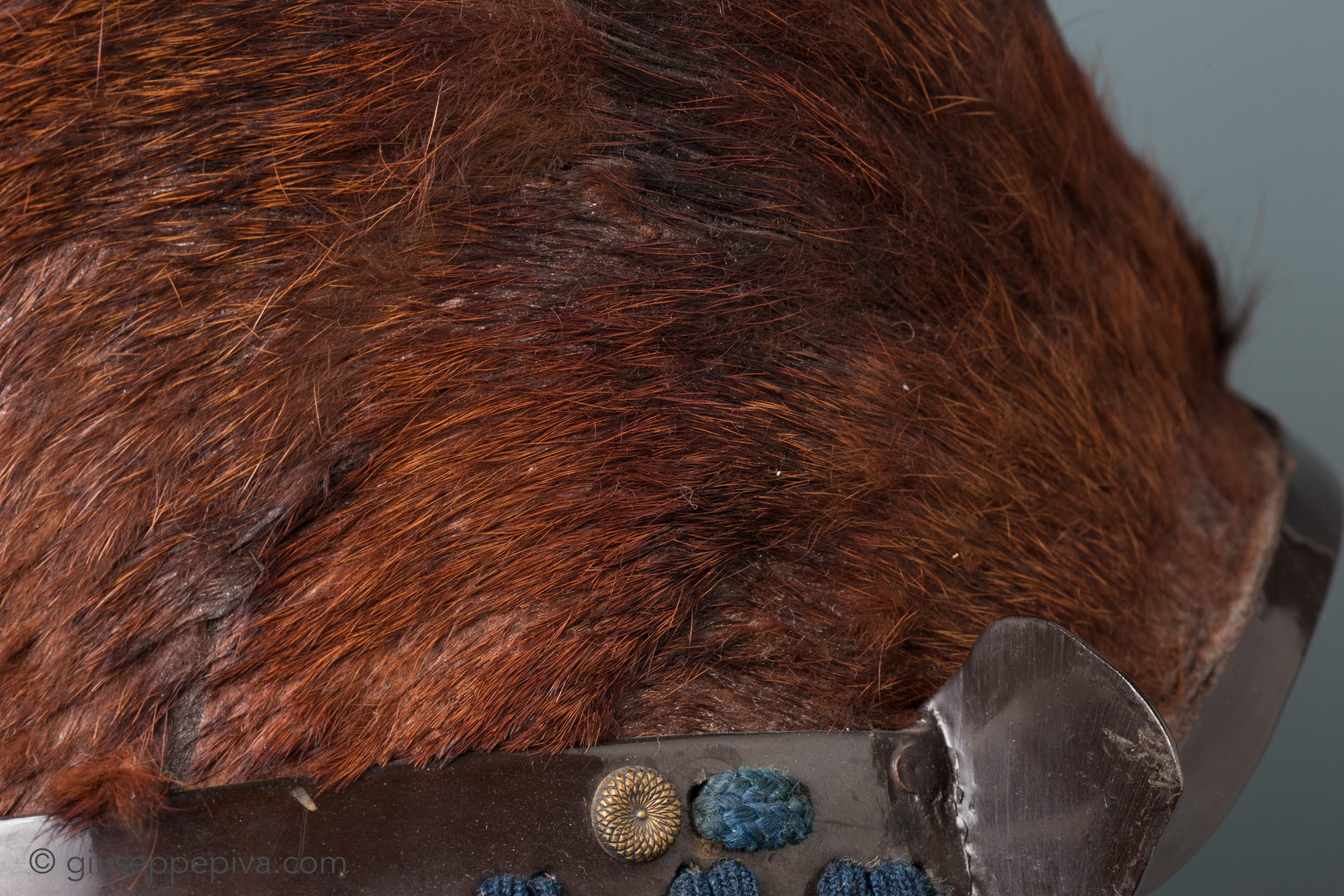
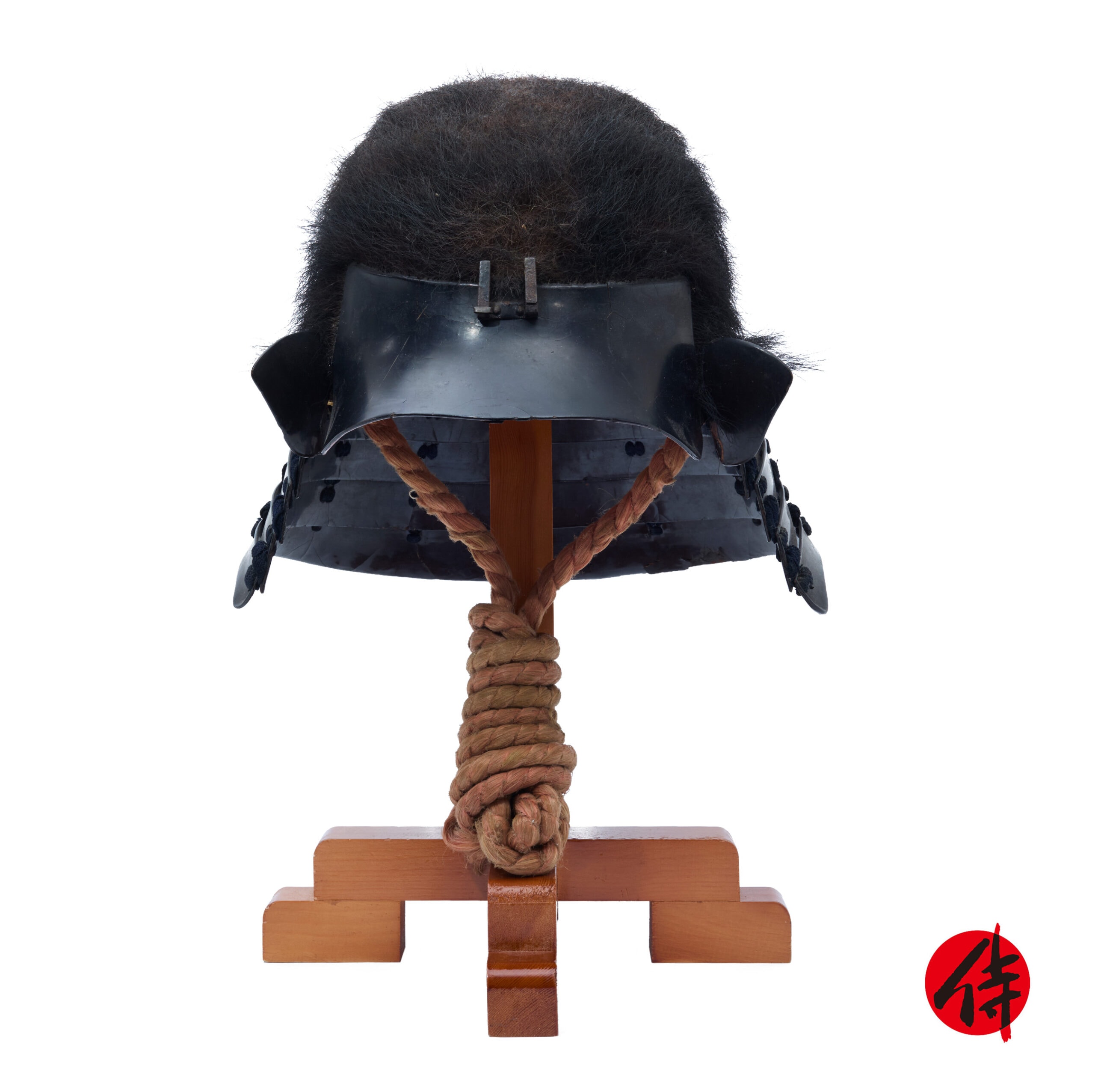
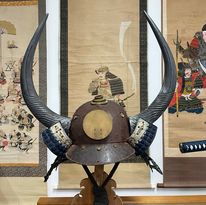
Antique Samurai Mid Edo Period Helmet Kawari Kabuto with Tokubetsu Kicho Shiryo Certificate appraised by The Association for the Research and Preservation of Japanese Helmets and Armor *The certificate mentions that the Harigake part (the elephant decoration part) was added after the Meji era while the main part of the helmet was made during the mid Edo period. According to the certificate, the name of this Kabuto is “鉄黒漆塗象鼻形変り兜 (Iron Black Lacquered Elephant-Trunk Shaped Kabuto),” and as the name suggests, its motif is an elephant. Two elephants were brought to Japan from the continent in the Edo period, the 13th year of the Kyouho (享保) era (1728). They were gifts for the Tokugawa Shogun at that time, Tokugawa Yoshimune (徳川 吉宗, 1684-1751). Many ordinary people saw this animal during the journey from the elephant’s arrival to Edo city. And this giant animal became a trend among people. Initially, the Hakuzou (白象, white elephant) was sacred in Buddhism. It is known as a vehicle of the Fugen Bosatsu (普賢菩薩, Samantabhadra, a bodhisattva of rationale and mercy). A theory says Mayabunin (摩耶夫人, Mahāmāyā), who is the Buddha’s birth mother, saw a white elephant when she got pregnant Buddha. Also, the elephant has been regarded as a patient animal. Based on this history and religious idea, it is understandable that the elephant motif was incorporated into motifs for various items, as seen in this work. The Kabuto (兜, helmet) is a protector for the head. When people started using the Kabuto, it was initially designed for practical use. However, the principal purpose of its design has changed with time; Samurais tried to express their dignity, personality, or religion by wearing the characteristic design Kabutos. According to a theory, these unique designed Kabutos were made from the late Muromachi period to the Edo period. This type of Kabuto is categorized as the Kawari Kabuto (変わり兜), and a variety of materials were used to create them. For example, animal fur, seashells, plants, and papers were used as materials for decoration. The Fukikaeshi (吹き返し), both ends of a Kabuto, is attached to this Kabuto. It protects the face from swords and also shows its beautiful workmanship. Family crests are sometimes designed on this part, as seen on this Kabuto. Certification The certificate was issued by The Association for the Research and Preservation of Japanese Helmets and Armor, which is the most trusted Japanese armor appraiser in Japan. Tokubetsu Kicho Shiryo means special rare article. It is ranked as the third highest of five rankings. This helmet was authenticated on May 28th, 2025, as a Tokubetsu Kicho Shiryo, and this paper mentions that this item was made in the mid Edo period.
Offered by Samurai Museum
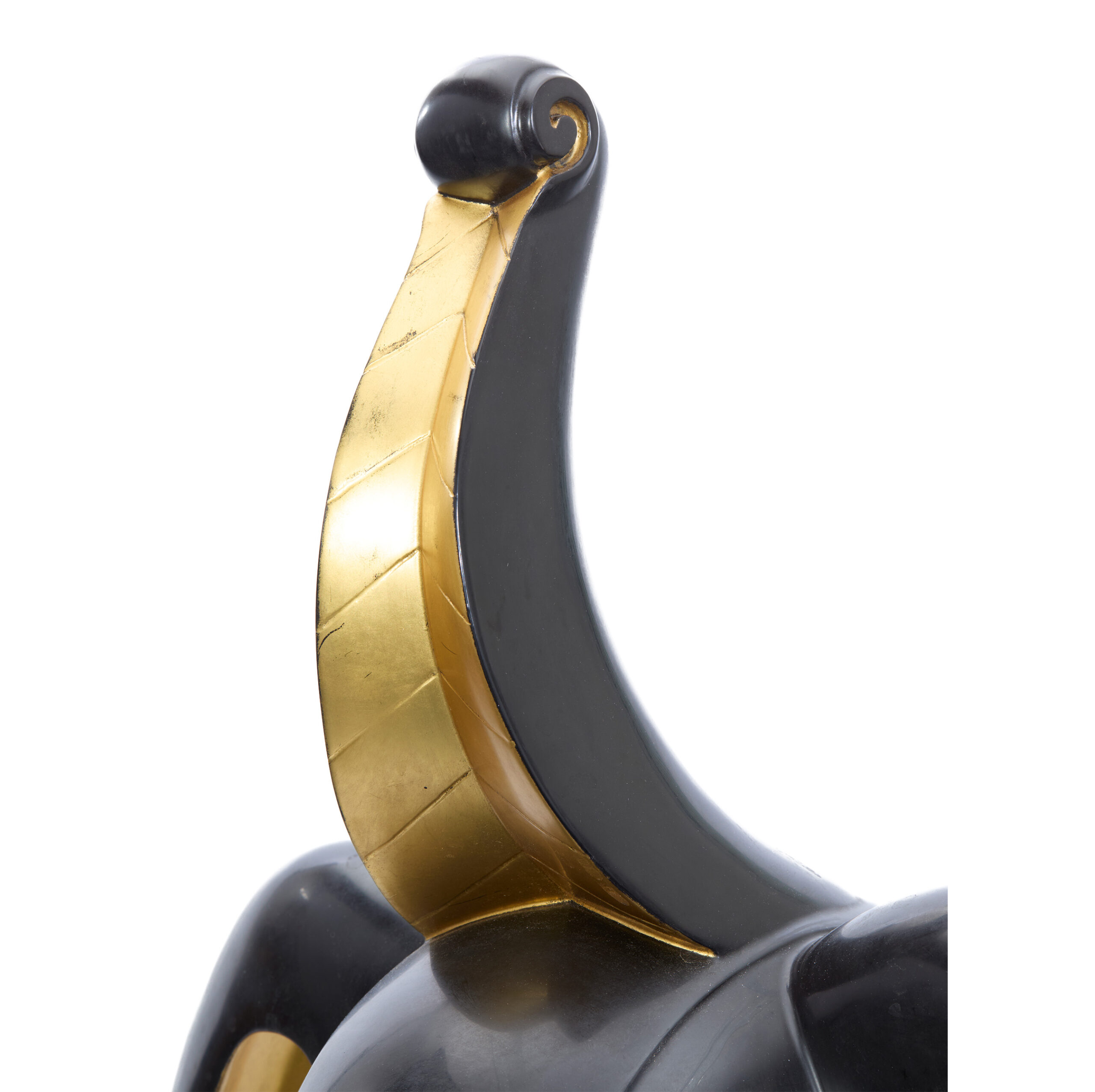
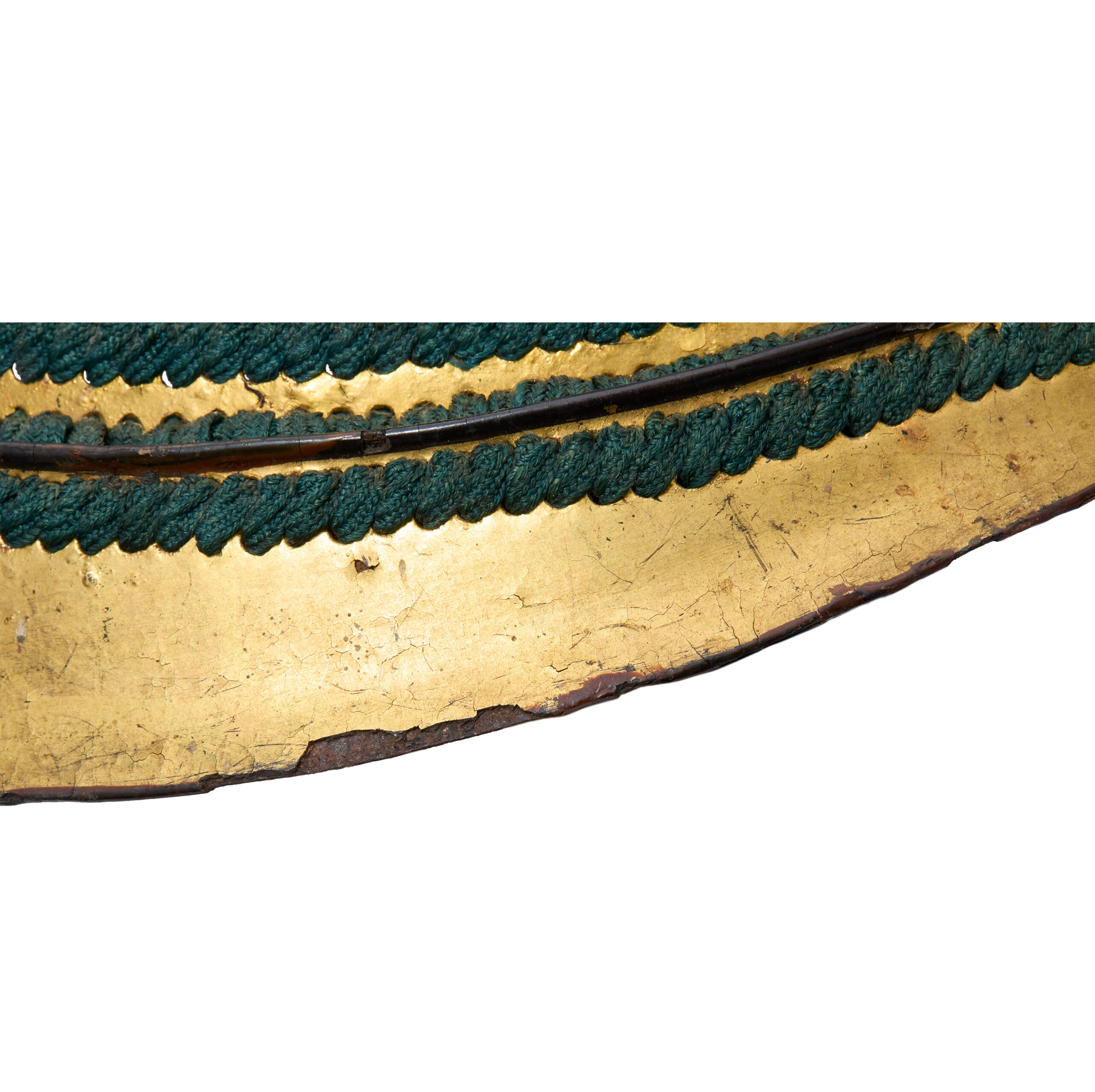
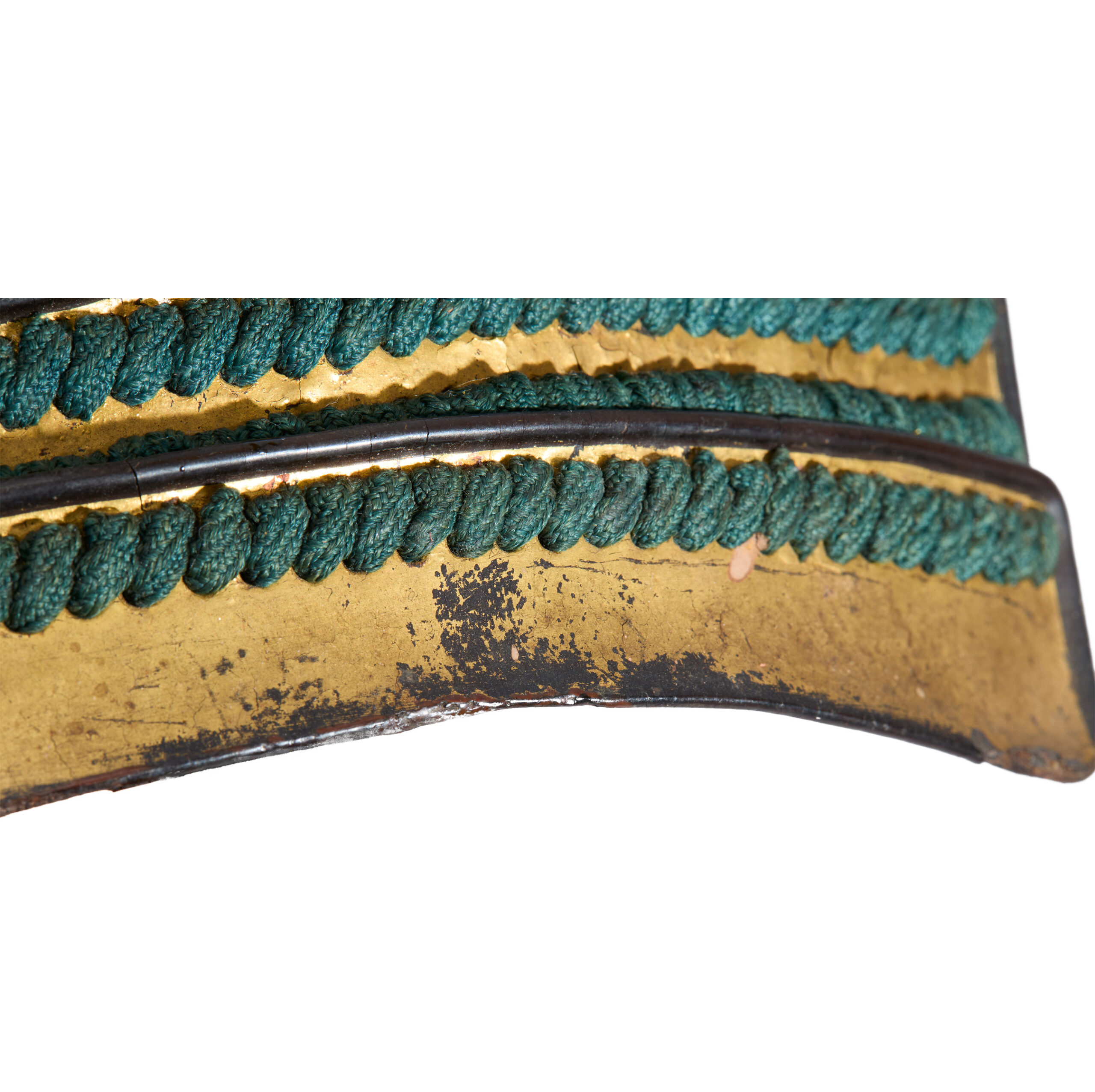
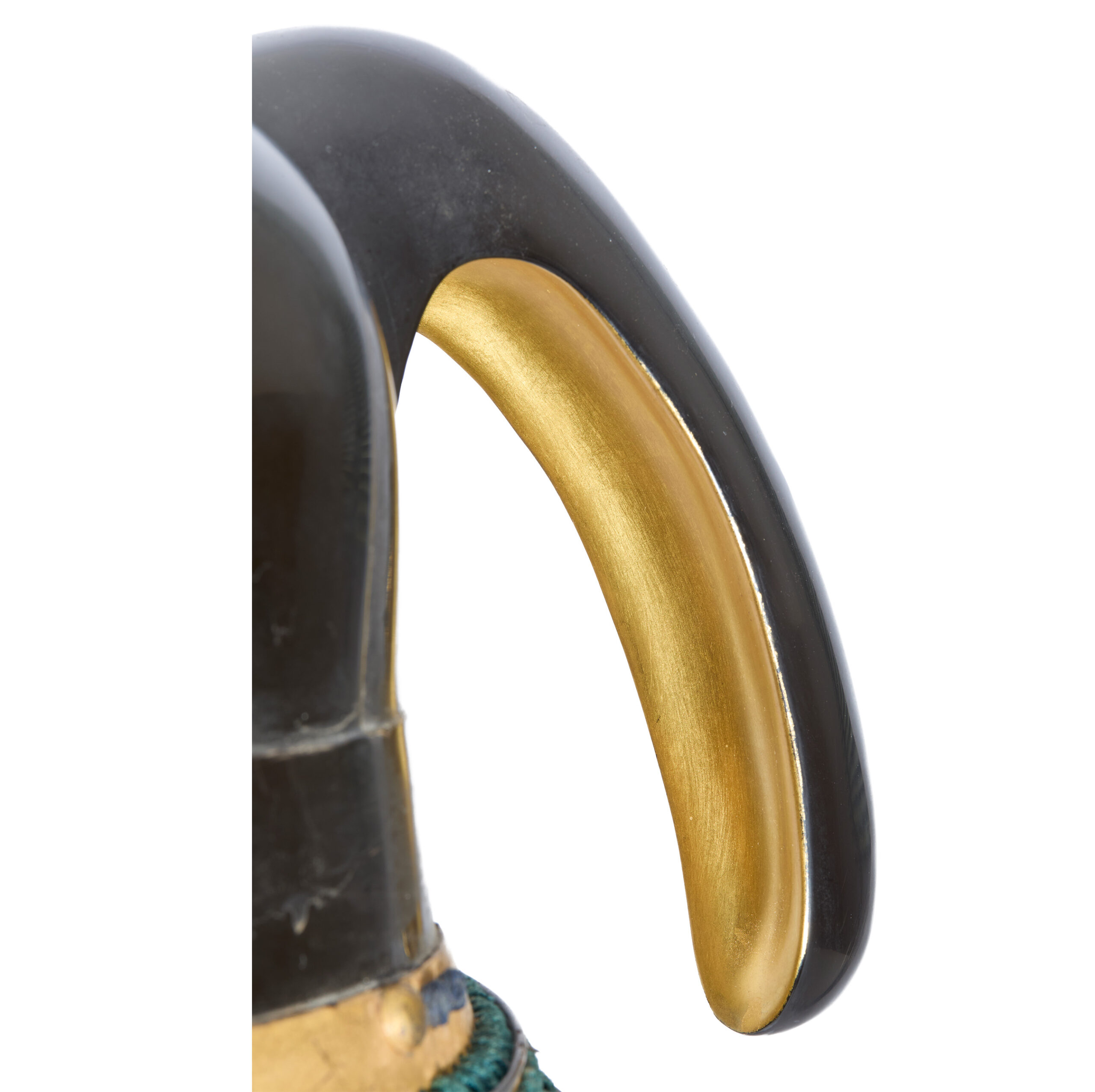
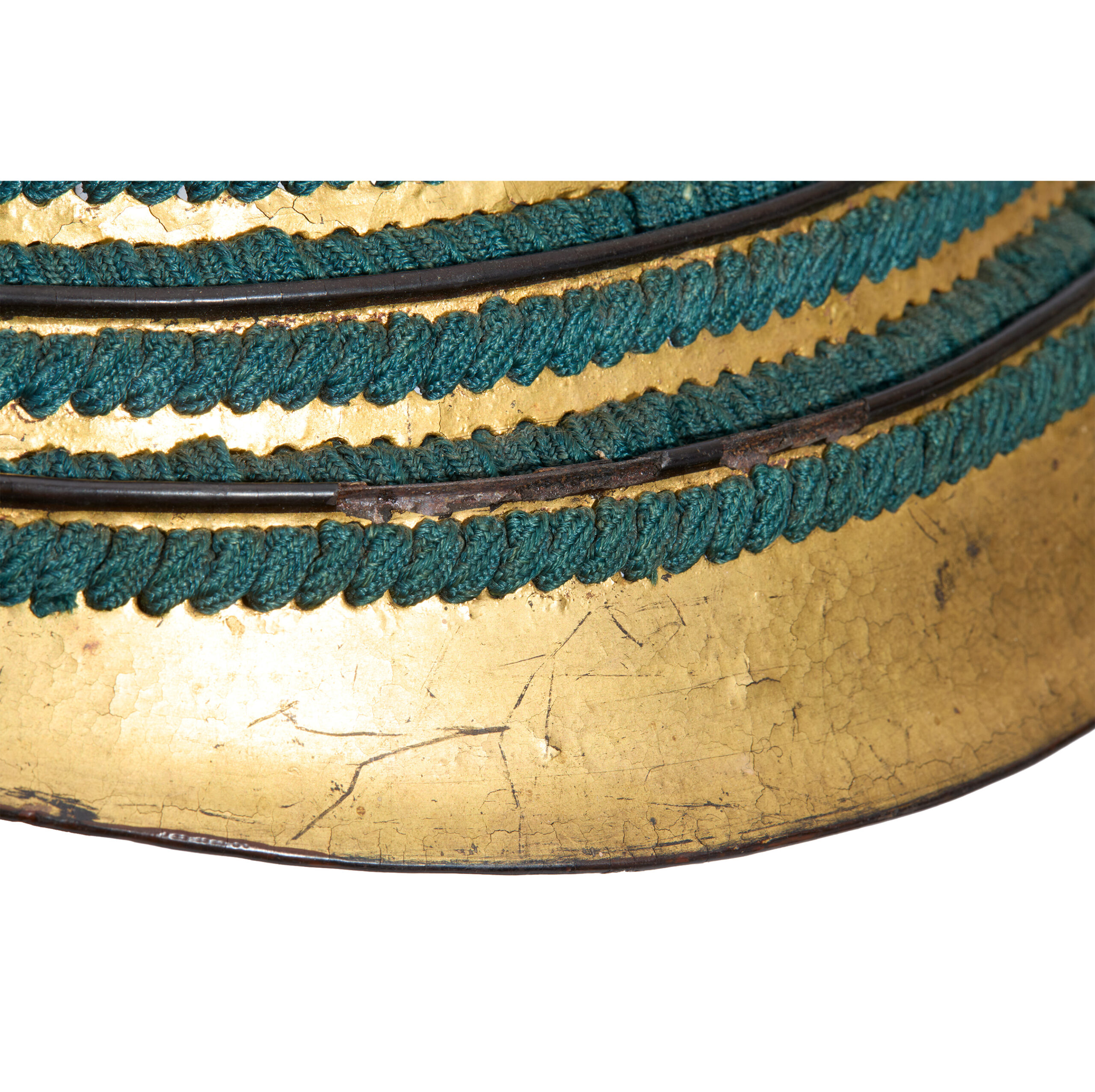
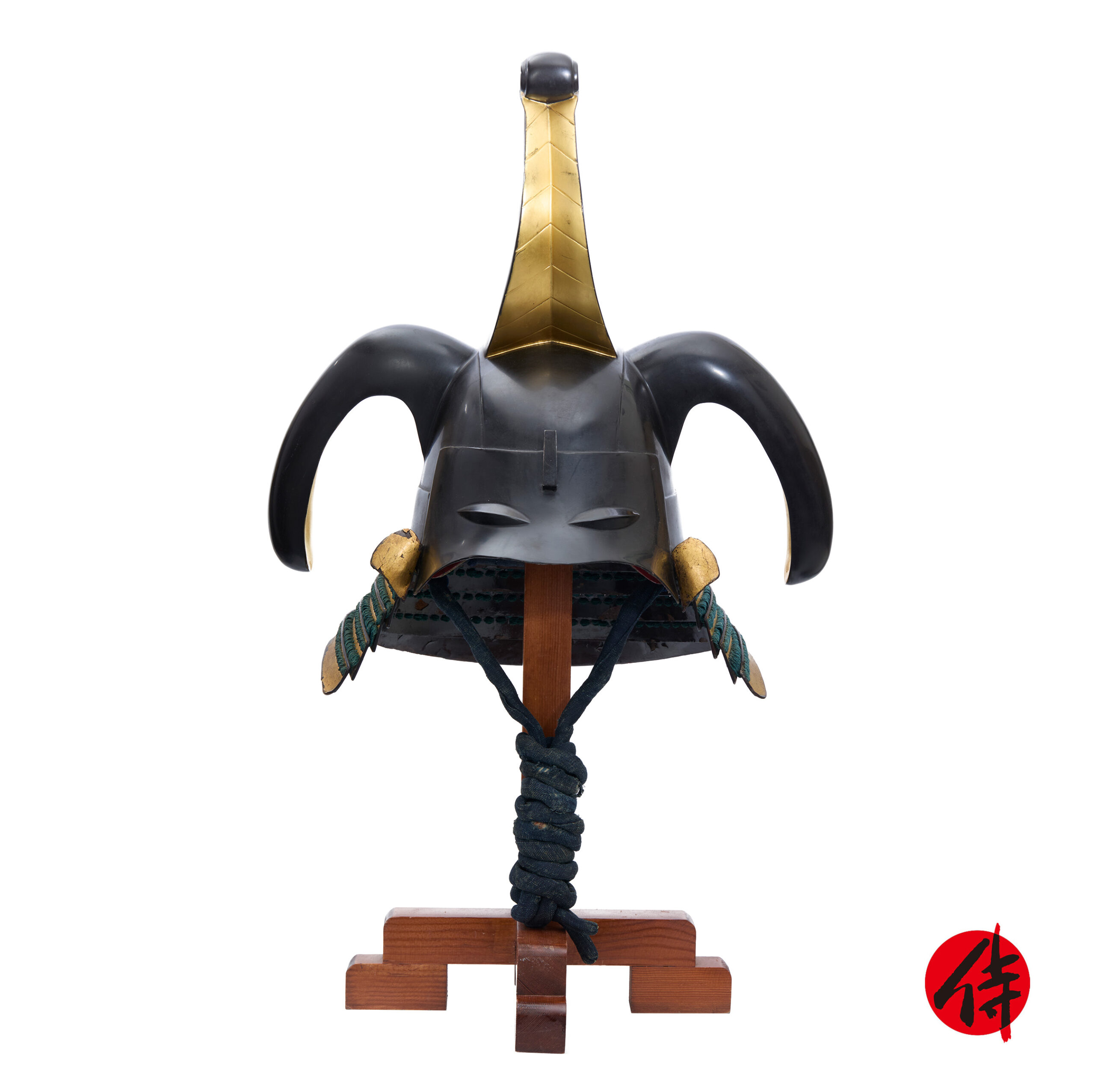
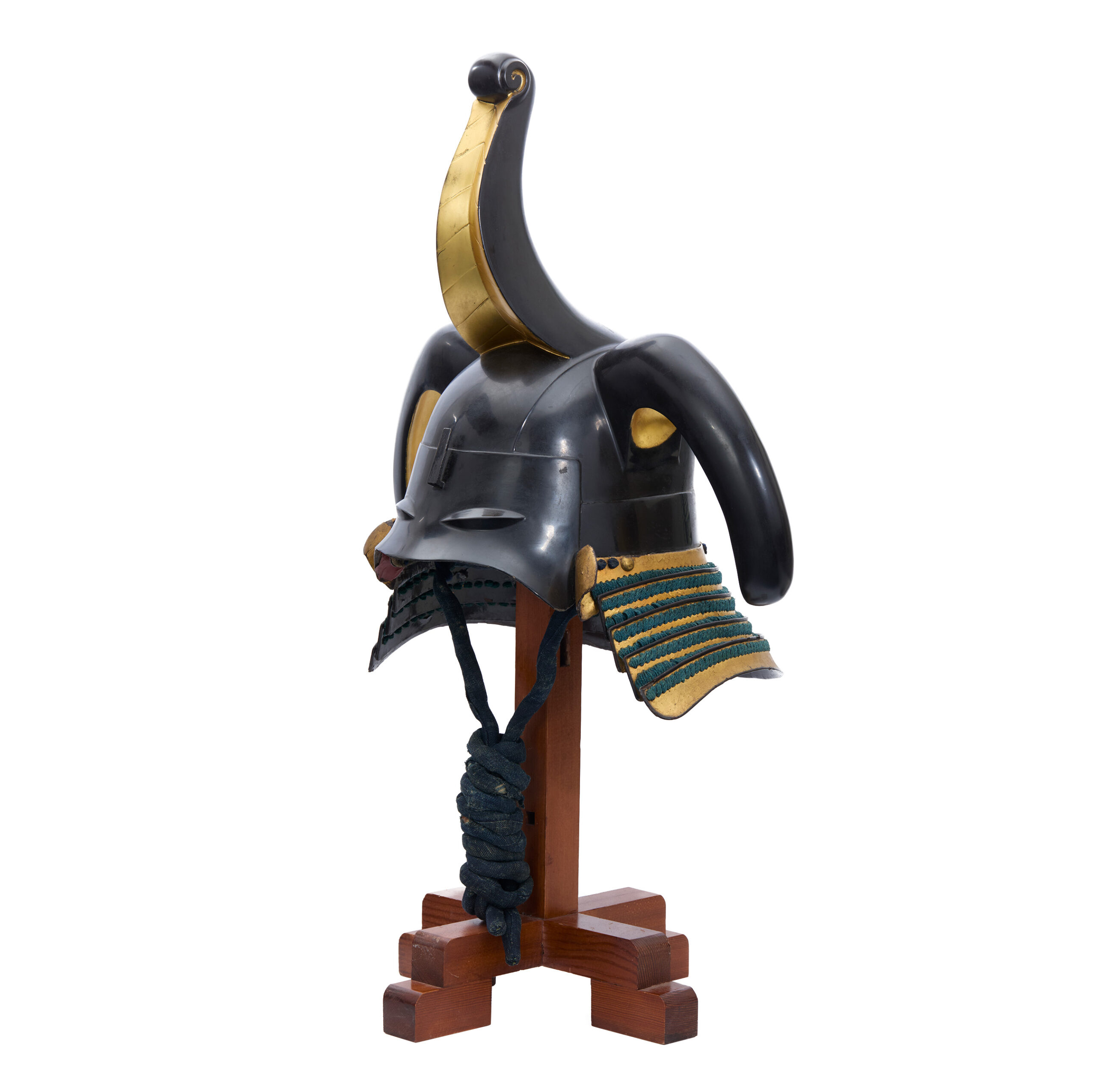
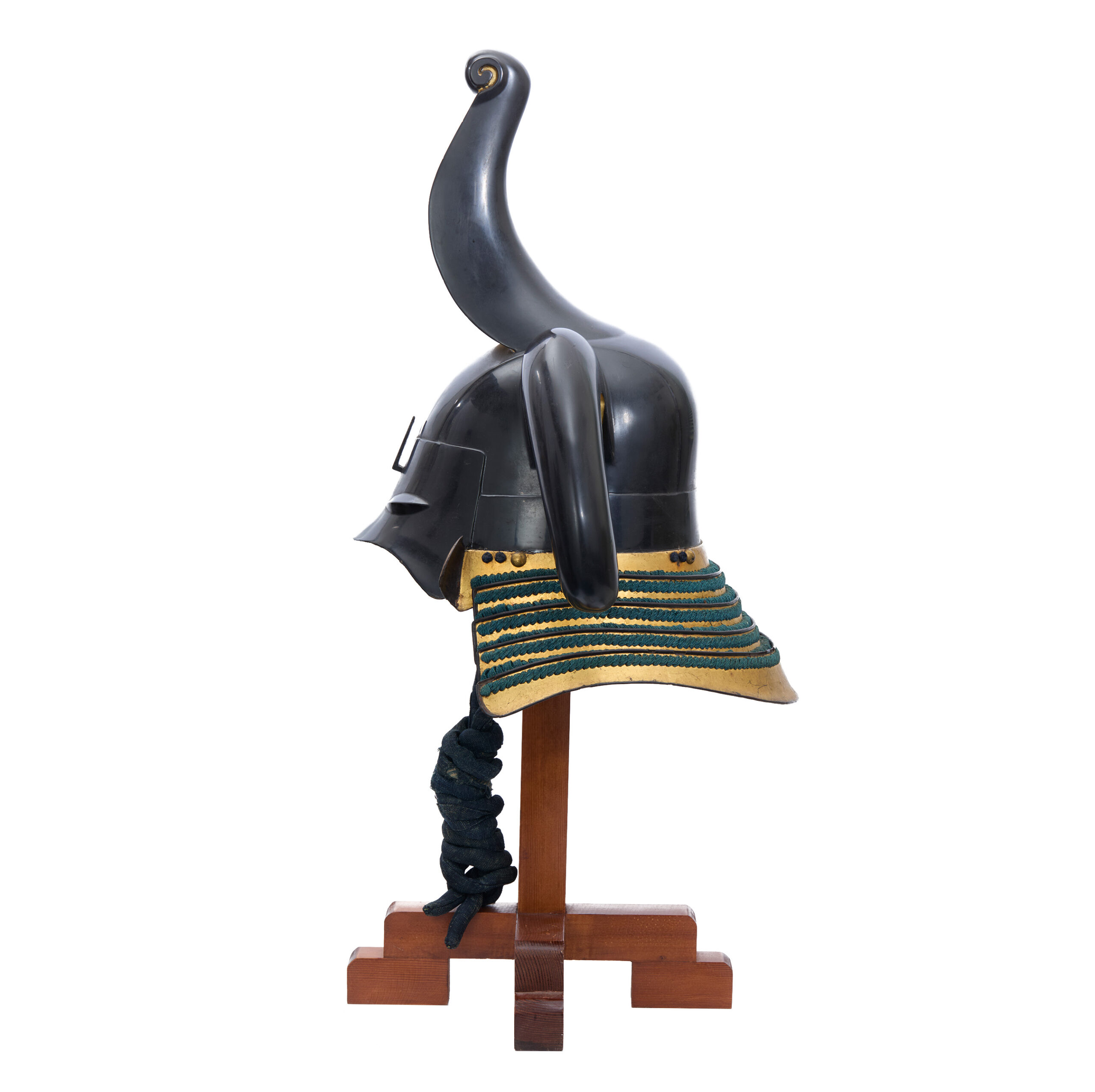
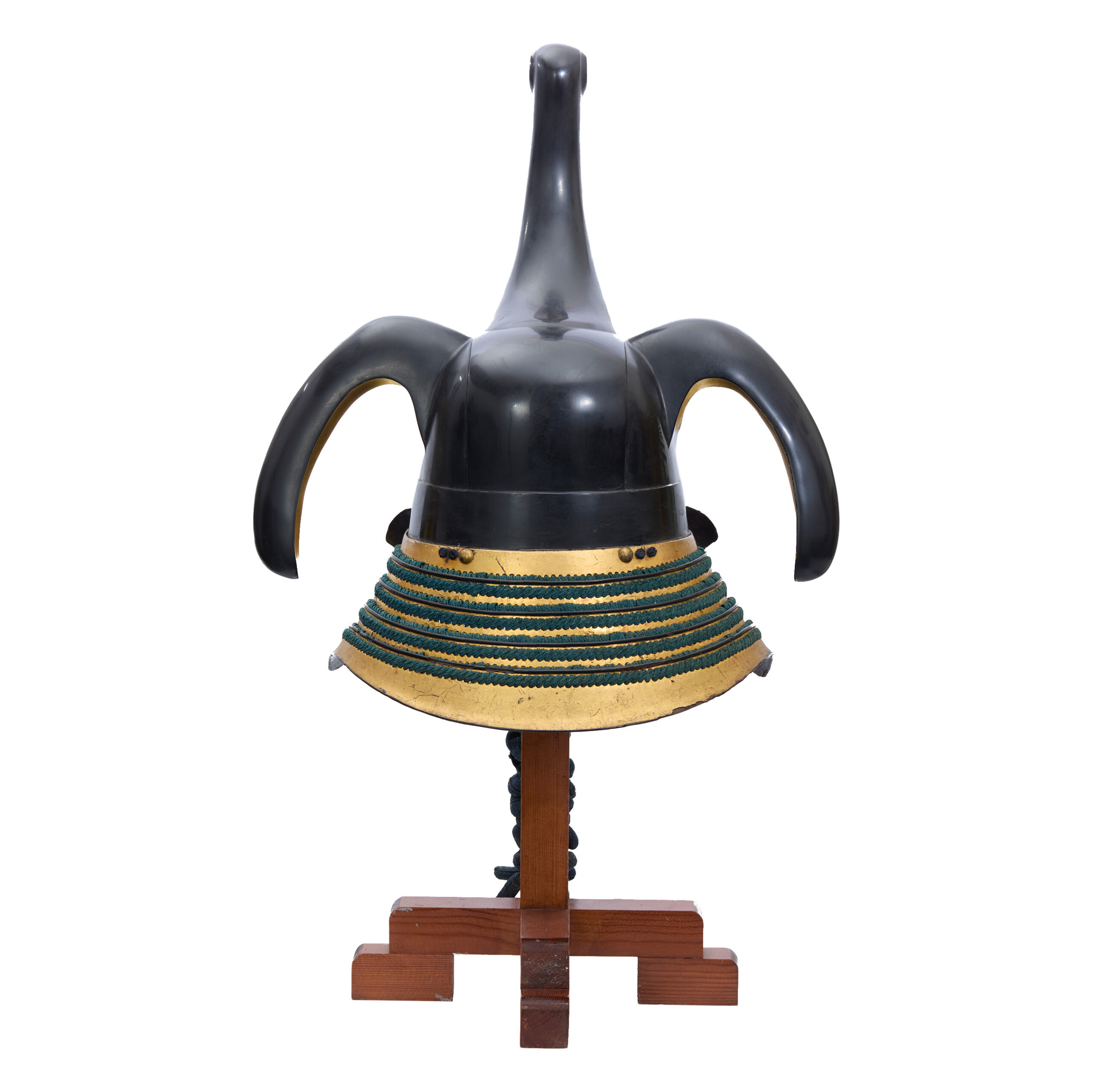
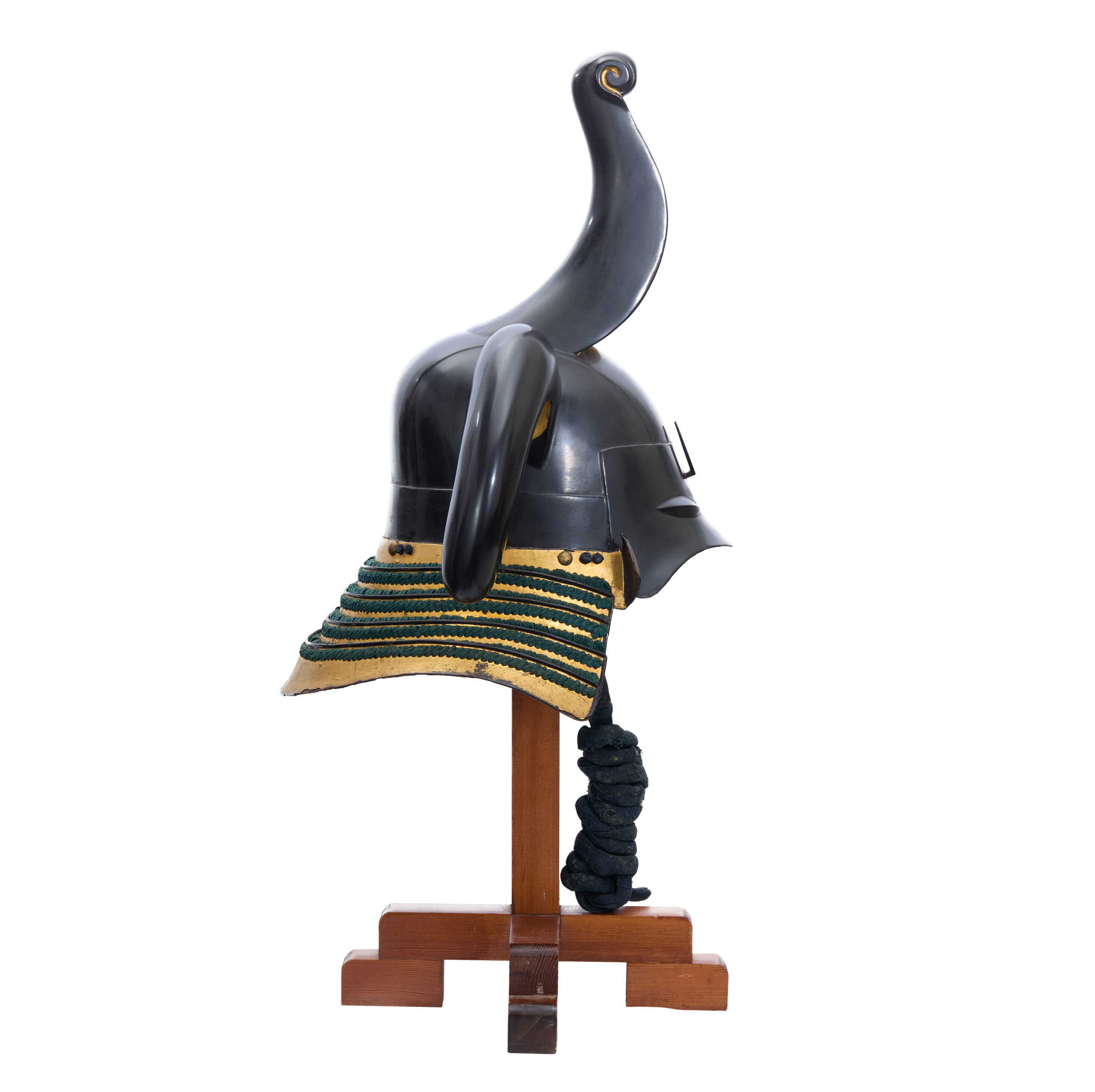
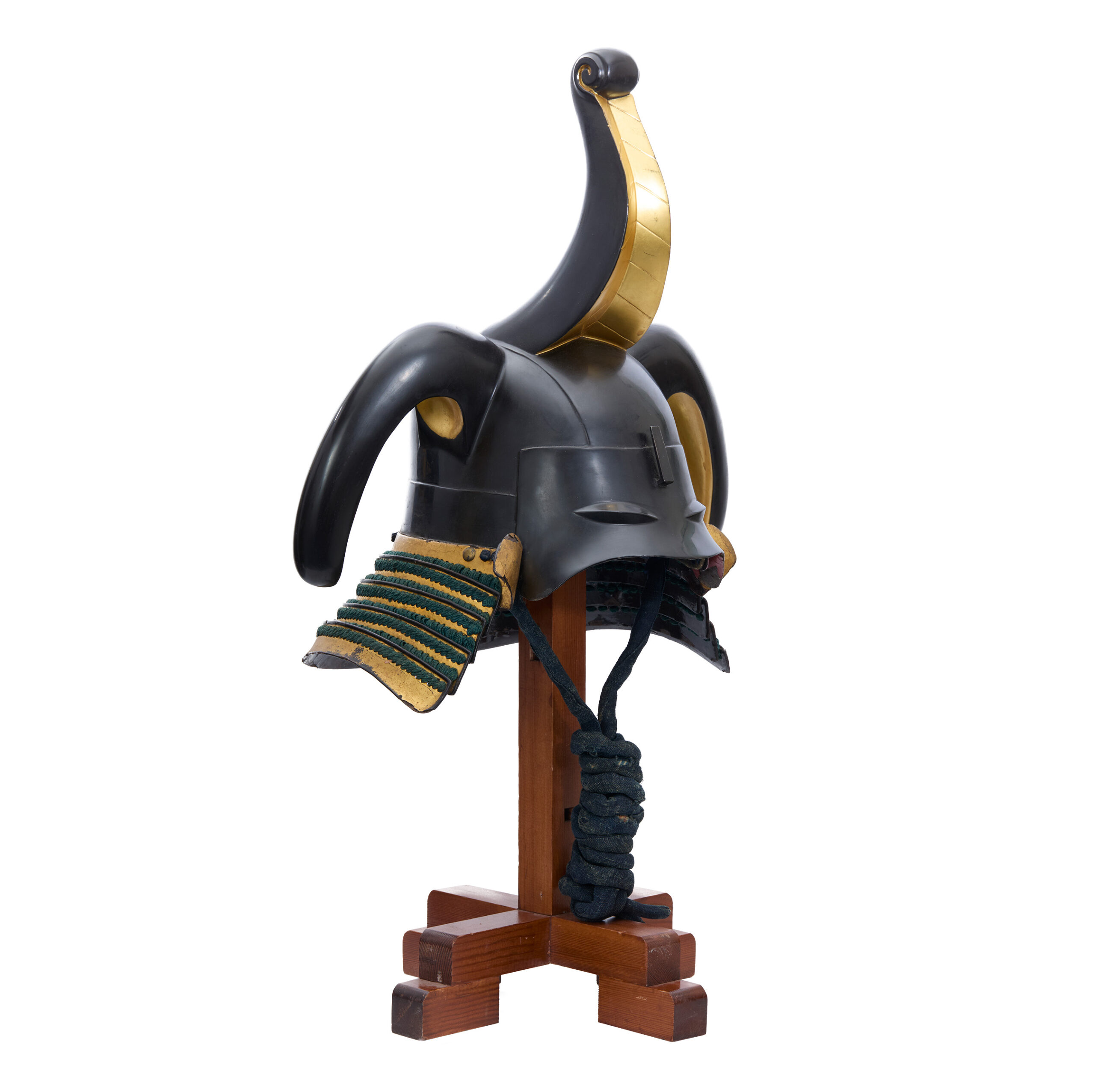
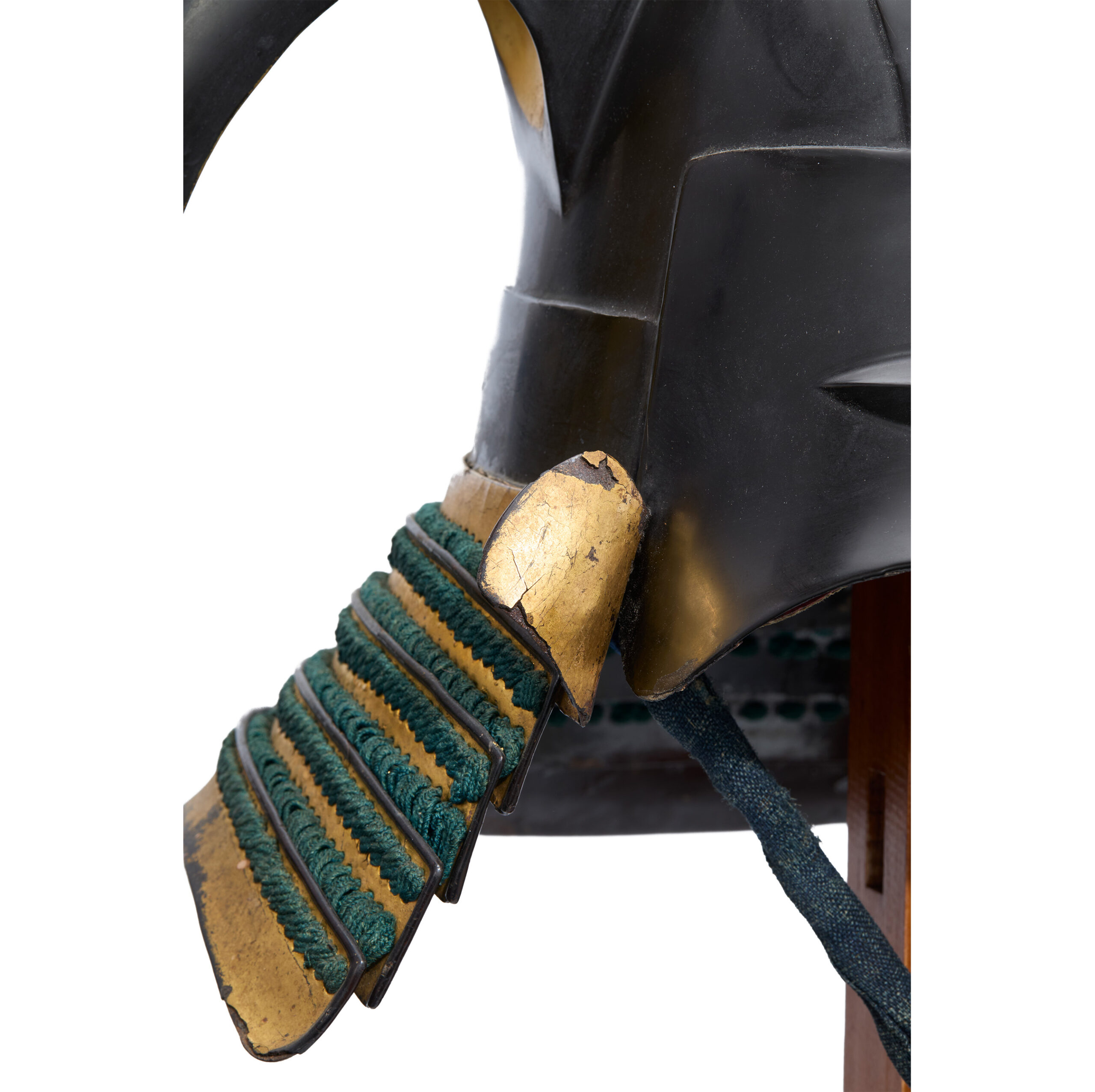
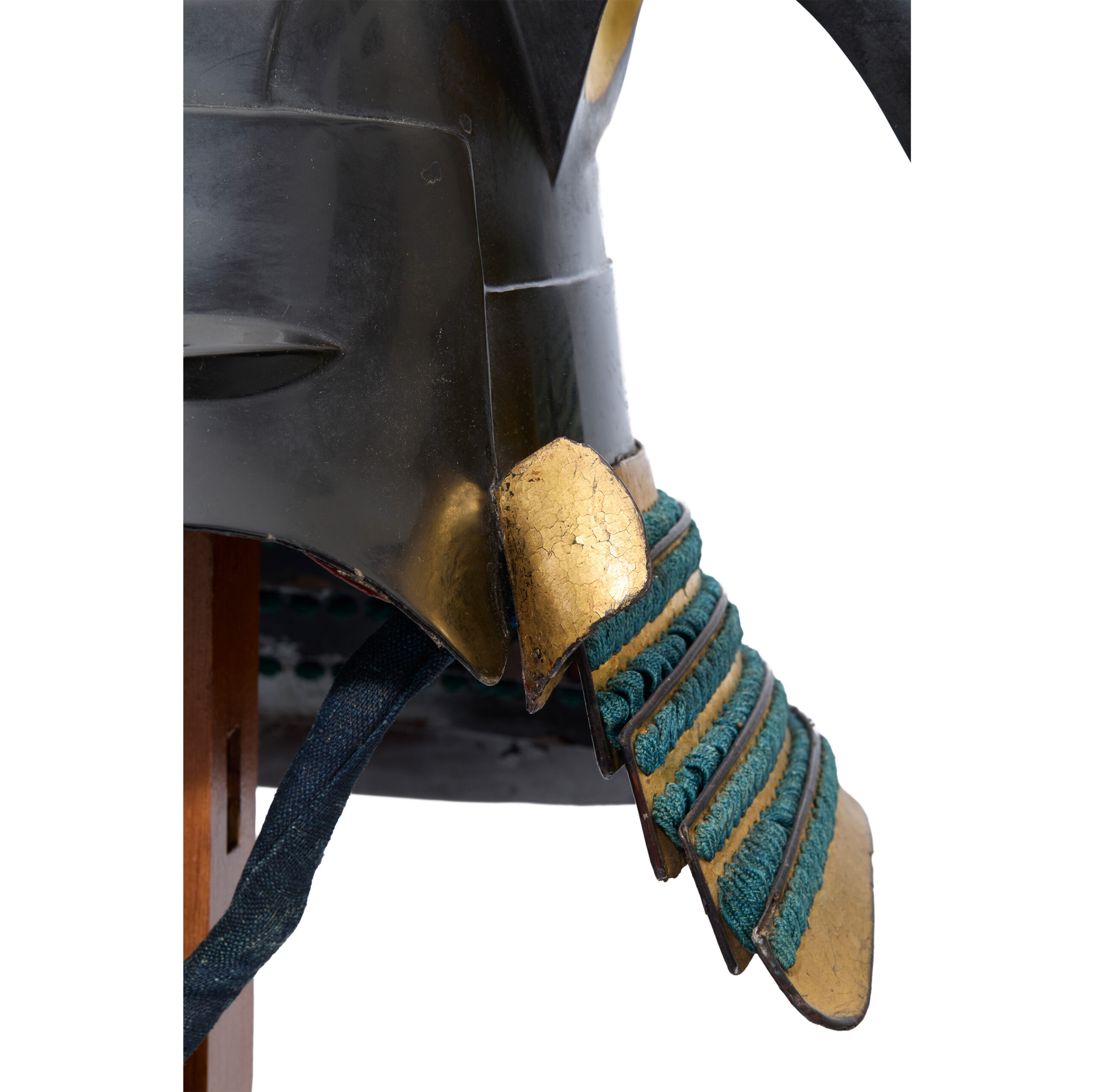
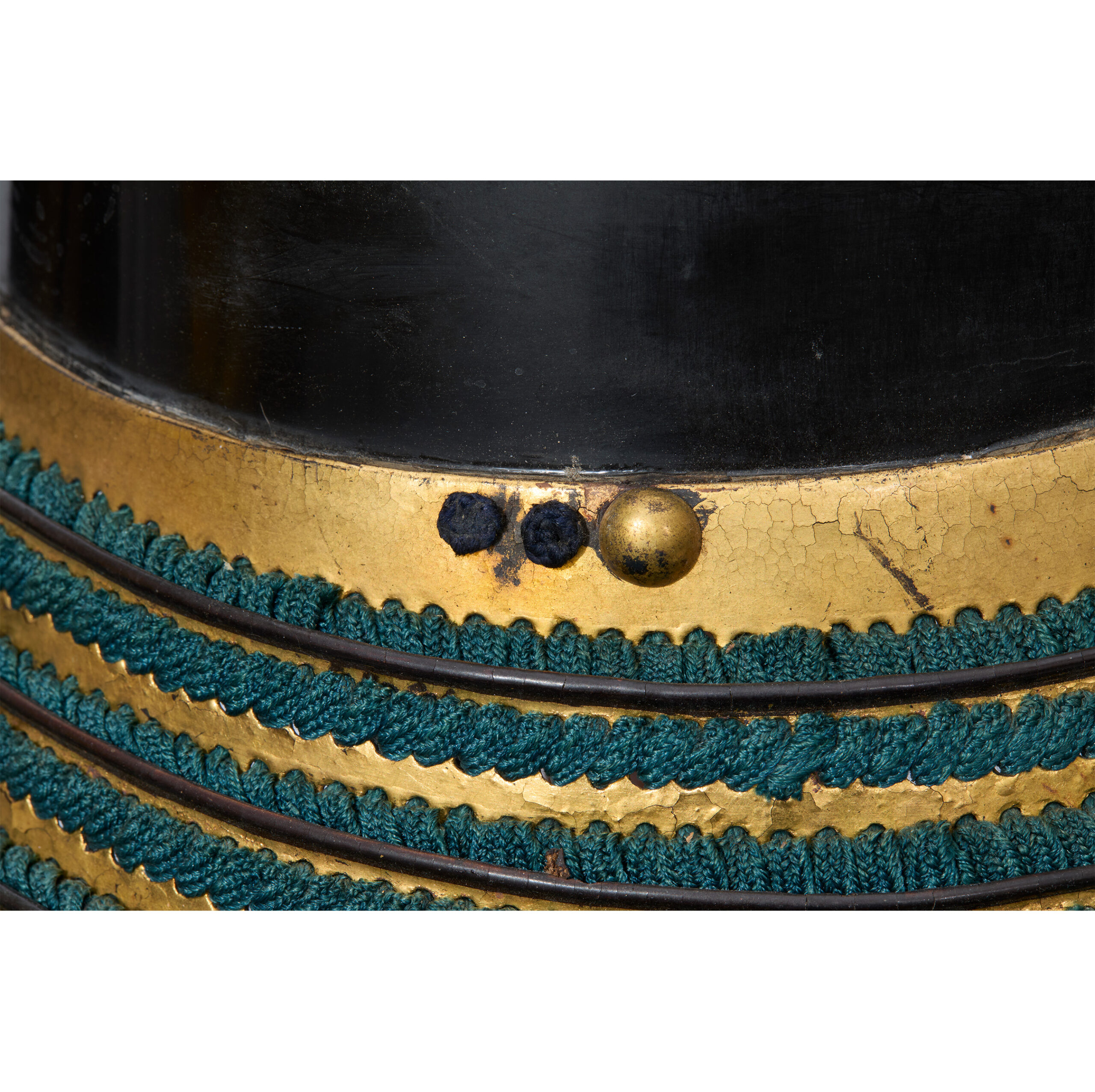
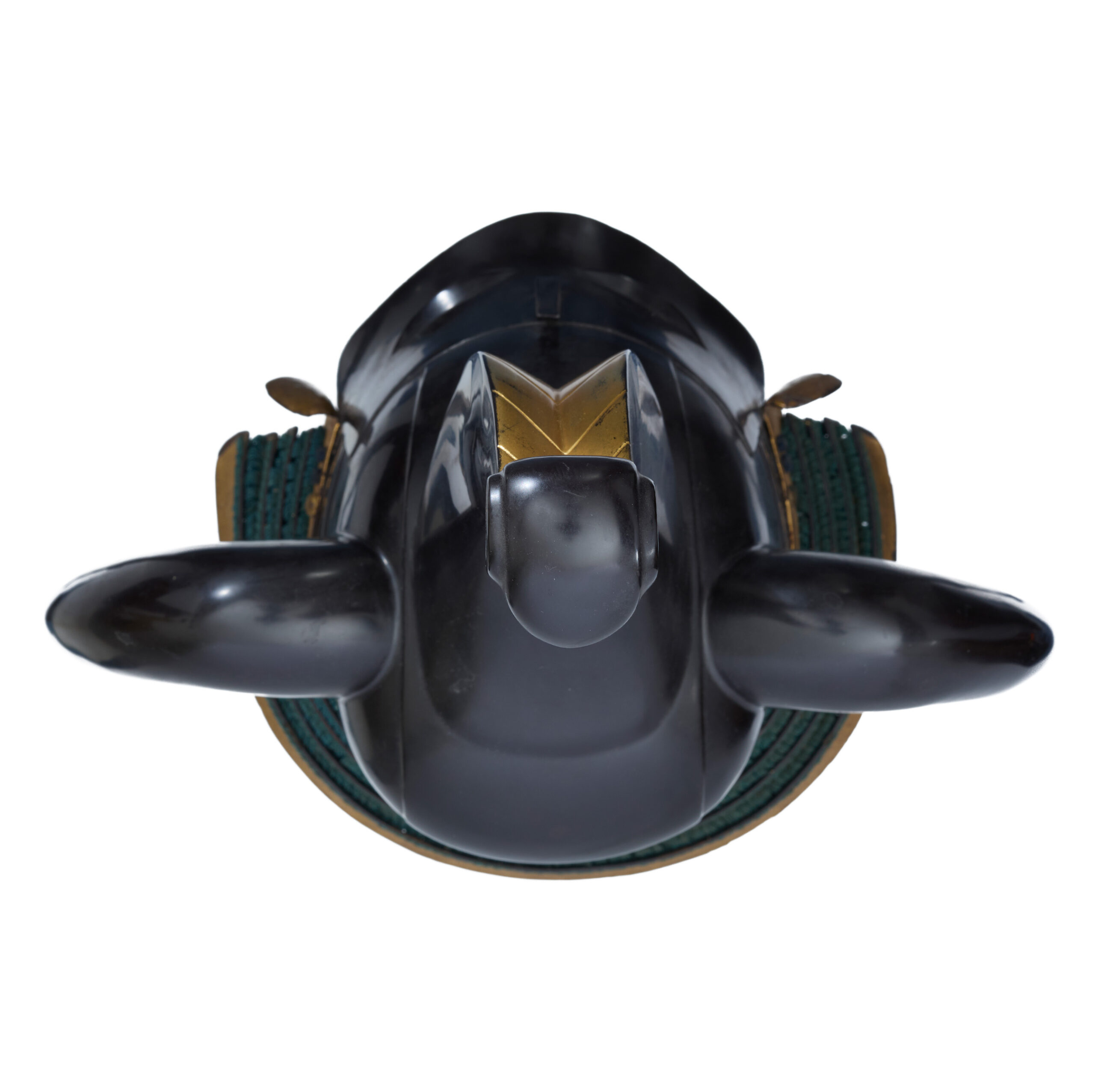
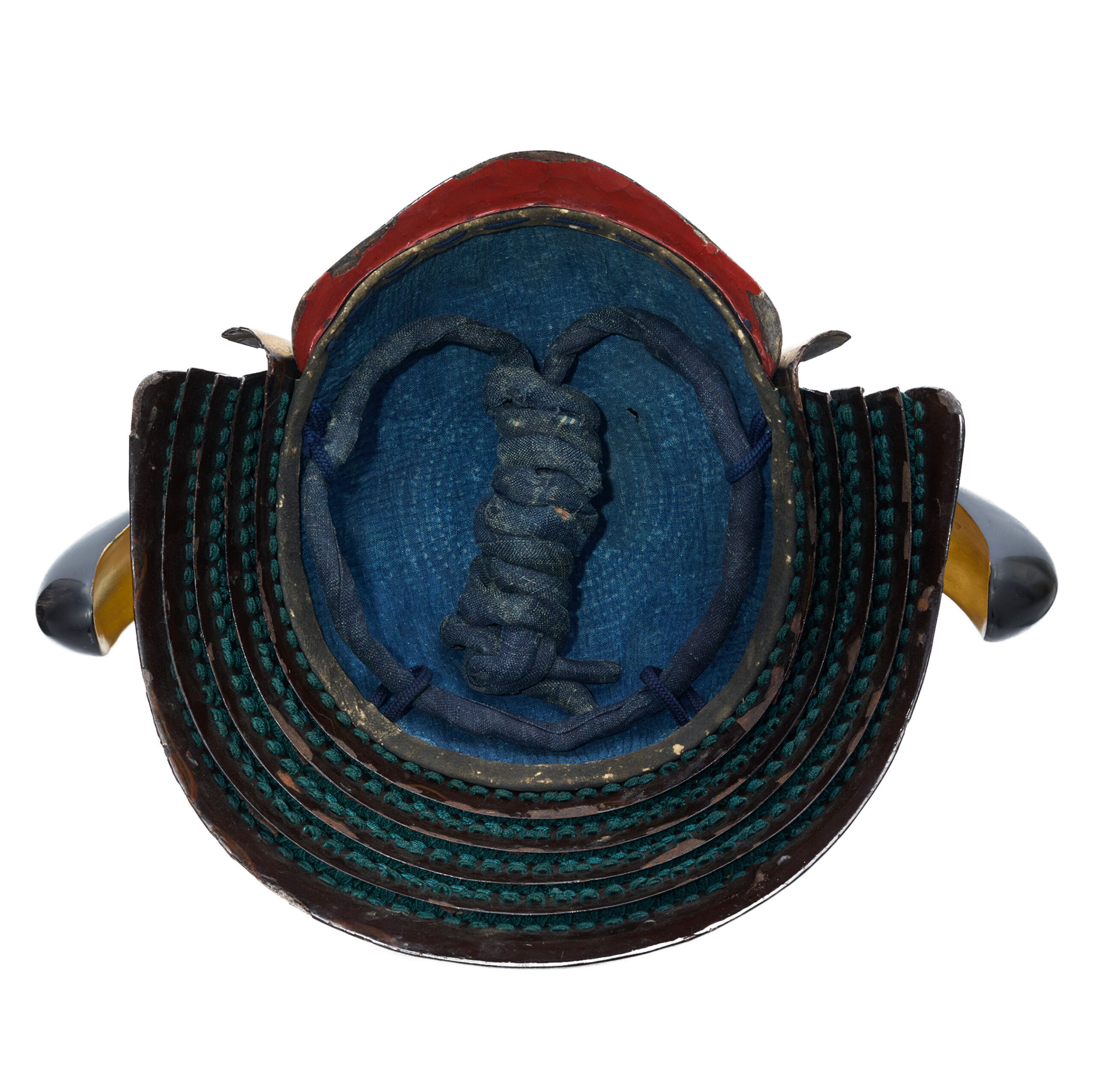
Kabuto only
Kawari-kabuto
Unsigned
Edo
Especially valuable armour of notably superior workmanship and condition, the third of the five ranks.
Japanese armour is not certified by the NBTHK. The Nihon Katchū Bugu Kenkyū Hozon Kai (the Association for the Research and Preservation of Japanese Helmets and Armour), founded in 1961, is the principal body for armour. Its shinsa grades a piece as 資料 (shiryō, "reference material") across five ascending ranks: Hozon, Kichō, Tokubetsu Kichō, Kōshū Tokubetsu Kichō, and the highest, Jūyō Bunka Shiryō. The 資料 framing reflects the society’s purpose of preserving armour as cultural and historical reference, distinct from the NBTHK’s sword paper tiers.
Returns/exchanges limited to defects caused by shipping (except willful misconduct or gross negligence by the company); customers must contact within 72 hours of receiving the product.
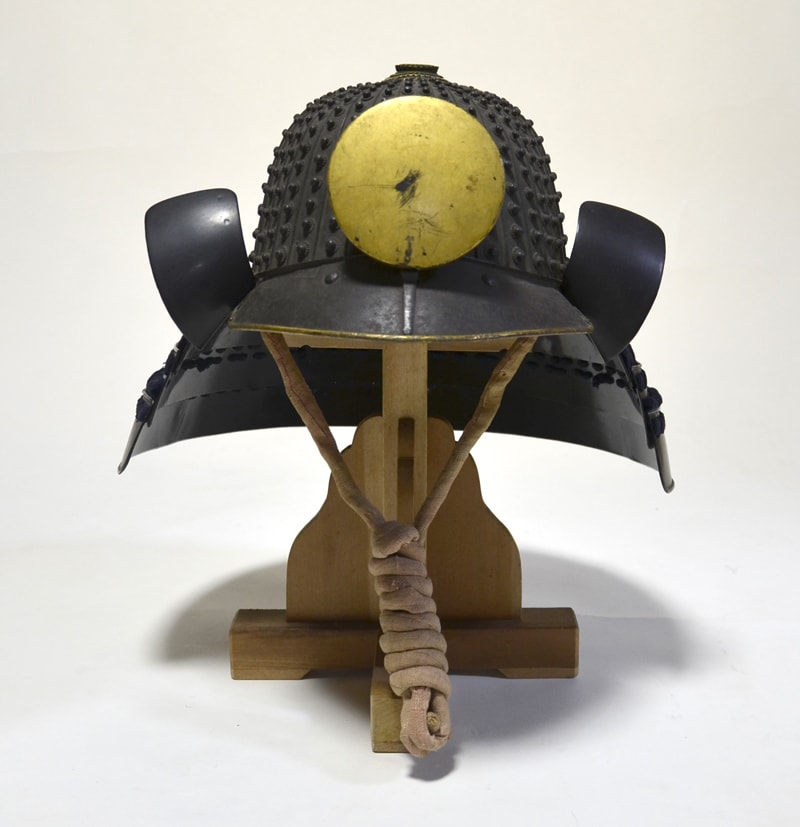
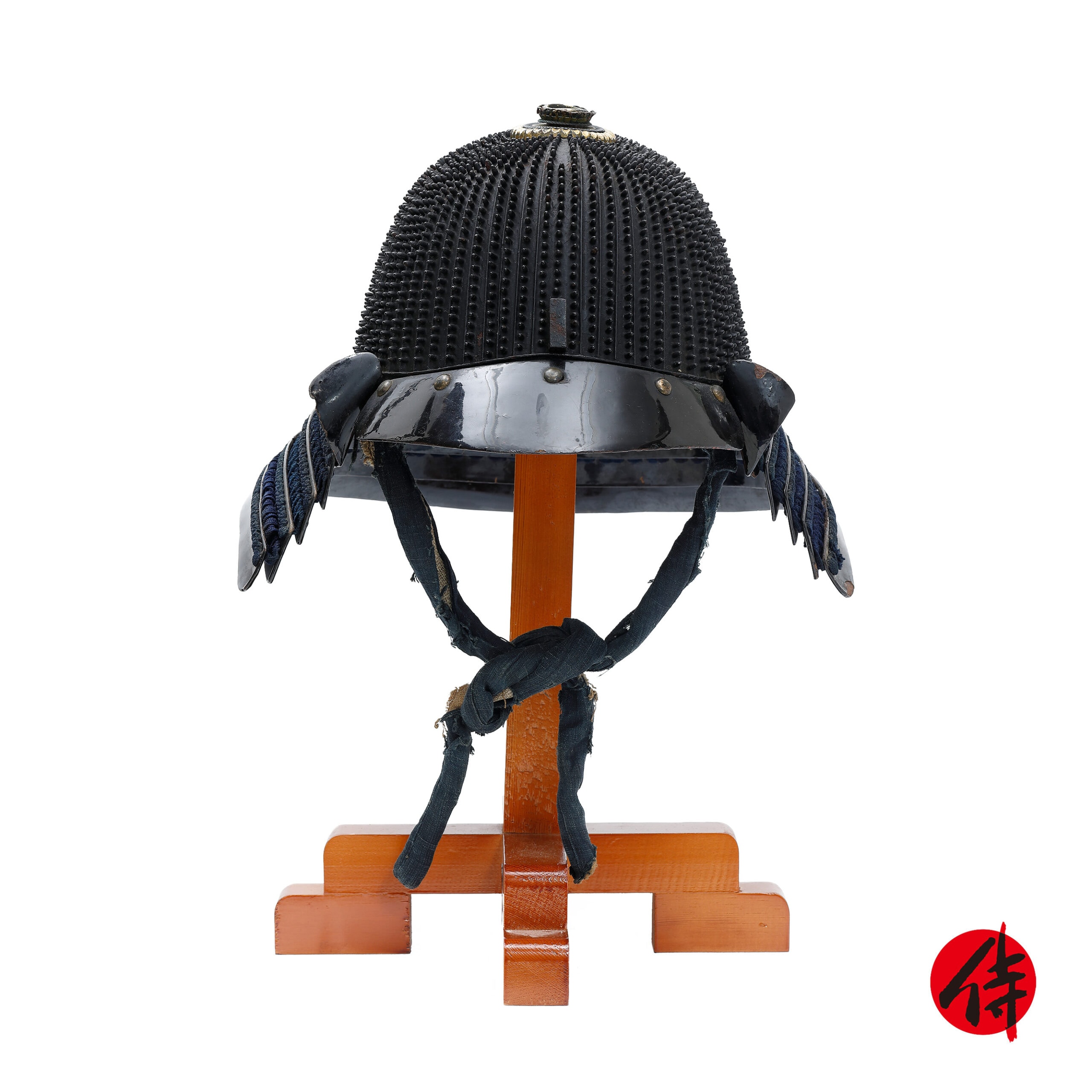
¥2,000,000