 NihontoWatchNihontoWatch
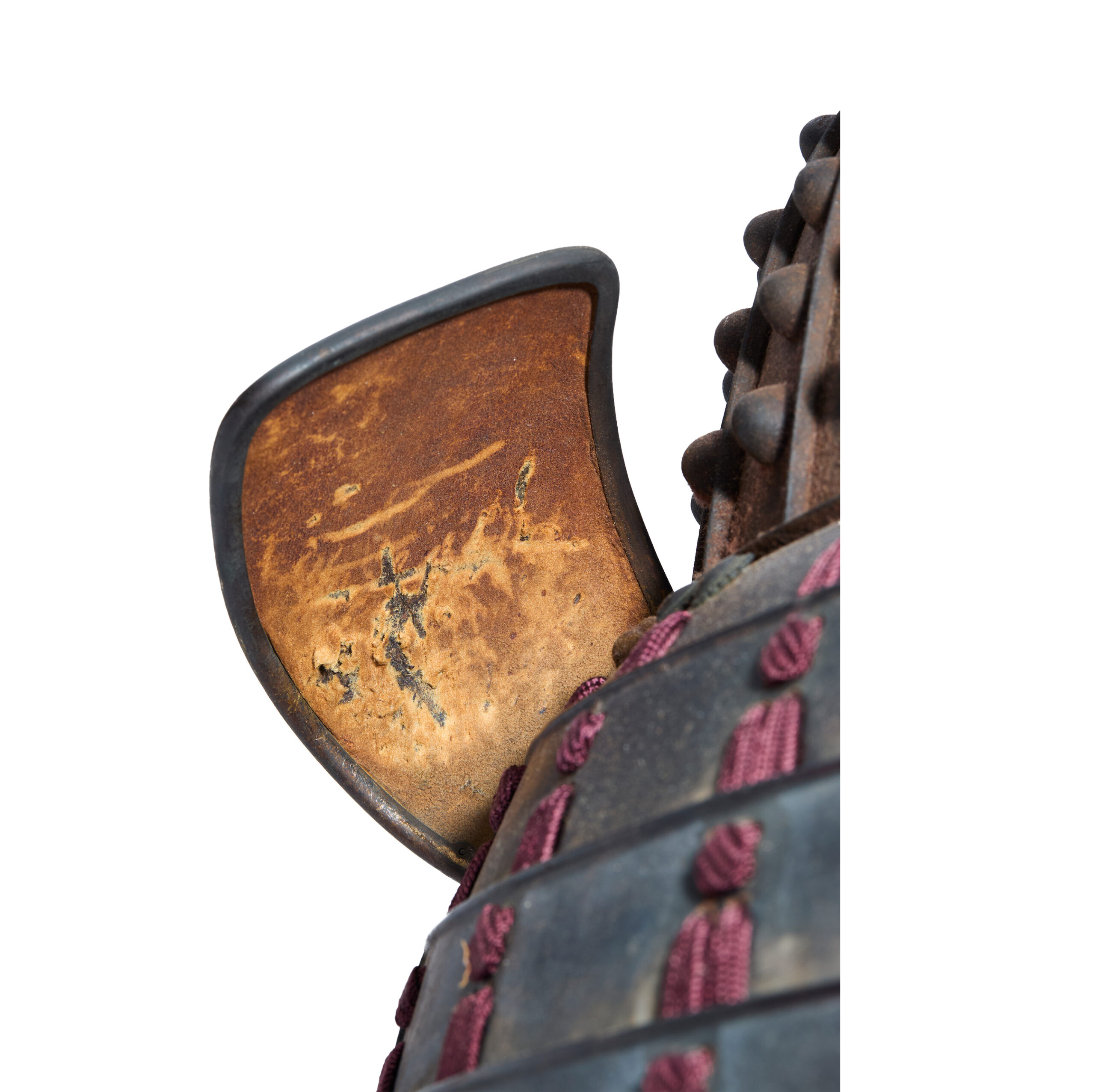
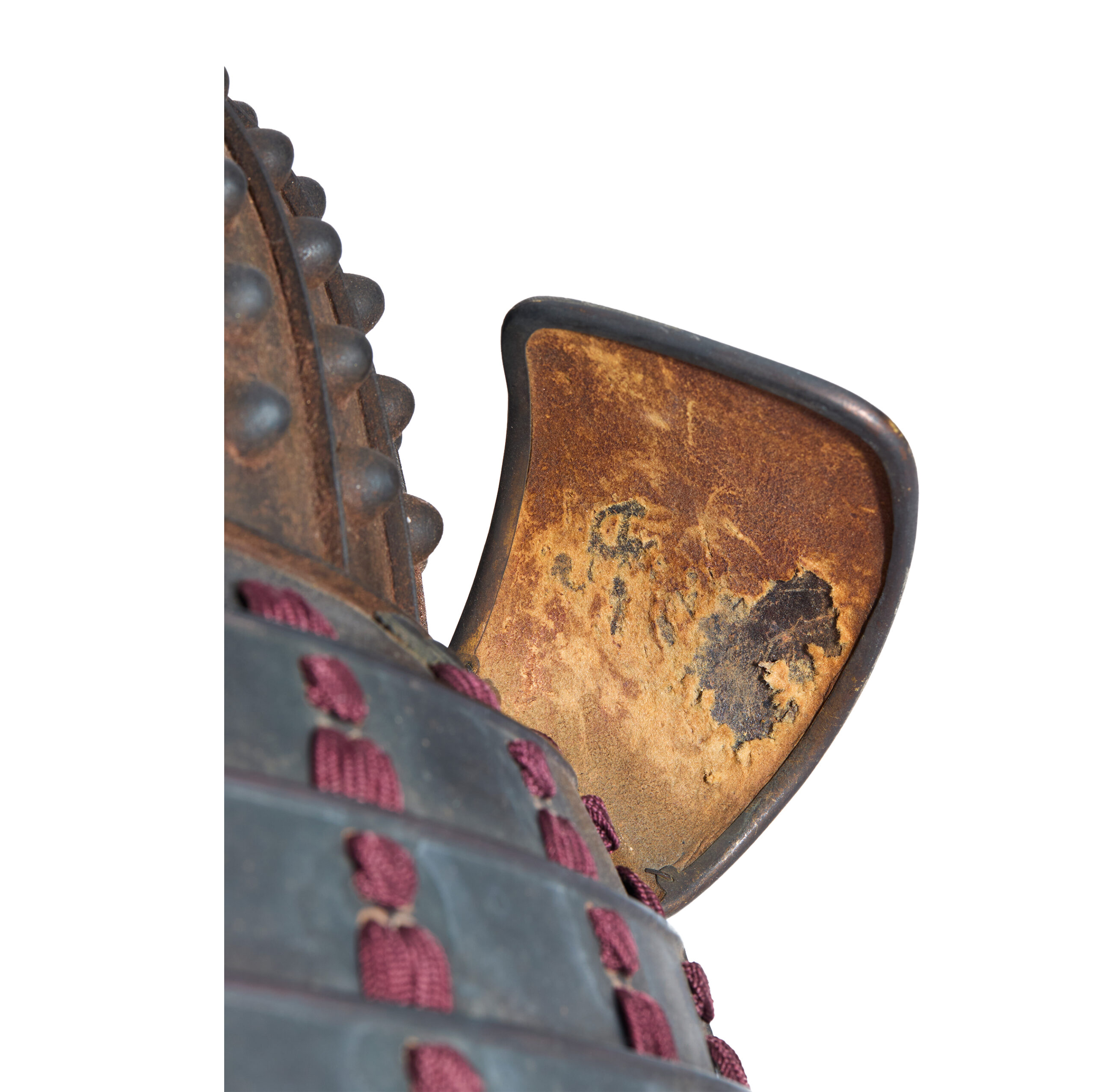
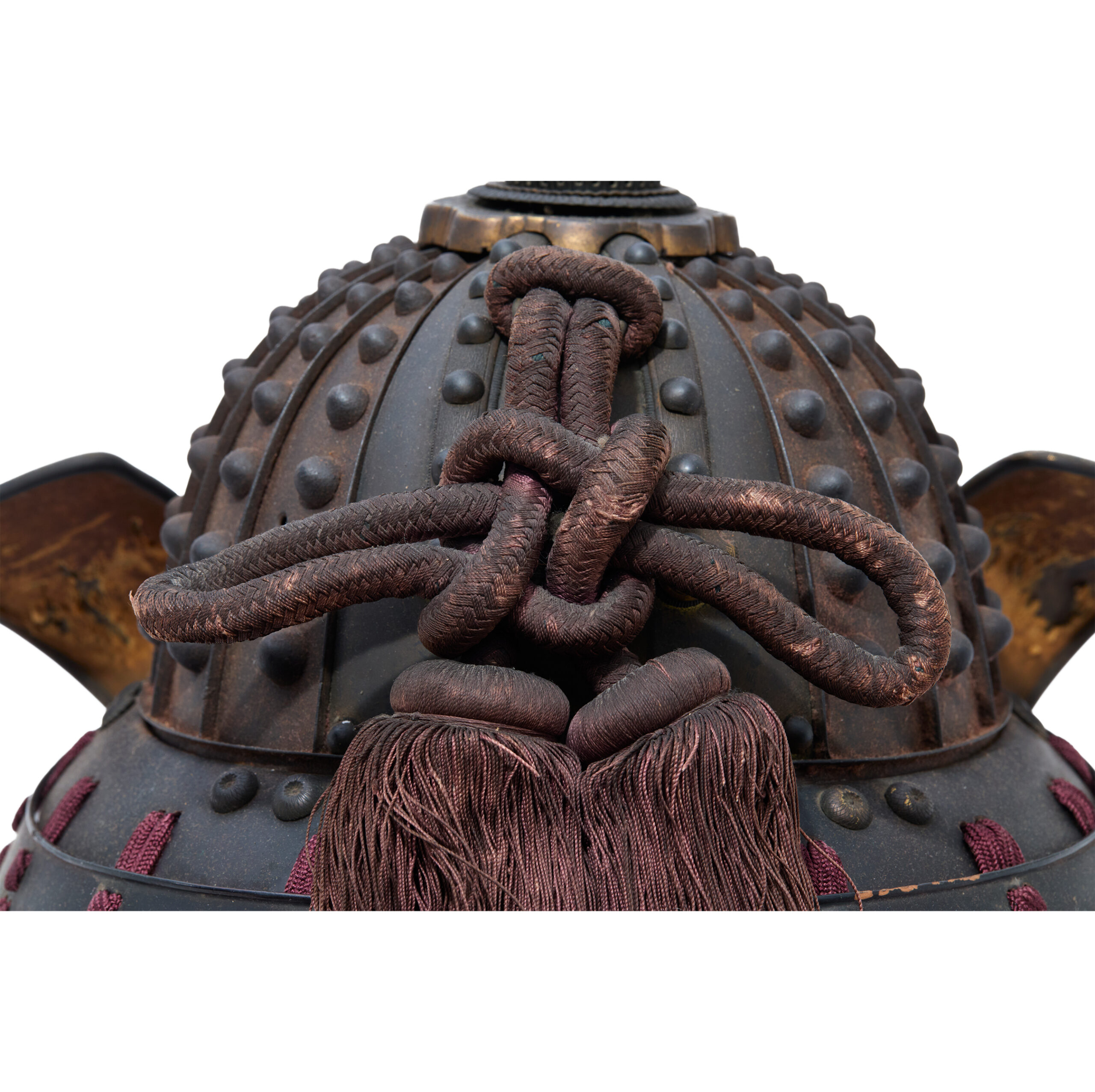
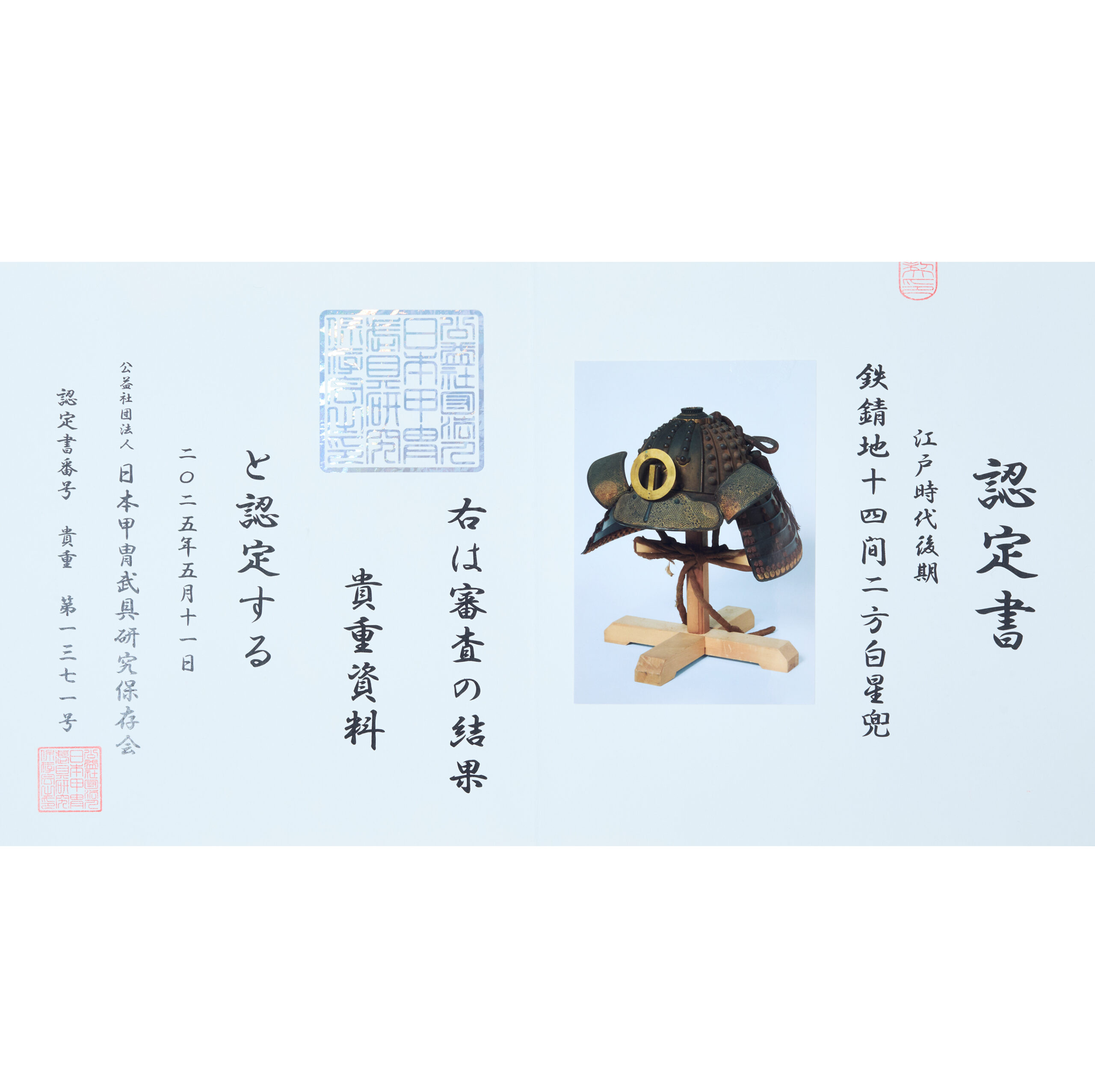
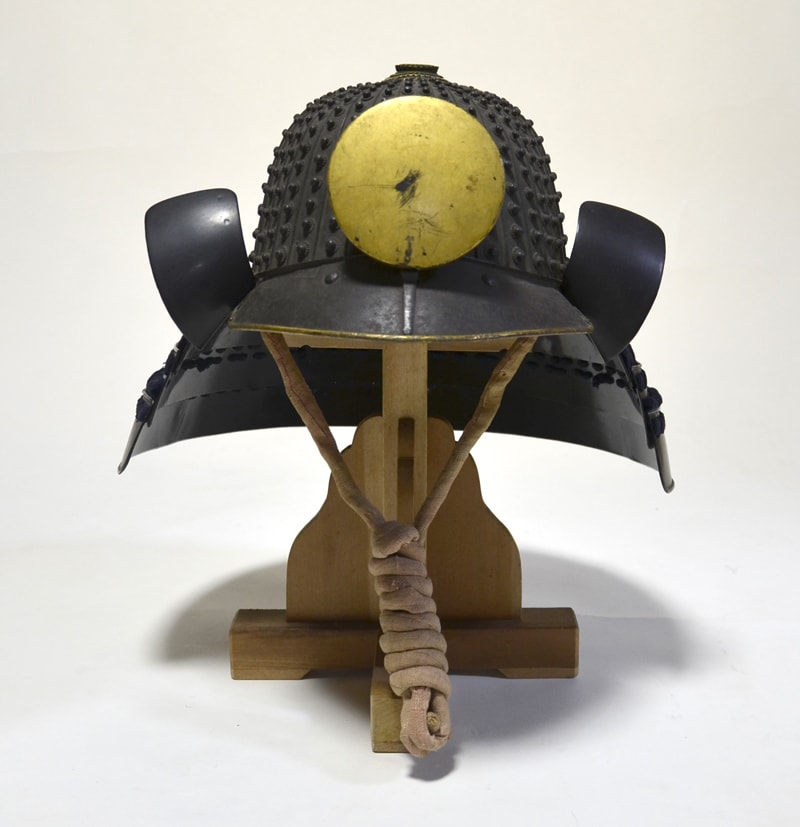
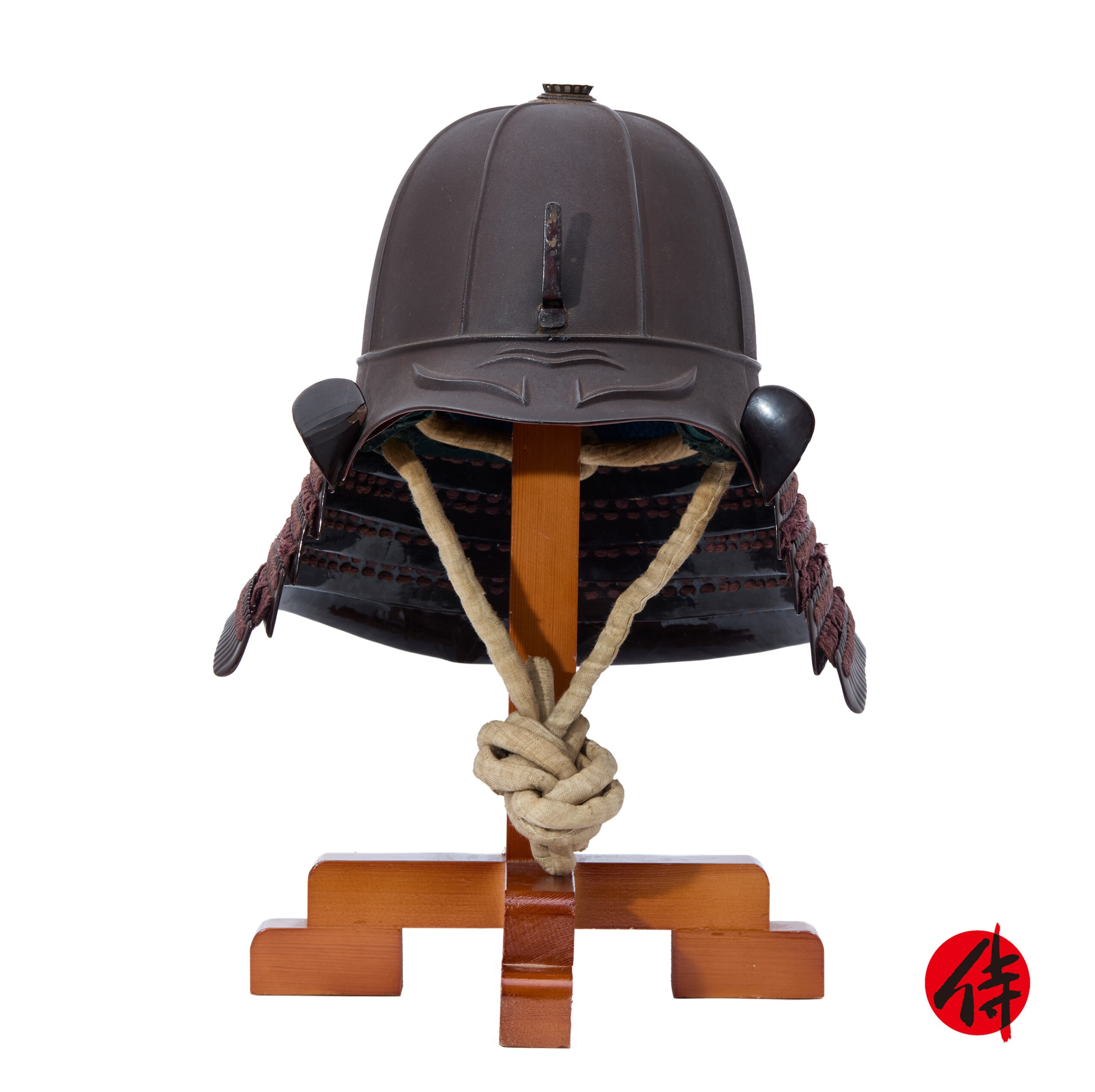
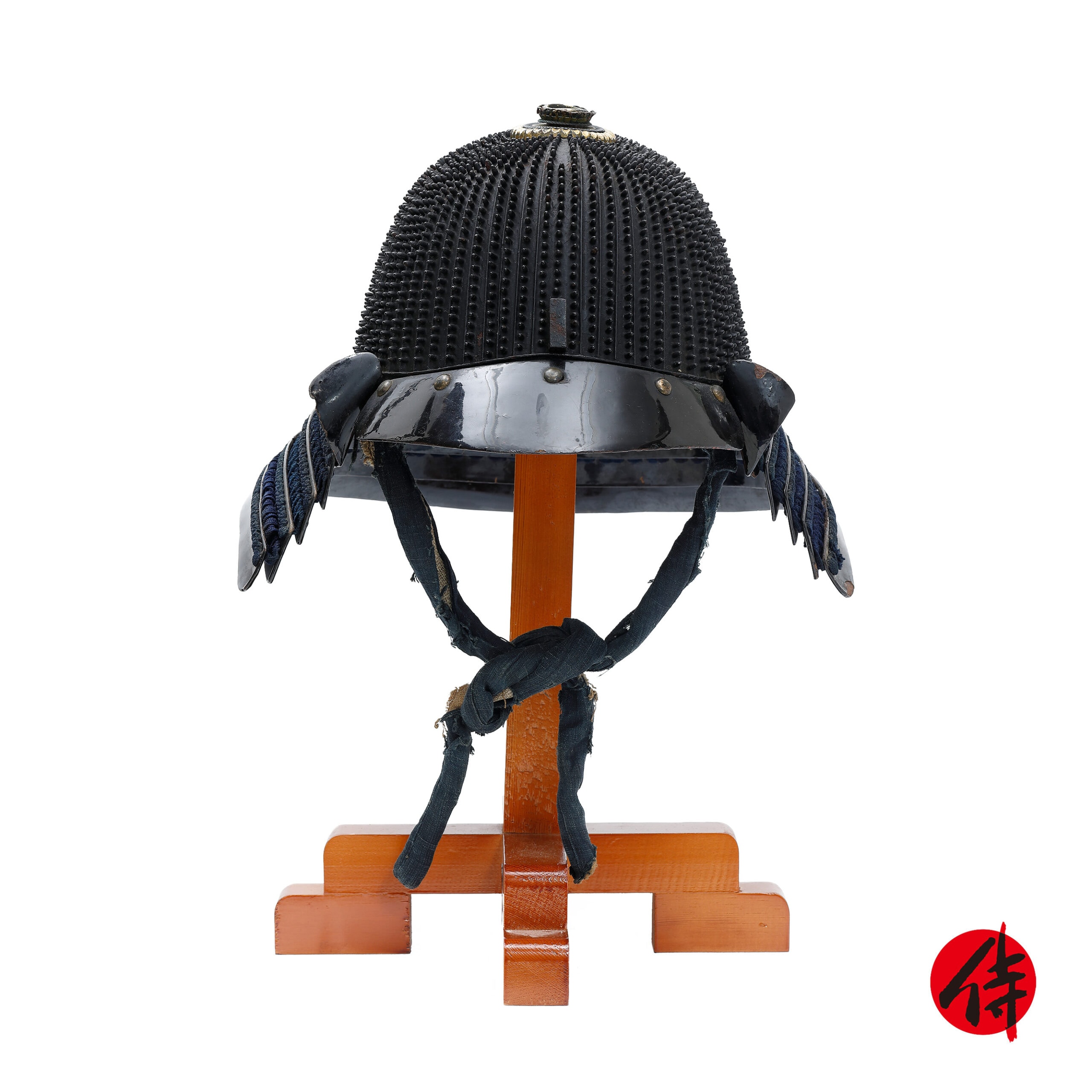
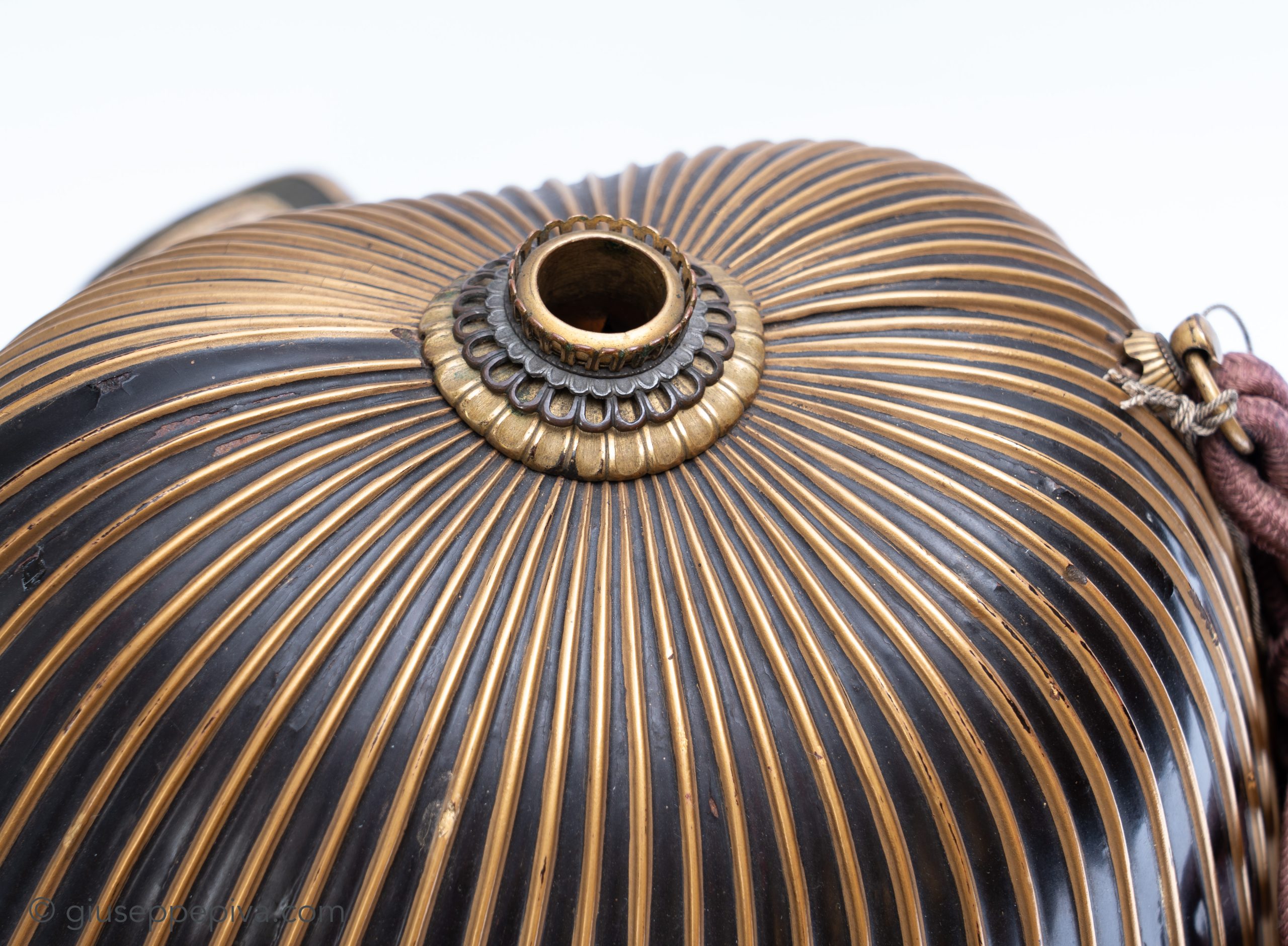
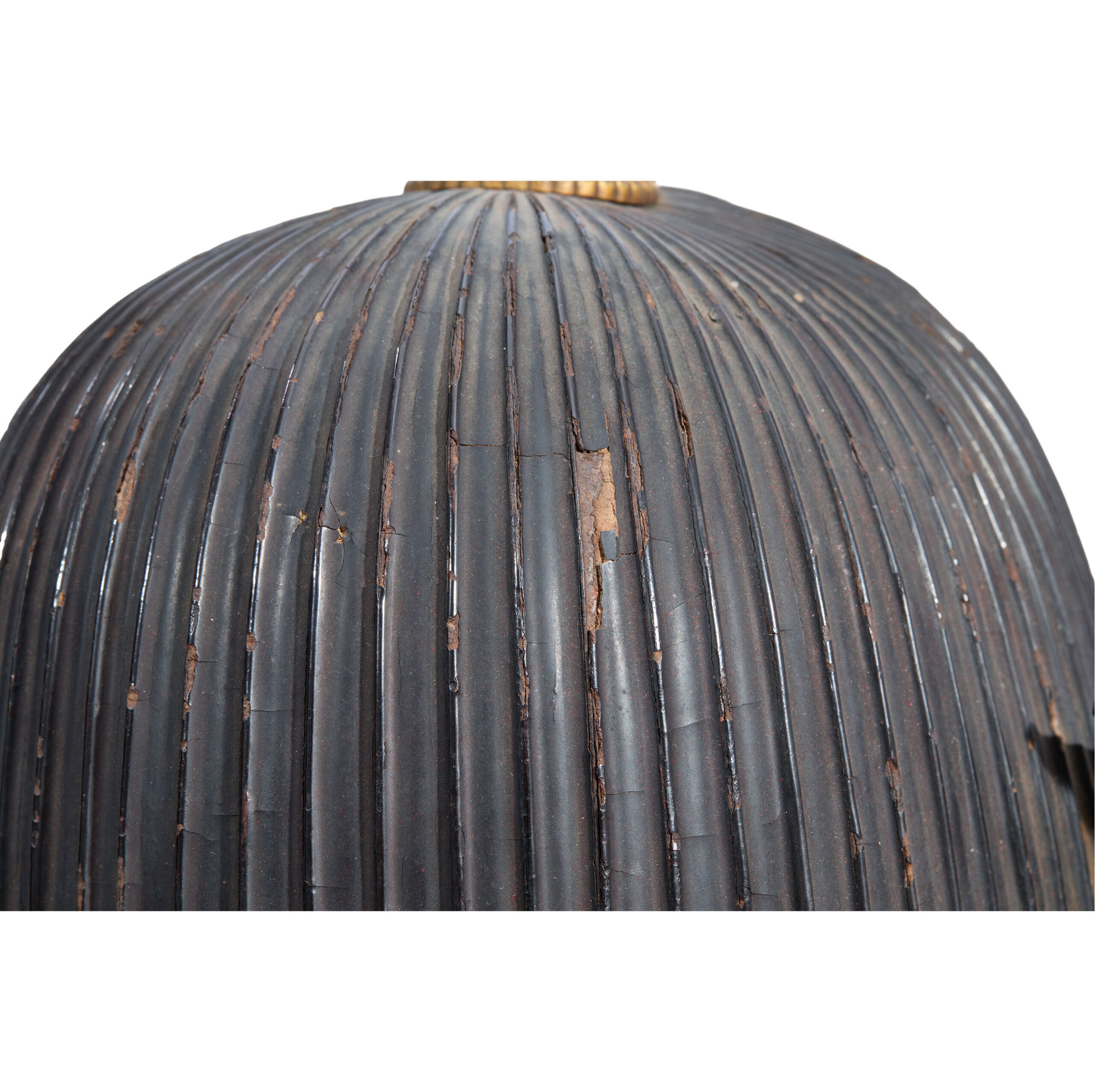
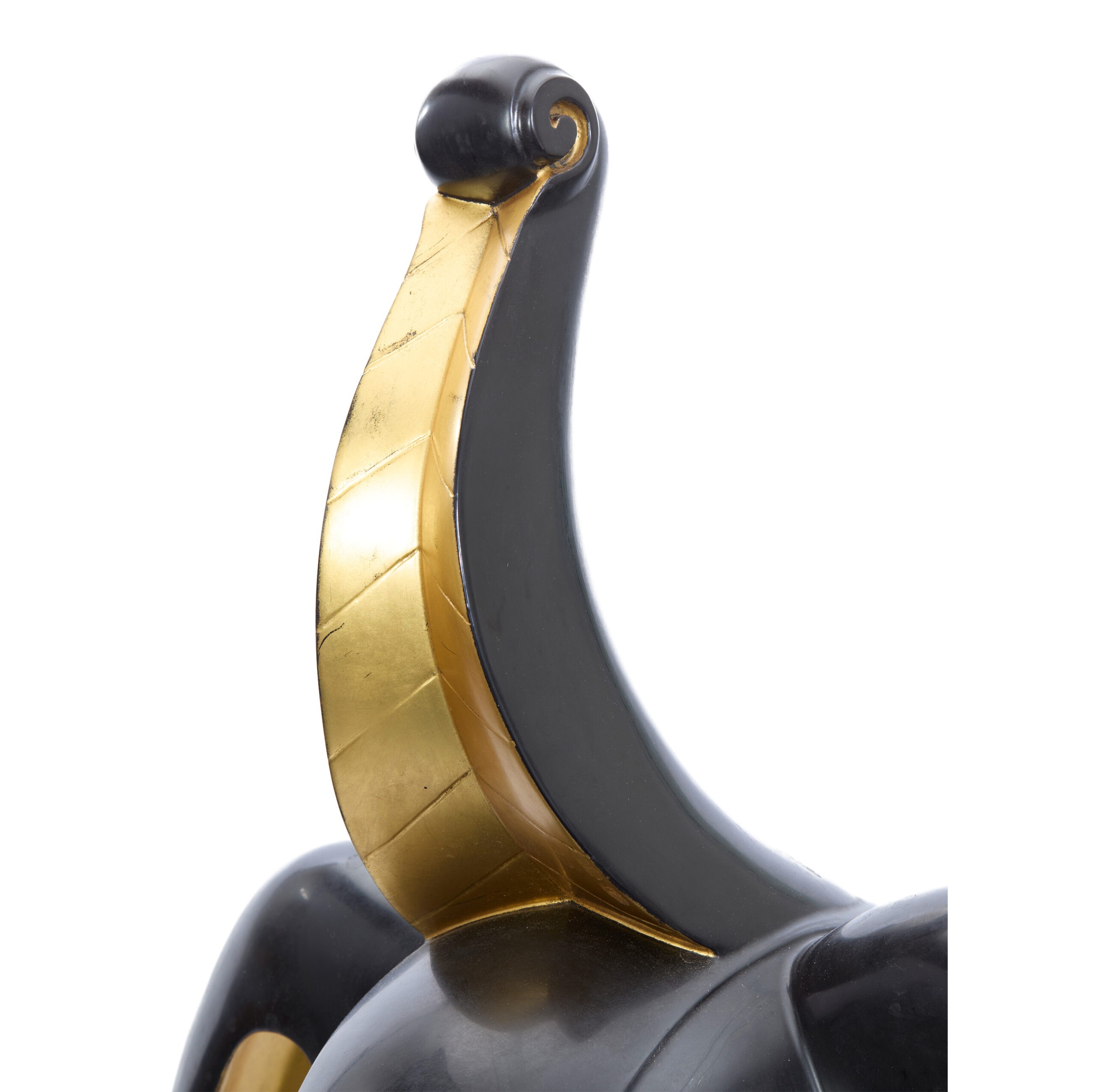
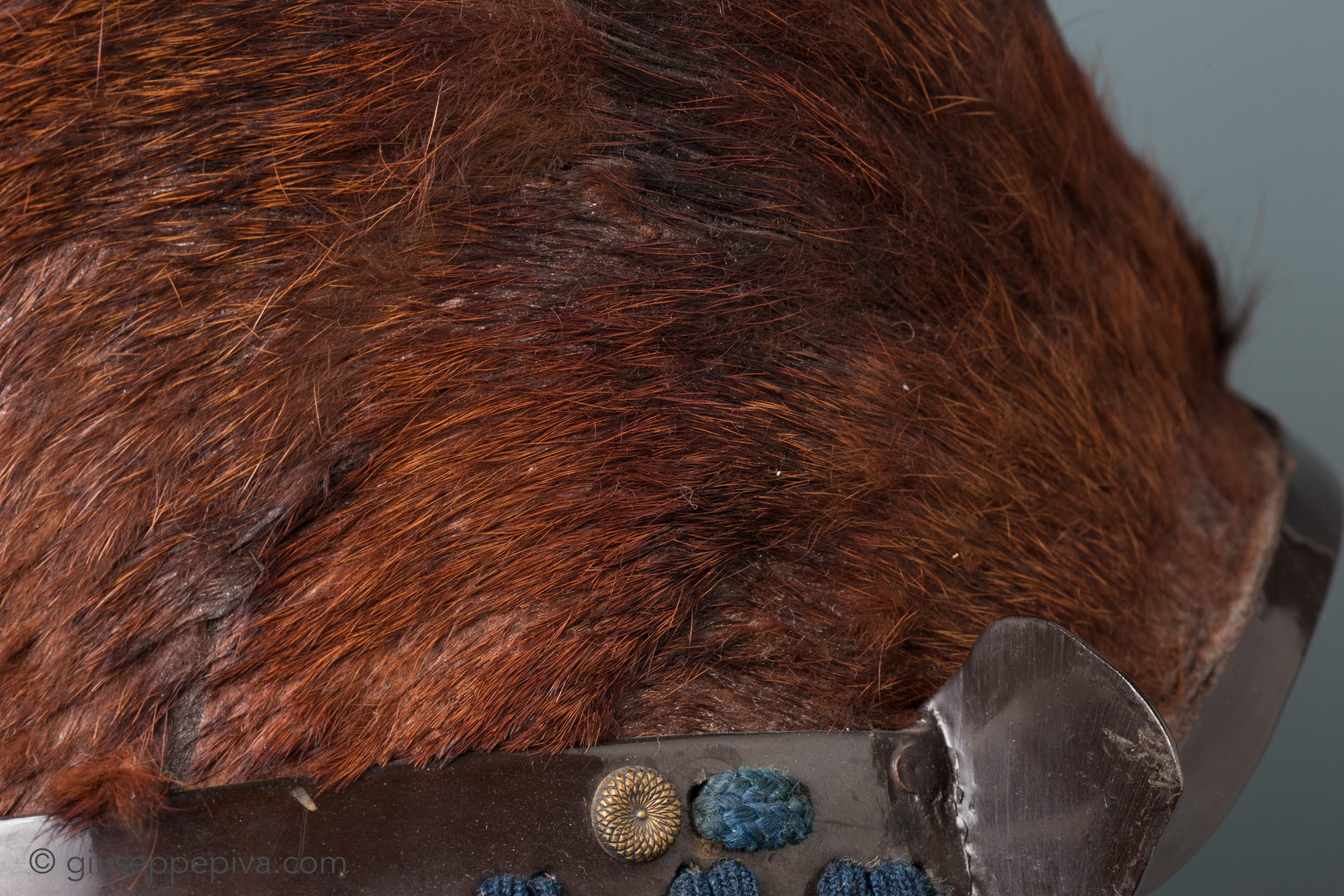
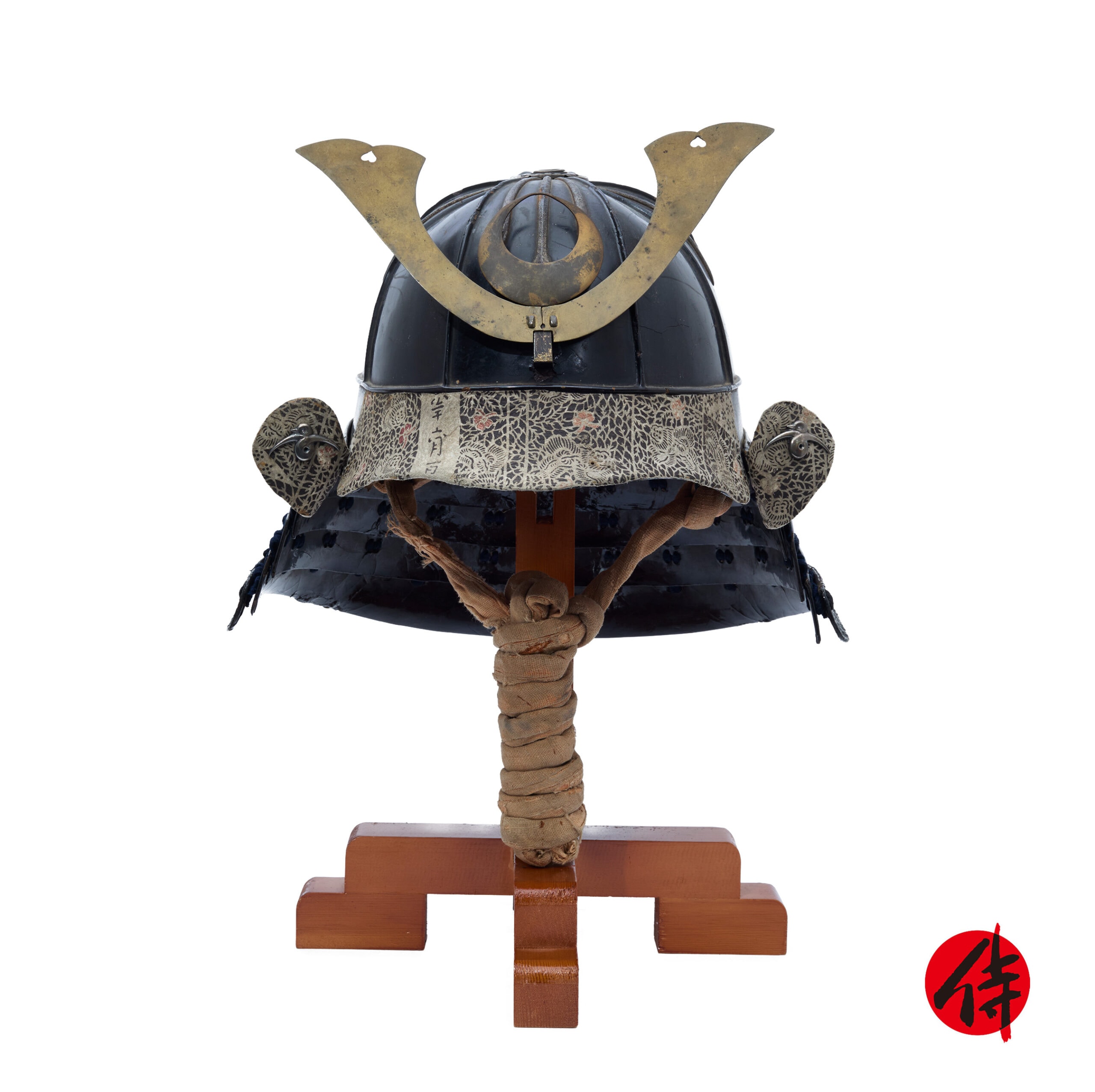
appraised by The Association for the Research and Preservation of Japanese Helmets and Armor This Kabuto (兜, helmet)’s style is the Hoshi Kabuto (星兜), and it has Jyūyon (fourteen in Japanese) iron plates. The Hoshi Kabuto is a type of Samurai helmet that was born in the middle of the Heian period (around 888-1068). Small rivets that hold iron plates together. These rivets are called the Hoshi (星, star). In the Edo period, artisans made Kabutos not only Kawari Kabutos (please check the paragraph below) but also ancient-style Kabutos. For example, in the case of the Hoshi Kabuto, the Hoshis become smaller toward the top of the head; this form is called the Rinotori (厘劣り). It differs from the old-fashioned Hoshi Kabuto, in which all the Hoshis were the same size. The Kabuto (兜, helmet) is a protector for the head. When people started using the Kabuto, it was initially designed for practical use. However, the principal purpose of its design has changed with time; Samurais tried to express their dignity, personality, or religion by wearing the characteristic design Kabutos. According to a theory, these unique designed Kabutos were made from the late Muromachi period to the Edo period. This type of Kabuto is categorized as the Kawari Kabuto (変わり兜), and a variety of materials were used to create them. For example, animal fur, seashells, plants, and papers were used as materials for decoration. Before the Kawari Kabuto’s production, the Suji Kabuto (筋兜) has appeared during the Nanbokuchou (南北朝, 1337-1392) period. At that time, the tactic was gradually changed from the piggyback fight style to battle with the Tachi (太刀) sword and the Naginata (薙刀, Japanese halberd) on the ground. Therefore, there was a rise in demand for the weight saving of the Kabuto. Also, in order to turn the attack by swords, a new type of structure was invented; it is the Suji Kabuto (筋兜). Its form slides swords’ attacks when weapons hit the Kabuto. It is said that the production of the Suji Kabuto prospered in the Muromachi (室町, 1336-1573) period. The Suji Kabuto production continued in the Edo period also; however, iron plates that Kabuto makers used at that time were thicker than the Muromachi period’s Suji Kabuto. Therefore, it was heavier, and we understand that then people cherished the Suji Kabuto to enjoy the old-style Kabuto, not to wear it on the battlefields. This particular helmet features a tetsusabiji (鉄錆地) finish—a surface left intentionally uncoated, allowing the natural rusted texture of the iron to emerge. Rather than concealing the material, this aesthetic highlights the aged character of the iron itself. The subdued, weathered appearance reflects the wabi-sabi philosophy of beauty in imperfection and transience, and it lends the helmet a sense of authenticity, history, and quiet dignity. This helmet features a Maedate (前立て, front crest) in the form of a gold-colored ring, which may represent the Nichirin (日輪), or sun. Its open circular shape stands out against the dark helmet bowl, creating a bold and distinctive appearance. A narrow vertical element rises within the ring, adding to the design’s simple geometric form. Although its precise symbolism is uncertain, the crest gives the helmet a striking focal point. The Fukikaeshi (吹返し, turned-back side flaps) of this helmet feature a fine repeating geometric pattern in dark tones against a yellowish-brown ground. Faint decorative motifs remain visible across the surface, while the dark metal edging is embellished with delicate scrolling designs. Similar patterned decoration appears on the helmet’s visor, creating a coordinated appearance. Certification The certificate was issued by The Association for the Research and Preservation of Japanese Helmets and Armor, which is the most trusted Japanese armor appraiser in Japan. Kicho Shiryo means special rare article. It is ranked as the third highest of five rankings. This helmet was authenticated on May 11th 2025 as a Kicho Shiryo and the paper mentions the helmet was made in the Late Edo period. The purchaser will receive the original certificate as well.
Offered by Samurai Museum
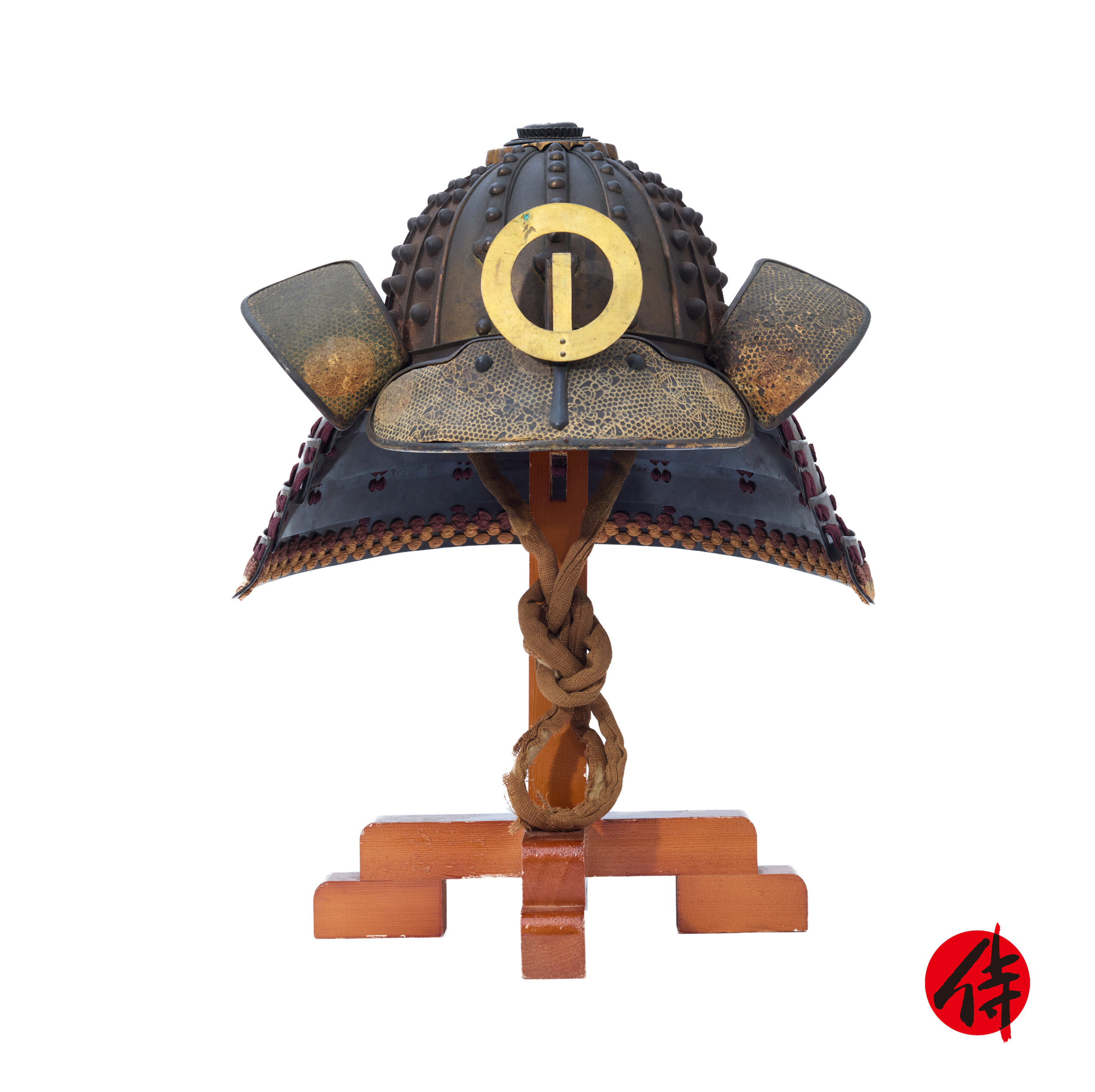
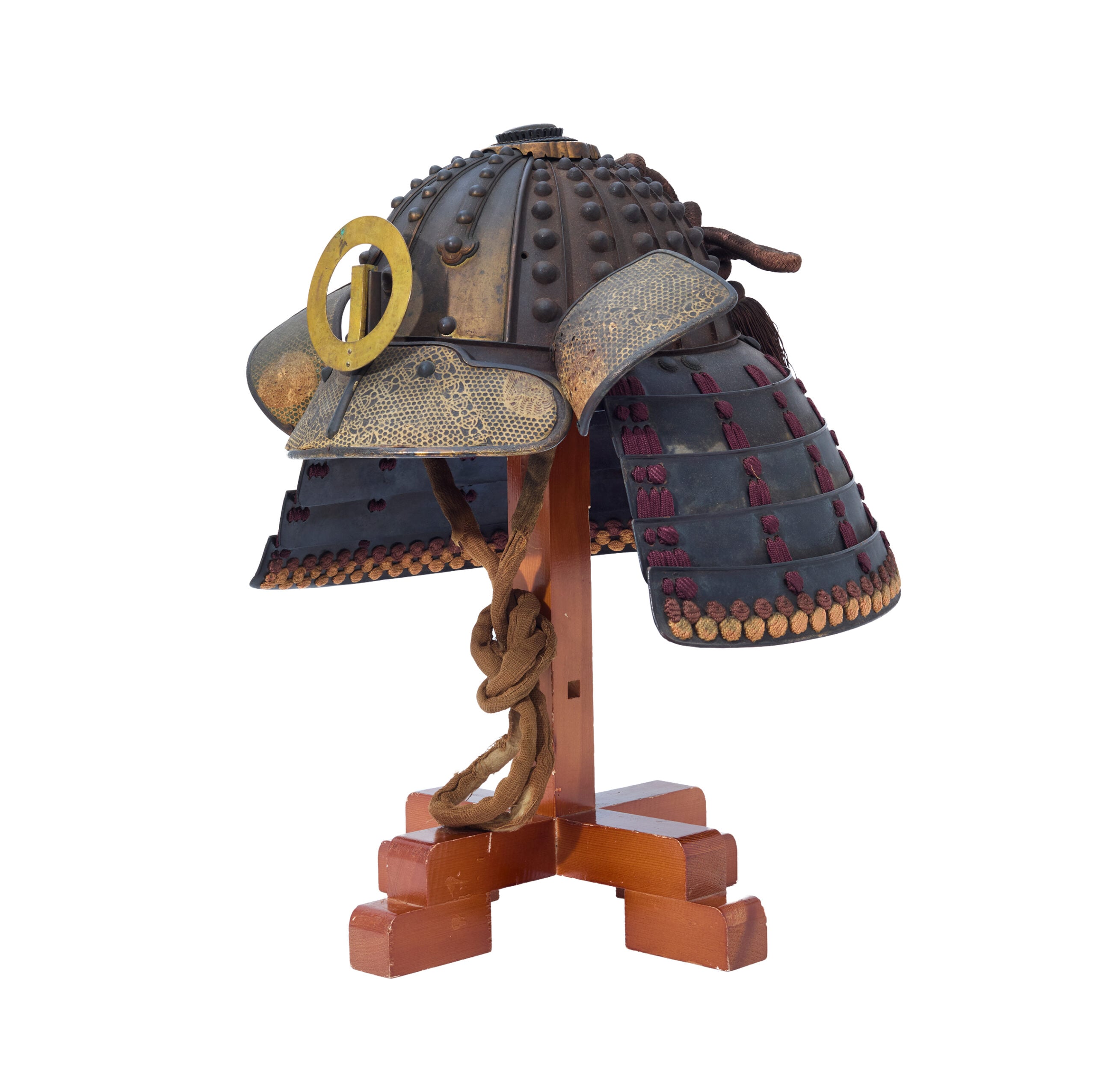
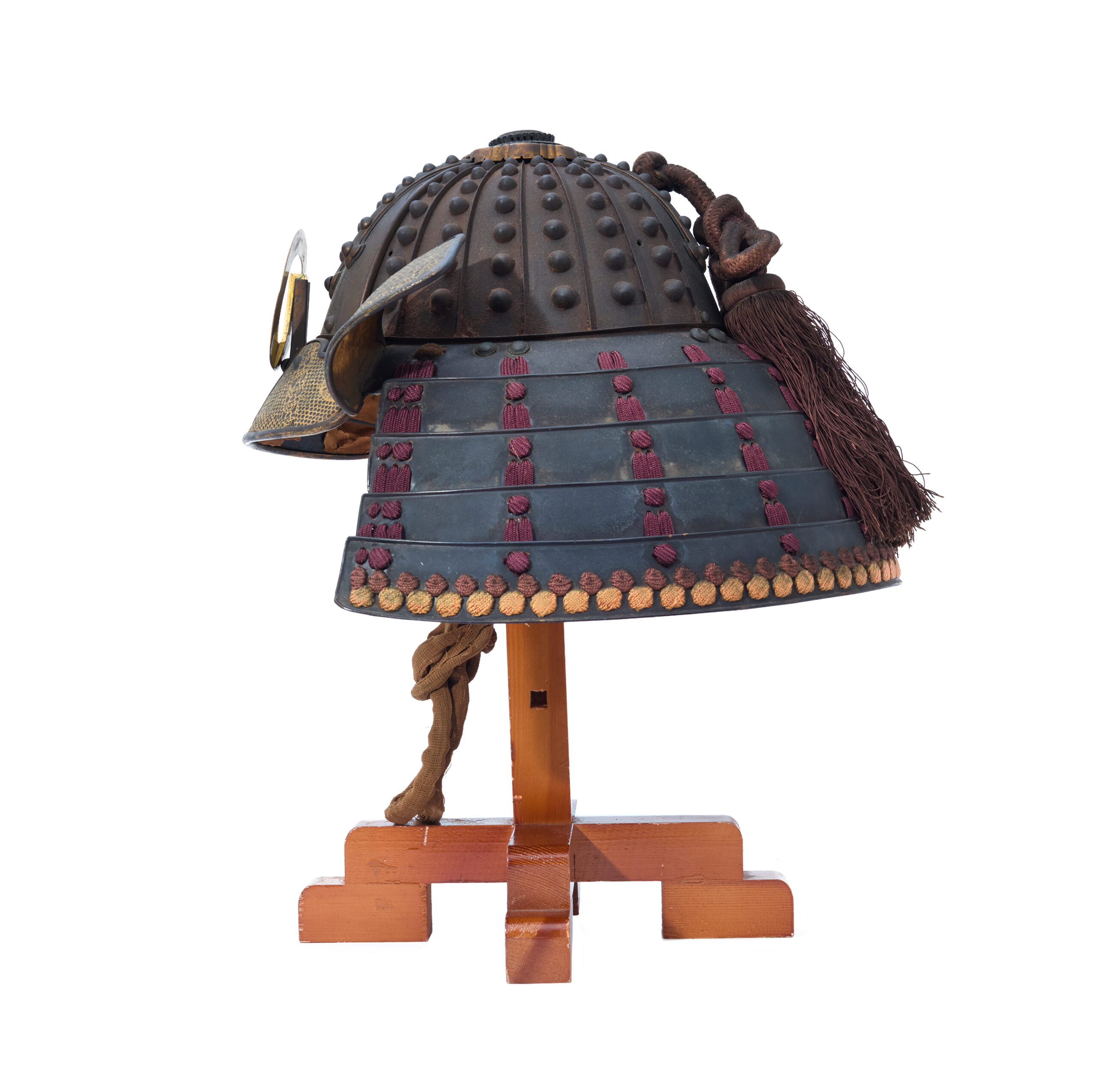
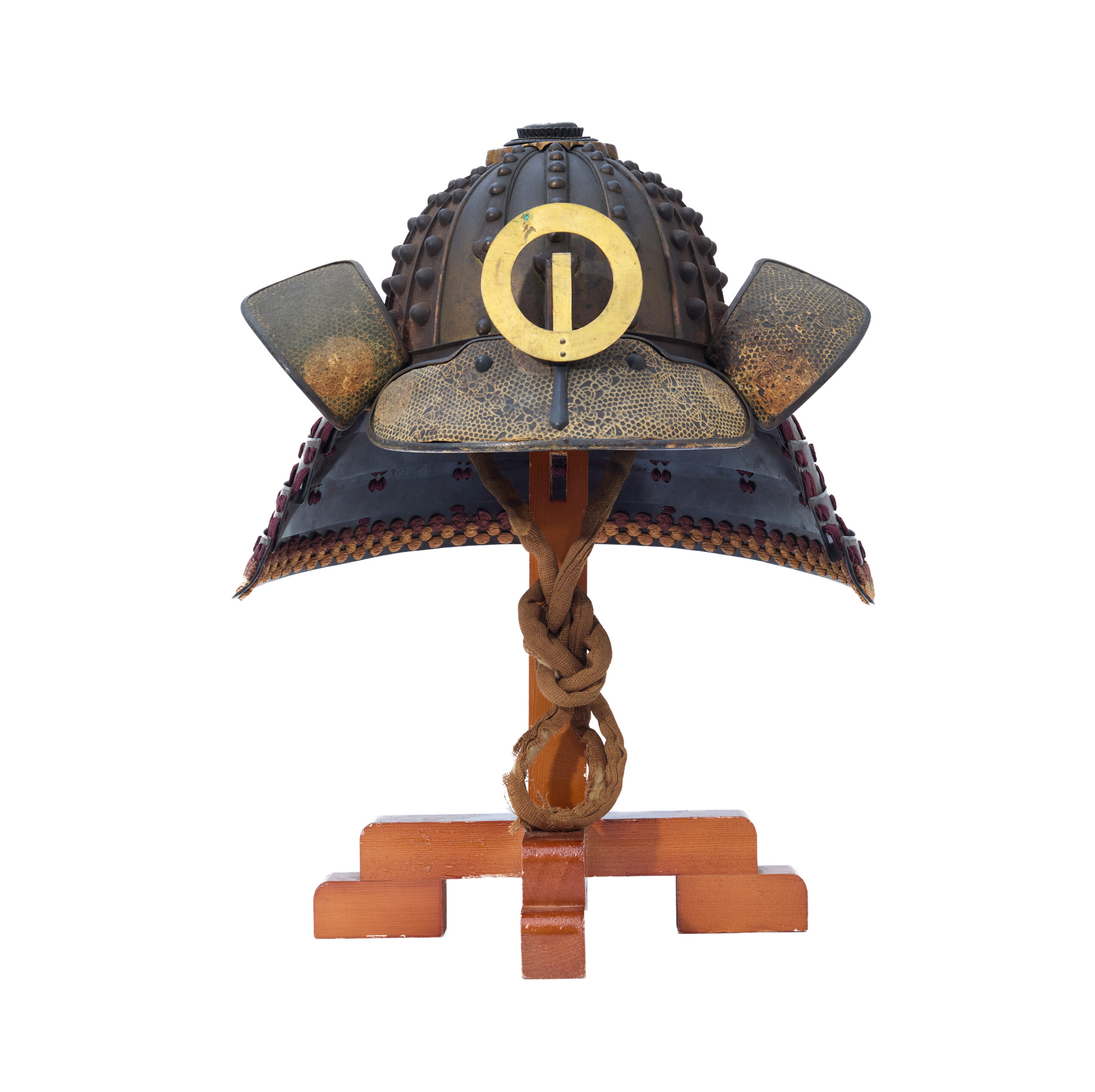
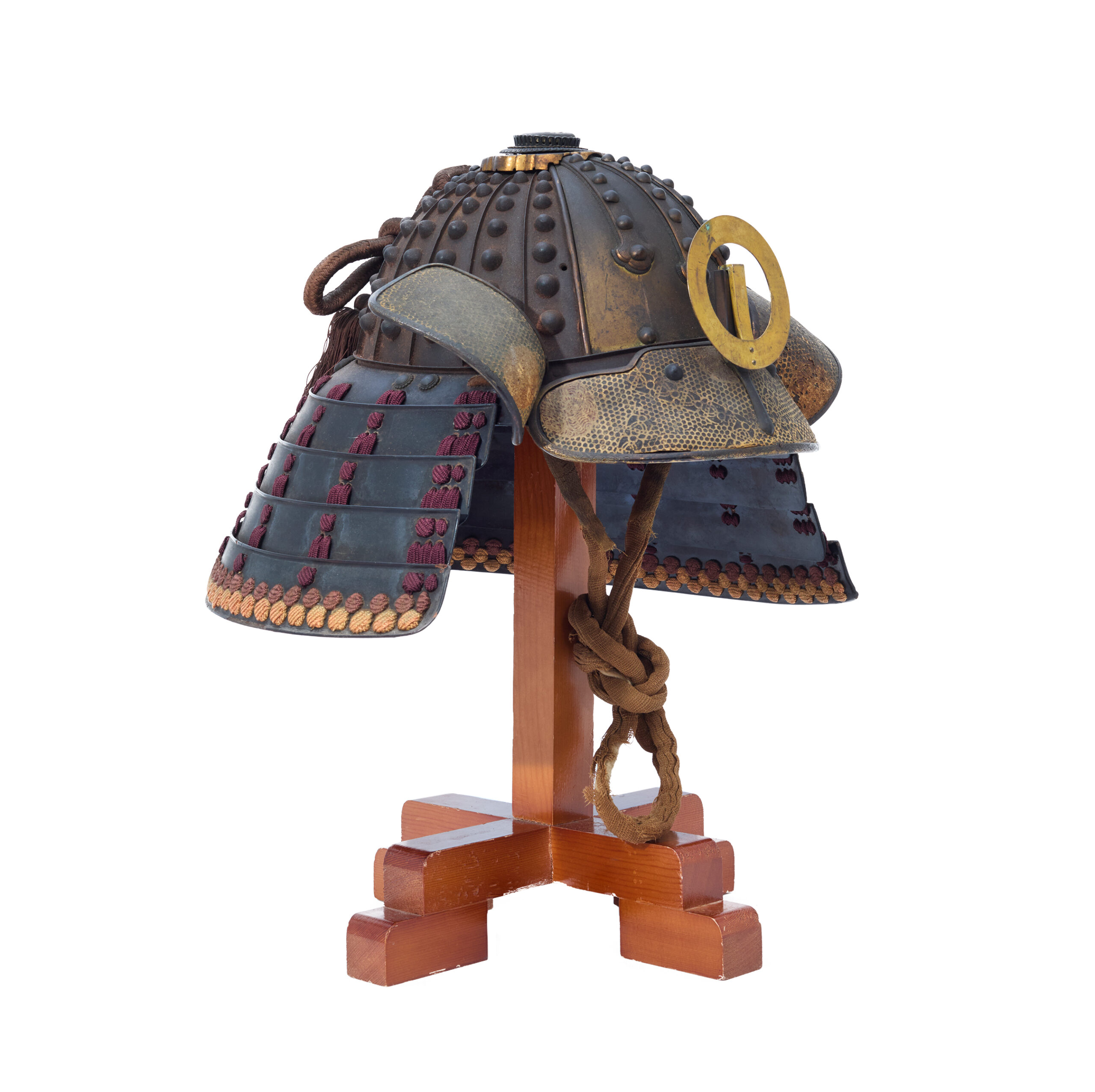
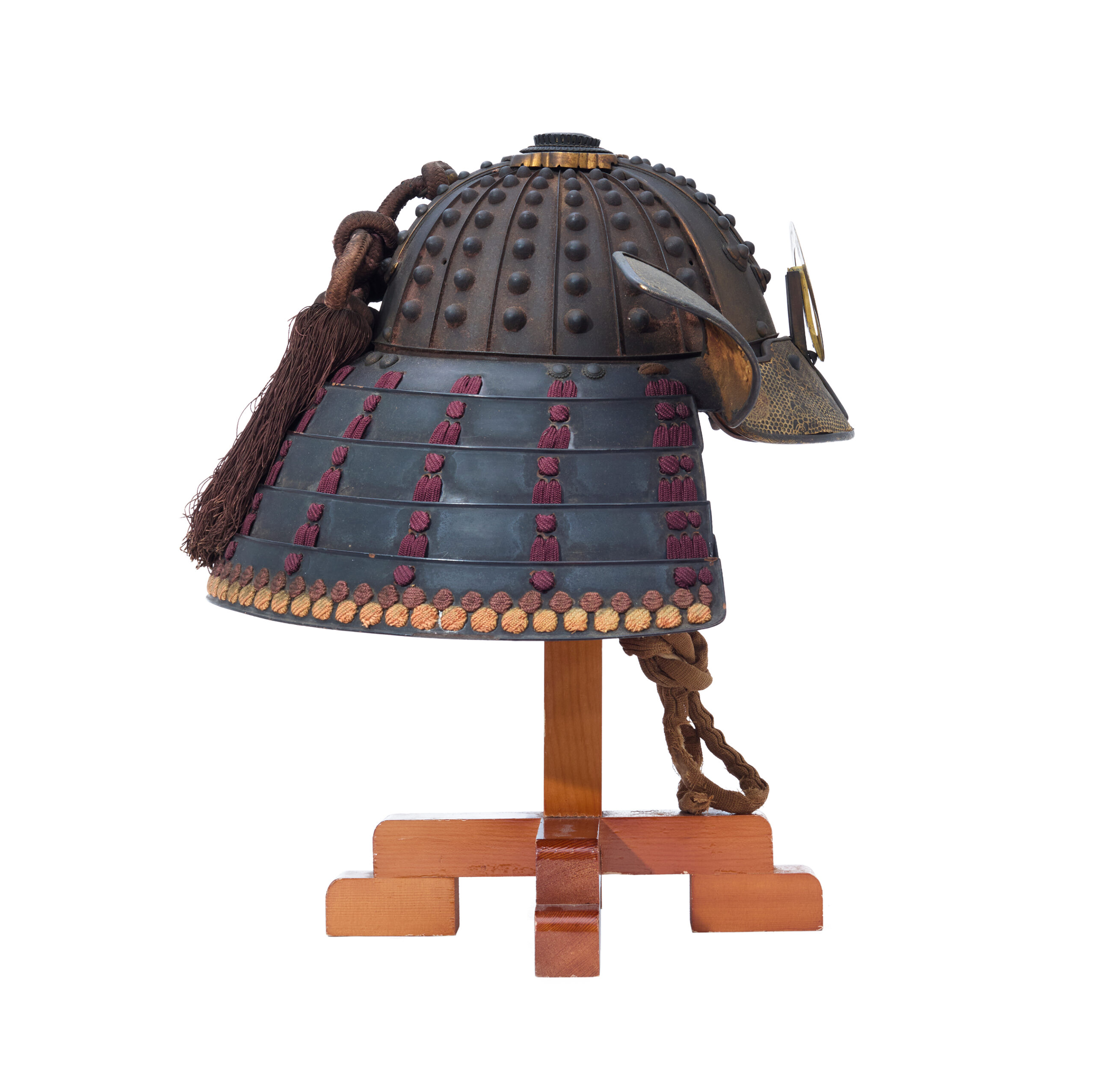
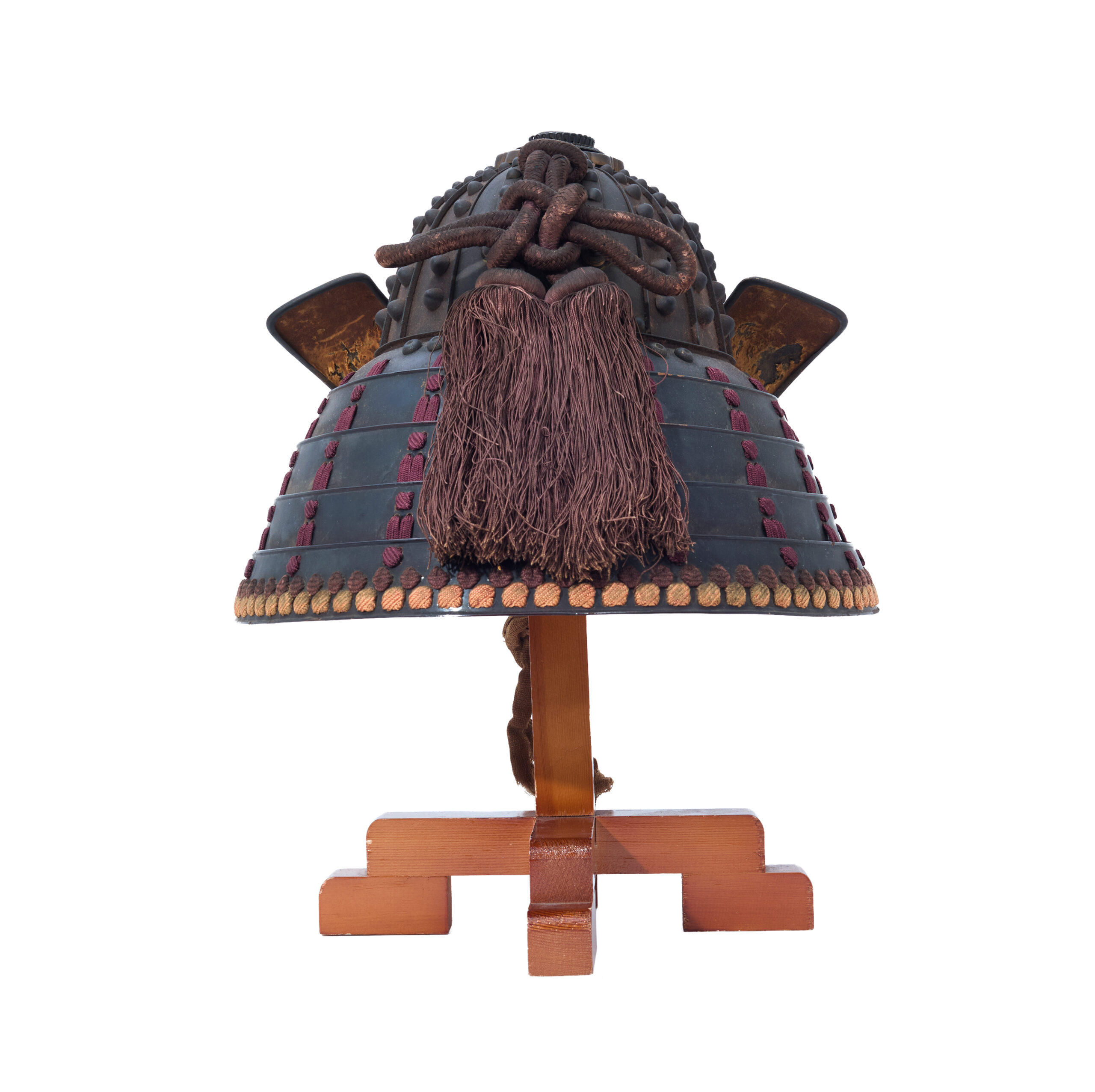
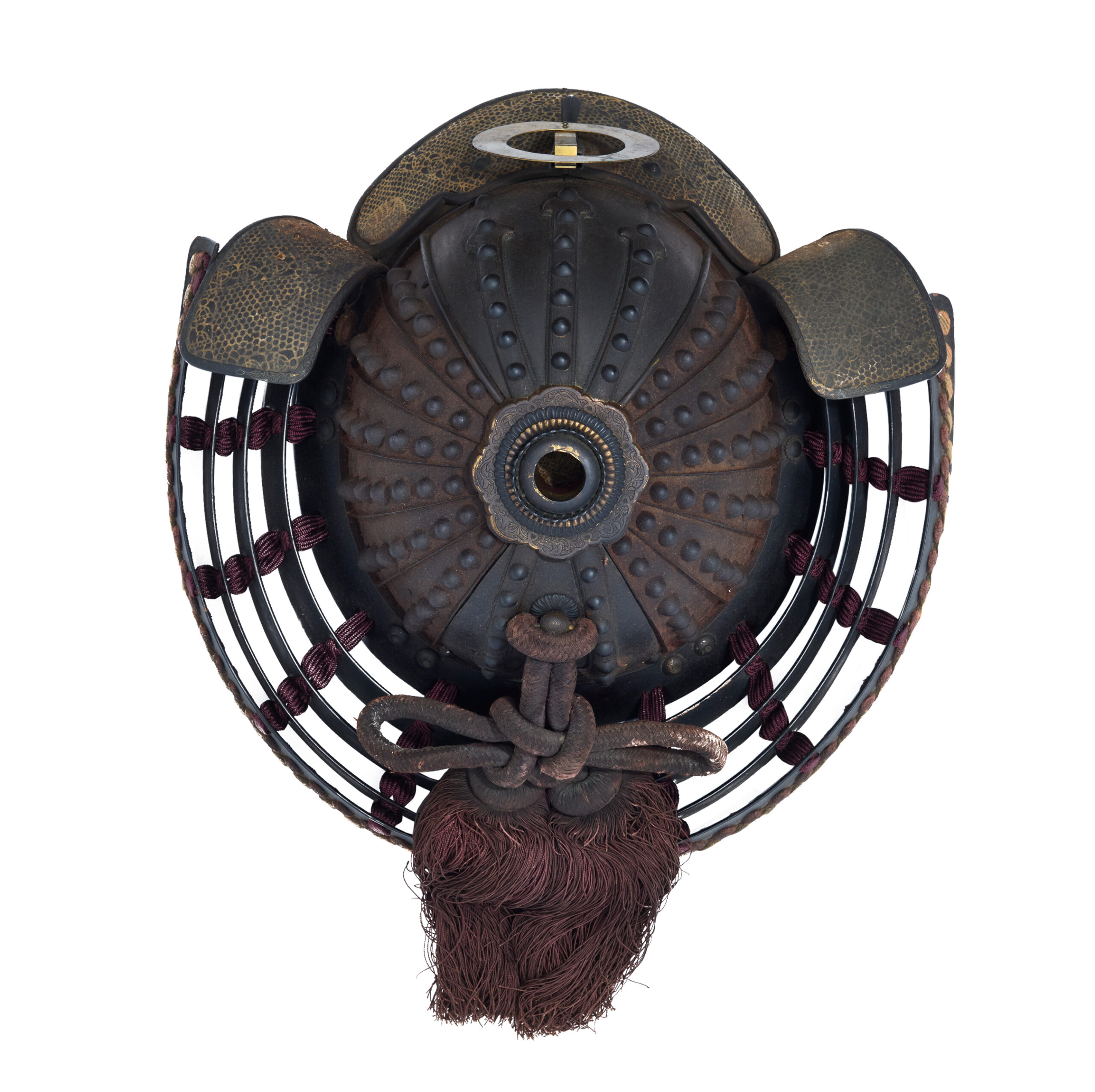
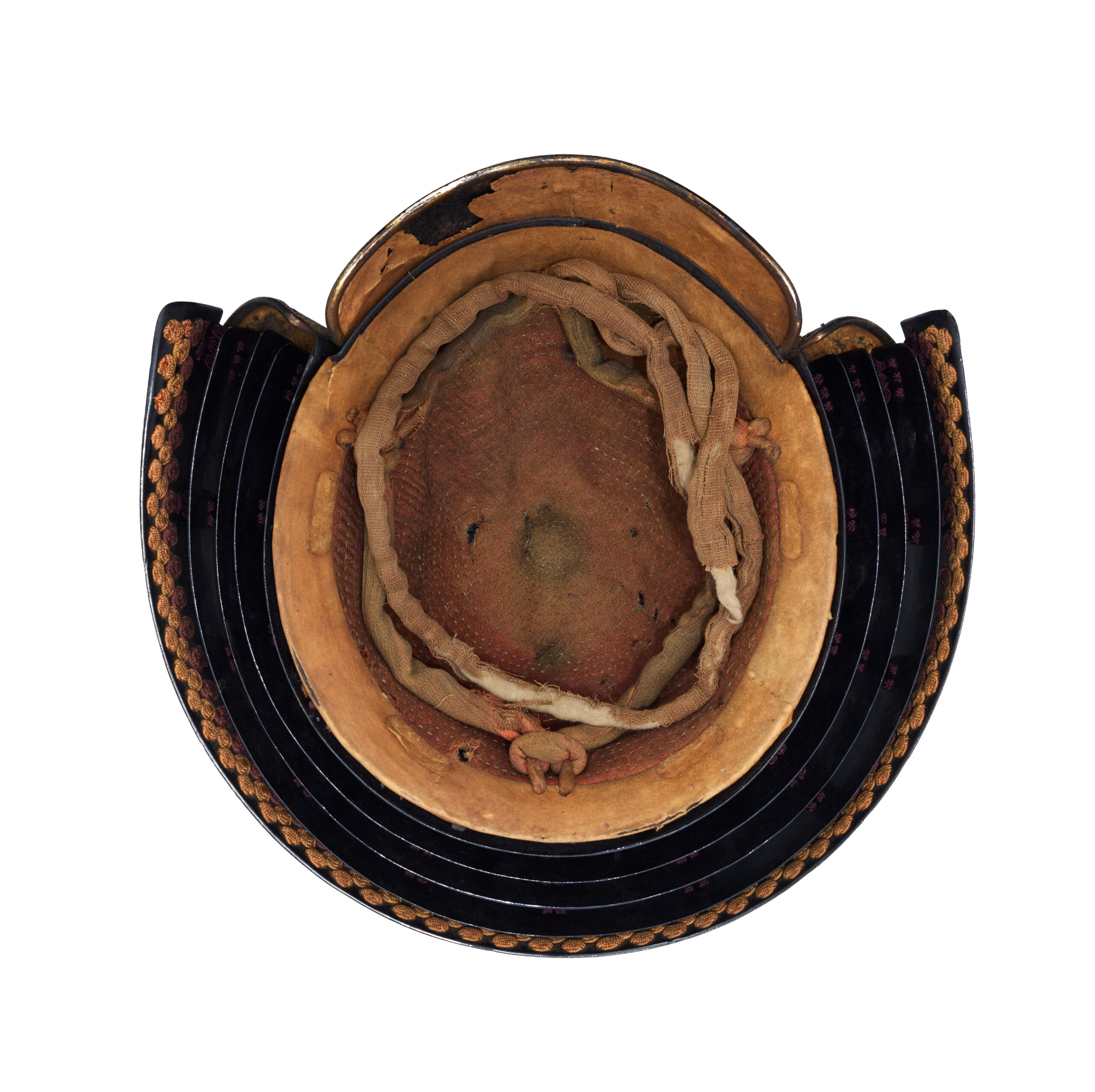
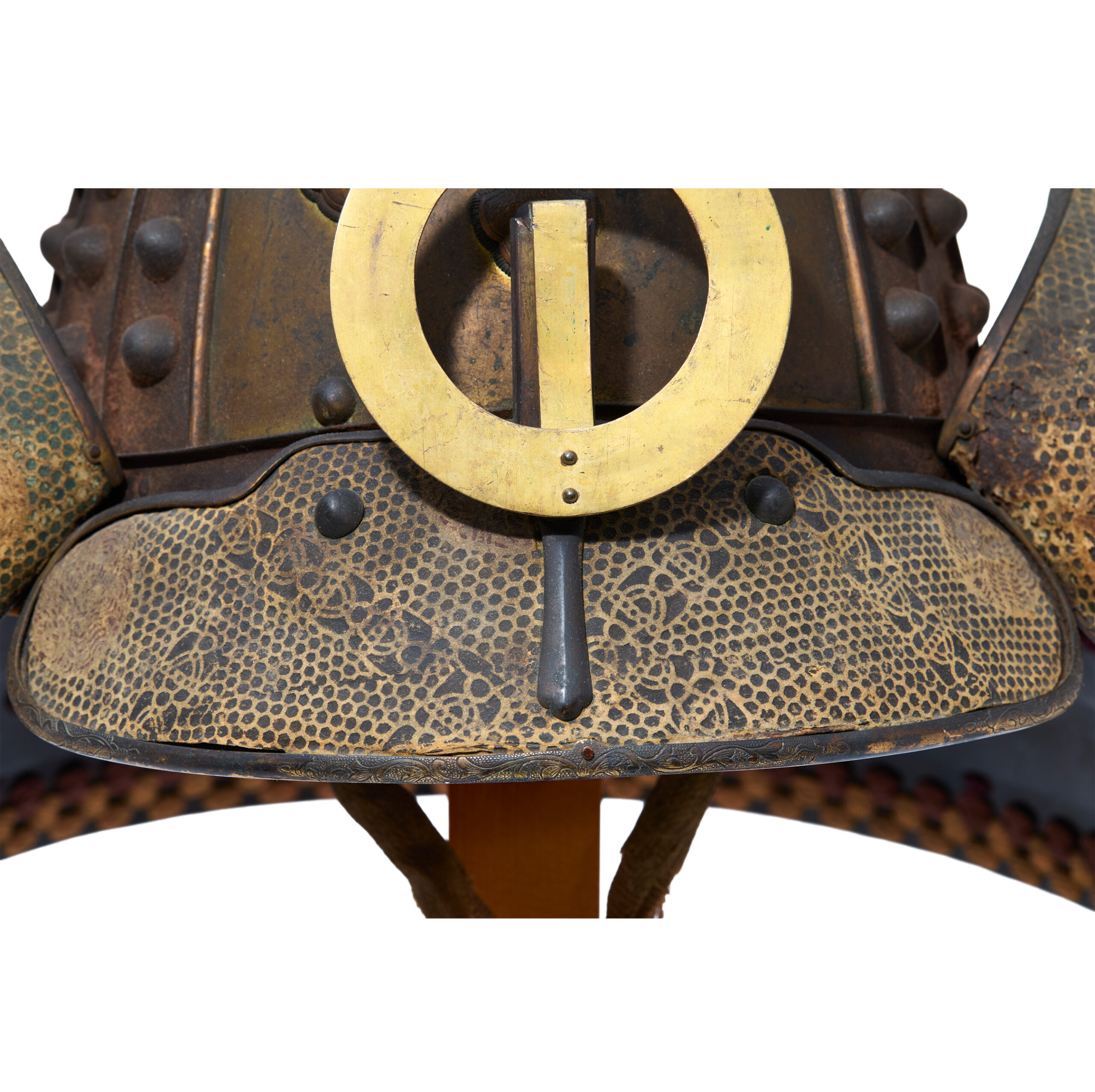
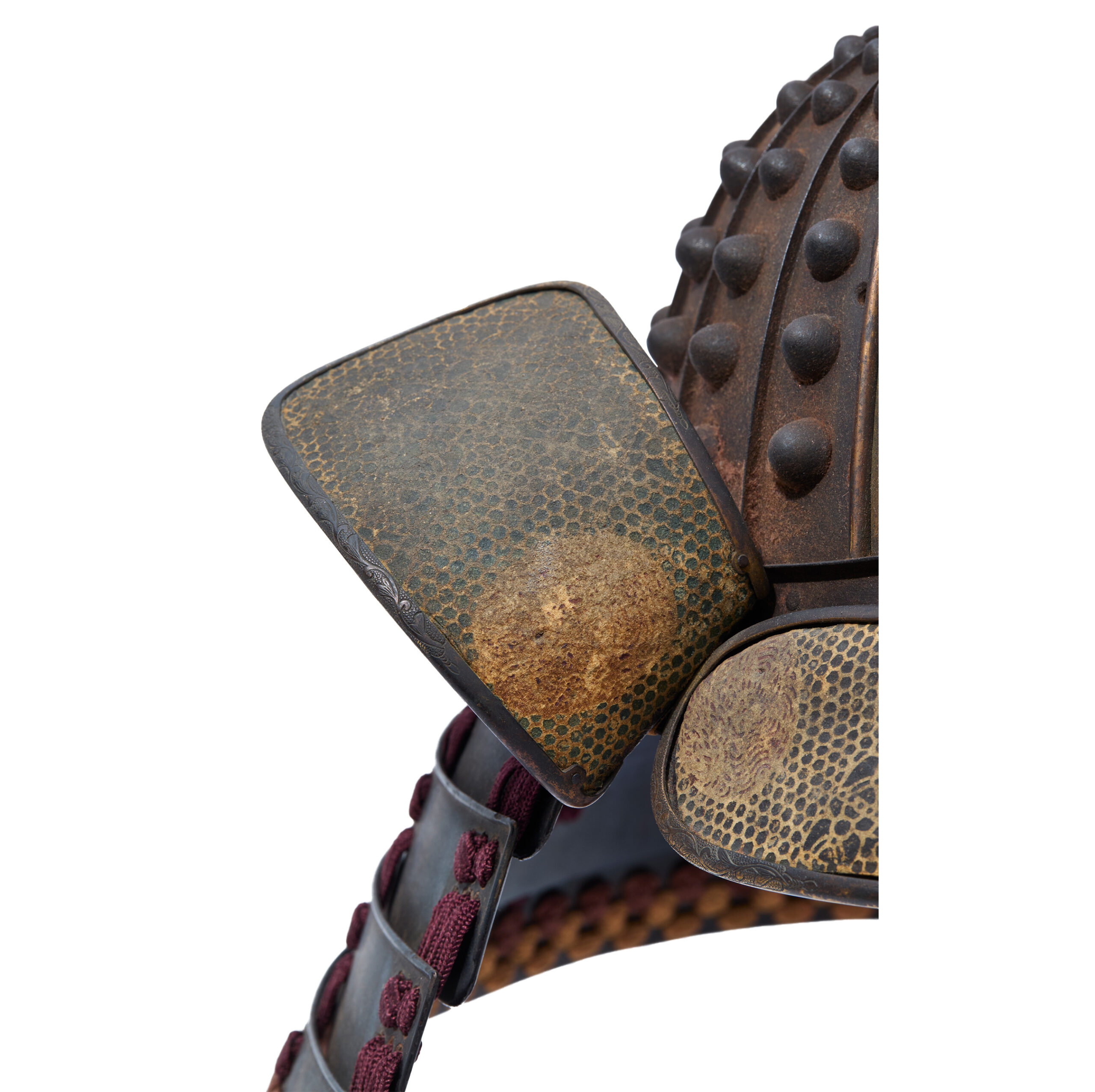
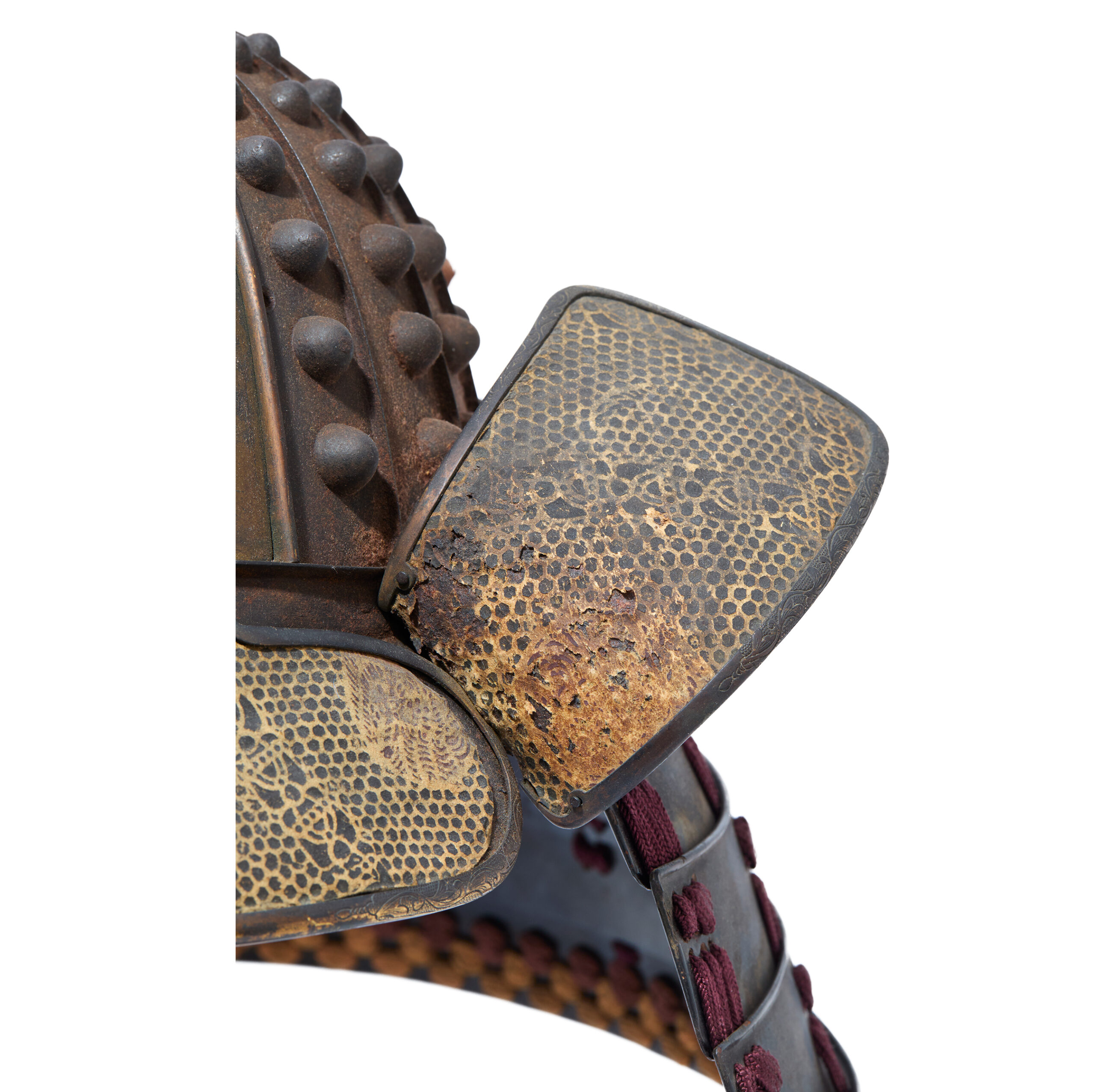
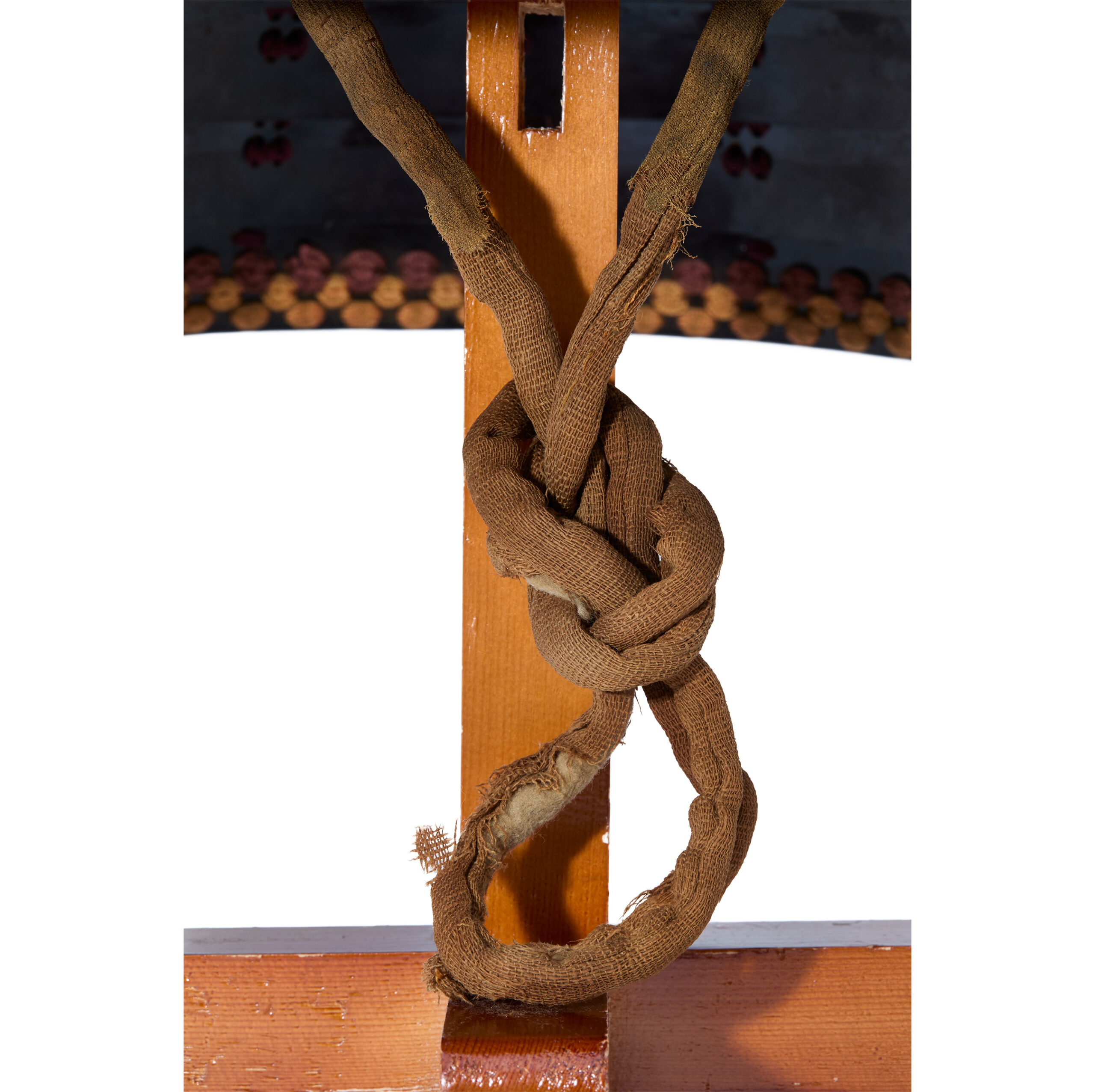
Kabuto only
14-plate · Hoshi-bachi
Unsigned
gold-colored ring (Nichirin)
Edo
A piece judged to be of valuable quality and reference interest, a rank above the base Hozon Shiryō.
Japanese armour is not certified by the NBTHK. The Nihon Katchū Bugu Kenkyū Hozon Kai (the Association for the Research and Preservation of Japanese Helmets and Armour), founded in 1961, is the principal body for armour. Its shinsa grades a piece as 資料 (shiryō, "reference material") across five ascending ranks: Hozon, Kichō, Tokubetsu Kichō, Kōshū Tokubetsu Kichō, and the highest, Jūyō Bunka Shiryō. The 資料 framing reflects the society’s purpose of preserving armour as cultural and historical reference, distinct from the NBTHK’s sword paper tiers.
Returns/exchanges limited to defects caused by shipping (except willful misconduct or gross negligence by the company); customers must contact within 72 hours of receiving the product.
¥1,150,000