 NihontoWatchNihontoWatch
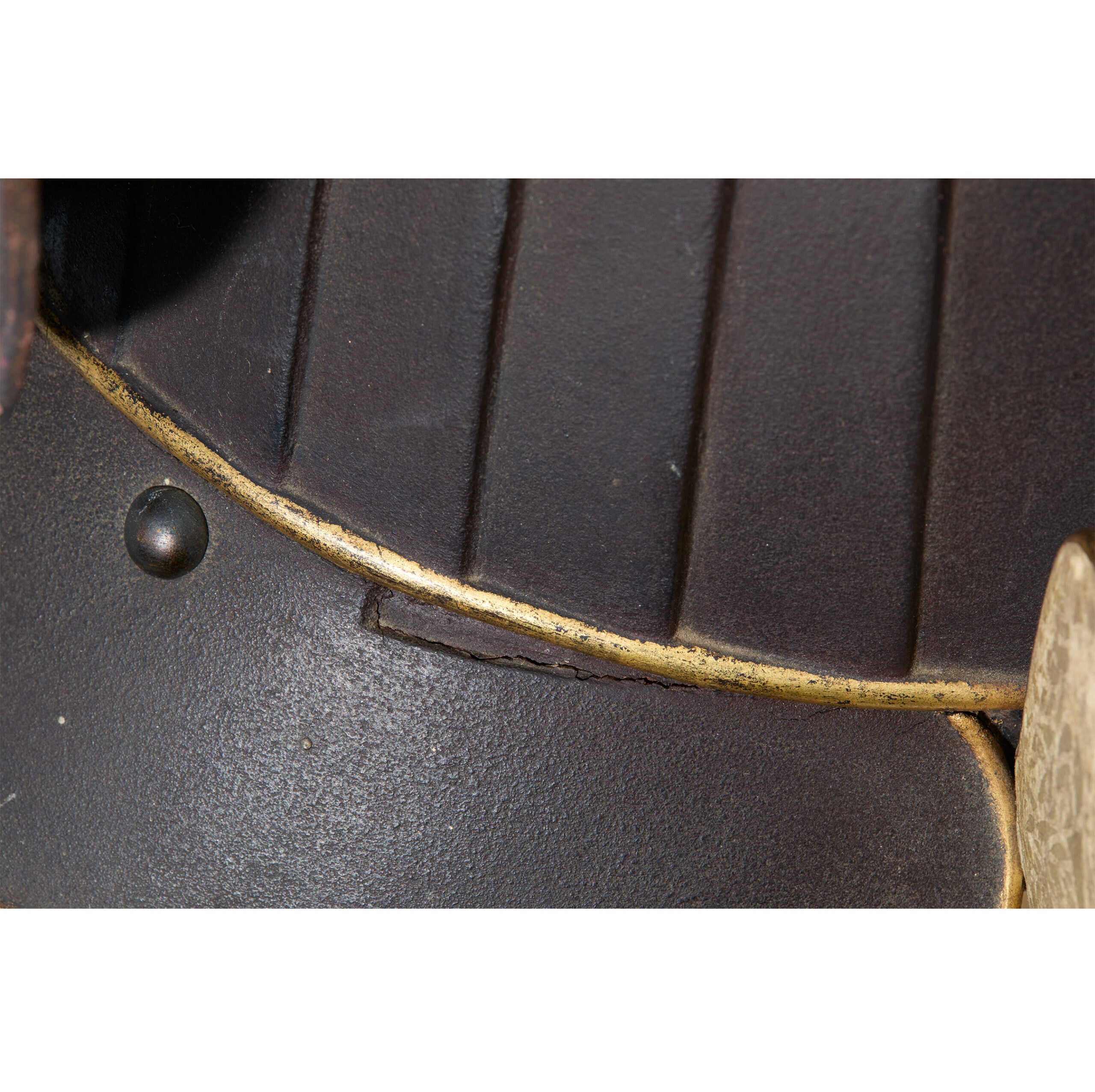
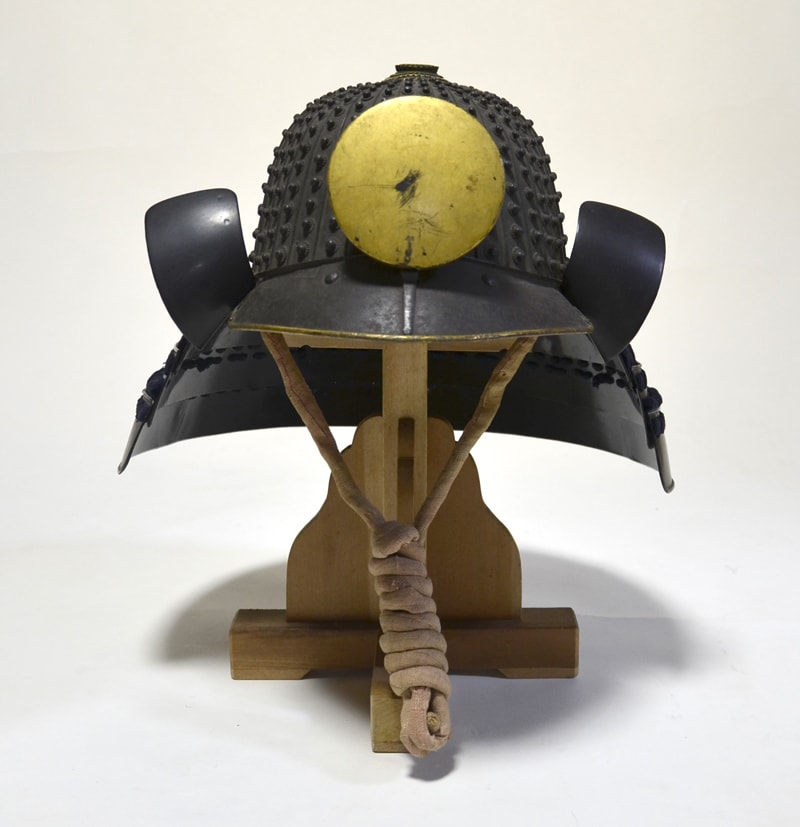
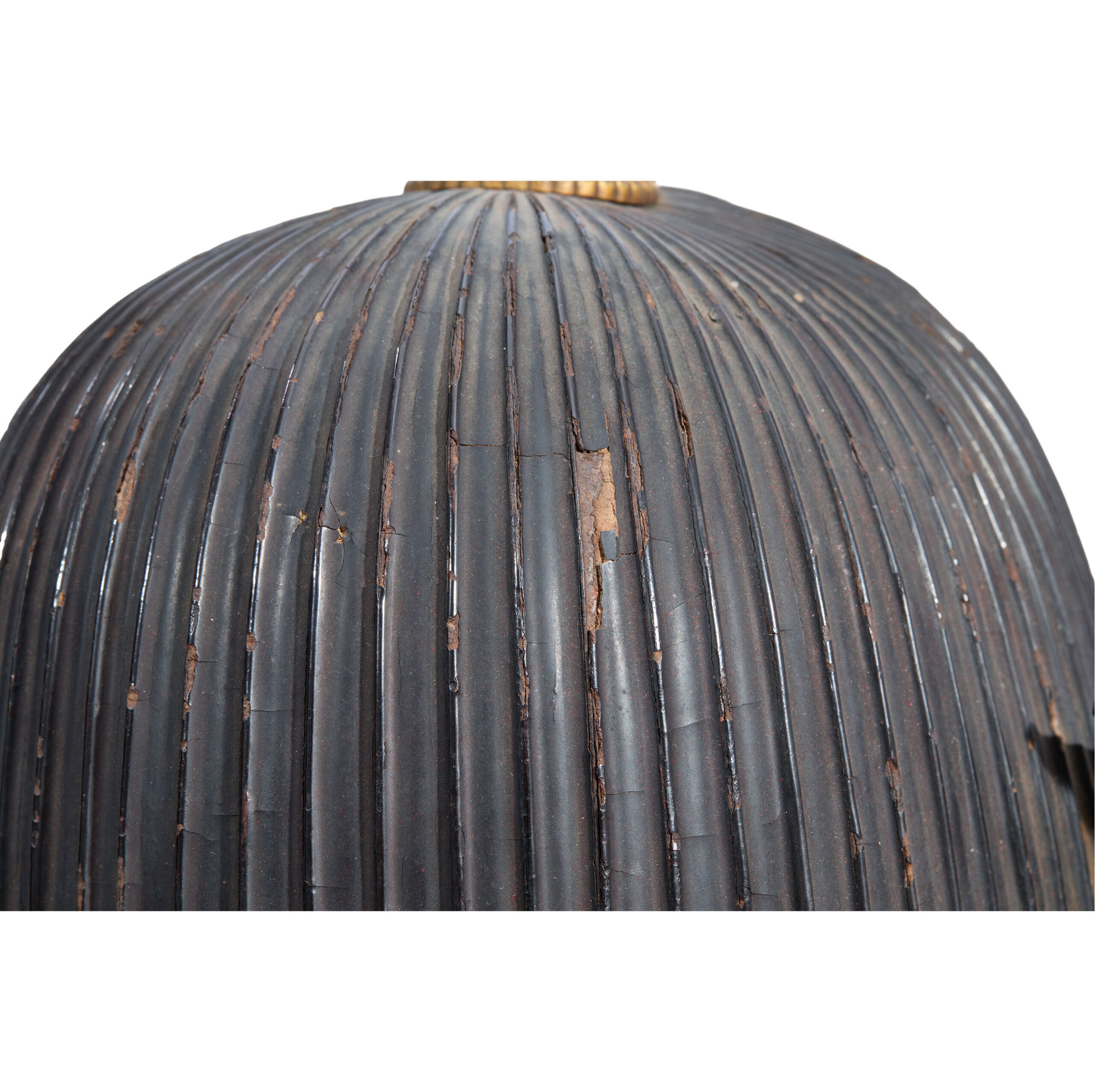
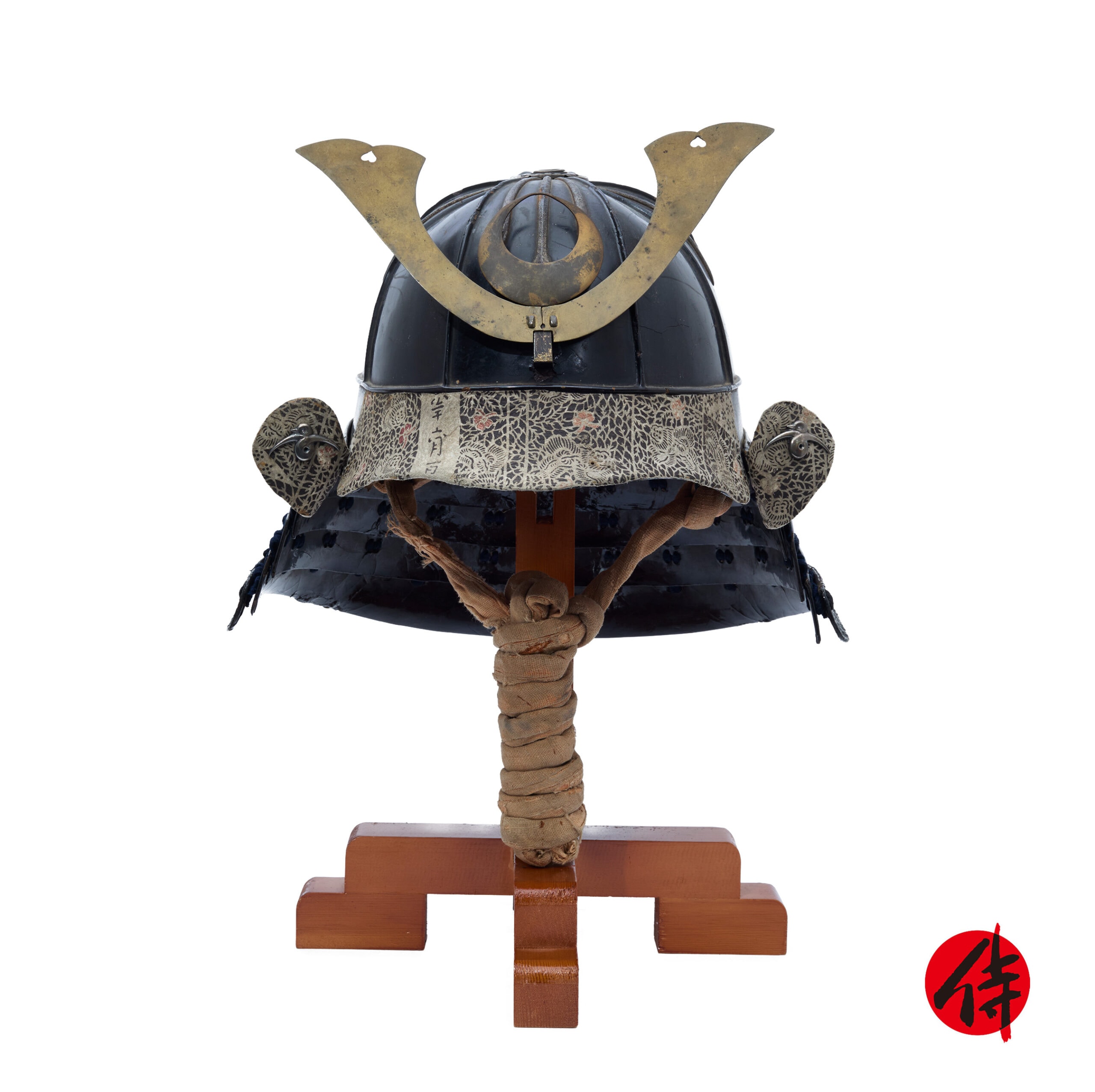
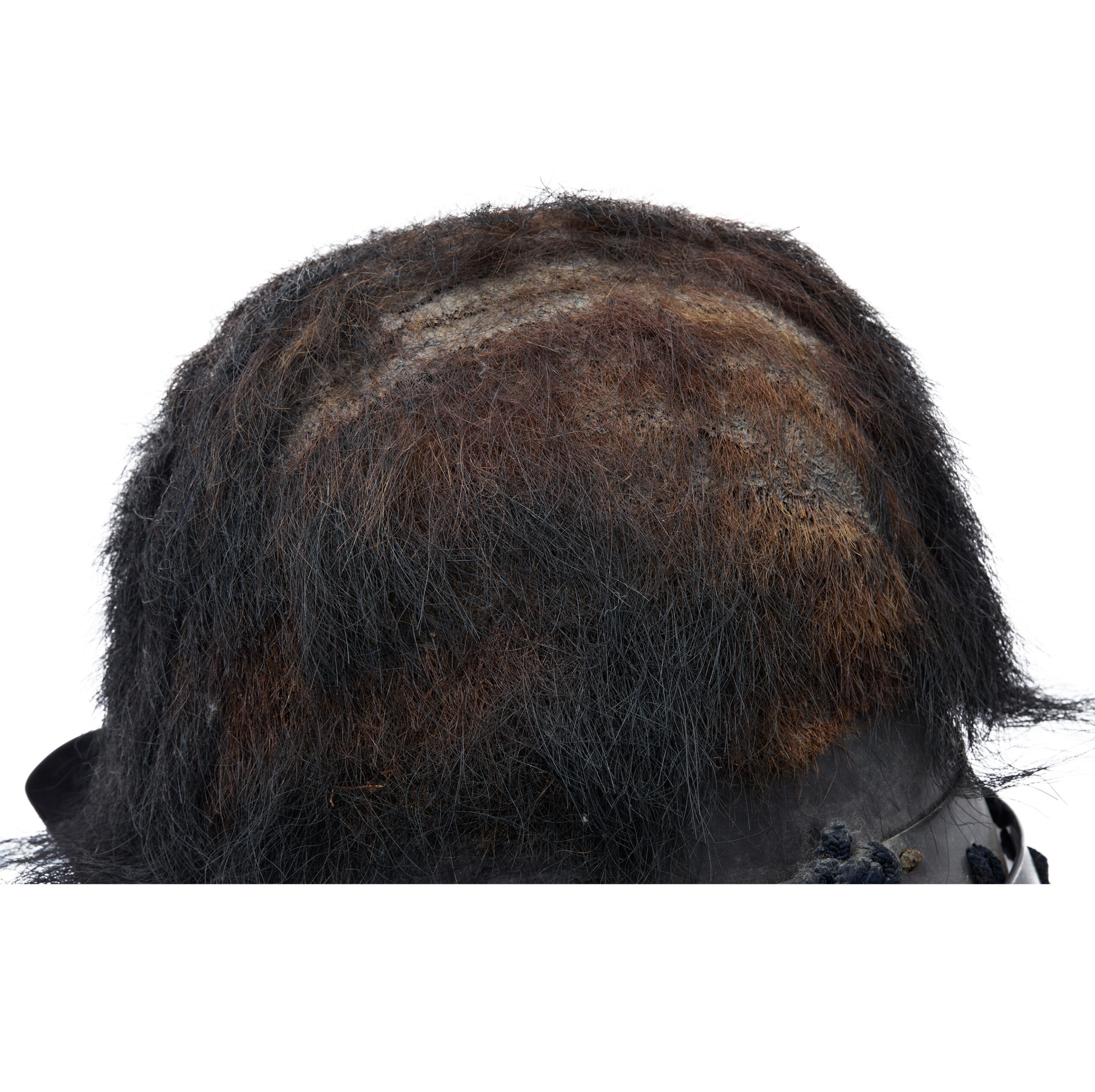
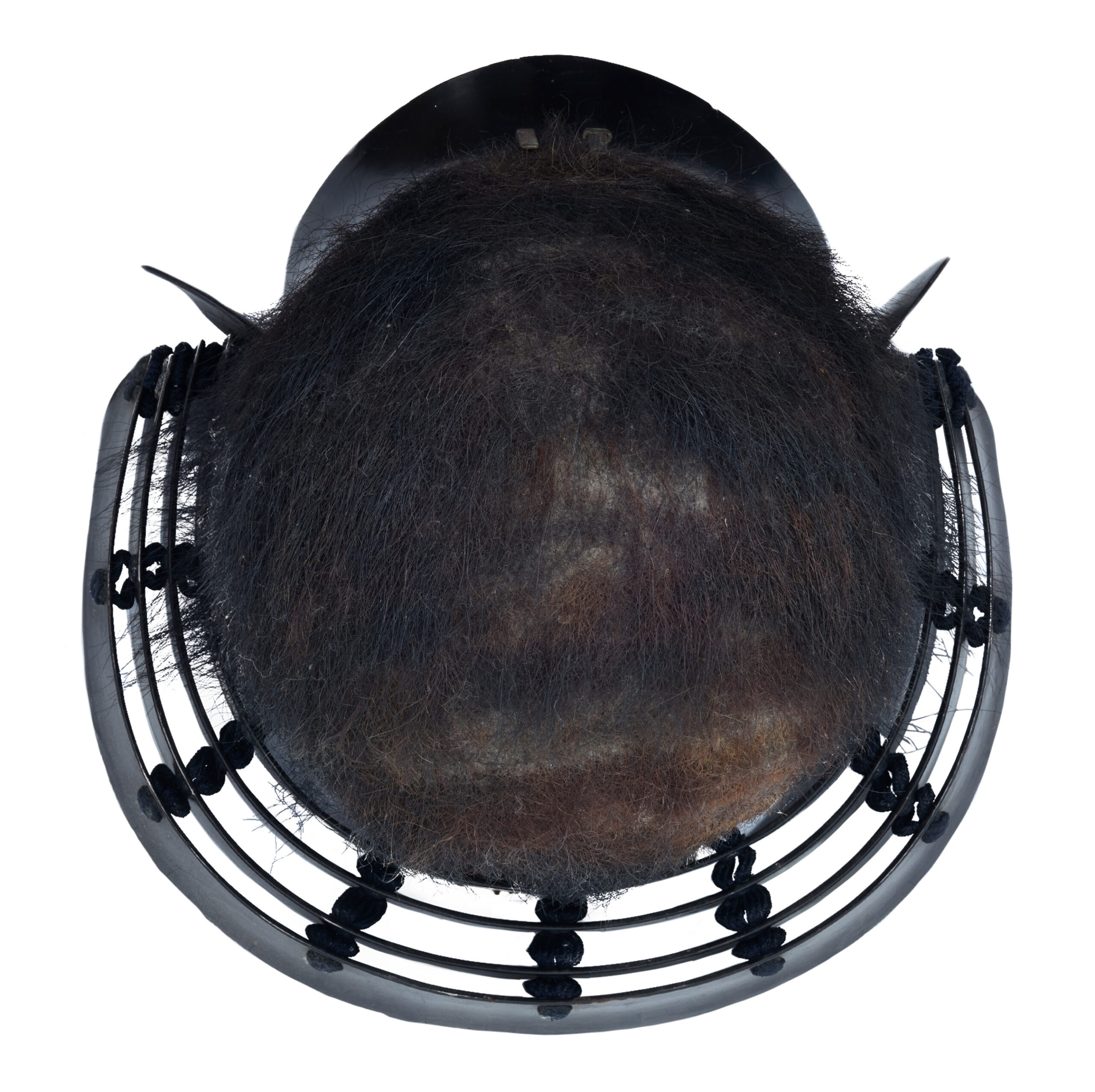
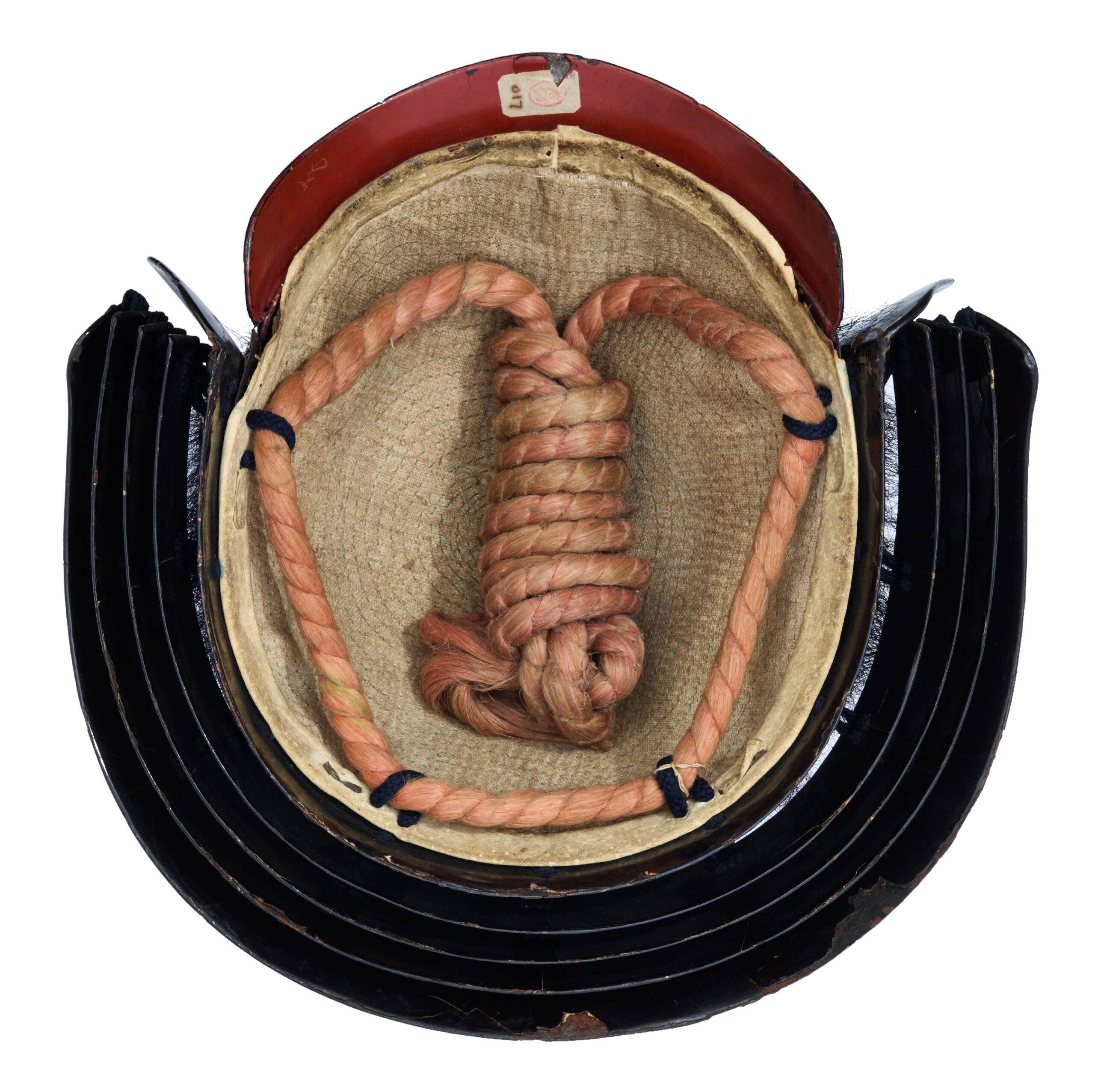
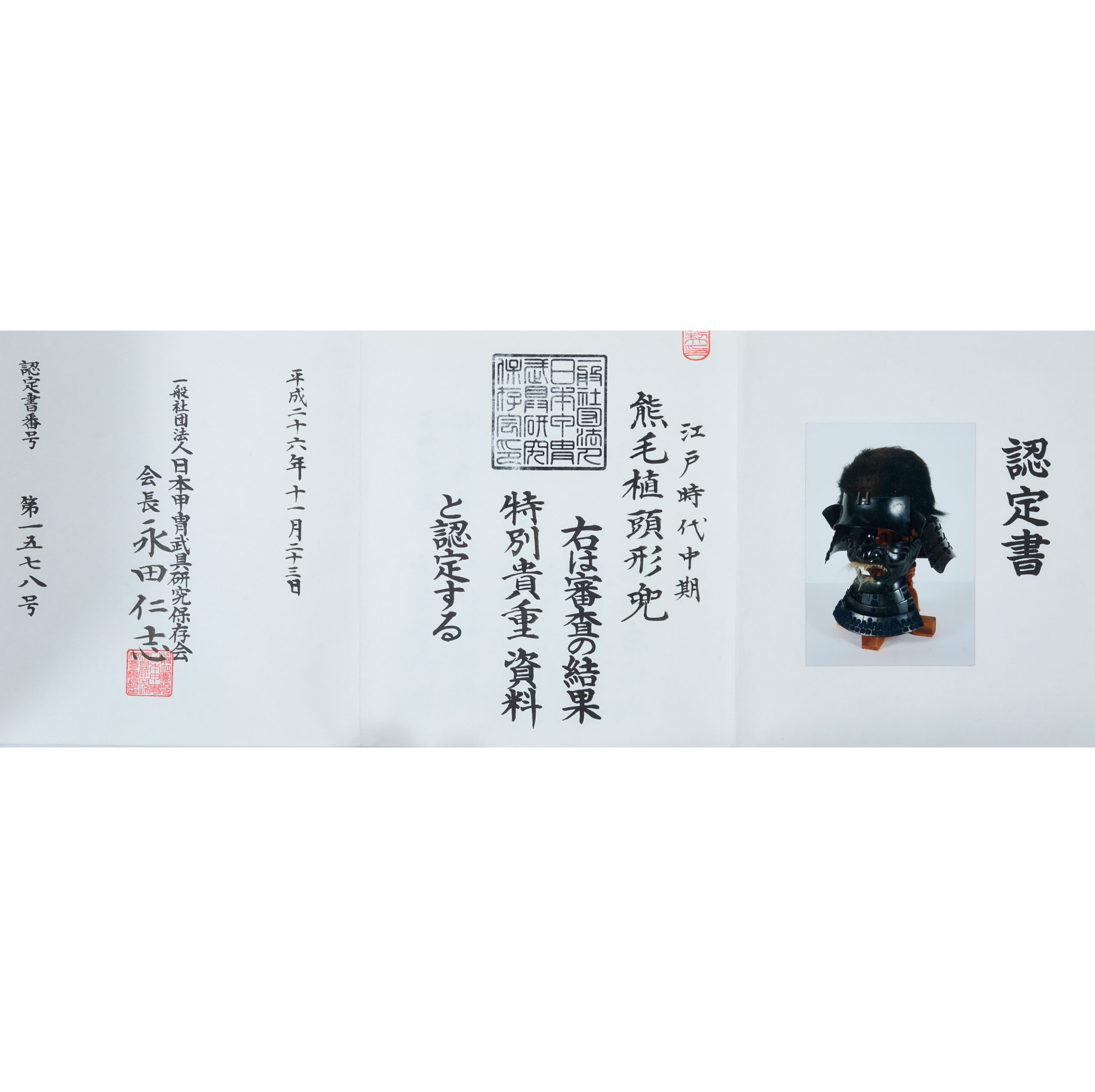
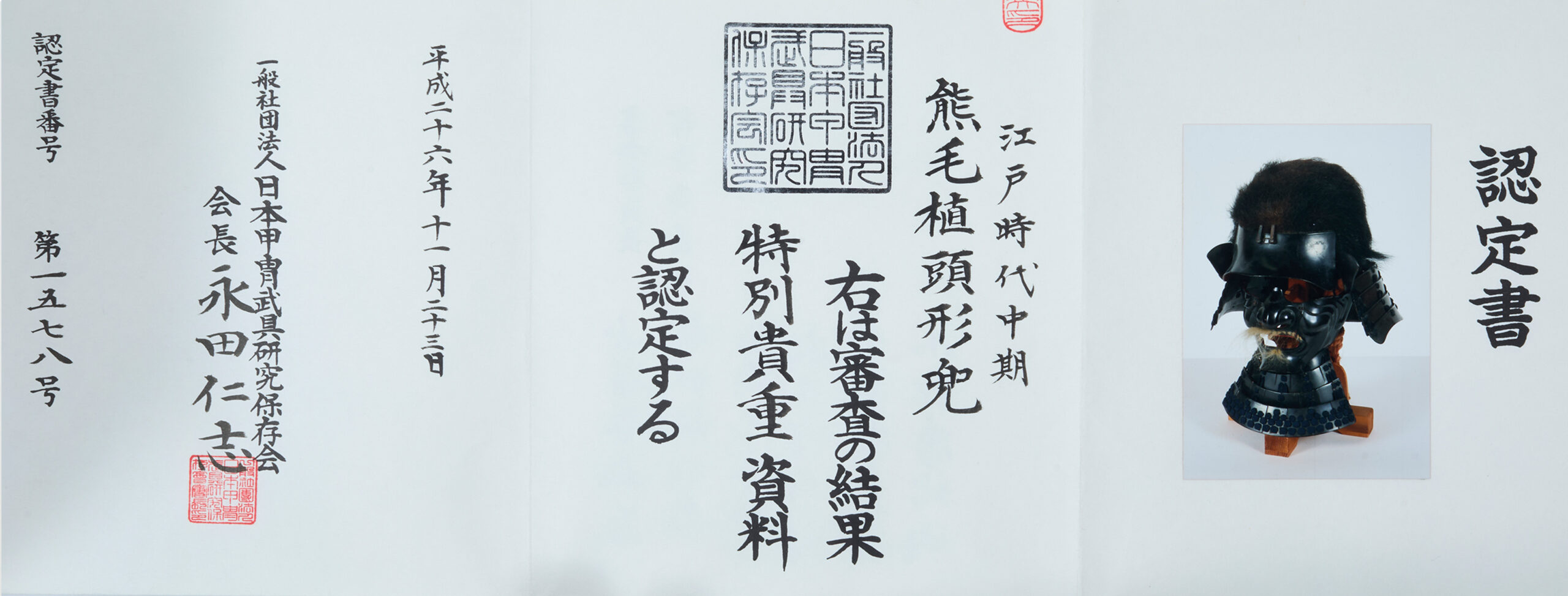
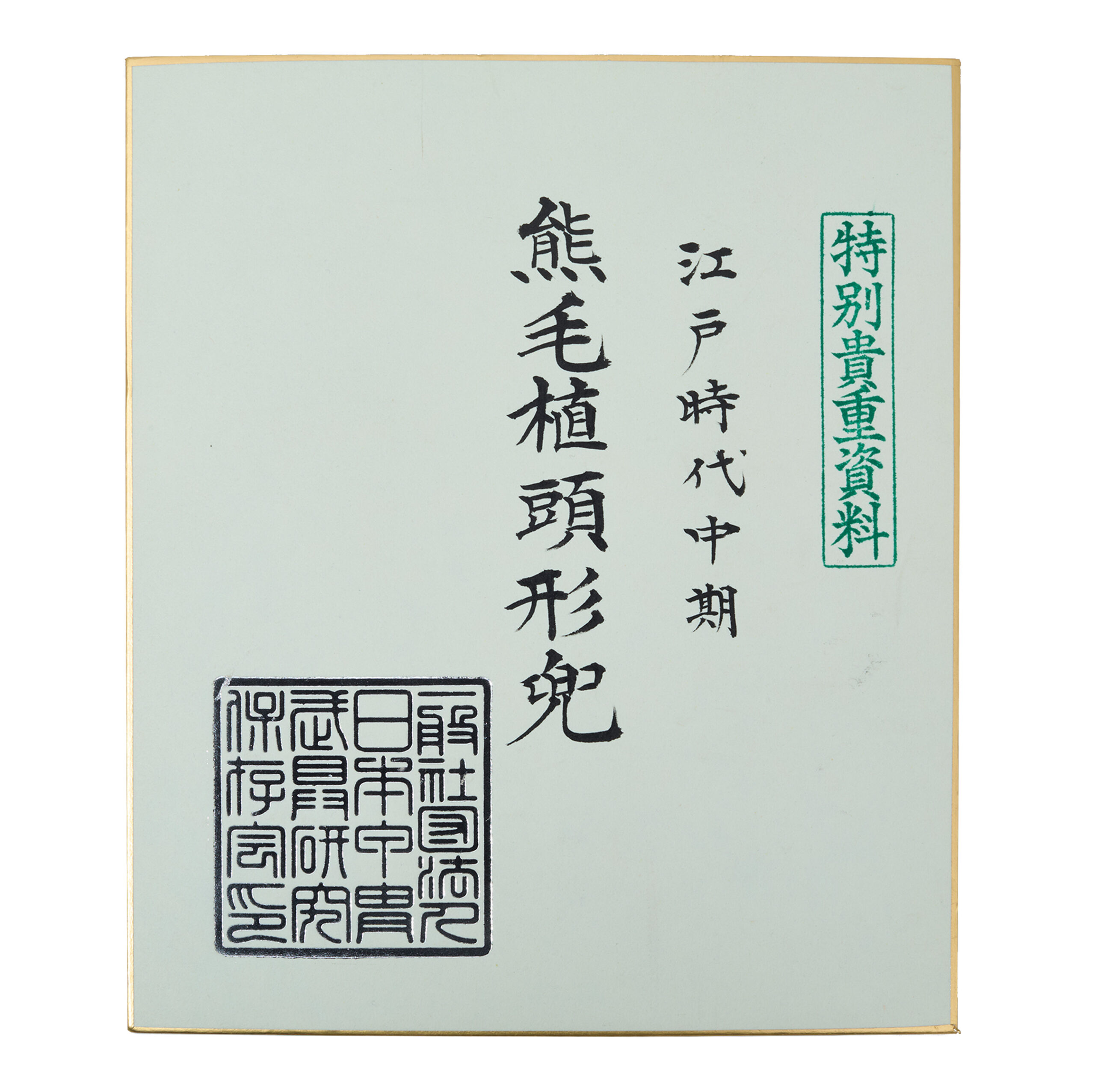
appraised by The Association for the Research and Preservation of Japanese Helmets and Armor The name of this helmet is Kumage Ue Zu Nari Kabuto (熊毛植頭形兜), which means a simple helmet shaped like a human head, with real bear hair planted on it. This kind of helmet is called a Kawari Kabuto (変わり兜), and it was popular among samurai from the late Muromachi period to the Edo period. Kawari Kabuto often had unique designs to show each samurai’s personality. Some used real animal fur like this one, some were shaped like animal heads, and others were decorated with things like seashells. The bear hair on this helmet had two meanings. First, it was believed to protect the wearer from evil, because bears were seen as strong and powerful animals with special spiritual energy. Second, bear fur was rare and expensive, so using it on a helmet showed the owner’s wealth and high social status. *Please note that some of the bear hair on the top of this helmet is missing. *Please keep in mind that this Kabuto’s hair is partly lacked off. Certification The certificate was issued by The Association for the Research and Preservation of Japanese Helmets and Armor, which is the most trusted Japanese armor appraiser in Japan. Tokubetsu Kicho Shiryo means special rare article. It is ranked as the third highest of five rankings. This helmet was authenticated on November 23rd, 2016, as a Tokubetsu Kicho Shiryo, and this paper mentions that this item was made in the mid Edo period. *Please keep in mind that that the Menpo in the photo of the certificate is missing. But if you like to purchase a Menpo that would go well with this Kabuto, we might be able to find one for you. If that is the case, please feel free to contact us.
NihontoWatchOffered by Samurai Museum
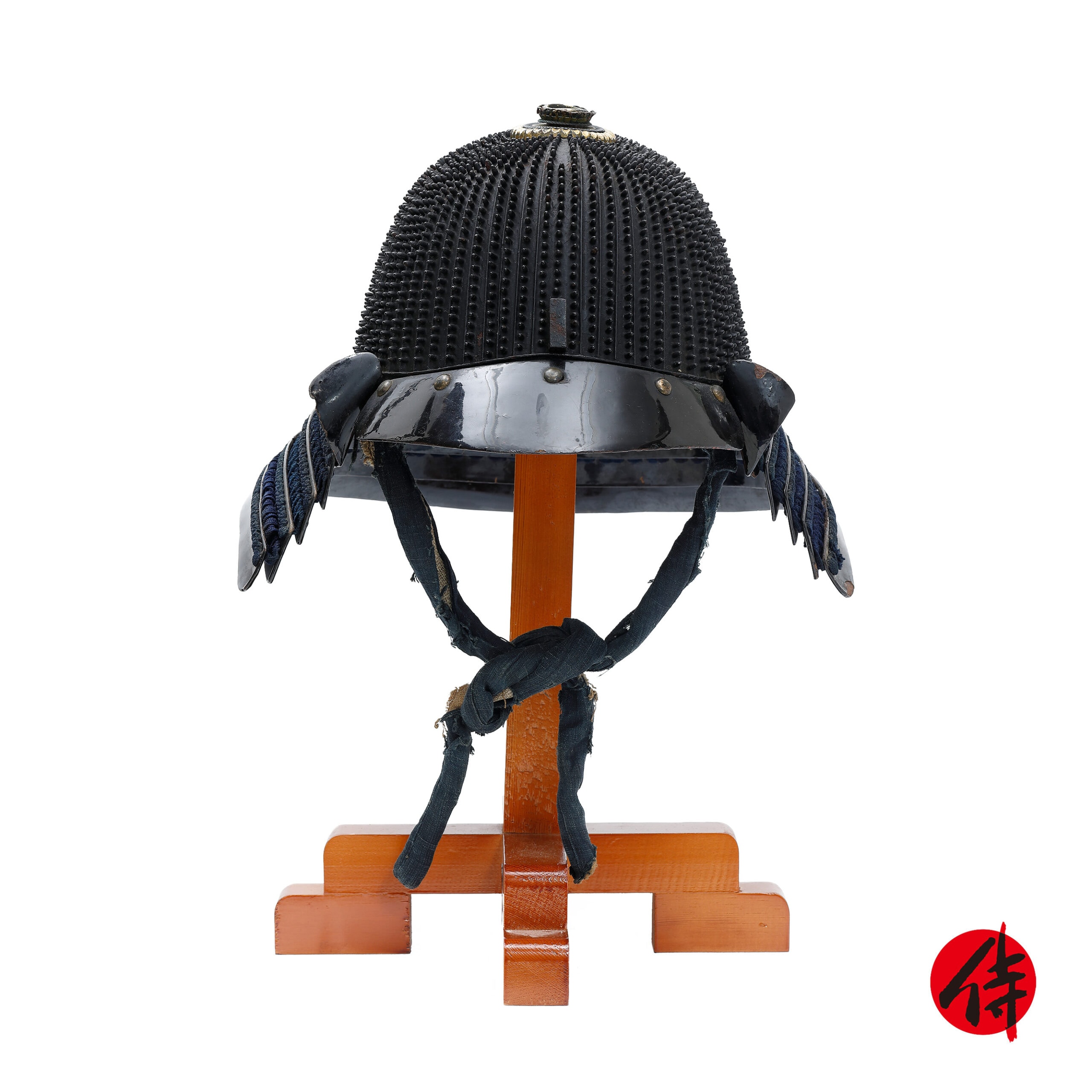
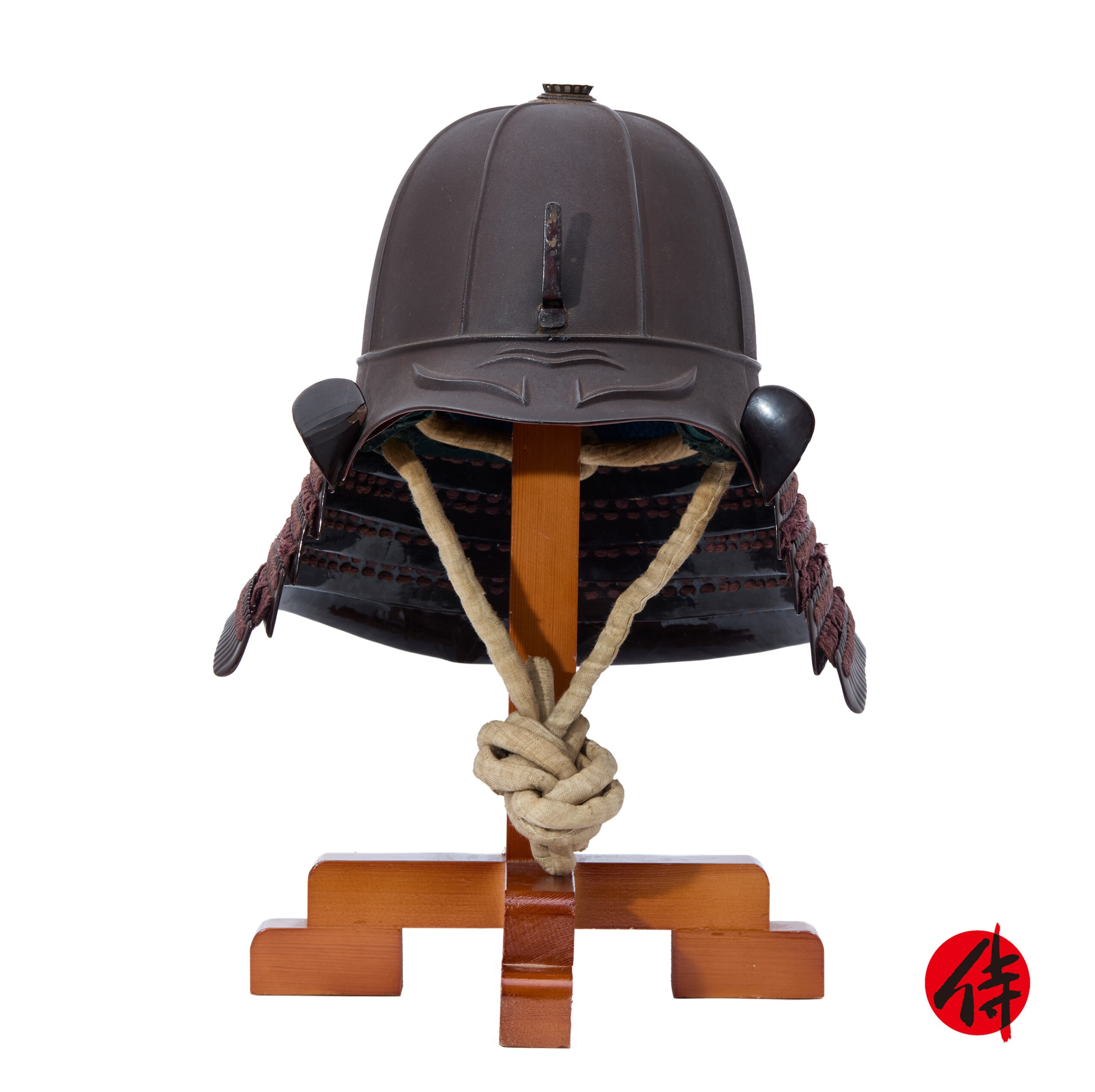
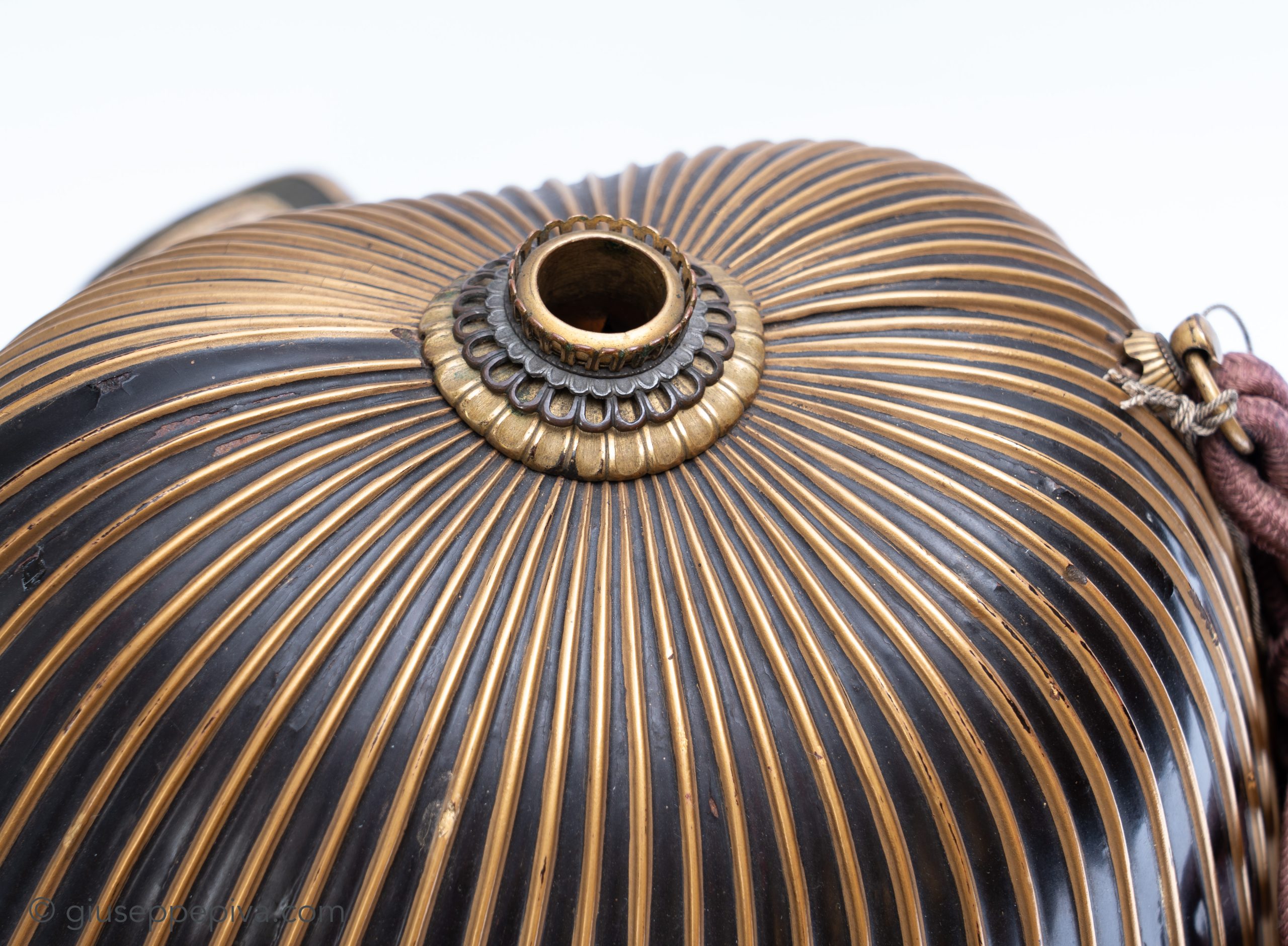
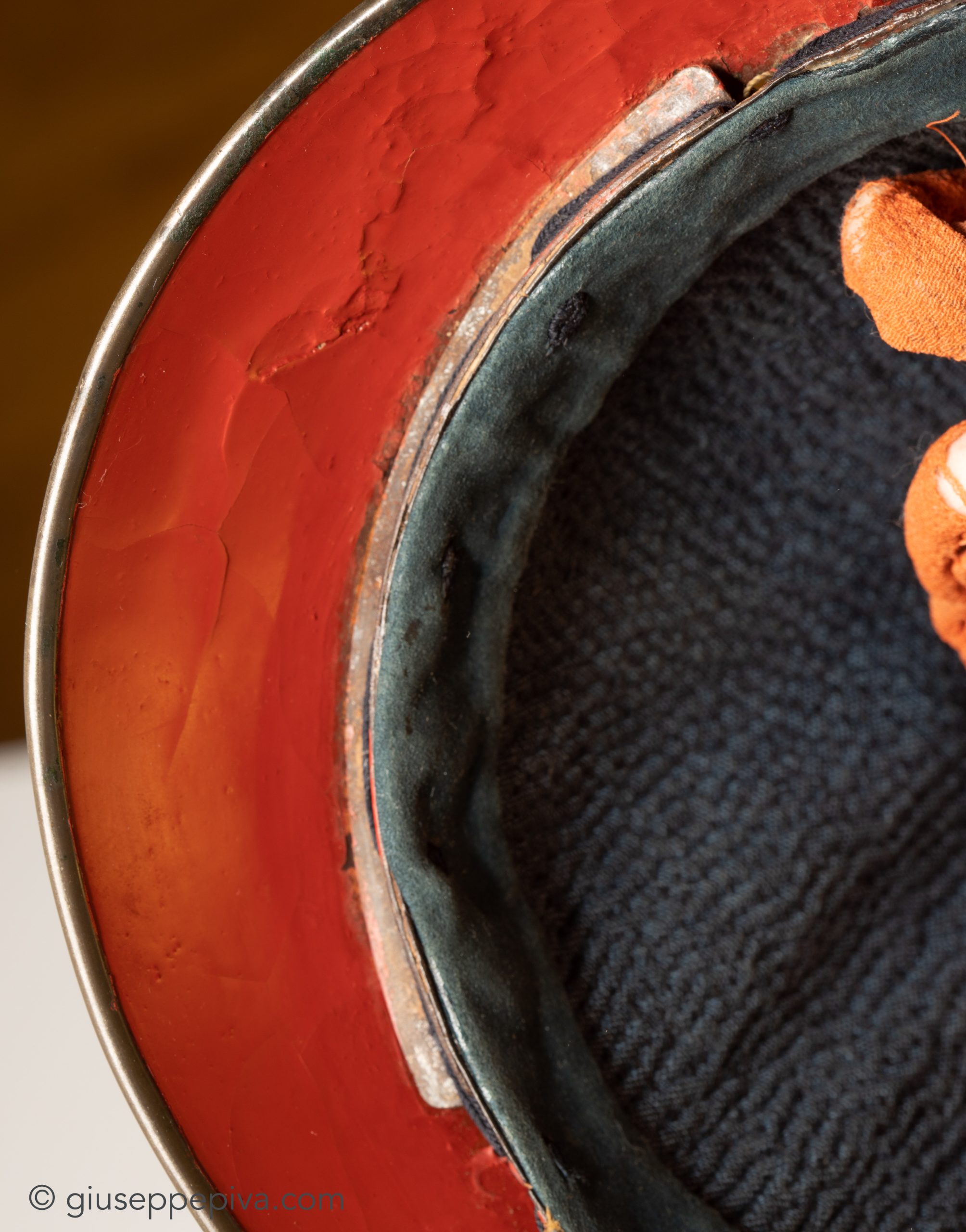
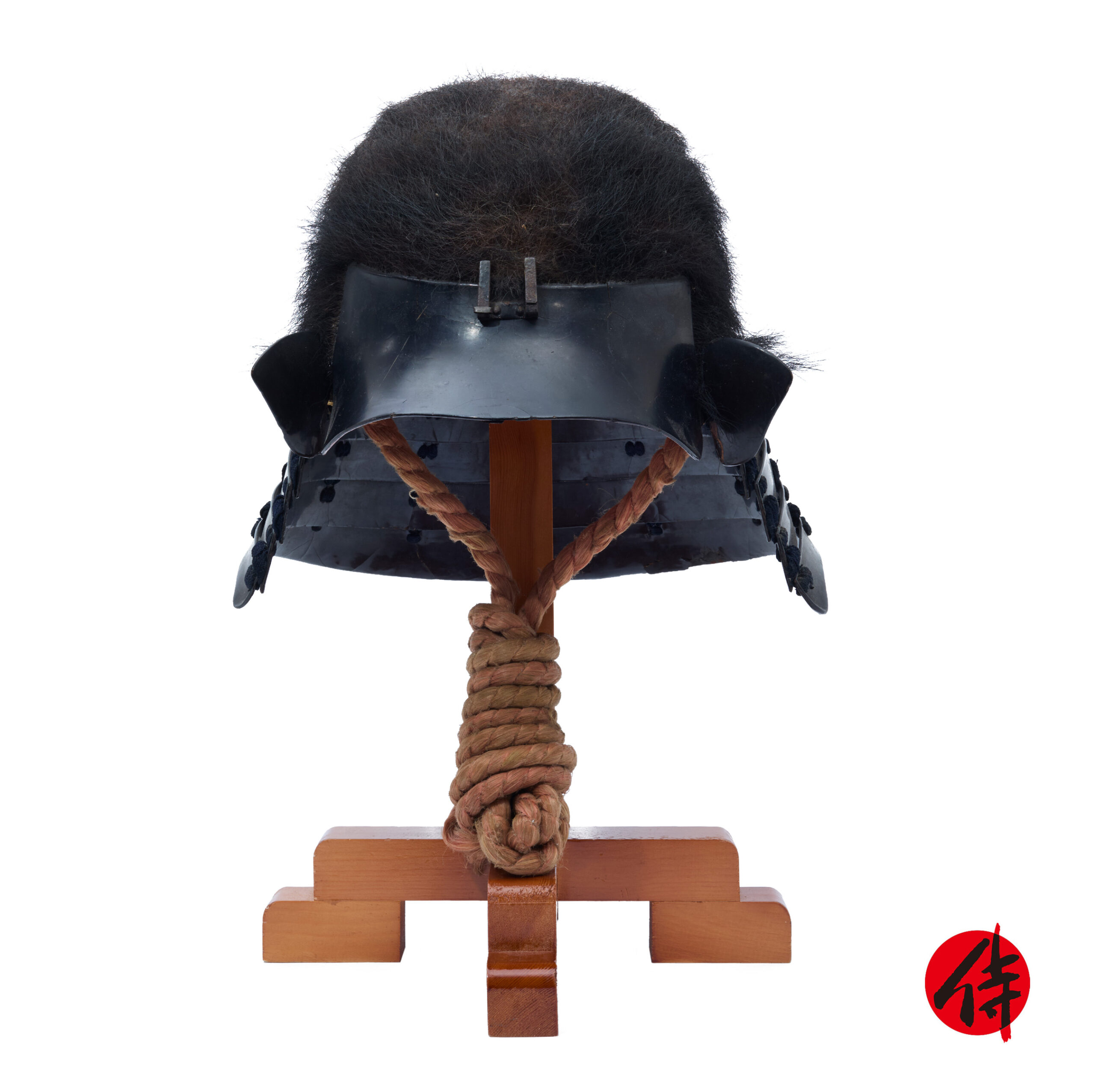
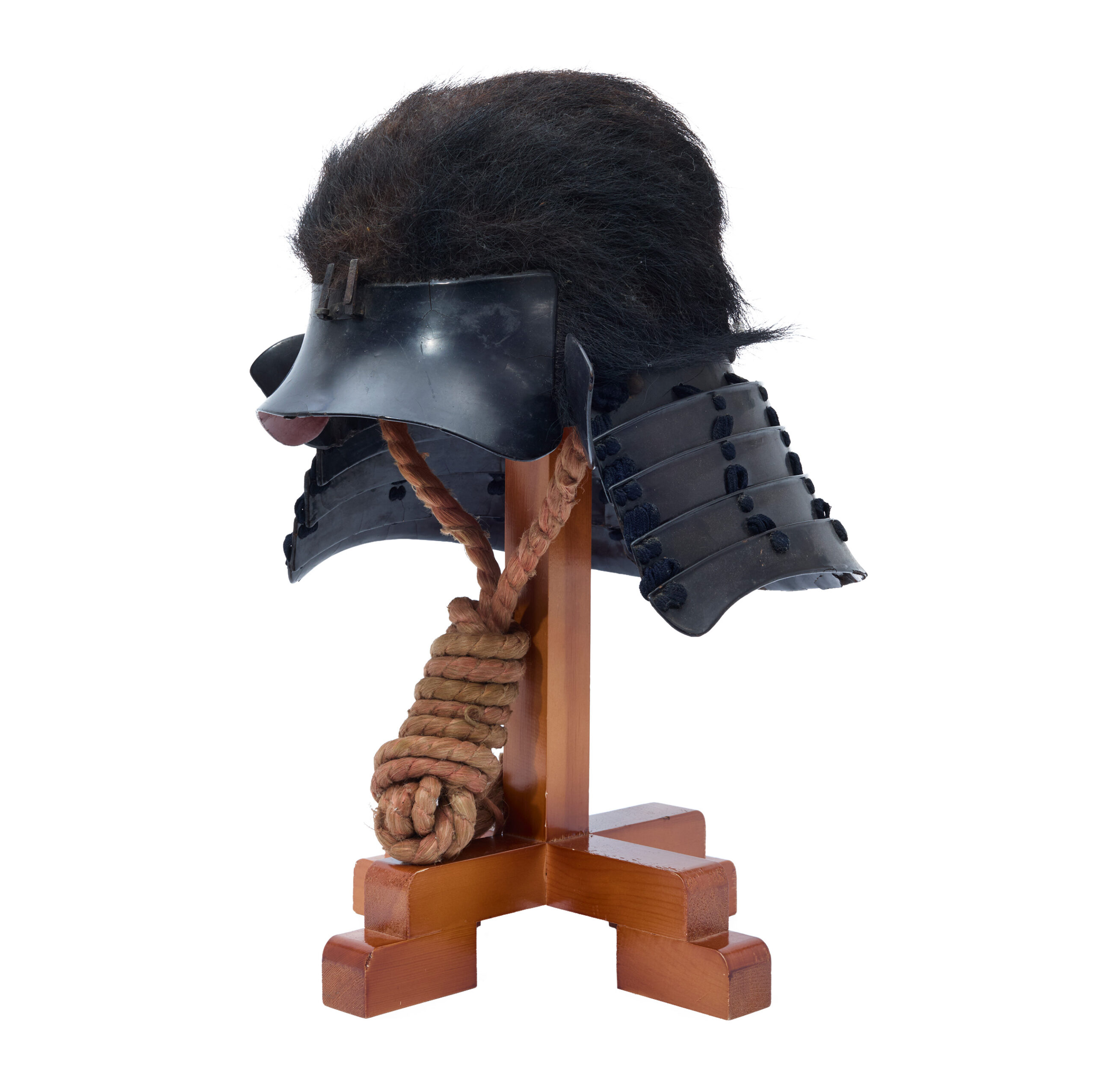
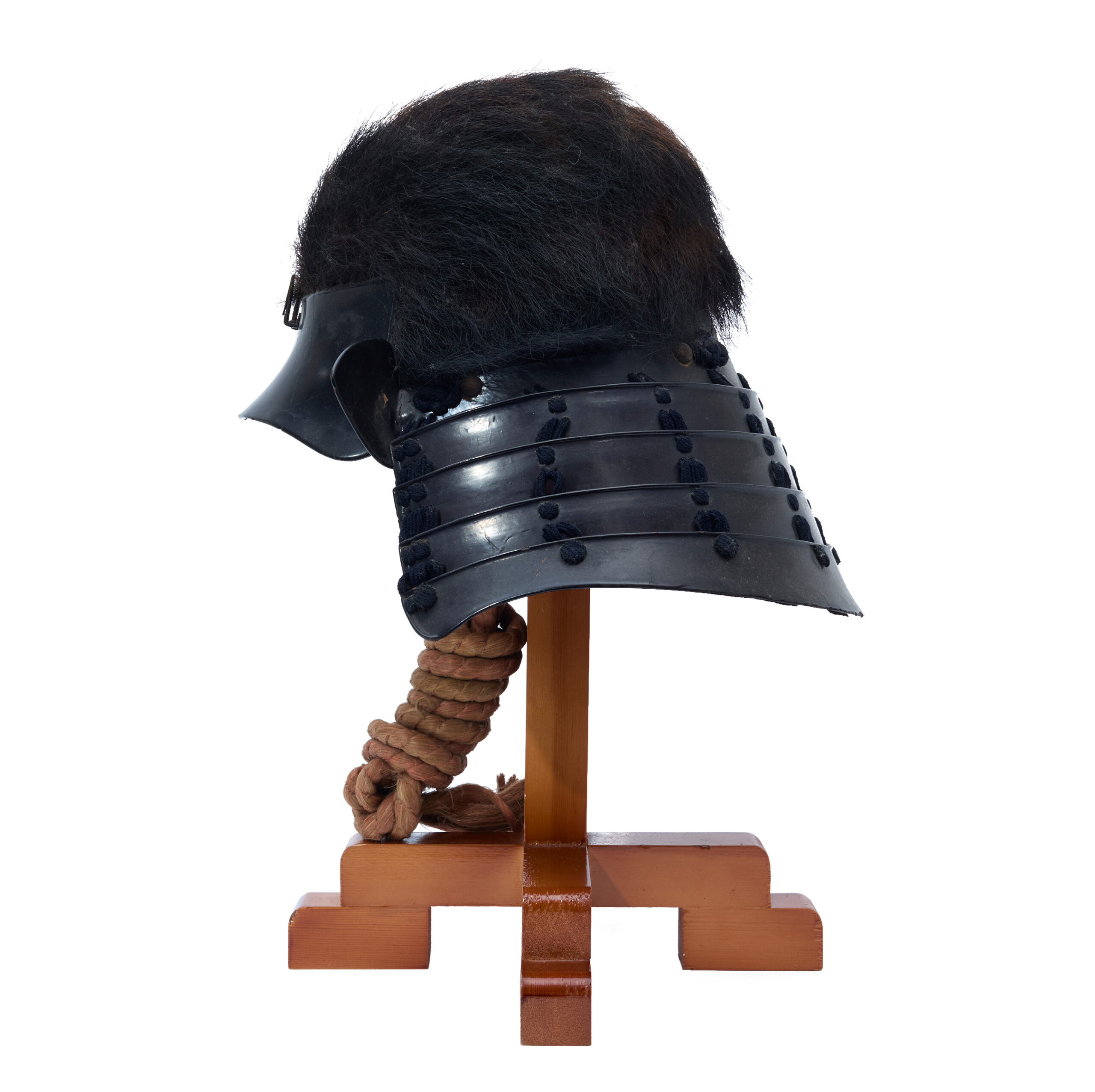
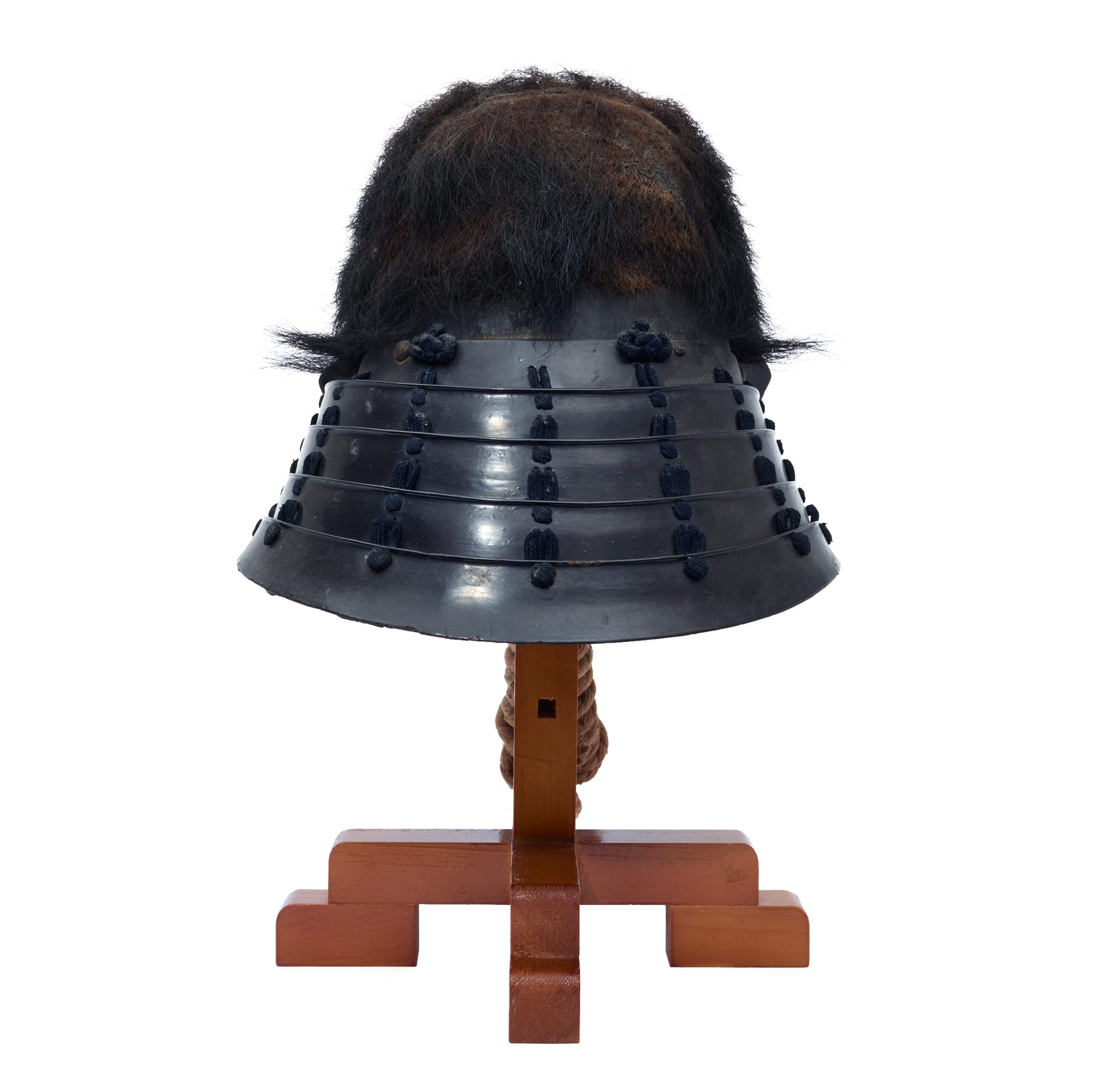
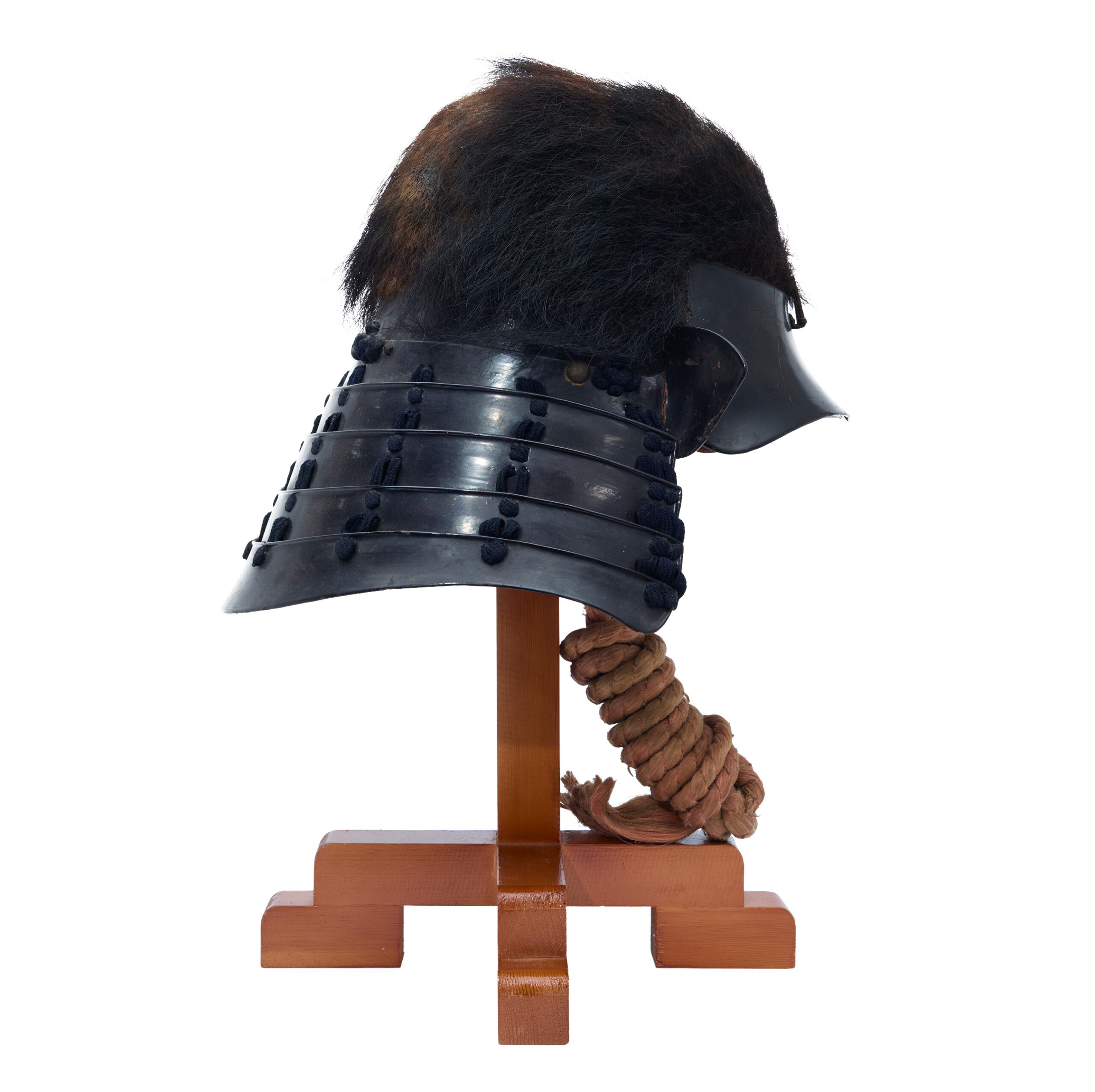
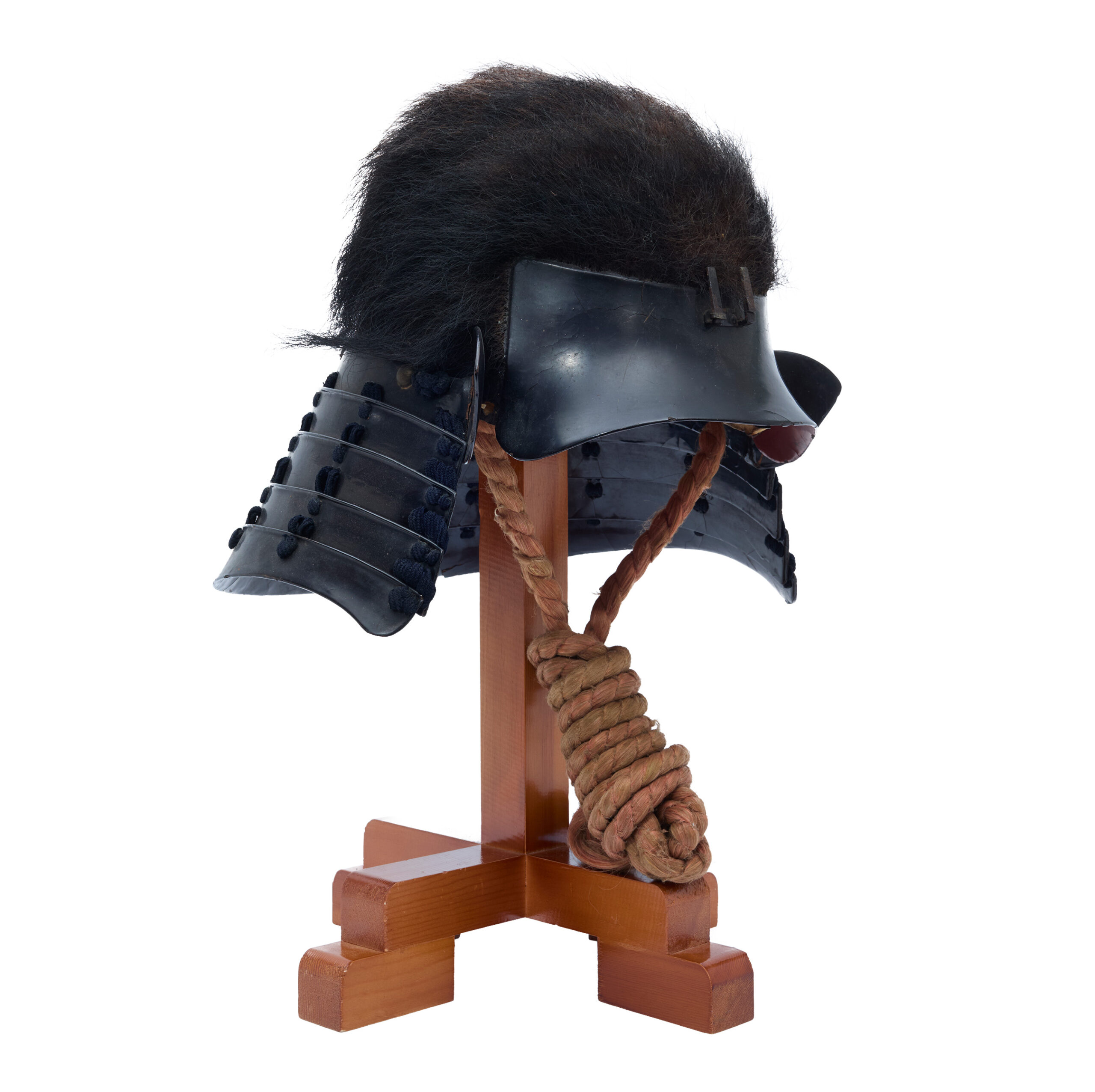
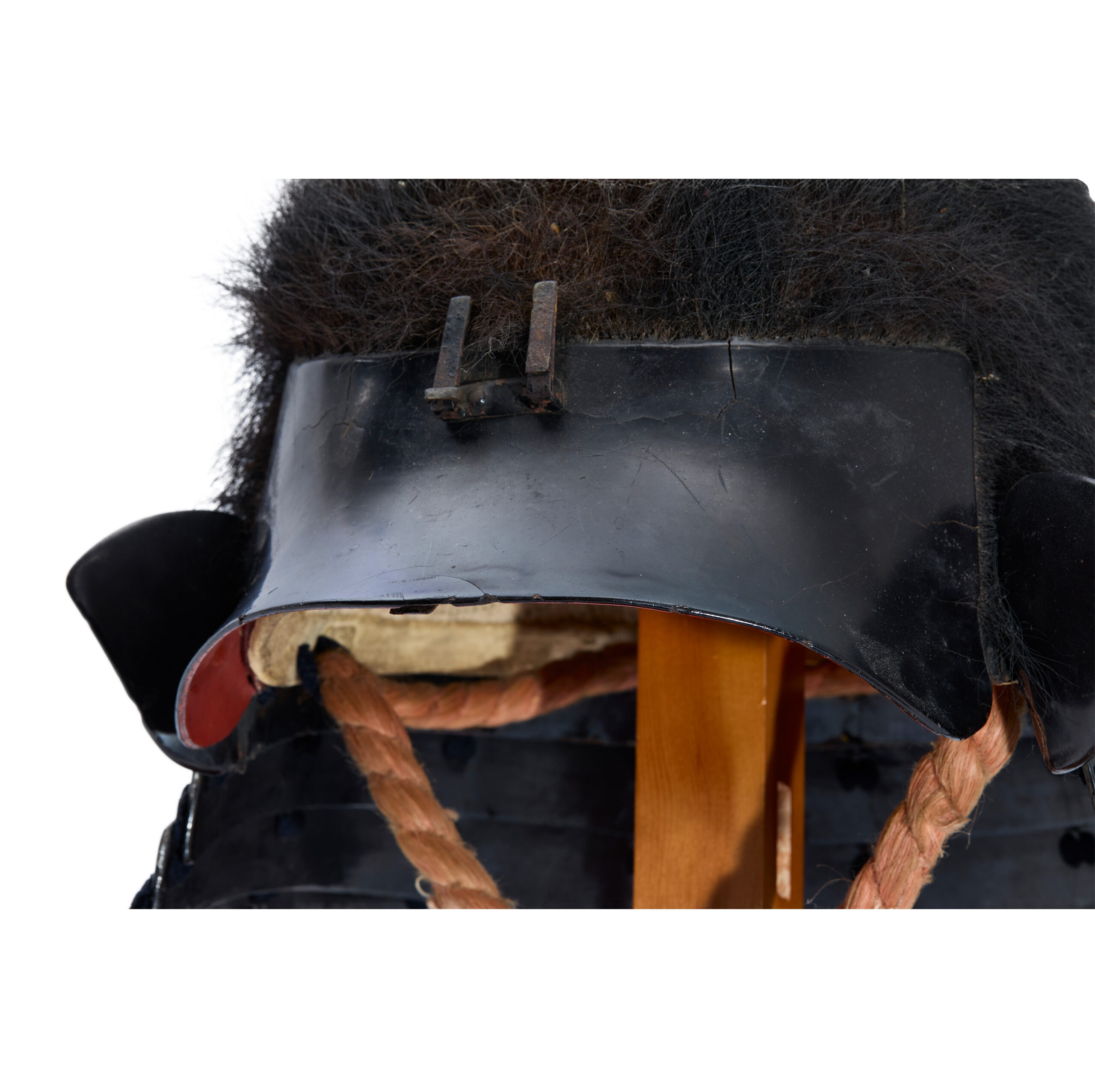
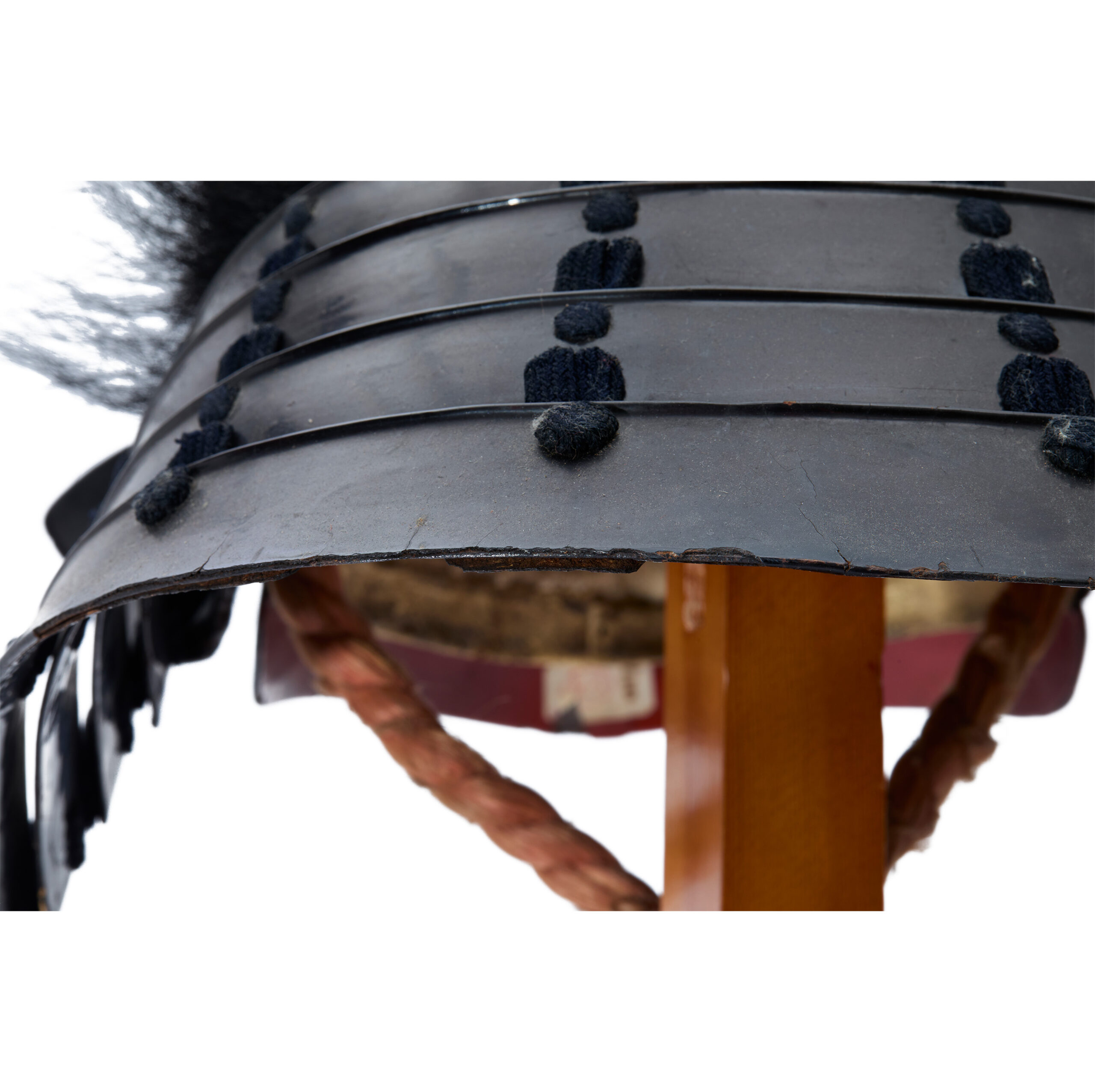
Single component
Kawari-kabuto
Unsigned
Edo
Especially valuable armour of notably superior workmanship and condition, the third of the five ranks.
Japanese armour is not certified by the NBTHK. The Nihon Katchū Bugu Kenkyū Hozon Kai (the Association for the Research and Preservation of Japanese Helmets and Armour), founded in 1961, is the principal body for armour. Its shinsa grades a piece as 資料 (shiryō, "reference material") across five ascending ranks: Hozon, Kichō, Tokubetsu Kichō, Kōshū Tokubetsu Kichō, and the highest, Jūyō Bunka Shiryō. The 資料 framing reflects the society’s purpose of preserving armour as cultural and historical reference, distinct from the NBTHK’s sword paper tiers.
Returns/exchanges limited to defects caused by shipping (except willful misconduct or gross negligence by the company); customers must contact within 72 hours of receiving the product.
¥1,200,000