 NihontoWatchNihontoWatch
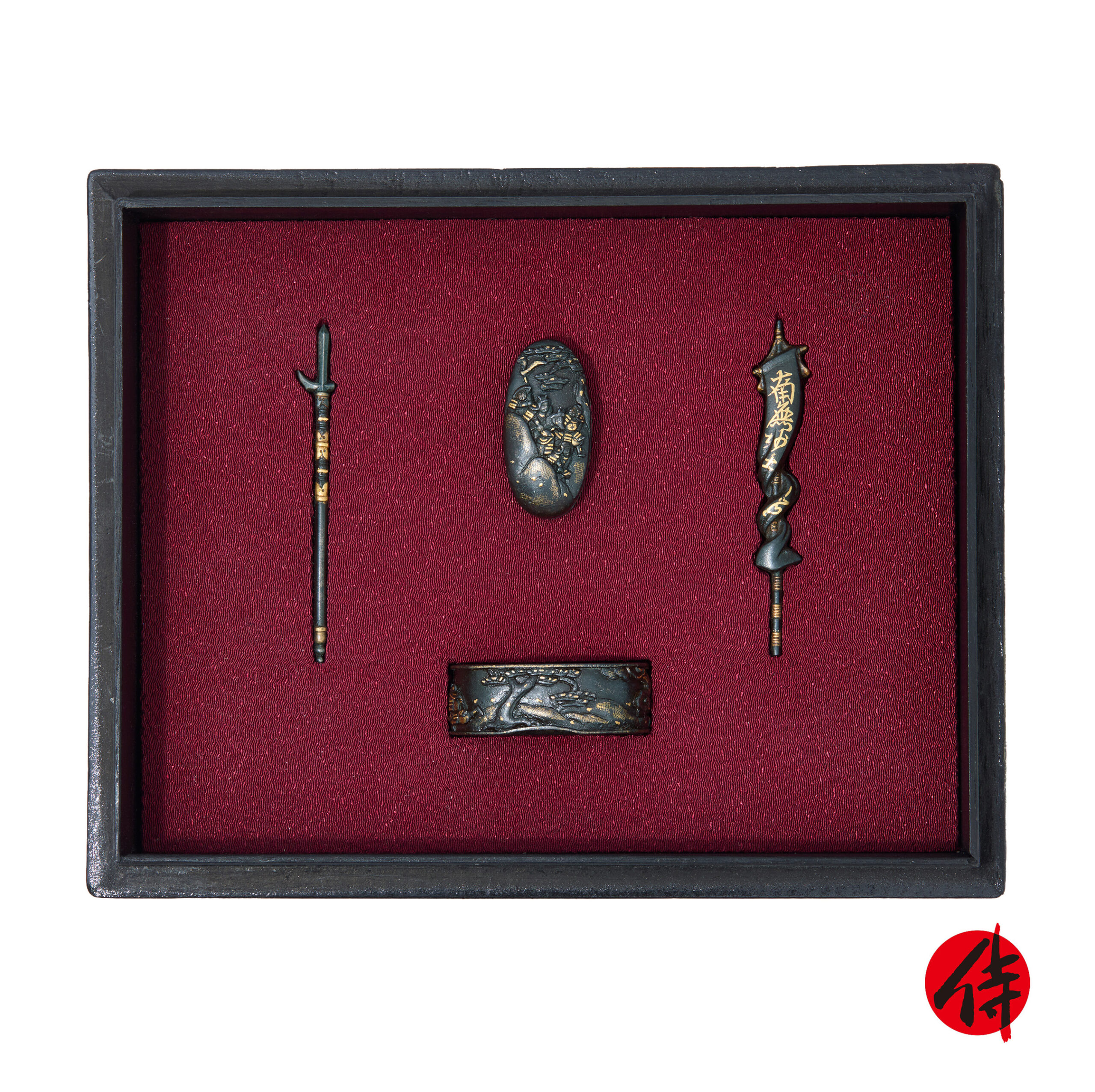
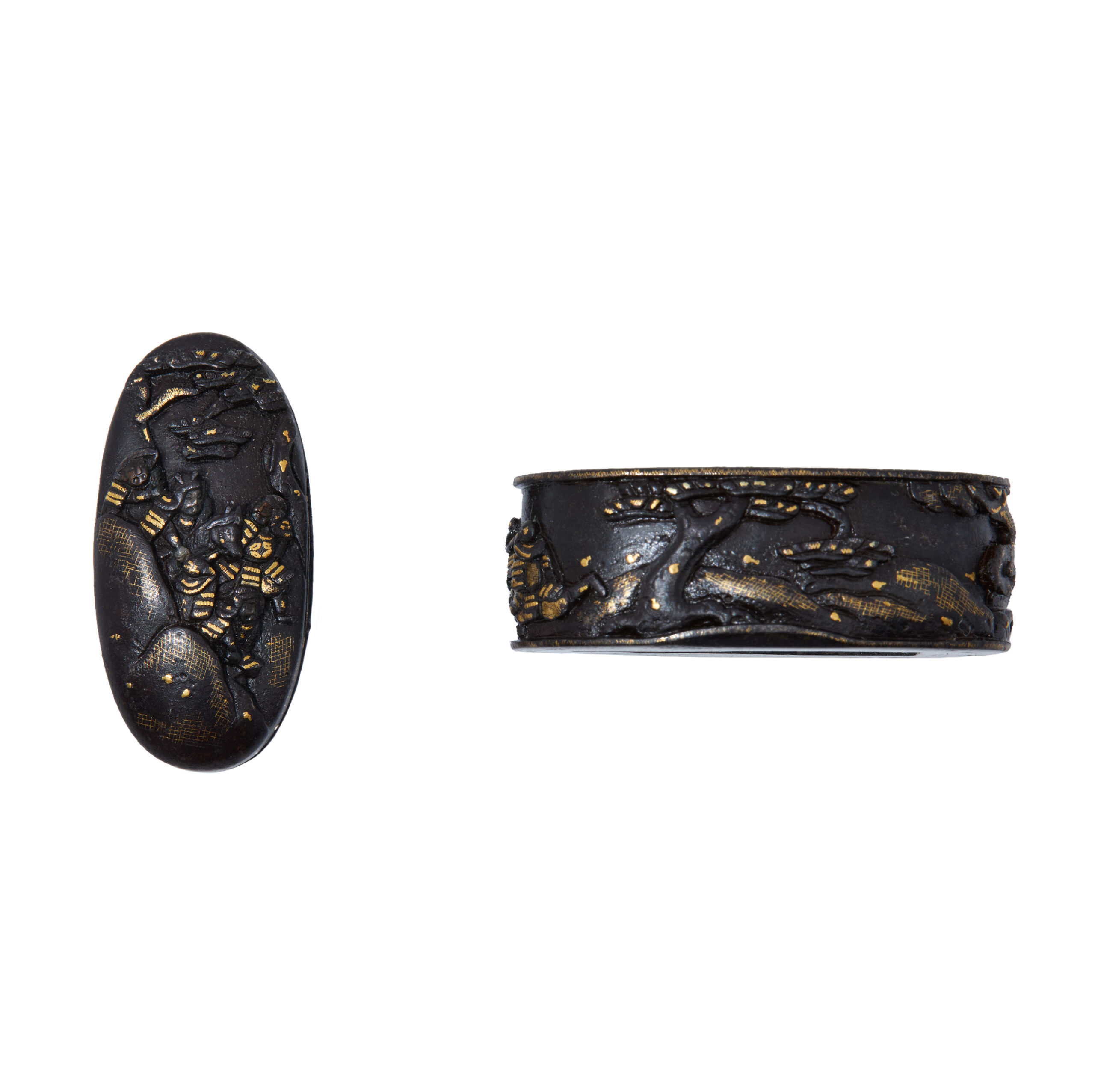
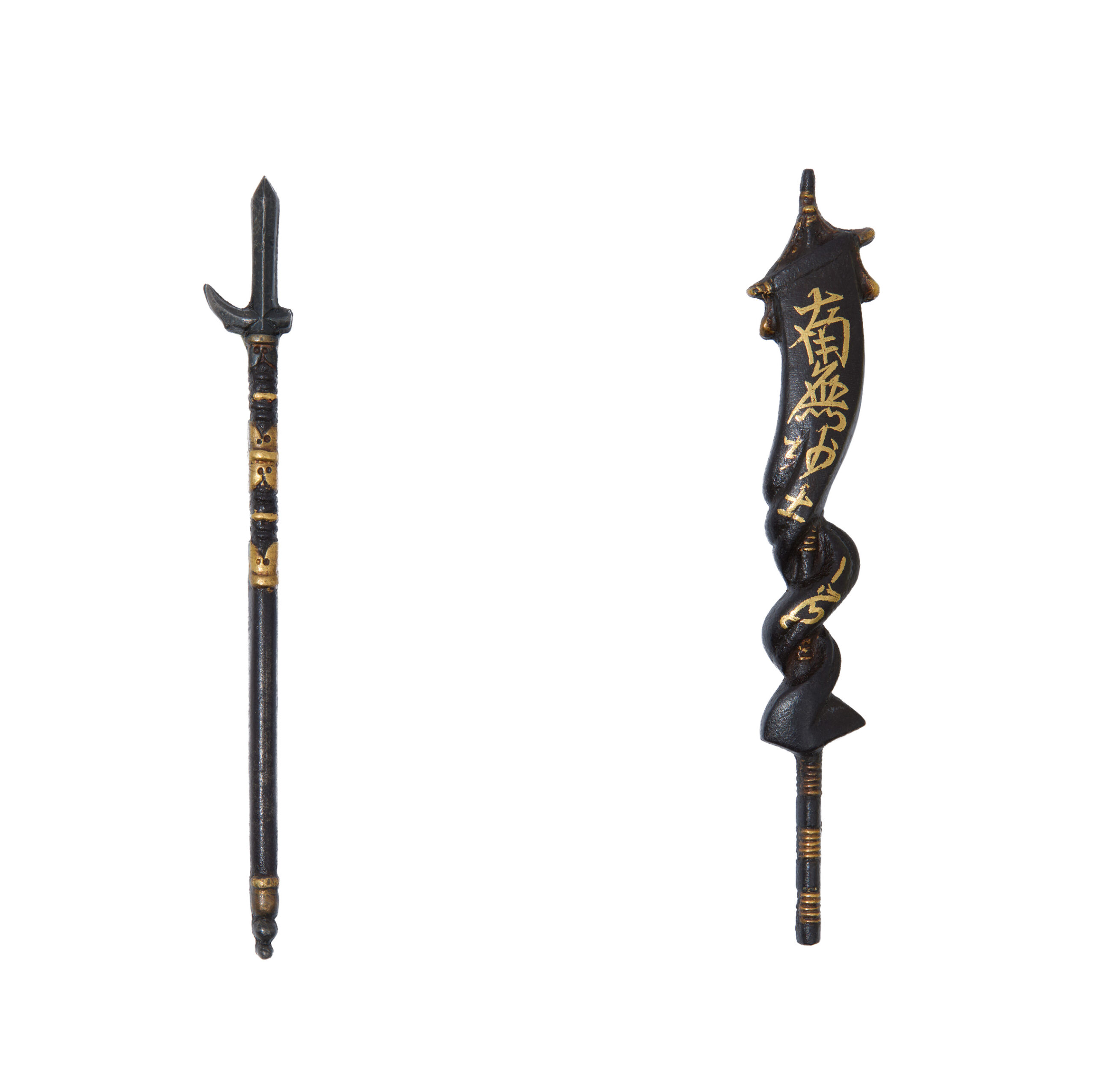
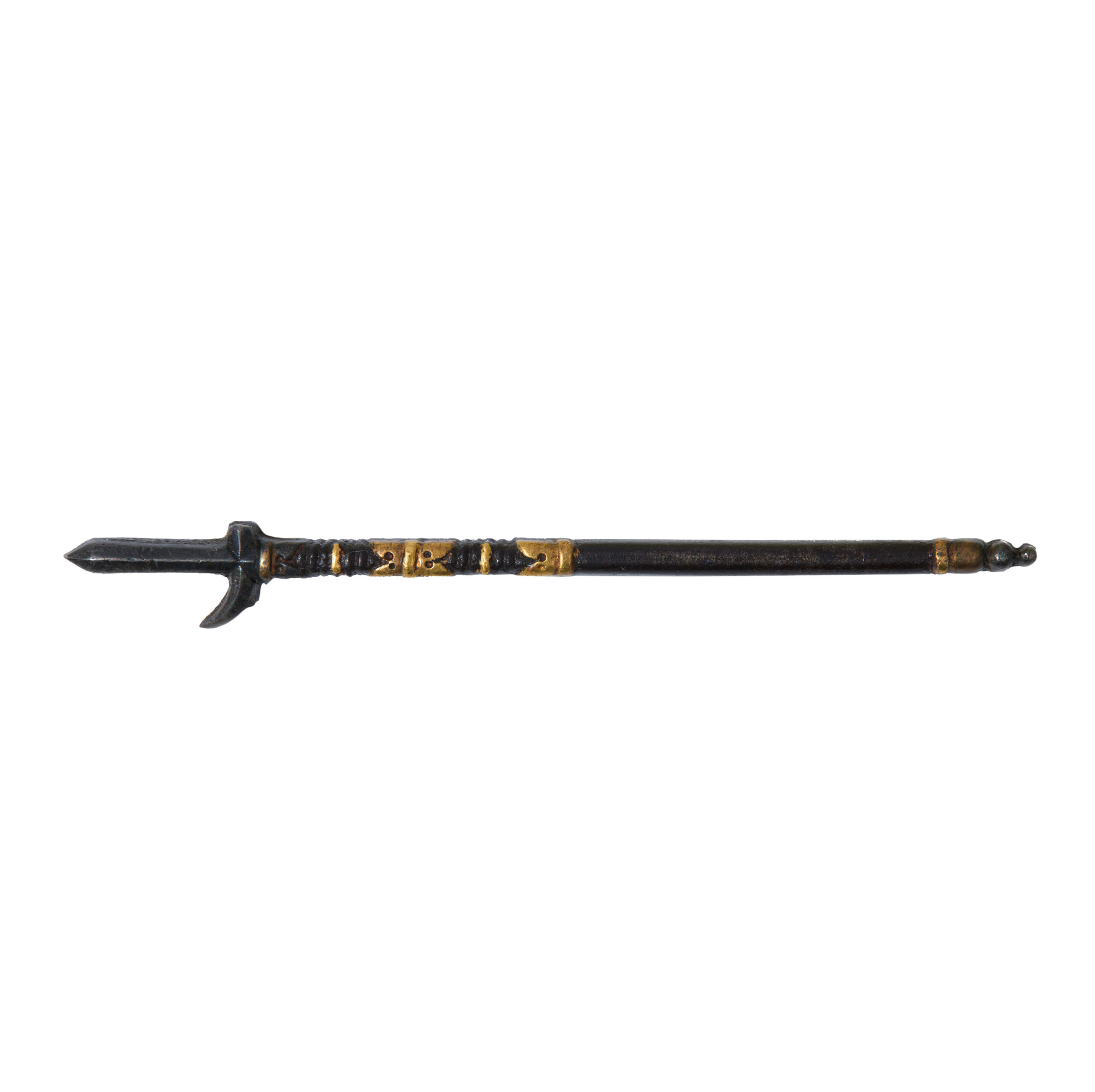
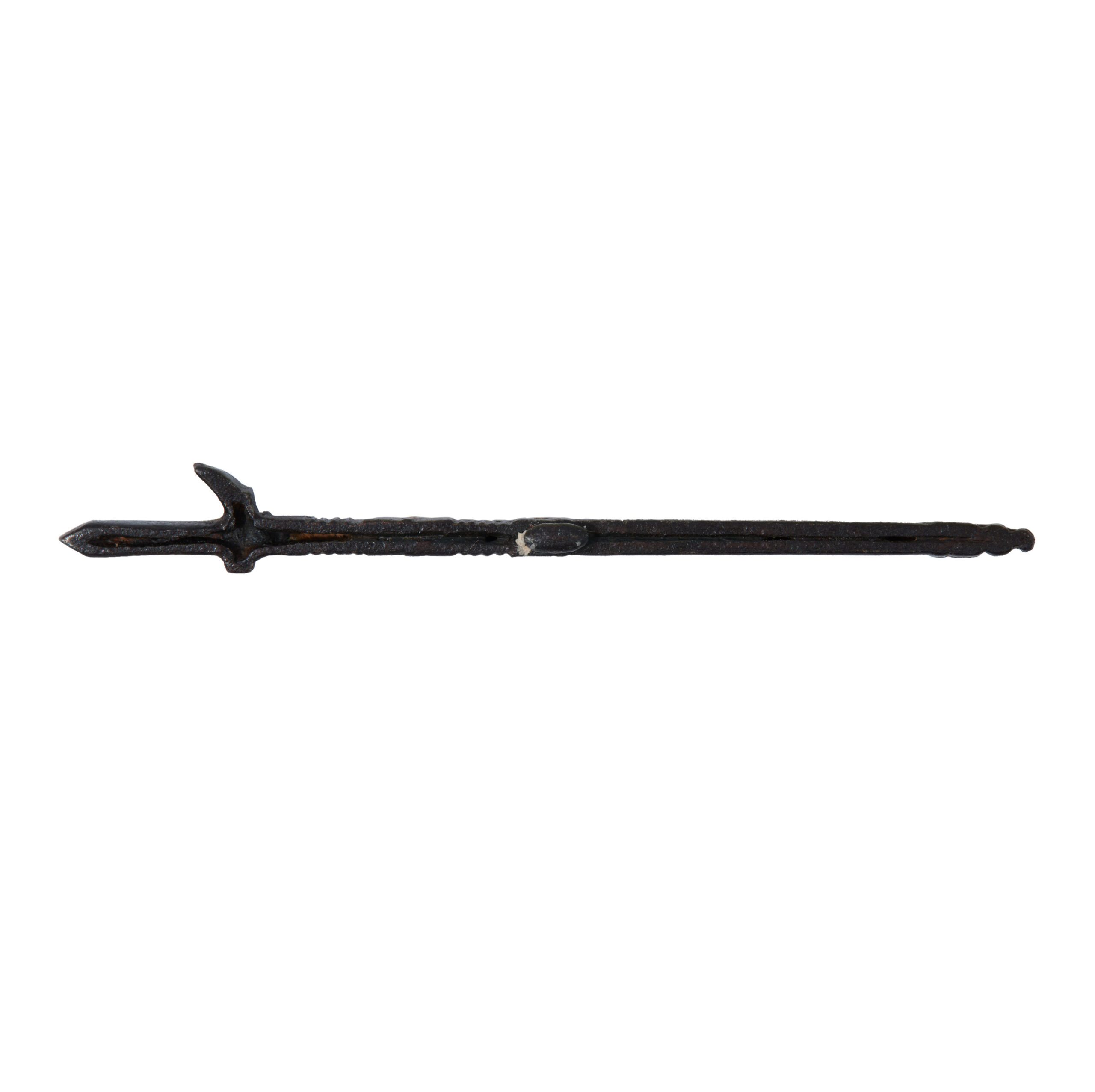
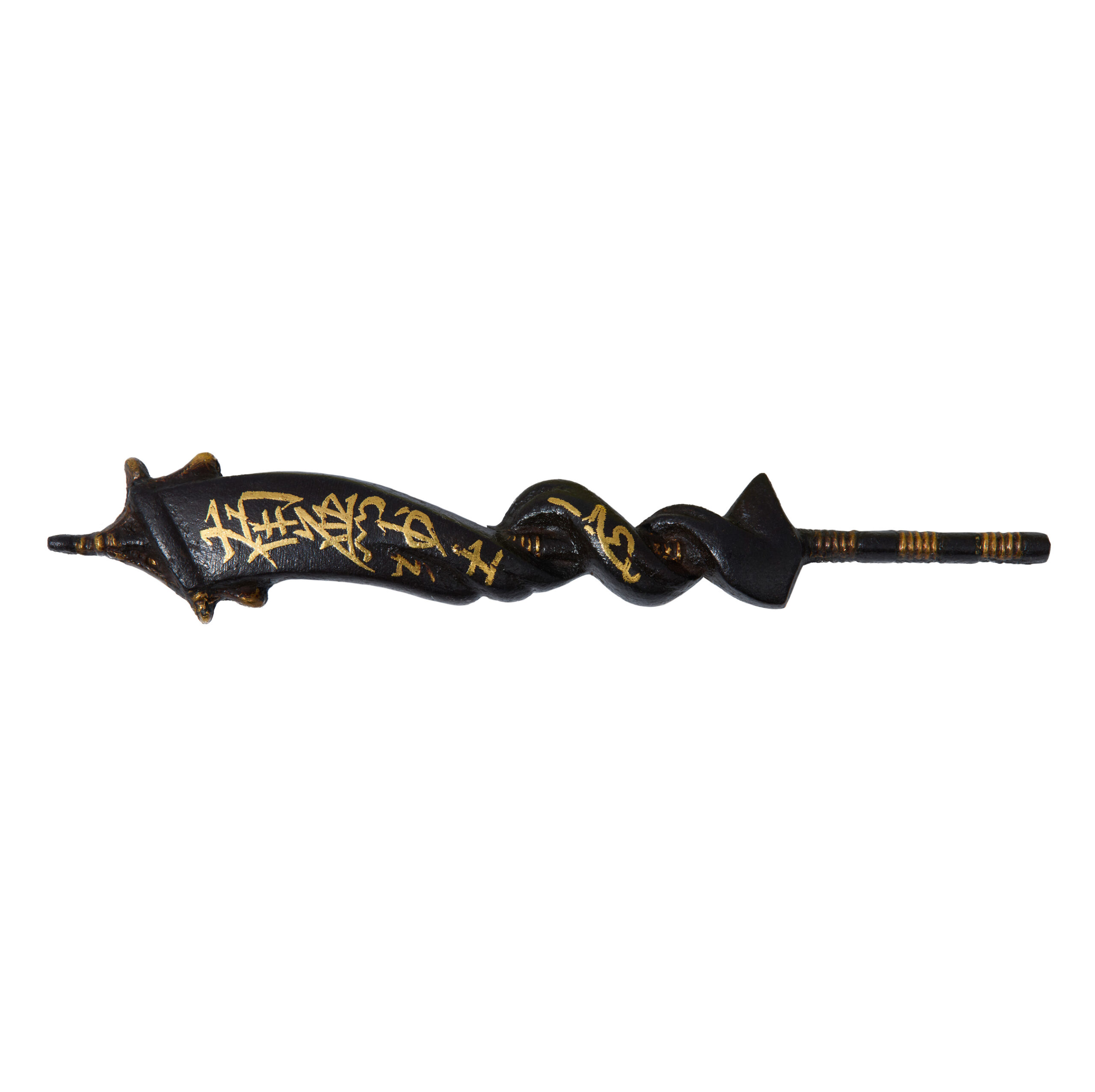
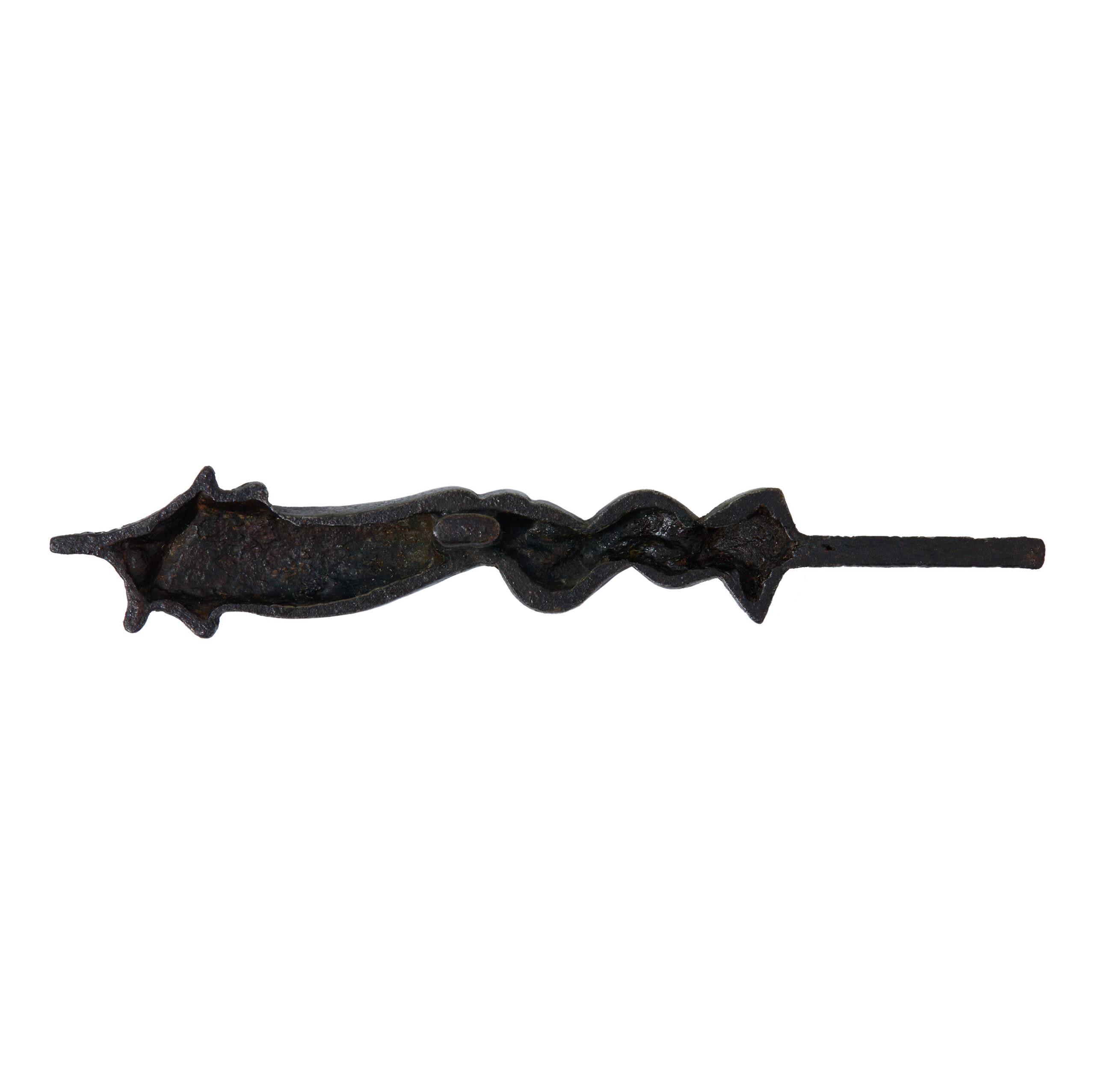
This item is a matching set of fuchi-kashira (hilt collar and pommel cap) and menuki (hilt ornaments). All components share a unifying theme centered around warfare and historical battles in Japan. The theme of this fuchi-kashira (hilt collar and pommel cap) appears to depict scenes from a famous historical conflict known as the Genpei War (源平合戦,1180–1185), a civil war between the Taira (平家, Heike) and Minamoto (源氏, Genji) clans that marked the end of the Heian period in Japan. The fuchi (collar) likely illustrates the Battle of Dan-no-ura(壇ノ浦の戦い), a dramatic naval battle that took place in 1185 and resulted in the fall of the Taira clan. The kashira (pommel cap) seems to represent the Battle of Yashima(屋島の戦い), another key engagement in which the Minamoto clan gained a crucial victory. These battles are among the most iconic in Japanese history and are often depicted in traditional art to symbolize bravery, loyalty, and the rise and fall of great houses. The theme of this menuki (hilt ornament) appears to center on martial equipment used in battle, specifically a spear and a war banner (hatajirushi). These were essential items on the battlefield in feudal Japan, used both for combat and as symbols of command or spiritual devotion. The spear depicted here is a distinctive kata-kama yari (片鎌槍), a type of spear with an asymmetrical blade featuring a single curved hook. The banner bears what appears to be the inscription “Namu Myōhō Renge Kyō” (南無妙法蓮華経), a Buddhist chant from the Lotus Sutra, often associated with samurai who followed Nichiren Buddhism. Given these details—the hooked spear and the banner with this invocation—the motif is likely inspired by Katō Kiyomasa, a famous samurai and military commander from the late 16th to early 17th century. Kiyomasa was known for his martial prowess, devout faith in Nichiren Buddhism, and use of such distinctive weapons and banners in his campaigns.
NihontoWatchOffered by Samurai Museum
We couldn’t find current papers for this piece. Ask the dealer whether it has been, or can be, submitted to shinsa. — Hoshi

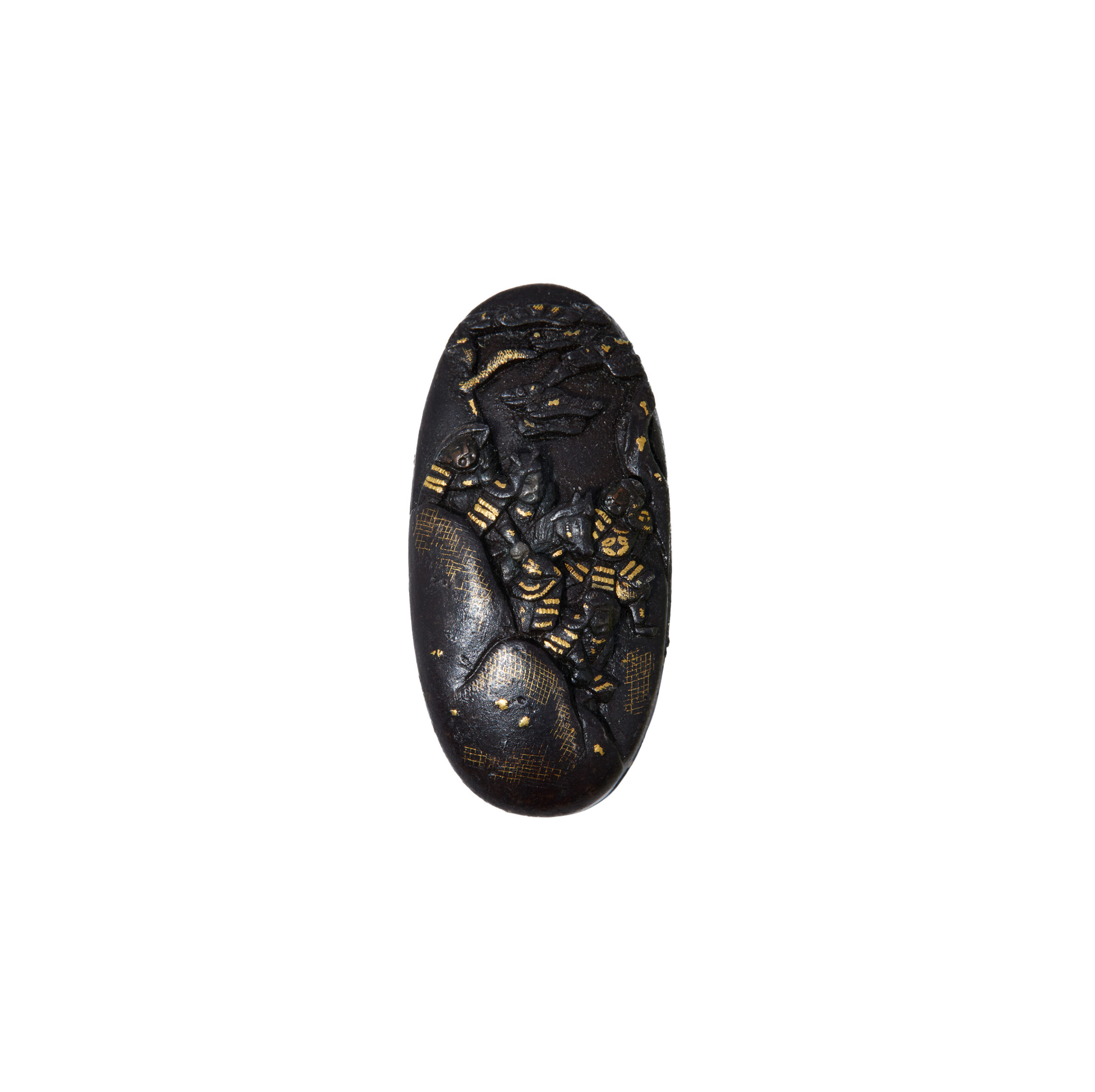
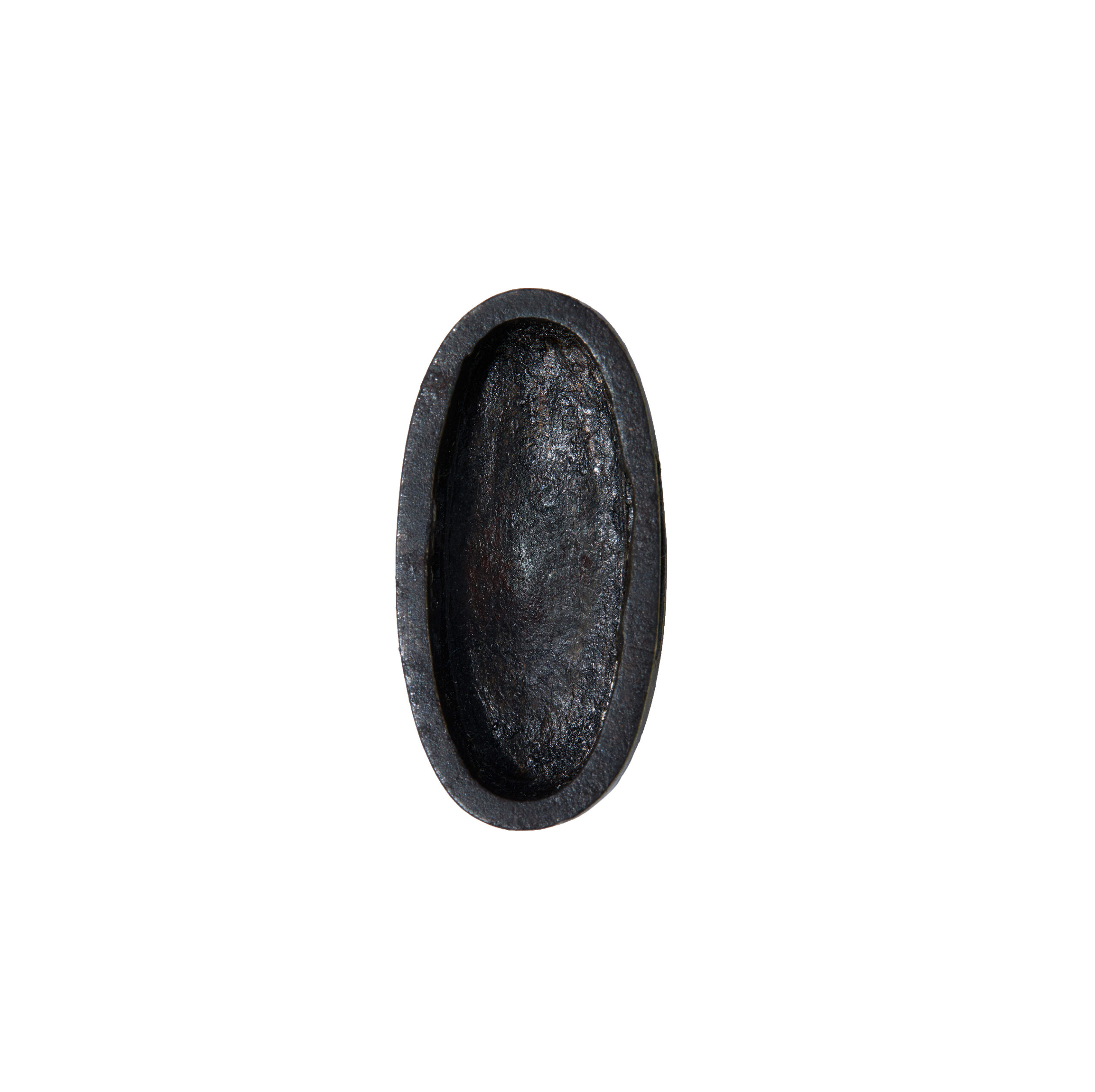
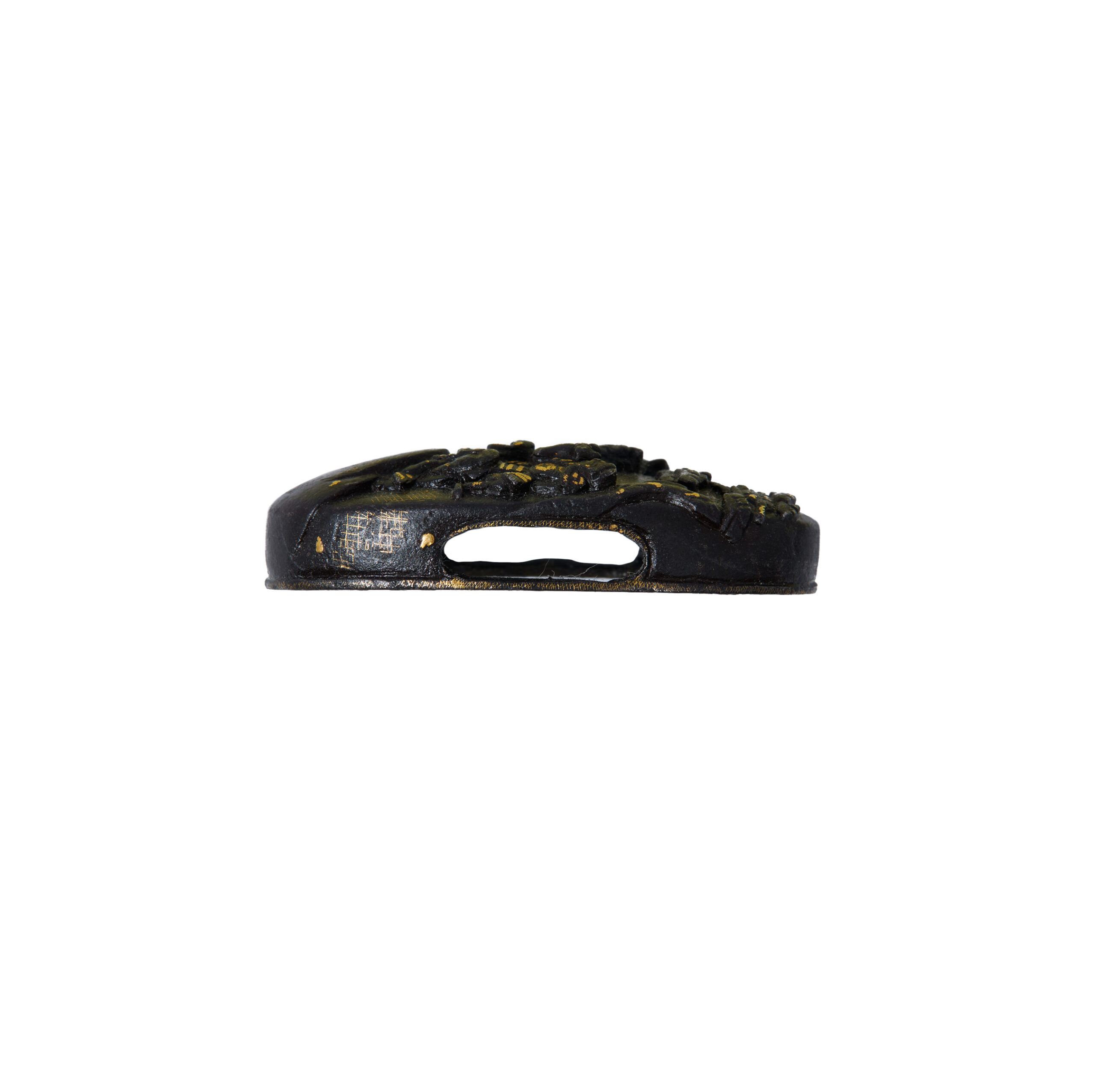
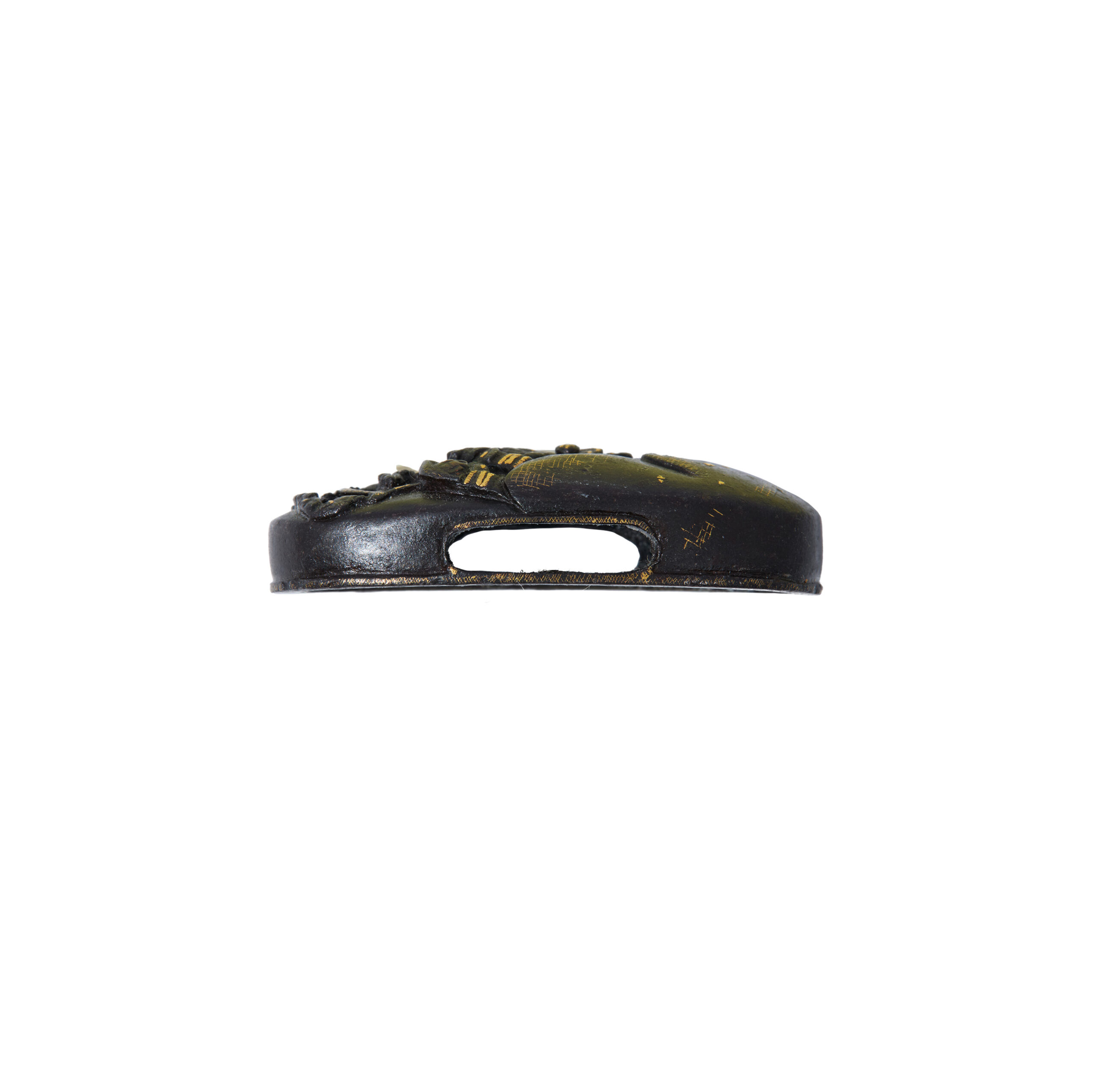
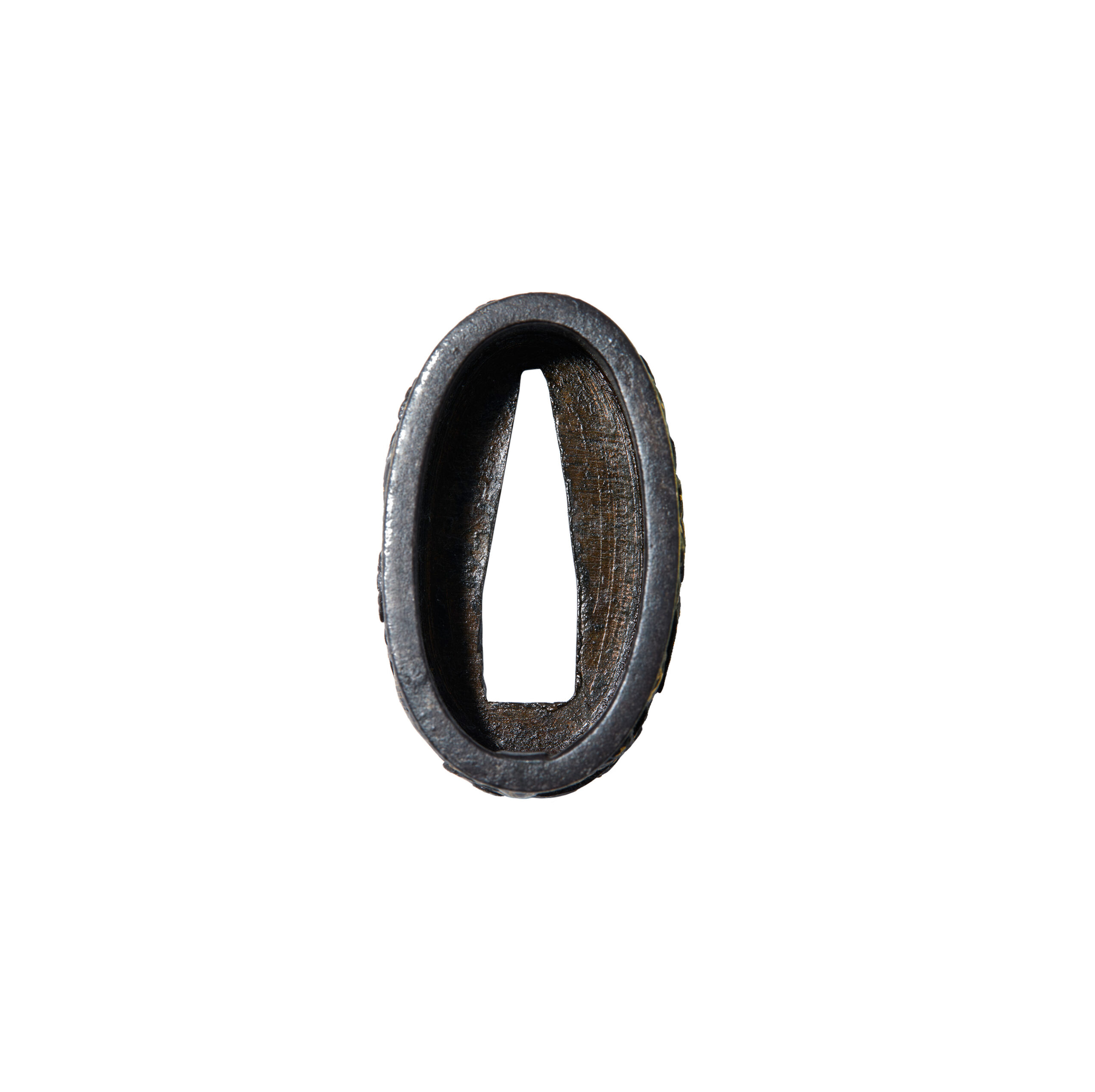
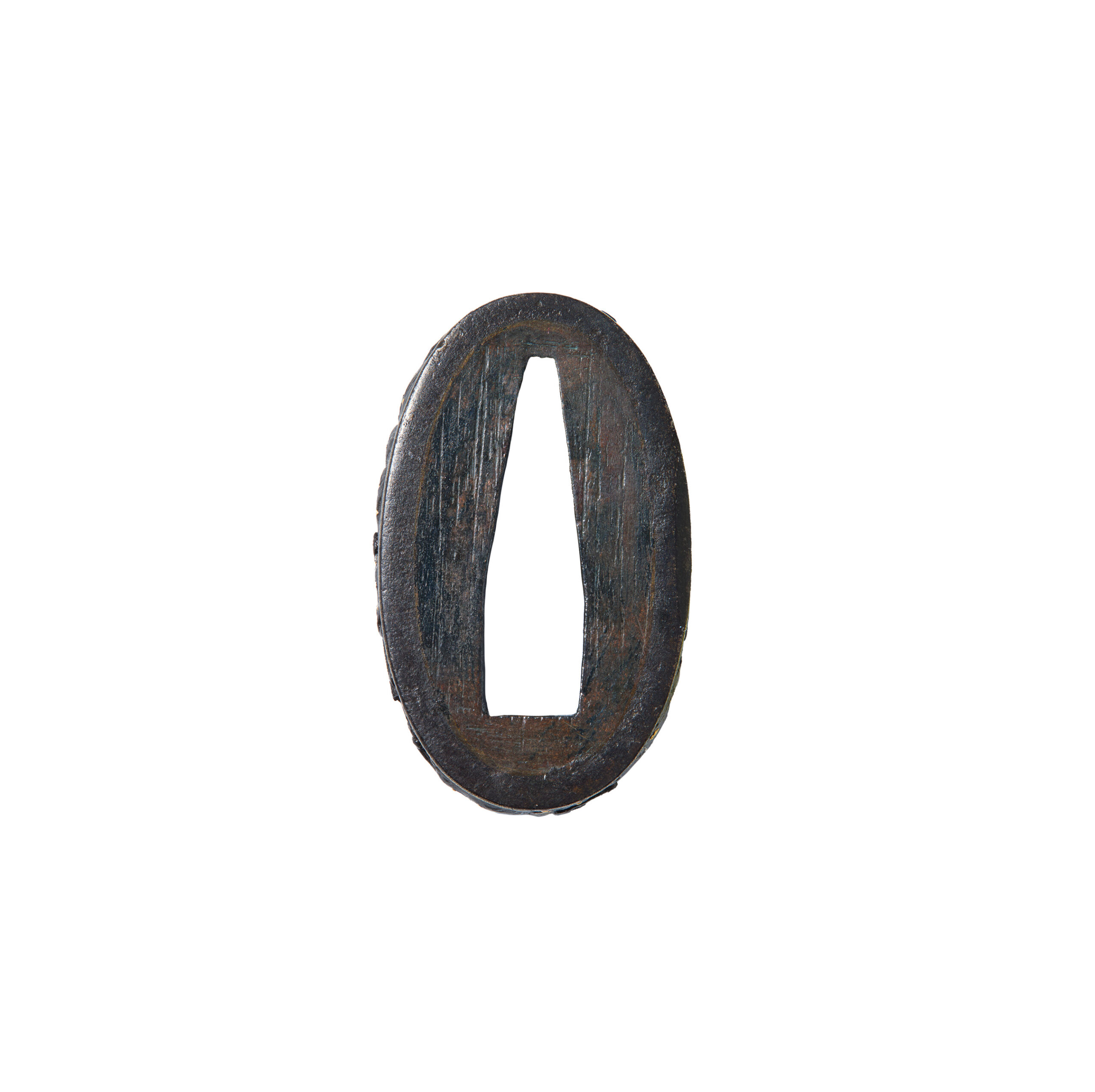
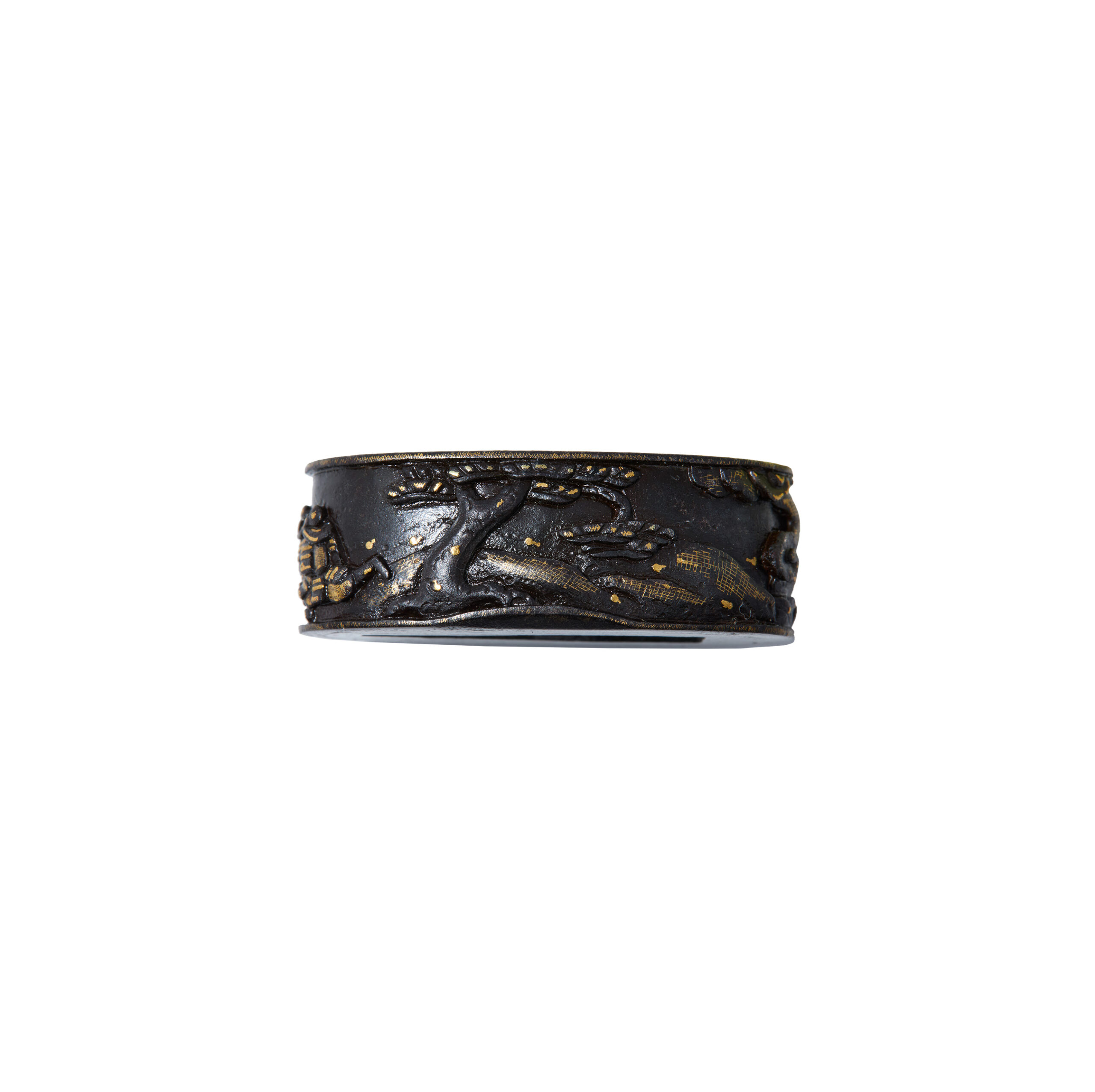
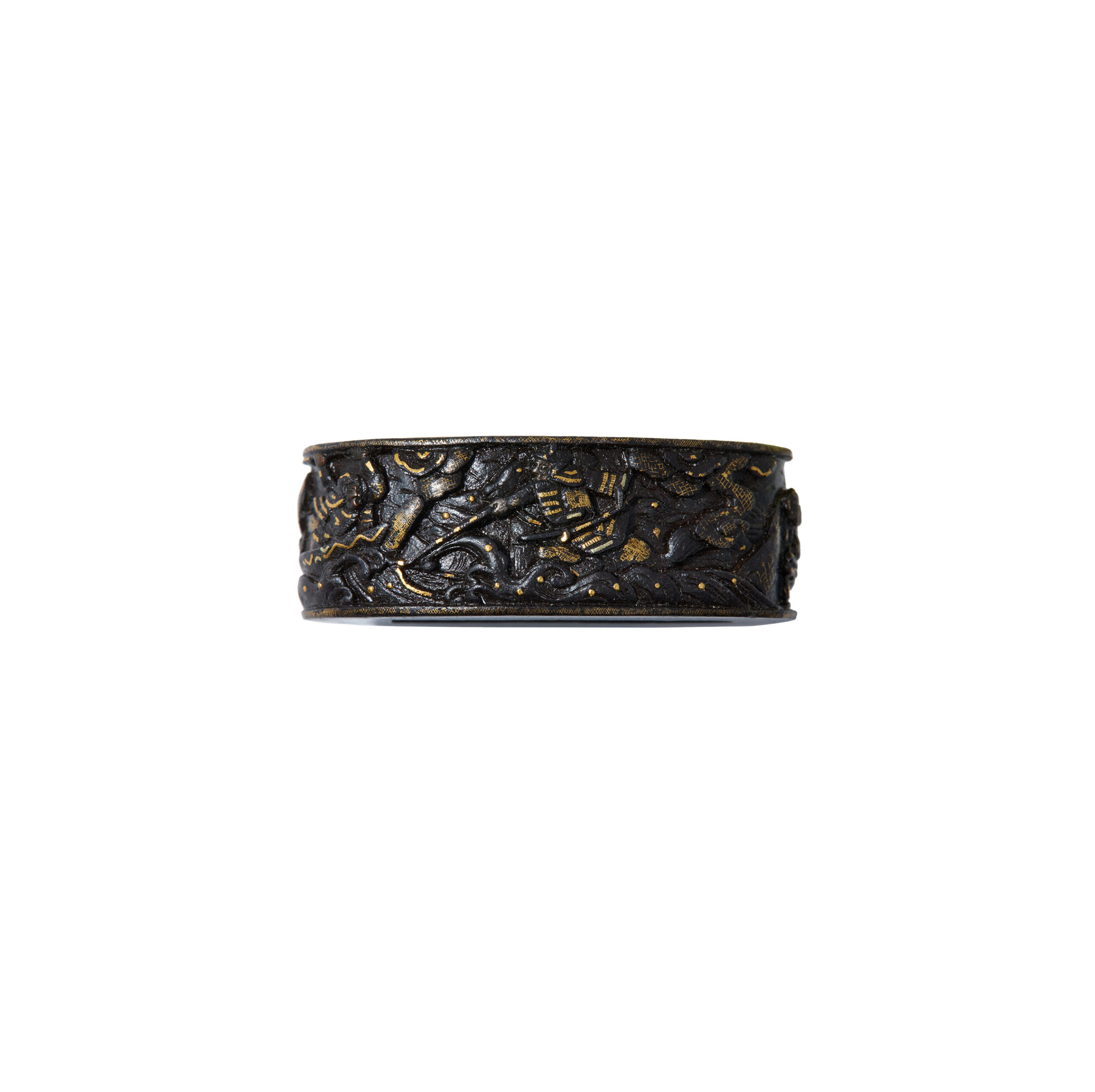
Edo
Unsigned
We could not find an authenticity certificate on the seller’s listing. Japanese swords and fittings are normally papered by the NBTHK (or the NTHK). Without one, the attribution is the seller’s own assessment and has not been independently verified — treat it with caution and ask the dealer about certification before buying.
Returns/exchanges limited to defects caused by shipping (except willful misconduct or gross negligence by the company); customers must contact within 72 hours of receiving the product.
¥195,000