Perry’s arrival in 1853 unraveled the Tokugawa peace and created the first mass demand for working swords in two centuries. Kiyomaro, called the Masamune of Yotsuya, died on its eve; Munetsugu and Yukihide carried the boom to the end.
 NihontoWatchNihontoWatch
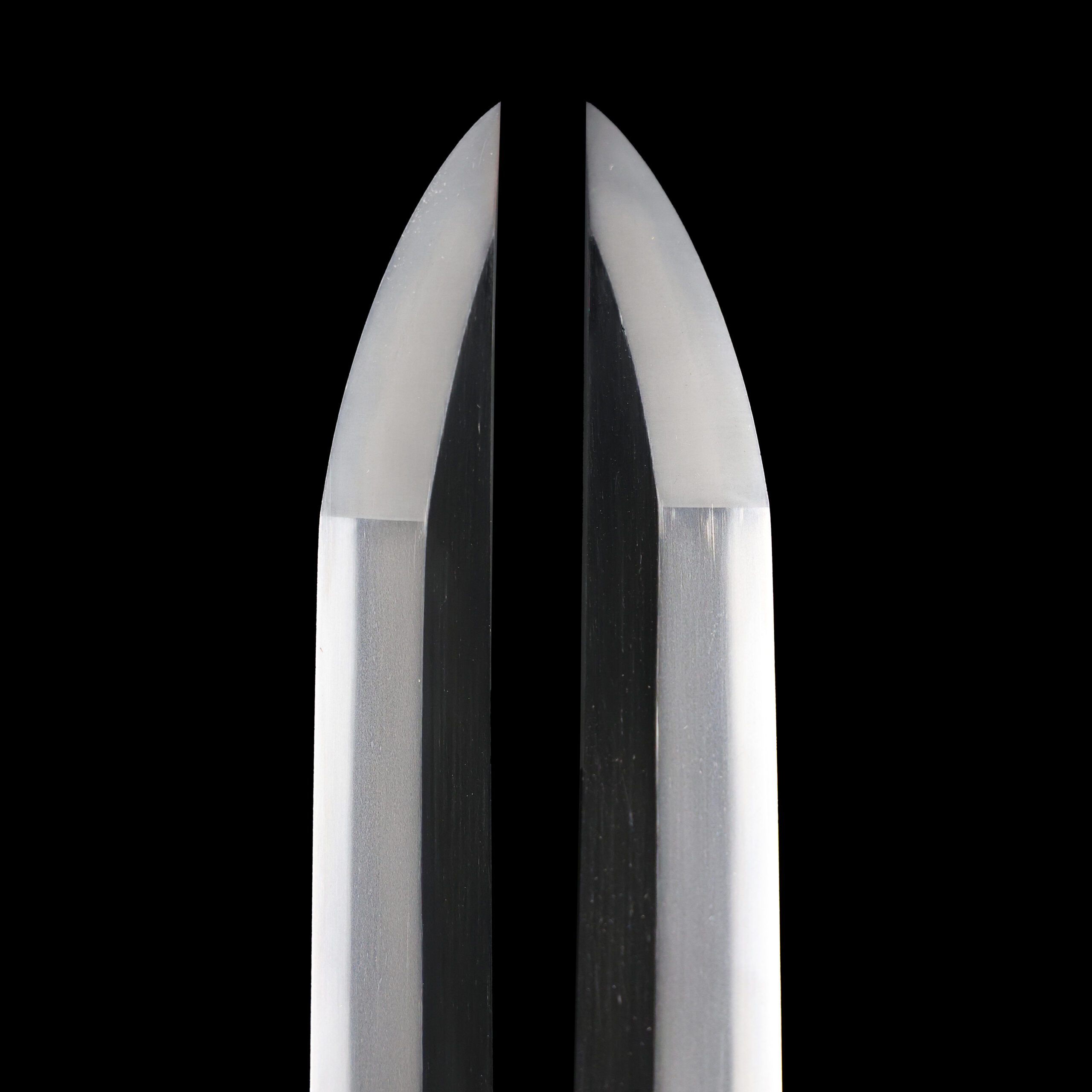
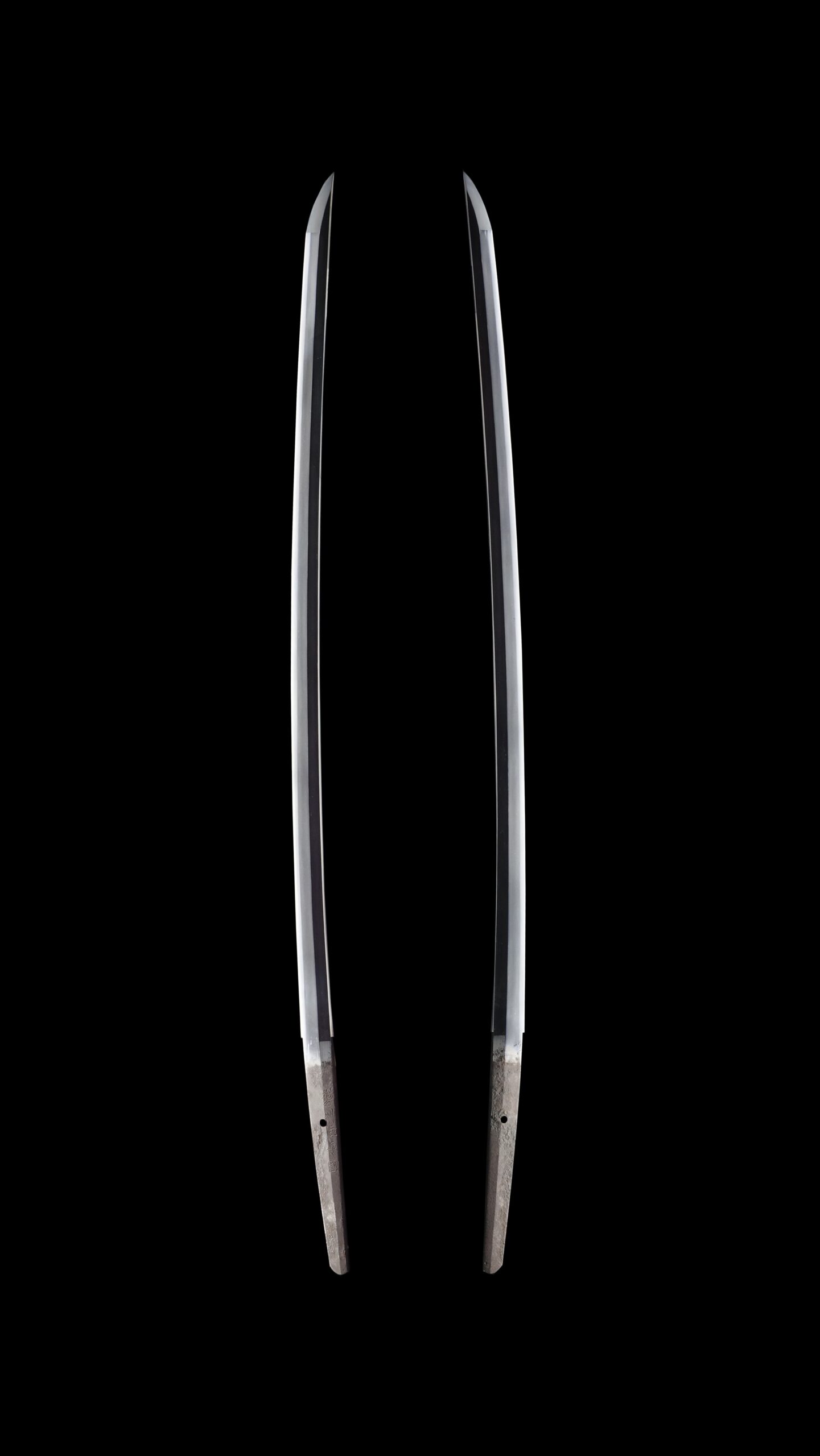
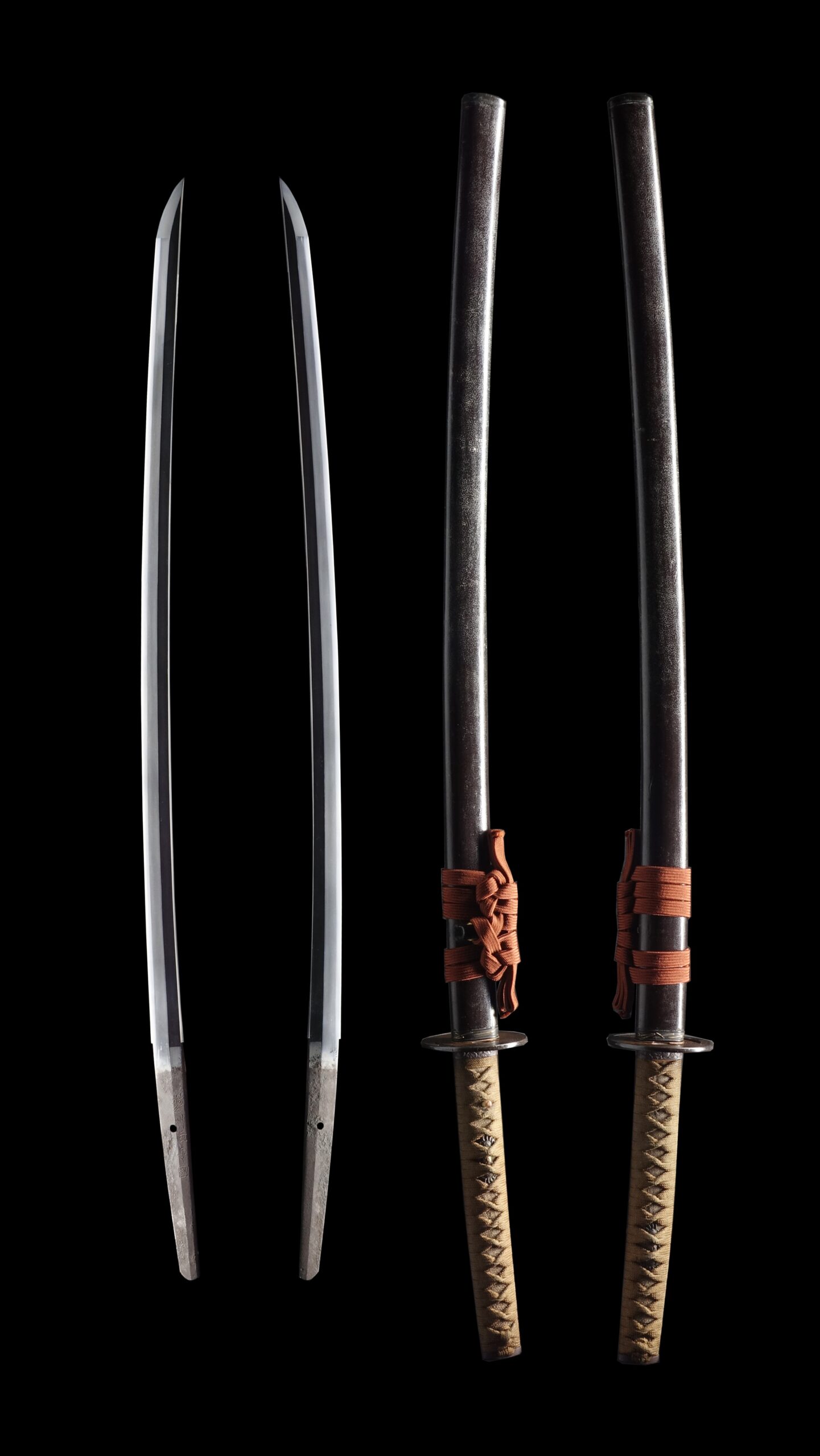
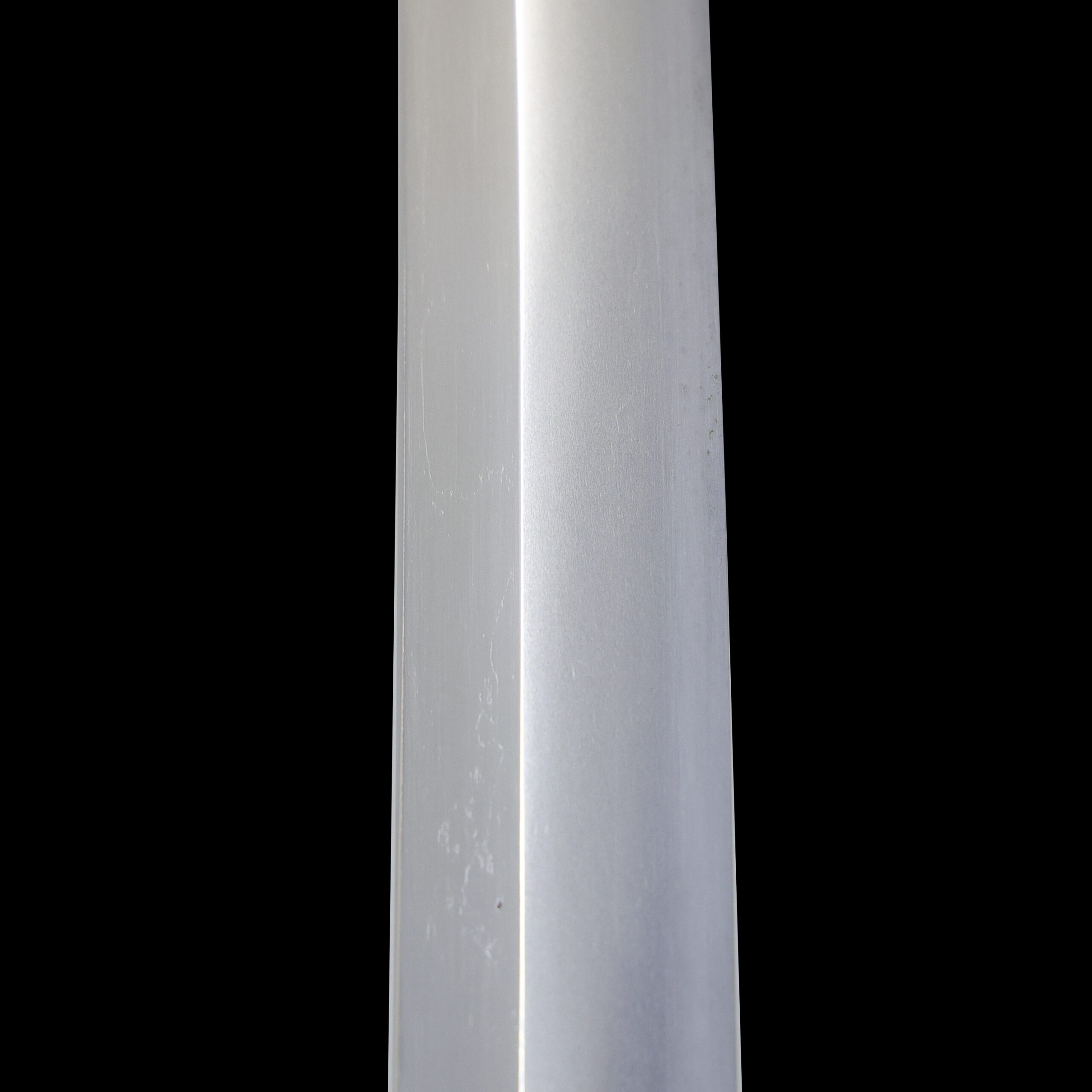
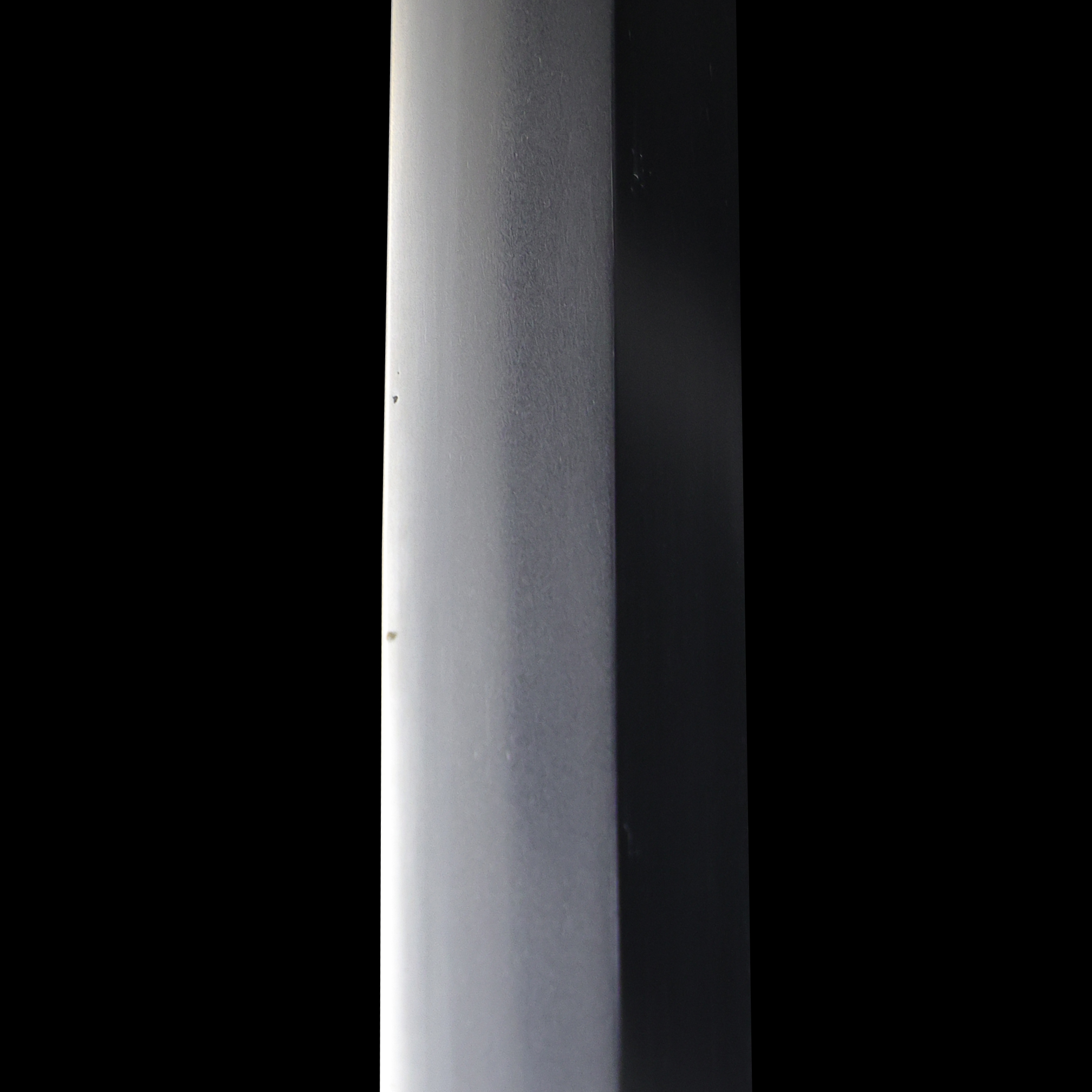
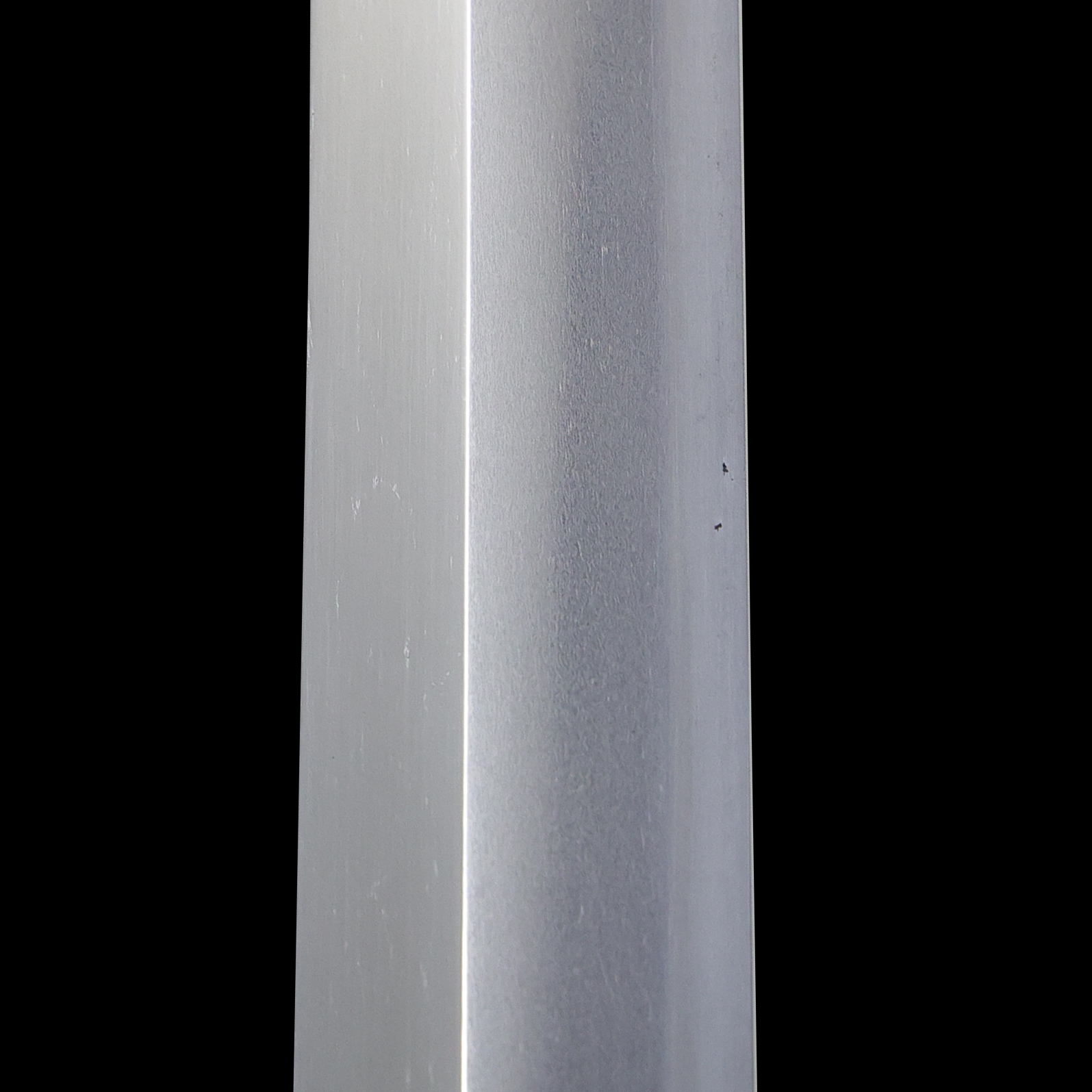
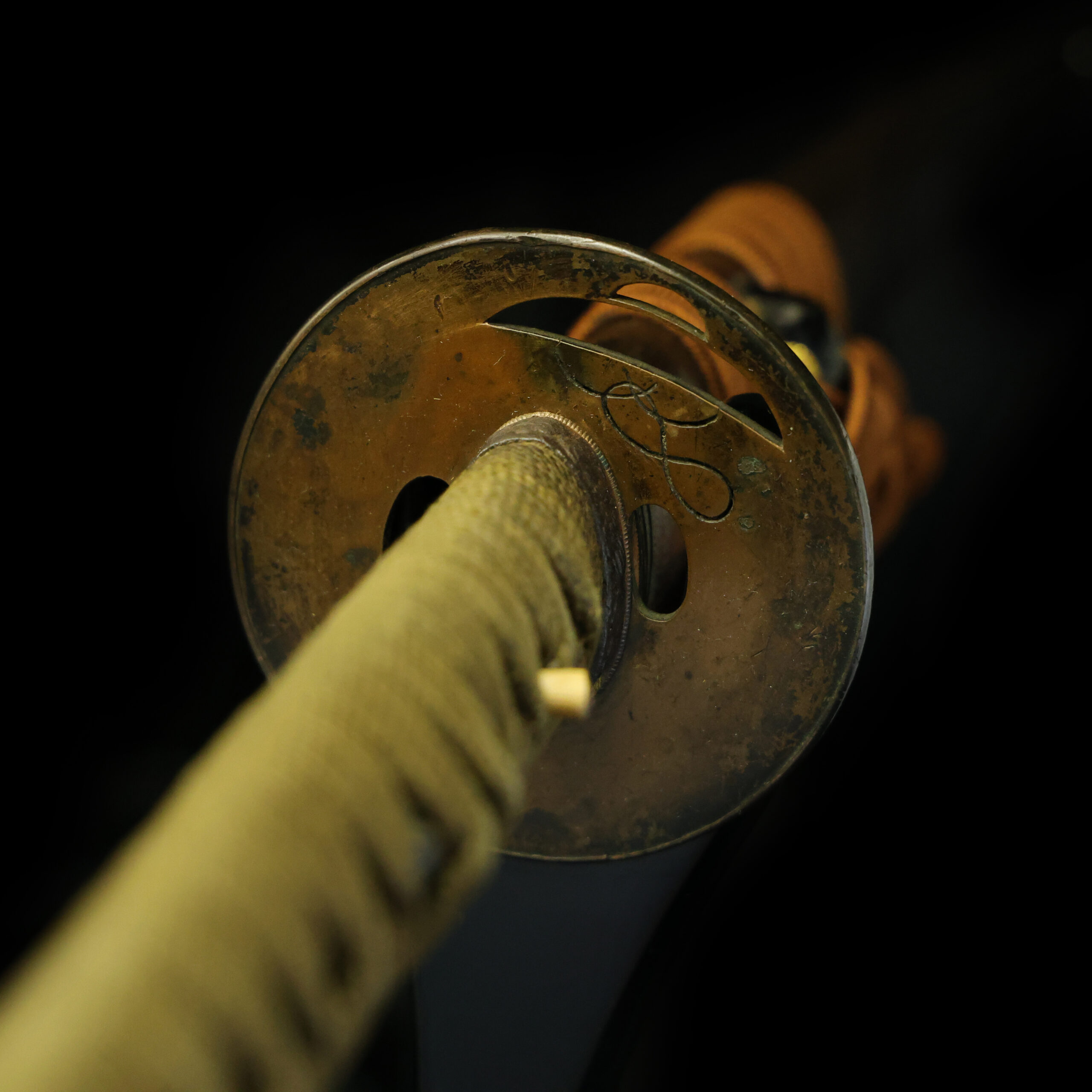
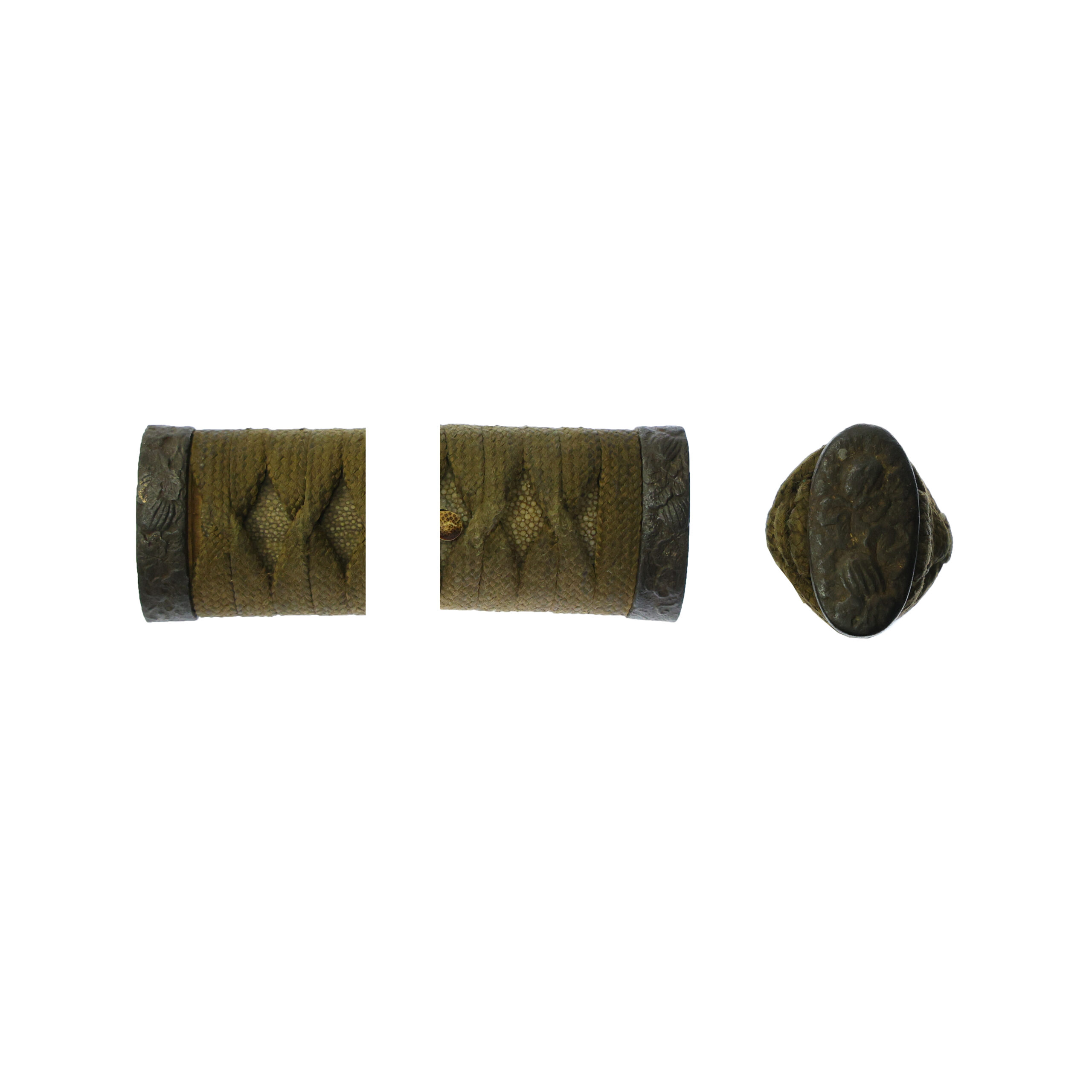
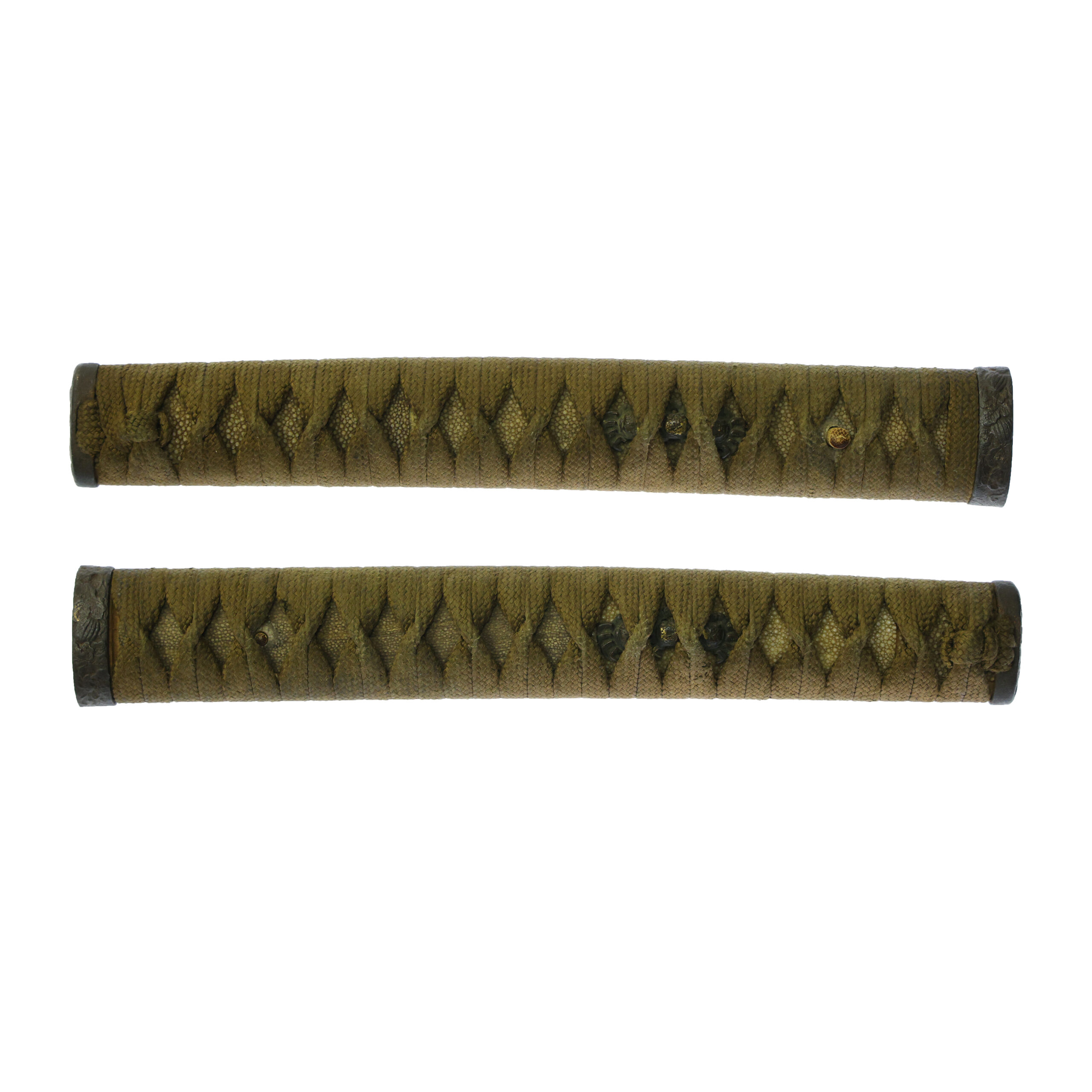
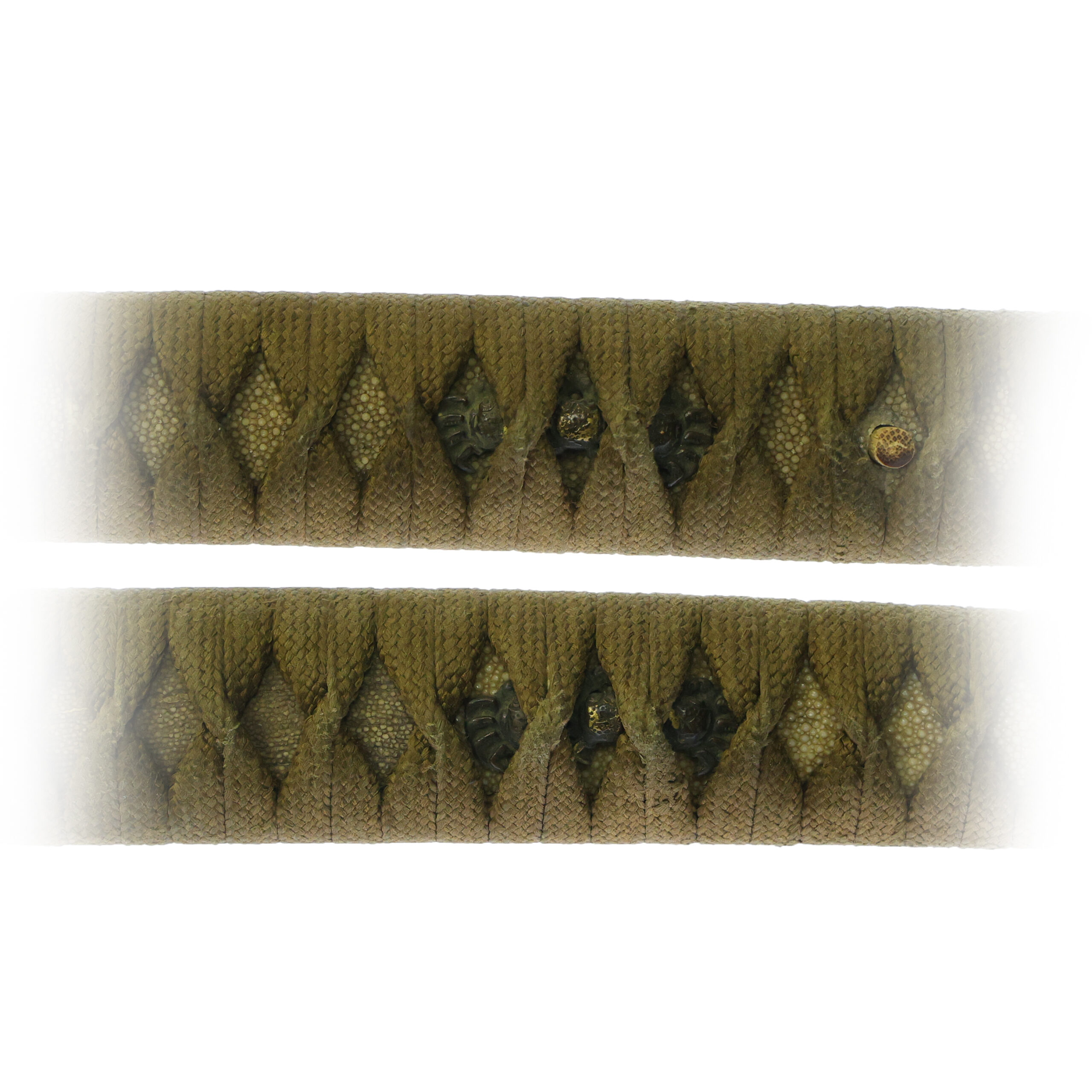
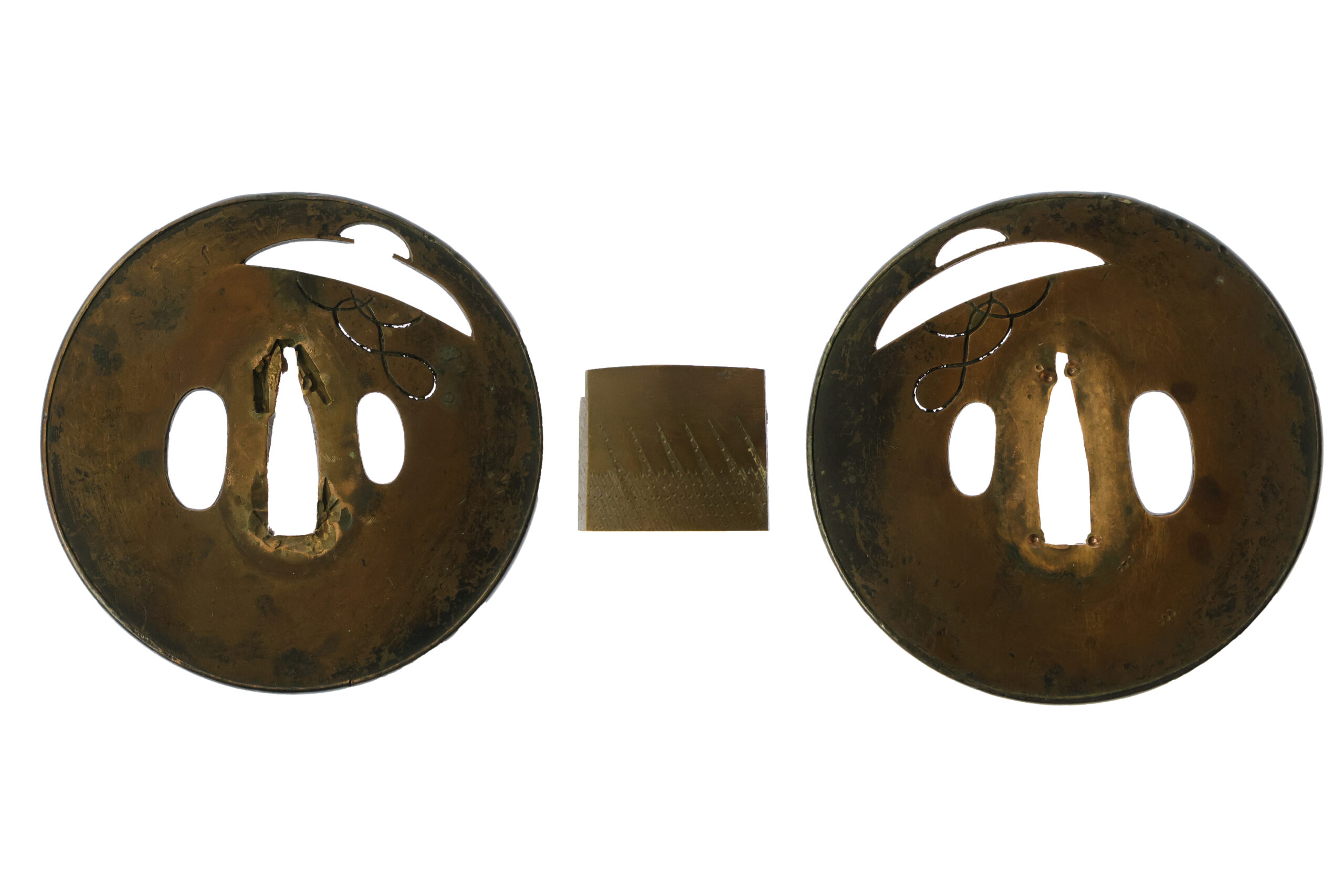
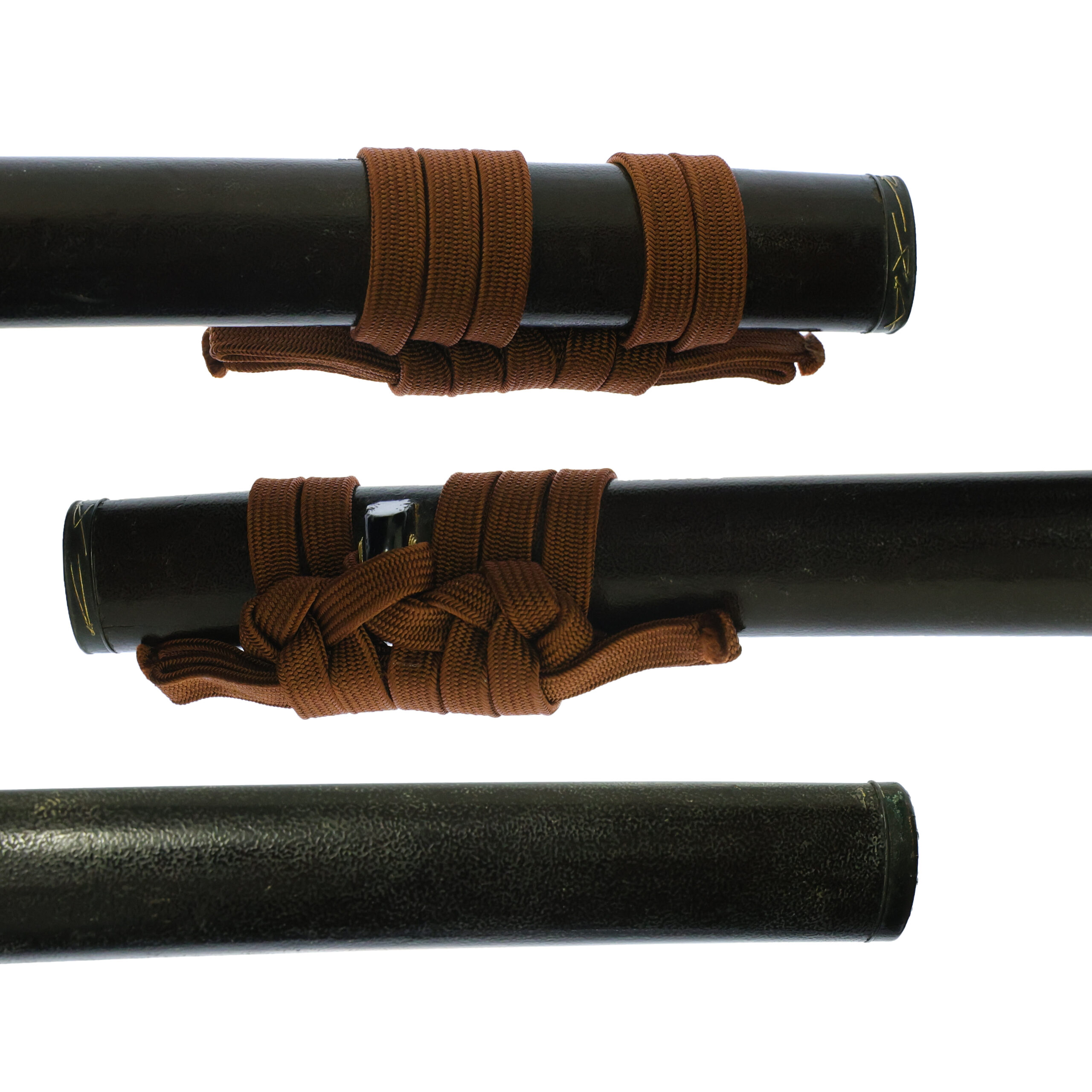
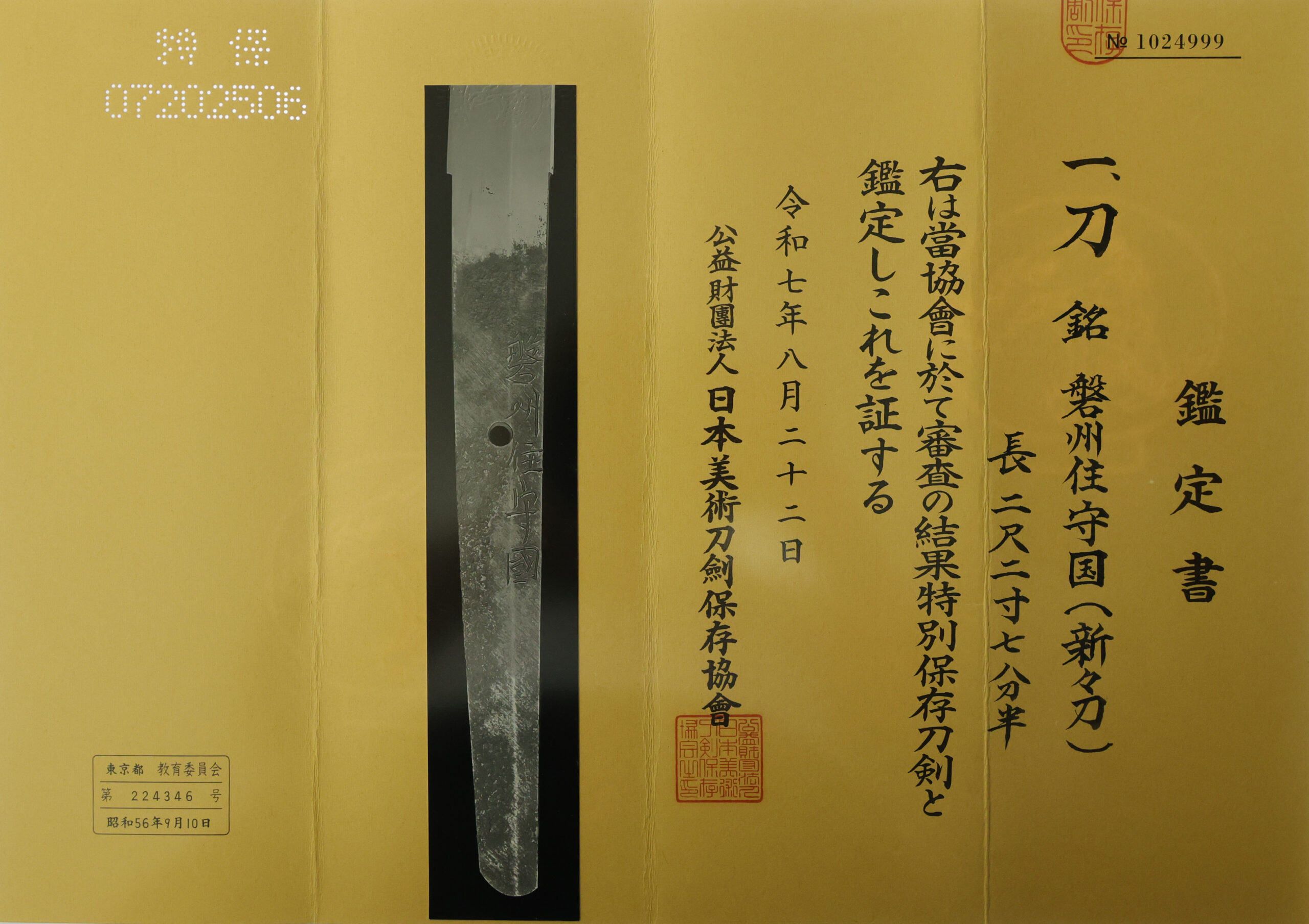
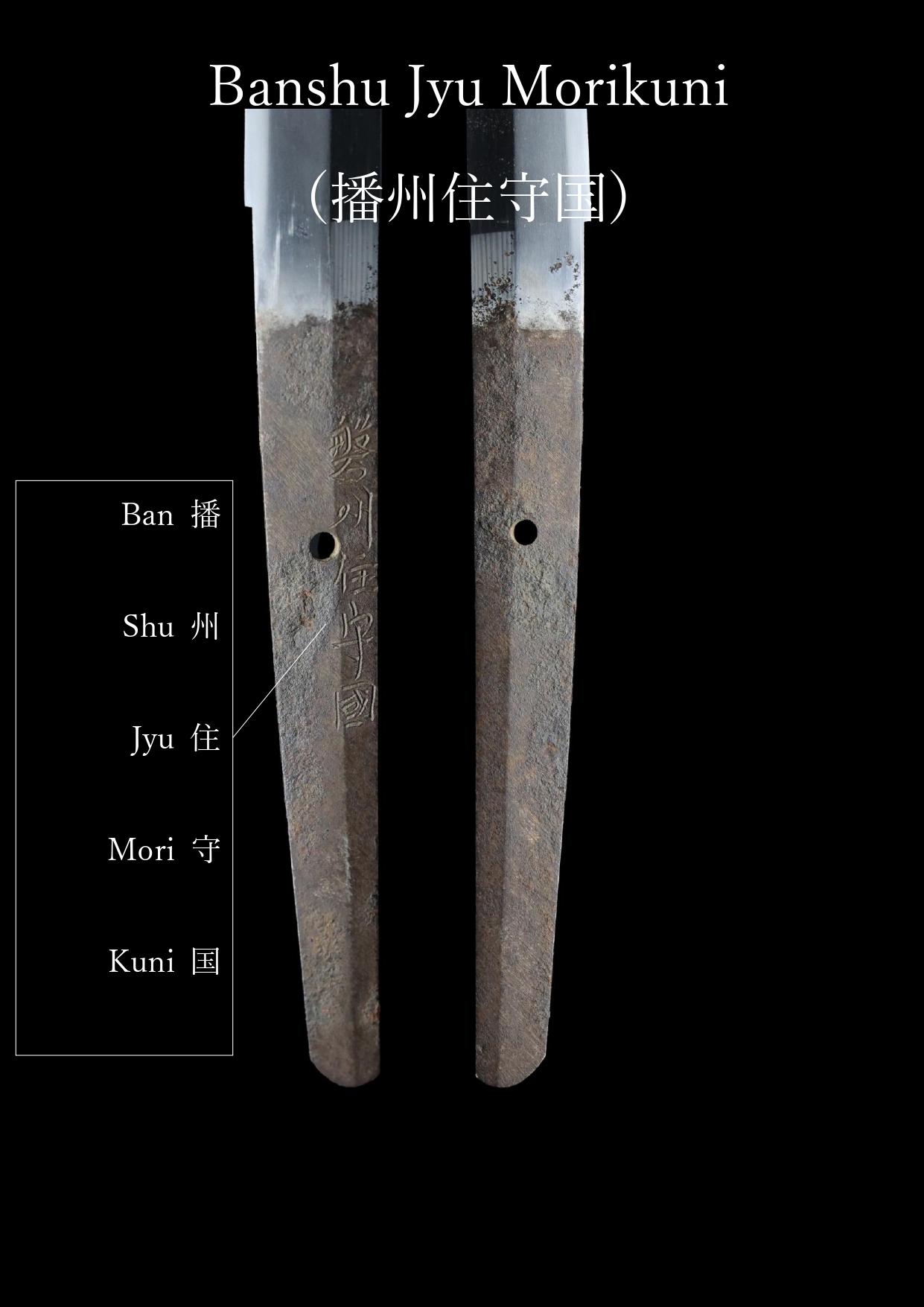
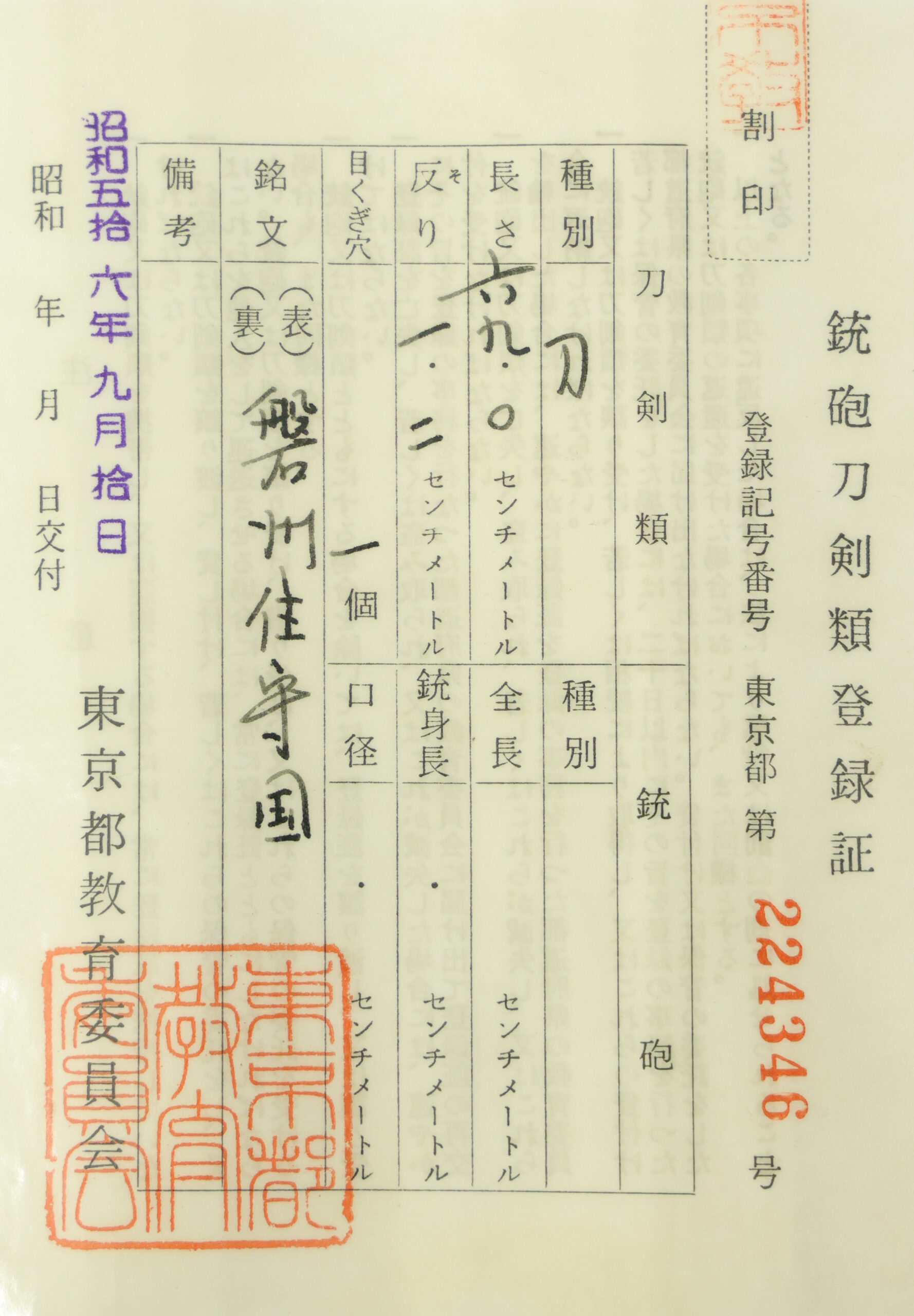
This blade is signed by Banshu Jyu Morikuni (播州住守国), a swordsmith who was active during the Shin shintō period (1772–1876, the late Edo period). Banshū is another name for Harima province, located in today’s Hyōgo prefecture. Background Japan enjoyed a relatively peaceful era from the early to mid-Edo period (1600s–1760s), supported by a stable economy and the strong rule of the Tokugawa Shogunate. Because Samurai had few opportunities to use their swords in public or on the battlefield during this time, the Katana was carried mainly as a symbol of social status. As a result, the demand for functional weapons decreased compared with the preceding Warring States period, known as Sengoku Jidai (1467–1600). However, toward the end of the Edo period (1764–1876), the role of the Japanese sword changed significantly. As poverty spread throughout the country, numerous riots broke out among civilians, and the sword once again became vital for maintaining public order. Increasing pressure from foreign nations to open Japan’s borders also led Samurai to commission strong, practical blades to survive the uncertain times. We believe many swordsmiths—including Morikuni—made great efforts to forge high-quality swords for their patrons as preparations for potential conflict. A civil war eventually erupted between the Tokugawa military government and the newly formed Meiji government. It is possible that the original owner of this katana witnessed firsthand the turbulent period in which the Samurai way of life came to an end. It is appraised as a Tokubetsu Hozon Token (特別保存刀剣) issued by NBTHK (Nihon Bijutsu Touken Hozon Kyokai:日本美術刀剣保存協会). *Please keep in mind that there are a couple of Kitae Kizu on the blade. Tsuka and Menuki This pair of menuki likely depicts a crab (蟹, kani )motifs. As crabs walk sideways, they were compared “Oukou Kunshi (横行君子),” which means to stick to one’s intention against authority. Samurais might have felt the strong will that they would not bow before power from this motif. Tsuba and Habaki This tsuba features an openwork design of an ichime-gasa (市女笠, a type of traditional conical hat worn by women) combined with snowflake motifs. The ichimegasa was a broad, woven hat typically worn by aristocratic women or female attendants during the Edo period. It not only served as protection from the elements but also functioned as a subtle veil, adding an air of mystery and modesty to the wearer. Saya The koiguchi (scabbard mouth) and Kojiri (the bottom of the scabbard) feature a motif that is likely matsuba chirashi (松葉散らし, scattered pine needles) rendered in fine gold inlay. Pine needles have long been regarded as auspicious symbols because even when they wither, fall from the tree, or break, the two halves remain together. For this reason, the design has been cherished as a kisshō monyō (吉祥文様, auspicious motif) symbolizing strong bonds and inseparable ties. It has traditionally been used in decorative arts and sword fittings to express wishes for longevity, unwavering friendship and love, and harmony between husband and wife. Authentication Paper They authenticated the blade on August 22nd in the 7th year of Reiwa (2025). They appraised it as Tokubetsu Hozon Touken, the blade especially worth preserving for Japanese society.
Offered by Samurai Museum
This piece has sold

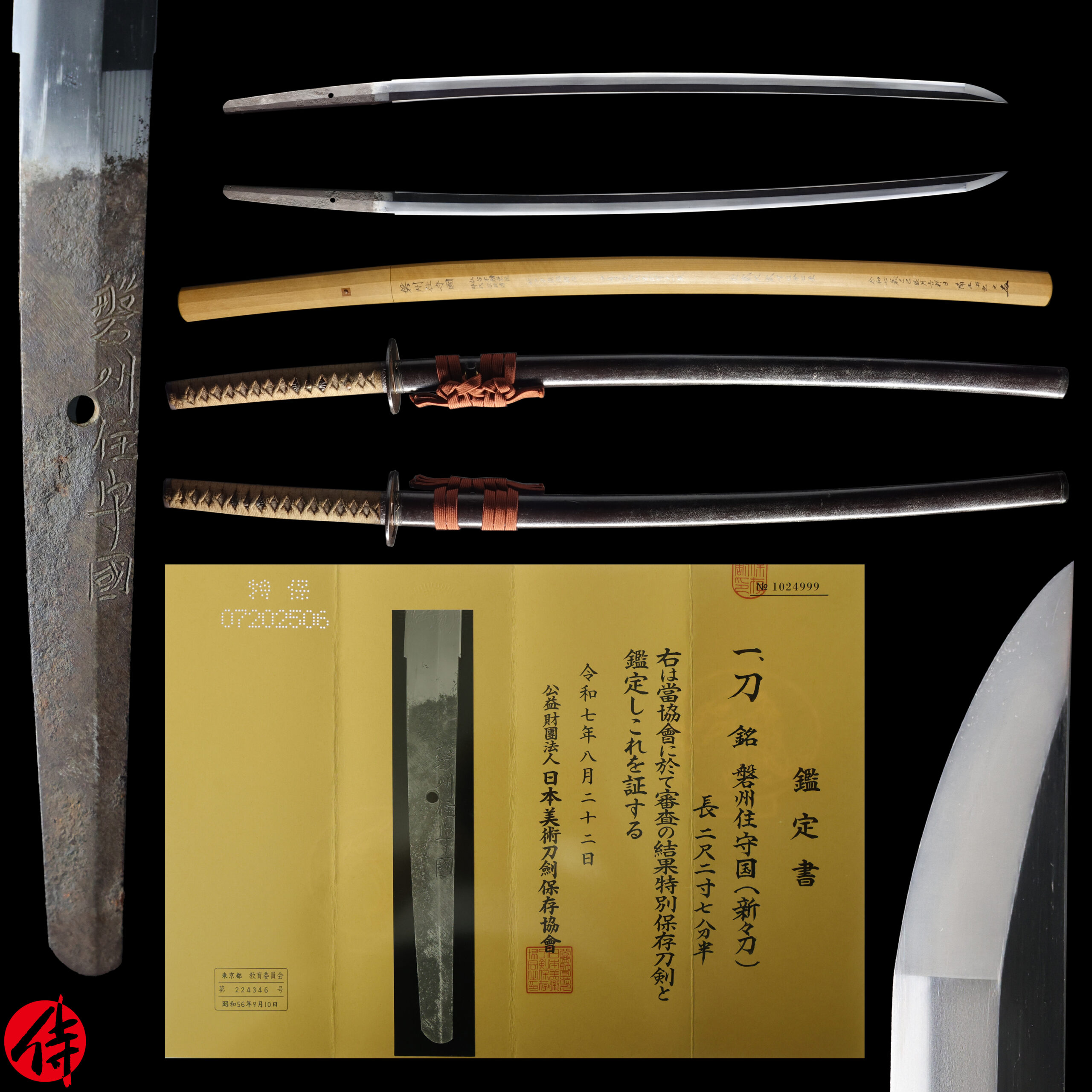
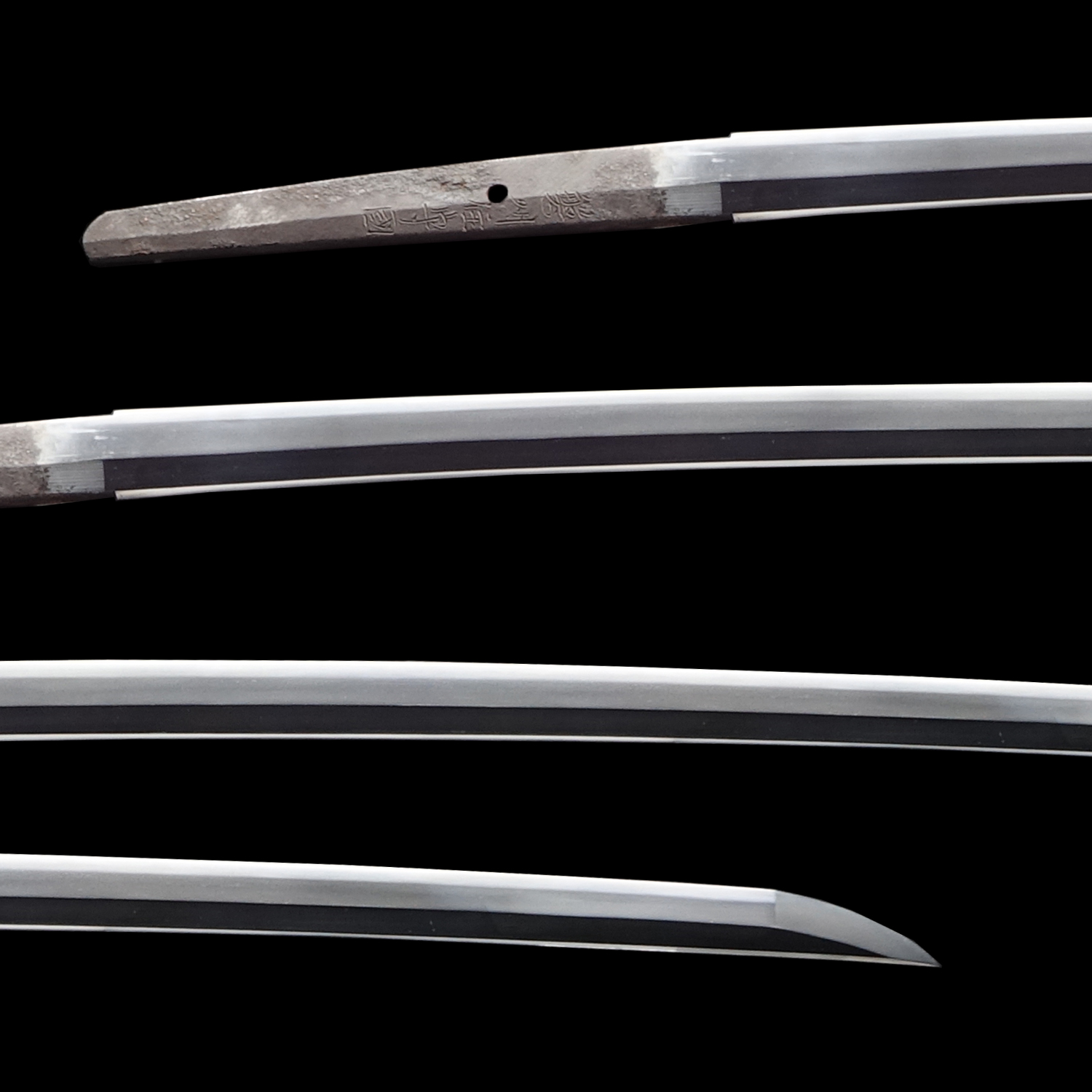
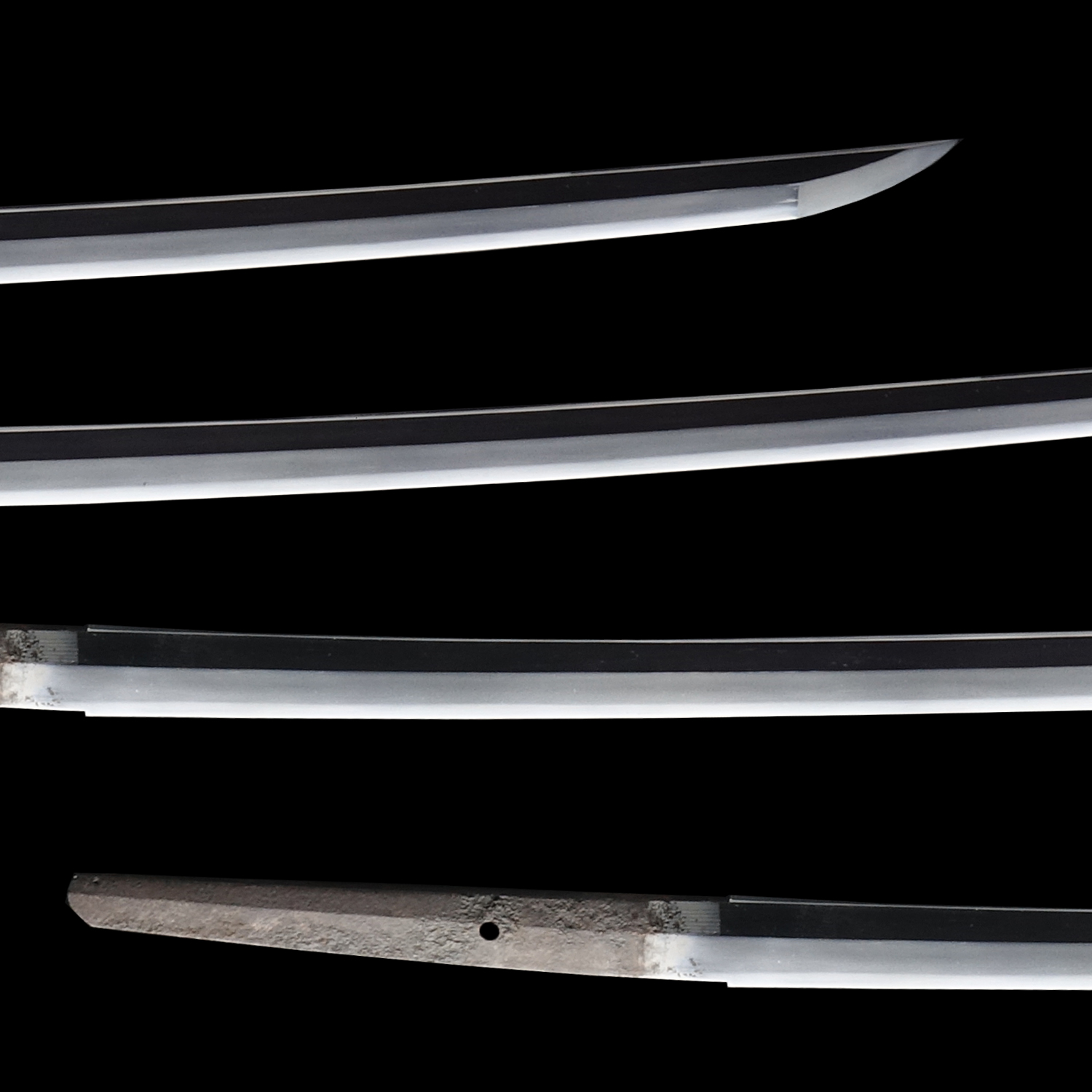
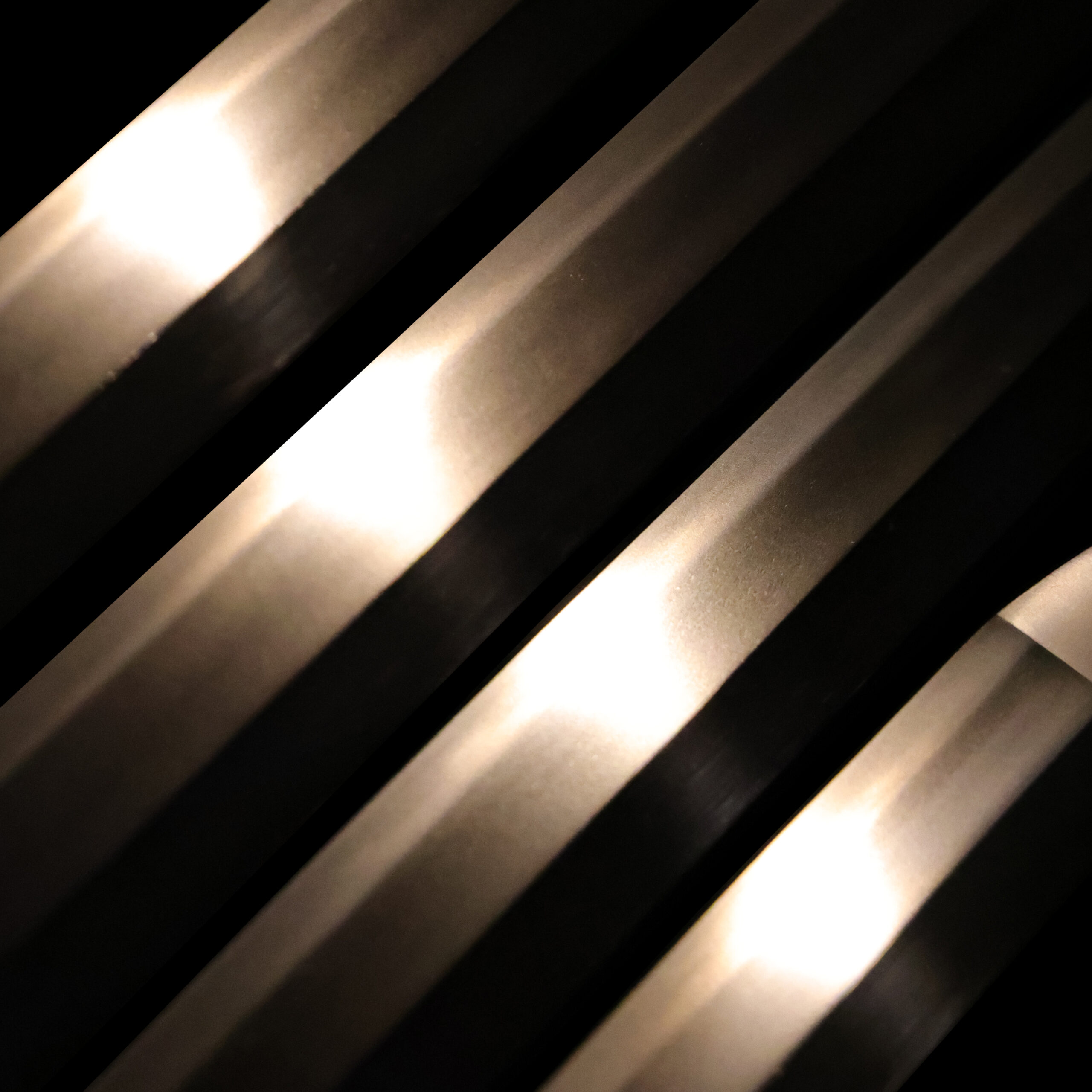
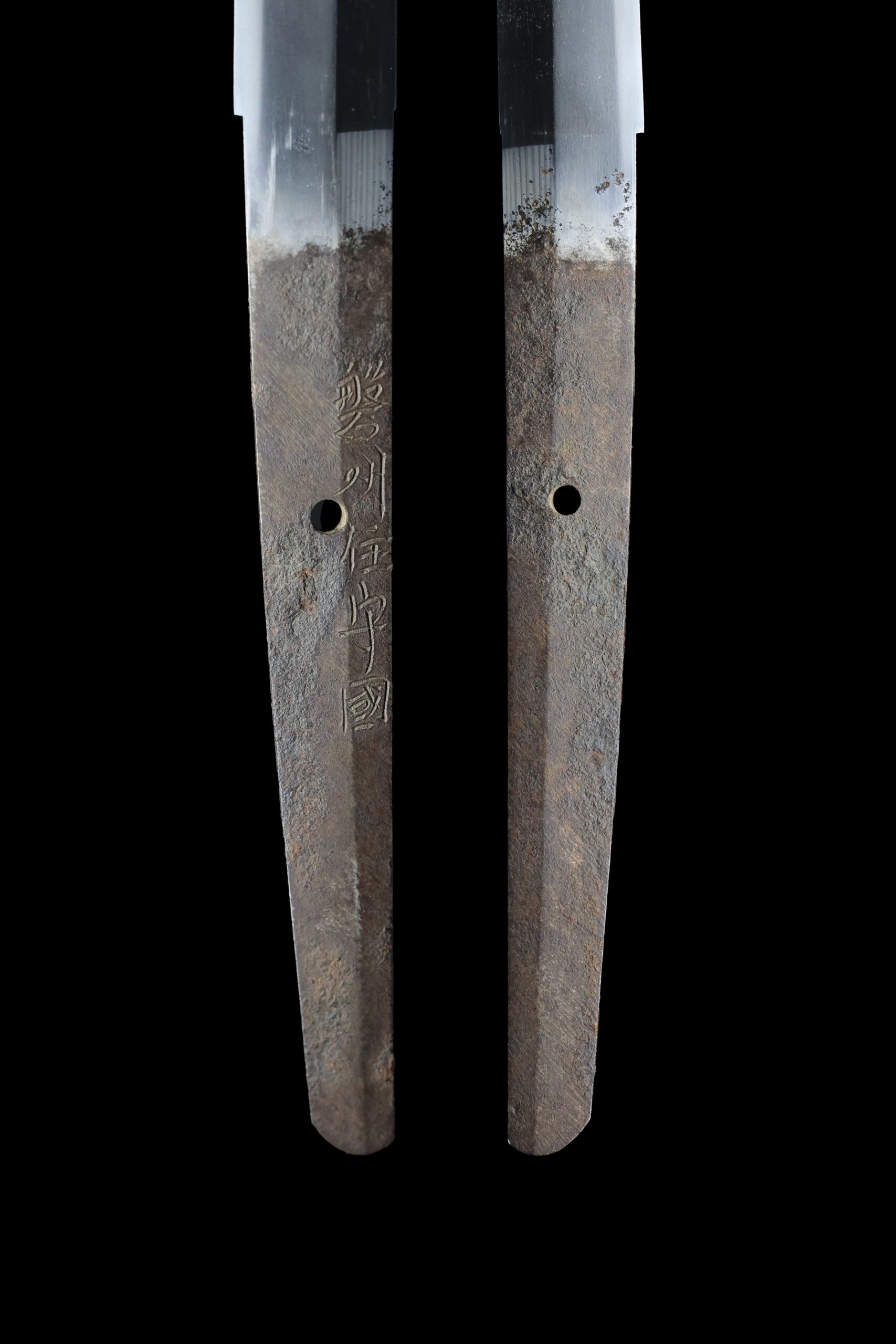
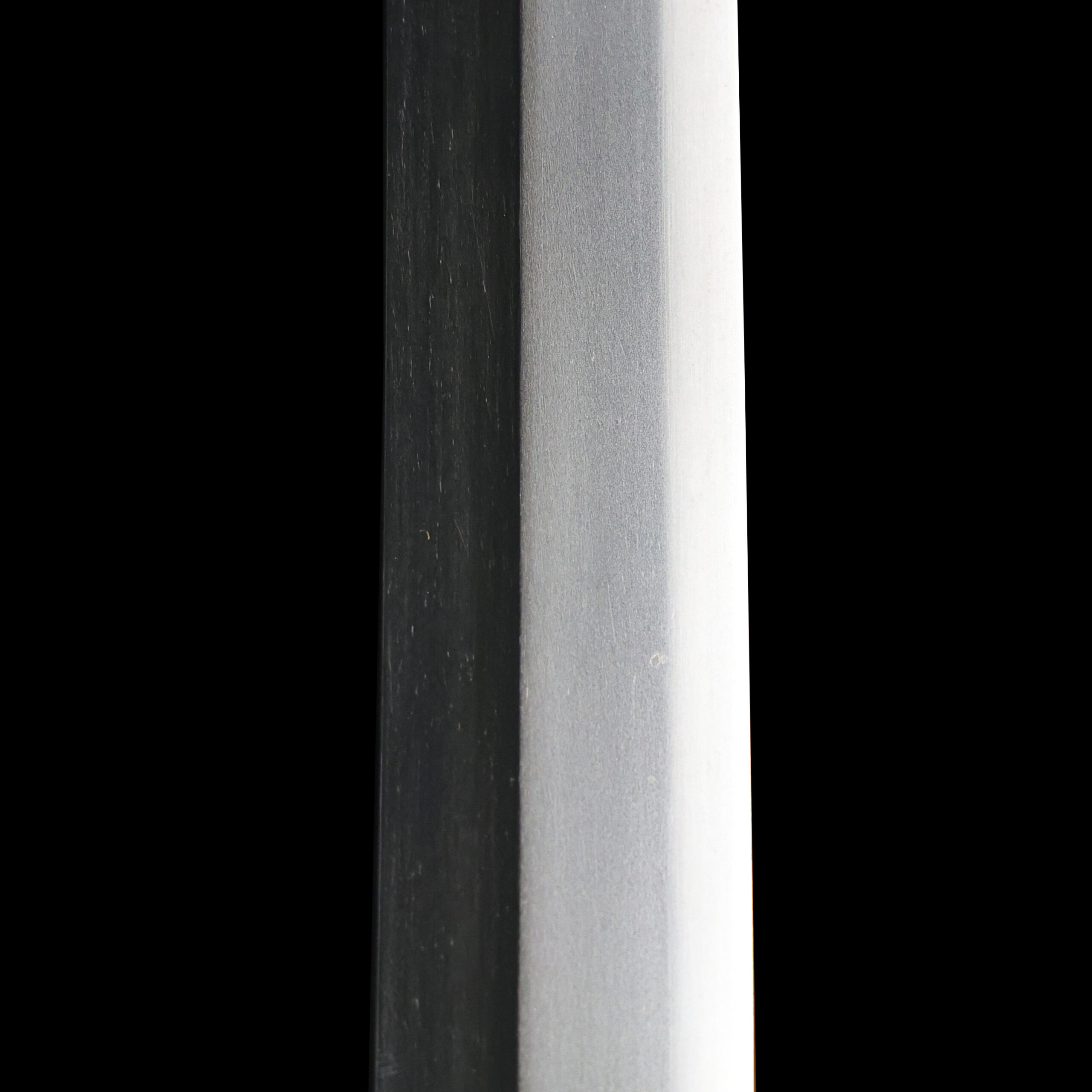
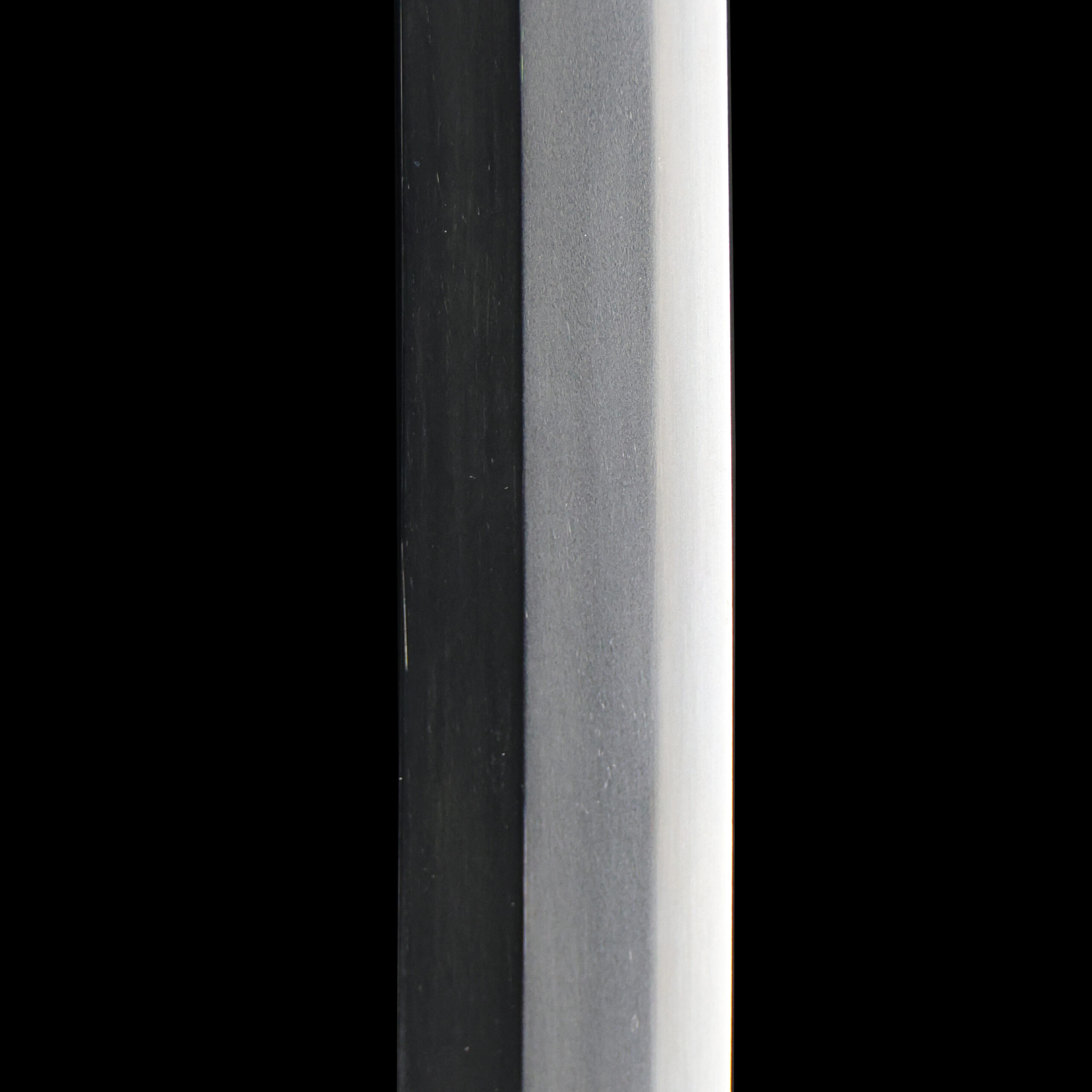
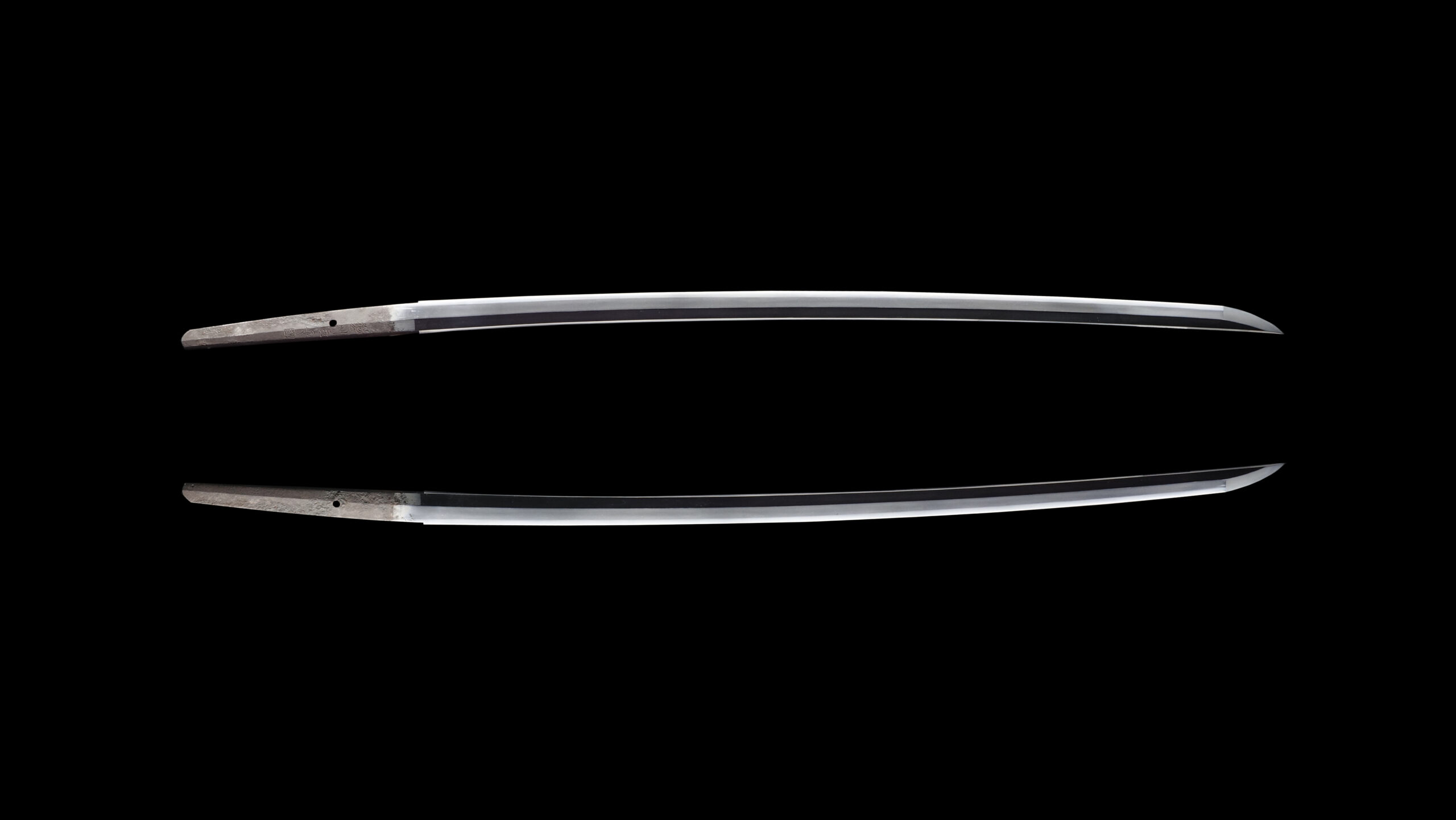
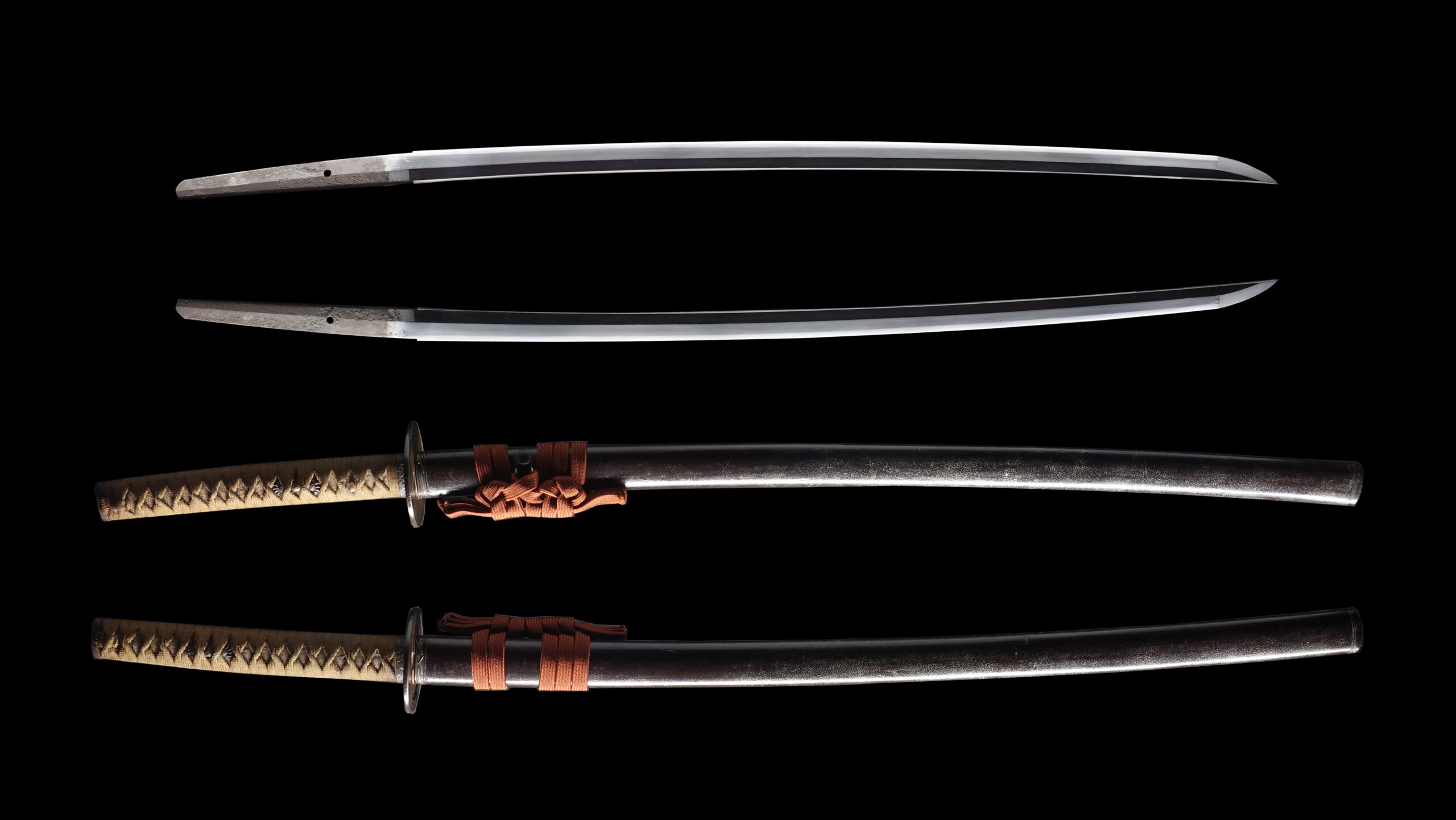
As written by the shop
Bakumatsu: the last war market
Perry’s arrival in 1853 unraveled the Tokugawa peace and created the first mass demand for working swords in two centuries. Kiyomaro, called the Masamune of Yotsuya, died on its eve; Munetsugu and Yukihide carried the boom to the end.
A Hozon-certified blade judged to show notably superior workmanship and a better state of preservation. The bar is higher: re-tempered blades and most unsigned Muromachi/Edo works are excluded.
The NBTHK (Nihon Bijutsu Tōken Hozon Kyōkai, the Society for the Preservation of Japanese Art Swords) is a public-interest incorporated foundation founded in 1948 and supervised by Japan’s Agency for Cultural Affairs (Bunkachō); it is based at the Japanese Sword Museum in Tokyo. Its expert panels physically examine each submitted work (shinsa) and issue a certificate (kanteishō) ranking it by artistic and historical merit. NBTHK papers are the most widely recognized standard of authentication for Japanese swords and fittings.
NBTHK official siteReturns/exchanges limited to defects caused by shipping (except willful misconduct or gross negligence by the company); customers must contact within 72 hours of receiving the product.