Sengoku Seki was an industry: smiths organized under their tutelary Kasuga shrine, arming the war bands of central Japan. Magoroku Kanemoto’s sanbonsugi and the finest Kanesada work prove quality survived inside mass production.
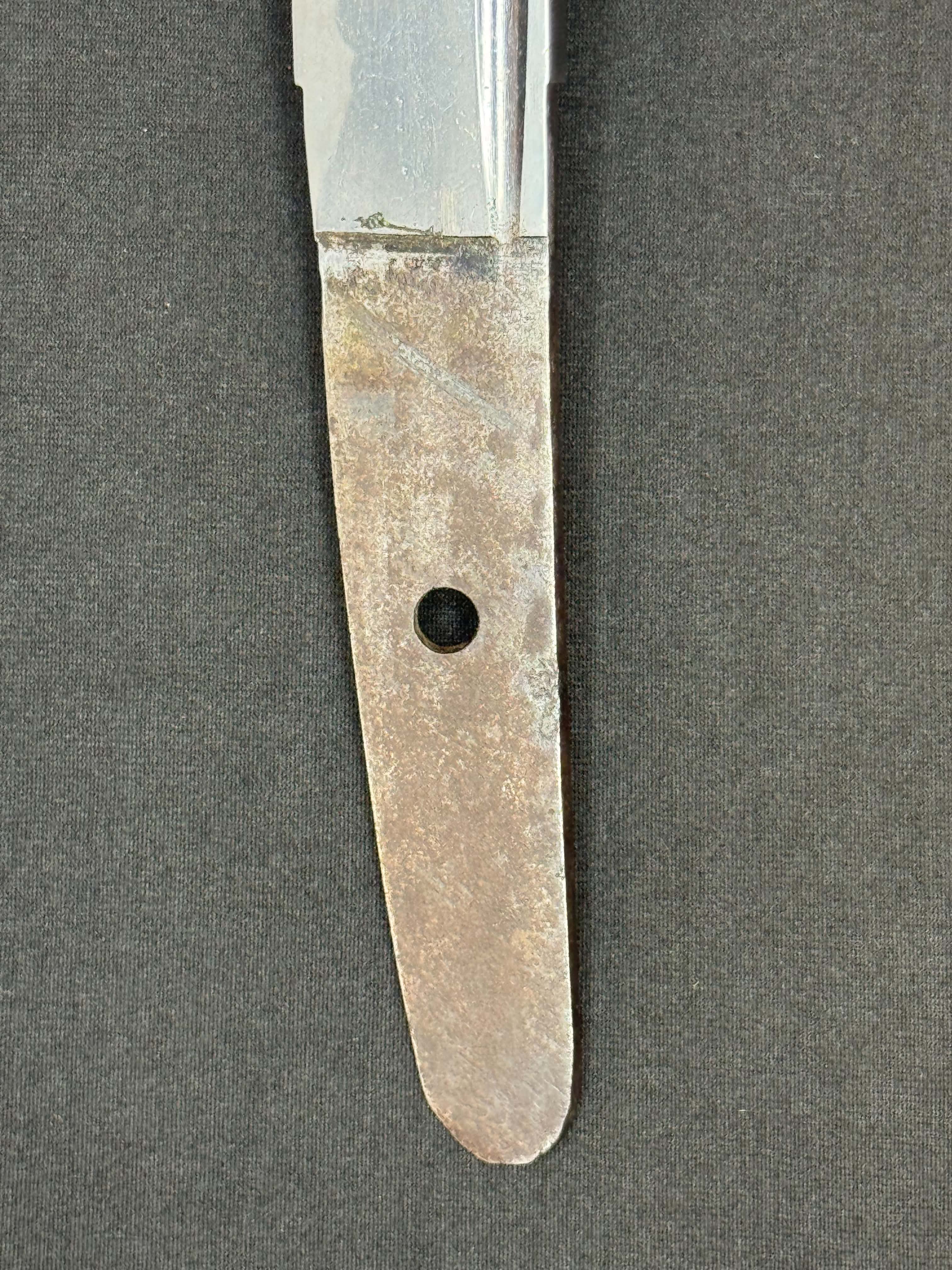
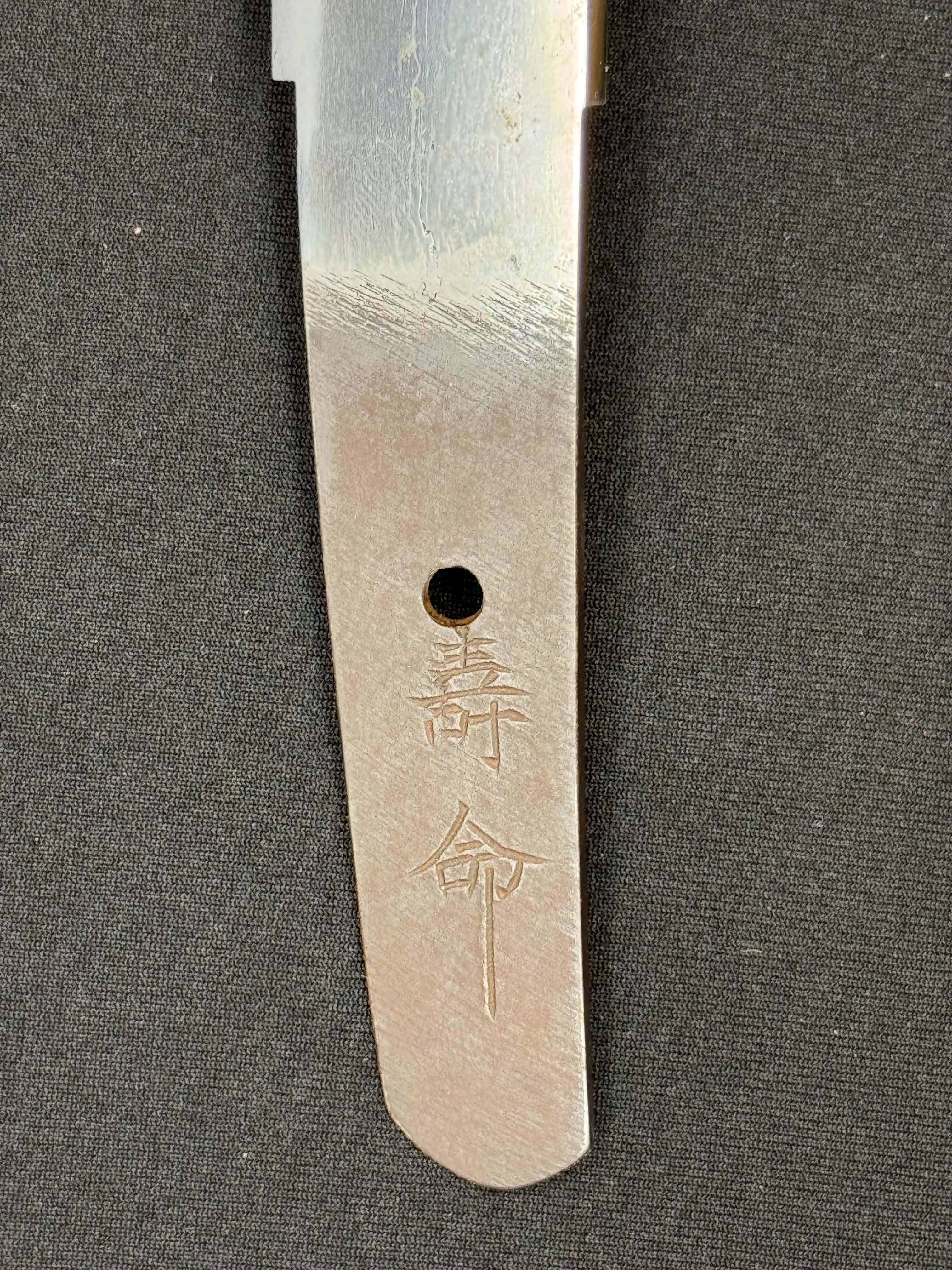
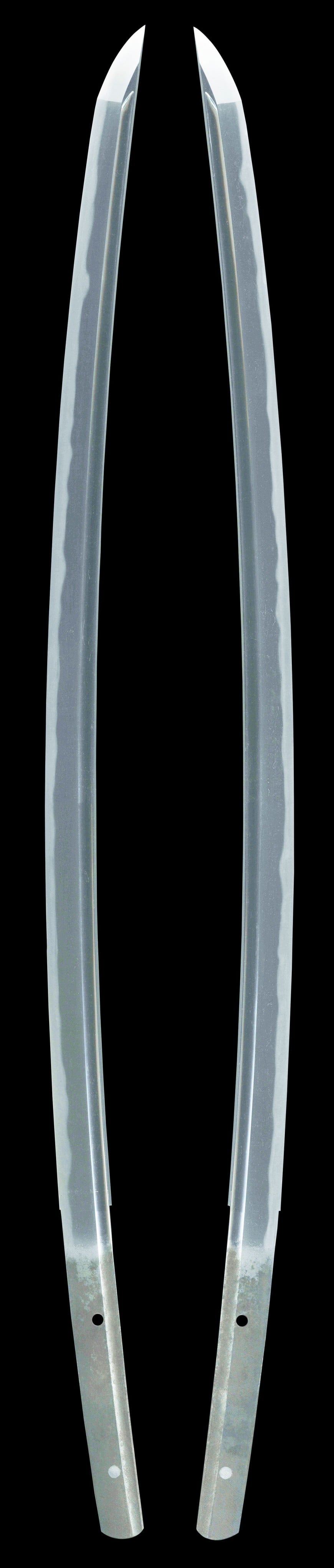
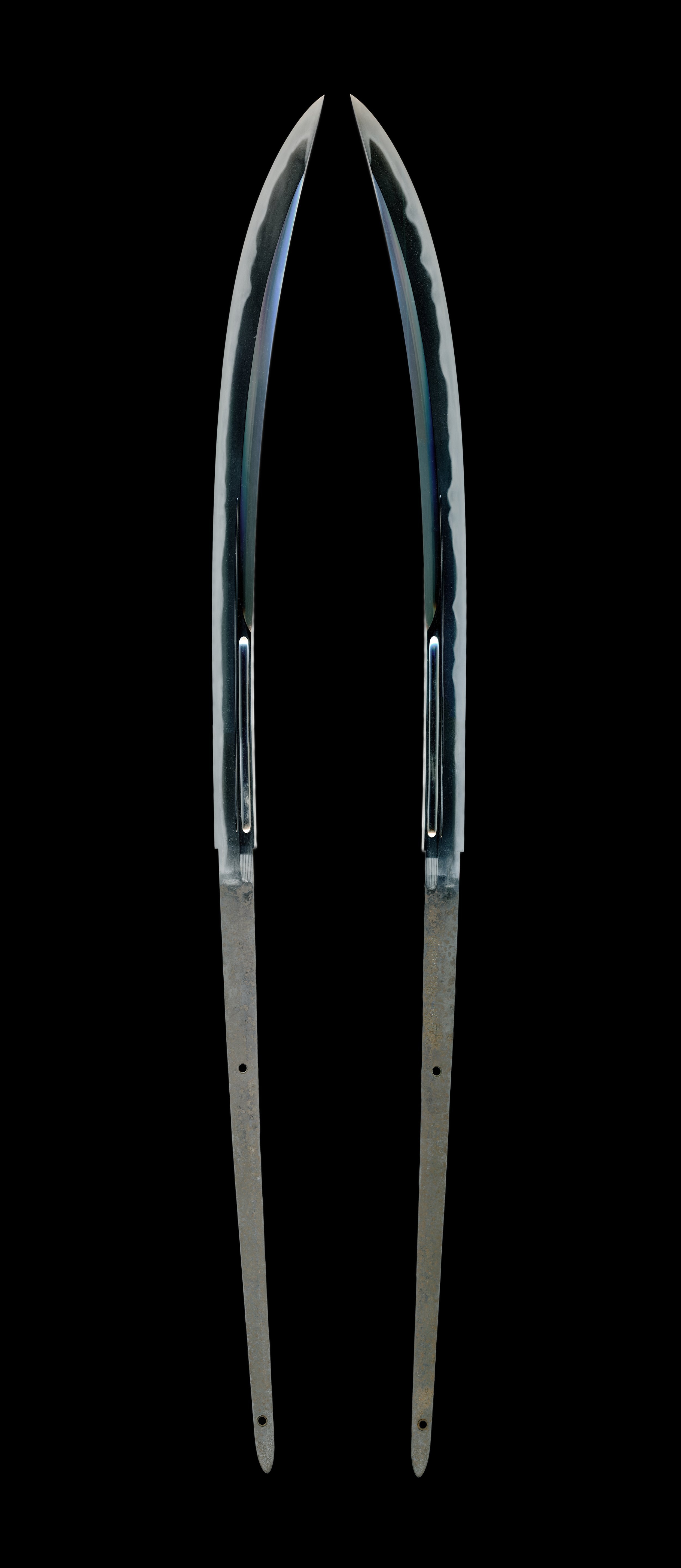
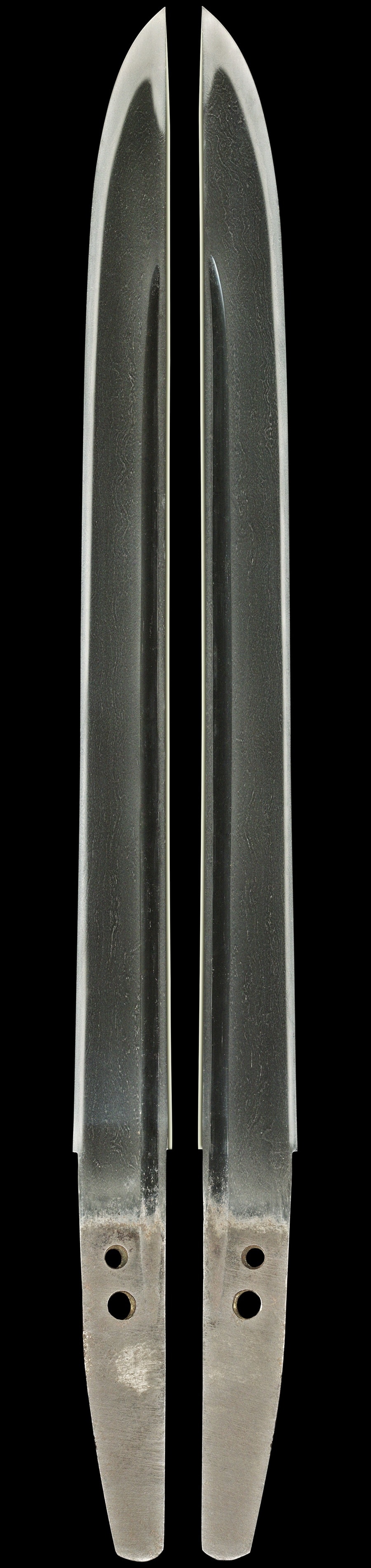
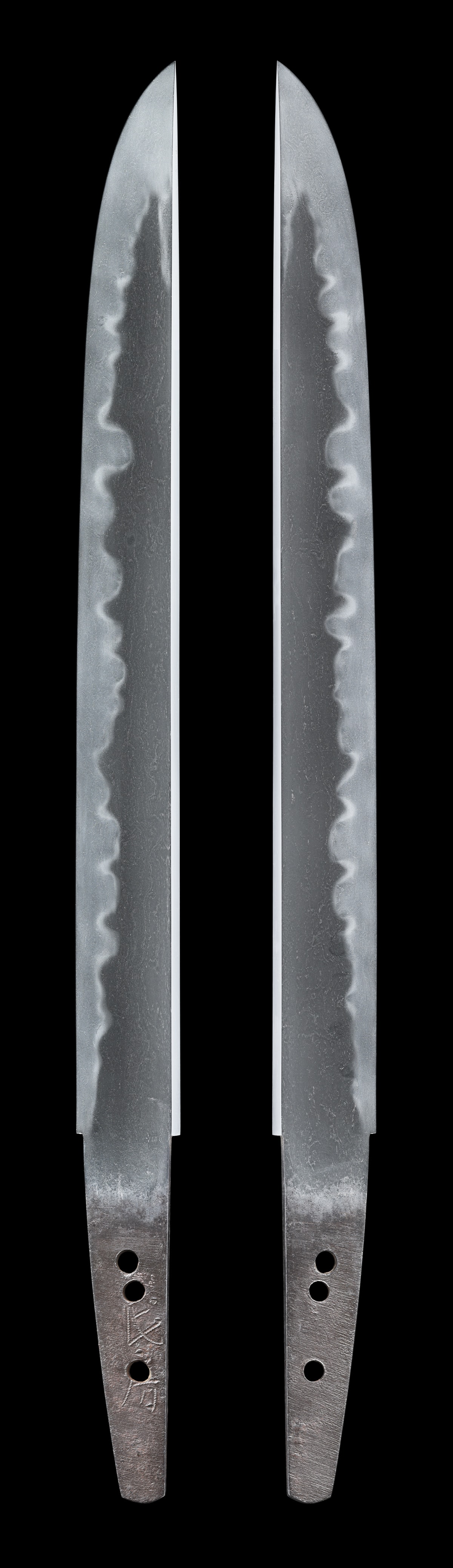
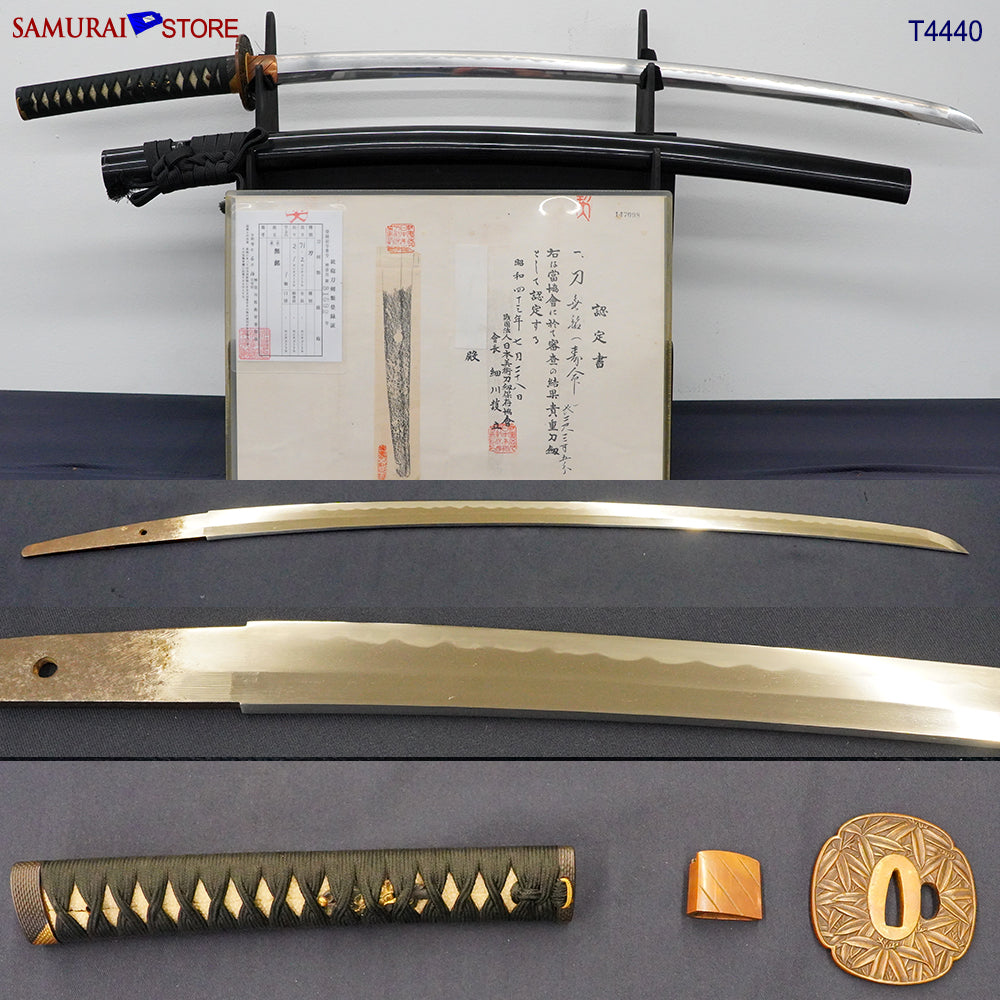
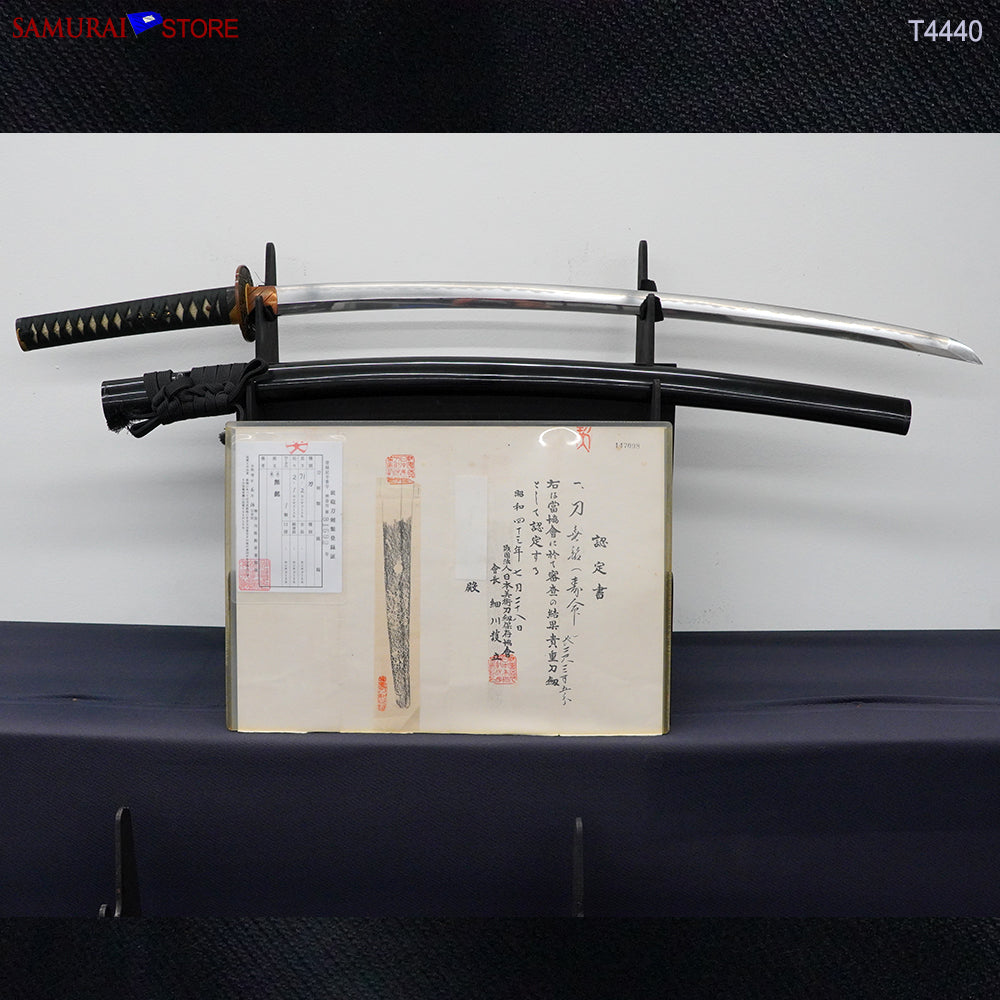
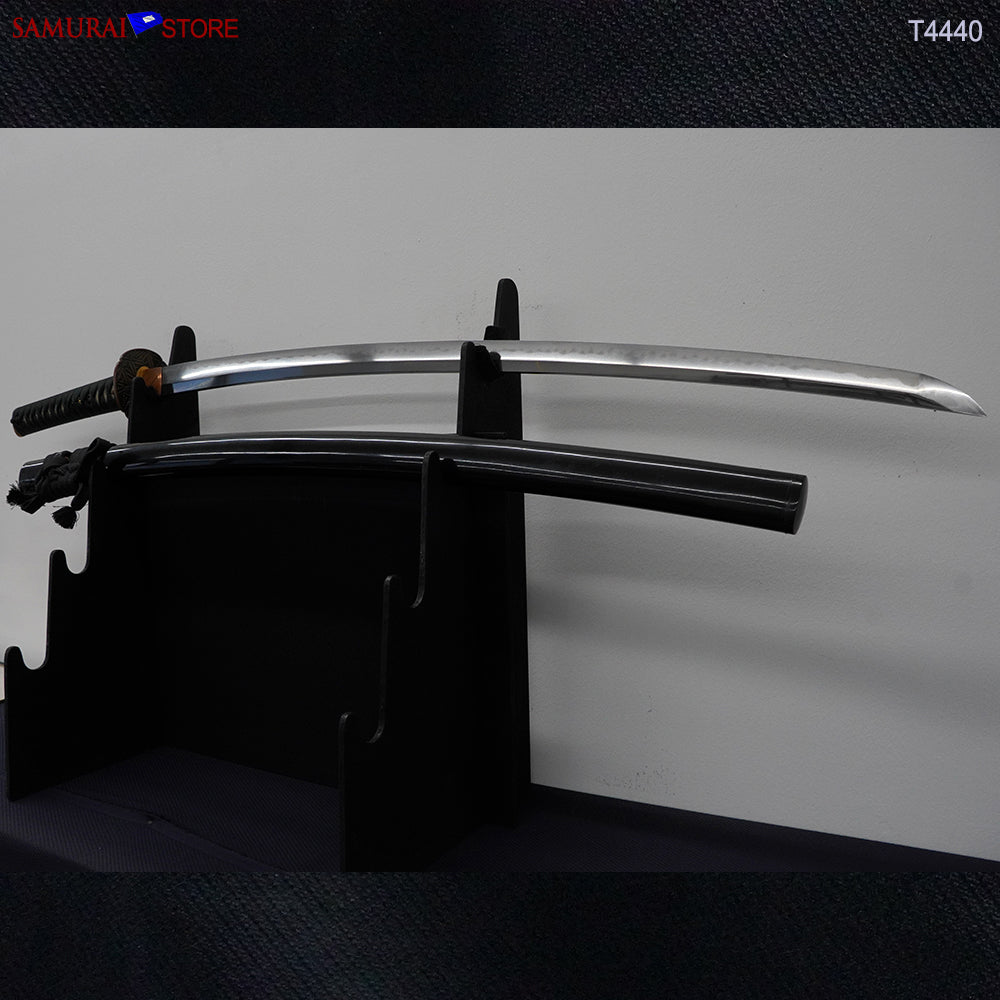
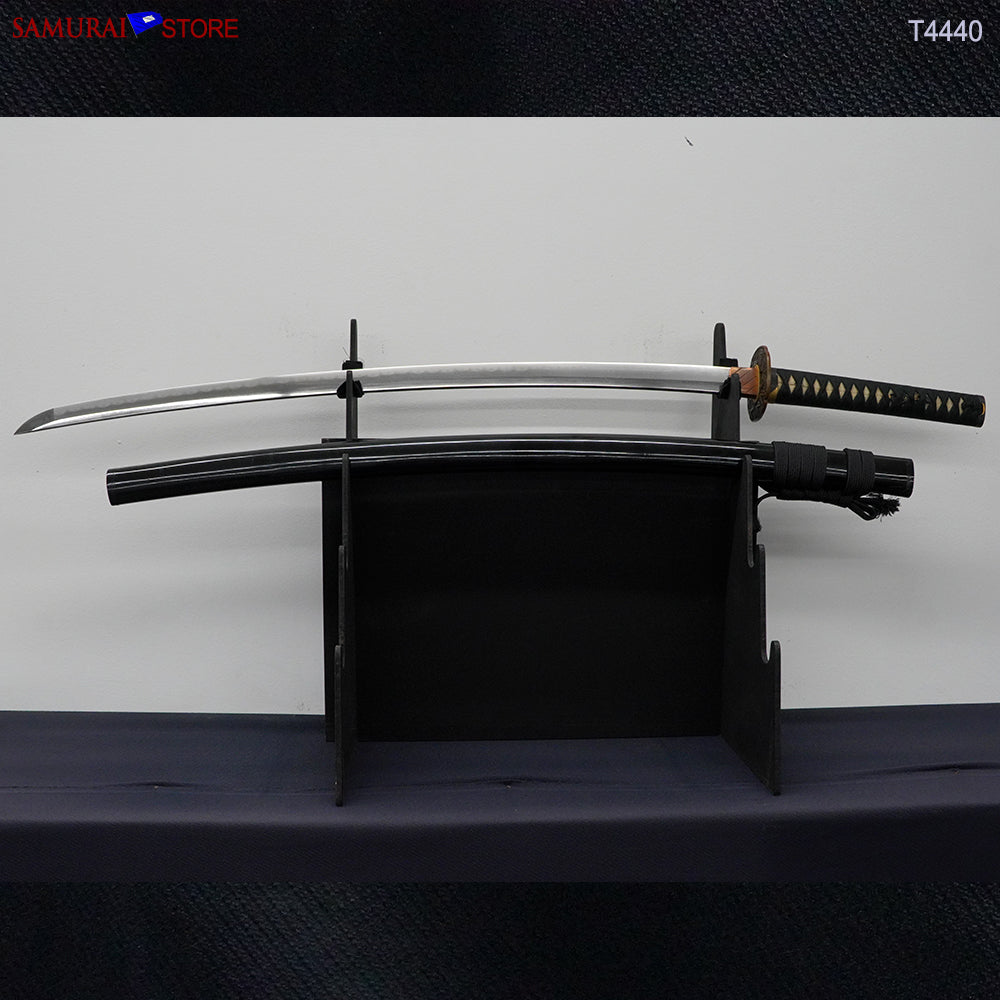
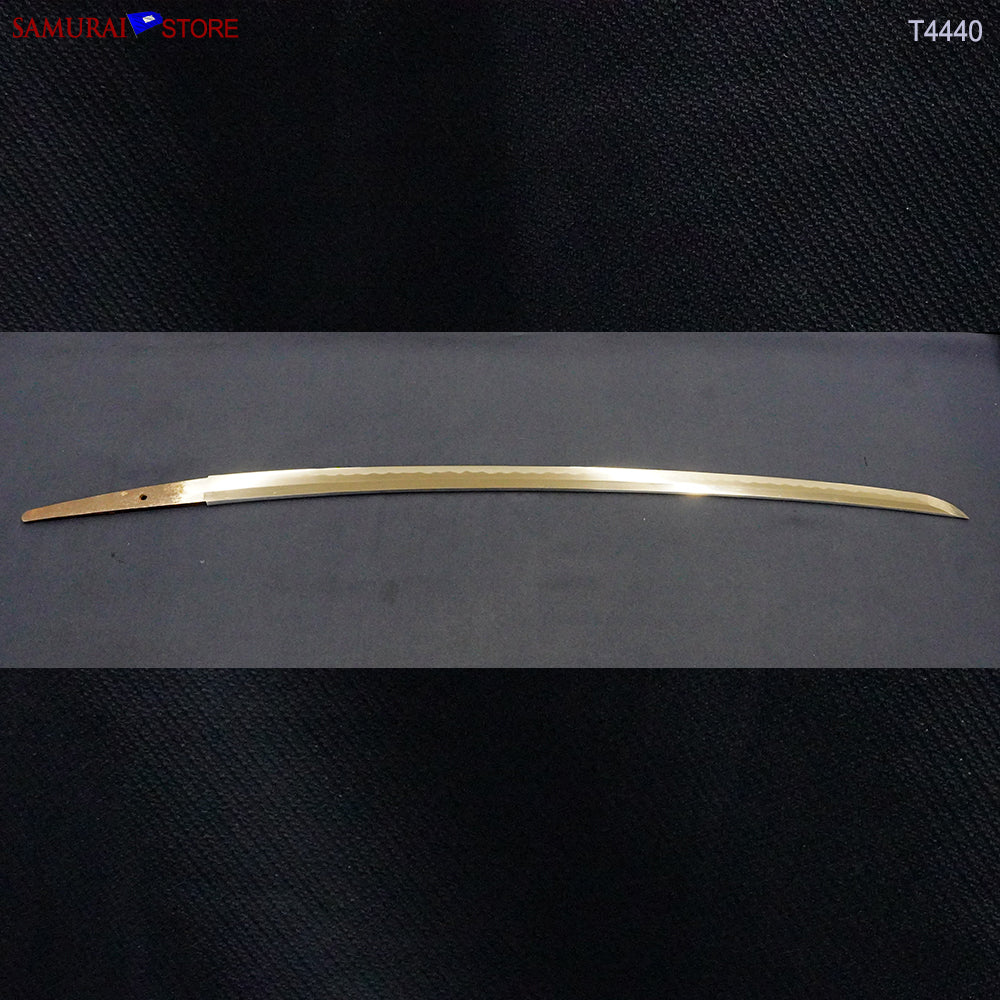
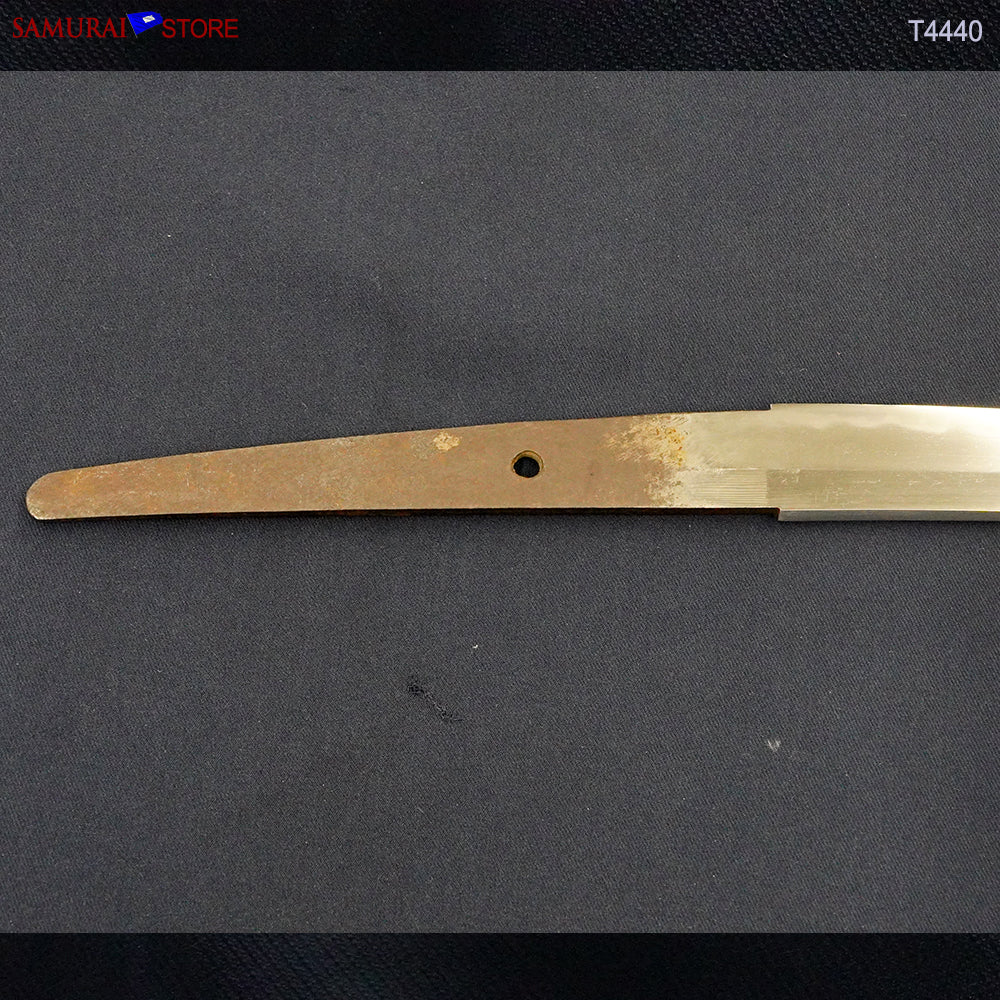
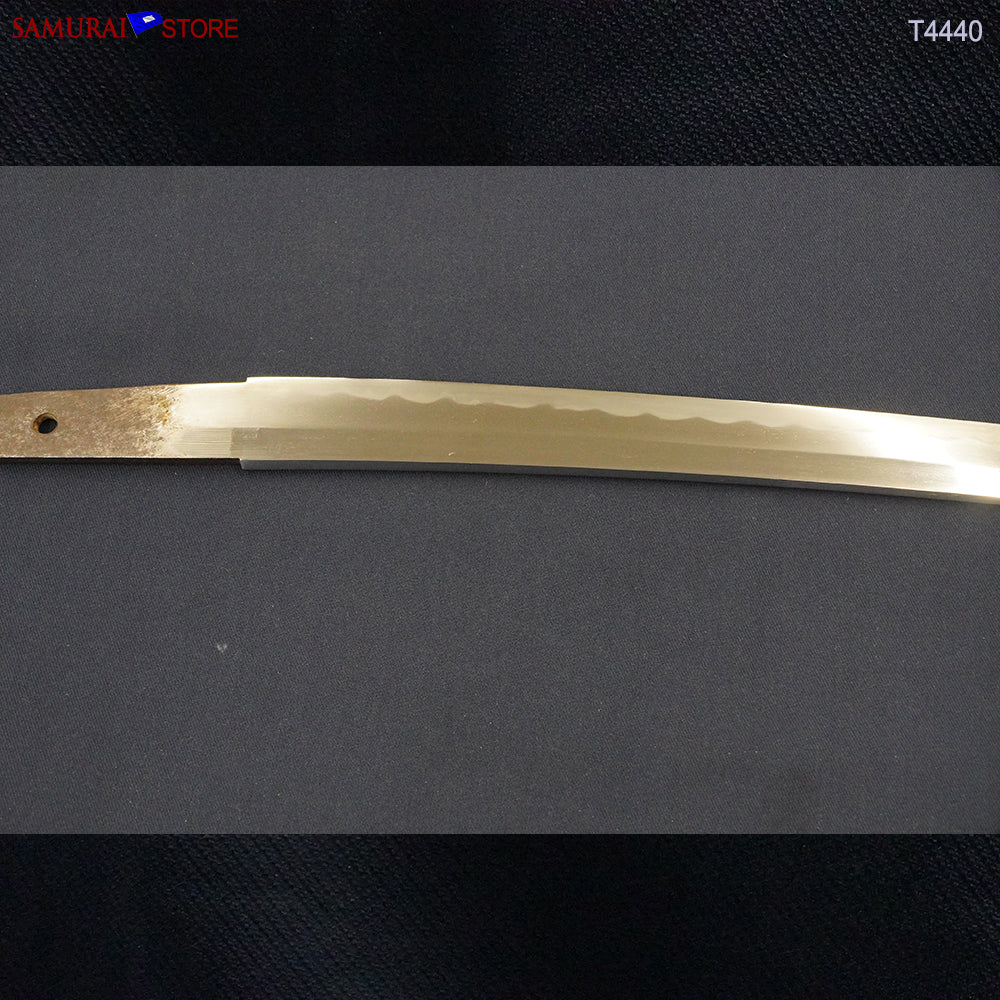
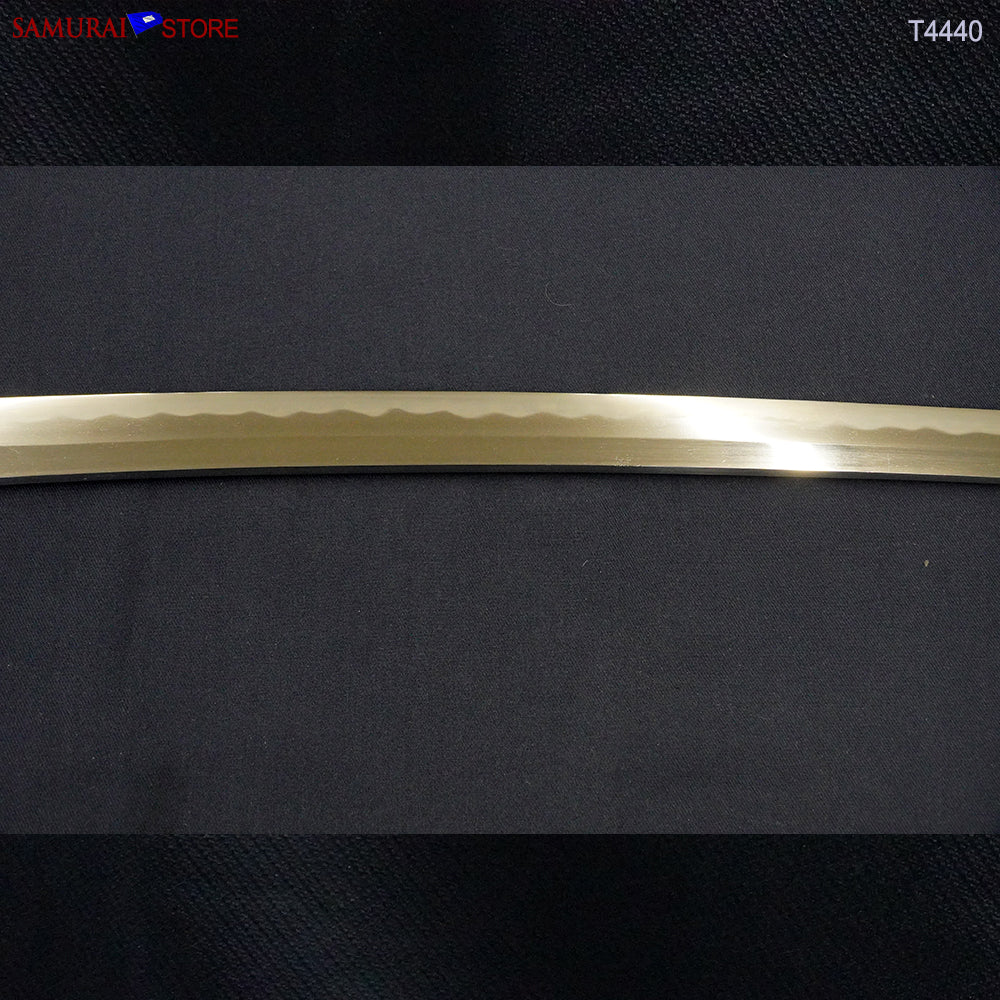
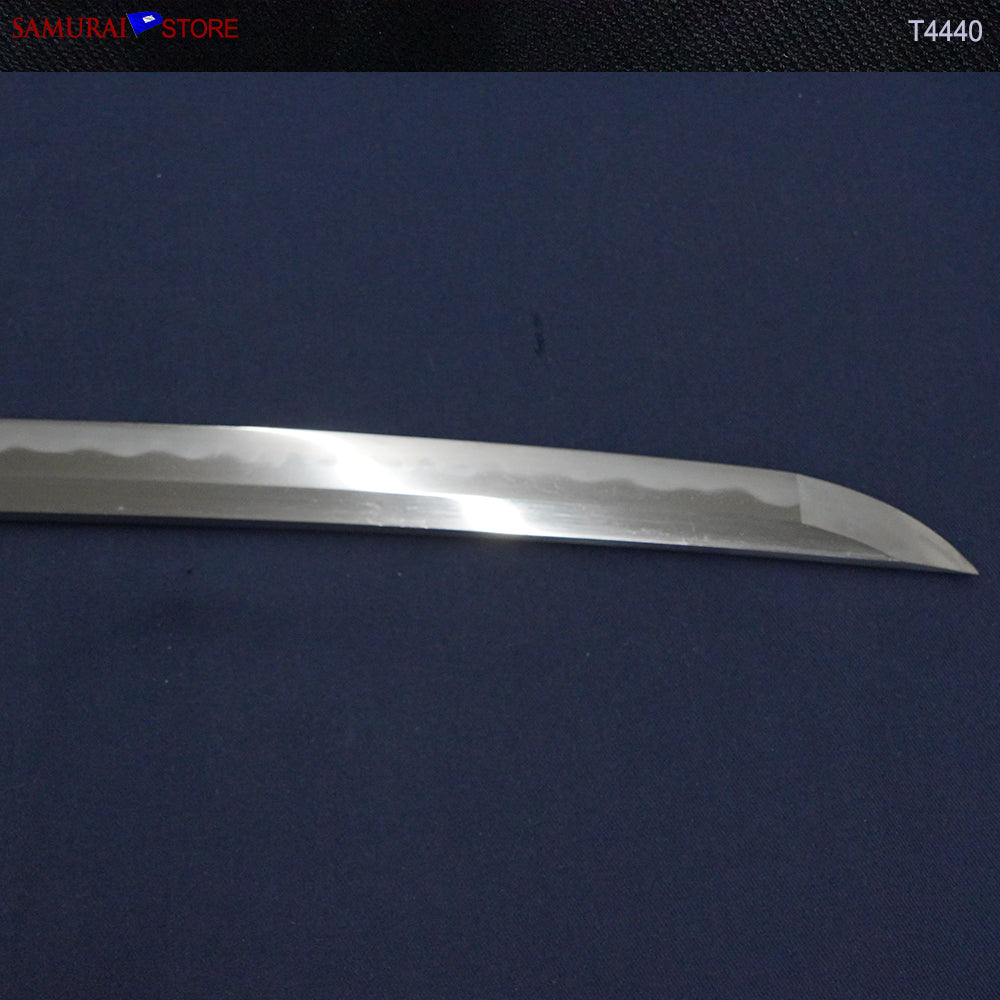
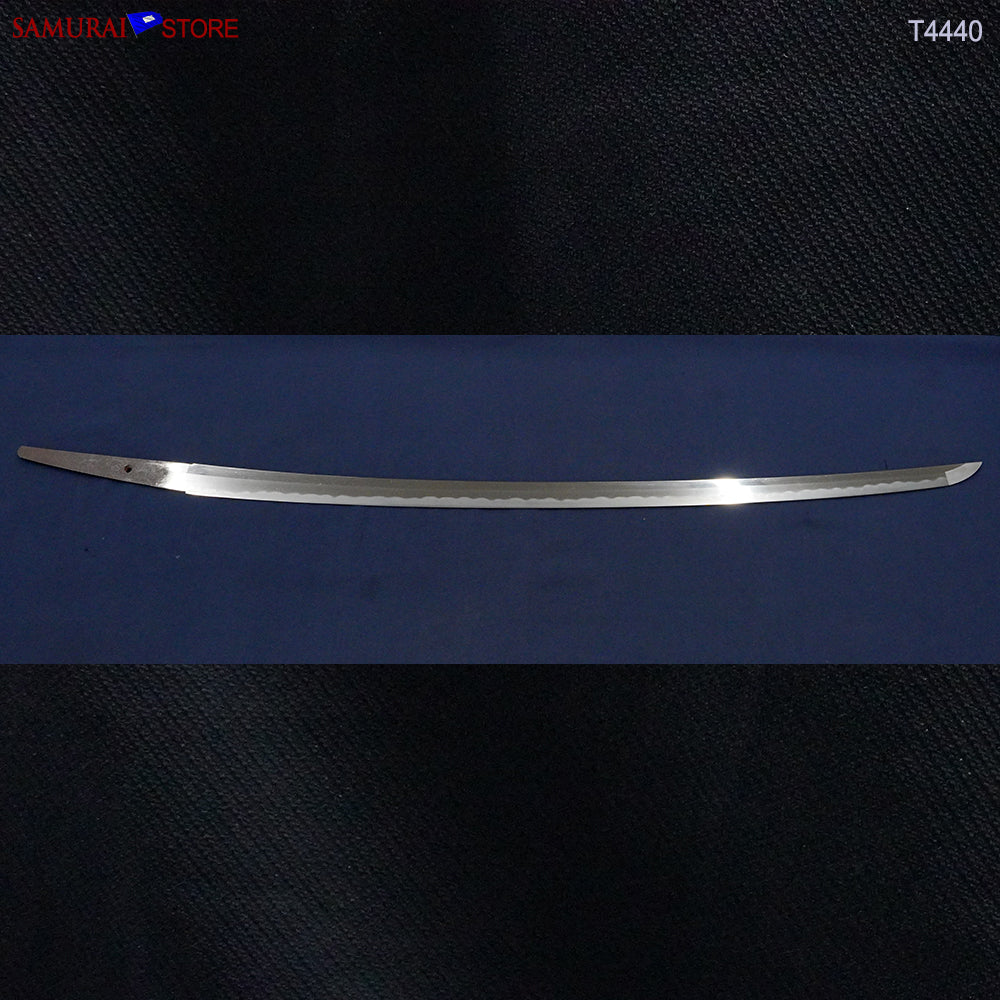
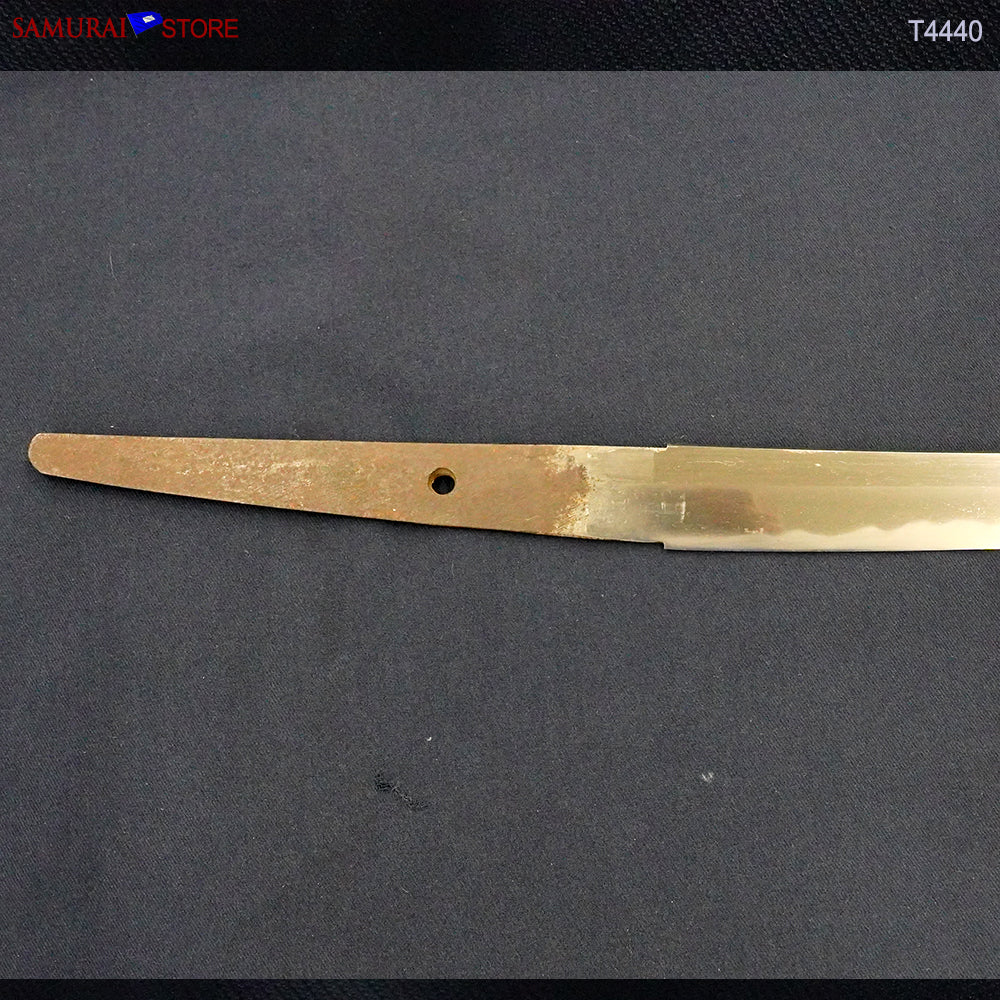
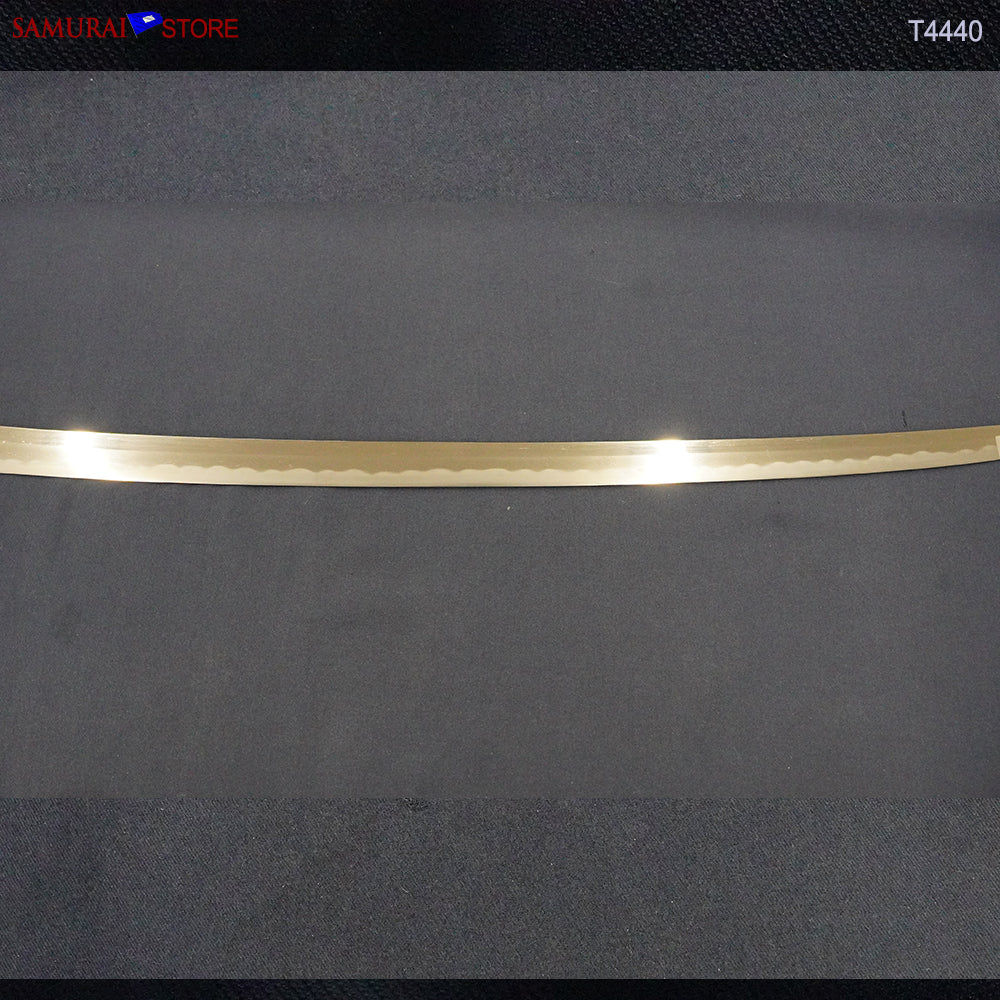
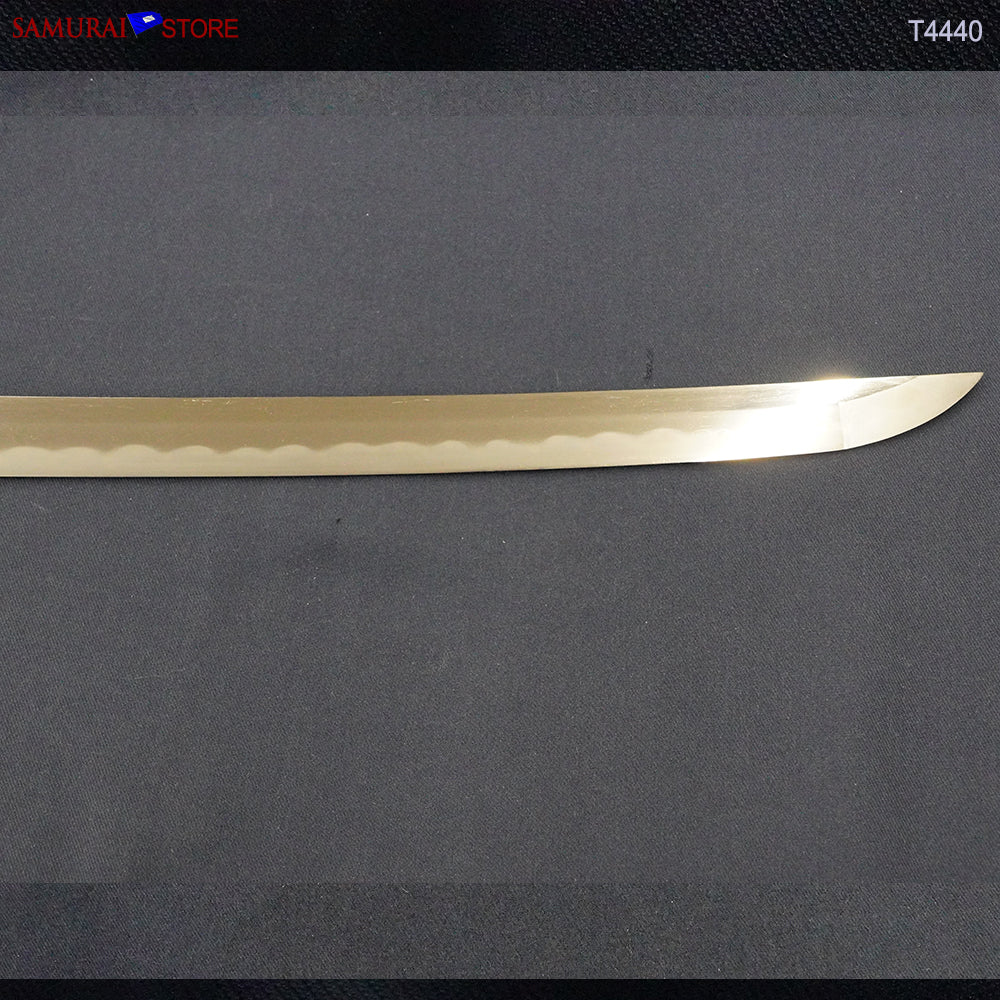
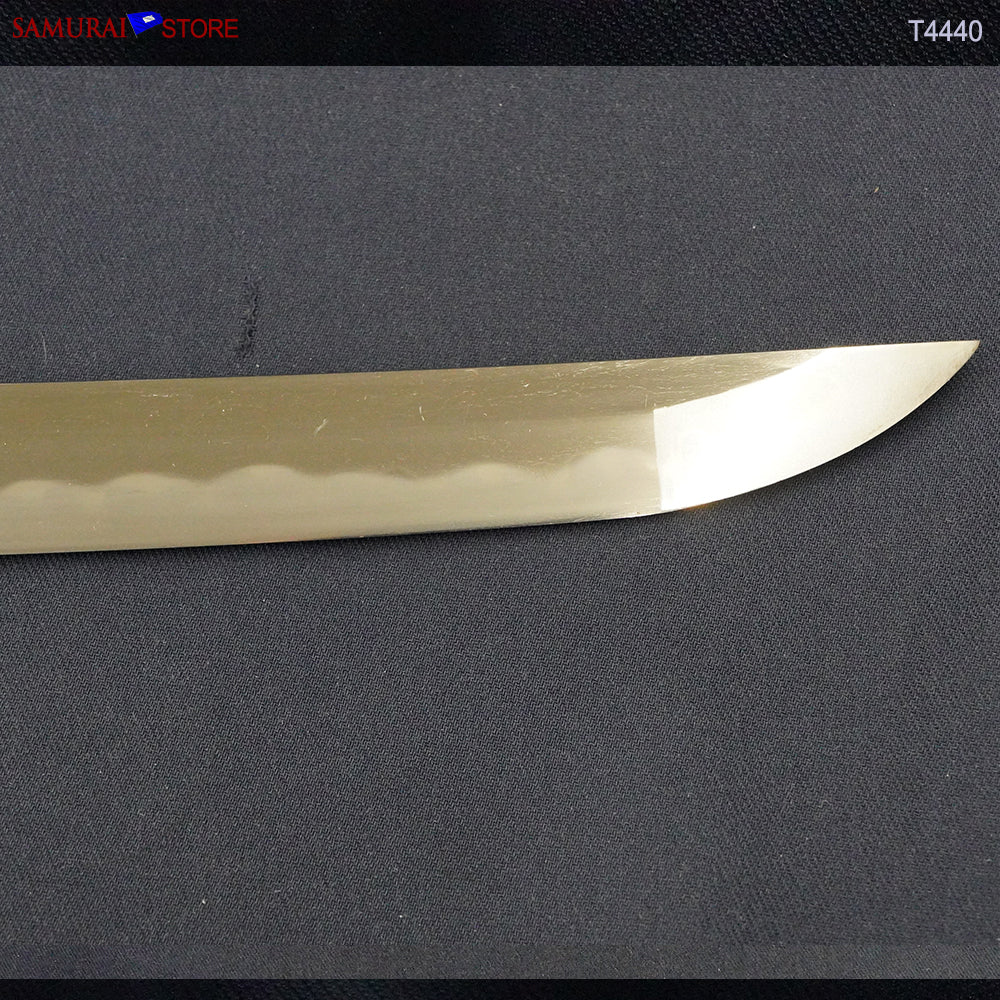
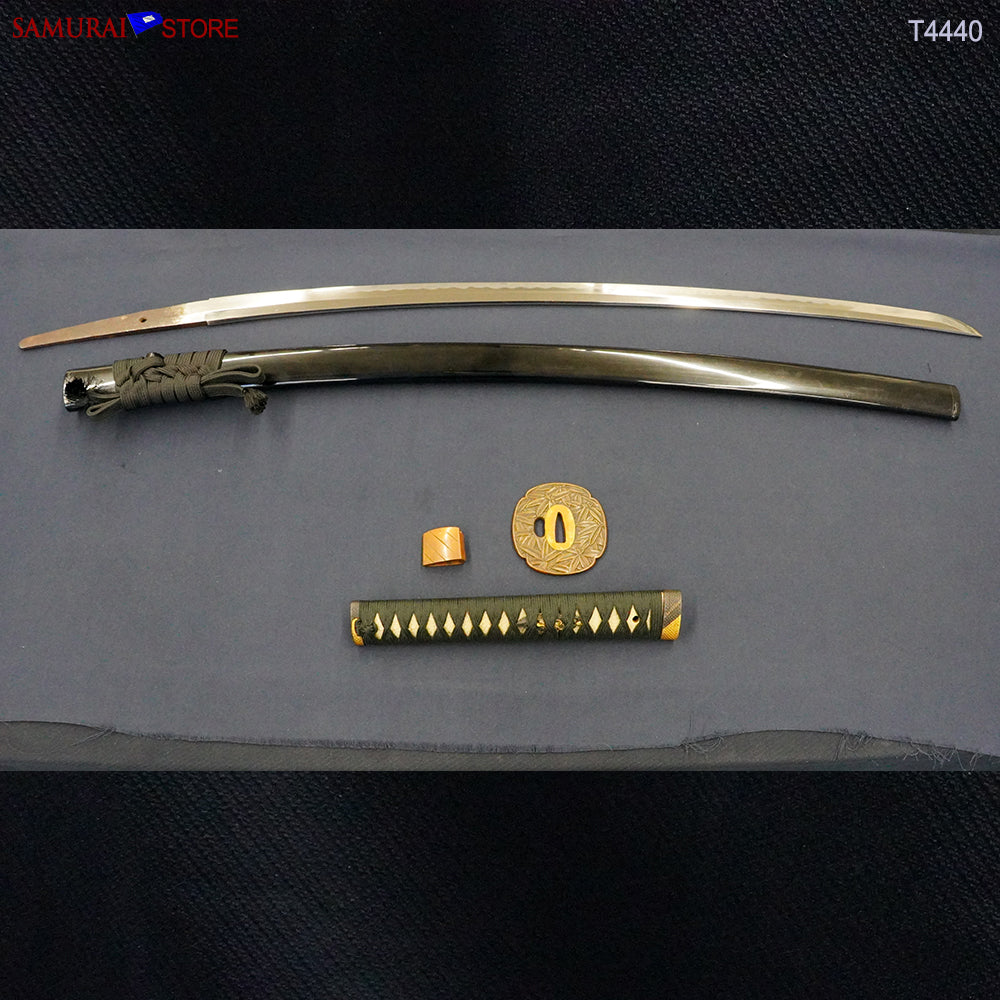
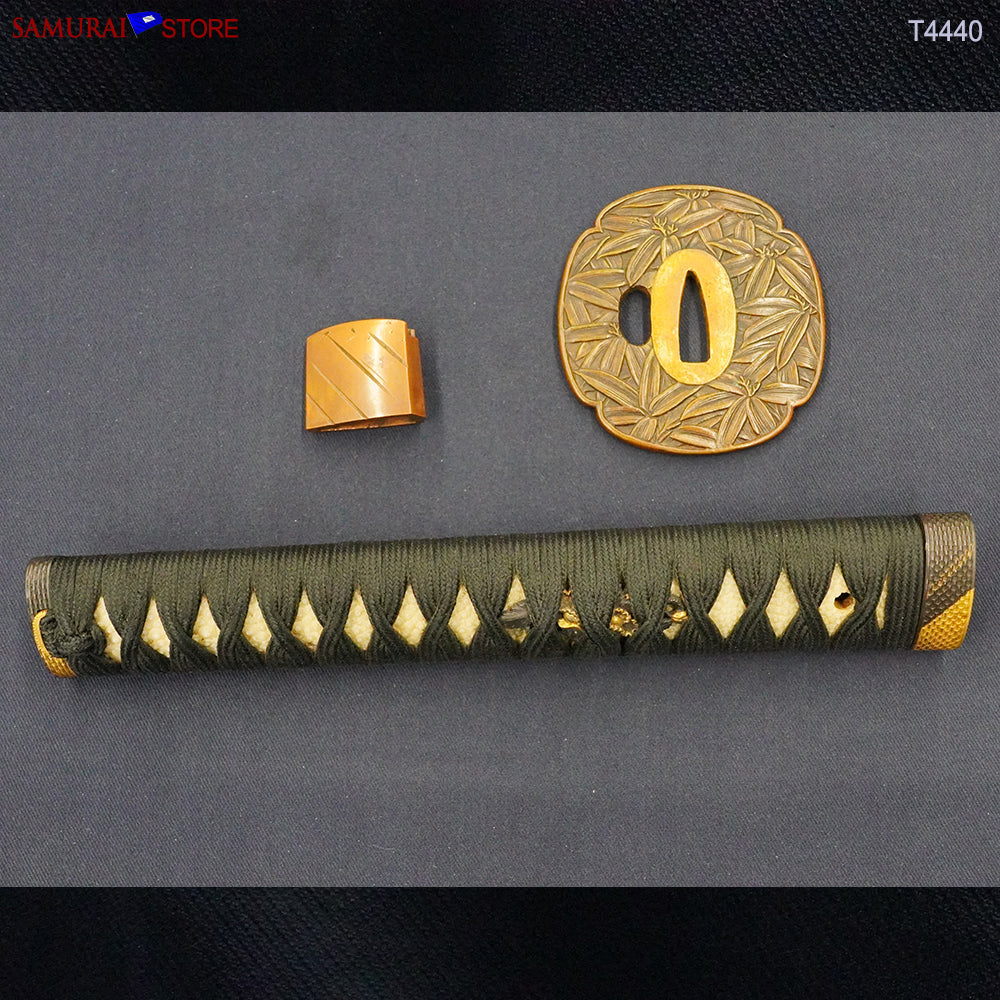
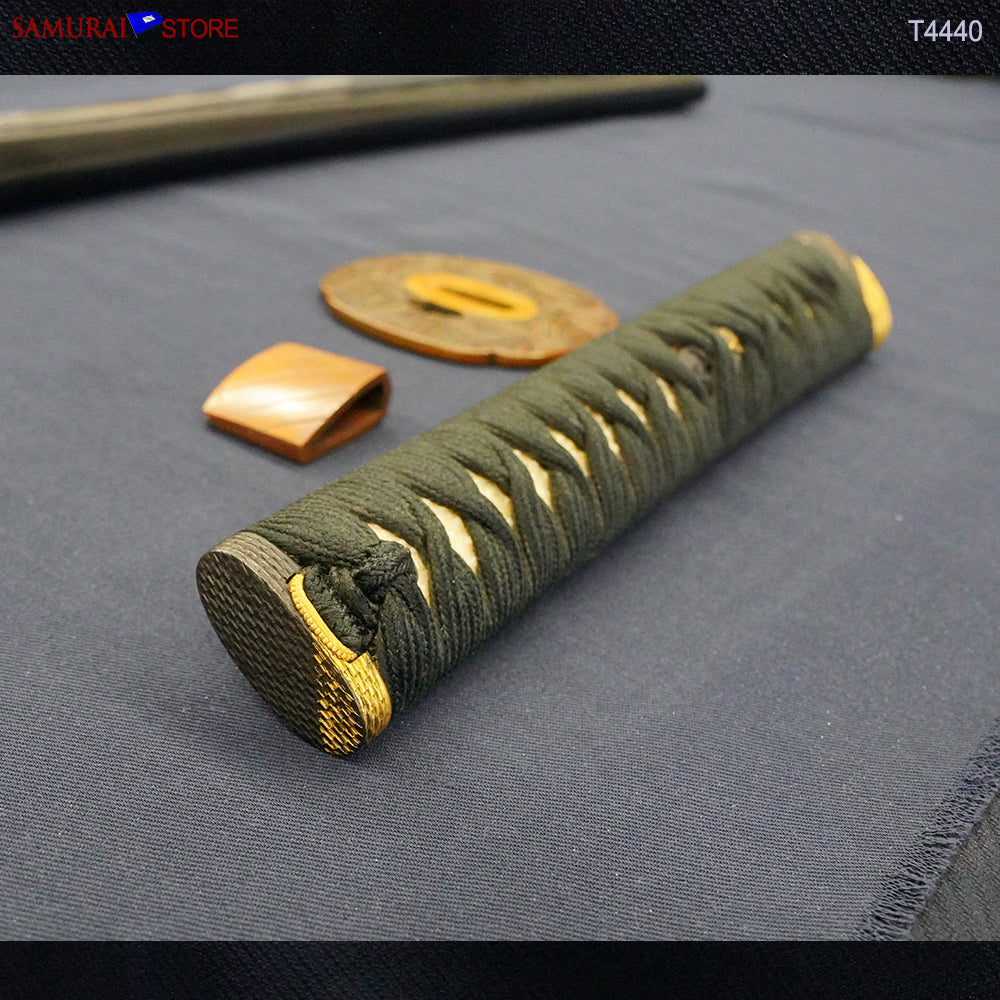
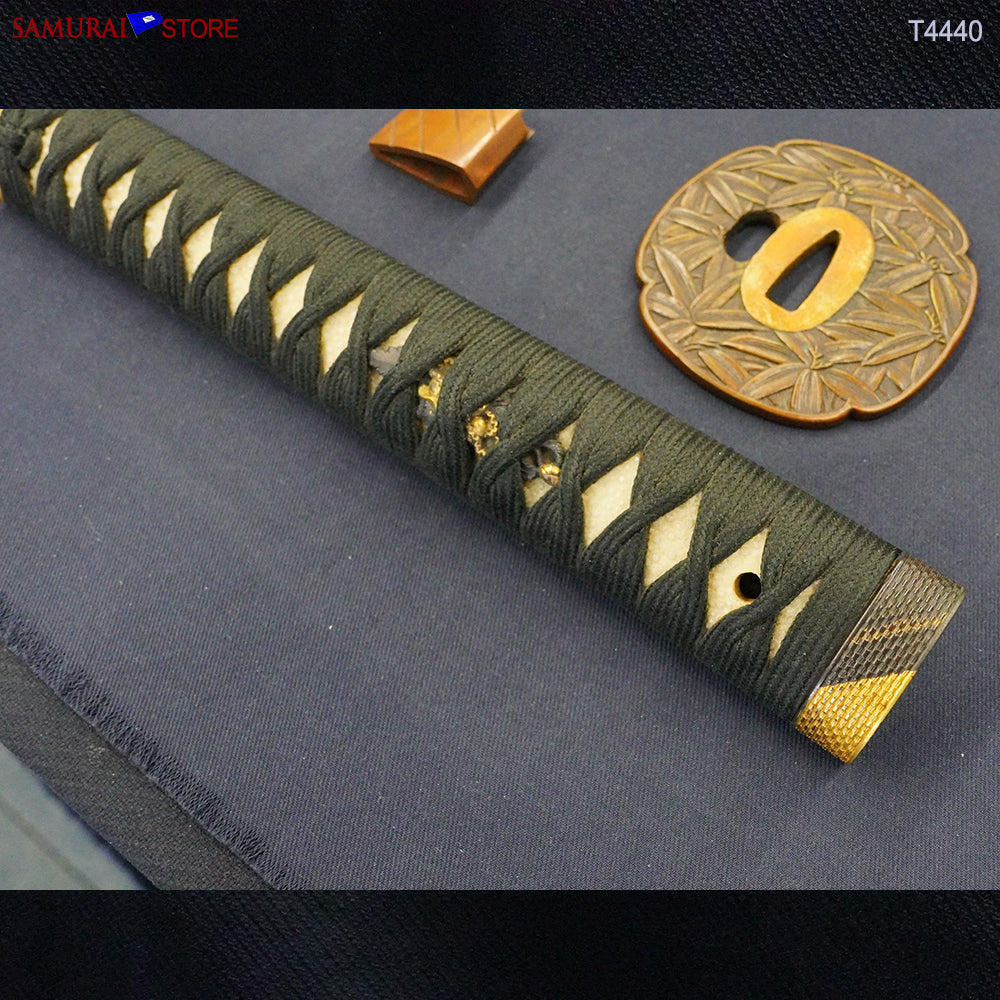
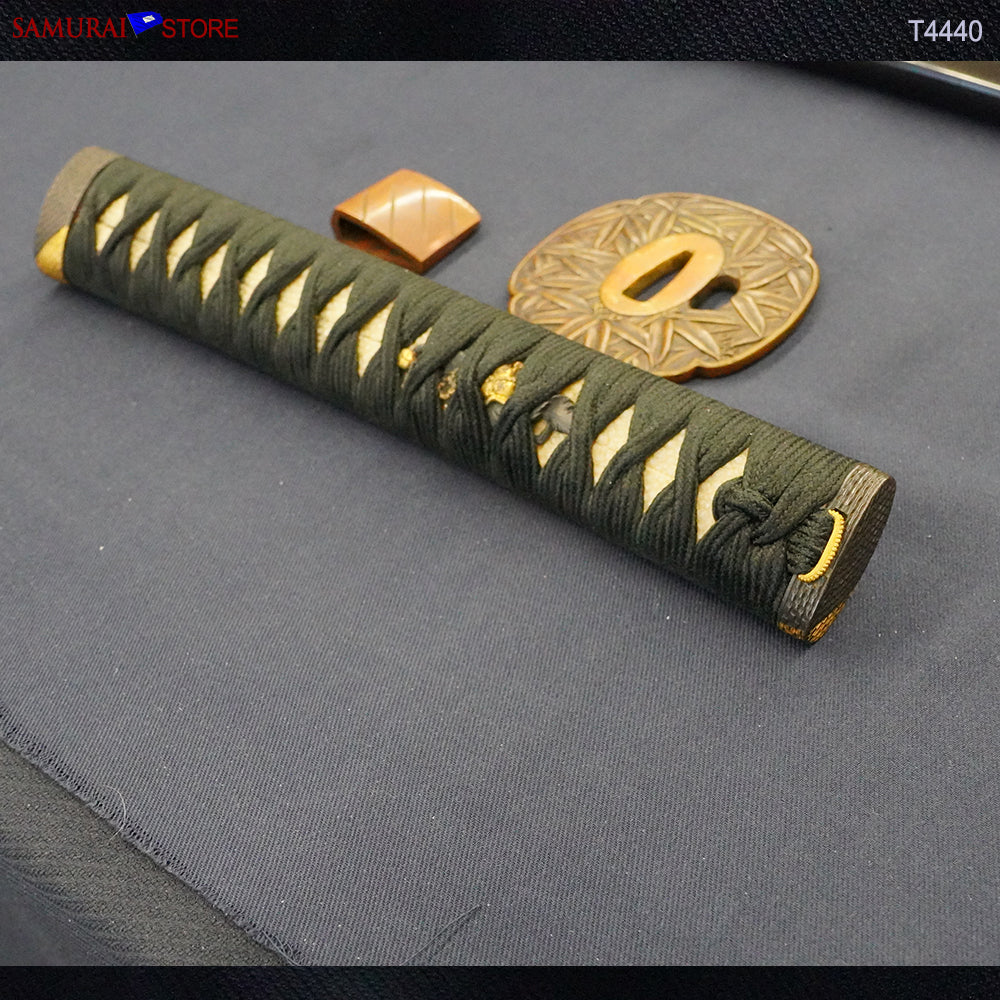
Antique katana made by swordsmith Jumyo located in Minoh (Gifu pref.) in Muromachi period, 1550's. The blade is mumei (no inscription) but certified and registered as Kicho paper "Important Sword" by NBTHK. The tempered line pattern is Gunome/Midare irregular zig-zag and the blade comes in a complete ornate mountings including the beautiful Tsuba guard.
 NihontoWatch
mumei · Jumyo · Muromachi · nagasa 71.2cm · sori 2.1cm
Mino-den · Mino · around 1532-1555
4 pieces on the market now
Mino-den · Mino
16 pieces on the market now
Mino in the Muromachi period
Sengoku Seki was an industry: smiths organized under their tutelary Kasuga shrine, arming the war bands of central Japan. Magoroku Kanemoto’s sanbonsugi and the finest Kanesada work prove quality survived inside mass production.
We could not find an authenticity certificate on the seller’s listing. Japanese swords and fittings are normally papered by the NBTHK (or the NTHK). Without one, the attribution is the seller’s own assessment and has not been independently verified — treat it with caution and ask the dealer about certification before buying.
Returns accepted only for errors/damage: damaged or incorrect items reported by email within 10 calendar days; defective goods within 30 calendar days.
Antique katana made by swordsmith Jumyo located in Minoh (Gifu pref.) in Muromachi period, 1550's. The blade is mumei (no inscription) but certified and registered as Kicho paper "Important Sword" by NBTHK. The tempered line pattern is Gunome/Midare irregular zig-zag and the blade comes in a complete ornate mountings including the beautiful Tsuba guard.
NihontoWatchmumei · Jumyo · Muromachi · nagasa 71.2cm · sori 2.1cm
Mino-den · Mino · around 1532-1555
4 pieces on the market now
Mino-den · Mino
16 pieces on the market now
Mino in the Muromachi period
Sengoku Seki was an industry: smiths organized under their tutelary Kasuga shrine, arming the war bands of central Japan. Magoroku Kanemoto’s sanbonsugi and the finest Kanesada work prove quality survived inside mass production.
We could not find an authenticity certificate on the seller’s listing. Japanese swords and fittings are normally papered by the NBTHK (or the NTHK). Without one, the attribution is the seller’s own assessment and has not been independently verified — treat it with caution and ask the dealer about certification before buying.
Returns accepted only for errors/damage: damaged or incorrect items reported by email within 10 calendar days; defective goods within 30 calendar days.