After the Ōnin War broke the Ashikaga order, a century of Sengoku warfare armed nearly every province in Japan. The era rewards a discriminating eye: routine work exists in quantity, and beside it stand custom blades of the first rank.
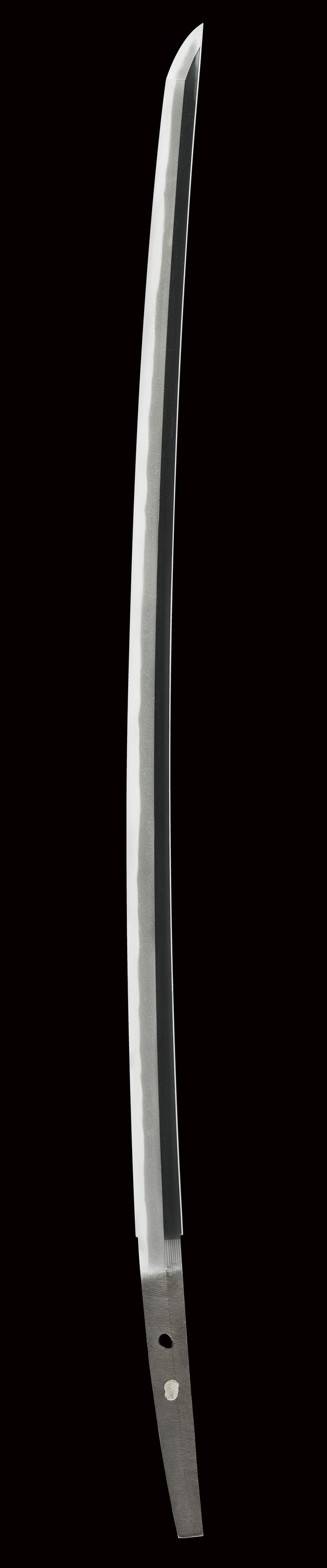
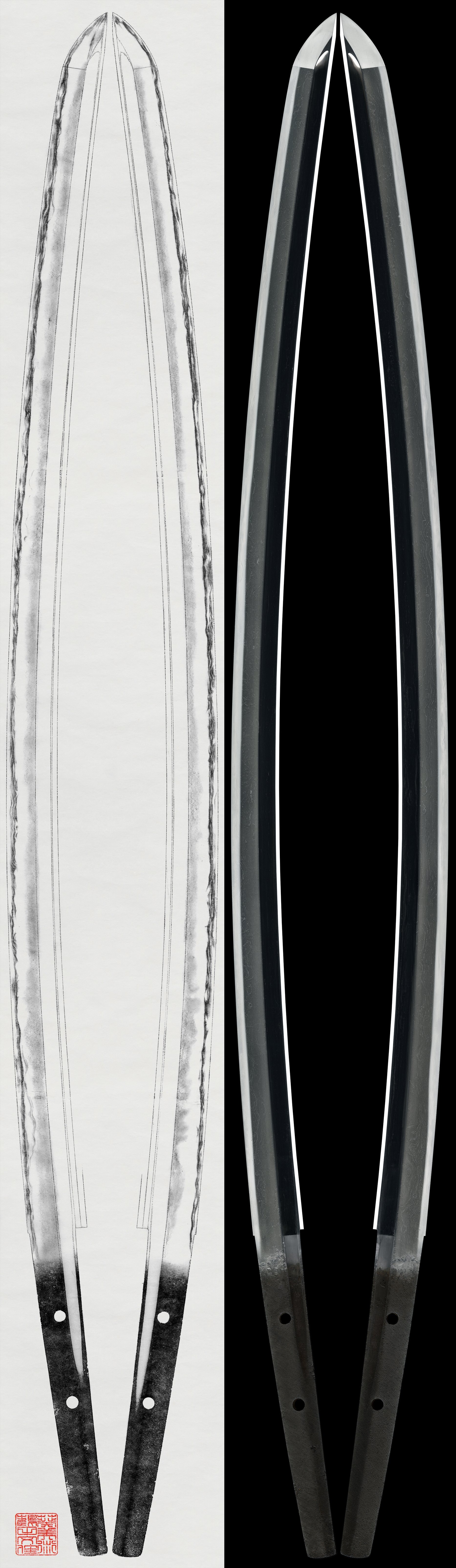
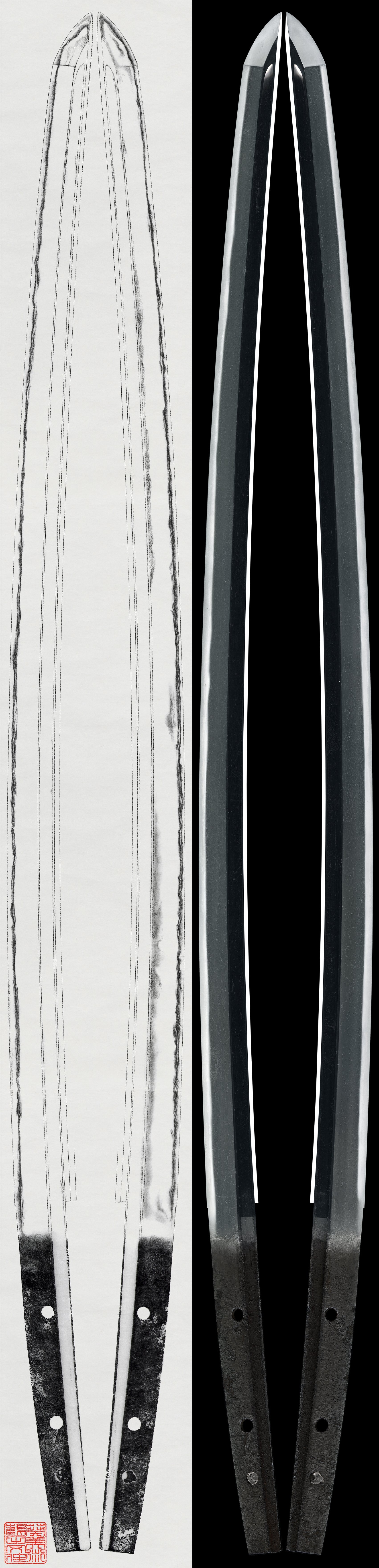
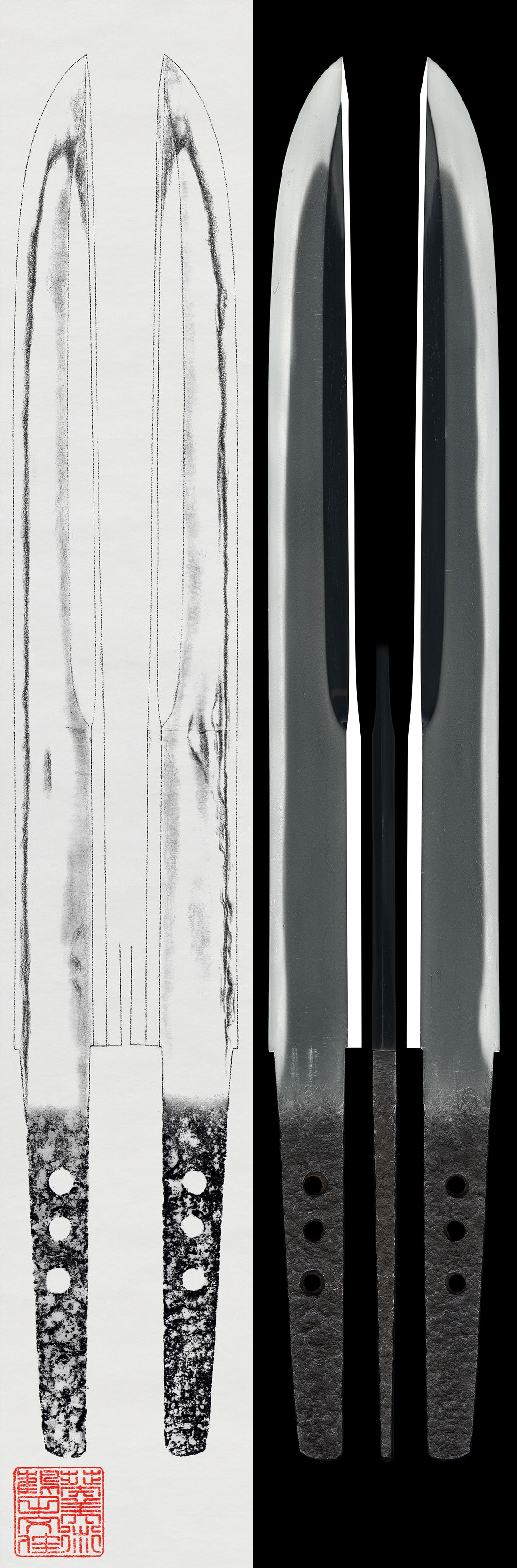
This tanto is signed by Nobunaga, a swordsmith from Asago in Yamato province, who was part of the Taima school. He moved to Echizen province in the early Muromachi period (around Ouei era) and is known for his work there. The blade comes with a black lacquer saya aikuchi tanto koshirae, adorned with kozuka and menuki featuring the Gion Mamori crest of the Tachibana clan of Chikugo Yanagawa.
 NihontoWatch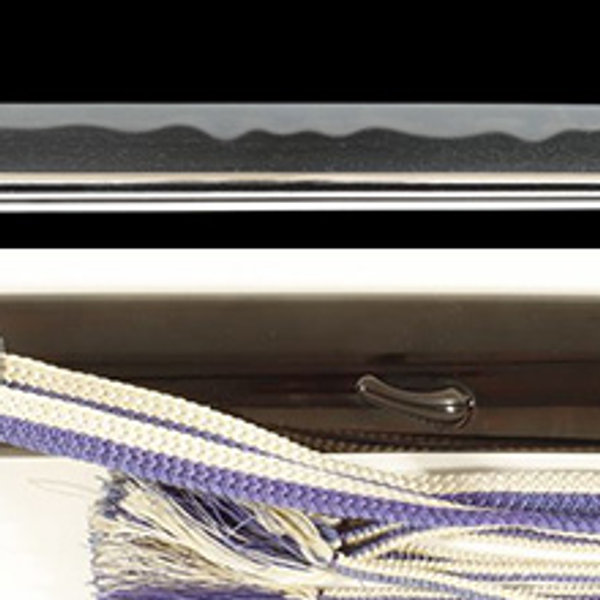
Yamato · around 1362-1368
Tōken Taikan top 17%
The Muromachi period (1392 to 1573)
After the Ōnin War broke the Ashikaga order, a century of Sengoku warfare armed nearly every province in Japan. The era rewards a discriminating eye: routine work exists in quantity, and beside it stand custom blades of the first rank.
We could not find an authenticity certificate on the seller’s listing. Japanese swords and fittings are normally papered by the NBTHK (or the NTHK). Without one, the attribution is the seller’s own assessment and has not been independently verified — treat it with caution and ask the dealer about certification before buying.
If, due to our fault, the item differs significantly from its proper condition, the item may be returned. Cooling-off is within one week of the item's arrival.