二世紀半の泰平のあいだ、刀は武器である以上に武士の身分の標章であった。江戸の実証と大坂の華やぎのように都市ごとの作風が育ち、時代の末には需要も細っていく。
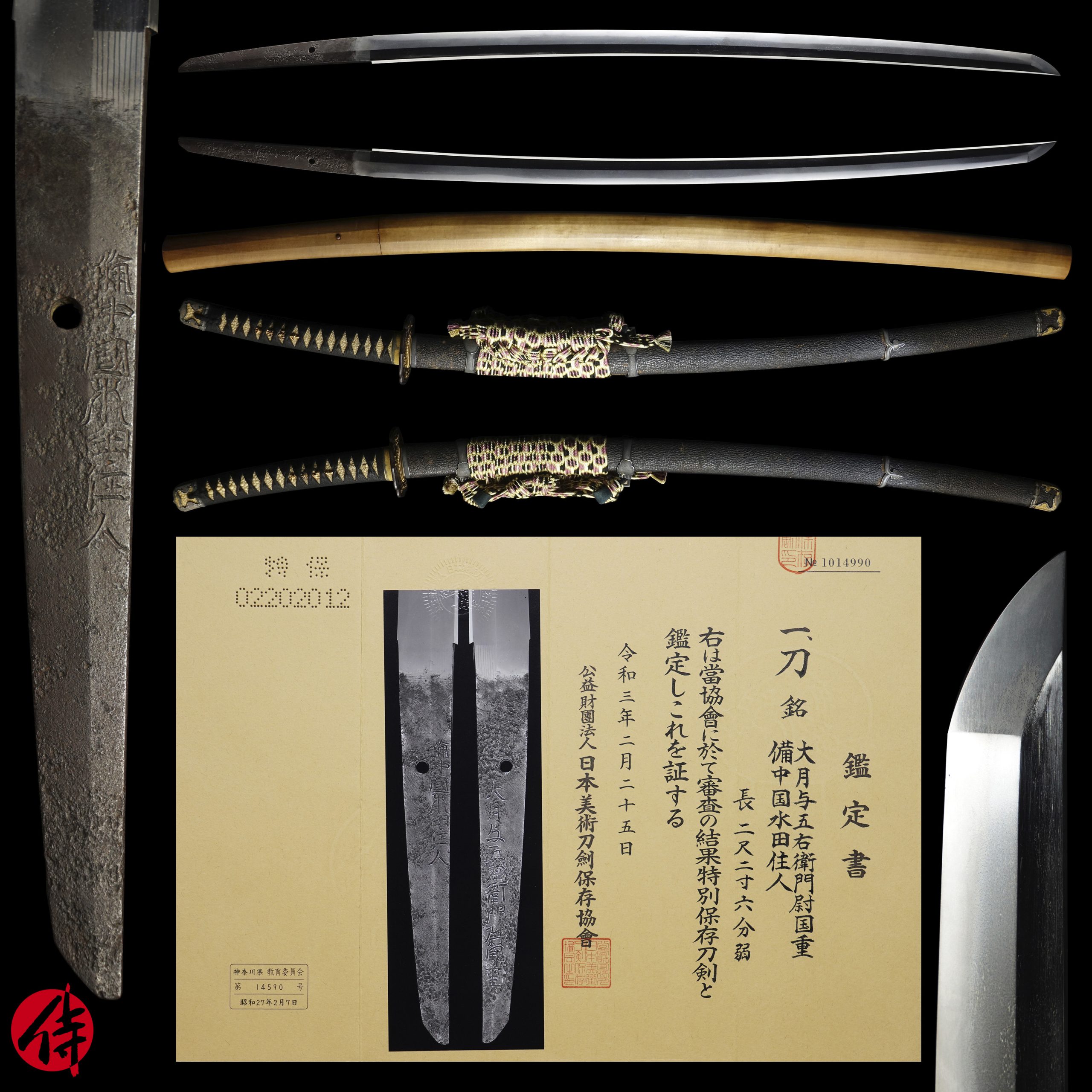
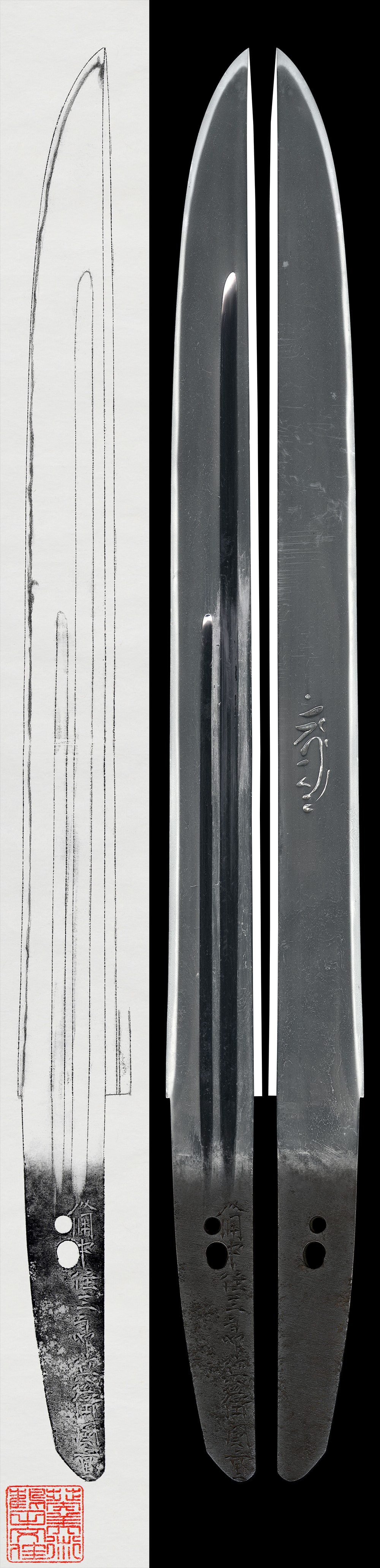
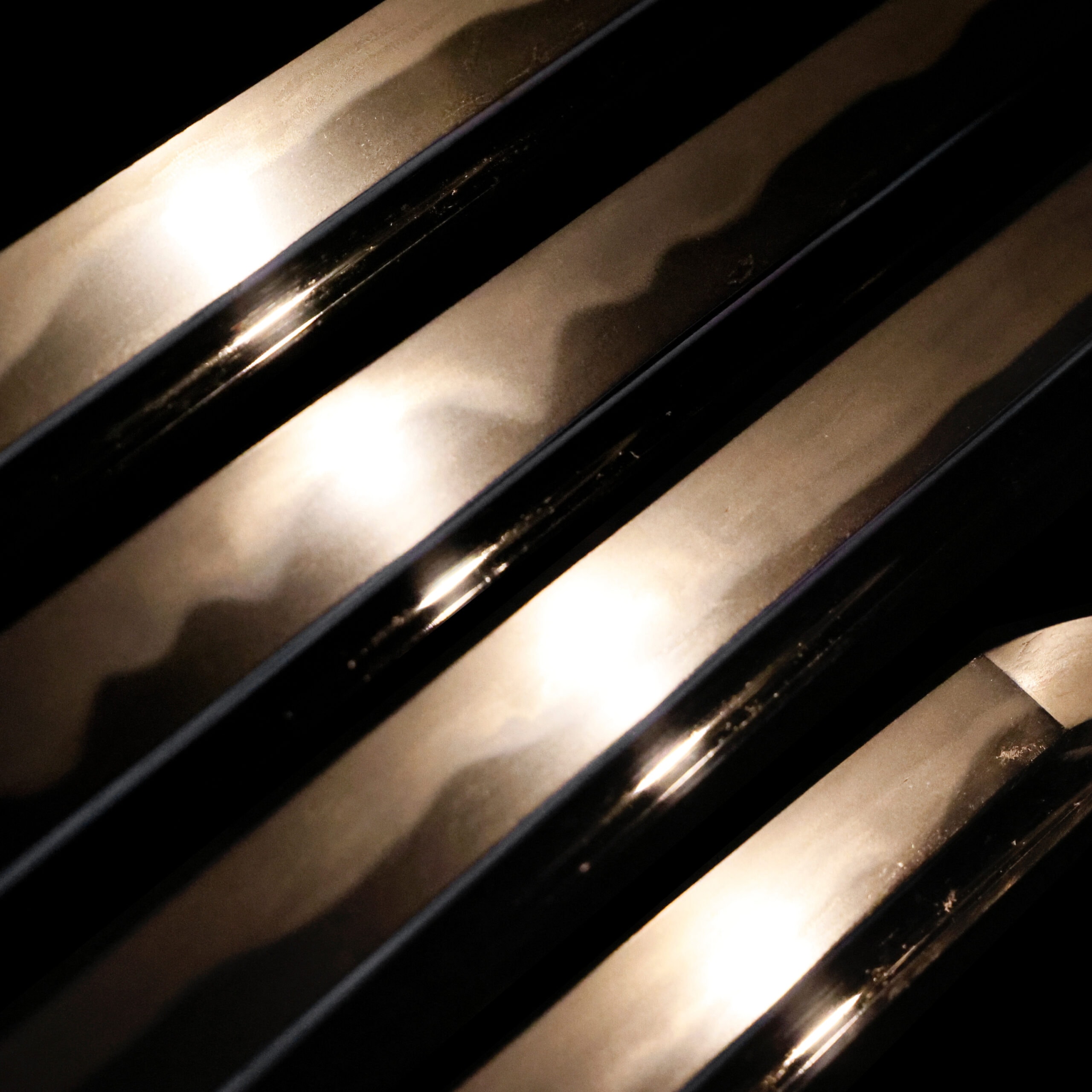
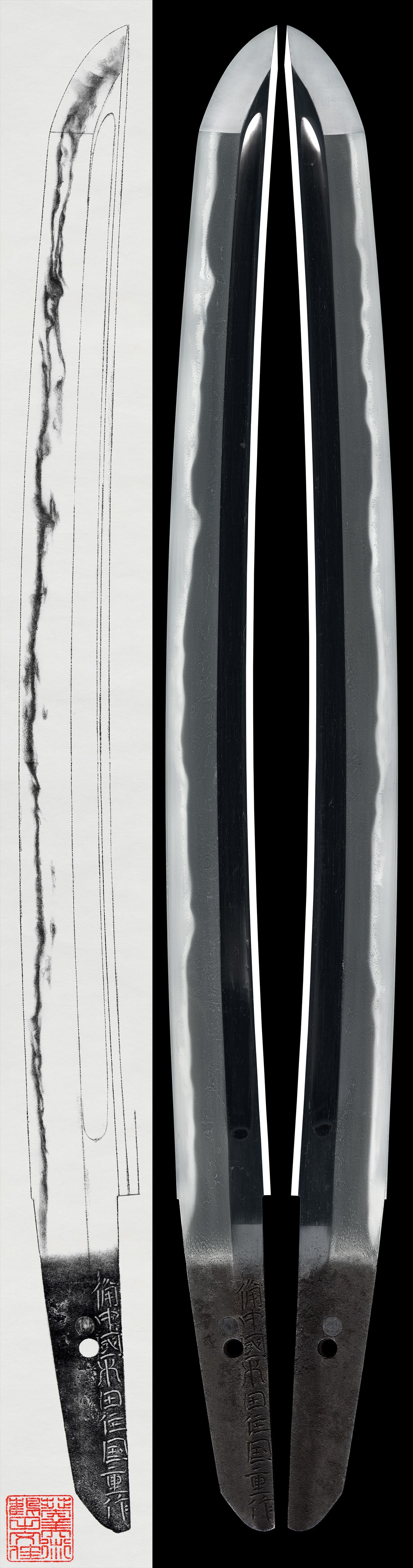
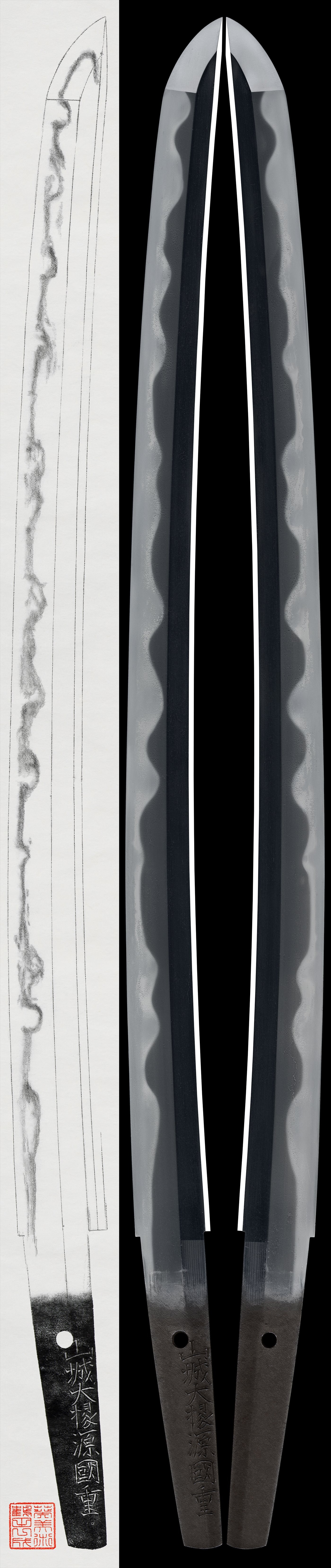
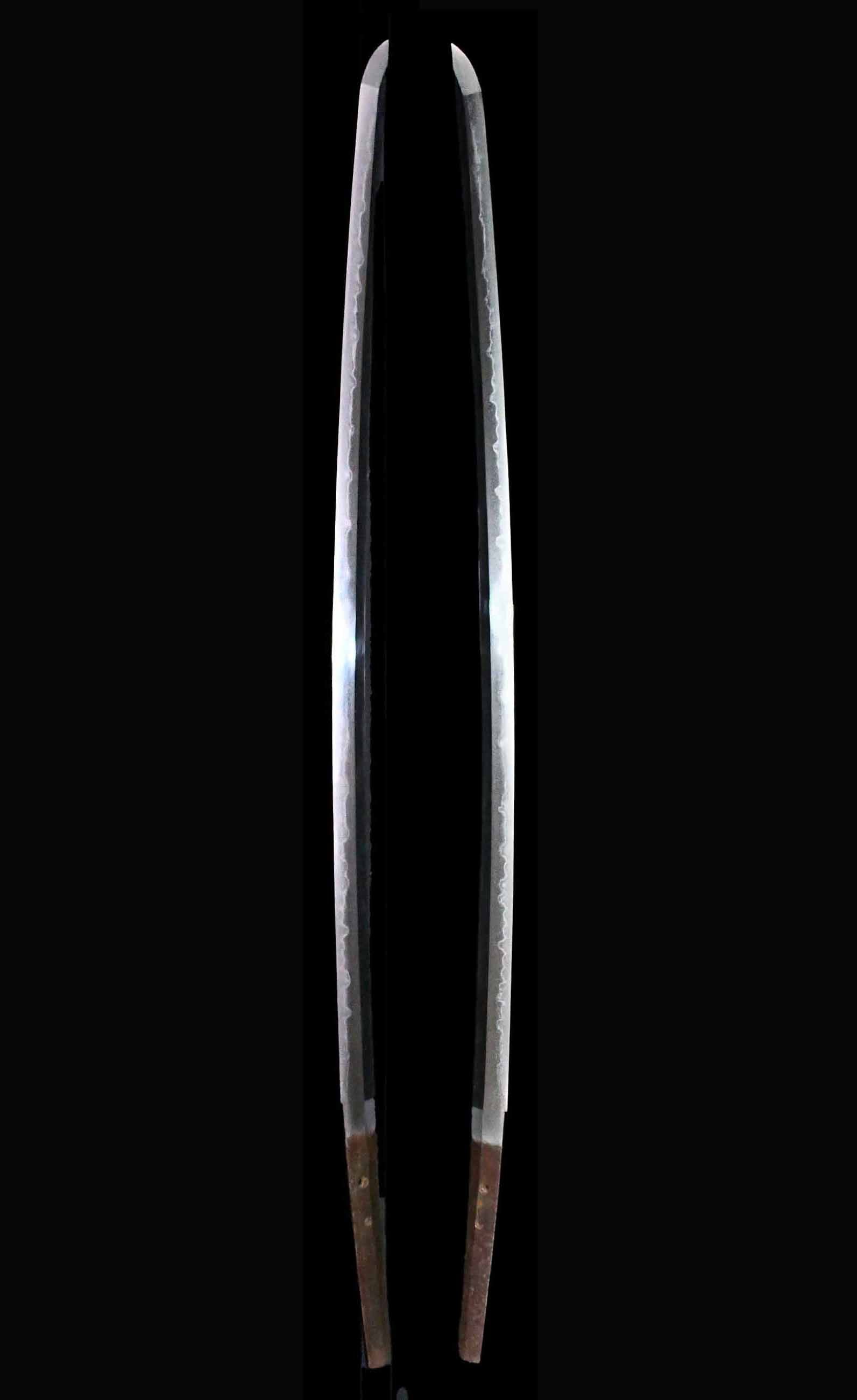
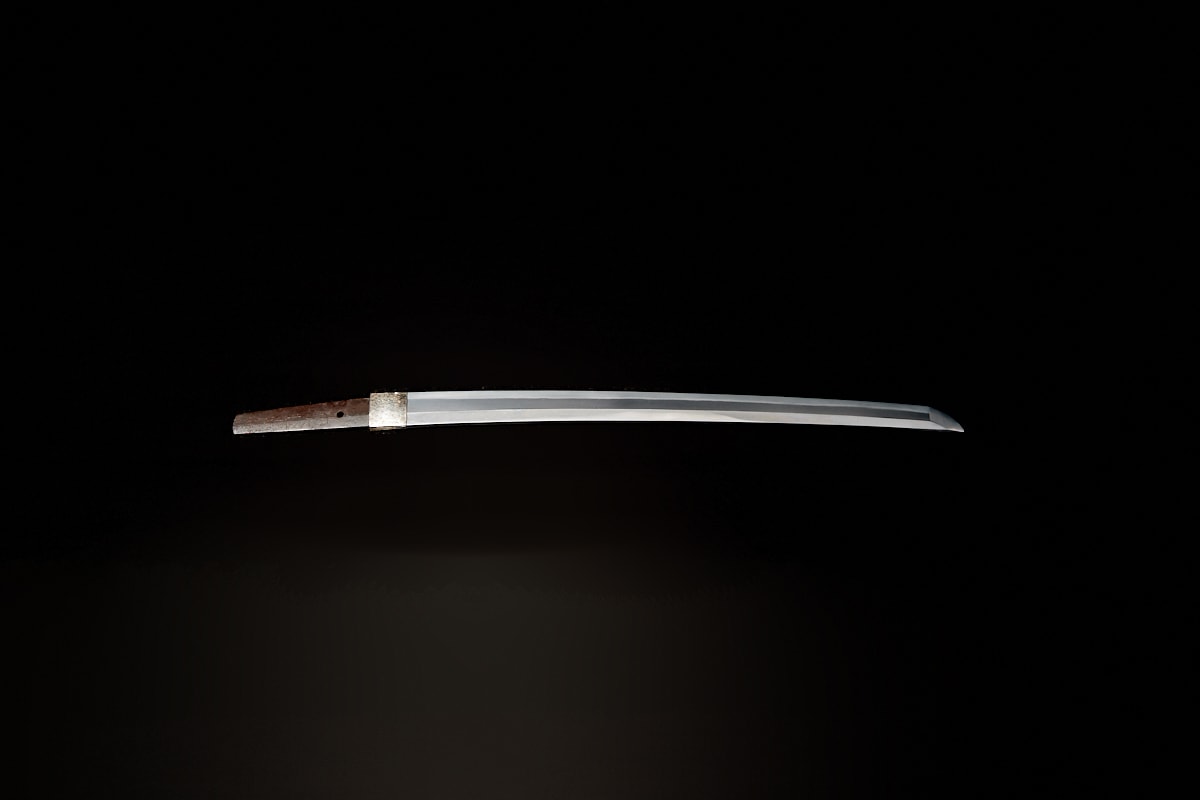
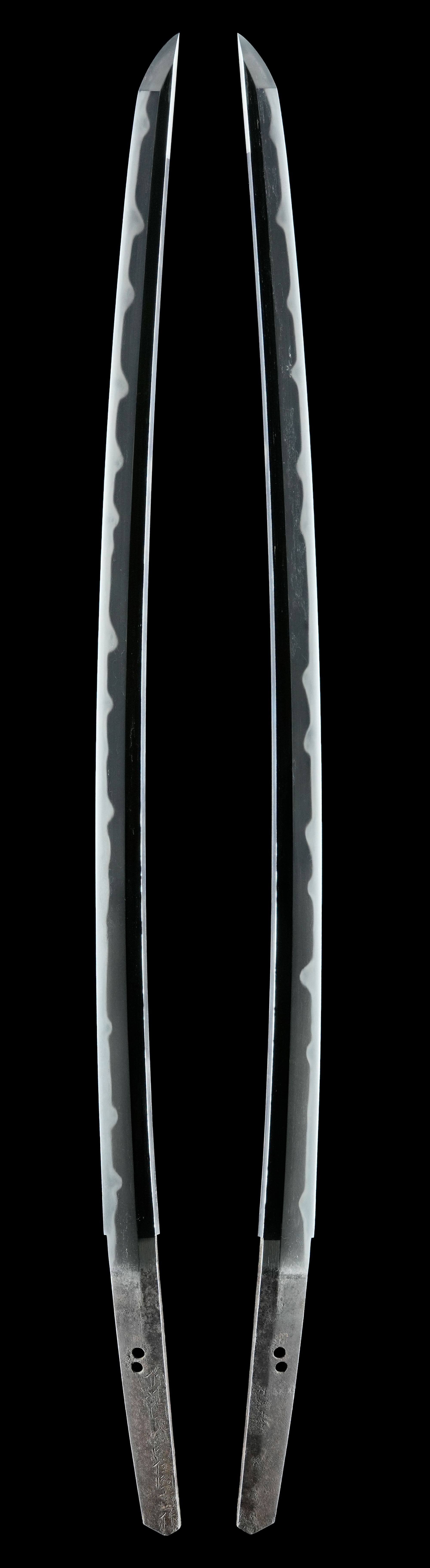
備中国水田派は、青江の末流が荏原村や砦部郡松山などの地で再興をはかり、室町初期応永頃に青江派に替わり現れる。新刀期になり、水田随一の名工大月与五郎国重を代表工として、華やかな沸本位の覇気溢れる作風となる。山城大掾国重は、大月与五郎国重の弟で名を市蔵といい、正保二年に山城大掾を受領、後に山城守に転任しており、江戸・作州津山に於いても作刀し、江戸水田と称されている。 この刀は、杢目肌に、地沸が微塵に厚くつき、地景細かく頻りに入る美しく冴えた地鉄に、直刃調に、小互の目を交え、小沸深く美しくつき、足入り、匂深く、匂口明るく冴える。地刃共に頗る健全で冴え渡り、覇気溢れ健全な、兄与五郎国重にも勝る出来となる傑作である。
 NihontoWatch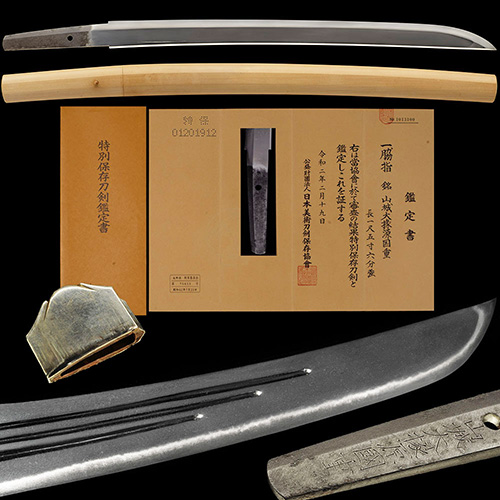

新刀 · 備中 · 1624-1644頃
藤代 Jo-jo saku · 刀剣大鑑 上位26%
現在10点販売中
國重の位置づけを、日本刀全体および伝統・時代・時期ごとに示します。各位(随一・屈指・有数・著名)は、NBTHK および文化庁による指定に加え、三作や名物帳などの歴史的栄誉を加味したものです。
各項目を選ぶと評価方法が表示されます。
新刀 · 備中
現在21点販売中
水田派は、室町時代末期の備中国に現れ、国重の名を代々受け継いだ一派である。松山、呰部、井原、荏原、新見など備中各地に拠を構えて作刀し、その勢いは古刀期から新刀期にまで及んだ。説示によれば、新見の国重は銘鑑により備後から備中新見荘に入り、後に松山城主三村家の刀工となったとされ、ほかに備後福山や河波でも作刀した工が知られる。新見住三郎左衛門尉国重、井原住の国重、英賀郡呰部住の大月左兵衛尉国重、水田住の大月与五右衛門国重など、地名と俗名を冠して長銘を切る工が代を重ねて連なり、国重と名乗る刀工が一門に圧倒的に多いことが、この派の大きな特徴をなしている。 作風は古刀期と新刀期とで趣を異にする。古水田と称される作には、腰の開いた互の目乱れを主調として小丁子や小乱れを交え、匂口が締まって小沸がつく、ややこせこせとした趣のものが見られ、茎先が大きく刃上りとなる点が見どころとされる。地鉄は小板目肌つみ、地沸がついて映りが立つ。新刀期の作になると、板目が流れて柾を交じえる鍛えに、小のたれや互の目を焼き、沸が深く、殊に荒沸が激しくつき、相州伝を強く意識した出来となる。地沸厚く地景太く入って湯走りがかかり、砂流し・金筋を頻りに見せ、棟焼がしきりにかかって皆焼風を呈する一群があり、帽子は掃き掛けて火焰風となり、あるいは焼深く一枚風となって長く返る。物打辺に矢筈風の刃を交えること、また小板目に小杢目を交え地沸微塵に厚くついて淡く映り立つ地鉄も、この派を見分ける拠りどころとなる。彫物を巧みにこなす工もあり、棒樋に倶利迦羅や梵字を施した大小の作が残る。 鑑定にあたっては、互の目や角ばる刃を交えた焼高い刃取り、矢筈風の刃、一枚風あるいは火焰風の帽子、棟焼の頻発といった水田特有の見どころが、相州・美濃に寄った実用本位の造込みと相俟って手掛かりとなる。沸の崩れや荒沸の激しさは、よく斬れる実戦の刀としての性格を物語る。在銘の確かな作は数が限られ、なかでも大月与五右衛門国重のごとく一門の他工にも稀なほど出来の優れたものが存する。新見の国重の一作は『光山押形』に所載し、附帯する古鞘に六代将軍徳川家宣すなわち文昭院の御陣刀であった旨が記される伝来の確かなものであって、備中の地に長く栄えた水田派の位置づけを今に伝えている。 詳しく見る →
江戸時代
二世紀半の泰平のあいだ、刀は武器である以上に武士の身分の標章であった。江戸の実証と大坂の華やぎのように都市ごとの作風が育ち、時代の末には需要も細っていく。
保存刀剣のうち、出来が一層優れ、保存状態も良好と認められたものです。再刃や、室町・江戸期の多くの無銘作は対象外となり、保存刀剣より高い基準が課されます。
日本美術刀剣保存協会(NBTHK)は、1948年に設立され、文化庁の監督を受ける公益財団法人で、東京・刀剣博物館に本部を置きます。専門の審査員が出品作を直接審査し、美術的・歴史的価値に応じた鑑定書を発行します。NBTHKの鑑定書は、日本刀および刀装具の真正性を示す最も広く認知された基準です。
NBTHK公式サイト商品発送後の返品・交換・キャンセルには、基本的に対応しておりません。商品に重大な瑕疵がある場合のみ、当サイトでご購入いただいた商品到着後3日以内であれば返品•交換が可能です。

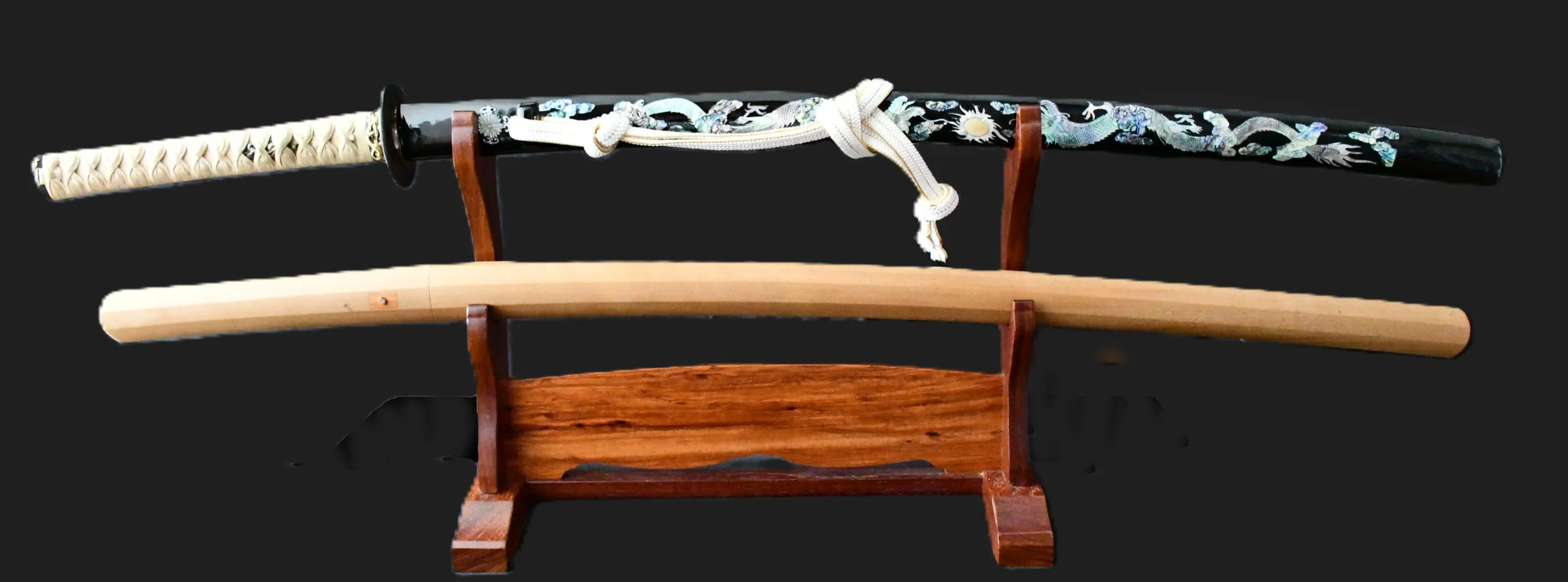




![Wakizashi - Tokuho - 作 國重 - 脇差[備中国水田住国重][日本美術刀剣保存協会]特別保存刀剣](/_next/image?url=https%3A%2F%2Fitbhfhyptogxcjbjfzwx.supabase.co%2Fstorage%2Fv1%2Fobject%2Fpublic%2Flisting-images%2Fworld-seiyudo%2FL31940%2F00.jpg&w=2560&q=90)