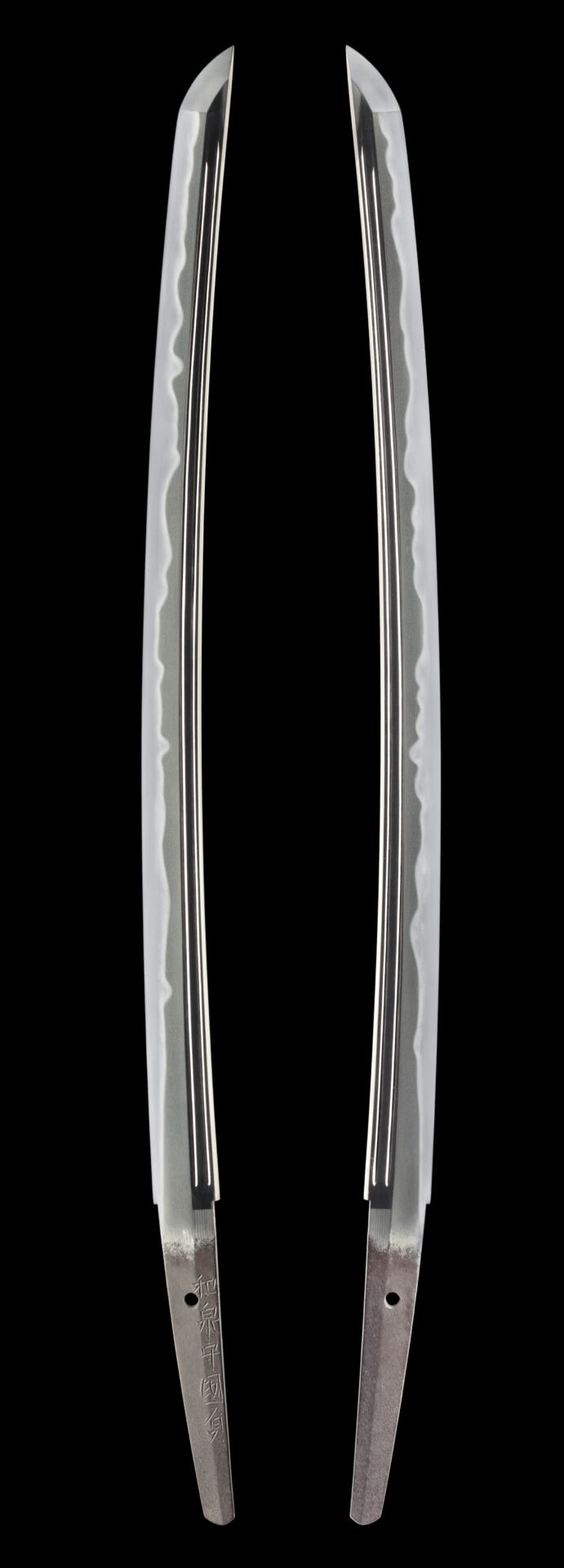






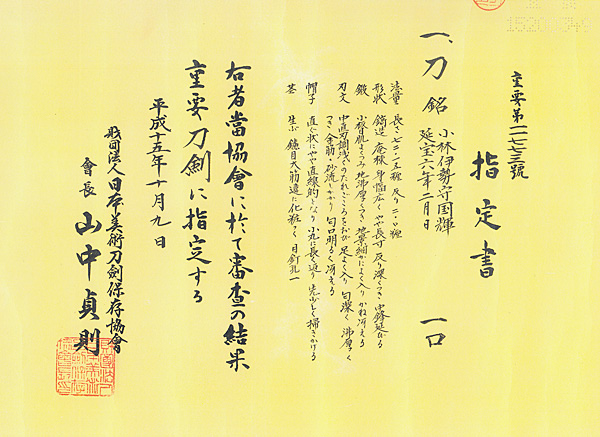
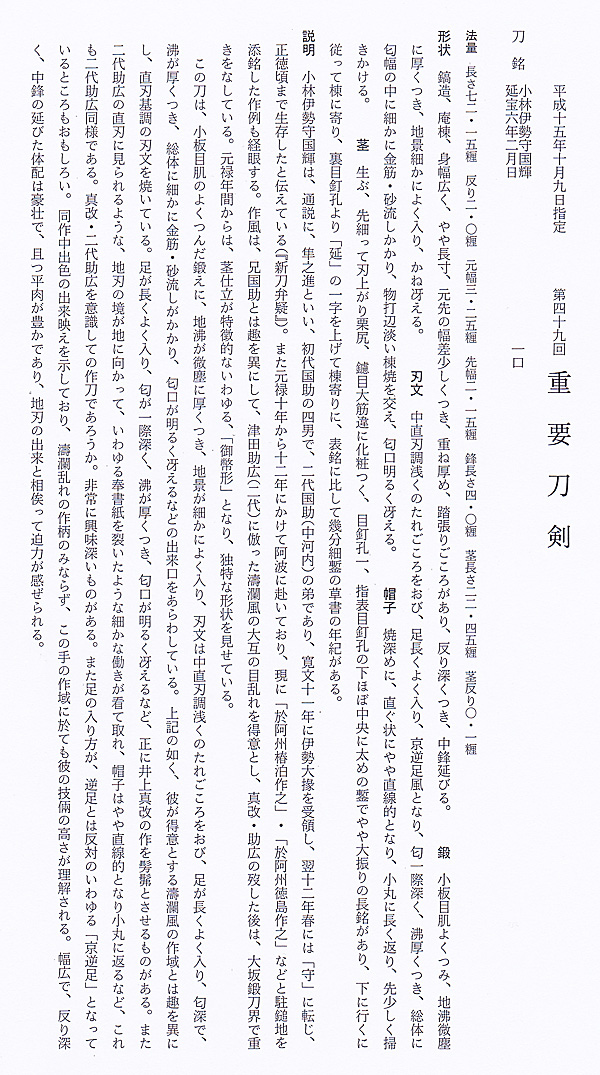

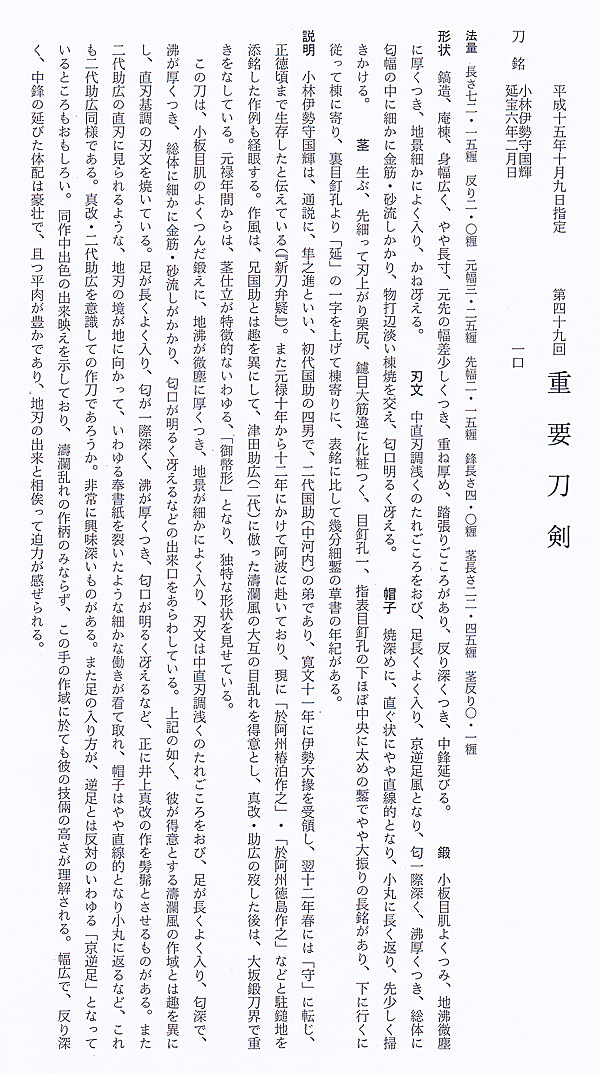
Juyo-Token, 33rd Session — Designated October 9, 1993
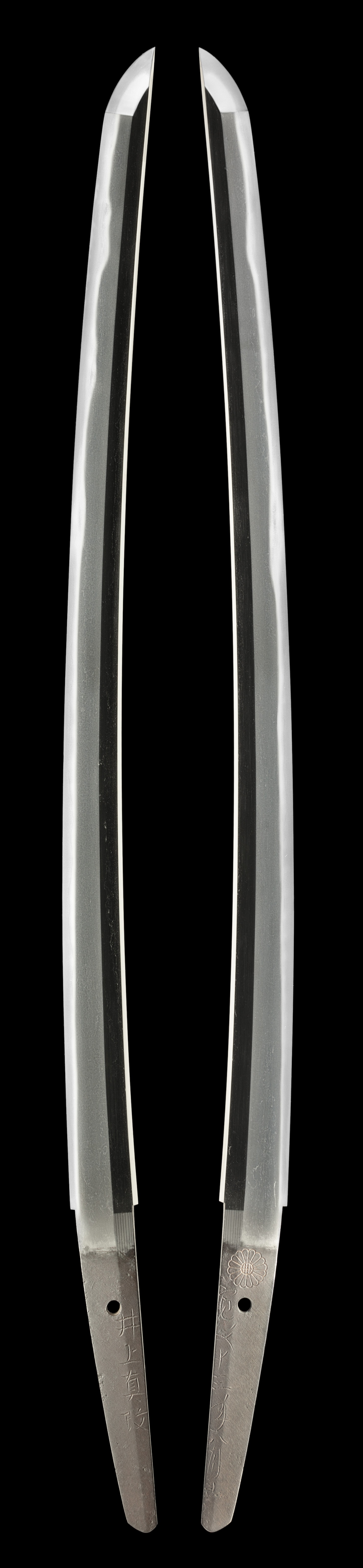
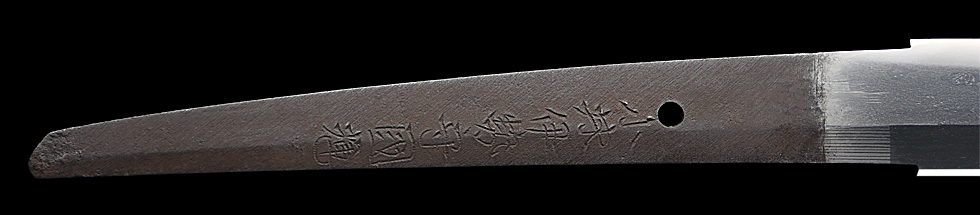
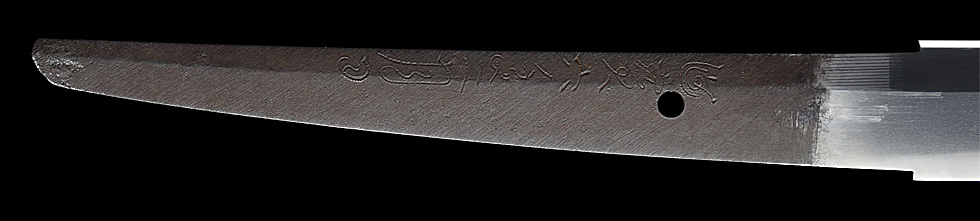
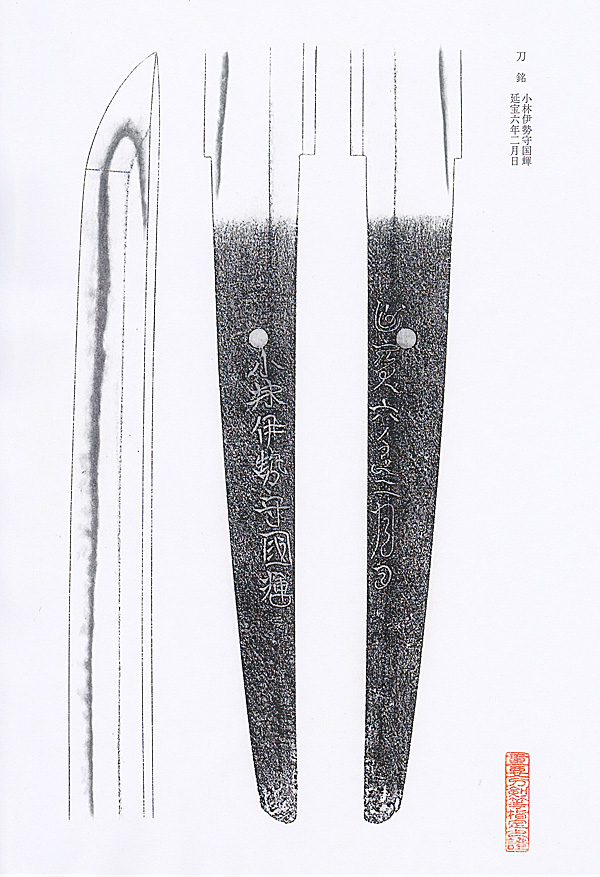
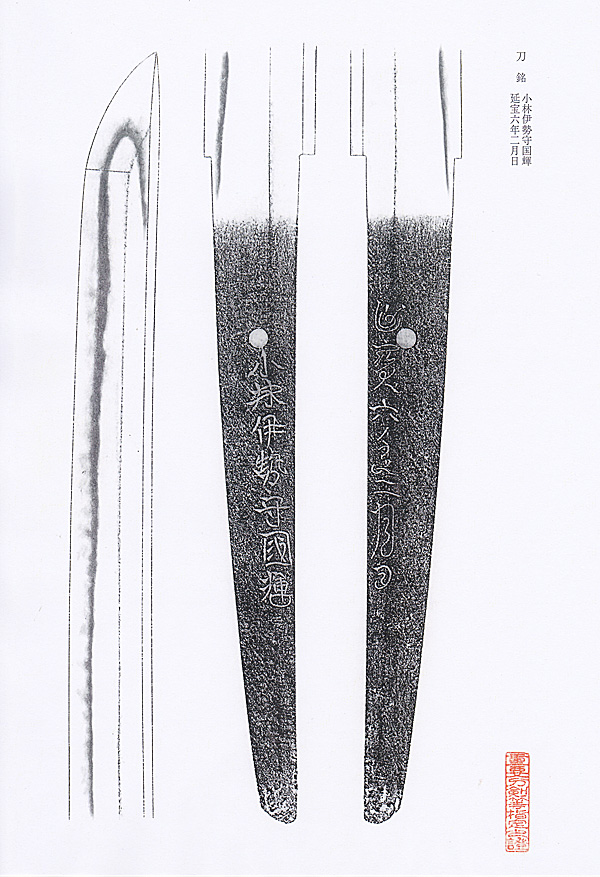
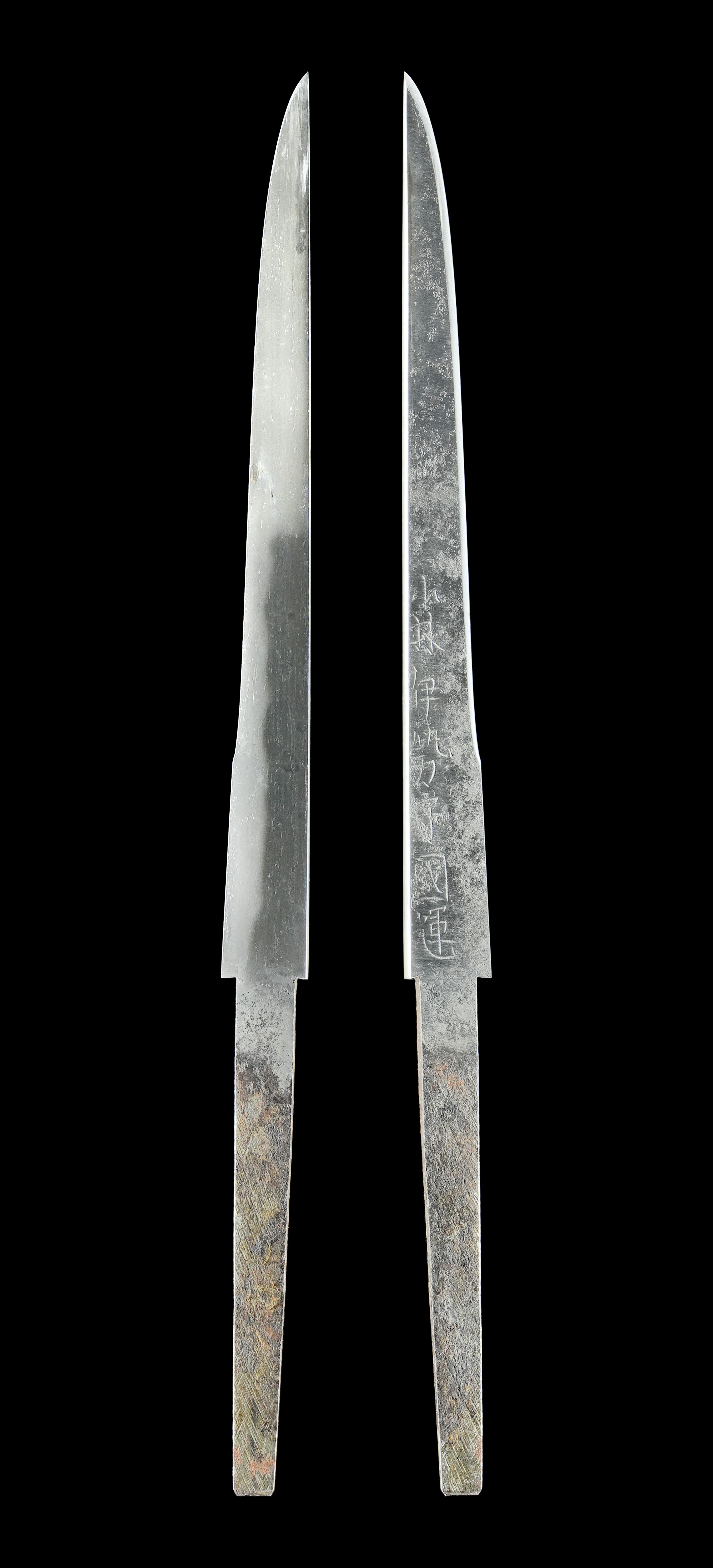
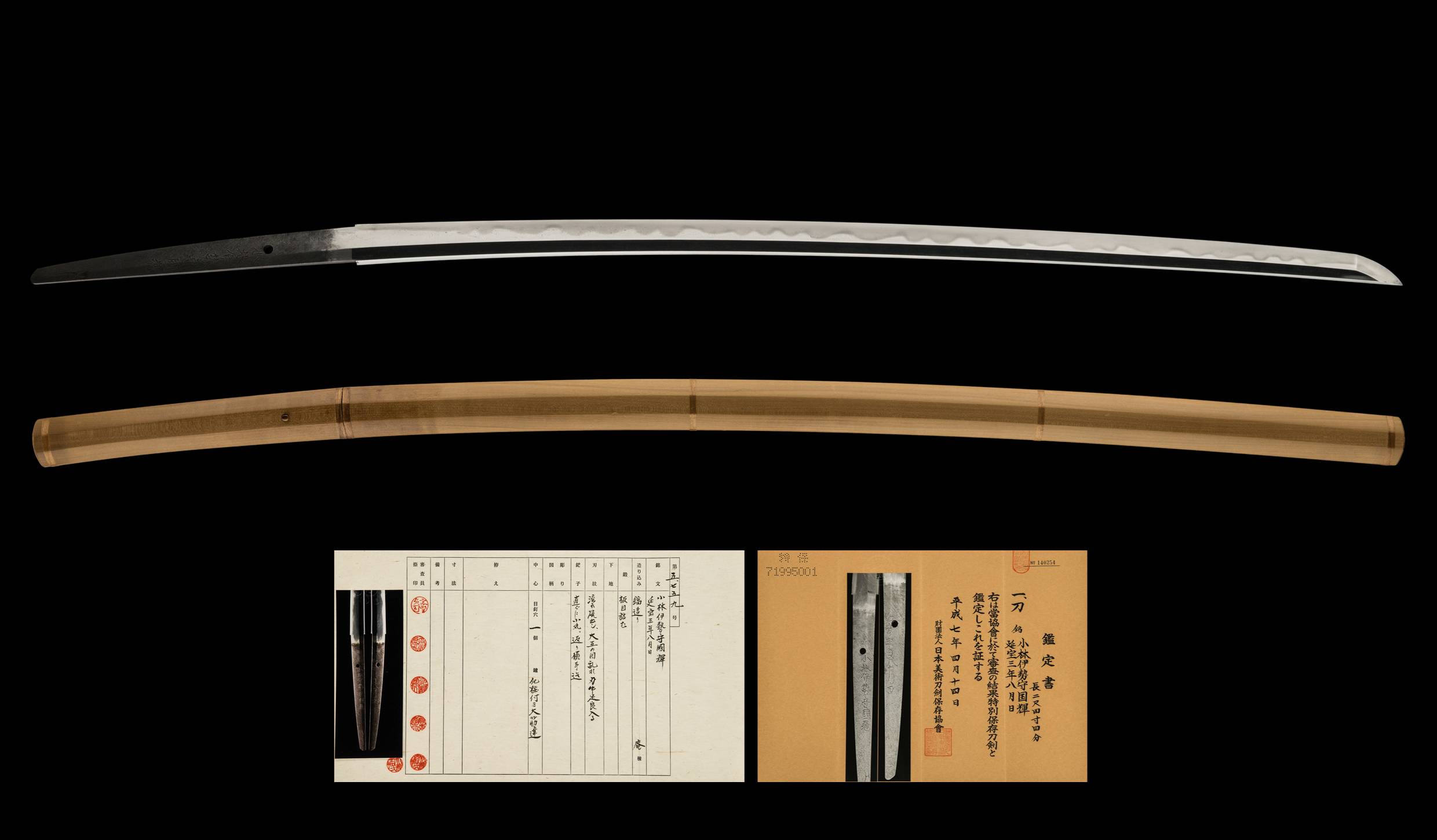
Katana, mei: Kobayashi Ise no Kami Kunikai (小林伊勢守国解)
Measurements Nagasa 75.2 cm, sori 1.8 cm, motohaba 3.3 cm, sakihaba 2.3 cm, kissaki-nagasa 3.3 cm, nakago-nagasa 19.1 cm
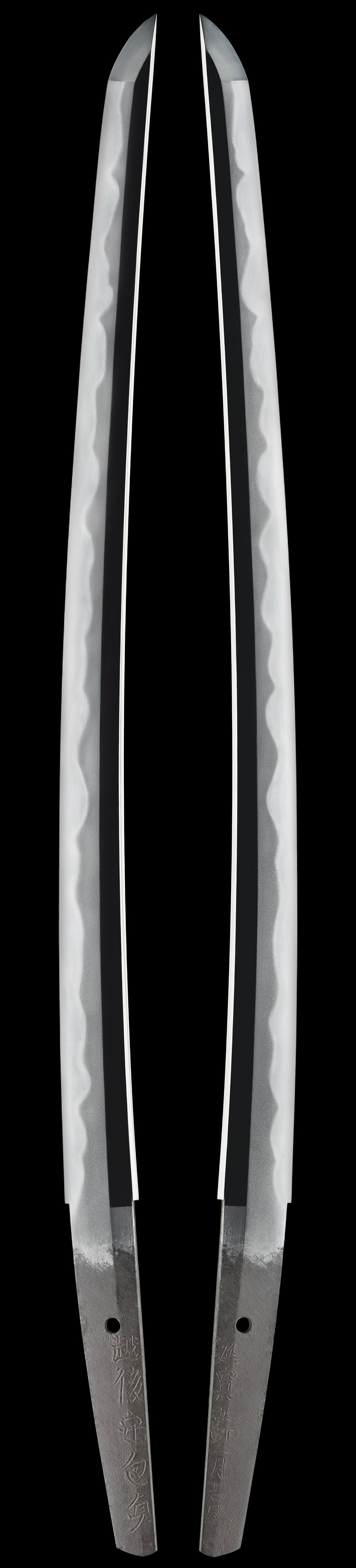
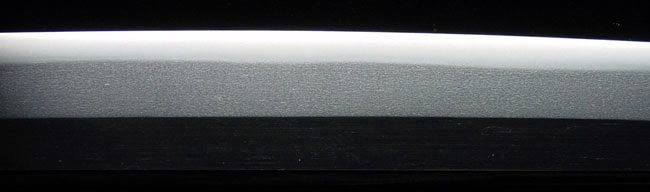
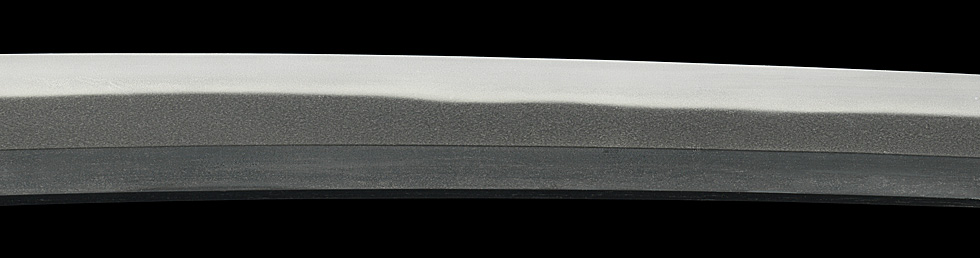
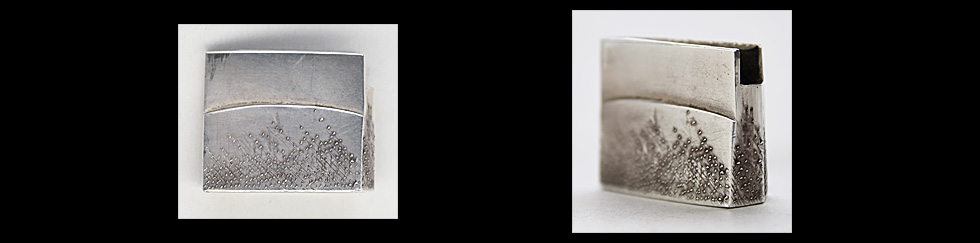
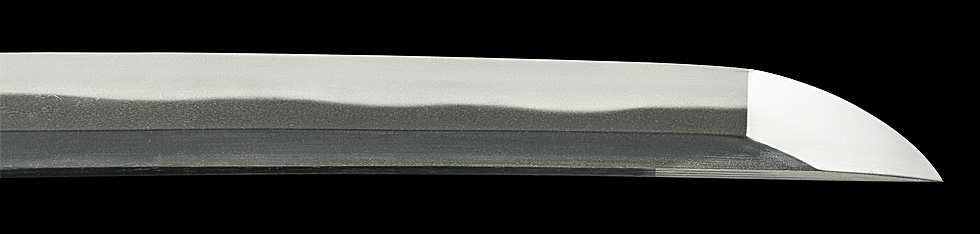
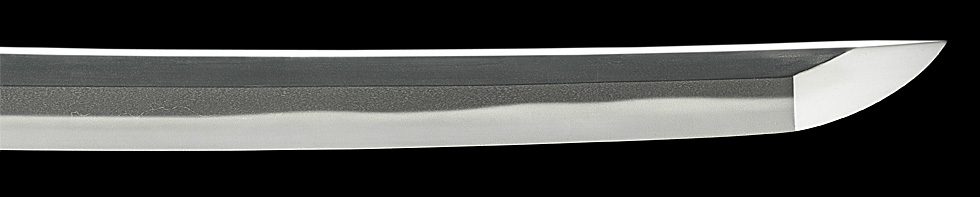
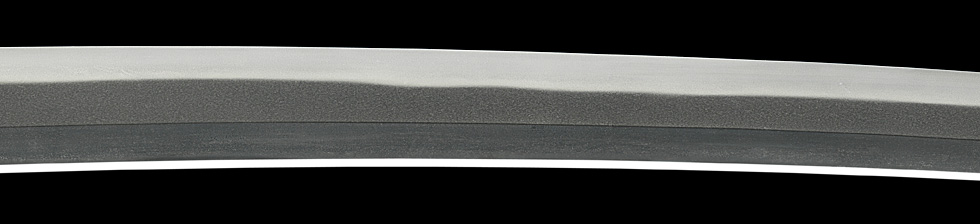
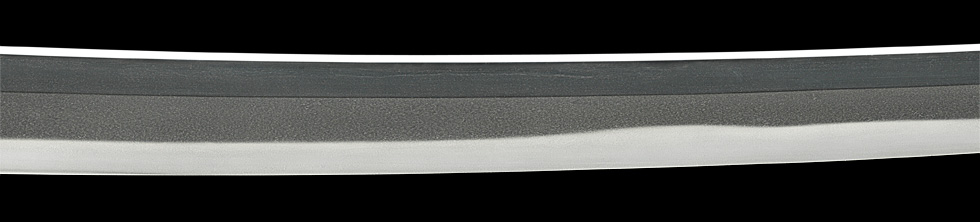
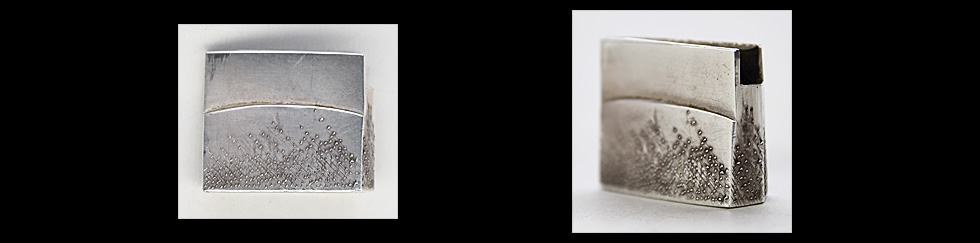
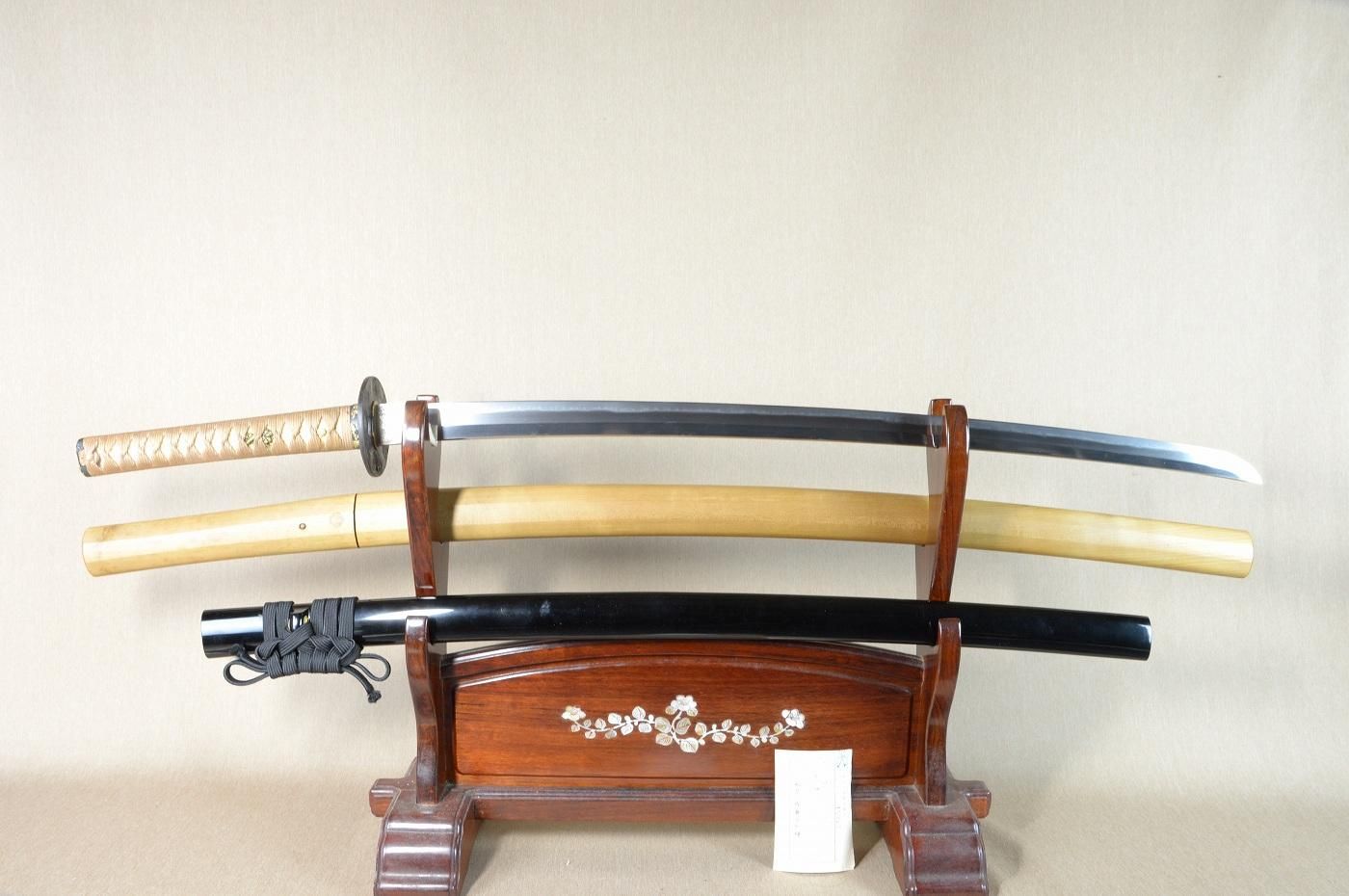
Description Keijo: shinogi-zukuri. Kitae: ko-itame closely forged; abundant ji-nie clings thickly; chikei appear well; the steel is clear. Hamon: A chu-suguha-based temper with a notare-tinge; ashi enter well; the nioi is deep and nie clings thickly; there are kinsuji and sunagashi; the nioiguchi is bright. Boshi: sugu and becoming somewhat straight-lined; with a long return (kaeri), and the tip shows slight hakikake. Horimono: None. Nakago: ubu-nakago; kurijiri; katte-sagari yasurime; one mekugi-ana.
Artisan Kobayashi Ise no Kami Kunikai (小林伊勢守国解)
Era Keichō 6 (1601), 2nd month (day unspecified)
Explanation This is a signed and dated katana bearing the inscription “Kobayashi Ise no Kami Kunikai” (小林伊勢守国解) and a date on the reverse reading “Keichō 6, second month, day [unspecified]” (慶長六年二月日). The workmanship is described as a closely forged ko-itame with thickly adhering ji-nie and conspicuous chikei, producing a clear appearance of the steel. The temper is a chu-suguha with a slight notare tendency, with well-formed ashi, deep nioi, thick nie, and activities such as kinsuji and sunagashi, with a bright nioiguchi.
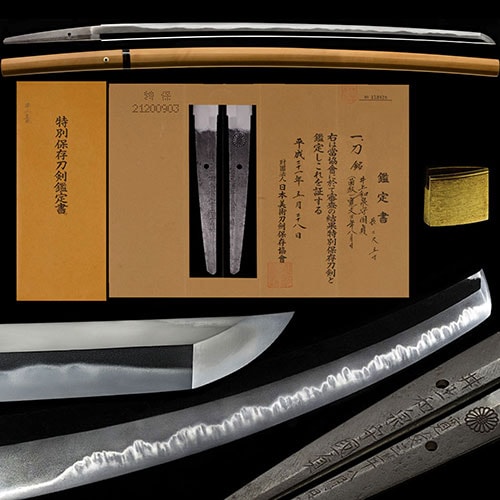
As a result of examination, this sword was designated an Important Sword (Juyo-Token) on October 9, 1993, by the Society for the Preservation of the Japanese Art Sword (NBTHK), signed by its chairman, Yamanaka Sadanori (山中貞則).



![Katana - Jūyō - 作 國助 - 日本刀 刀 銘 河内守国助 第[ ]回重要刀剣指定品](/_next/image?url=https%3A%2F%2Fitbhfhyptogxcjbjfzwx.supabase.co%2Fstorage%2Fv1%2Fobject%2Fpublic%2Flisting-images%2Fsamurai-museum%2FL1002604%2F06.jpg&w=2560&q=90)