売切れ
Hozon売切れ
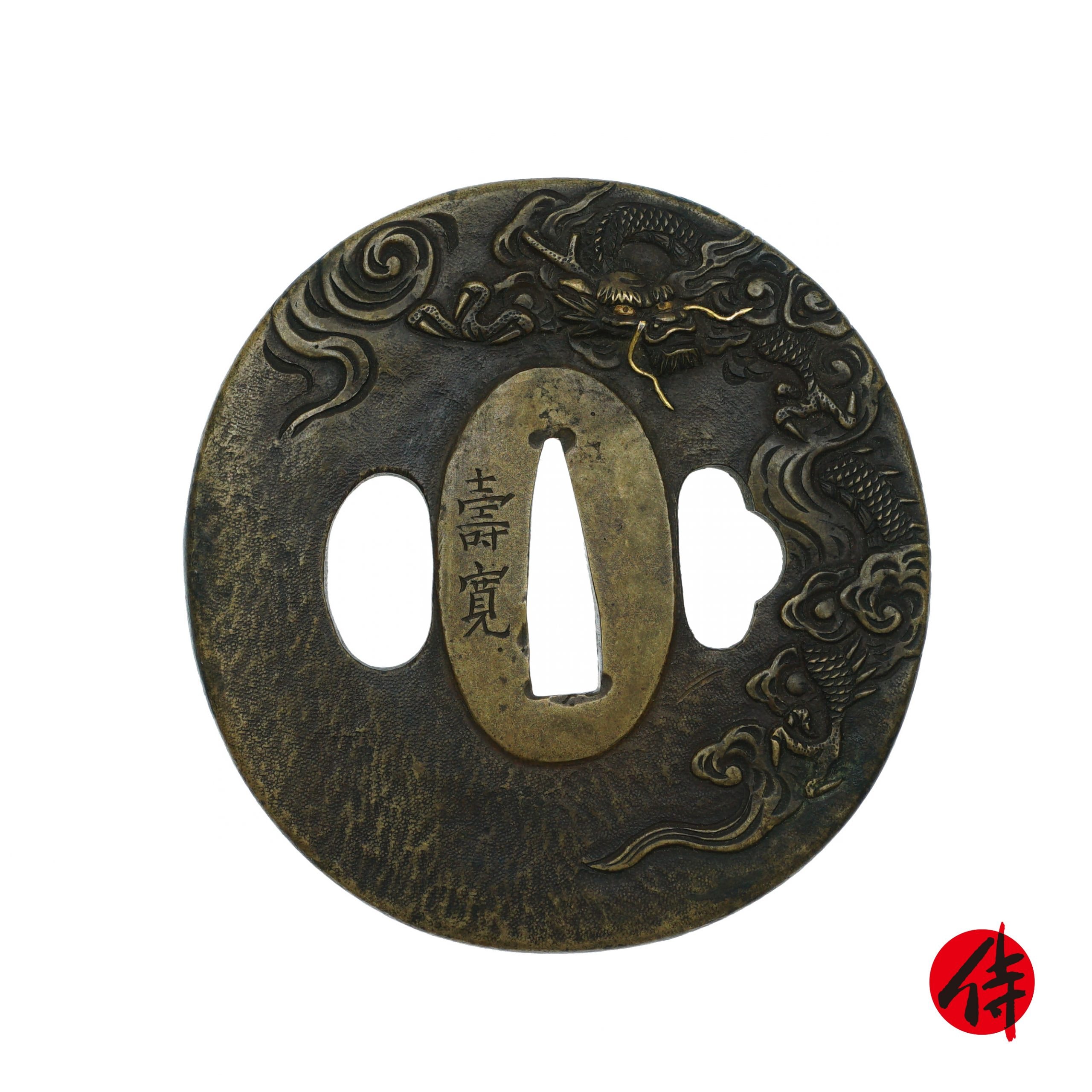
Edo period Genroku antique Tsuba for Samurai Sword with NBTHK Hozon Certificate (T-67)
売却済
世界81社の刀剣商を横断追跡 · 価格履歴 · 売却アーカイブ
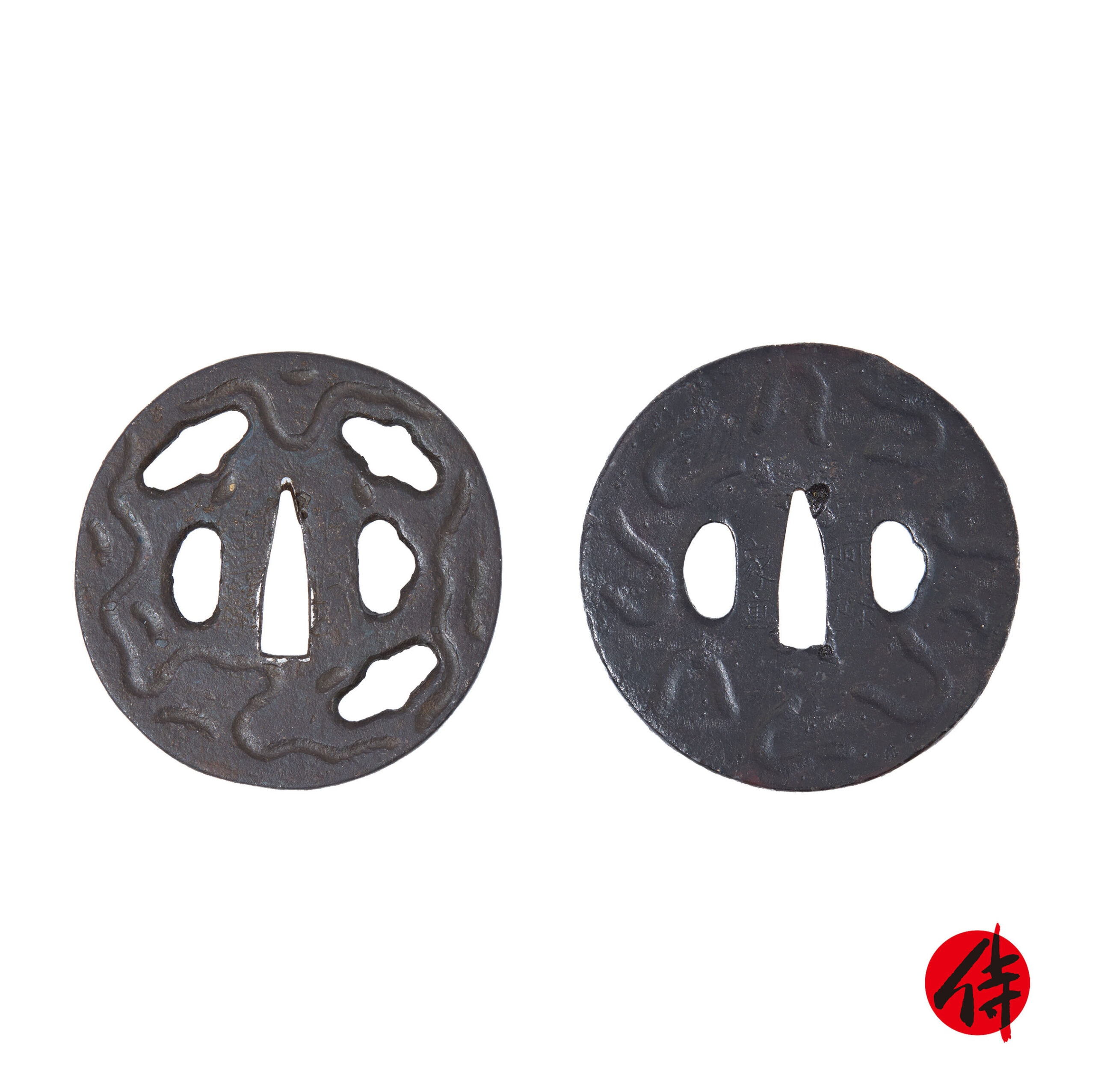
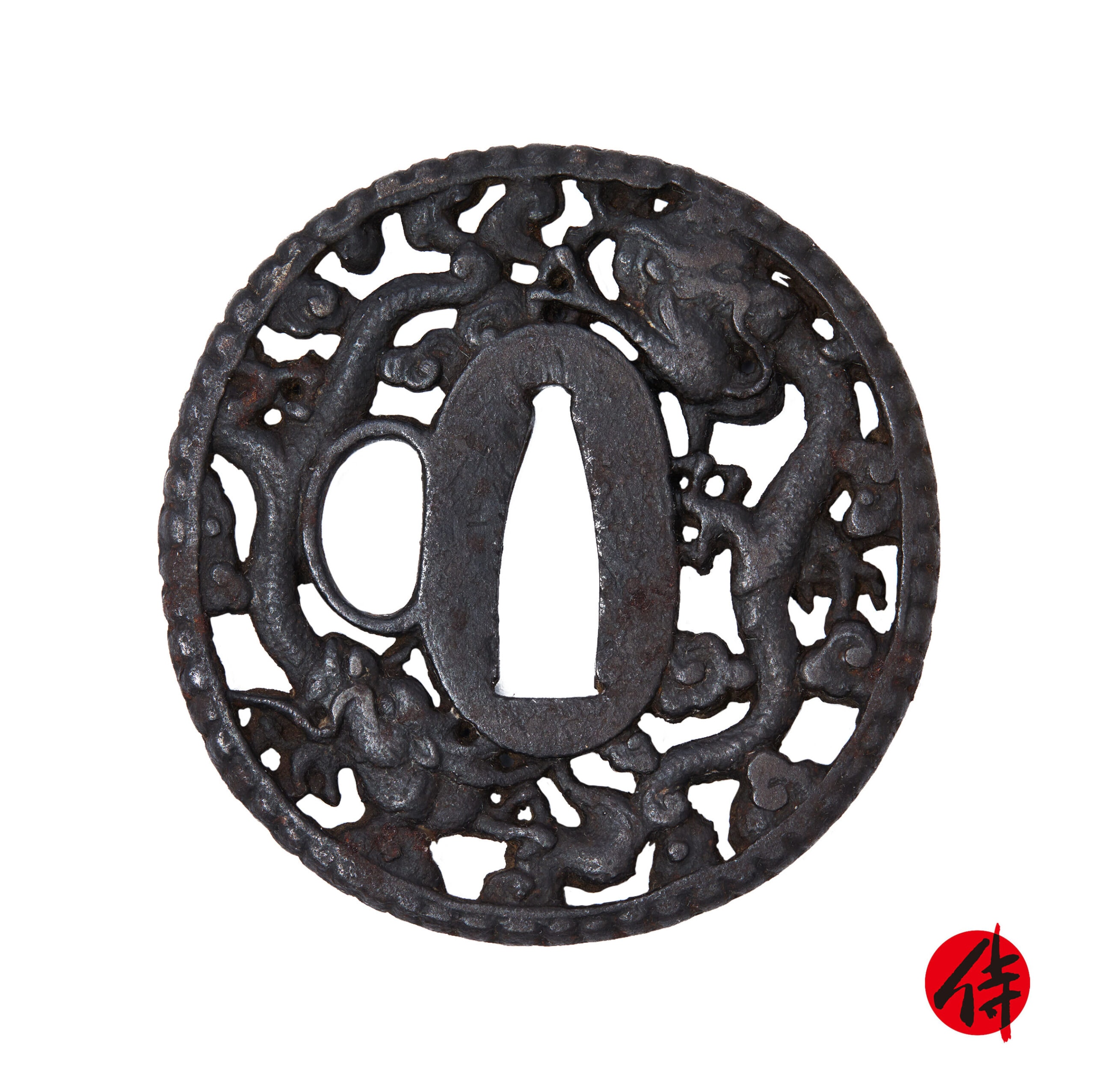
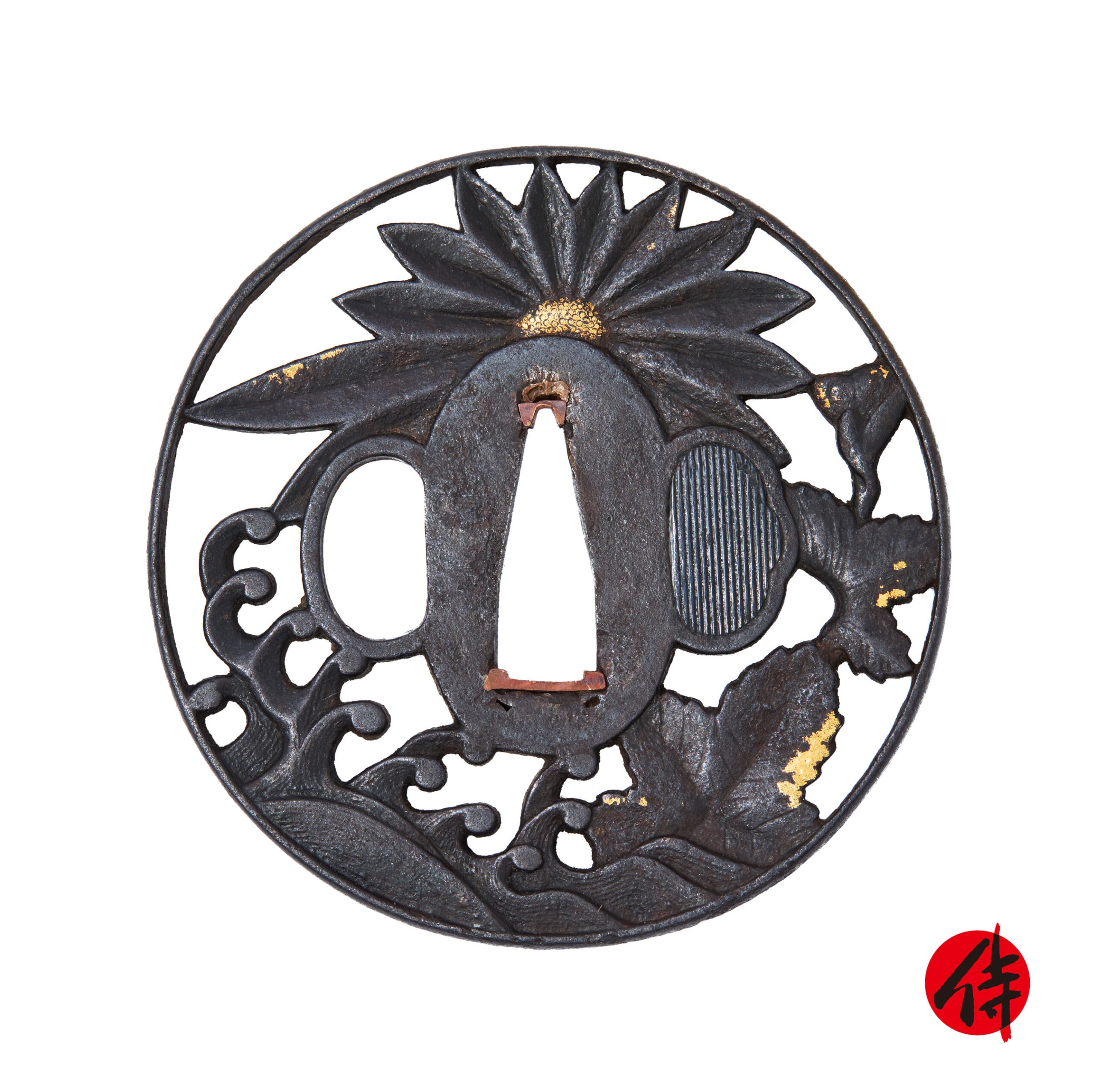
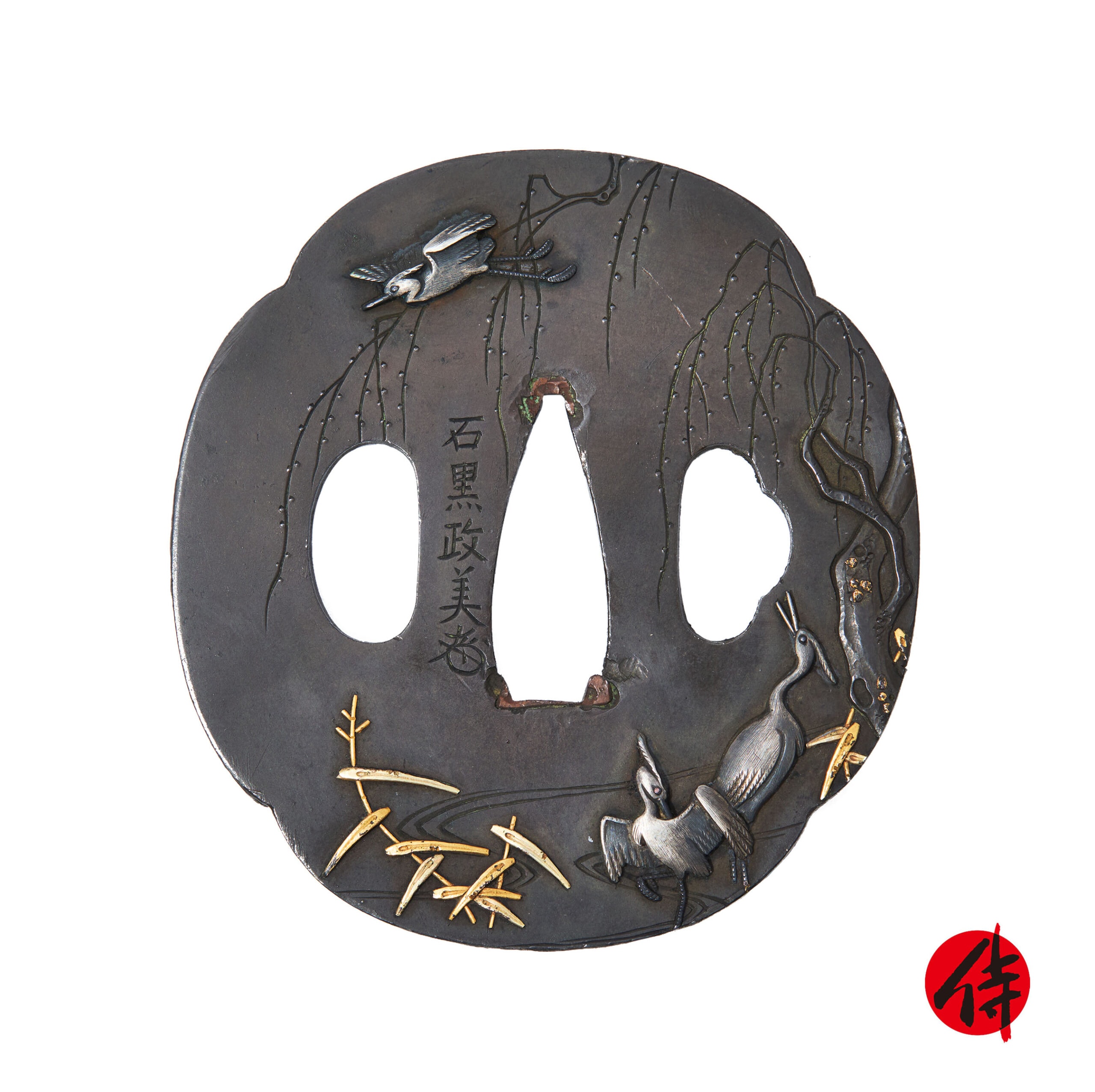
Title: the Cloud and the Dragon Description A brass Tsuba oval shape with Kozuka and Kougai holes A dragon appears through the clouds. Its dragon is engraved by the technique which is called “Takabori” in Japanese. The dragon is a mythical animal, and it rises high up into the sky. Therefore, the dragon pattern represents glory or development. This Tsuba is recognized by The Society for Preservation of Japanese Art Swords, which is known as NBTHK. *As this item is an antique, please check each photo and ensure its condition. What is Tsuba? Tsuba is the hand-guard of the Japanese sword. High-class Samurai wore his katana sword with its beautiful sword mountings such as Tsuba. Tsuba’s front design tends to be more decorative as this part was often seen by other Samurais when he was walking on the streets. Why is it that the sword mounting was important for Samurai? The sword mountings of the Japanese sword have many kinds of decorations such as handguards (Tsuba), sword hilt (Menuki), pommel (Fuchi Kashira). The sword mountings of the Japanese sword have many kinds of decorations such as handguards (Tsuba), sword hilt (Menuki), pommel (Fuchi Kashira). The Japanese sword worked as a weapon and as an object to show who he was. For example, it shows their personalities and beliefs. You could say that it is like decorations for smartphones today. We recommend you zoom in on the pictures of the sword fittings. When you do so, you can see the skill of Japanese metal engraving techniques. They are mainly made of iron and copper with inlays of gold, silver, and bronze. When it comes to handguard (Tsuba), each one has a different outline and weight. These sword fittings that have lived with Japanese swords of the same age might be worth as much as the Japanese swords. They are inconspicuous parts of the Japanese sword. Nevertheless, if you are knowledgeable or particular about it, you will become a connoisseur of the Samurai. ————————————————————————————————————— About us Samurai Museum is located in Tokyo, Japan, exhibiting antique artifacts related to the Samurai history. Samurai Museum Shop is the place for those who are interested in Japanese culture and craftsmanship. We deal with antique Samurai swords/armor, original Japanese sword mounting, traditional crafts made in Japan and so on. Payment method We accept payment through Stripe (Credit card) or Paypal. If you prefer other payment method, please contact us. You can either pay in Japanese Yen or US Dollars. The price is decided in Japanese Yen. The price in US dollar is calculated automatically based on an exchange rate. Shipping Duration We normally ship via EMS (Express Mail Service) provided by Japan Post. It usually takes at least 5-14 days to deliver the package after you place an order. We will use DHL instead for those who ordered from USA or Australia as EMS temporarily stops shipping to these countries due to COVID-19. We offer Free International Shipping as long as we can ship your order by either EMS or DHL. (USA, Australia only) We will inform you of the order’s tracking number via email. Please make sure you fill out your valid email address correctly. *Please keep in mind that due to the spread of COVID-19, there might be delays in shipping. If you like to know the detail about shipping, please feel free to ask us. How to make sure the condition We uploaded high resolution photos for you to check its condition thoroughly. If you like to see more photos with different angles, please feel free to contact us. We will be happy to send them to you so that you can make informed decision. It is essential for us to know that you are happy with your choice of Tsuba and we are prepared to use the best of our ability to serve you. How to appreciate Tsuba Although Tsuba is a small component of Japanese sword mountings, we would say it is one of the most conspicuous parts. Also, unlike the blade itself, Tsuba has a low risk of handling. Furthermore, it does not require a large
 NihontoWatchBETA
売却済
世界81社の刀剣商を横断追跡 · 価格履歴 · 売却アーカイブ
Title: the Cloud and the Dragon Description A brass Tsuba oval shape with Kozuka and Kougai holes A dragon appears through the clouds. Its dragon is engraved by the technique which is called “Takabori” in Japanese. The dragon is a mythical animal, and it rises high up into the sky. Therefore, the dragon pattern represents glory or development. This Tsuba is recognized by The Society for Preservation of Japanese Art Swords, which is known as NBTHK. *As this item is an antique, please check each photo and ensure its condition. What is Tsuba? Tsuba is the hand-guard of the Japanese sword. High-class Samurai wore his katana sword with its beautiful sword mountings such as Tsuba. Tsuba’s front design tends to be more decorative as this part was often seen by other Samurais when he was walking on the streets. Why is it that the sword mounting was important for Samurai? The sword mountings of the Japanese sword have many kinds of decorations such as handguards (Tsuba), sword hilt (Menuki), pommel (Fuchi Kashira). The sword mountings of the Japanese sword have many kinds of decorations such as handguards (Tsuba), sword hilt (Menuki), pommel (Fuchi Kashira). The Japanese sword worked as a weapon and as an object to show who he was. For example, it shows their personalities and beliefs. You could say that it is like decorations for smartphones today. We recommend you zoom in on the pictures of the sword fittings. When you do so, you can see the skill of Japanese metal engraving techniques. They are mainly made of iron and copper with inlays of gold, silver, and bronze. When it comes to handguard (Tsuba), each one has a different outline and weight. These sword fittings that have lived with Japanese swords of the same age might be worth as much as the Japanese swords. They are inconspicuous parts of the Japanese sword. Nevertheless, if you are knowledgeable or particular about it, you will become a connoisseur of the Samurai. ————————————————————————————————————— About us Samurai Museum is located in Tokyo, Japan, exhibiting antique artifacts related to the Samurai history. Samurai Museum Shop is the place for those who are interested in Japanese culture and craftsmanship. We deal with antique Samurai swords/armor, original Japanese sword mounting, traditional crafts made in Japan and so on. Payment method We accept payment through Stripe (Credit card) or Paypal. If you prefer other payment method, please contact us. You can either pay in Japanese Yen or US Dollars. The price is decided in Japanese Yen. The price in US dollar is calculated automatically based on an exchange rate. Shipping Duration We normally ship via EMS (Express Mail Service) provided by Japan Post. It usually takes at least 5-14 days to deliver the package after you place an order. We will use DHL instead for those who ordered from USA or Australia as EMS temporarily stops shipping to these countries due to COVID-19. We offer Free International Shipping as long as we can ship your order by either EMS or DHL. (USA, Australia only) We will inform you of the order’s tracking number via email. Please make sure you fill out your valid email address correctly. *Please keep in mind that due to the spread of COVID-19, there might be delays in shipping. If you like to know the detail about shipping, please feel free to ask us. How to make sure the condition We uploaded high resolution photos for you to check its condition thoroughly. If you like to see more photos with different angles, please feel free to contact us. We will be happy to send them to you so that you can make informed decision. It is essential for us to know that you are happy with your choice of Tsuba and we are prepared to use the best of our ability to serve you. How to appreciate Tsuba Although Tsuba is a small component of Japanese sword mountings, we would say it is one of the most conspicuous parts. Also, unlike the blade itself, Tsuba has a low risk of handling. Furthermore, it does not require a large
NihontoWatchBETA売却済
世界81社の刀剣商を横断追跡 · 価格履歴 · 売却アーカイブ