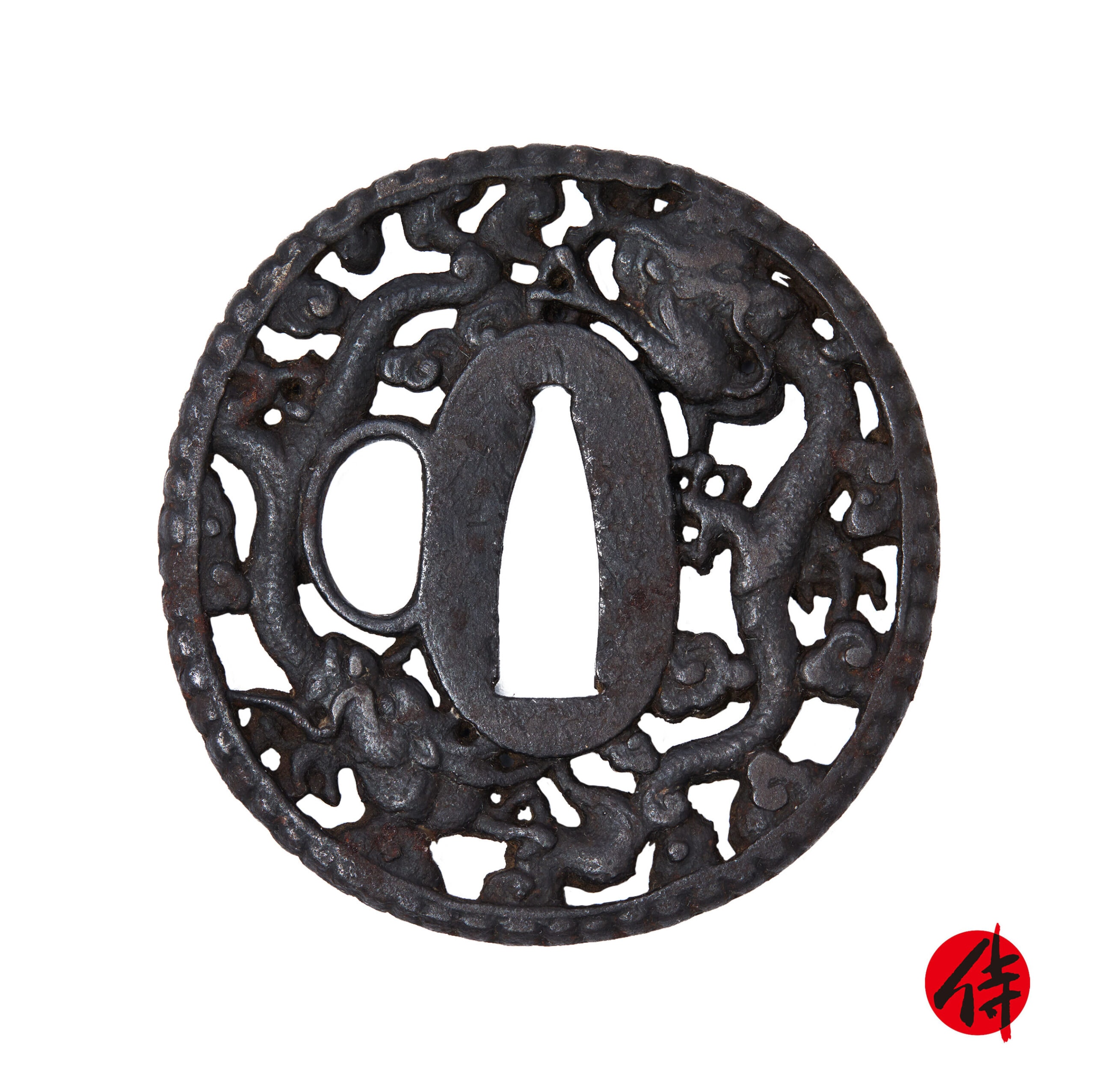
Antique Tsuba for Samurai Sword (T-916)
$217
世界81社の刀剣商を横断追跡 · 価格履歴 · 売却アーカイブ
時代
Edo
Title: K arakusa-ryu Zu Description The theme of this tsuba appears to be the karakusa-ryu (唐草龍), or “arabesque dragon” motif. Rather than depicting a purely naturalistic dragon, the design integrates the dragon form with flowing karakusa (arabesque scrollwork), in which tendrils, clouds, and the body of the dragon merge into a continuous, decorative rhythm. This creates a highly stylized and dynamic composition characteristic of Japanese decorative metalwork. The dragon (ryu, 龍) itself originates from ancient Chinese mythology, where it is regarded as an imaginary sacred creature and an auspicious symbol associated with power, authority, and divine protection. Traditionally, its body was conceptually described as a composite of various animals: antlers of a deer, head of a camel, eyes of a demon, neck of a snake, belly of a mizuchi (蛟, a Japanese water serpent with horns and limbs), scales of a fish, claws of a hawk, palms of a tiger, and ears of an ox. This composite nature emphasized the dragon’s supreme status among mythical creatures. In ancient China, strict iconographic rules governed the depiction of dragons, particularly in imperial contexts, where dragon motifs were reserved for the emperor and carefully regulated in form and detail, including the number of claws. In contrast, Japanese decorative arts adopted the dragon more freely, without rigid hierarchical restrictions, allowing for more expressive and ornamental interpretations. In Japan, the dragon also became closely associated with Ryūjin Shinko (龍神信仰), the belief in the dragon as a water deity. As water is essential for rice cultivation, which has long been the foundation of Japanese agriculture, the dragon came to be widely revered as a guardian of rain, rivers, and agricultural prosperity. As a result, dragon motifs, including stylized forms such as karakusa-ryu, became deeply rooted in Japanese visual culture, symbolizing auspicious power, vitality, and protection. *As this item is an antique, please check each photo and ensure its condition. What is Tsuba? Tsuba is the hand-guard of the Japanese sword. High-class Samurai wore his katana sword with its beautiful sword mountings such as Tsuba. Tsuba’s front design tends to be more decorative as this part was often seen by other Samurais when he was walking on the streets. Why is it that the sword mounting was important for Samurai? The sword mountings of the Japanese sword have many kinds of decorations such as handguards (Tsuba), sword hilt (Menuki), pommel (Fuchi Kashira). The Japanese sword worked as a weapon and as an object to show who he was. For example, it shows their personalities and beliefs. You could say that it is like decorations for smartphones today. We recommend you zoom in on the pictures of the sword fittings. When you do so, you can see the skill of Japanese metal engraving techniques. They are mainly made of iron and copper with inlays of gold, silver, and bronze. When it comes to handguard (Tsuba), each one has a different outline and weight. These sword fittings that have lived with Japanese swords of the same age might be worth as much as the Japanese swords. They are inconspicuous parts of the Japanese sword. Nevertheless, if you are knowledgeable or particular about it, you will become a connoisseur of the Samurai. 【About us】 Samurai Museum is located in Tokyo, Japan, exhibiting antique artifacts related to the Samurai history. Samurai Museum Shop is the place for those who are interested in Japanese culture and craftsmanship. We deal with antique Samurai swords/armor, traditional crafts made in Japan and so on. 【Payment method】 We accept payment through Stripe (Credit card), PayPal , Apple Pay or ChromePay, all of which are secure payment methods. Also, you don’t need to make an account on Stripe for the checkout. If you prefer other payment method, please contact us. You may either pay in JPY , USD , AUD , CAD , EUR , CHF or GBP . The price is set in Japanese Yen. Prices in other
 NihontoWatchBETA
$217
世界81社の刀剣商を横断追跡 · 価格履歴 · 売却アーカイブ
Edo
$217
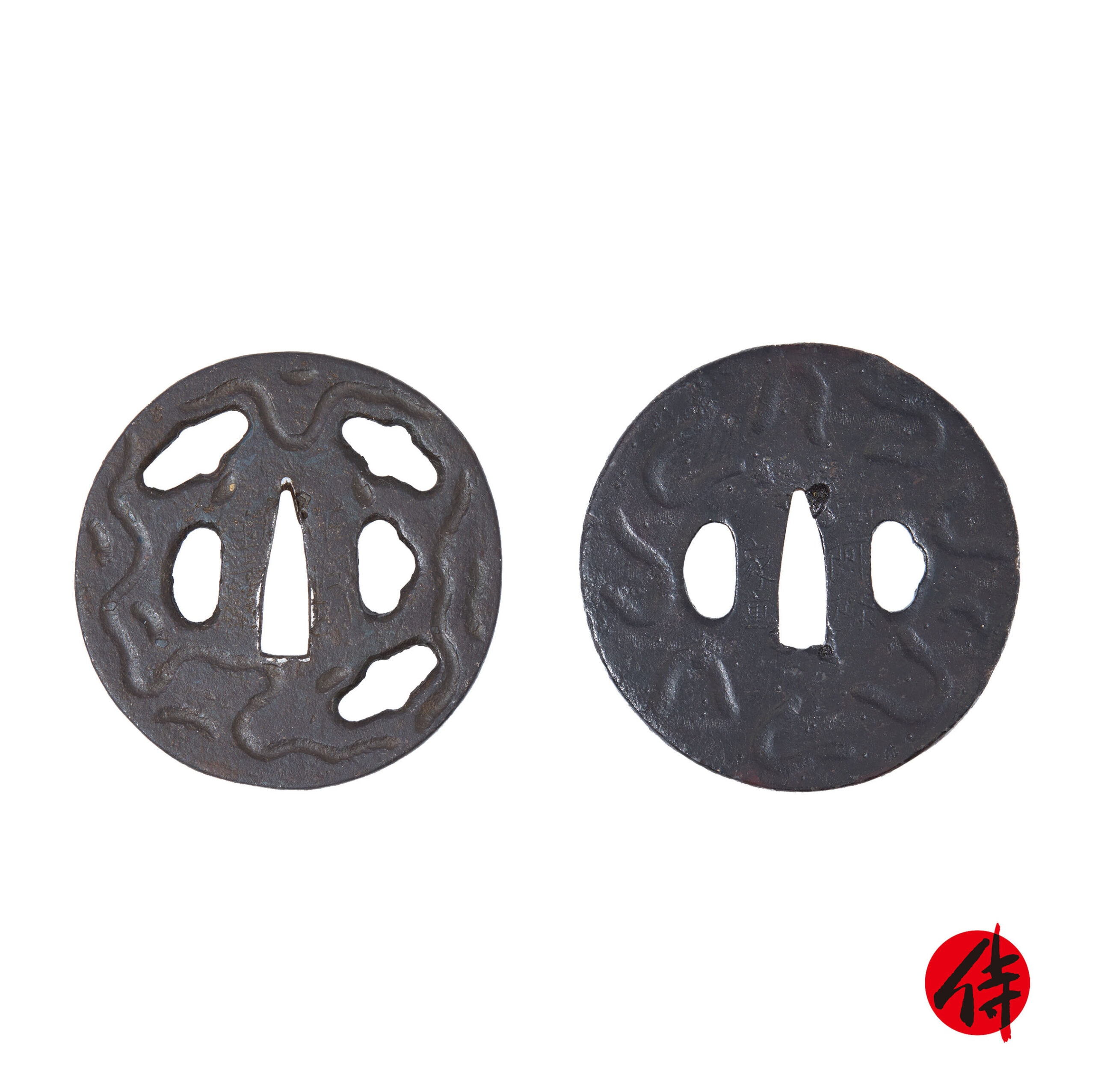
Late Edo period antique Tsuba set for Samurai Sword (T-902)
$260
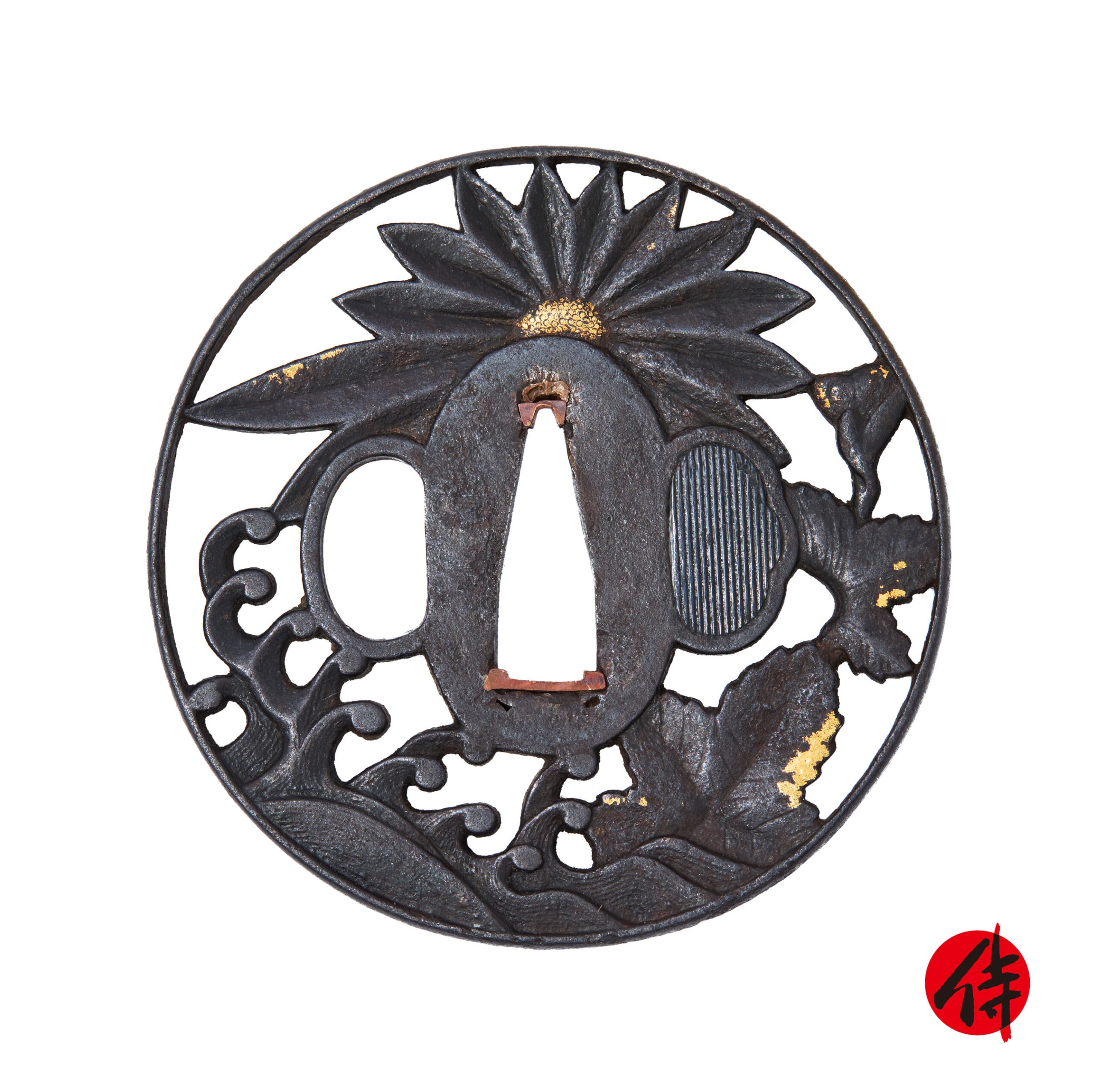
Antique Tsuba for Samurai Sword with NBTHK Hozon Certificate (T-919)
$867
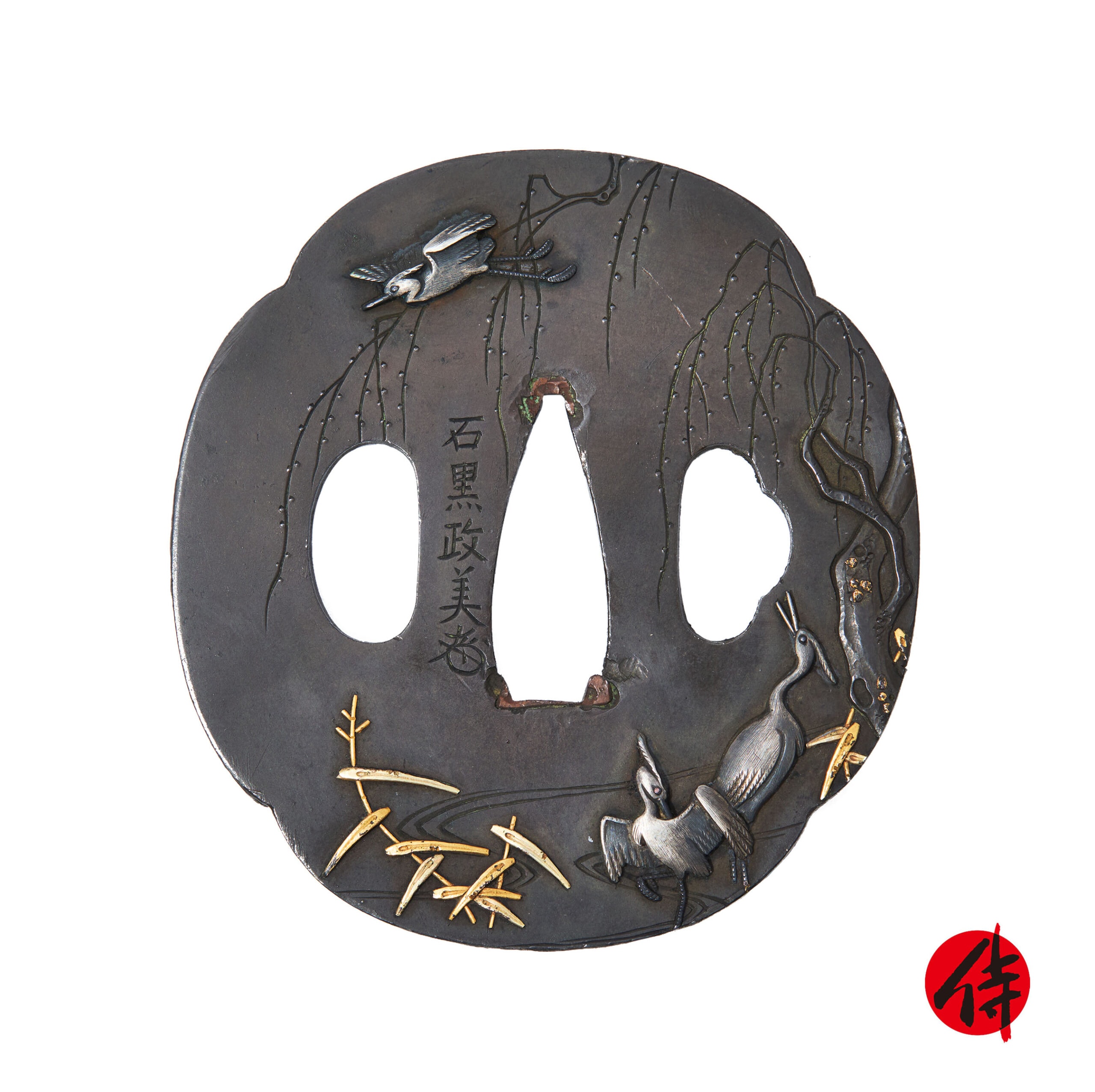
Edo period antique Toki Zu Tsuba for Samurai Sword (T-915) for sale | Samurai Museum Shop
$1,114
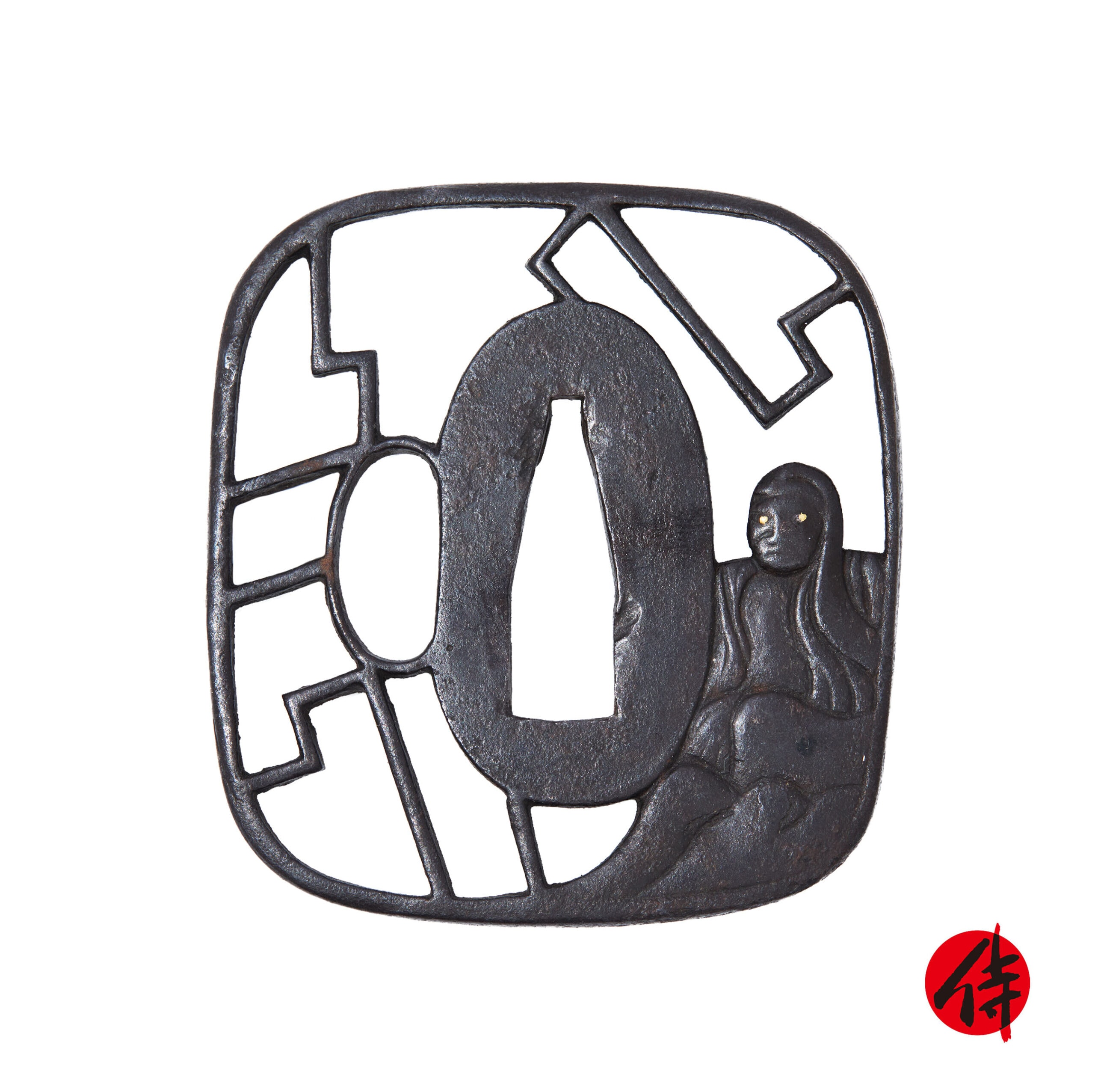
Edo period antique Daruma Daishi Zu Tsuba for Samurai Sword (T-913)
$285
Title: K arakusa-ryu Zu Description The theme of this tsuba appears to be the karakusa-ryu (唐草龍), or “arabesque dragon” motif. Rather than depicting a purely naturalistic dragon, the design integrates the dragon form with flowing karakusa (arabesque scrollwork), in which tendrils, clouds, and the body of the dragon merge into a continuous, decorative rhythm. This creates a highly stylized and dynamic composition characteristic of Japanese decorative metalwork. The dragon (ryu, 龍) itself originates from ancient Chinese mythology, where it is regarded as an imaginary sacred creature and an auspicious symbol associated with power, authority, and divine protection. Traditionally, its body was conceptually described as a composite of various animals: antlers of a deer, head of a camel, eyes of a demon, neck of a snake, belly of a mizuchi (蛟, a Japanese water serpent with horns and limbs), scales of a fish, claws of a hawk, palms of a tiger, and ears of an ox. This composite nature emphasized the dragon’s supreme status among mythical creatures. In ancient China, strict iconographic rules governed the depiction of dragons, particularly in imperial contexts, where dragon motifs were reserved for the emperor and carefully regulated in form and detail, including the number of claws. In contrast, Japanese decorative arts adopted the dragon more freely, without rigid hierarchical restrictions, allowing for more expressive and ornamental interpretations. In Japan, the dragon also became closely associated with Ryūjin Shinko (龍神信仰), the belief in the dragon as a water deity. As water is essential for rice cultivation, which has long been the foundation of Japanese agriculture, the dragon came to be widely revered as a guardian of rain, rivers, and agricultural prosperity. As a result, dragon motifs, including stylized forms such as karakusa-ryu, became deeply rooted in Japanese visual culture, symbolizing auspicious power, vitality, and protection. *As this item is an antique, please check each photo and ensure its condition. What is Tsuba? Tsuba is the hand-guard of the Japanese sword. High-class Samurai wore his katana sword with its beautiful sword mountings such as Tsuba. Tsuba’s front design tends to be more decorative as this part was often seen by other Samurais when he was walking on the streets. Why is it that the sword mounting was important for Samurai? The sword mountings of the Japanese sword have many kinds of decorations such as handguards (Tsuba), sword hilt (Menuki), pommel (Fuchi Kashira). The Japanese sword worked as a weapon and as an object to show who he was. For example, it shows their personalities and beliefs. You could say that it is like decorations for smartphones today. We recommend you zoom in on the pictures of the sword fittings. When you do so, you can see the skill of Japanese metal engraving techniques. They are mainly made of iron and copper with inlays of gold, silver, and bronze. When it comes to handguard (Tsuba), each one has a different outline and weight. These sword fittings that have lived with Japanese swords of the same age might be worth as much as the Japanese swords. They are inconspicuous parts of the Japanese sword. Nevertheless, if you are knowledgeable or particular about it, you will become a connoisseur of the Samurai. 【About us】 Samurai Museum is located in Tokyo, Japan, exhibiting antique artifacts related to the Samurai history. Samurai Museum Shop is the place for those who are interested in Japanese culture and craftsmanship. We deal with antique Samurai swords/armor, traditional crafts made in Japan and so on. 【Payment method】 We accept payment through Stripe (Credit card), PayPal , Apple Pay or ChromePay, all of which are secure payment methods. Also, you don’t need to make an account on Stripe for the checkout. If you prefer other payment method, please contact us. You may either pay in JPY , USD , AUD , CAD , EUR , CHF or GBP . The price is set in Japanese Yen. Prices in other
NihontoWatchBETA$217
世界81社の刀剣商を横断追跡 · 価格履歴 · 売却アーカイブ
Edo
$217
Late Edo period antique Tsuba set for Samurai Sword (T-902)
$260
Antique Tsuba for Samurai Sword with NBTHK Hozon Certificate (T-919)
$867
Edo period antique Toki Zu Tsuba for Samurai Sword (T-915) for sale | Samurai Museum Shop
$1,114
Edo period antique Daruma Daishi Zu Tsuba for Samurai Sword (T-913)
$285