売切れ
Hozon売切れ
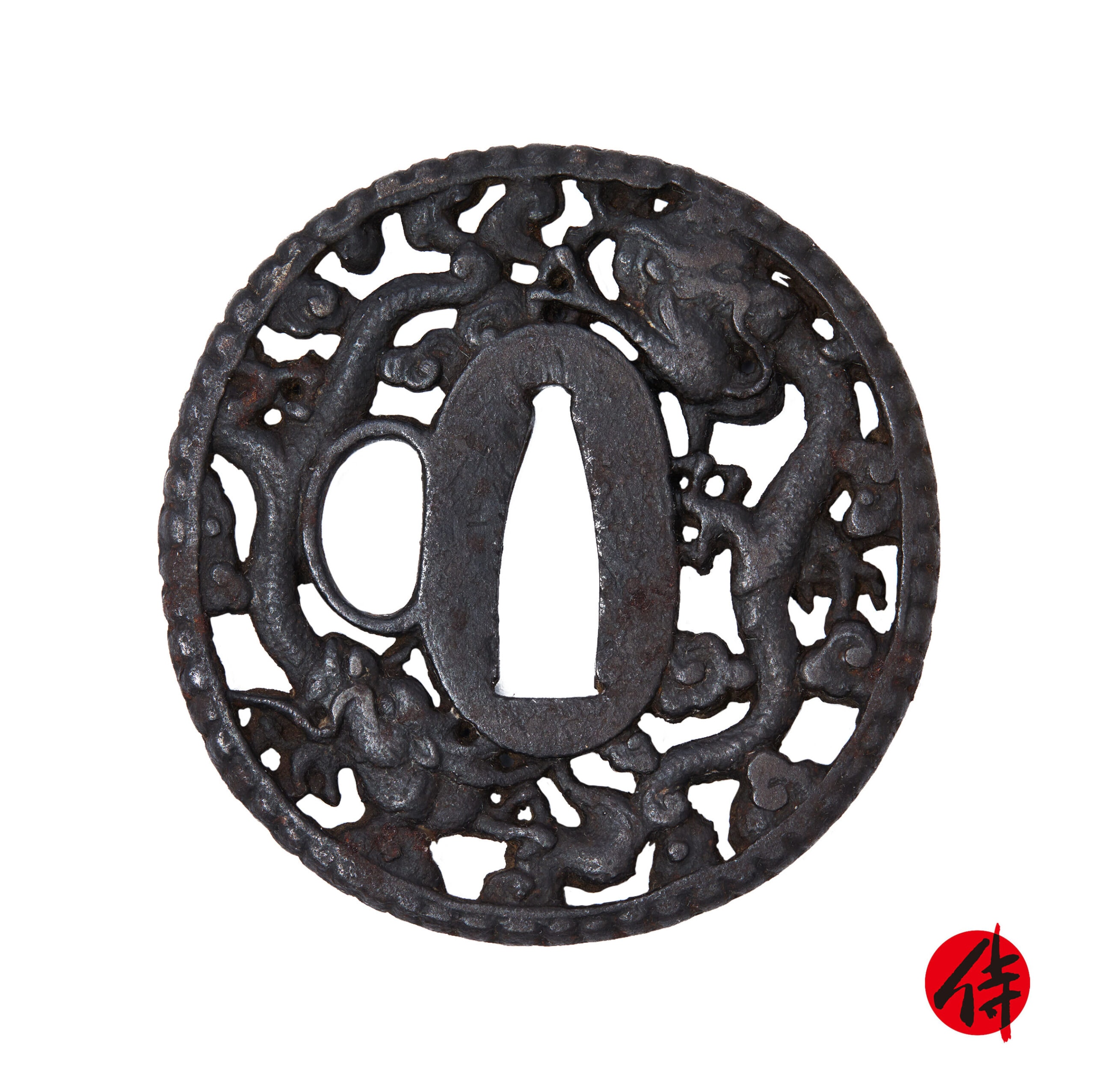
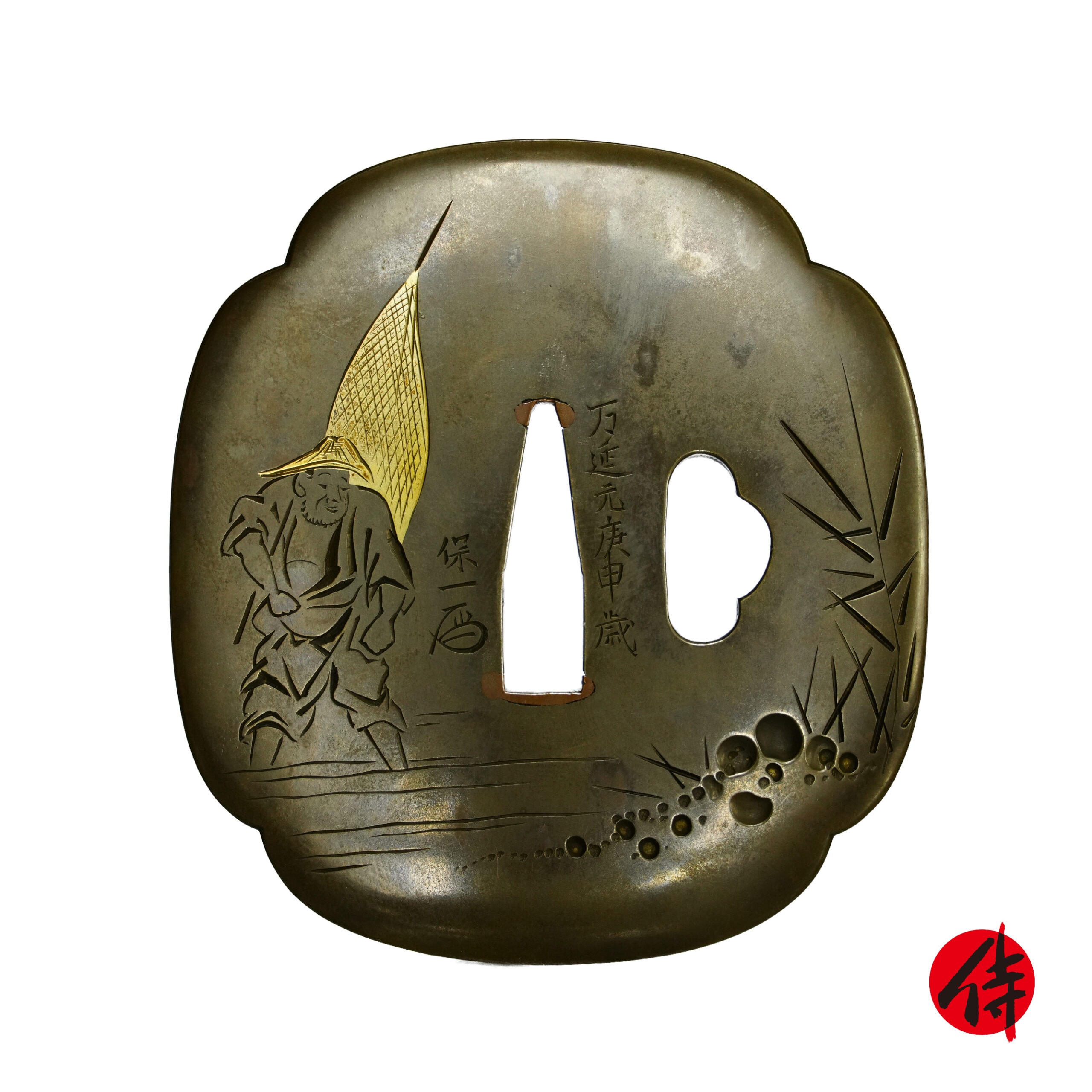
Edo period antique Dewa Akita Shoami Tsuba for Samurai Sword with NBTHK Hozon Certificate (T-702)
売却済
世界81社の刀剣商を横断追跡 · 価格履歴 · 売却アーカイブ
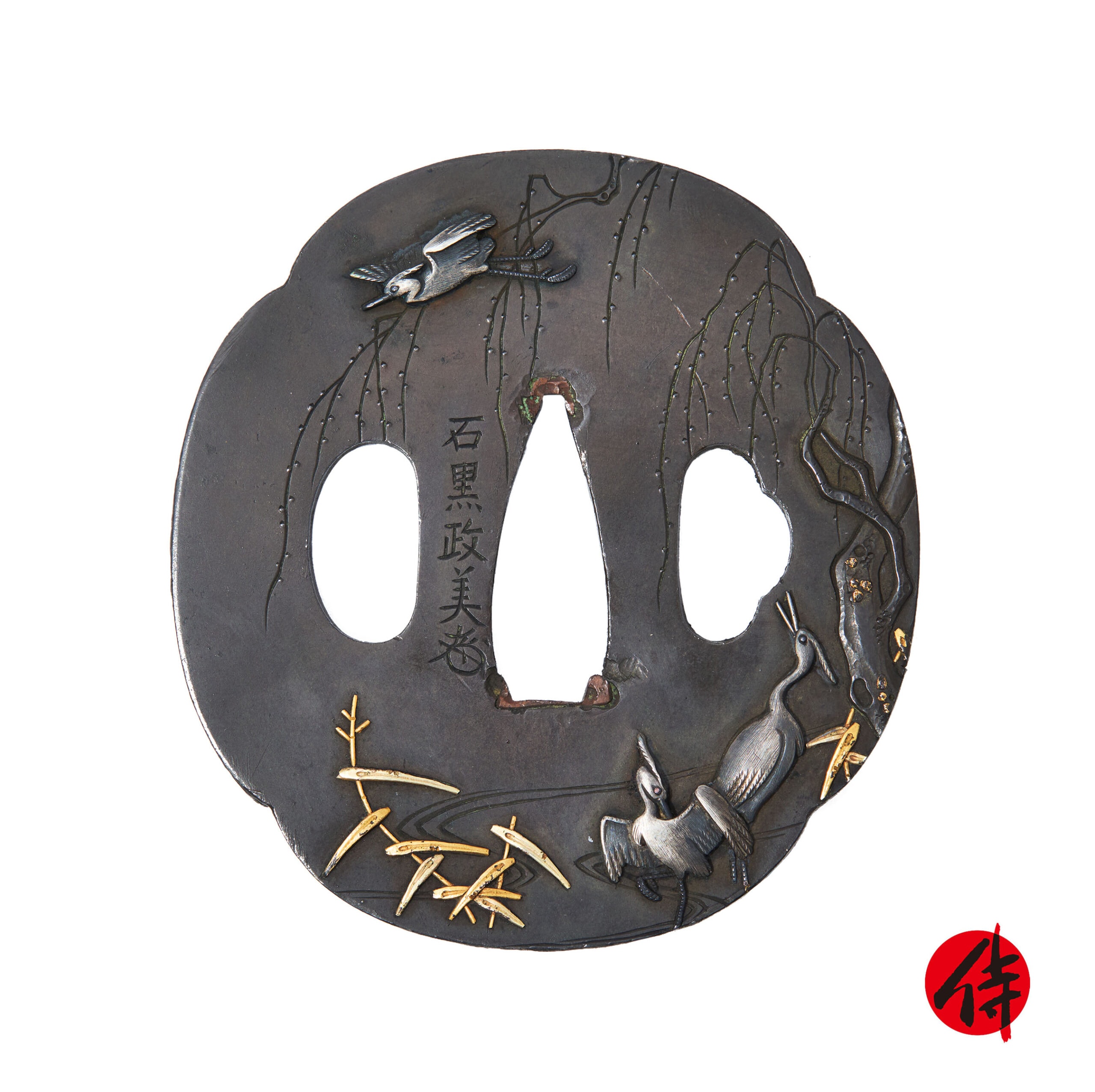
Title: Gyofu Zu Tsuba Description This Tsuba is recognized by The Society for Preservation of Japanese Art Swords, which is known as NBTHK. According to the certificate, this Tsuba was made by a swordsmith named Hoichi (保一) in 1860. The theme of this Tsuba is Gyofu (fishermen). As you can see in the photo, a man holding a large net is carved on the front and a man holding a fishing rod with a basket on his back is carved on the back, both men have a pattern of ocean waves at their feet. This Tsuba also features the traditional Japanese techniques of 片切毛彫 (single-sided etched decoration) and 金銀平象嵌 (gold and silver inlay). 片切毛彫 is a decorative technique used in Japanese sword-making. This method involves carving intricate, fine patterns into one side of a blade. The term “片切” means “one-sided cutting,” indicating that the carving is done on only one side of the blade. “毛彫” refers to the fine, hair-like lines or patterns created by the technique. The primary purpose of 片切毛彫 (single-sided etched decoration) is to enhance the aesthetic appeal of the sword. The carved patterns reflect light in unique ways, adding visual interest and beauty to the blade. This technique is often applied to high-quality swords and decorative items, showcasing the skill of the swordsmith and adding a luxurious touch to the piece. 金銀平象嵌 is a traditional Japanese inlay technique used in metalwork, particularly in sword fittings and decorative objects. This method involves embedding thin sheets or pieces of gold and silver into the surface of a metal object to create intricate and detailed designs. The term “金銀” refers to the gold and silver materials used, while “平象嵌” describes the process of inlaying these materials flush with the surface of the object. The technique creates a smooth, seamless appearance where the inlaid gold and silver are level with the surrounding metal, enhancing the object’s visual appeal with fine, detailed patterns and designs. *As this item is an antique, please check each photo and ensure its condition. What is Tsuba? Tsuba is the hand-guard of the Japanese sword. High-class Samurai wore his Katana sword with its beautiful sword mountings such as Tsuba. Tsuba’s front design tends to be more decorative as this part was often seen by other Samurais when he was walking on the streets. Why is it that the sword mounting was important for Samurai? The sword mountings of the Japanese sword have many kinds of decorations such as handguards (Tsuba), sword hilt (Menuki), pommel (Fuchi Kashira). The Japanese sword worked as a weapon and as an object to show who he was. For example, it shows their personalities and beliefs. You could say that it is like decorations for smartphones today. We recommend you zoom in on the pictures of the sword fittings. When you do so, you can see the skill of Japanese metal engraving techniques. They are mainly made of iron and copper with inlays of gold, silver, and bronze. When it comes to handguard (Tsuba), each one has a different outline and weight. These sword fittings that have lived with Japanese swords of the same age might be worth as much as the Japanese swords. They are inconspicuous parts of the Japanese sword. Nevertheless, if you are knowledgeable or particular about it, you will become a connoisseur of the Samurai. Authentication Paper : NBTHK Hozon Certificate NBTHK, also known as Nihon Bijutsu Touken Hozon Kyokai (the Society for the Preservation of the Japan Art Sword), is one of the oldest Japanese sword appraising organizations in modern-day Japan. They authenticated the Tsuba on March 16th in the 30th year of Heisei (2018). They appraised it as Hozon Tousougu, the Tsuba worth preserving for Japanese society. The purchaser will receive this original certificate as well. We can also translate what is written into English and make a PDF file for your record if you request. 【About us】 Samurai Museum is located in Tokyo, Japan, exhibiting antique artifacts related to the Samurai history. Samu
 NihontoWatchBETA
売却済
世界81社の刀剣商を横断追跡 · 価格履歴 · 売却アーカイブ
Title: Gyofu Zu Tsuba Description This Tsuba is recognized by The Society for Preservation of Japanese Art Swords, which is known as NBTHK. According to the certificate, this Tsuba was made by a swordsmith named Hoichi (保一) in 1860. The theme of this Tsuba is Gyofu (fishermen). As you can see in the photo, a man holding a large net is carved on the front and a man holding a fishing rod with a basket on his back is carved on the back, both men have a pattern of ocean waves at their feet. This Tsuba also features the traditional Japanese techniques of 片切毛彫 (single-sided etched decoration) and 金銀平象嵌 (gold and silver inlay). 片切毛彫 is a decorative technique used in Japanese sword-making. This method involves carving intricate, fine patterns into one side of a blade. The term “片切” means “one-sided cutting,” indicating that the carving is done on only one side of the blade. “毛彫” refers to the fine, hair-like lines or patterns created by the technique. The primary purpose of 片切毛彫 (single-sided etched decoration) is to enhance the aesthetic appeal of the sword. The carved patterns reflect light in unique ways, adding visual interest and beauty to the blade. This technique is often applied to high-quality swords and decorative items, showcasing the skill of the swordsmith and adding a luxurious touch to the piece. 金銀平象嵌 is a traditional Japanese inlay technique used in metalwork, particularly in sword fittings and decorative objects. This method involves embedding thin sheets or pieces of gold and silver into the surface of a metal object to create intricate and detailed designs. The term “金銀” refers to the gold and silver materials used, while “平象嵌” describes the process of inlaying these materials flush with the surface of the object. The technique creates a smooth, seamless appearance where the inlaid gold and silver are level with the surrounding metal, enhancing the object’s visual appeal with fine, detailed patterns and designs. *As this item is an antique, please check each photo and ensure its condition. What is Tsuba? Tsuba is the hand-guard of the Japanese sword. High-class Samurai wore his Katana sword with its beautiful sword mountings such as Tsuba. Tsuba’s front design tends to be more decorative as this part was often seen by other Samurais when he was walking on the streets. Why is it that the sword mounting was important for Samurai? The sword mountings of the Japanese sword have many kinds of decorations such as handguards (Tsuba), sword hilt (Menuki), pommel (Fuchi Kashira). The Japanese sword worked as a weapon and as an object to show who he was. For example, it shows their personalities and beliefs. You could say that it is like decorations for smartphones today. We recommend you zoom in on the pictures of the sword fittings. When you do so, you can see the skill of Japanese metal engraving techniques. They are mainly made of iron and copper with inlays of gold, silver, and bronze. When it comes to handguard (Tsuba), each one has a different outline and weight. These sword fittings that have lived with Japanese swords of the same age might be worth as much as the Japanese swords. They are inconspicuous parts of the Japanese sword. Nevertheless, if you are knowledgeable or particular about it, you will become a connoisseur of the Samurai. Authentication Paper : NBTHK Hozon Certificate NBTHK, also known as Nihon Bijutsu Touken Hozon Kyokai (the Society for the Preservation of the Japan Art Sword), is one of the oldest Japanese sword appraising organizations in modern-day Japan. They authenticated the Tsuba on March 16th in the 30th year of Heisei (2018). They appraised it as Hozon Tousougu, the Tsuba worth preserving for Japanese society. The purchaser will receive this original certificate as well. We can also translate what is written into English and make a PDF file for your record if you request. 【About us】 Samurai Museum is located in Tokyo, Japan, exhibiting antique artifacts related to the Samurai history. Samu
NihontoWatchBETA売却済
世界81社の刀剣商を横断追跡 · 価格履歴 · 売却アーカイブ
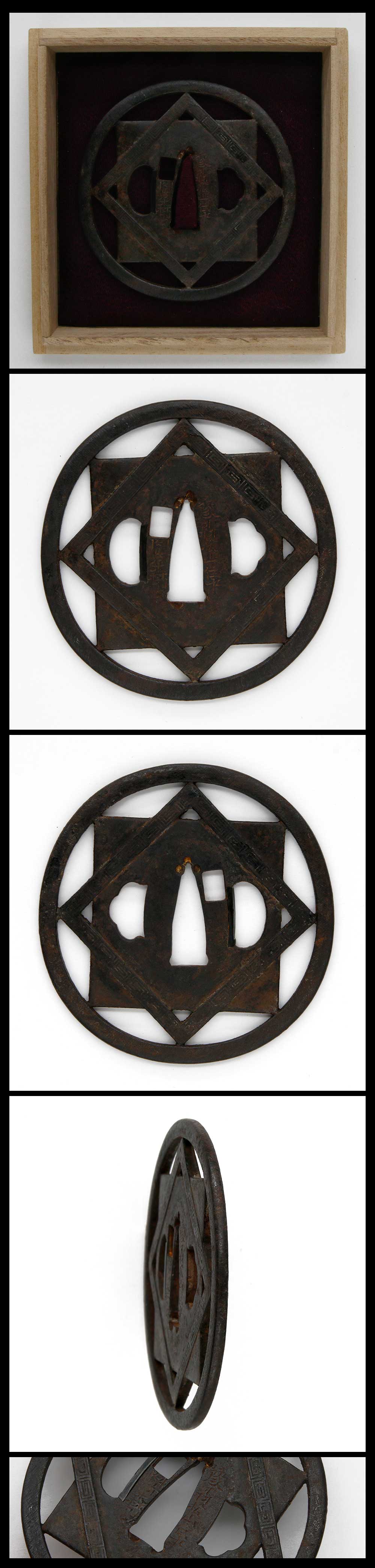
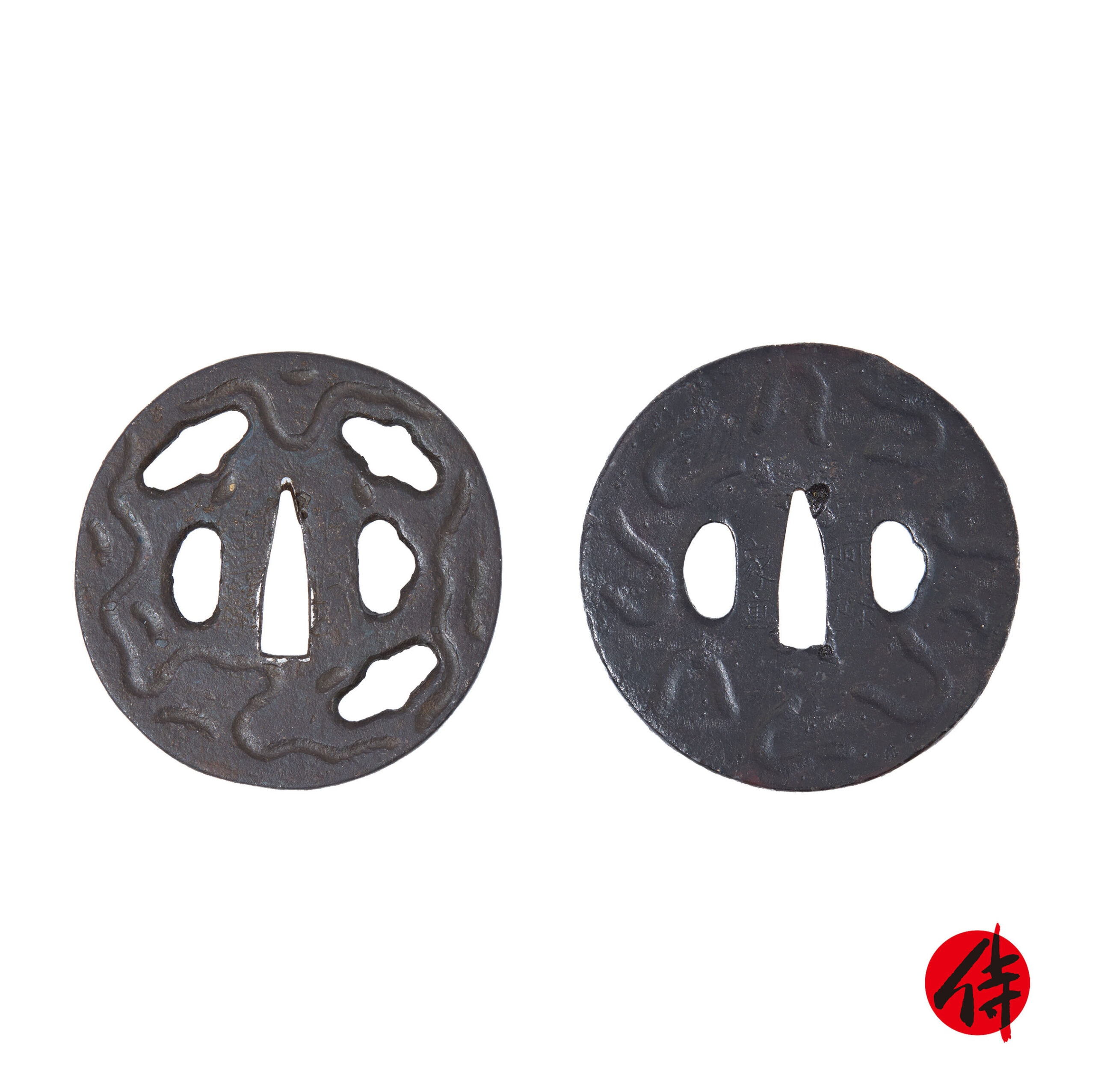
![鉈透鐔 天下中興開山正阿弥金十良 保存刀装具鑑定書 Tsuba (Machete)(tenka tyuukou kaizan syouami kinjyuurou) [NBTHK: Hozon] 品番:TSU007](/_next/image?url=https%3A%2F%2Fitbhfhyptogxcjbjfzwx.supabase.co%2Fstorage%2Fv1%2Fobject%2Fpublic%2Flisting-images%2Ftoyuukai%2FL398920%2F00.jpg&w=2560&q=90)