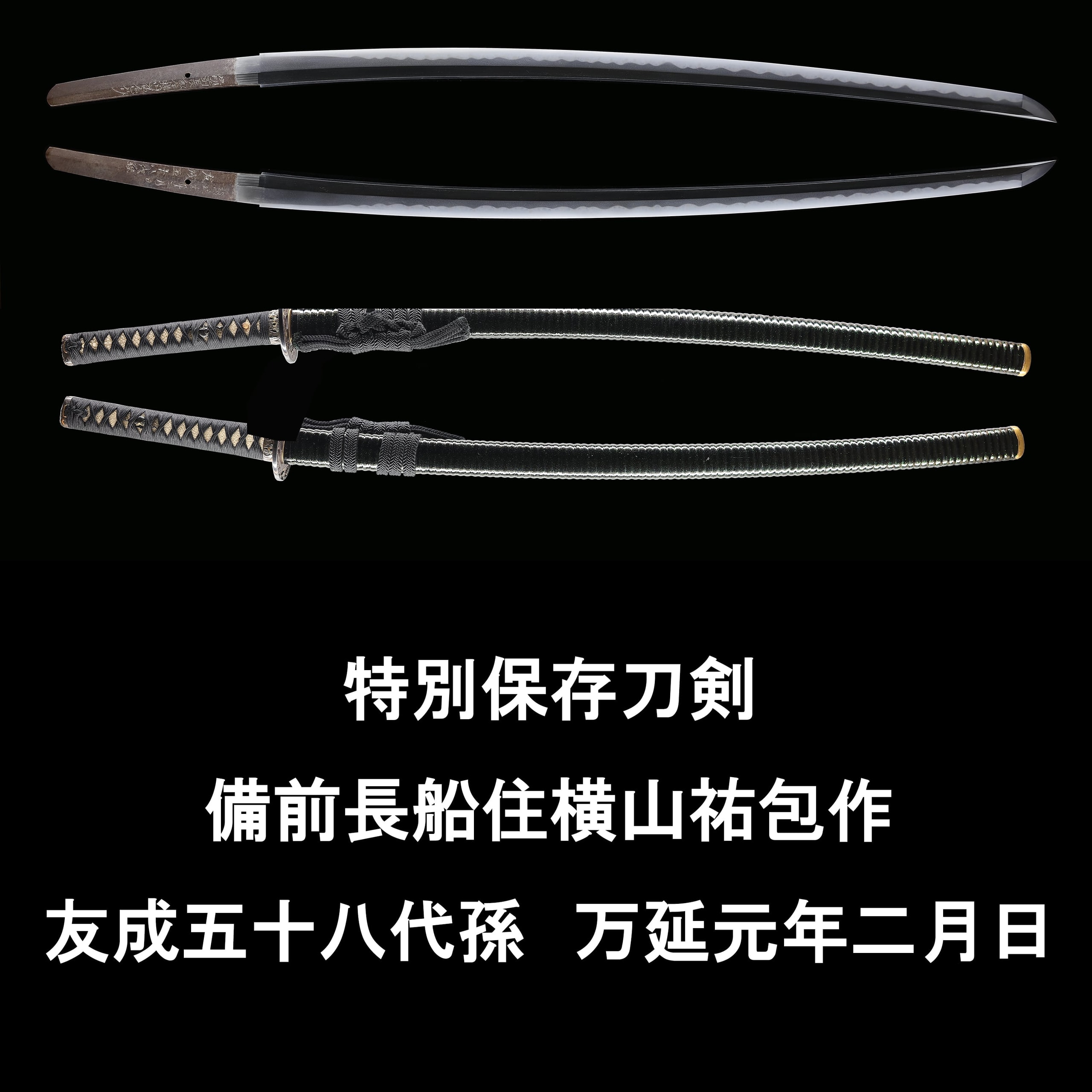
売切れ
Hozon売切れ
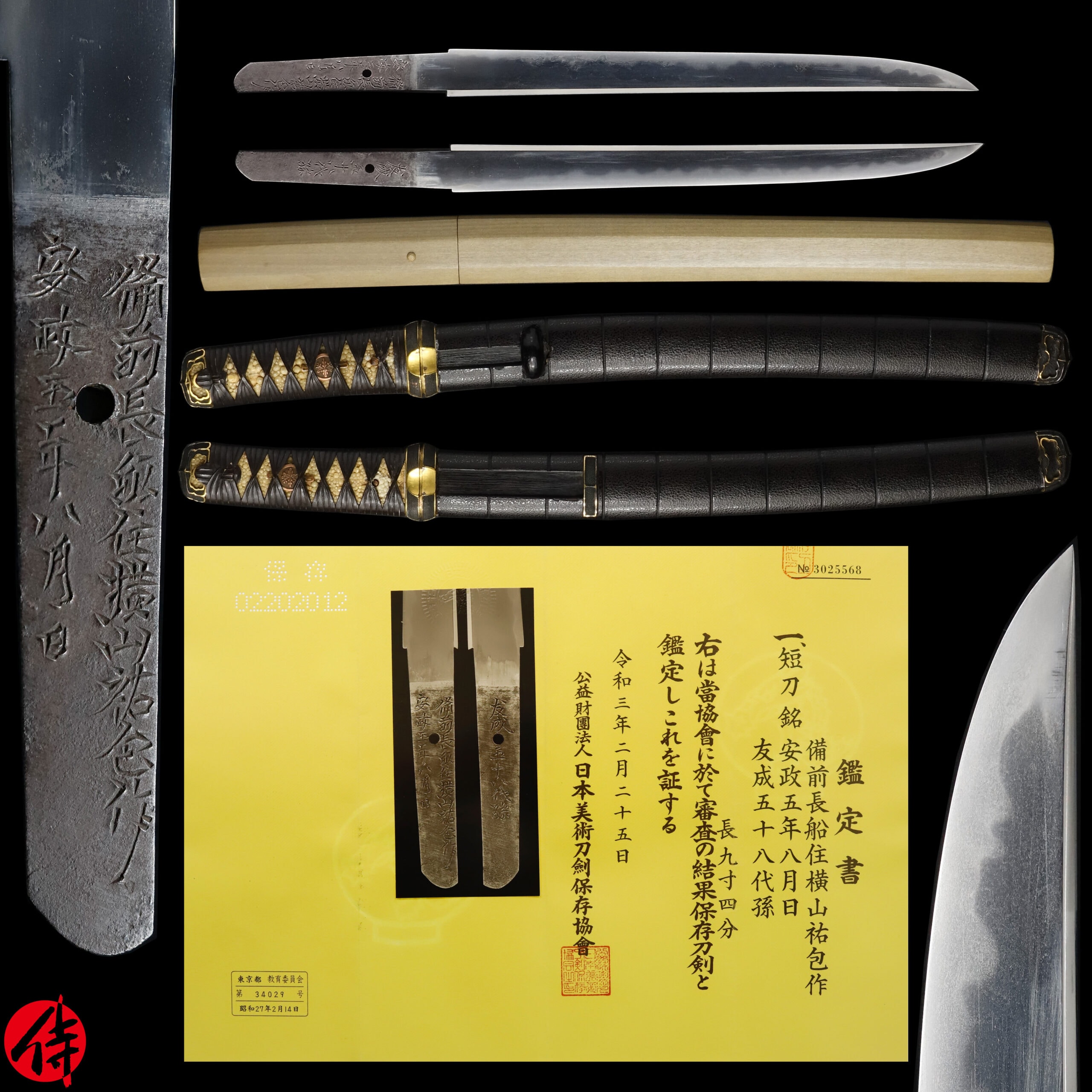
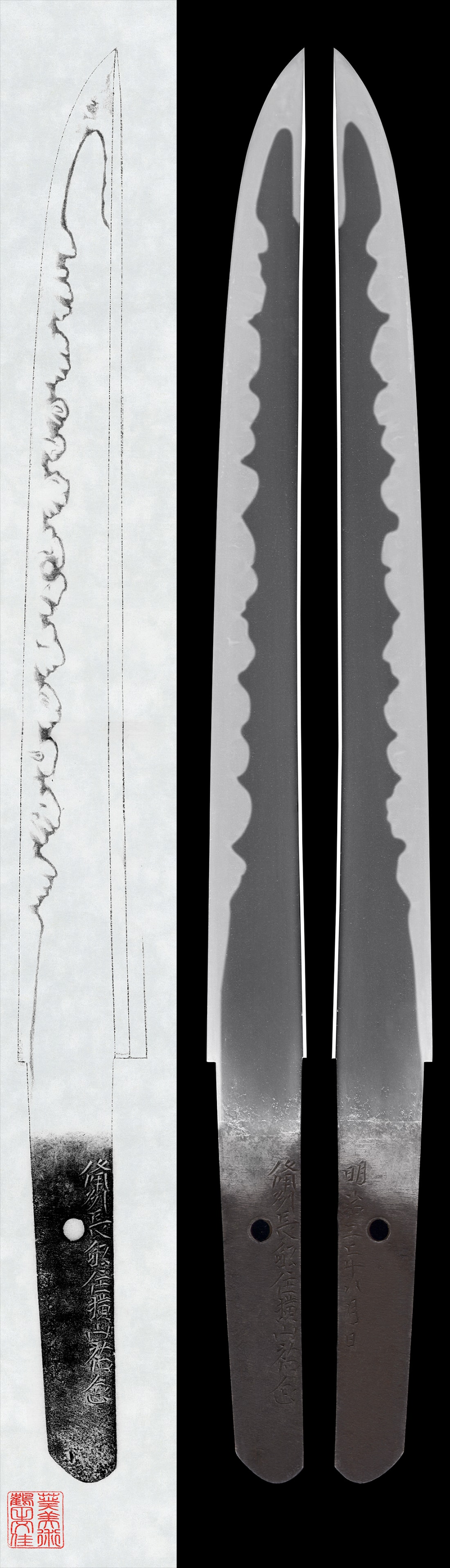
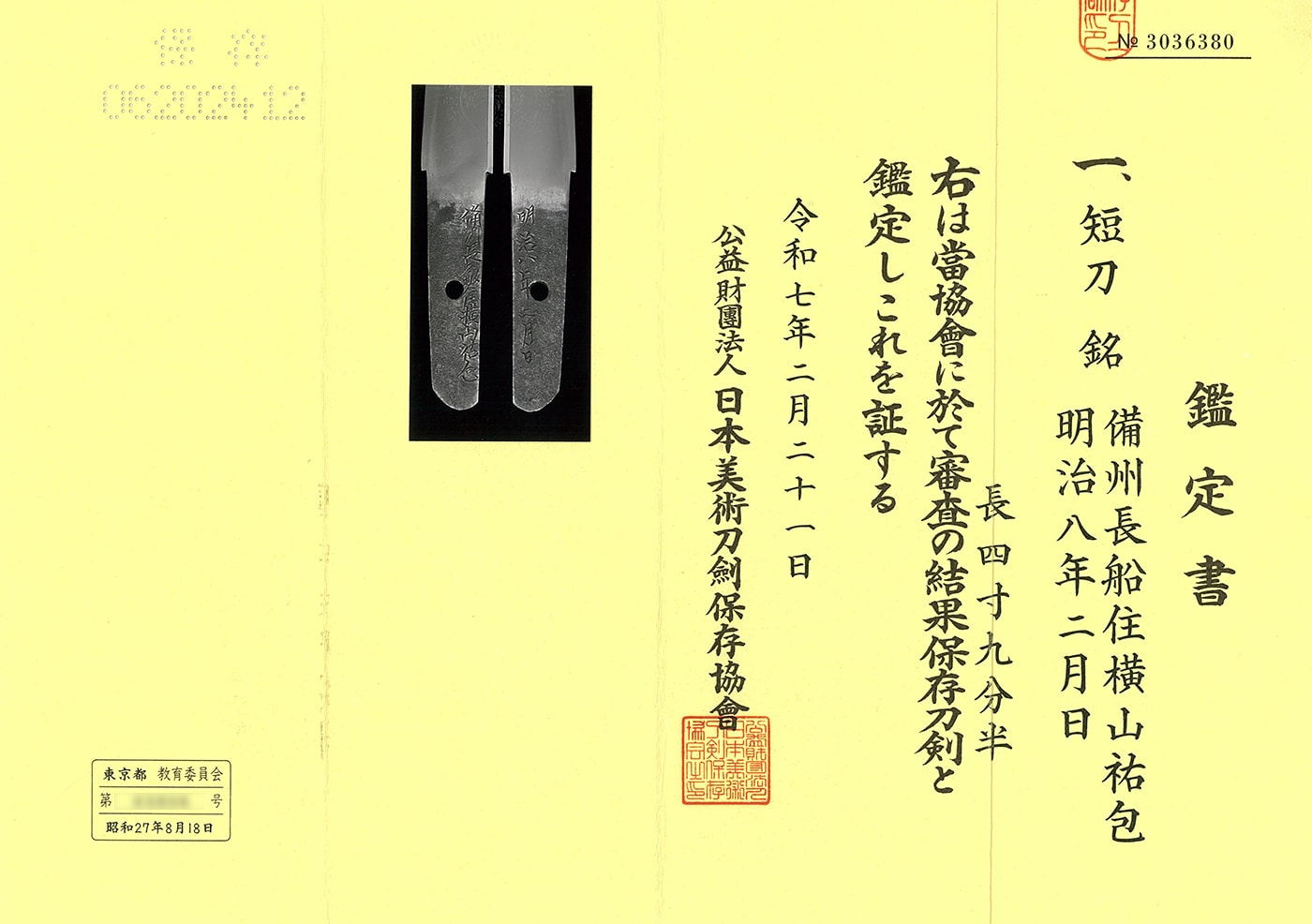
Antique Japanese Sword Tanto Signed by Yokoyama Sukekane NBTHK Hozon Certificate
売却済
世界81社の刀剣商を横断追跡 · 価格履歴 · 売却アーカイブ
仕様
長さ
28.6 cm
Antique Japanese Sword Tanto Signed by Yokoyama Sukekane with NBTHK Hozon Certificate 【Description】 This blade was signed by Bizen Osafune Jyu Yokoyama Sukekane(備前長船住横山祐包) in the 5th year of the Ansei era( 1858: Bakumatsu era ). He signed the 58th grandson of Tomonari on the tang as well. Tomo mori was a renowned swordsmith in the mid-late Heian period in Bizen province(today’s Okayama prefecture). We presume he signed it to be proud of his ancestry. Bizen Osafune Jyu means that he resided in this area in today’s Okayama prefecture. Osafune is also the name of the school Sukekane belonged to. Yokoyama was his last name. About Bizen Osafune Sukekane’s ancestors dated back to Sukesada school, one of the most famous schools, and flourished for generations among Osafune sch ools(The head branch). There were various styles forged by the generations of Sukesada during the Muromachi-Edo period. There were about 60 swordsmiths who used Sukesada as his maker’s name in Samurai history. The swordsmiths in Bizen produced many swords during the Muromachi period as it was in the middle of the Sengoku period(Warring state pe riod). The demand for blades increased among strong feudal lords. The high level of craftsmanship had been passed until the end of the Edo period, and Sukekane is a good example. BIZEN is located near the Chugoku Mountains, where iron sands, one of the essential materials for making Japanese swords, were abundant. Fu rthermore, BIZEN swordsmiths had close access to Yoshi River, where they could find water and charcoal. This geological location contributed to the swordsmiths to forge high-quality refined blades. We presume BIZEN was quite active in sword-forging from ancient times. It is said that BIZEN DEN was created by groups of swordsmiths there after the late Heian era(Late 12th century ). The Background History Japan enjoyed a relatively peaceful time from the early Edo period to the mid-Edo period(the 1600s-1760s) because of the stable economy and t he powerful government run by Tokugawa Shogun. Samurai didn’t have many opportunities to utilize his Katana sword in public or on battlefields during this time. Thus, they carried their swords more as a symbol of their social status. The demand for weapons decreased accordingly compared to the previous Warring state period called Sengoku Jidai. (1467-1600) However, toward the end of the Edo period(1764-1876), the Japanese sword’s role changed dramatically. With the poverty spreading in Japan, there were so many riots initiated by the civilians. Japanese sword started to play an essential role in maintaining public safety. Pressure from foreign countries to open Japanese borders also forced Samurai to order strong-looking swords to survive this tumultuous tim e. We believe many swordsmiths, including Sukekane, made great efforts to forged high-quality, practical blades for their masters to prepare for battles. There was a civil war between Tokugawa’s military government and the new Meiji government at the end of the Edo period. That means the or iginal owner of this Tanto might have seen the moment when Samurai’s life changed forever. This blade has a strong looking and must have been practical to use in that demanding time. You can see Sukekane’s excellent craftsmanship by simply looking at this blade closely. We are confident you will be happy to own this piece of Samurai history. This blade is appraised as a Hozon Token(保存刀剣) issued by NBTHK(Nihon Bijutsu Touken Hozon Kyokai:日本美術刀剣保存協会). This authentication paper was only given to authentic Japanese swords, well preserved with artistic value. 【Blade】 Cutting Edge Length(Nagasa) : 28.6 cm( 11.2 inches) Curvature(Sori) : 0 cm (0 inches) Hamon : The crystalline structure which forms along the cutting edge of a blade as a result of the hardening process Jimon(Jihada) : visible steel surface pattern created by folding and hammering during forging process Nakago : Nakago is the tang of the Japanese sword. Japanese swordsmit
 NihontoWatchBETA
売却済
世界81社の刀剣商を横断追跡 · 価格履歴 · 売却アーカイブ
28.6 cm

Antique Japanese Sword Tanto Signed by Yokoyama Sukenaga NBTHK Tokubetsu Hozon Certificate
$7,441

Antique Japanese Sword Tanto Signed by Osafune Kiyomitsu NBTHK Hozon Certificate
$4,829
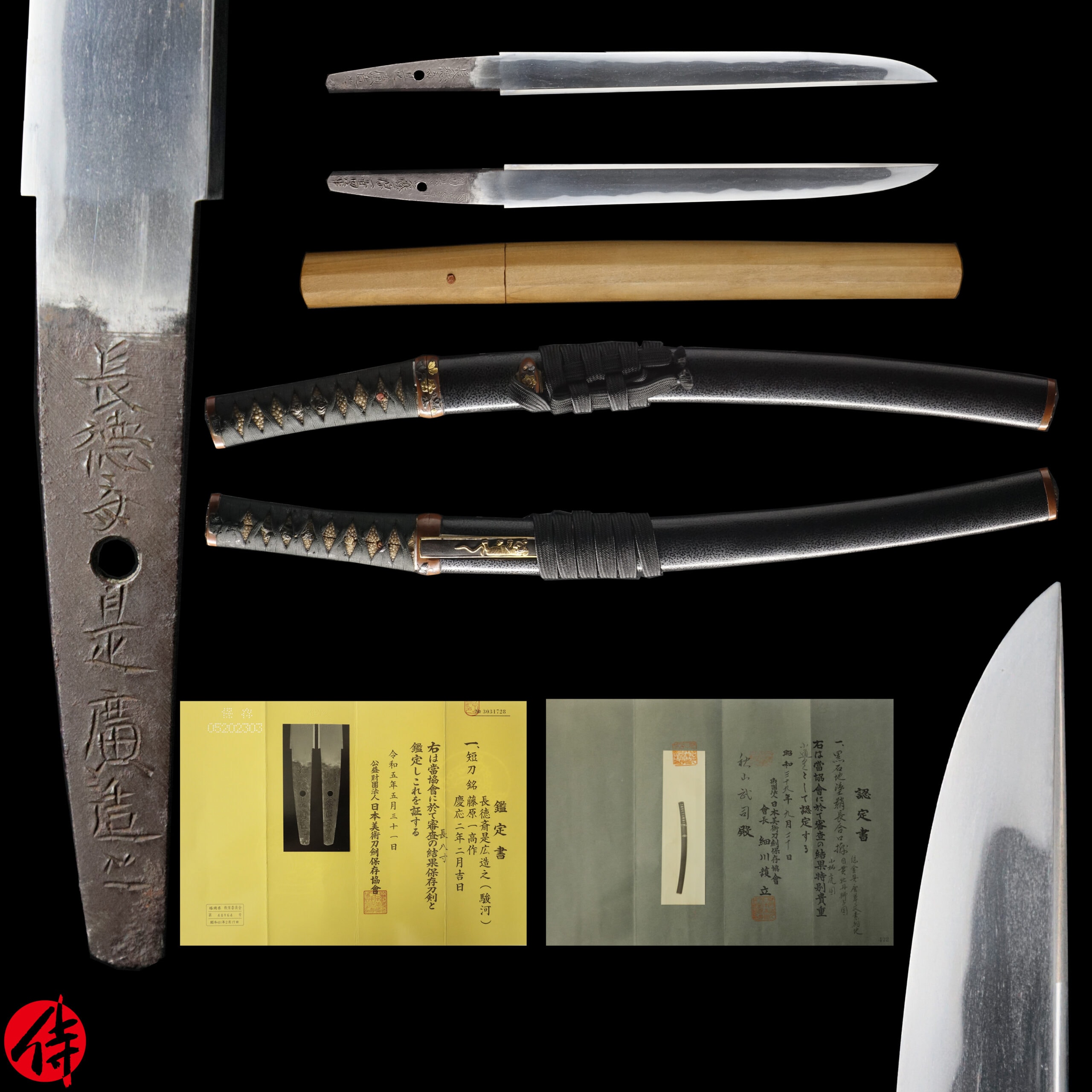
Antique Japanese Sword Tanto Signed by Korehiro NBTHK Hozon Certificate and Tokubetsu Kicho for the Koshirae
$4,333
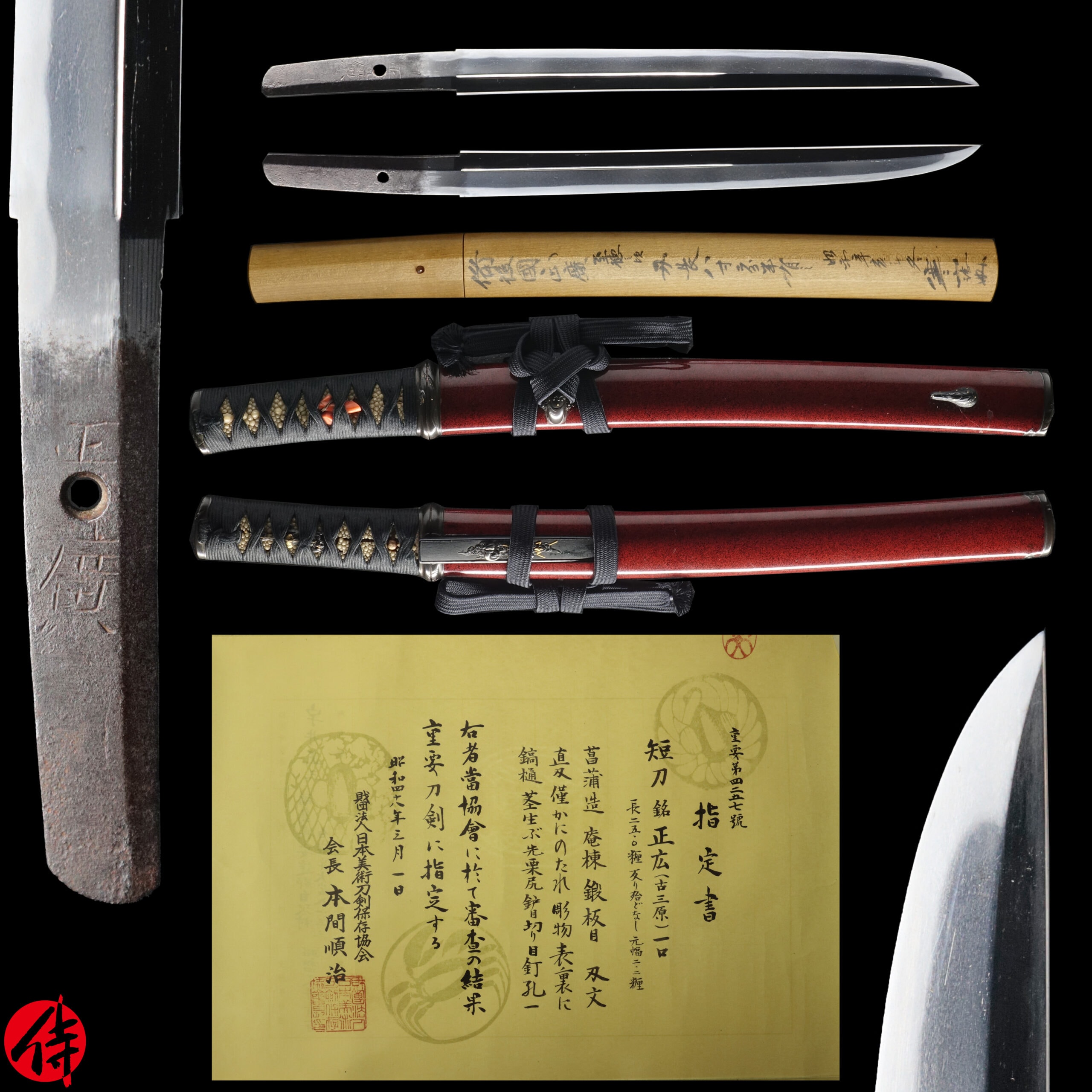
Antique Japanese Sword Tanto Signed by Masahiro NBTHK JUYO TOKEN Certificate
$23,524
Antique Japanese Sword Tanto Signed by Yokoyama Sukekane with NBTHK Hozon Certificate 【Description】 This blade was signed by Bizen Osafune Jyu Yokoyama Sukekane(備前長船住横山祐包) in the 5th year of the Ansei era( 1858: Bakumatsu era ). He signed the 58th grandson of Tomonari on the tang as well. Tomo mori was a renowned swordsmith in the mid-late Heian period in Bizen province(today’s Okayama prefecture). We presume he signed it to be proud of his ancestry. Bizen Osafune Jyu means that he resided in this area in today’s Okayama prefecture. Osafune is also the name of the school Sukekane belonged to. Yokoyama was his last name. About Bizen Osafune Sukekane’s ancestors dated back to Sukesada school, one of the most famous schools, and flourished for generations among Osafune sch ools(The head branch). There were various styles forged by the generations of Sukesada during the Muromachi-Edo period. There were about 60 swordsmiths who used Sukesada as his maker’s name in Samurai history. The swordsmiths in Bizen produced many swords during the Muromachi period as it was in the middle of the Sengoku period(Warring state pe riod). The demand for blades increased among strong feudal lords. The high level of craftsmanship had been passed until the end of the Edo period, and Sukekane is a good example. BIZEN is located near the Chugoku Mountains, where iron sands, one of the essential materials for making Japanese swords, were abundant. Fu rthermore, BIZEN swordsmiths had close access to Yoshi River, where they could find water and charcoal. This geological location contributed to the swordsmiths to forge high-quality refined blades. We presume BIZEN was quite active in sword-forging from ancient times. It is said that BIZEN DEN was created by groups of swordsmiths there after the late Heian era(Late 12th century ). The Background History Japan enjoyed a relatively peaceful time from the early Edo period to the mid-Edo period(the 1600s-1760s) because of the stable economy and t he powerful government run by Tokugawa Shogun. Samurai didn’t have many opportunities to utilize his Katana sword in public or on battlefields during this time. Thus, they carried their swords more as a symbol of their social status. The demand for weapons decreased accordingly compared to the previous Warring state period called Sengoku Jidai. (1467-1600) However, toward the end of the Edo period(1764-1876), the Japanese sword’s role changed dramatically. With the poverty spreading in Japan, there were so many riots initiated by the civilians. Japanese sword started to play an essential role in maintaining public safety. Pressure from foreign countries to open Japanese borders also forced Samurai to order strong-looking swords to survive this tumultuous tim e. We believe many swordsmiths, including Sukekane, made great efforts to forged high-quality, practical blades for their masters to prepare for battles. There was a civil war between Tokugawa’s military government and the new Meiji government at the end of the Edo period. That means the or iginal owner of this Tanto might have seen the moment when Samurai’s life changed forever. This blade has a strong looking and must have been practical to use in that demanding time. You can see Sukekane’s excellent craftsmanship by simply looking at this blade closely. We are confident you will be happy to own this piece of Samurai history. This blade is appraised as a Hozon Token(保存刀剣) issued by NBTHK(Nihon Bijutsu Touken Hozon Kyokai:日本美術刀剣保存協会). This authentication paper was only given to authentic Japanese swords, well preserved with artistic value. 【Blade】 Cutting Edge Length(Nagasa) : 28.6 cm( 11.2 inches) Curvature(Sori) : 0 cm (0 inches) Hamon : The crystalline structure which forms along the cutting edge of a blade as a result of the hardening process Jimon(Jihada) : visible steel surface pattern created by folding and hammering during forging process Nakago : Nakago is the tang of the Japanese sword. Japanese swordsmit
NihontoWatchBETA売却済
世界81社の刀剣商を横断追跡 · 価格履歴 · 売却アーカイブ
28.6 cm
Antique Japanese Sword Tanto Signed by Yokoyama Sukenaga NBTHK Tokubetsu Hozon Certificate
$7,441
Antique Japanese Sword Tanto Signed by Osafune Kiyomitsu NBTHK Hozon Certificate
$4,829
Antique Japanese Sword Tanto Signed by Korehiro NBTHK Hozon Certificate and Tokubetsu Kicho for the Koshirae
$4,333
Antique Japanese Sword Tanto Signed by Masahiro NBTHK JUYO TOKEN Certificate
$23,524
![Katana [Bizen-koku Osafune ju Yokoyama Sukekane(Daimei Sukeharu)] [N.B.T.H.K] Tokubetsu Hozon Token](/_next/image?url=https%3A%2F%2Fitbhfhyptogxcjbjfzwx.supabase.co%2Fstorage%2Fv1%2Fobject%2Fpublic%2Flisting-images%2Fworld-seiyudo%2FL31324%2F00.jpg&w=2560&q=90)