売切れ
Tokuho売切れ
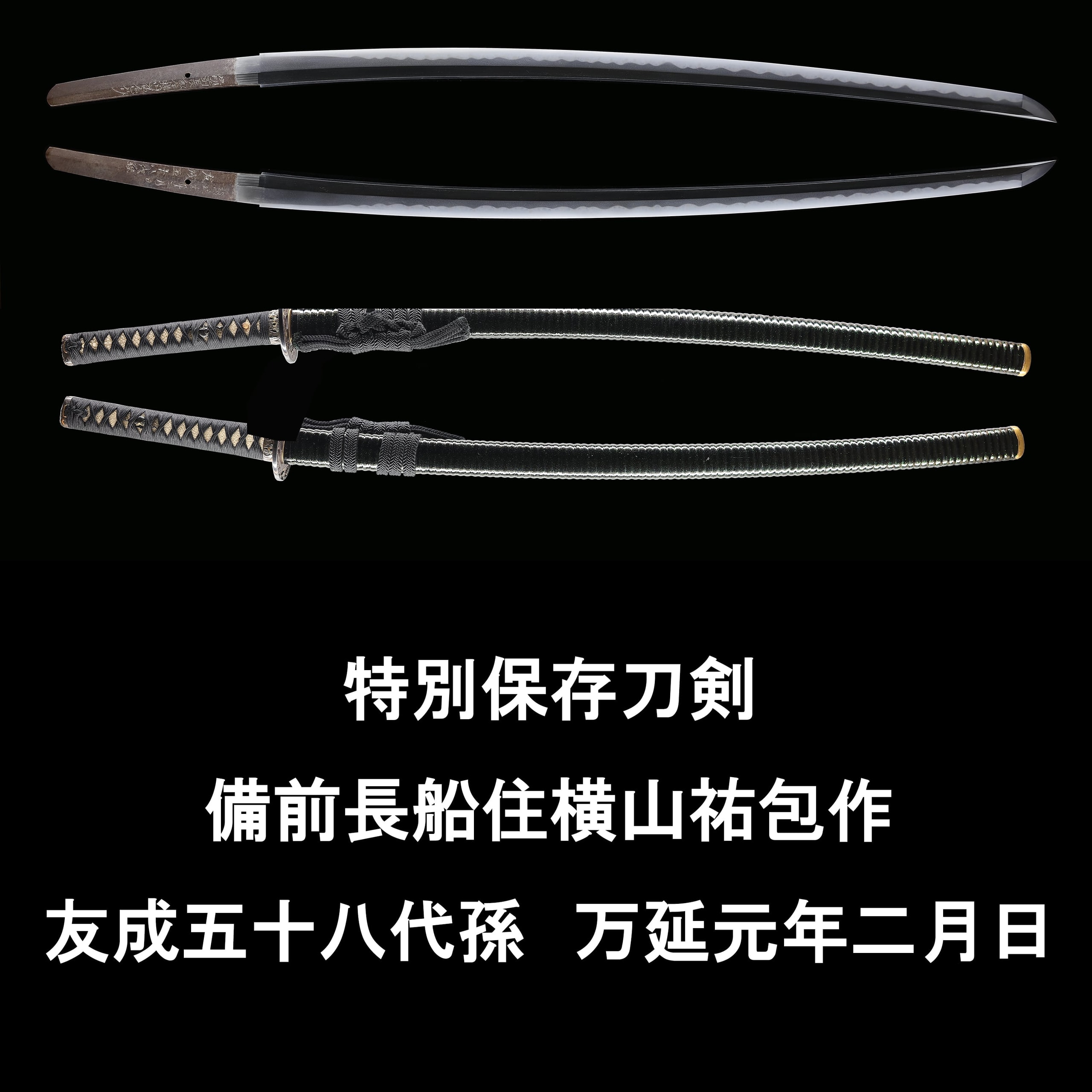
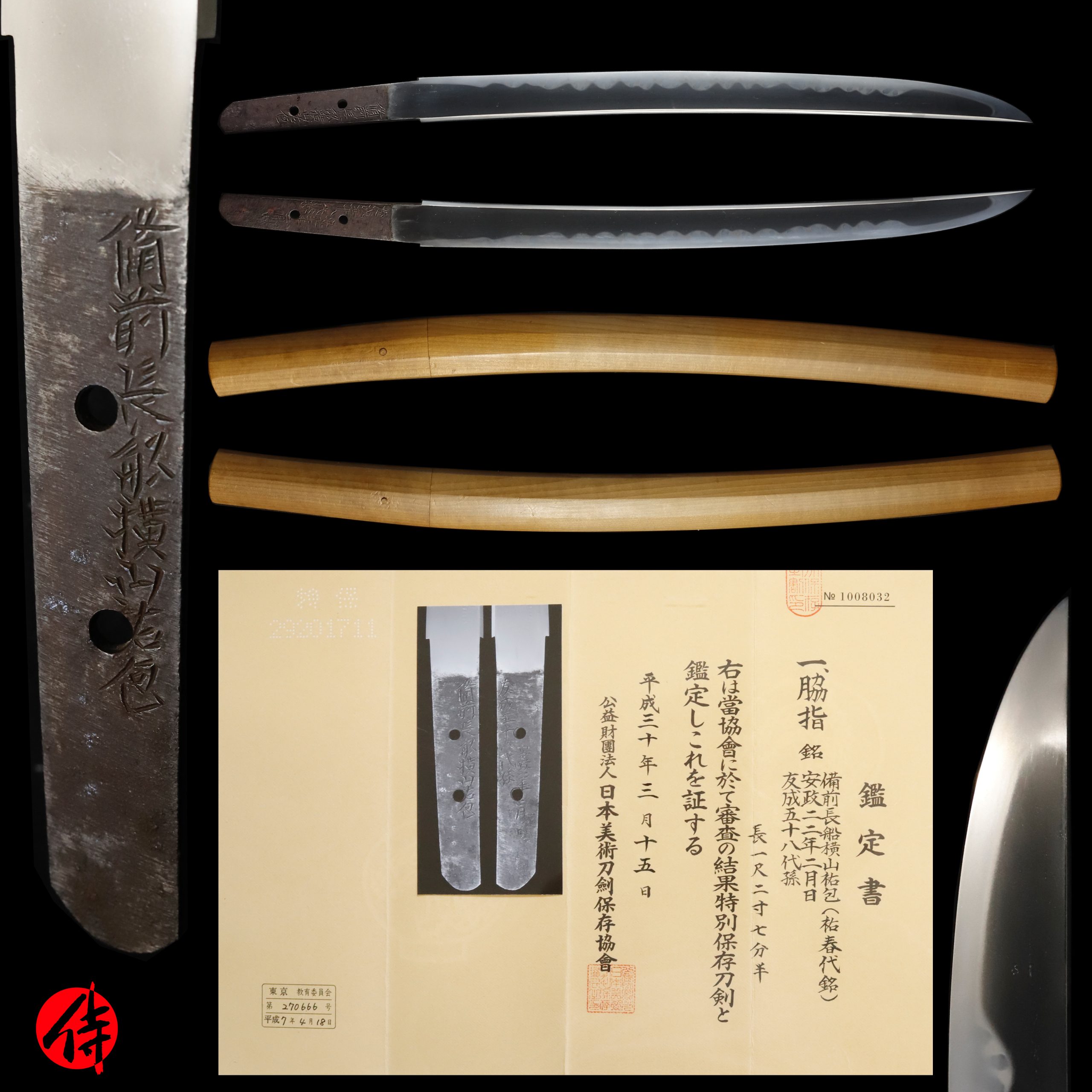
Antique Japanese Sword Wakizashi Signed by Sukekane NBTHK Tokubetsu Hozon Certificate
売却済
世界81社の刀剣商を横断追跡 · 価格履歴 · 売却アーカイブ
仕様
長さ
38.7 cm
反り
0.6 cm
Antique Japanese Sword Wakizashi Signed by Sukekane with NBTHK Tokubetsu Hozon Certificate 【Description】 This blade was forged by Bizen Osafune Yokoyama Sukekane(備前長船横山祐包) in 2th year of Ansei era(1855). He is one of the most famous swordsmiths in Bizen province at the end of the Edo period. Sukekane forged swords from the 5th year of Tenpo to the 5th year of Meiji(1834-1872 ). He was an adopted son of Sukemori and 58th grandson of Tomonari, who was a renowned swordsmith in the mid-late Heian period in Bizen province(today’s Okayama prefecture). About Bizen Osafune Sukekane’s ancestors dated back to Sukesada school, one of the most famous schools, and flourished for generations among Osafune schools(The head branch). There were various styles forged by the generations of Sukesada during the Muromachi-Edo period. There were about 60 swordsmiths who used Sukesada as his maker’s name in Samurai history. The swordsmiths in Bizen produced many swords during the Muromachi period as it was in the middle of the Sengoku period(Warring state period). The demand for blades increased among strong feudal lords. The high level of craftsmanship had been passed until the end of the Edo period, and Sukekane is a good example. BIZEN is located near the Chugoku Mountains, where iron sands, one of the essential materials for making Japanese swords, were abundant. Furthermore, BIZEN swordsmiths had close access to Yoshi River, where they could find water and charcoal. This geological location contributed to the swordsmiths to forge high-quality refined blades. We presume BIZEN was quite active in sword-forging from ancient times. It is said that BIZEN DEN was created by groups of swordsmiths there after the late Heian era(Late 12th century ). This blade has a Tokubetsu Hozon certificate issued by NBTHK. This authentication paper was only given to Japanese swords, especially worth preserving by Nihon Bijutsu Touken Hozon Kyokai(the Society for the Preservation of the Japan Art Sword). This sword has beautiful Midare Hamon and Jigane. 【 Blade】 Cutting Edge Length(Nagasa) : 38.7 cm (15.2 inches) Curvature(Sori) : 0.6 cm(0.23 inches) Hamon: The crystalline structure which forms along the cutting edge of a blade as a result of the hardening process Jimon(Jihada): visible steel surface pattern created by folding and hammering during forging process Nakago : Nakago is the tang of the Japanese sword. Japanese swordsmiths left the black rust on the tang on purpose to prevent red rust while the tang is in its handle. And the discoloration of the tang was created over time, which is a great indicator for a Japanese sword specialist to estimate when the sword was forged. Habaki : Habaki is the equipment to make the blade not touch its scabbard inside. It prevents the blade from getting rusty and chipped. Authentication Paper : NBTHK TOKUBETSU Hozon Certificate for the blade NBTHK, also known as Nihon Bijutsu Touken Hozon Kyokai (the Society for the Preservation of the Japan Art Sword), is one of the oldest Japanese sword appraising organizations in modern-day Japan. They authenticated the blade on March 15th in the 30th year of Heisei (2018). They appraised it as Tokubetsu Hozon Touken, the blade especially worth preserving for Japanese society. The purchaser will receive this original certificate as well. We can also translate what is written into English and make a PDF file for your record if you request. Registration Number : Tokyo 270666 The Board of Education in Tokyo prefecture issued a registration paper for this sword . In order to obtain this paper, the sword needs to be traditionally hand forged. With this paper, its owner can legally own an authentic Japanese sword in Japan. —————————————————————– 【About us】 Samurai Museum is located in Tokyo, Japan, exhibiting antique artifacts related to the Samurai history. Samurai Museum Shop is the place for those who are interested in Japanese culture and craftsmanship. We deal with antique Samurai swords/ar
 NihontoWatchBETA
売却済
世界81社の刀剣商を横断追跡 · 価格履歴 · 売却アーカイブ
38.7 cm
0.6 cm
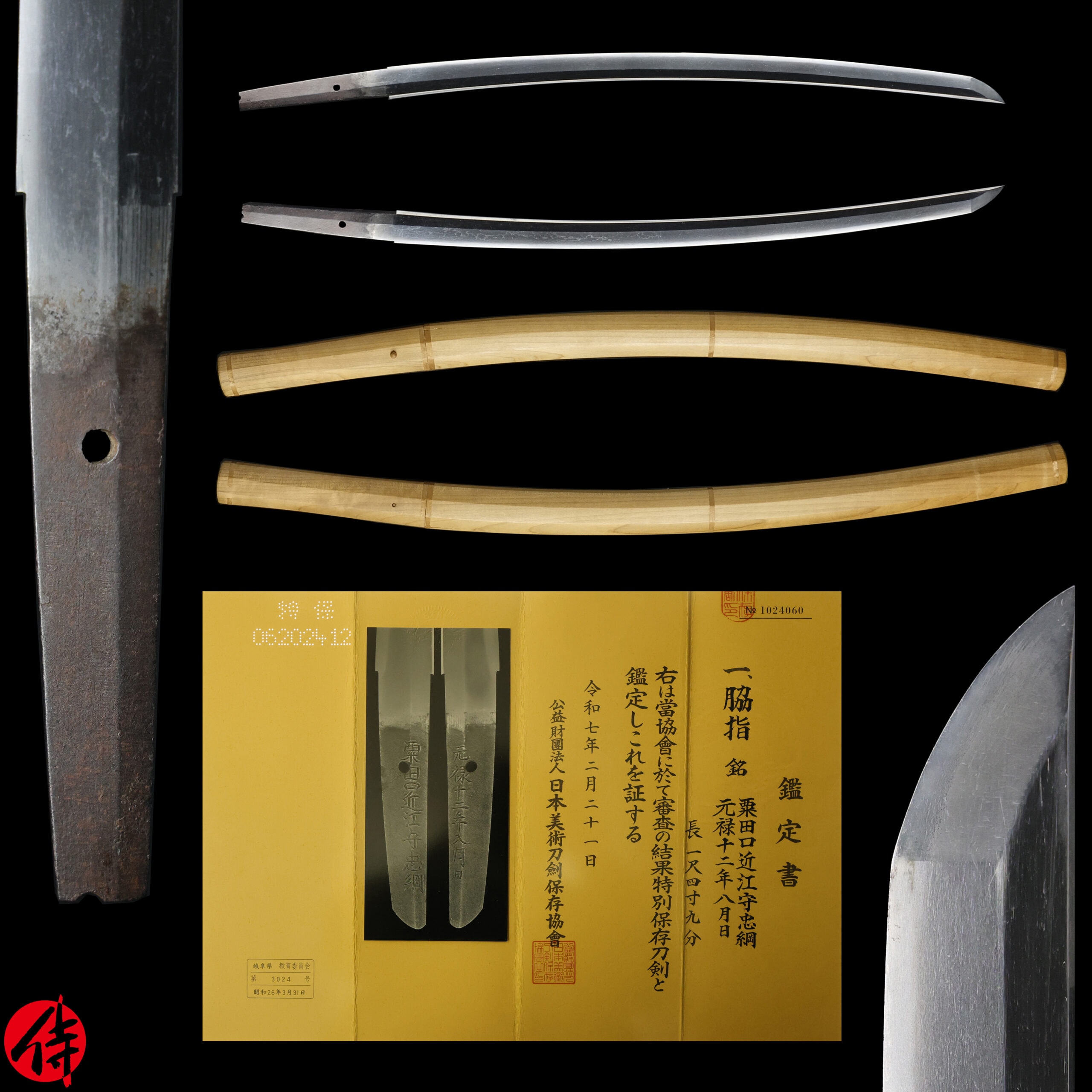
Antique Japanese Sword Wakizashi Attributed to Mihara NBTHK Hozon Certificate
$2,170
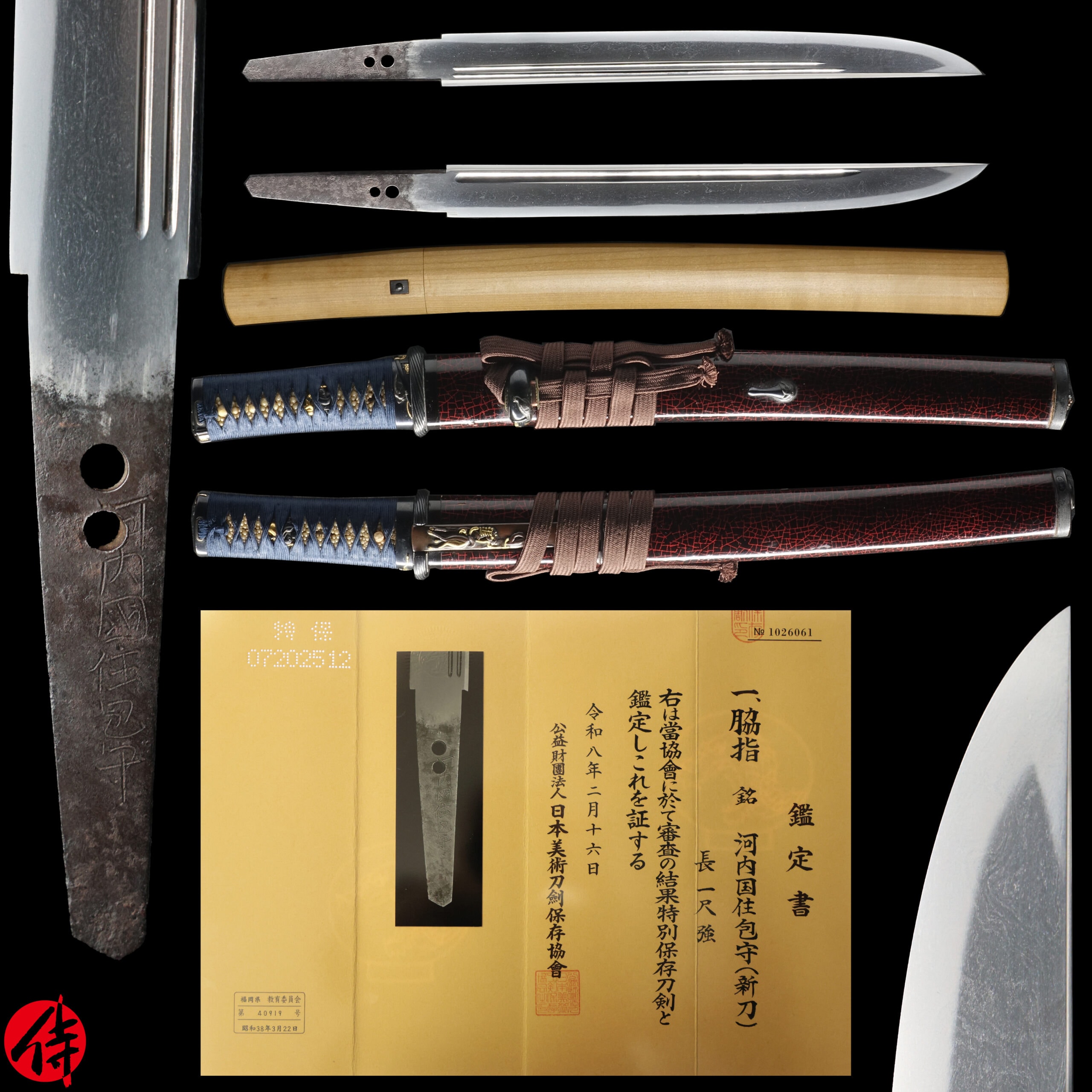
Antique Japanese Sword Wakizashi Signed by Kanemori NBTHK Tokubetsu Hozon Certificate
$5,881
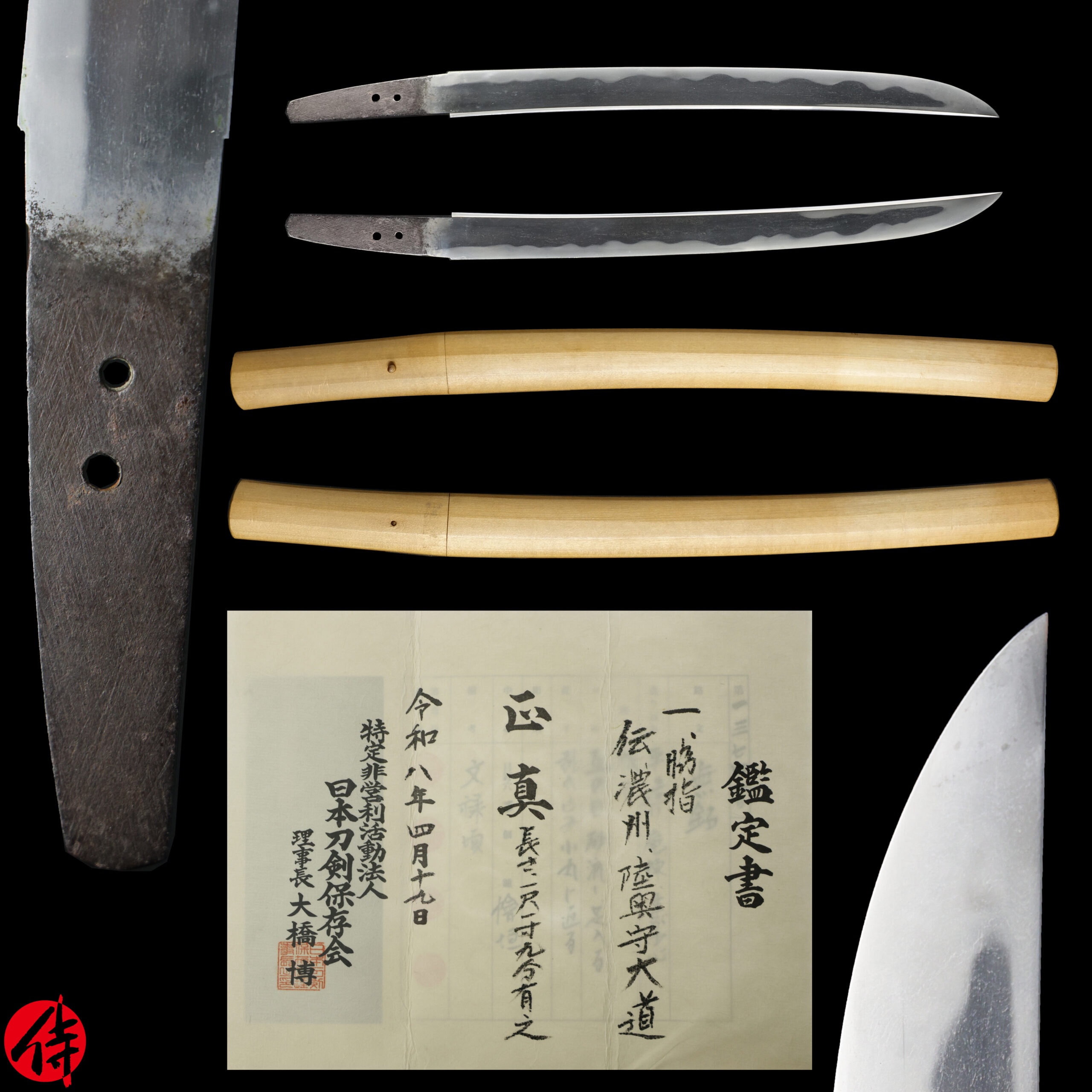
Antique Japanese Sword Wakizashi Attributed to Den Nohshu Daido NTHK Kanteisho for the blade
$1,984
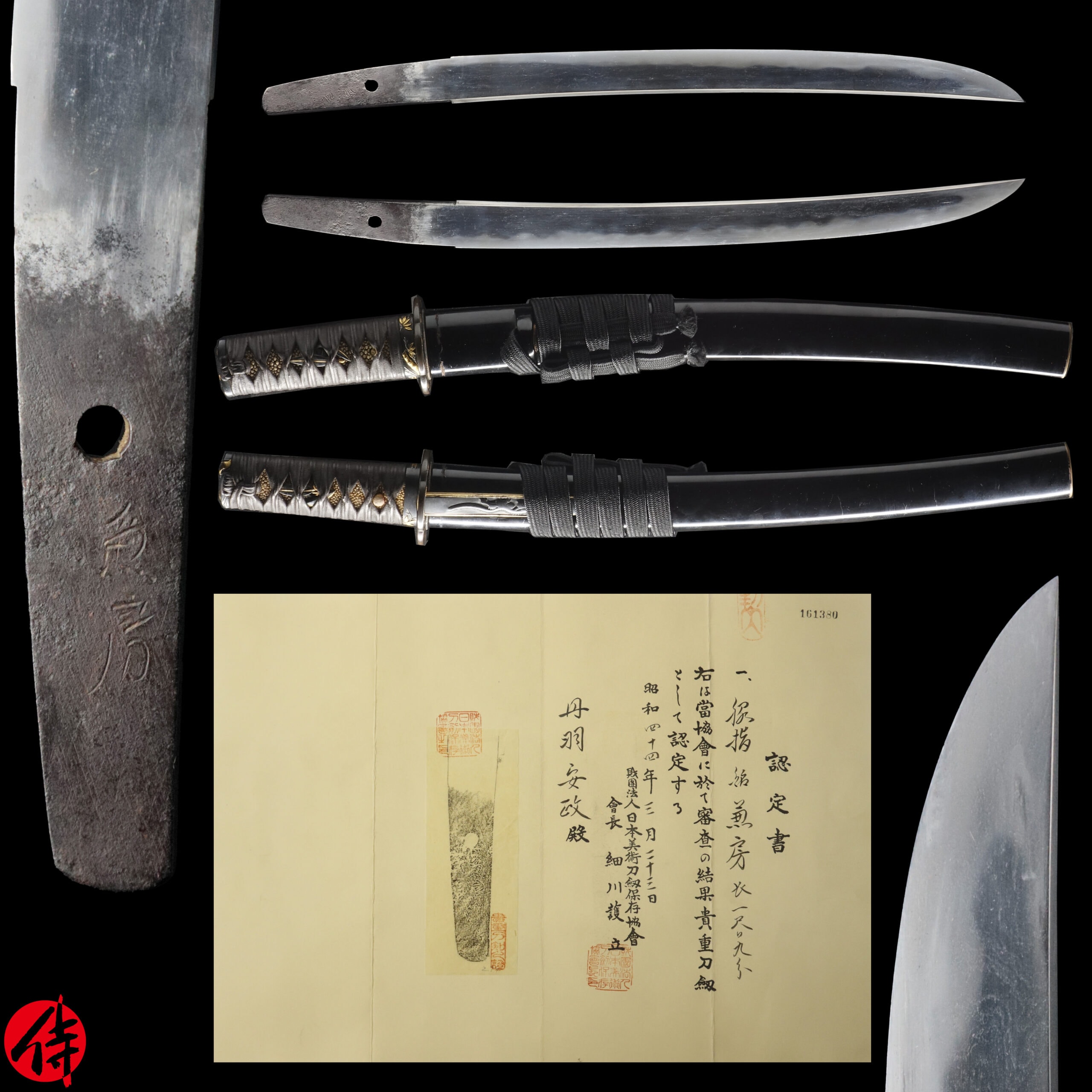
Antique Japanese Sword Wakizashi Signed by Kanefusa with NBTHK Kicho Certificate
$2,971
Antique Japanese Sword Wakizashi Signed by Sukekane with NBTHK Tokubetsu Hozon Certificate 【Description】 This blade was forged by Bizen Osafune Yokoyama Sukekane(備前長船横山祐包) in 2th year of Ansei era(1855). He is one of the most famous swordsmiths in Bizen province at the end of the Edo period. Sukekane forged swords from the 5th year of Tenpo to the 5th year of Meiji(1834-1872 ). He was an adopted son of Sukemori and 58th grandson of Tomonari, who was a renowned swordsmith in the mid-late Heian period in Bizen province(today’s Okayama prefecture). About Bizen Osafune Sukekane’s ancestors dated back to Sukesada school, one of the most famous schools, and flourished for generations among Osafune schools(The head branch). There were various styles forged by the generations of Sukesada during the Muromachi-Edo period. There were about 60 swordsmiths who used Sukesada as his maker’s name in Samurai history. The swordsmiths in Bizen produced many swords during the Muromachi period as it was in the middle of the Sengoku period(Warring state period). The demand for blades increased among strong feudal lords. The high level of craftsmanship had been passed until the end of the Edo period, and Sukekane is a good example. BIZEN is located near the Chugoku Mountains, where iron sands, one of the essential materials for making Japanese swords, were abundant. Furthermore, BIZEN swordsmiths had close access to Yoshi River, where they could find water and charcoal. This geological location contributed to the swordsmiths to forge high-quality refined blades. We presume BIZEN was quite active in sword-forging from ancient times. It is said that BIZEN DEN was created by groups of swordsmiths there after the late Heian era(Late 12th century ). This blade has a Tokubetsu Hozon certificate issued by NBTHK. This authentication paper was only given to Japanese swords, especially worth preserving by Nihon Bijutsu Touken Hozon Kyokai(the Society for the Preservation of the Japan Art Sword). This sword has beautiful Midare Hamon and Jigane. 【 Blade】 Cutting Edge Length(Nagasa) : 38.7 cm (15.2 inches) Curvature(Sori) : 0.6 cm(0.23 inches) Hamon: The crystalline structure which forms along the cutting edge of a blade as a result of the hardening process Jimon(Jihada): visible steel surface pattern created by folding and hammering during forging process Nakago : Nakago is the tang of the Japanese sword. Japanese swordsmiths left the black rust on the tang on purpose to prevent red rust while the tang is in its handle. And the discoloration of the tang was created over time, which is a great indicator for a Japanese sword specialist to estimate when the sword was forged. Habaki : Habaki is the equipment to make the blade not touch its scabbard inside. It prevents the blade from getting rusty and chipped. Authentication Paper : NBTHK TOKUBETSU Hozon Certificate for the blade NBTHK, also known as Nihon Bijutsu Touken Hozon Kyokai (the Society for the Preservation of the Japan Art Sword), is one of the oldest Japanese sword appraising organizations in modern-day Japan. They authenticated the blade on March 15th in the 30th year of Heisei (2018). They appraised it as Tokubetsu Hozon Touken, the blade especially worth preserving for Japanese society. The purchaser will receive this original certificate as well. We can also translate what is written into English and make a PDF file for your record if you request. Registration Number : Tokyo 270666 The Board of Education in Tokyo prefecture issued a registration paper for this sword . In order to obtain this paper, the sword needs to be traditionally hand forged. With this paper, its owner can legally own an authentic Japanese sword in Japan. —————————————————————– 【About us】 Samurai Museum is located in Tokyo, Japan, exhibiting antique artifacts related to the Samurai history. Samurai Museum Shop is the place for those who are interested in Japanese culture and craftsmanship. We deal with antique Samurai swords/ar
NihontoWatchBETA売却済
世界81社の刀剣商を横断追跡 · 価格履歴 · 売却アーカイブ
38.7 cm
0.6 cm
Antique Japanese Sword Wakizashi Attributed to Mihara NBTHK Hozon Certificate
$2,170
Antique Japanese Sword Wakizashi Signed by Kanemori NBTHK Tokubetsu Hozon Certificate
$5,881
Antique Japanese Sword Wakizashi Attributed to Den Nohshu Daido NTHK Kanteisho for the blade
$1,984
Antique Japanese Sword Wakizashi Signed by Kanefusa with NBTHK Kicho Certificate
$2,971
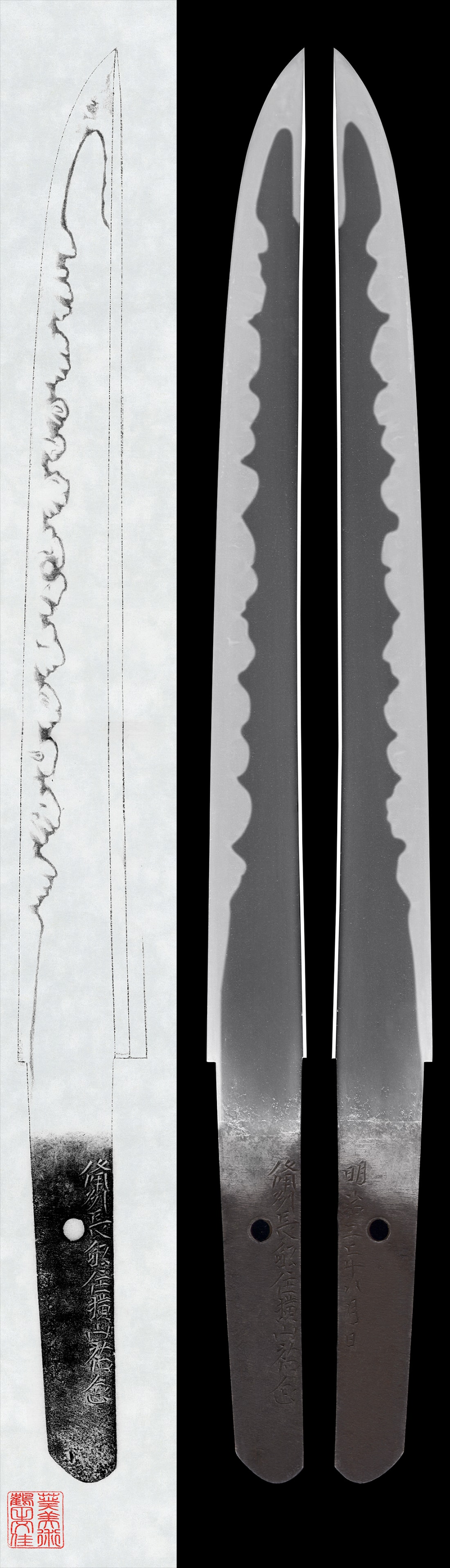
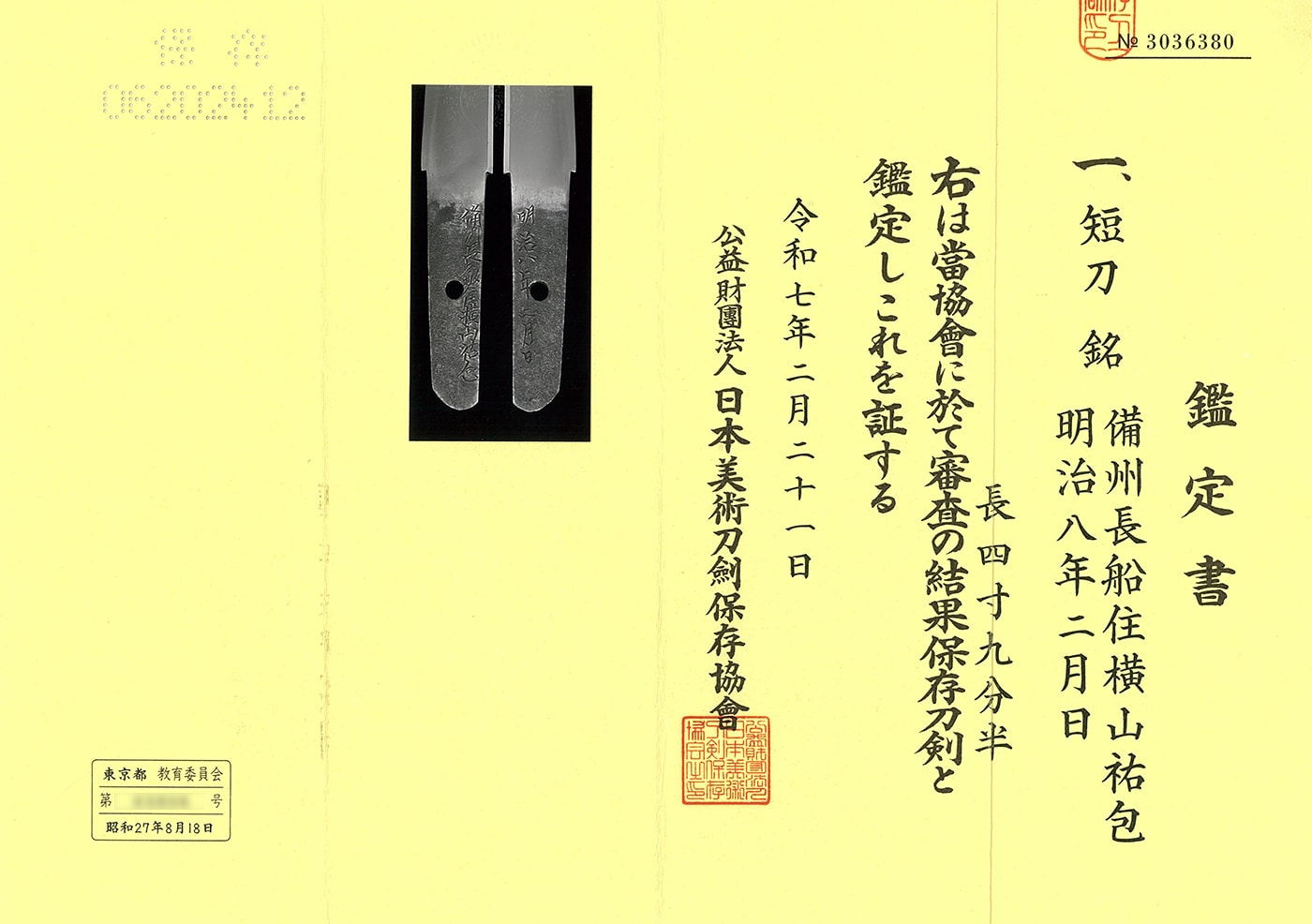
![Katana [Bizen-koku Osafune ju Yokoyama Sukekane(Daimei Sukeharu)] [N.B.T.H.K] Tokubetsu Hozon Token](/_next/image?url=https%3A%2F%2Fitbhfhyptogxcjbjfzwx.supabase.co%2Fstorage%2Fv1%2Fobject%2Fpublic%2Flisting-images%2Fworld-seiyudo%2FL31324%2F00.jpg&w=2560&q=90)