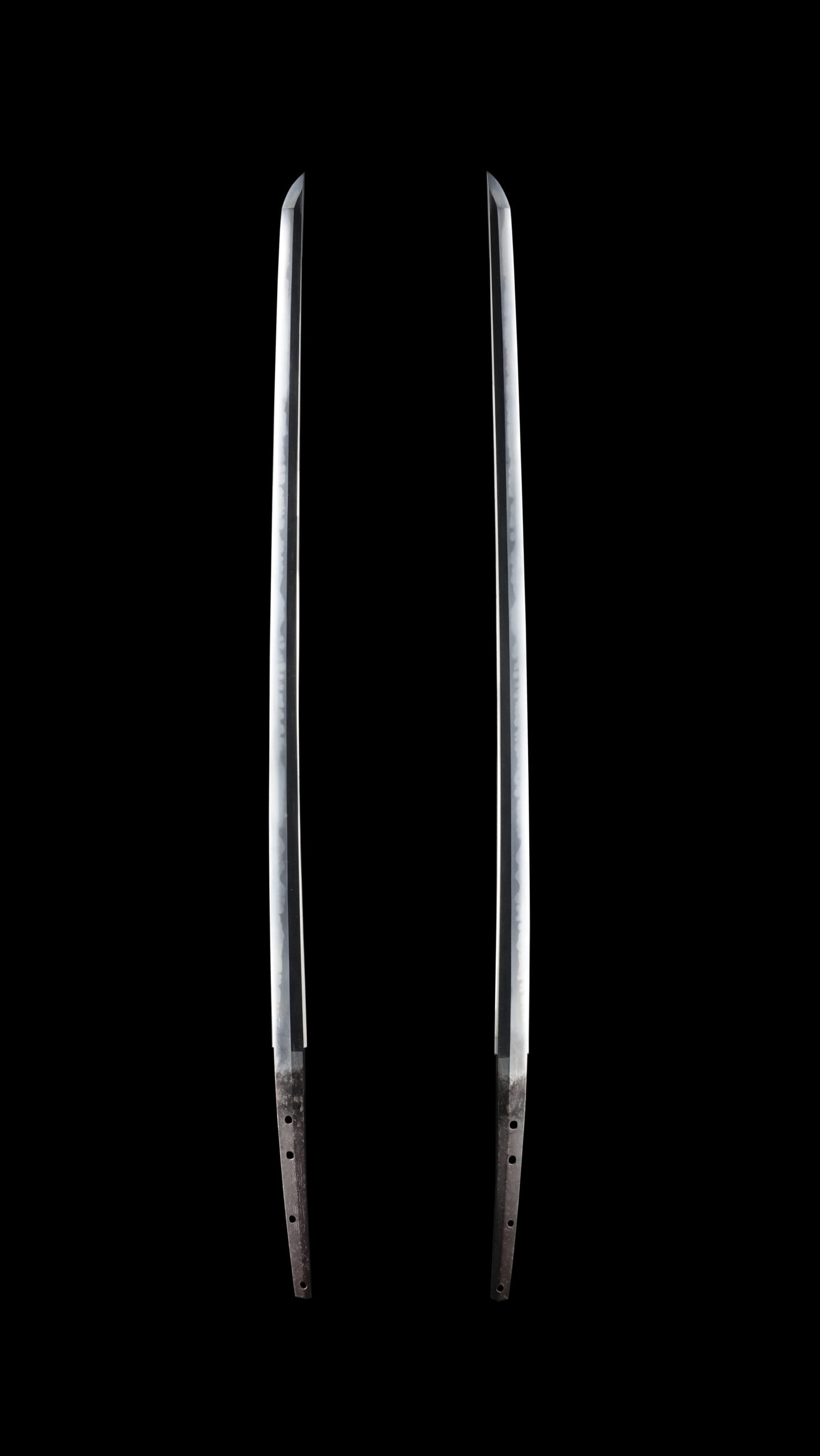
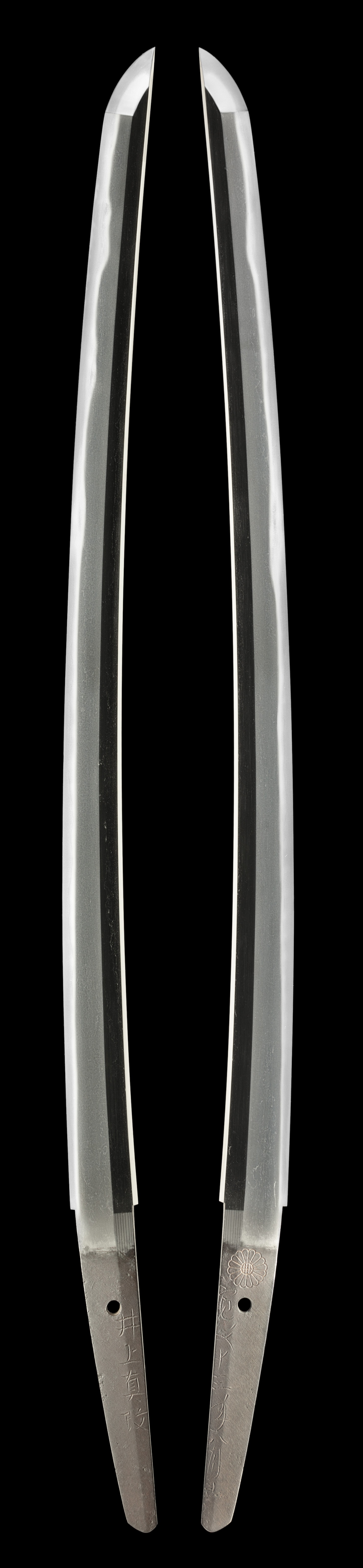
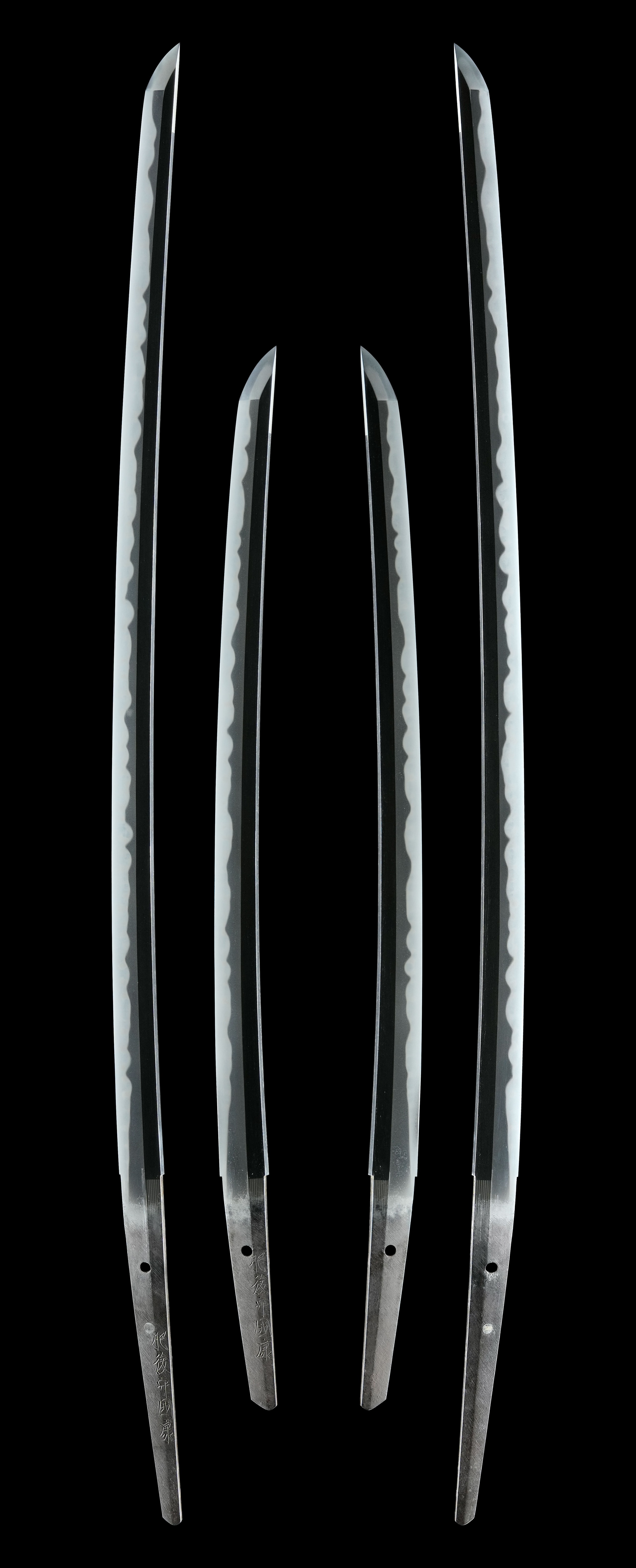
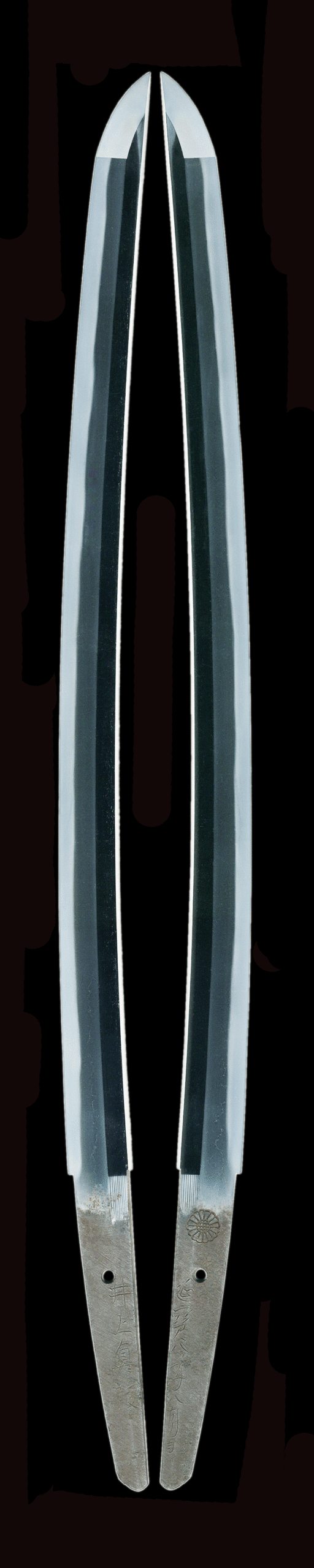
大坂は町人の都であり、刀も金の流れに従った。脇差一腰しか許されぬ町人のための贅沢な作、助広の濤瀾乱れ、大坂正宗と呼ばれた真改。率直に言えば、見られるために作られた刀である。
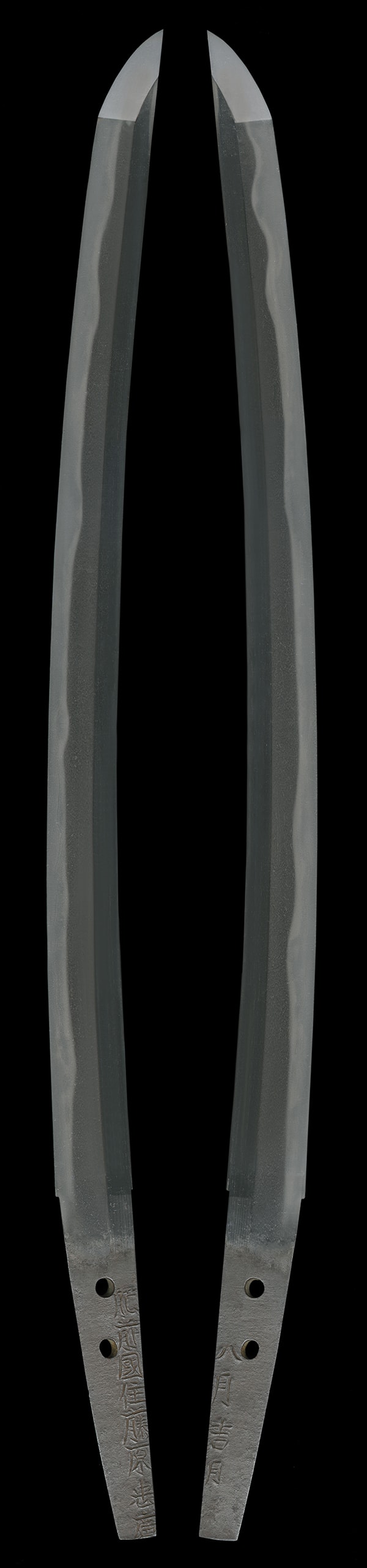
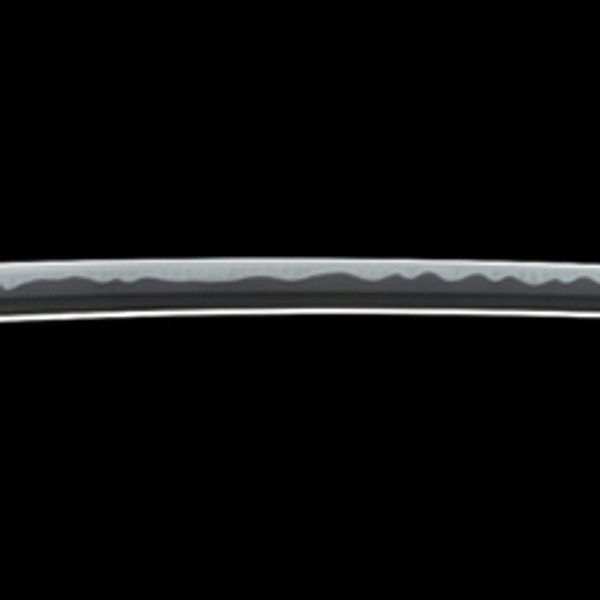
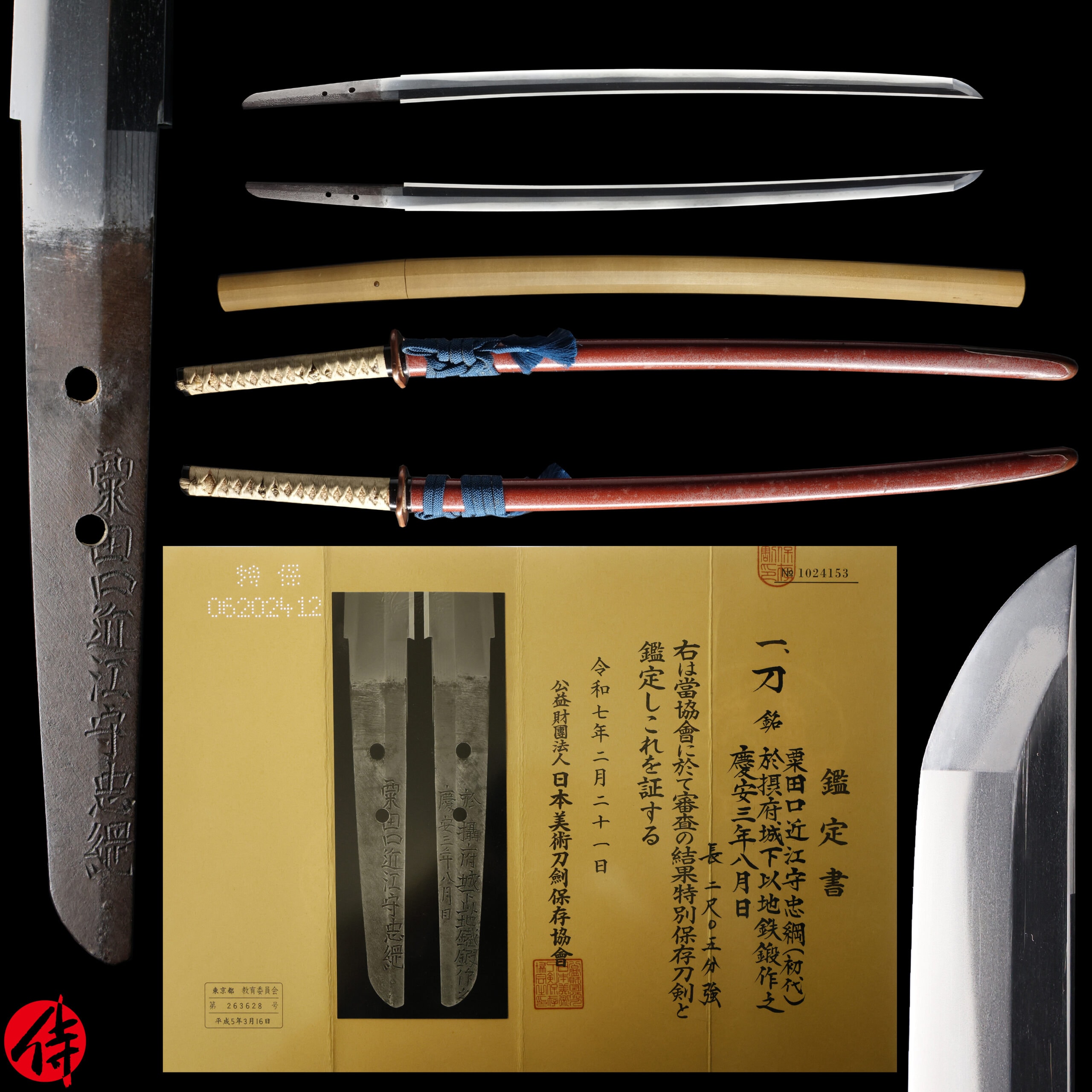
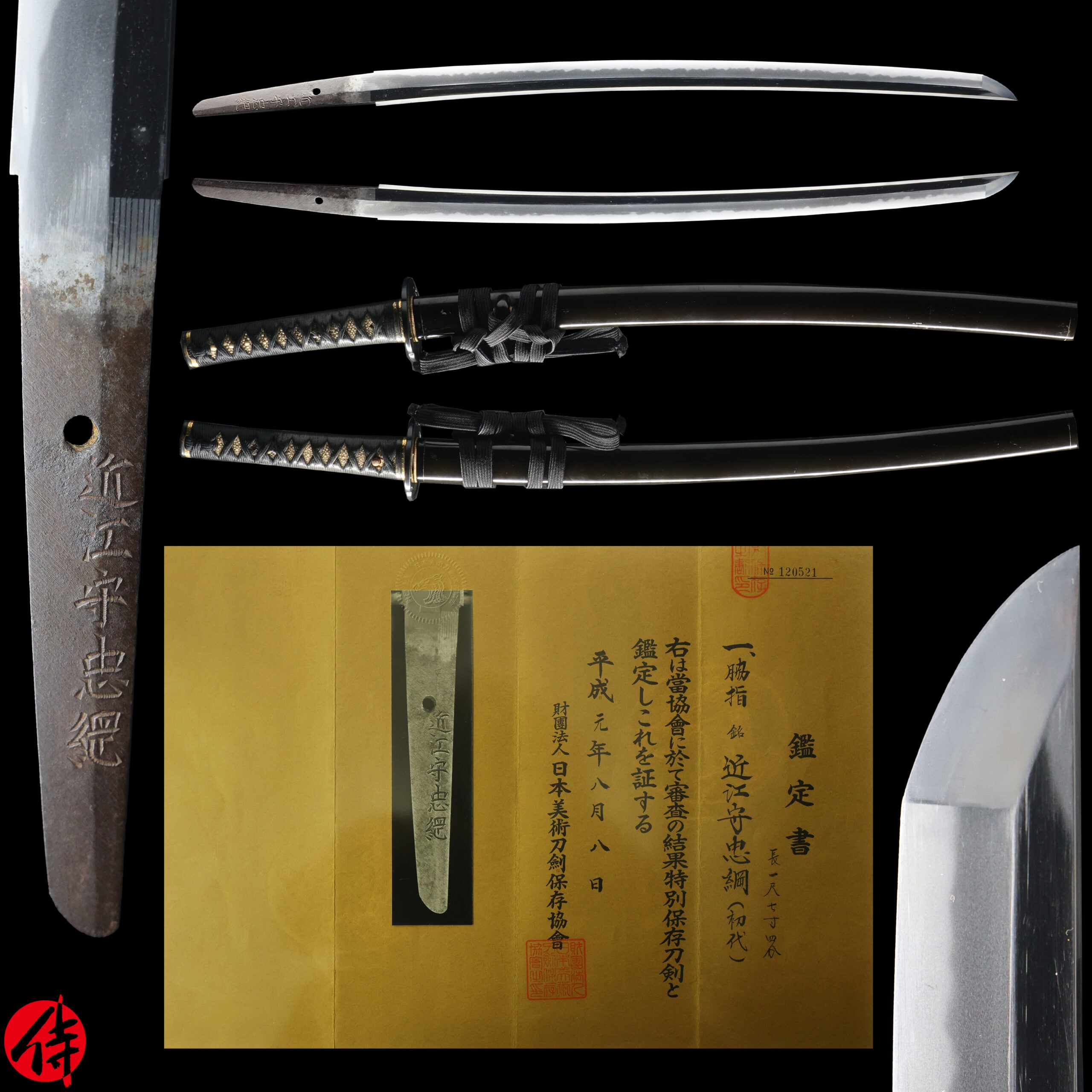
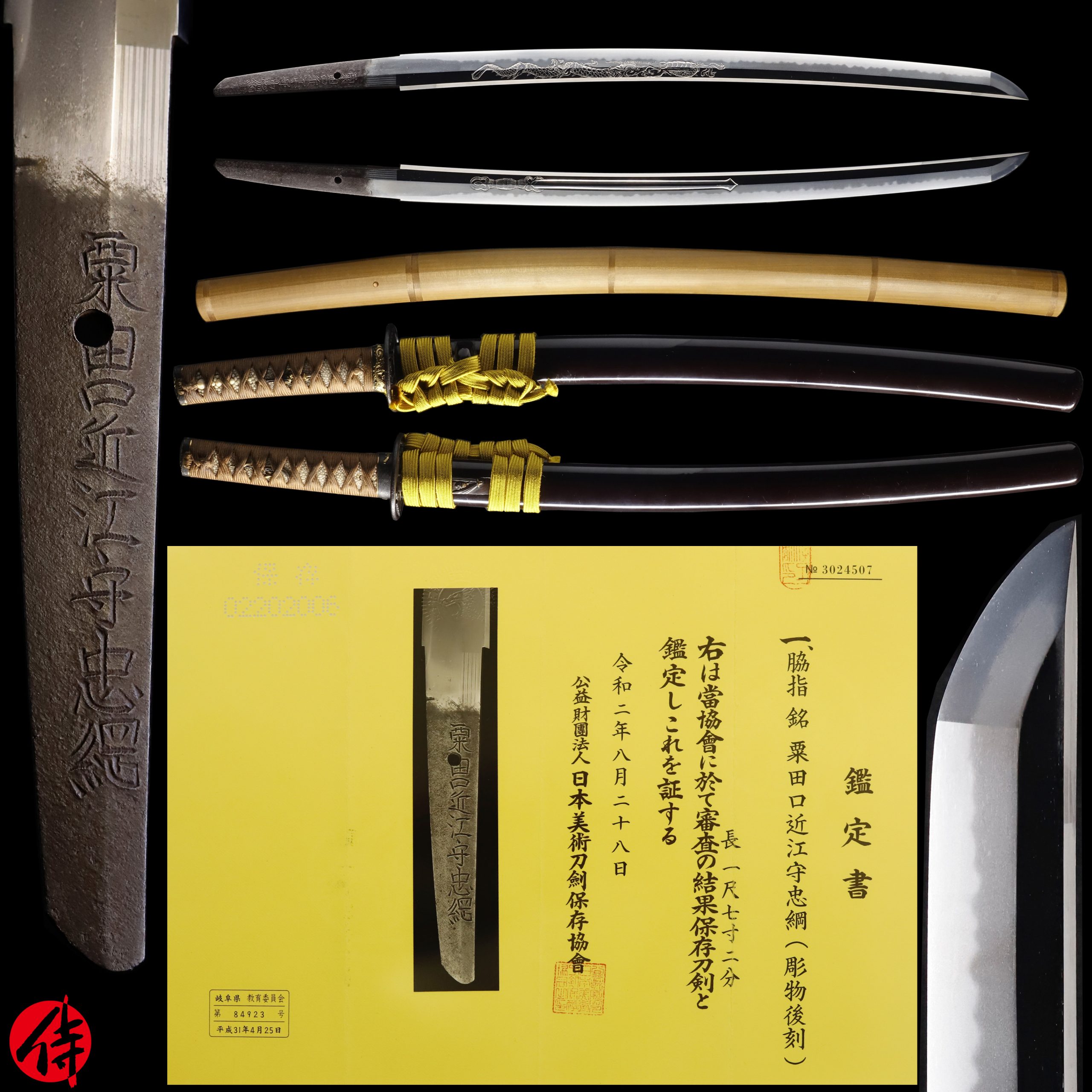
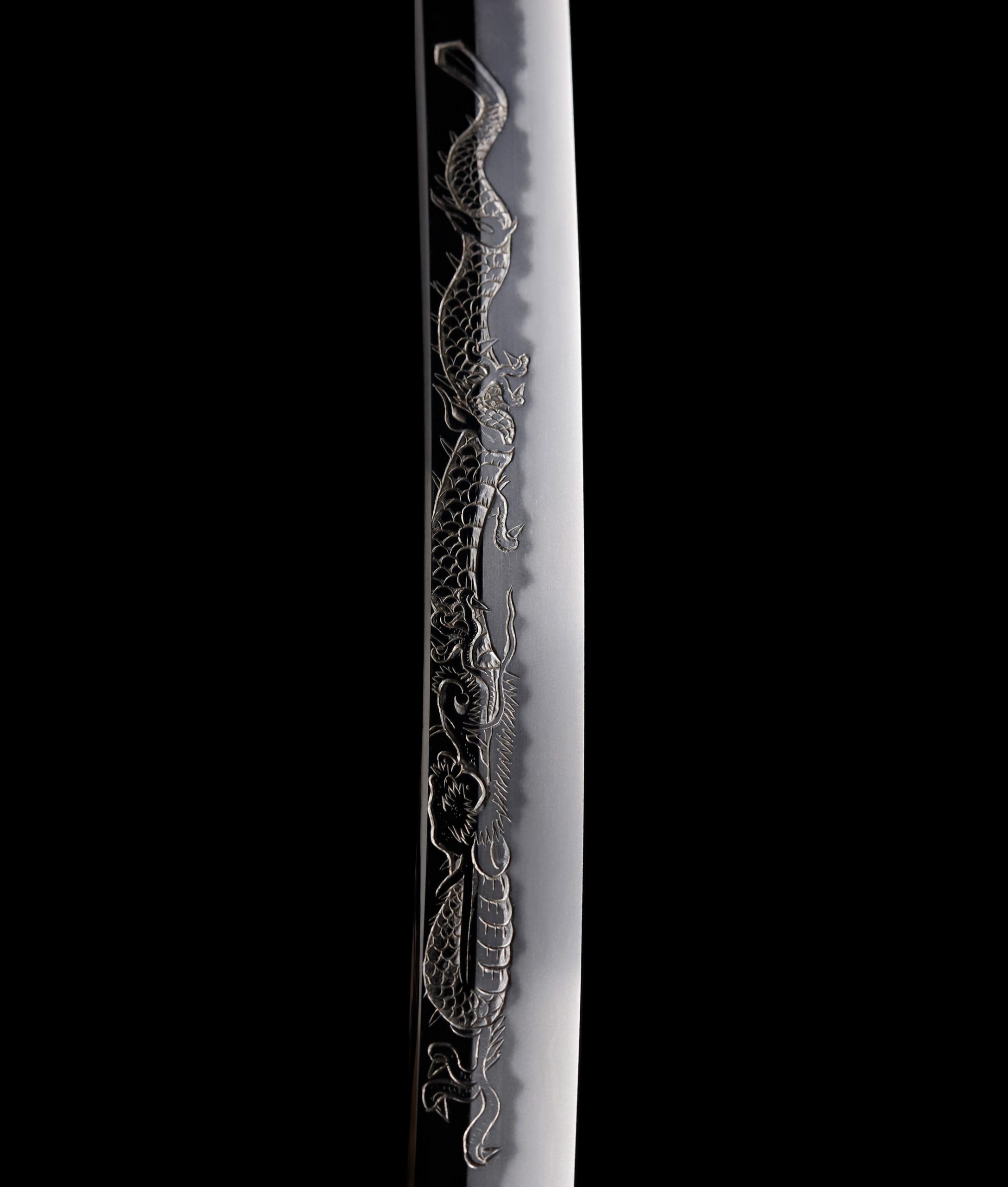
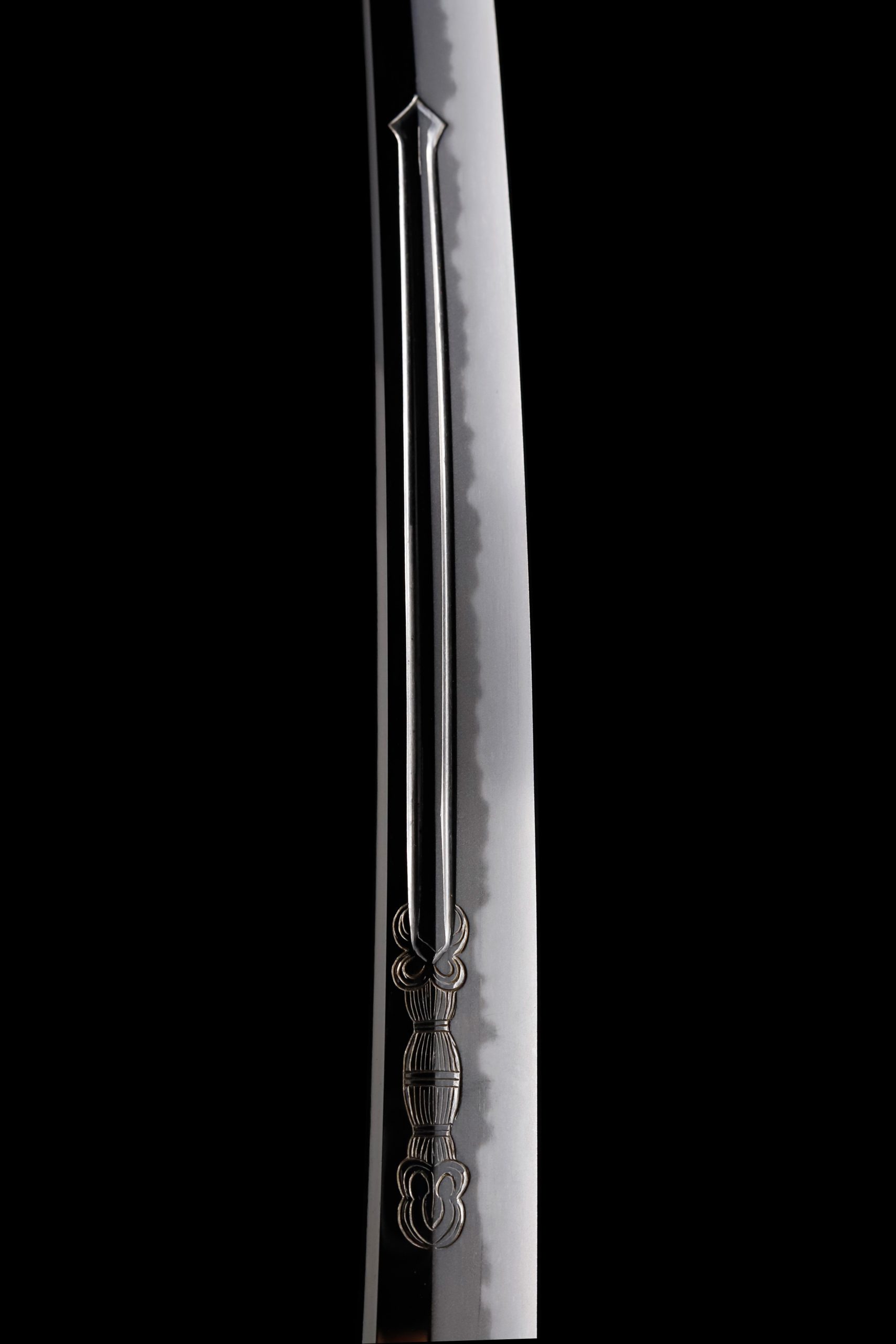
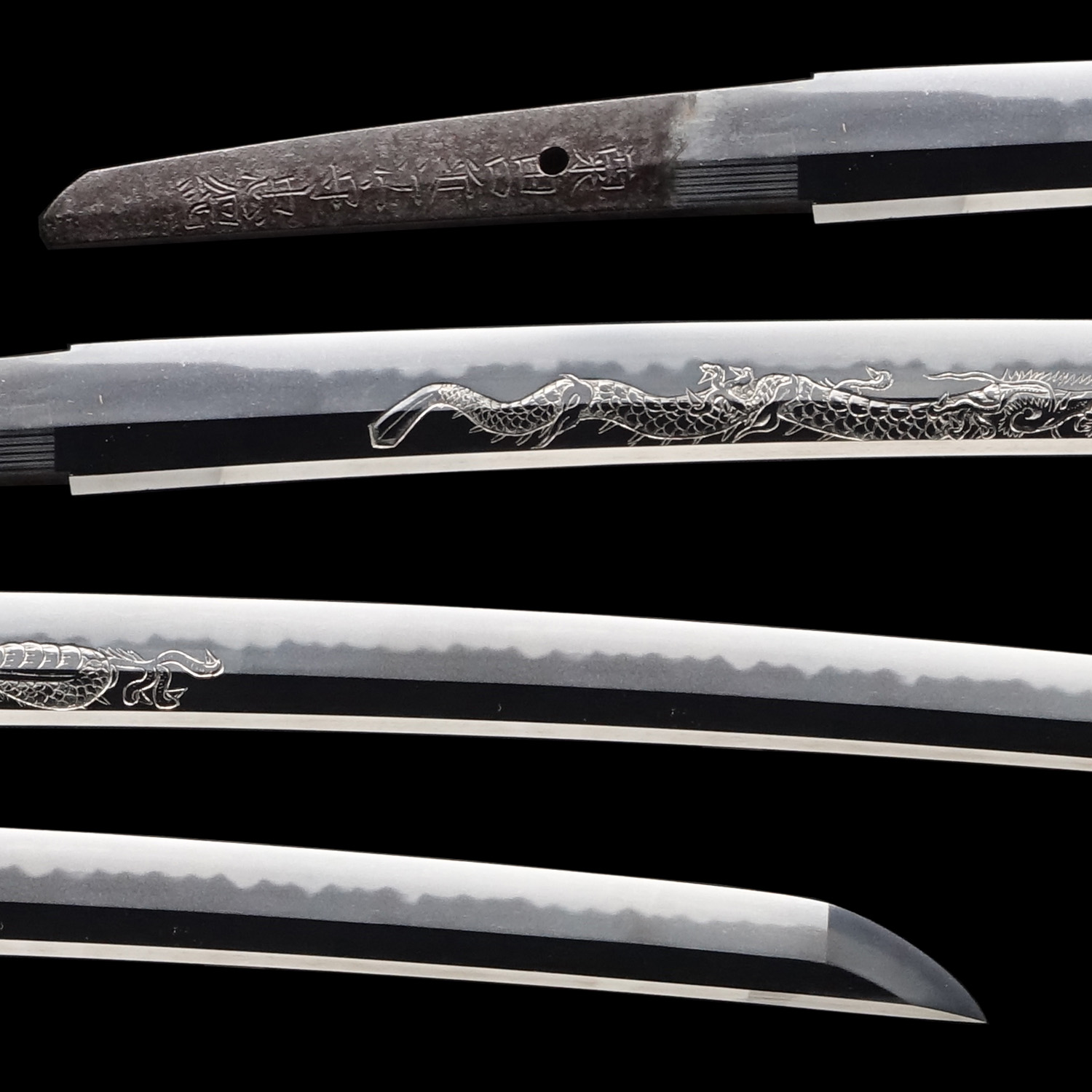
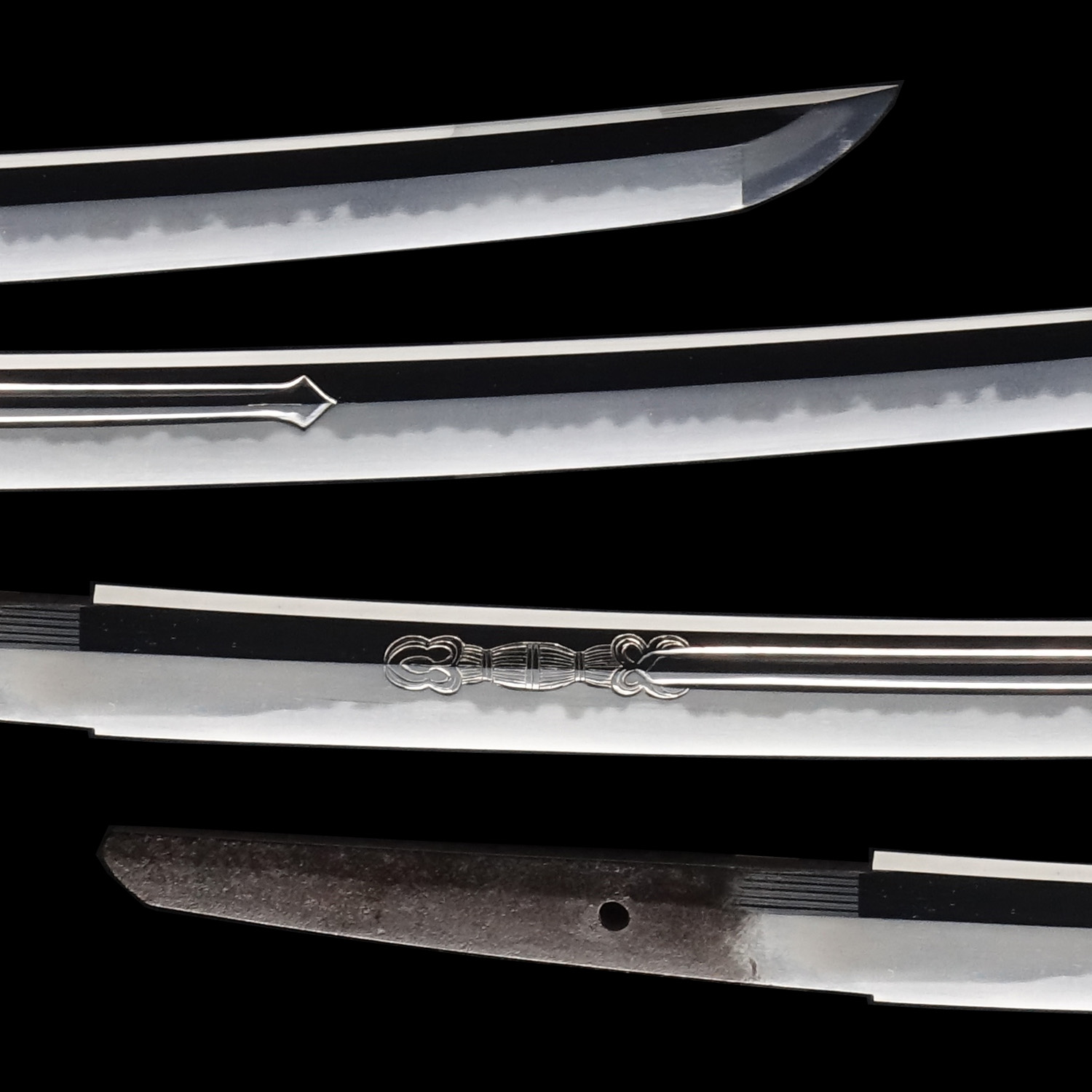
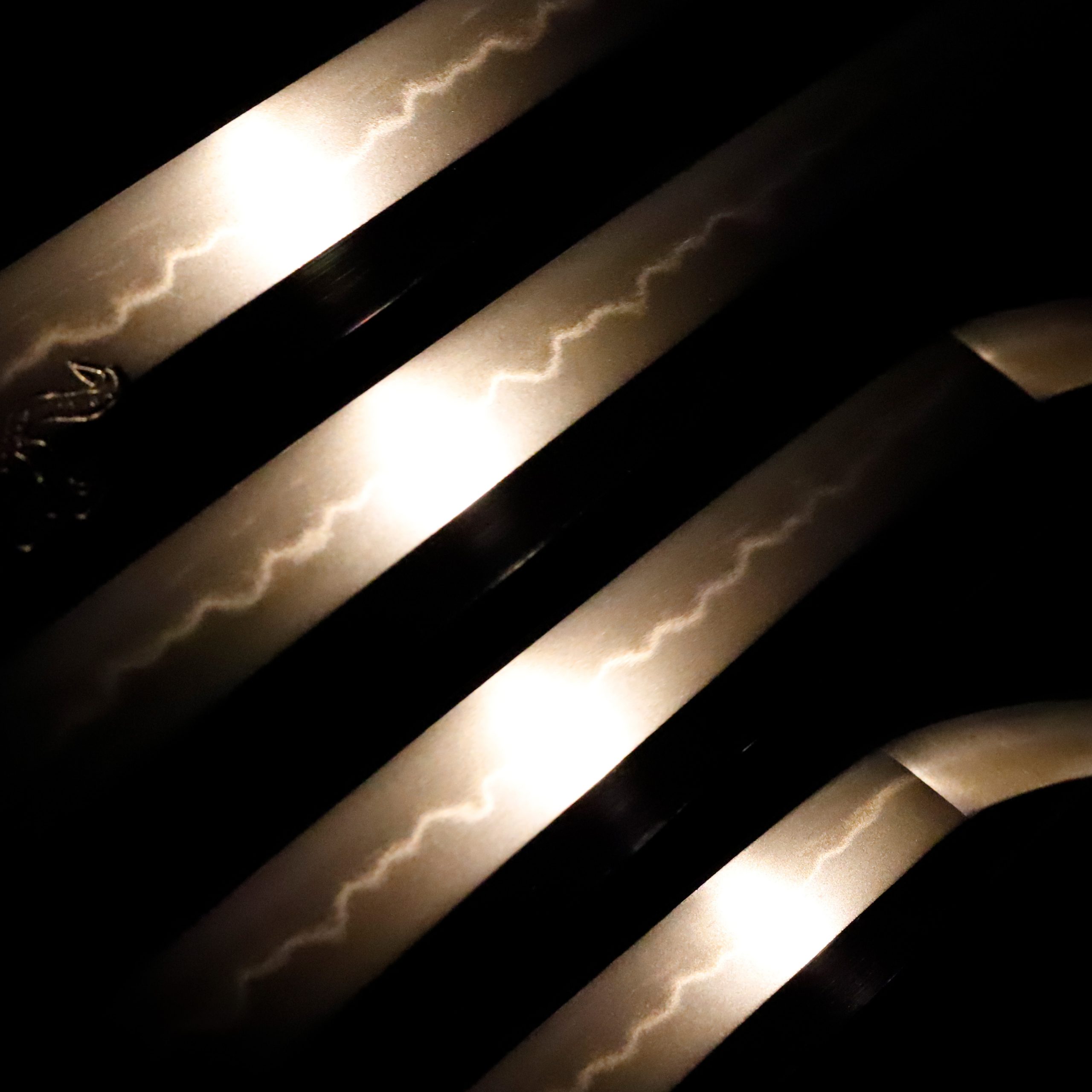
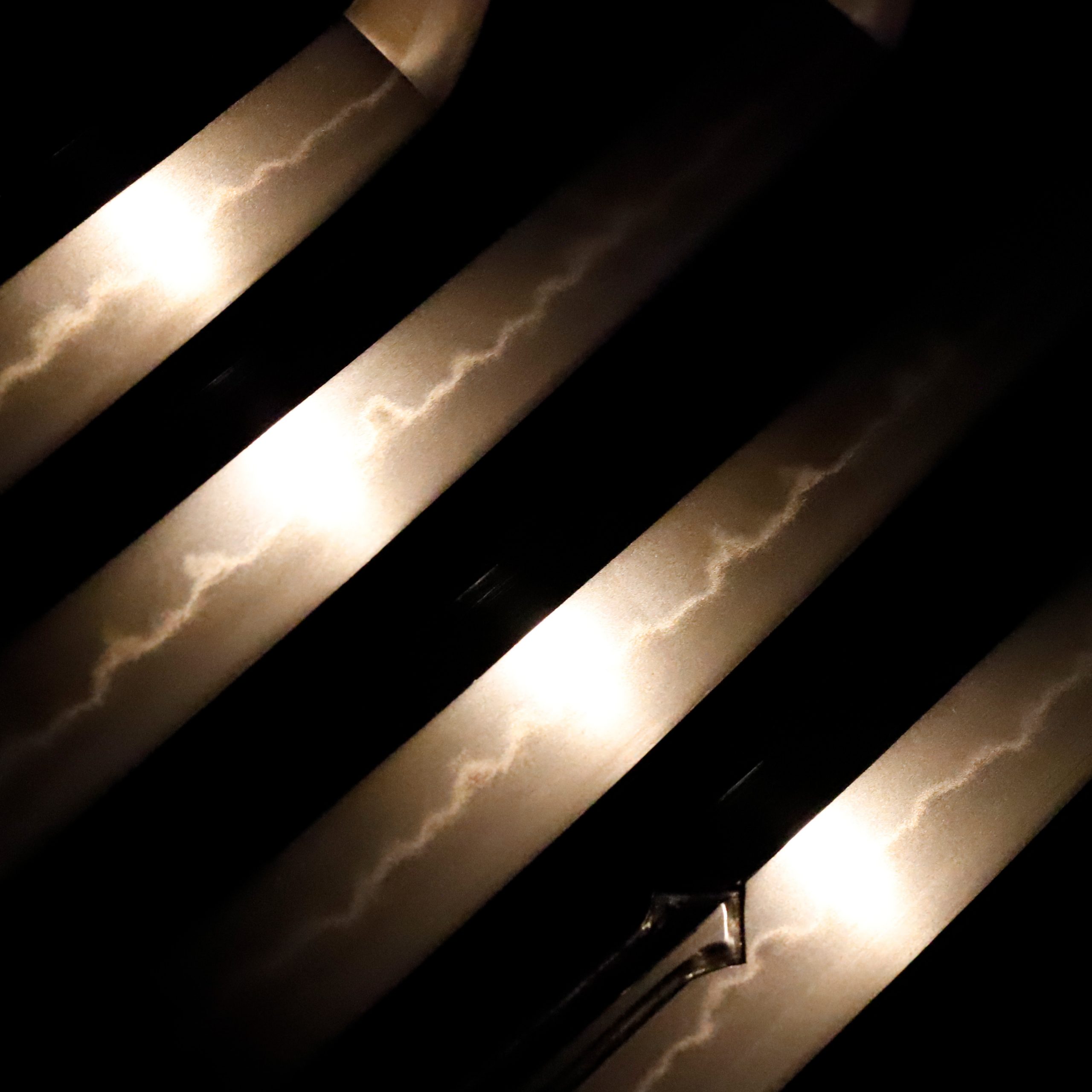
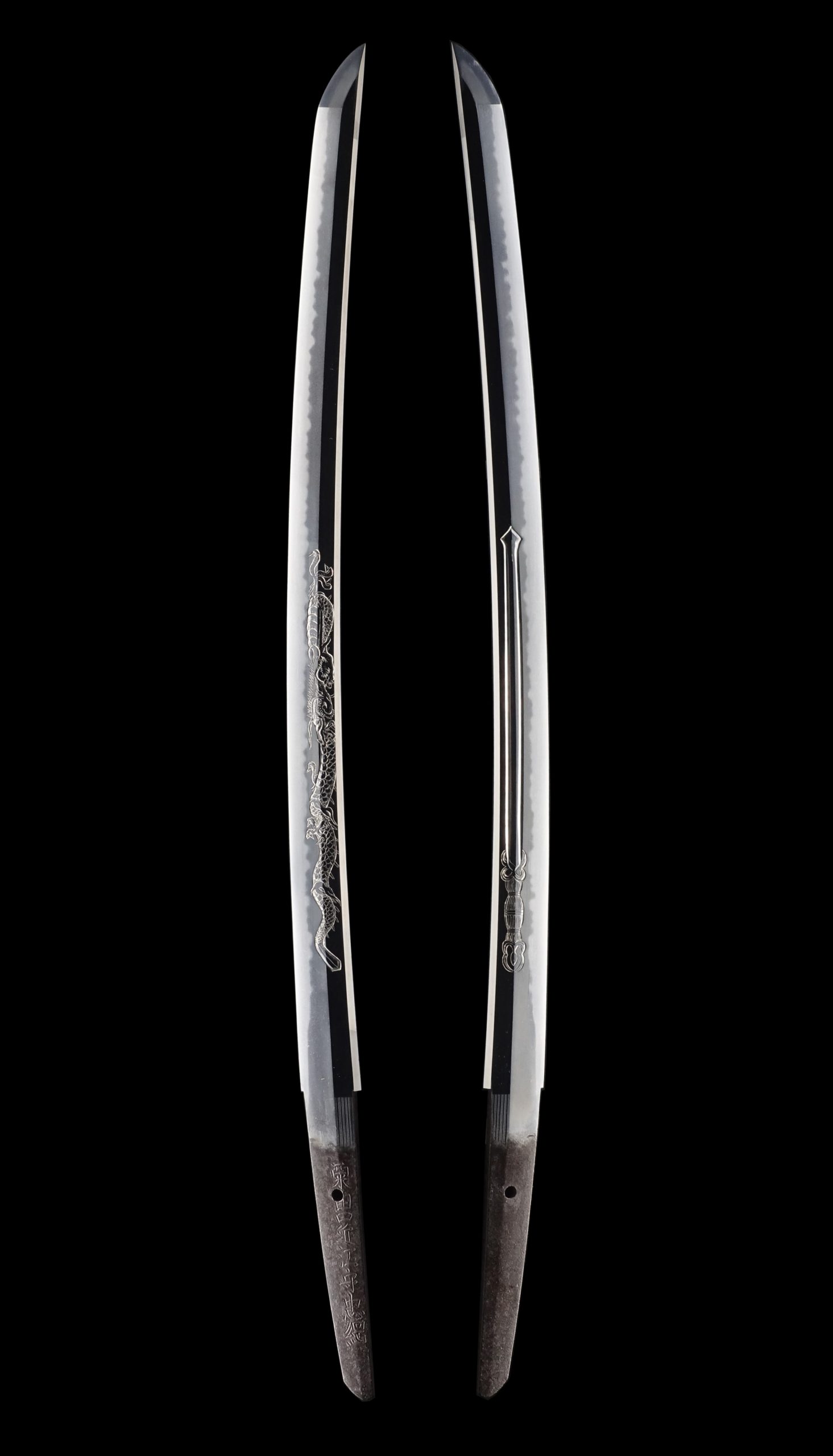
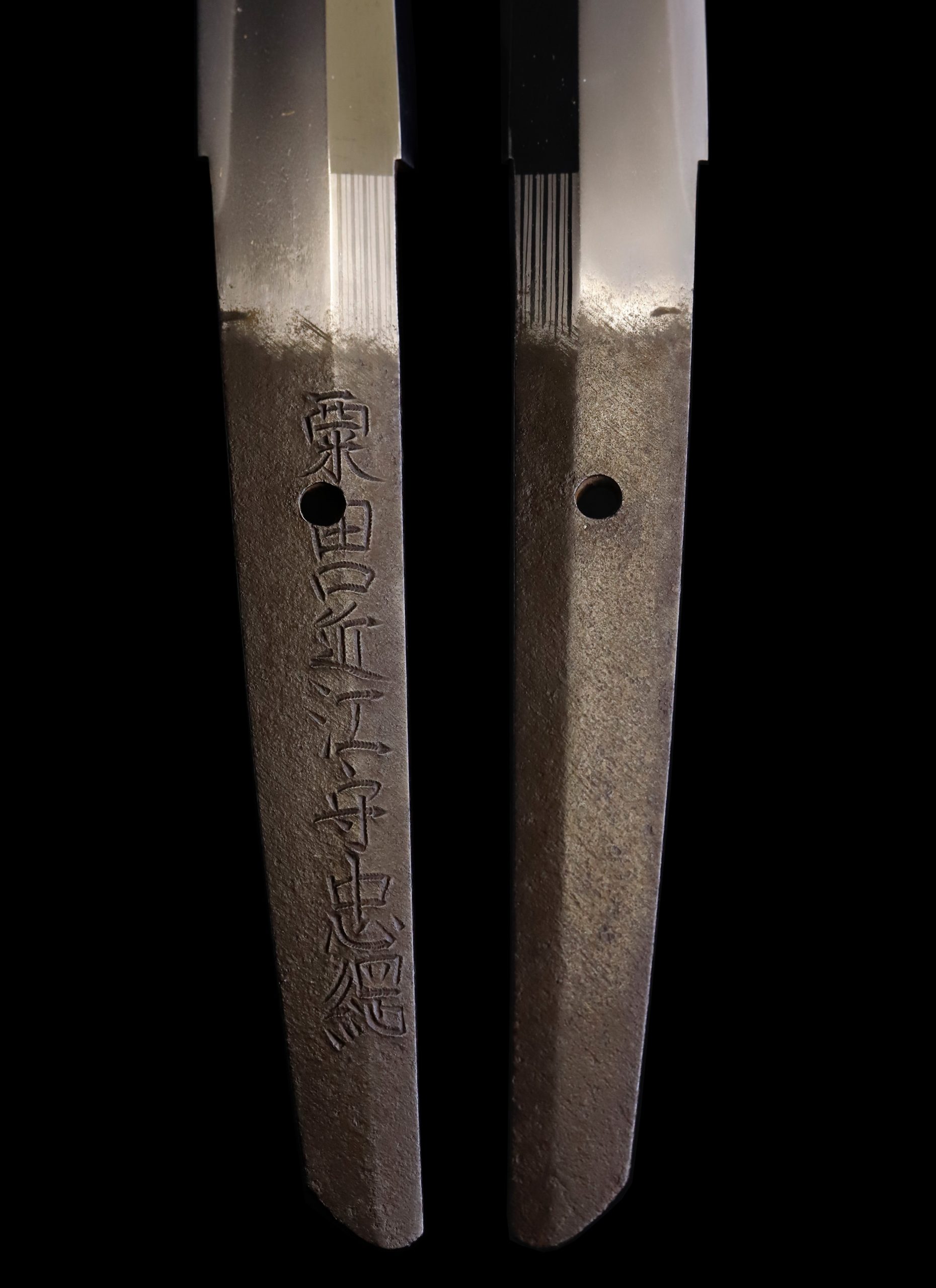
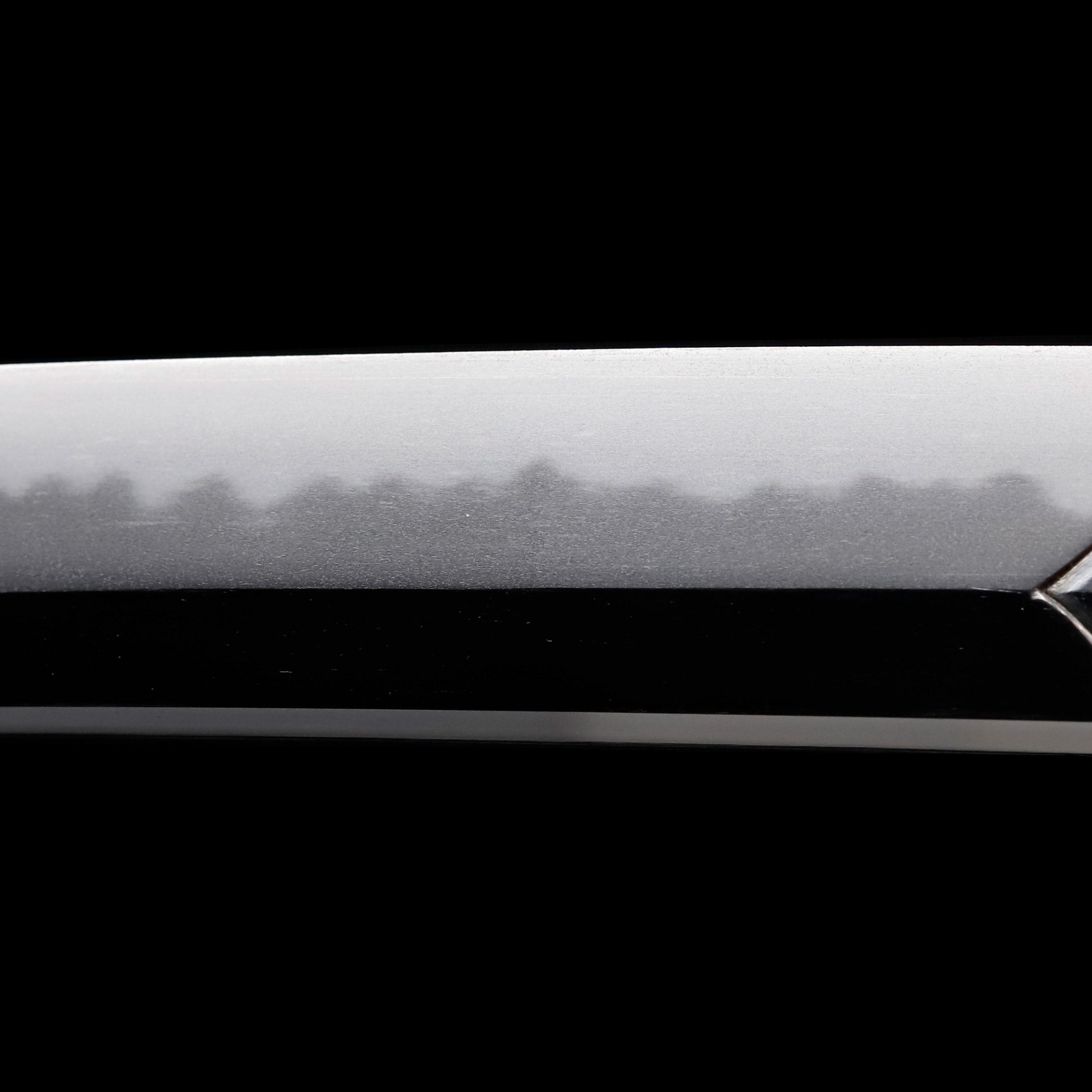
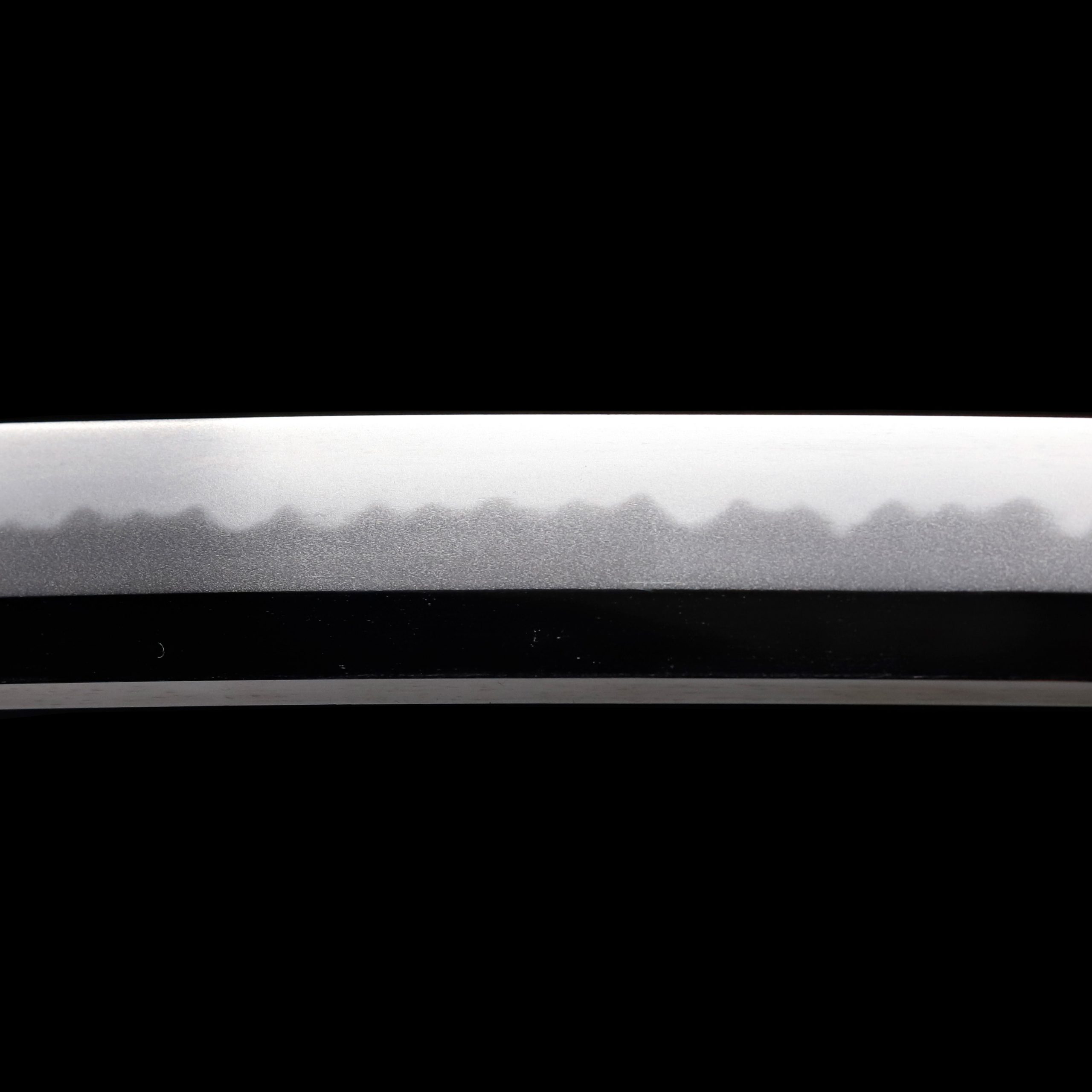
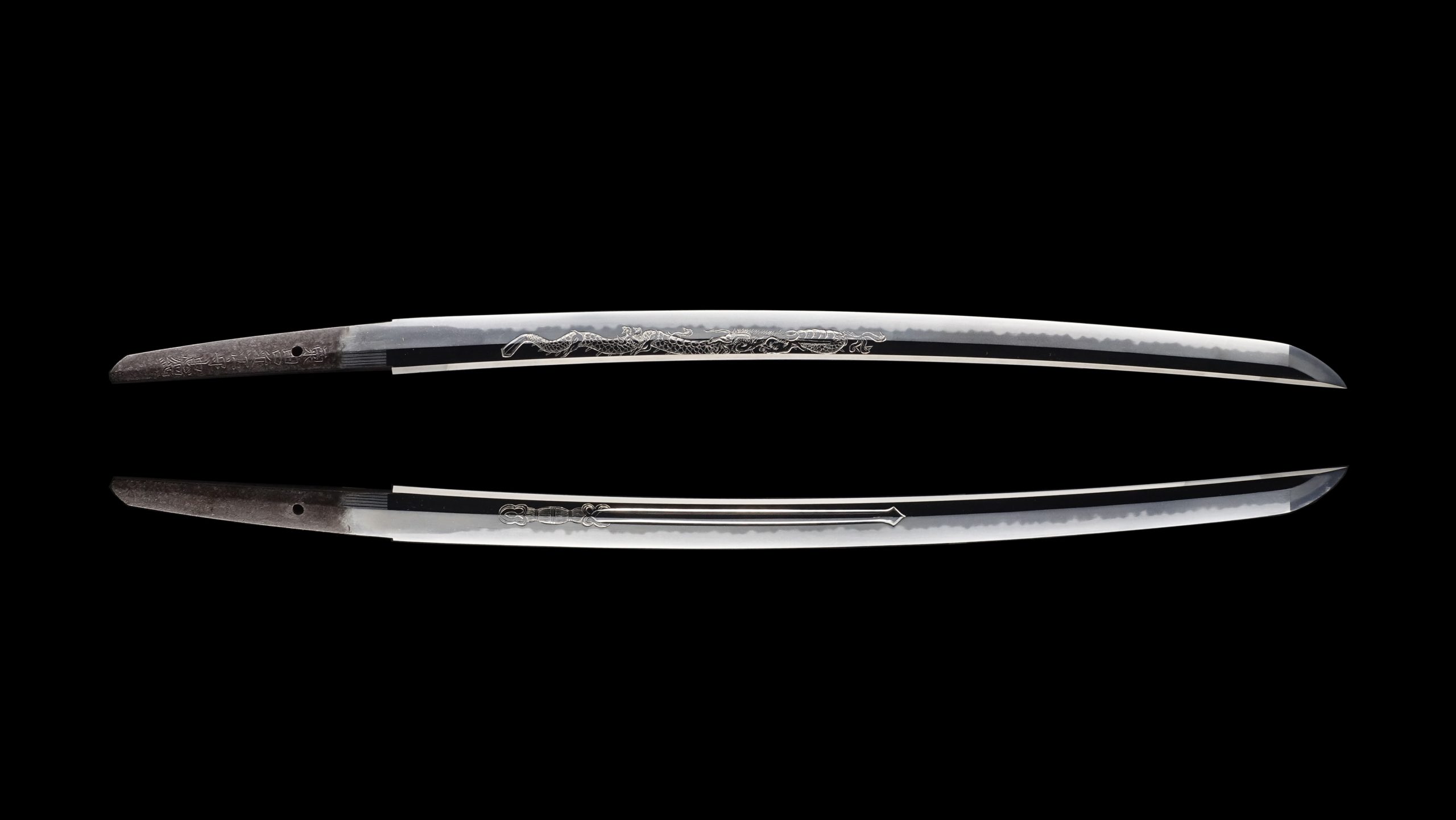
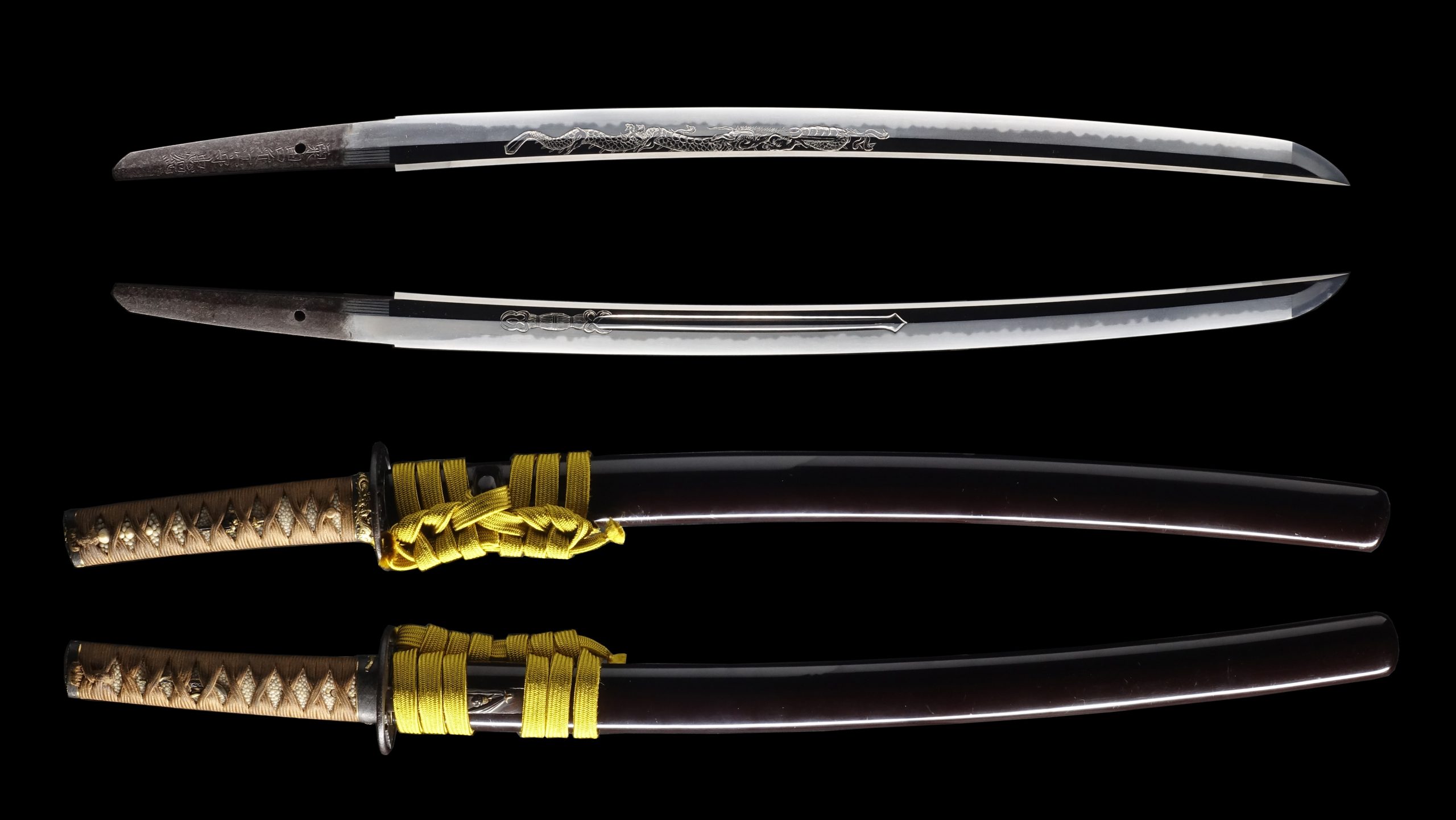
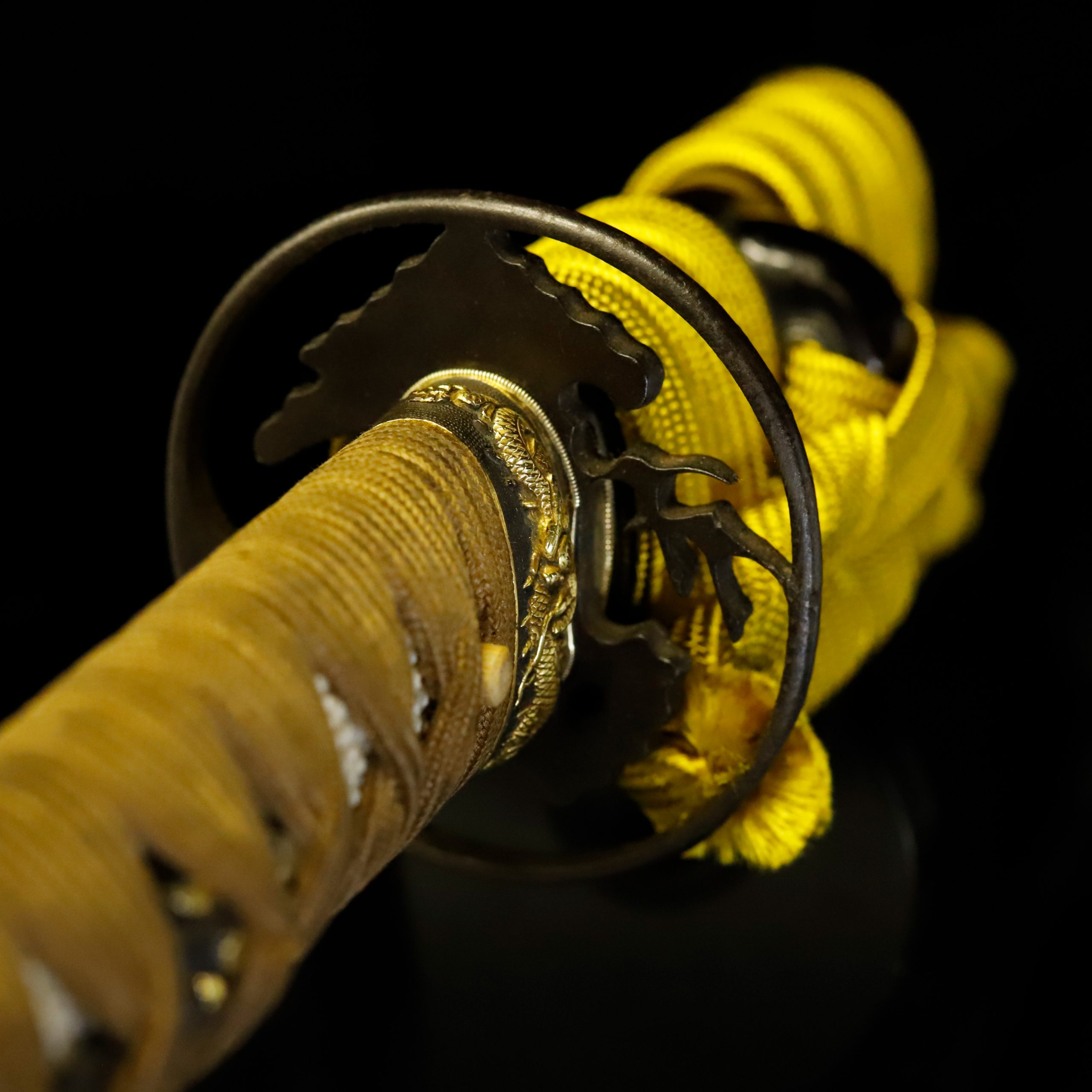
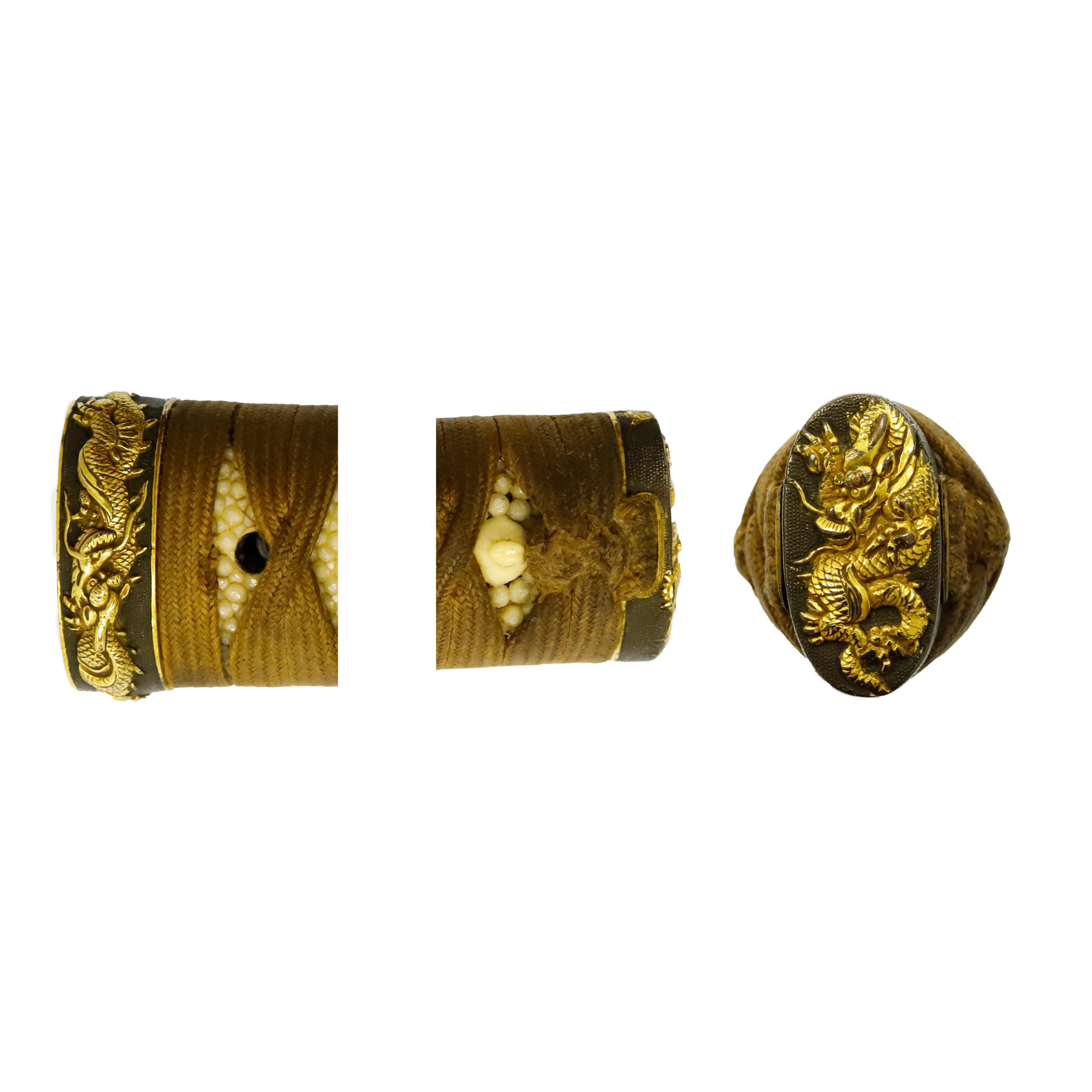
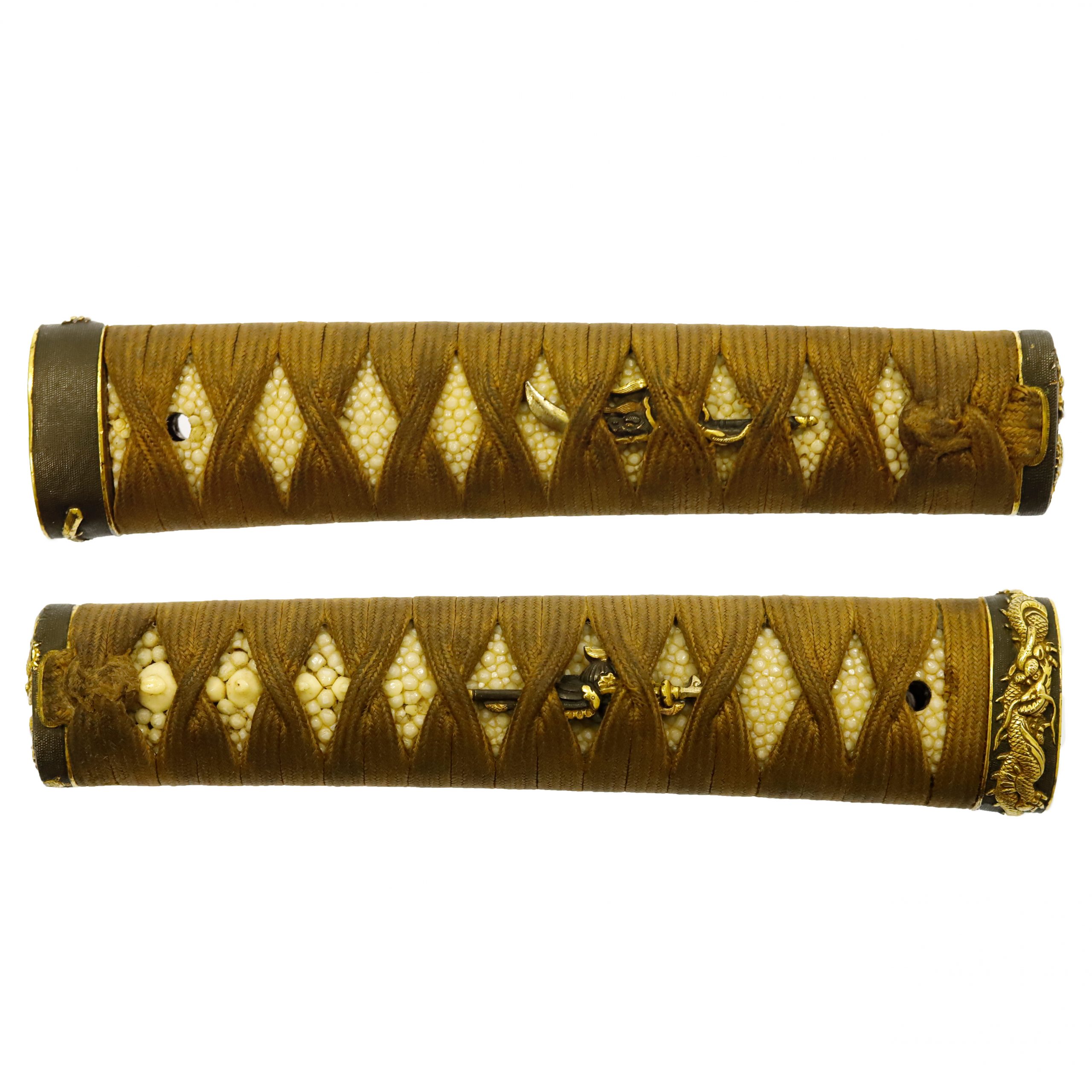
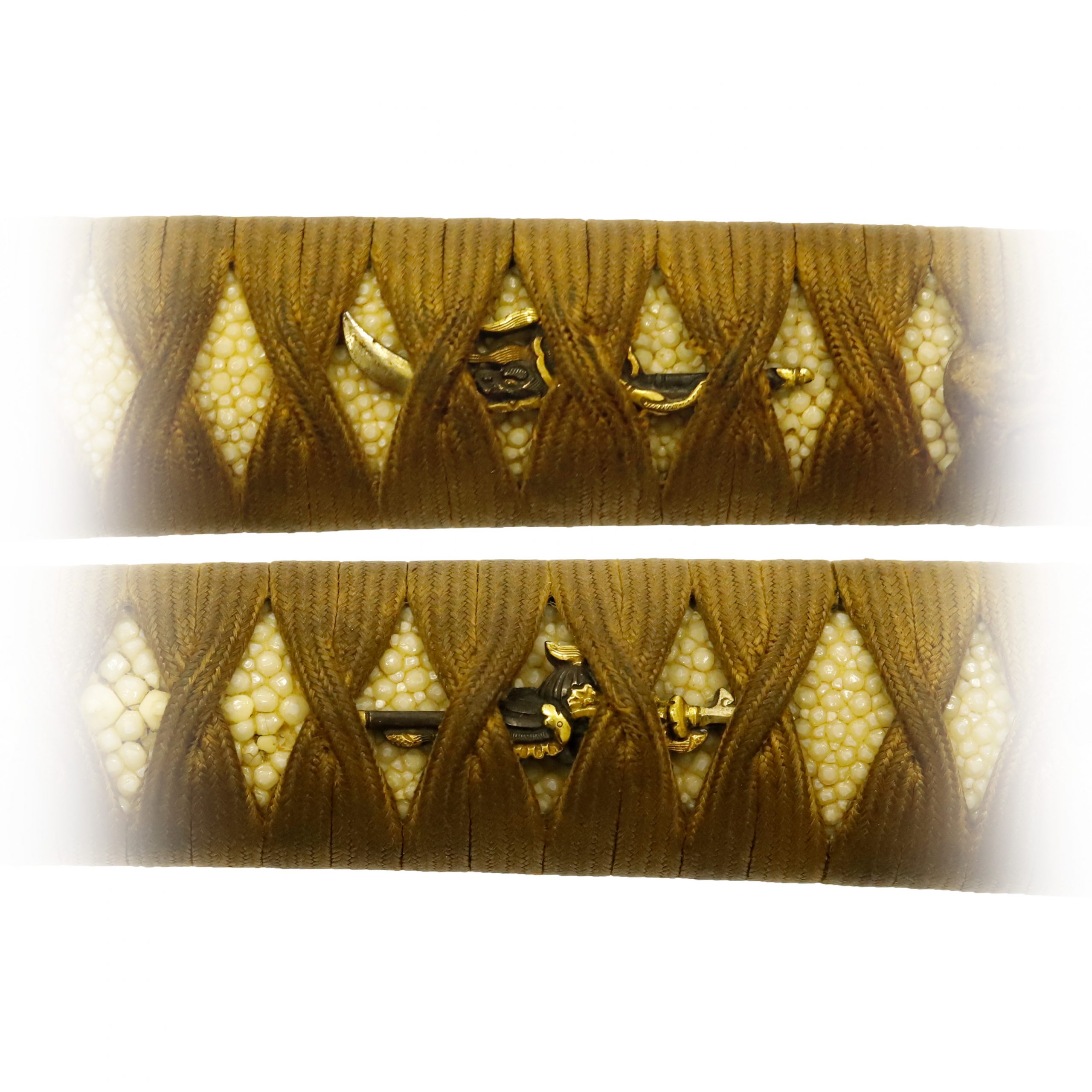
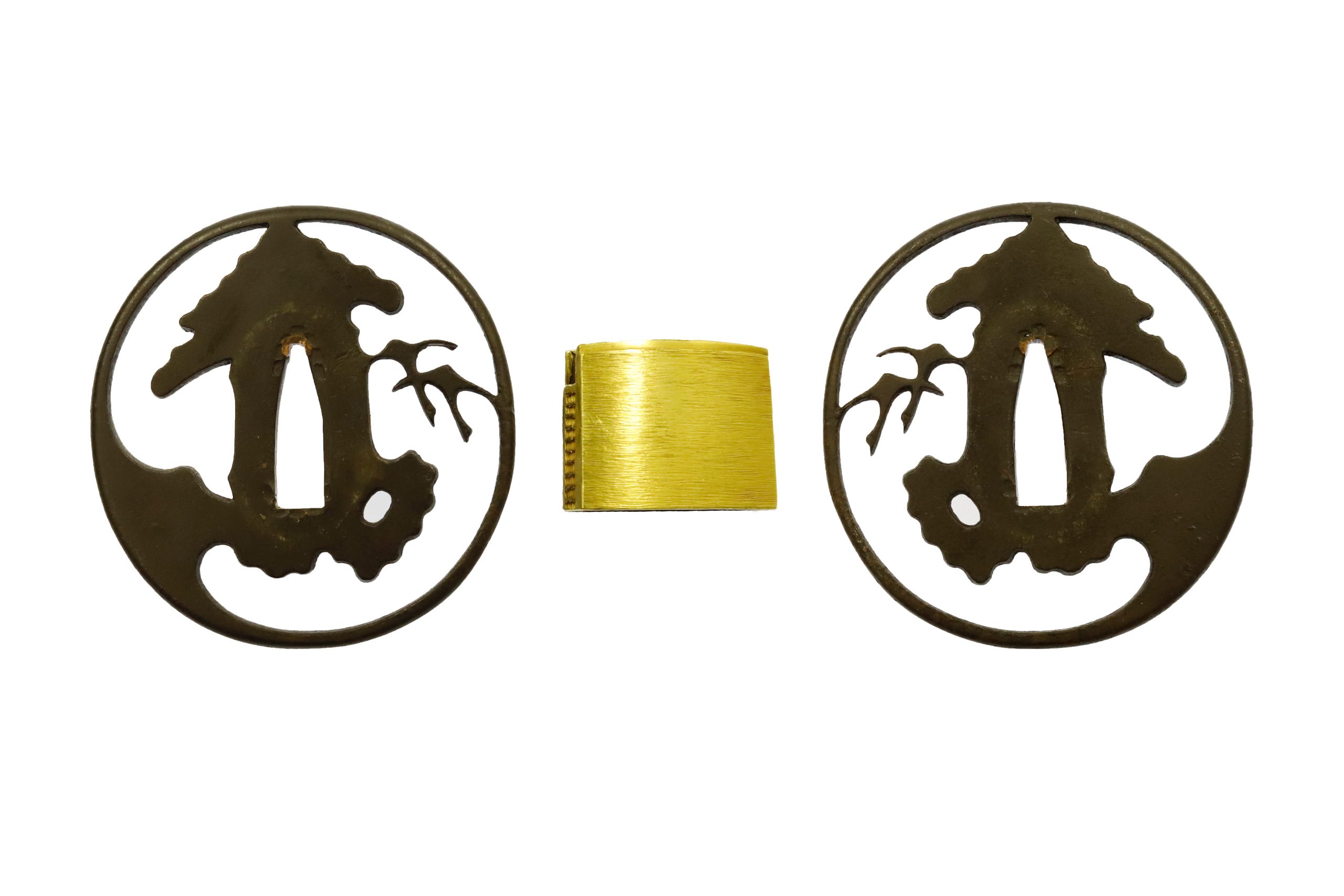
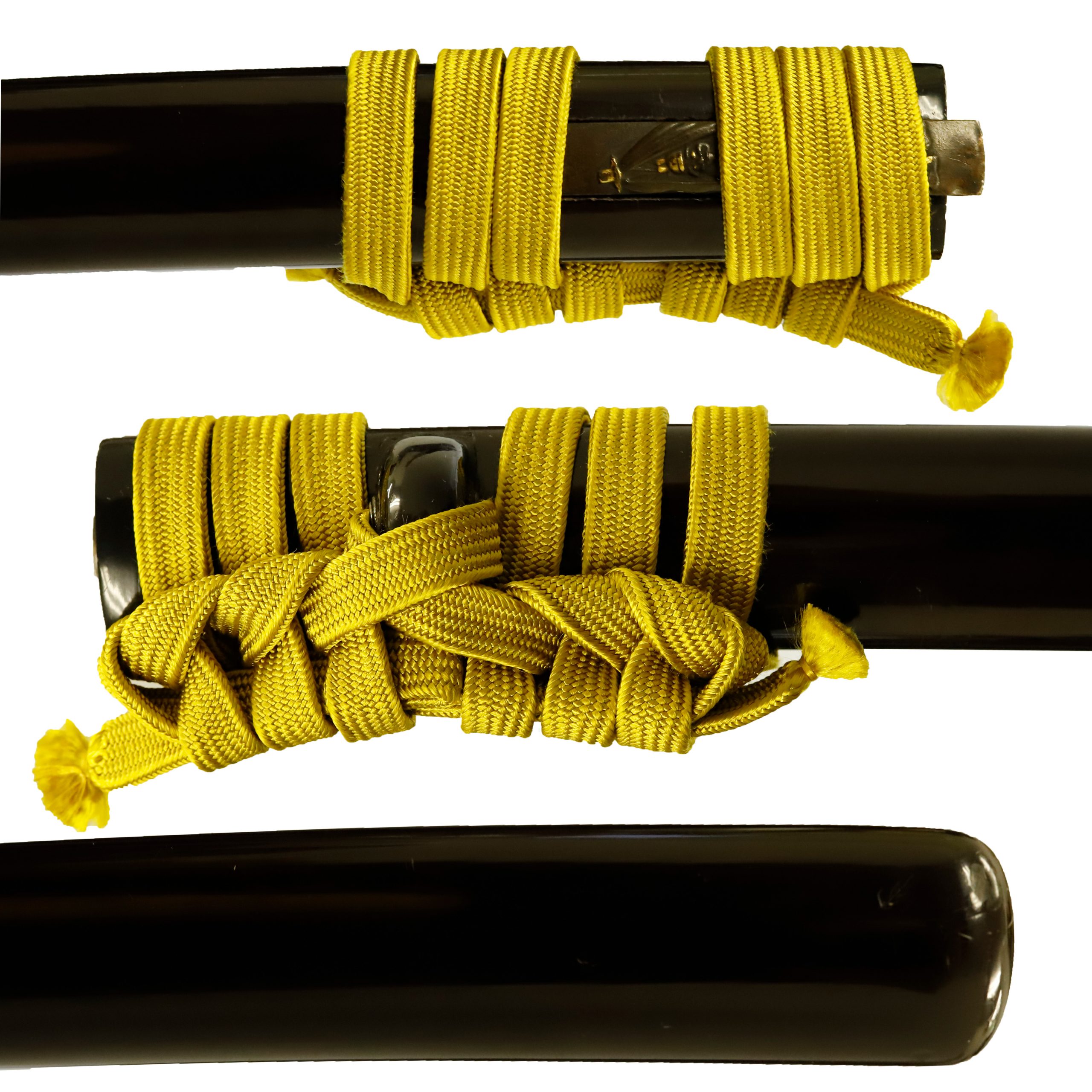
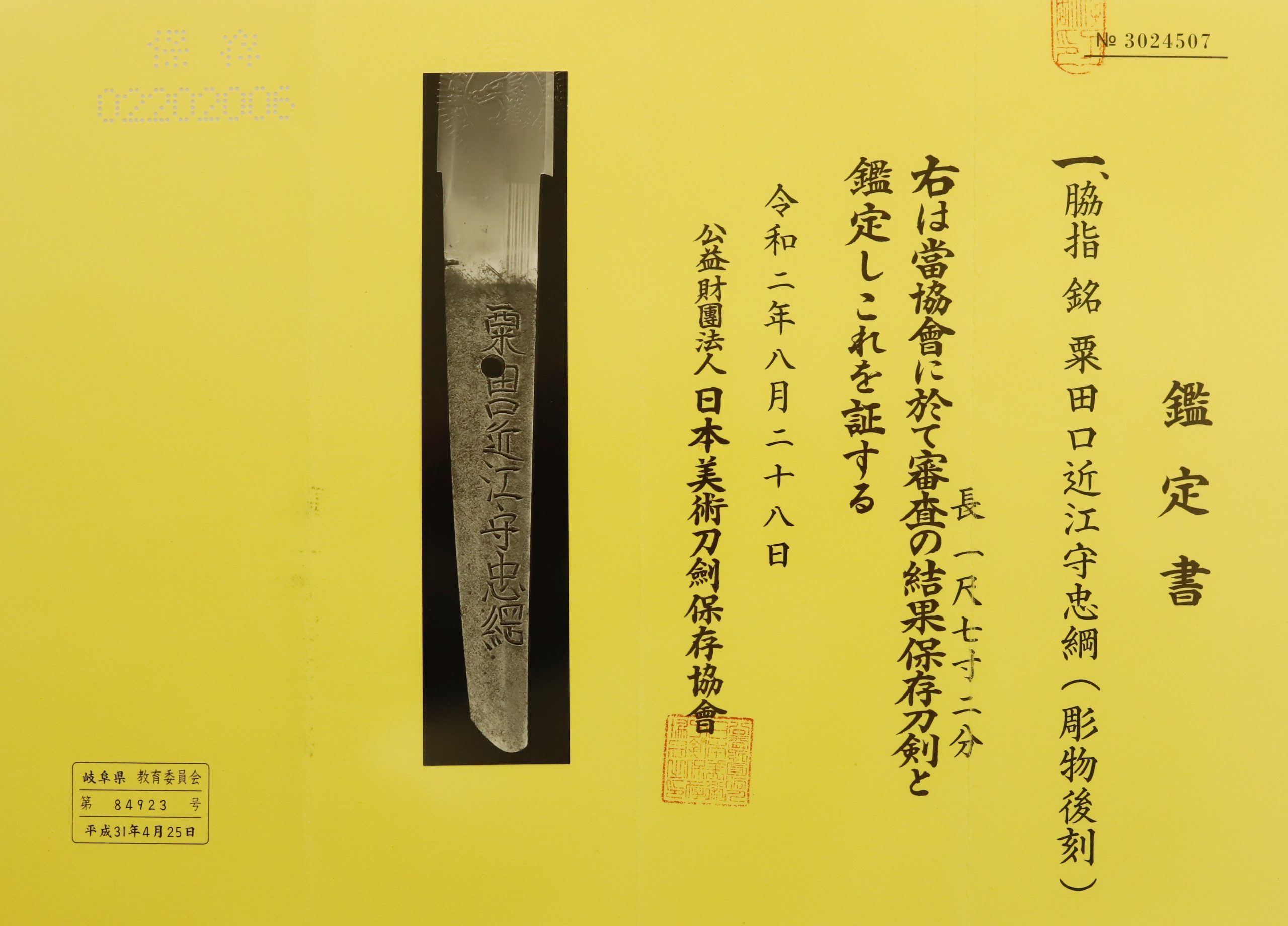
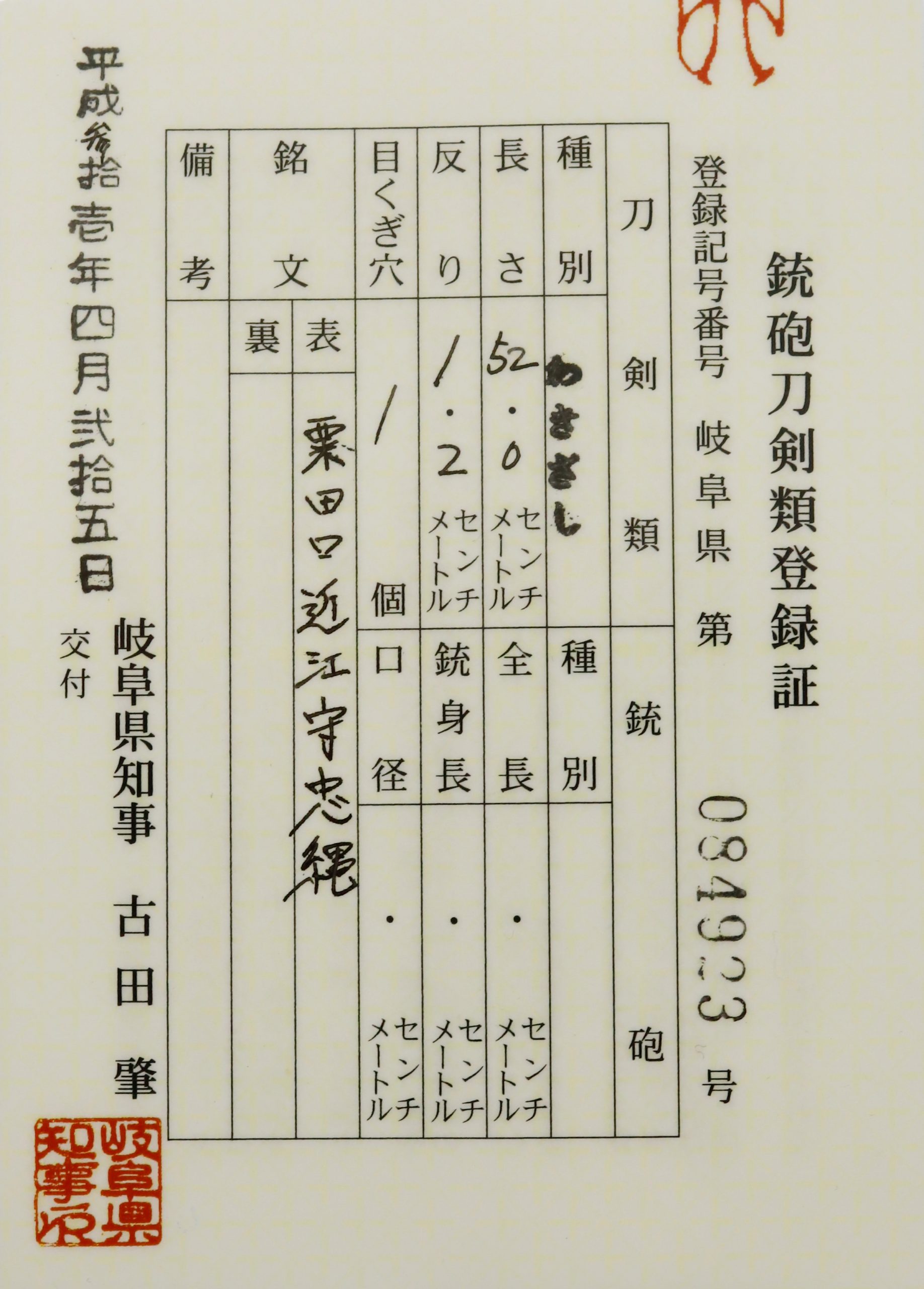
Antique Japanese Sword Wakizashi Signed by Awatacuhi Omi no Kami Tadatsuna with NBTHK Hozon Certificate 【Description】 This blade was signed by Awataguchi Omi no Kami Tadatsuna (粟田口近江守忠綱). The maker’s name Tadatsuna lasted two generations, and we believe it was forged by the first gen, judging from how the signature is written on the tang. He was one of the top-tier swordsmiths during the early Edo period. He was especially active in sword-forging during the Kanei-Manji era ( 1624-1661 ). He was born in the 14th year of the Keicho era (1609) as the son of Asai family in Himeji city, Harima province (Today’s Hyogo prefecture). It is said that he called himself an offspring of Awataguchi Kunitsuna, one of the most famous swordsmiths in Yamashiro province (Today’s Kyoto) during the late Heian-early Kamakura period. This is why Tatasuna signed Awataguchi at the beginning of his signature. According to available records, the earliest work the first-gen Tadatsuna created is from the 6th year of the Kan-Ei era (1629). And he started to forge swords in Yamashiro province in the 14th year of the Kan-Ei era (1637). Eventually, he moved to Osaka in the first year of the Keian era (1648). The latest work signed by the first-gen Tadatsuna is in the 4th year of the Enpo era (1676), when he was 67 years old. His son, the second-gen Tadatsuna, is also known as Ikanshi Tadatsuna, and he is one of the most renowned swordsmiths in Osaka during the early Edo period. He mastered excellent sword-forging techniques from his father, the first-gen Tadatsuna. Osaka Shinto The blades forged by the first-gen Tadatsuna are categorized as Osaka Shinto. Shinto is Japanese Sword terminology that refers to the swords forged during 1596-1781. The blades made in the Osaka area during this period are called Osaka Shinto. There are many famous swordsmiths in this Osaka Shinto era. After Hideyoshi Toyotomi built Osaka castle, Osaka city flourished as a castle town and became the business center. Many swordsmiths moved to Osaka to look for better opportunities. They not only forged swords for those Samurai who lived in Osaka but also for feudal lords nationwide. Ikanshi Tadatsuna(Awataguchi Omi no Kami Tadatsuna), Inoue Shinkai, and Tsuda Sukehiro are the most famous among many swordsmiths. One of the most notable characteristics of Osaka Shinto is its beauty in Jigane. Jigane is a visible steel surface pattern created by folding and hammering during the forging process), which made it possible by the location of Osaka. Osaka had close access to the Tamahagane(special carbon steel to make Japanese swords) production sites. The swordsmiths residing in Osaka were able to get high-quality carbon steel from these sites. Horimono You can find the engraving of a Tsurugi (Double-edged blade) on one side and dragon on the other side. This blade is Kurikaraken, which is the sword that Fudo Myo-O (不動明王, acalanātha) holds with his right hand. Fudo Myo-O is one of the objects of worship in Buddhism. According to a theory, it is the incarnation of Dainichi Nyorai (大日如来, Mahāvairocana, the principal image of esoteric Buddhism). Kurikara-ken was named after its appearance that Kurikara Ryu-O (倶利伽羅龍王, dragon) is winding around the sword. It is believed Kurikara-Ken could cut off worldly desires: Sandoku (三毒). Sandoku is the three fundamental human desires; Ton (貪, greed), Jin (瞋, anger, grudge), Chi (癡, delusion, complaint). The dragon itself is also a popular theme for decorating the Japanese sword. In Japan, people appreciate the dragon design as an all-purpose auspicious pattern. *The certificate mentions that the engraving was made after the blade had originally been forged. It is called Horimono Atobori. This blade is appraised as a Hozon Token(保存刀剣) issued by NBTHK(Nihon Bijutsu Touken Hozon Kyokai:日本美術刀剣保存協会). This authentication paper was only given to authentic Japanese swords, well preserved with artistic value. 【Blade】 Cutting Edge Length(Nagasa) : 52.0 cm ( 20.5 inches
 NihontoWatch
在銘 · 新刀 · 長さ 52cm · 反り 1.2cm
新刀 · 摂津 · 1661-1688頃
刀剣大鑑 上位23%
現在4点販売中
新刀 · 摂津
現在82点販売中
大坂新刀は、商都大坂を本拠として江戸前期から中期にかけて興隆した摂津の一門である。その草創は京の堀川一門にあり、堀川国広の門に学んだ和泉守国貞、親国貞こと国貞と河内守国助とが、慶長十九年に師の没した後そろって大坂へ下り、この地に鍛刀の家を興した。国助は伝に伊勢国の出にして石堂の流れを汲み、堀川より受け継いだ枯れた肌合とともに、古備前を慕う石堂の丁子をこの地にもたらした。そこへ大和文殊系の包保・包道に承けた越後守包貞が摂州に居を構え、肥後菊池より出て井上真改の門を叩いた貞則のごとき遊歴の工も加わって、堀川と石堂と文殊の脈が大坂の地で一つの作域に結ばれていった。やがて親国貞の子真改、津田越前守助広、一竿子忠綱らがあらわれ、寛文・延宝・元禄の頃にこの一門は最も華やぐ。 一門の作風は、まず明るく冴える大坂鍛えに標識を持つ。鍛えはよくつんだ無地風の小板目で、地沸が微塵に厚くつき、地景が細かにさかんに入り、鉄色は明るく潤う。その地の上に、刃区を直ぐに焼き出し、その上から己の刃文を起こすのが一門に通じる約束で、収集家のいう大坂焼出しである。匂口は終始深く明るく冴え、刃縁は締まる。この共通の文法の上に、各工はおのおのの差を置く。井上真改は華やかな乱れを焼かず、よくつんだ精美な地に浅いのたれを帯びた沸深き直刃を本領とし、相州の郷義弘への意図的な写しにその沸の妙味を尽くして、大坂正宗と称された。津田助広は波濤のごとくうねる濤瀾刃を創始し、真改の小沸の直刃と並んで両大関と仰がれる。一竿子忠綱は揃った長足の丁子に簾刃の濤瀾を交え、何にもまして真の倶利迦羅や鯉の滝上りを刻んだ一竿子彫をもって分かたれる。河内守国助の家は丁子の旗頭で、二代中河内は握り拳の頭を戴く拳形丁子を創始して新刀一文字と賞され、その弟肥後守国康や四男国輝もこの石堂の丁子と津田風の濤瀾を担った。越後守包貞は助広に倣う濤瀾に片山乱れと文珠の砂流しを通わせ、貞則は師真改の沸深き直刃をよく継いだ。共通するのは明るい匂口と直ぐの焼出し、異なるのは真改の沈める沸、助広の濤瀾、国助一門の丁子という、地の上に置かれた手の差である。 収集家が大坂新刀を求める理由は、鑑定の勘所が明快で、主要工の格が高いことにある。明るく冴える大坂鍛えと、刃を起こす直ぐの焼出しという二つの見どころは、地と刃のいずれにも紛れなく現れて工と作域を定める手懸りとなり、真改の沸深き郷写し、忠綱の一竿子彫、中河内の拳形丁子といった各工独自の標識が、そこに重なって名を分かつ。一門の作はおおむね在銘年紀で、銘そのものが時の標識となるため、由緒の確かさをもって賞翫される。真改や助広や忠綱の最上手は市に現れることが稀で、現れれば一頭地を抜く出来事となるが、包貞・国助・国康・国輝のごとき名手の在銘作は、辛抱をもって相応に相見え、大坂新刀へ分け入る手近な入口を提供する。来歴の知られる作は谷干城や山内家、皇室の蔵を経て近代に伝わり、美術刀剣としての魅力は、真改の沸と助広の濤瀾が後世の刀鍛冶に及ぼした影響とともに、商都大坂が新刀期に成し遂げた一個の到達を今に伝える。 詳しく見る →
大坂は町人の都であり、刀も金の流れに従った。脇差一腰しか許されぬ町人のための贅沢な作、助広の濤瀾乱れ、大坂正宗と呼ばれた真改。率直に言えば、見られるために作られた刀である。
銘が正しい、または無銘でも年代・国・系統を確実に指摘できる、保存に値する真正の作と鑑定されたものです。
日本美術刀剣保存協会(NBTHK)は、1948年に設立され、文化庁の監督を受ける公益財団法人で、東京・刀剣博物館に本部を置きます。専門の審査員が出品作を直接審査し、美術的・歴史的価値に応じた鑑定書を発行します。NBTHKの鑑定書は、日本刀および刀装具の真正性を示す最も広く認知された基準です。
NBTHK公式サイトReturns/exchanges limited to defects caused by shipping (except willful misconduct or gross negligence by the company); customers must contact within 72 hours of receiving the product.
Antique Japanese Sword Wakizashi Signed by Awatacuhi Omi no Kami Tadatsuna with NBTHK Hozon Certificate 【Description】 This blade was signed by Awataguchi Omi no Kami Tadatsuna (粟田口近江守忠綱). The maker’s name Tadatsuna lasted two generations, and we believe it was forged by the first gen, judging from how the signature is written on the tang. He was one of the top-tier swordsmiths during the early Edo period. He was especially active in sword-forging during the Kanei-Manji era ( 1624-1661 ). He was born in the 14th year of the Keicho era (1609) as the son of Asai family in Himeji city, Harima province (Today’s Hyogo prefecture). It is said that he called himself an offspring of Awataguchi Kunitsuna, one of the most famous swordsmiths in Yamashiro province (Today’s Kyoto) during the late Heian-early Kamakura period. This is why Tatasuna signed Awataguchi at the beginning of his signature. According to available records, the earliest work the first-gen Tadatsuna created is from the 6th year of the Kan-Ei era (1629). And he started to forge swords in Yamashiro province in the 14th year of the Kan-Ei era (1637). Eventually, he moved to Osaka in the first year of the Keian era (1648). The latest work signed by the first-gen Tadatsuna is in the 4th year of the Enpo era (1676), when he was 67 years old. His son, the second-gen Tadatsuna, is also known as Ikanshi Tadatsuna, and he is one of the most renowned swordsmiths in Osaka during the early Edo period. He mastered excellent sword-forging techniques from his father, the first-gen Tadatsuna. Osaka Shinto The blades forged by the first-gen Tadatsuna are categorized as Osaka Shinto. Shinto is Japanese Sword terminology that refers to the swords forged during 1596-1781. The blades made in the Osaka area during this period are called Osaka Shinto. There are many famous swordsmiths in this Osaka Shinto era. After Hideyoshi Toyotomi built Osaka castle, Osaka city flourished as a castle town and became the business center. Many swordsmiths moved to Osaka to look for better opportunities. They not only forged swords for those Samurai who lived in Osaka but also for feudal lords nationwide. Ikanshi Tadatsuna(Awataguchi Omi no Kami Tadatsuna), Inoue Shinkai, and Tsuda Sukehiro are the most famous among many swordsmiths. One of the most notable characteristics of Osaka Shinto is its beauty in Jigane. Jigane is a visible steel surface pattern created by folding and hammering during the forging process), which made it possible by the location of Osaka. Osaka had close access to the Tamahagane(special carbon steel to make Japanese swords) production sites. The swordsmiths residing in Osaka were able to get high-quality carbon steel from these sites. Horimono You can find the engraving of a Tsurugi (Double-edged blade) on one side and dragon on the other side. This blade is Kurikaraken, which is the sword that Fudo Myo-O (不動明王, acalanātha) holds with his right hand. Fudo Myo-O is one of the objects of worship in Buddhism. According to a theory, it is the incarnation of Dainichi Nyorai (大日如来, Mahāvairocana, the principal image of esoteric Buddhism). Kurikara-ken was named after its appearance that Kurikara Ryu-O (倶利伽羅龍王, dragon) is winding around the sword. It is believed Kurikara-Ken could cut off worldly desires: Sandoku (三毒). Sandoku is the three fundamental human desires; Ton (貪, greed), Jin (瞋, anger, grudge), Chi (癡, delusion, complaint). The dragon itself is also a popular theme for decorating the Japanese sword. In Japan, people appreciate the dragon design as an all-purpose auspicious pattern. *The certificate mentions that the engraving was made after the blade had originally been forged. It is called Horimono Atobori. This blade is appraised as a Hozon Token(保存刀剣) issued by NBTHK(Nihon Bijutsu Touken Hozon Kyokai:日本美術刀剣保存協会). This authentication paper was only given to authentic Japanese swords, well preserved with artistic value. 【Blade】 Cutting Edge Length(Nagasa) : 52.0 cm ( 20.5 inches
NihontoWatch在銘 · 新刀 · 長さ 52cm · 反り 1.2cm
新刀 · 摂津 · 1661-1688頃
刀剣大鑑 上位23%
現在4点販売中
新刀 · 摂津
現在82点販売中
大坂新刀は、商都大坂を本拠として江戸前期から中期にかけて興隆した摂津の一門である。その草創は京の堀川一門にあり、堀川国広の門に学んだ和泉守国貞、親国貞こと国貞と河内守国助とが、慶長十九年に師の没した後そろって大坂へ下り、この地に鍛刀の家を興した。国助は伝に伊勢国の出にして石堂の流れを汲み、堀川より受け継いだ枯れた肌合とともに、古備前を慕う石堂の丁子をこの地にもたらした。そこへ大和文殊系の包保・包道に承けた越後守包貞が摂州に居を構え、肥後菊池より出て井上真改の門を叩いた貞則のごとき遊歴の工も加わって、堀川と石堂と文殊の脈が大坂の地で一つの作域に結ばれていった。やがて親国貞の子真改、津田越前守助広、一竿子忠綱らがあらわれ、寛文・延宝・元禄の頃にこの一門は最も華やぐ。 一門の作風は、まず明るく冴える大坂鍛えに標識を持つ。鍛えはよくつんだ無地風の小板目で、地沸が微塵に厚くつき、地景が細かにさかんに入り、鉄色は明るく潤う。その地の上に、刃区を直ぐに焼き出し、その上から己の刃文を起こすのが一門に通じる約束で、収集家のいう大坂焼出しである。匂口は終始深く明るく冴え、刃縁は締まる。この共通の文法の上に、各工はおのおのの差を置く。井上真改は華やかな乱れを焼かず、よくつんだ精美な地に浅いのたれを帯びた沸深き直刃を本領とし、相州の郷義弘への意図的な写しにその沸の妙味を尽くして、大坂正宗と称された。津田助広は波濤のごとくうねる濤瀾刃を創始し、真改の小沸の直刃と並んで両大関と仰がれる。一竿子忠綱は揃った長足の丁子に簾刃の濤瀾を交え、何にもまして真の倶利迦羅や鯉の滝上りを刻んだ一竿子彫をもって分かたれる。河内守国助の家は丁子の旗頭で、二代中河内は握り拳の頭を戴く拳形丁子を創始して新刀一文字と賞され、その弟肥後守国康や四男国輝もこの石堂の丁子と津田風の濤瀾を担った。越後守包貞は助広に倣う濤瀾に片山乱れと文珠の砂流しを通わせ、貞則は師真改の沸深き直刃をよく継いだ。共通するのは明るい匂口と直ぐの焼出し、異なるのは真改の沈める沸、助広の濤瀾、国助一門の丁子という、地の上に置かれた手の差である。 収集家が大坂新刀を求める理由は、鑑定の勘所が明快で、主要工の格が高いことにある。明るく冴える大坂鍛えと、刃を起こす直ぐの焼出しという二つの見どころは、地と刃のいずれにも紛れなく現れて工と作域を定める手懸りとなり、真改の沸深き郷写し、忠綱の一竿子彫、中河内の拳形丁子といった各工独自の標識が、そこに重なって名を分かつ。一門の作はおおむね在銘年紀で、銘そのものが時の標識となるため、由緒の確かさをもって賞翫される。真改や助広や忠綱の最上手は市に現れることが稀で、現れれば一頭地を抜く出来事となるが、包貞・国助・国康・国輝のごとき名手の在銘作は、辛抱をもって相応に相見え、大坂新刀へ分け入る手近な入口を提供する。来歴の知られる作は谷干城や山内家、皇室の蔵を経て近代に伝わり、美術刀剣としての魅力は、真改の沸と助広の濤瀾が後世の刀鍛冶に及ぼした影響とともに、商都大坂が新刀期に成し遂げた一個の到達を今に伝える。 詳しく見る →
大坂は町人の都であり、刀も金の流れに従った。脇差一腰しか許されぬ町人のための贅沢な作、助広の濤瀾乱れ、大坂正宗と呼ばれた真改。率直に言えば、見られるために作られた刀である。
銘が正しい、または無銘でも年代・国・系統を確実に指摘できる、保存に値する真正の作と鑑定されたものです。
日本美術刀剣保存協会(NBTHK)は、1948年に設立され、文化庁の監督を受ける公益財団法人で、東京・刀剣博物館に本部を置きます。専門の審査員が出品作を直接審査し、美術的・歴史的価値に応じた鑑定書を発行します。NBTHKの鑑定書は、日本刀および刀装具の真正性を示す最も広く認知された基準です。
NBTHK公式サイトReturns/exchanges limited to defects caused by shipping (except willful misconduct or gross negligence by the company); customers must contact within 72 hours of receiving the product.