説明

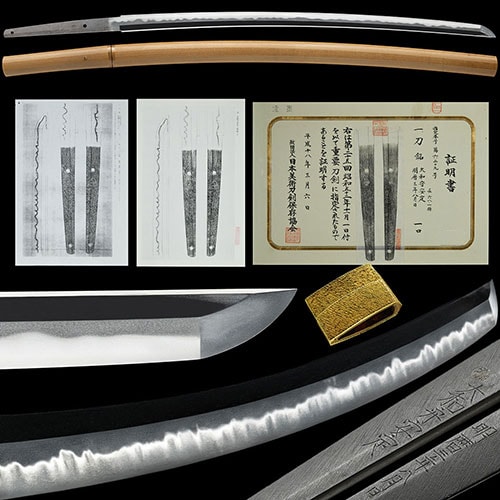
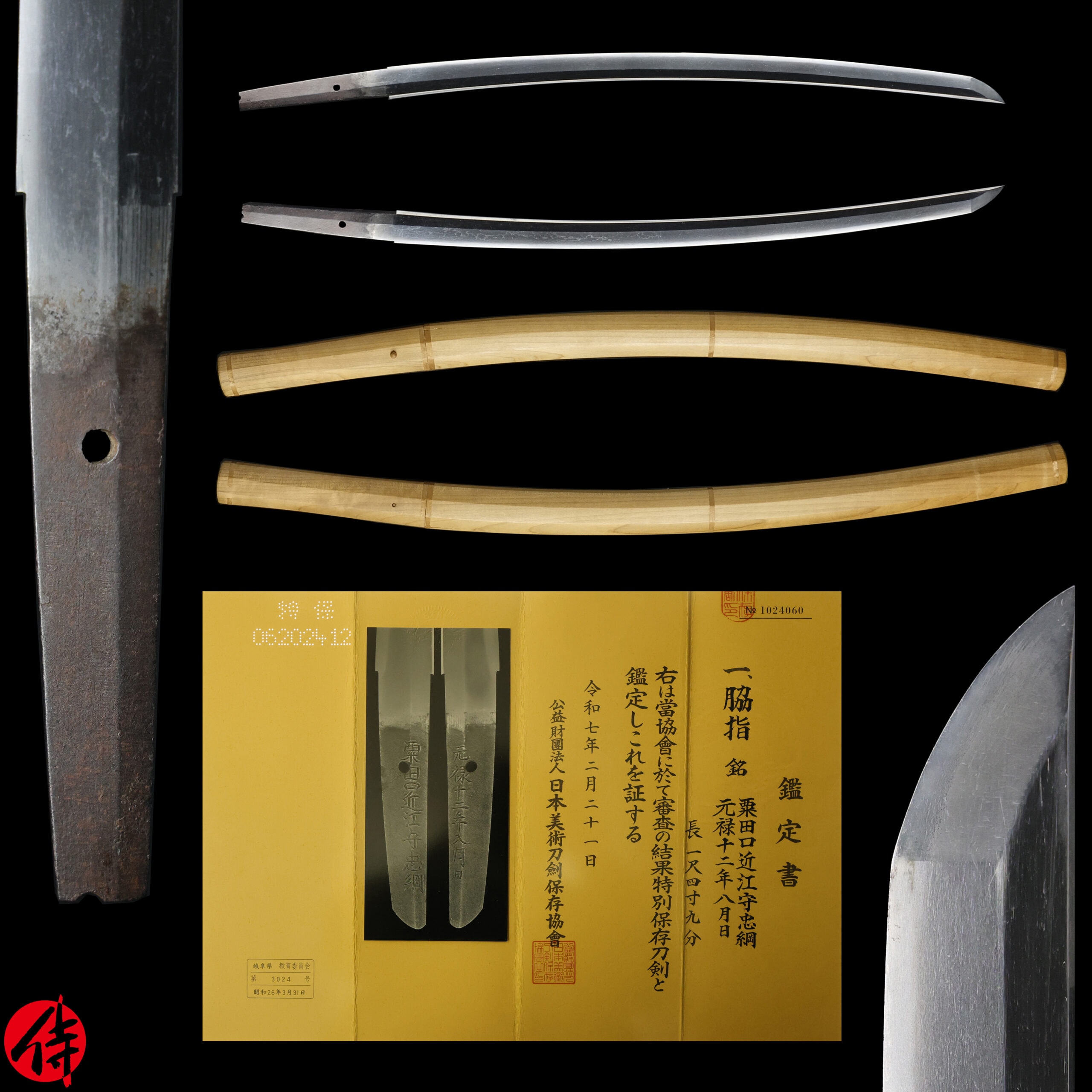
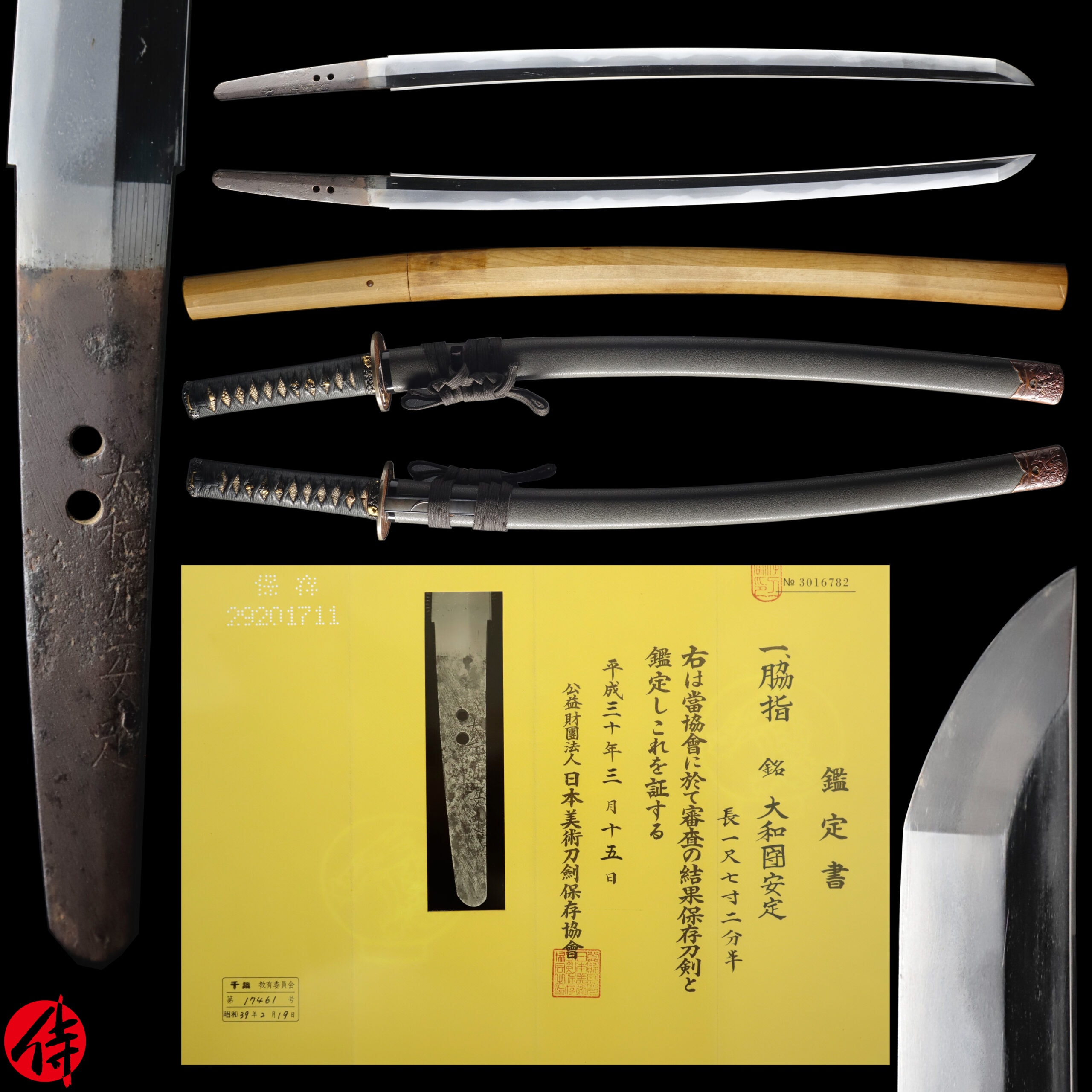
Antique Japanese Sword Wakizashi Signed by Yamato no Kami Yasusada with NBTHK Hozon Certificate 【Description】 Summary This blade was signed by Yamato no Kami Yasusada (大和守安定), who was active during the early Edo period. He is considered one of the top-tier swordsmiths during the early Edo period and he is known for forging extremely sharp blades. He was born in the 4th year of the Genna era (1618). His birthname was Tonda Soubei (富田宗兵衛). Yasusada originally belonged to Kishu Ishido School, one of the most influential schools during the early Edo period. He first received Yamato Daijo (大和大掾) title when he was in Kishu province, and then he was promoted to Yamato no Kami (大和守). Daijo or Kami is an official honorable title given by the imperial court for one’s excellent craftsmanship. After spending his early career in Kishu province, he moved to Edo city in 1648 and became an apprentice for Izumi no Kami Kaneshige. Additionally, it is said that Yasusada also learned sword-forging techniques from the third-gen Yasutsugu. Yasusada did Gassaku with the third-gen Yasutsugu as well. Two masters he served were renowned swordsmiths, and he must have learned excellent techniques from them. In 1655, Yasusada was invited by the Date clan to Sendai City in Miyagi prefecture. He forged a blade and dedicated it to Sendai Toshogu shrine for Tokugawa Ieyasu’s death anniversary. He also devoted another creation to the Zuihoden mausoleum for Date Masamune’s death anniversary. This fact simply indicates that Yasusada’s craftsmanship was acknowledged and appreciated nationwide, not only in Edo City. He moved to Edo city at around 30 years old, and there was a remaining work made in 1670 when he was 53. As we explained earlier, his swords have been known for their sharpness. There are many records of his swords passing the test-cutting process (Tameshigiri). In his career, he pursued and researched sword forging to make extremely sharp blades that were practically effective in battles. It is said that Yasusada often received orders from high-class Samurai or feudal lords. According to the book (Kaihou Kenjyaku) published by Yamada Asaemon in the late Edo period, a blade forged by Yasusada was ranked as Yoki wazamono (excellent sharpness). The Edo government hired Asaemon as an expert on Tameshigiri, or testing cutting. In this book, he judged how sharp Japanese swords forged by prestigious swordsmiths were. At the end of the Edo period, Yasusada’s fame became at another level because a few members of Shinsengumi owned blades made by Yamato no Kami Yasusada, including Okita Soji and Saito Hajime. They love Yasusada’s work for its sharpness and craftsmanship. Ishido School Ishido school was initially founded by Sukenaga, an offspring of Ichimonji Sukemune, who had created Fukuoka Ichimonji school in Bizen province (Today’s Okayama prefecture). During 1492-1501 (Mid Muromachi period), Sukenaga and his school moved from Bizen province to Omi province after being summoned by Gamou family, a powerful feudal line in that region. Sukenaga started to live in front of Ishido temple, and he changed his surname to Ishido. As of the early Edo period, many Ishido swordsmiths in Omi province moved to other parts of Japan. Four major branches flourished in Edo, Osaka, Kishu (Wakayama prefecture), and Chikuzen (Fukuoka prefecture). Following this trend, Yasuhiro, a prominent figure in Omi Ishido school, moved to Kishu province from Omi province. It is said that Yasuhiro was the founder of Kishu Ishido school. There is a record where Yasuhiro and Yasusada forged a blade together. When two swordsmiths collaborate to create one work, it is called Gassaku (合作). It was generally done by a master and his apprentice or his son. This fact indicates that Yasusada had a close tie with the head of Kishu Ishido school. This blade is appraised as a Hozon Token (保存刀剣) issued by NBTHK(Nihon Bijutsu Touken Hozon Kyokai:日本美術刀剣保存協会). This authentication paper was only given to authe

Early Edo Wakizashi Signed by Yamato no Kami Yasusada| Samurai Museum Shop E-mail FB Messenger Skip to content Menu Close Samurai Museum Shop Products Antique Japanese Sword Wakizashi Signed by Yamato no Kami Yasusada NBTHK Hozon Certificate
売切れ
Hozon売切れ

Early Edo Wakizashi Signed by Yamato no Kami Yasusada| Samurai Museum Shop E-mail FB Messenger Skip to content Menu Close Samurai Museum Shop Products Antique Japanese Sword Wakizashi Signed by Yamato no Kami Yasusada NBTHK Hozon Certificate

脇差

売却済

世界81社の刀剣商を横断追跡 · 価格履歴 · 売却アーカイブ

仕様

長さ

52.2 cm

反り

1 cm

作者について

Ishido Yasusada安定

11 重要刀剣

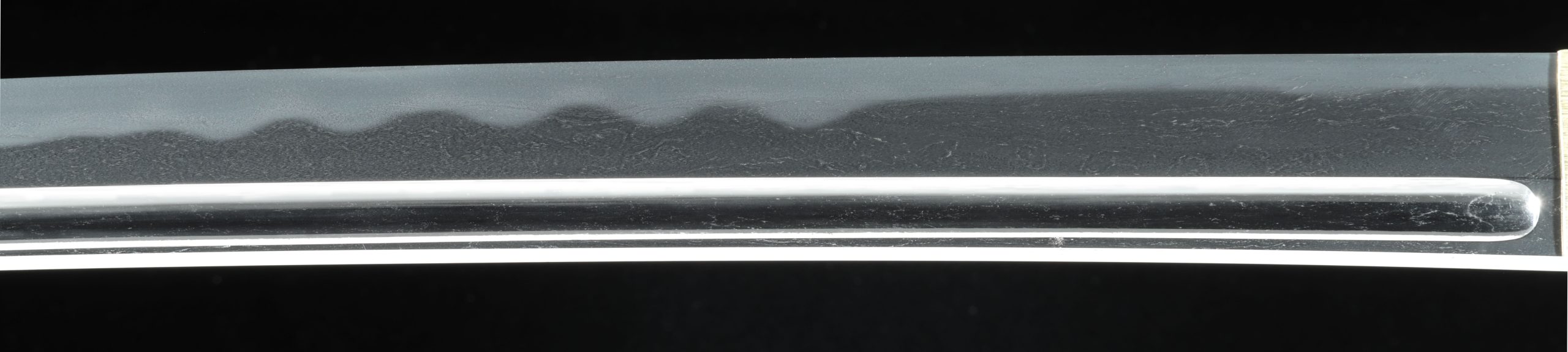
高知県に蔵される一刀の裏には、万治二年に武州江戸で行われた弐ツ胴切落を記す山野加右衛門尉永久の金象嵌截断銘が切られ、表には同じ手がやや大振りの五字銘で大和守安定と銘している。頑健な在銘刀に山野の截断銘を伴うこの取り合わせは、安定の現存作のほぼ全体を貫き、彼を見分ける最も手近な目印である。安定は元和四年の生れ、姓を冨田(トンダと読む)と称し、説明書は『新刀弁疑』に従って、その出自を従来説の越前ではなく紀州石堂派に置き、慶安元年までに江戸へ出て寛文新刀期を代表する作者の一人となったとする。初代越前康継門弟とする旧説を説明書は年代上の理由から否め、寛文十年紀の行年五十三歳作の存在が元和四年生れを定めて、初代の没する三年前にあたることを示し、むしろ作風・茎仕立・山野家の截断銘の共通性より和泉守兼重門とする説を最有力とする。 姿は十七世紀中葉の重ねのある刀で、鎬造に庵棟、反り浅く、鎬高く身幅の割に鎬地広く、元に踏張りごころがあって中鋒つまり、重ね厚く造込みは率直に頑健である。これに小板目をよくつめて鍛え、杢を交えて処々ことに裏に目立ち、肌の立つところでかねがやや黒みをおびる。そこへ地沸が微塵に厚くつき、地景が細かによく入って、優品の地鉄はつんで明るく見える。最も彼を分かつ刃文は、頭や谷の角ばるのたれに互の目を交えたもので、小互の目や尖りごころの刃をまじえ、匂深く小沸よくつき、処々荒めの沸を交えて叢となり、細かに金筋・砂流しがかかって、匂口は沈みごころとなる。説明書は、この乱れの角ばりを、匂口の沈みや庵棟のおろしの急なる点とともに、彼の手を知る見所として挙げる。 帽子は下の刃に応じて直ぐ又は浅くのたれ、小丸に返ってやや深く返ることもあり、先はしばしば掃きかける。万治の脇指の一口では表が直ぐ、裏が浅くのたれごころをおびるなど、彼の作に繰り返される小さな左右差が見える。刃中以外の働きも見どころで、処々に小さな湯走り状の飛焼が地に交じり、生ぶの茎は刃上がり栗尻に大筋違の鑢目をかけ、これ自体が山野家と共通する特徴として、説明書が兼重説の証左の一つに数える。彫物は少ないが、前期の脇指の一口は表裏に護摩箸を施し、表は丈短く裏は長い。 説明書はその作風を二様に分け、指定ごとにほぼ同文で「安定の作風は、大別すると二様があり、一つはのたれに互の目を交え、のたれが角ばる傾向のものと、他は互の目を主調とした乱れ刃であり、同作中では、前者の作例が多い」と記す。前者が右の角ばるのたれ互の目で作例が多く、後者は互の目を主調とした乱れ刃で、時に大互の目の大模様に焼高く乱れ、金筋・沸筋・砂流しを盛んに交えた華やかな出来となり、説明書はこれを比較的少ない方とする。少ない後者にも刃中に角ばる互の目が看取され、最も典型を外れた作にも彼の個性が窺える。年紀作は慶安より延宝に及ぶが、説明書は「万治頃が大成期とみられ、最も覇気のある作品が多い」とする。 標目は名目上の師よりも手の近い工に照らして読まれ、説明書はその作風を、地刃の冴え・茎仕立・山野の截断銘を共にする和泉守兼重に最も近く、時に和泉守兼定にも近いとし、作風は虎徹に相通うものがあるとする。江戸の名工虎徹はその頑健な刀こそ安定が最も似る相手である。截断銘の工との繋がりは最も確かな糸で、江戸の工で山野家の金象嵌截断銘を同等の密度で負うのは虎徹のみであり、説明書は安定における永久の截断の数を「馬徹とほぼ同数かそれを上回ると思われる数」と記す。二代も大和守安定と銘したが作刀は極めて少なく、名は事実上初代に帰する。 安定の作は国宝・重要文化財ではなく重要刀剣の域に遺り、その記録に国宝も重要美術品もない。ここに公的記録のある八口はいずれも重要刀剣で、うち七口が在銘、多くが山野の截断銘を負う。来歴は截断の工その人に繋がり、永久すなわち永久(栄久)の金象嵌銘が優品の裏に立ち、一刀には所持者壱波三四郎の名も見えるが、説明書はこれを今後の考証に俟つとする。秋田の第十二回の傑作を協会は「同作中の傑作の一本である」と評し、高知の幅広く頑健な万治の刀については「豪壮な造込みに相応しい出来映えを示した本作は同工の入念且つ会心の一口と言えよう」と記す。山野の截断銘を遺した在銘の安定は、指定の国宝のように手の届かぬものではなく、その記録の多くは取引可能な重要刀剣・特別保存の域にあるが、それでも所蔵されることの方が多く、頑健な造込みに永久の銘を伴う完備した一口が市場に現れるのは時折のことで、現れれば寛文新刀の江戸を代表する一振として求められる。

刀剣商

サムライミュージアム

samuraimuseum.jp

売切れ