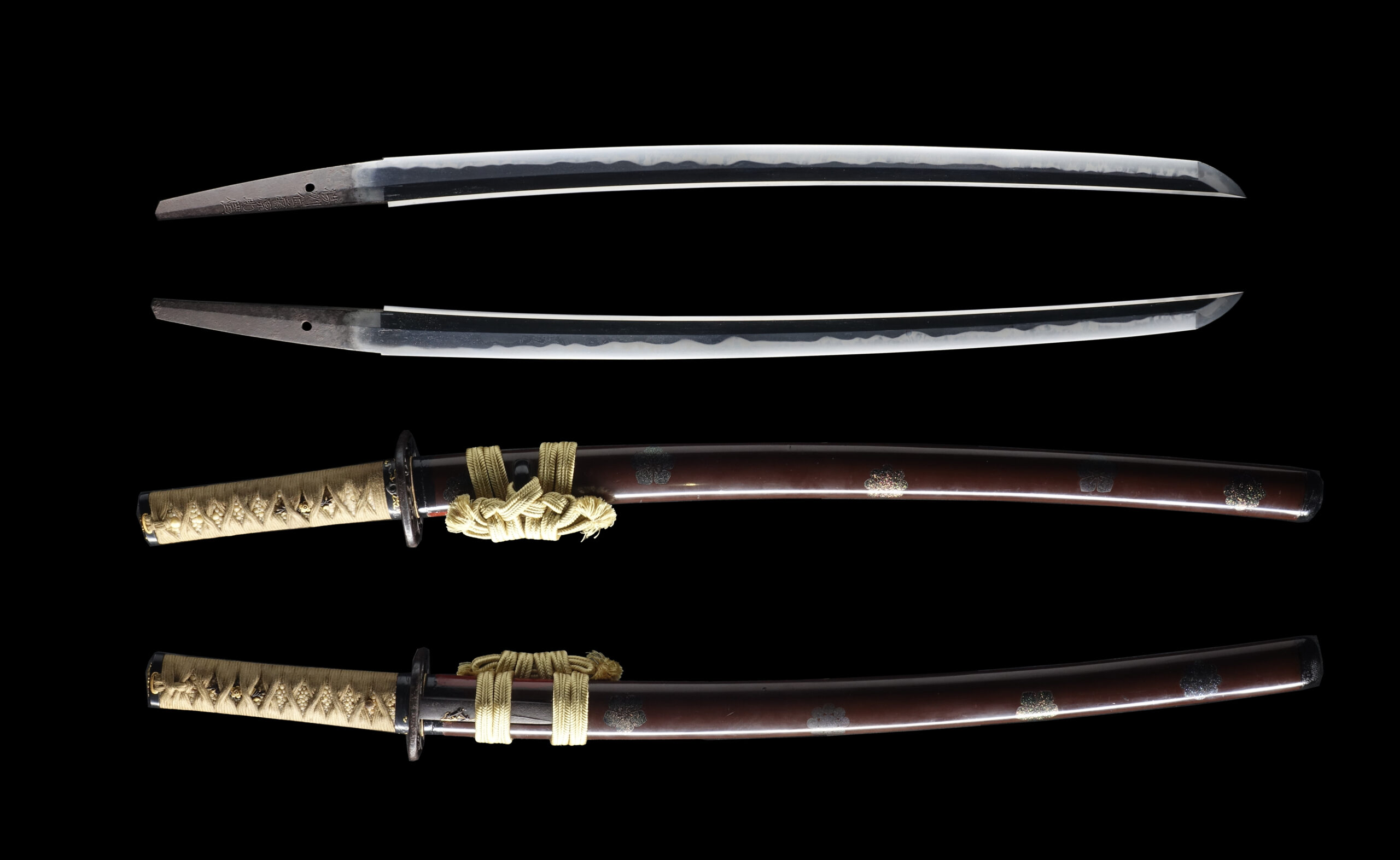
Antique Japanese Sword Wakizashi Signed by the first-gen Sukehiro NBTHK Tokubetsu Hozon Certificate
売却済
世界81社の刀剣商を横断追跡 · 価格履歴 · 売却アーカイブ
仕様
54.8 cm
1.2 cm
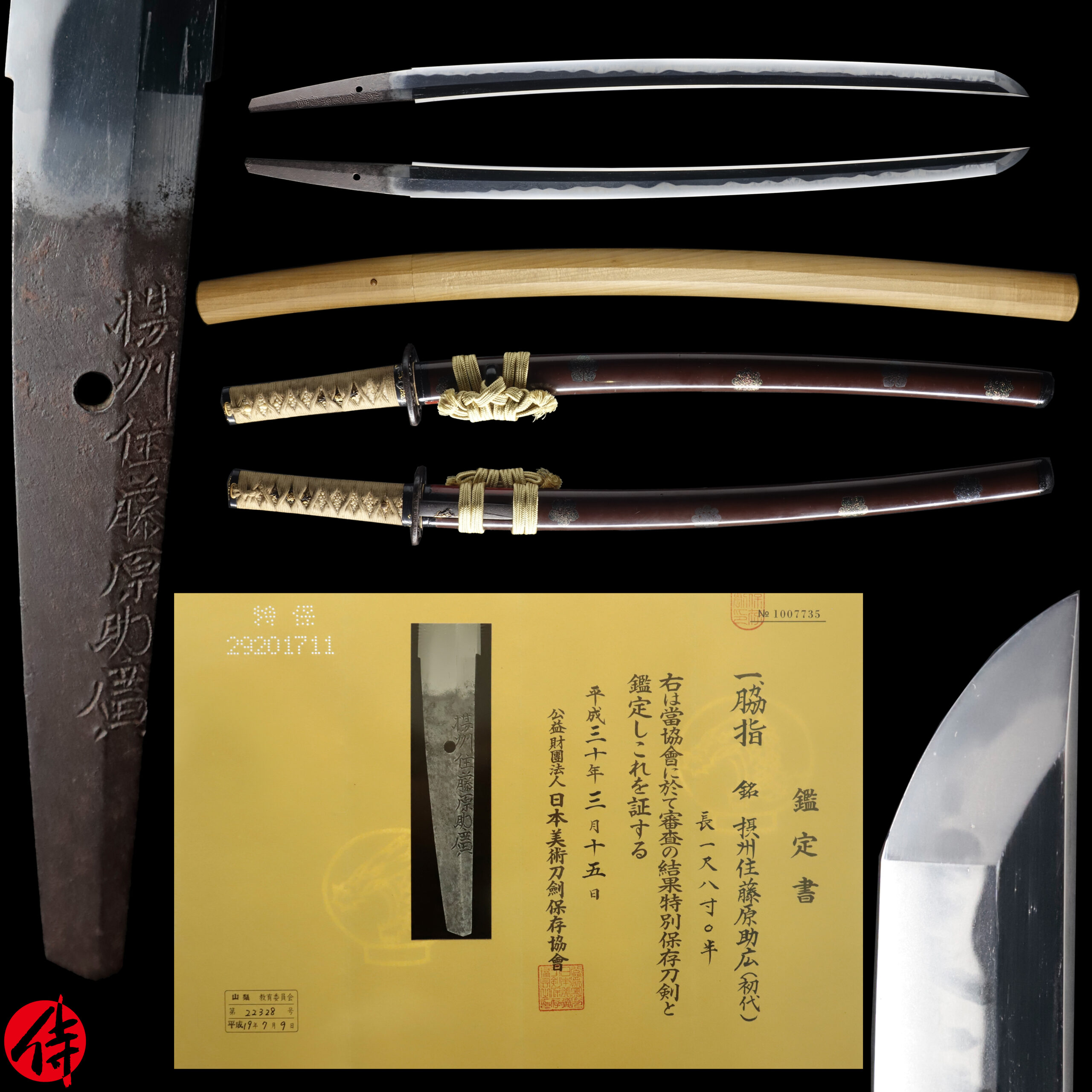
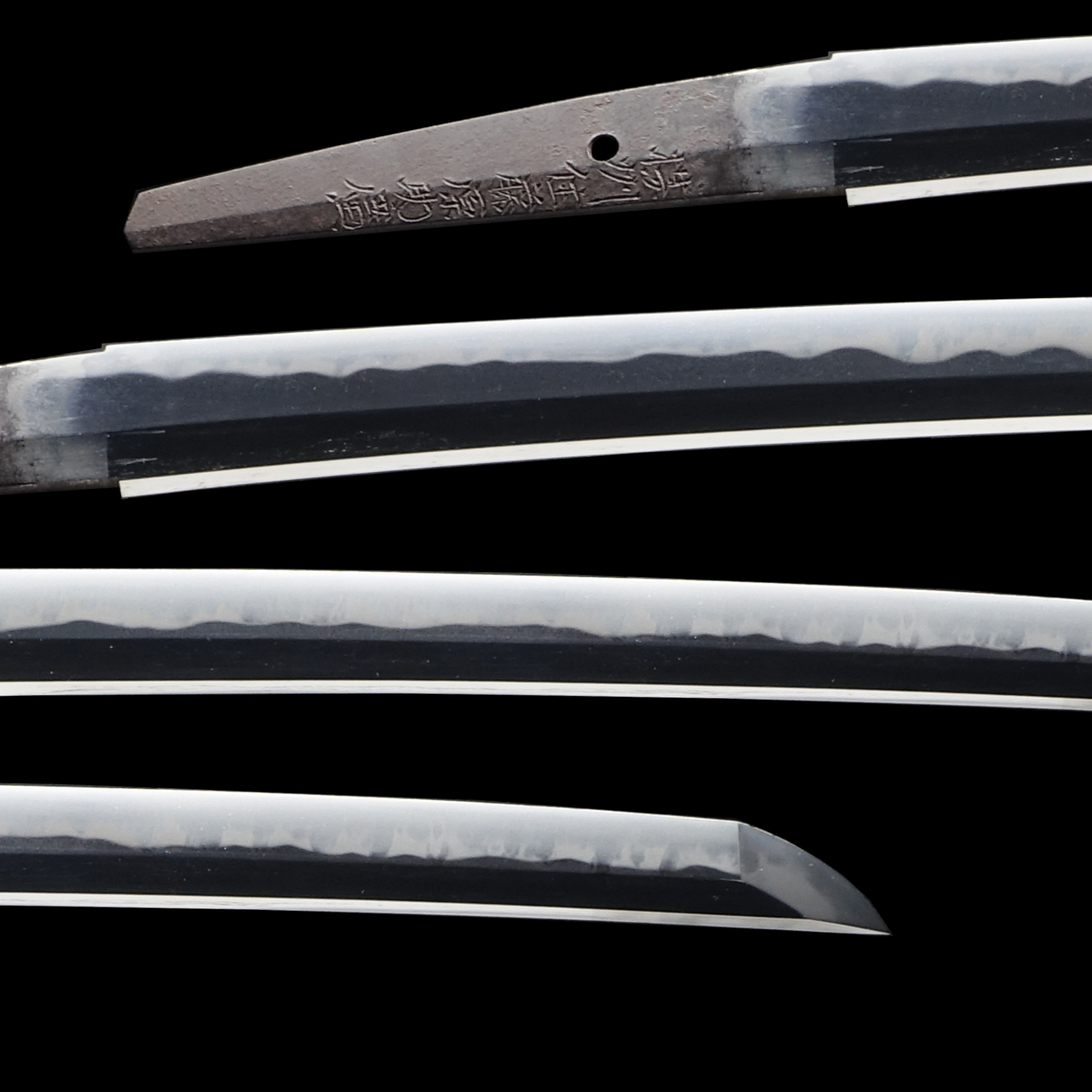
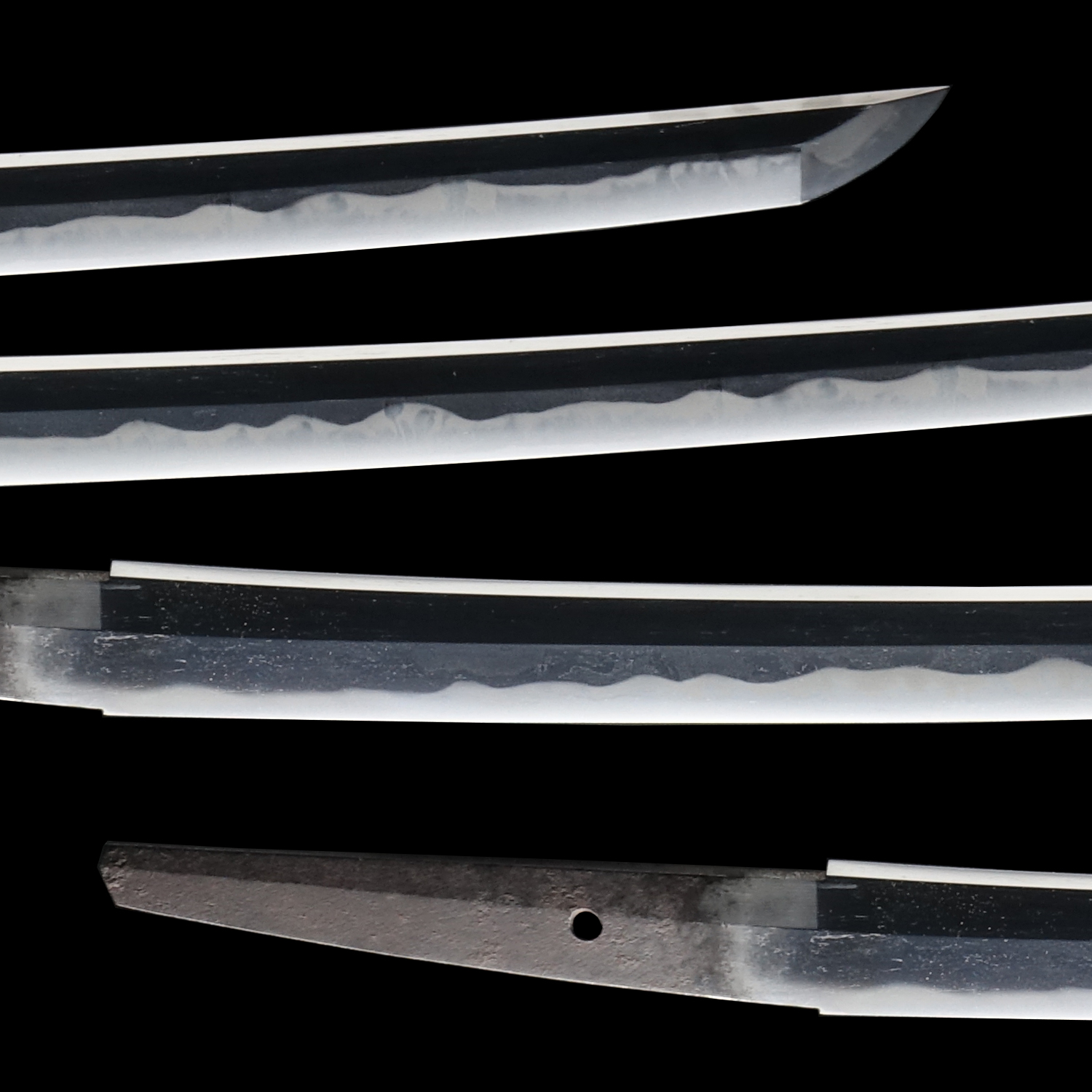
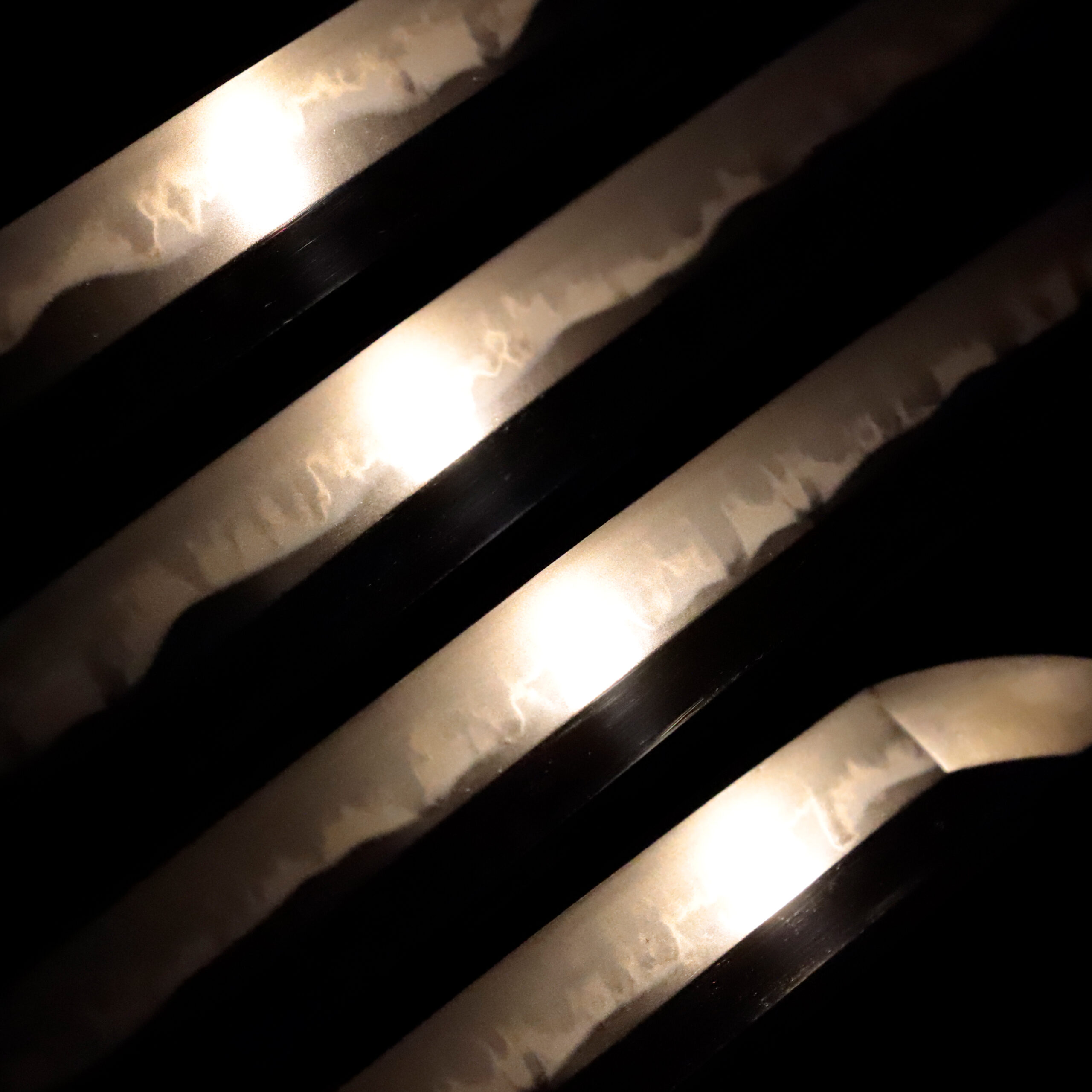
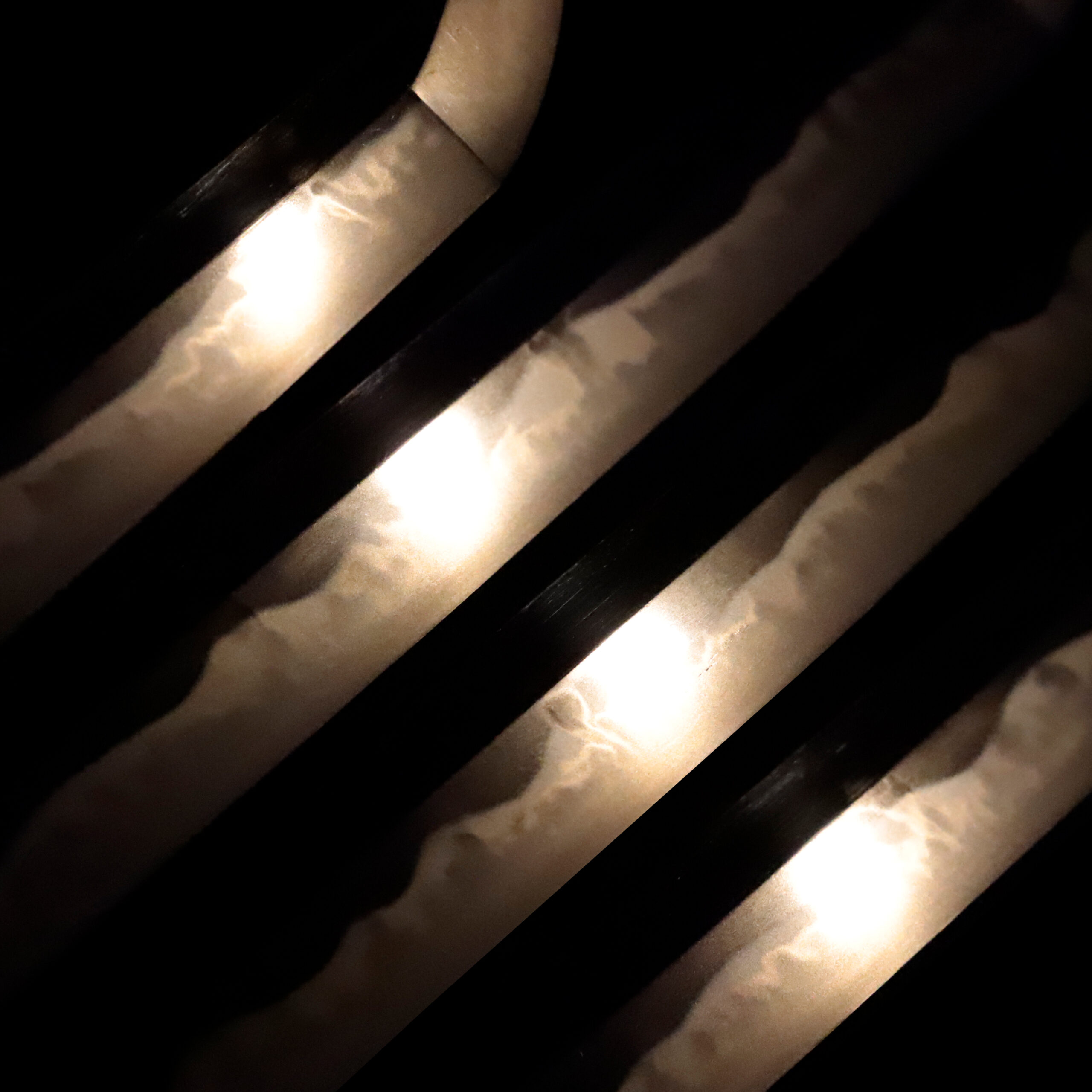
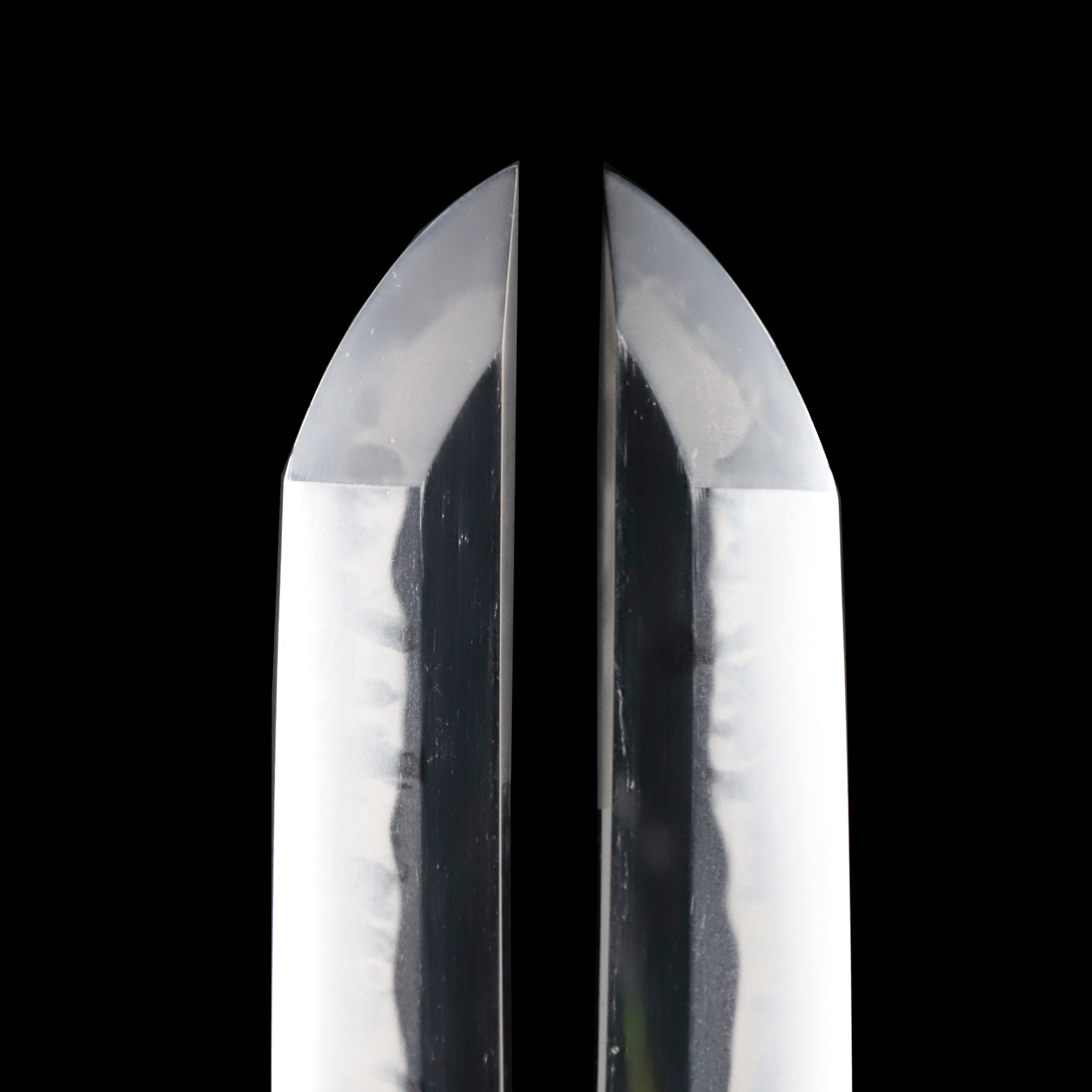
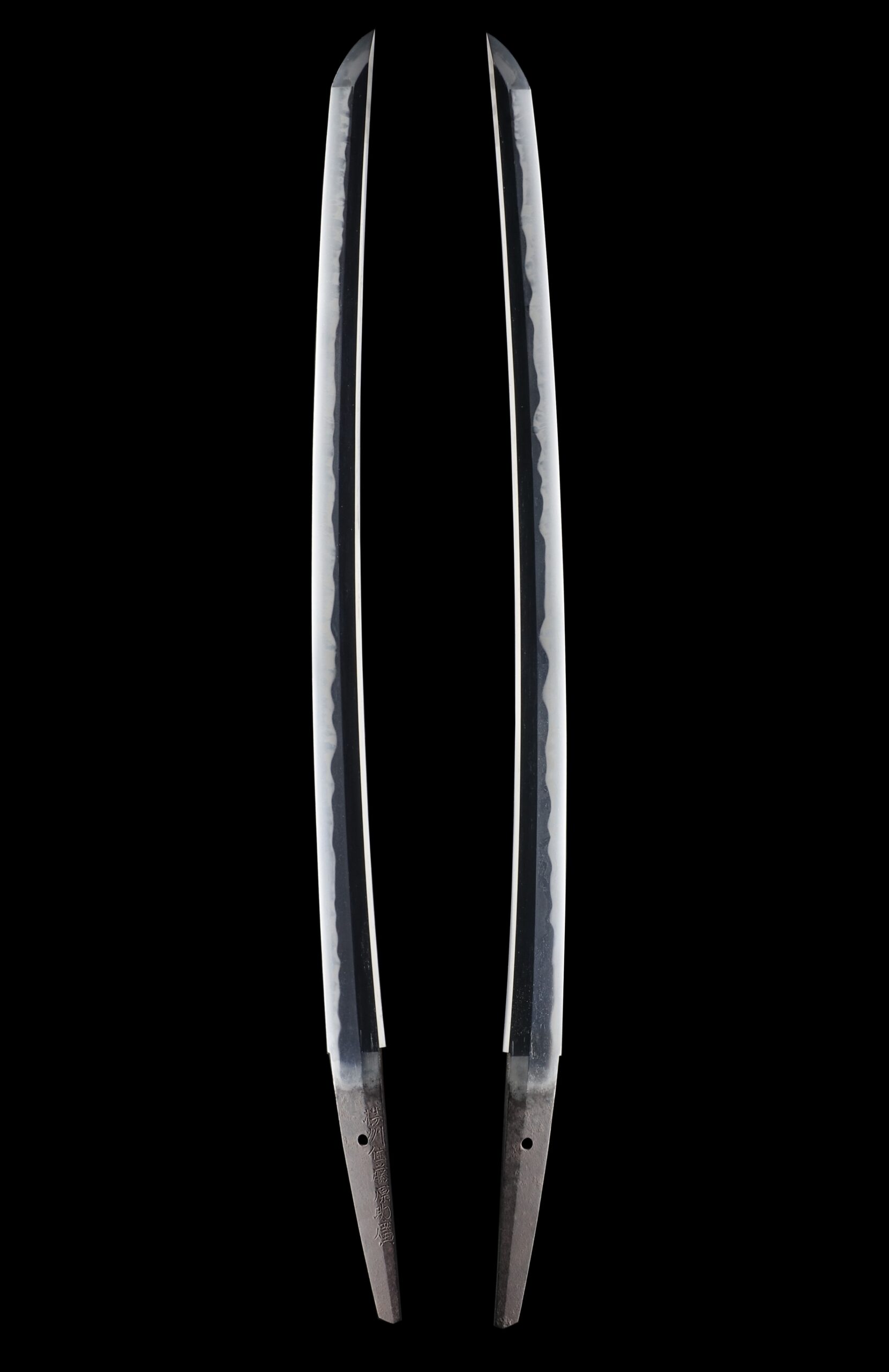
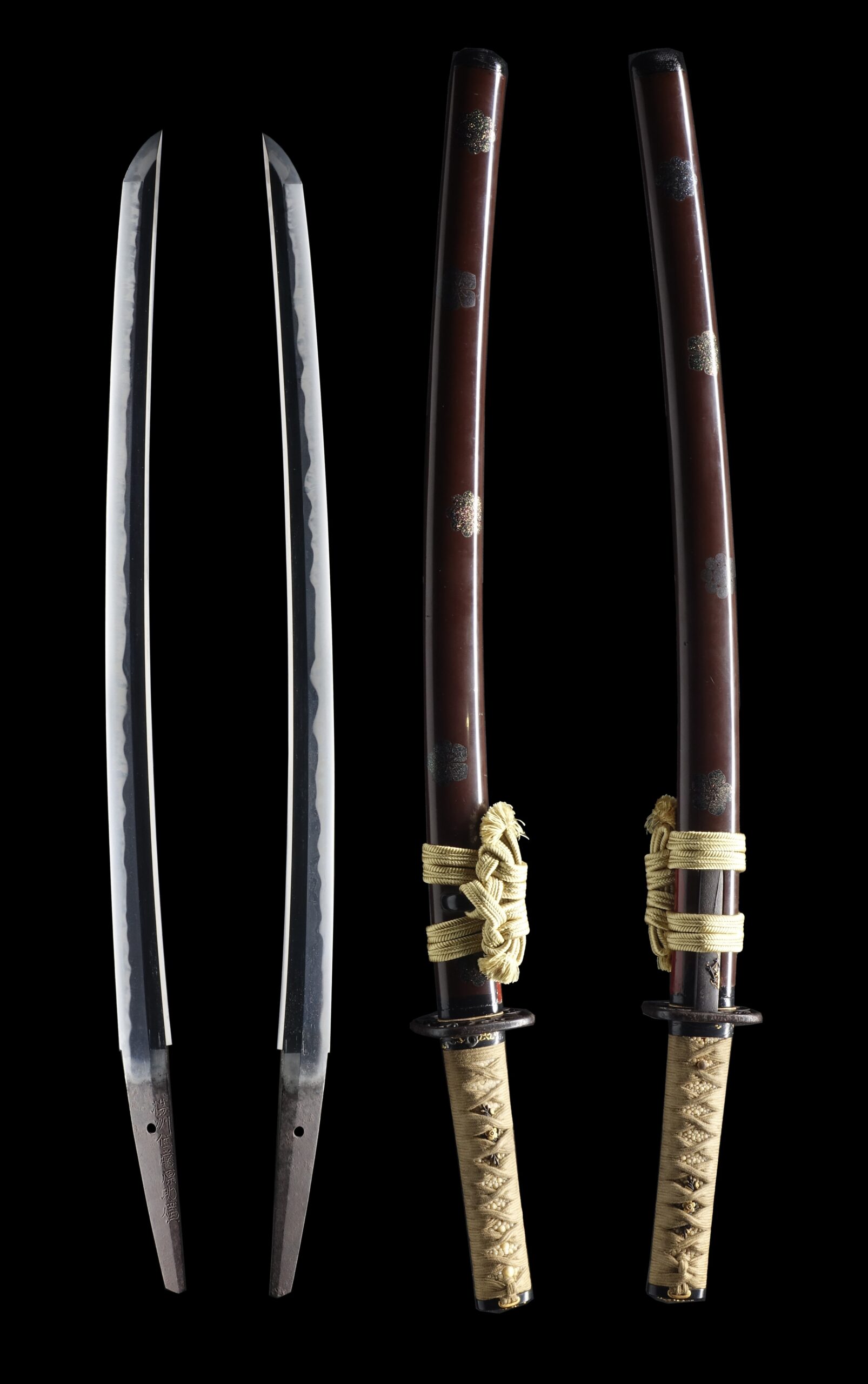
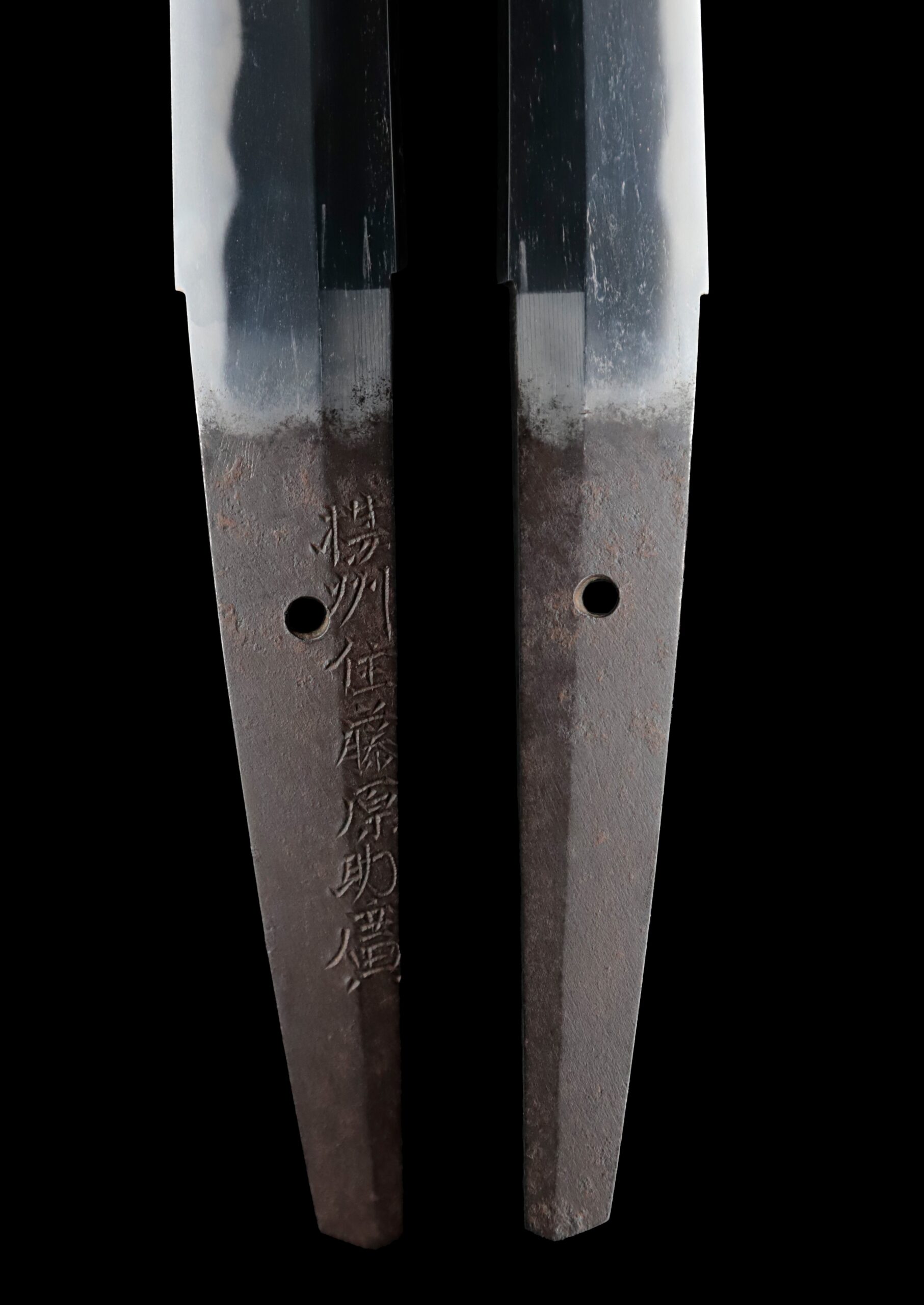
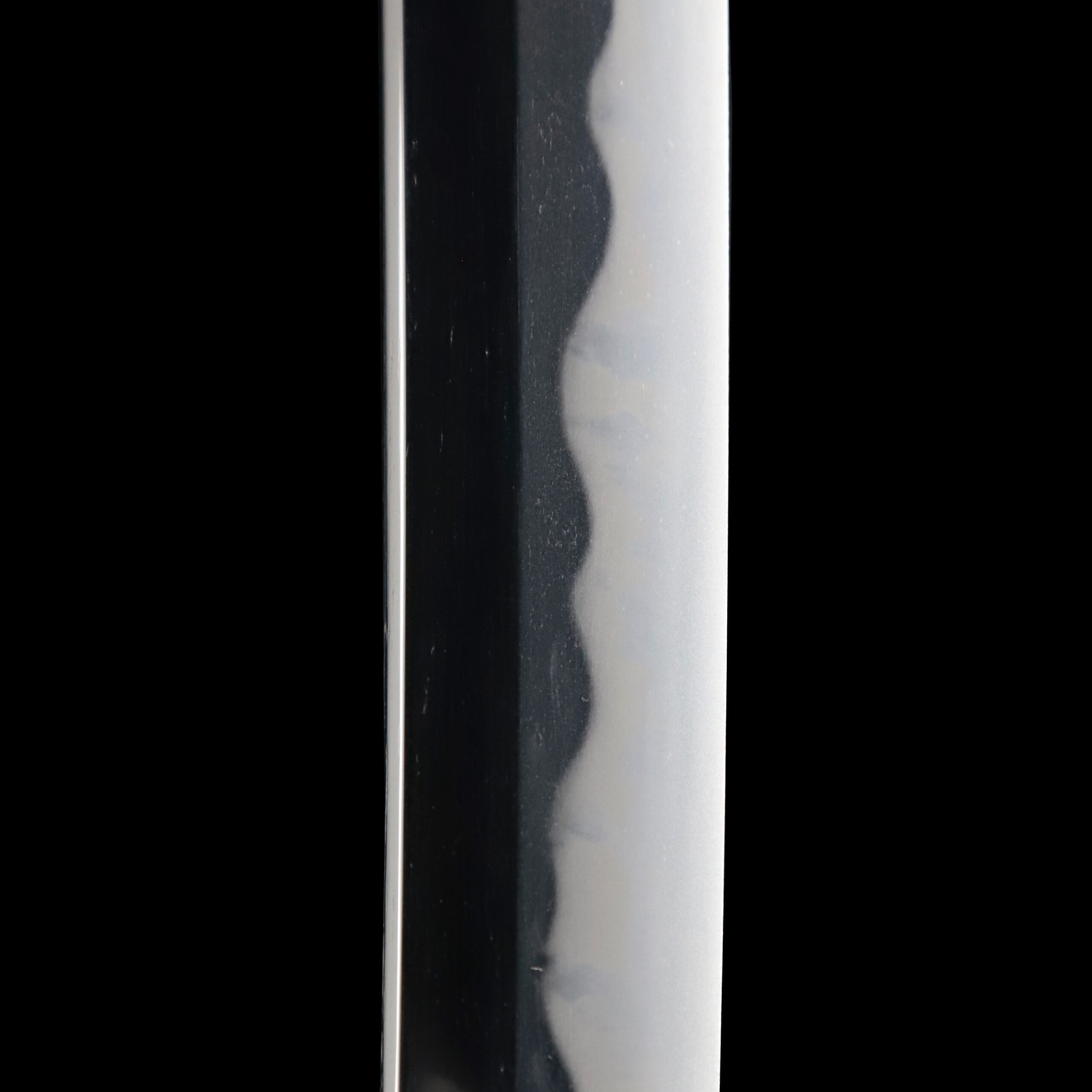
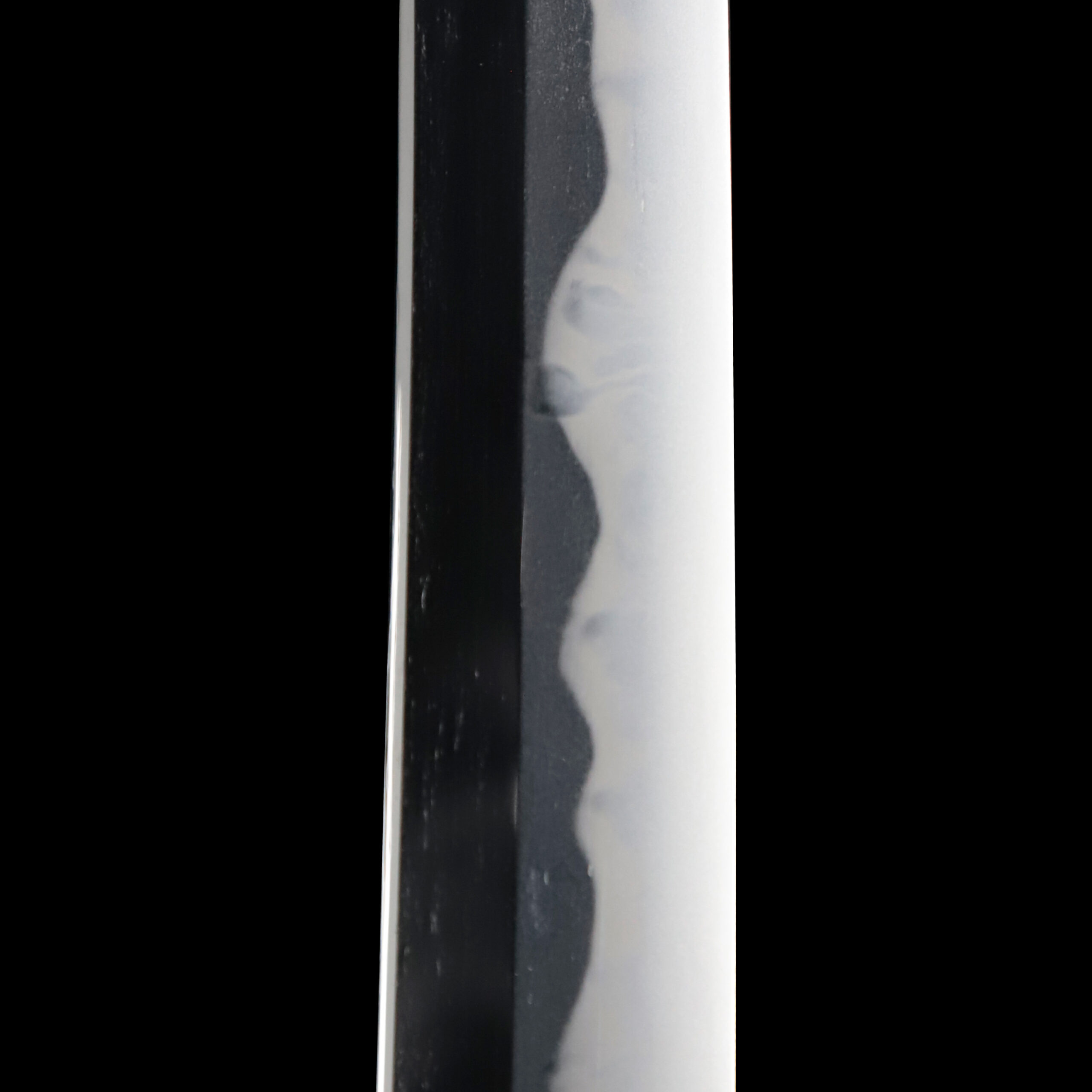
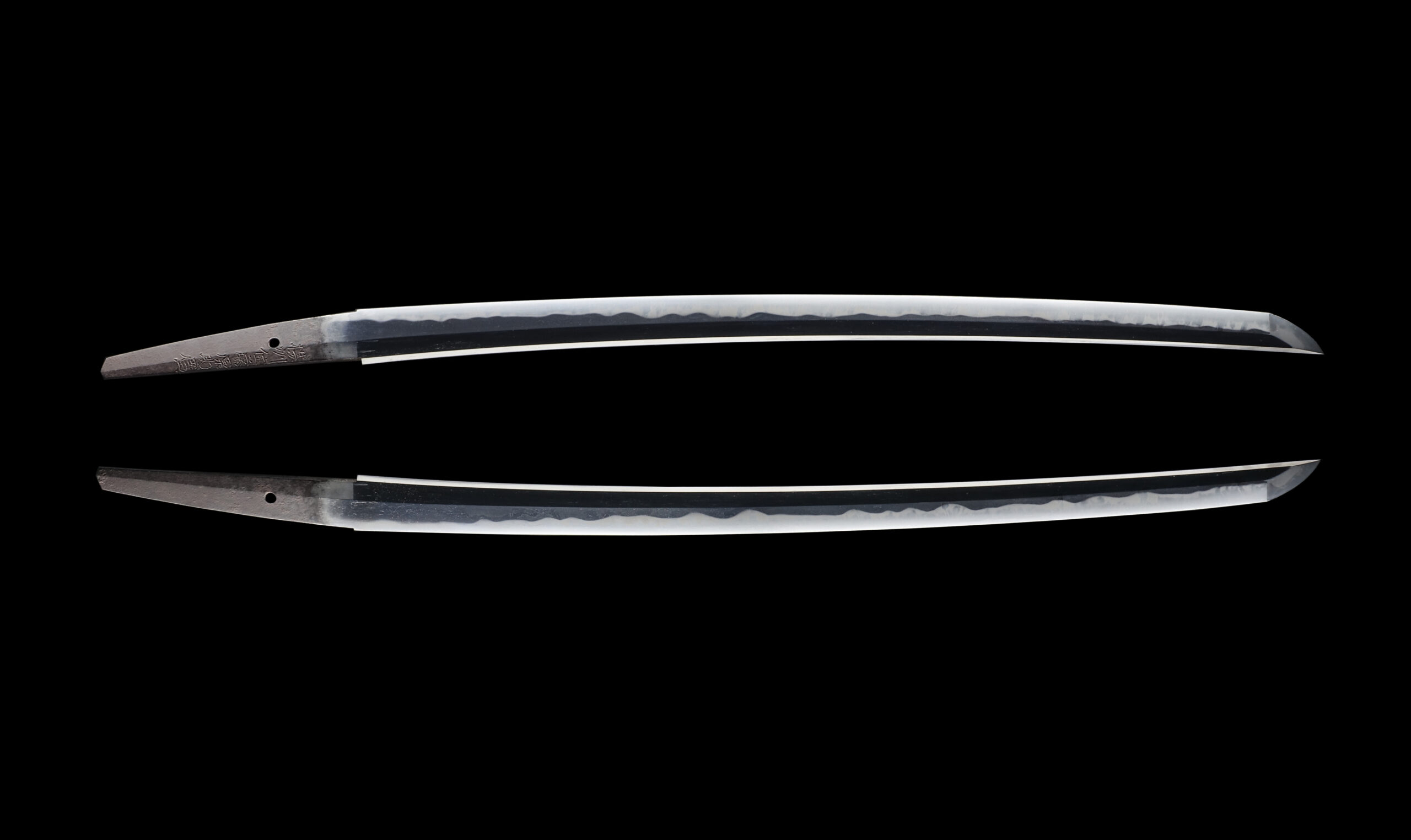
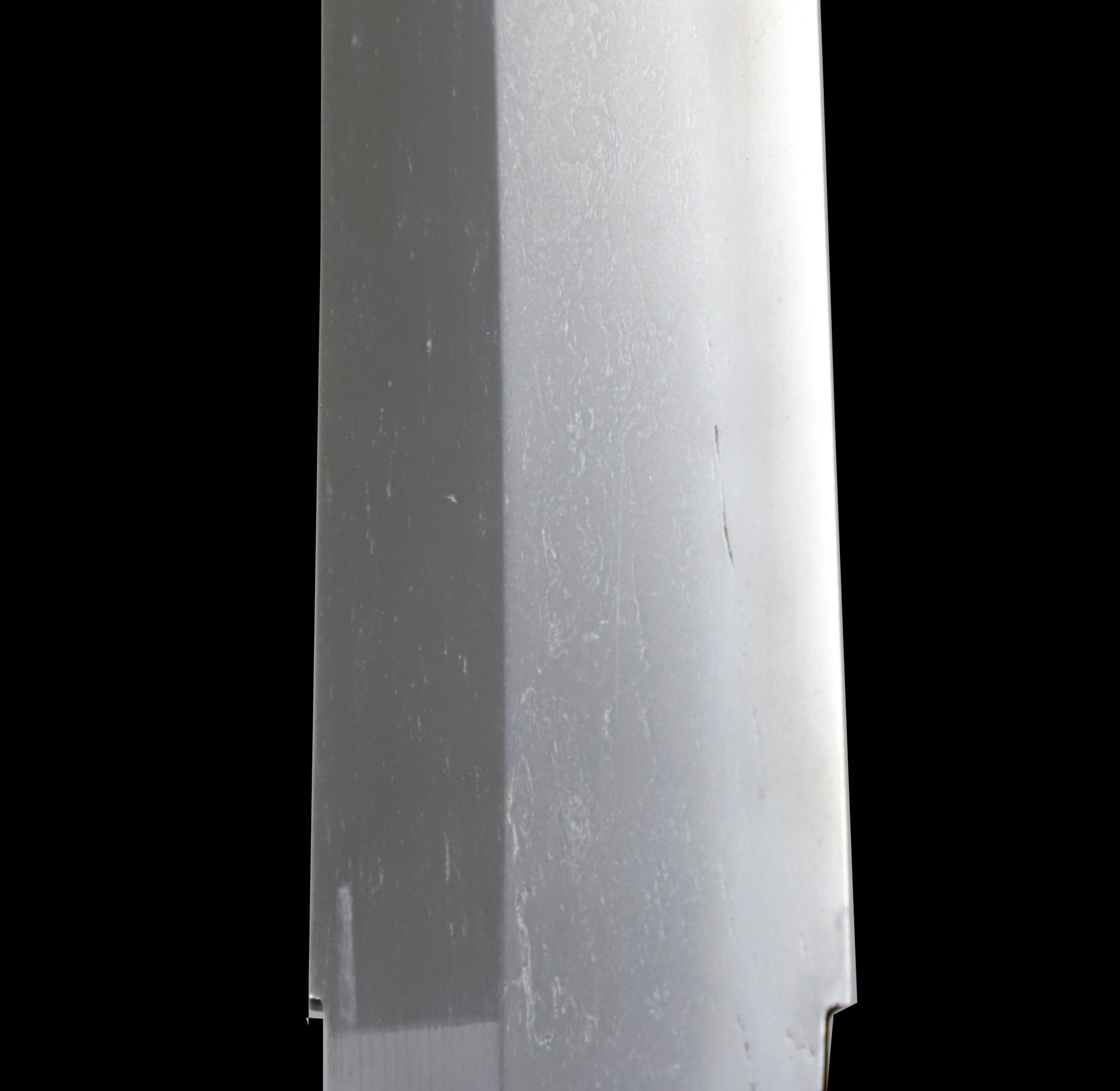
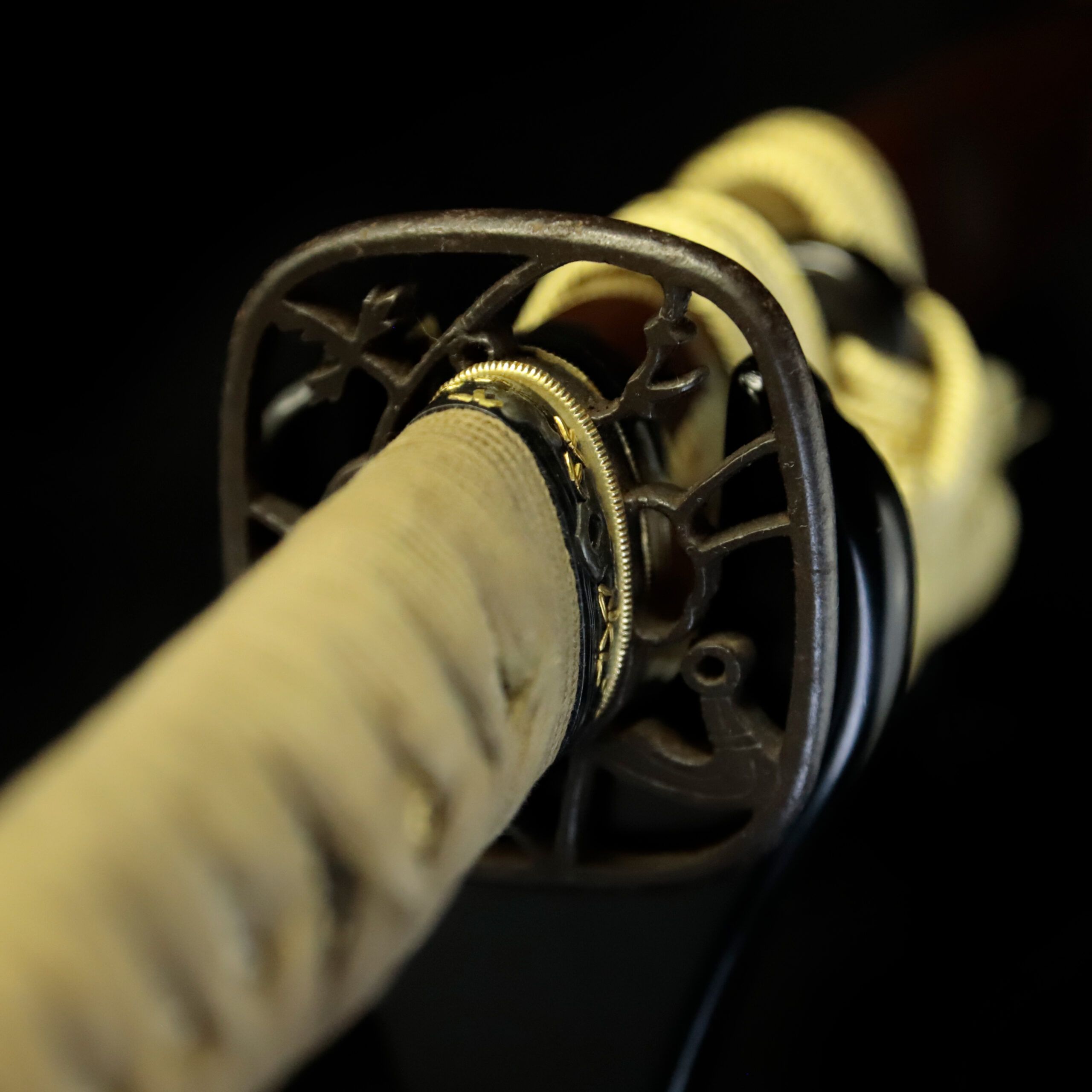
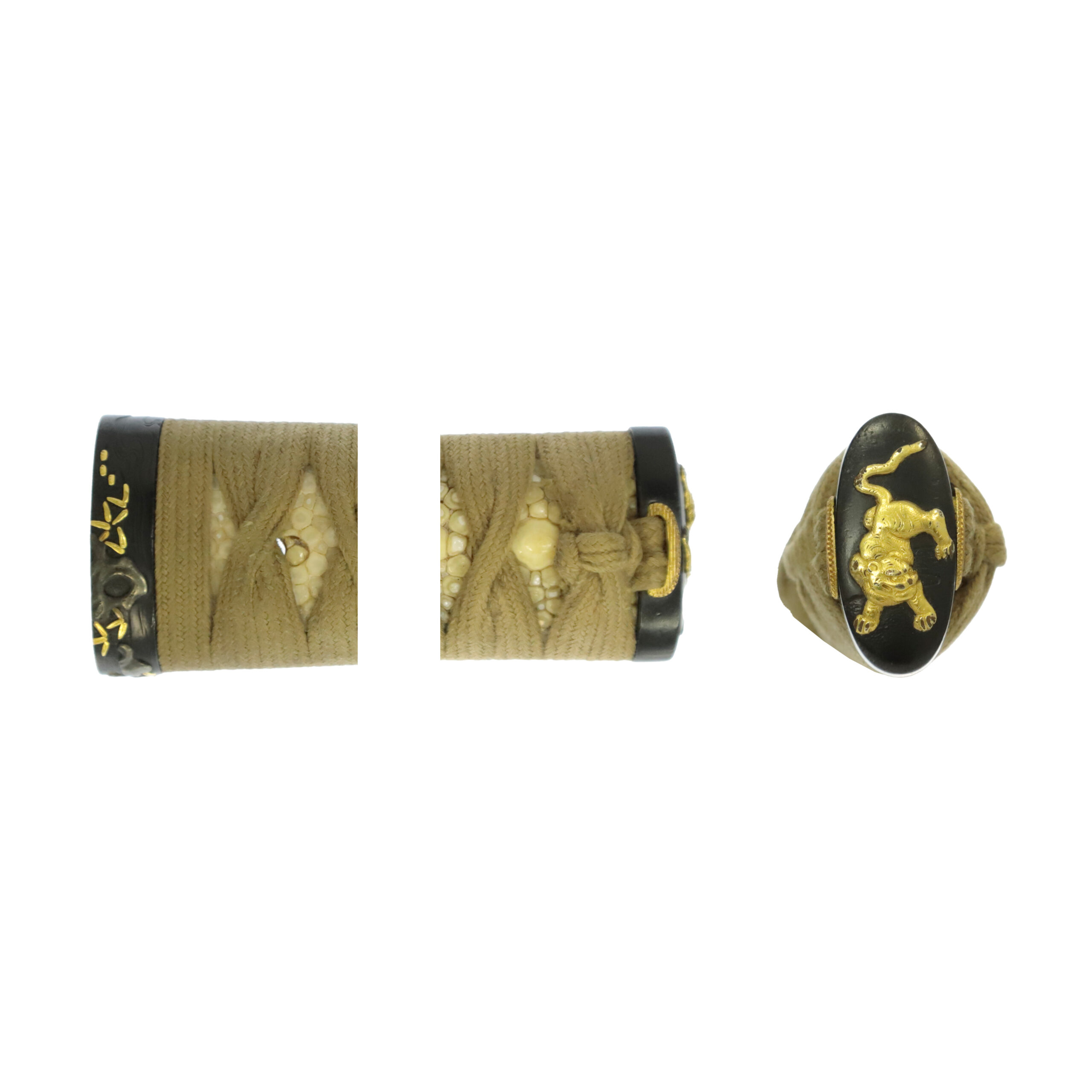
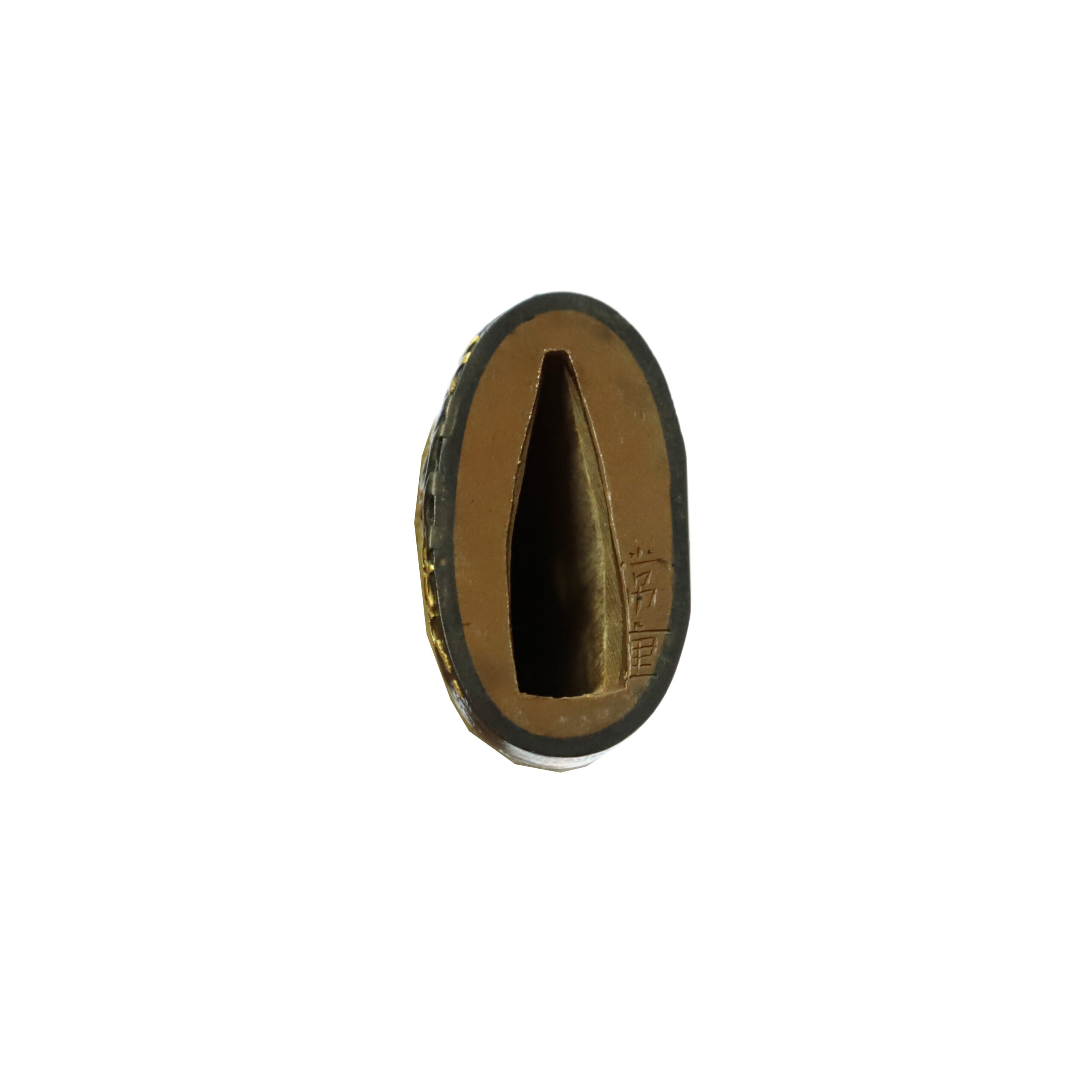
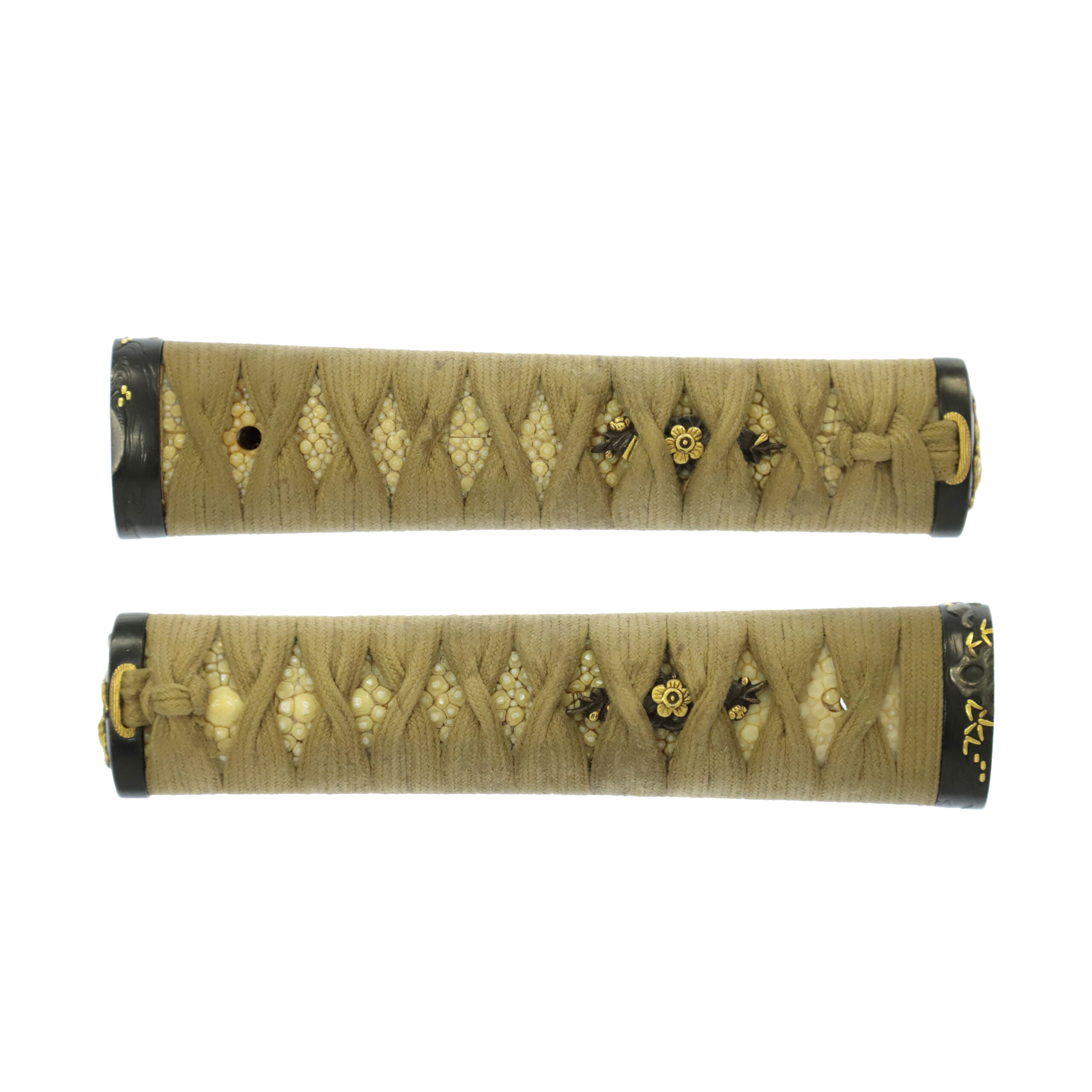
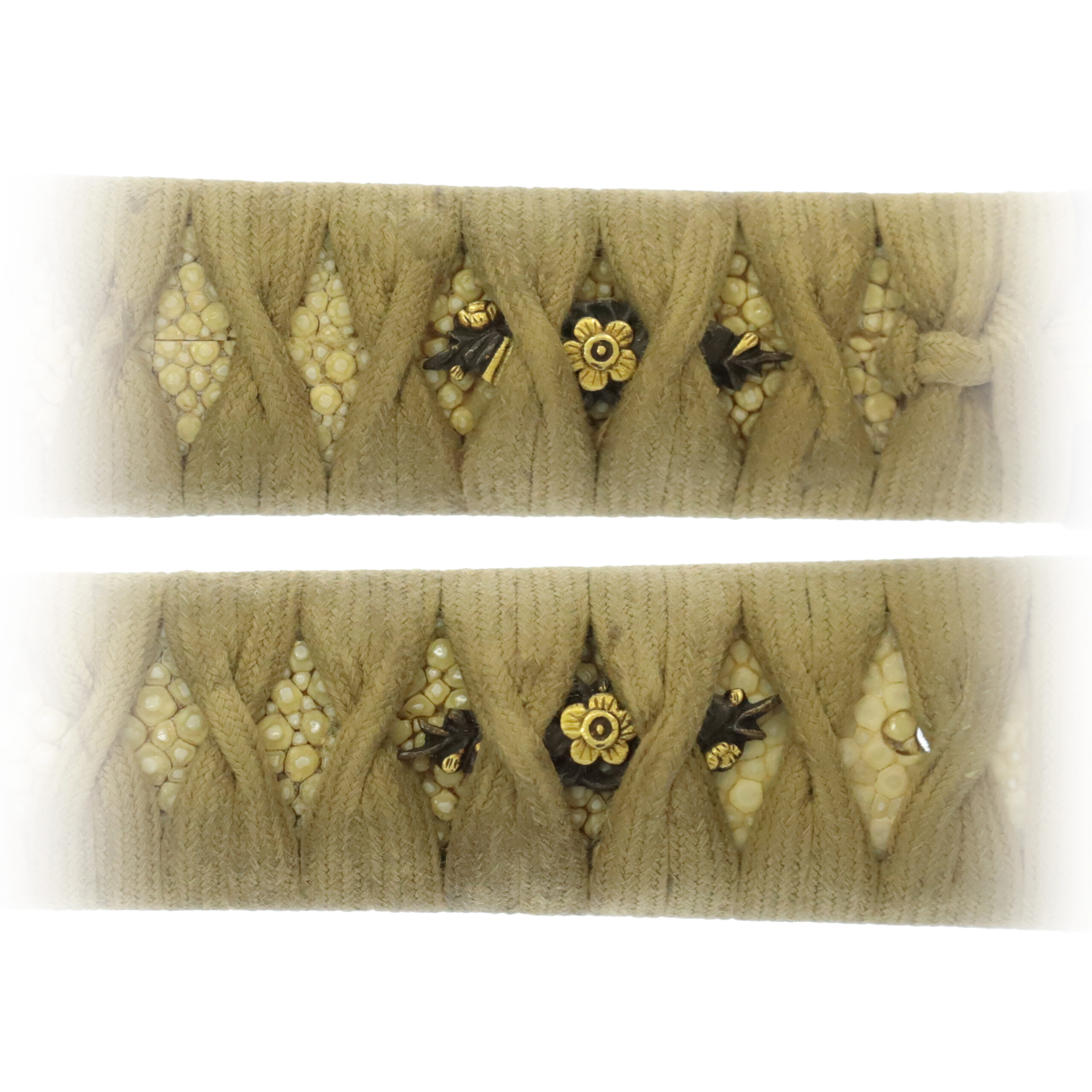
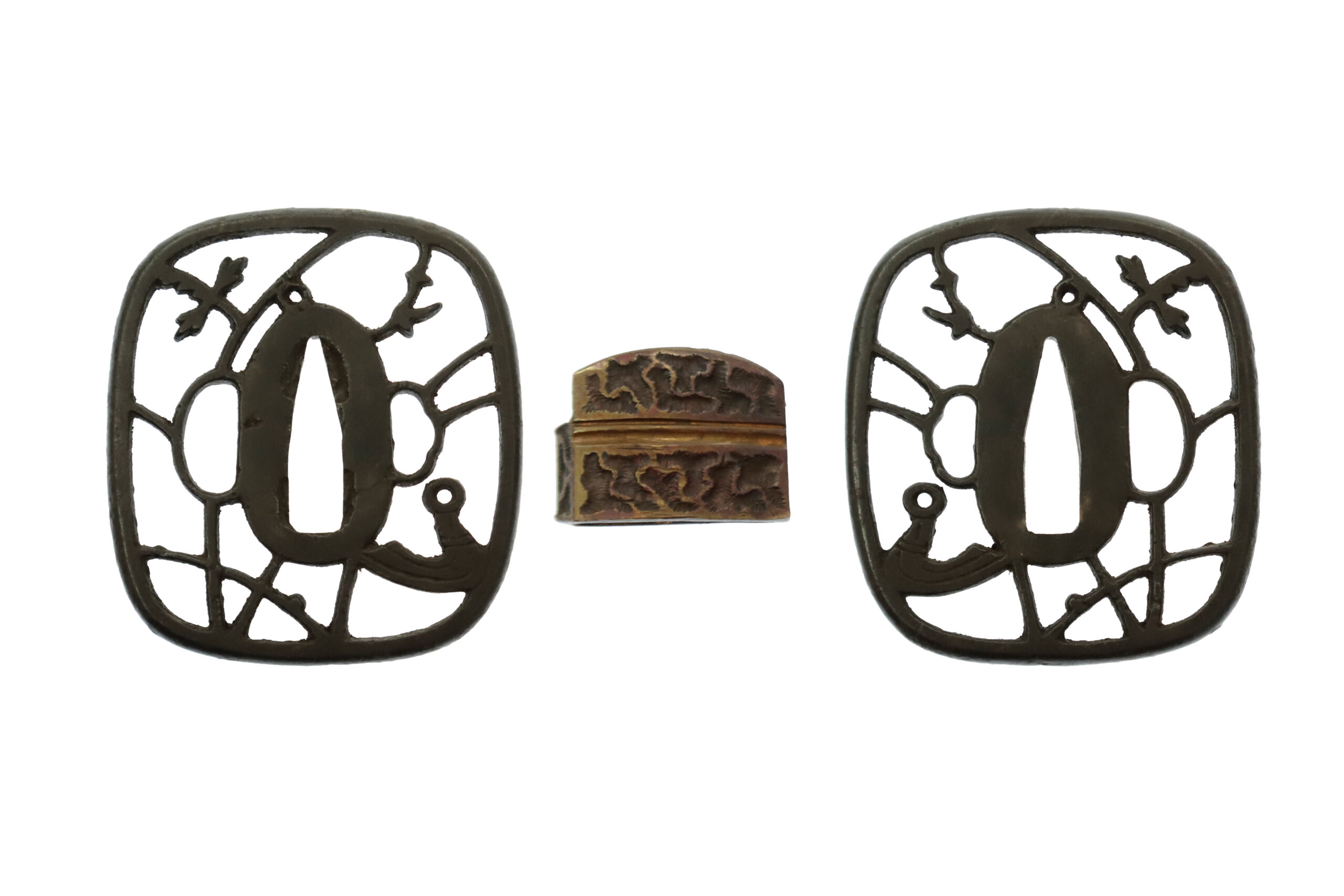
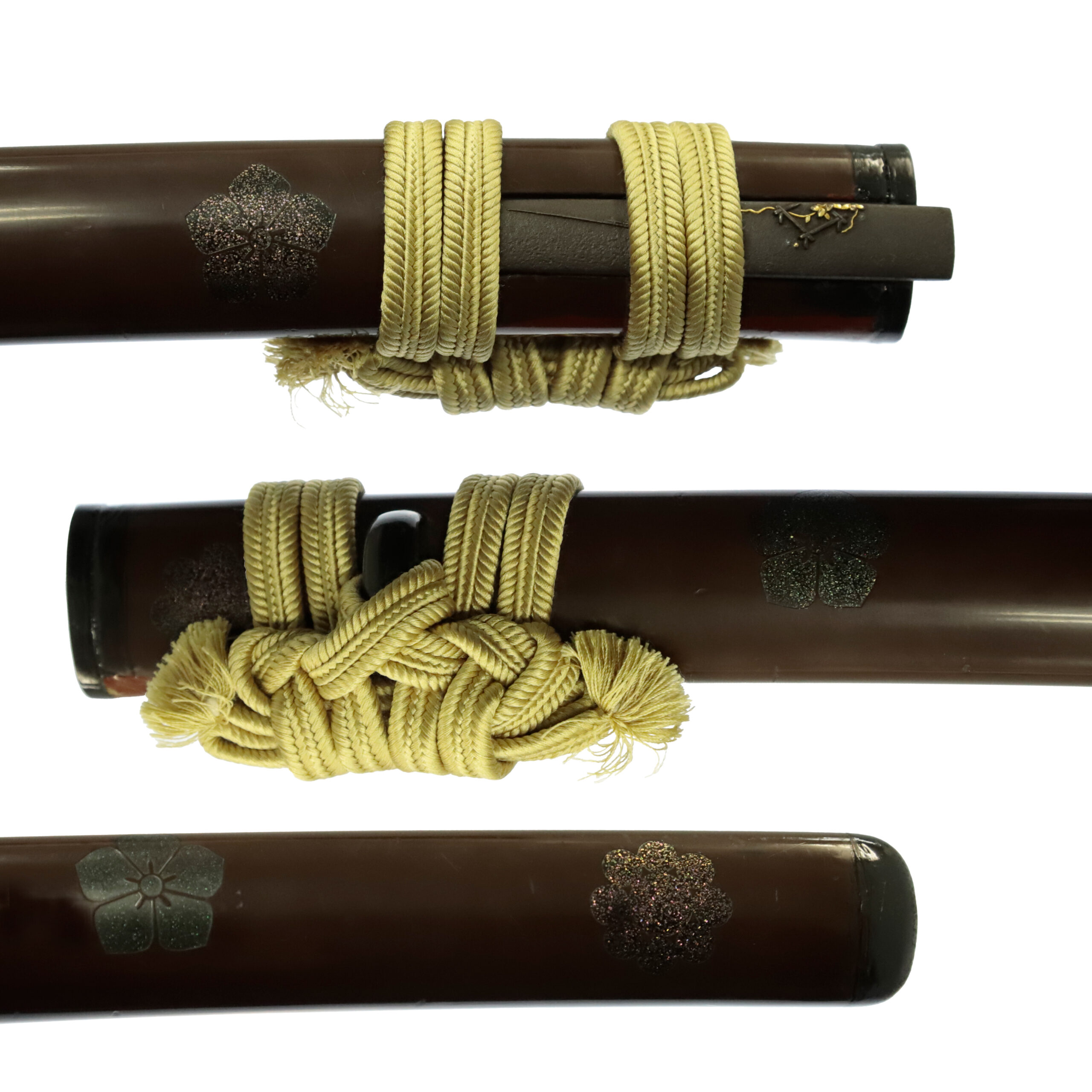
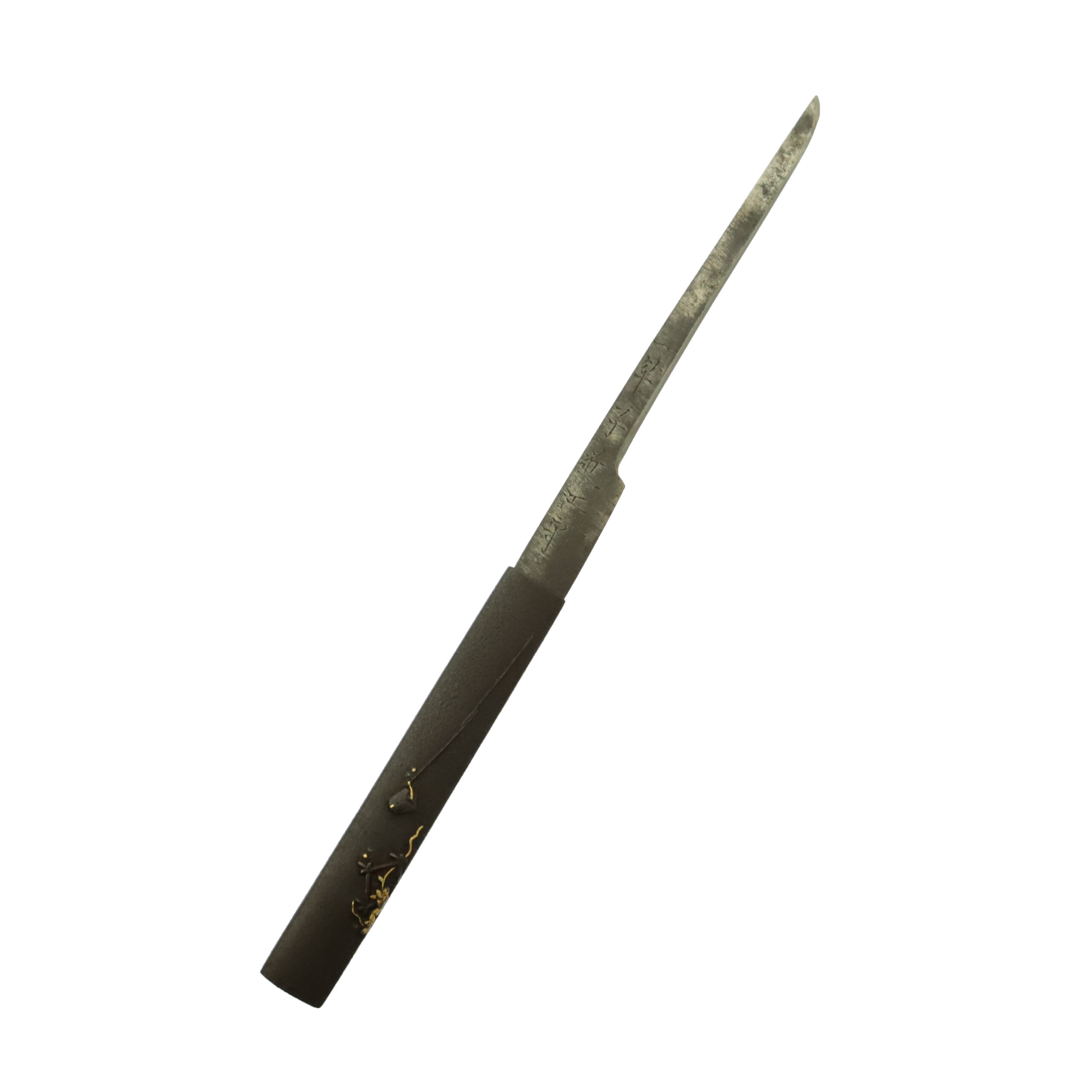
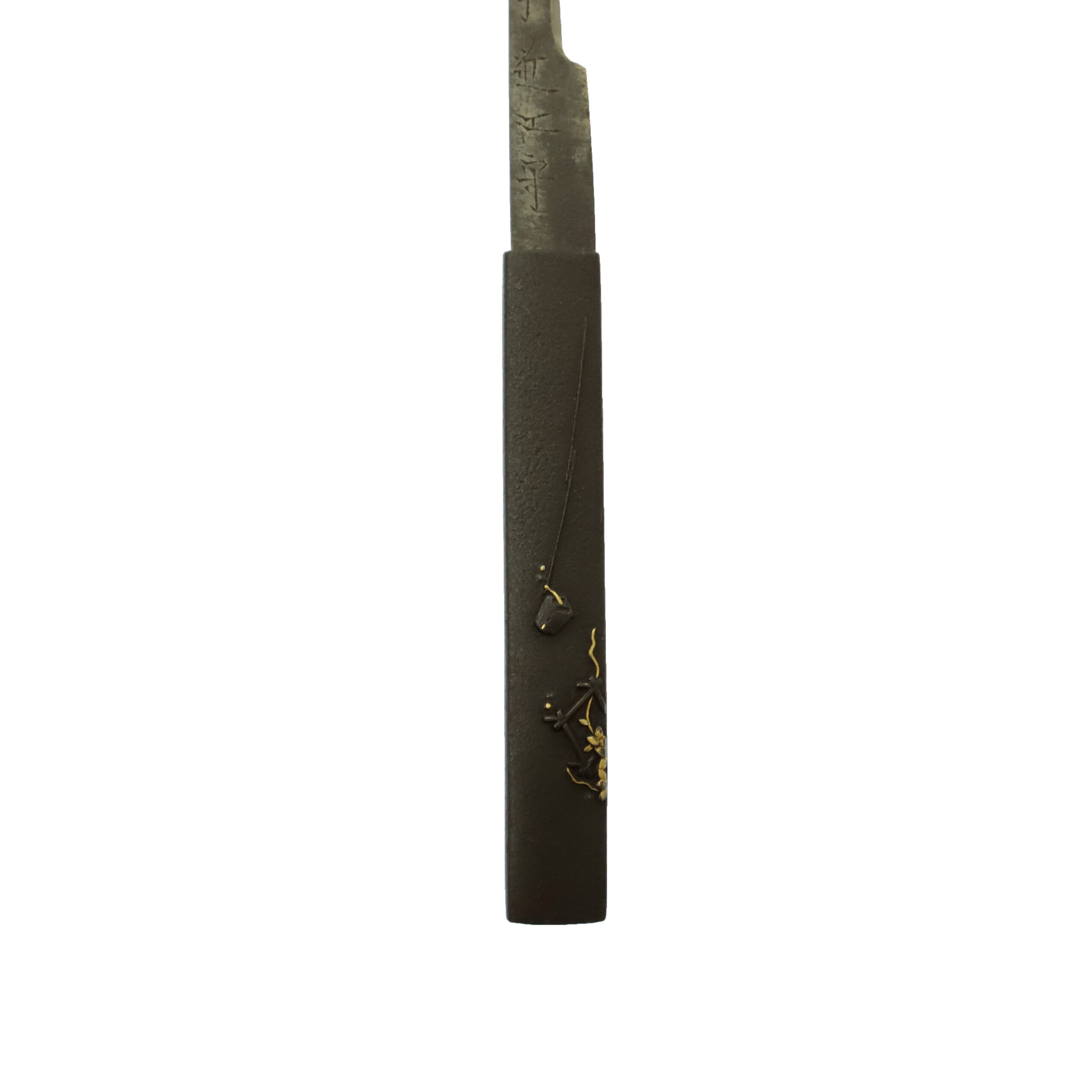
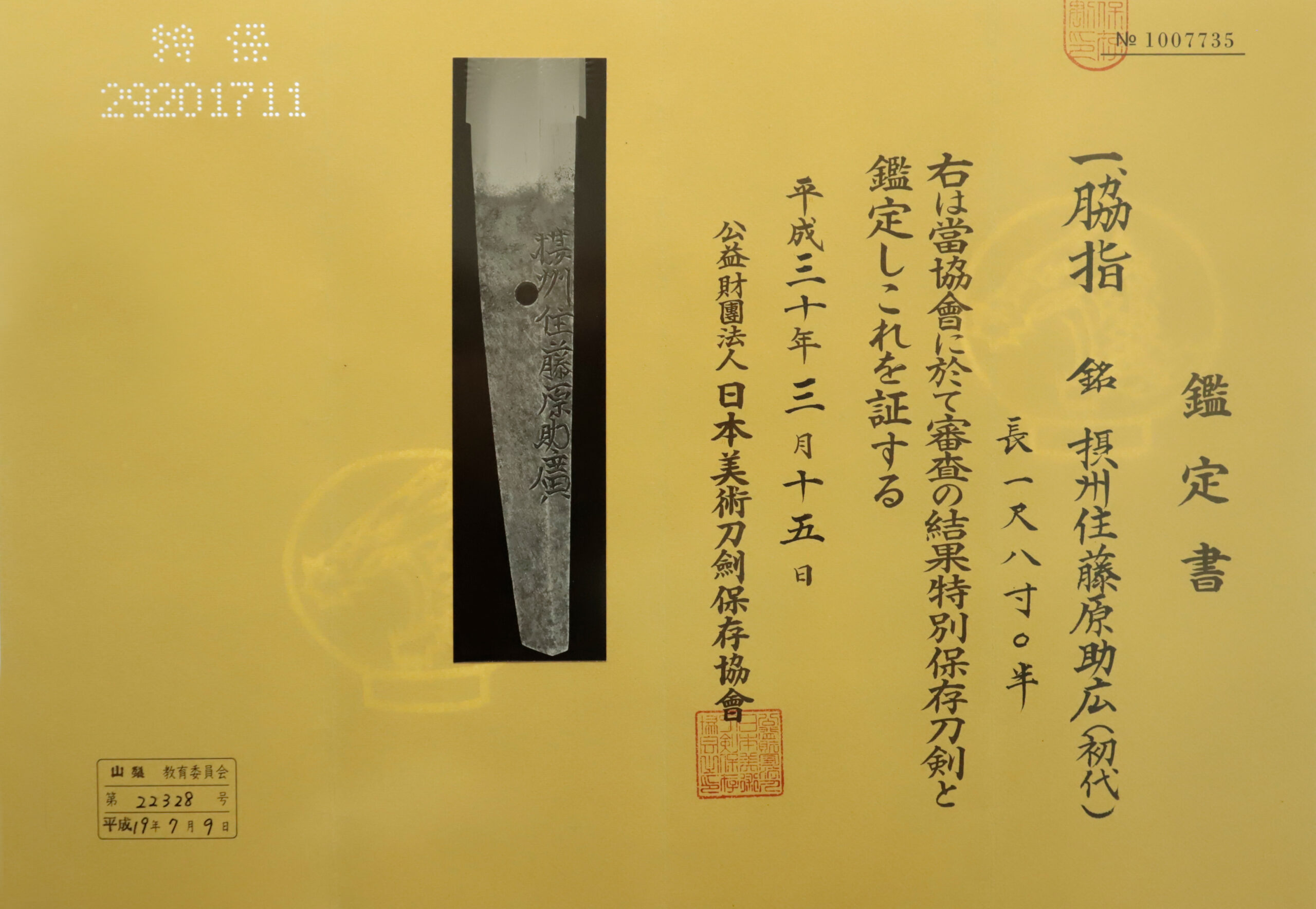
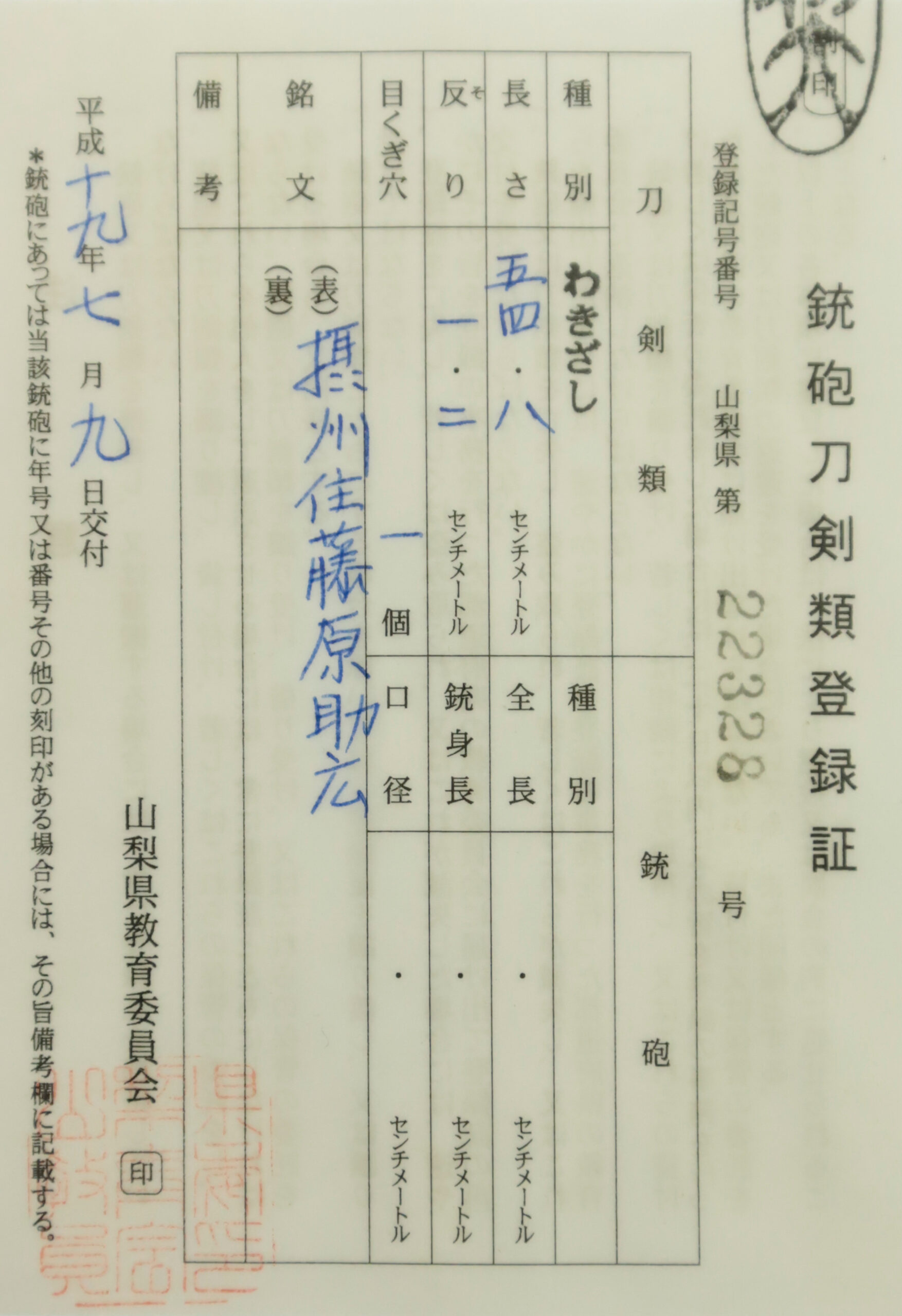
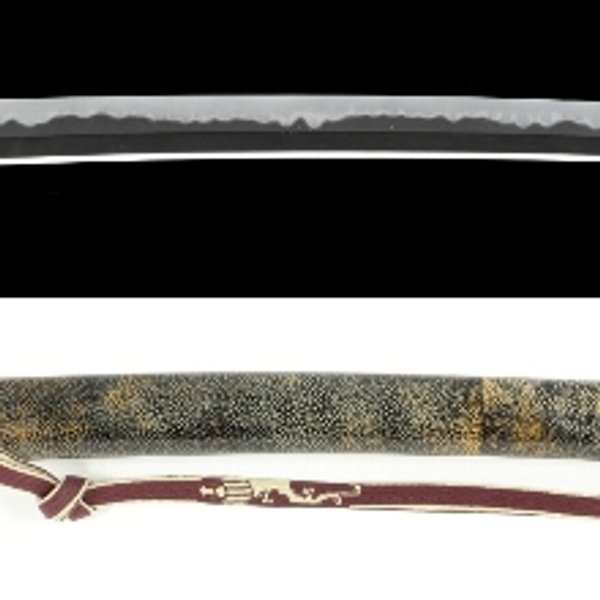
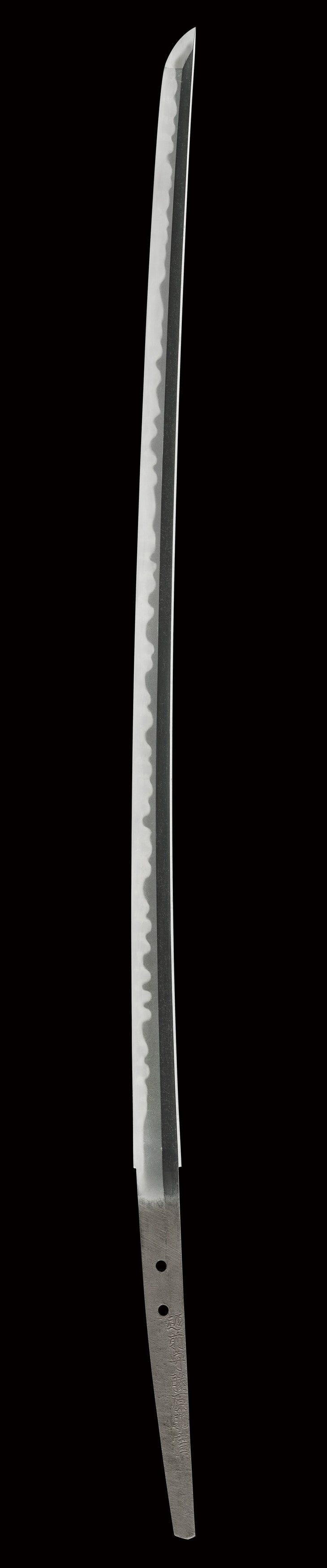
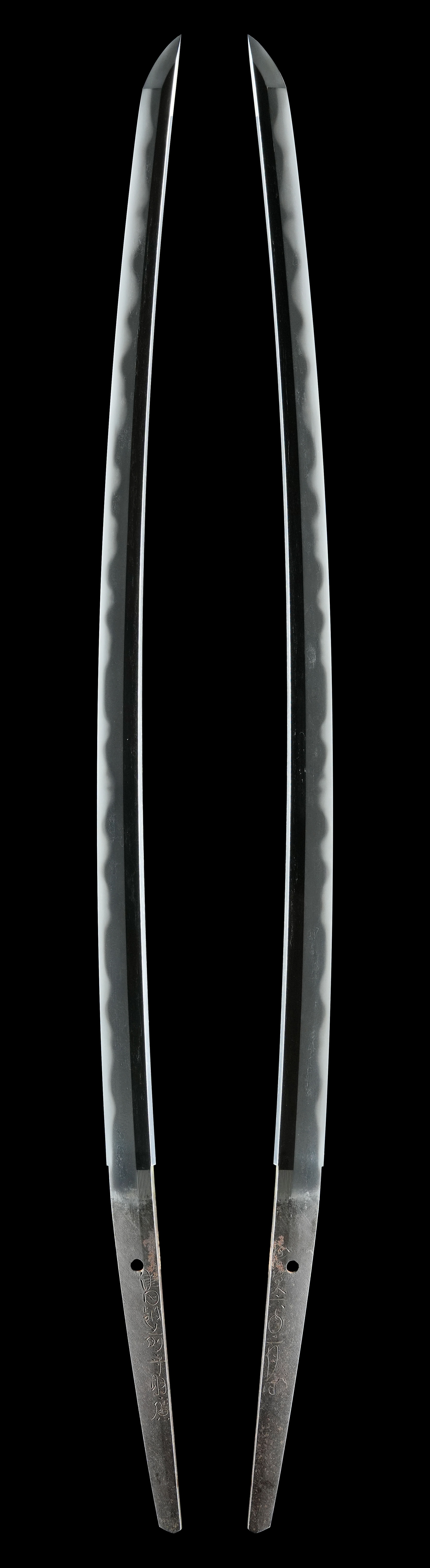
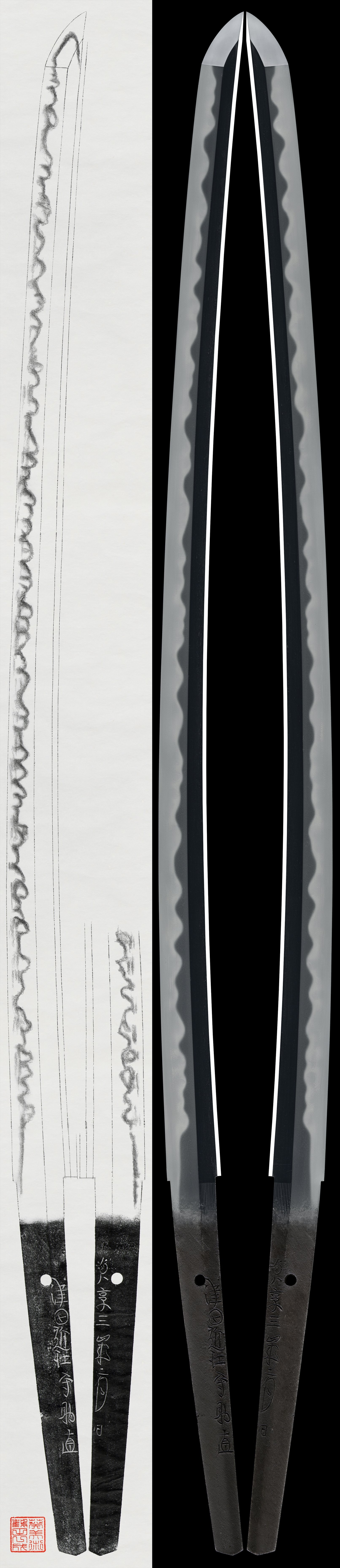
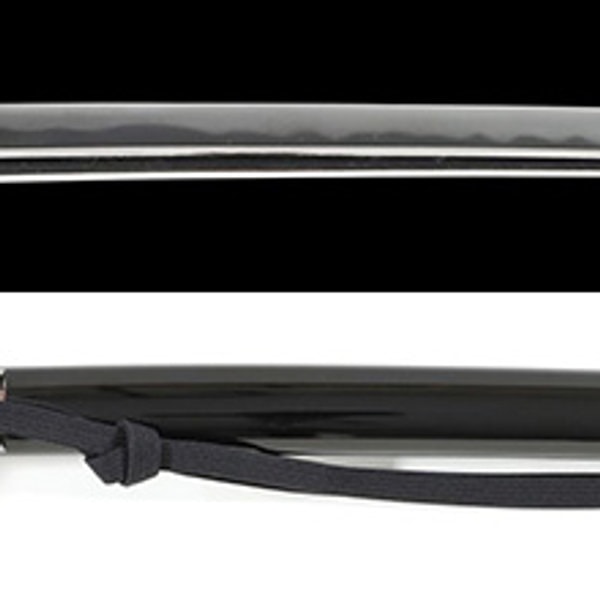
Antique Japanese Sword Wakizashi Signed by the first-gen Sukehiro with NBTHK Tokubestsu Hozon Certificate 【Description】 This blade was signed by Setsushu Jyu Fujiwara Sukehiro (摂州住藤原助広), who was active during the Kanei-Keian era (1624-1652: Early Edo period). Setsushu is another name for Settsu province (today’s Osaka prefecture). Setsushu Jyu means that Sukehiro resided in this area when he forged the blade. The maker’s name Sukehiro lasted three generations, and this blade was made by the first generation, according to its NBTHK’s appraisal. The first-gen Sukehiro was one of Osaka’s most skilled and influential swordsmiths in the early Edo period (Mid-Late 17th century). He was originally born in Tsuda City, Harima province (today’s Hyogo prefecture). Later, he moved to Osaka to become an apprentice of Kawachi no Kami Kunisuke, a renowned swordsmith in Osaka. The first-gen Sukehiro was also famous for being the father of Tsuda Echizen no Kami Sukehiro, one of the most prestigious swordsmiths during the early Edo period. According to the book (Kaihou Kenjyaku) published by Yamada Asaemon in the late Edo period, a blade forged by the first-gen Sukehiro was ranked as Saijo Owazamono (extremely outstanding sharpness). Asaemon was hired by the Edo government as an expert on Tameshigiri, or testing cutting. And in this book, he judged how sharp Japanese swords forged by prestigious swordsmiths were. Osaka Shinto The blades forged by Sukehiro are categorized as Osaka Shinto. Shinto is Japanese Sword terminology that refers to the swords forged during 1596-1781. The blades made in the Osaka area during this period are called Osaka Shinto. There are many famous swordsmiths in this Osaka Shinto era. After Hideyoshi Toyotomi built Osaka castle, Osaka city flourished as a castle town and became the business center. Many swordsmiths moved to Osaka to look for better opportunities. They not only forged swords for those Samurai who lived in Osaka but also for feudal lords nationwide. Tsuda Sukehiro, Ikanshi Tadatsuna(Awataguchi Omi no Kami Tadatsuna), and Inoue Shinkai are the most famous among many swordsmiths. One of the most notable characteristics of Osaka Shinto is its beauty in Jigane. Jigane is a visible steel surface pattern created by folding and hammering during the forging process), which made it possible by the location of Osaka. Osaka had close access to the Tamahagane(special carbon steel to make Japanese swords) production sites. The swordsmiths residing in Osaka could get high-quality carbon steel from these sites. This blade is appraised as a Tokubetsu Hozon Token (特別保存刀剣) issued by NBTHK(Nihon Bijutsu Touken Hozon Kyokai:日本美術刀剣保存協会). This authentication paper was only given to authentic Japanese swords, especially well preserved and high quality with artistic value. 【Blade】 Cutting Edge Length(Nagasa) : 54.8 cm (21.5 inches) Curvature(Sori) : 1.2 cm (0.47 inches) Hamon : The crystalline structure which forms along the cutting edge of a blade as a result of the hardening process Jimon(Jihada) : visible steel surface pattern created by folding and hammering during forging process Kissaki : Kissaki is the tip of the Japanese sword. Nakago : Nakago is the tang of the Japanese sword. Japanese swordsmiths left the black rust on the tang because it prevents red rust while the tang is in its handle. And the discoloration of the tang was created over time, and it is a great indicator for a Japanese sword specialist to estimate when the sword was forged. Koshirae: Koshirae is the mounting of the Japanese sword. There are several parts that consist of Koshirae such as Saya(Scabbard), Tsuka( Handle), Tsuba(Handguard). Fuchi-Kashira : A pair of matching sword fittings that cover the upper and bottom parts of its sword hilt. This is a classical theme called Take Tora Zu (竹虎図: Bamboo and Tiger) in Japanese. The tiger is a brave animal. A theory says people considered the tiger pattern would protect people from evil spirits. Therefore, i

売却済
世界81社の刀剣商を横断追跡 · 価格履歴 · 売却アーカイブ
54.8 cm
1.2 cm

Antique Japanese Sword Wakizashi Attributed to Mihara NBTHK Hozon Certificate
$2,170

Antique Japanese Sword Wakizashi Signed by Kanemori NBTHK Tokubetsu Hozon Certificate
$5,881

Antique Japanese Sword Wakizashi Attributed to Den Nohshu Daido NTHK Kanteisho for the blade
$1,984

Antique Japanese Sword Wakizashi Signed by Kanefusa with NBTHK Kicho Certificate
$2,971
Antique Japanese Sword Wakizashi Signed by the first-gen Sukehiro with NBTHK Tokubestsu Hozon Certificate 【Description】 This blade was signed by Setsushu Jyu Fujiwara Sukehiro (摂州住藤原助広), who was active during the Kanei-Keian era (1624-1652: Early Edo period). Setsushu is another name for Settsu province (today’s Osaka prefecture). Setsushu Jyu means that Sukehiro resided in this area when he forged the blade. The maker’s name Sukehiro lasted three generations, and this blade was made by the first generation, according to its NBTHK’s appraisal. The first-gen Sukehiro was one of Osaka’s most skilled and influential swordsmiths in the early Edo period (Mid-Late 17th century). He was originally born in Tsuda City, Harima province (today’s Hyogo prefecture). Later, he moved to Osaka to become an apprentice of Kawachi no Kami Kunisuke, a renowned swordsmith in Osaka. The first-gen Sukehiro was also famous for being the father of Tsuda Echizen no Kami Sukehiro, one of the most prestigious swordsmiths during the early Edo period. According to the book (Kaihou Kenjyaku) published by Yamada Asaemon in the late Edo period, a blade forged by the first-gen Sukehiro was ranked as Saijo Owazamono (extremely outstanding sharpness). Asaemon was hired by the Edo government as an expert on Tameshigiri, or testing cutting. And in this book, he judged how sharp Japanese swords forged by prestigious swordsmiths were. Osaka Shinto The blades forged by Sukehiro are categorized as Osaka Shinto. Shinto is Japanese Sword terminology that refers to the swords forged during 1596-1781. The blades made in the Osaka area during this period are called Osaka Shinto. There are many famous swordsmiths in this Osaka Shinto era. After Hideyoshi Toyotomi built Osaka castle, Osaka city flourished as a castle town and became the business center. Many swordsmiths moved to Osaka to look for better opportunities. They not only forged swords for those Samurai who lived in Osaka but also for feudal lords nationwide. Tsuda Sukehiro, Ikanshi Tadatsuna(Awataguchi Omi no Kami Tadatsuna), and Inoue Shinkai are the most famous among many swordsmiths. One of the most notable characteristics of Osaka Shinto is its beauty in Jigane. Jigane is a visible steel surface pattern created by folding and hammering during the forging process), which made it possible by the location of Osaka. Osaka had close access to the Tamahagane(special carbon steel to make Japanese swords) production sites. The swordsmiths residing in Osaka could get high-quality carbon steel from these sites. This blade is appraised as a Tokubetsu Hozon Token (特別保存刀剣) issued by NBTHK(Nihon Bijutsu Touken Hozon Kyokai:日本美術刀剣保存協会). This authentication paper was only given to authentic Japanese swords, especially well preserved and high quality with artistic value. 【Blade】 Cutting Edge Length(Nagasa) : 54.8 cm (21.5 inches) Curvature(Sori) : 1.2 cm (0.47 inches) Hamon : The crystalline structure which forms along the cutting edge of a blade as a result of the hardening process Jimon(Jihada) : visible steel surface pattern created by folding and hammering during forging process Kissaki : Kissaki is the tip of the Japanese sword. Nakago : Nakago is the tang of the Japanese sword. Japanese swordsmiths left the black rust on the tang because it prevents red rust while the tang is in its handle. And the discoloration of the tang was created over time, and it is a great indicator for a Japanese sword specialist to estimate when the sword was forged. Koshirae: Koshirae is the mounting of the Japanese sword. There are several parts that consist of Koshirae such as Saya(Scabbard), Tsuka( Handle), Tsuba(Handguard). Fuchi-Kashira : A pair of matching sword fittings that cover the upper and bottom parts of its sword hilt. This is a classical theme called Take Tora Zu (竹虎図: Bamboo and Tiger) in Japanese. The tiger is a brave animal. A theory says people considered the tiger pattern would protect people from evil spirits. Therefore, i

売却済
世界81社の刀剣商を横断追跡 · 価格履歴 · 売却アーカイブ
54.8 cm
1.2 cm

Antique Japanese Sword Wakizashi Attributed to Mihara NBTHK Hozon Certificate
$2,170

Antique Japanese Sword Wakizashi Signed by Kanemori NBTHK Tokubetsu Hozon Certificate
$5,881

Antique Japanese Sword Wakizashi Attributed to Den Nohshu Daido NTHK Kanteisho for the blade
$1,984

Antique Japanese Sword Wakizashi Signed by Kanefusa with NBTHK Kicho Certificate
$2,971