戦国の世、一派は第二の主家に仕えた。小田原の後北条氏である。その庇護のもと綱広系は打刀の時代の皆焼を鍛え続け、1590年の落城とともに新刀の時代へ散った。
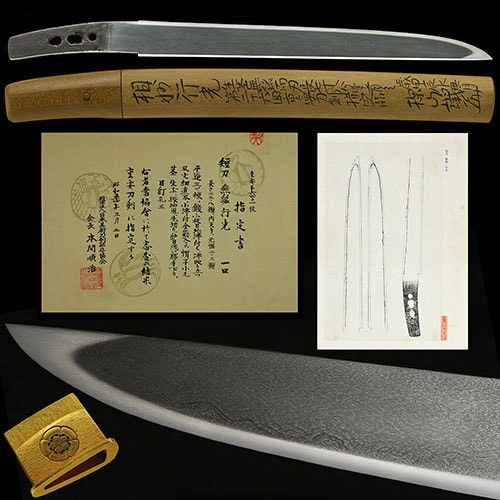
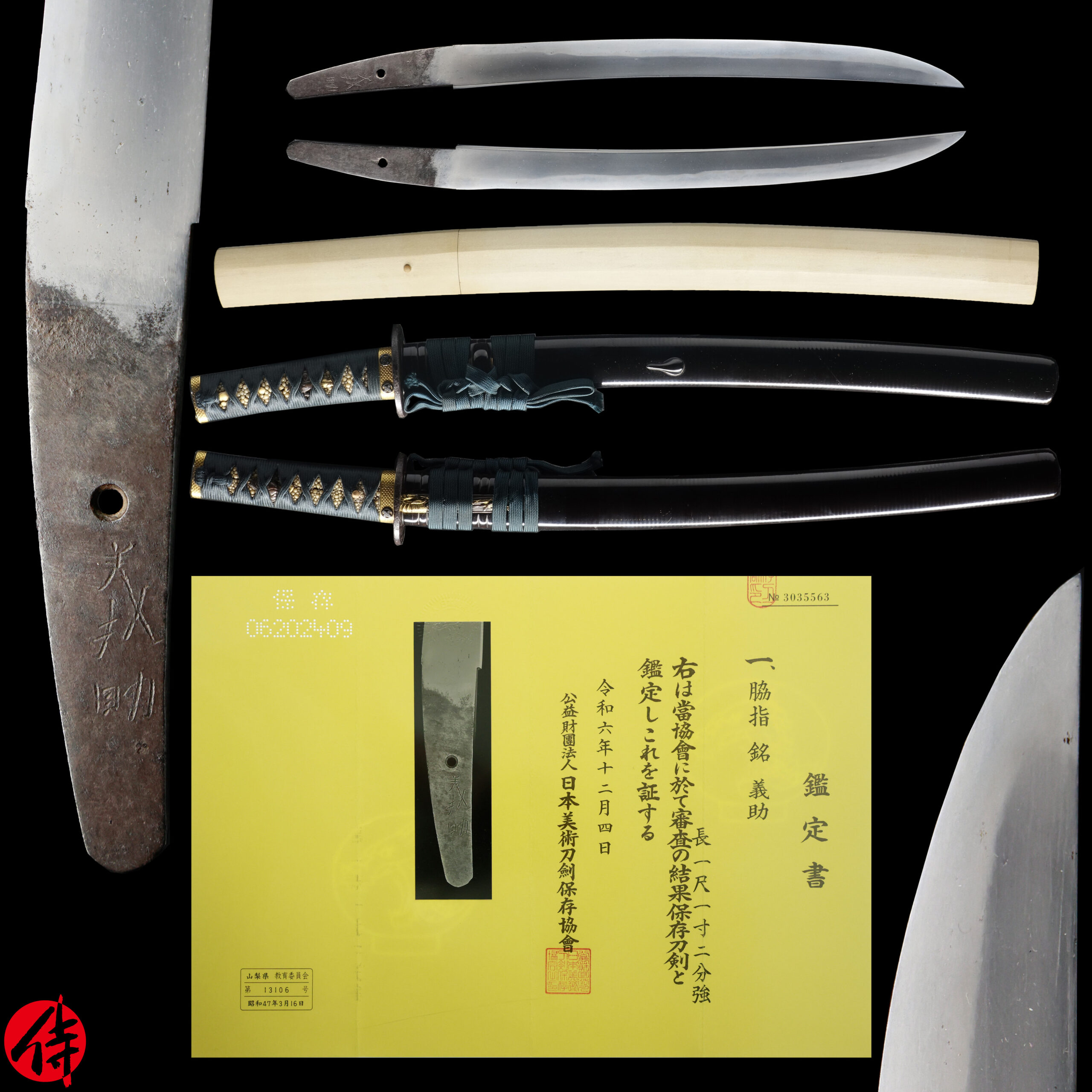
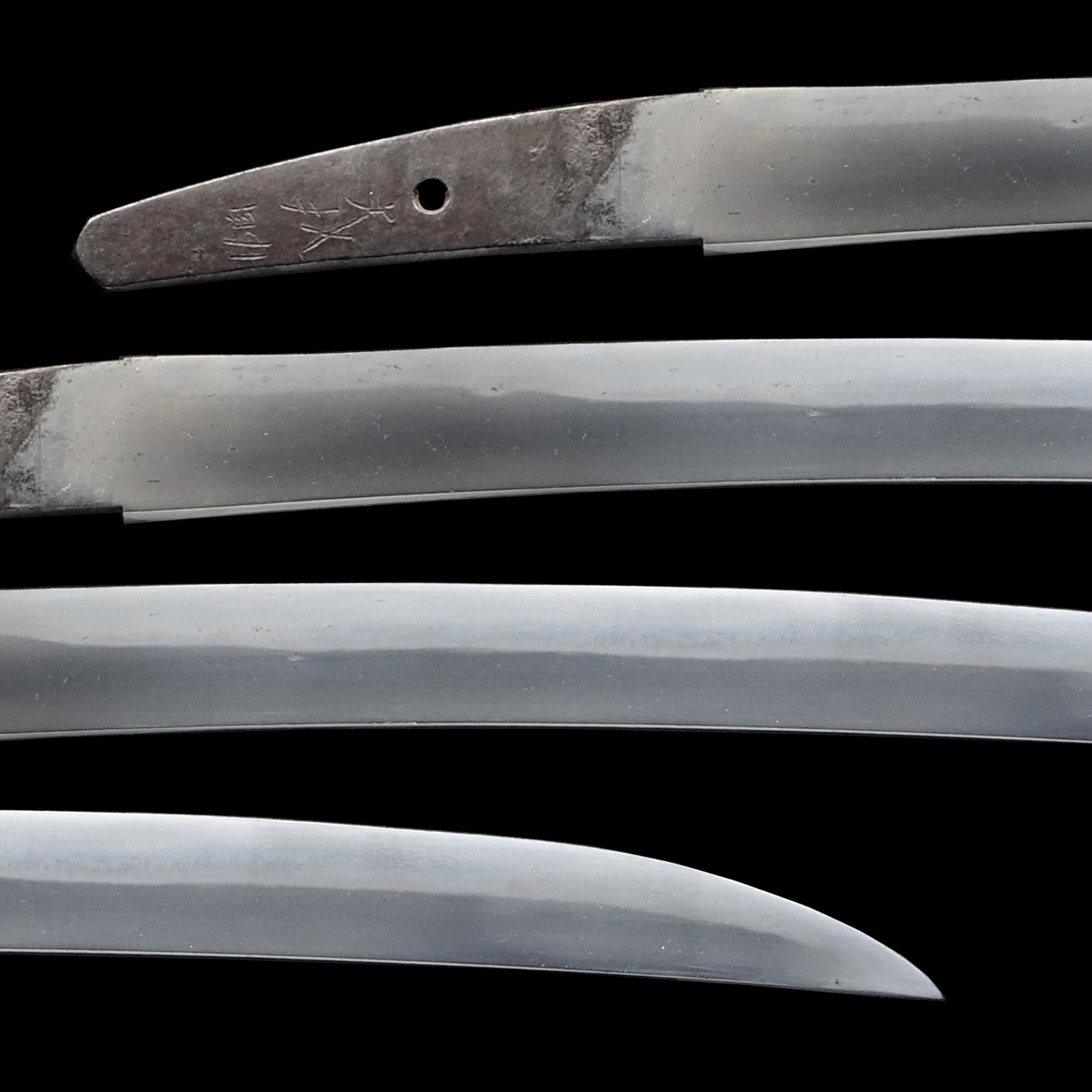
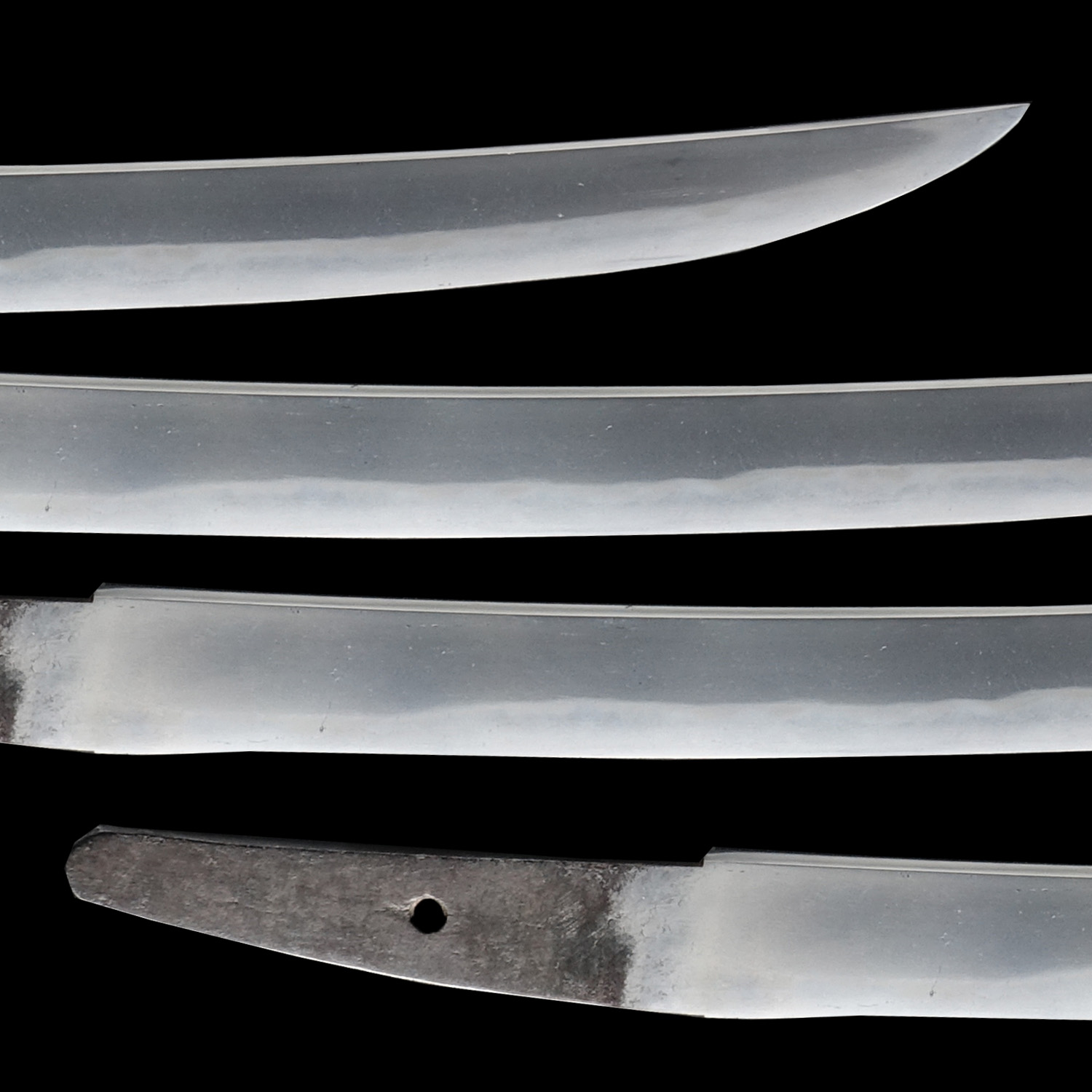
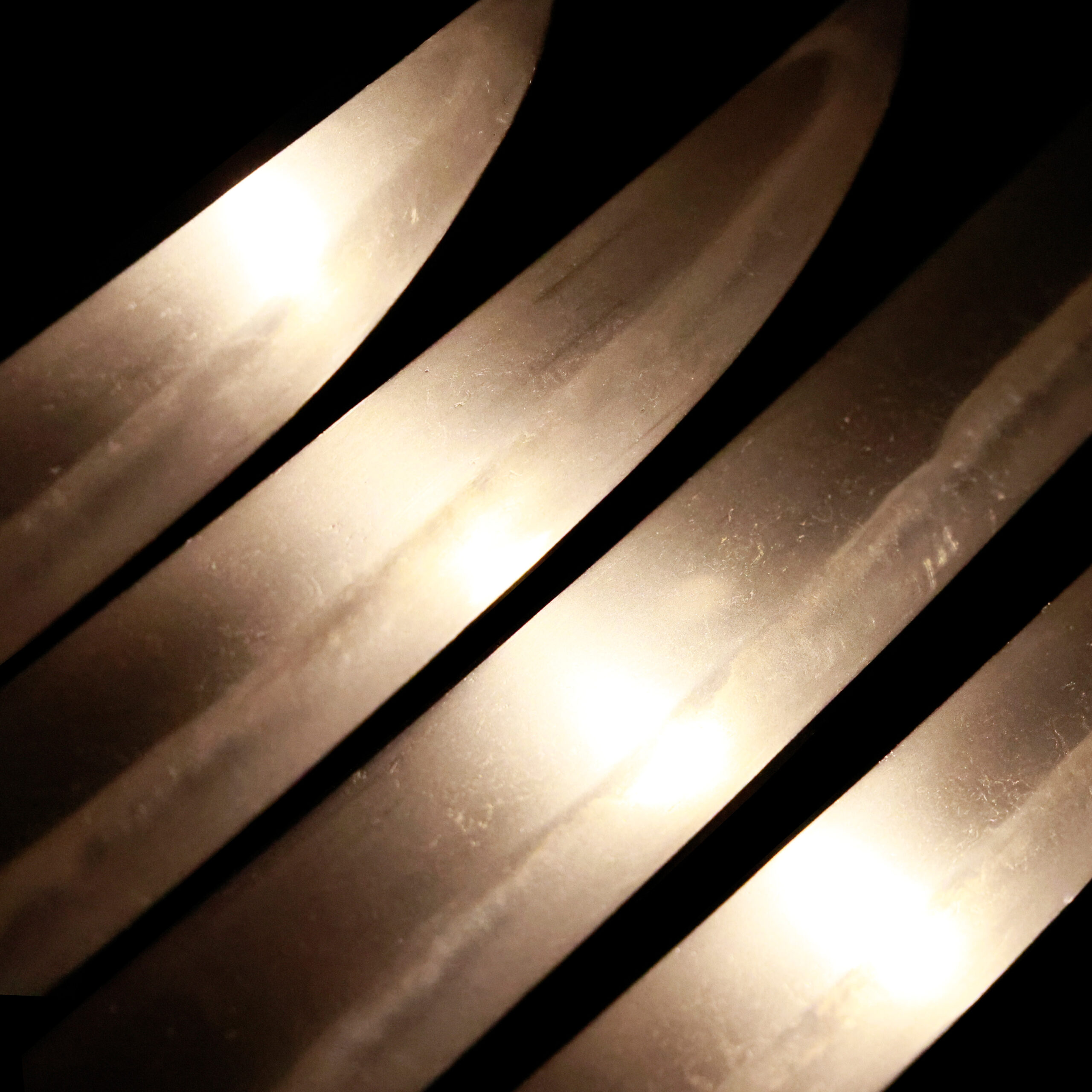
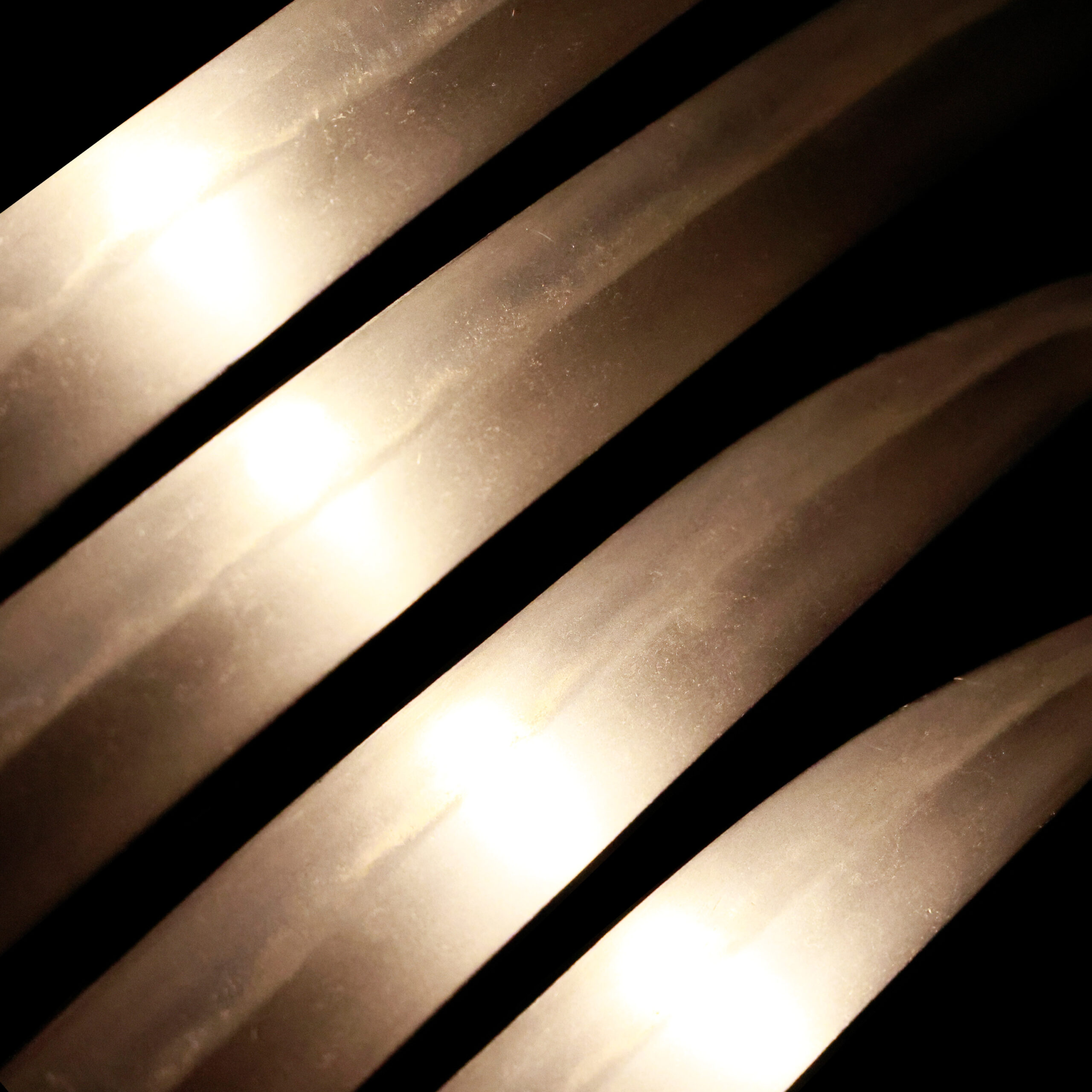
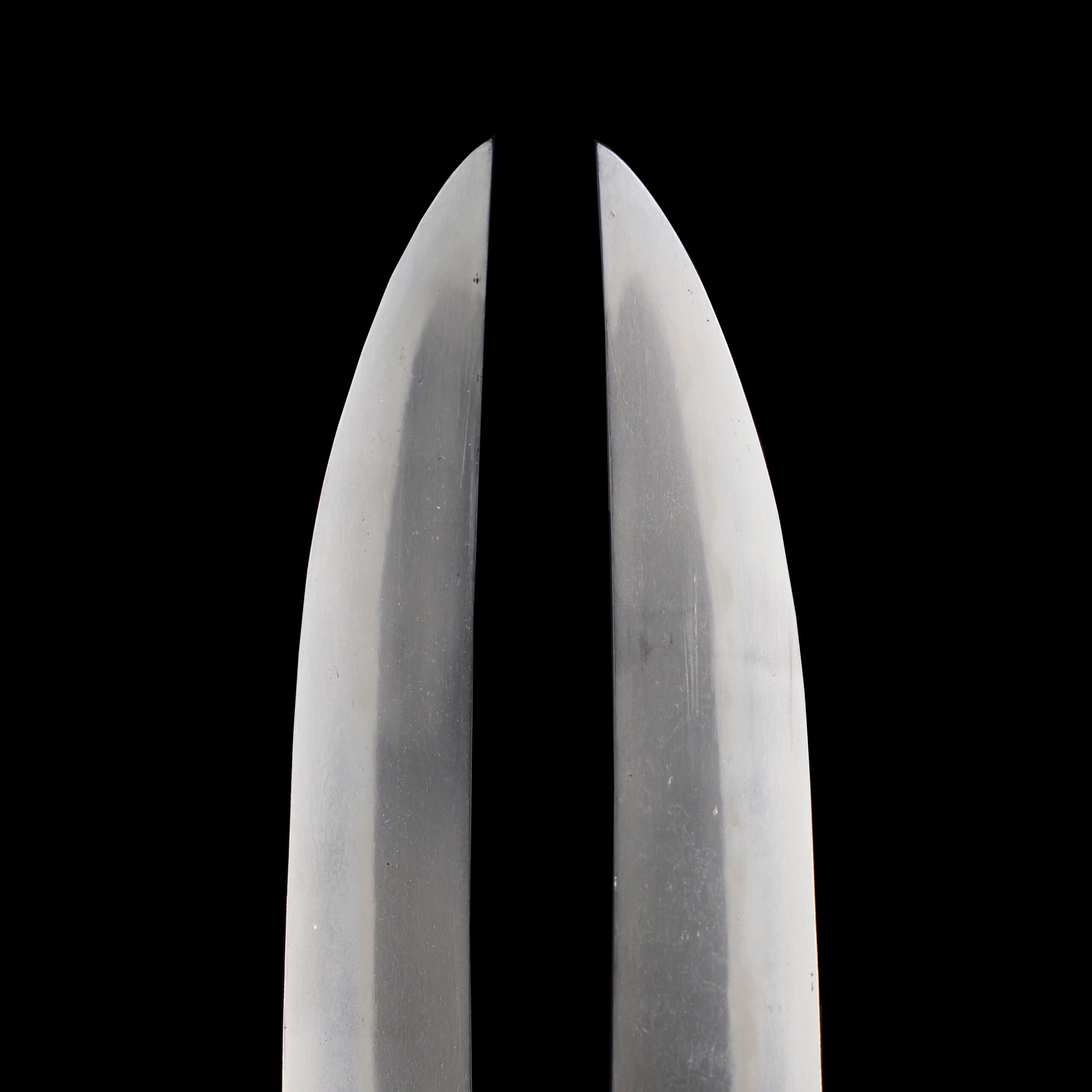
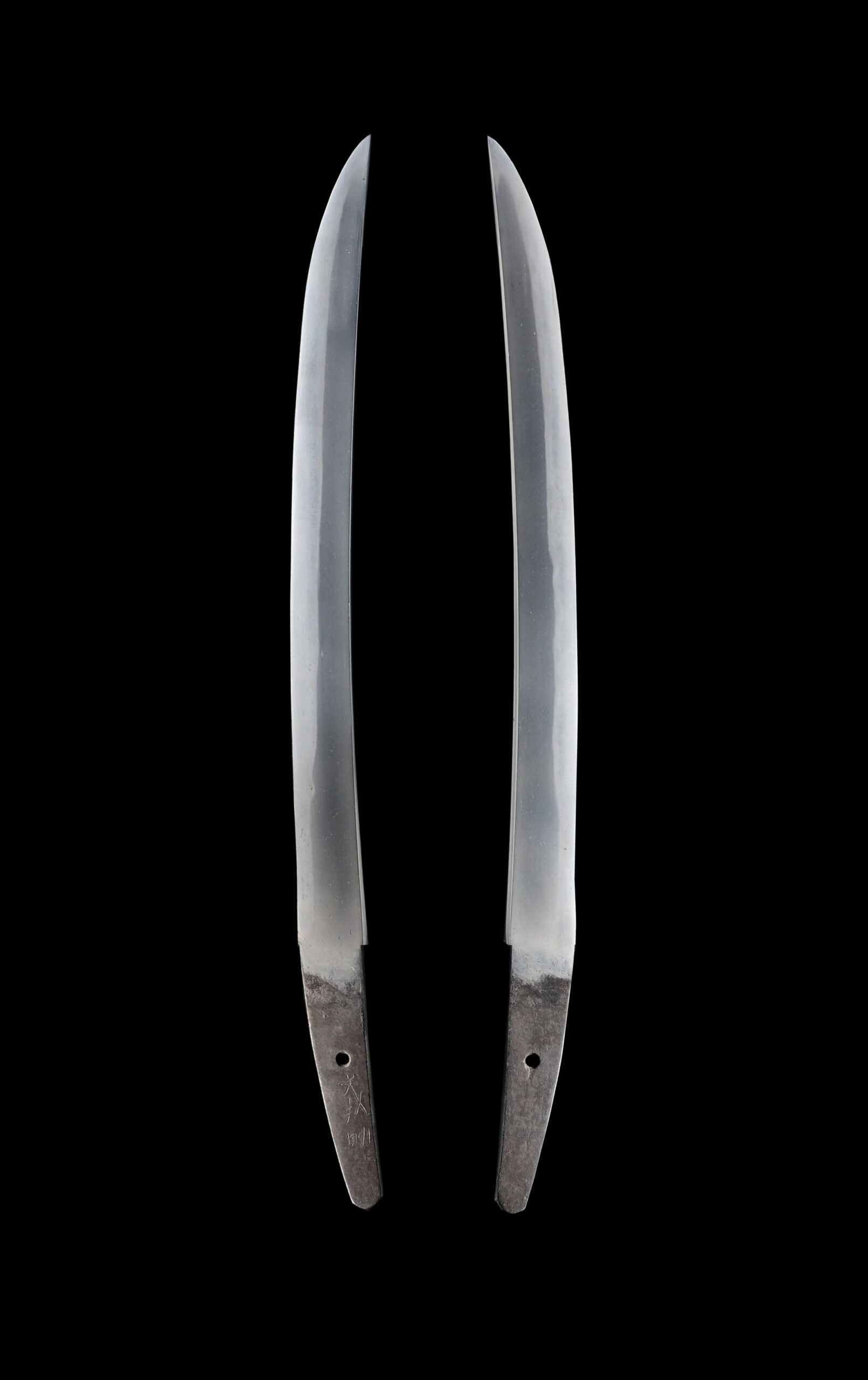
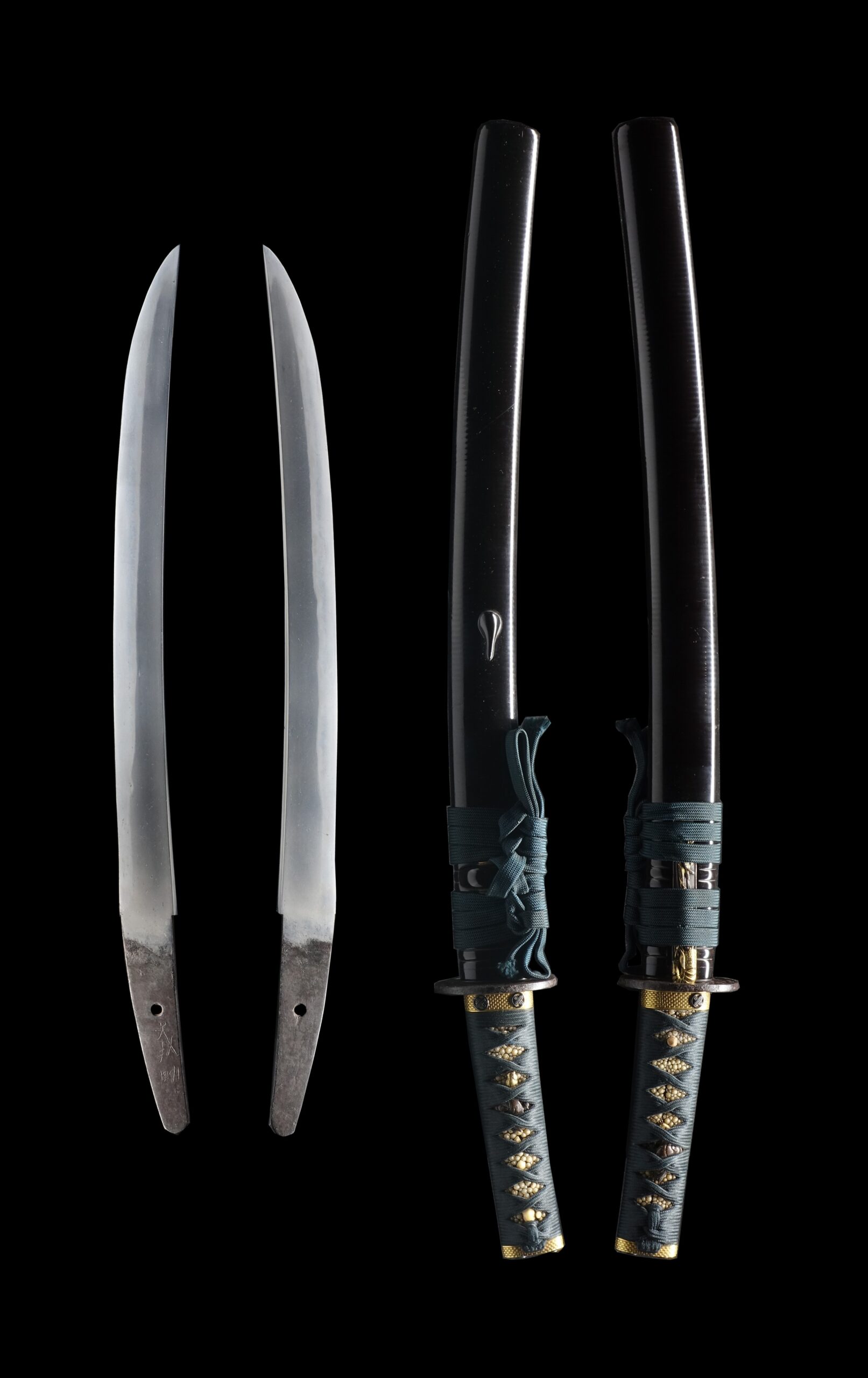
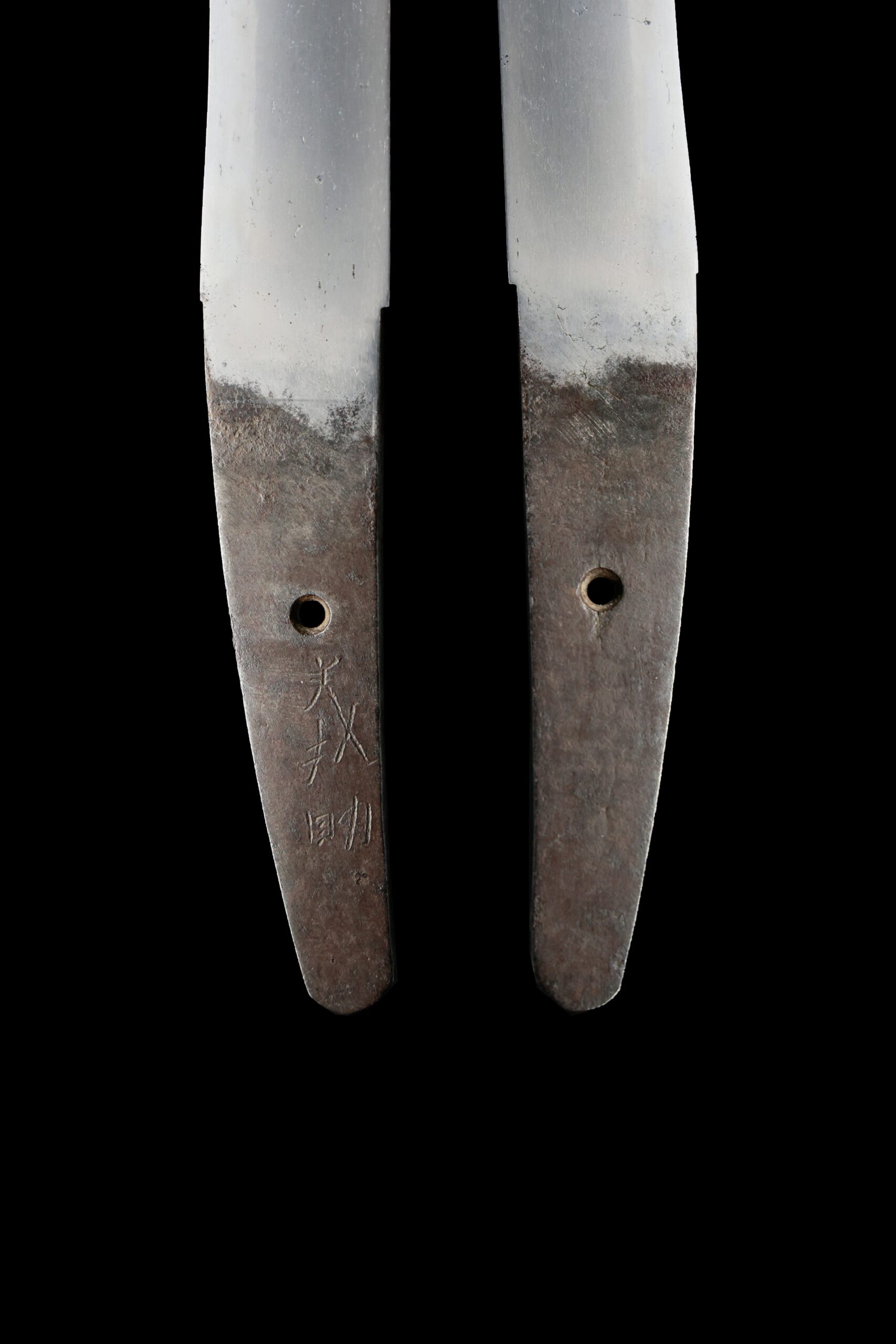
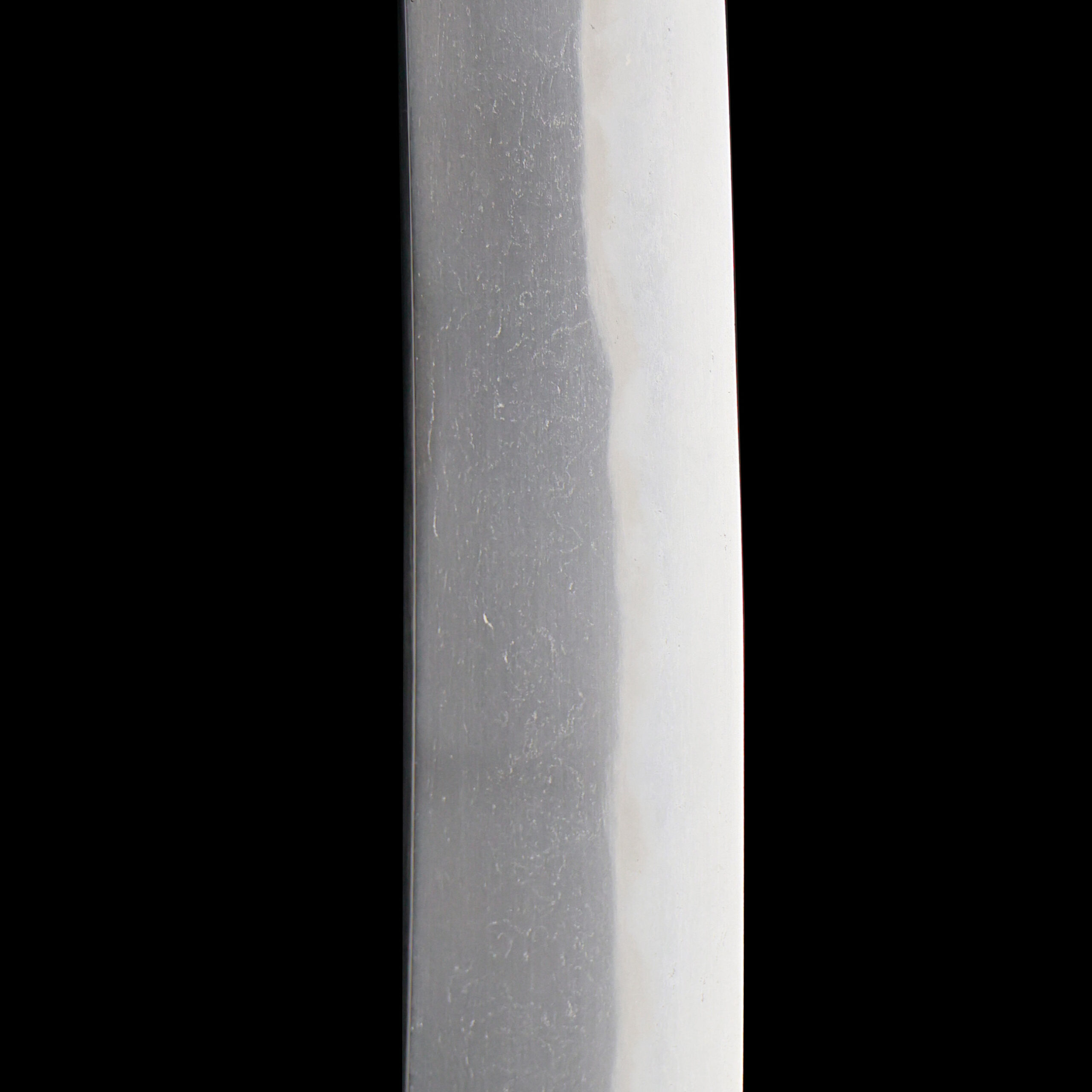
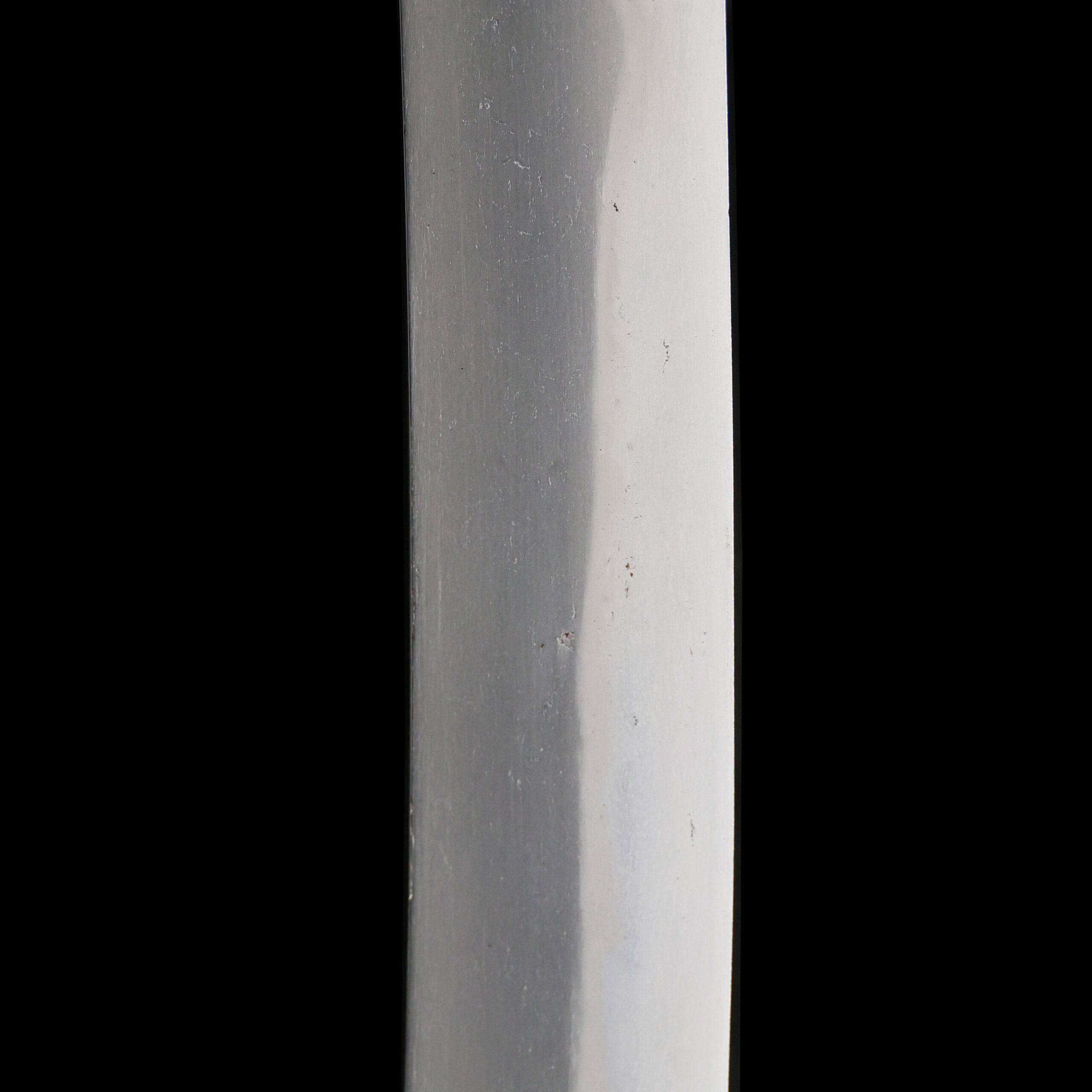
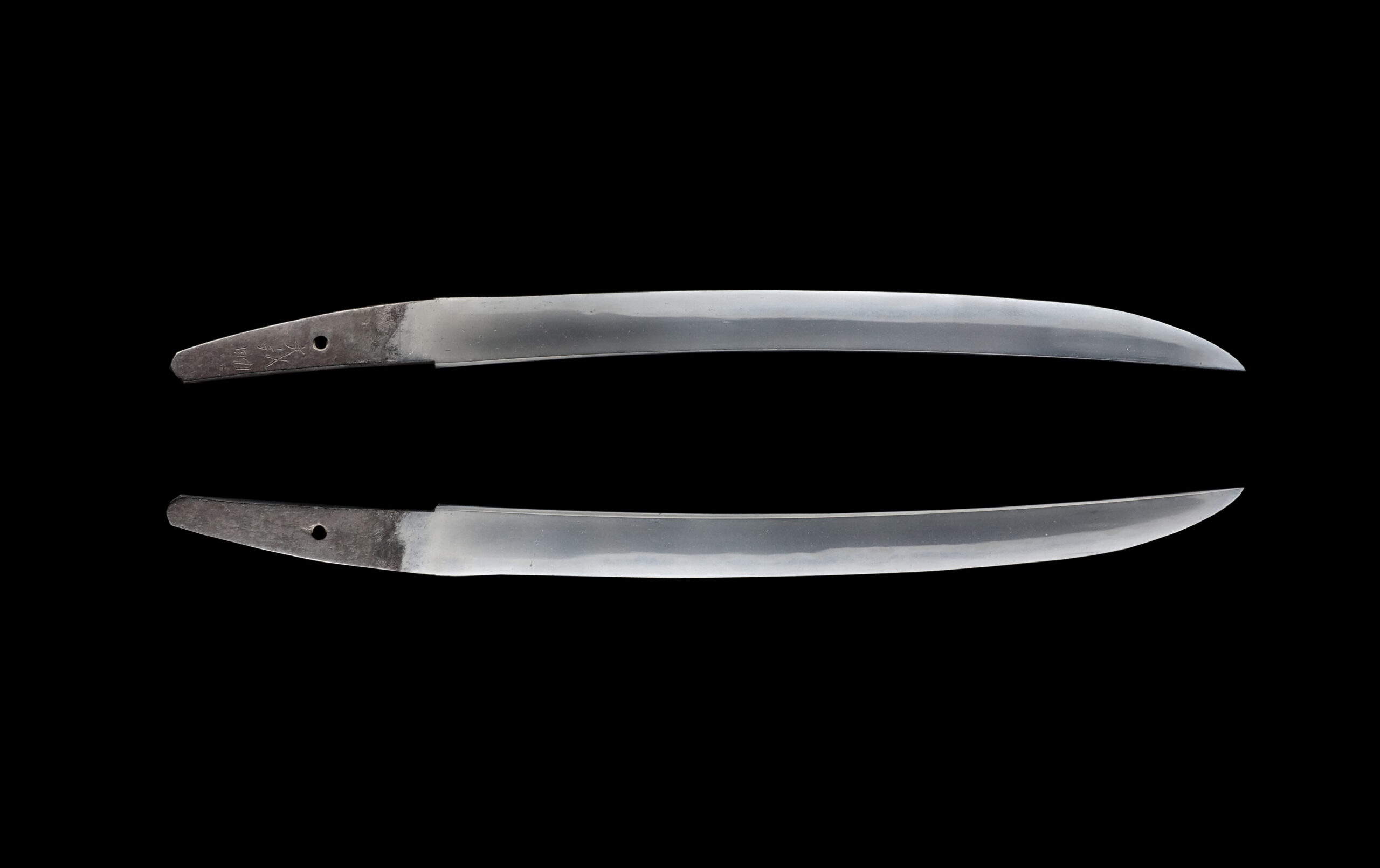
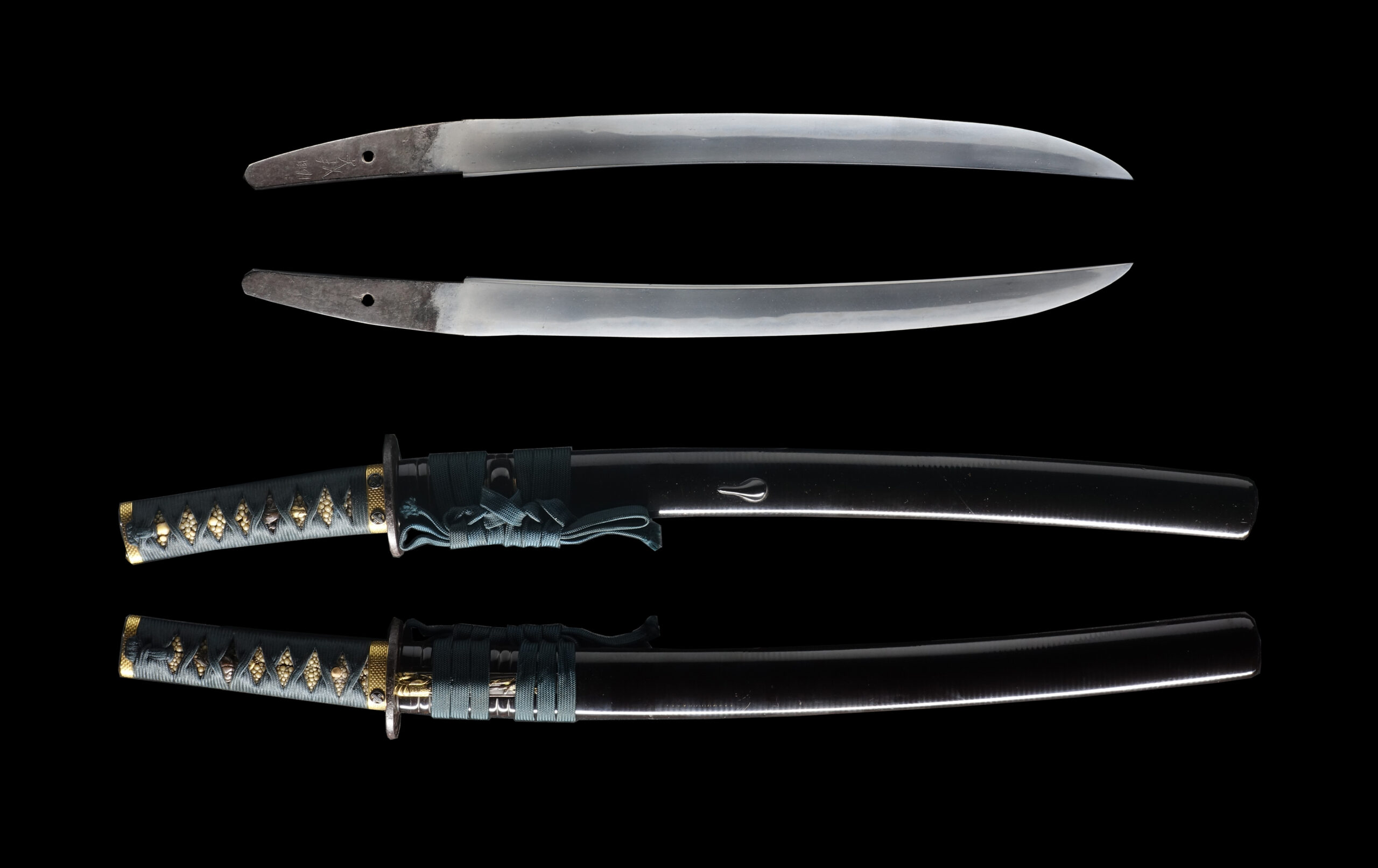
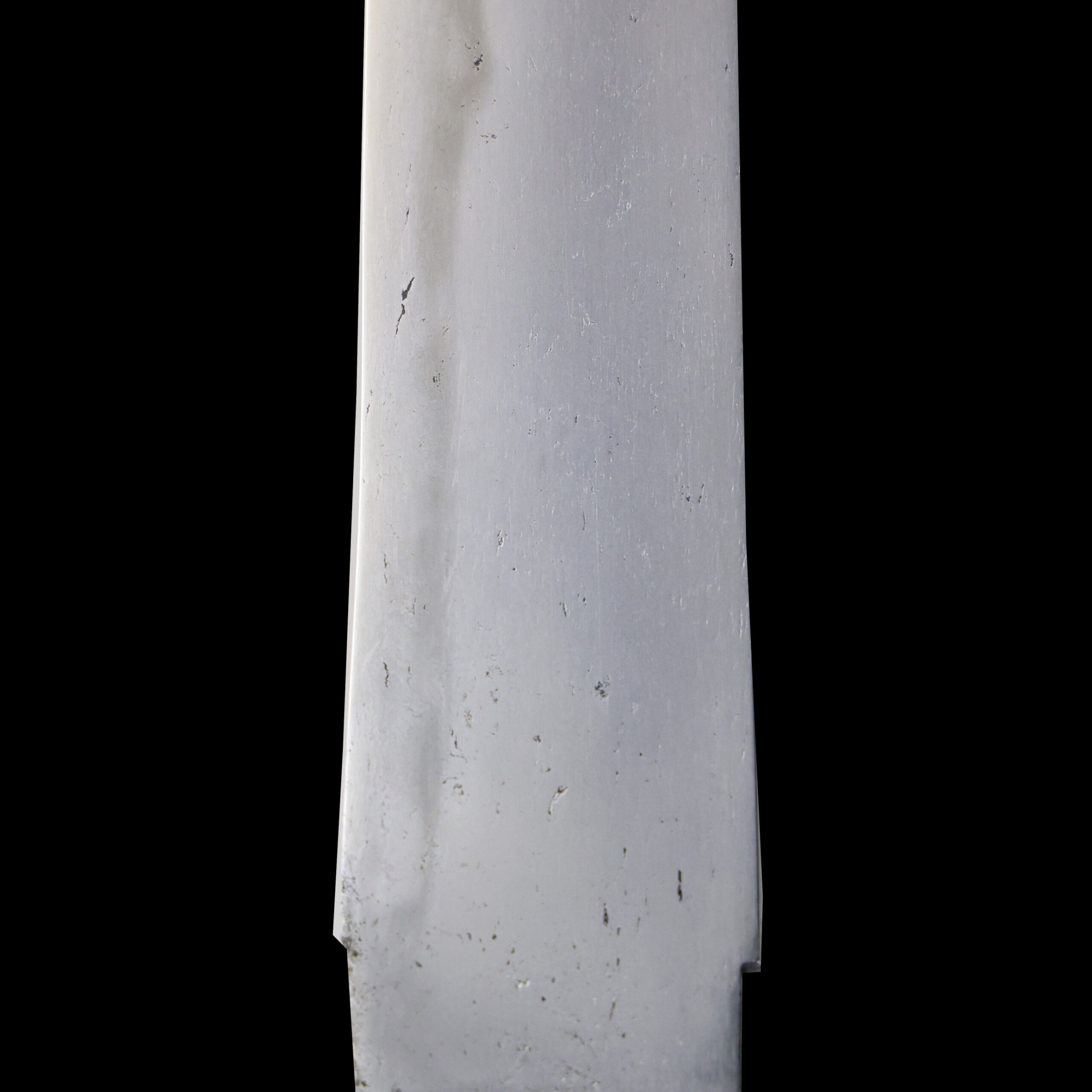
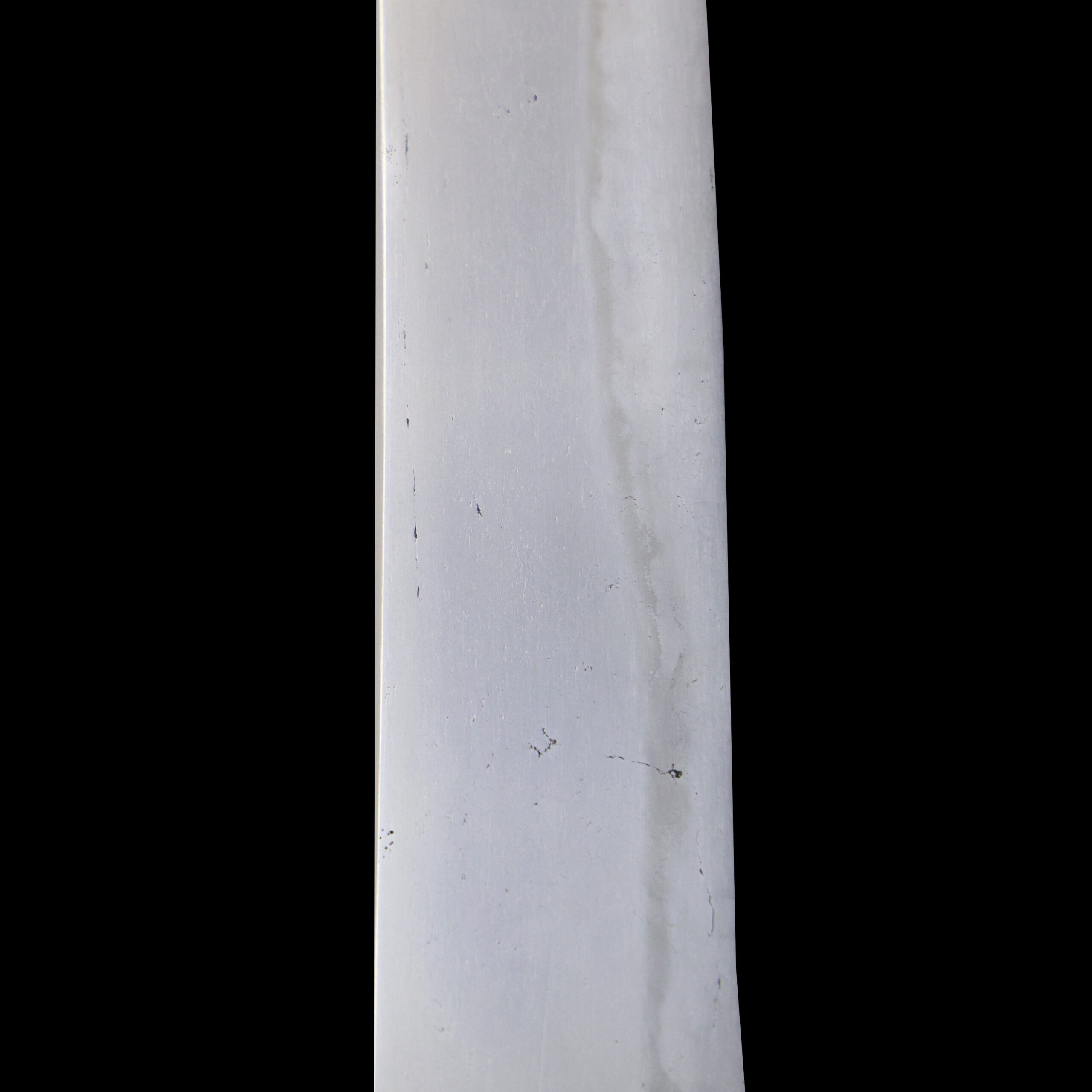
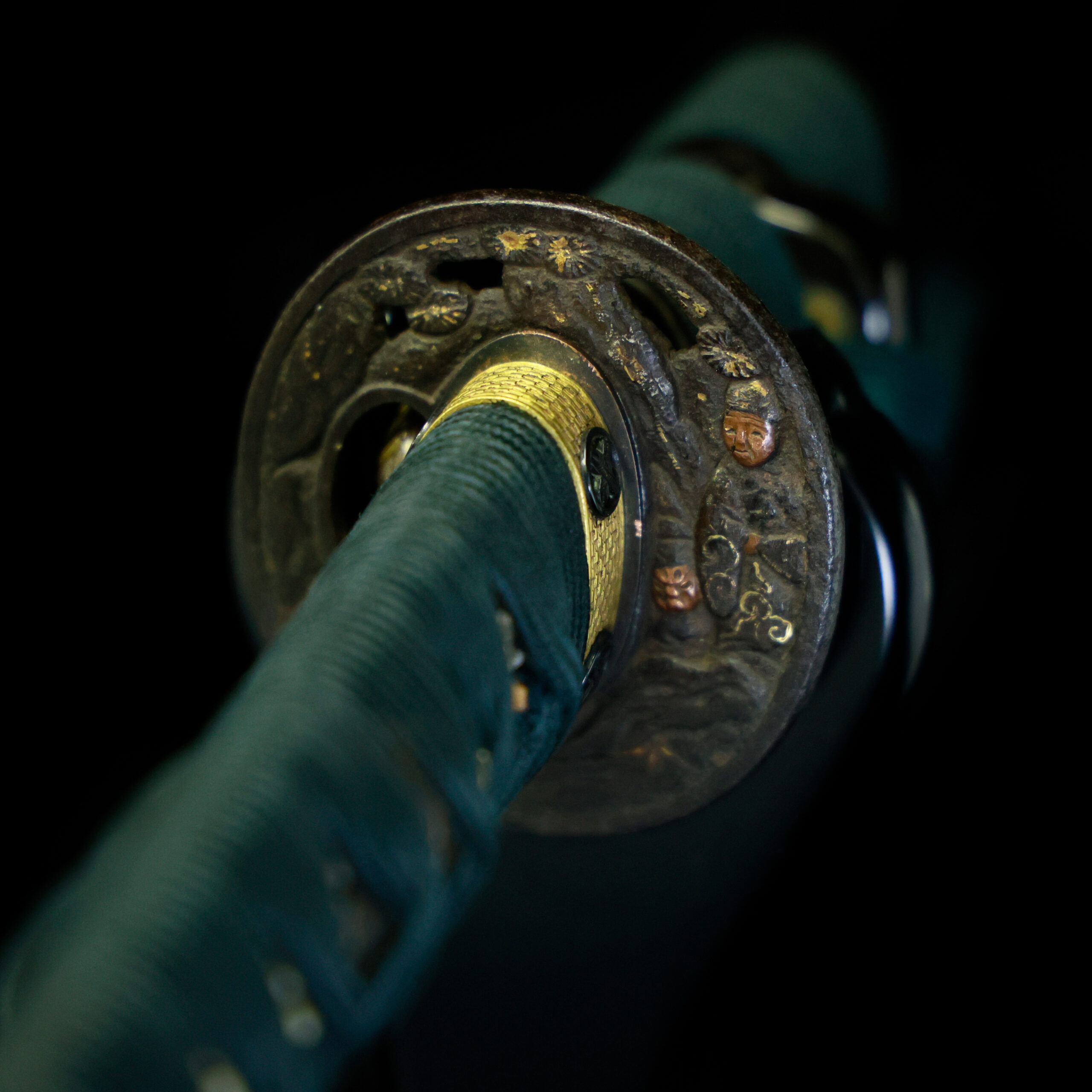
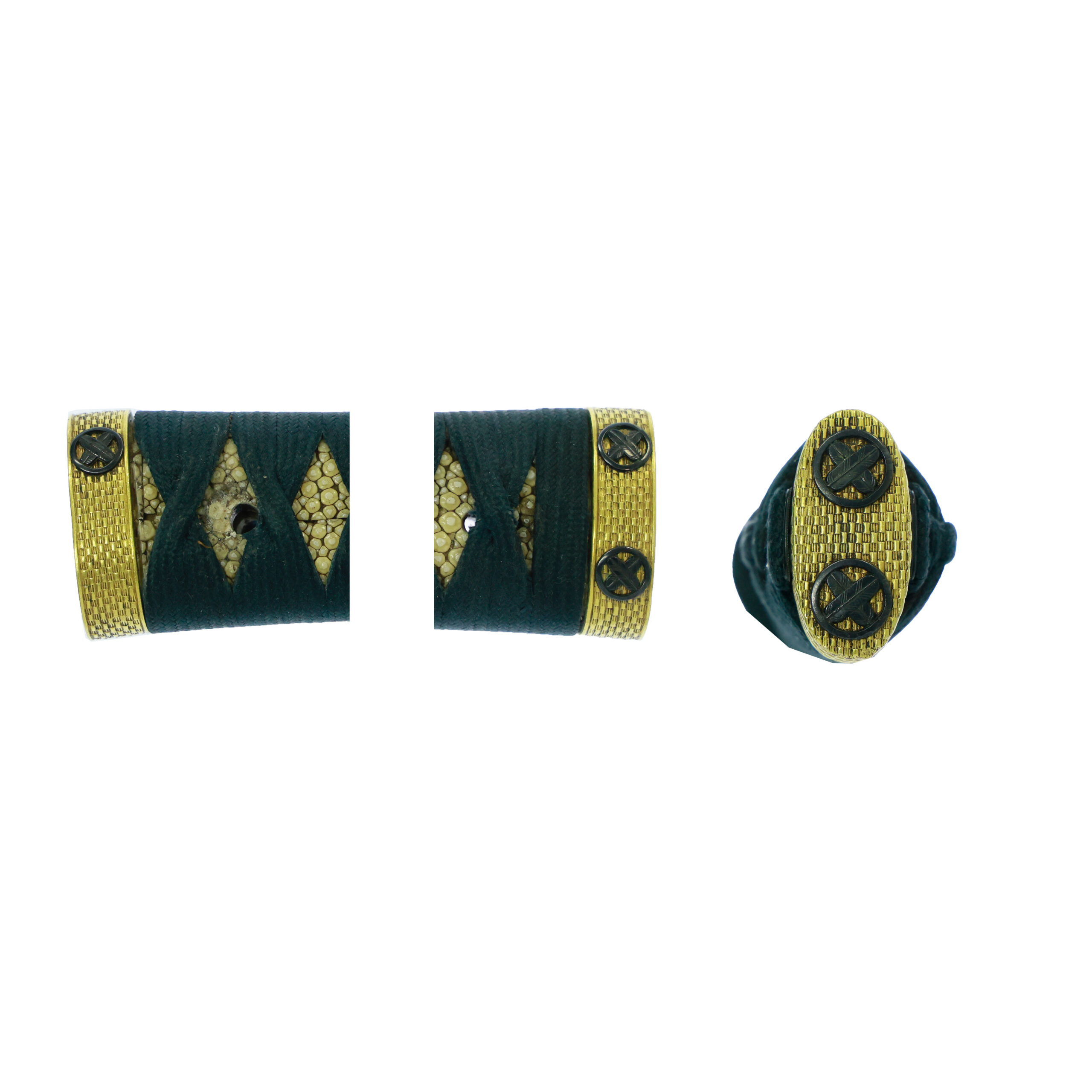
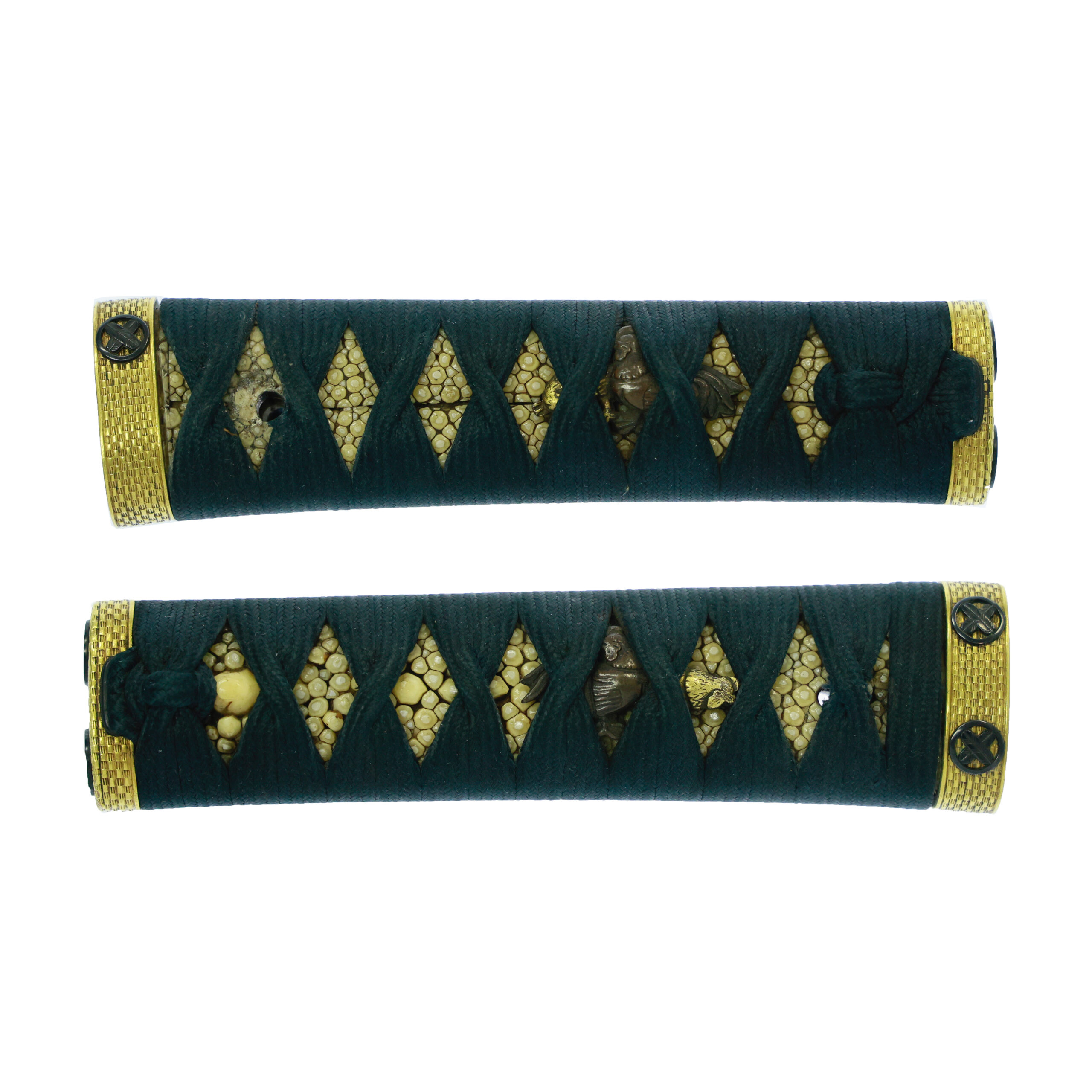
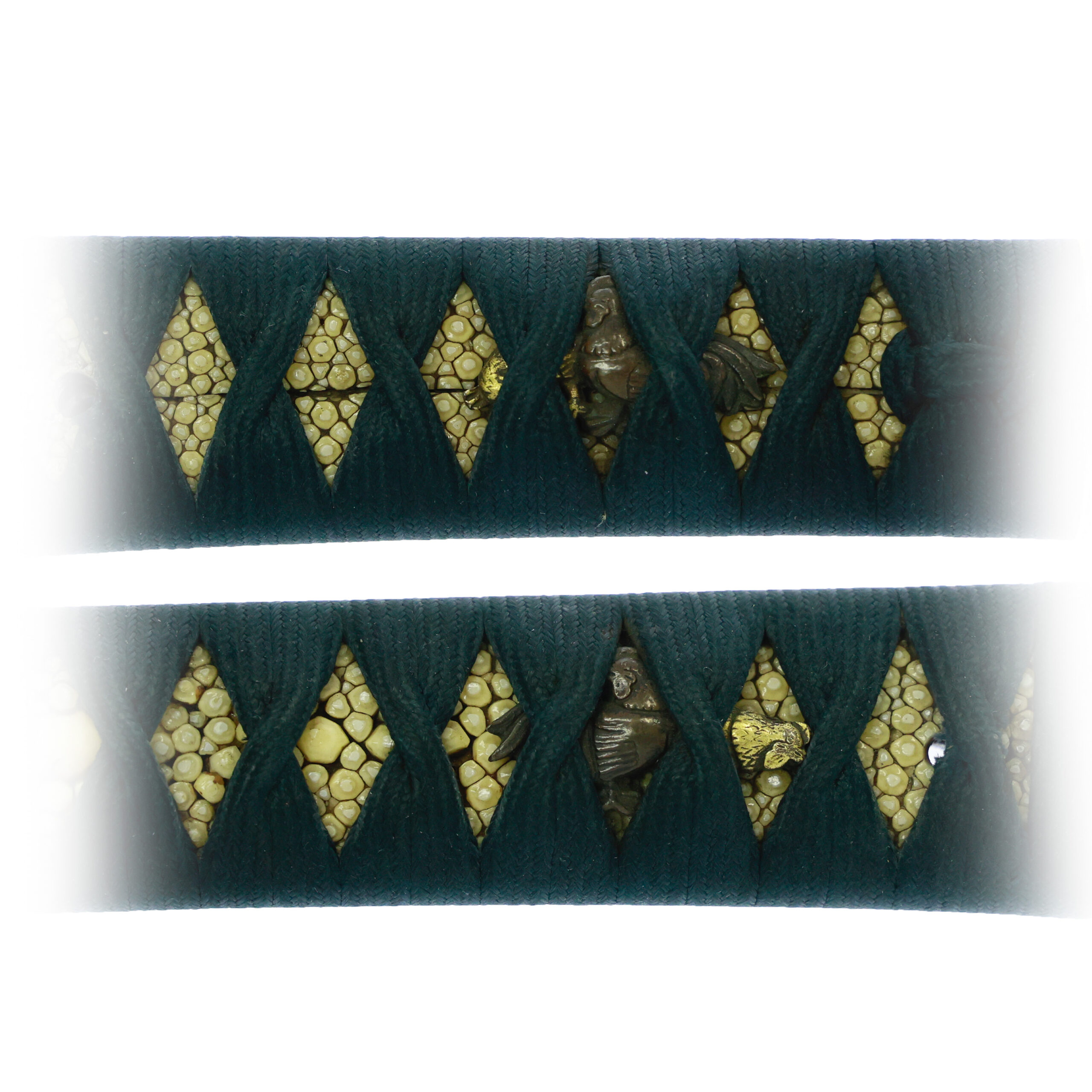
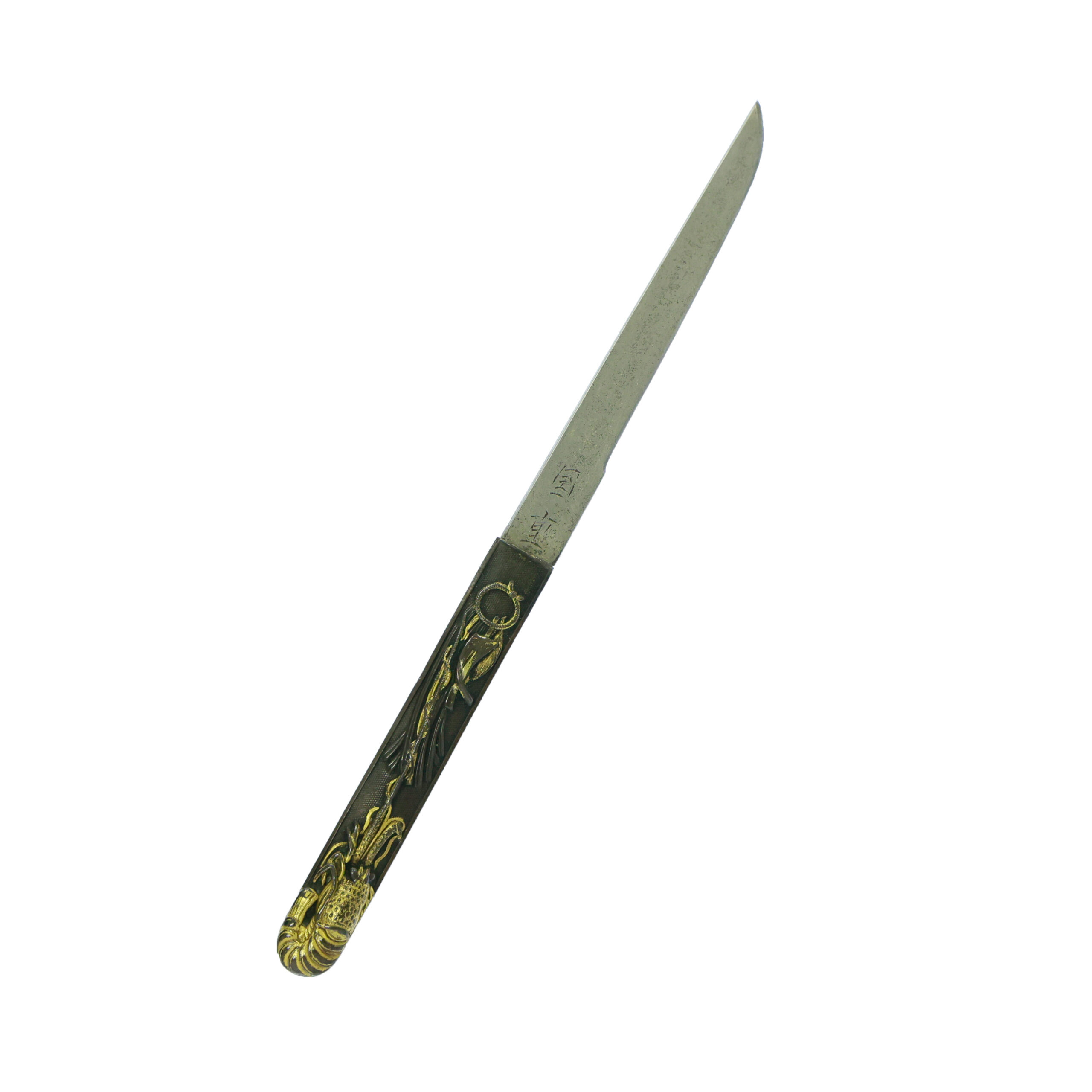
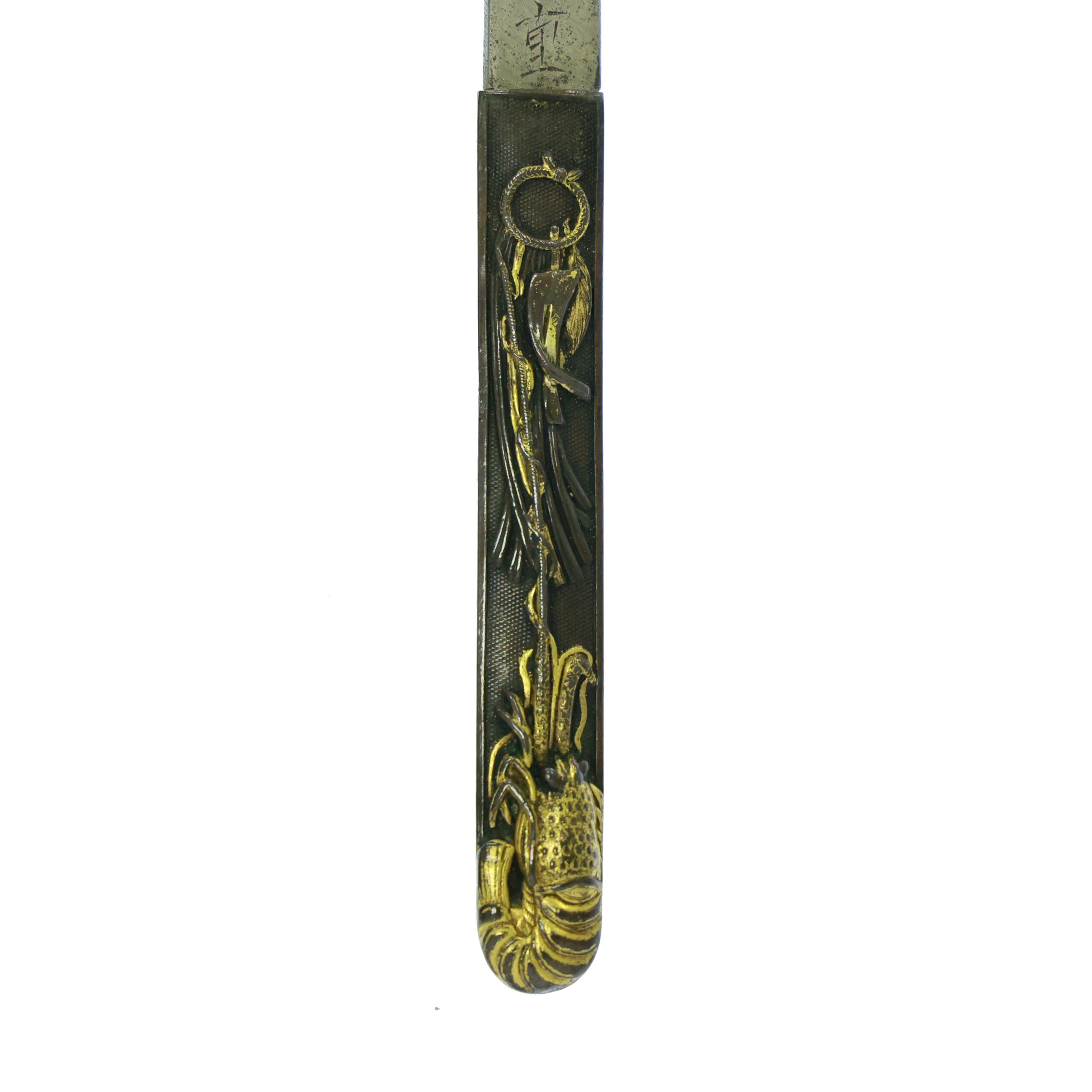
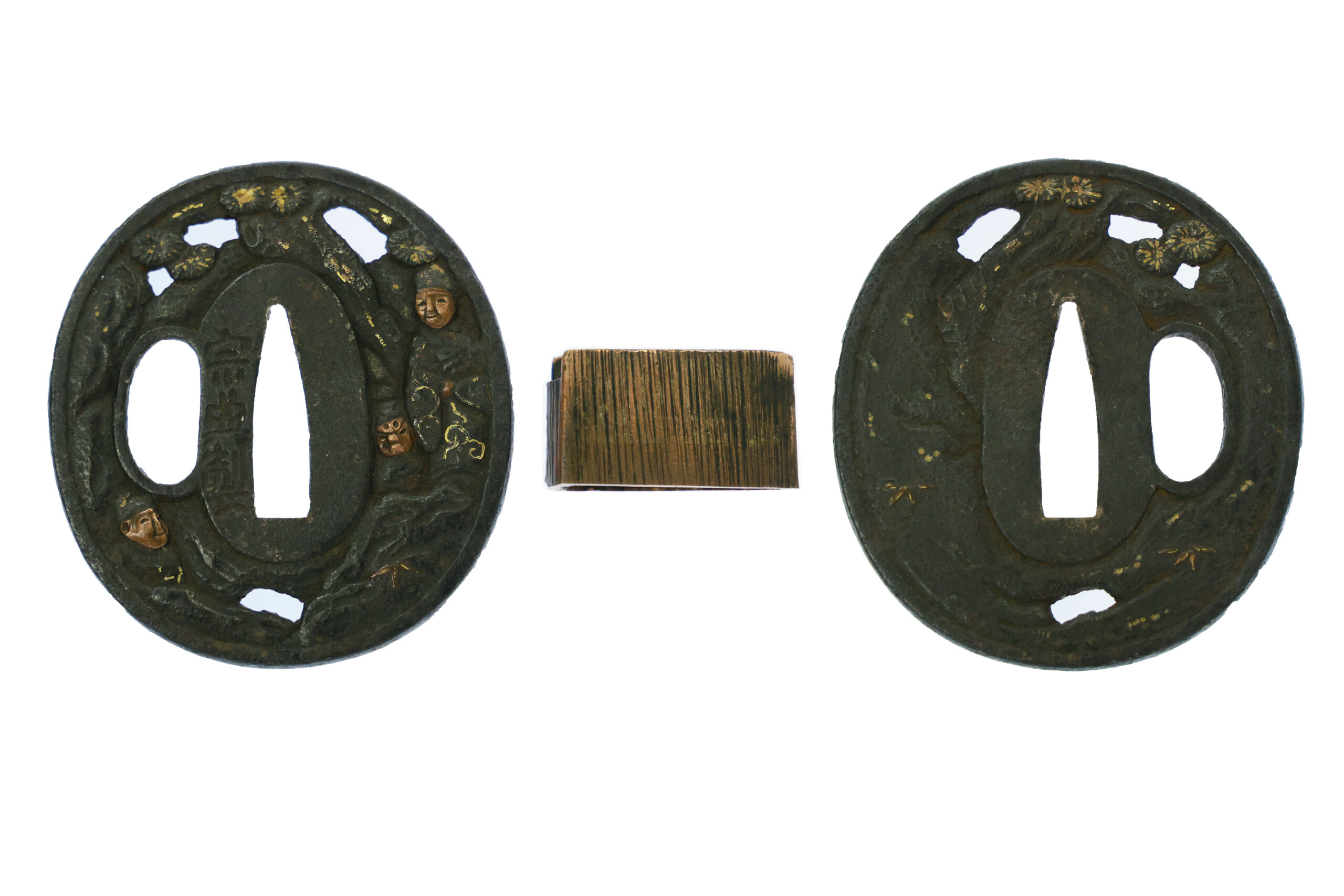
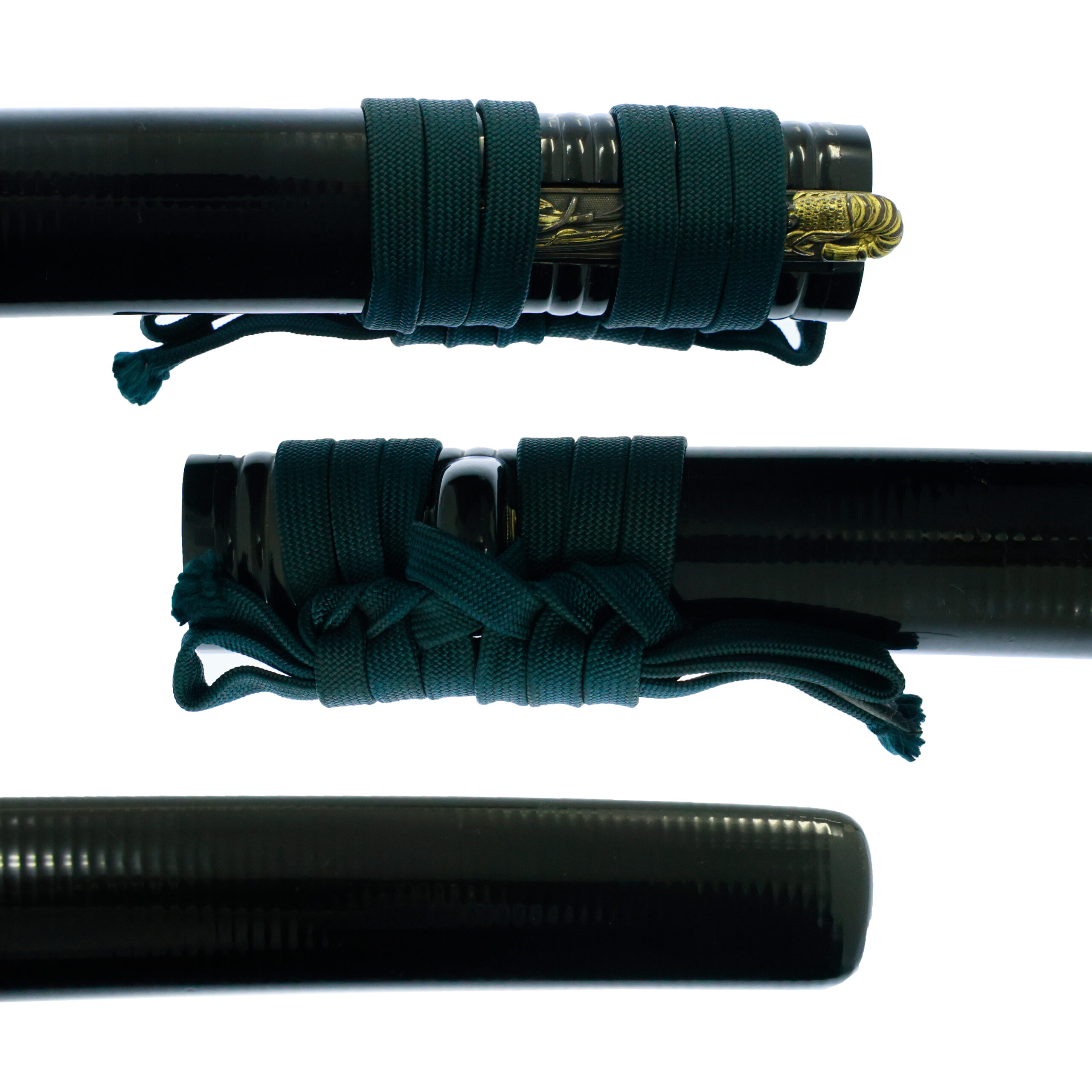
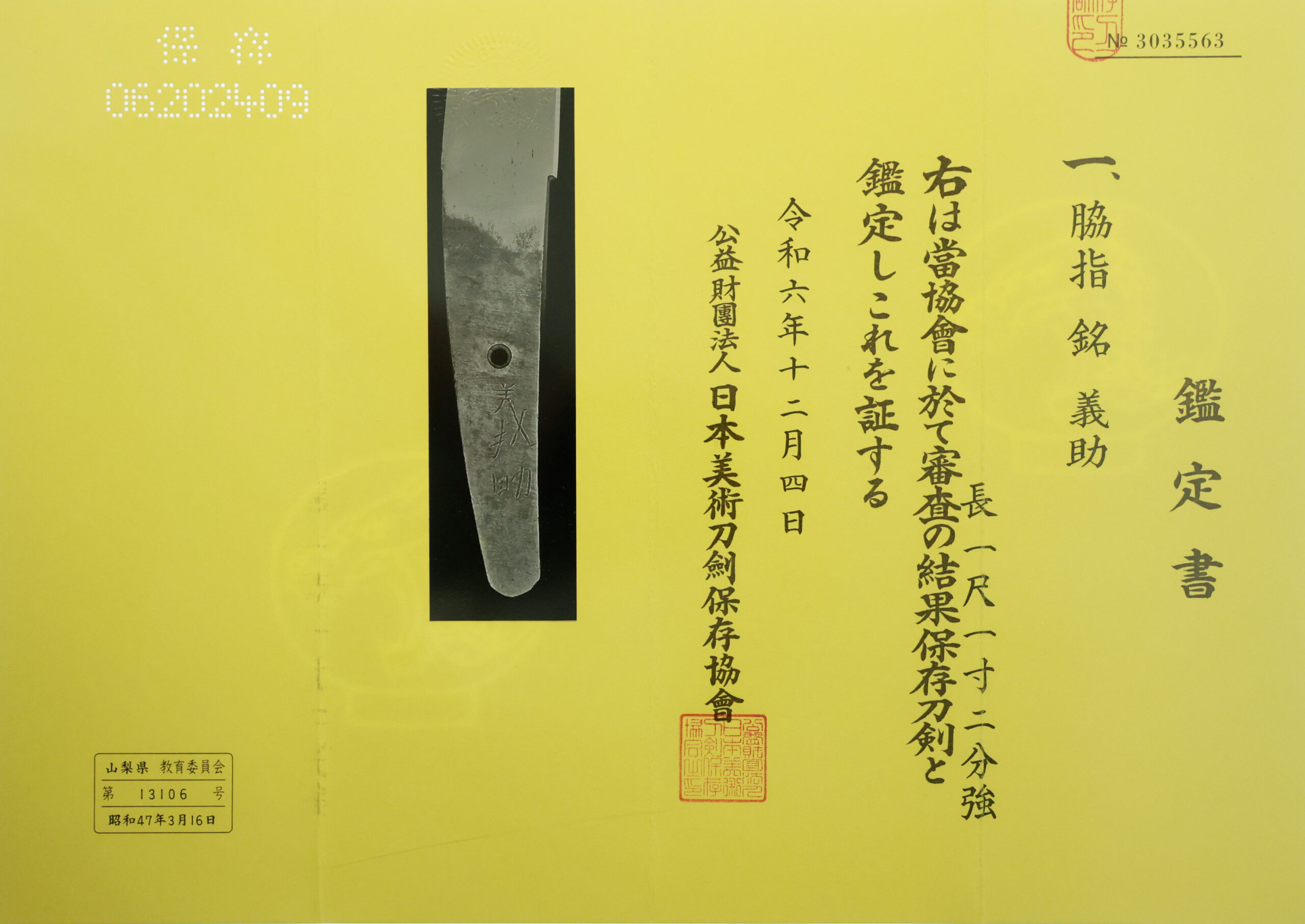
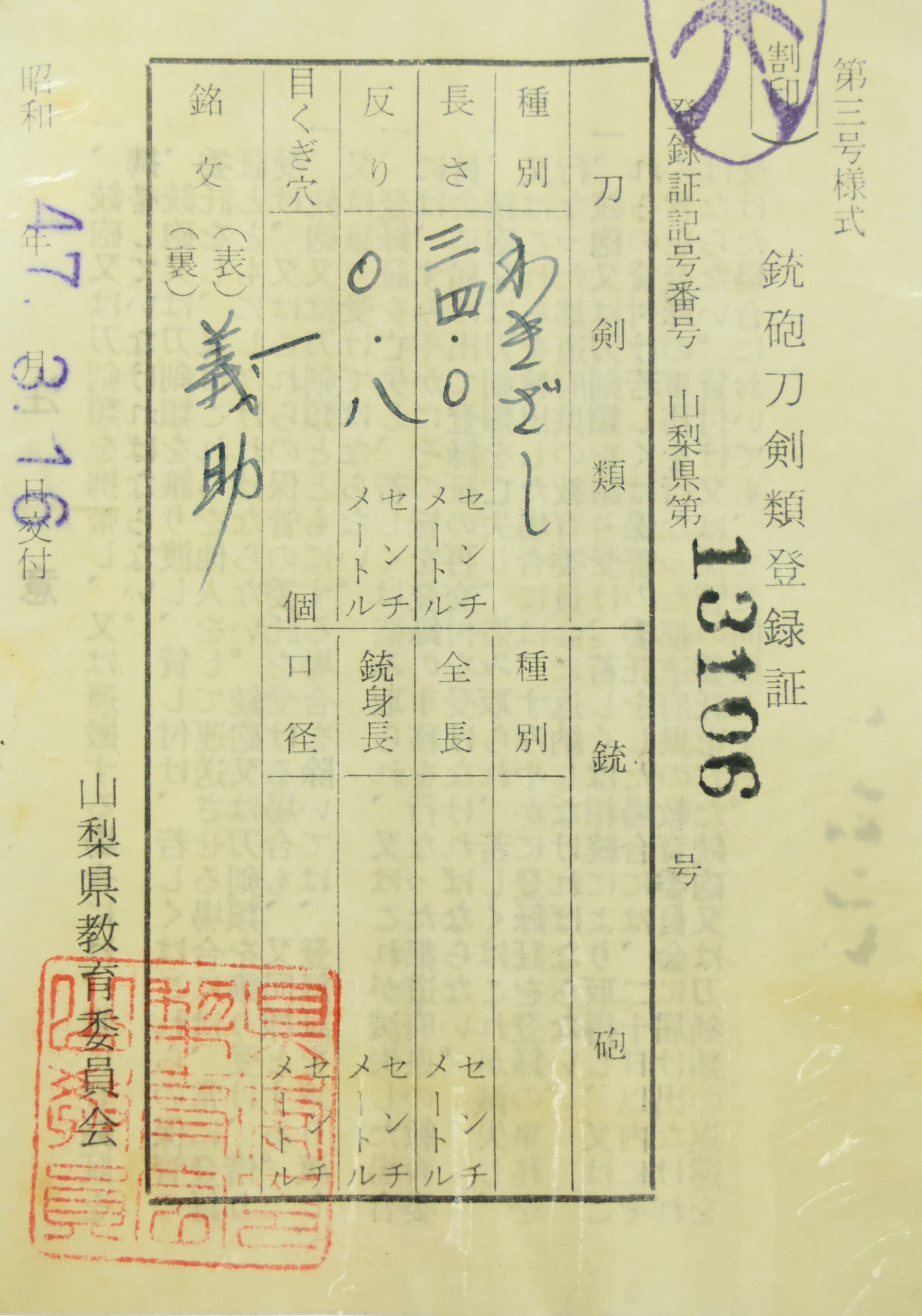
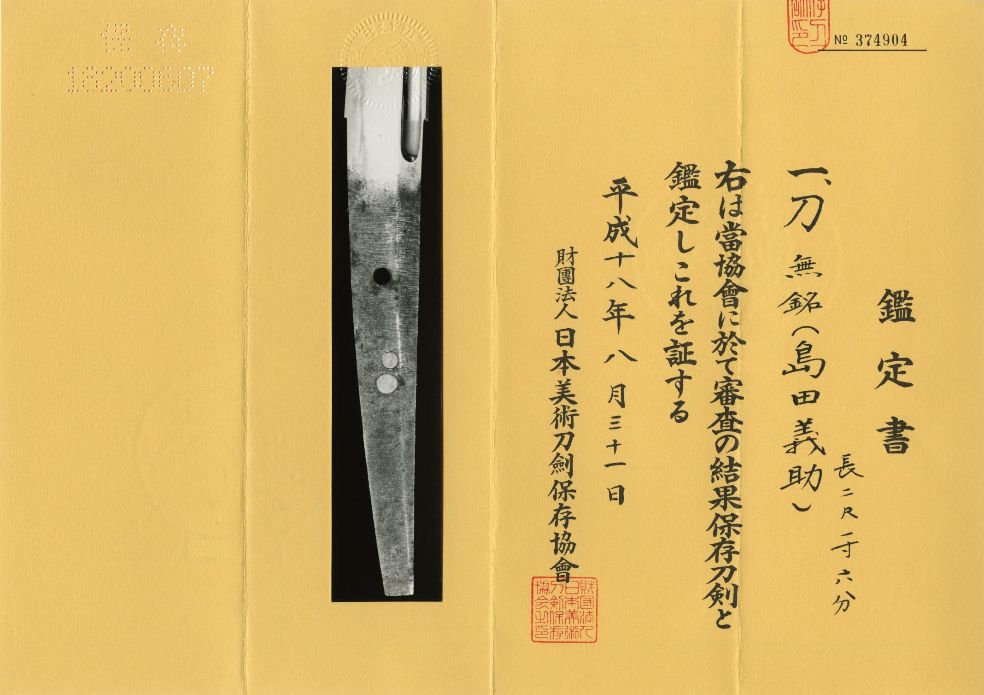
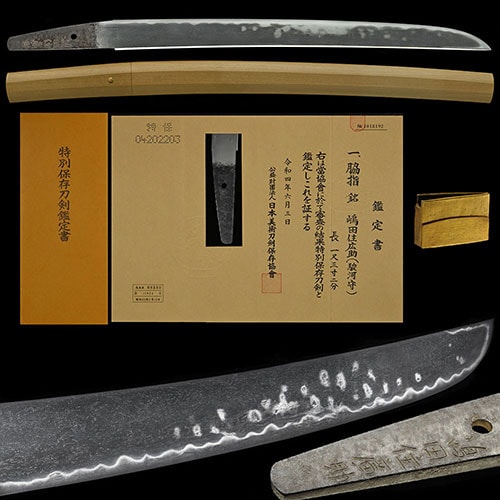
Antique Japanese Sword Wakizashi Signed by Yoshisuke with NBTHK Hozon Certificate 【Description】 This blade was signed by Yoshisuke (義助), also known as, Shimada Yoshisuke(島田義助). The maker’s name(Yoshisuke) lasted several generations, and it started from the mid-Muromachi period and lasted until the end of the Edo period. The first-gen Yoshisuke was active during the Kosho era(1455-57), and he was the founder of Shimada school, located in the Suruga domain(today’s Shizuoka prefecture). It is said that the first-gen Yoshisuke was a descendant of Bizen Ichimonji Sukemune, one of the most famous swordsmiths in Japanese history.We believe this blade was signed by a late-gen Yoshisuke from the late Muromachi period. The first-gen Yoshisuke served a powerful feudal family named Imagawa. It is said that he received his maker’s name 義 from Imagawa Yoshitada. Shimada school interacted with other schools in Soshu swordsmiths living near Odawa castle in Kanagawa prefecture. The Suruga domain was vital for strong feudal lords such as Takeda, Tokugawa, and Hojo clan during the Sengoku Jidai(Warring state period: Late Muromachi period). The swordsmiths in Shimada school received many orders from these strong feudal families. This blade is appraised as a Hozon Token (保存刀剣) issued by NBTHK(Nihon Bijutsu Touken Hozon Kyokai:日本美術刀剣保存協会). This authentication paper was only given to authentic Japanese swords, well preserved and high quality with artistic value. *Please keep in mind that there is partial black rust as well as a few Kitae Kizu on the blade. If you like to see the detailed condition, please feel free to contact us. 【Blade】 Cutting Edge Length(Nagasa) : 34.0 cm (13.3 inches) Curvature(Sori) : 0.8 cm ( 0.31 inches) Hamon : The crystalline structure which forms along the cutting edge of a blade as a result of the hardening process Jimon(Jihada) : visible steel surface pattern created by folding and hammering during forging process Nakago : Nakago is the tang of the Japanese sword. Japanese swordsmiths left the black rust on the tang because it prevents red rust while the tang is in its handle. And the discoloration of the tang was created over time, and it is a great indicator for a Japanese sword specialist to estimate when the sword was forged. Koshirae: Koshirae is the mounting of the Japanese sword. There are several parts that consist of Koshirae such as Saya(Scabbard), Tsuka(Handle), Tsuba(Handguard). Fuchi-Kashira : A pair of matching sword fittings that cover the upper and bottom parts of its sword hilt. You can see the family crest on this Fuchi-Kashira. Its family crest is Taka no Hamon (鷹の羽紋). Taka means Hawk. Hawk is an intelligent bird used for hunting, called falconry. It was famous as a recreation among high-class Samurais. In the old days, it was also familiar with emperors and royal families, so it might be why the hawk was regarded as a symbol of the ruler’s authority. During the warring period, the boy’s success was to become an excellent Samurai; therefore, it has been thought that men (Samurai) and the hawk had a deep connection as a symbol of advancement and authority. Many Samurais loved this design based on that reason. Furthermore, its wings were used for one of Samurai’s primary weapons; an arrow (They put hawk’s wings as arrow’s feather). The arrow itself is reminiscent of victory or defeat, battlefield; it is not difficult to imagine that Samurais also liked the hawk wings attracted to arrows. Still today, various family crests use this bird wing’s motif like this one. Tsuka and Menuki : Tsuka is the handle of the Japanese sword and Menuki is its decoration. The main motif of the Wakizashi’s Menuki is Niwatori (鶏: rooster and hen). In ancient times, this bird was used for rituals to offer to gods. It is said this is why the chicken pattern was incorporated into family crests. As this bird tells the arrival of morning, people regard it as the Ake-no Tori (明けの鳥, bird of the dawn). Also, chickens have been trea
 NihontoWatch
在銘 · Shimada · 室町 · 長さ 34cm · 反り 0.8cm
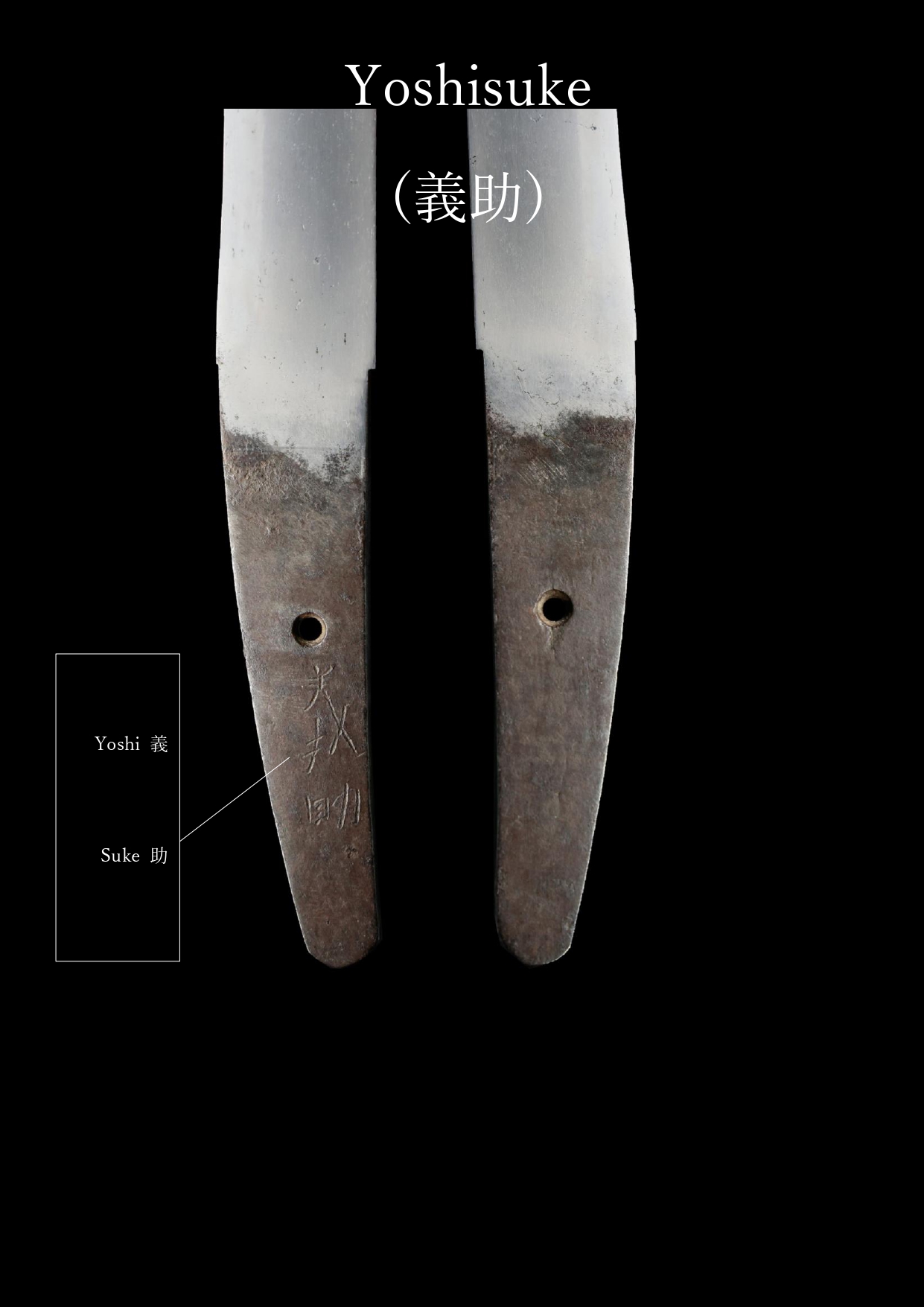
Shimada (Suruga) · 駿河 · 1492-1504頃
藤代 Chu-jo saku
現在2点販売中
義助は駿州島田派の主流をなす名であり、室町期のこの工房を、説明書は島田の作すべての筆頭に置く。「島田物の主流をなすものが義助」[[c:1]]とある重要刀剣の説明は端的に記し、同名は数代にわたってその地位を担った。参考書はその代を、初代を康正の頃として康正と称し、二代を明応・永正の頃とし、以後江戸末期まで連綿として続くと並べる。だがこの整然たる図式は答えではなく難所である。永正より古い年紀の作は現存せず、現存最古は永正二年(一五〇五)の短刀で二代とされるからである。銘振りもまた各代を分かたぬため、説明書は各代を確かには区別し難いとし、在銘の義助は代を付すより出来によって見られる。
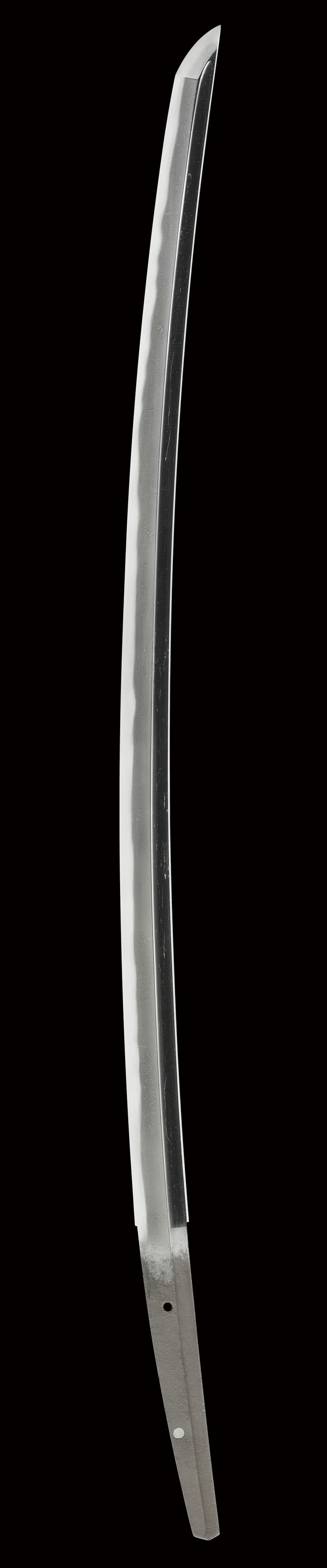
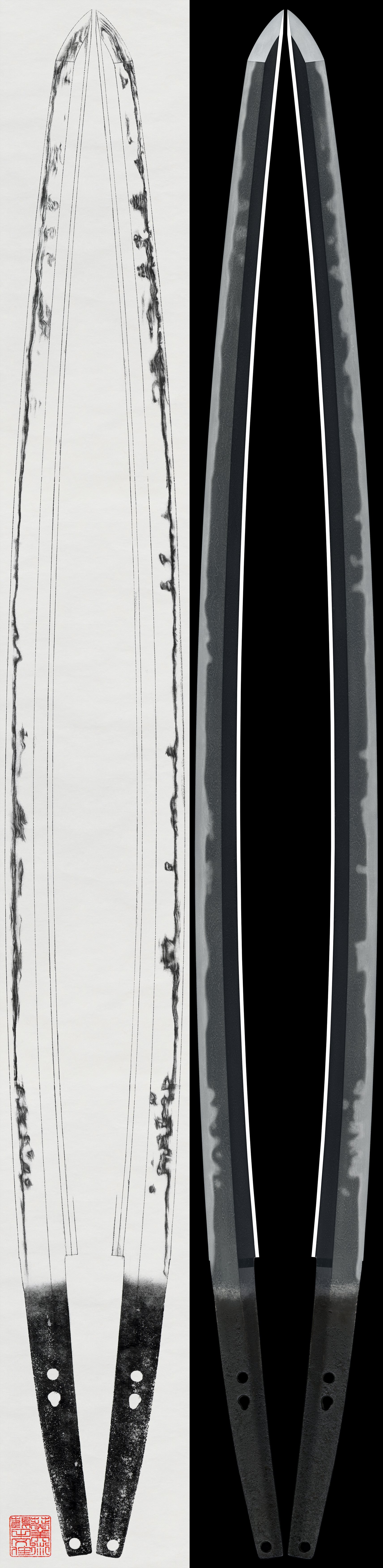
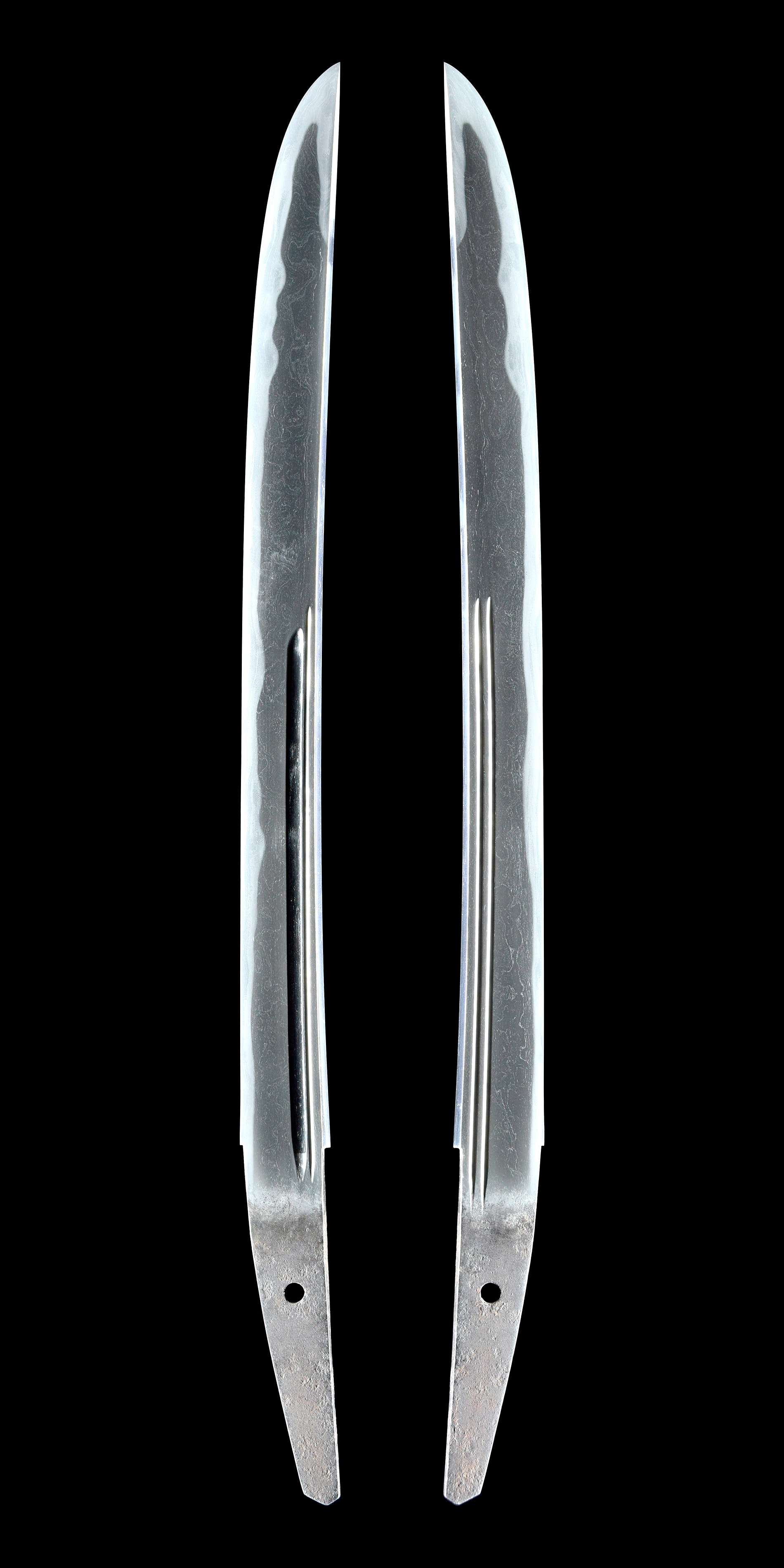
本工の典型は末相州風の乱れである。板目の地に互の目を交えた湾れを焼き、両者は指定六口中五口に現われ、小丁子・尖り刃を交え、小足入り、匂口締りごころに小沸つき、刃中を砂流し・金筋が走る。その縁は明記される。ある刀について説明書は、島田の作風が「末相州鍛冶と深い関連があって互いに影響しあっている」[[c:8]]と記す。帽子は乱れに従い、小乱れあるいは尖りごころの乱れ込みとなって返り、ときに焼詰めとなる。この典型に対し、NBTHK自身が注記する別貌が立つ。ある後期の刀の説明はこれを「義助には少ない細直刃」[[c:3]]と呼び、そこでの刃は細直刃に小互の目を僅かに交え、小沸つき、ほつれごころとなる。
地鉄は両様の手を支える確かな地である。鍛えは板目、よくつみ、ときに詰んで、総体に流れて柾に寄り、半数の作にやや肌立ちごころを示し、地沸が細かに入り、一口の地は白ける。締まった備前地ではなく、この流れてやや肌立つ板目こそが目に島田の手を告げ、刃中の沸の働きを載せる地となる。屈指の作ではその結果として地刃が冴え、説明書は永正二年の系譜に連なる十二回の刀を、現存作中「地刃の出来が最もよく冴えて明るく」[[c:4]]出来優れた一口とする。
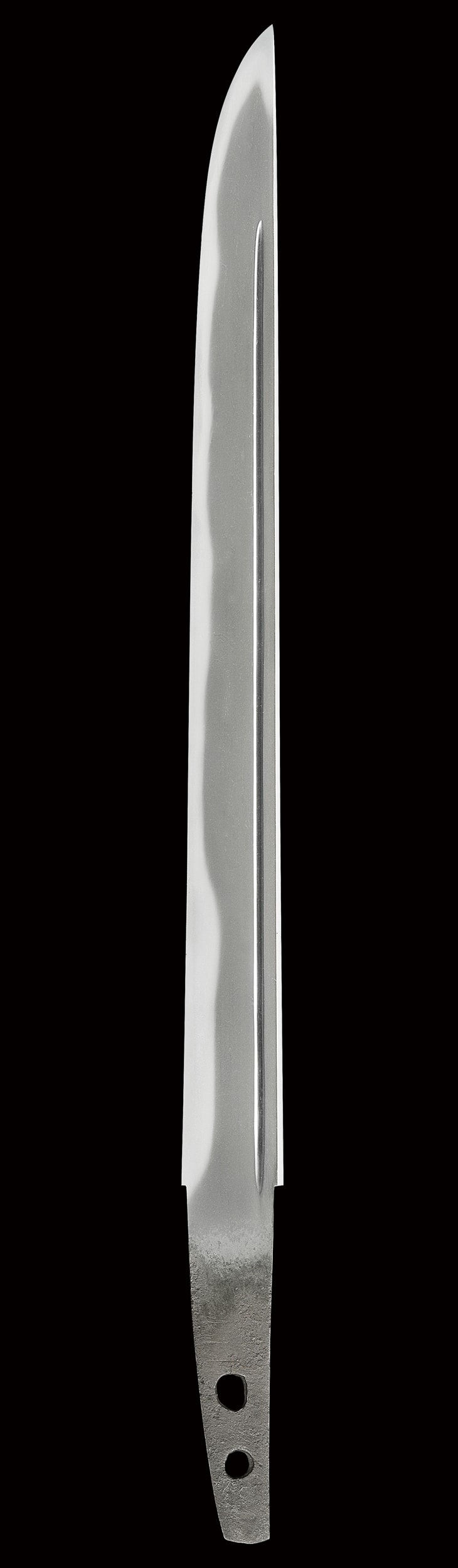
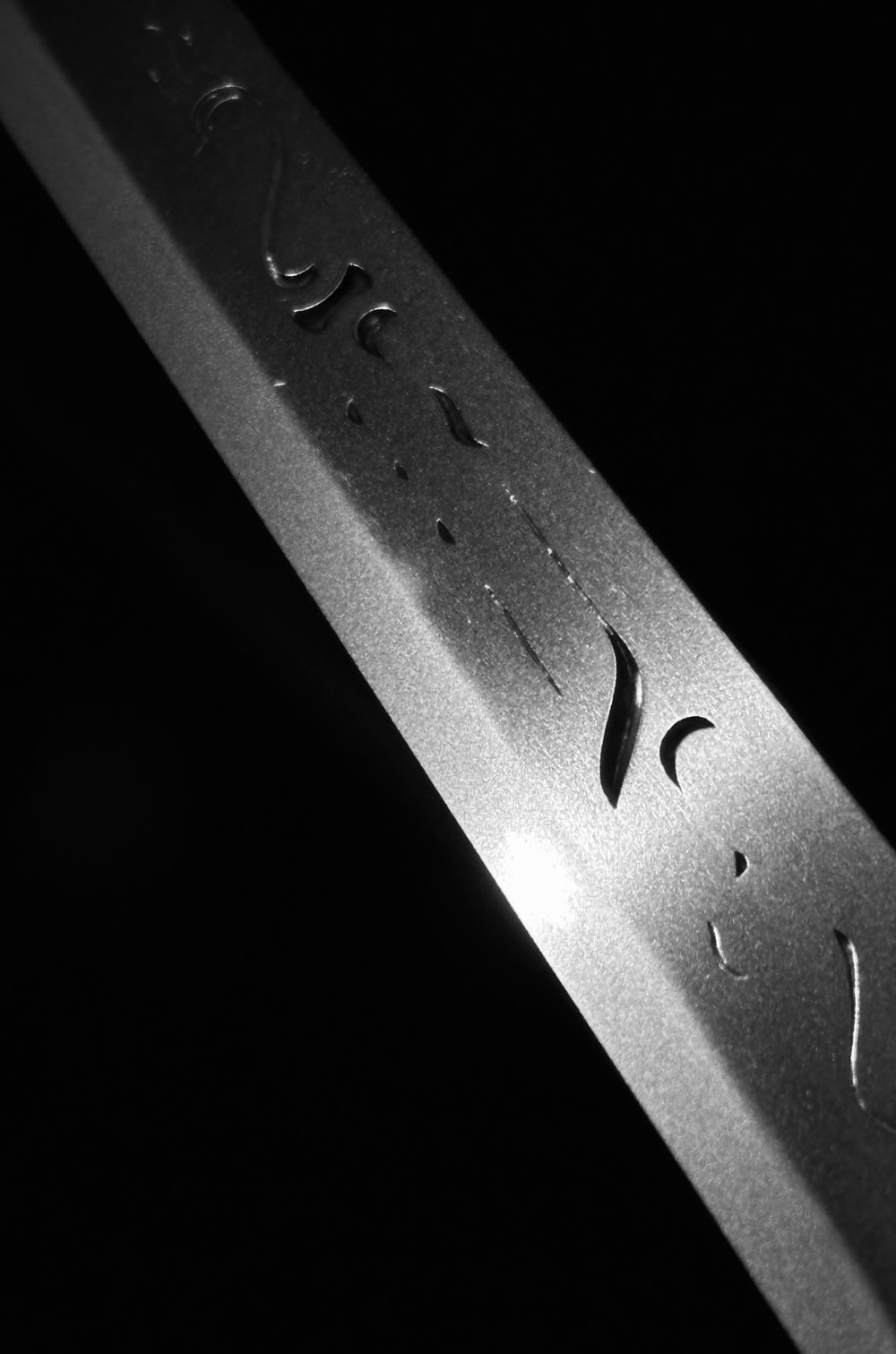
島田の工房は造込みが多彩で、義助の指定作もそれを示す。先反り強き鎬造の刀から、平造の脇指、内反りの短刀、そして大身槍にまで及び、説明書は「島田一門には比較的に槍が多い」[[c:5]]と記して、その大身の槍を中でも優品の一口とする。彫物は一門の特色を巧みに伝え、幅広の樋中に梵字と摩利支天を浮彫にし、脇指の表裏に真・行の倶利迦羅を、短刀に素剣・護摩箸を掻く。茎は生ぶに切り、二字の義助あるいは三字の義助作で、ときに細鏨大振りに切る。年紀も銘も各代を分かたぬゆえ、説明書が量るのは銘ではなく一口ごとの出来である。
義助を分かつものは、対比によるよりその自らの確かな見どころから引くのがよい。すなわち末相州の影響を受けた沸の互の目交じり湾れに、砂流し・金筋を交え、流れてやや肌立つ板目に焼く、駿州の地における末相州風の読みであり、細直刃はその意図された例外、目立つ彫物と槍は周囲の島田工房の印である。代の判定が成らぬところで、説明はやはり作そのものに向かい、二十回の生ぶ茎・平造内反りの短刀を「同名中の出色の一口」[[c:6]]と称し、別の刀を現存最古の系譜に近い作と読む。ある刀の物打の棟に打たれた切込みは別に評を引き、説明書はそれが「物打辺の棟の切込みも武を物語る」[[c:7]]とし、これらが室町の一国の実用刀であったことを思わせる。
義助は藤代の極めで中上作、第一級というより堅実な地方の格であり、指定の記録は小ぶりにして悉く在銘である。指定は重要刀剣六口、特別重要刀剣・重要文化財・国宝はなく、その作は文化財として永く市を離れるものではなく、重要刀剣以下の作として世に見える。一口は皇室の所持にかかる伝来をもつ。指定を受けた作は数少なく、一名のもとに分かたれぬ数代の中で、最上の刀・短刀に説明書が称えるあの冴えをそなえた確かな一口こそ待つに値する。さような作が市にかかるのは折に触れてのことであり、現われればそれは末相州の伝に近き、堅実な一地方の名門の佳き代表となる。
義助の位置づけを、日本刀全体および伝統・時代・時期ごとに示します。各位(随一・屈指・有数・著名)は、NBTHK および文化庁による指定に加え、三作や名物帳などの歴史的栄誉を加味したものです。
各項目を選ぶと評価方法が表示されます。
相州伝 · 駿河
現在14点販売中
駿河国島田の地に興ったこの一派は、室町期を通じて東海道の一隅に栄えた相州系の鍛冶群である。その主たる名は義助と助宗の二大名跡にあり、説明は義助を島田物の主流をなすものとし、助宗をその弟として室町中期に置く。銘鑑は両家の代を丁寧に並べ、義助の初代を康正の頃とし、助宗を古く文安・文亀より天文に至る連なりに据え、以後同名相継ぎて江戸期に及ぶと記す。されどこの整然たる図式は答えではなく難所であり、現存最古の有年紀作は永正二年の短刀にして、永正より古い年紀の作は遺らず、銘振りもまた各代を分かたぬゆえ、在銘の作は代を付すより一口ごとの出来によって見られる。NBTHKがその年代を量るのは、銘鑑の編年よりは茎に切る年紀によってであり、この一国の鍛冶場は、隣国相模の鍛えに強く影響され、美濃の関や千手派とも縁を結んで、その間に座した。 本派の作風はまず末相州風の沸の乱れにある。肌立ちごころに地沸つき地景の入る、流れて柾に寄る板目の地に、互の目を交えたのたれを焼き、小丁子・尖り刃を交え、沸厚く飛焼・金筋・砂流しをかける。説明は島田の作風が末相州鍛冶と深い関連があって互いに影響しあうと記す。助宗の手には一門自身のものと呼ぶ連れた互の目があり、腰の辺で箱がかったのたれとなり、匂口明るく金筋・砂流しのよく現われたものを、その特色のよく現われた作と読む。帽子は乱れに従い、小乱れあるいは尖りごころの乱れ込みより小丸に返り、ときに焼詰め、ときに掃きかけかかる。この典型に対し別貌が立ち、義助には少ない細直刃や、助宗が志津の風をねらった直刃のごとく、流れる板目に小互の目を交えた静かなる手をも焼く。地鉄は締まった備前地ではなく、流れてやや肌立ち、ときに白け立つこの板目こそが目に島田の手を告げ、刃中の沸の働きを載せる地となる。造込みは多彩にして、鎬造の刀より平造の脇指、内反りの短刀、大身槍に及び、説明は島田一門には比較的に槍が多いと記す。彫物は一門の特色を巧みに伝え、幅広の樋中に梵字と摩利支天を浮彫にし、表裏に倶利迦羅を、短刀に素剣・護摩箸を掻き、ときに珍しく透し彫をなす。 鑑定の勘所は、対比によるよりその自らの確かな見どころから引くにある。すなわち末相州の影響を受けた沸の互の目交じり湾れに砂流し・金筋を交え、流れてやや肌立つ板目に焼く駿州の手であり、直刃はその意図された例外、目立つ彫物と槍は周囲の島田工房の印である。代の判定が成らぬところで、説明はやはり作そのものに向かう。助宗においては大阪の一刀を地刃健全にして助宗の最高作と思われるものとし、永正二年の系譜に連なる十二回の刀を、現存作中最も地刃の冴えて明るく出来優れた一口とする。義助においては二十回の生ぶ茎・平造内反りの短刀を同名中の出色の一口と称え、大永の刀に見る年紀を初期諸代の編年がこれに拠るがゆえ極めて貴重とする。主要工たる義助・助宗が一派の中核をなし、広助らこれに次いで群を支える。茎は生ぶに切り、二字あるいは三字に銘し、年紀は遺るところでは銘に成し得ぬことを成して、長き連なりの中に一手を据える縁となる。物打辺の棟に打たれた切込みは、これらが室町の一国の実用刀であったことを思わせる。伝来としては、義助・助宗ともに皇室の所持にかかる一口を遺し、さような所持から島田の作が市に還ることは稀である。一名のもとに分かたれぬ数代の中で、最上の刀・短刀に説明書が称えるあの冴えと健全をそなえた確かな一口こそ待つに値し、現われればそれは末相州の伝に近き、堅実な一地方の名門の佳き代表となる。 詳しく見る →
戦国の世、一派は第二の主家に仕えた。小田原の後北条氏である。その庇護のもと綱広系は打刀の時代の皆焼を鍛え続け、1590年の落城とともに新刀の時代へ散った。
銘が正しい、または無銘でも年代・国・系統を確実に指摘できる、保存に値する真正の作と鑑定されたものです。
日本美術刀剣保存協会(NBTHK)は、1948年に設立され、文化庁の監督を受ける公益財団法人で、東京・刀剣博物館に本部を置きます。専門の審査員が出品作を直接審査し、美術的・歴史的価値に応じた鑑定書を発行します。NBTHKの鑑定書は、日本刀および刀装具の真正性を示す最も広く認知された基準です。
NBTHK公式サイトReturns/exchanges limited to defects caused by shipping (except willful misconduct or gross negligence by the company); customers must contact within 72 hours of receiving the product.
Antique Japanese Sword Wakizashi Signed by Yoshisuke with NBTHK Hozon Certificate 【Description】 This blade was signed by Yoshisuke (義助), also known as, Shimada Yoshisuke(島田義助). The maker’s name(Yoshisuke) lasted several generations, and it started from the mid-Muromachi period and lasted until the end of the Edo period. The first-gen Yoshisuke was active during the Kosho era(1455-57), and he was the founder of Shimada school, located in the Suruga domain(today’s Shizuoka prefecture). It is said that the first-gen Yoshisuke was a descendant of Bizen Ichimonji Sukemune, one of the most famous swordsmiths in Japanese history.We believe this blade was signed by a late-gen Yoshisuke from the late Muromachi period. The first-gen Yoshisuke served a powerful feudal family named Imagawa. It is said that he received his maker’s name 義 from Imagawa Yoshitada. Shimada school interacted with other schools in Soshu swordsmiths living near Odawa castle in Kanagawa prefecture. The Suruga domain was vital for strong feudal lords such as Takeda, Tokugawa, and Hojo clan during the Sengoku Jidai(Warring state period: Late Muromachi period). The swordsmiths in Shimada school received many orders from these strong feudal families. This blade is appraised as a Hozon Token (保存刀剣) issued by NBTHK(Nihon Bijutsu Touken Hozon Kyokai:日本美術刀剣保存協会). This authentication paper was only given to authentic Japanese swords, well preserved and high quality with artistic value. *Please keep in mind that there is partial black rust as well as a few Kitae Kizu on the blade. If you like to see the detailed condition, please feel free to contact us. 【Blade】 Cutting Edge Length(Nagasa) : 34.0 cm (13.3 inches) Curvature(Sori) : 0.8 cm ( 0.31 inches) Hamon : The crystalline structure which forms along the cutting edge of a blade as a result of the hardening process Jimon(Jihada) : visible steel surface pattern created by folding and hammering during forging process Nakago : Nakago is the tang of the Japanese sword. Japanese swordsmiths left the black rust on the tang because it prevents red rust while the tang is in its handle. And the discoloration of the tang was created over time, and it is a great indicator for a Japanese sword specialist to estimate when the sword was forged. Koshirae: Koshirae is the mounting of the Japanese sword. There are several parts that consist of Koshirae such as Saya(Scabbard), Tsuka(Handle), Tsuba(Handguard). Fuchi-Kashira : A pair of matching sword fittings that cover the upper and bottom parts of its sword hilt. You can see the family crest on this Fuchi-Kashira. Its family crest is Taka no Hamon (鷹の羽紋). Taka means Hawk. Hawk is an intelligent bird used for hunting, called falconry. It was famous as a recreation among high-class Samurais. In the old days, it was also familiar with emperors and royal families, so it might be why the hawk was regarded as a symbol of the ruler’s authority. During the warring period, the boy’s success was to become an excellent Samurai; therefore, it has been thought that men (Samurai) and the hawk had a deep connection as a symbol of advancement and authority. Many Samurais loved this design based on that reason. Furthermore, its wings were used for one of Samurai’s primary weapons; an arrow (They put hawk’s wings as arrow’s feather). The arrow itself is reminiscent of victory or defeat, battlefield; it is not difficult to imagine that Samurais also liked the hawk wings attracted to arrows. Still today, various family crests use this bird wing’s motif like this one. Tsuka and Menuki : Tsuka is the handle of the Japanese sword and Menuki is its decoration. The main motif of the Wakizashi’s Menuki is Niwatori (鶏: rooster and hen). In ancient times, this bird was used for rituals to offer to gods. It is said this is why the chicken pattern was incorporated into family crests. As this bird tells the arrival of morning, people regard it as the Ake-no Tori (明けの鳥, bird of the dawn). Also, chickens have been trea
NihontoWatch在銘 · Shimada · 室町 · 長さ 34cm · 反り 0.8cm
Shimada (Suruga) · 駿河 · 1492-1504頃
藤代 Chu-jo saku
現在2点販売中
義助は駿州島田派の主流をなす名であり、室町期のこの工房を、説明書は島田の作すべての筆頭に置く。「島田物の主流をなすものが義助」[[c:1]]とある重要刀剣の説明は端的に記し、同名は数代にわたってその地位を担った。参考書はその代を、初代を康正の頃として康正と称し、二代を明応・永正の頃とし、以後江戸末期まで連綿として続くと並べる。だがこの整然たる図式は答えではなく難所である。永正より古い年紀の作は現存せず、現存最古は永正二年(一五〇五)の短刀で二代とされるからである。銘振りもまた各代を分かたぬため、説明書は各代を確かには区別し難いとし、在銘の義助は代を付すより出来によって見られる。
本工の典型は末相州風の乱れである。板目の地に互の目を交えた湾れを焼き、両者は指定六口中五口に現われ、小丁子・尖り刃を交え、小足入り、匂口締りごころに小沸つき、刃中を砂流し・金筋が走る。その縁は明記される。ある刀について説明書は、島田の作風が「末相州鍛冶と深い関連があって互いに影響しあっている」[[c:8]]と記す。帽子は乱れに従い、小乱れあるいは尖りごころの乱れ込みとなって返り、ときに焼詰めとなる。この典型に対し、NBTHK自身が注記する別貌が立つ。ある後期の刀の説明はこれを「義助には少ない細直刃」[[c:3]]と呼び、そこでの刃は細直刃に小互の目を僅かに交え、小沸つき、ほつれごころとなる。
地鉄は両様の手を支える確かな地である。鍛えは板目、よくつみ、ときに詰んで、総体に流れて柾に寄り、半数の作にやや肌立ちごころを示し、地沸が細かに入り、一口の地は白ける。締まった備前地ではなく、この流れてやや肌立つ板目こそが目に島田の手を告げ、刃中の沸の働きを載せる地となる。屈指の作ではその結果として地刃が冴え、説明書は永正二年の系譜に連なる十二回の刀を、現存作中「地刃の出来が最もよく冴えて明るく」[[c:4]]出来優れた一口とする。
島田の工房は造込みが多彩で、義助の指定作もそれを示す。先反り強き鎬造の刀から、平造の脇指、内反りの短刀、そして大身槍にまで及び、説明書は「島田一門には比較的に槍が多い」[[c:5]]と記して、その大身の槍を中でも優品の一口とする。彫物は一門の特色を巧みに伝え、幅広の樋中に梵字と摩利支天を浮彫にし、脇指の表裏に真・行の倶利迦羅を、短刀に素剣・護摩箸を掻く。茎は生ぶに切り、二字の義助あるいは三字の義助作で、ときに細鏨大振りに切る。年紀も銘も各代を分かたぬゆえ、説明書が量るのは銘ではなく一口ごとの出来である。
義助を分かつものは、対比によるよりその自らの確かな見どころから引くのがよい。すなわち末相州の影響を受けた沸の互の目交じり湾れに、砂流し・金筋を交え、流れてやや肌立つ板目に焼く、駿州の地における末相州風の読みであり、細直刃はその意図された例外、目立つ彫物と槍は周囲の島田工房の印である。代の判定が成らぬところで、説明はやはり作そのものに向かい、二十回の生ぶ茎・平造内反りの短刀を「同名中の出色の一口」[[c:6]]と称し、別の刀を現存最古の系譜に近い作と読む。ある刀の物打の棟に打たれた切込みは別に評を引き、説明書はそれが「物打辺の棟の切込みも武を物語る」[[c:7]]とし、これらが室町の一国の実用刀であったことを思わせる。
義助は藤代の極めで中上作、第一級というより堅実な地方の格であり、指定の記録は小ぶりにして悉く在銘である。指定は重要刀剣六口、特別重要刀剣・重要文化財・国宝はなく、その作は文化財として永く市を離れるものではなく、重要刀剣以下の作として世に見える。一口は皇室の所持にかかる伝来をもつ。指定を受けた作は数少なく、一名のもとに分かたれぬ数代の中で、最上の刀・短刀に説明書が称えるあの冴えをそなえた確かな一口こそ待つに値する。さような作が市にかかるのは折に触れてのことであり、現われればそれは末相州の伝に近き、堅実な一地方の名門の佳き代表となる。
義助の位置づけを、日本刀全体および伝統・時代・時期ごとに示します。各位(随一・屈指・有数・著名)は、NBTHK および文化庁による指定に加え、三作や名物帳などの歴史的栄誉を加味したものです。
各項目を選ぶと評価方法が表示されます。
相州伝 · 駿河
現在14点販売中
駿河国島田の地に興ったこの一派は、室町期を通じて東海道の一隅に栄えた相州系の鍛冶群である。その主たる名は義助と助宗の二大名跡にあり、説明は義助を島田物の主流をなすものとし、助宗をその弟として室町中期に置く。銘鑑は両家の代を丁寧に並べ、義助の初代を康正の頃とし、助宗を古く文安・文亀より天文に至る連なりに据え、以後同名相継ぎて江戸期に及ぶと記す。されどこの整然たる図式は答えではなく難所であり、現存最古の有年紀作は永正二年の短刀にして、永正より古い年紀の作は遺らず、銘振りもまた各代を分かたぬゆえ、在銘の作は代を付すより一口ごとの出来によって見られる。NBTHKがその年代を量るのは、銘鑑の編年よりは茎に切る年紀によってであり、この一国の鍛冶場は、隣国相模の鍛えに強く影響され、美濃の関や千手派とも縁を結んで、その間に座した。 本派の作風はまず末相州風の沸の乱れにある。肌立ちごころに地沸つき地景の入る、流れて柾に寄る板目の地に、互の目を交えたのたれを焼き、小丁子・尖り刃を交え、沸厚く飛焼・金筋・砂流しをかける。説明は島田の作風が末相州鍛冶と深い関連があって互いに影響しあうと記す。助宗の手には一門自身のものと呼ぶ連れた互の目があり、腰の辺で箱がかったのたれとなり、匂口明るく金筋・砂流しのよく現われたものを、その特色のよく現われた作と読む。帽子は乱れに従い、小乱れあるいは尖りごころの乱れ込みより小丸に返り、ときに焼詰め、ときに掃きかけかかる。この典型に対し別貌が立ち、義助には少ない細直刃や、助宗が志津の風をねらった直刃のごとく、流れる板目に小互の目を交えた静かなる手をも焼く。地鉄は締まった備前地ではなく、流れてやや肌立ち、ときに白け立つこの板目こそが目に島田の手を告げ、刃中の沸の働きを載せる地となる。造込みは多彩にして、鎬造の刀より平造の脇指、内反りの短刀、大身槍に及び、説明は島田一門には比較的に槍が多いと記す。彫物は一門の特色を巧みに伝え、幅広の樋中に梵字と摩利支天を浮彫にし、表裏に倶利迦羅を、短刀に素剣・護摩箸を掻き、ときに珍しく透し彫をなす。 鑑定の勘所は、対比によるよりその自らの確かな見どころから引くにある。すなわち末相州の影響を受けた沸の互の目交じり湾れに砂流し・金筋を交え、流れてやや肌立つ板目に焼く駿州の手であり、直刃はその意図された例外、目立つ彫物と槍は周囲の島田工房の印である。代の判定が成らぬところで、説明はやはり作そのものに向かう。助宗においては大阪の一刀を地刃健全にして助宗の最高作と思われるものとし、永正二年の系譜に連なる十二回の刀を、現存作中最も地刃の冴えて明るく出来優れた一口とする。義助においては二十回の生ぶ茎・平造内反りの短刀を同名中の出色の一口と称え、大永の刀に見る年紀を初期諸代の編年がこれに拠るがゆえ極めて貴重とする。主要工たる義助・助宗が一派の中核をなし、広助らこれに次いで群を支える。茎は生ぶに切り、二字あるいは三字に銘し、年紀は遺るところでは銘に成し得ぬことを成して、長き連なりの中に一手を据える縁となる。物打辺の棟に打たれた切込みは、これらが室町の一国の実用刀であったことを思わせる。伝来としては、義助・助宗ともに皇室の所持にかかる一口を遺し、さような所持から島田の作が市に還ることは稀である。一名のもとに分かたれぬ数代の中で、最上の刀・短刀に説明書が称えるあの冴えと健全をそなえた確かな一口こそ待つに値し、現われればそれは末相州の伝に近き、堅実な一地方の名門の佳き代表となる。 詳しく見る →
戦国の世、一派は第二の主家に仕えた。小田原の後北条氏である。その庇護のもと綱広系は打刀の時代の皆焼を鍛え続け、1590年の落城とともに新刀の時代へ散った。
銘が正しい、または無銘でも年代・国・系統を確実に指摘できる、保存に値する真正の作と鑑定されたものです。
日本美術刀剣保存協会(NBTHK)は、1948年に設立され、文化庁の監督を受ける公益財団法人で、東京・刀剣博物館に本部を置きます。専門の審査員が出品作を直接審査し、美術的・歴史的価値に応じた鑑定書を発行します。NBTHKの鑑定書は、日本刀および刀装具の真正性を示す最も広く認知された基準です。
NBTHK公式サイトReturns/exchanges limited to defects caused by shipping (except willful misconduct or gross negligence by the company); customers must contact within 72 hours of receiving the product.





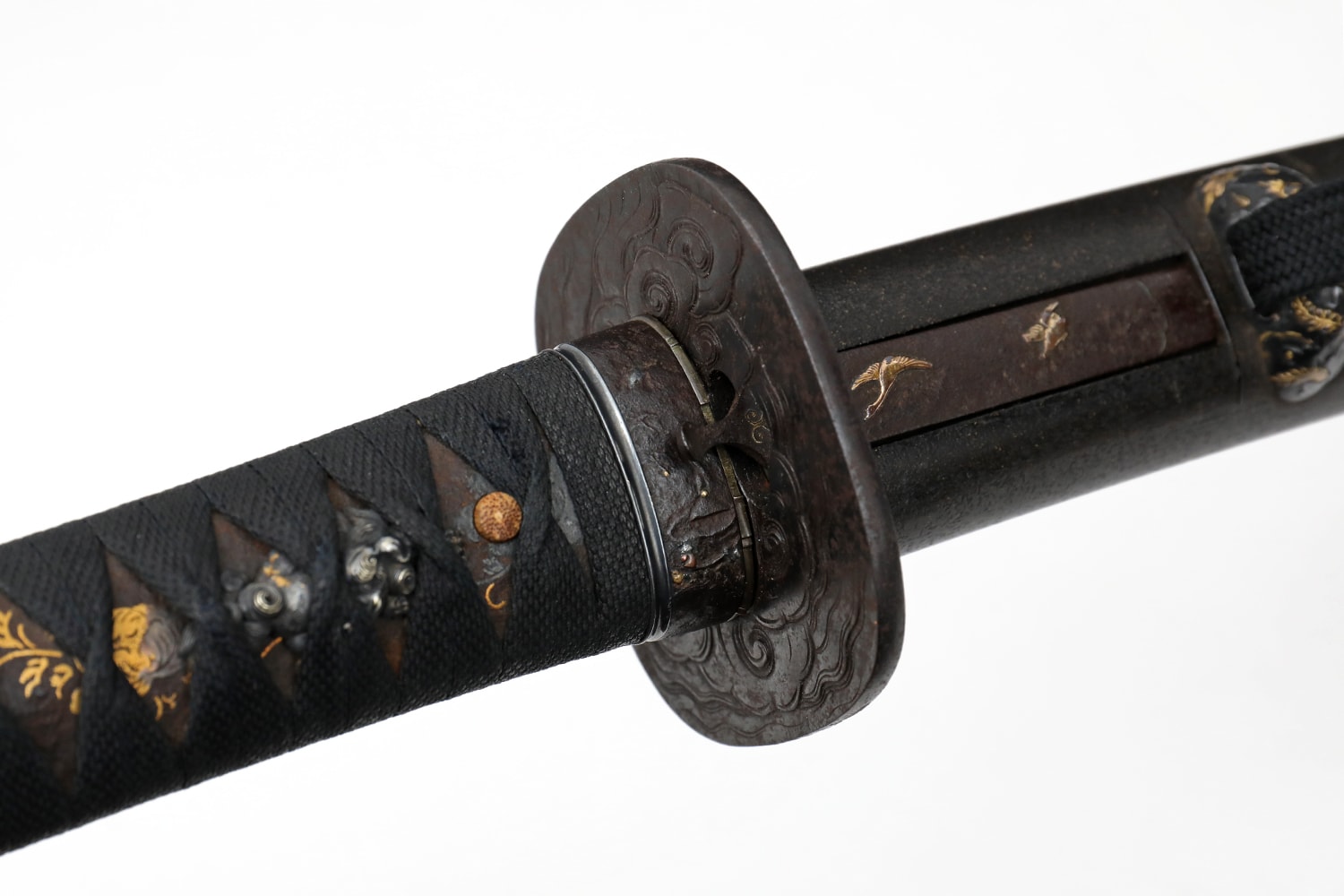
![Wakizashi - Hozon - by Shimada Yoshisuke - Wakizashi[Yoshisuke][N.B.T.H.K] Hozon Token](/_next/image?url=https%3A%2F%2Fitbhfhyptogxcjbjfzwx.supabase.co%2Fstorage%2Fv1%2Fobject%2Fpublic%2Flisting-images%2Fworld-seiyudo%2FL31989%2F00.jpg&w=2560&q=90)
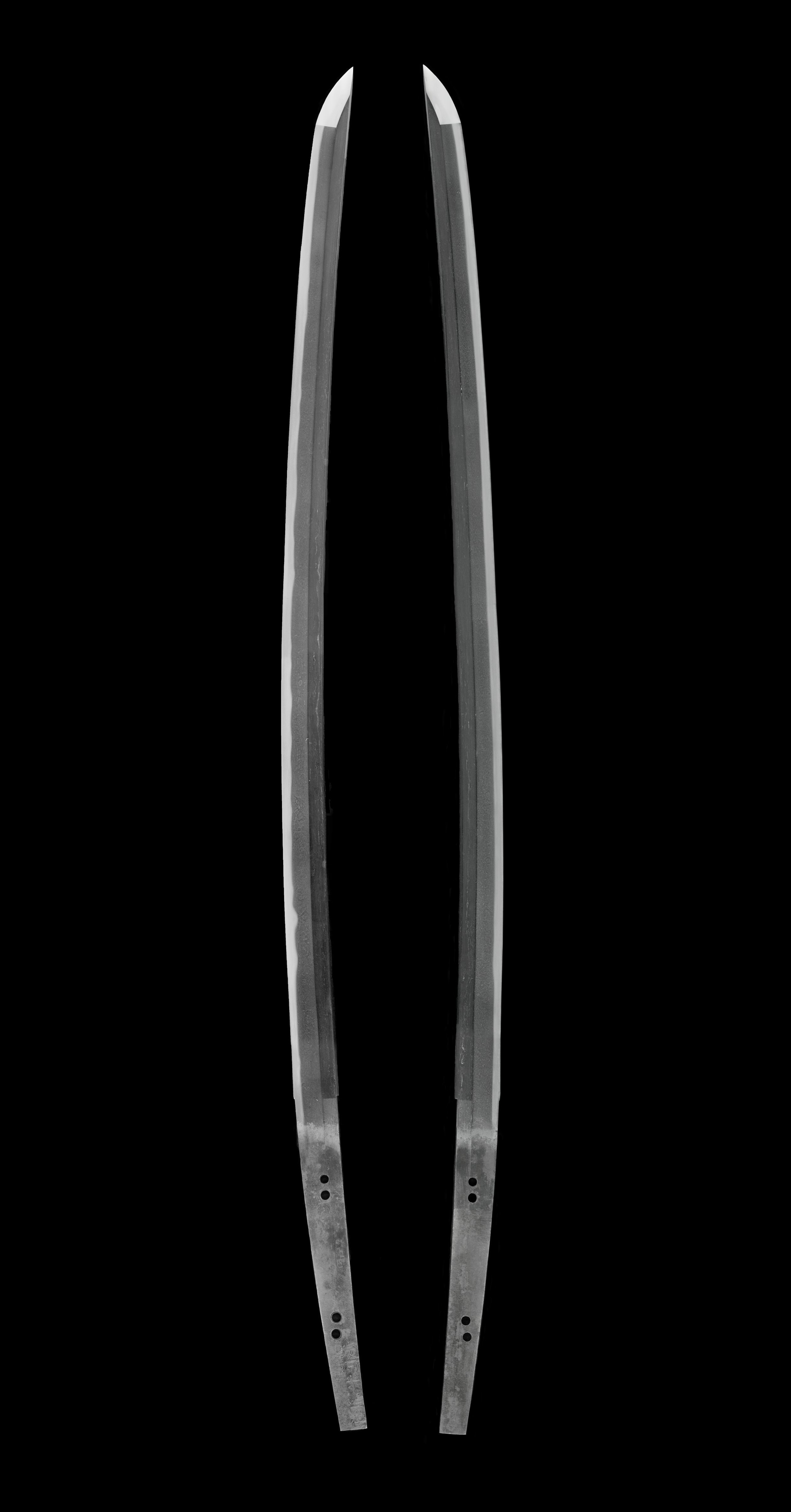
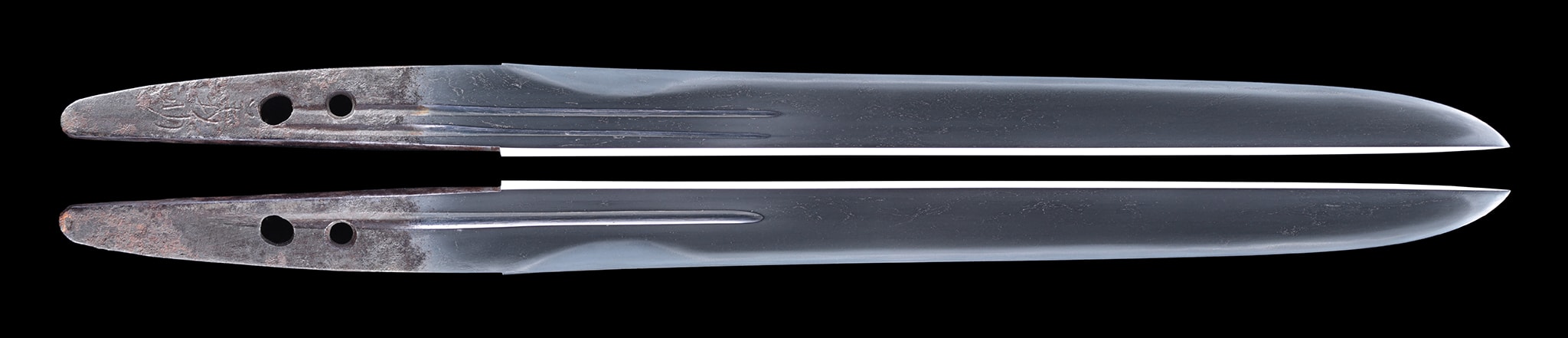




![Wakizashi - Tokuho - by Sue-Soshu Masahiro - 脇差[無銘 相州正広]日本美術刀剣保存協会 特別保存刀剣・特別保存刀装具](/_next/image?url=https%3A%2F%2Fitbhfhyptogxcjbjfzwx.supabase.co%2Fstorage%2Fv1%2Fobject%2Fpublic%2Flisting-images%2Fworld-seiyudo%2FL710046%2F01.jpg&w=2560&q=90)