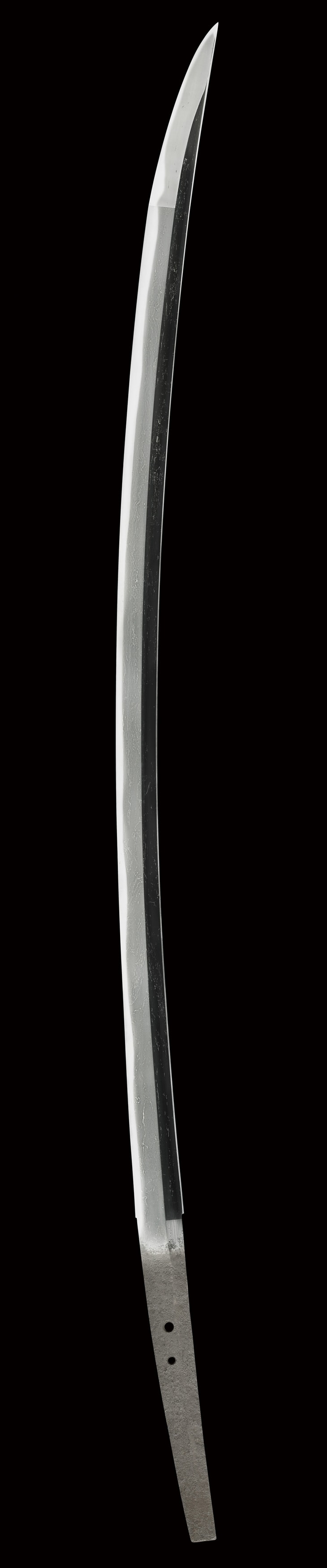
二つの朝廷、六十年の戦、そして刀剣史上もっとも劇的な姿。幅広の刀身、延びた切先、後代に磨上げられて雄大な刀となった大太刀。相州風がこの時代の様式であった。
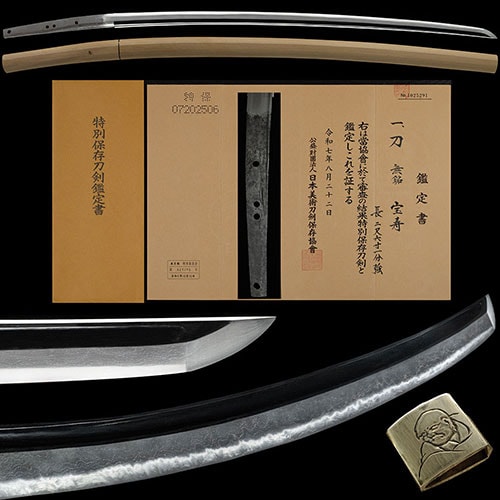
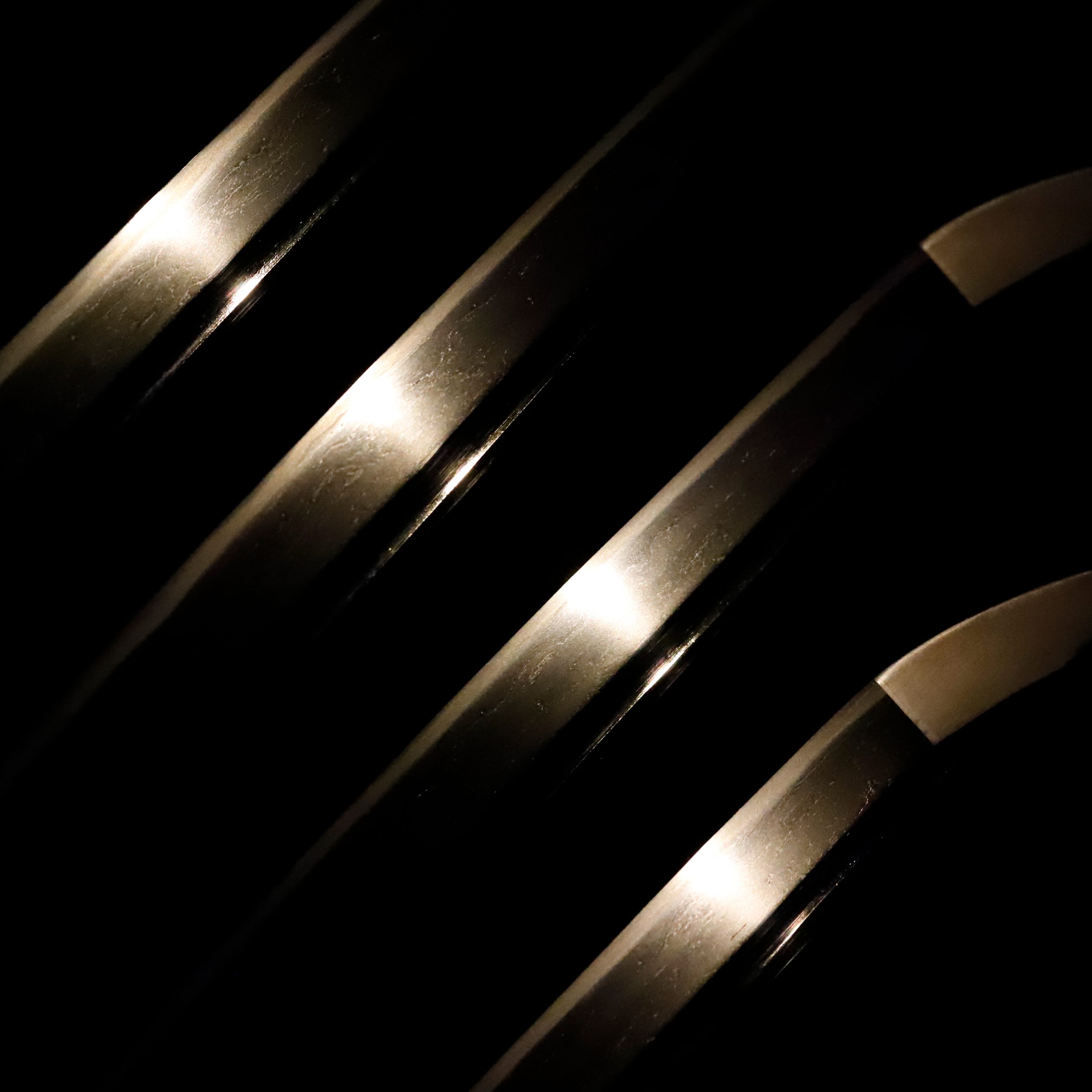
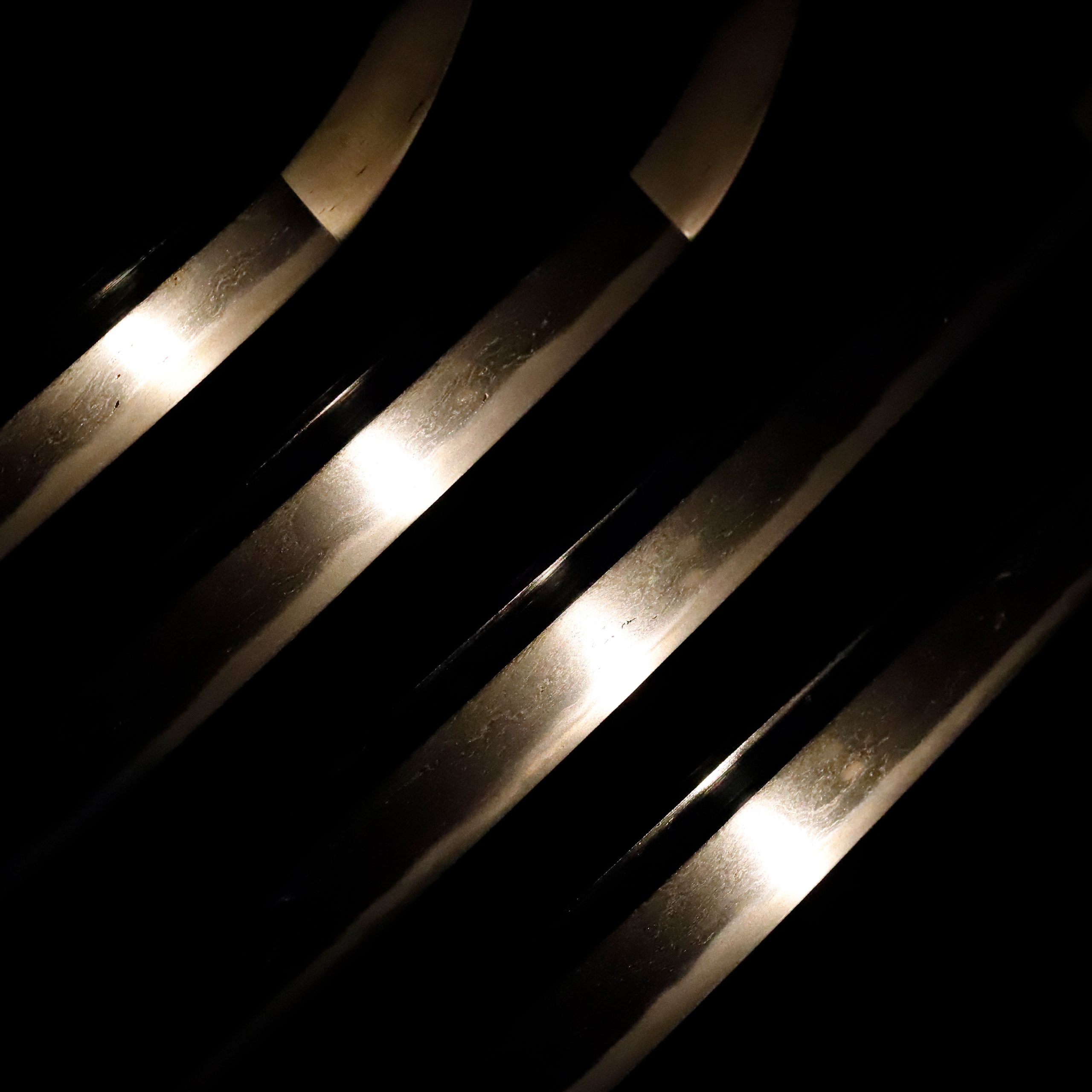
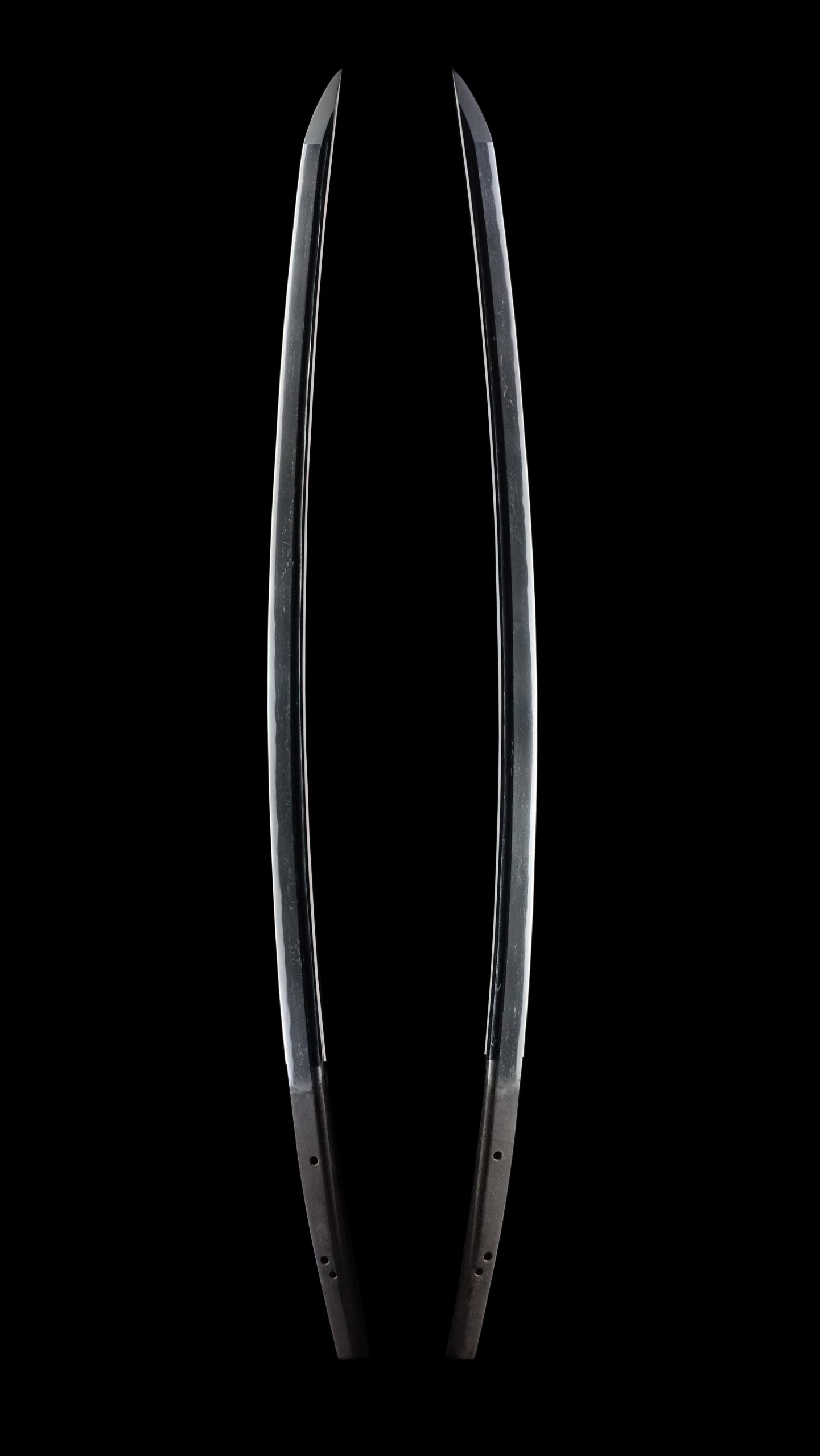
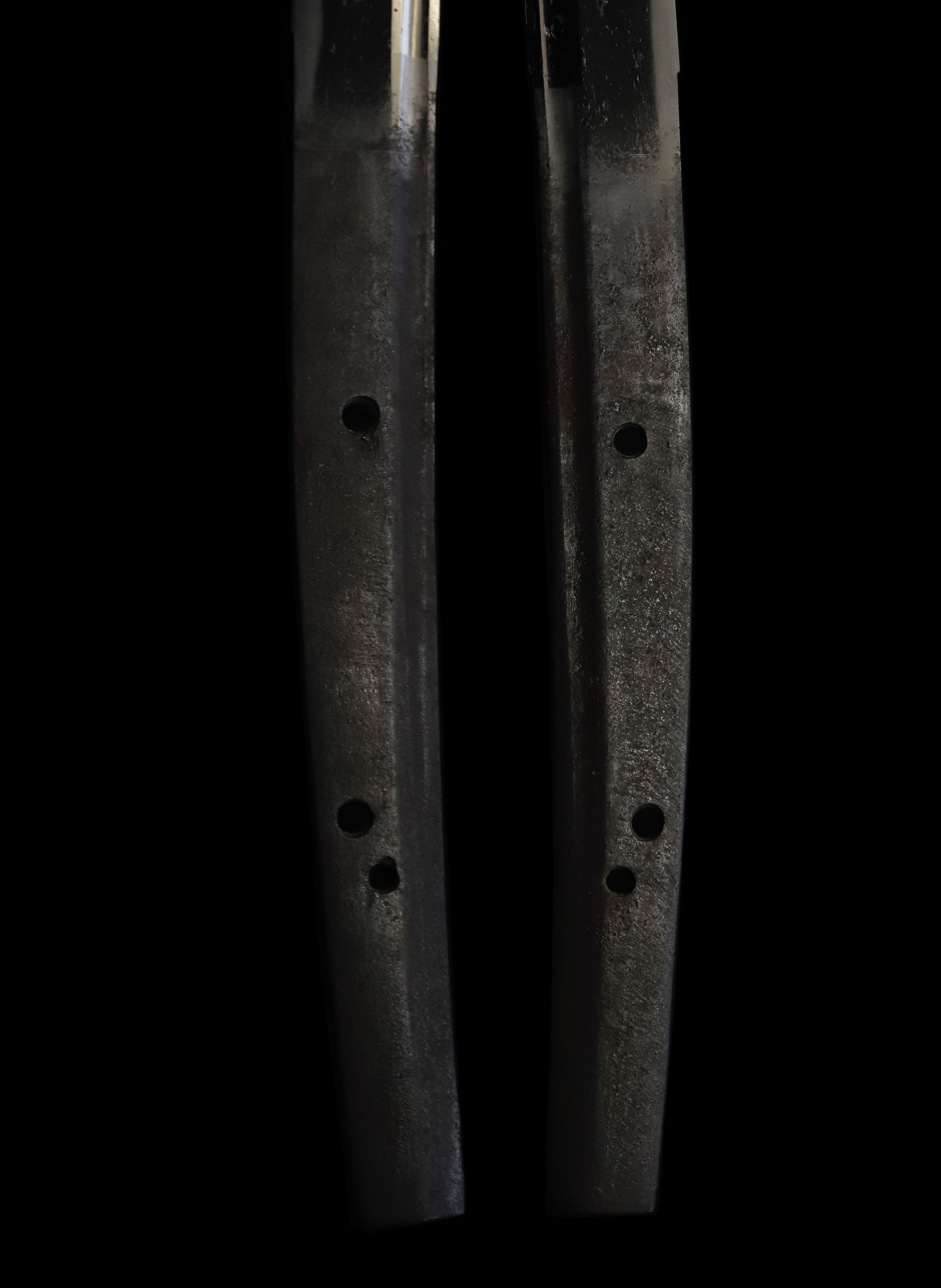
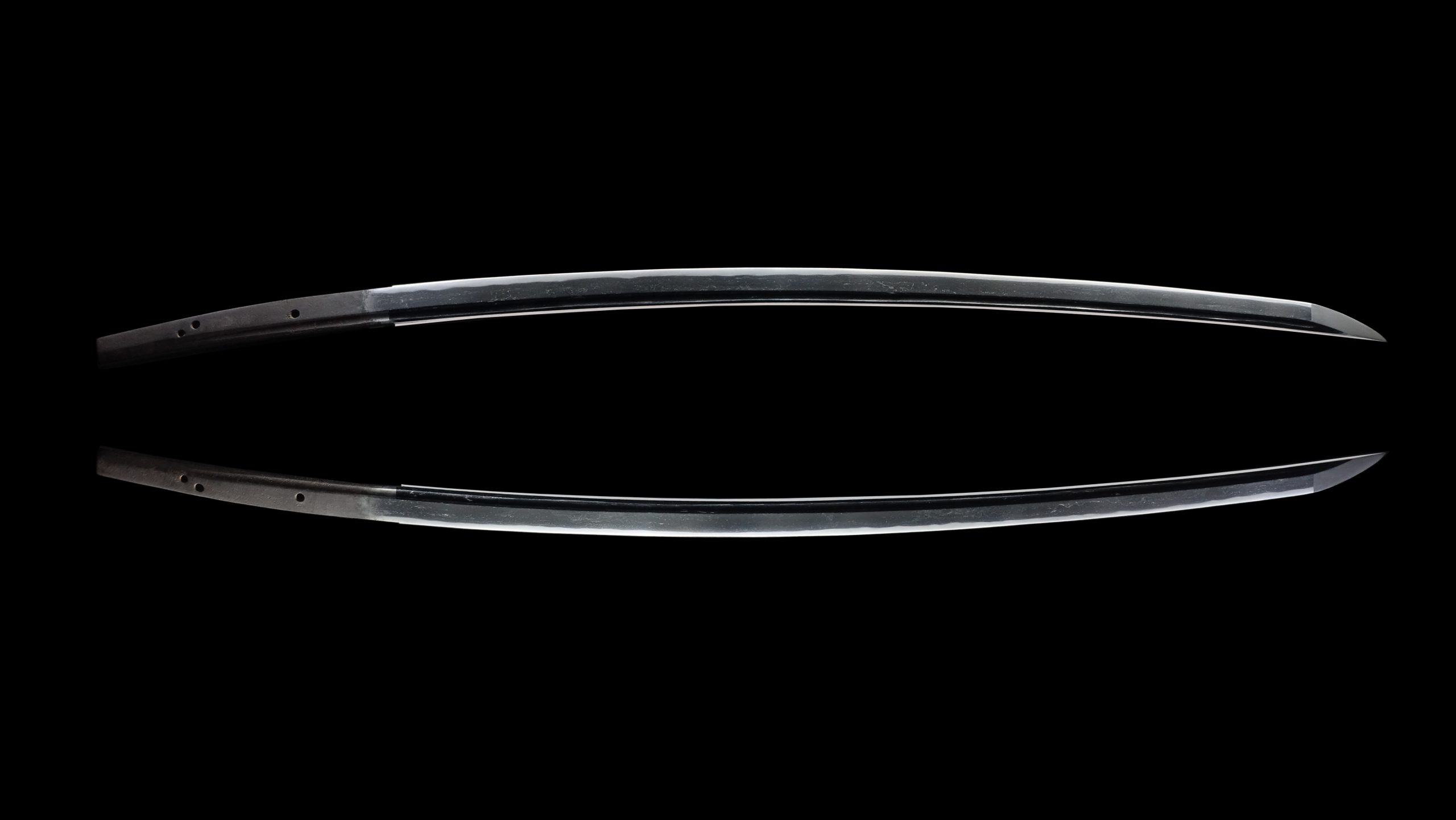
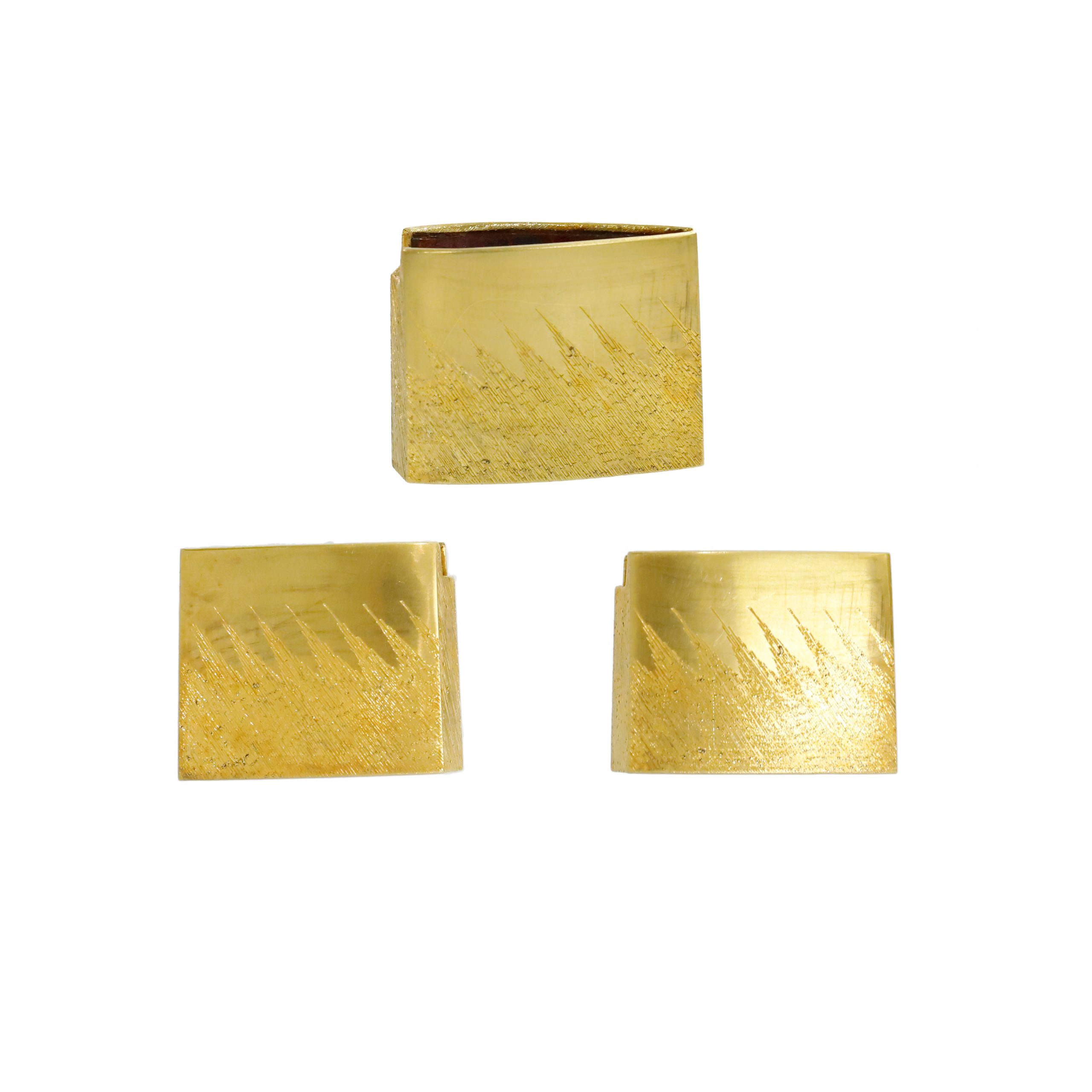
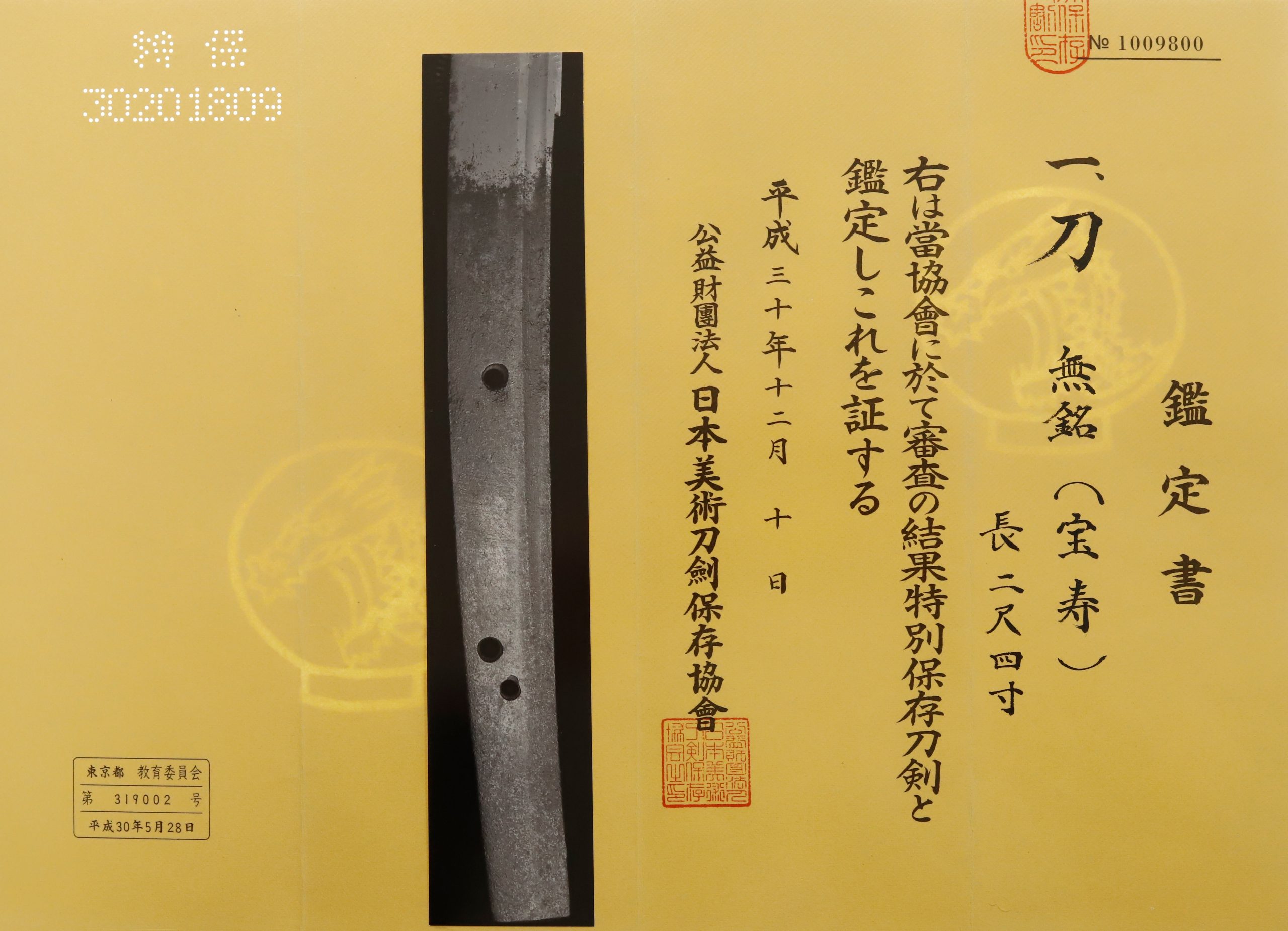
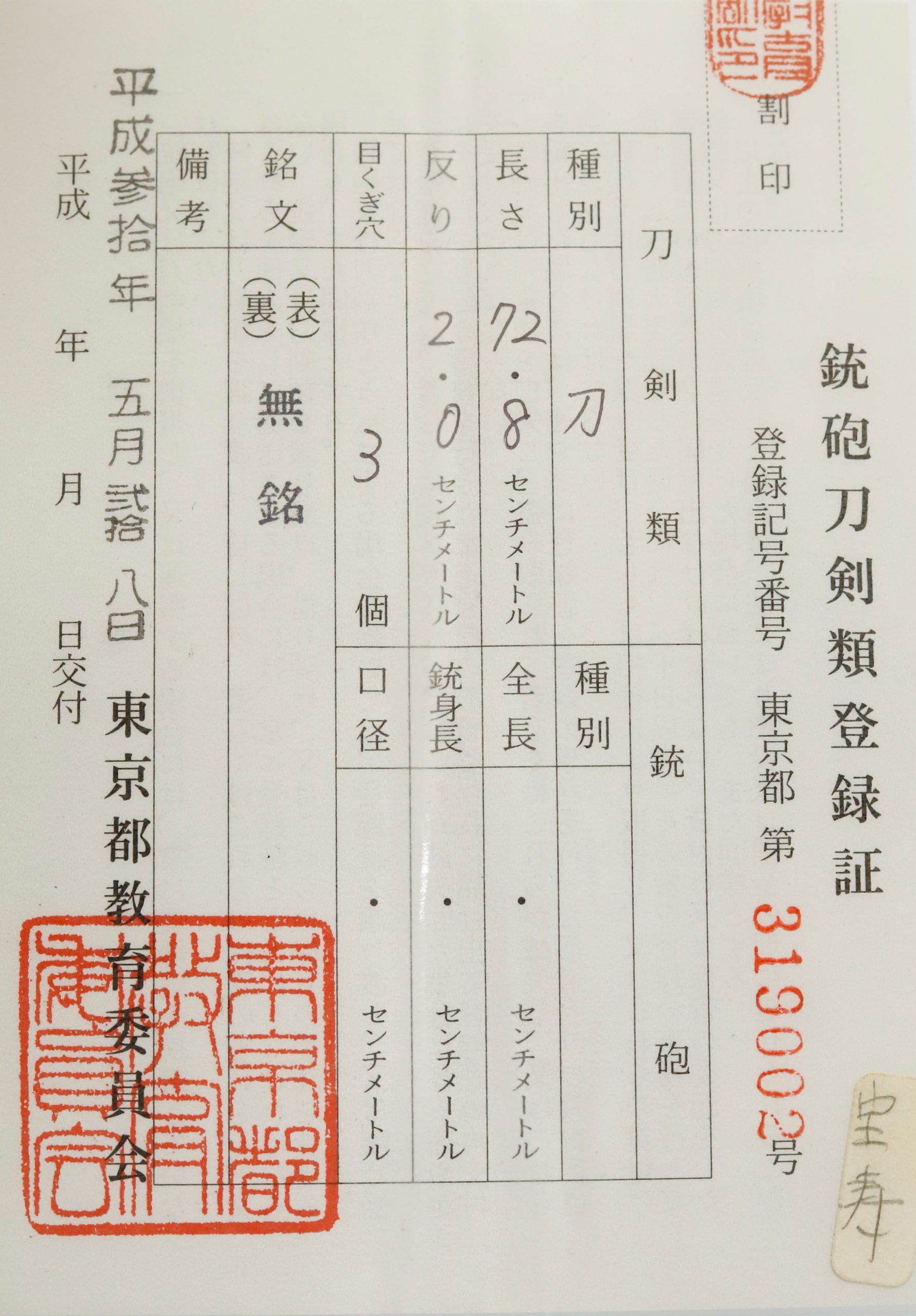
特別重要刀剣等指定審査機関である日本美術刀剣保存協会(日刀保)により、「宝寿」と鑑定された一振りです。 【解説】 本作は、日本で最も権威ある鑑定機関である公益財団法人 日本美術刀剣保存協会(NBTHK)より「宝寿」と極められた御刀です。 宝寿は、平安時代末期から南北朝時代(12世紀末〜14世紀)にかけて、陸奥国(現在の東北地方)で栄えた刀工群です。本作は、その作風から鎌倉時代末期から南北朝時代(14世紀初頭〜末期)頃の製作と推測されます。 宝寿の刀工たちは、舞草(もぐさ)派を本流としています。舞草派の起源は古く、11世紀末に奥州藤原氏が陸奥国を統治し始めた頃に遡り、平泉を拠点として活動しました。舞草派の中で銘が残るものは極めて少なく、その中でも宝寿は同派を代表する最も著名な刀工です。 奥州藤原氏が源頼朝によって滅ぼされた後、多くの宝寿刀工は各地へ移住しました。彼らの中には、備前伝など他国の作刀技術の礎を築いた名工も多く含まれており、日本刀の象徴的な様式の形成に深く関わったとされています。 また、「宝」に「寿」というその瑞祥銘から、古来より縁起物として珍重され、武士の間では贈答品としても重用されました。 本作は大磨上げながら、長さは二尺四寸(72.8cm)と定寸を上回る堂々たる体配を保っています。地鉄(じがね)と刃文(はもん)には豊かな働きが見て取れ、施された樋(ひ)が、力強さの中にも気品ある姿を際立たせています。 日本美術刀剣保存協会による「特別保存刀剣」の鑑定書が付属しており、美術的価値が高く、保存状態の優れた真作であることが証明されています。 ※全体として優れたコンディションですが、古刀ゆえの鍛え傷が僅かに見られます。詳細な状態については、お気軽にお問い合わせください。 【刀身】 長さ(Nagasa):72.8 cm 反り(Sori):2.0 cm 刃文(Hamon):焼入れによって刃先に現れる結晶構造 地文(Jihada):鍛錬の過程で現れる鋼の表面模様 茎(Nakago): 刀身の柄に収まる部分です。職人が意図的に残した黒錆は、柄内での赤錆の発生を防ぐ役割があります。また、経年による錆色は、専門家が製作年代を特定する際の重要な指標となります。 鎺(Habaki): 刀身が鞘の内部に直接触れるのを防ぎ、錆や欠けから守るとともに、刀身を鞘に固定する重要な金具です。 鑑定書: 日本美術刀剣保存協会(NBTHK)発行 特別保存刀剣鑑定書(第1009800号) NBTHKは、日本で最も歴史ある刀剣鑑定機関の一つです。本作は平成30年(2018年)12月10日に「特別保存刀剣」として認定されました。これは、日本の文化財として特に保存の価値が高いと認められた刀剣に与えられるものです。ご購入者様にはこの原本をお渡しいたします。 登録証: 東京都 第319002号 本件には、東京都教育委員会発行の「銃砲刀剣類登録証」が付属します。文化庁により、美術品としての価値が認められた日本刀であることを証明するものです。
 NihontoWatch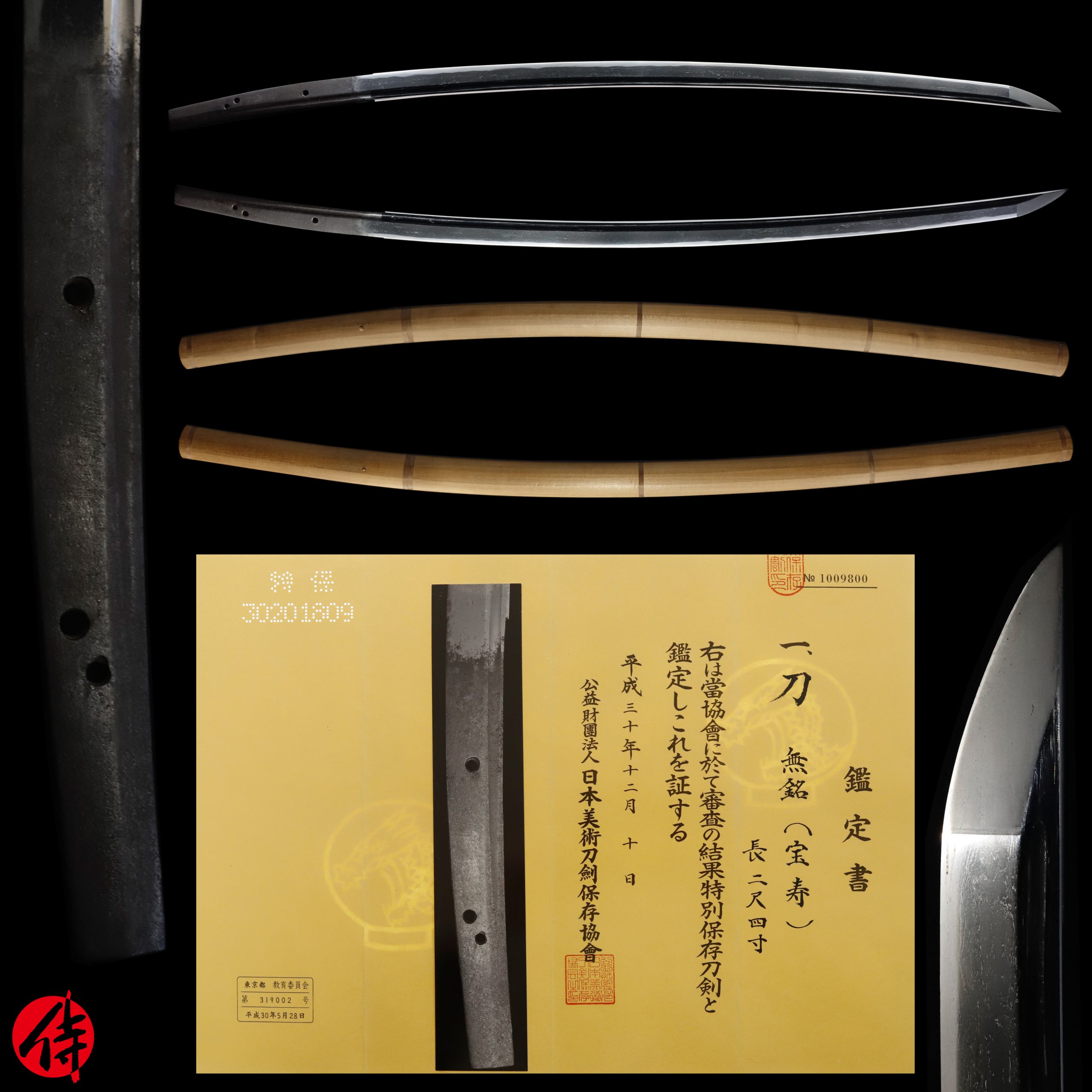
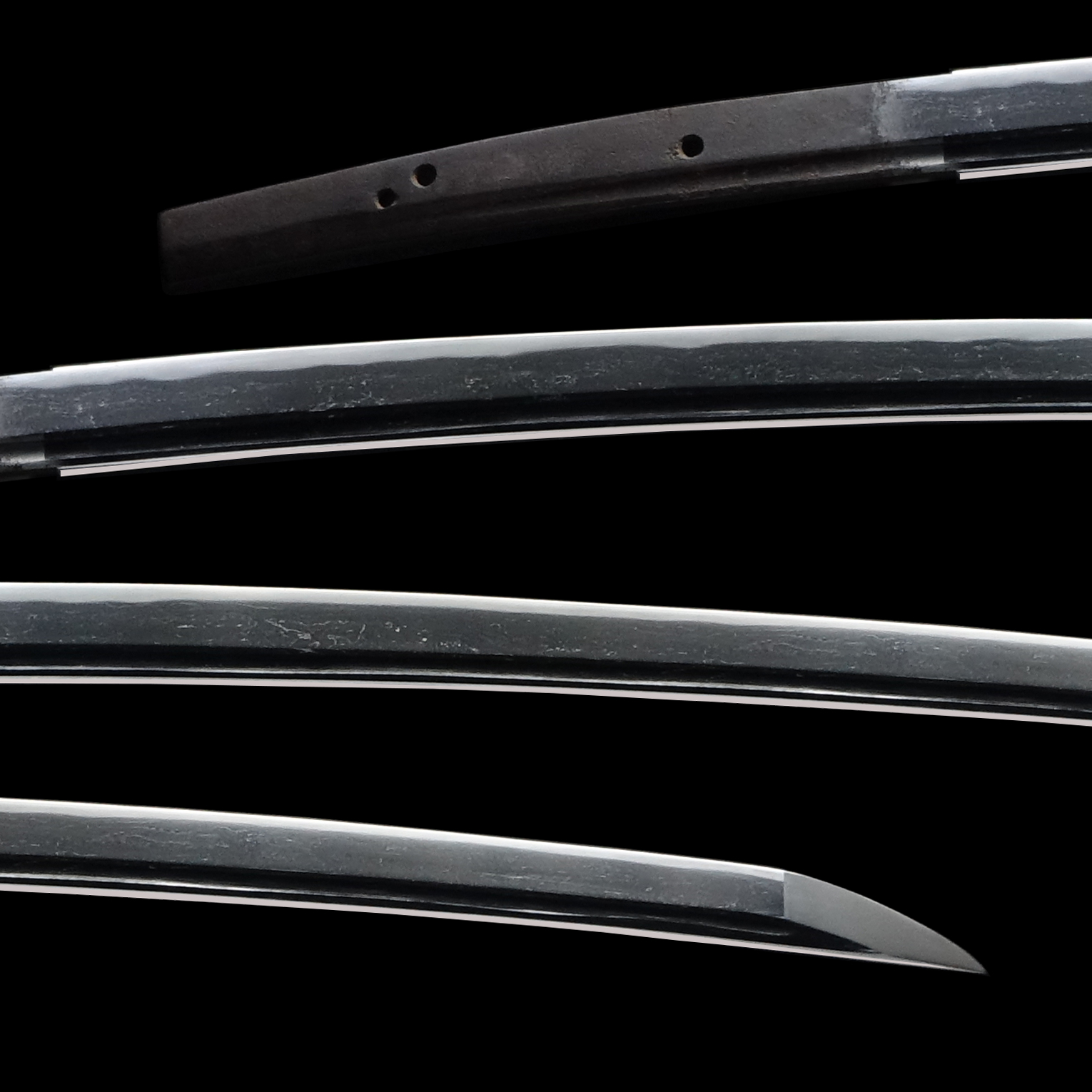
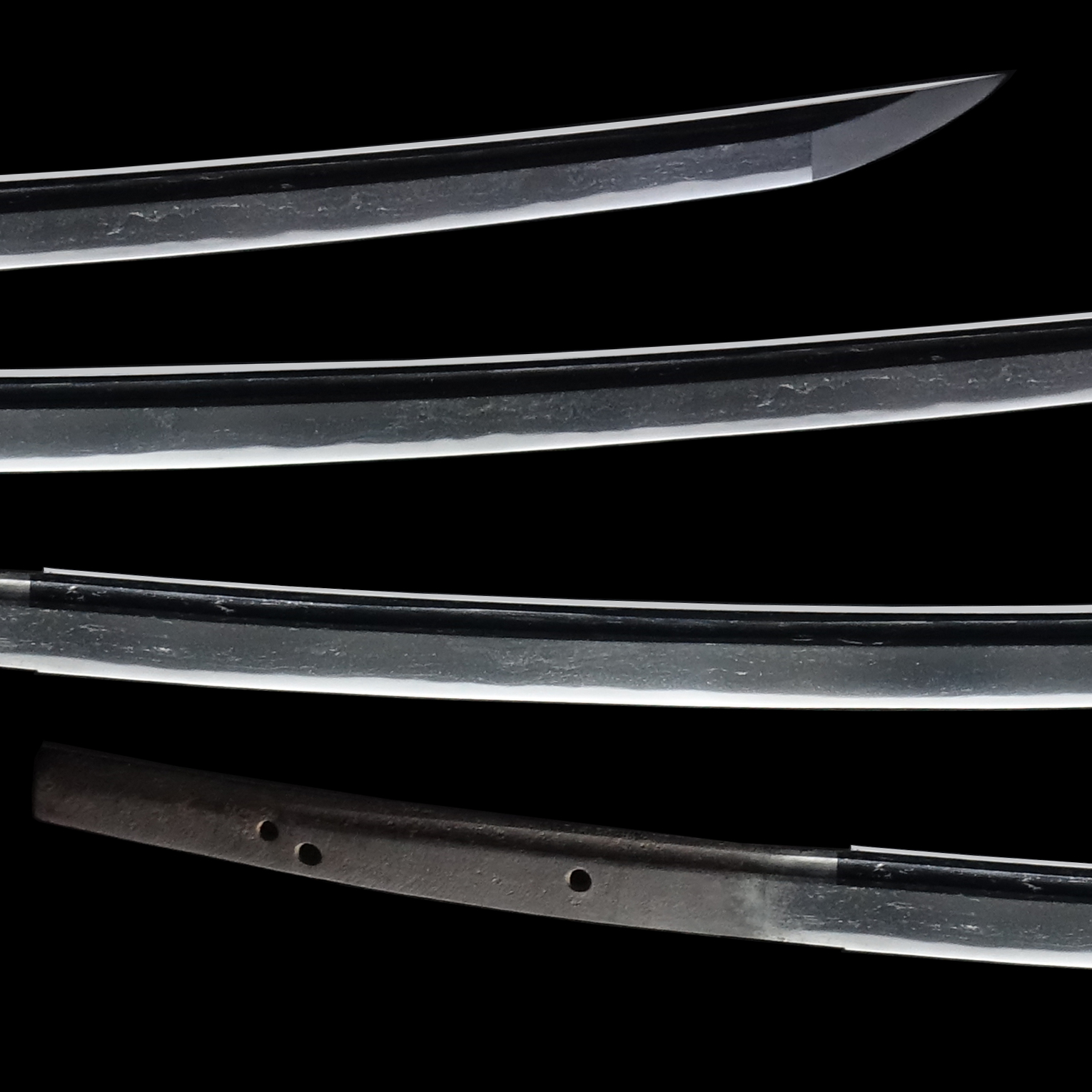
脇物 · Oshu
宝寿は奥州を代表する刀工の一派である。説示によれば、古伝書は奥州に奈良朝時代から鎌倉期にかけて多数の刀工が存在したことを伝えるものの、作刀の現存するものはほぼ宝寿だけといってよく、その名跡は鎌倉時代より南北朝期を経て室町時代に及んで永く継承された。文献の上では平安時代からその名が見えるとされるが、現存作はおおむね鎌倉中期に始まる。宝寿は奥州舞草鍛冶の一派とされ、鎌倉時代以後の宝寿・舞草、南北朝以後の月山一類とともに東北の地に行われた古い系譜に連なる。年紀を刻む在銘作には建武・永徳・明徳・永和などの南北朝の年号が見え、室町期に入ると応永五・六・十二・十四・二十二・二十五年などの作が遺存しており、これらが同派の作域と時代の幅を知る手掛かりとなっている。 作風は東北の地方色を色濃く帯びる。鍛えは板目に杢目・流れ肌を交え、大板目・大肌をまじえて総体に肌立ち、ときに綾杉風の肌合や刃寄りの柾気を示す。地沸が厚くつき、地景が太く頻りに入り、かねは黒みを帯びて、淡く白け風の映りが立つのが常で、鉄色の黒ずむ様は同派を見分ける要となる。刃文は直刃調あるいは浅いのたれを基調に、小互の目・小のたれ・小乱れを交え、刃縁が頻りにほつれ、細かな二重刃がかかり、金筋・砂流しが盛んに働く。区際を焼き落とすものが見られ、匂口は沈みごころ、あるいはうるみごころとなることが多い。帽子は乱れ込みや直ぐに小丸となって掃きかけ、ときに先を焼き詰めるものがある。彫物には梵字・三鈷柄剣や棒樋、八幡大菩薩の神号などが見え、いかにも同派らしく、鄙びてはいるが力強く雅趣を湛える。これら肌立つ地鉄に黒む鉄、白け映り、うるむ焼刃といった一連の語法が、奥州鍛冶独得の作柄として繰り返し記される。 鑑定に際しては、大模様に肌立つ鍛えと太い地景、黒みがかる地鉄に白け風の映りが立つ点、直刃調に小乱れをまじえて区際を焼き落とし、金筋・砂流しの働く焼刃が見どころとされ、彫物に漂う地方色もまた同派を示す徴とされる。生ぶ茎在銘で年紀を伴うものは同派の作域を知る資料として重んじられ、永徳の折返銘の太刀の二字銘と同手とみて永徳頃と鑑する例、永和・建武・明徳の年紀に新資料の意義を認める例が説示に見える。なかには常々の同派の作に比して肌目がつみ、匂深く沸づいて匂口の冴えるものや、地刃の垢ぬけた出来を示すものもあり、こうした作は同派研究の好資料として位置づけられる。伝来の上では無銘ながら南北朝期の古い太刀姿を残し、磨上げられずに伝えられた大太刀が瀬戸内の豪族村上家の重代として伝わるなど、所伝とともに宝寿の極めを首肯し得る作も存している。短刀から大太刀・薙刀直しに至る諸作を通じて、宝寿は東北の古調を伝える一派として独自の位置を占めている。 詳しく見る →
二つの朝廷、六十年の戦、そして刀剣史上もっとも劇的な姿。幅広の刀身、延びた切先、後代に磨上げられて雄大な刀となった大太刀。相州風がこの時代の様式であった。
保存刀剣のうち、出来が一層優れ、保存状態も良好と認められたものです。再刃や、室町・江戸期の多くの無銘作は対象外となり、保存刀剣より高い基準が課されます。
日本美術刀剣保存協会(NBTHK)は、1948年に設立され、文化庁の監督を受ける公益財団法人で、東京・刀剣博物館に本部を置きます。専門の審査員が出品作を直接審査し、美術的・歴史的価値に応じた鑑定書を発行します。NBTHKの鑑定書は、日本刀および刀装具の真正性を示す最も広く認知された基準です。
NBTHK公式サイトReturns/exchanges limited to defects caused by shipping (except willful misconduct or gross negligence by the company); customers must contact within 72 hours of receiving the product.
特別重要刀剣等指定審査機関である日本美術刀剣保存協会(日刀保)により、「宝寿」と鑑定された一振りです。 【解説】 本作は、日本で最も権威ある鑑定機関である公益財団法人 日本美術刀剣保存協会(NBTHK)より「宝寿」と極められた御刀です。 宝寿は、平安時代末期から南北朝時代(12世紀末〜14世紀)にかけて、陸奥国(現在の東北地方)で栄えた刀工群です。本作は、その作風から鎌倉時代末期から南北朝時代(14世紀初頭〜末期)頃の製作と推測されます。 宝寿の刀工たちは、舞草(もぐさ)派を本流としています。舞草派の起源は古く、11世紀末に奥州藤原氏が陸奥国を統治し始めた頃に遡り、平泉を拠点として活動しました。舞草派の中で銘が残るものは極めて少なく、その中でも宝寿は同派を代表する最も著名な刀工です。 奥州藤原氏が源頼朝によって滅ぼされた後、多くの宝寿刀工は各地へ移住しました。彼らの中には、備前伝など他国の作刀技術の礎を築いた名工も多く含まれており、日本刀の象徴的な様式の形成に深く関わったとされています。 また、「宝」に「寿」というその瑞祥銘から、古来より縁起物として珍重され、武士の間では贈答品としても重用されました。 本作は大磨上げながら、長さは二尺四寸(72.8cm)と定寸を上回る堂々たる体配を保っています。地鉄(じがね)と刃文(はもん)には豊かな働きが見て取れ、施された樋(ひ)が、力強さの中にも気品ある姿を際立たせています。 日本美術刀剣保存協会による「特別保存刀剣」の鑑定書が付属しており、美術的価値が高く、保存状態の優れた真作であることが証明されています。 ※全体として優れたコンディションですが、古刀ゆえの鍛え傷が僅かに見られます。詳細な状態については、お気軽にお問い合わせください。 【刀身】 長さ(Nagasa):72.8 cm 反り(Sori):2.0 cm 刃文(Hamon):焼入れによって刃先に現れる結晶構造 地文(Jihada):鍛錬の過程で現れる鋼の表面模様 茎(Nakago): 刀身の柄に収まる部分です。職人が意図的に残した黒錆は、柄内での赤錆の発生を防ぐ役割があります。また、経年による錆色は、専門家が製作年代を特定する際の重要な指標となります。 鎺(Habaki): 刀身が鞘の内部に直接触れるのを防ぎ、錆や欠けから守るとともに、刀身を鞘に固定する重要な金具です。 鑑定書: 日本美術刀剣保存協会(NBTHK)発行 特別保存刀剣鑑定書(第1009800号) NBTHKは、日本で最も歴史ある刀剣鑑定機関の一つです。本作は平成30年(2018年)12月10日に「特別保存刀剣」として認定されました。これは、日本の文化財として特に保存の価値が高いと認められた刀剣に与えられるものです。ご購入者様にはこの原本をお渡しいたします。 登録証: 東京都 第319002号 本件には、東京都教育委員会発行の「銃砲刀剣類登録証」が付属します。文化庁により、美術品としての価値が認められた日本刀であることを証明するものです。
NihontoWatch脇物 · Oshu
宝寿は奥州を代表する刀工の一派である。説示によれば、古伝書は奥州に奈良朝時代から鎌倉期にかけて多数の刀工が存在したことを伝えるものの、作刀の現存するものはほぼ宝寿だけといってよく、その名跡は鎌倉時代より南北朝期を経て室町時代に及んで永く継承された。文献の上では平安時代からその名が見えるとされるが、現存作はおおむね鎌倉中期に始まる。宝寿は奥州舞草鍛冶の一派とされ、鎌倉時代以後の宝寿・舞草、南北朝以後の月山一類とともに東北の地に行われた古い系譜に連なる。年紀を刻む在銘作には建武・永徳・明徳・永和などの南北朝の年号が見え、室町期に入ると応永五・六・十二・十四・二十二・二十五年などの作が遺存しており、これらが同派の作域と時代の幅を知る手掛かりとなっている。 作風は東北の地方色を色濃く帯びる。鍛えは板目に杢目・流れ肌を交え、大板目・大肌をまじえて総体に肌立ち、ときに綾杉風の肌合や刃寄りの柾気を示す。地沸が厚くつき、地景が太く頻りに入り、かねは黒みを帯びて、淡く白け風の映りが立つのが常で、鉄色の黒ずむ様は同派を見分ける要となる。刃文は直刃調あるいは浅いのたれを基調に、小互の目・小のたれ・小乱れを交え、刃縁が頻りにほつれ、細かな二重刃がかかり、金筋・砂流しが盛んに働く。区際を焼き落とすものが見られ、匂口は沈みごころ、あるいはうるみごころとなることが多い。帽子は乱れ込みや直ぐに小丸となって掃きかけ、ときに先を焼き詰めるものがある。彫物には梵字・三鈷柄剣や棒樋、八幡大菩薩の神号などが見え、いかにも同派らしく、鄙びてはいるが力強く雅趣を湛える。これら肌立つ地鉄に黒む鉄、白け映り、うるむ焼刃といった一連の語法が、奥州鍛冶独得の作柄として繰り返し記される。 鑑定に際しては、大模様に肌立つ鍛えと太い地景、黒みがかる地鉄に白け風の映りが立つ点、直刃調に小乱れをまじえて区際を焼き落とし、金筋・砂流しの働く焼刃が見どころとされ、彫物に漂う地方色もまた同派を示す徴とされる。生ぶ茎在銘で年紀を伴うものは同派の作域を知る資料として重んじられ、永徳の折返銘の太刀の二字銘と同手とみて永徳頃と鑑する例、永和・建武・明徳の年紀に新資料の意義を認める例が説示に見える。なかには常々の同派の作に比して肌目がつみ、匂深く沸づいて匂口の冴えるものや、地刃の垢ぬけた出来を示すものもあり、こうした作は同派研究の好資料として位置づけられる。伝来の上では無銘ながら南北朝期の古い太刀姿を残し、磨上げられずに伝えられた大太刀が瀬戸内の豪族村上家の重代として伝わるなど、所伝とともに宝寿の極めを首肯し得る作も存している。短刀から大太刀・薙刀直しに至る諸作を通じて、宝寿は東北の古調を伝える一派として独自の位置を占めている。 詳しく見る →
二つの朝廷、六十年の戦、そして刀剣史上もっとも劇的な姿。幅広の刀身、延びた切先、後代に磨上げられて雄大な刀となった大太刀。相州風がこの時代の様式であった。
保存刀剣のうち、出来が一層優れ、保存状態も良好と認められたものです。再刃や、室町・江戸期の多くの無銘作は対象外となり、保存刀剣より高い基準が課されます。
日本美術刀剣保存協会(NBTHK)は、1948年に設立され、文化庁の監督を受ける公益財団法人で、東京・刀剣博物館に本部を置きます。専門の審査員が出品作を直接審査し、美術的・歴史的価値に応じた鑑定書を発行します。NBTHKの鑑定書は、日本刀および刀装具の真正性を示す最も広く認知された基準です。
NBTHK公式サイトReturns/exchanges limited to defects caused by shipping (except willful misconduct or gross negligence by the company); customers must contact within 72 hours of receiving the product.


![Katana - Hozon - by Hoju School - 刀[無銘 古代宝寿]日本美術刀剣保存協会 保存刀剣](/_next/image?url=https%3A%2F%2Fitbhfhyptogxcjbjfzwx.supabase.co%2Fstorage%2Fv1%2Fobject%2Fpublic%2Flisting-images%2Fworld-seiyudo%2FL32096%2F00.jpg&w=2560&q=90)