説明

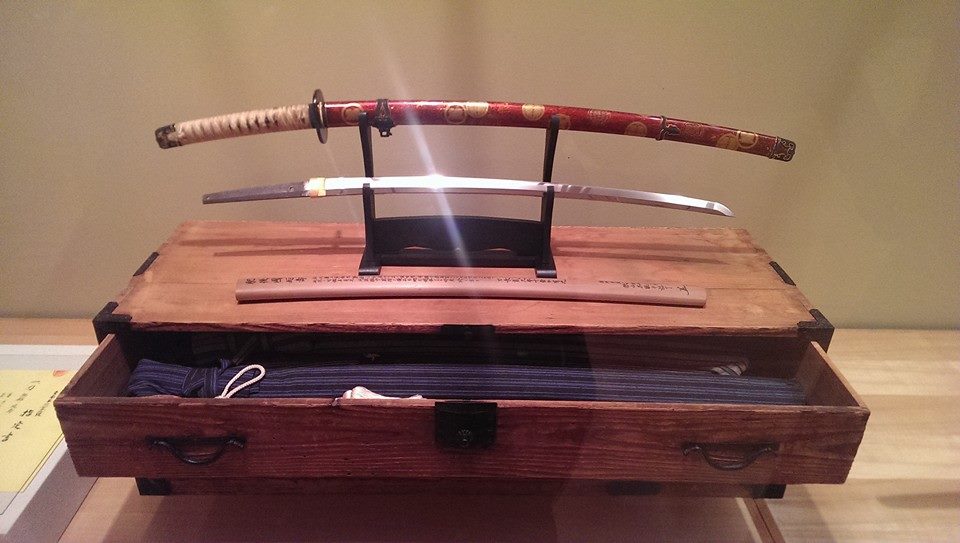
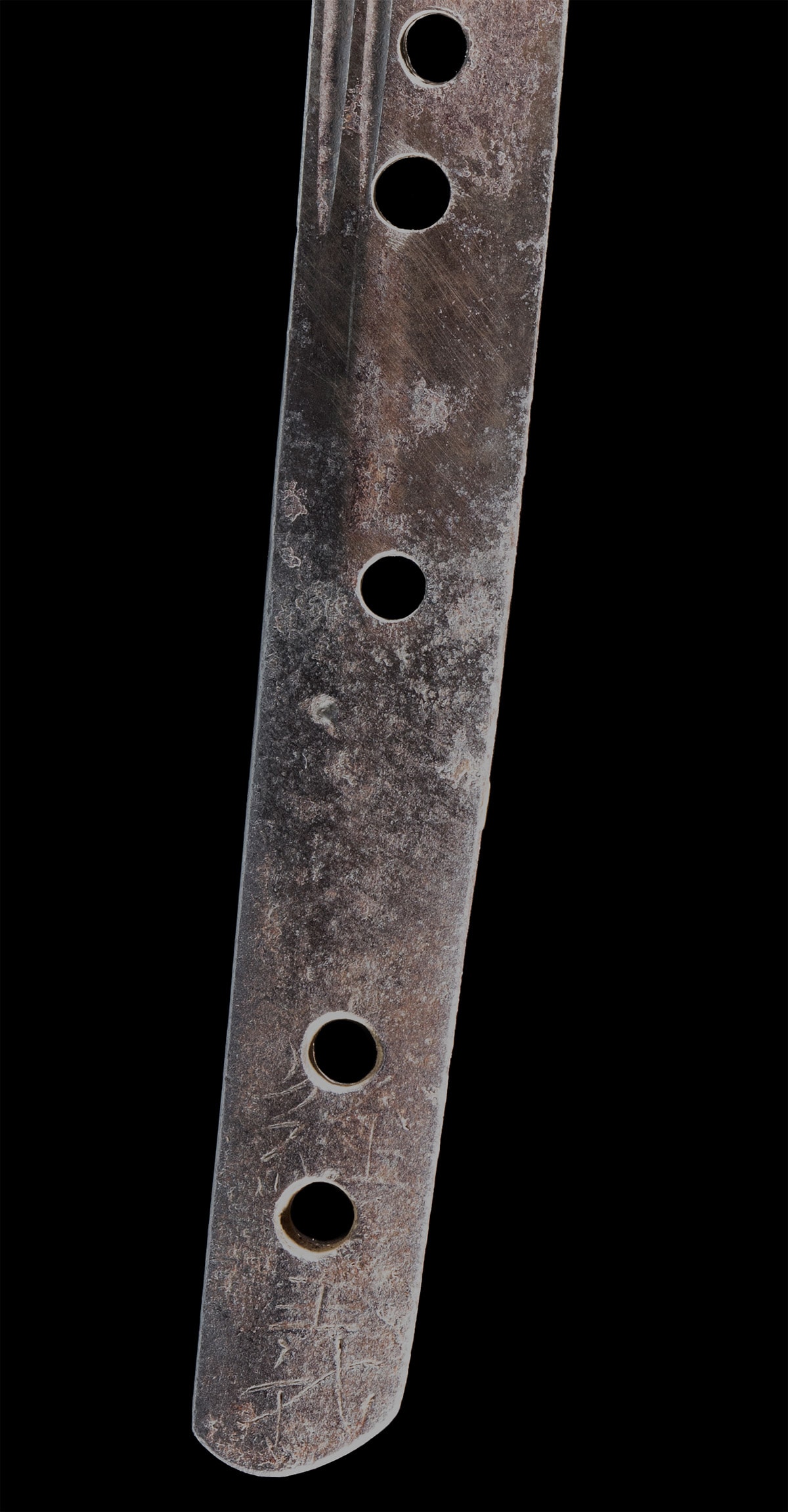
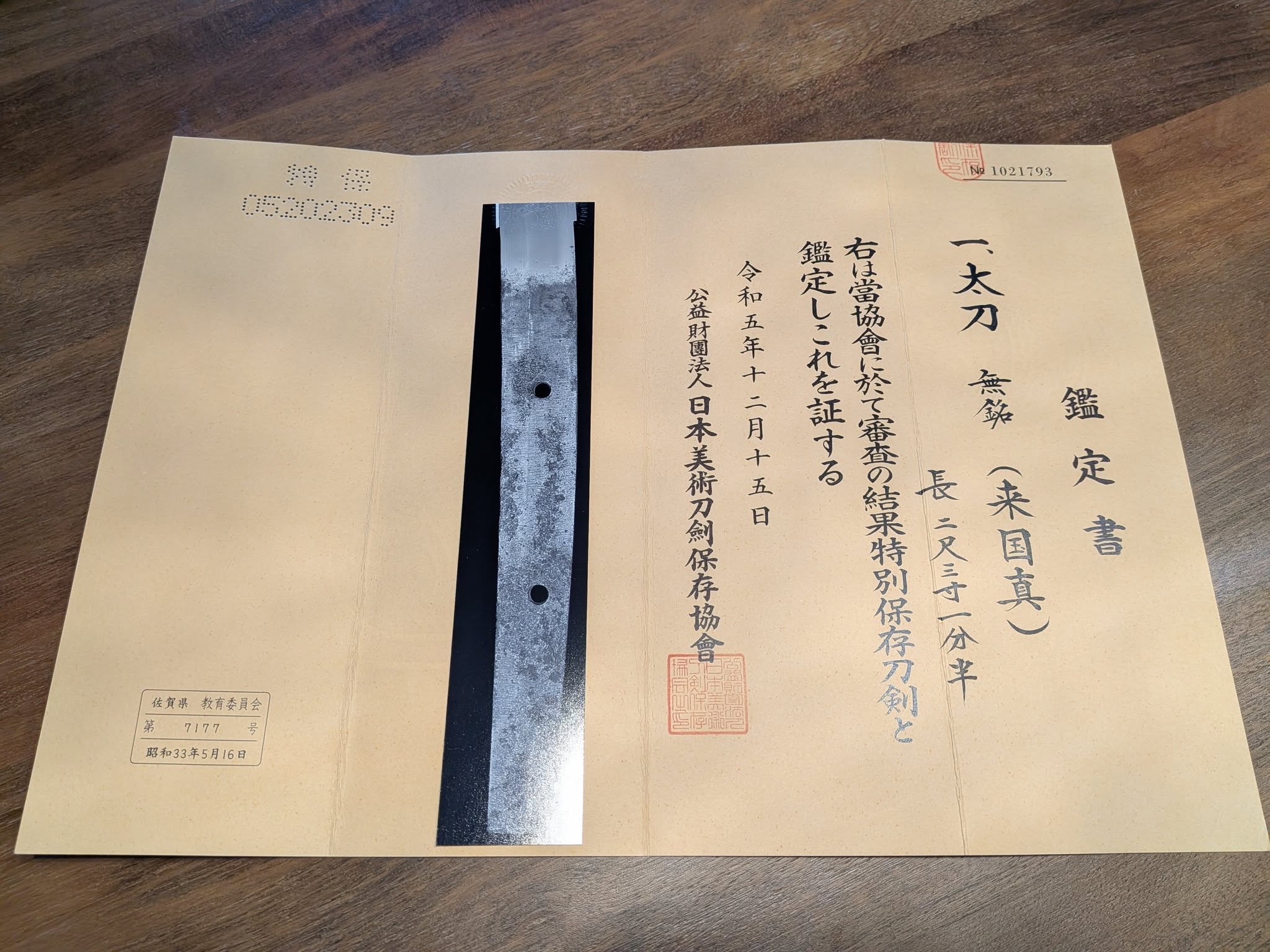
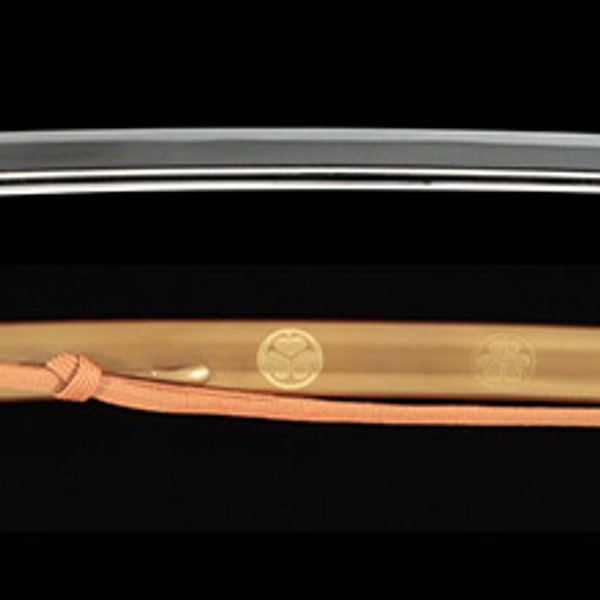
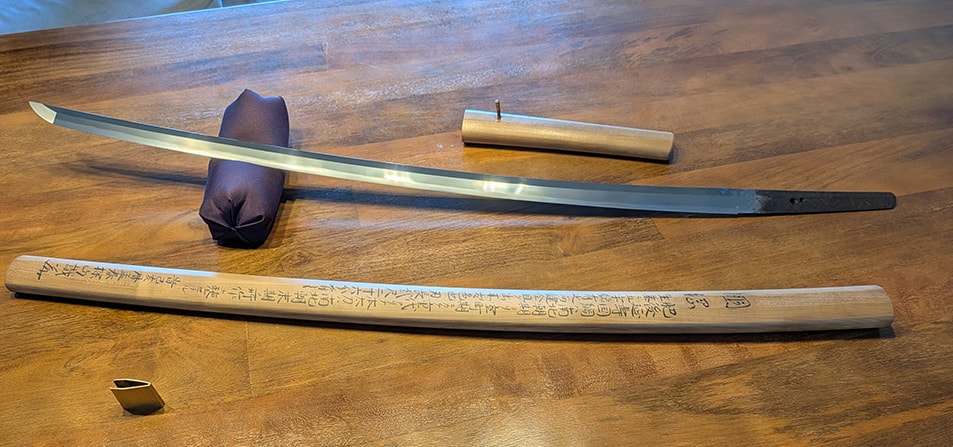
Yamashiro-den Tachi by Rai Kunizane (Shōwa 1312–1317) – NBTHK Tokubetsu Hozon Status: Sold Kanteisho: Tokubetsu Hozon This is an exceptional Yamashiro-den tachi is by Rai Kunizane, dating to the Shōwa era (1312–1317) in the late Kamakura period. The blade is accompanied by NBTHK Tokubetsu Hozon papers attesting to its quality and authenticity. It measures approximately 2 shaku 3 sun 1 bu in cutting length (~70.0 cm nagasa), and is housed in a high-quality shirasaya with a solid silver habaki. The sword is in fresh Japanese polish and remains in superb health. This tachi exhibits textbook Yamashiro Rai traits. The jihada is a very fine ko-itame jihada, tightly forged with abundant ji-nie across the surface. This rich deposit of ji-nie produces beautiful chikei and even a faint misty nie utsuri, a hallmark of superior Rai blades. The hamon is a refined suguha-chō midare, executed in a bright ko-nie deki. Small ko-chōji clove patterns and subtle ko-gunome undulations mix into the straight hamon, which is enlivened by deep ashi and fine internal activities. One can observe several fine kinsuji and yō within the hamon. The bōshi is finished in a slight ko-maru with a turn-back, in the classic Rai style. Overall, the blade’s shape is graceful and well-proportioned – a gently curving tachi with a deep torizori. This harmonious workmanship bears a strong resemblance to the blades of Rai Kunitoshi. The tight ko-itame jigane with profuse ji-nie and the restrained, straight hamon with small midare elements are hallmarks of Rai Kunitoshi’s style, here faithfully reflected in Kunizane’s work. Historical Background: The Rai School and Kunizane The Rai school, founded by Rai Kuniyuki in the mid-13th century, was one of the principal swordmaking traditions of Kyoto (Yamashiro province) – alongside the famed Awataguchi school – and remained active from the late Kamakura through the Nanbokuchō period. Rai blades were esteemed for their superb craftsmanship and elegant beauty, embodying the refined taste of the imperial capital. Rai Kunitoshi (来国俊), son of Kuniyuki, emerged as the school’s greatest master and is considered one of the premier swordsmiths of all time. Working in Kyoto in the late 1200s to early 1300s, Kunitoshi produced many extant masterpieces and attracted a prestigious clientele. He was famed for his exquisite Yamashiro jitetsu, featuring fine ko-itame grain with ji-nie, and for his elegant suguha-based hamon with active hataraki. The Rai style, together with the earlier Awataguchi style, thus defines the classical Kyoto tradition: a focus on flawless jigane, a relatively restrained yet beautiful hamon, and overall an air of elegant harmony. Rai Kunitoshi’s legacy was carried on by a distinguished lineage of sons and students. His immediate successor was Rai Kunimitsu (来国光), widely believed to be Kunitoshi’s son. Kunimitsu took over the Rai forge in the early 14th century and continued the school’s high standards into the Nanbokuchō era. Many of K

Yamashiro-den Tachi by Rai Kunizane
売切れ
Tokuho売切れ

Yamashiro-den Tachi by Rai Kunizane

太刀

売却済

世界81社の刀剣商を横断追跡 · 価格履歴 · 売却アーカイブ

仕様

長さ

70 cm

作者について

Rai Kunizane國眞

1 御物25 重要刀剣

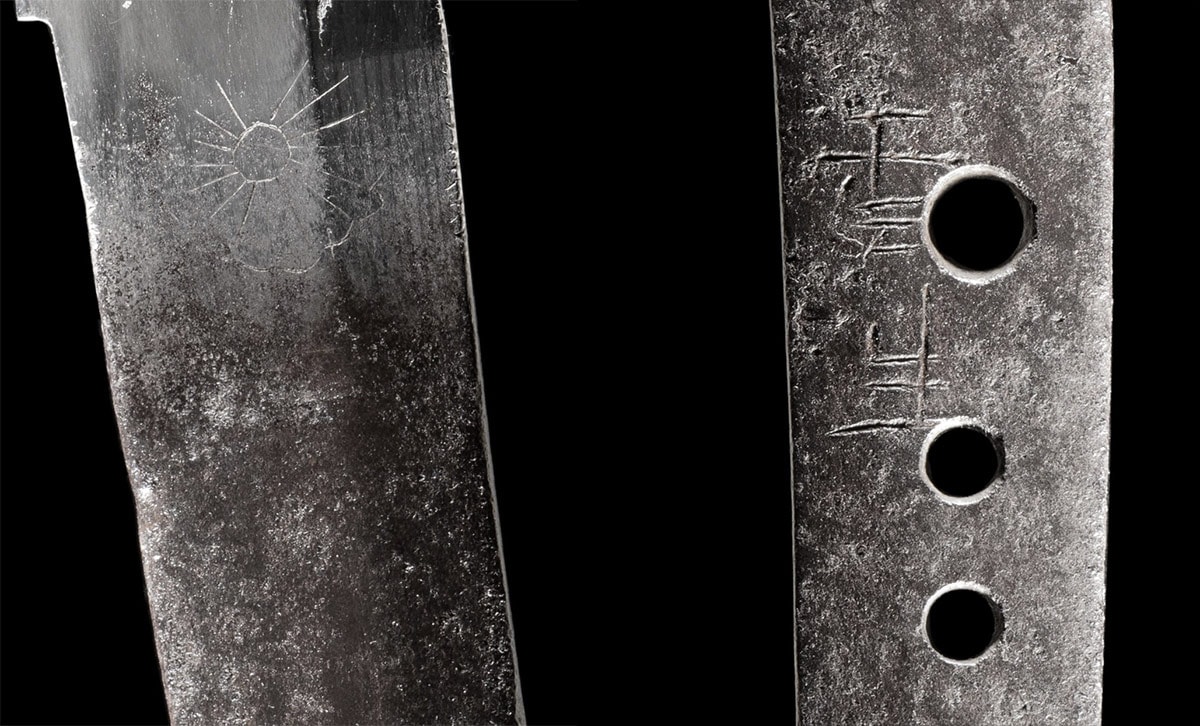
来国眞は山城来派の小名の一人で、剣書は来国俊の子あるいは門人とし、来国光の弟・来倫国の兄と伝える。鎌倉時代末期から南北朝時代にかけて京に活躍した。その記録はほとんど二つの面を持つ問題であり、説明書はその系譜自体を慎重に語る。『銘鑑』は正和の頃を挙げ、別に「建武前」として同名の一工を載せるが、説明書は受け継がれた所伝が作風・年代の両面から無理があるように思われるとし、作品の上からは初代・二代を見るべきであるとする。本工は結局のところ、一人の確たる記録された手というよりも、ある種の精緻な来派の作を伝えてきた鑑定上の約束事である、と言ってよい。 収集家が出会う典型の来国眞は、古来より極められた大磨上無銘の刀であり、それはまず地鉄に読まれる。よく鍛えた板目、時に小板目つみて杢や流れ肌を交えた地に、肌やや立ちごころとなり、地沸が微塵に厚くつき、地景が頻りに入り、地には淡い沸映りないし映りの立つことが多い。説明書はこれを来国光に通じる地鉄としつつ、その言葉どおり「来国光に似てやや及ばない」ものとし、やや立った肌と静かな沸映りこそ、純然たる来派の明るくよくつんだ山城の地ではなく、来の地鉄を一歩南北朝へ進めた手を示すと読む。 その地に対して、本工は広・中の直刃調を焼き、小丁子・小互の目・小乱れを交える。足・葉よく入り、小沸よくつき、刃縁は細かにほつれて時に二重刃ごころとなり、金筋・砂流しがかかり、匂口は締まりごころとも明るく冴えるともなる。帽子は直ぐに小丸、あるいは乱れ込んで盛んに掃きかけ、華やかな作では尖って火焰風となる。極めの要は質ではなく程度にある。刃文は穏やかな来の作域であるが、その乱れは来国光に比して小模様であり、説明書はまさにその観察を約束事に変えて、来国光に似て作位が一段下と判じ、「一派の中では所伝通りに鑑することが最も妥当」と結ぶ。 もう一つの面は在銘作で、これがより稀で、より謎めいている。在銘作は極めて少なく、多くは平造の脇指・短刀で、身幅広く寸延び、重ね薄く反り浅い、典型的な南北朝姿をなし、三字銘をやや大振りに目釘孔の下に切る。鍛えは板目に杢を交えて流れやや肌立ち、地沸よくつくが、その焼刃は本流の極めから離れる。直刃調にのたれ・小互の目を交え、処々強く沸づき、刃縁はほつれ・打のけ・喰違刃風・二重刃・湯走りへと転じる。中には皆焼風を帯びるものがあり、説明書の言葉では「皆焼風をおびて長谷部に近似した出来口」を見せる。そこから在銘の太刀・脇指についての説明は「南北朝の作と断定せざるを得ない」と結び、穏やかな無銘極めと華やかな在銘作とのこの隔たりこそが、同名の初代・二代という積年の問いの拠りどころとなっている。 来国眞の極めをその隣人から分かつのは、まさに極めの言うところであり、しかも判者はそれを比較対象の特徴からではなく本工自身の作から引く。本工は来国光・来国次の傍らに来派の一員として立ち、山城の作風を伝える。その作は来国光より作位一段下と読まれ乱れが小模様な精緻な来派直刃であり、やや立った板目に立つ淡い沸映りが繰り返す見どころである。本阿弥の金象嵌極めを負うある在銘の刀は、これに対して丁子乱れに互の目を交え、乱れが間近く棟焼をも交えており、説明書はこれを来国光・来国次に連なる来派の伝統を覇気をもって伝えたものと読む。腰元・横手下に飛焼・湯走りの集まる皆焼がかった作こそ、その個性の認められる所である。極めは従って慎重なもので、唯一無二の特徴によるのではなく、一派の中での作位と格によってなされる。 収集の観点では、本工は来派の中でも手の届きやすい名であり、その来歴は静かに名門である。藤代の極めは上作。国宝はなく、重要文化財もなく、その記録はすべて重要刀剣に列し、重要の級に二十五口、その大半は本阿弥の金象嵌極めを負う大磨上無銘の刀で、説明書はその数口を同工極めの中でも特に優れ地刃ともに健全とする。在銘作はその誉れであり稀少であって、ある重要刀剣の脇指の説明はこれを「在銘稀有な同工の作風を知る上でも、大変貴重な資料」と称える。本工の刀は肉置きがよく、大名家を通じた確かな伝来を持つ。前橋・姫路の酒井家はその一で、ある一口は延享二年に八代将軍徳川吉宗の御隠退の祝として酒井忠恭に賜り、以後同家に伝わった。さらに鍋島家・島津家に伝来した作があり、神宮徴古館・東京国立博物館・東京富士美術館に収まる例もある。その記録がことごとく取引可能な級にあるため、来国眞の刀は第一級の来国光のように手の届かぬものではない。一方で在銘の一口が世に出ることは稀であり、収集家にとって注目すべきもの、来派いかに南北朝へ身を運んだかを語る一証である。
刀剣商

Nihon Art

nihonart.com

売切れ