 NihontoWatchNihontoWatch
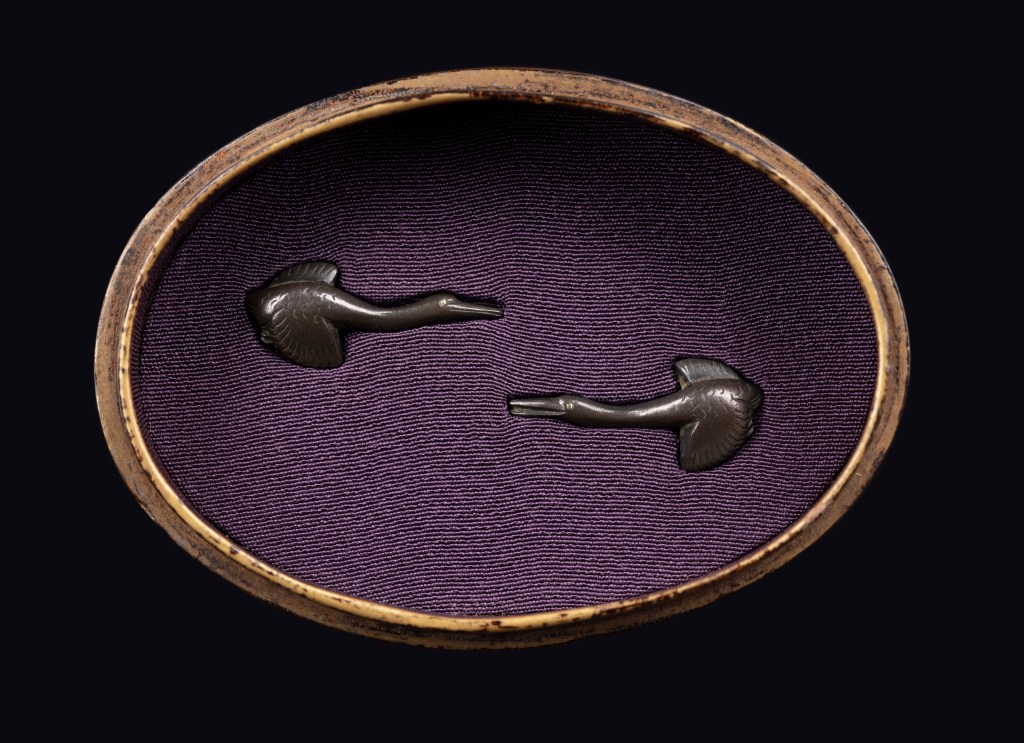
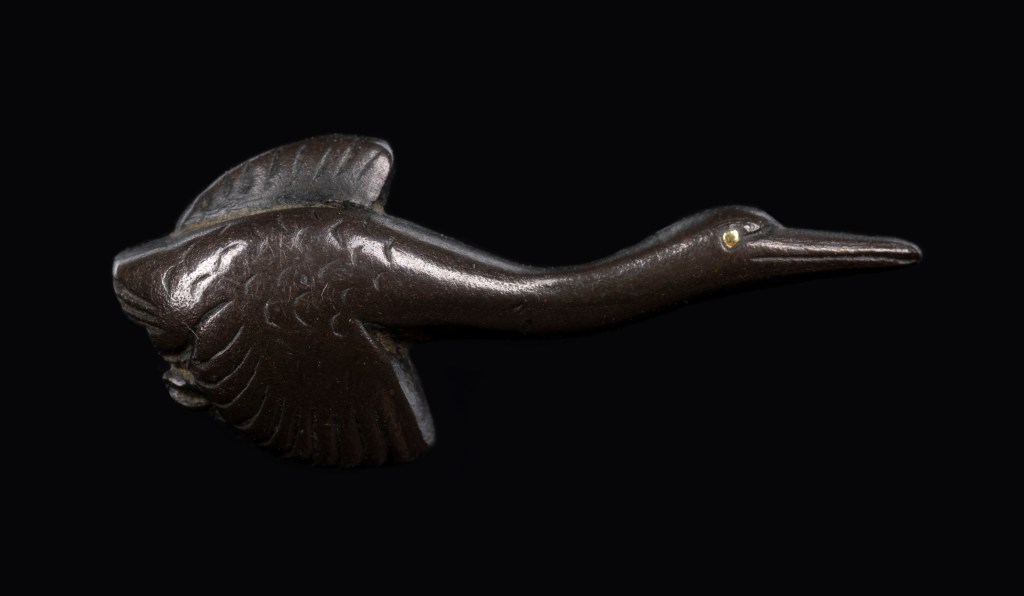
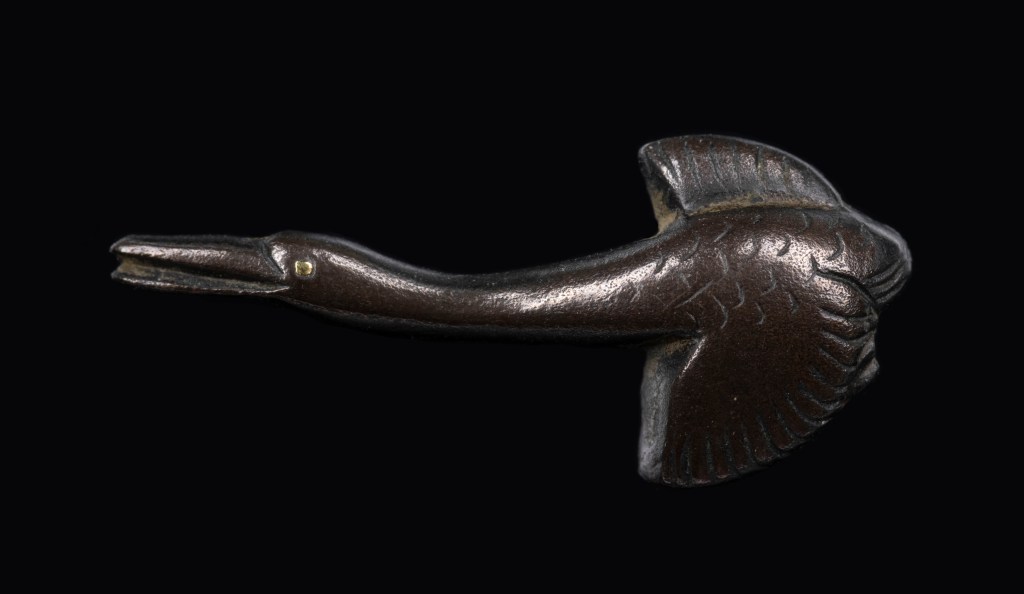
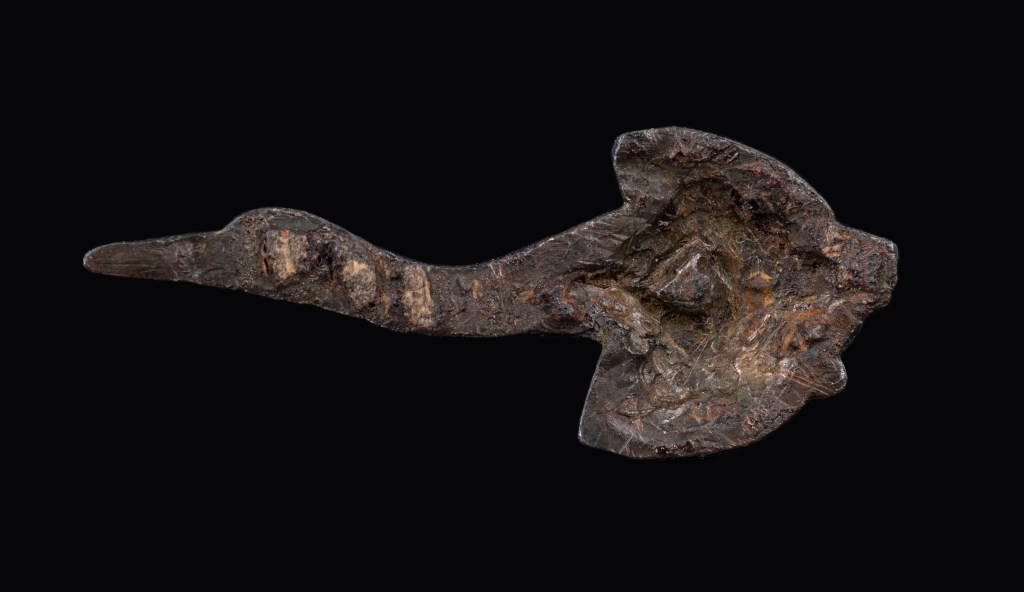
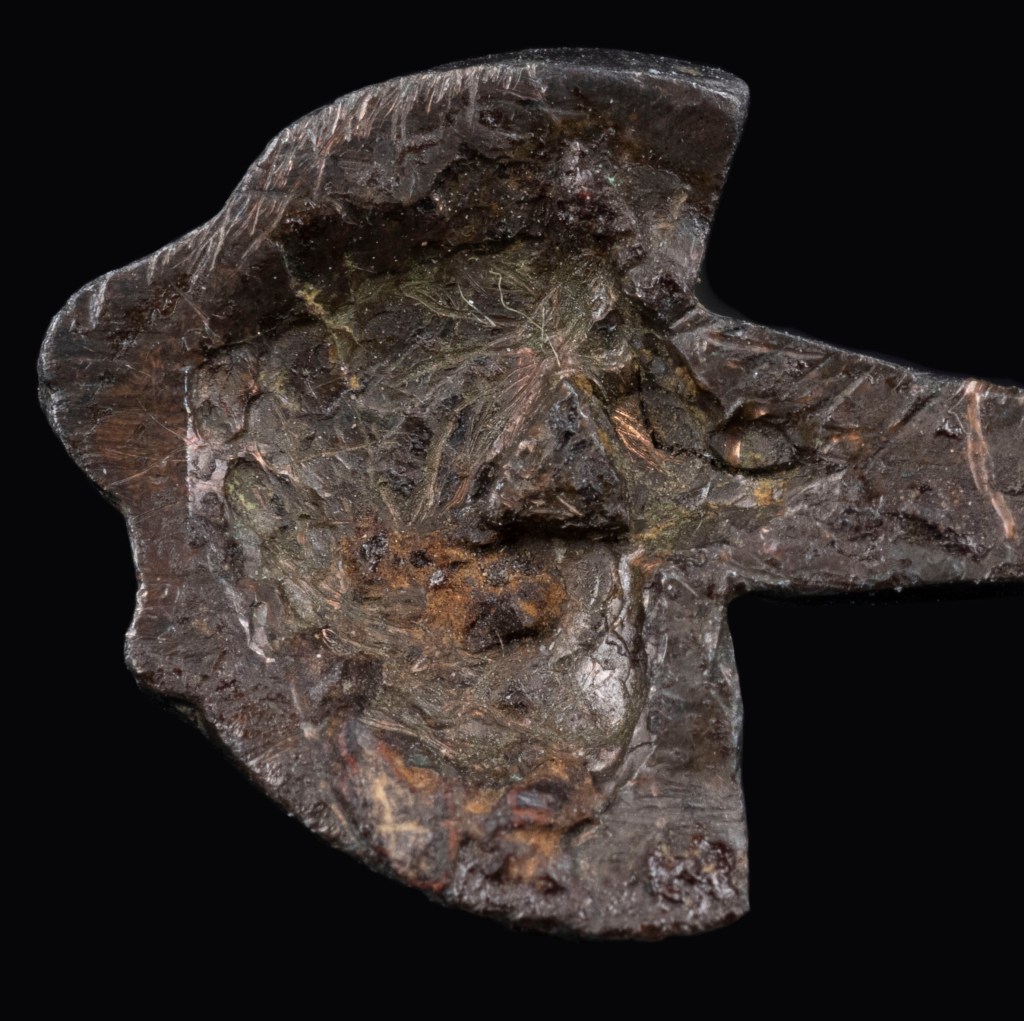
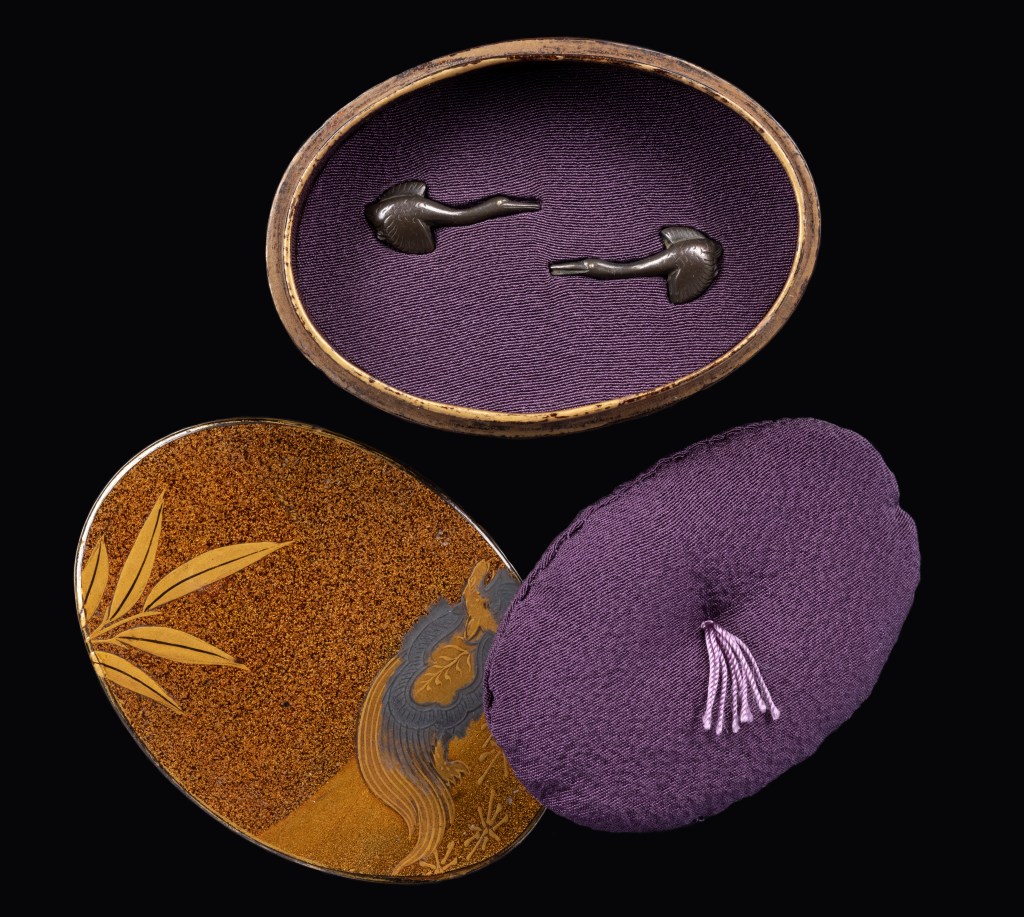
Misumi Masaharu (aka: Koji) is a bit of an enigmatic character. Not a great deal of information exists about him, his background, or his lineage. What is known is that the Misumi family was not associated with the Hosokawa Daimyo of Higo, but rather are shown as a retainers of the Matsui clan who where the head of chief retainers for the Hosokawa. Higo Province was ruled by the Hosokawa Clan in Kumamoto, and while the Shogunate had imposed a policy of “One castle per domain” ruling, the Hosokawa were allowed maintain two as part of a defensive strategy. The Shogunate perceived the Shimazu in Satsuma, foreign visitors, and religious (Christian) figures which both typically entered Japan through Kyushu, as threats significant enough to bless the Hosokawa with an allowance of two castles. The Hosokawa were also exceedingly powerful in terms of economic power and wealth, as Higo was one of the top producers of rice for the nation, which influenced the Shogunate to mollify and better to keep them as allies rather than opposition. With this two castle policy, the Hosokawa also ruled their second castle, originally called Mugishima, through the Kato family. When Mugishima castle was destroyed in an earthquake in 1619, it was rebuilt as Yatsushiro (also nicknamed Shirasagi or “White Heron” for it’s white limestone walls), and control of it granted to the Matsui family. It was here that records show the Misumi family as retainers of the Matsui clan. It is surmised that all extant Misumi works originated from the Matsui possessions, and this would make them effectively the private “in-house” makers of sword fittings for their Matsui lords. Examples of Misumi works are exceedingly rare, but varied examples of fuchigashira, menuki, and tsuba exist. All examples of Misumi works are attributed to Masaharu (aka: Koji) although records show other individuals from the Misumi family name Kojun and Denzo. Since there is so little information about the Misumi lineage, and the only conventional signature found in Misumi works is simply “Misumi”, it is difficult to categorically attribute works to separate individuals. The set displays the the characteristic simplistic elegance of the Higo style in dark patinated copper base metal and sculpted in a soft form that to look worn by time. Higo koshirae also often display tsukamaki in leather or linen that has been lacquered to resemble leather or other textures, and their samegawa are also frequently lacquered in black or brown. As such, tosogu such as these are created to harmonize with the other elements and details of the koshirae. At a glance one might first interpret the subject for cranes in flight. However their form is a bit unique among bird themes and these are described as “Gan” or “wild geese” on the NBTHK certificate. Geese hold an important reference to the influence of classic Chinese painting, and were a theme introduced to Japan from China in the 12th or 13th century. The message of the southward migration of geese in the autumn months and their return in the eighth lunar month known as “Kanaraigetsu”. Another yet more poignant interpretation is the story of military victories that were enabled by flocks of geese breaking ranks thus signaling an ambush. While goose themes can indeed be seen on other tosogu, they are not a perception among the more conventional Higo subjects, adding to the unique character of these menuki. A personal observation; the depiction of these birds shows a much longer beak and wing style than I would associate more with Herons, or perhaps even Cormorants. Since the Matsui were the keepers of Shirasagi Castle (White Heron), and were the singular patrons of Misumi Masaharu, I do wonder if they are not actually Herons for the symbolic importance they would have for the Matsui clan. An interesting element of Misumi works, and a kantei point to him as maker is his usage of a triangular neashi (post) on menuki, or the incision of a triangle inside items like kojiri. The literal translation of the kanji in “Misumi” is “triangle”, thus the usage of a triangular post would seem to be a tongue-in-cheek signature element. Yet another point of interest is that the triangular posts are not soldered in place as is the convention with menuki. Instead the backs have been carved away from the solid metal base revealing the posts in place and keeping them as part of the original base plate. Misumi clearly had no issue with doing things his own way. This is petite in size, but their impact is no less impressive. The quality and detail have been condensed in tandem and do not disappoint. Omote: 2.5 cm x 1.05 cm Ura: 2.5 cm x 1.1 cm This set is on a custom formed otoshi to hold them in place inside a beautiful ovate box lacquered with a Minogame (stylized turtle), in turn which is held in a fabric bag with drawstrings. Also included is a Palownia wood box to contain and protect the entire ensemble. This set has been certified by the NBTHK as Tokubetsu Hozon. An image of the certificate will be added to this listing soon. This is a extraordinary opportunity to own a rare example of iconic Misumi Masaharu works, and would be a remarkable contribution and special place in any tosogu collection. On Consignment
NihontoWatch
三角正治
江戸
肥後
在銘
特別保存
肥後 · 肥後(熊本)
肥後 · 肥後
現在128点販売中
肥後金工は、肥後熊本において細川家の庇護のもとに桃山時代から江戸時代にかけて栄えた金工の総称であり、林・平田・西垣・志水の四家が本流を代表する。その初代の金工はすべて、名将の誉高く茶道の達人であった細川三斎忠興に抱えられ、指導を受けた。寛永九年(一六三二)に加藤家改易ののち、その子忠利が熊本五十四万石に封ぜられると、三斎は隠居の身となり、八代城を隠棲の場と定めた。平田家は正阿弥系であるが、此の派の祖、初代彦三は京で三斎に仕え、丹後・豊前を経て同家の移封に伴い熊本に下向し、寛永十二年同地で歿している。その門下からは甥の志水甚五、西垣勘四郎が輩出し、尾張系の林又七と共に肥後金工の四大流派を形成した。林派の祖又七は慶長十八年に熊本に生まれ、先祖は尾張国出身の鉄砲鍛冶で、父清兵衛の時に加藤清正に仕えて肥後熊本に移住し、加藤家改易後は細川家に仕え、元禄十二年、八十七歳で歿した。また細川三斎自らの作や、寛永十七年に細川忠利に仕えた宮本武蔵など、武人の余技的な作も広く肥後金工に含まれる。 三斎の指導により、この派はすべて武人好みの秀れた実用面と格調高い美術性とを兼備しているところに特色がある。林派の作風は、羊羹色にたとえられる如く、鍛えのよいねっとりとした鉄地が見どころで、地透に毛彫を加え、金布目象嵌を施した作が多く、その地鉄は抜群に優れて雅味があり、古来賞揚されて止まない。又七の嫡男重光の作に見られるように、林系の鐔は特有の美しい紫錆を有する。平田派は正阿弥の伝統を多く継承し、素材には鉄地もあるが、山銅・素銅・真鍮・赤銅などの色金が多く、「平田がね」「彦三がね」と呼ばれる色金を巧みに駆使し、象嵌はもとより阿弥陀鑢や翁鑢を施して雅趣溢れる装飾性を加え、稀には七宝象嵌をも施している。小田原覆輪と呼ばれる特殊な覆輪を創始したことも彦三の見どころである。志水甚五は肥後の諸金工の中にあってひときわ強烈な個性を発揮し、槌目焼手仕立ての鉄地に、表には猛禽や梟・雨龍などの画題を真鍮据紋象嵌で大胆に配し、裏は空間を意図的に広くとって文様を小さく配し、寂の趣を深くする剛毅な作風を示す。西垣二代永久は後藤顕乗家に入門し、後に細川家の抱工となって、多くの色金を駆使した象嵌に妙技を見せた。桜花や蕨手は肥後鐔によく取り上げられた図柄で、中でも又七をもって嚆矢とする。 肥後金工は、細川流茶道の美を基調に寂の風雅を格調高くあらわし、桃山の豪毅な気風をもよく継承した点において、刀装具の世界に独自の地位を占めている。その造形は鐔にとどまらず、細川家の家紋である九曜紋を唐草文に散りばめた赤銅総金具の大小拵など、大名道具の全体にまで及んでいる。「又七をして皆三舎を避く」と謂われるように、その格調の高さは他工の企及し能わざるところであり、無銘の作が多いだけに、数少ない在銘作は各工の作域を知るうえでも貴重とされる。名品の多くは細川家に伝来して永青文庫に収められ、四大流派の伝統は後の上吉派にも受け継がれて、武家の美意識を体現する金工として今日まで高く賞揚されている。 詳しく見る →
保存刀装具のうち、出来・保存状態が一層優れ、銘文や作風に資料的価値の高いものと認められたものです。
日本美術刀剣保存協会(日刀保)は、1948年に設立され、文化庁の監督を受ける公益財団法人で、東京・刀剣博物館に本部を置きます。専門の審査員が出品作を直接審査し、美術的・歴史的価値に応じた鑑定書を発行します。日刀保の鑑定書は、日本刀および刀装具の真正性を示す最も広く認知された基準です。
日刀保公式サイト