戦国の世、一派は第二の主家に仕えた。小田原の後北条氏である。その庇護のもと綱広系は打刀の時代の皆焼を鍛え続け、1590年の落城とともに新刀の時代へ散った。
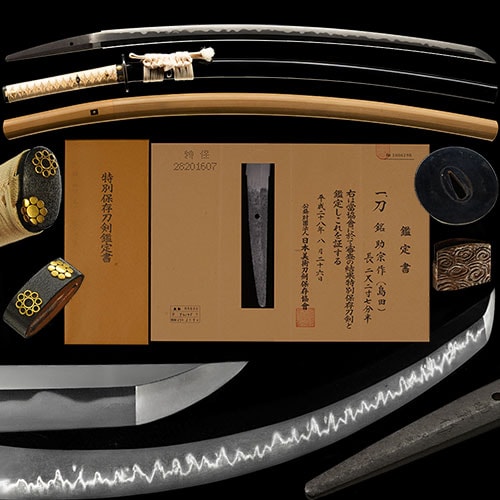
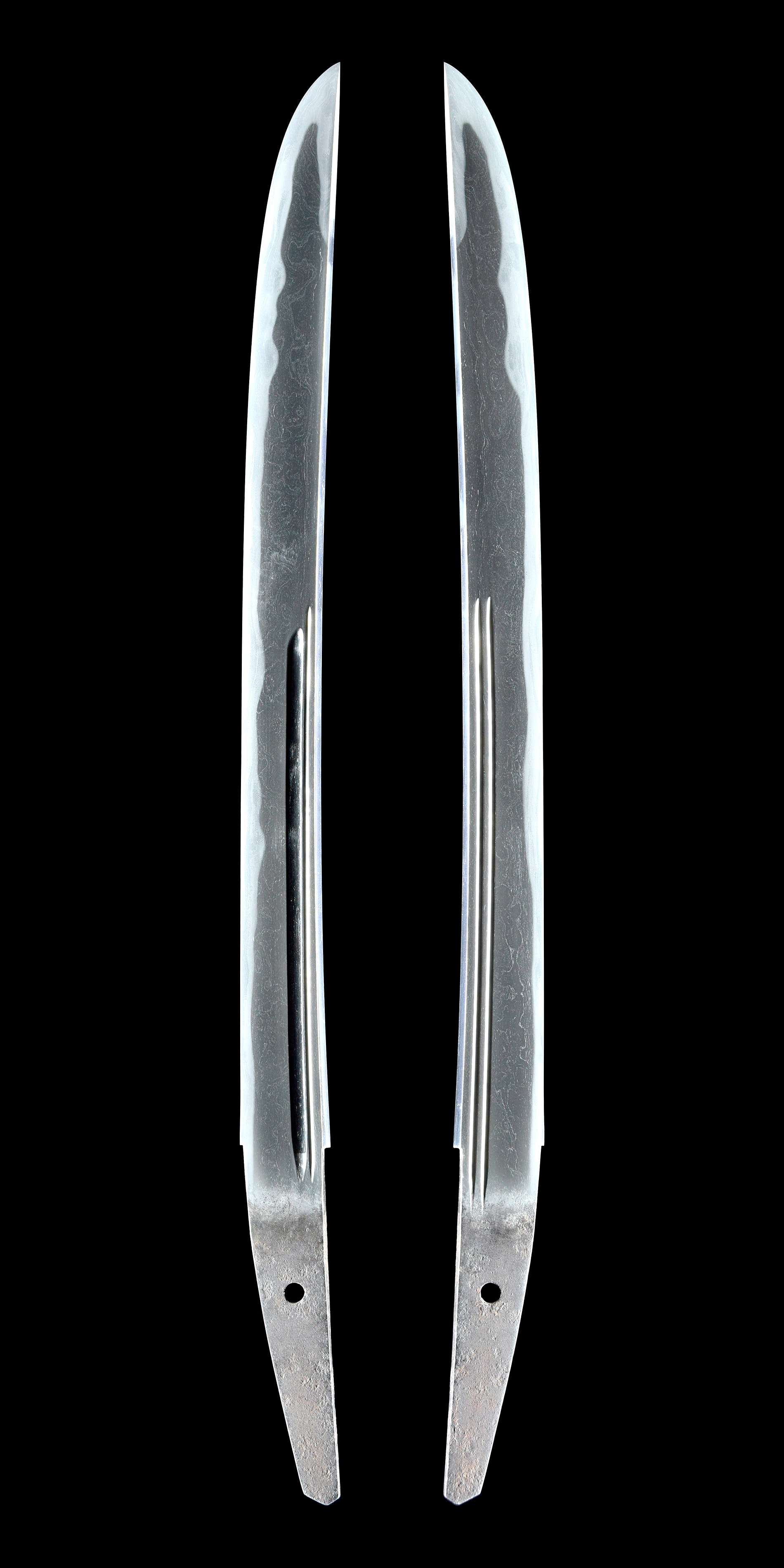
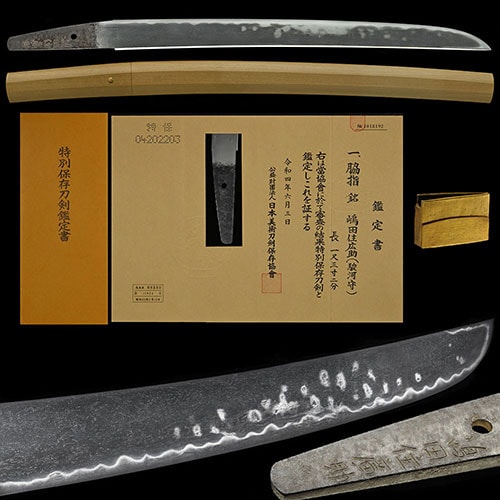
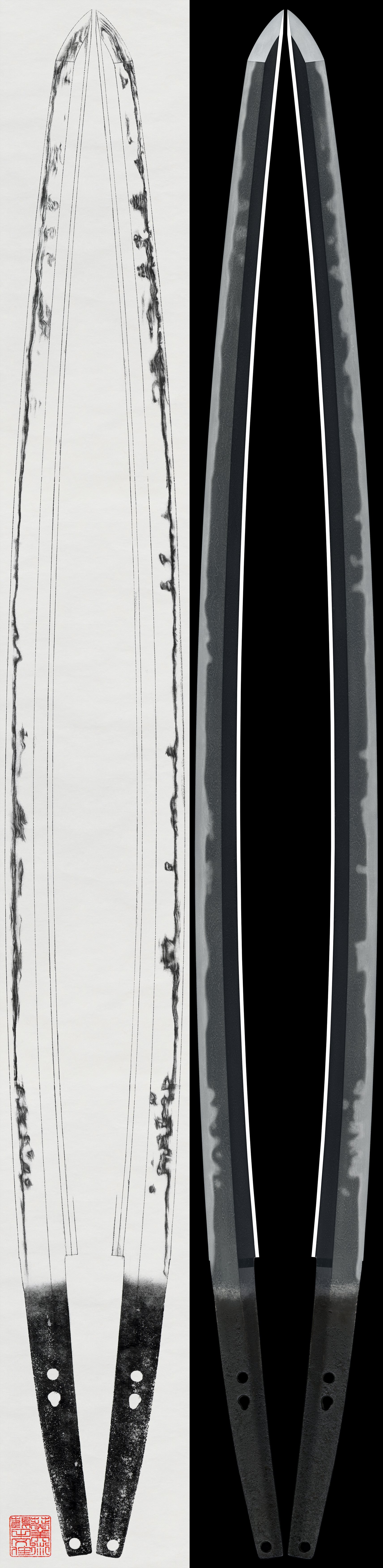
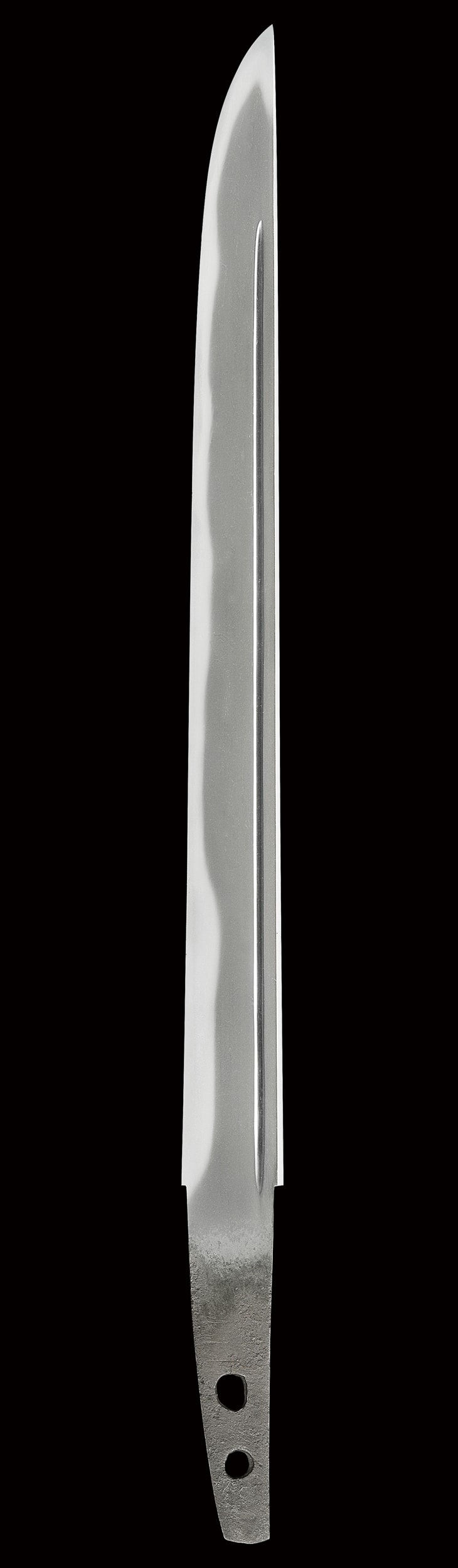
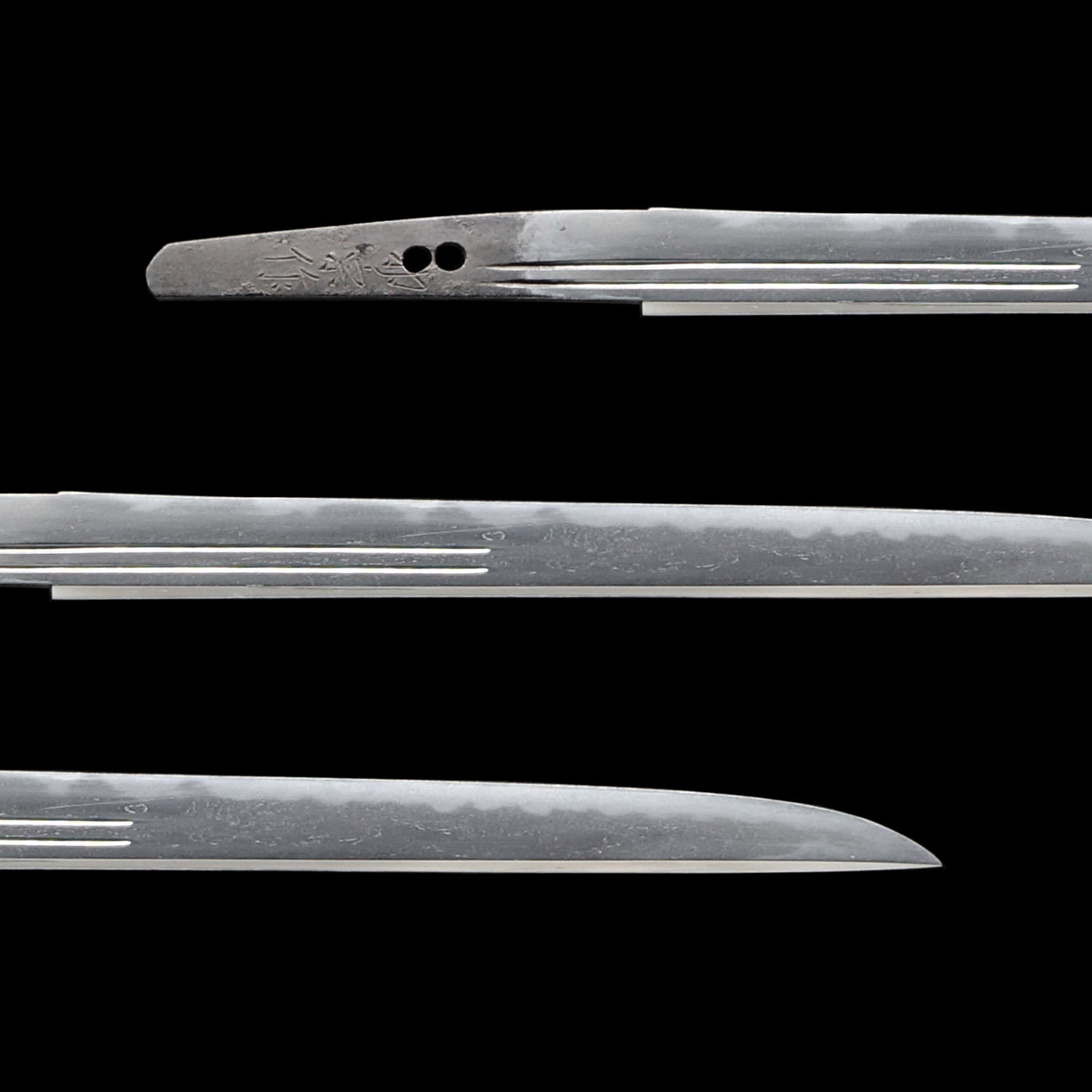
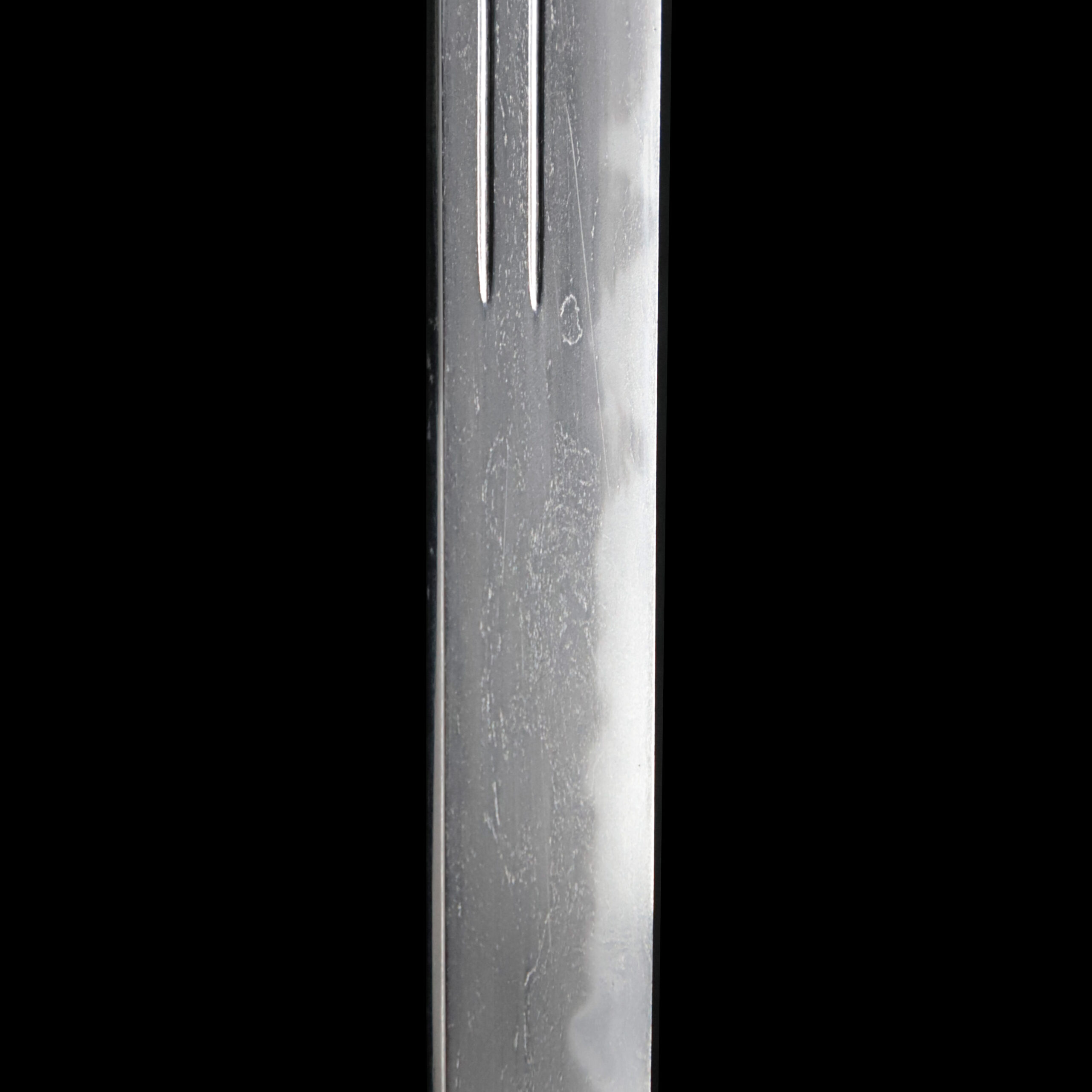
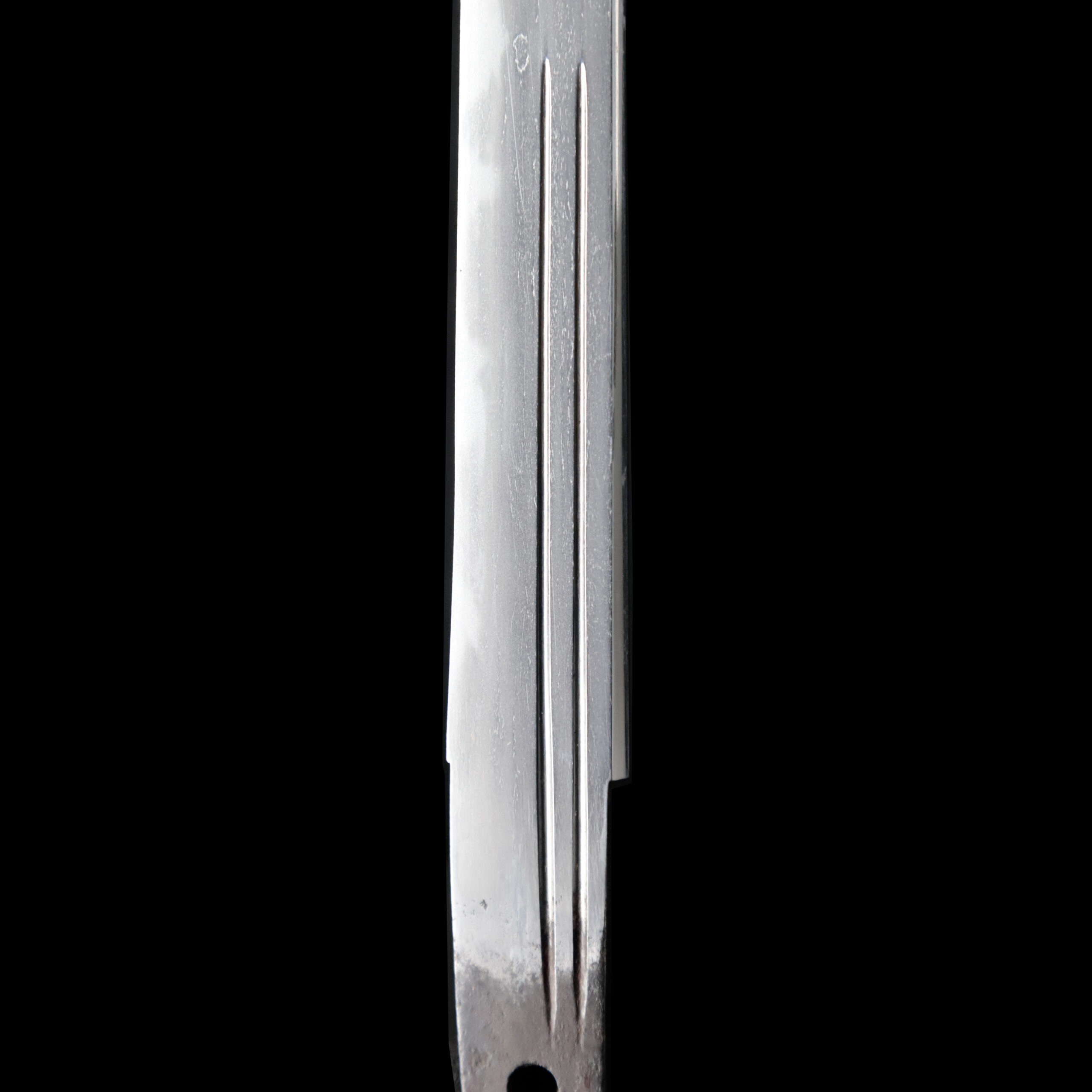
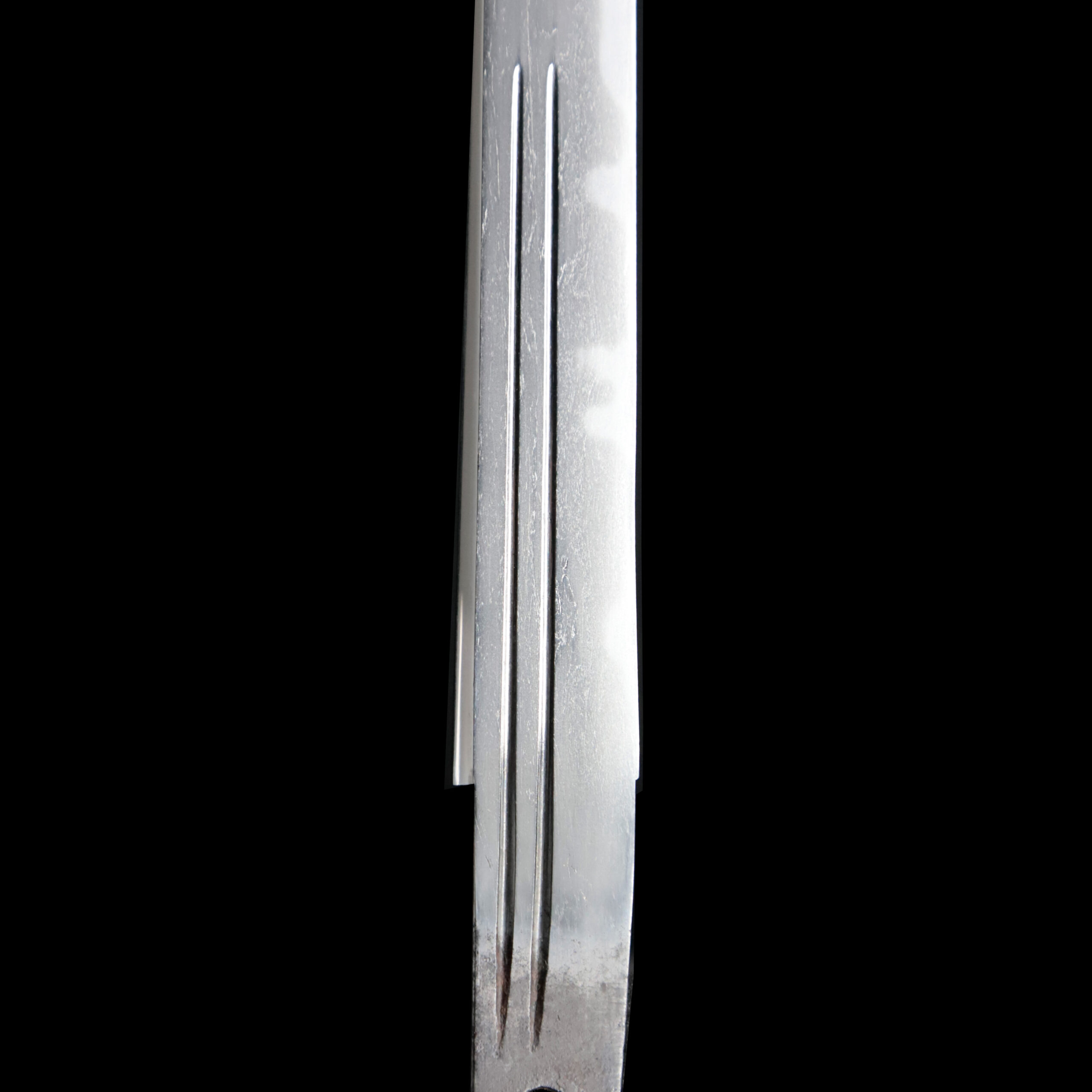
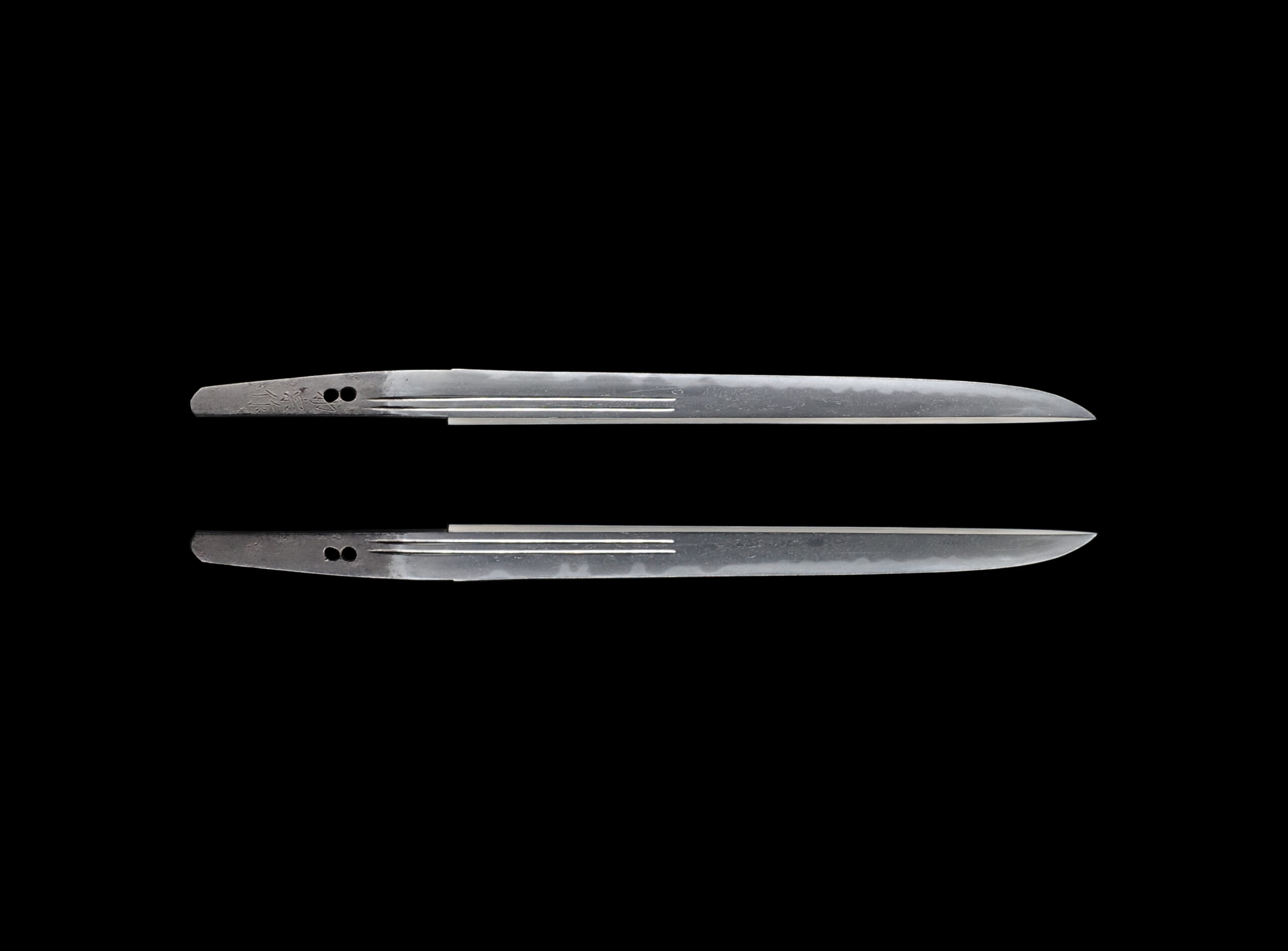
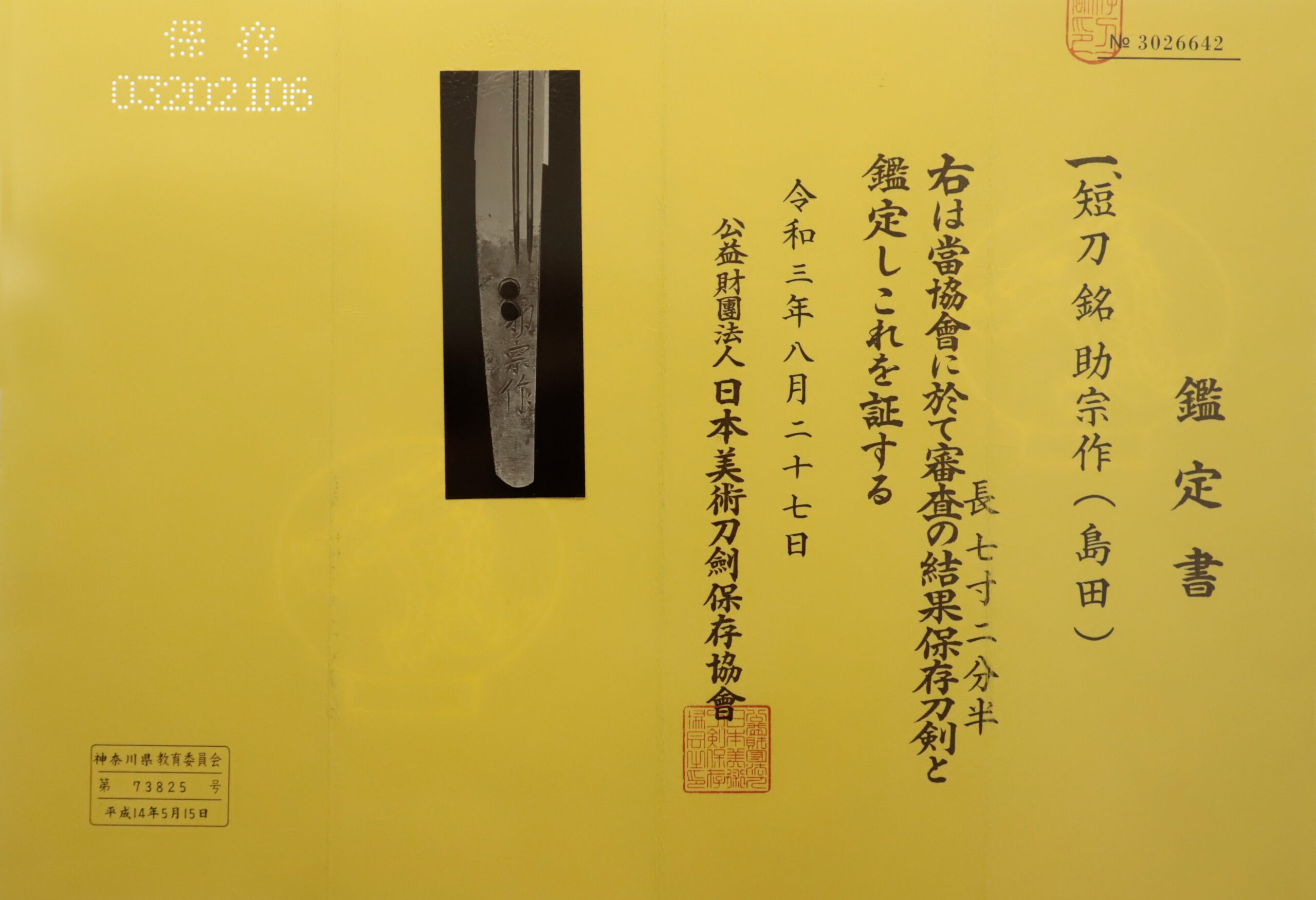
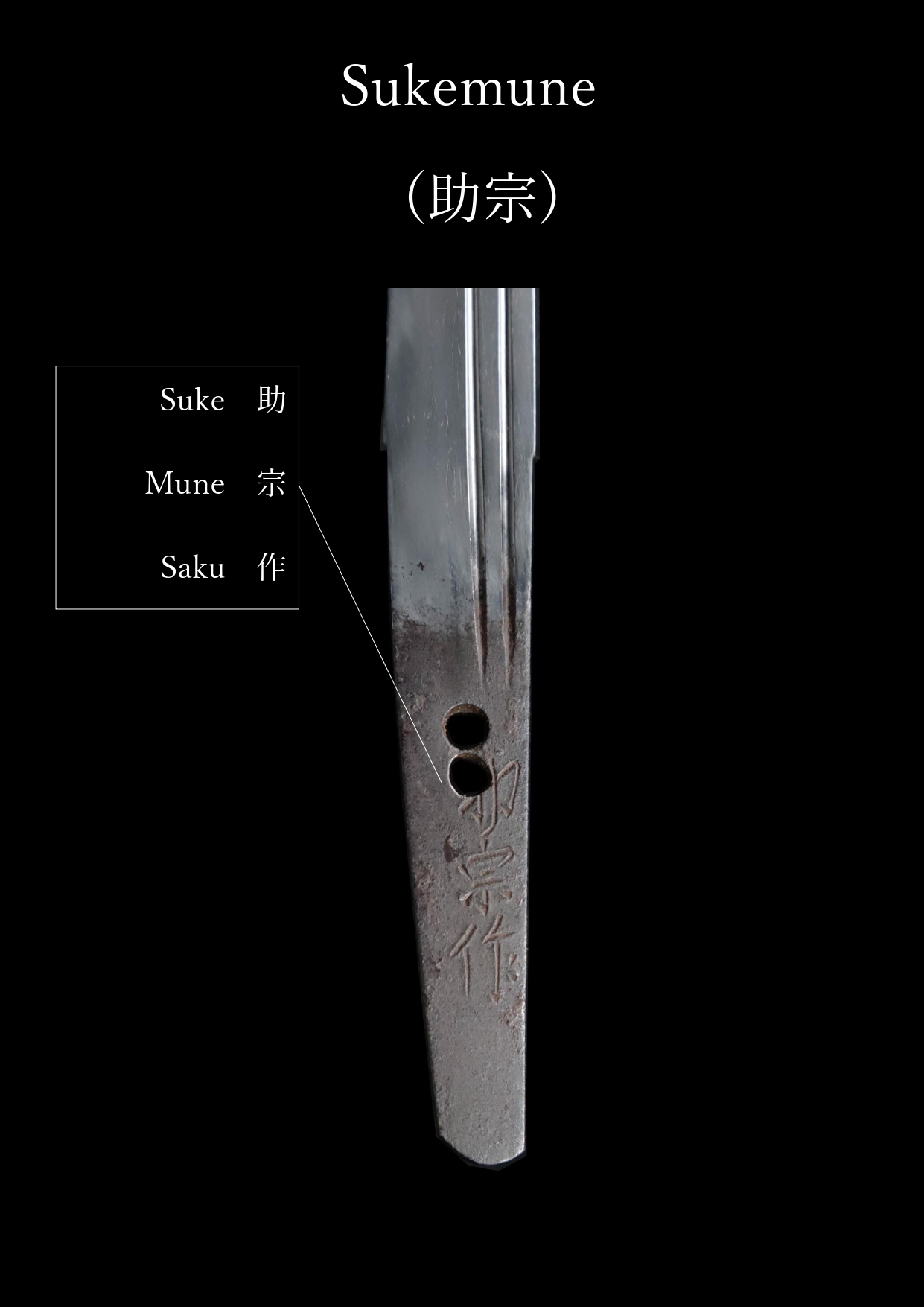
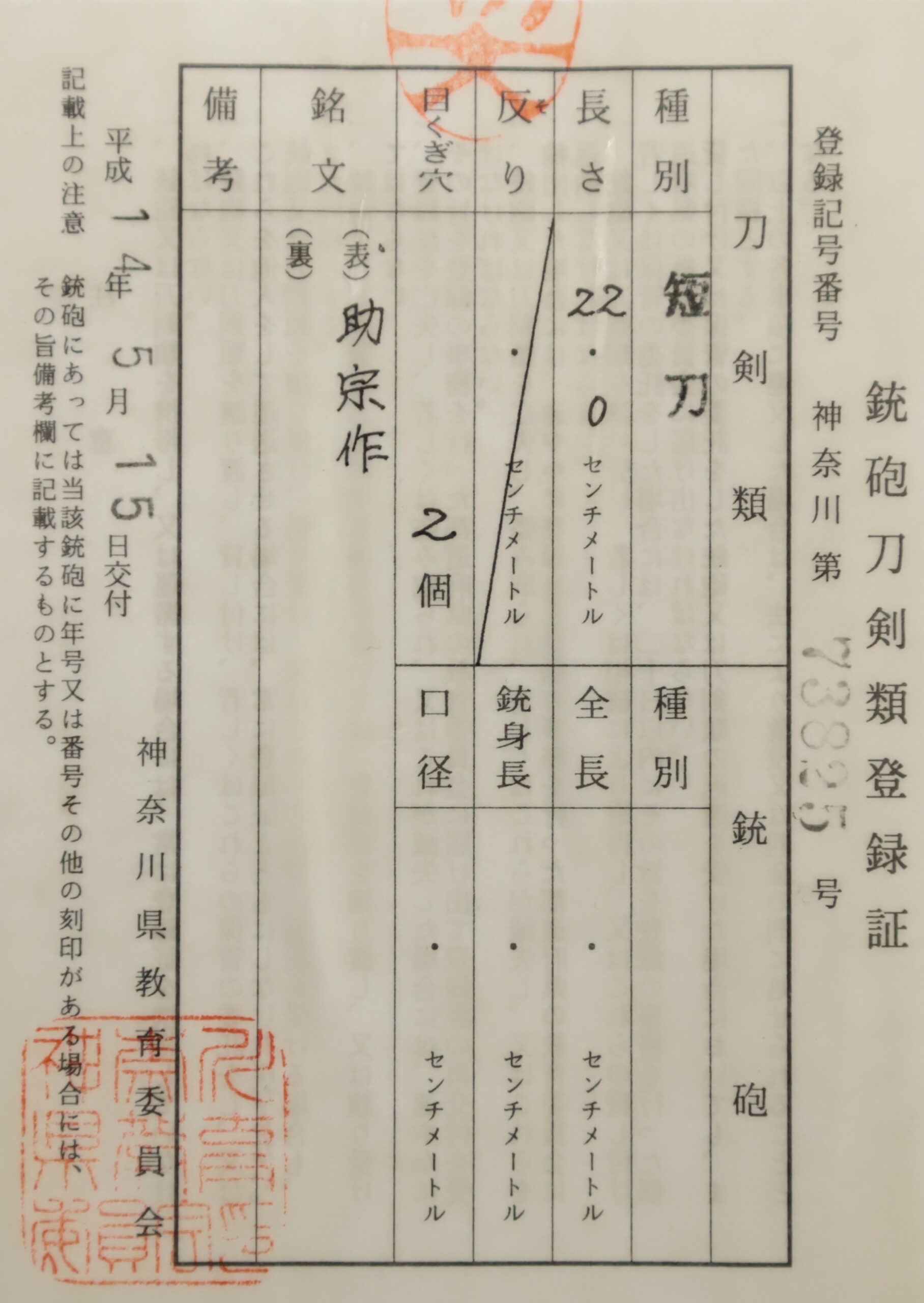
保存刀剣鑑定書付 短刀 銘:島田助宗 【概要】 本作は、駿河国(現在の静岡県)島田派の刀工、島田助宗による銘が切られた一振りです。島田派は室町時代中期に義助によって興された流派であり、初代助宗は義助の弟にあたります。 「助宗」の名は四代にわたって受け継がれ、天文から寛文年間(1532年〜1673年)にかけて活躍しました。本作はその作風から、室町時代末期に活動した初期の助宗による作と推測されます。 初代義助は有力大名である今川氏に仕え、その「義」の字は今川義忠より賜ったものと伝えられています。島田派は小田原の相州鍛冶とも交流がありました。戦国時代の駿河国は、武田氏、徳川氏、北条氏といった有力大名が覇を競った要衝であり、島田派の刀工たちはこれら諸氏の求めに応じて多くの注文品を手掛けました。 【相州伝】 歴代の助宗は、五箇伝の一つである「相州伝」を極めたことで知られています。相州伝は鎌倉時代中期に誕生しました。当時、大和伝や山城伝は既に高度な発展を遂げていましたが、相州を含む関東地方の作刀技術は未だ発展途上にありました。 1185年に成立した鎌倉幕府の初期、初代将軍・源頼朝は政治的安定のための法整備を優先しており、自領内で刀工を育成・雇用する余裕がありませんでした。そのため、当初は山城や大和といった他国の刀工に武器を注文していました。 しかし、幕府の体制が整うにつれ、御家人たちからの武器の需要が爆発的に増加しました。これに応えるべく、五代執権・北条時頼は、山城国から粟田口国綱、備前国から備前三郎国宗という名工を招聘しました。さらに七代将軍・惟康親王も備前より福岡一文字助真を招き入れました。 これら三名の名工が相州伝の基礎を築いたとされています。その後、粟田口国綱の養子とされる新藤五国光が現れ、その卓越した技術は弟子の行光へと継承されました。そして、日本刀史上最も著名な刀工の一人である正宗は、行光の弟子として相州伝を完成させ、その名を天下に轟かせました。正宗が完成させた様式は、相州伝を学ぶ後世の刀工たちの模範となりました。相州伝の影響は古刀期から新刀期に至るまで広く及び、大坂の井上真改や江戸の水心子正秀といった名工たちにも多大な影響を与えています。 【短刀とは】 鎌倉・室町時代、短刀は当初、長柄武器や太刀を用いる騎馬武者の補助兵装として使用されました。接近戦において、鎧の隙間(死突)を突くために用いられた武器です。 携行の仕方により「懐刀(ふところがたな)」や「腰刀(こしがたな)」などとも呼ばれます。また、古来より短刀は魔除けの力を持つと信じられており、日本の伝統的な婚礼においては、花嫁の身を守る守り刀として実家から贈られる習わしもあります。 本作は、公益財団法人日本美術刀剣保存協会(NBTHK)により「保存刀剣」に鑑定された一振りです。この鑑定書は、保存状態が良く、美術品として高い価値を持つ真正の日本刀に対してのみ発行されるものです。
 NihontoWatch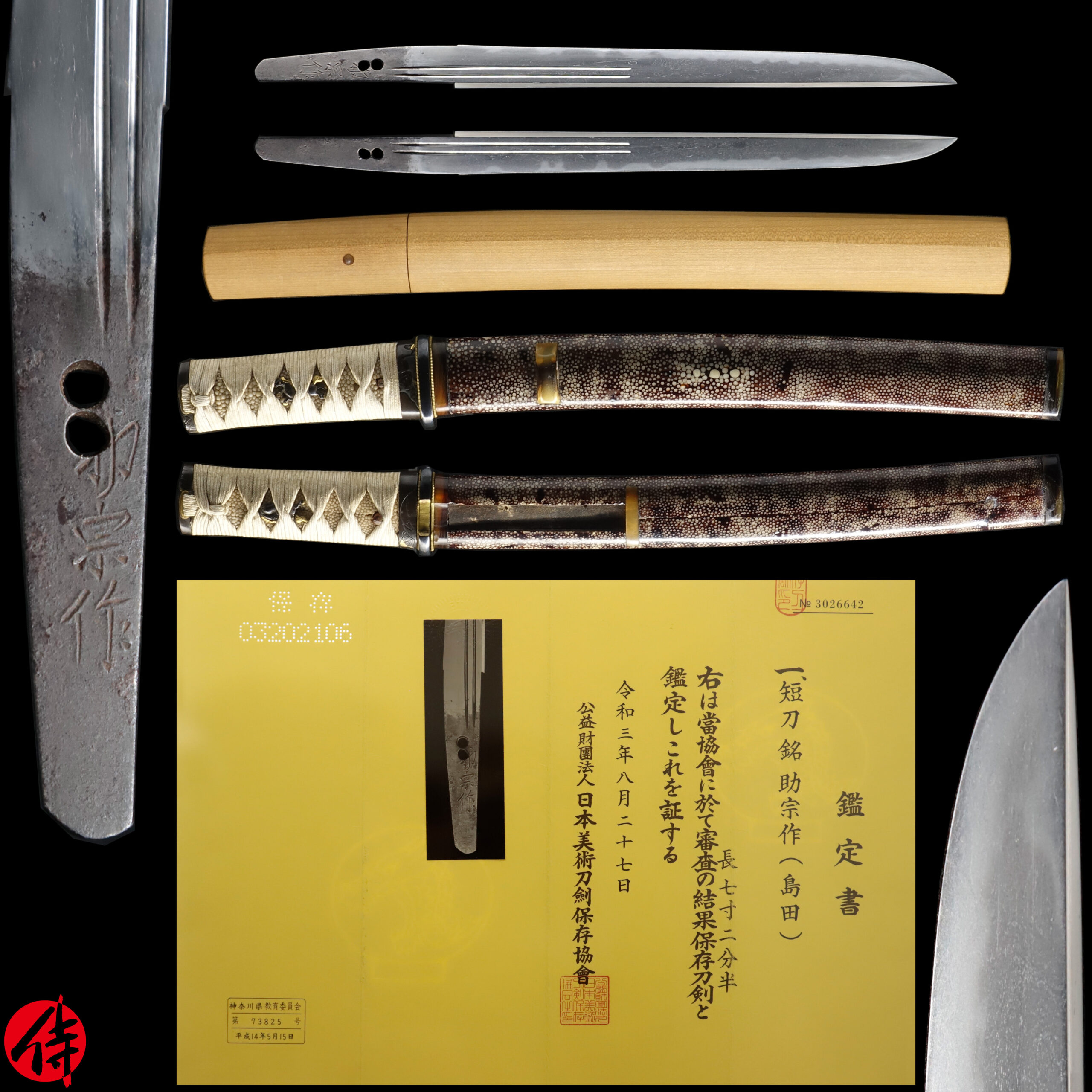
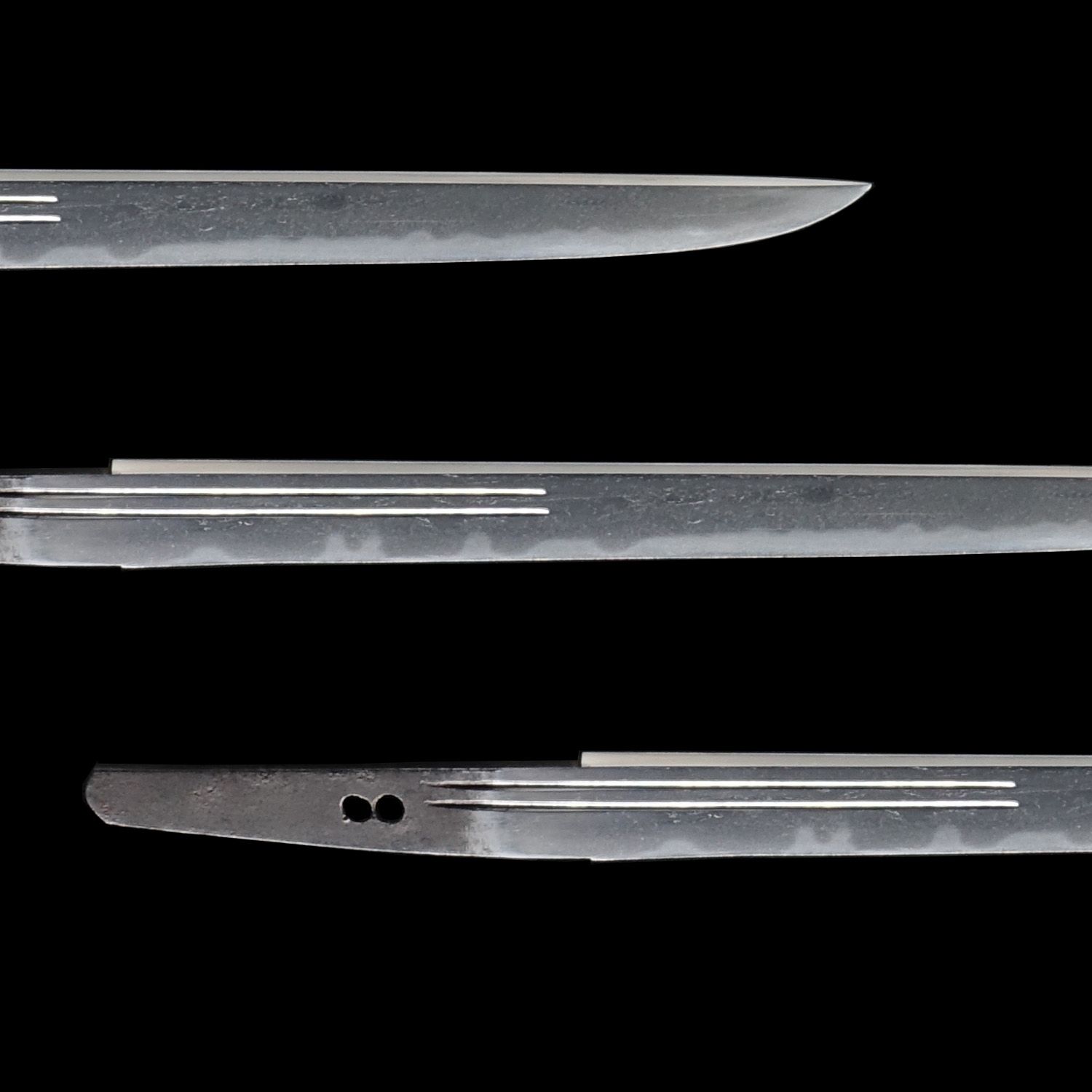
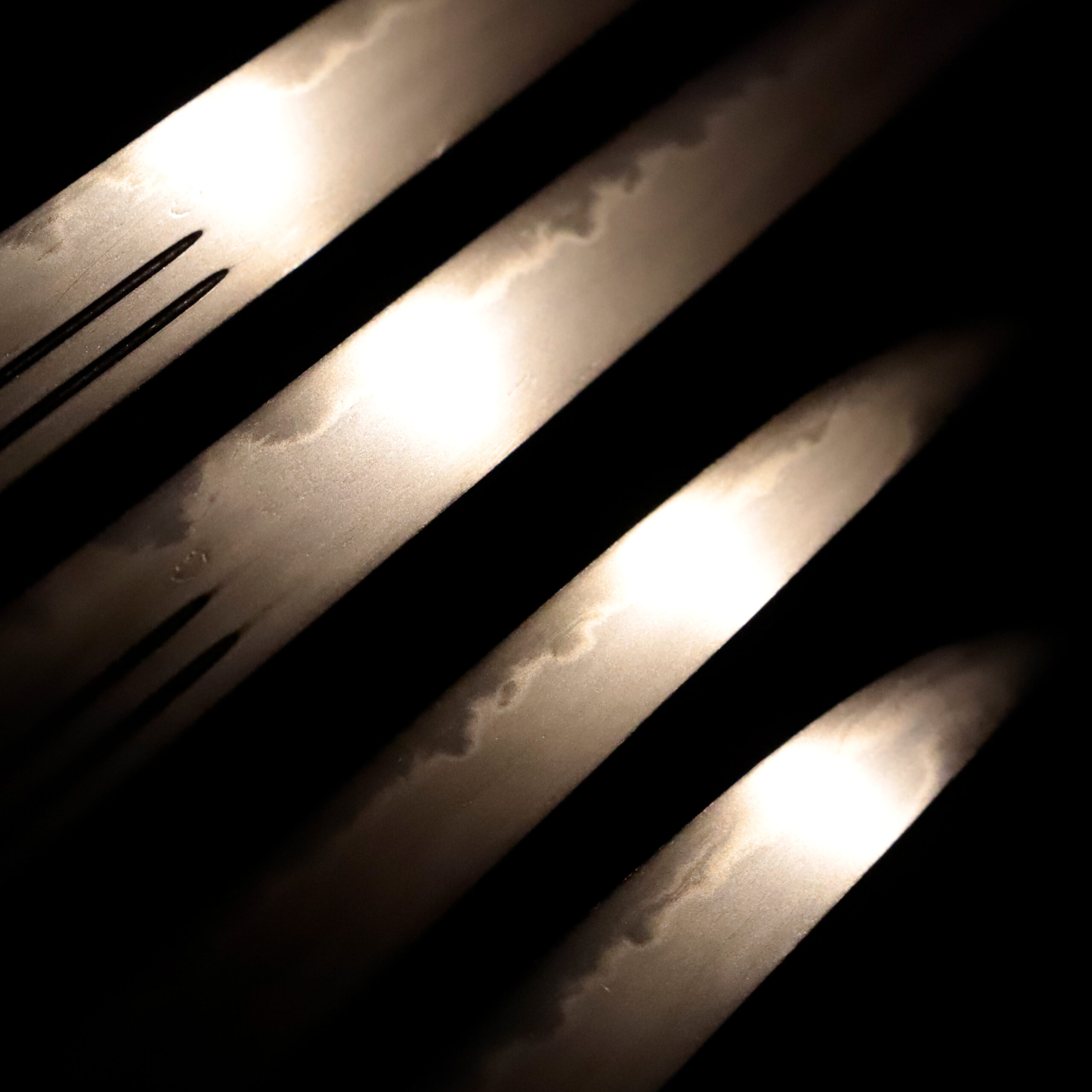
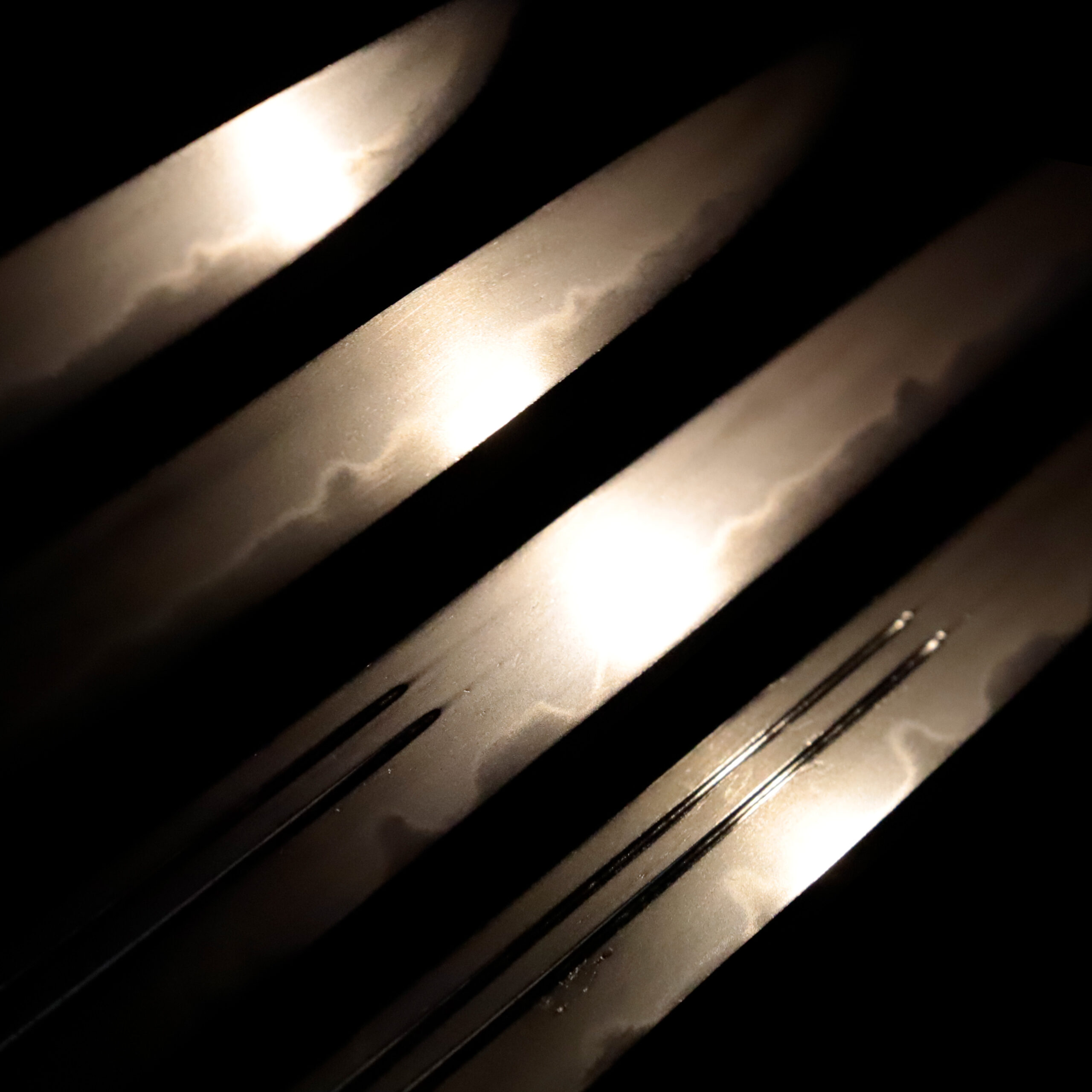
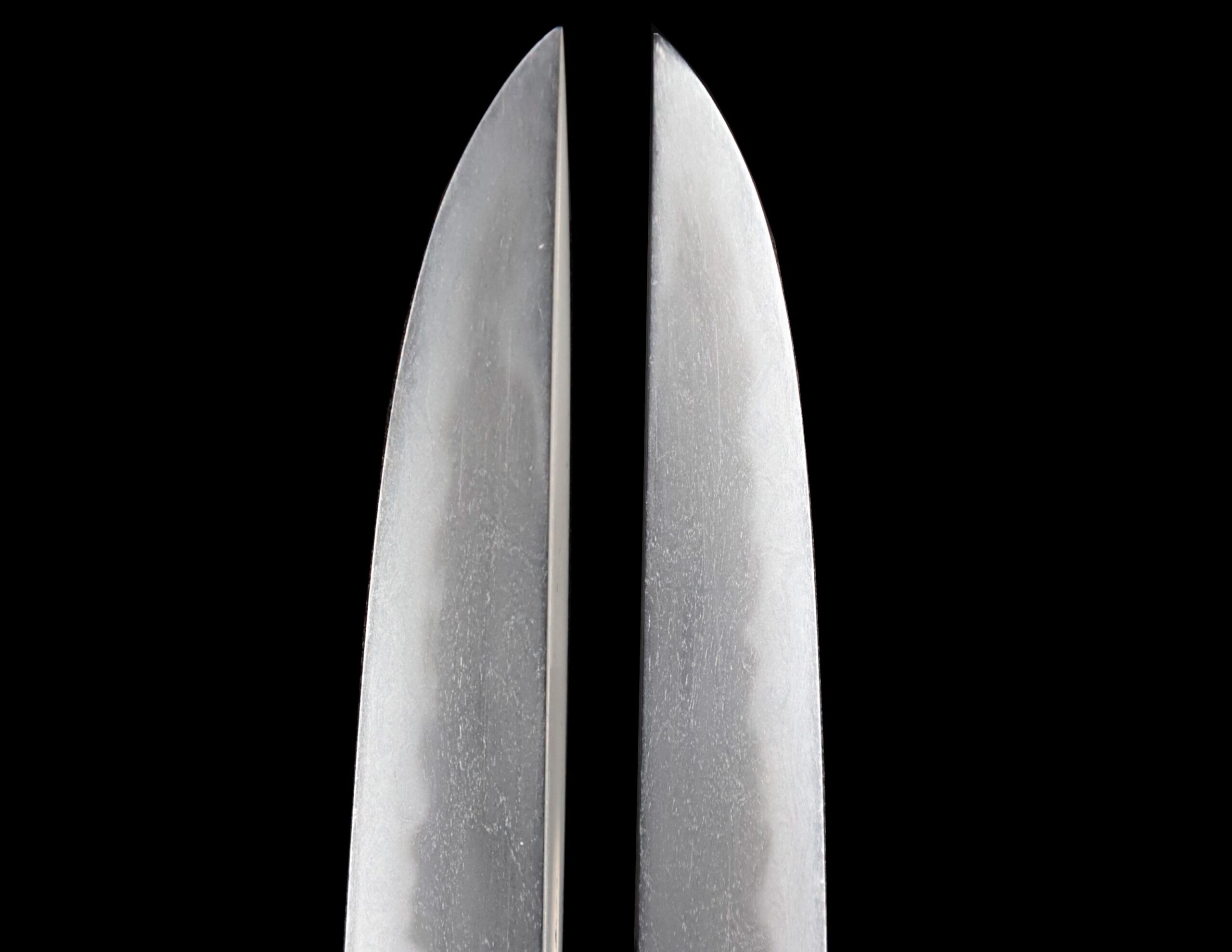
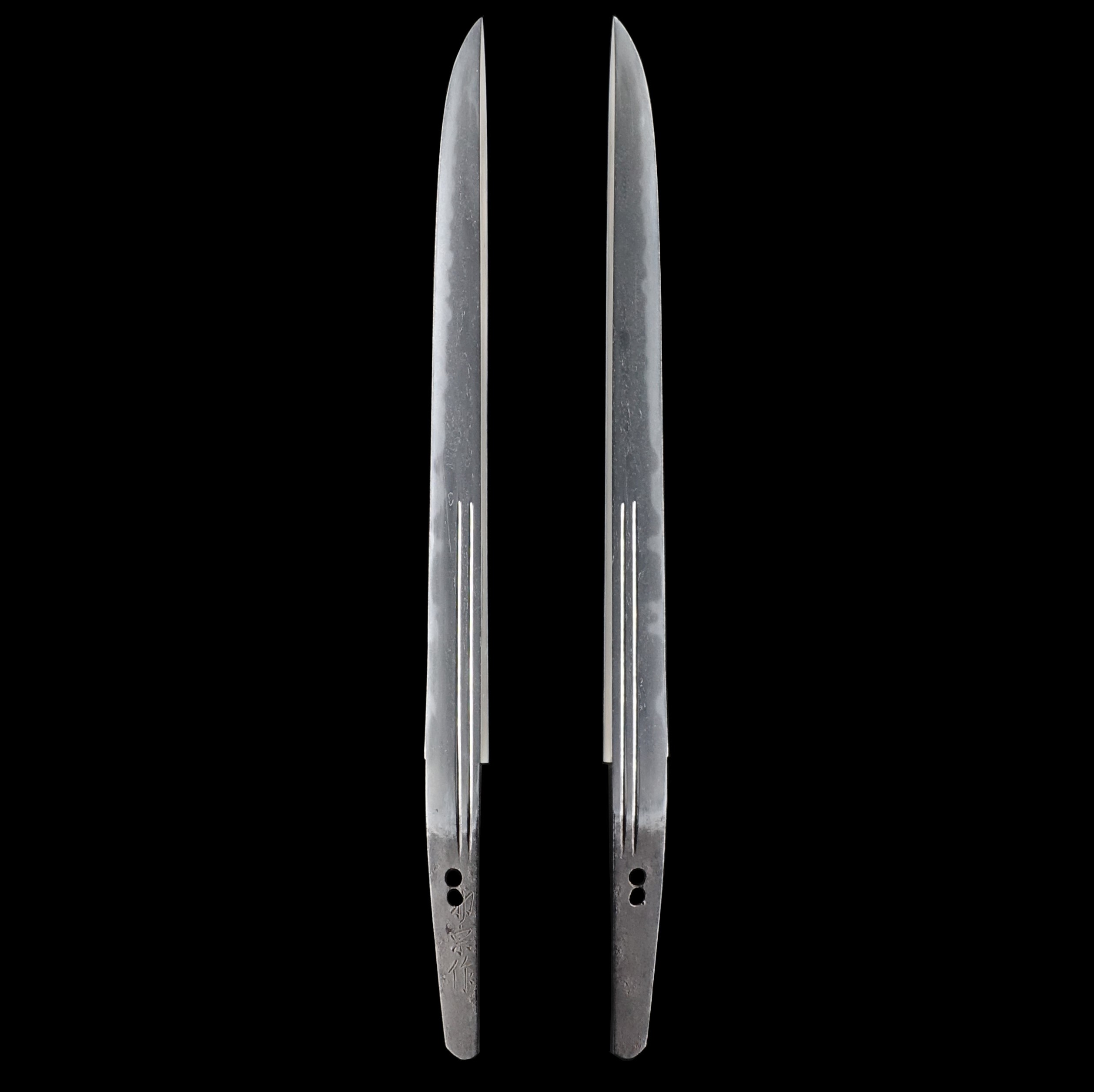
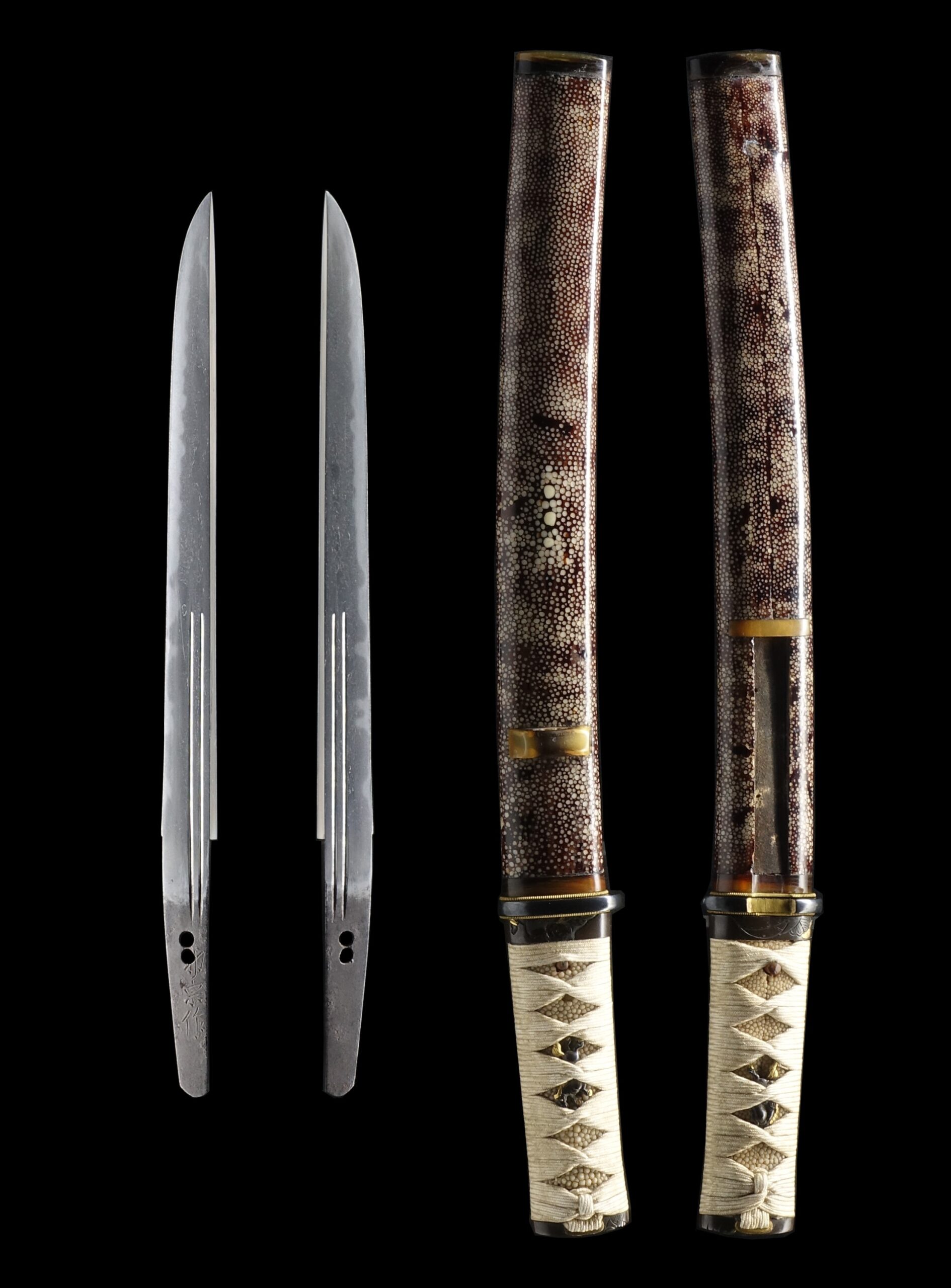
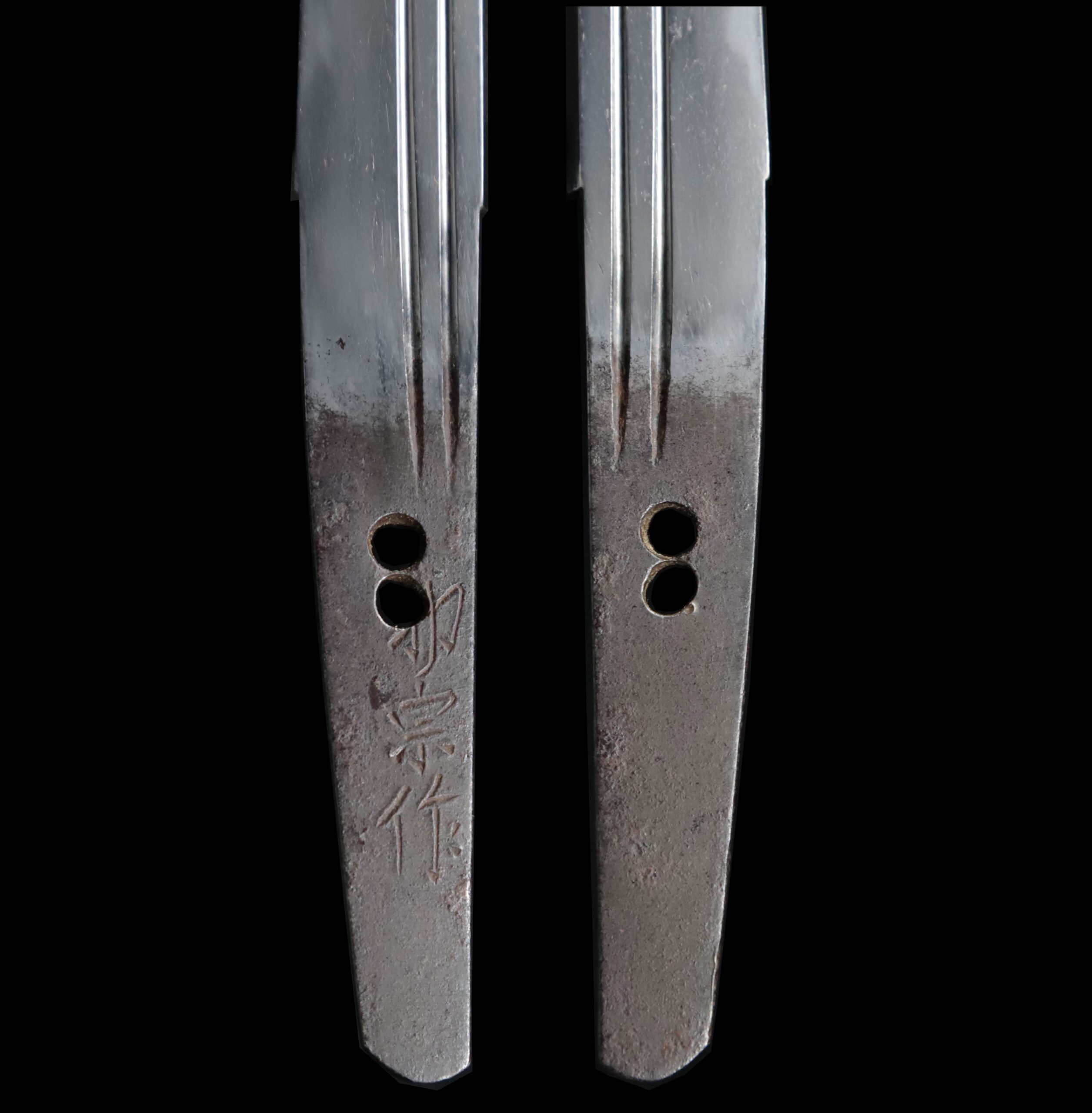
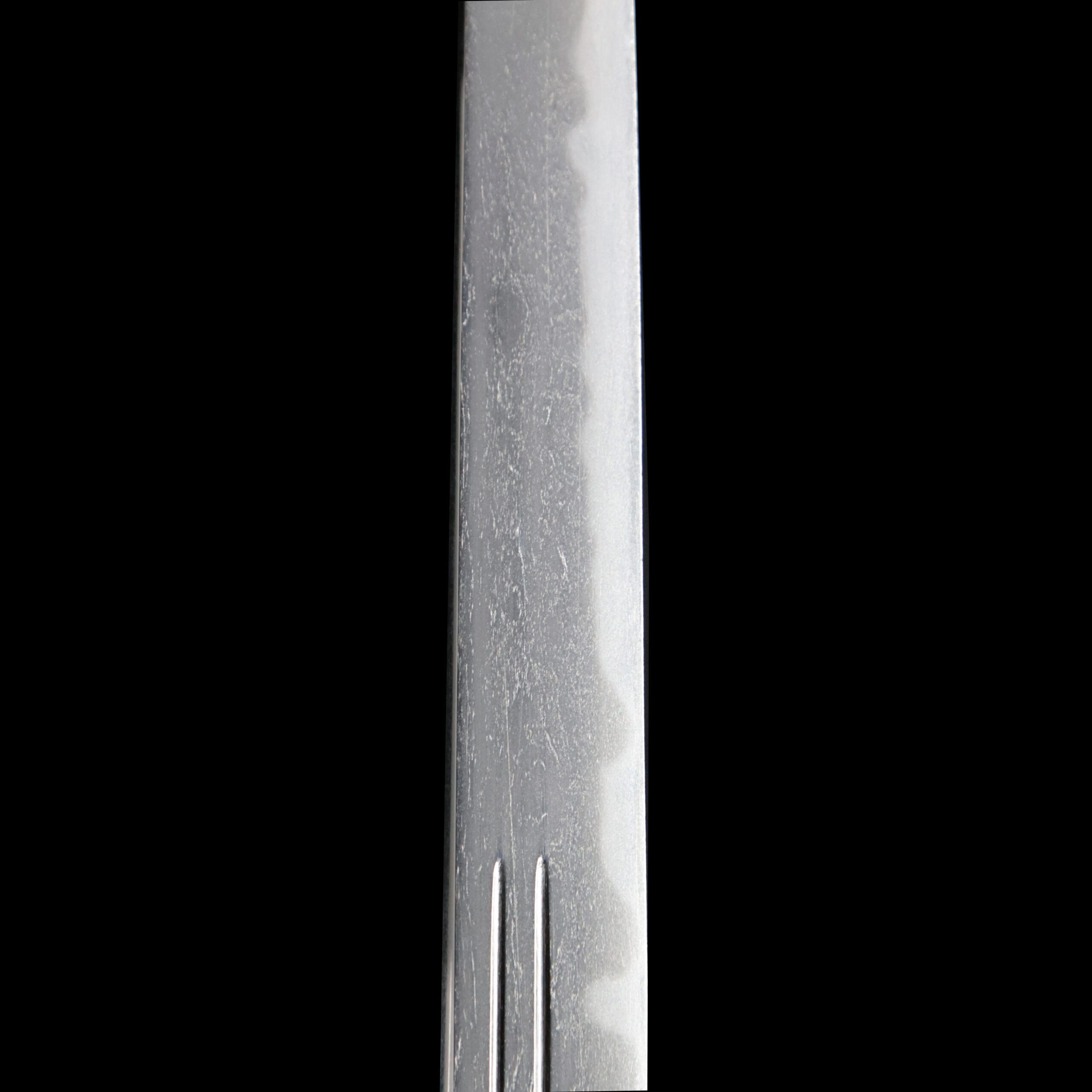
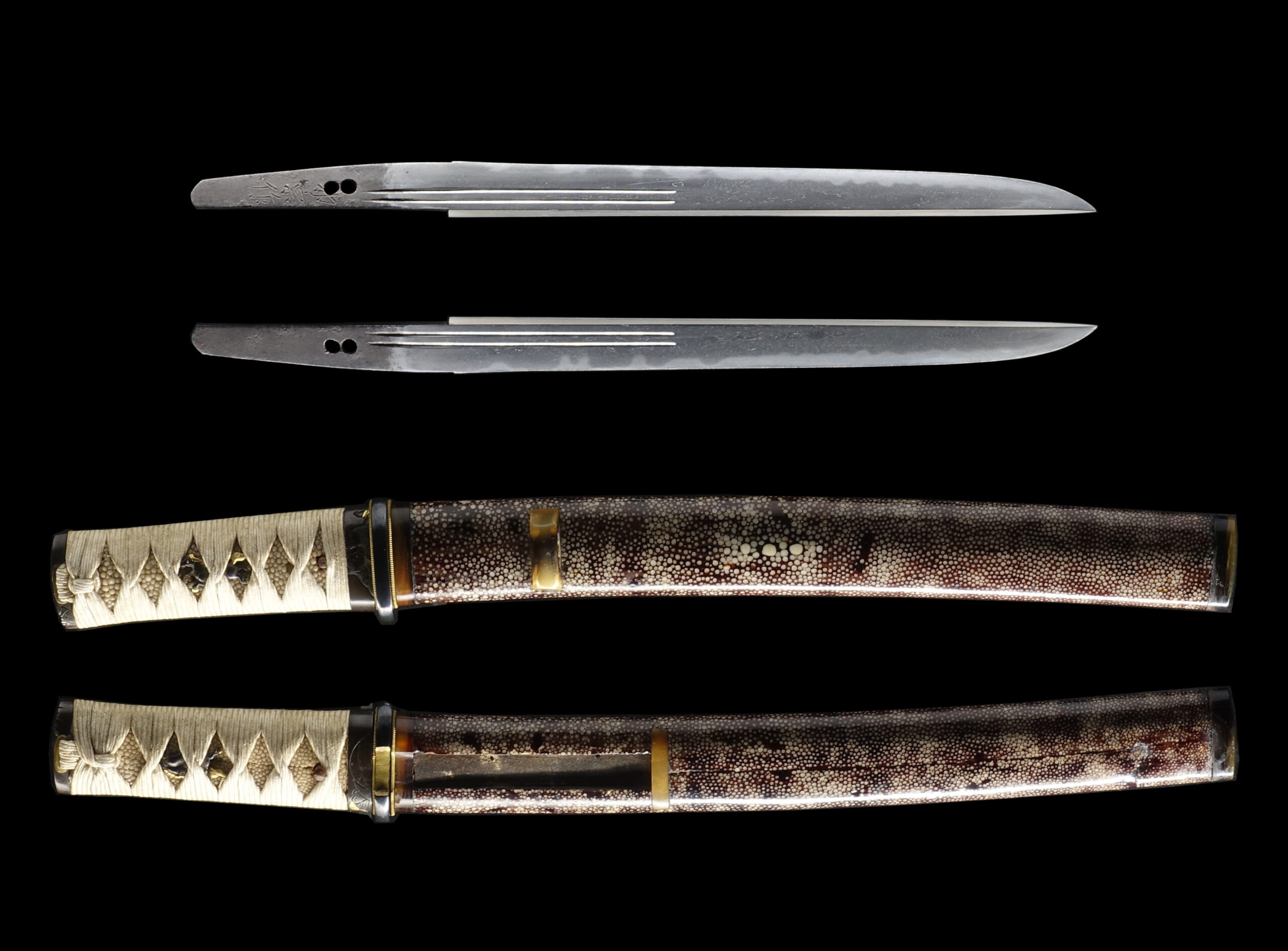
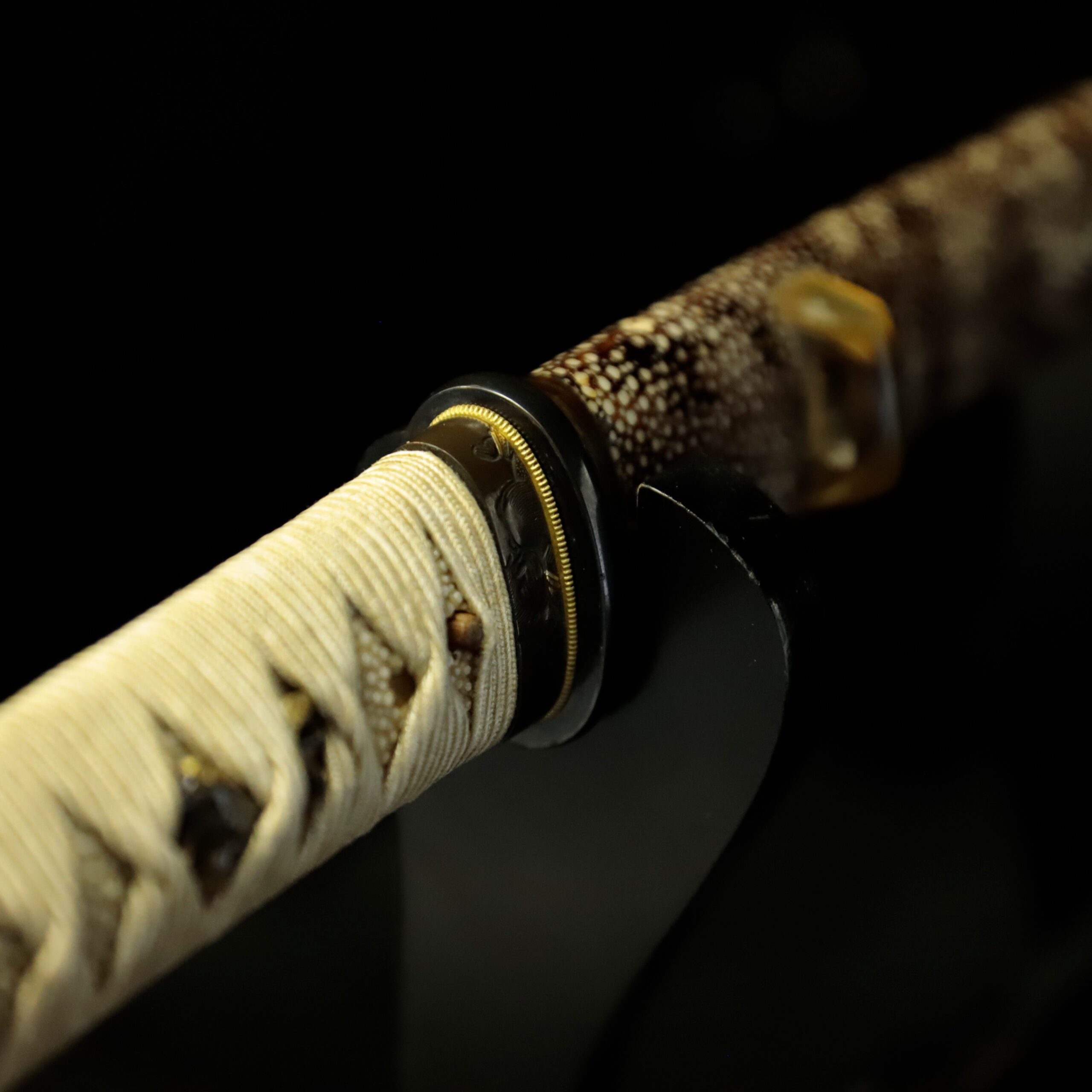
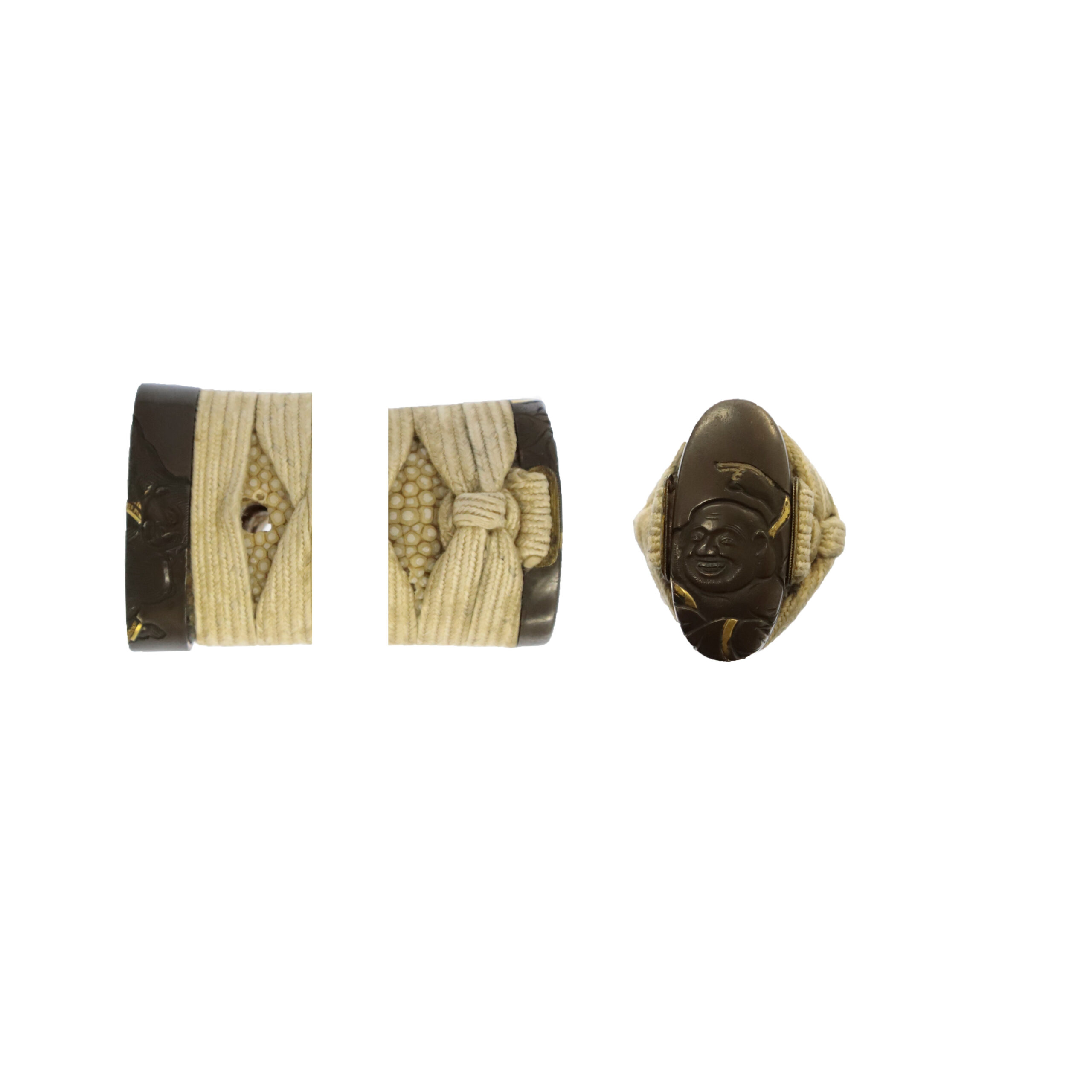
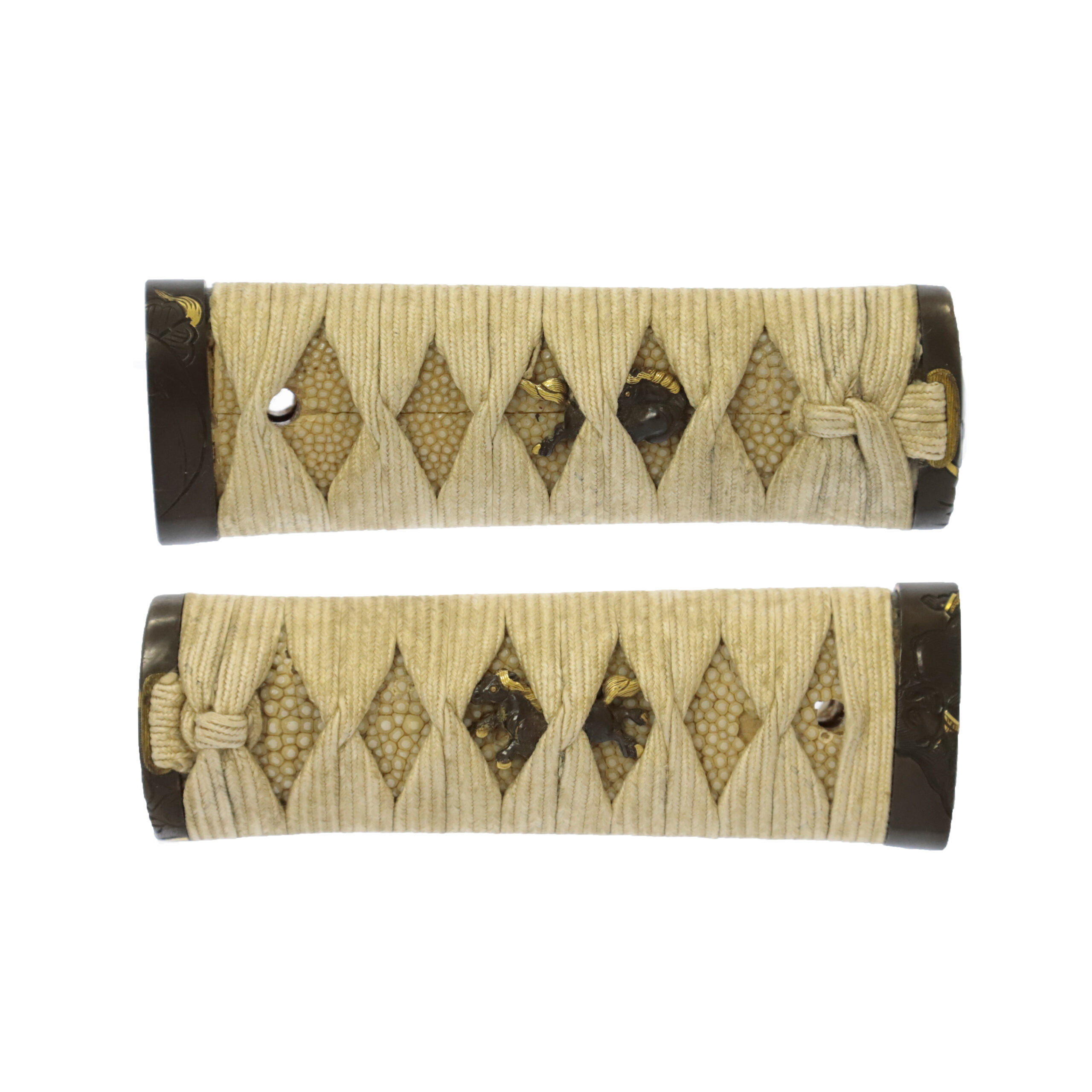
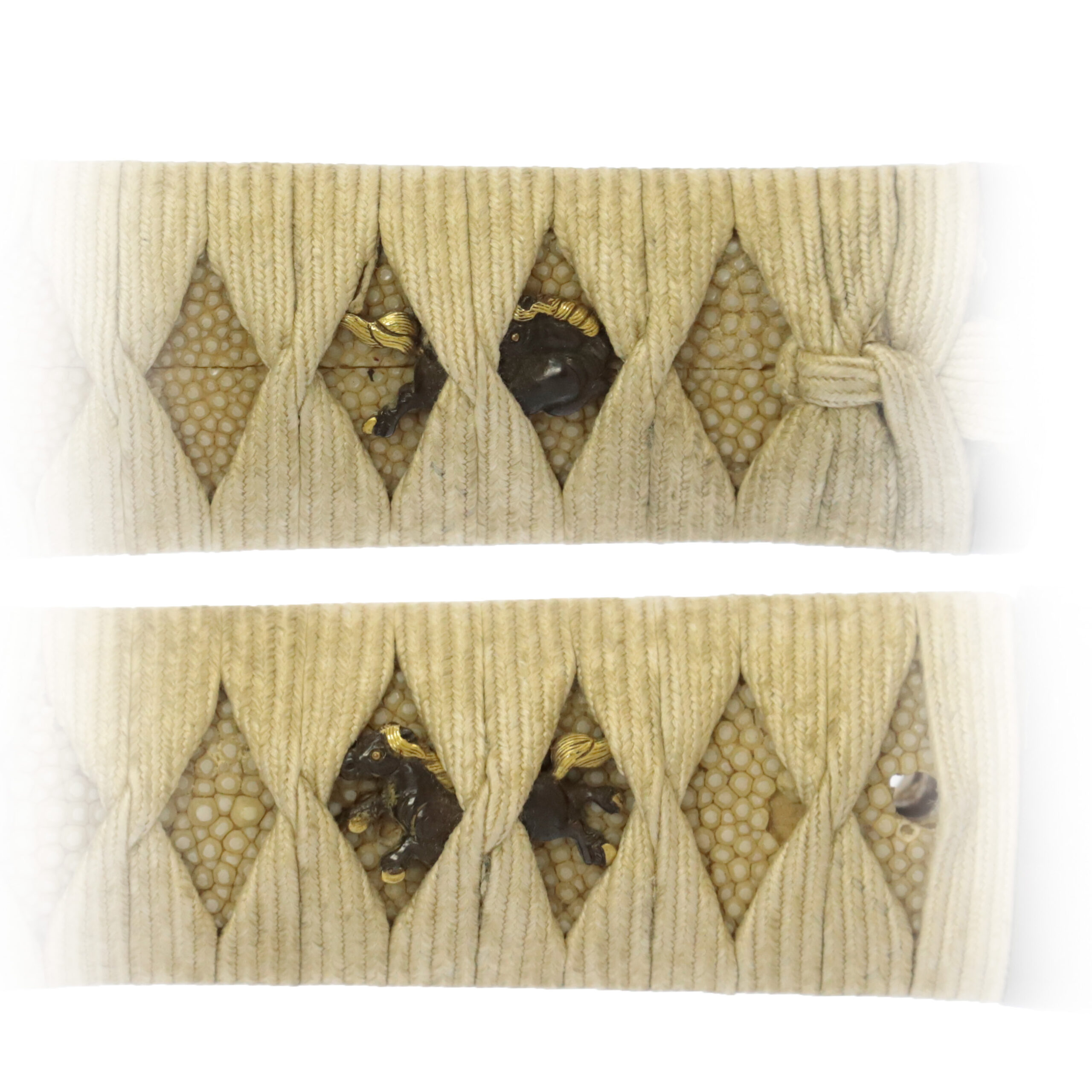
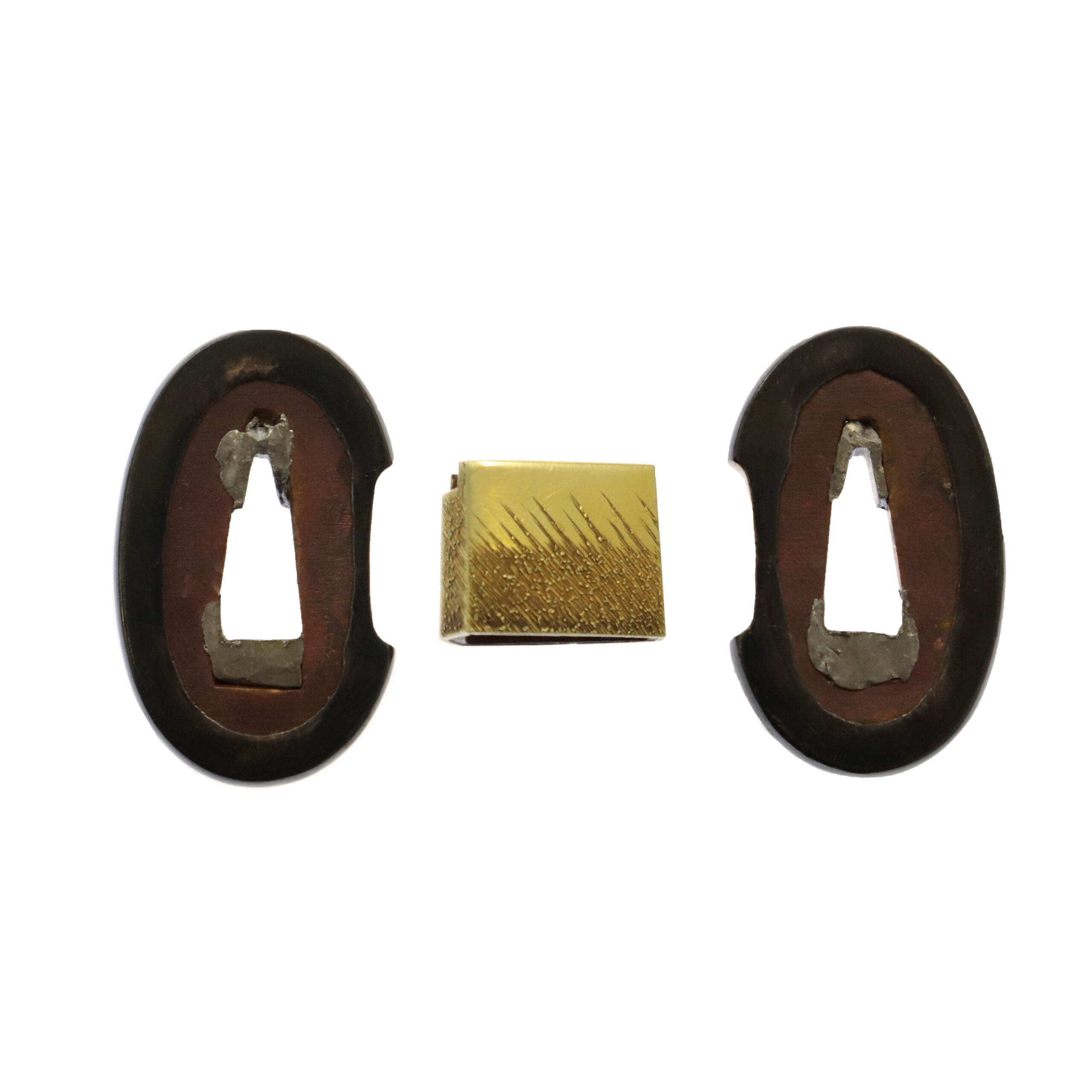
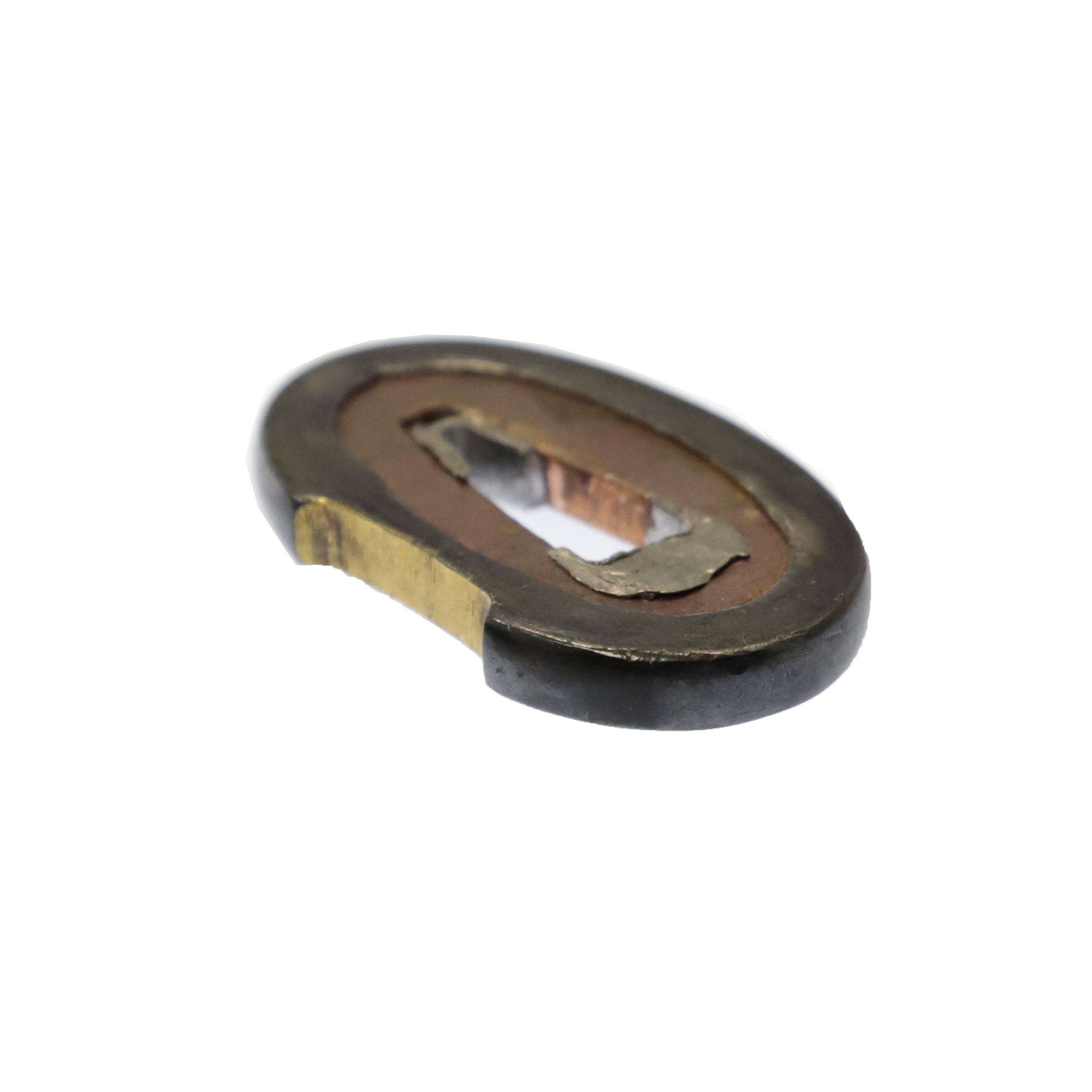
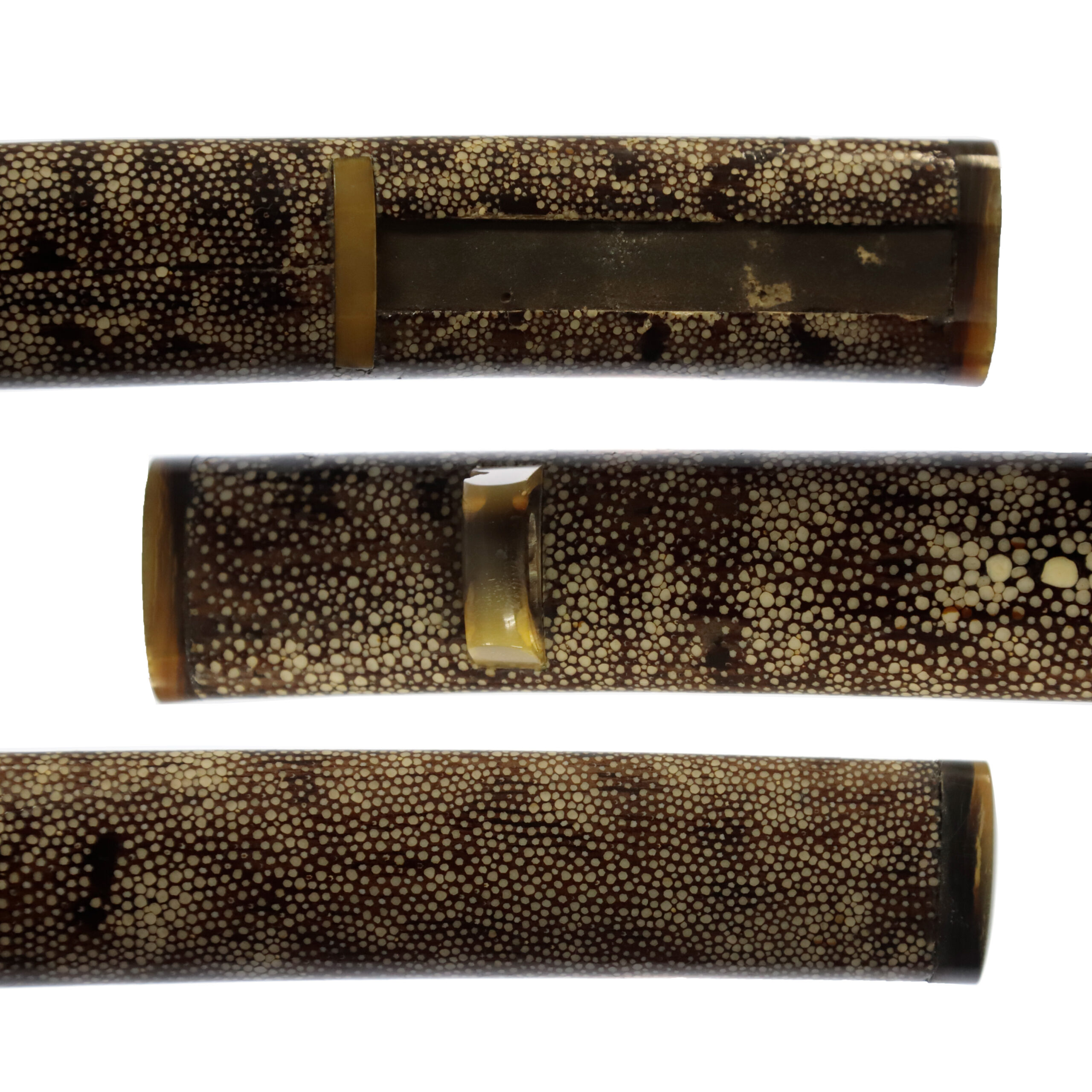
Shimada (Suruga) · 駿河 · 1444-1449頃
刀剣大鑑 上位31%
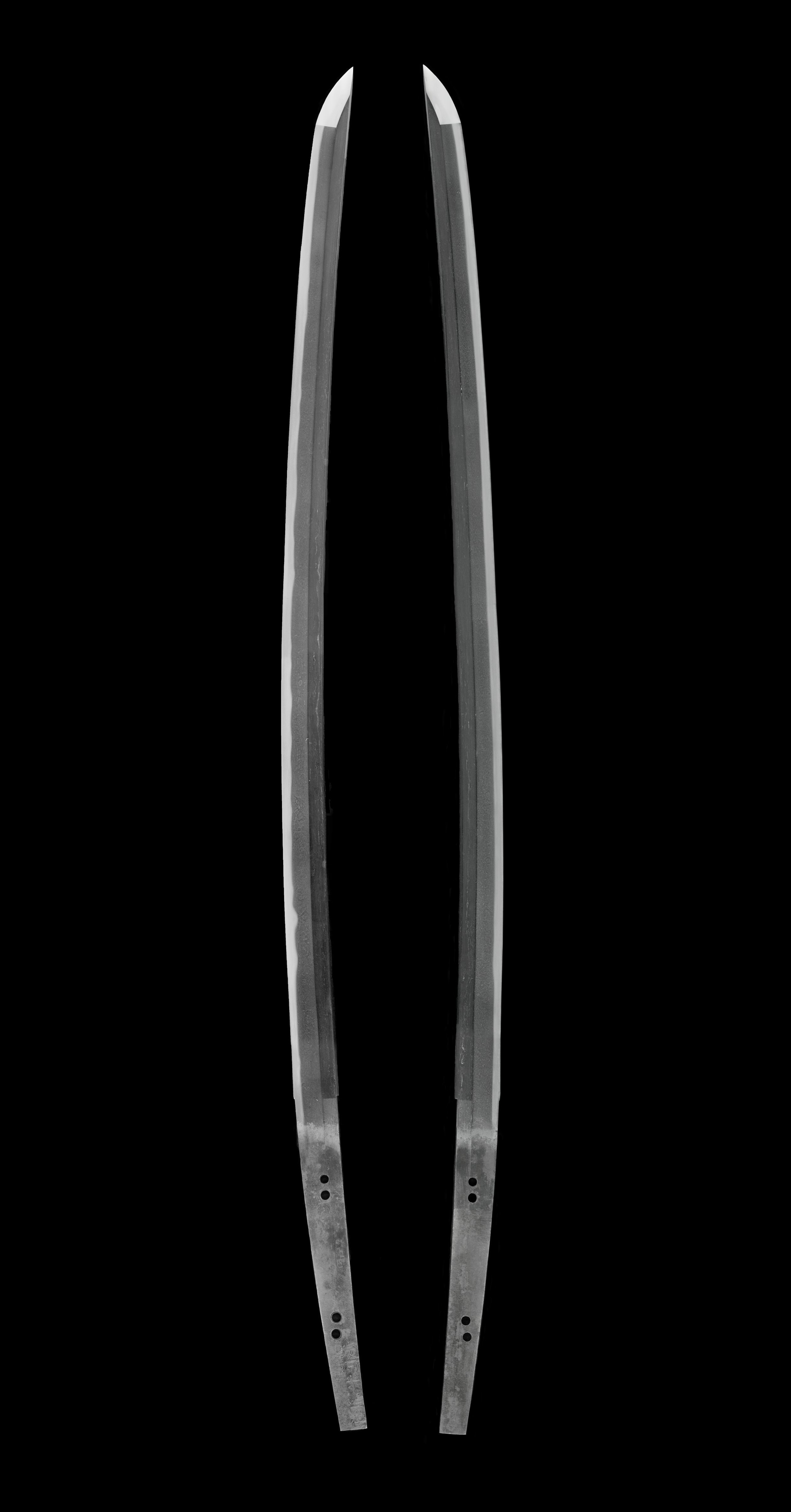
大阪にある一刀、昭和四十一年の第十四回重要刀剣に指定されたこの作を、説明書は「地刃健全にして、助宗の最高作と思われ」[[c:1]]るものとし、この工の格を示す。助宗は主流の義助とともに駿州島田派の二大名跡の一であり、室町期のこの工房は、東海道の美濃と末相州の鍛冶場の間にあった。説明書は助宗を祖義助の弟として室町中期に置き、その地位は数代にわたって新刀期まで担われた。参考書はその手を長き連なりに並べ、古く文安・文亀の頃の助宗作を挙げ、次に天文の助宗を載せるので、名は室町の一世紀を通じて続く。銘振りもまた各代を分かたぬゆえ、在銘の助宗は代を付すより出来によって見られ、年紀は、遺るところでは、銘に成し得ぬことを成す。
本工の典型は、説明書が一門自身のものと呼ぶ連れた互の目である。板目の地に、連れた互の目を互の目丁子・尖り刃を交えて焼き、腰の辺で箱がかったのたれとなることもあり、沸厚く飛焼・金筋・砂流しをかけ、匂口明るい。令和二年に指定された長寸の刀について、NBTHKは「島田派の特色である互の目が連れ」[[c:2]]と記し、その匂口明るく金筋・砂流しかかるを「助宗の特色のよく現われた」[[c:3]]ものと読む。帽子は乱れに従い、乱れ込みから小丸となり掃きかけかかり、最大の作では沸強く沸崩れごころとなる。これこそ説明書が末相州鍛冶に、末関に、千手派に結び、美濃・伊勢の作に近しと読む手である。
地鉄は刃を支える確かな地である。鍛えは板目、よくつみ、ときに詰んで、総体に流れて柾に寄り、地沸が入り地景が交じり、肌の開くところは肌立ちごころを示す。令和二年の刀ではその地を、板目つみ部分的に流れて柾がかり、地沸微塵に厚くつき地景よく入るものとし、締まった備前地ではなく相州地鉄の駿州の読みとする。この流れてやや肌立つ鉄の上にこそ刃中の沸の働きが載り、屈指の作はその結果の冴えを、匂口明るく金筋・砂流しの流れることをもって称えられる。
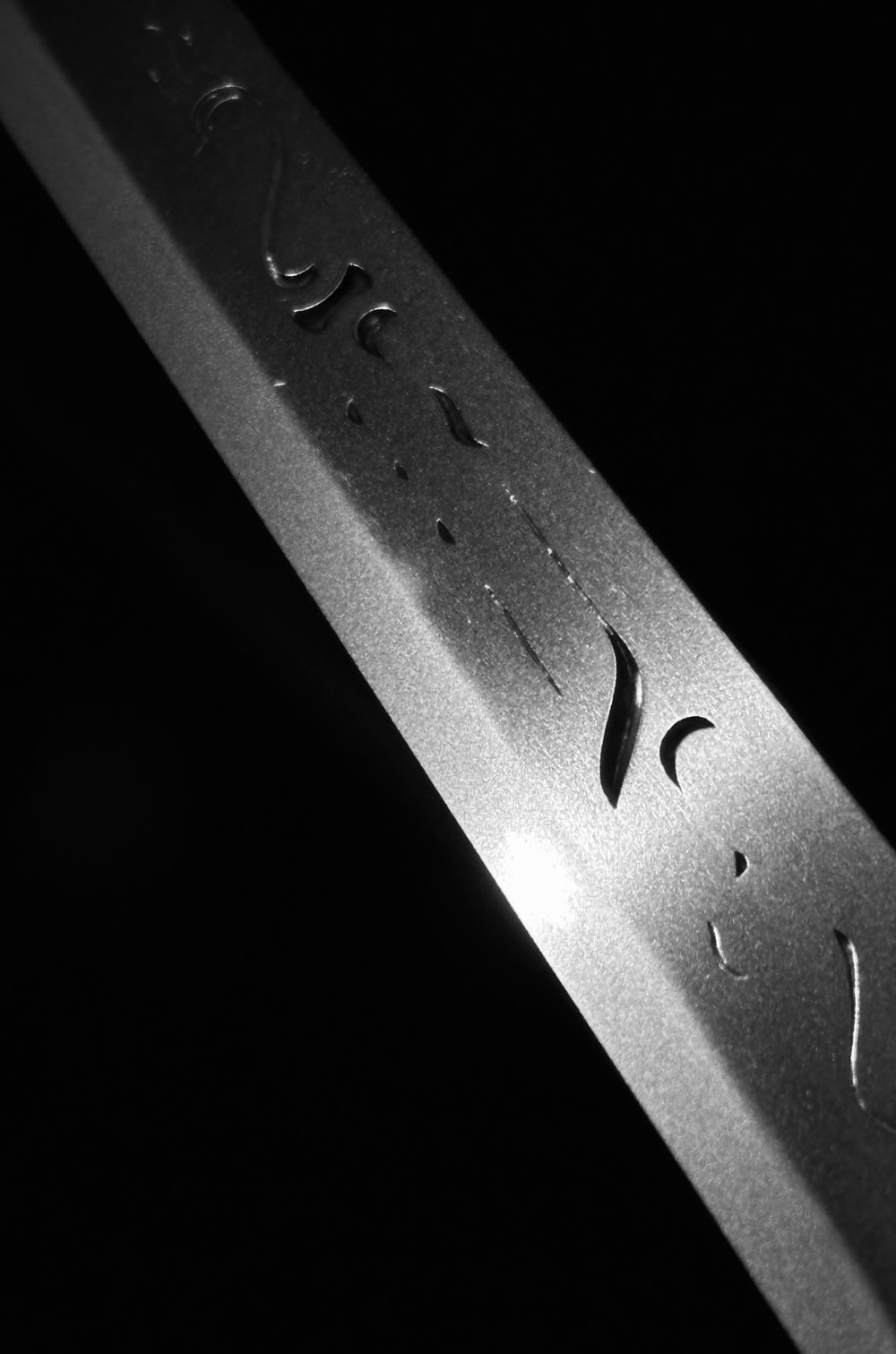
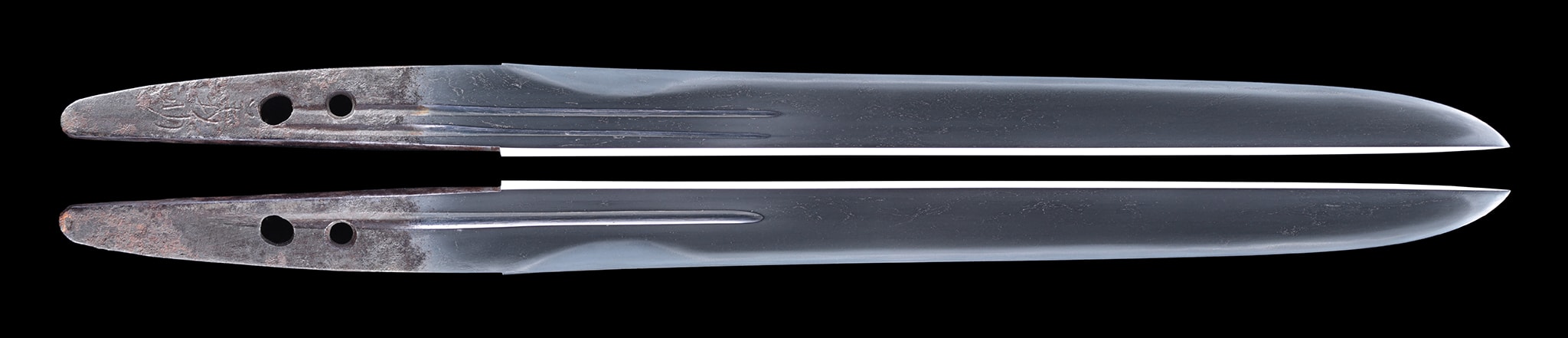
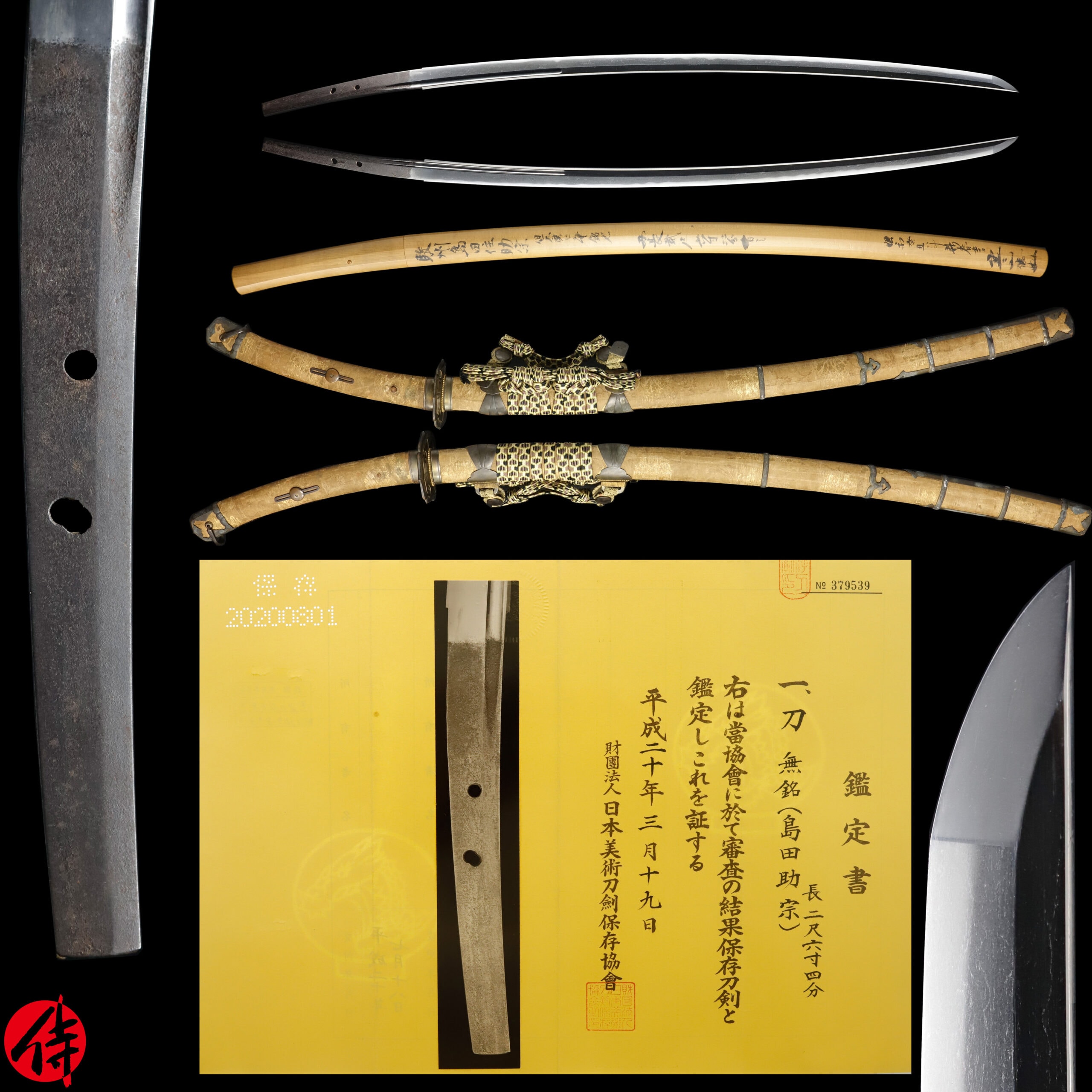
指定作は島田工房の造込みの幅を示す。説明のある五口のうち四口は鎬造の刀で、強き先反りあるいは太刀風の腰反りをもち、うち一口は八〇糎の太刀風の雄勁にして働きに富む作であり、五口めは平造、無反りの尋常な短刀である。その短刀において手は一門のいま一つの別貌に移り、流れる板目に小互の目を交えた直刃を焼き、砂流し・金筋が現われ、説明書はこれを「志津などの風をねらった」[[c:4]]作と読んで、銘鑑の天文の助宗よりは古いものと鑑する。彫物は一門の特色を巧みに伝え、梵字・草の倶利迦羅・爪附剣・丸止めの二筋樋・護摩箸を掻き、説明はこれを室町期の彫物全般に、また下原物に通じるものとする。
助宗を分かつものは、その自らの確かな見どころから引くのがよい。すなわち沸厚き連れた互の目に、金筋・砂流しを交え、流れて柾に寄る板目に焼く、駿州の地における末相州風の読みであり、説明書はこれを美濃・伊勢の作に並べる。短刀の志津をねらった直刃はその意図された例外、目立つ彫物は周囲の島田工房の印であり、義助・広助と同じくする。代の判定が成らぬところで、説明はやはり作に向かい、大阪の刀を名中随一の作とし、永禄年紀の刀を優品としてその「永禄年紀は資料的に貴重である」とし、長き連なりの中に一手を据える縁とする。最後の刀には更なる評を引き、太刀の如く指裏に銘を切るも、目釘孔の位置と全体の姿形よりこれを打刀と判ずべしとし、NBTHKはこれを姿に拠って読む。
助宗の指定の記録は小ぶりにして悉く在銘であり、重要刀剣五口、これより上の位はなく、その作は文化財として永く市を離れるものではなく、重要刀剣以下の作として世に見える。藤代の格にあたる刀工大鑑の数値は四五〇匁、第一級というより堅実な一地方の名にふさわしい。一口は皇室の伝来に列なり、さような所持から島田の作が市に還ることは稀である。指定を受けた作は数少なく、一名のもとに分かたれぬ数代の中で、大阪の刀に説明書が称えるあの地刃の健全をそなえた確かな一口こそ待つに値する。さような作が市にかかるのは折に触れてのことであり、現われればそれは末相州の伝に近き、一地方の名門の佳き代表となる。
助宗の位置づけを、日本刀全体および伝統・時代・時期ごとに示します。各位(随一・屈指・有数・著名)は、NBTHK および文化庁による指定に加え、三作や名物帳などの歴史的栄誉を加味したものです。
各項目を選ぶと評価方法が表示されます。
相州伝 · 駿河
現在11点販売中
駿河国島田の地に興ったこの一派は、室町期を通じて東海道の一隅に栄えた相州系の鍛冶群である。その主たる名は義助と助宗の二大名跡にあり、説明は義助を島田物の主流をなすものとし、助宗をその弟として室町中期に置く。銘鑑は両家の代を丁寧に並べ、義助の初代を康正の頃とし、助宗を古く文安・文亀より天文に至る連なりに据え、以後同名相継ぎて江戸期に及ぶと記す。されどこの整然たる図式は答えではなく難所であり、現存最古の有年紀作は永正二年の短刀にして、永正より古い年紀の作は遺らず、銘振りもまた各代を分かたぬゆえ、在銘の作は代を付すより一口ごとの出来によって見られる。NBTHKがその年代を量るのは、銘鑑の編年よりは茎に切る年紀によってであり、この一国の鍛冶場は、隣国相模の鍛えに強く影響され、美濃の関や千手派とも縁を結んで、その間に座した。 本派の作風はまず末相州風の沸の乱れにある。肌立ちごころに地沸つき地景の入る、流れて柾に寄る板目の地に、互の目を交えたのたれを焼き、小丁子・尖り刃を交え、沸厚く飛焼・金筋・砂流しをかける。説明は島田の作風が末相州鍛冶と深い関連があって互いに影響しあうと記す。助宗の手には一門自身のものと呼ぶ連れた互の目があり、腰の辺で箱がかったのたれとなり、匂口明るく金筋・砂流しのよく現われたものを、その特色のよく現われた作と読む。帽子は乱れに従い、小乱れあるいは尖りごころの乱れ込みより小丸に返り、ときに焼詰め、ときに掃きかけかかる。この典型に対し別貌が立ち、義助には少ない細直刃や、助宗が志津の風をねらった直刃のごとく、流れる板目に小互の目を交えた静かなる手をも焼く。地鉄は締まった備前地ではなく、流れてやや肌立ち、ときに白け立つこの板目こそが目に島田の手を告げ、刃中の沸の働きを載せる地となる。造込みは多彩にして、鎬造の刀より平造の脇指、内反りの短刀、大身槍に及び、説明は島田一門には比較的に槍が多いと記す。彫物は一門の特色を巧みに伝え、幅広の樋中に梵字と摩利支天を浮彫にし、表裏に倶利迦羅を、短刀に素剣・護摩箸を掻き、ときに珍しく透し彫をなす。 鑑定の勘所は、対比によるよりその自らの確かな見どころから引くにある。すなわち末相州の影響を受けた沸の互の目交じり湾れに砂流し・金筋を交え、流れてやや肌立つ板目に焼く駿州の手であり、直刃はその意図された例外、目立つ彫物と槍は周囲の島田工房の印である。代の判定が成らぬところで、説明はやはり作そのものに向かう。助宗においては大阪の一刀を地刃健全にして助宗の最高作と思われるものとし、永正二年の系譜に連なる十二回の刀を、現存作中最も地刃の冴えて明るく出来優れた一口とする。義助においては二十回の生ぶ茎・平造内反りの短刀を同名中の出色の一口と称え、大永の刀に見る年紀を初期諸代の編年がこれに拠るがゆえ極めて貴重とする。主要工たる義助・助宗が一派の中核をなし、広助らこれに次いで群を支える。茎は生ぶに切り、二字あるいは三字に銘し、年紀は遺るところでは銘に成し得ぬことを成して、長き連なりの中に一手を据える縁となる。物打辺の棟に打たれた切込みは、これらが室町の一国の実用刀であったことを思わせる。伝来としては、義助・助宗ともに皇室の所持にかかる一口を遺し、さような所持から島田の作が市に還ることは稀である。一名のもとに分かたれぬ数代の中で、最上の刀・短刀に説明書が称えるあの冴えと健全をそなえた確かな一口こそ待つに値し、現われればそれは末相州の伝に近き、堅実な一地方の名門の佳き代表となる。 詳しく見る →
室町時代の相州
戦国の世、一派は第二の主家に仕えた。小田原の後北条氏である。その庇護のもと綱広系は打刀の時代の皆焼を鍛え続け、1590年の落城とともに新刀の時代へ散った。
銘が正しい、または無銘でも年代・国・系統を確実に指摘できる、保存に値する真正の作と鑑定されたものです。
日本美術刀剣保存協会(NBTHK)は、1948年に設立され、文化庁の監督を受ける公益財団法人で、東京・刀剣博物館に本部を置きます。専門の審査員が出品作を直接審査し、美術的・歴史的価値に応じた鑑定書を発行します。NBTHKの鑑定書は、日本刀および刀装具の真正性を示す最も広く認知された基準です。
NBTHK公式サイトReturns/exchanges limited to defects caused by shipping (except willful misconduct or gross negligence by the company); customers must contact within 72 hours of receiving the product.
保存刀剣鑑定書付 短刀 銘:島田助宗 【概要】 本作は、駿河国(現在の静岡県)島田派の刀工、島田助宗による銘が切られた一振りです。島田派は室町時代中期に義助によって興された流派であり、初代助宗は義助の弟にあたります。 「助宗」の名は四代にわたって受け継がれ、天文から寛文年間(1532年〜1673年)にかけて活躍しました。本作はその作風から、室町時代末期に活動した初期の助宗による作と推測されます。 初代義助は有力大名である今川氏に仕え、その「義」の字は今川義忠より賜ったものと伝えられています。島田派は小田原の相州鍛冶とも交流がありました。戦国時代の駿河国は、武田氏、徳川氏、北条氏といった有力大名が覇を競った要衝であり、島田派の刀工たちはこれら諸氏の求めに応じて多くの注文品を手掛けました。 【相州伝】 歴代の助宗は、五箇伝の一つである「相州伝」を極めたことで知られています。相州伝は鎌倉時代中期に誕生しました。当時、大和伝や山城伝は既に高度な発展を遂げていましたが、相州を含む関東地方の作刀技術は未だ発展途上にありました。 1185年に成立した鎌倉幕府の初期、初代将軍・源頼朝は政治的安定のための法整備を優先しており、自領内で刀工を育成・雇用する余裕がありませんでした。そのため、当初は山城や大和といった他国の刀工に武器を注文していました。 しかし、幕府の体制が整うにつれ、御家人たちからの武器の需要が爆発的に増加しました。これに応えるべく、五代執権・北条時頼は、山城国から粟田口国綱、備前国から備前三郎国宗という名工を招聘しました。さらに七代将軍・惟康親王も備前より福岡一文字助真を招き入れました。 これら三名の名工が相州伝の基礎を築いたとされています。その後、粟田口国綱の養子とされる新藤五国光が現れ、その卓越した技術は弟子の行光へと継承されました。そして、日本刀史上最も著名な刀工の一人である正宗は、行光の弟子として相州伝を完成させ、その名を天下に轟かせました。正宗が完成させた様式は、相州伝を学ぶ後世の刀工たちの模範となりました。相州伝の影響は古刀期から新刀期に至るまで広く及び、大坂の井上真改や江戸の水心子正秀といった名工たちにも多大な影響を与えています。 【短刀とは】 鎌倉・室町時代、短刀は当初、長柄武器や太刀を用いる騎馬武者の補助兵装として使用されました。接近戦において、鎧の隙間(死突)を突くために用いられた武器です。 携行の仕方により「懐刀(ふところがたな)」や「腰刀(こしがたな)」などとも呼ばれます。また、古来より短刀は魔除けの力を持つと信じられており、日本の伝統的な婚礼においては、花嫁の身を守る守り刀として実家から贈られる習わしもあります。 本作は、公益財団法人日本美術刀剣保存協会(NBTHK)により「保存刀剣」に鑑定された一振りです。この鑑定書は、保存状態が良く、美術品として高い価値を持つ真正の日本刀に対してのみ発行されるものです。
NihontoWatchShimada (Suruga) · 駿河 · 1444-1449頃
刀剣大鑑 上位31%
大阪にある一刀、昭和四十一年の第十四回重要刀剣に指定されたこの作を、説明書は「地刃健全にして、助宗の最高作と思われ」[[c:1]]るものとし、この工の格を示す。助宗は主流の義助とともに駿州島田派の二大名跡の一であり、室町期のこの工房は、東海道の美濃と末相州の鍛冶場の間にあった。説明書は助宗を祖義助の弟として室町中期に置き、その地位は数代にわたって新刀期まで担われた。参考書はその手を長き連なりに並べ、古く文安・文亀の頃の助宗作を挙げ、次に天文の助宗を載せるので、名は室町の一世紀を通じて続く。銘振りもまた各代を分かたぬゆえ、在銘の助宗は代を付すより出来によって見られ、年紀は、遺るところでは、銘に成し得ぬことを成す。
本工の典型は、説明書が一門自身のものと呼ぶ連れた互の目である。板目の地に、連れた互の目を互の目丁子・尖り刃を交えて焼き、腰の辺で箱がかったのたれとなることもあり、沸厚く飛焼・金筋・砂流しをかけ、匂口明るい。令和二年に指定された長寸の刀について、NBTHKは「島田派の特色である互の目が連れ」[[c:2]]と記し、その匂口明るく金筋・砂流しかかるを「助宗の特色のよく現われた」[[c:3]]ものと読む。帽子は乱れに従い、乱れ込みから小丸となり掃きかけかかり、最大の作では沸強く沸崩れごころとなる。これこそ説明書が末相州鍛冶に、末関に、千手派に結び、美濃・伊勢の作に近しと読む手である。
地鉄は刃を支える確かな地である。鍛えは板目、よくつみ、ときに詰んで、総体に流れて柾に寄り、地沸が入り地景が交じり、肌の開くところは肌立ちごころを示す。令和二年の刀ではその地を、板目つみ部分的に流れて柾がかり、地沸微塵に厚くつき地景よく入るものとし、締まった備前地ではなく相州地鉄の駿州の読みとする。この流れてやや肌立つ鉄の上にこそ刃中の沸の働きが載り、屈指の作はその結果の冴えを、匂口明るく金筋・砂流しの流れることをもって称えられる。
指定作は島田工房の造込みの幅を示す。説明のある五口のうち四口は鎬造の刀で、強き先反りあるいは太刀風の腰反りをもち、うち一口は八〇糎の太刀風の雄勁にして働きに富む作であり、五口めは平造、無反りの尋常な短刀である。その短刀において手は一門のいま一つの別貌に移り、流れる板目に小互の目を交えた直刃を焼き、砂流し・金筋が現われ、説明書はこれを「志津などの風をねらった」[[c:4]]作と読んで、銘鑑の天文の助宗よりは古いものと鑑する。彫物は一門の特色を巧みに伝え、梵字・草の倶利迦羅・爪附剣・丸止めの二筋樋・護摩箸を掻き、説明はこれを室町期の彫物全般に、また下原物に通じるものとする。
助宗を分かつものは、その自らの確かな見どころから引くのがよい。すなわち沸厚き連れた互の目に、金筋・砂流しを交え、流れて柾に寄る板目に焼く、駿州の地における末相州風の読みであり、説明書はこれを美濃・伊勢の作に並べる。短刀の志津をねらった直刃はその意図された例外、目立つ彫物は周囲の島田工房の印であり、義助・広助と同じくする。代の判定が成らぬところで、説明はやはり作に向かい、大阪の刀を名中随一の作とし、永禄年紀の刀を優品としてその「永禄年紀は資料的に貴重である」とし、長き連なりの中に一手を据える縁とする。最後の刀には更なる評を引き、太刀の如く指裏に銘を切るも、目釘孔の位置と全体の姿形よりこれを打刀と判ずべしとし、NBTHKはこれを姿に拠って読む。
助宗の指定の記録は小ぶりにして悉く在銘であり、重要刀剣五口、これより上の位はなく、その作は文化財として永く市を離れるものではなく、重要刀剣以下の作として世に見える。藤代の格にあたる刀工大鑑の数値は四五〇匁、第一級というより堅実な一地方の名にふさわしい。一口は皇室の伝来に列なり、さような所持から島田の作が市に還ることは稀である。指定を受けた作は数少なく、一名のもとに分かたれぬ数代の中で、大阪の刀に説明書が称えるあの地刃の健全をそなえた確かな一口こそ待つに値する。さような作が市にかかるのは折に触れてのことであり、現われればそれは末相州の伝に近き、一地方の名門の佳き代表となる。
助宗の位置づけを、日本刀全体および伝統・時代・時期ごとに示します。各位(随一・屈指・有数・著名)は、NBTHK および文化庁による指定に加え、三作や名物帳などの歴史的栄誉を加味したものです。
各項目を選ぶと評価方法が表示されます。
相州伝 · 駿河
現在11点販売中
駿河国島田の地に興ったこの一派は、室町期を通じて東海道の一隅に栄えた相州系の鍛冶群である。その主たる名は義助と助宗の二大名跡にあり、説明は義助を島田物の主流をなすものとし、助宗をその弟として室町中期に置く。銘鑑は両家の代を丁寧に並べ、義助の初代を康正の頃とし、助宗を古く文安・文亀より天文に至る連なりに据え、以後同名相継ぎて江戸期に及ぶと記す。されどこの整然たる図式は答えではなく難所であり、現存最古の有年紀作は永正二年の短刀にして、永正より古い年紀の作は遺らず、銘振りもまた各代を分かたぬゆえ、在銘の作は代を付すより一口ごとの出来によって見られる。NBTHKがその年代を量るのは、銘鑑の編年よりは茎に切る年紀によってであり、この一国の鍛冶場は、隣国相模の鍛えに強く影響され、美濃の関や千手派とも縁を結んで、その間に座した。 本派の作風はまず末相州風の沸の乱れにある。肌立ちごころに地沸つき地景の入る、流れて柾に寄る板目の地に、互の目を交えたのたれを焼き、小丁子・尖り刃を交え、沸厚く飛焼・金筋・砂流しをかける。説明は島田の作風が末相州鍛冶と深い関連があって互いに影響しあうと記す。助宗の手には一門自身のものと呼ぶ連れた互の目があり、腰の辺で箱がかったのたれとなり、匂口明るく金筋・砂流しのよく現われたものを、その特色のよく現われた作と読む。帽子は乱れに従い、小乱れあるいは尖りごころの乱れ込みより小丸に返り、ときに焼詰め、ときに掃きかけかかる。この典型に対し別貌が立ち、義助には少ない細直刃や、助宗が志津の風をねらった直刃のごとく、流れる板目に小互の目を交えた静かなる手をも焼く。地鉄は締まった備前地ではなく、流れてやや肌立ち、ときに白け立つこの板目こそが目に島田の手を告げ、刃中の沸の働きを載せる地となる。造込みは多彩にして、鎬造の刀より平造の脇指、内反りの短刀、大身槍に及び、説明は島田一門には比較的に槍が多いと記す。彫物は一門の特色を巧みに伝え、幅広の樋中に梵字と摩利支天を浮彫にし、表裏に倶利迦羅を、短刀に素剣・護摩箸を掻き、ときに珍しく透し彫をなす。 鑑定の勘所は、対比によるよりその自らの確かな見どころから引くにある。すなわち末相州の影響を受けた沸の互の目交じり湾れに砂流し・金筋を交え、流れてやや肌立つ板目に焼く駿州の手であり、直刃はその意図された例外、目立つ彫物と槍は周囲の島田工房の印である。代の判定が成らぬところで、説明はやはり作そのものに向かう。助宗においては大阪の一刀を地刃健全にして助宗の最高作と思われるものとし、永正二年の系譜に連なる十二回の刀を、現存作中最も地刃の冴えて明るく出来優れた一口とする。義助においては二十回の生ぶ茎・平造内反りの短刀を同名中の出色の一口と称え、大永の刀に見る年紀を初期諸代の編年がこれに拠るがゆえ極めて貴重とする。主要工たる義助・助宗が一派の中核をなし、広助らこれに次いで群を支える。茎は生ぶに切り、二字あるいは三字に銘し、年紀は遺るところでは銘に成し得ぬことを成して、長き連なりの中に一手を据える縁となる。物打辺の棟に打たれた切込みは、これらが室町の一国の実用刀であったことを思わせる。伝来としては、義助・助宗ともに皇室の所持にかかる一口を遺し、さような所持から島田の作が市に還ることは稀である。一名のもとに分かたれぬ数代の中で、最上の刀・短刀に説明書が称えるあの冴えと健全をそなえた確かな一口こそ待つに値し、現われればそれは末相州の伝に近き、堅実な一地方の名門の佳き代表となる。 詳しく見る →
室町時代の相州
戦国の世、一派は第二の主家に仕えた。小田原の後北条氏である。その庇護のもと綱広系は打刀の時代の皆焼を鍛え続け、1590年の落城とともに新刀の時代へ散った。
銘が正しい、または無銘でも年代・国・系統を確実に指摘できる、保存に値する真正の作と鑑定されたものです。
日本美術刀剣保存協会(NBTHK)は、1948年に設立され、文化庁の監督を受ける公益財団法人で、東京・刀剣博物館に本部を置きます。専門の審査員が出品作を直接審査し、美術的・歴史的価値に応じた鑑定書を発行します。NBTHKの鑑定書は、日本刀および刀装具の真正性を示す最も広く認知された基準です。
NBTHK公式サイトReturns/exchanges limited to defects caused by shipping (except willful misconduct or gross negligence by the company); customers must contact within 72 hours of receiving the product.


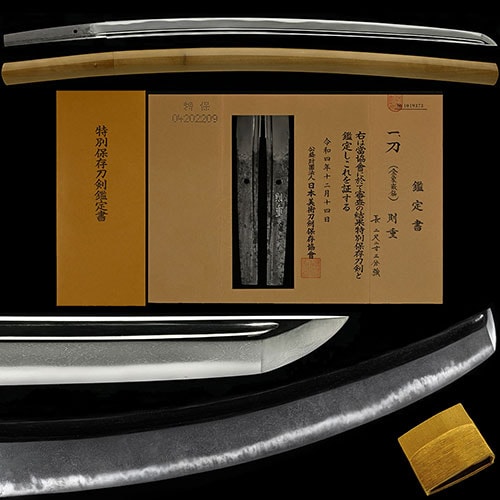
![Katana - Jūyō - 作 助宗 - 刀[助宗]重要刀剣(日本美術刀剣保存協会)](/_next/image?url=https%3A%2F%2Fitbhfhyptogxcjbjfzwx.supabase.co%2Fstorage%2Fv1%2Fobject%2Fpublic%2Flisting-images%2Fworld-seiyudo%2FL31710%2F00.jpg&w=2560&q=90)


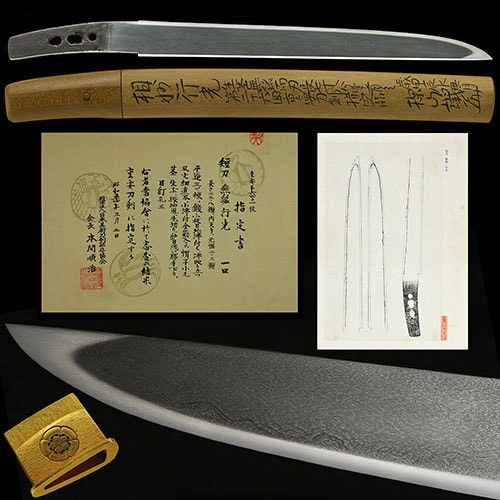
![Tanto - Hozon - 作 助宗 - 短刀[助宗][日本美術刀剣保存協会 保存刀剣]](/_next/image?url=https%3A%2F%2Fitbhfhyptogxcjbjfzwx.supabase.co%2Fstorage%2Fv1%2Fobject%2Fpublic%2Flisting-images%2Fworld-seiyudo%2FL32222%2F00.jpg&w=2560&q=90)