二つの朝廷が争った六十年、刀身は長大化し、長船がその需要に応えた。兼光と長義の工房は実際に戦う国人層の武士に仕え、軍勢とともに相州風が届いて相伝備前が生まれた。
 NihontoWatchNihontoWatch
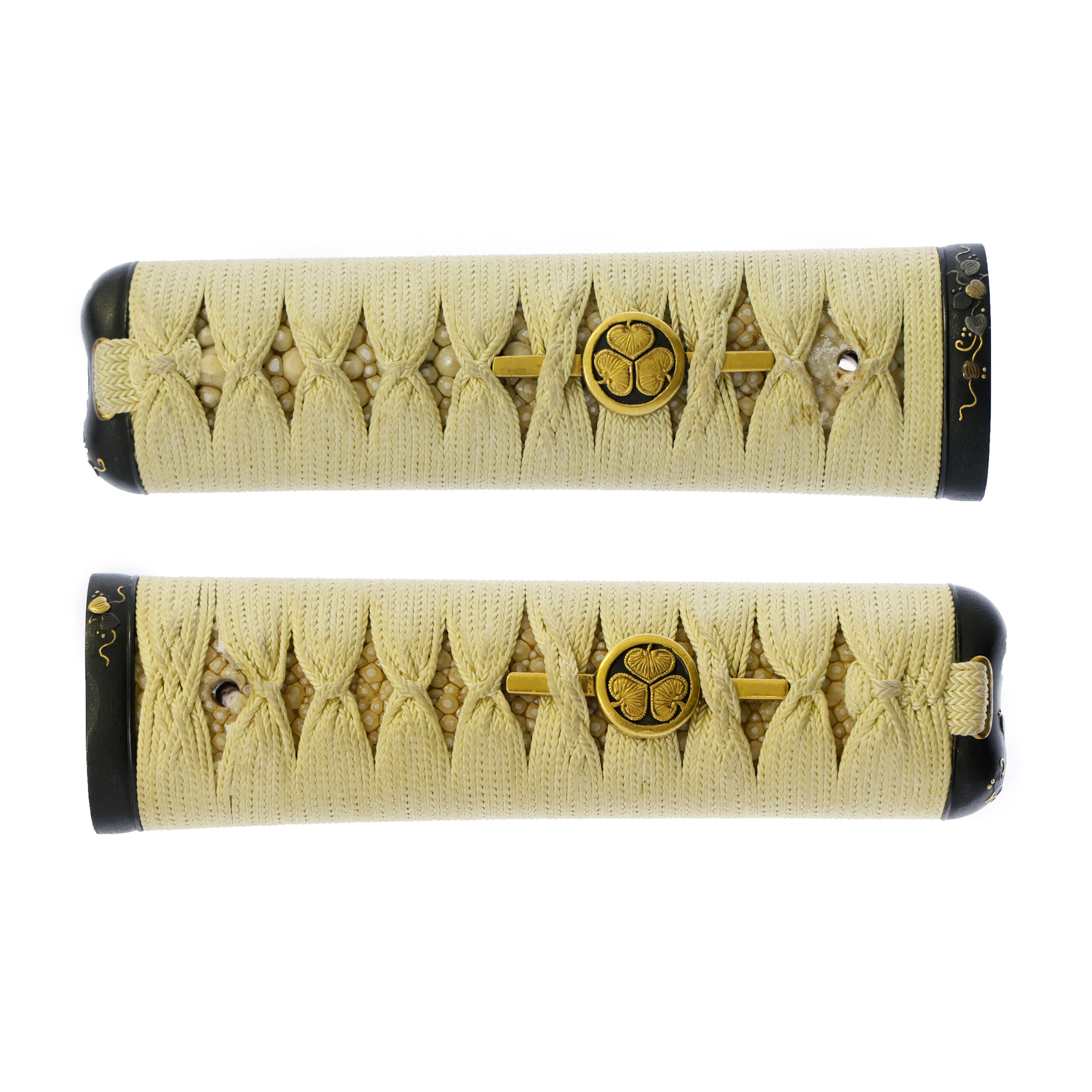
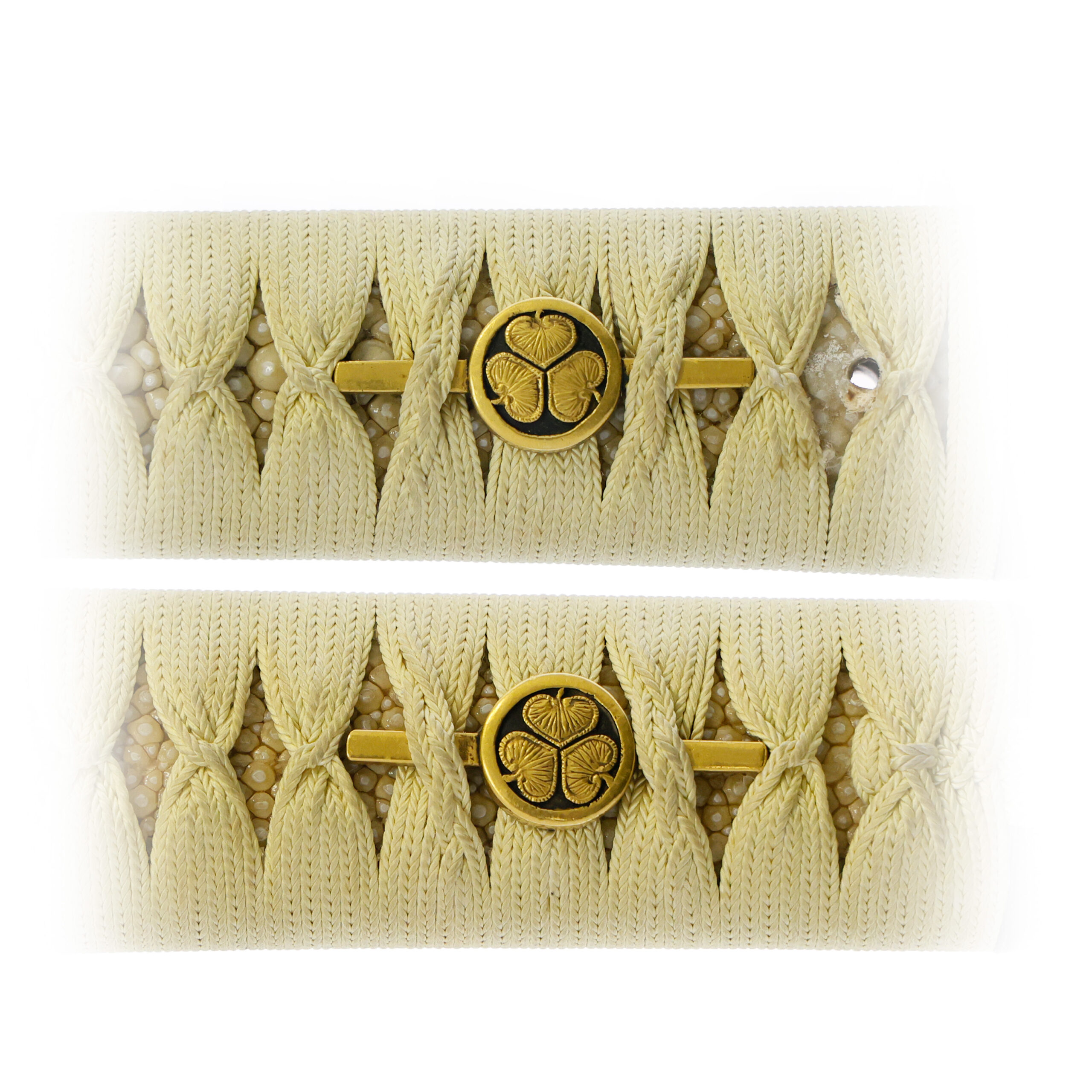
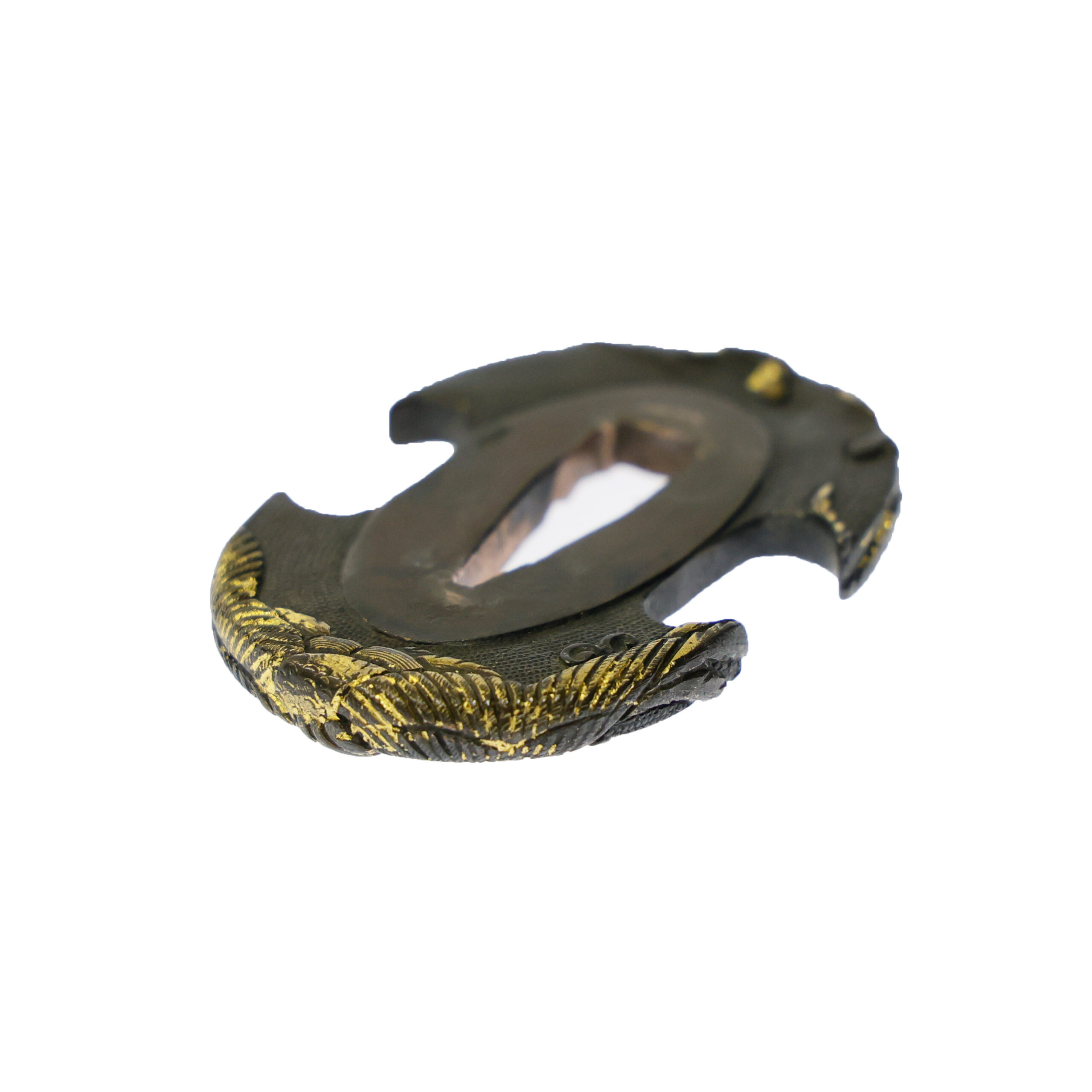
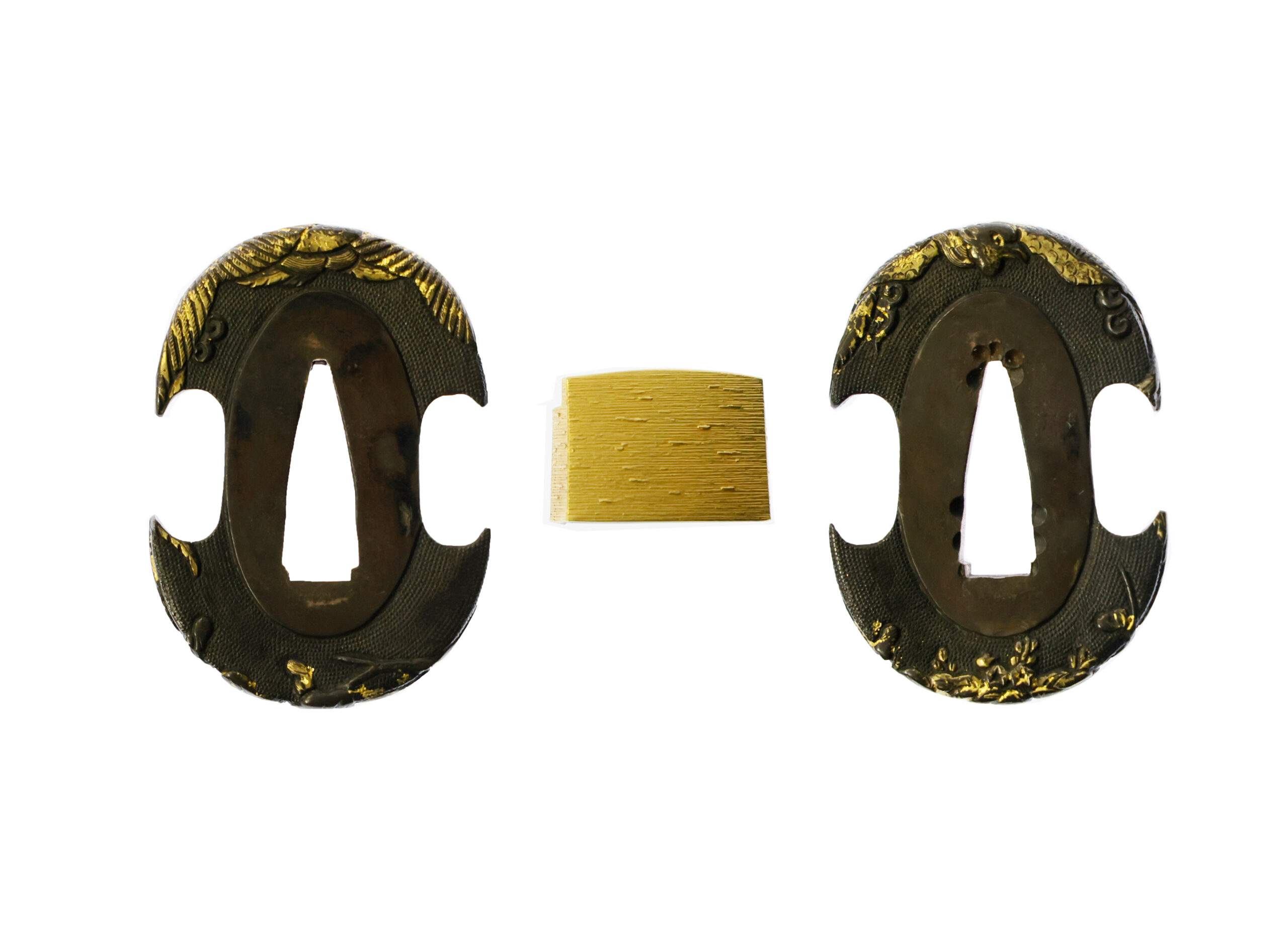
日本刀 短刀 銘 備前国長船住重真 NTHK(日本刀保存会)鑑定書付 【解説】 本作は、鎌倉末期から南北朝中期(正中〜延文年間:1324-1359年頃)にかけて備前国(現在の岡山県)で活躍した、備前国長船住重真(しげざね)による短刀です。裏銘には正中(1324-1326年)の年紀が刻まれています。重真は長船派の傍系である畠田守家系に属し、一説には景光の門人、また同派の重鎮であった元重の弟と伝えられています。さらに後年、相州貞宗の門に入ったという伝承も残されています。 重真が活躍した南北朝時代は、朝廷が南北に分かれ戦乱が相次いだ激動の時代でした。多くの武士が戦場へ赴く中、彼は実戦に耐えうる質の高い刀剣の作刀に心血を注いだものと推察されます。 備前長船派は、鎌倉中期に活躍した光忠を始祖とする流派です。備前国の中でも最大の勢力を誇り、時の有力者や名だたる武士から多くの注文を受けました。その作品は「長船物」として武士の間で深く愛好されました。 長船派の中でも長光、真長、景光の三名は「長船三作」として名高く、また長光、兼光、長義、元重の四名は「長船四天王」と称され、同派の黄金期を築きました。 備前国は中国山地に近く、刀剣の主原料である砂鉄が豊富に産出されました。さらに吉井川の流域に位置したことで、良質な水や炭の確保にも恵まれていました。こうした地政学的な利点が、洗練された名刀を生み出す土壌となったのです。備前における作刀の歴史は古く、平安後期には「備前伝」の基礎が築かれ、これらは「古備前」と呼ばれます。長船派はその伝統を継承し、鎌倉中期以降、大いに繁栄を極めました。 ※刀身には数箇所、鍛え傷(きたえきず)が見受けられます。詳細なコンディションについては、お気軽にお問い合わせください。 【刀身】 長さ(Nagasa):25.0 cm 反り(Sori):0.1 cm 刃文(Hamon):焼入れによって刃先に現れる結晶構造。 地鉄(Jihada):折り返し鍛錬によって現れる鋼の表面模様。 切先(Kissaki):刀身の先端部分。 茎(Nakago):柄に収まる中心部分。 日本の刀工は、柄内部での赤錆を防ぐために茎に黒錆を残しました。この茎の錆色や経年変化は、専門家が制作年代を特定する際の重要な指標となります。 【外装】 拵(Koshirae):鞘、柄、鍔などから構成される刀剣の外装。 縁頭(Fuchi-Kashira):柄の両端に取り付けられる一対の金具。 本作の縁頭の図案は「葵唐草(あおいからくさ)」です。葵はハート型の葉が特徴的な植物で、常に太陽を向く性質から「仰ぐ(あおぐ)」に通じ、古来より縁起の良い文様とされてきました。唐草は生命力の象徴であり、これらを組み合わせた意匠は繁栄を願うものとして好まれました。
NihontoWatch
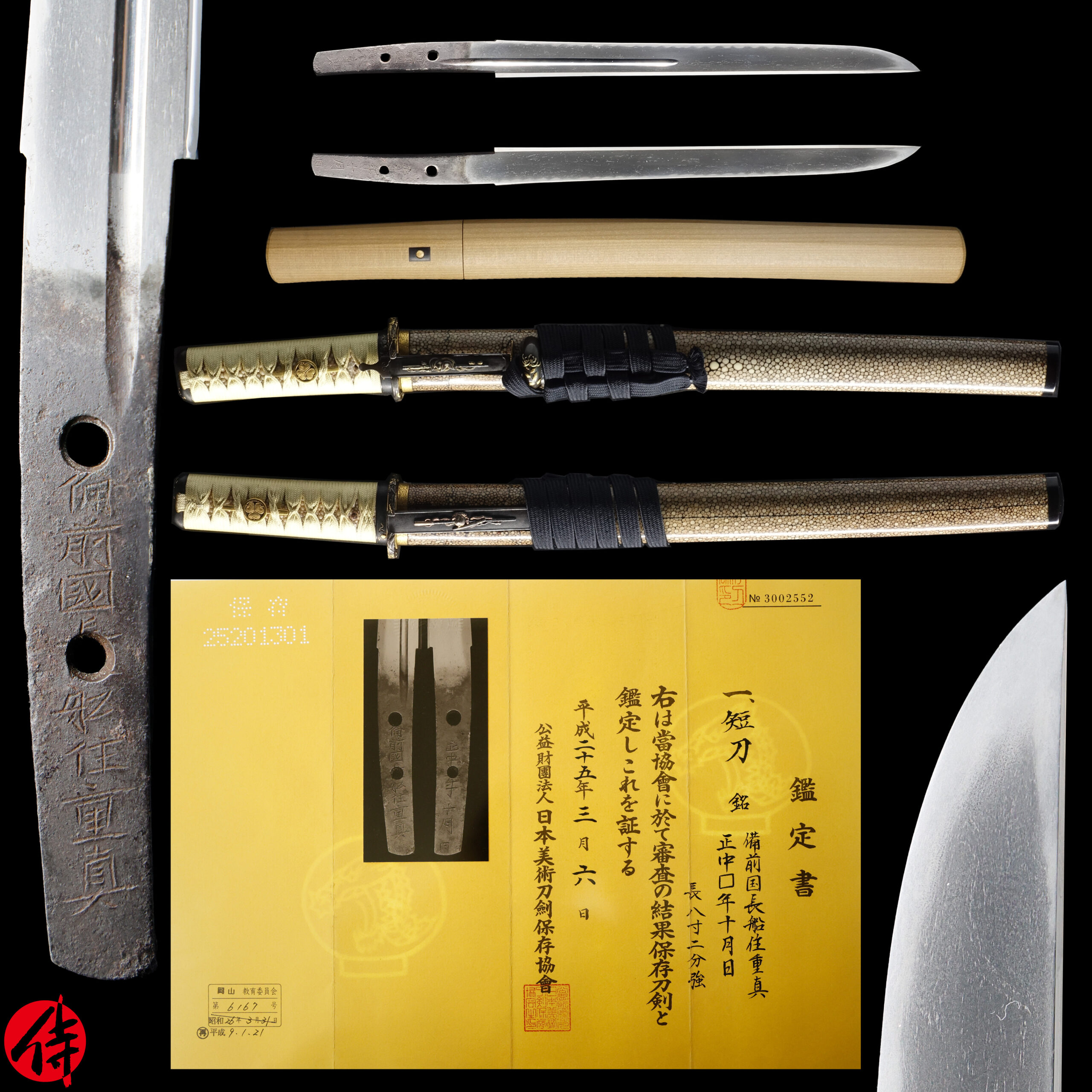
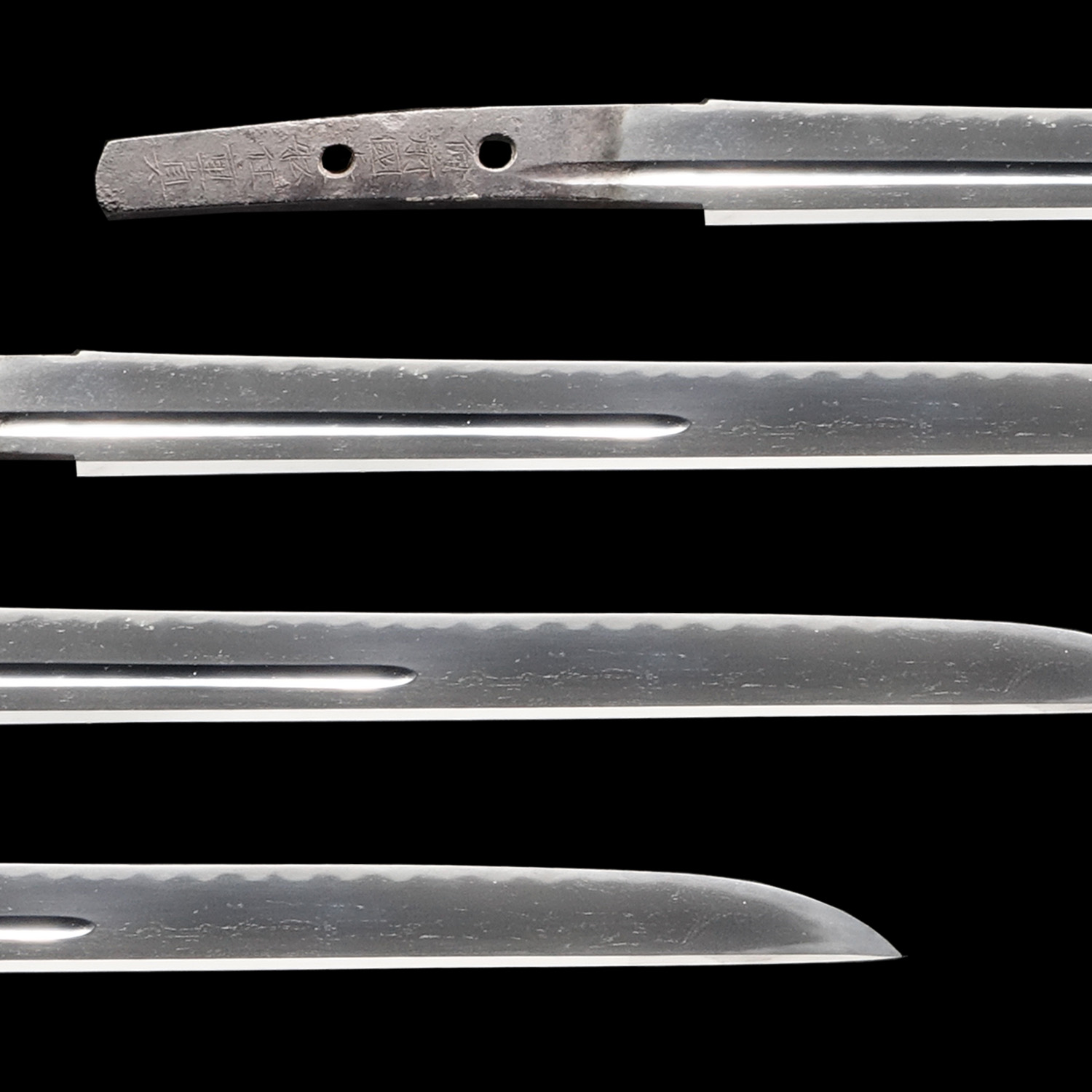
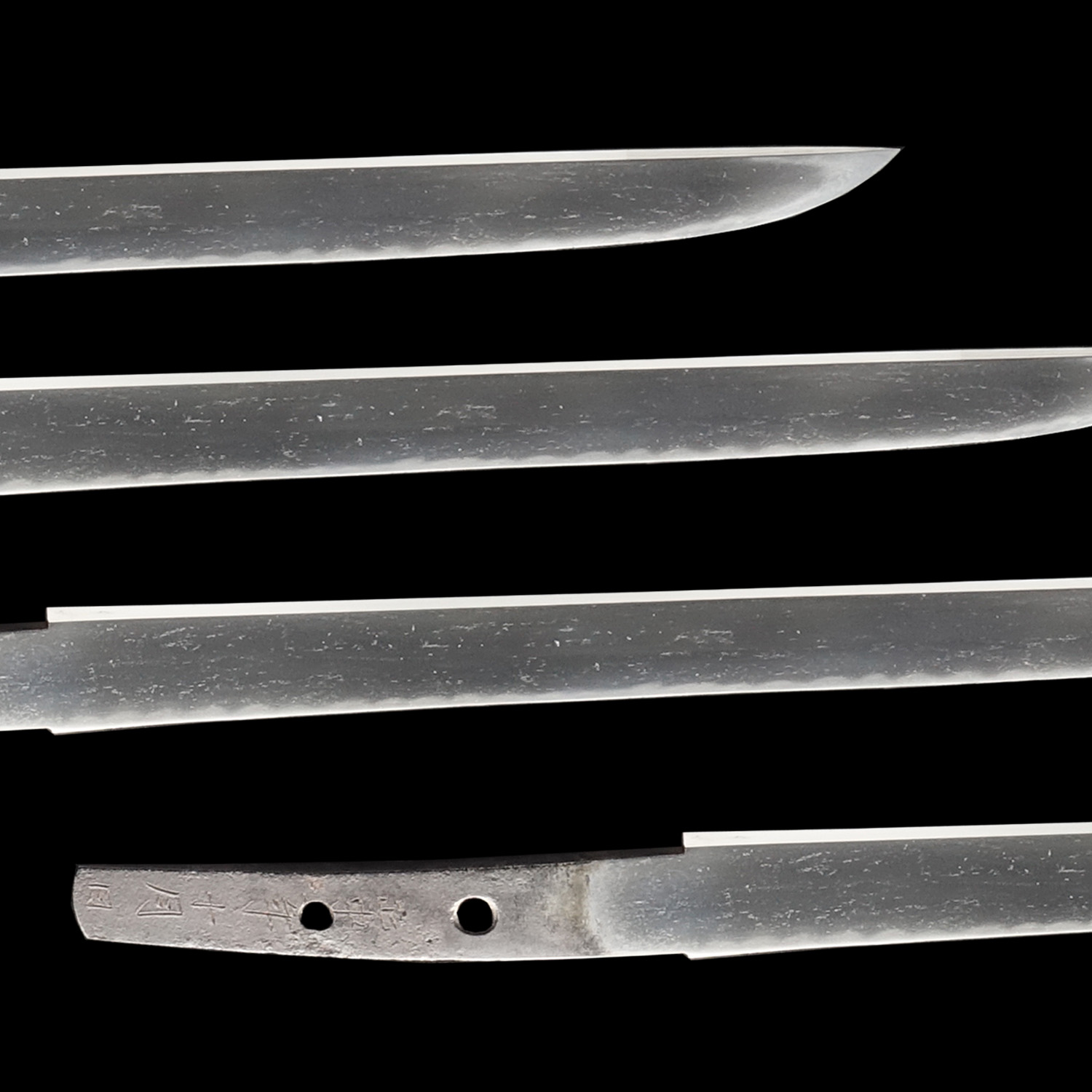
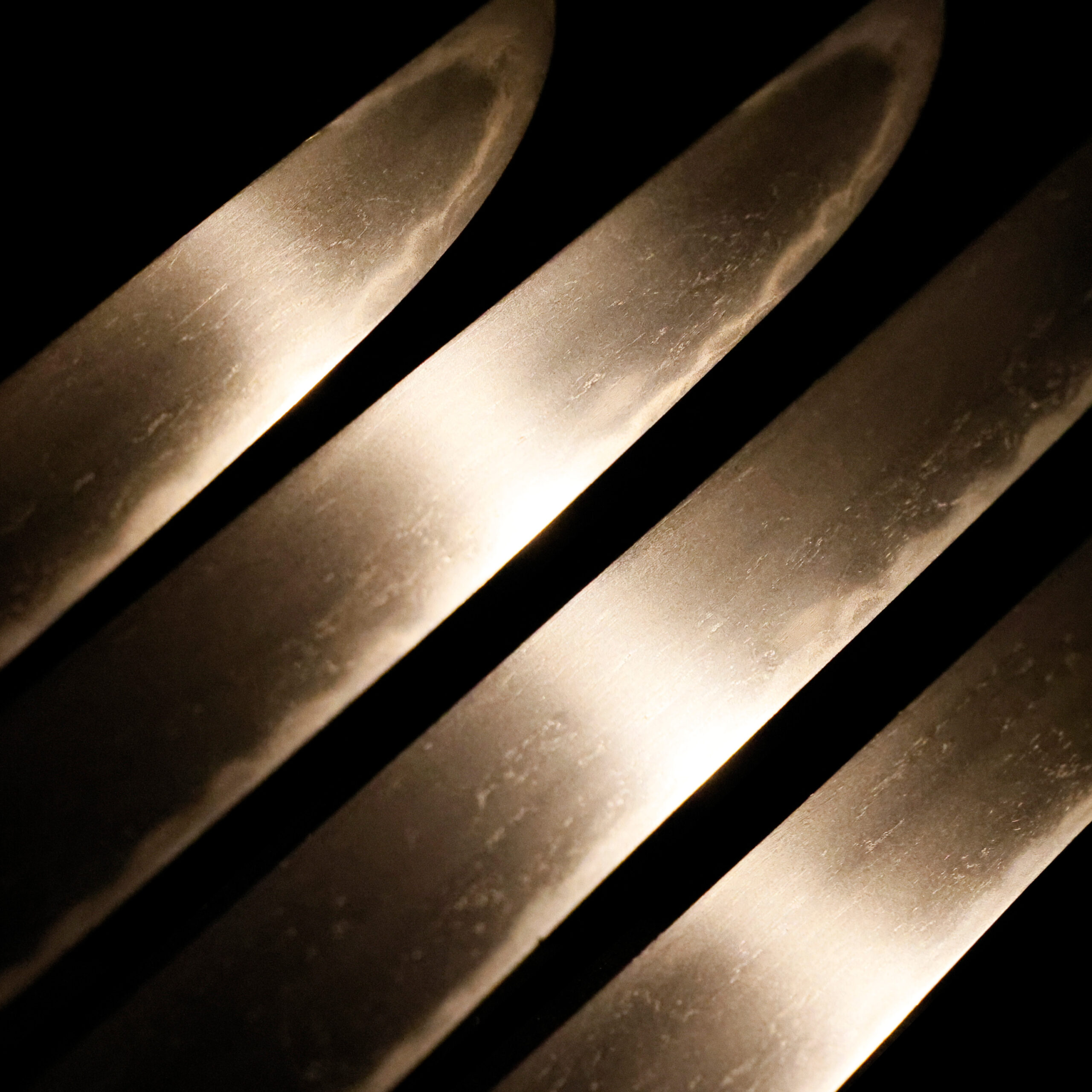
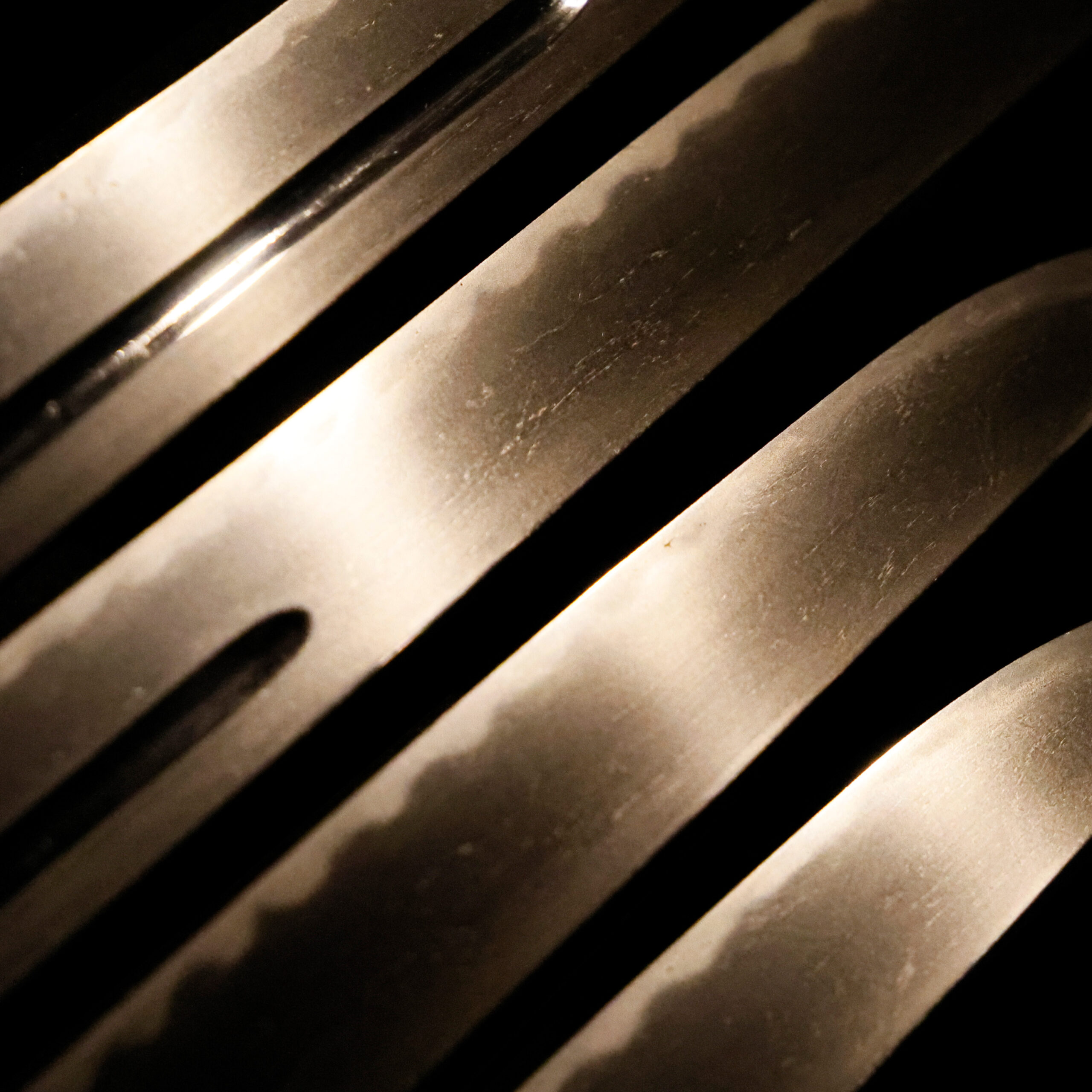
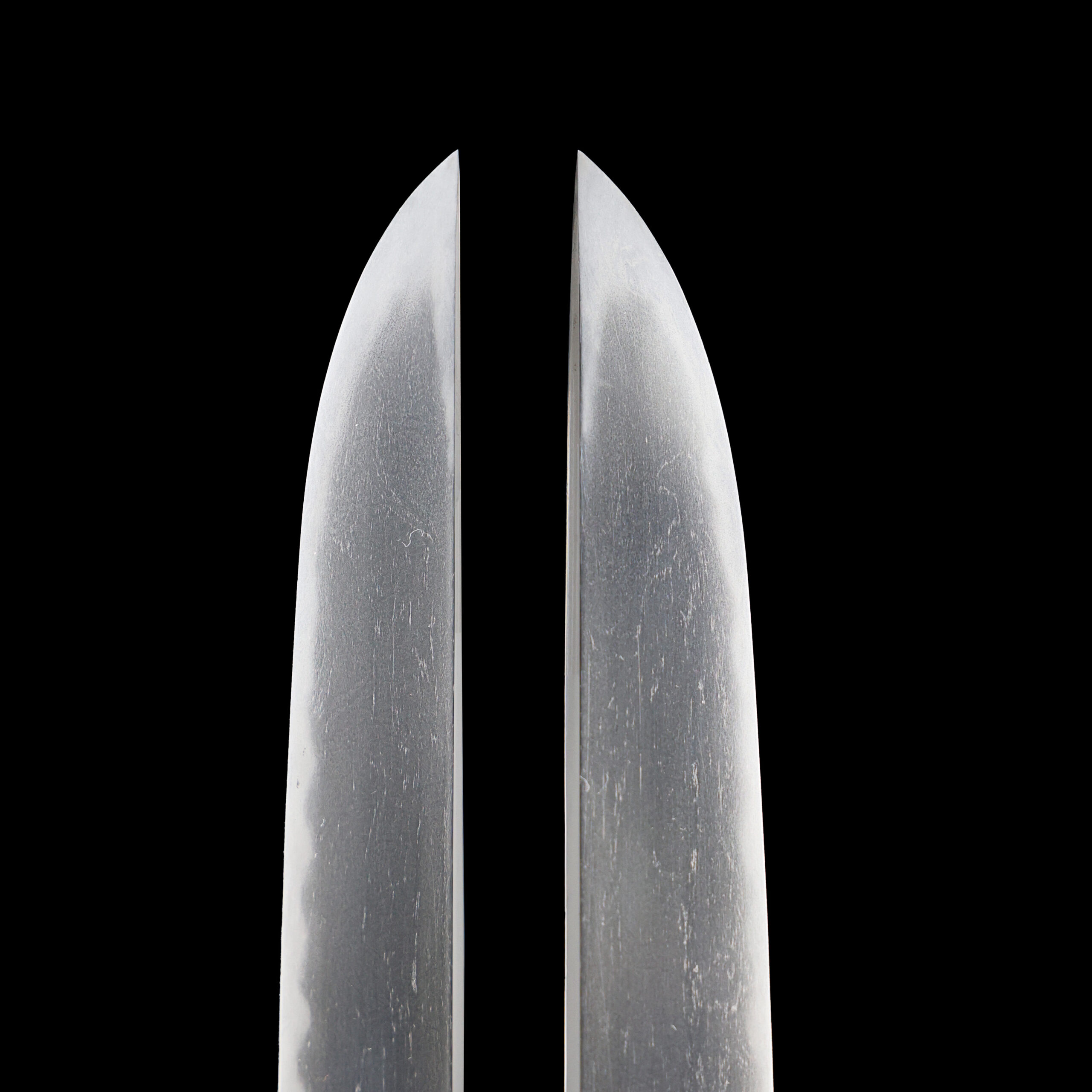
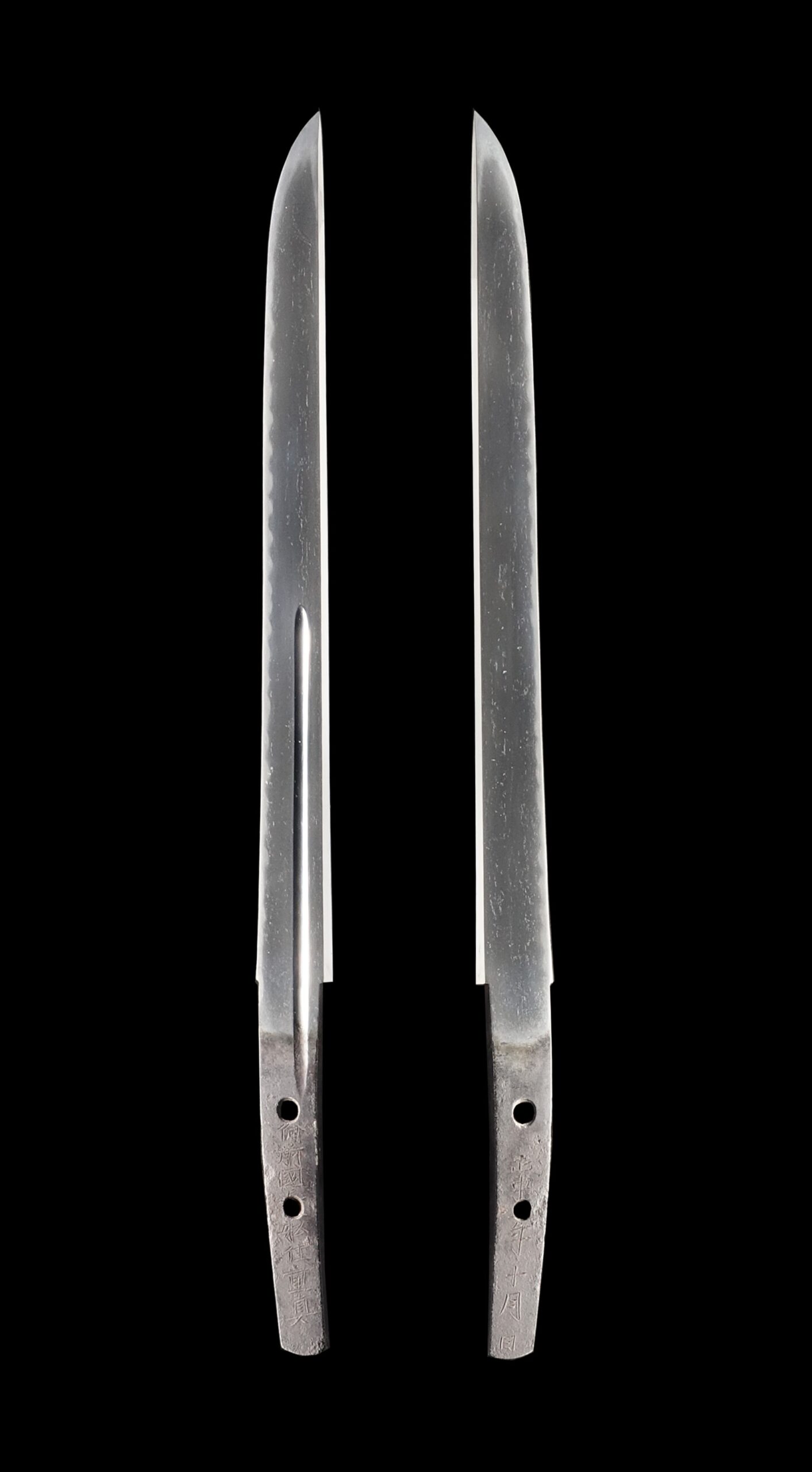
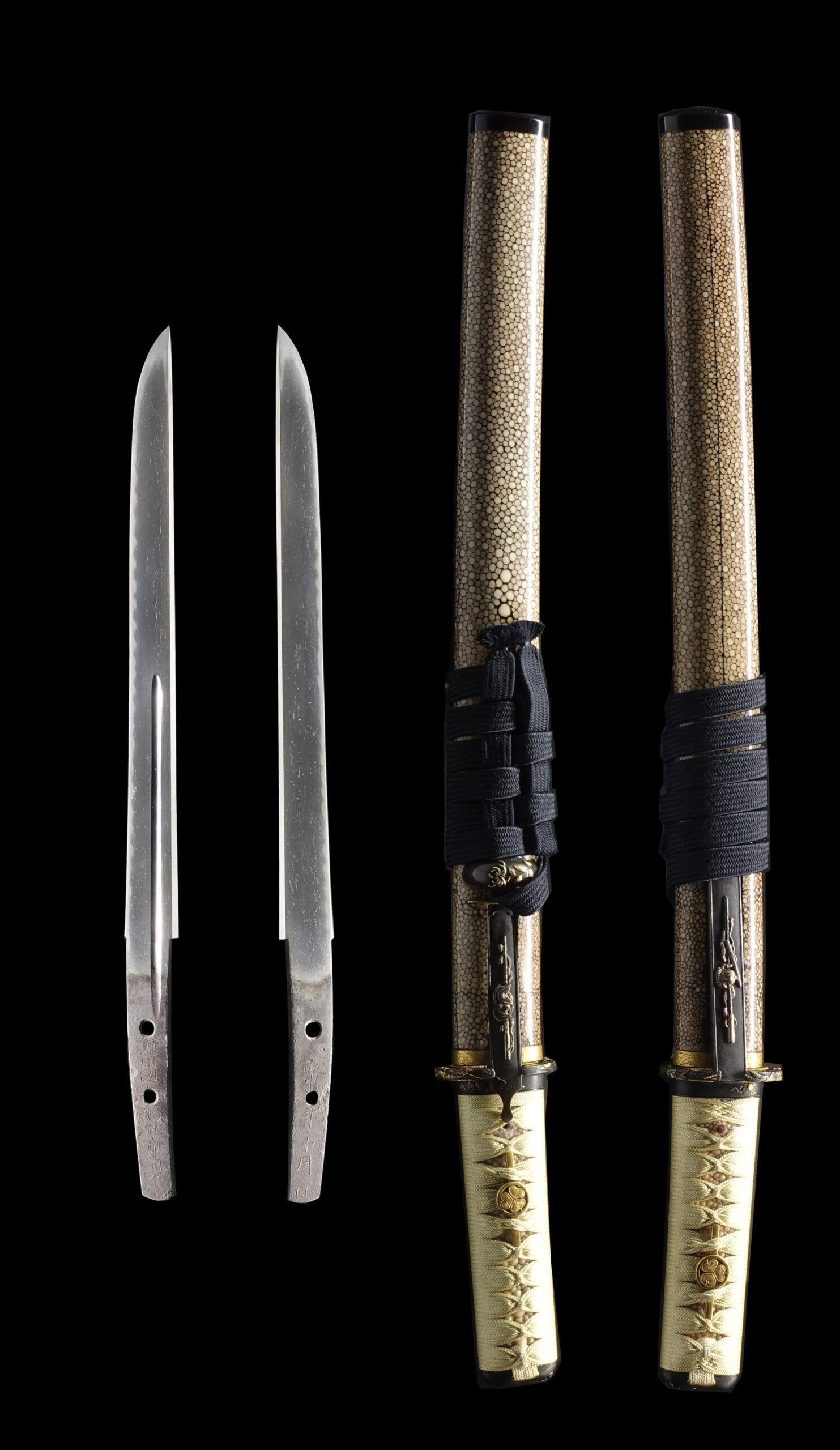
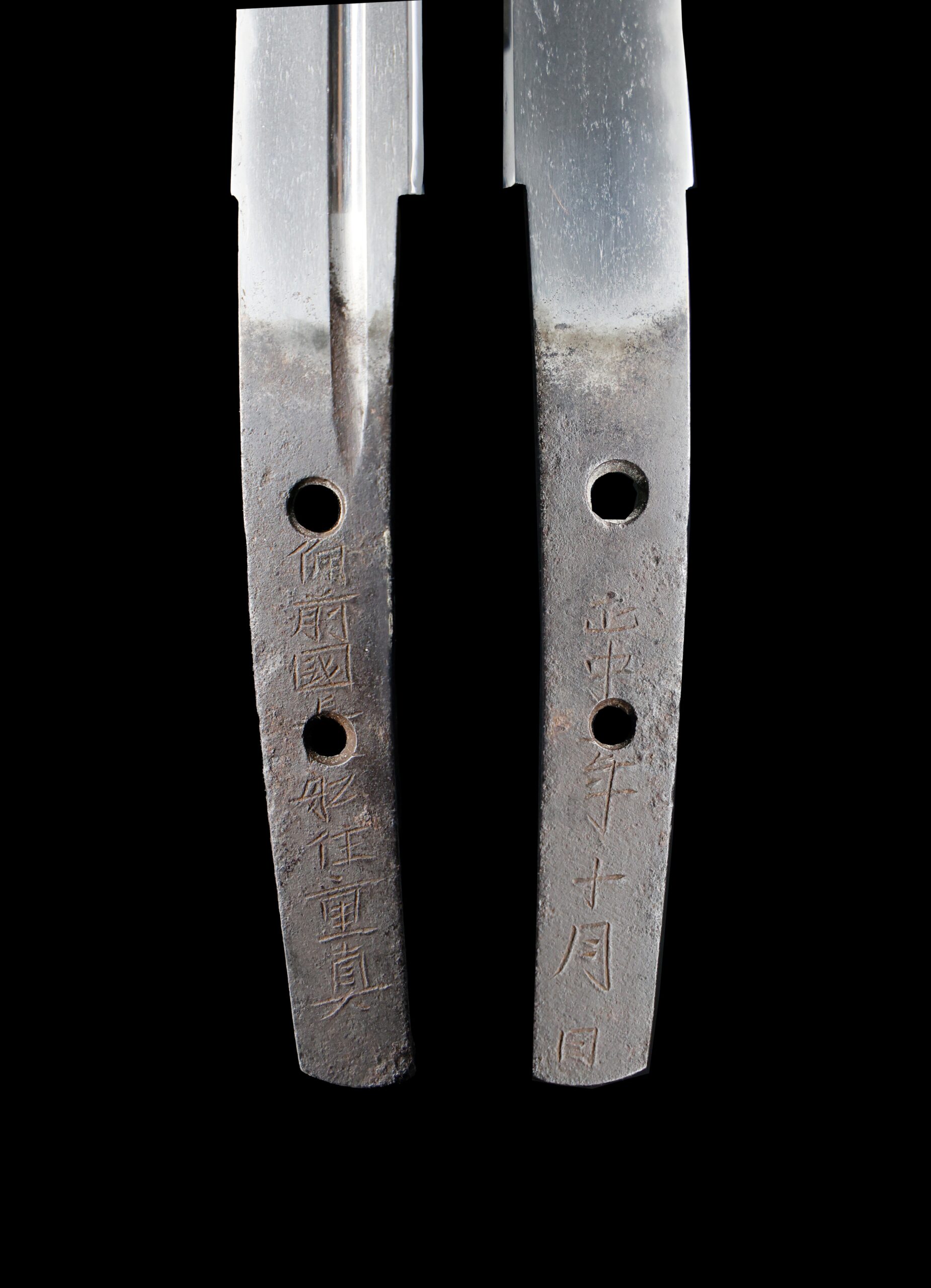
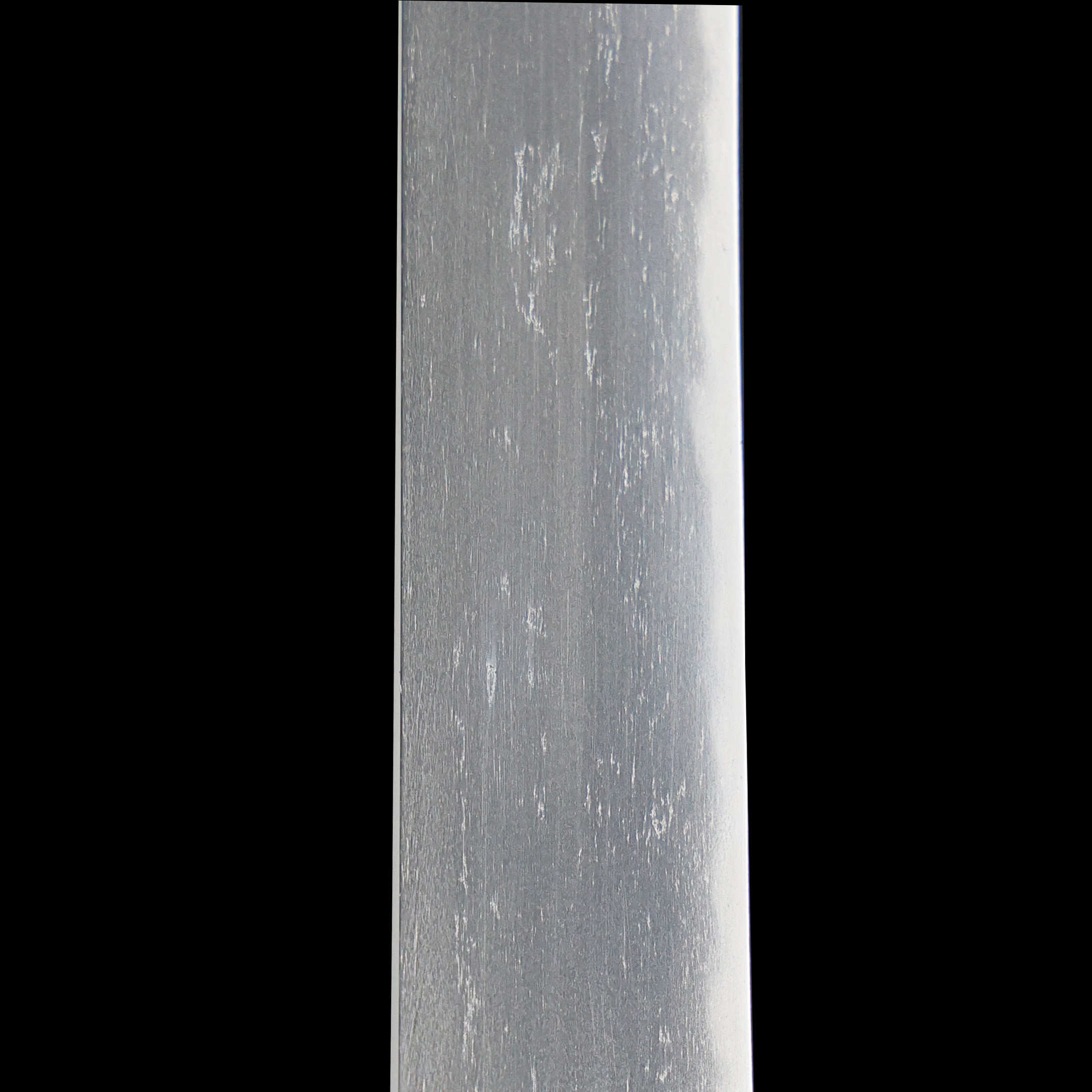
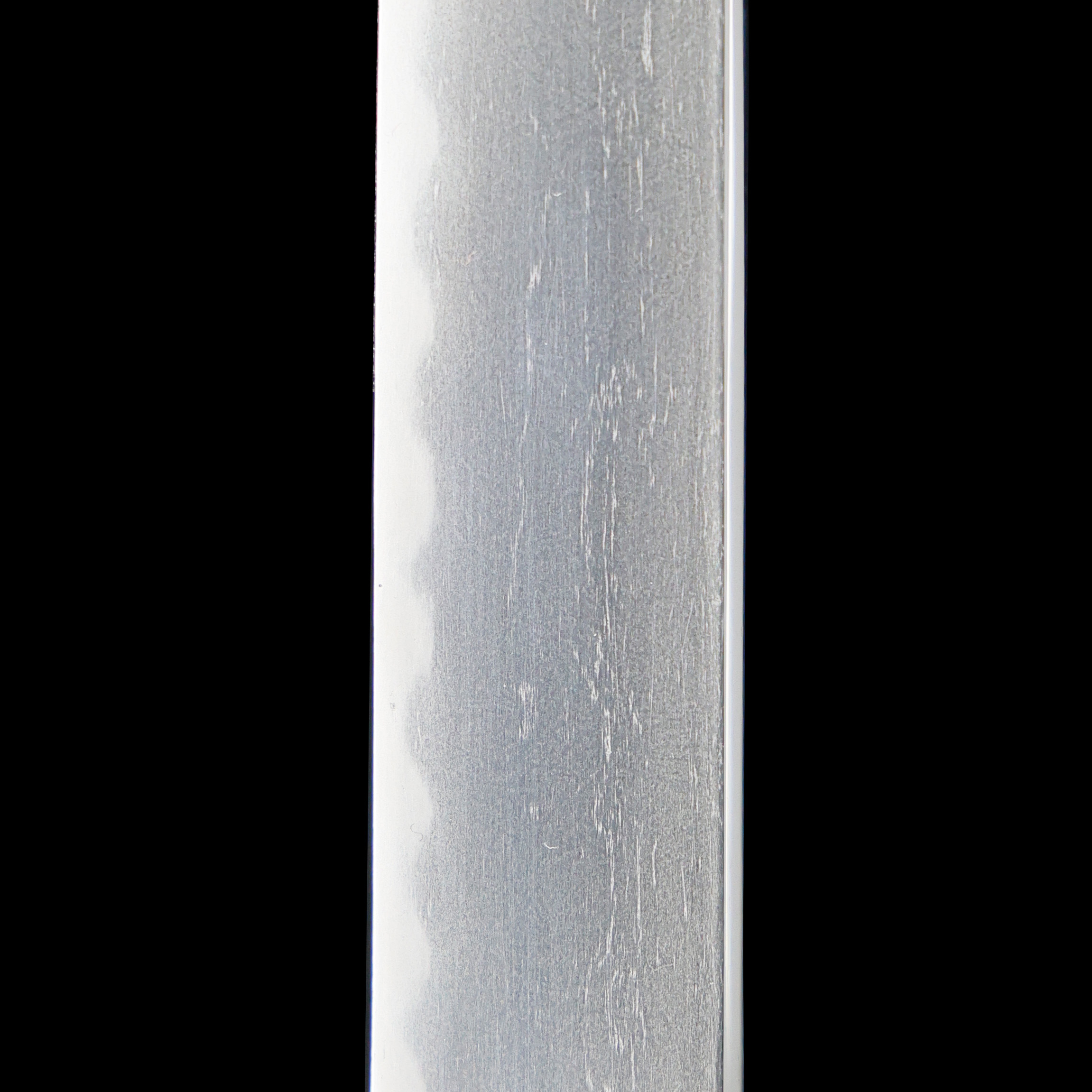
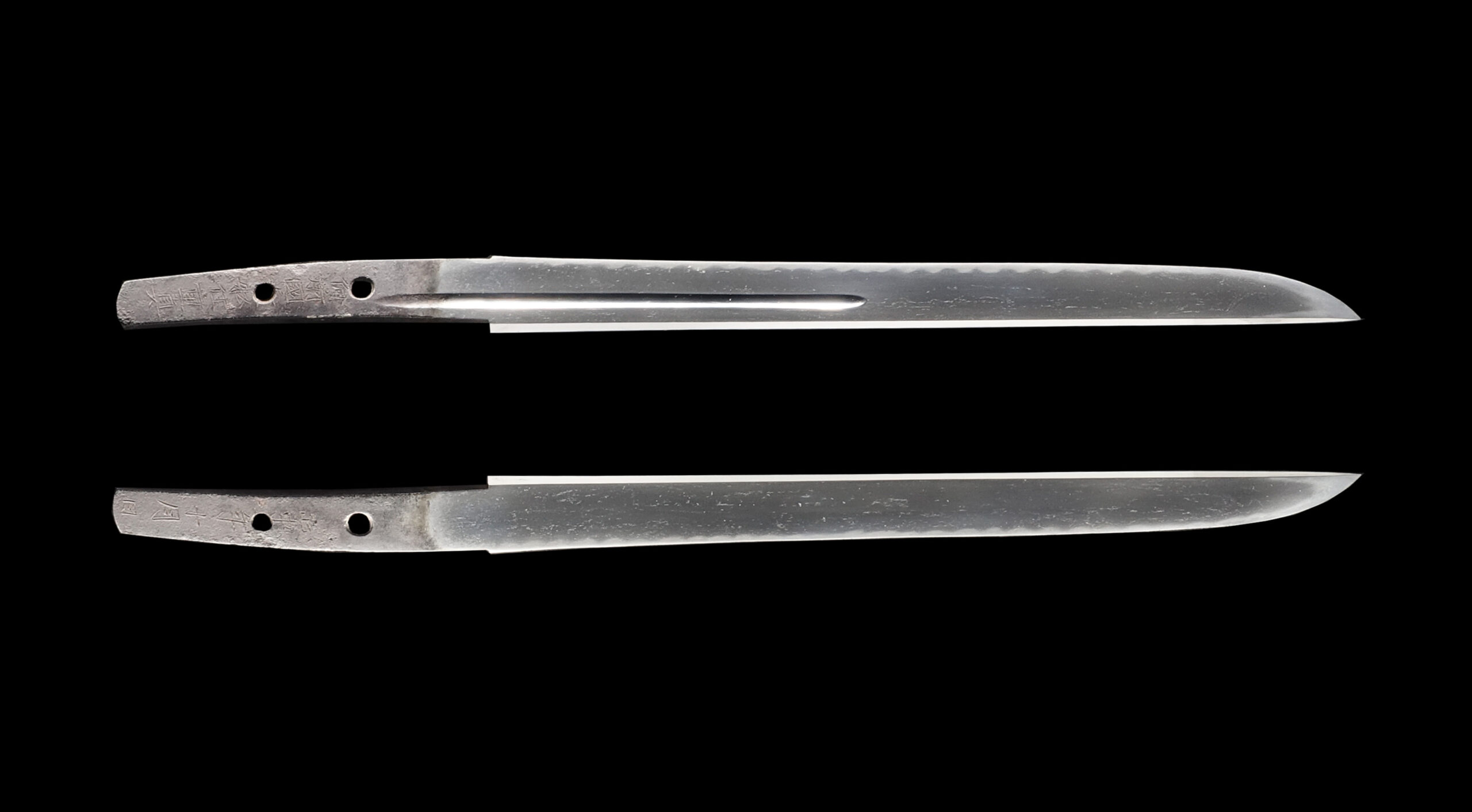
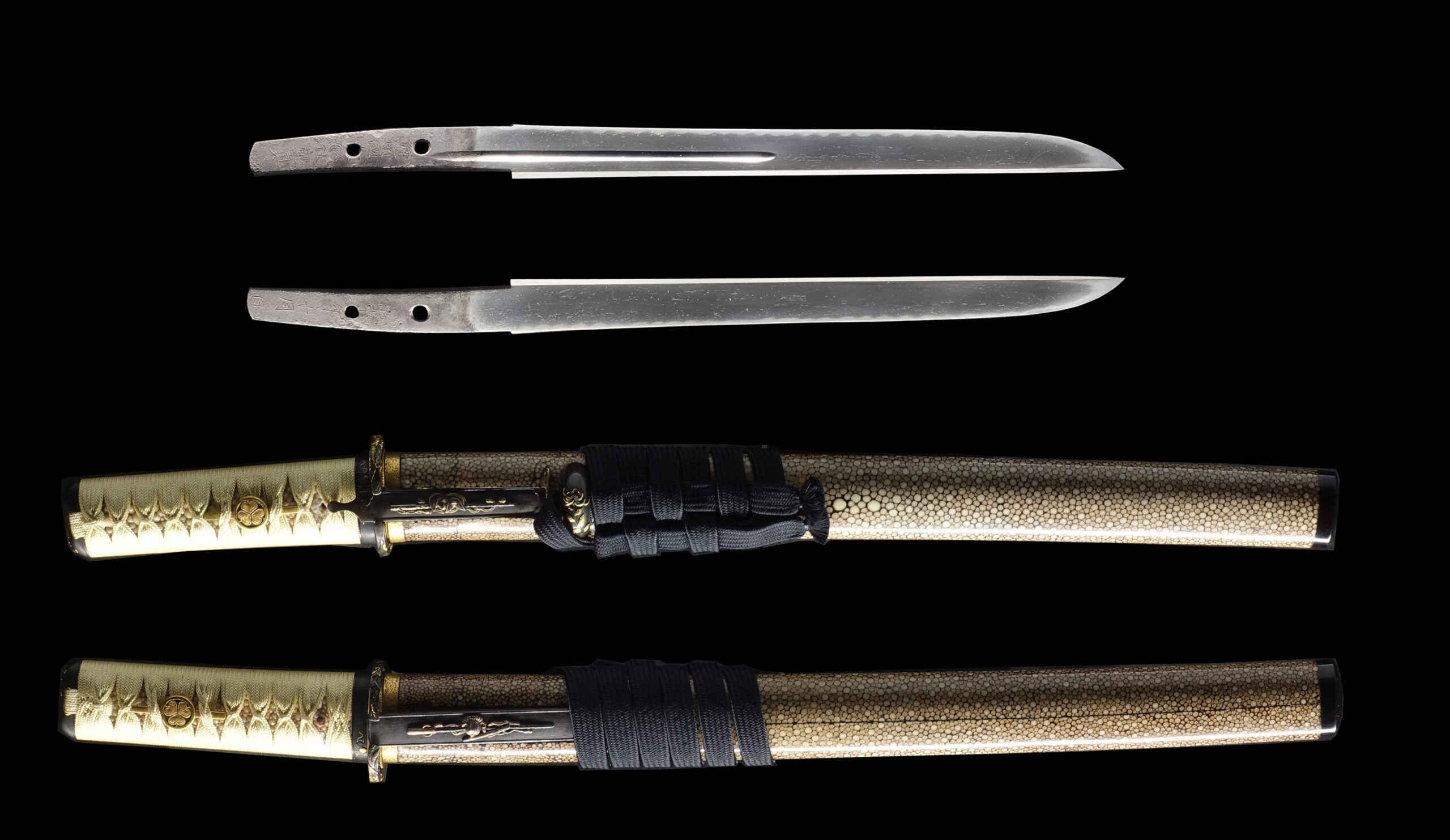
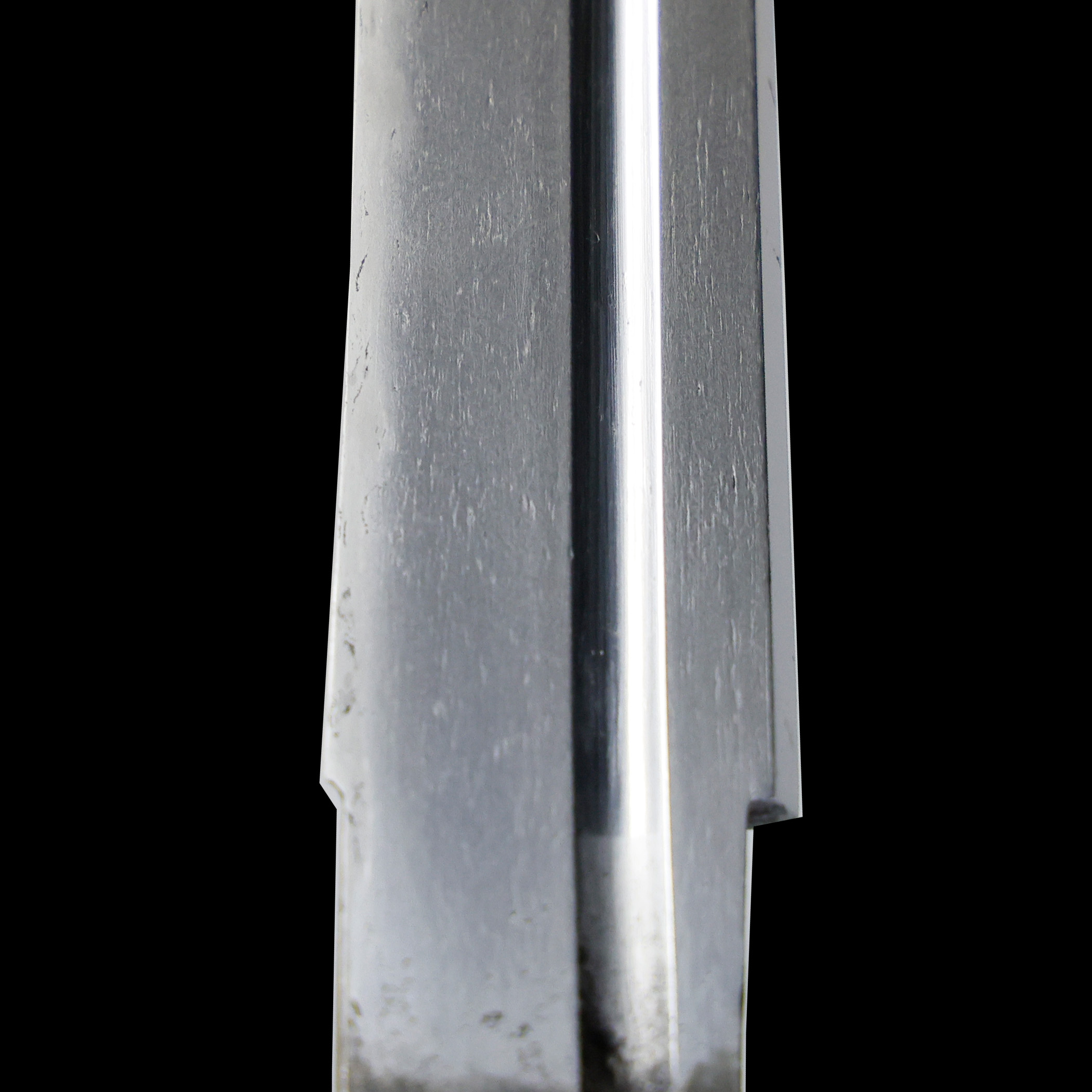
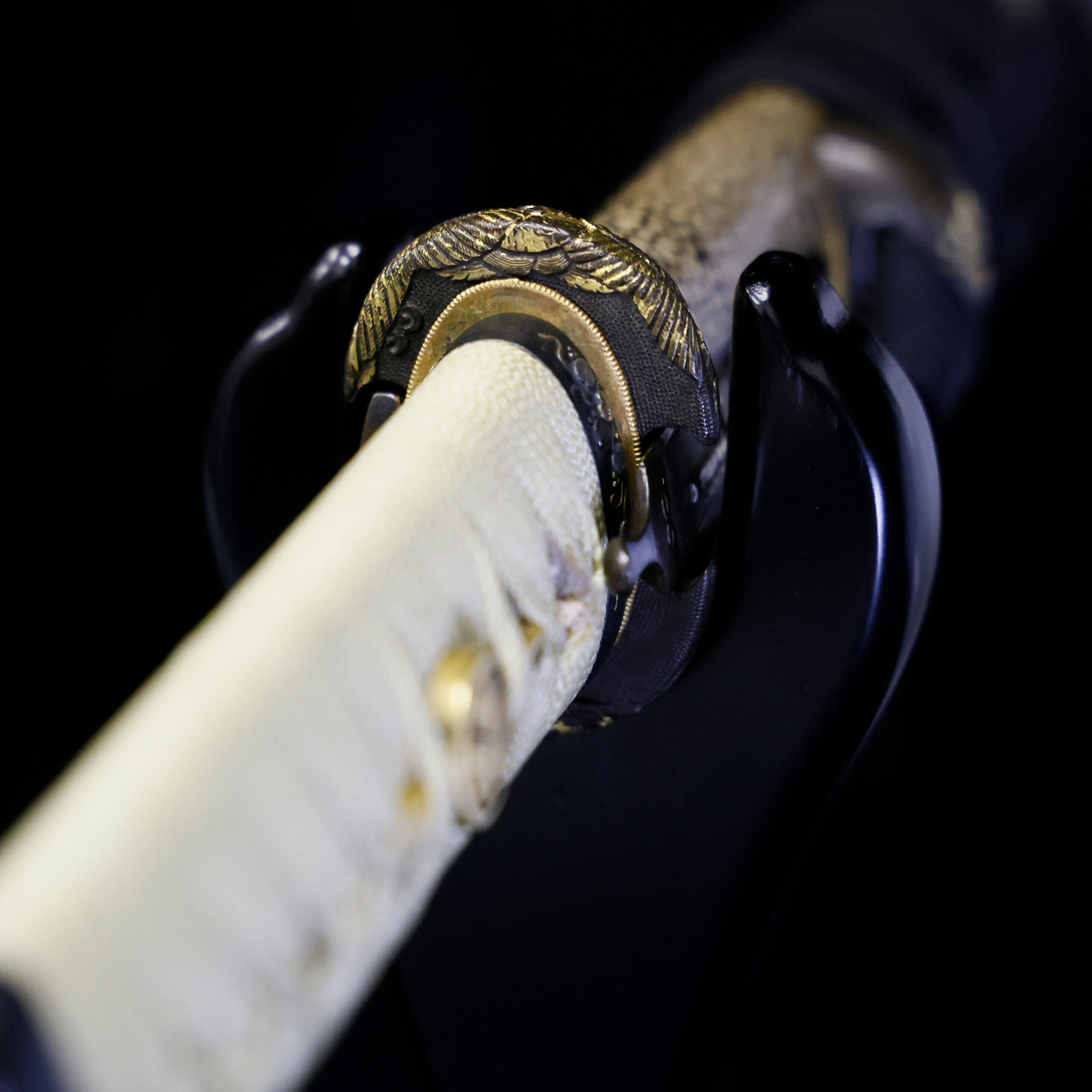
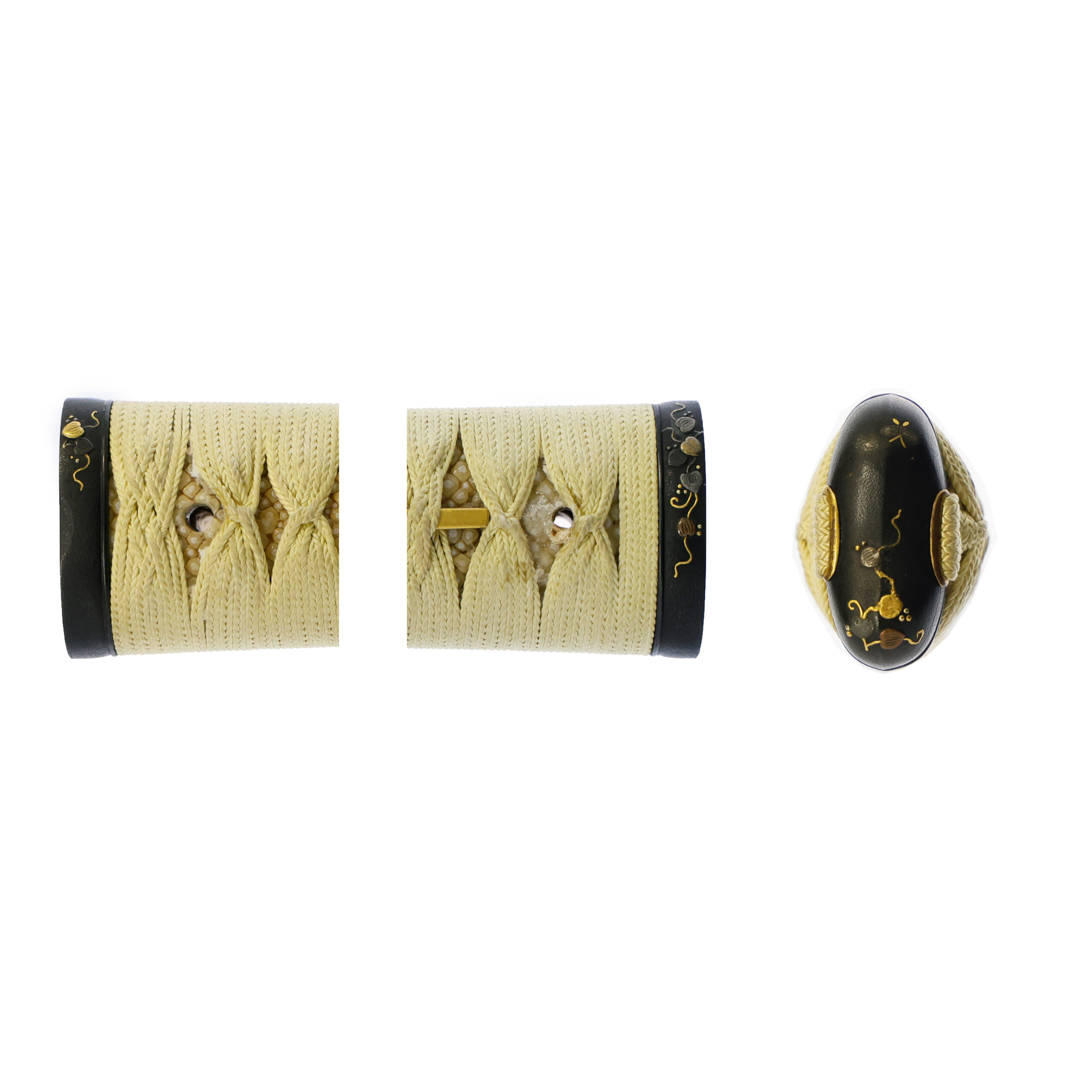
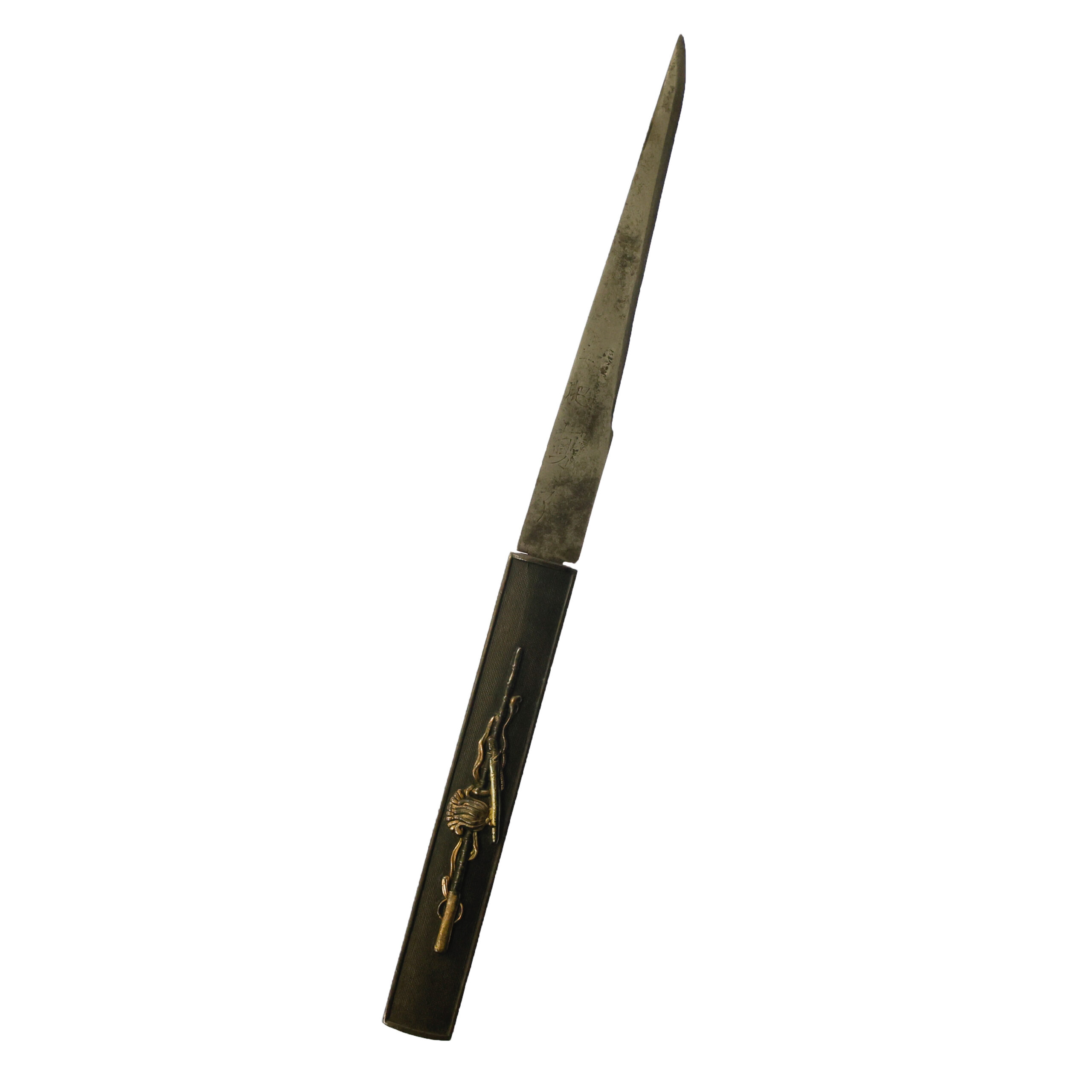
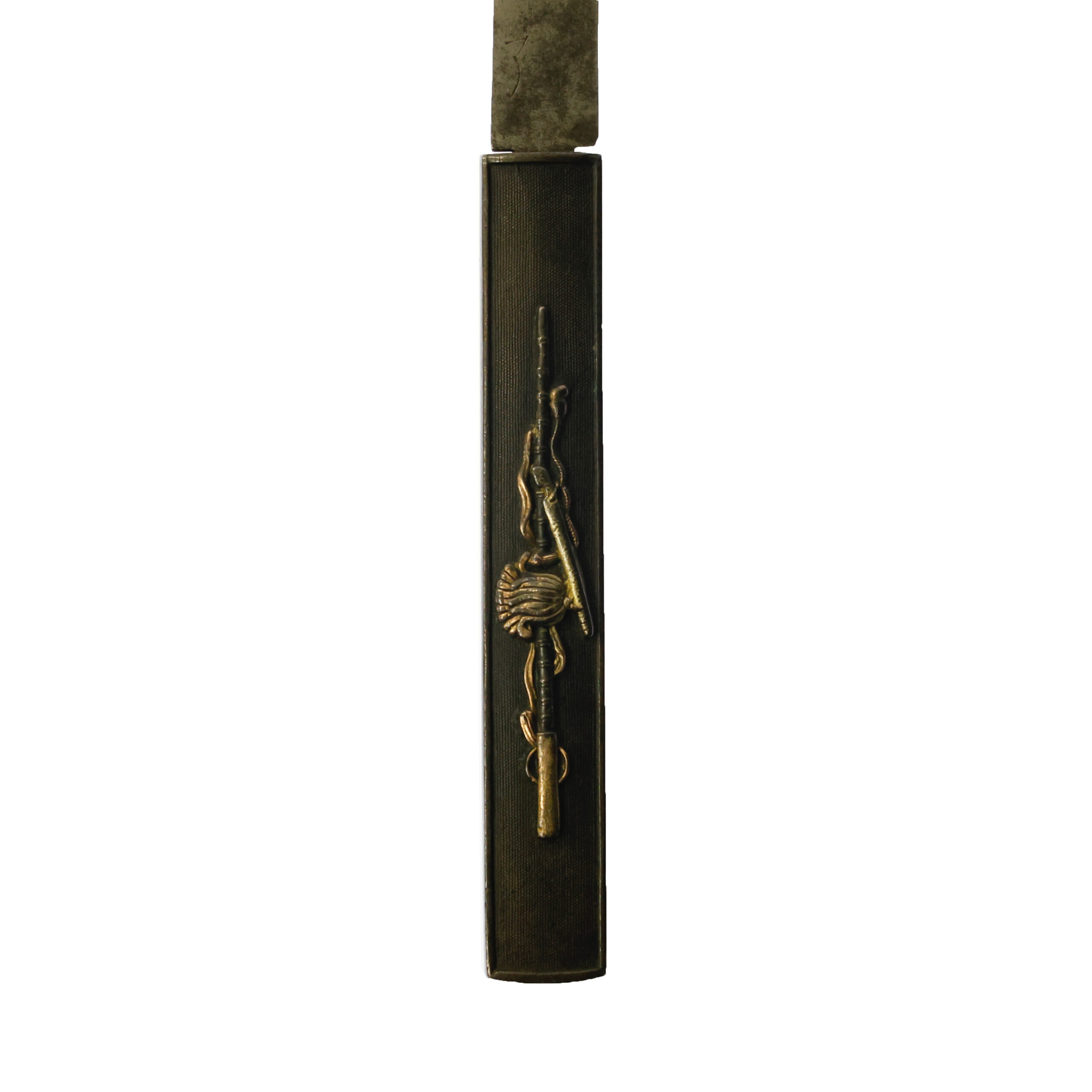
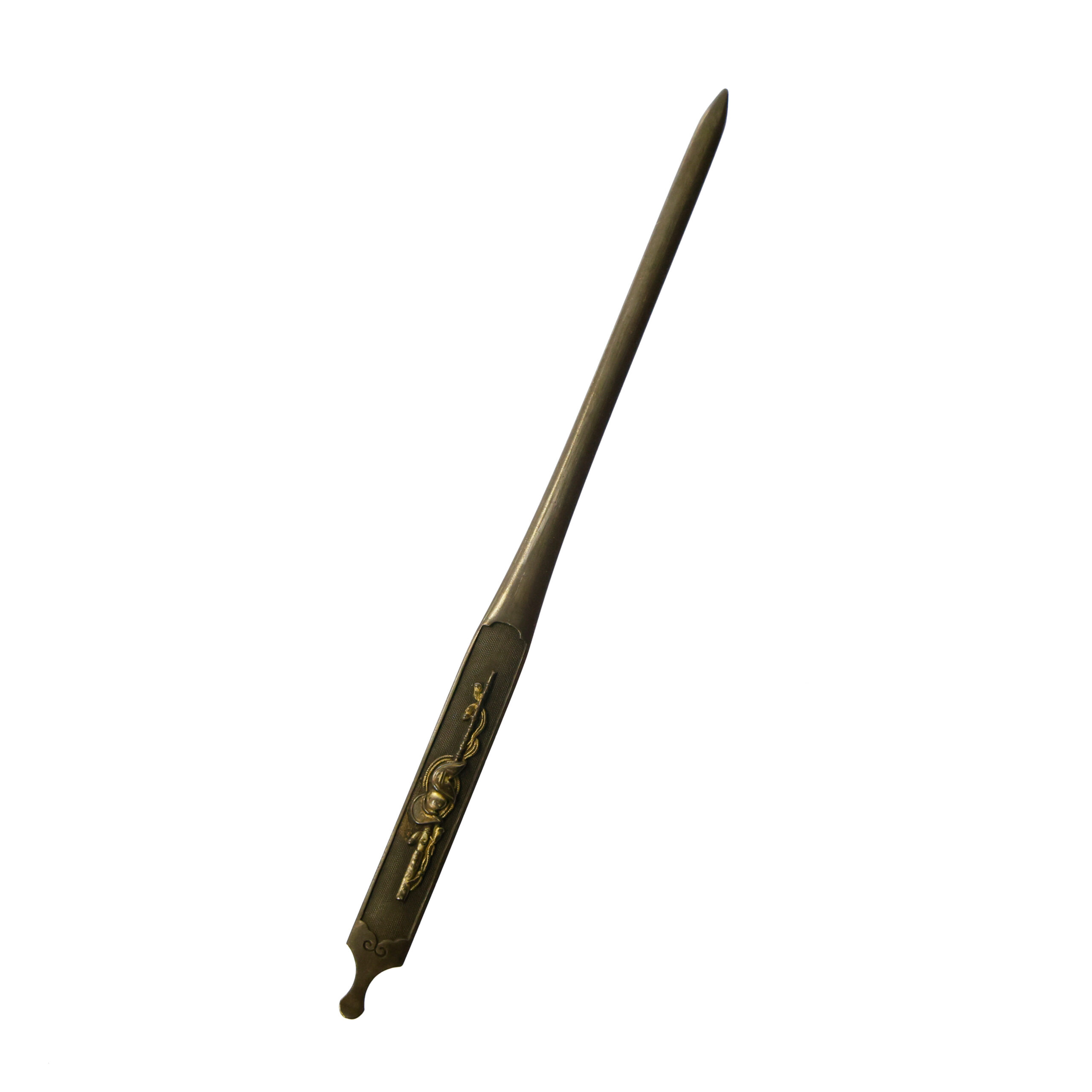
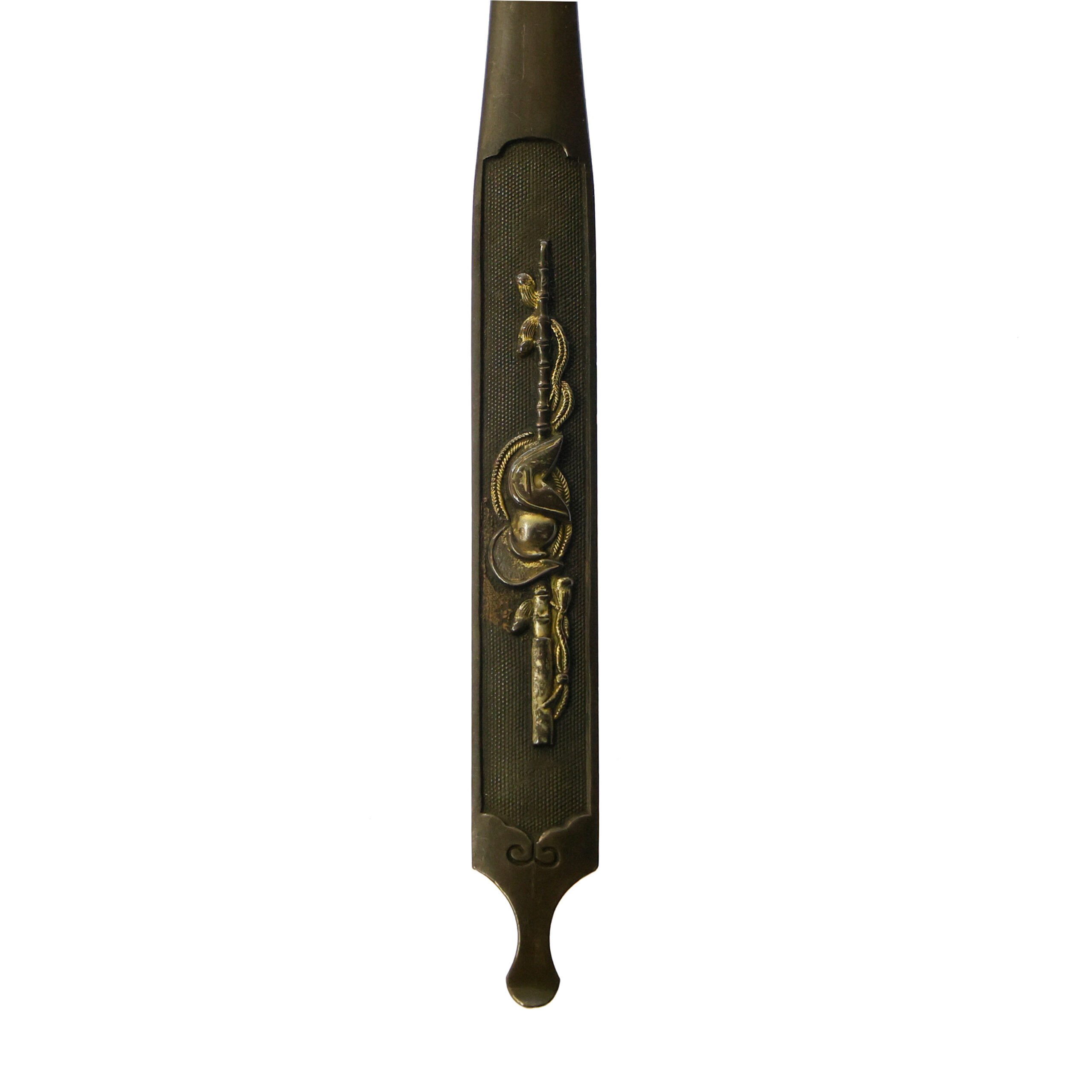
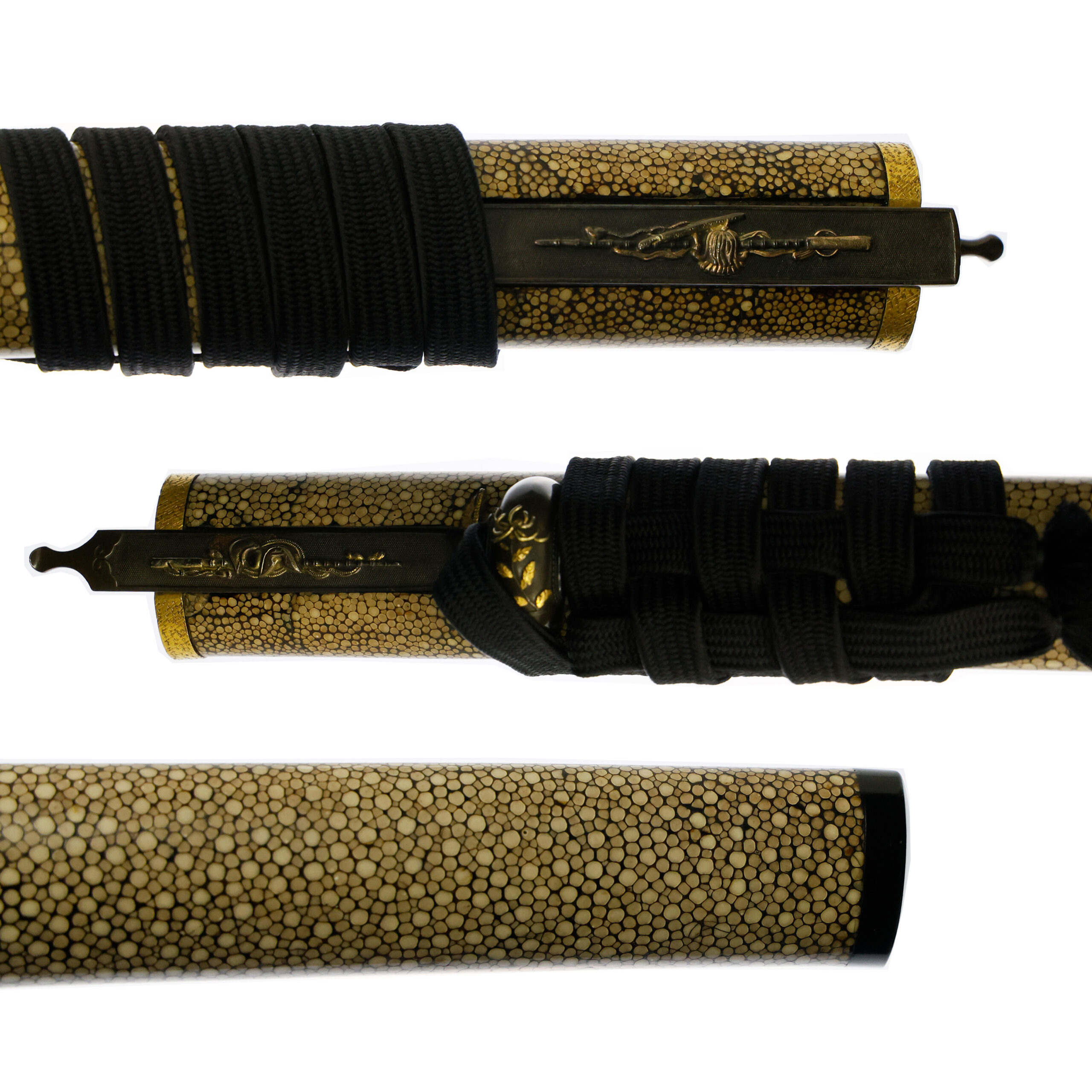
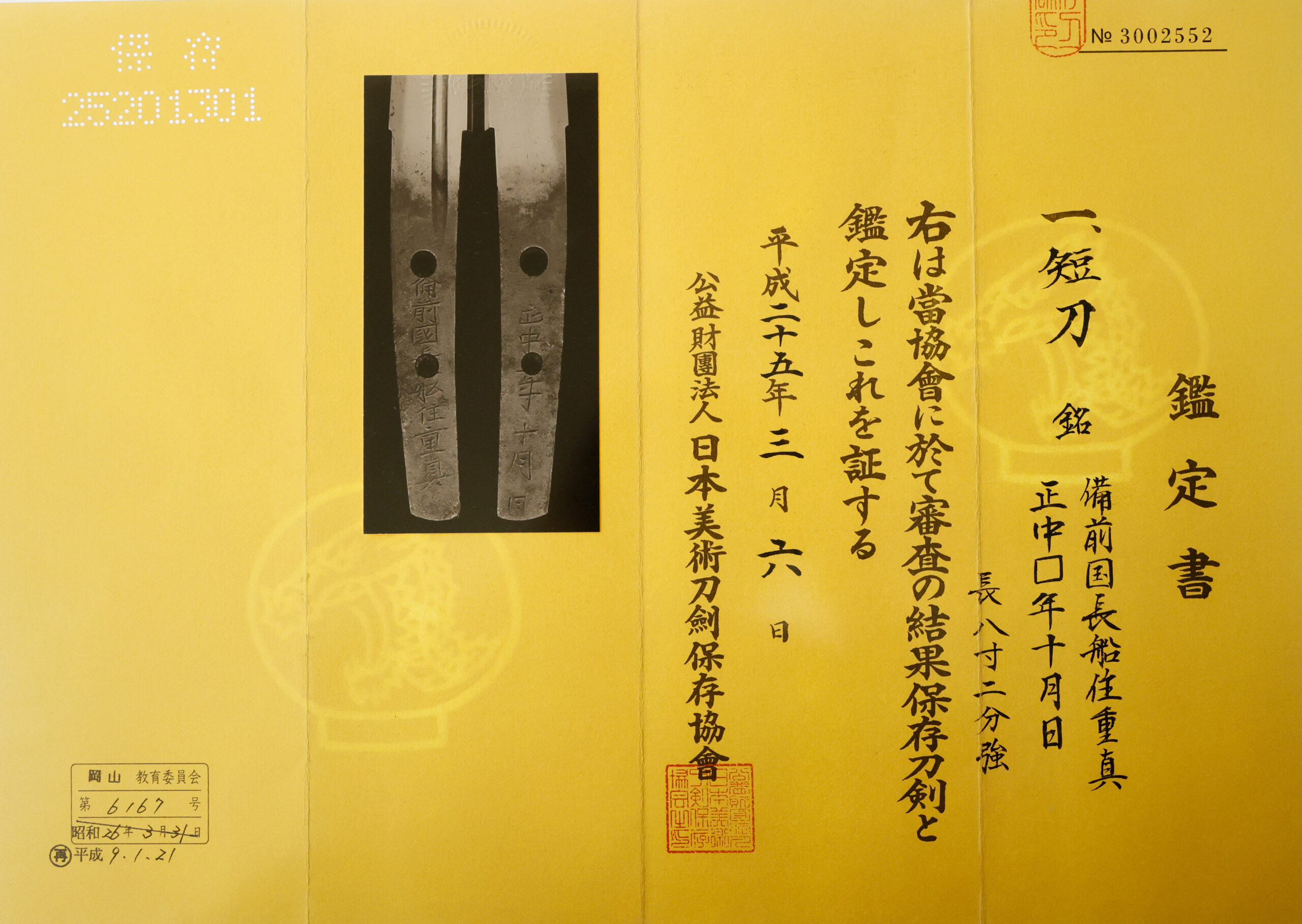
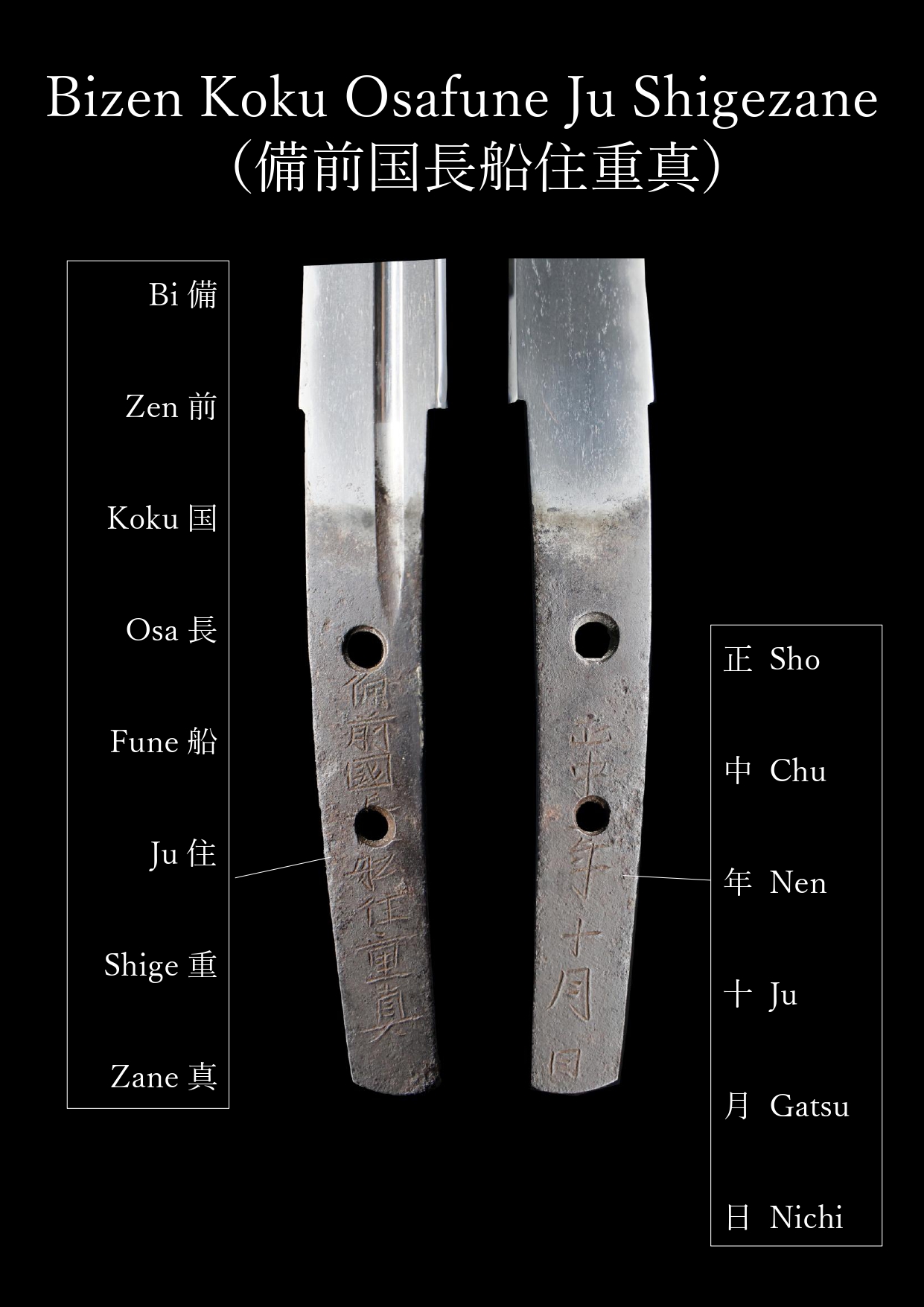
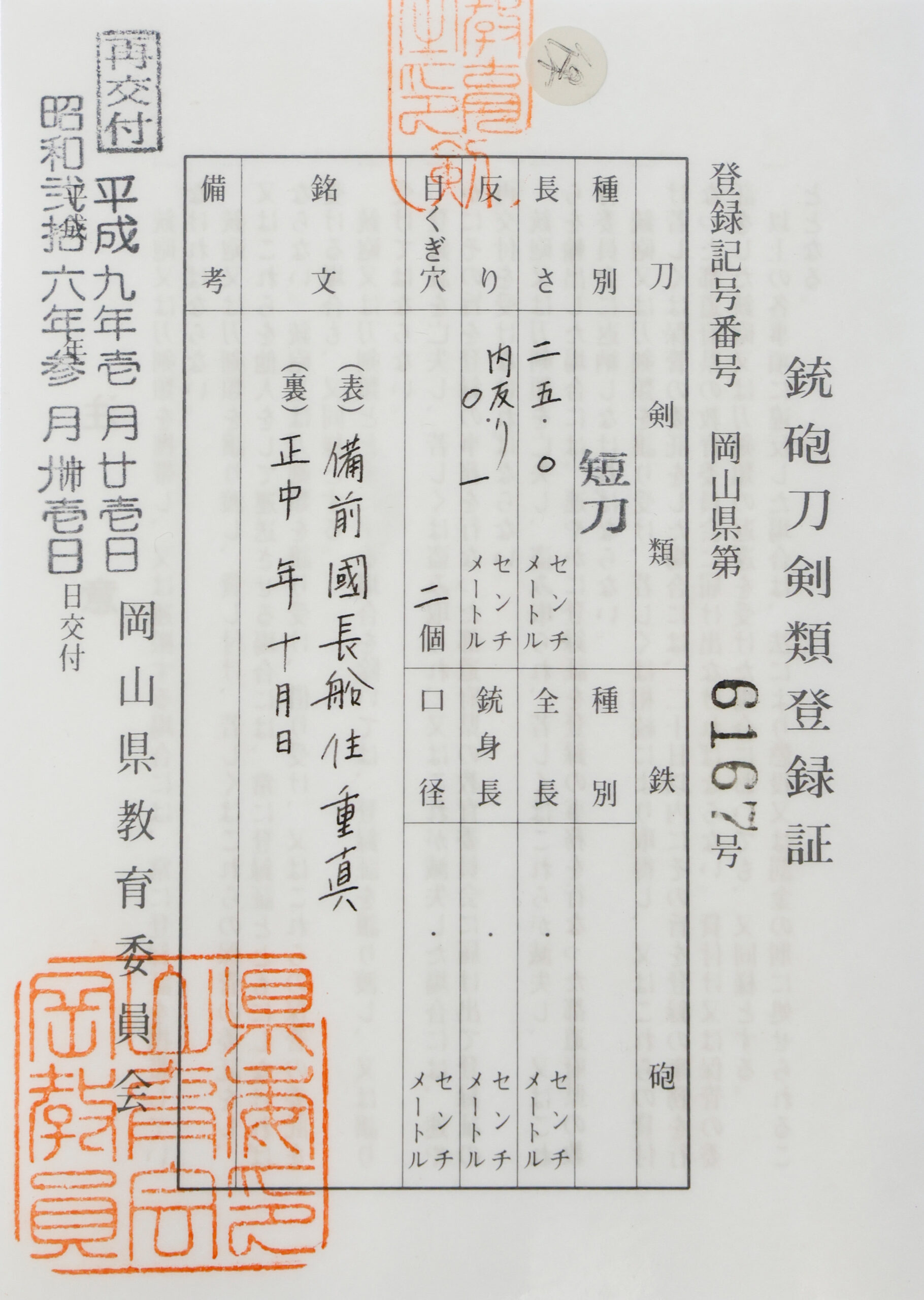
Osafune (Bizen), Motoshige line · 備前 · 1327-1358頃
藤代 上々作 · 刀剣大鑑 上位10%
現在2点販売中
重眞は備前長船元重一派の刀工で、鎌倉時代の末から南北朝にかけて活躍し、現存最古の年紀作は嘉暦二年(一三二七)の寸延びの短刀、最も新しいものは南北朝の延文四年に及び、その間は記録の上で三十三年に亘る。説明書は古来本工を初代元重の弟、あるいは一説に門人と伝え、その手を長船後期の相伝備前のうちに置く。古備前の華やかな丁子ではなく、より静かで角ばった元重一派の手であり、説明書はこれを元重に近似し青江気質を混じえた出来と読む。有銘確実な作は極めて少なく、その名で残るものの多くは、銘ではなく体配と刃文の構造から極められている。
最もその作を分かつのは刃文である。直刃調を基調として角張る互の目を焼き、福岡の丸い丁子ではなく元重一派と読む角ばった肩を見せ、これに一派の構造的な見どころたる片落互の目、すなわち区側へ傾く非対称の鋸歯状の刃が連れる。刃文はしばしば逆がかり、その中へ足・葉が入り、小沸つき、細かに砂流し・金筋がかかる。匂口は沈みごころとなり、その静かにやや沈んだ匂口こそ、説明書が繰り返し元重の手の徴として挙げるところである。帽子は乱れ込んで尖って返り、あるいは小丸・焼詰めとなる。
地鉄は、刃文だけなら相伝と読める時にも極めを備前に留める。板目を鍛え、多く流れ肌を交えて杢や地斑をまじえ、地沸厚く地景入り、肌はやや立つ。その上に古備前の明るい乱れ映りが鮮明に立ち、時に刃寄りに淡い棒映りを見せる。最上の作の地鉄は青黒い色調に冷たい冴えをみせ、匂口明るく刃中の働きに富み、処々に荒目の沸が強くきらめく。
その記録は三つの面に分かれる。本流は説明書が元重に近似と読む直刃調・角張る互の目の作で、多くの大磨上無銘の極めを支える手である。これに対して稀な例外が、延文三年紀の生ぶ茎在銘の太刀で、説明書はその出来を「作風は元重風ではなく」[[c:1]]と記し、物打に尖り互の目を交えた率直な丁子乱れに開く。第三の面は現存作の大半をなす大磨上無銘の刀で、元来三尺に余る大太刀が少なくなく、身幅広く反り浅い南北朝の姿をとる。説明書は元重同様この間に初・二代の存在を認め、二字太銘を初代、小銘に「左兵衛尉重真」と切る銘振りを二代とする説を挙げるが、なお向後の検討に俟つとする。
長船後期にあって本工を分かつのは、まさに極めの言うところである。角張る互の目と片落互の目、逆がかる刃文と沈みごころの匂口、肌立った板目の上の明るい乱れ映りは、本工を元重とともに置き、福岡・吉岡のより丸く華やかな備前から分かつ。一方で説明書はその鍛えに青江を取り込んだ手を読み、その出来を「青江気質を混在させた出来口」[[c:3]]と評する。本工と極められた無銘の刀について説明書は「雲類、近景」などの見方もあり得るとしつつ、体配と地刃の子細を詳細に見て重眞に絞り、乱れ映りが鮮明に立って備前は動かずと記す。
収集の観点では、重眞は稀な在銘の名である。藤代の極めは上々作で、その記録は国宝・重要文化財ではなく、一口の特別重要刀剣と多くの重要刀剣、両級併せて四十五口を通じている。最上の作の価値はその資料性にある。折返しの長銘を残し「同工の代表作」と称された特別重要刀剣の刀、現存最古の年紀をもち本工研究の足がかりとなる嘉暦二年の短刀、そして「薙刀のままで現存した貴重な作」[[c:6]]と評され当初の姿を留めた薙刀である。所在の知れるもののうち数口は公の機関に収まり、林原美術館や備前長船刀剣博物館がこれを蔵し、作の伝来は大名家・旧家を経て、松平右近将監輝貞と高崎藩松平家、また丹羽家から徳川慶喜へと及ぶ。在銘の重眞が世に出ることは稀であり、私蔵の一口、ことに生ぶや年紀のあるものは収集家にとって注目すべきもの、元重の手がいかに備前を南北朝へ運んだかを語る証である。
重眞の位置づけを、日本刀全体および伝法・時代・時期ごとに示します。各区分(随一・屈指・有数・著名)は、NBTHK および文化庁による指定に加え、三作や名物帳などの歴史的栄誉を加味したものです。
各項目を選ぶと評価方法が表示されます。
在銘年紀作が示す、確実に活動していた年代
備前伝 · 備前
現在190点販売中
備前国邑久郡長船の地に興り、鎌倉時代中期から室町時代末期に至るまで連綿と鍛刀を続けた、刀剣史上最大の流派である。事実上の祖は光忠で、近忠の子と伝えるが近忠の作刀が知られないため、長船本流の起点はこの工に置かれる。古伝はその源を古備前正恒の一類が長船に移り住んだことに求め、光忠はその流れを承けて一門を興したと説く。すなわち本流派は、古備前の地盤の上に、丁子を主調とする華麗な作風をもって自立した備前鍛冶の本系である。光忠の下に長光、真長、景光らが輩出し、以後、相伝備前の兼光・長義・元重、室町初期の応永備前を経て末備前に至るまで、備前伝の中核を担い続けた。 作風は備前伝を基盤とし、よく錬れて杢を交えた板目に地沸が微塵につき、地景が細かに入り、地に乱れ映りが鮮明に立つ鍛えを共通の地とする。この乱れ映りこそ、在銘無銘を問わず一門の作を備前へ繋ぎ止める最も確かな標である。刃文には世代ごとの軸がある。草創の古長船にあって光忠は蛙子丁子を看どころとし、子の長光は頭の丸いふくらみのある丁子を加え、孫の景光は片落ち互の目を完成して逆がかりの足を看どころとした。この光忠、長光、景光の三代が長船嫡流の背骨をなし、近景がその影として景光をほぼ完璧に映し、真長は同じ地に締まる匂口の直刃を得意とした。南北朝期に入ると兼光が嫡流を承けつつのたれ主調の大模様を加え、相州伝を摂取した相伝備前の作風が現れる。長義は耳形の刃を看どころに兼光以上に相州伝を強調し、長重と兼長がこれに連なり、義景は匂口の沈むところに、元重は焼頭の揃った角ばる刃と青江気質に、それぞれ別系の個性を示した。体配もまた時代を映し、鎌倉の腰反り高い太刀から、南北朝の身幅広く大鋒の延文貞治型へ、さらに応永備前では古作への復古を志して優美な太刀姿と丁子刃が甦る。康光と盛光を双璧とする応永備前は、腰の広く開いた互の目とローソクの芯と称する尖り返る帽子を看どころとし、その腰開き互の目と棒映りは末備前へと受け継がれた。長光景光以来の梵字、三鈷剣、倶利迦羅、八幡大菩薩などの刀身彫もまた、末備前まで絶えず継承された一門の標である。 鑑定にあっては、まず鮮明な乱れ映りで一門を備前と読み、次に世代と系統の看どころで工を分かつ。蛙子丁子は光忠、丸い頭の丁子は長光、逆がかる片落ち互の目は景光、のたれと角互の目は兼光、耳形の刃は長義、角ばり逆がかる刃と蝉の羽根の肌は元重、ローソクの芯の帽子は応永備前という具合に、看どころが系統と時代を指し示す。嫡流の光忠、長光、景光、兼光は藤代の最上作に列し、なかでも長光は重要文化財の指定数が全刀工中最多で、嫡流の作には名物大般若長光や小龍景光をはじめ、織田信長、徳川家康、上杉謙信ら天下を握った者の手を経た作が多い。相伝備前の長義や兼長、応永備前の康光や盛光もそれぞれ重きをなし、別系の元重もまた南北朝備前の大きな名を保つ。嫡流の在銘作が市に現れることは稀で、大半は大磨上無銘の極めとして伝わるが、長光のごとく銘を惜しまなかった工の作はなお蒐集家の手の届く範囲にある。後世への影響は計り知れず、本流派の作風と刀身彫の伝統は末備前を通じて室町備前の主流をなし、備前伝そのものの規範となった。 詳しく見る →
南北朝時代の備前
二つの朝廷が争った六十年、刀身は長大化し、長船がその需要に応えた。兼光と長義の工房は実際に戦う国人層の武士に仕え、軍勢とともに相州風が届いて相伝備前が生まれた。
銘が正しい、または無銘でも年代・国・系統を確実に指摘できる、保存に値する真正の作と鑑定されたものです。
日本美術刀剣保存協会(NBTHK)は、1948年に設立され、文化庁の監督を受ける公益財団法人で、東京・刀剣博物館に本部を置きます。専門の審査員が出品作を直接審査し、美術的・歴史的価値に応じた鑑定書を発行します。NBTHKの鑑定書は、日本刀および刀装具の真正性を示す最も広く認知された基準です。
NBTHK公式サイトReturns/exchanges limited to defects caused by shipping (except willful misconduct or gross negligence by the company); customers must contact within 72 hours of receiving the product.