応仁の乱が足利の体制を砕いた後、戦国の一世紀はほとんどすべての国を武装させた。この時代は選ぶ目に報いる。並の作は多いが、その傍らには第一級の注文打ちが立っている。
 NihontoWatchNihontoWatch
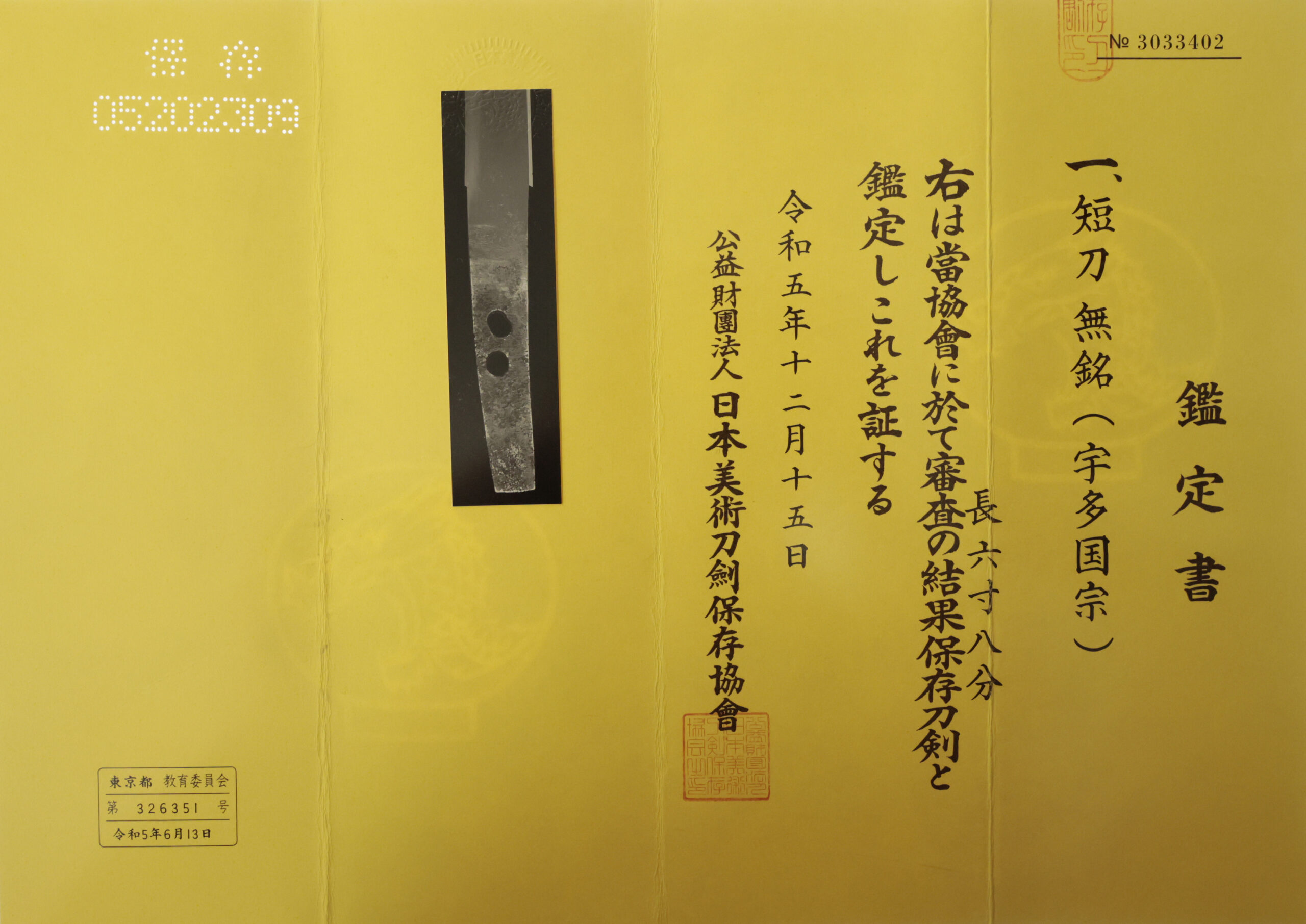
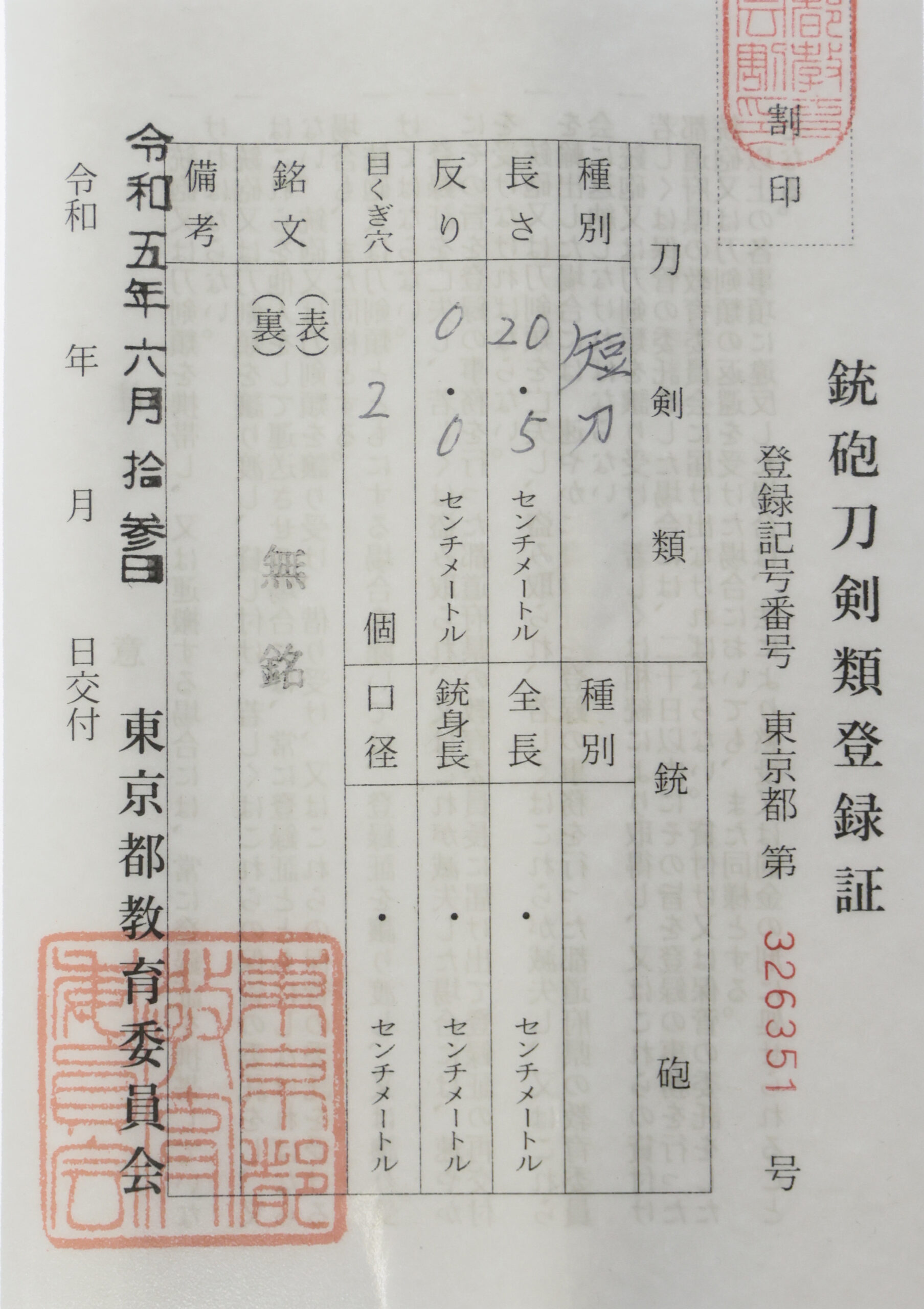
Summary This blade is attributed to the work of Uda Kunimune (宇多国宗), a swordsmith active from the Nanbokuchō period to the early Muromachi period. He was one of the leading swordsmiths of the Uda school and a successor in the lineage of Uda Kunimitsu (宇多国光). Kunimune’s works are known for their well-forged jigane (steel texture) and practical yet elegant hamon (tempering pattern), reflecting the influence of the Yamato-den tradition. His swords were valued for their durability and cutting ability, making them highly sought after by samurai during turbulent times. Uda (宇多) is the prestigious school that originally flourished during the Nanbokuchoto-mid Muromachi period(approx. 1334-1491). It was founded by Kunimitsu(国光) in the late Kamakura period. The school was located in Etchu province in Toyama prefecture today. Kunimitsu was originally from Yamato Uda Gun(大和宇多郡), located in Nara prefecture but moved to Etchu in the late Kamakura period (1299-1333) with his apprentices including the first-gen Kunifusa(国房), and Kunimune(国宗). Kunimune played an essential role for the school to flourish after they moved to Etchu province. Uda school was famous for producing practically designed blades, which were desirable during Nanbokucho- Muromachi period. Among other schools in the Hokuriku region (the northwestern part of Honshu), Uda school was the most prominent school. What is Tanto? Japanese swords under the blade length of 30cm (11.6 inches) are generally called TANTO, and sometimes TSUBA(鍔; Hand-Guard) is not attached to the TANTO. It was easy to carry and convenient for close combats. It was initially used as a supplemental weapon for Samurai on horseback, who used a pole weapon or long sword in the Kamaura-Muromachi period. Samurai aimed at an unprotected area of his enemy’s armor with Tanto while having to fight with close distance. TANTO was named accordingly, depending on how you carry it, such as HUTOKORO-GATANA (懐刀; Stomach-Sword) or KOSHI-GATANA(腰刀; Waist-Sword) or elsewise. TANTO was also a gift for a bride from her family in a traditional Japanese wedding, as it is believed that TANTO would be divine protection from evil power. This blade is appraised as a Hozon Touken (保存刀剣) issued by NBTHK (Nihon Bijutsu Touken Hozon Kyokai: 日本美術刀剣保存協会). *Please keep in mind that there is a couple of Kitae Kizu on blade. Saya This scabbard is covered with black lacquer. Due to its high waterproof effect, lacquer has been used since ancient times in Asia. The blade of a Japanese sword is made of iron, and moisture is the greatest enemy of iron. For the purpose of carrying the blade without degrading it, people devised a method of coating the scabbard with lacquer. To prevent not only moisture but also rain and snow from penetrating the inside of the scabbard, it was necessary to apply multiple layers of lacquer. The Nushi (塗師, lacquerers) was born precisely because advanced techniques were required to handle the complicated processes. Authentication Paper They authenticated the blade on December 15th in the 5th year of Reiwa (2023). They appraised it as Hozon Touken, the blade worth preserving for Japanese society.

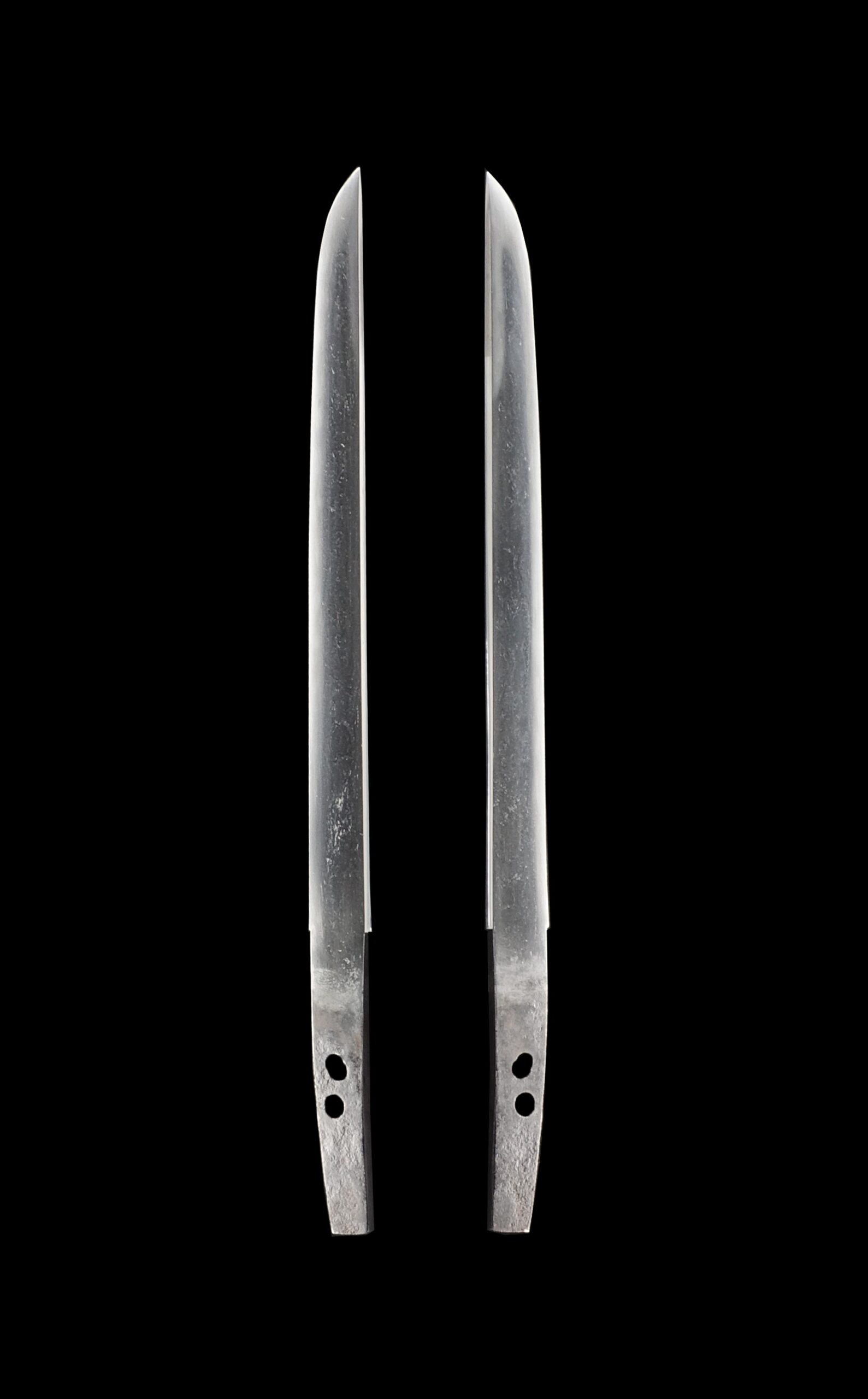
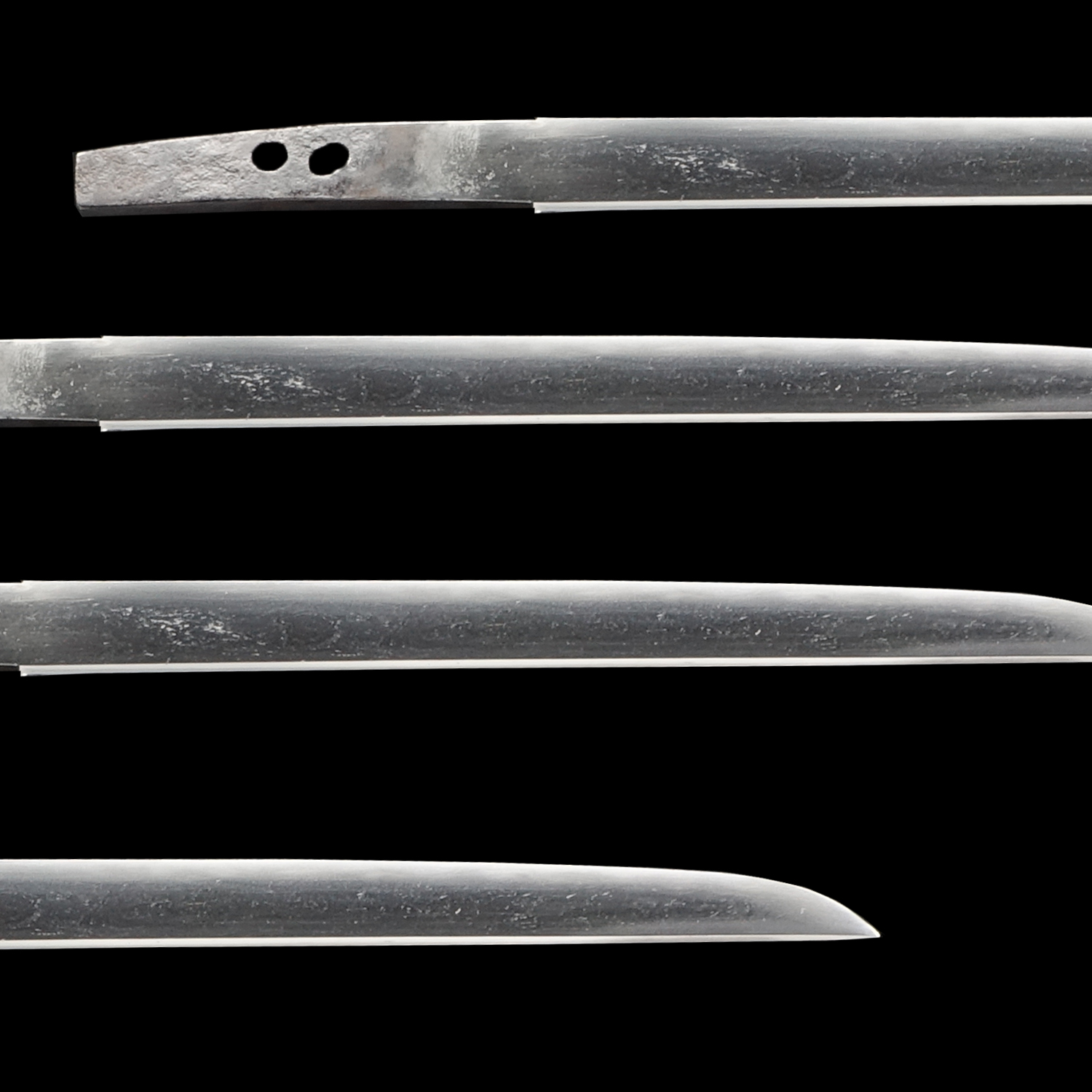
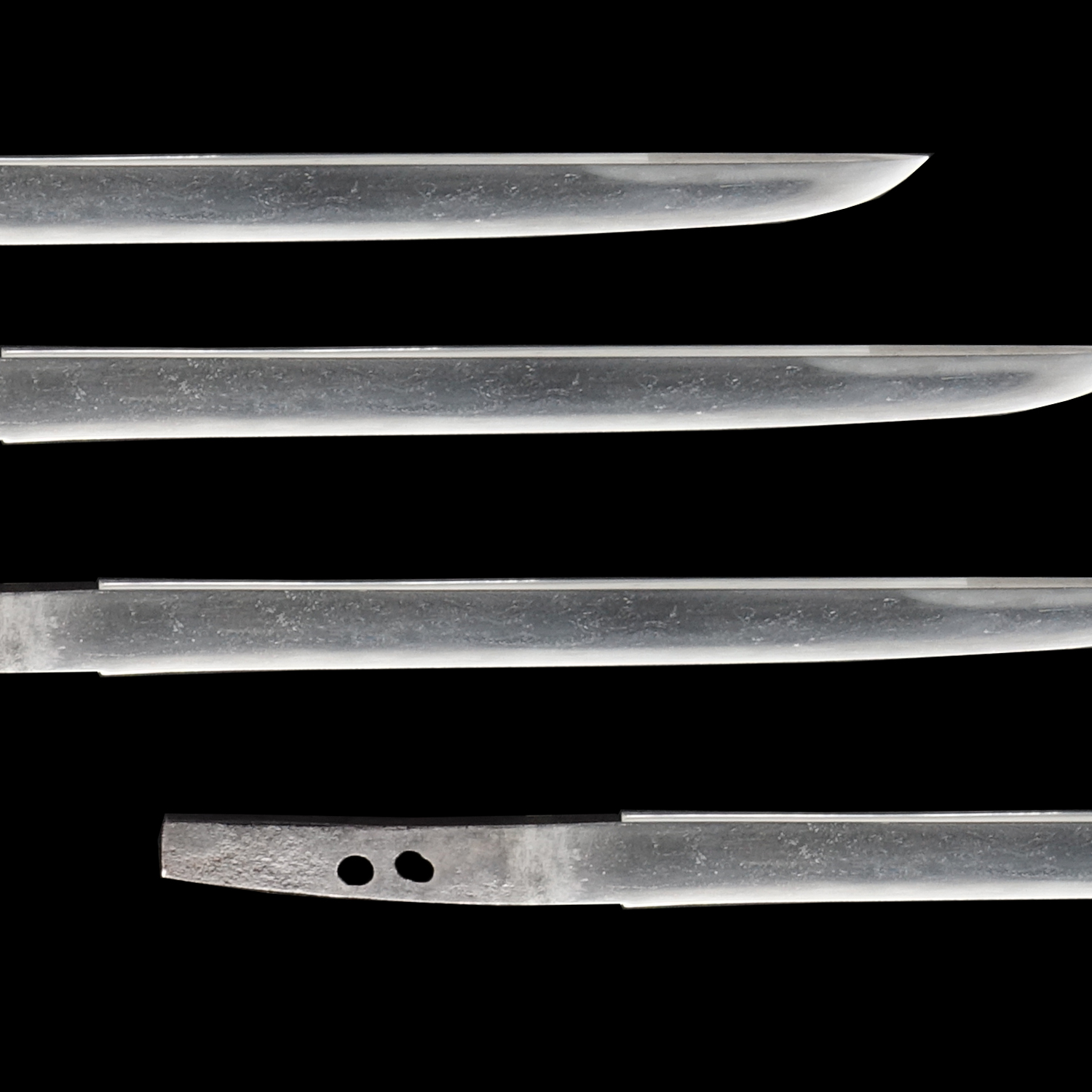
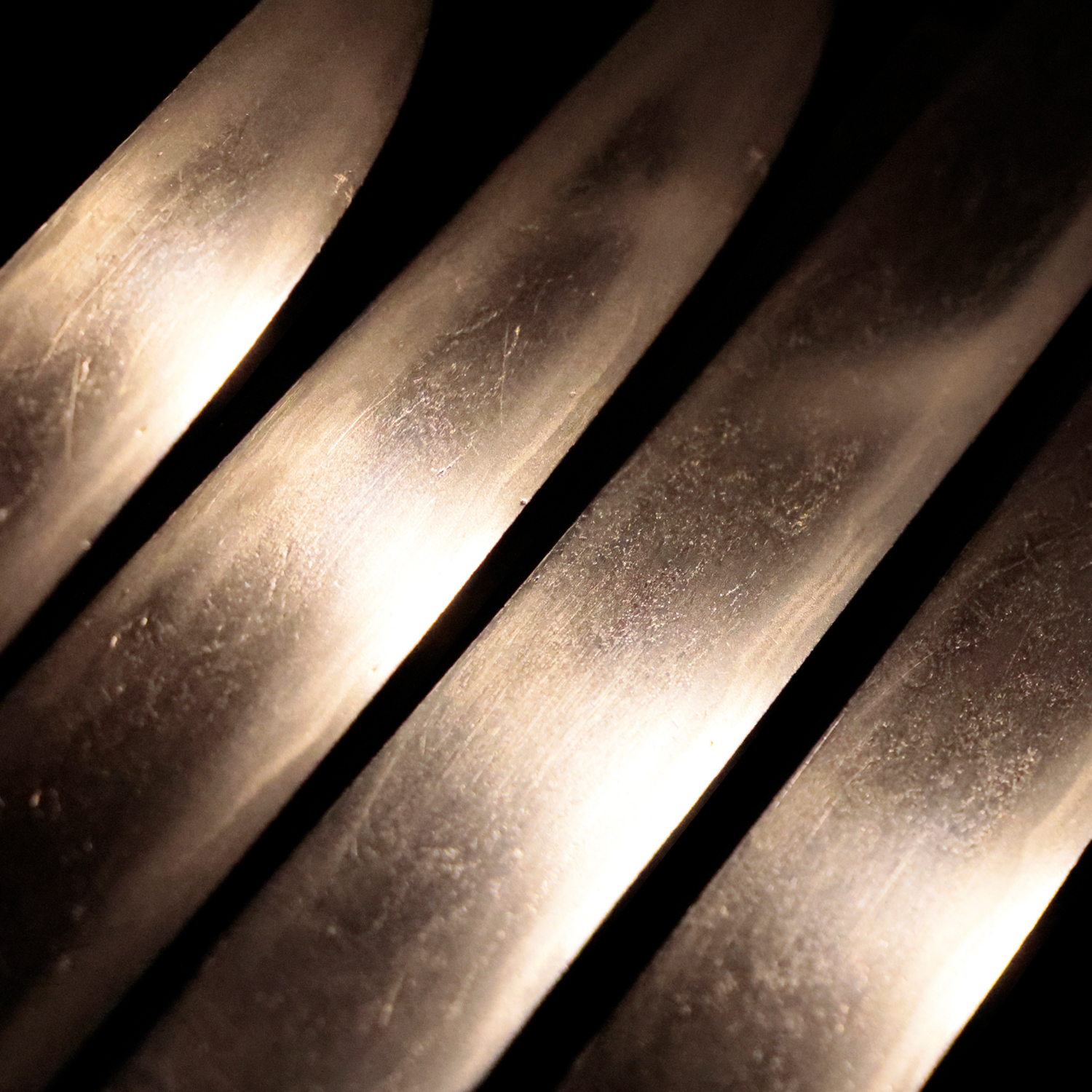
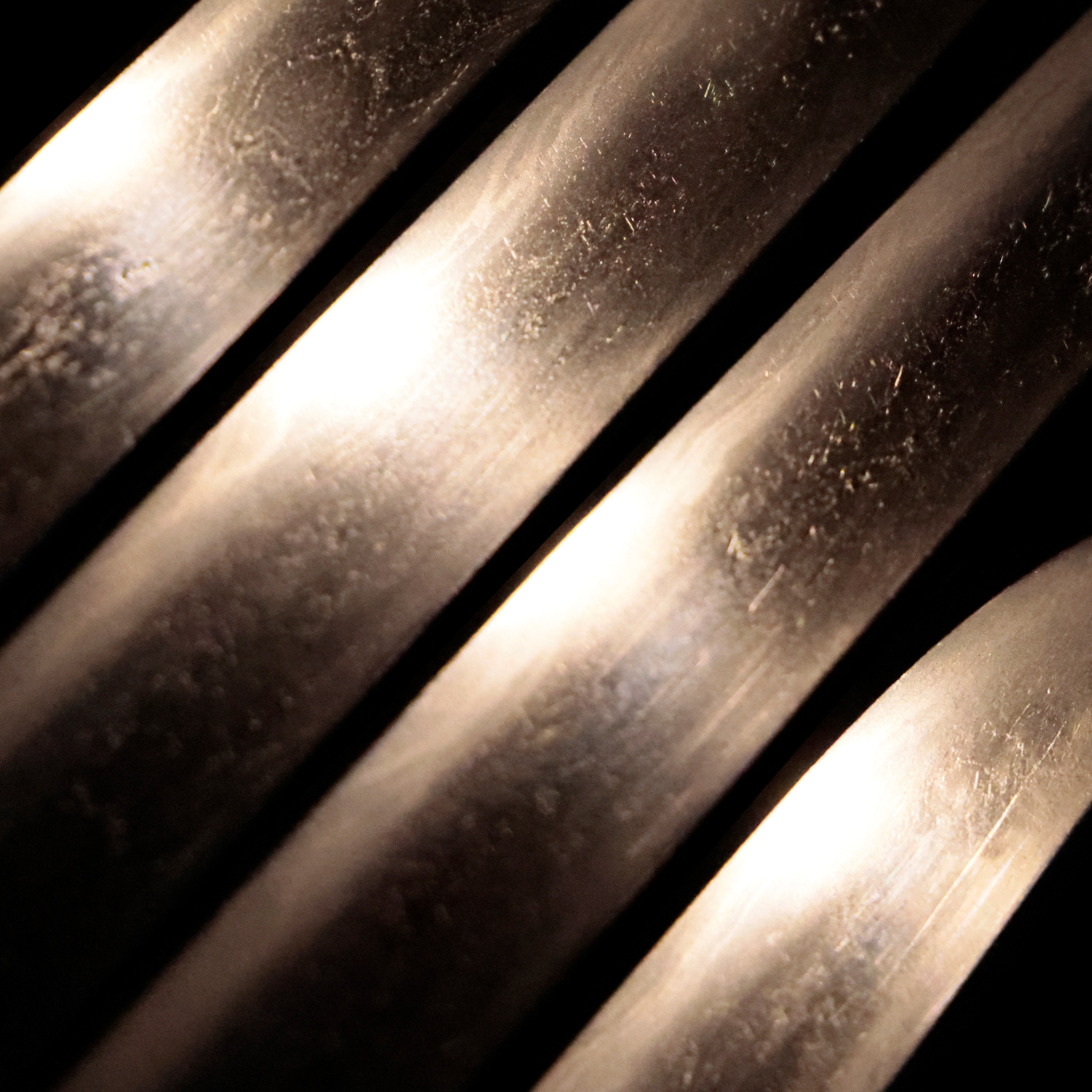
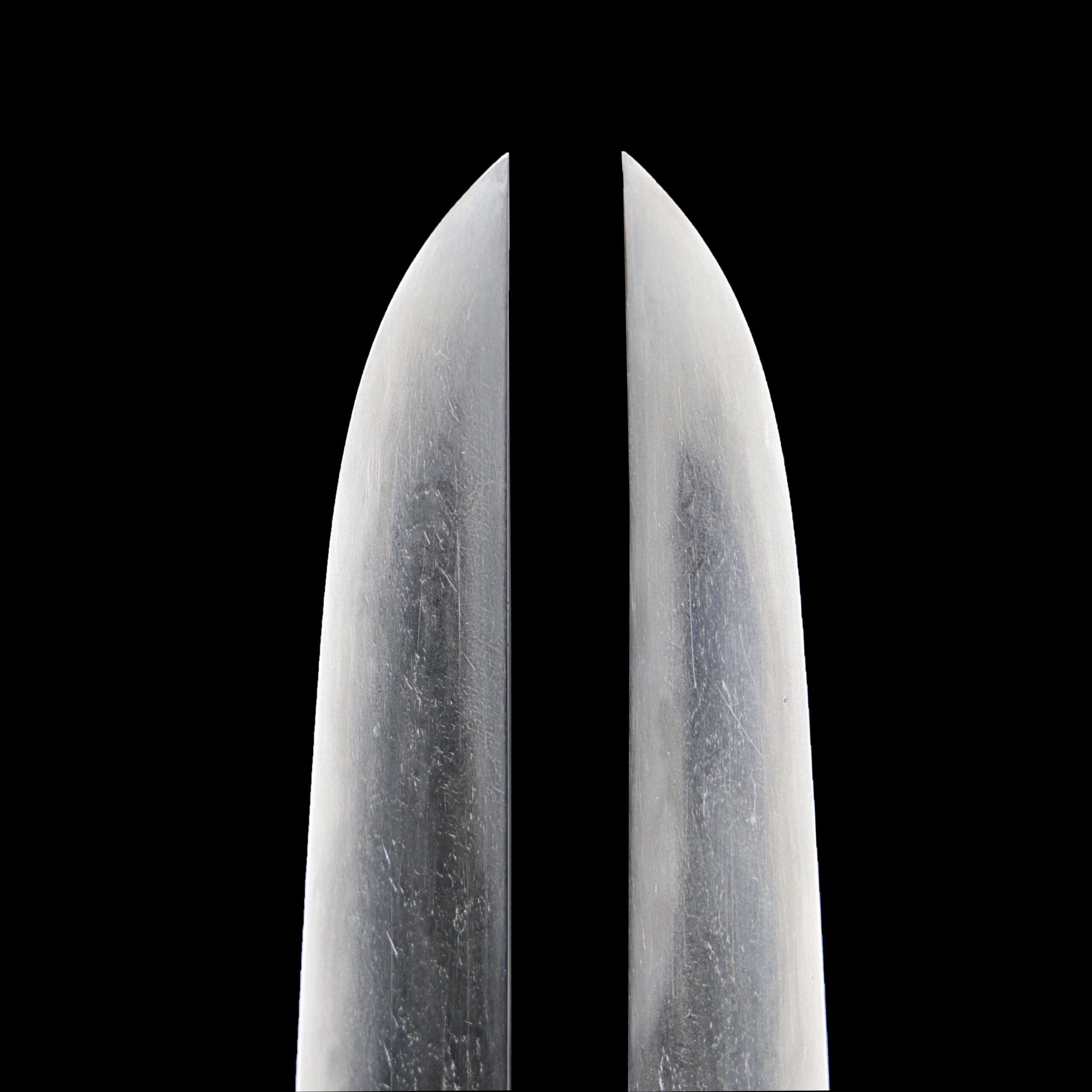
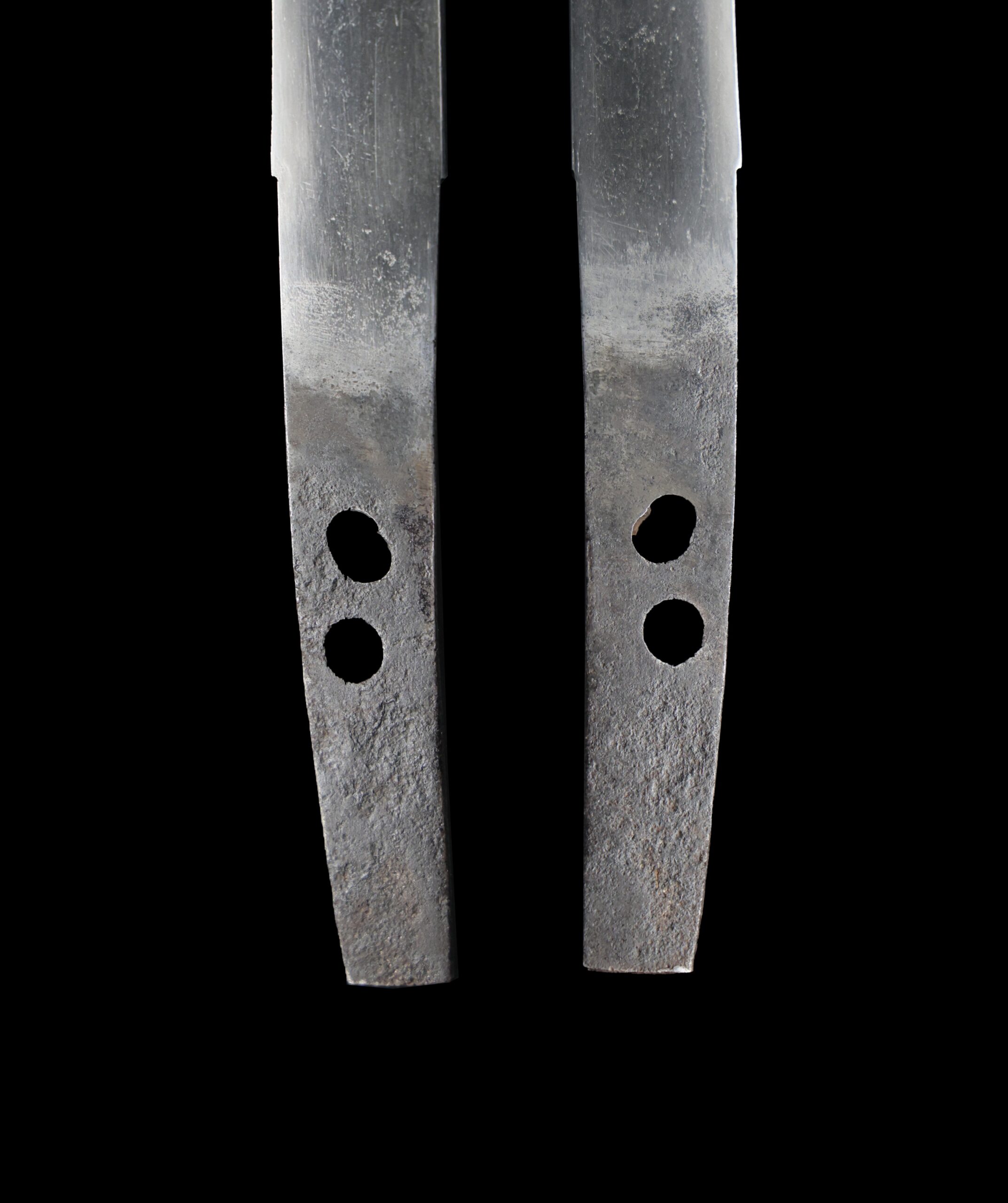
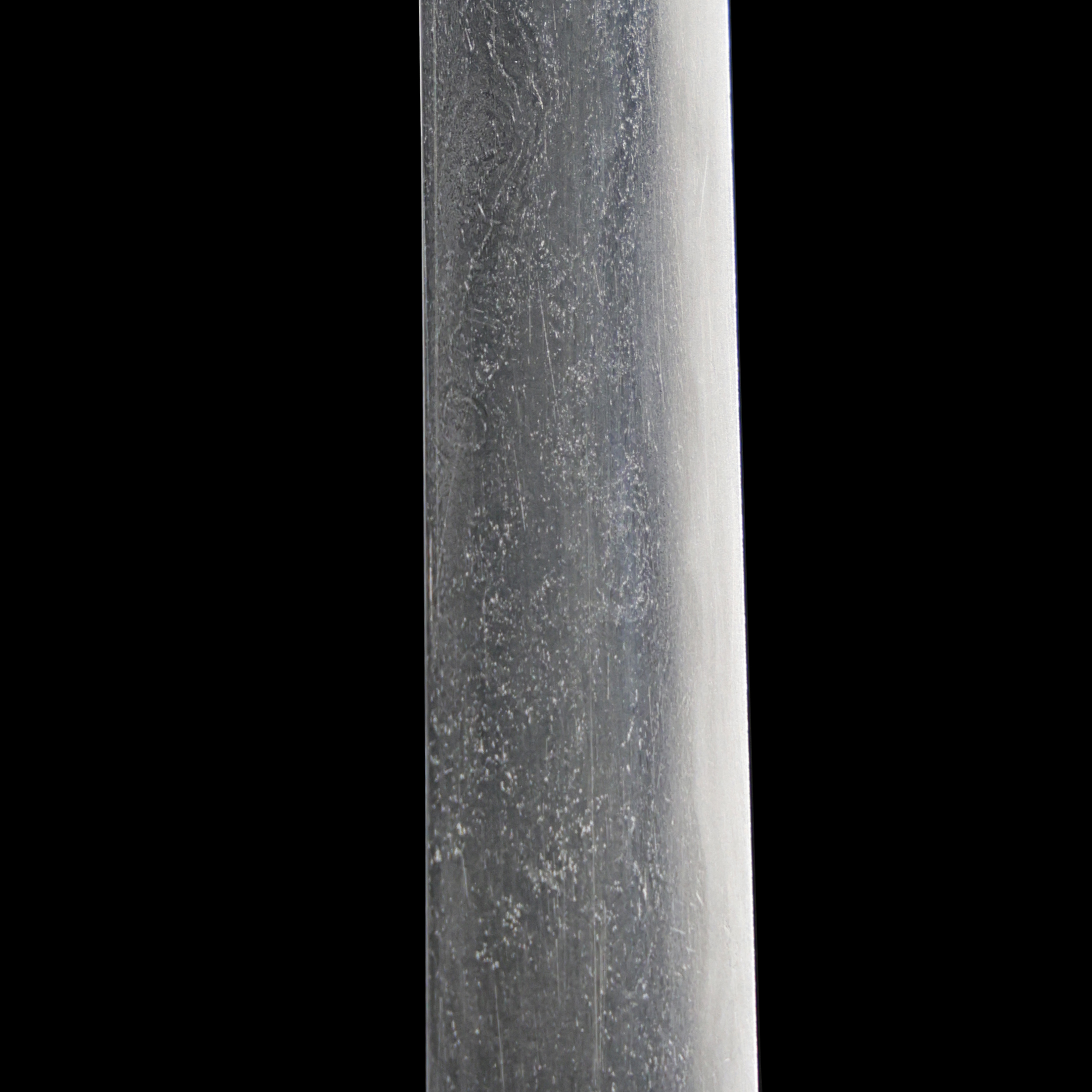
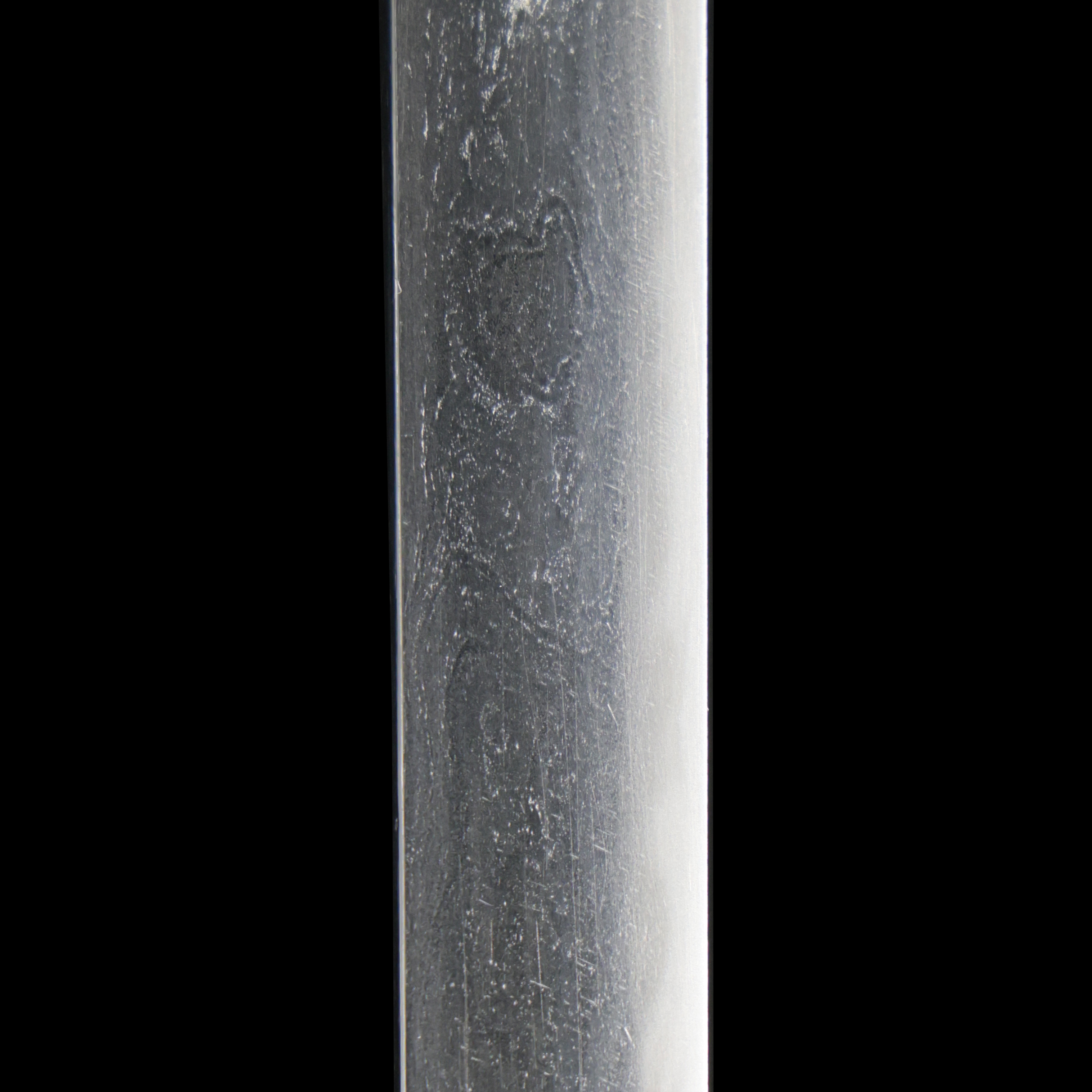
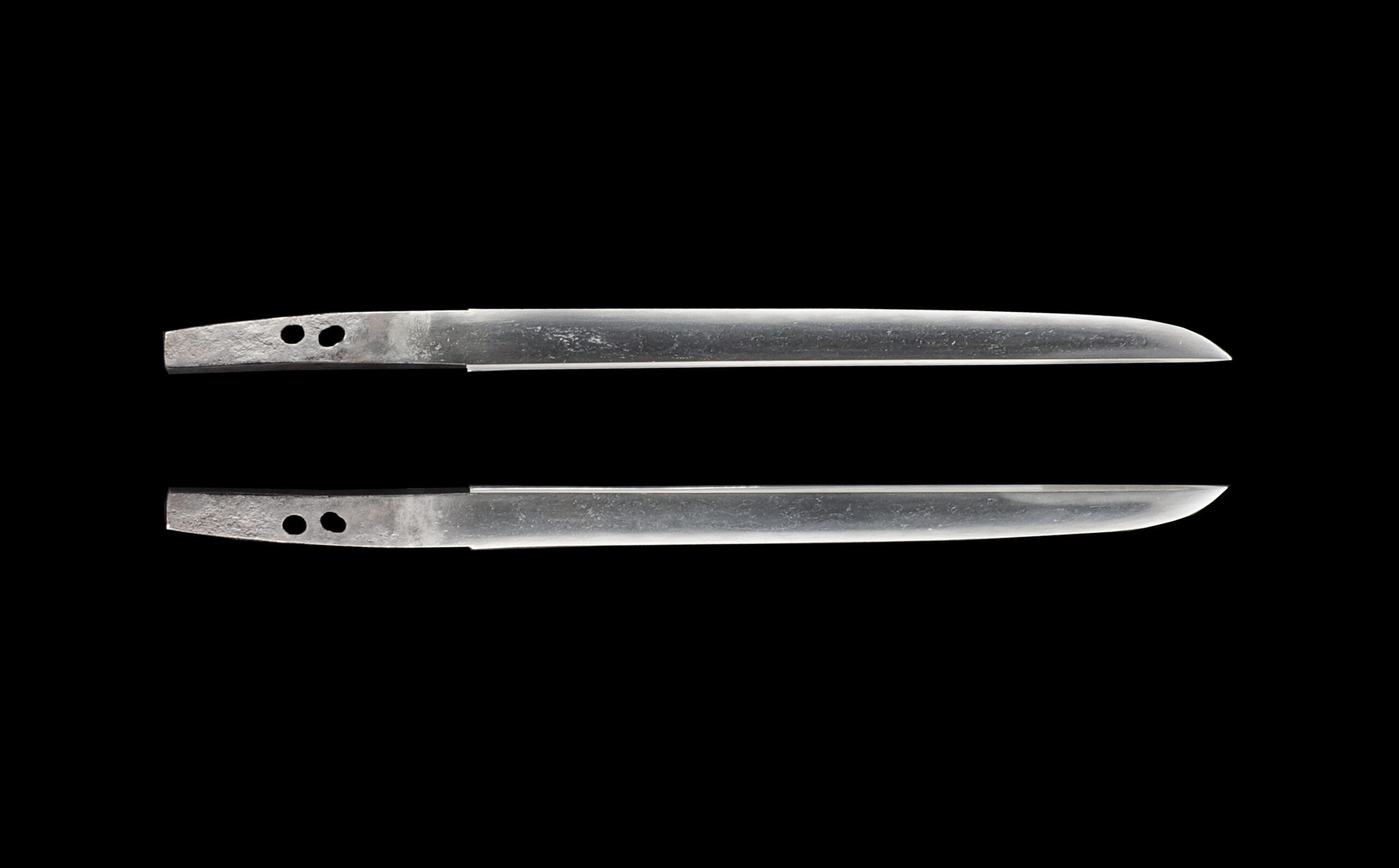
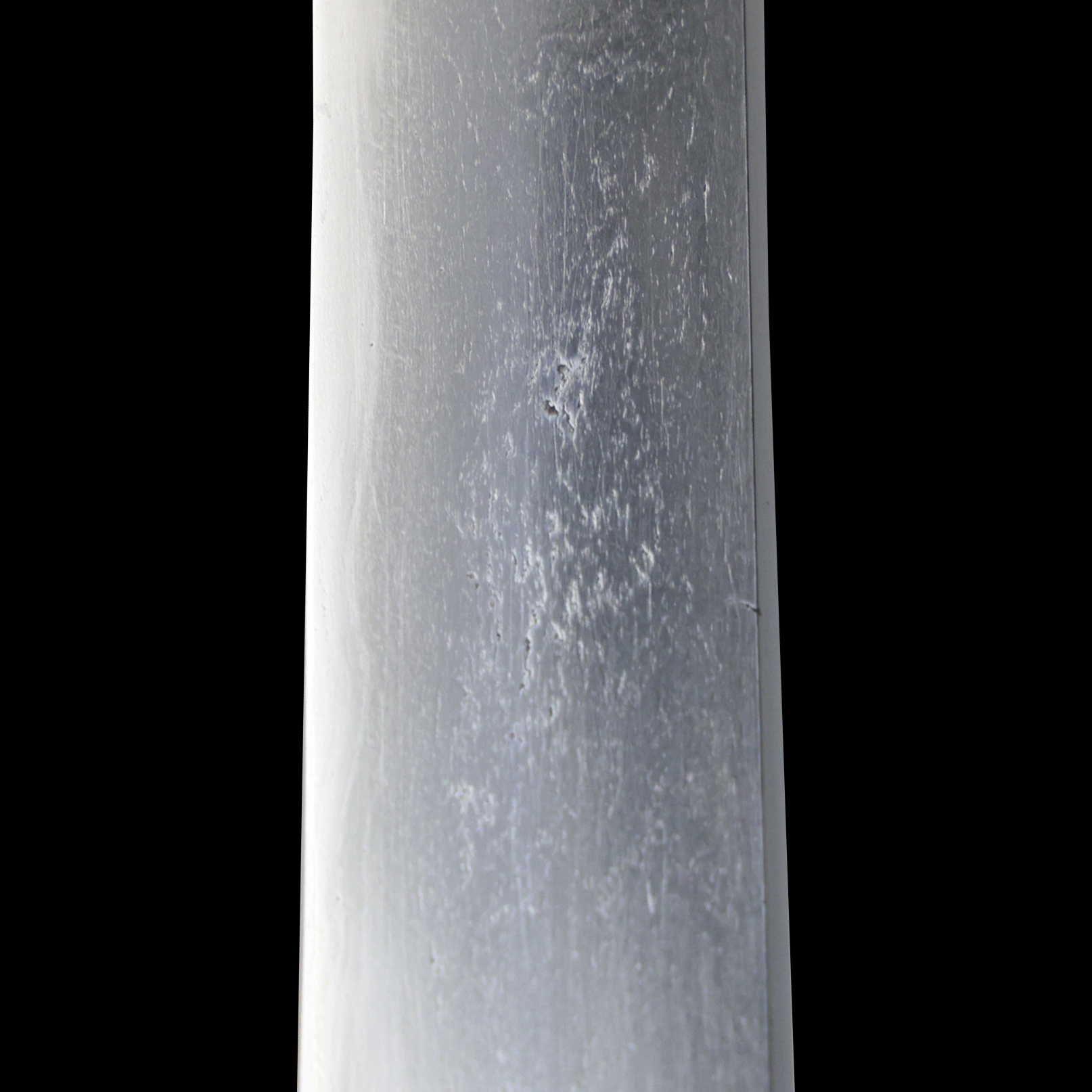
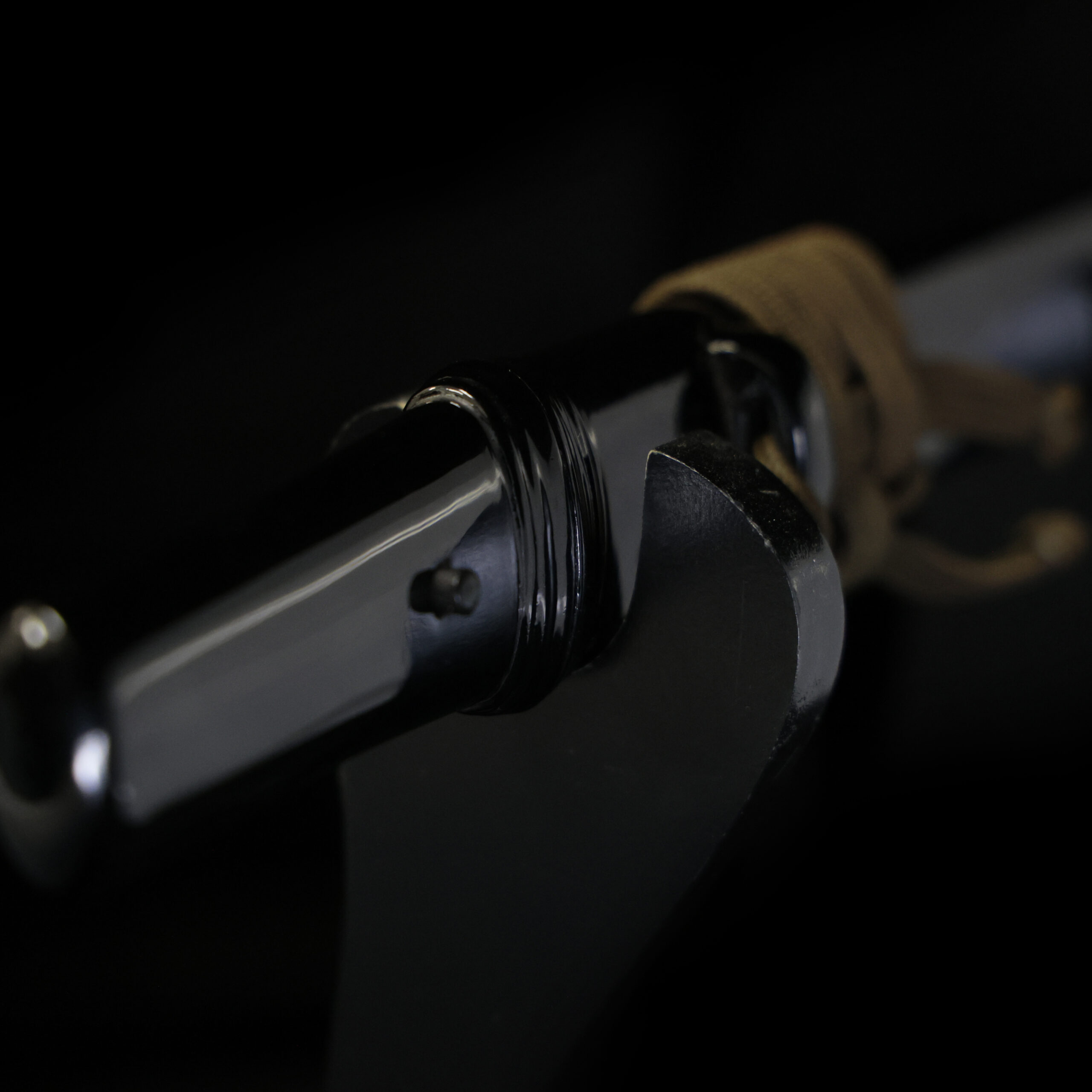
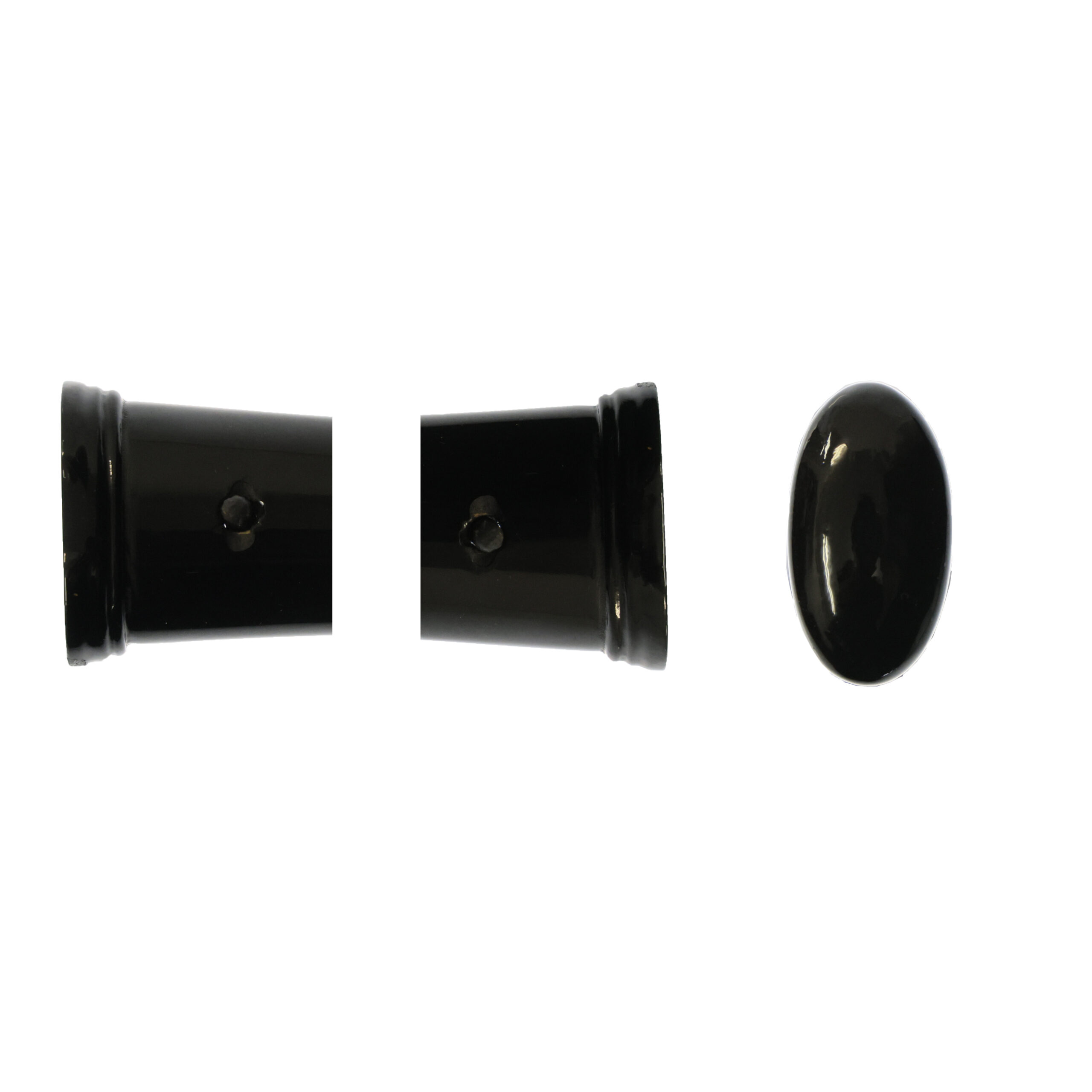
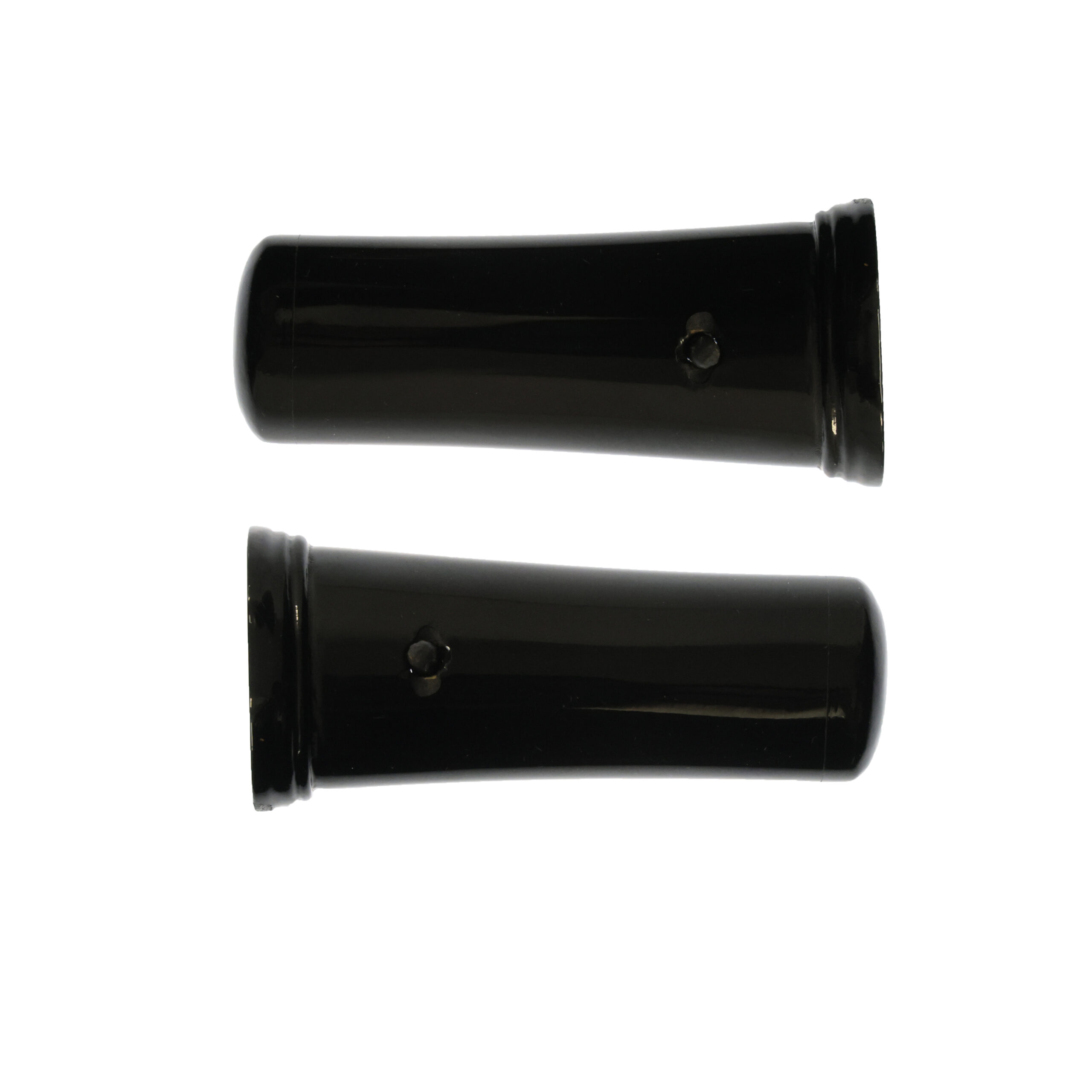
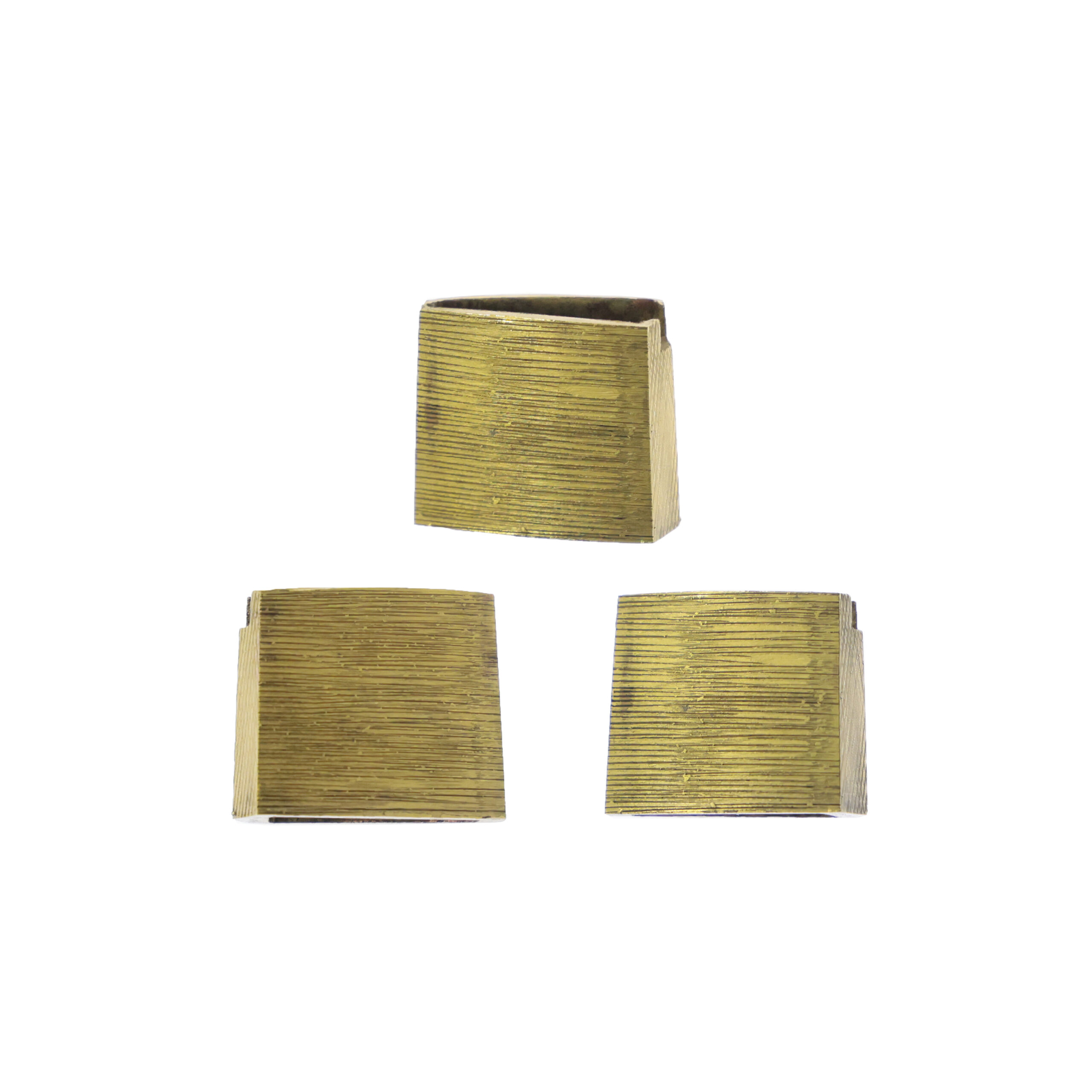
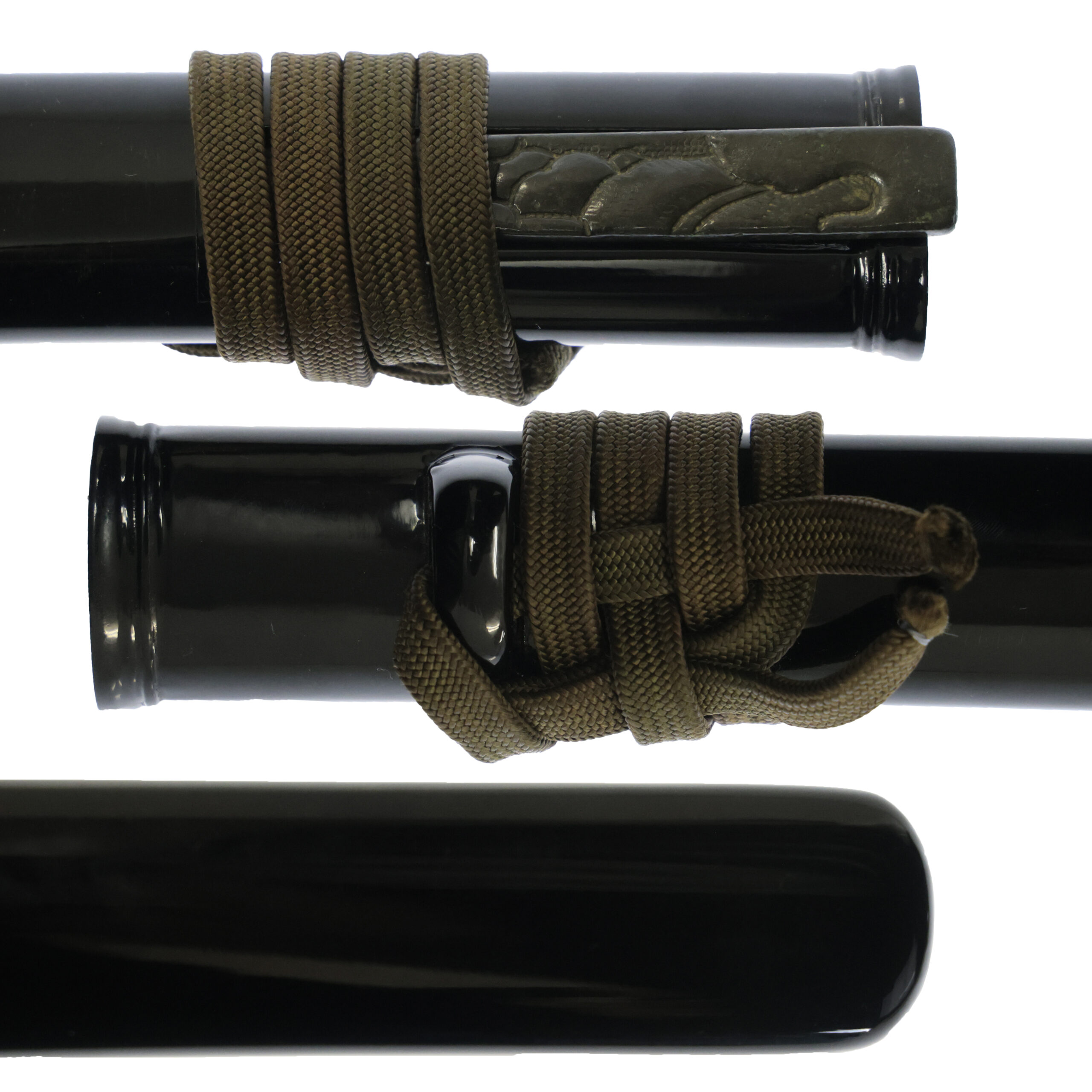
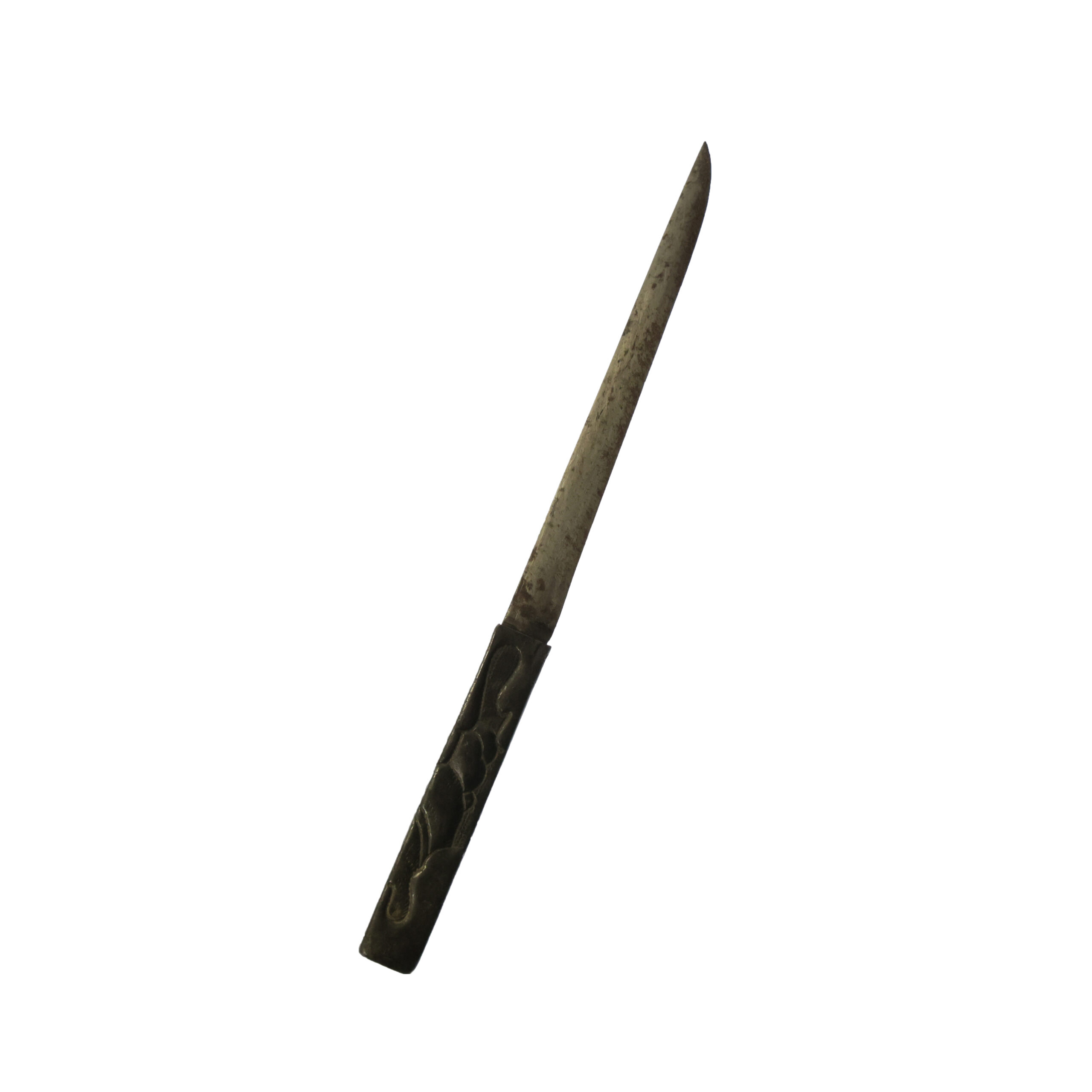
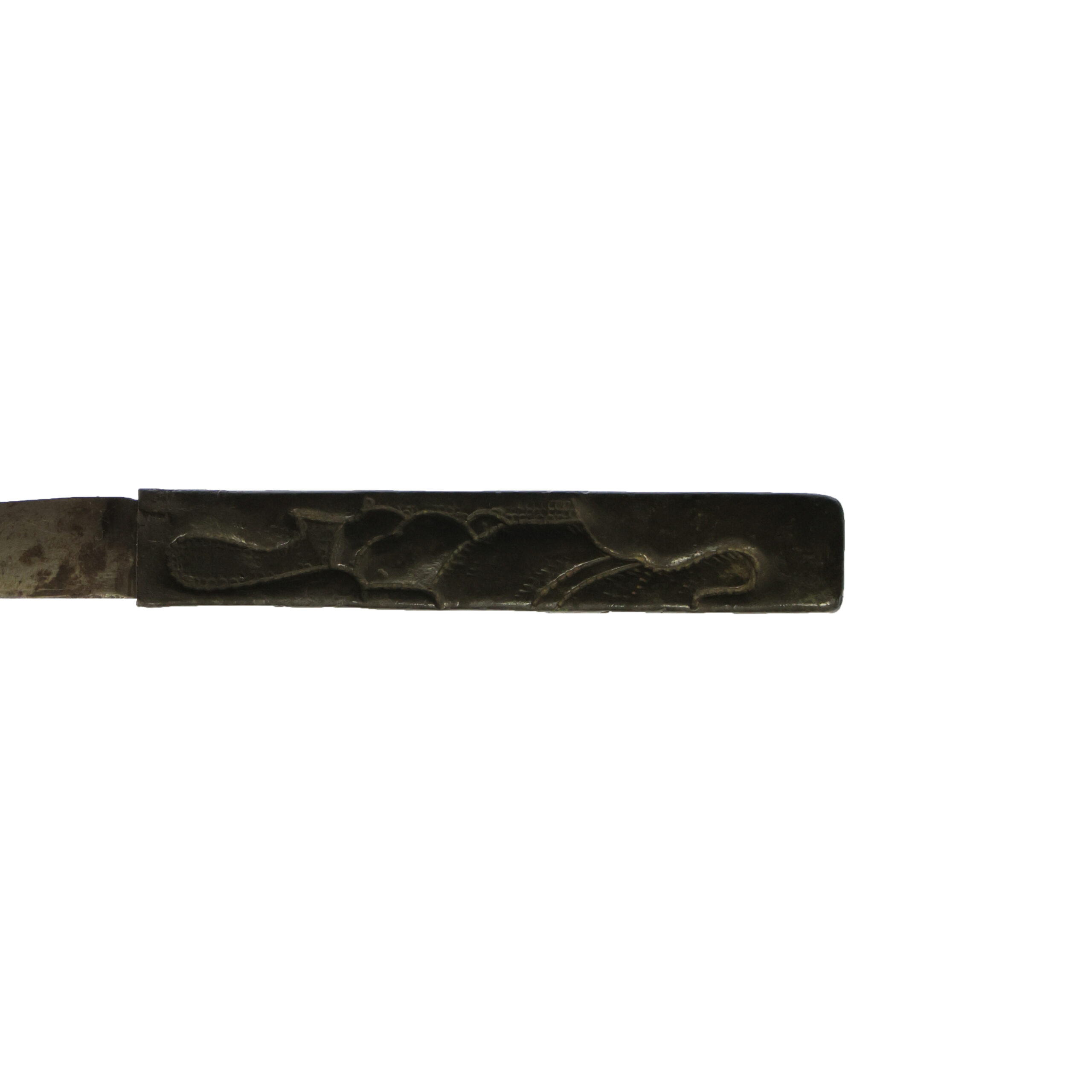
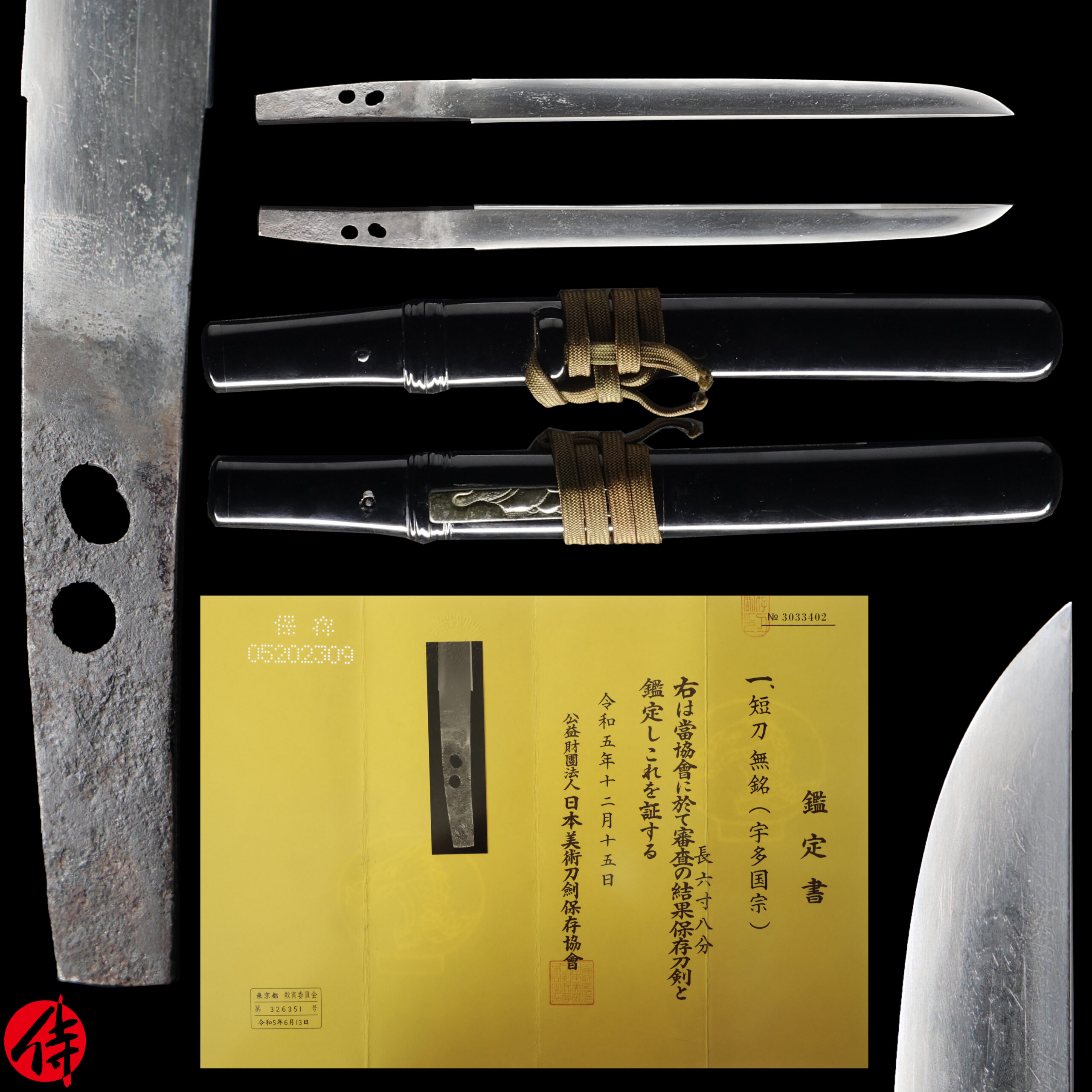
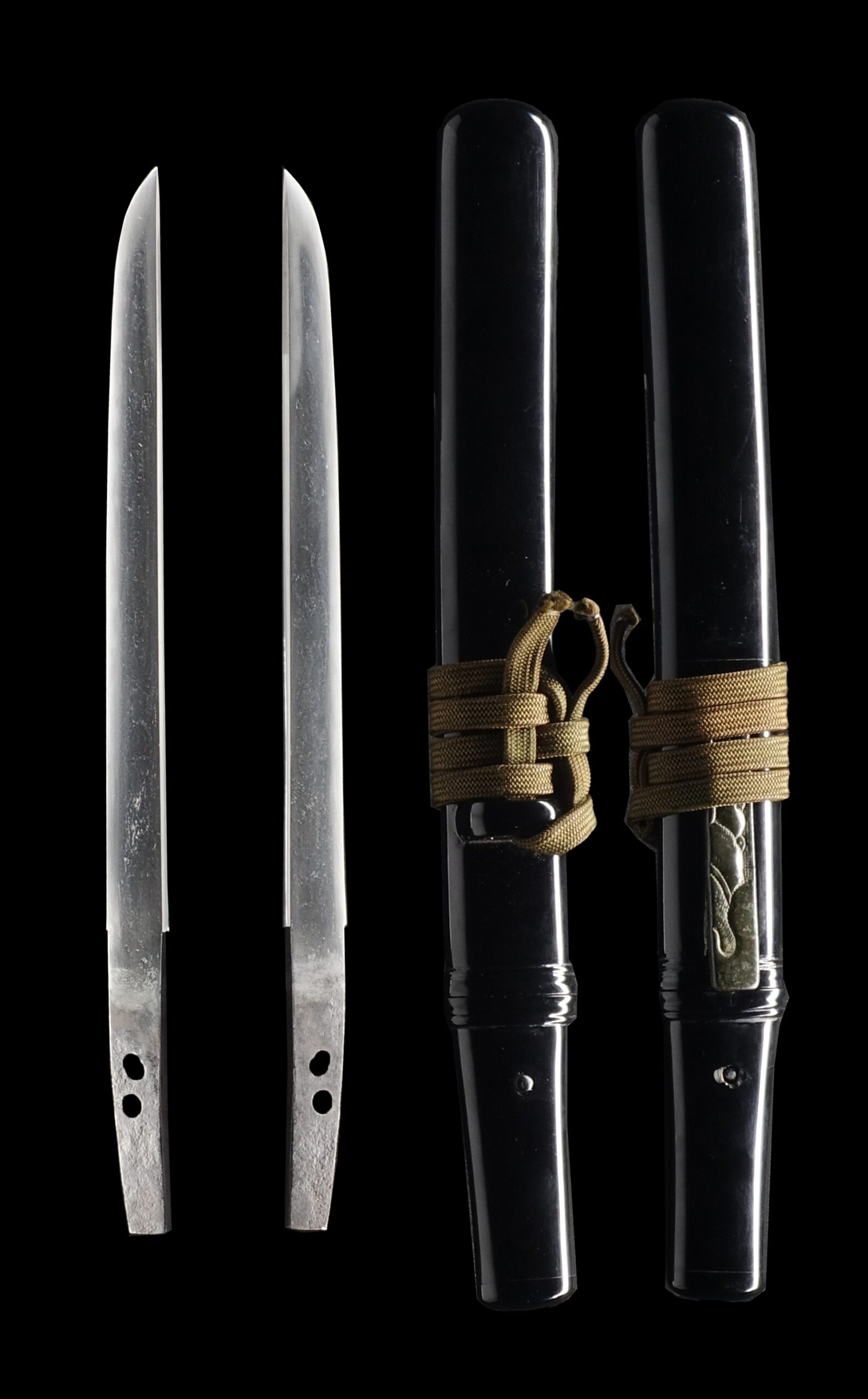
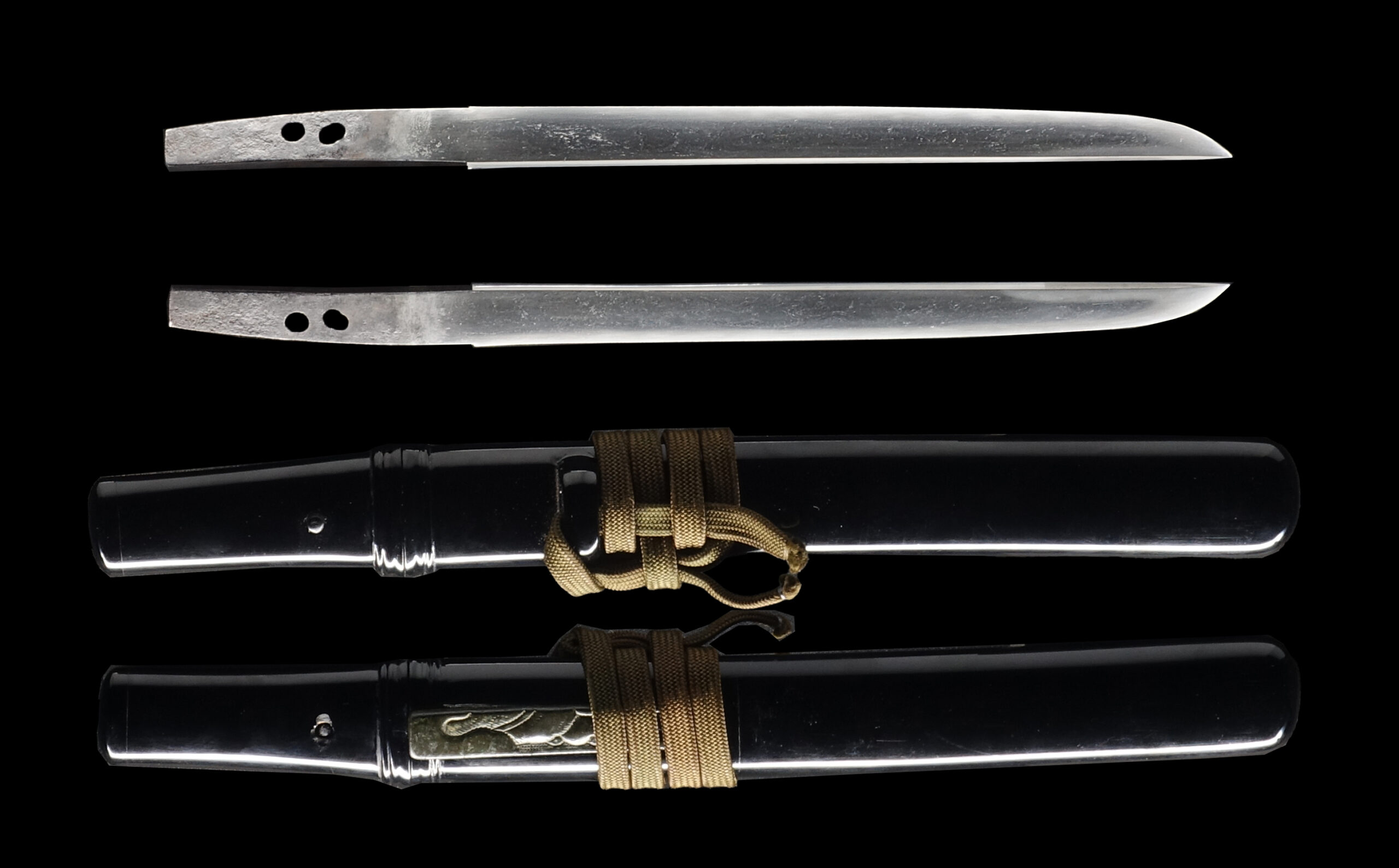
販売店の記載のまま
脇物 · 越中
現在22点販売中
宇多派は、鎌倉時代末期の文保年間(一三一七~一三一九)頃、大和国宇陀郡から越中国に移住した古入道国光を祖とする刀工集団である。国光の子と伝える国房を筆頭に、南北朝時代には国宗、国次、国光と同名が相継いで活躍し、室町時代末期まで栄えた。このうち、南北朝時代を下らぬ作品を特に「古宇多」と汎称している。元来大和国宇陀郡の出身であることから、自然に大和気質の強い作風が多くみられるが、同時に越中の先達である則重や江に倣ったとみられる相州伝風の作品も存在する。 古宇多の作風は、板目に杢目や流れ肌を交え、肌立ちごころとなり、地沸が厚くつき、地景が頻りに入る鍛えに、地鉄が黒みをおび、処々肌目が粕立つ点に北国気質が顕著に表れている。刃文は直刃調に浅く小のたれ、小互の目や小乱れを交え、匂深く沸がよくつき、刃縁がほつれて、金筋や砂流しが頻りにかかり、匂口が沈みごころとなる特色を示す。帽子は小丸に返り、頻りに掃きかけて焼き詰めごころとなるものが多い。一見すると相州上工の作を想わせる覇気に満ちた出来口であるが、黒みをおびた地鉄には北国物特有の肌合いの特色が看て取れ、また刃縁がほつれて砂流しが激しくかかる点に古宇多と鑑すべき要素がある。処々に荒めの沸が交じり、湯走りや打のけ、二重刃風の働きを交えるものもあり、地刃ともに変化に富む。 南北朝時代の典型的な姿を呈し、身幅広く重ね厚く、反りやや深く、中鋒延びごころまたは大鋒となる豪壮な体配のものが多い。地刃ともに健全で、覇気に満ちた出来口を示す作品が多く、同派極めの中でも優品とされるものが数多く残されている。越後中条家伝来の黒漆革巻太刀拵のように、南北朝時代を下らぬ貴重な太刀拵が完存する例も知られている。鎌倉末期から南北朝期にかけての越中における刀工集団として、大和気質と相州伝風を融合させた独自の作風を確立し、後世に大きな影響を与えた。 詳しく見る →
室町時代
応仁の乱が足利の体制を砕いた後、戦国の一世紀はほとんどすべての国を武装させた。この時代は選ぶ目に報いる。並の作は多いが、その傍らには第一級の注文打ちが立っている。
銘が正しい、または無銘でも年代・国・系統を確実に指摘できる、保存に値する真正の作と鑑定されたものです。
日本美術刀剣保存協会(日刀保)は、1948年に設立され、文化庁の監督を受ける公益財団法人で、東京・刀剣博物館に本部を置きます。専門の審査員が出品作を直接審査し、美術的・歴史的価値に応じた鑑定書を発行します。日刀保の鑑定書は、日本刀および刀装具の真正性を示す最も広く認知された基準です。
日刀保公式サイトReturns/exchanges limited to defects caused by shipping (except willful misconduct or gross negligence by the company); customers must contact within 72 hours of receiving the product.
Certificate reading — 無銘(宇多国宗)