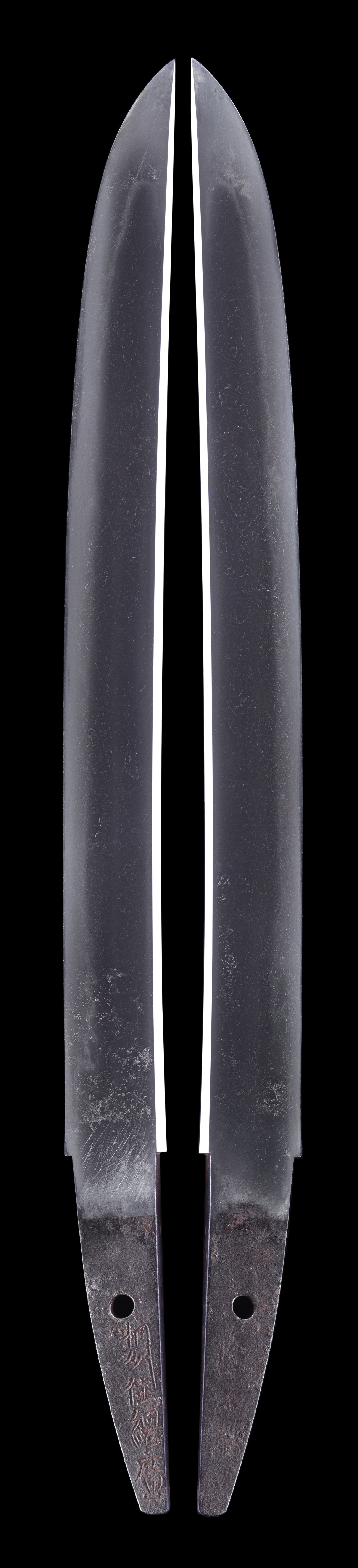
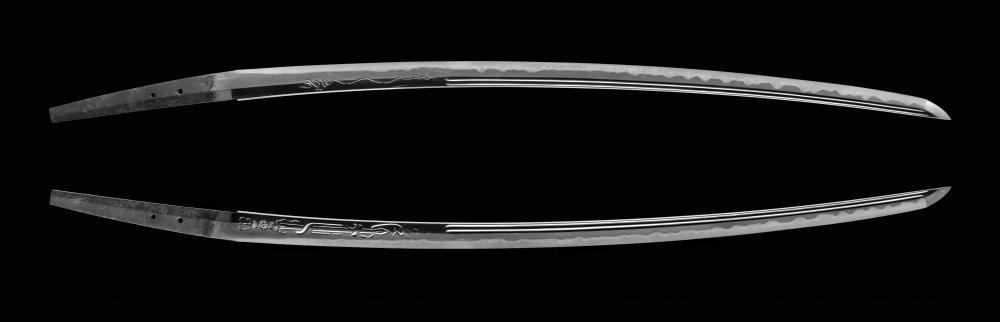
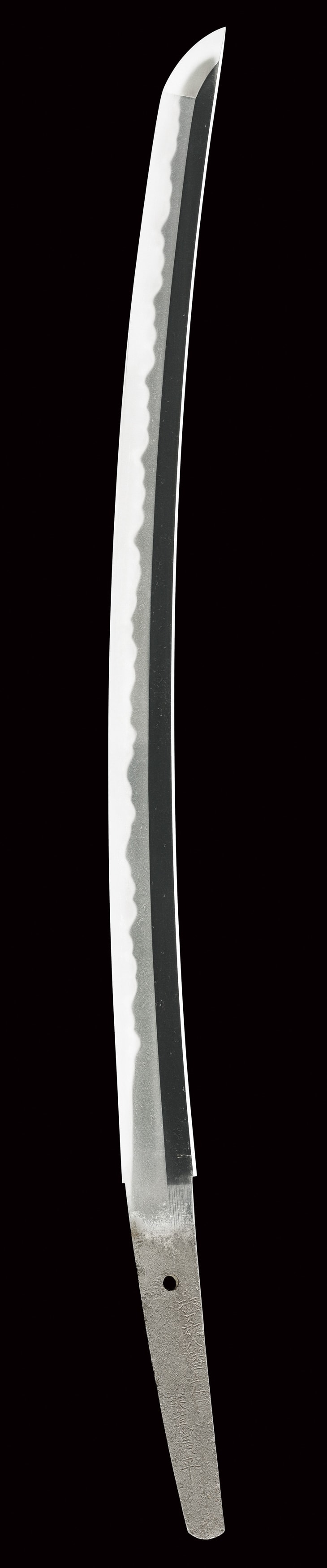
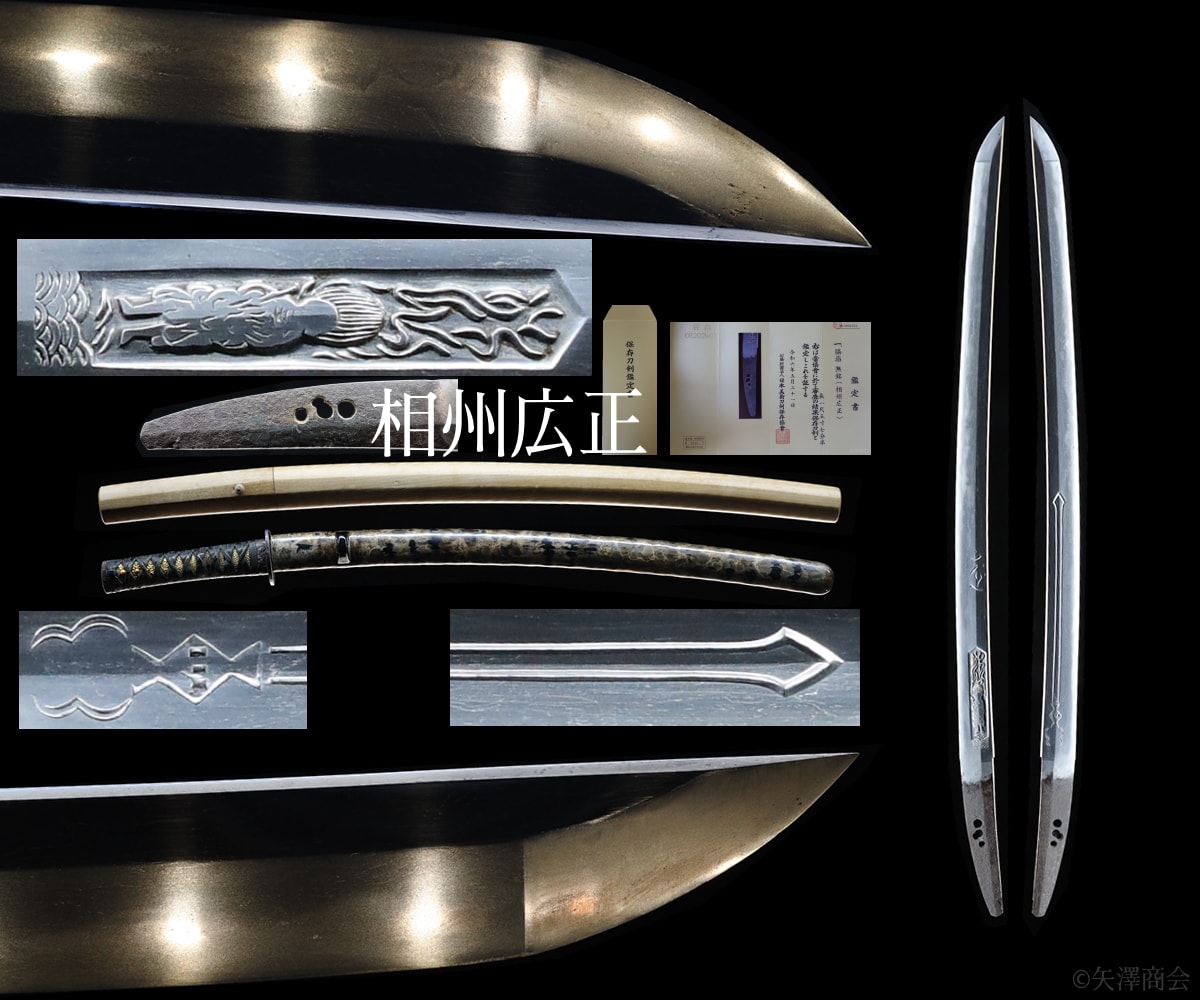
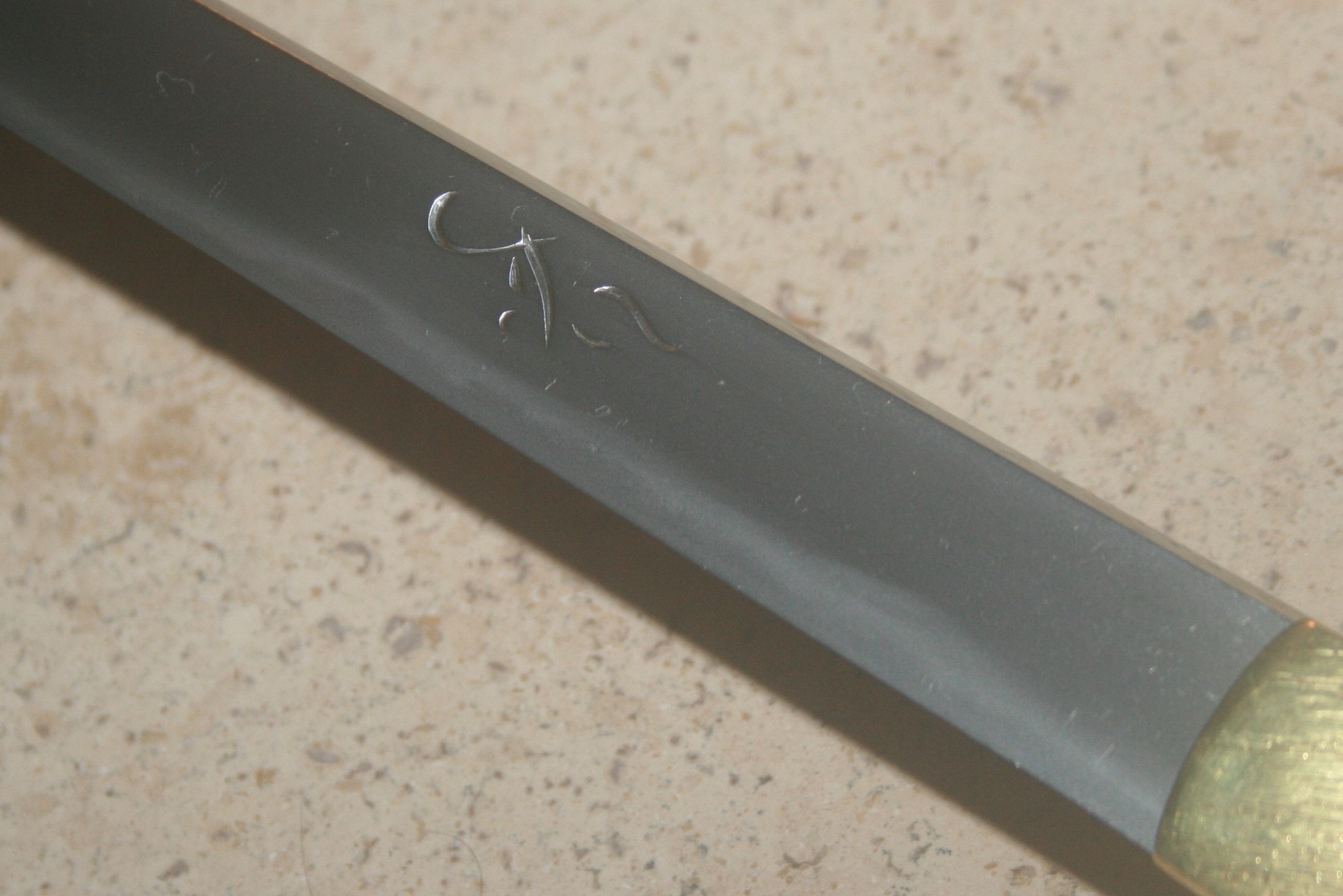
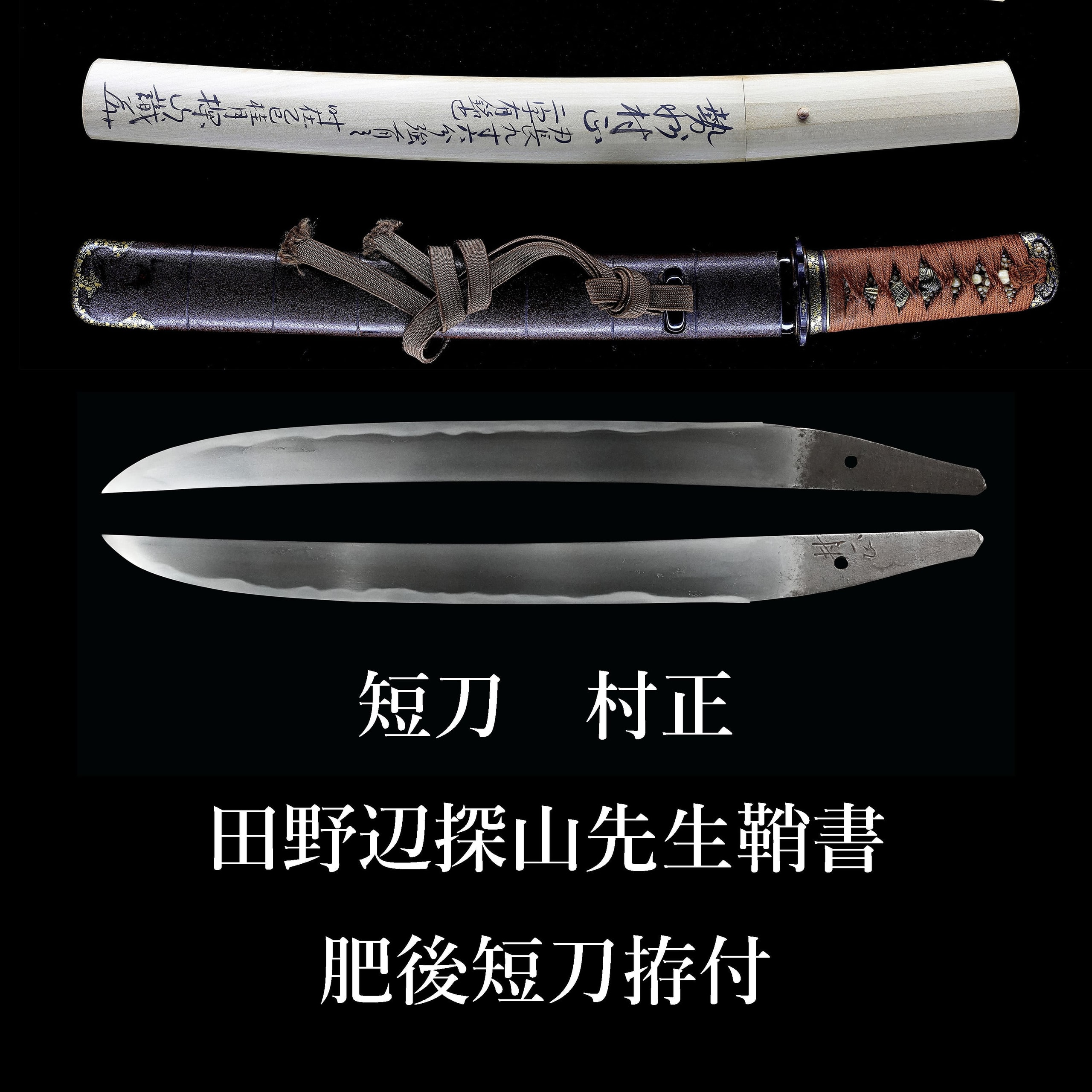
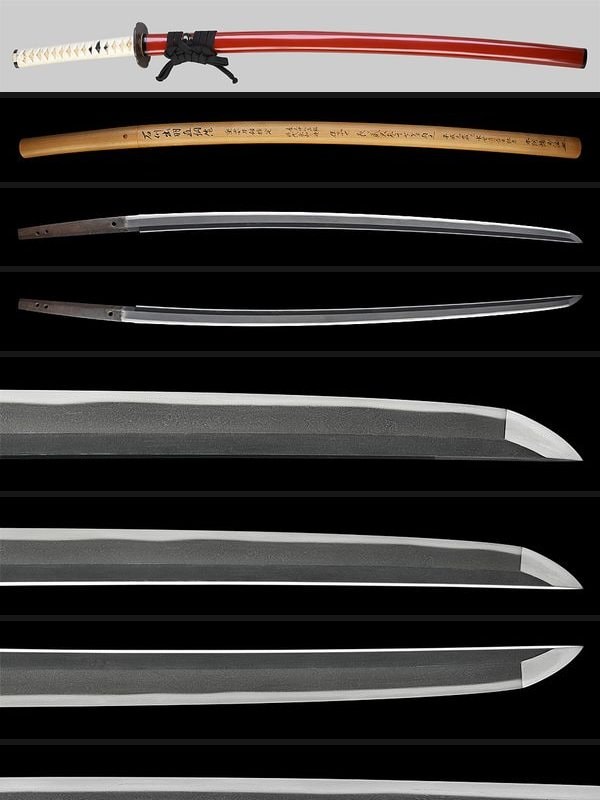
Hiromasa was a swordsmith of Soshu (Sagami Province), a name borne by several generations active continuously from the Nanbokucho period through to the end of the Muromachi period. Dated examples are rare, making it difficult to distinguish the individual generations with clarity; however, surviving dated works include blades inscribed Bun'an 5 (1448), Hotoku 2 (1450), Kosho 2 (1456), and Bunmei 3 (1471), placing the documented activity firmly within the mid to late Muromachi period. A separate Hiromasa of the Sa lineage in Chikuzen Province, traditionally regarded as a son of Yukihiro, is also known from the mid Nanbokucho period around the Shohei era, and one blade attributed to this Sa Hiromasa bears a gold-inlaid attribution reading "Ranoke."
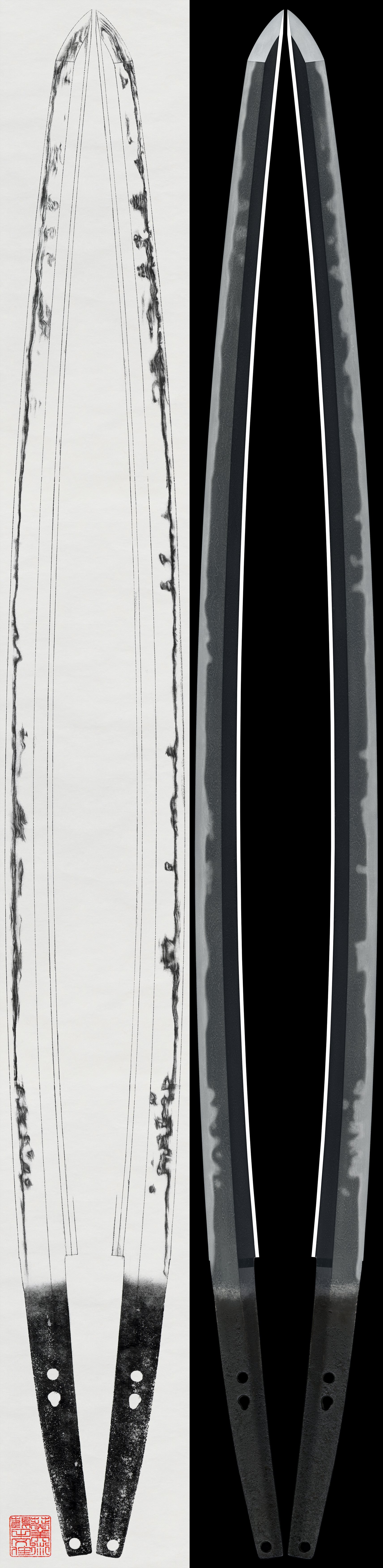
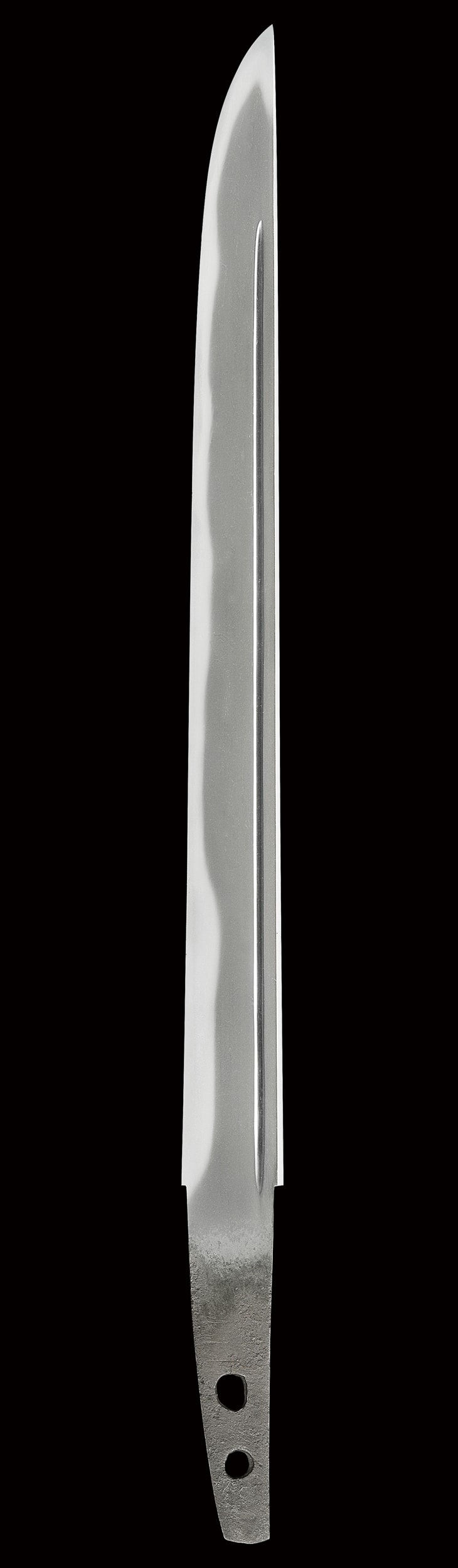
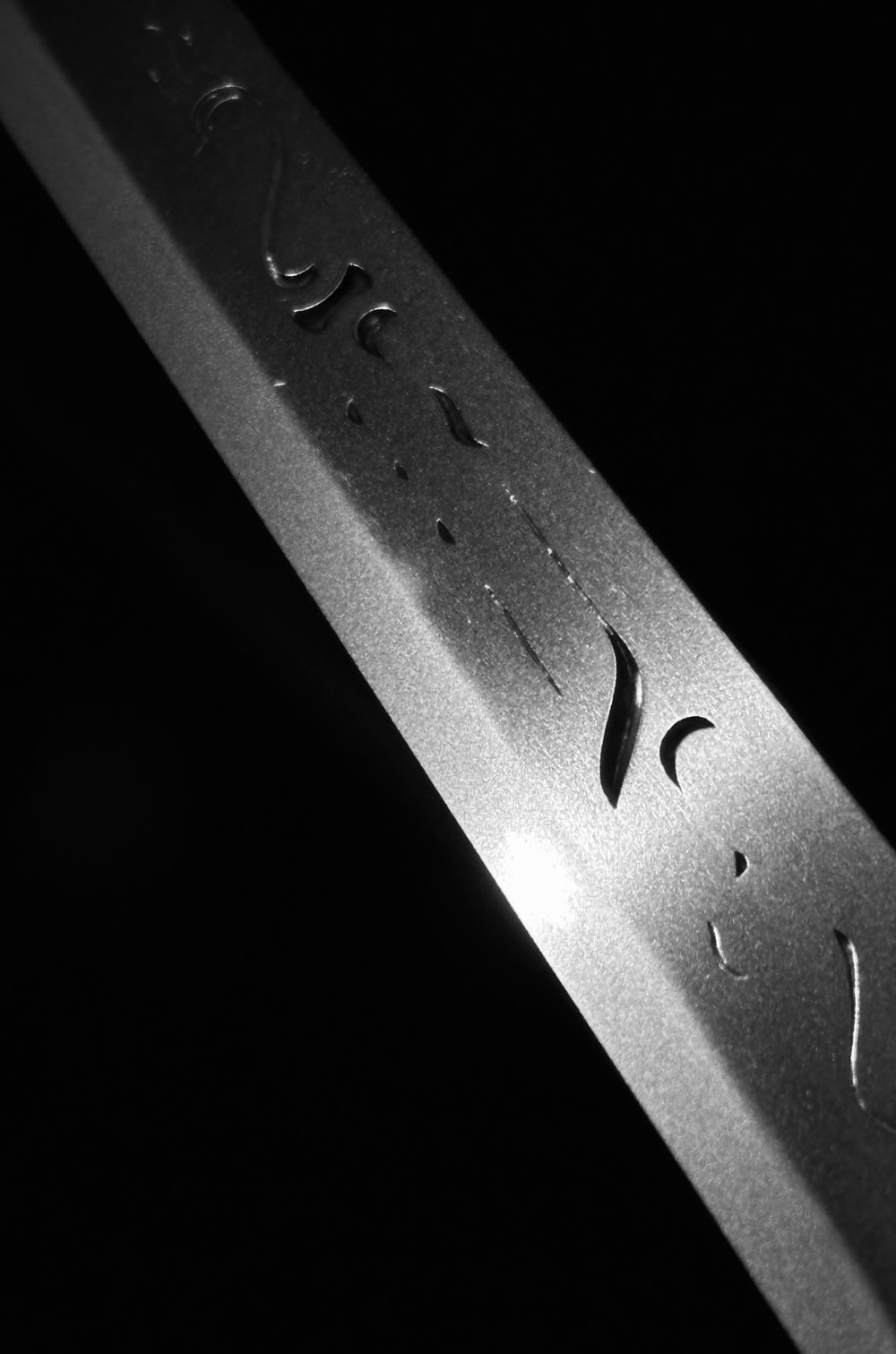
The jigane of Hiromasa's Soshu-line works is characteristically an itame-hada tending toward standing grain, with ji-nie and chikei. The hamon takes the form of gunome-midare, frequently mixed with tobiyaki that develops into hitatsura (full-temper); ashi, yo, sunagashi, and kinsuji appear, and the nioiguchi tends toward tightness. The boshi typically enters in midare-komi, sometimes becoming ichimai on the omote, and returns with a pointed tendency. A notable hallmark of this smith's output is the horimono: virtually every signed blade bears elaborate carvings -- bonji, grass-style kurikara, sankoken, dokko-sho, hatahoko, and renben, often executed in raised relief (ukibori) within grooves. These carvings are consistently described as "skillfully executed" and "splendid," and they constitute a defining feature of Soshu-made blades of this era. The Sa-lineage Hiromasa, by contrast, displays a suguha-based hamon upon which nie adheres well with a bright, clear nioiguchi -- features that "strongly manifest the characteristics of the Sa tradition."
Works by both lineages receive consistent praise. Of the Soshu Hiromasa, the NBTHK observes that his blades display "both the period character of Muromachi workmanship and the traditional manner of the Soshu-den," and individual pieces are assessed as "one representative masterpiece among Soshu works of this era." Of the Sa Hiromasa, the forging with ji-nie accompanied by chikei and a bright, clear nioiguchi leads to the assessment that the blade is "an especially fine example" among works attributed to this smith. Across both traditions, the name Hiromasa represents a sustained lineage of skilled craftsmanship that preserved regional forging idioms through several generations.
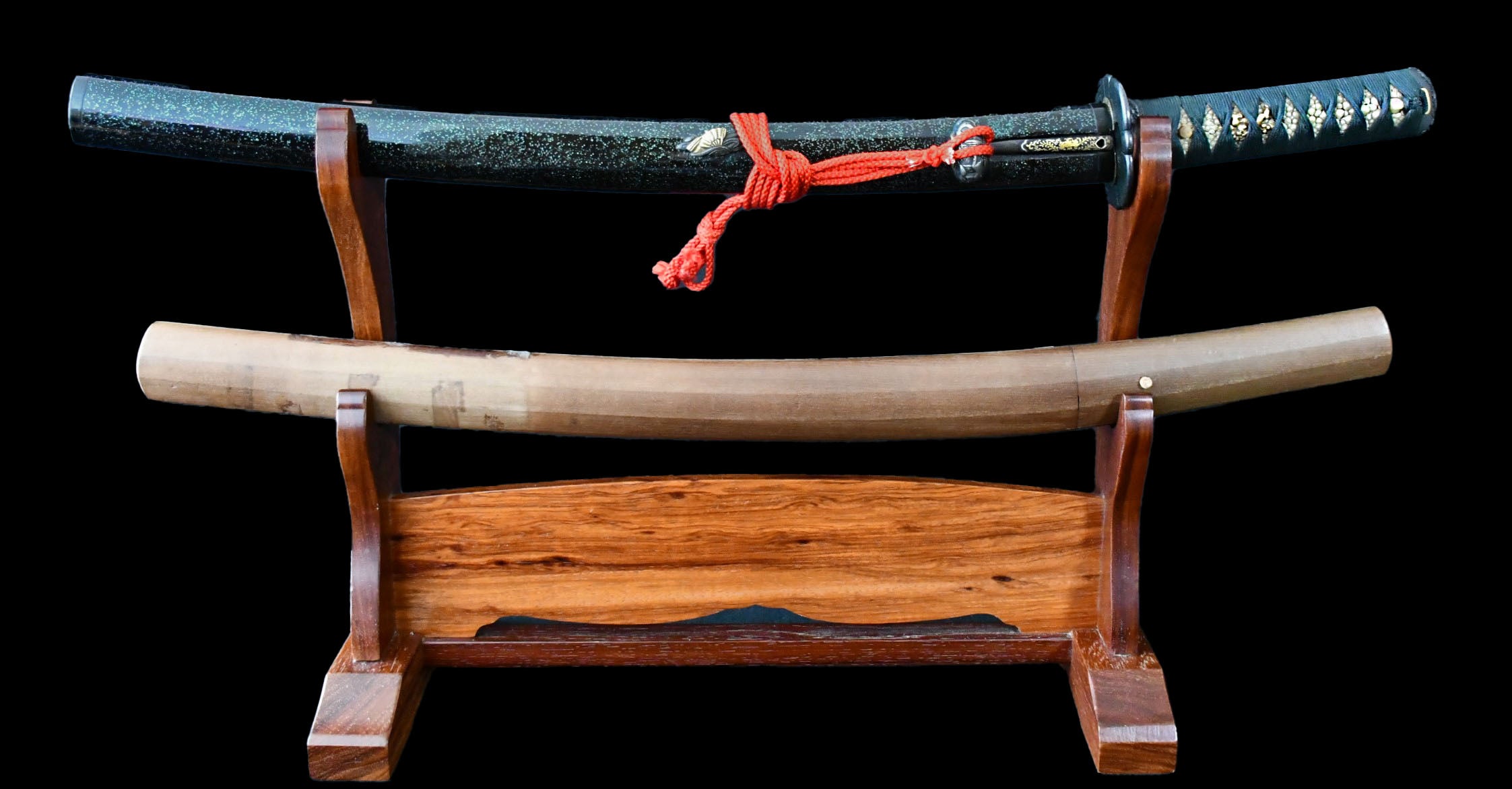
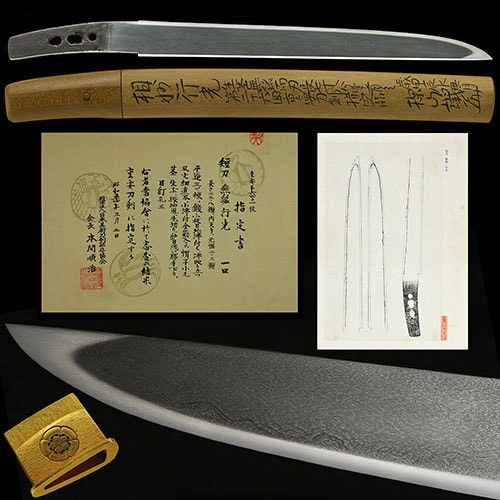
![Wakizashi - Tokuho - 作 正廣 - 脇差[無銘 相州正広]日本美術刀剣保存協会 特別保存刀剣・特別保存刀装具](/_next/image?url=https%3A%2F%2Fitbhfhyptogxcjbjfzwx.supabase.co%2Fstorage%2Fv1%2Fobject%2Fpublic%2Flisting-images%2Fworld-seiyudo%2FL710046%2F01.jpg&w=2560&q=90)

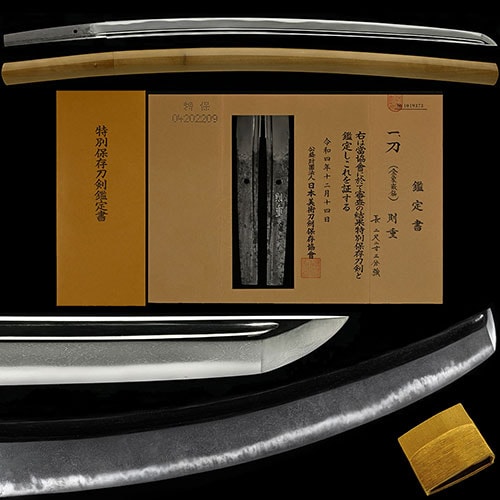
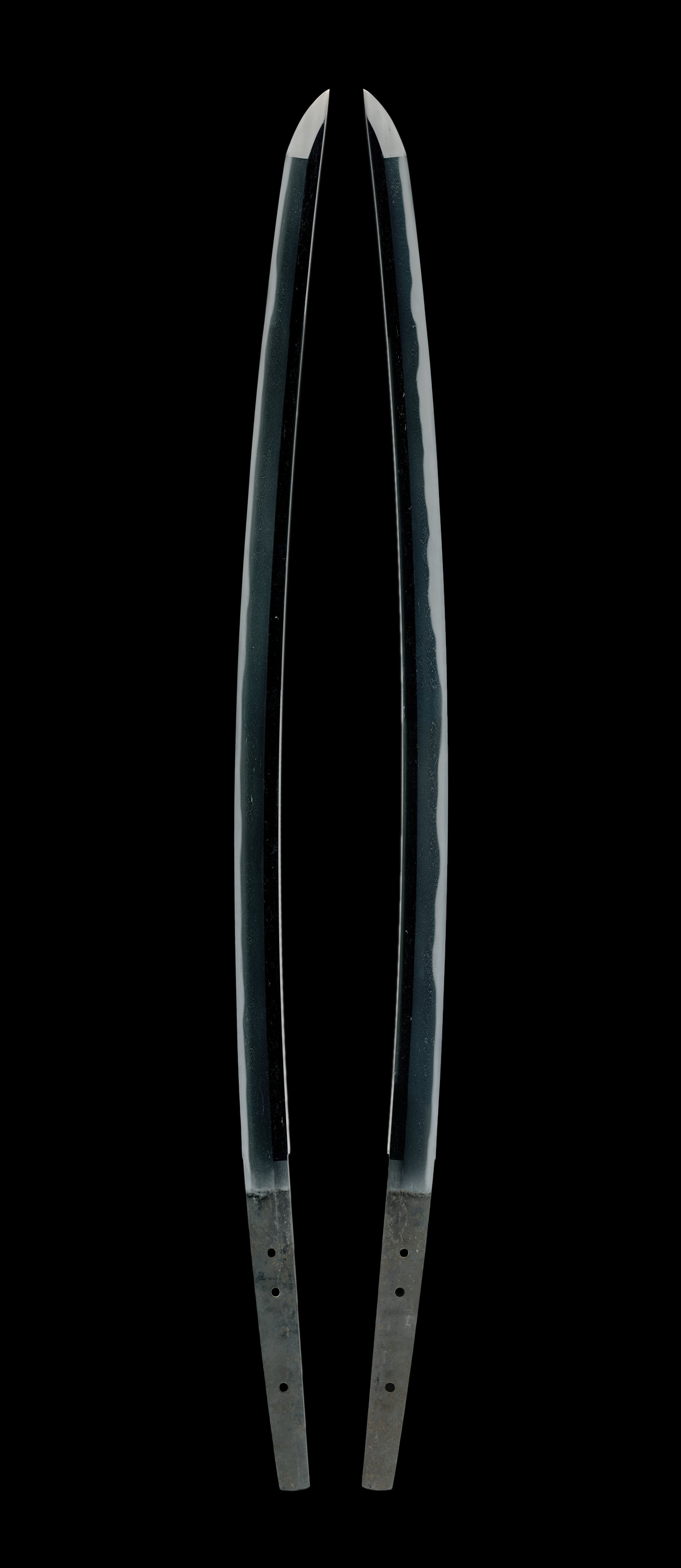
![Wakizashi - Tokuho - 作 廣次 - 平造脇差 銘 [相][州]住廣次作](/_next/image?url=https%3A%2F%2Fitbhfhyptogxcjbjfzwx.supabase.co%2Fstorage%2Fv1%2Fobject%2Fpublic%2Flisting-images%2Fchoshuya%2FL894767%2F00.jpg&w=2560&q=90)