Juyo Koto Swords for Sale

Juyo Koto blades represent confirmed masterworks from the golden age of Japanese swordmaking. Pre-1596 blades that have earned the NBTHK Important Sword designation are among the most historically significant and artistically accomplished swords available to collectors. These are works by the legendary smiths of the Five Traditions — Bizen, Soshu, Yamashiro, Yamato, and Mino — authenticated at the highest regular certification level.

11 items currently available from trusted dealers worldwide.

Programmatic access: range and multi-facet queries (by price, blade length, certification, and more) are available as JSON at /api/public/listings. See /llms.txt for the full schema and filters.

Recently Sold

古刀
SoldJun 22, 2026

古刀

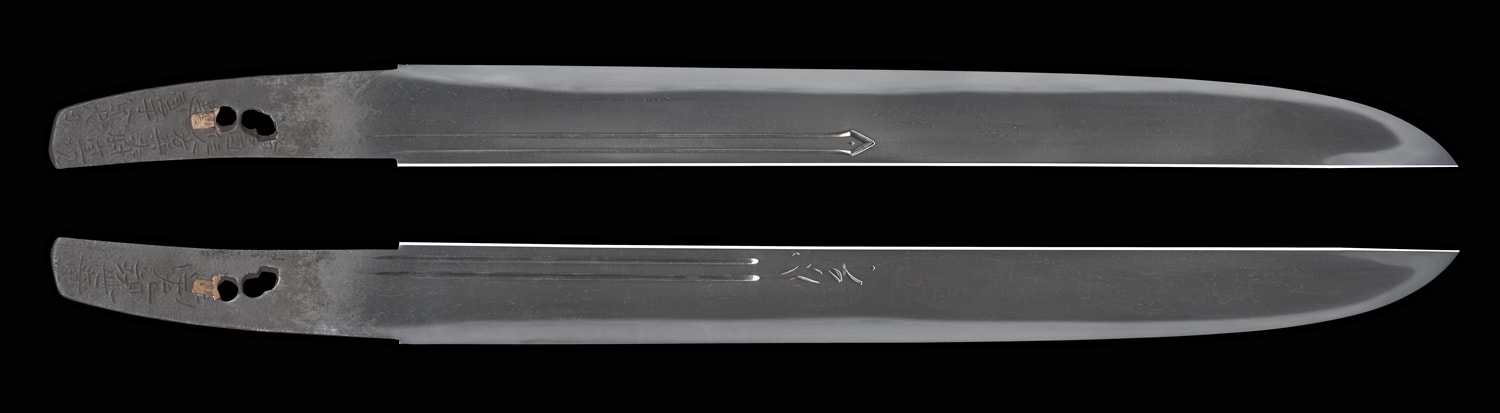
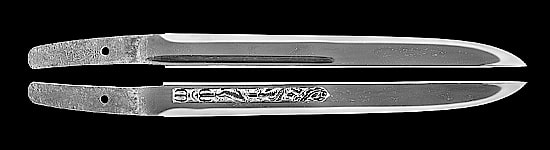
古備前 Ko Bizen Wakizashi
SoldApr 26, 2026

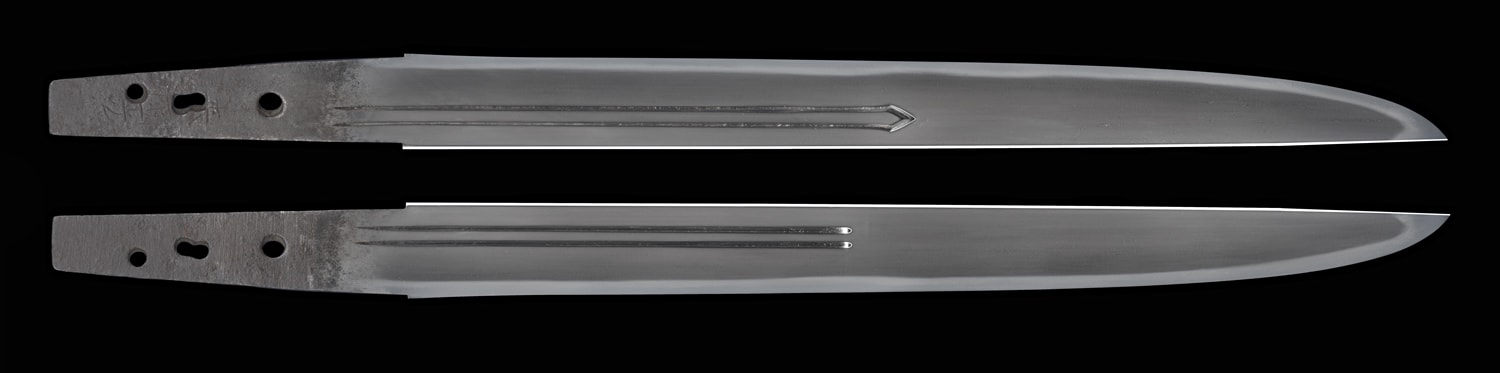
古備前 Ko Bizen Wakizashi

刀装具
Sold

刀装具

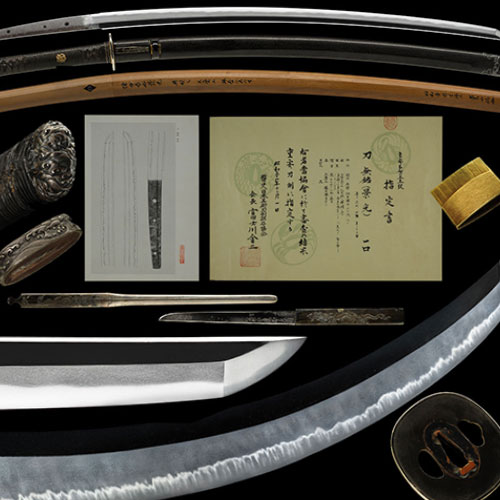
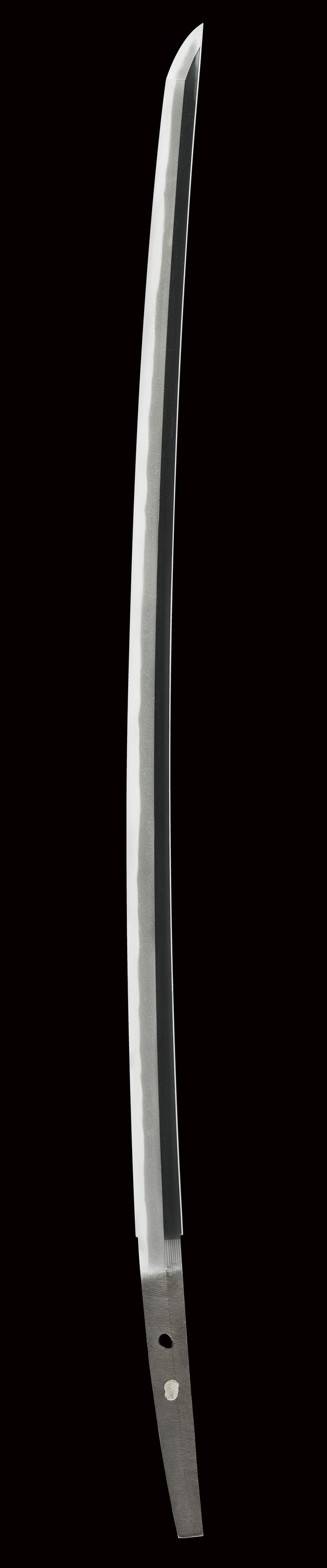
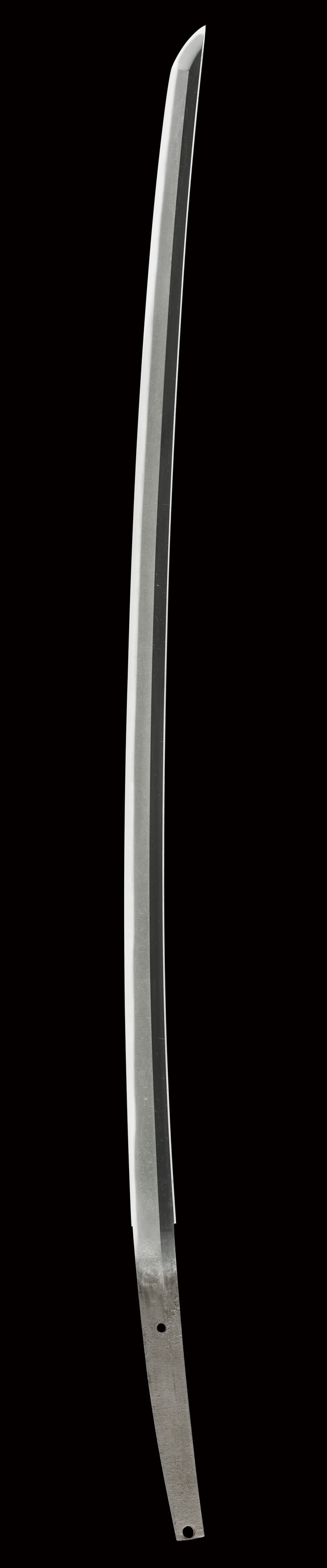
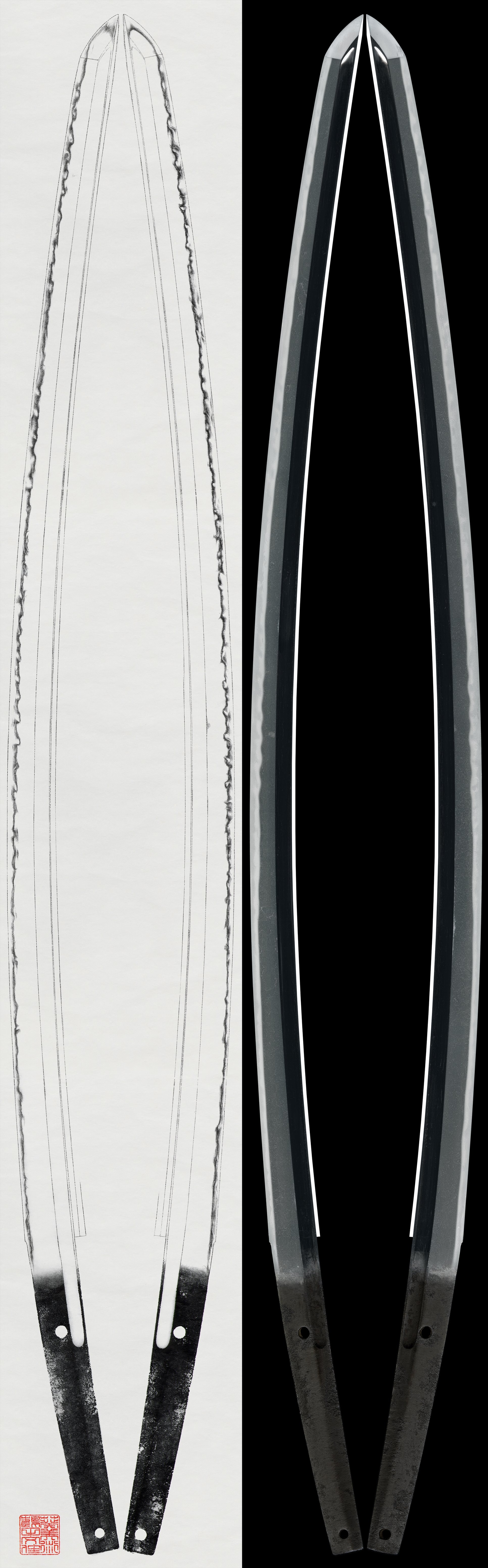
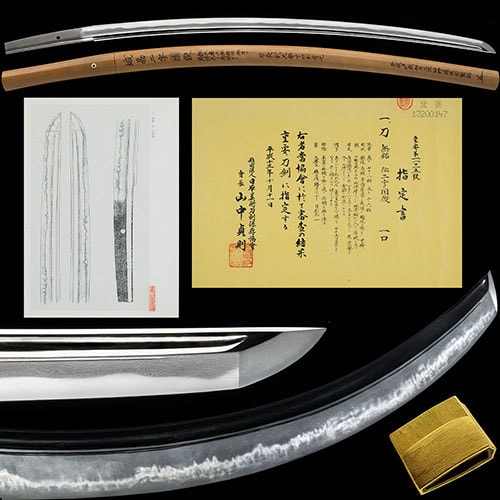
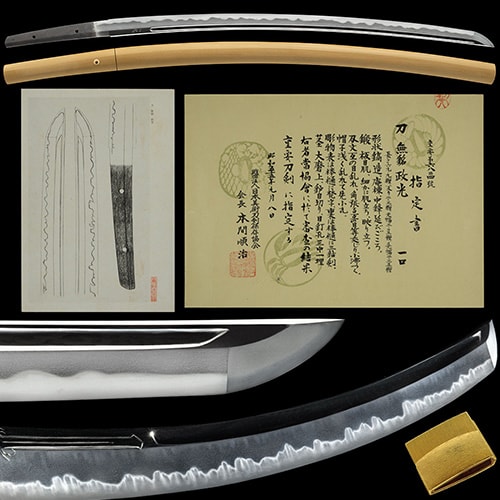
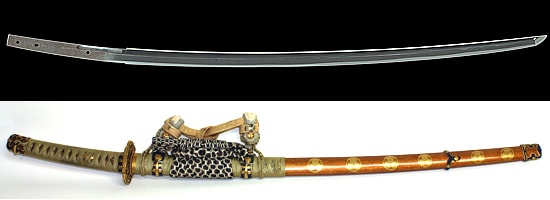
JUYO TOKEN Katana Attributed to Yoshimitsu for sale | Samurai Museum Shop E-mail FB Messenger Skip to content Menu Close Samurai Museum Shop Products Antique Japanese Sword Katana Attributed to Yoshimitsu NBTHK JUYO TOKEN Certificate Updated: 19 Aug 2026 SOLD Antique Japanese Sword Katana Attributed to Yoshimitsu NBTHK JUYO TOKEN Certificate $ 34,467.63 DELIVERY TIME : Approx. 1-1.5 months *We ship from Tokyo, Japan. There might be delay in shipment depending on countries. SHIPPING TO : USA, UK, Canada, Mexico, Switzerland, Germany , Hong Kong, France, Australia *Please contact us prior to purchase if your country isn’t listed. INCLUDED : NBTHK JUYO TOKEN Certificate, Shirasaya Case, Koshirae, Traditional Sword Carrying Case, Sword Maintenance Kit, Full Exportation Support Category Katana( KOTO) Age Estimated the late Kamakura-Nanbokucho period (1321-1368 ) Swordsmith Attributed to Yoshimitsu (義光: Unsigned) Certificate NBTHK JUYO TOKEN Certificate Location Bizen province (Today’s Okayama prefecture) Blade Size Cutting Edge Length : 68.1 cm ( 26.8inches) Curvature: 2.1 cm (0.82 inches) Thank you for visiting our website. This sword was sold as each antique Japanese sword is one of a kind. However, we might be able to show you something similar because we have various types of swords available. Also, there are ones that aren’t listed on the website yet. Our customer service will help you find your ideal blade you will cherish for generations. Please feel free to contact us or check the list of swords . We will be more than happy to help you. SOLD Add to wishlist SKU: Kagawa 30579 Categories: Katana(刀) , Authentic Japanese Sword / Katana , Japanese Sword / Katana , Uncategorized Tags: Kamakura Period , Nanbokucho Period , Juyo Token Description Antique Japanese Sword Katana Attributed to Yoshimitsu with NBTHK JUYO TOKEN Certificate 【Description】 Summary This blade is attributed to Osafune Yoshimitsu (長船義光) according to NBTHK, which appraised it as a JUYO TOKEN. It is said that Yoshimitsu was the son of Kagemitsu (景光) and the younger brother of Kanemitsu (兼光). Yoshimitsu was active during the late Kamakura-Mid Nanbokucho era ( 1321~1368 ). Since he was forging blades for such a long time, one theory says the maker’s name Yoshimitsu might have lasted two generations. Yoshimitsu belonged to Osafune school in Bizen province (Today’s Okayama prefecture). His older brother Kanemitsu was an apprentice of Soshu Masamune (相州正宗), one of the most famous swordsmiths in Japanese history. Masamune was a master of SOSHU DEN, one of the five traditions of Japanese sword forging. Bizen province was also renowned for its unique sword forging tradition called BIZEN DEN. It is said that his older brother Kanetmisu invented the unique Japanese sword-forging technique called Soden Bizen, which is the combination of SOSHU Den and BIZEN DEN. And Yoshimitsu mastered this technique from Kanemitsu. The swords forged in Soden Bizen were very popular among Samurai back then. Yoshimitsu and his brother’s active period was almost identical. The early work (Late Kamakura period) of Yoshimitsu resembles his father’s (Kagemitsu), while others made after the Nanbokucho era had a strong influence from his brother Kanemitsu’s works. His father, Kagemitsu, was the third head of Bizen Osafune school, while his brother was the fourth head. Yoshimitsu learned excellent craftsmanship from these two great masters. Kagemitsu was famous for inventing a characteristic Hamon (tempering line) called *Kataochi Gunome. And he became one of the top-tier swordsmiths in Bizen, and Osafune school flourished greatly. This blade has this Hamon line and contains *Gunome and Kogunome Hamon. This History of Bizen Osafune School It is said that Osafune school was founded by Mitsutada (光忠), who was active during the mid-Kamakura period. Bizen Osafune school was the biggest one of all other schools in Bizen province, and they received many orders from feudal lords or renowned Samurai. They were called Osafunemono and beloved by Samurai warriors. Among the swordsmiths who belonged to this school, Nagamitsu, Sanenaga, and Kagemitsu are known as Osafune Sansaku, the three renowned Osafune swordsmiths. There are also four other prominent swordsmiths who were from Bizen Osafune school. They are called Osafune Shiten-no, the four masters of Osafune school. Their names are Nagamitsu, Kanemitsu, Nagayoshi, and Motoshige. BIZEN is located near the Chugoku Mountains, where iron sands, one of the essential materials for making Japanese swords, were abundant. Furthermore, BIZEN swordsmiths had close access to Yoshi River, where they could find water and charcoal. This geological location contributed to the swordsmiths forging high-quality refined blades. We presume BIZEN was quite active in sword-forging from ancient times. It is said that BIZEN DEN was created by groups of swordsmiths there during the late Heian era (Late 12th century ). These ancient swordsmiths in Bizen province are called Ko-Bizen (Old Bizen) swordsmiths. By inheriting the sword forging techniques from Ko-Bizen swordsmiths, the Bizen Osafune school flourished from the mid-Kamakura period. This blade is appraised as a JUYO TOKEN (重要刀剣) issued by NBTHK (Nihon Bijutsu Touken Hozon Kyokai:日本美術刀剣保存協会). This authentication paper was only given to authentic Japanese swords, exceptionally well preserved and of high quality with artistic value. JUYO is one rank higher than Tokubetsu Hozon. To be eligible for a Juyo Token, it needs to be appraised as a Tokubetsu Hozon Token first. It is extremely rare for an antique Japanese sword to be appraised as JUYO TOKEN, and it is highly desirable among Japanese sword collectors. *Gunome: a type of Hamon that undulates in a series of semi-circles *Kataochi Gunome: Flat-topped Gunome that slant in the same direction as saw teeth 【 Blade】 Cutting Edge Length(Nagasa) : 68.1 cm ( 26.8inches) Curvature(Sori) : 2.1 cm (0.82 inches) Hamon : The crystalline structure which forms along the cutting edge of a blade as a result of the hardening process Jimon(Jihada) : visible steel surface pattern created by folding and hammering during forging process Nakago : Nakago is the tang of the Japanese sword. Japanese swordsmiths left the black rust on the tang because it prevents red rust while the tang is in its handle. And the discoloration of the tang was created over time, and it is a great indicator for a Japanese sword specialist to estimate when the sword was forged. According to the certificate, this blade was heavily shortened in the past (Osuriage: 大磨り上げ). Koshirae: Koshirae is the mounting of the Japanese sword. There are several parts that consist of Koshirae such as Saya(Scabbard), Tsuka( Handle), Tsuba(Handguard). Fuchi-Kashira : A pair of matching sword fittings that cover the upper and bottom parts of its sword hilt. Clouds are designed for this Fuchi Kashira. Golden paint is applied to these motifs. The cloud pattern is also seen in the Tsuba. Please check its explanation later. Clouds bring rain and snow, and their movements significantly affect the day’s weather. Due to its supernatural power, a theory says that gods, spirits, and dragons dwell in the clouds. The cloud pattern has been associated with magical power, and people thought it an omen of lucky things. In addition, some people wished to obtain a leisurely life in comfort by seeing clouds’ movements (that float in the sky). Or, as clouds appear repeatedly, its design represents reincarnation. Samurais were always on the verge of life and death on the battlefield. We guess they might have believed in the power of this pattern. And they had incorporated it into the design of their sword mountings, such as Tsuba. Tsuka and Menuki : Tsuka is the handle of the Japanese sword and Menuki is its decoration. The motif of this Menuki is Maru-ni Gosan Kiri (丸に五三桐) pattern. In this work, it is designed as a family crest. The Kiri (桐) pattern is generally composed of three st
Sold

JUYO TOKEN Katana Attributed to Yoshimitsu for sale | Samurai Museum Shop E-mail FB Messenger Skip to content Menu Close Samurai Museum Shop Products Antique Japanese Sword Katana Attributed to Yoshimitsu NBTHK JUYO TOKEN Certificate Updated: 19 Aug 2026 SOLD Antique Japanese Sword Katana Attributed to Yoshimitsu NBTHK JUYO TOKEN Certificate $ 34,467.63 DELIVERY TIME : Approx. 1-1.5 months *We ship from Tokyo, Japan. There might be delay in shipment depending on countries. SHIPPING TO : USA, UK, Canada, Mexico, Switzerland, Germany , Hong Kong, France, Australia *Please contact us prior to purchase if your country isn’t listed. INCLUDED : NBTHK JUYO TOKEN Certificate, Shirasaya Case, Koshirae, Traditional Sword Carrying Case, Sword Maintenance Kit, Full Exportation Support Category Katana( KOTO) Age Estimated the late Kamakura-Nanbokucho period (1321-1368 ) Swordsmith Attributed to Yoshimitsu (義光: Unsigned) Certificate NBTHK JUYO TOKEN Certificate Location Bizen province (Today’s Okayama prefecture) Blade Size Cutting Edge Length : 68.1 cm ( 26.8inches) Curvature: 2.1 cm (0.82 inches) Thank you for visiting our website. This sword was sold as each antique Japanese sword is one of a kind. However, we might be able to show you something similar because we have various types of swords available. Also, there are ones that aren’t listed on the website yet. Our customer service will help you find your ideal blade you will cherish for generations. Please feel free to contact us or check the list of swords . We will be more than happy to help you. SOLD Add to wishlist SKU: Kagawa 30579 Categories: Katana(刀) , Authentic Japanese Sword / Katana , Japanese Sword / Katana , Uncategorized Tags: Kamakura Period , Nanbokucho Period , Juyo Token Description Antique Japanese Sword Katana Attributed to Yoshimitsu with NBTHK JUYO TOKEN Certificate 【Description】 Summary This blade is attributed to Osafune Yoshimitsu (長船義光) according to NBTHK, which appraised it as a JUYO TOKEN. It is said that Yoshimitsu was the son of Kagemitsu (景光) and the younger brother of Kanemitsu (兼光). Yoshimitsu was active during the late Kamakura-Mid Nanbokucho era ( 1321~1368 ). Since he was forging blades for such a long time, one theory says the maker’s name Yoshimitsu might have lasted two generations. Yoshimitsu belonged to Osafune school in Bizen province (Today’s Okayama prefecture). His older brother Kanemitsu was an apprentice of Soshu Masamune (相州正宗), one of the most famous swordsmiths in Japanese history. Masamune was a master of SOSHU DEN, one of the five traditions of Japanese sword forging. Bizen province was also renowned for its unique sword forging tradition called BIZEN DEN. It is said that his older brother Kanetmisu invented the unique Japanese sword-forging technique called Soden Bizen, which is the combination of SOSHU Den and BIZEN DEN. And Yoshimitsu mastered this technique from Kanemitsu. The swords forged in Soden Bizen were very popular among Samurai back then. Yoshimitsu and his brother’s active period was almost identical. The early work (Late Kamakura period) of Yoshimitsu resembles his father’s (Kagemitsu), while others made after the Nanbokucho era had a strong influence from his brother Kanemitsu’s works. His father, Kagemitsu, was the third head of Bizen Osafune school, while his brother was the fourth head. Yoshimitsu learned excellent craftsmanship from these two great masters. Kagemitsu was famous for inventing a characteristic Hamon (tempering line) called *Kataochi Gunome. And he became one of the top-tier swordsmiths in Bizen, and Osafune school flourished greatly. This blade has this Hamon line and contains *Gunome and Kogunome Hamon. This History of Bizen Osafune School It is said that Osafune school was founded by Mitsutada (光忠), who was active during the mid-Kamakura period. Bizen Osafune school was the biggest one of all other schools in Bizen province, and they received many orders from feudal lords or renowned Samurai. They were called Osafunemono and beloved by Samurai warriors. Among the swordsmiths who belonged to this school, Nagamitsu, Sanenaga, and Kagemitsu are known as Osafune Sansaku, the three renowned Osafune swordsmiths. There are also four other prominent swordsmiths who were from Bizen Osafune school. They are called Osafune Shiten-no, the four masters of Osafune school. Their names are Nagamitsu, Kanemitsu, Nagayoshi, and Motoshige. BIZEN is located near the Chugoku Mountains, where iron sands, one of the essential materials for making Japanese swords, were abundant. Furthermore, BIZEN swordsmiths had close access to Yoshi River, where they could find water and charcoal. This geological location contributed to the swordsmiths forging high-quality refined blades. We presume BIZEN was quite active in sword-forging from ancient times. It is said that BIZEN DEN was created by groups of swordsmiths there during the late Heian era (Late 12th century ). These ancient swordsmiths in Bizen province are called Ko-Bizen (Old Bizen) swordsmiths. By inheriting the sword forging techniques from Ko-Bizen swordsmiths, the Bizen Osafune school flourished from the mid-Kamakura period. This blade is appraised as a JUYO TOKEN (重要刀剣) issued by NBTHK (Nihon Bijutsu Touken Hozon Kyokai:日本美術刀剣保存協会). This authentication paper was only given to authentic Japanese swords, exceptionally well preserved and of high quality with artistic value. JUYO is one rank higher than Tokubetsu Hozon. To be eligible for a Juyo Token, it needs to be appraised as a Tokubetsu Hozon Token first. It is extremely rare for an antique Japanese sword to be appraised as JUYO TOKEN, and it is highly desirable among Japanese sword collectors. *Gunome: a type of Hamon that undulates in a series of semi-circles *Kataochi Gunome: Flat-topped Gunome that slant in the same direction as saw teeth 【 Blade】 Cutting Edge Length(Nagasa) : 68.1 cm ( 26.8inches) Curvature(Sori) : 2.1 cm (0.82 inches) Hamon : The crystalline structure which forms along the cutting edge of a blade as a result of the hardening process Jimon(Jihada) : visible steel surface pattern created by folding and hammering during forging process Nakago : Nakago is the tang of the Japanese sword. Japanese swordsmiths left the black rust on the tang because it prevents red rust while the tang is in its handle. And the discoloration of the tang was created over time, and it is a great indicator for a Japanese sword specialist to estimate when the sword was forged. According to the certificate, this blade was heavily shortened in the past (Osuriage: 大磨り上げ). Koshirae: Koshirae is the mounting of the Japanese sword. There are several parts that consist of Koshirae such as Saya(Scabbard), Tsuka( Handle), Tsuba(Handguard). Fuchi-Kashira : A pair of matching sword fittings that cover the upper and bottom parts of its sword hilt. Clouds are designed for this Fuchi Kashira. Golden paint is applied to these motifs. The cloud pattern is also seen in the Tsuba. Please check its explanation later. Clouds bring rain and snow, and their movements significantly affect the day’s weather. Due to its supernatural power, a theory says that gods, spirits, and dragons dwell in the clouds. The cloud pattern has been associated with magical power, and people thought it an omen of lucky things. In addition, some people wished to obtain a leisurely life in comfort by seeing clouds’ movements (that float in the sky). Or, as clouds appear repeatedly, its design represents reincarnation. Samurais were always on the verge of life and death on the battlefield. We guess they might have believed in the power of this pattern. And they had incorporated it into the design of their sword mountings, such as Tsuba. Tsuka and Menuki : Tsuka is the handle of the Japanese sword and Menuki is its decoration. The motif of this Menuki is Maru-ni Gosan Kiri (丸に五三桐) pattern. In this work, it is designed as a family crest. The Kiri (桐) pattern is generally composed of three st

刀 古三原(無銘) Katana:Ko Mihara(Mumei)
Sold

刀 古三原(無銘) Katana:Ko Mihara(Mumei)

刀 当麻(無銘) Katana:Taima(Mumei)
Sold

刀 当麻(無銘) Katana:Taima(Mumei)

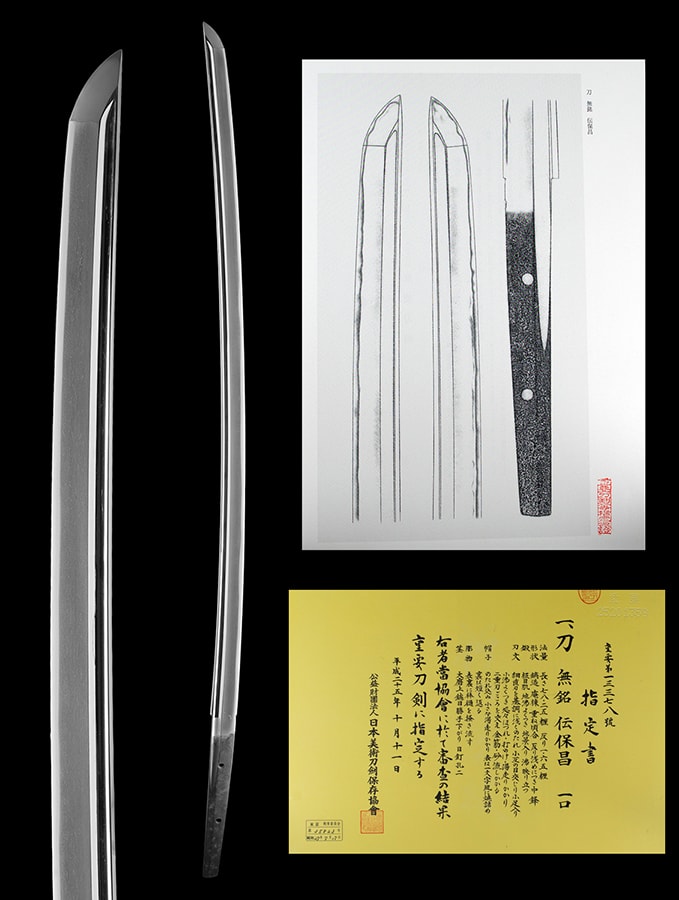
Katana - Mumei(No Signature) - NBTHK Juyo Token Certificate - Uchigatana/Shirasaya Koshirae - Suriage Nakago - Koto Era
Sold

Katana - Mumei(No Signature) - NBTHK Juyo Token Certificate - Uchigatana/Shirasaya Koshirae - Suriage Nakago - Koto Era

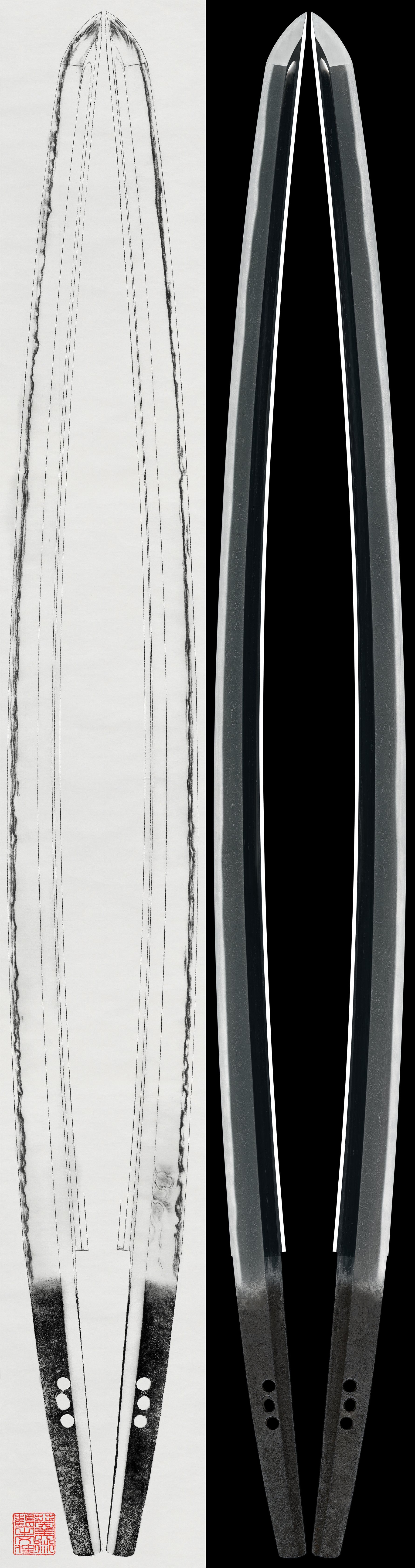
Katana - Bi(illegible) - NBTHK Juyo Token Certificate(Yoshimitsu) - Uchigatana/Shirasaya Koshirae - Suriage Nakago - Koto Era - Kochi 34903
Sold

Katana - Bi(illegible) - NBTHK Juyo Token Certificate(Yoshimitsu) - Uchigatana/Shirasaya Koshirae - Suriage Nakago - Koto Era - Kochi 34903