Muromachi turned sword making into an industry: the uchigatana rose with massed infantry warfare, Osafune and Seki produced bundle swords beside custom orders, and the Ming trade carried Japanese blades abroad by the tens of thousands.
 NihontoWatchNihontoWatch
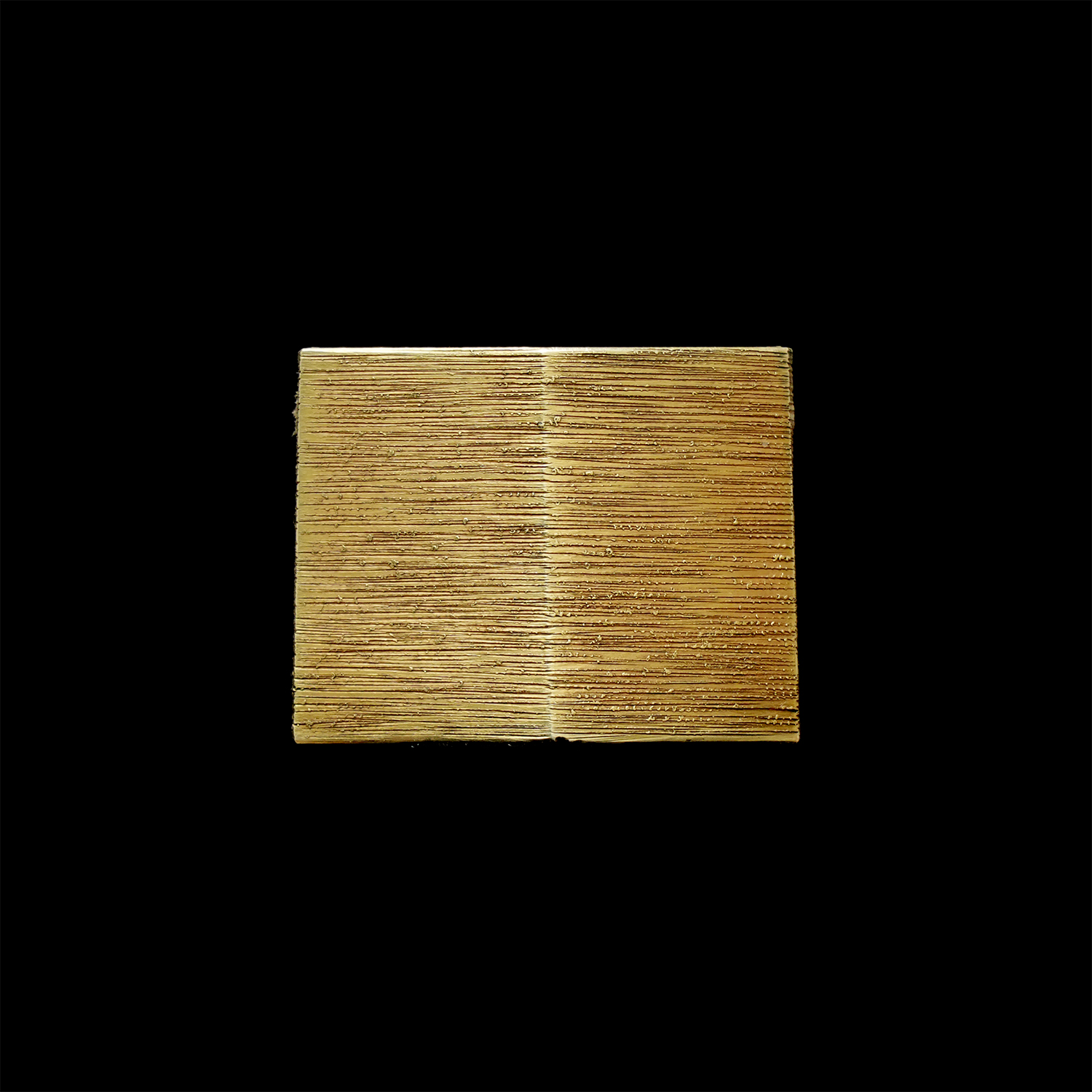
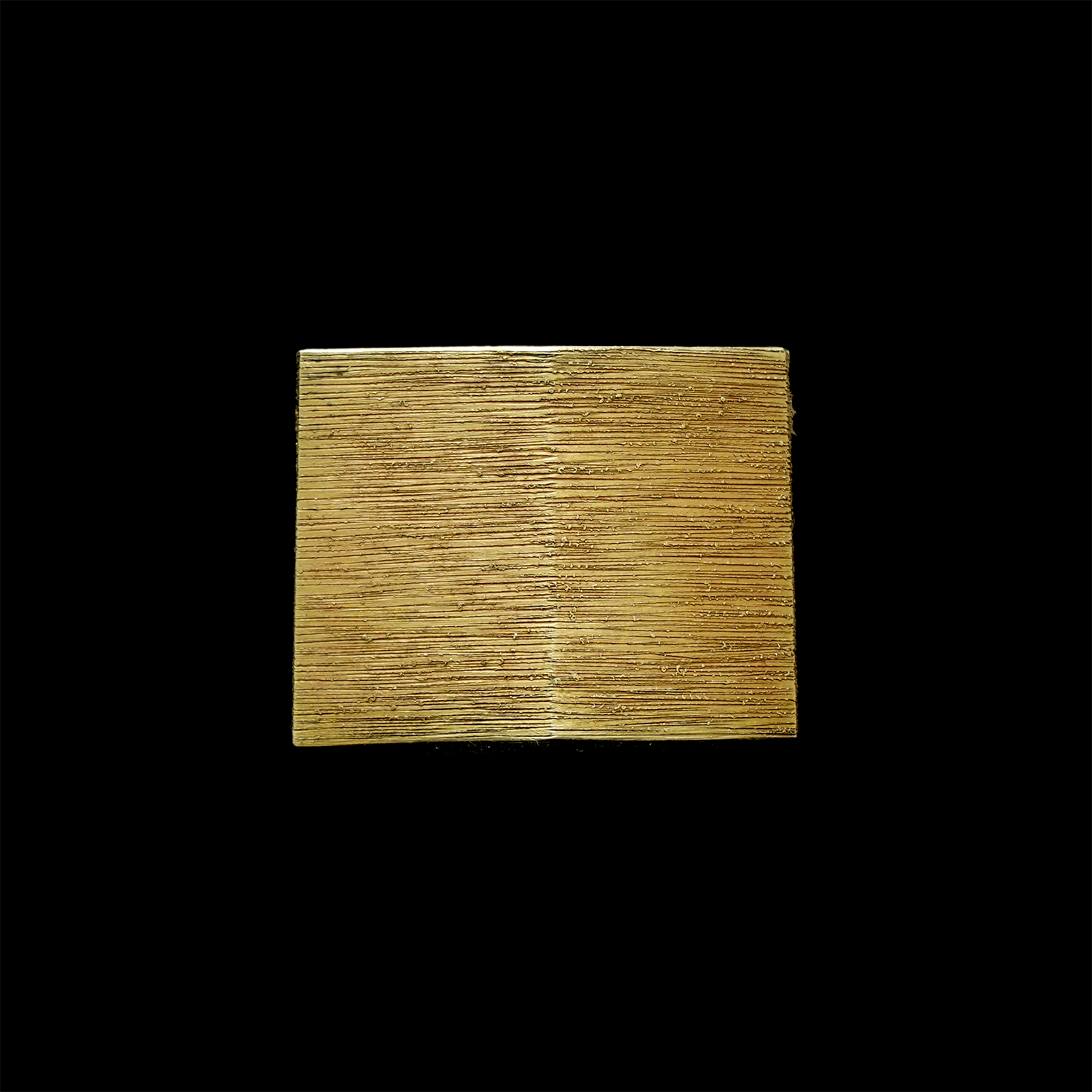
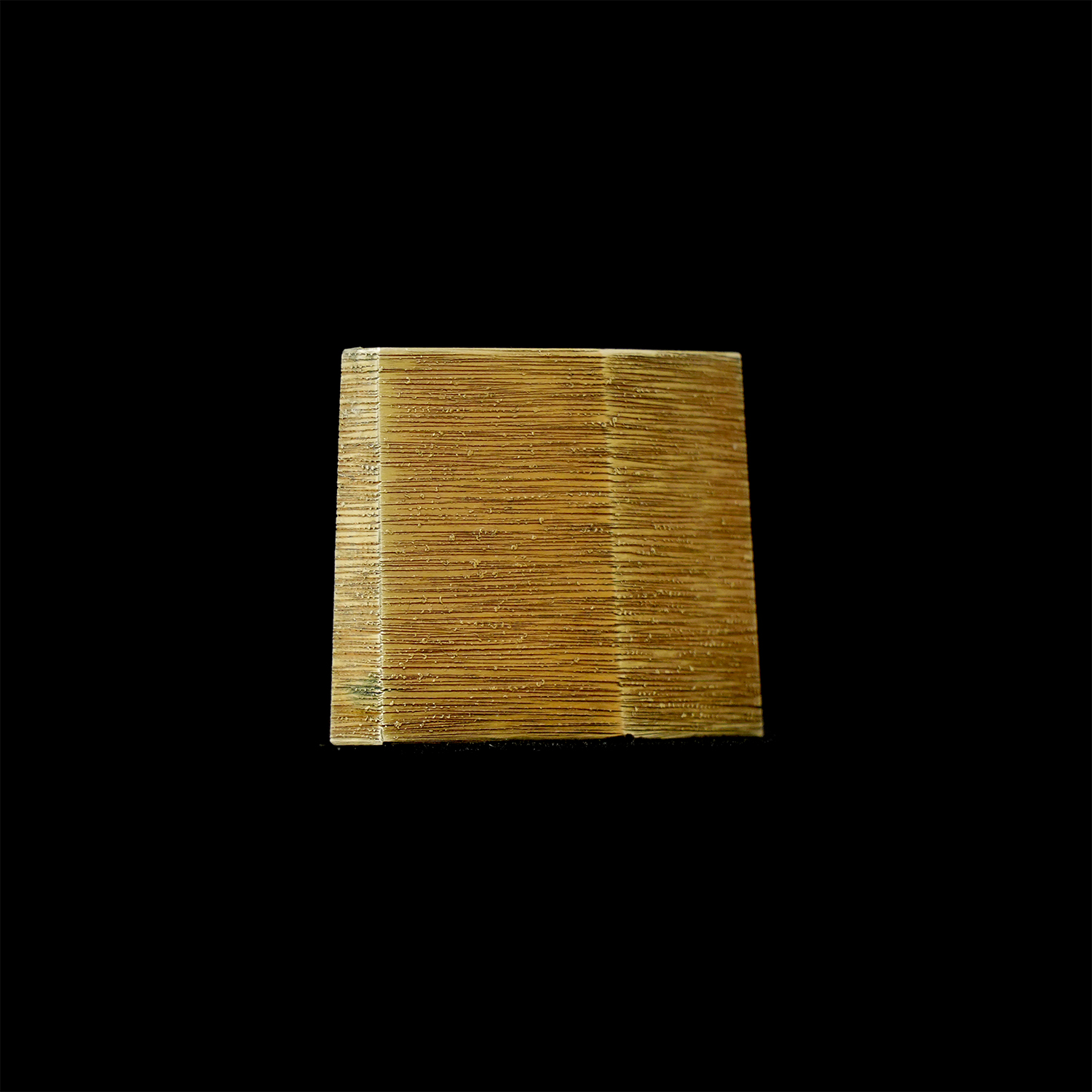
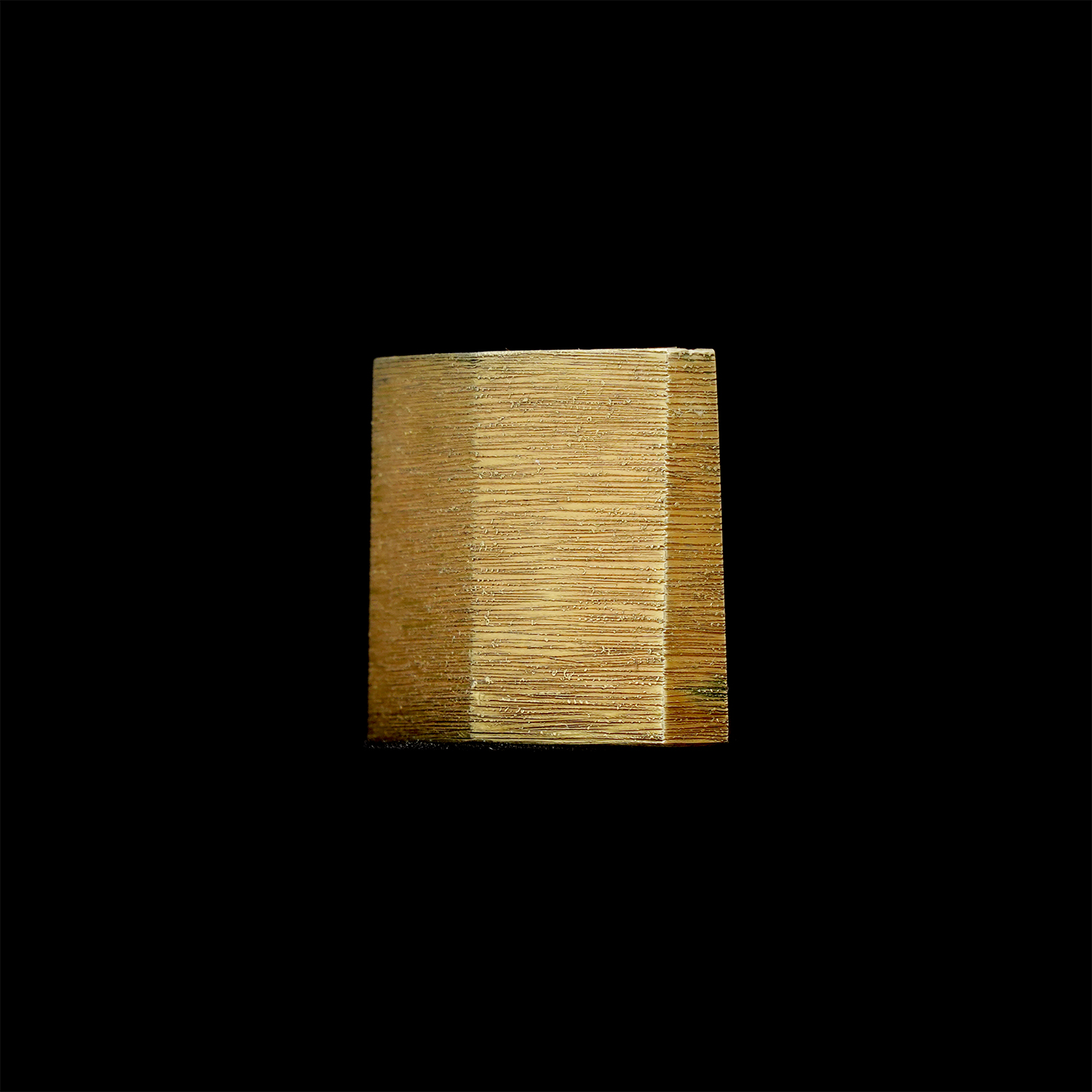
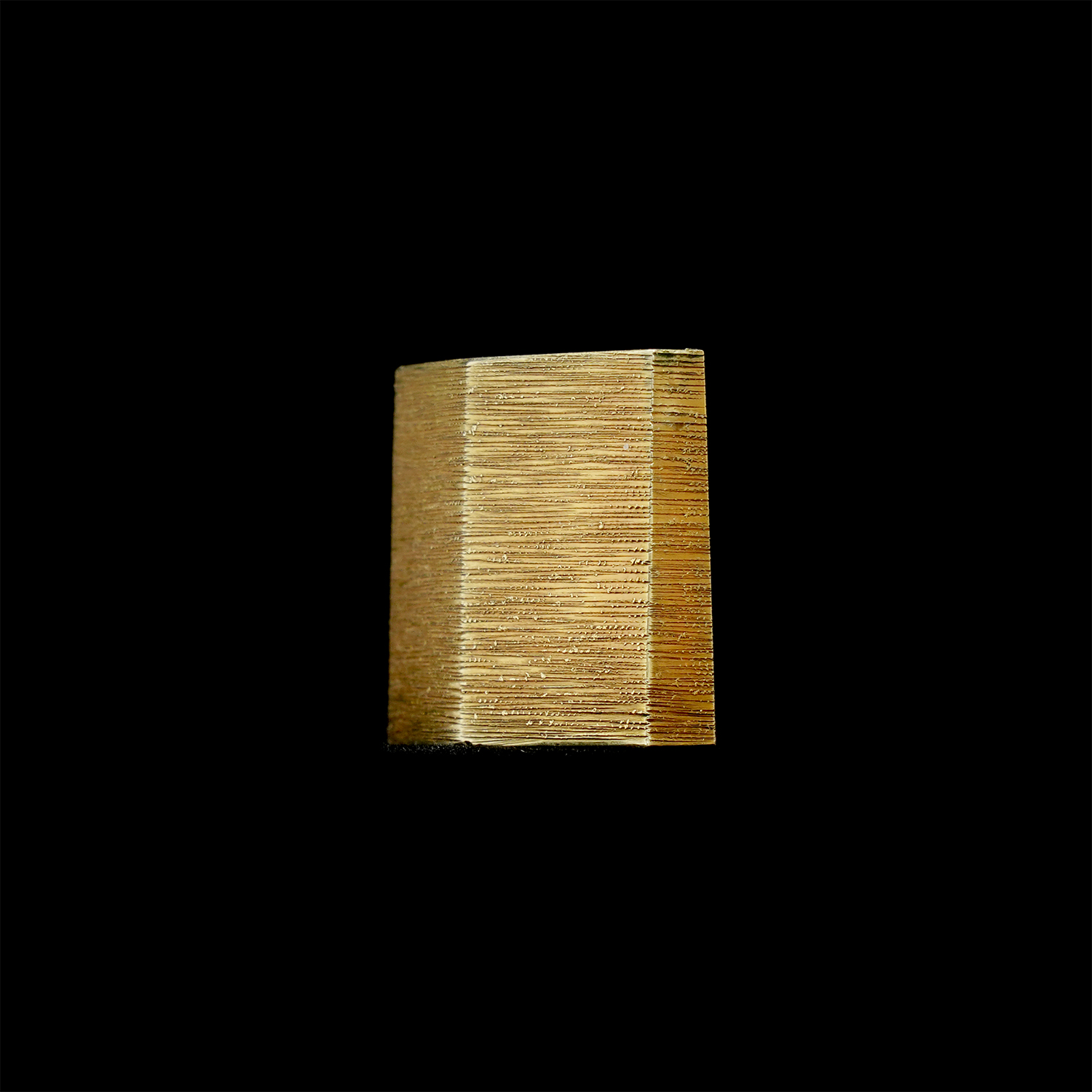
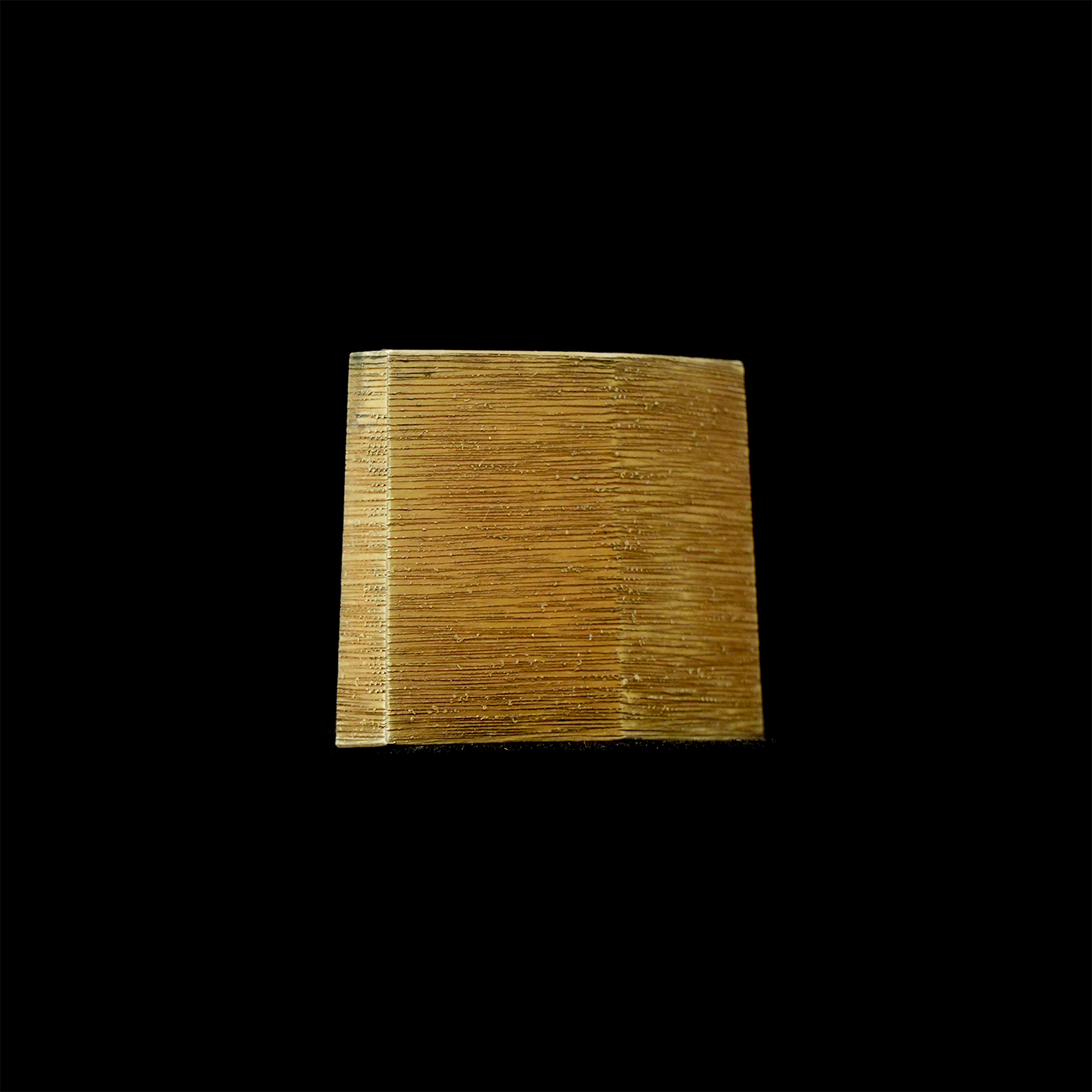
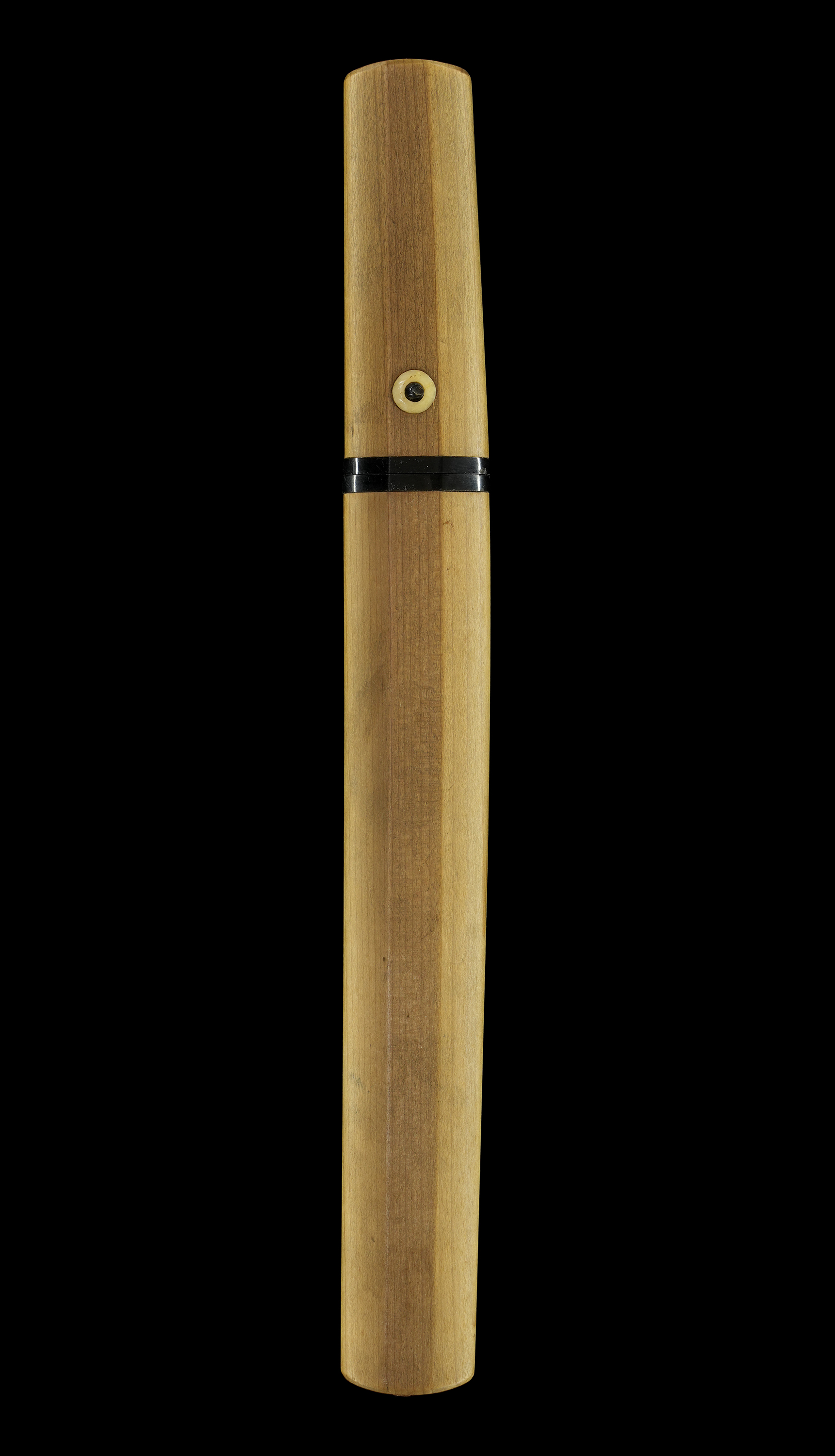
刃長18.3センチ 反りなし 元幅22.5ミリ 元重ね6.1ミリ 物打幅18.2ミリ 物打重ね5.0ミリ 目釘穴1個 裸身重量106グラム 室町中期~後期(文亀~天文頃) The middle ~ latter period of Muromachi era 平成6年8月29日 和歌山県登録 附属 素銅地金着はばき、白鞘 周防国二王派は、保延頃の清真、または清平を祖として始まると伝えていますが、確実な遺作は確認されておらず、今日では清綱を事実上の祖としています。 清綱の現存する作例では「文永二年三月 清綱」と書き下し銘のある太刀が厳島神社に存在し、次いで建武二年紀の「防州玖珂庄清綱」銘の短刀が知られ、以後同銘は室町時代まで連綿と続いています。 防国には東大寺などの寺領が多く存在し、二王派の作風に大和色が強いのは、大和本国との交流によるものと考えられており、二王の名の由来については諸説あるものの、周防国の仁王堂が火事に遭った時、仁王像を繋いでいた鎖を清綱の太刀で断ち切って、仁王像を救い出したことに由来するとされるものが通説となっています。 諸刃造。表裏には、その造り込みに合わせるかのように、長さを変えた(丈比べ)樋が端正に掻かれています。地鉄は小板目が柾に流れた清涼な鍛えとなり、細かな地景が交じることで奥行きのある表情を見せています。刃文は匂口が明るく冴えた互ノ目で、刃中には砂流しが随所に現れ、さらに長い金筋が鮮烈に走るなど、静謐な地鉄の中に極めて覇気に富んだ働きを内包しています。 洗練された姿の中に、刀工の技量が凝縮された、見どころの尽きない逸品です。
NihontoWatchOffered by Toushin
This piece has sold
8 on the market
Get an email when a new Nio Kiyomitsu piece hits the market.

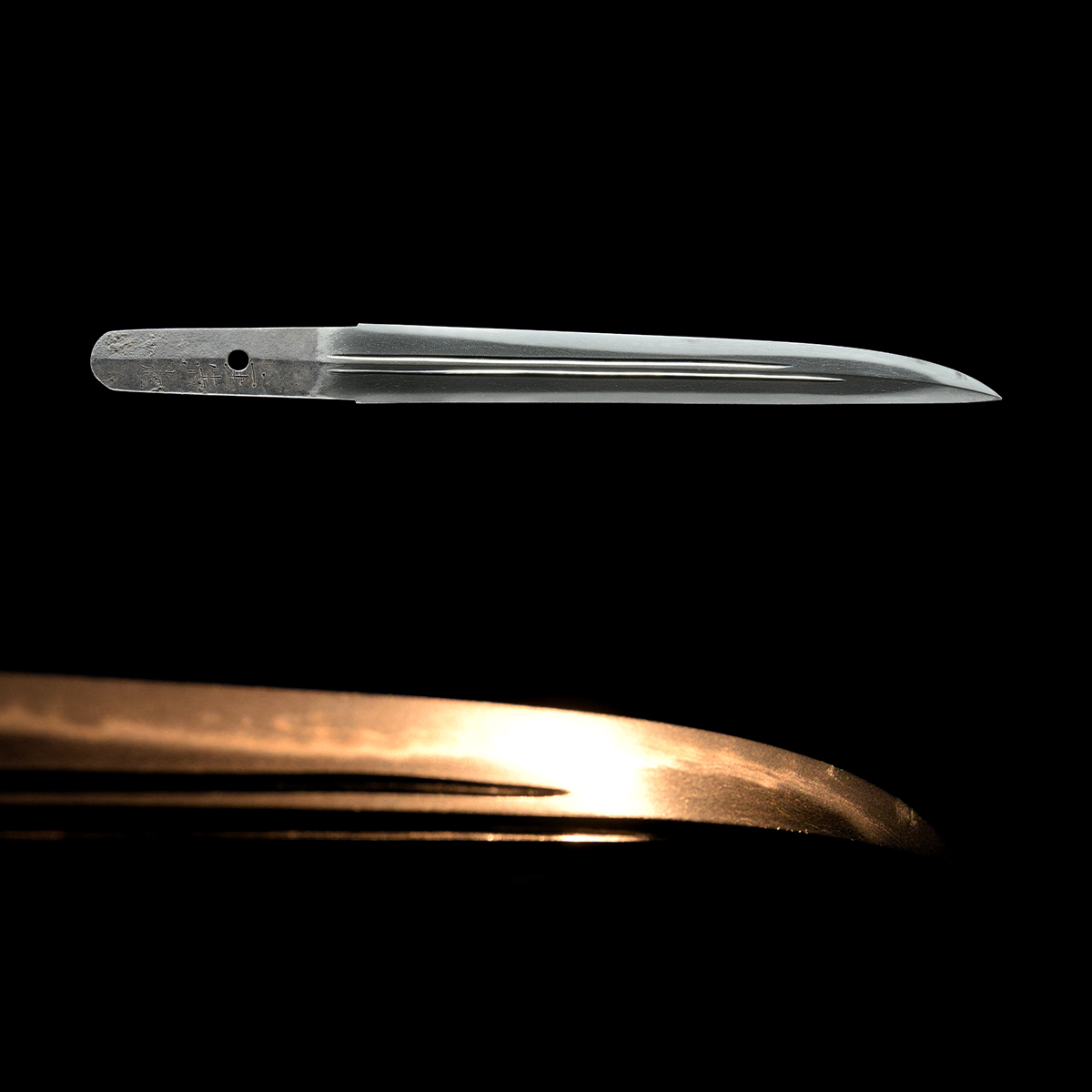
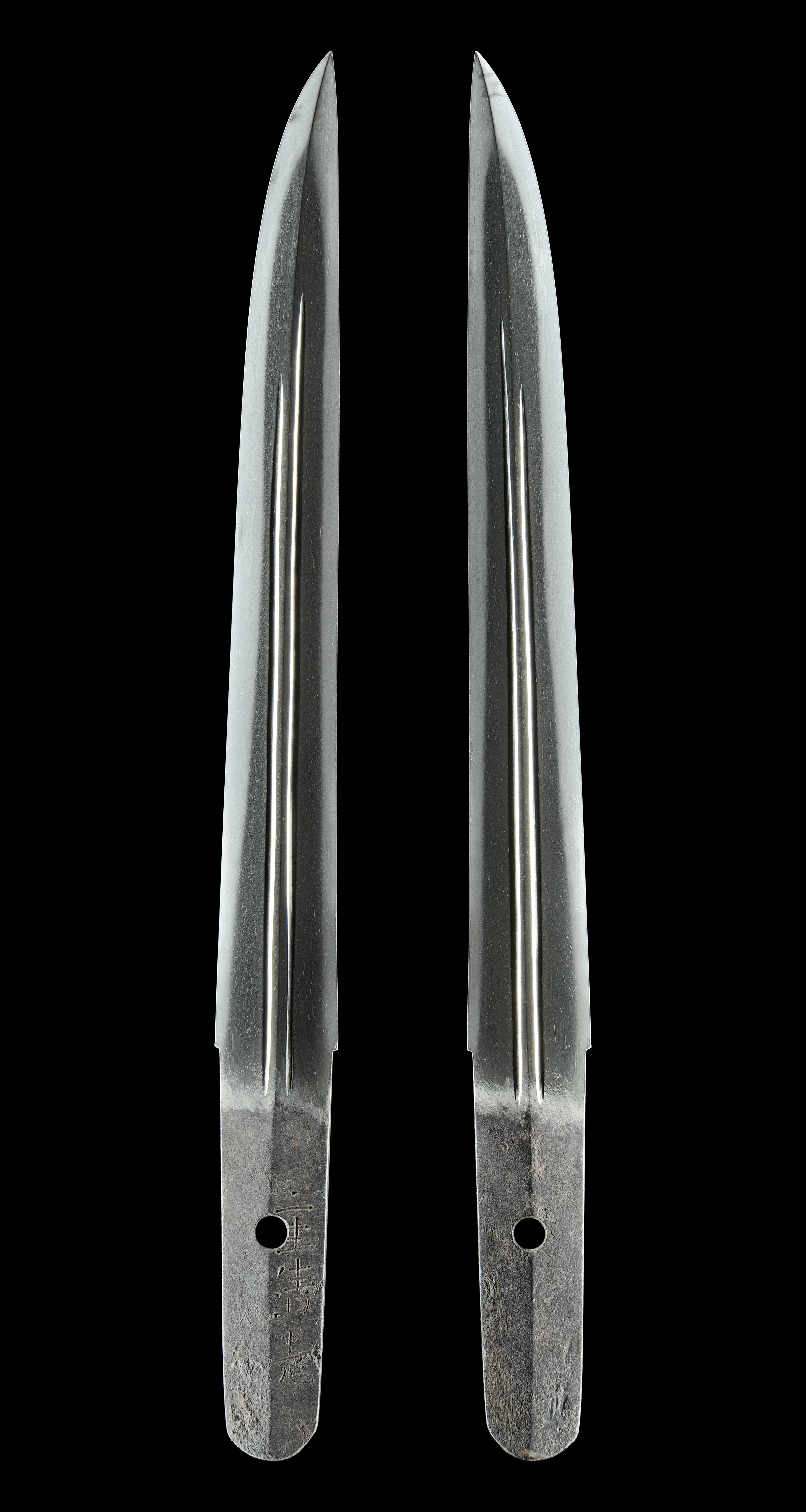
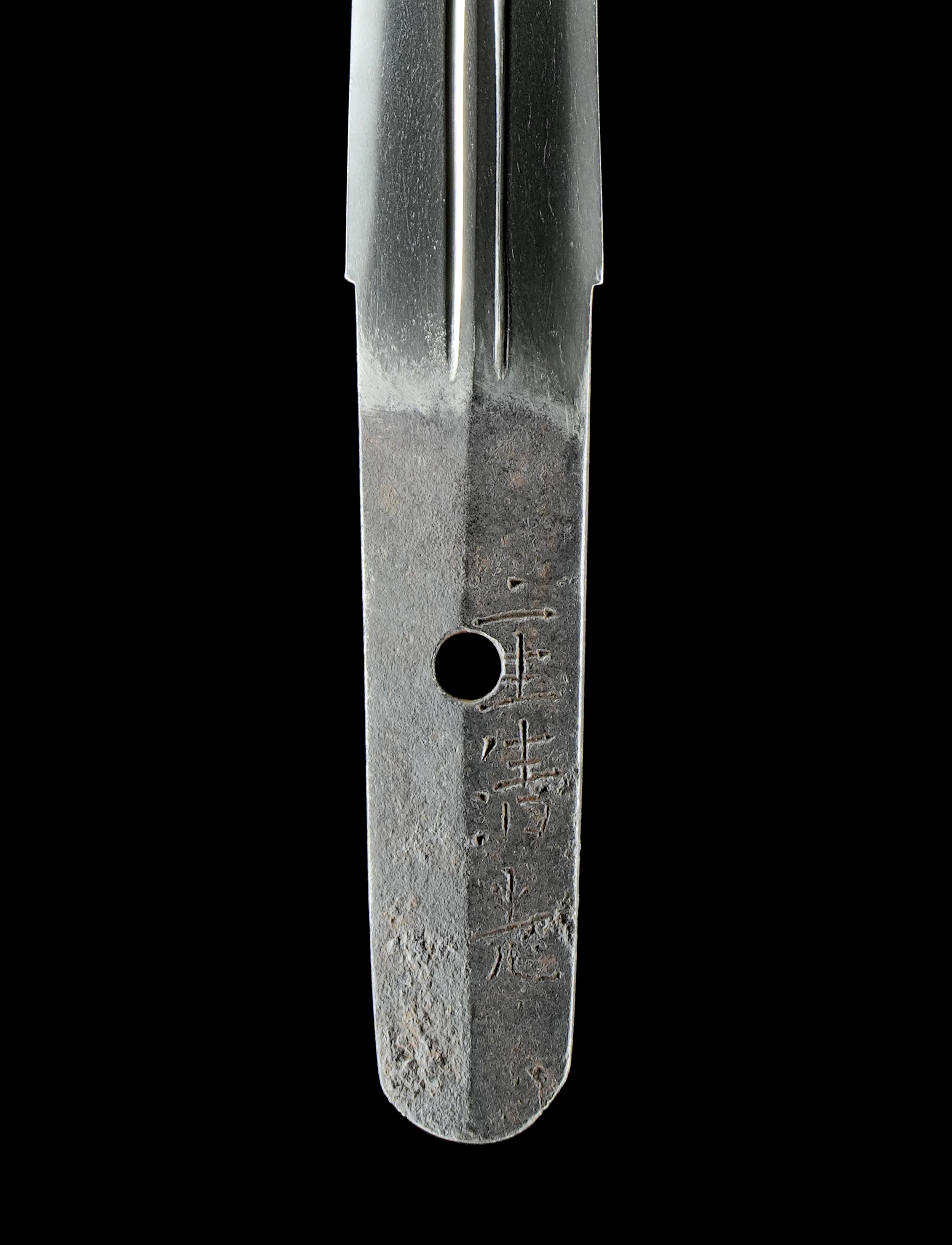
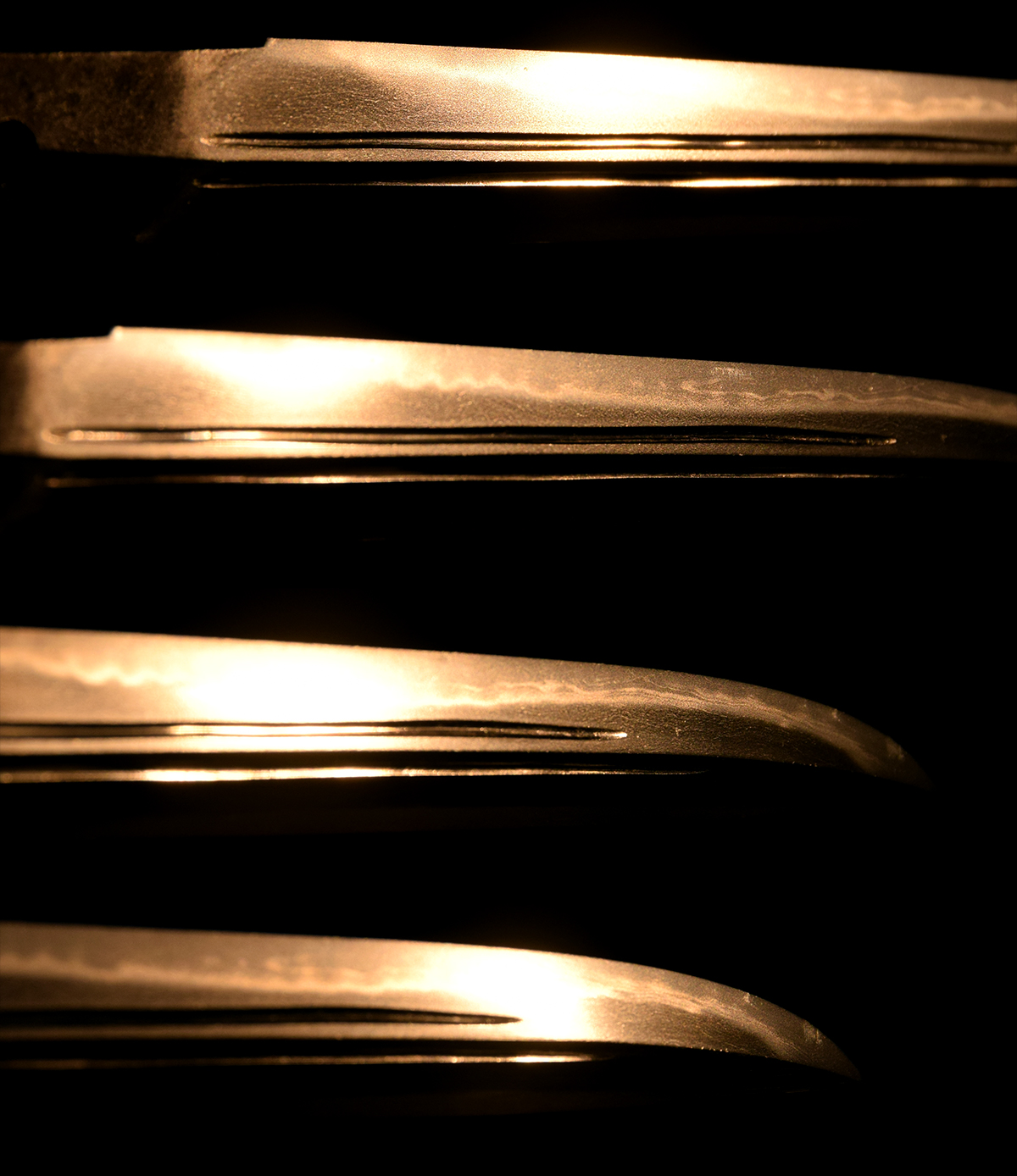
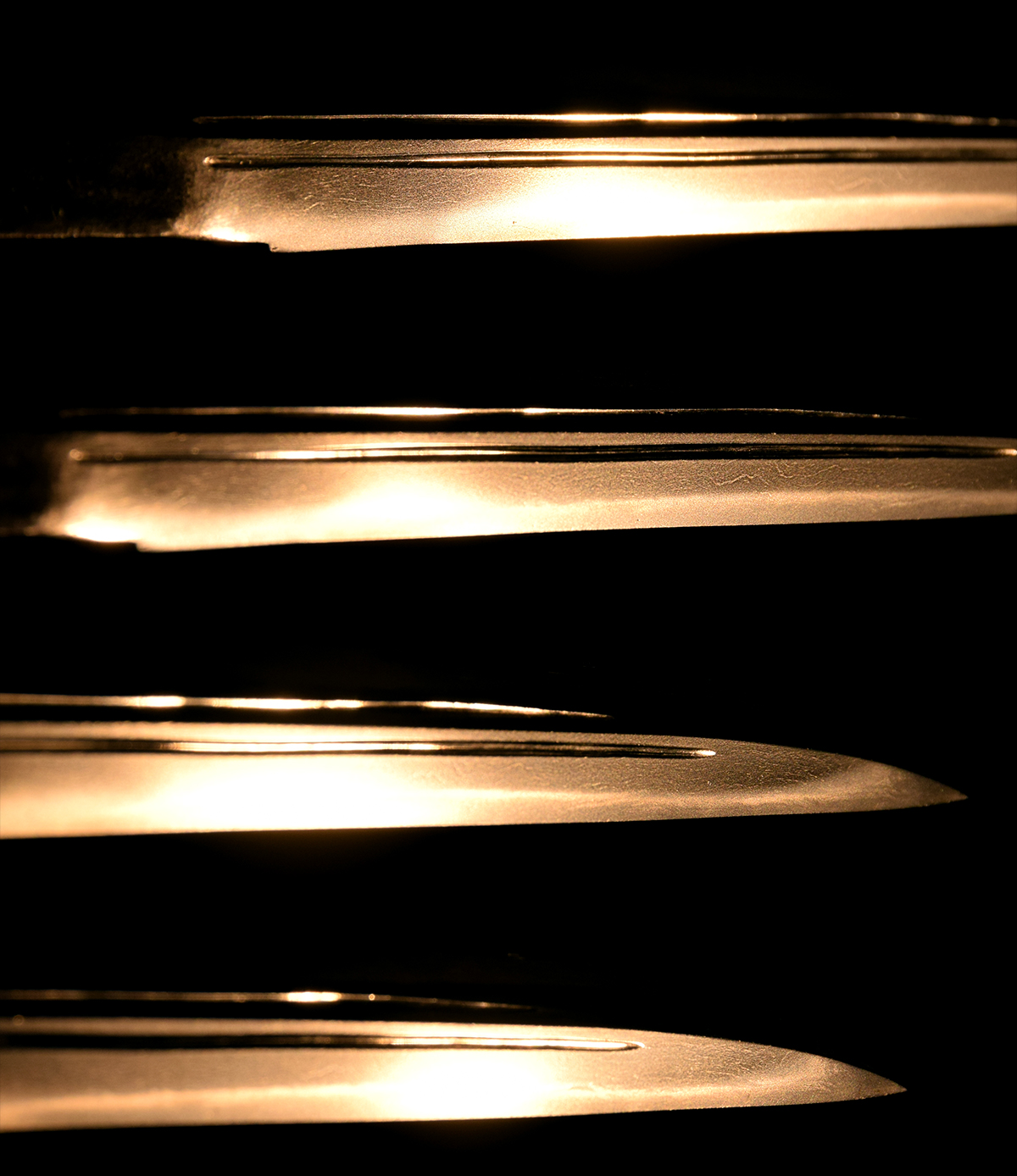
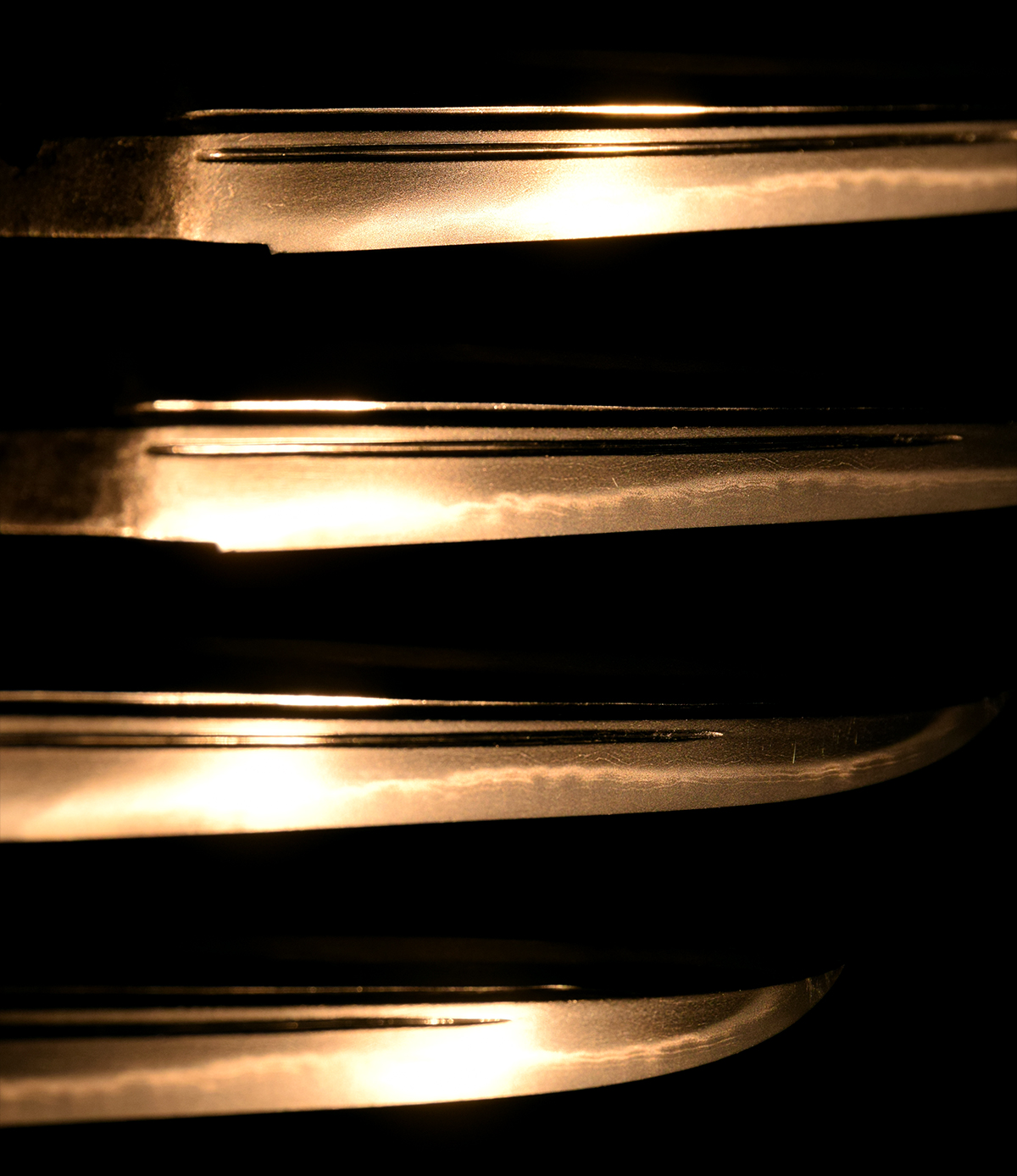
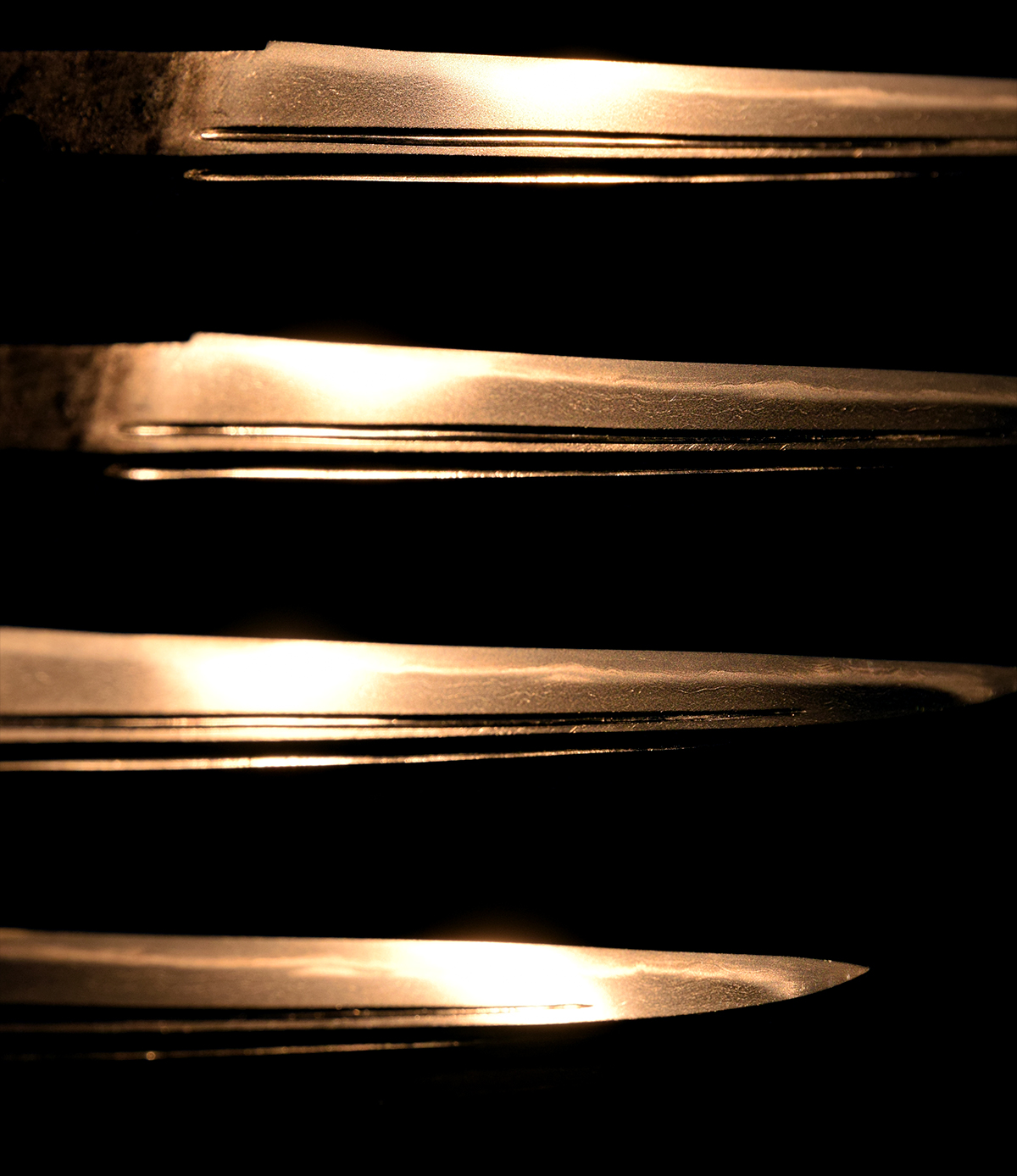
Wakimono · Suo · around 1532-1555
Tōken Taikan top 60%
Wakimono · Suo
8 pieces on the market now
The Niō school (二王) worked in Suō Province along the San'yōdō, the western reach of the country where heavy concentrations of temple estates, including lands of Tōdai-ji, drew the province into exchange with the Yamato heartland. The members describe the line as beginning in tradition around the Hōen era (1135 to 1141) with a Kiyozane or Kiyohira, but they agree that no securely attributable work by either survives, so Kiyotsuna is regarded in effect as the school's founder. His oldest dated piece, a tachi signed in a written-out inscription, "Bun'ei 2, third month, Kiyotsuna" (1265)[[c:1]], is preserved at Itsukushima Shrine and serves as the touchstone against which the first generation is read; after it the same signature continues without interruption through the Muromachi period and into the shintō era, the name borne by generation after generation, with a tantō signed "Bōshū Kuga-shō Kiyotsuna" of Kenmu 2 (1335) marking the line's passage into the Nanbokuchō. The members tie the appellation most persuasively to residence in Niho-shō within the province, one tradition deriving it instead from a first Kiyotsuna who cut a chain to free the Niō Guardian Kings from a temple fire, a pun the name carries. Later hands continue the manner, the Ōei-era Kiyonaga representative of the sue-Niō generations and a Kiyosada recorded through Kakitsu, Daiei, and Tenbun. Across the generations the members converge on one coherent manner. The kitae is itame mixed with mokume and nagare, the grain flowing overall and in places strongly toward masame so that the hada stands finely; minute ji-nie adheres and fine chikei enter, the steel sometimes carrying a slightly whitish tone. The temper rests on a narrow suguha, often slender, mixed with ko-gunome, ko-midare, and a shallow ko-notare, with ko-ashi and ko-nie attached and kinsuji and sunagashi moving along it; along the habuchi the members note hotsure, uchi-noke, and kuichigai-ba, and the bōshi runs straight and turns back in a small ko-maru, the tip at times showing hakikake.
What the members single out as the school's own individuality, the features that separate Niō from the Yamashiro and Yamato suguha it otherwise resembles, are two paired effects: a shirake-utsuri, a whitish hazy reflection standing in the ji toward the mune, and an urumi, a moist softly clouded quality in the nioiguchi where the bright line of Rai and Tegai gives way to something more subdued. Divergences across the line are matters of degree rather than kind: the early signed work reads quiet and controlled with a brightened nioiguchi, the later sue-Niō hands lean toward gentle notare with active yo, and the late generations add kurikara and Niō-guardian carvings in ranma-sukashi and relief within hitsu recesses. To read Niō work the members return to the same tells. The tachi sugata is the elegant late-Kamakura form, slender and high in the shinogi, the kasane somewhat thick, with pronounced koshizori, a small or medium kissaki, and taka-no-ha file marks that confirm the Yamato connection; the tantō is hira-zukuri with slight uchizori. At a glance the workmanship is suggestive of Yamato proper, yet the members observe that the flowing grain is not as conspicuous as in Yamato blades and the nie is comparatively restrained, while the shirake-utsuri in the ji and the urumi in the ha, taken together and not either alone, are the pairing that fixes the attribution against both the Yamato heartland and the brighter Yamashiro suguha of Rai; this same moist, whitish register, paired with the masame-leaning standing hada, also sets the school apart from the clearer steel and jifu of Aoe. The best of the signed first-generation pieces are judged to express not only Kiyotsuna's own hand but the characteristic traits of the school, signed examples with ubu-nakago prized as documentary material given how few survive. Provenance, where recorded, is distinguished: an Important Art Object tachi now in the Sano Art Museum was held at its prewar recognition by Tokugawa Iesato, another signed tachi descends to the Seikadō from the Ōsaka collection of Kajima Isao, and the dated touchstone remains at Itsukushima. Most of what survives is held in shrine and institutional hands rather than traded, so a signed Kiyotsuna with its file marks and old two-character mei intact is among the rarer things a collector of provincial Kamakura work might encounter. Learn more →
| Smith | Era | Designated |
|---|---|---|
| Kiyotsuna清綱 | 1293-1299 | 10 |
| Masakiyo方清 | 1661-1673 | 0 |
| Naokuni直國 | 1848-1854 | 0 |
| Masakiyo方清 | 1688-1704 | 0 |
| Kazukiyo一清 | 1441-1444 | 0 |
The Muromachi period (1392 to 1573)
Muromachi turned sword making into an industry: the uchigatana rose with massed infantry warfare, Osafune and Seki produced bundle swords beside custom orders, and the Ming trade carried Japanese blades abroad by the tens of thousands.
As a rule we do not accept returns, except when we have sent a different item from the one ordered or when there is a significant discrepancy between the description and the item. If you wish to return an item, please contact us within 3 days of its arrival and then send it back.