The twentieth century nearly killed the craft twice: wartime distortion, then the occupation ban. The NBTHK’s founding in 1948 and licensed forging from 1953 rebuilt the sword as an art, crowned by Living National Treasures and the mukansa rank.
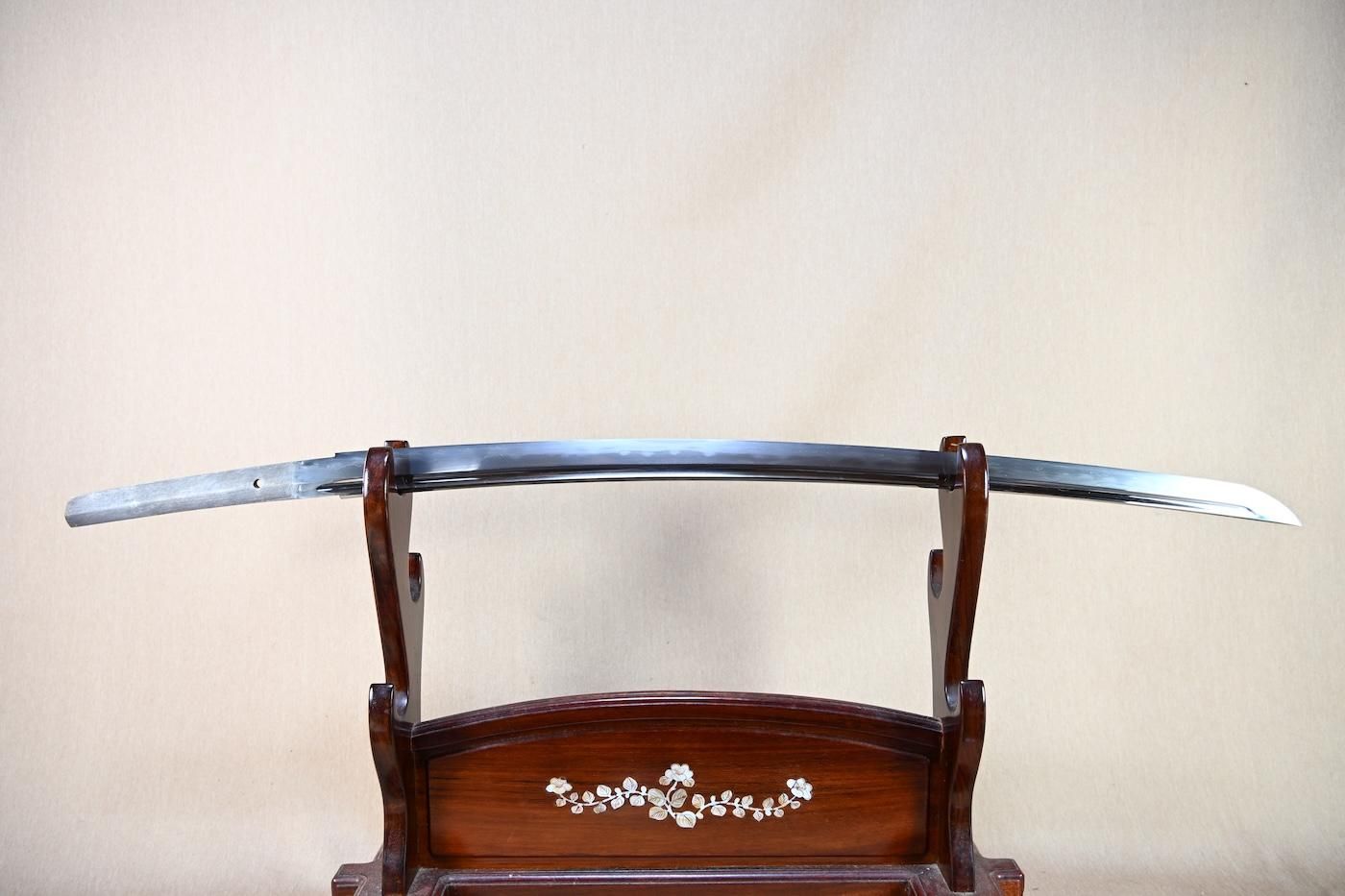
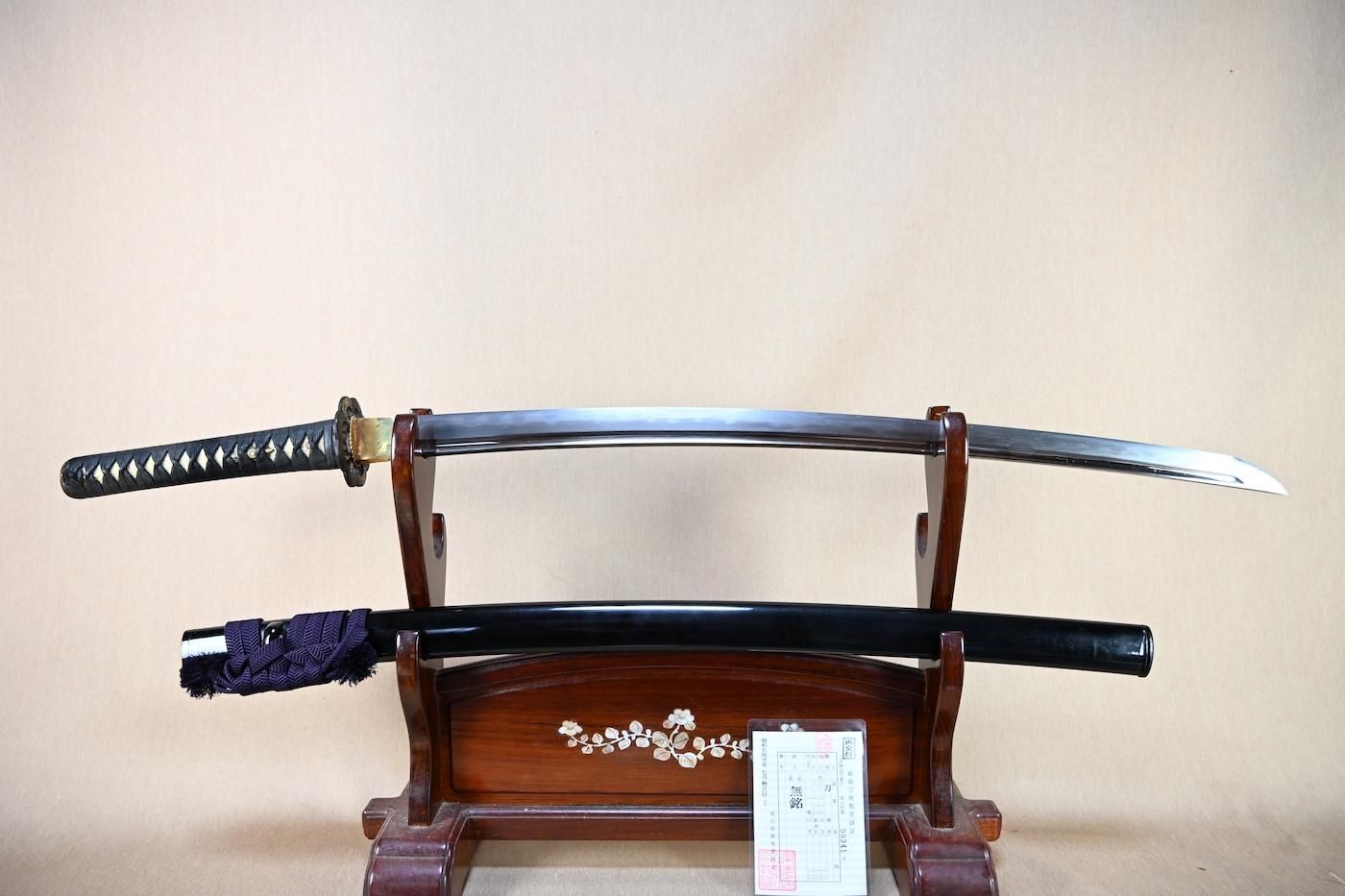
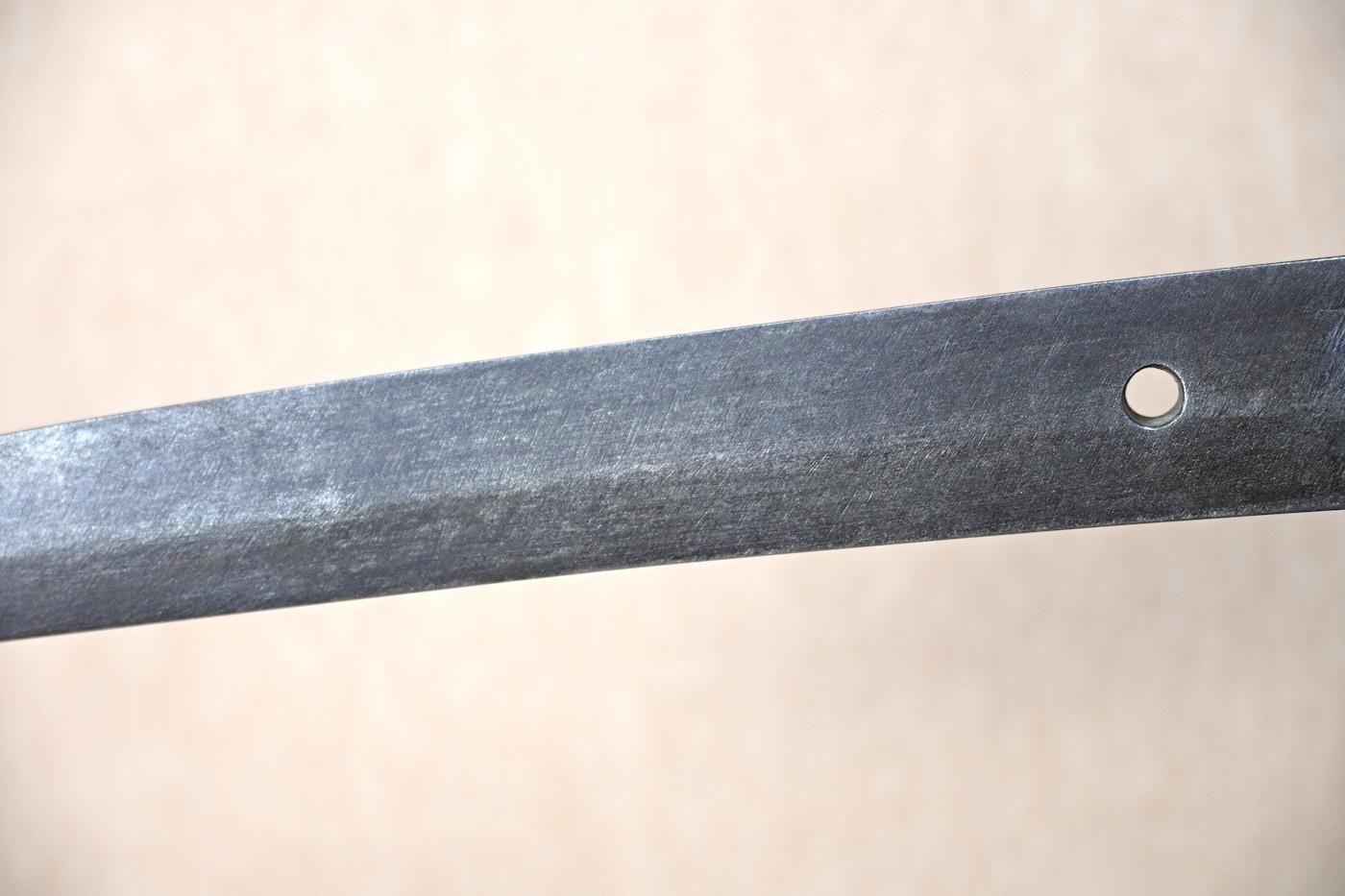
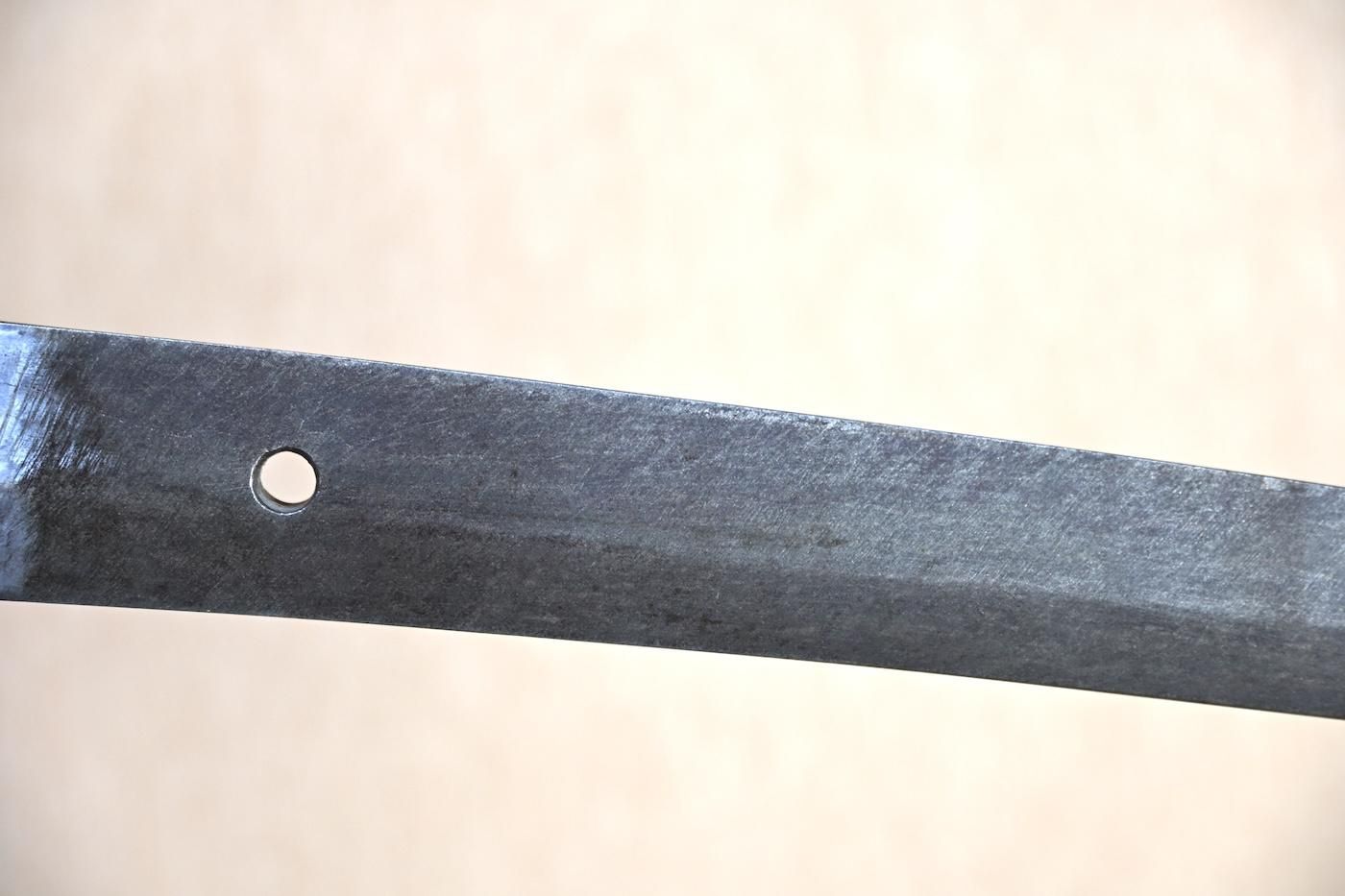
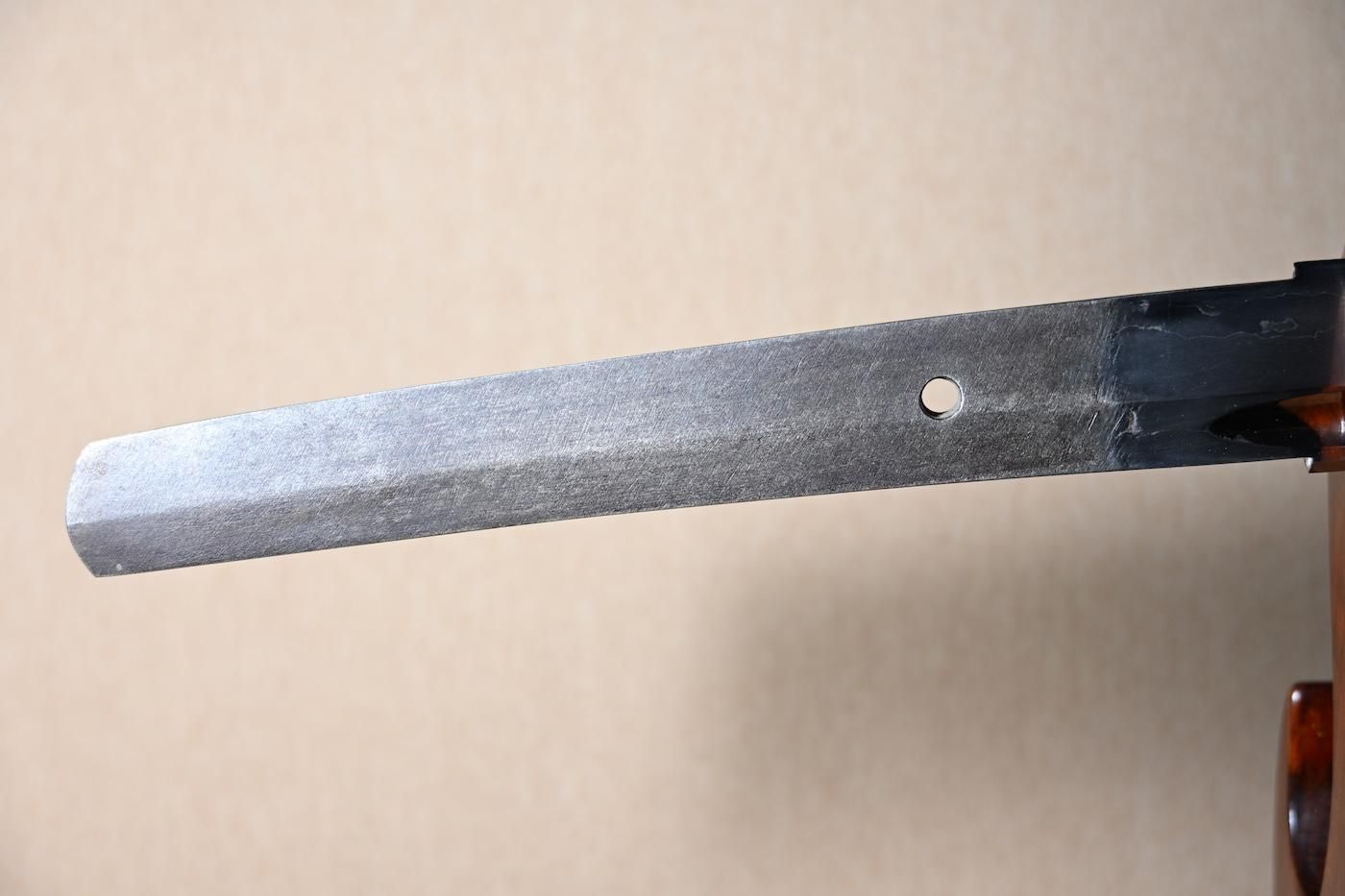
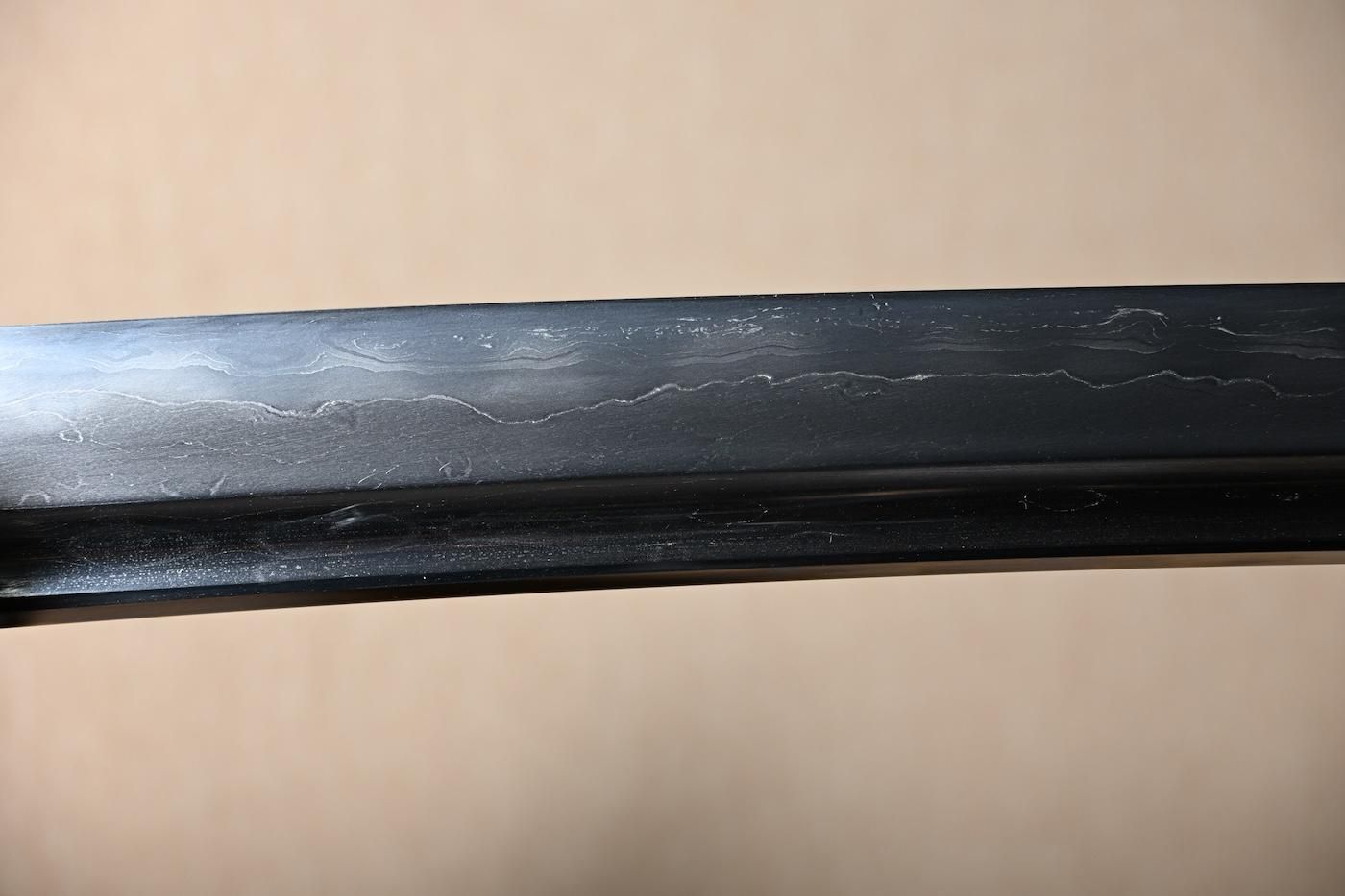
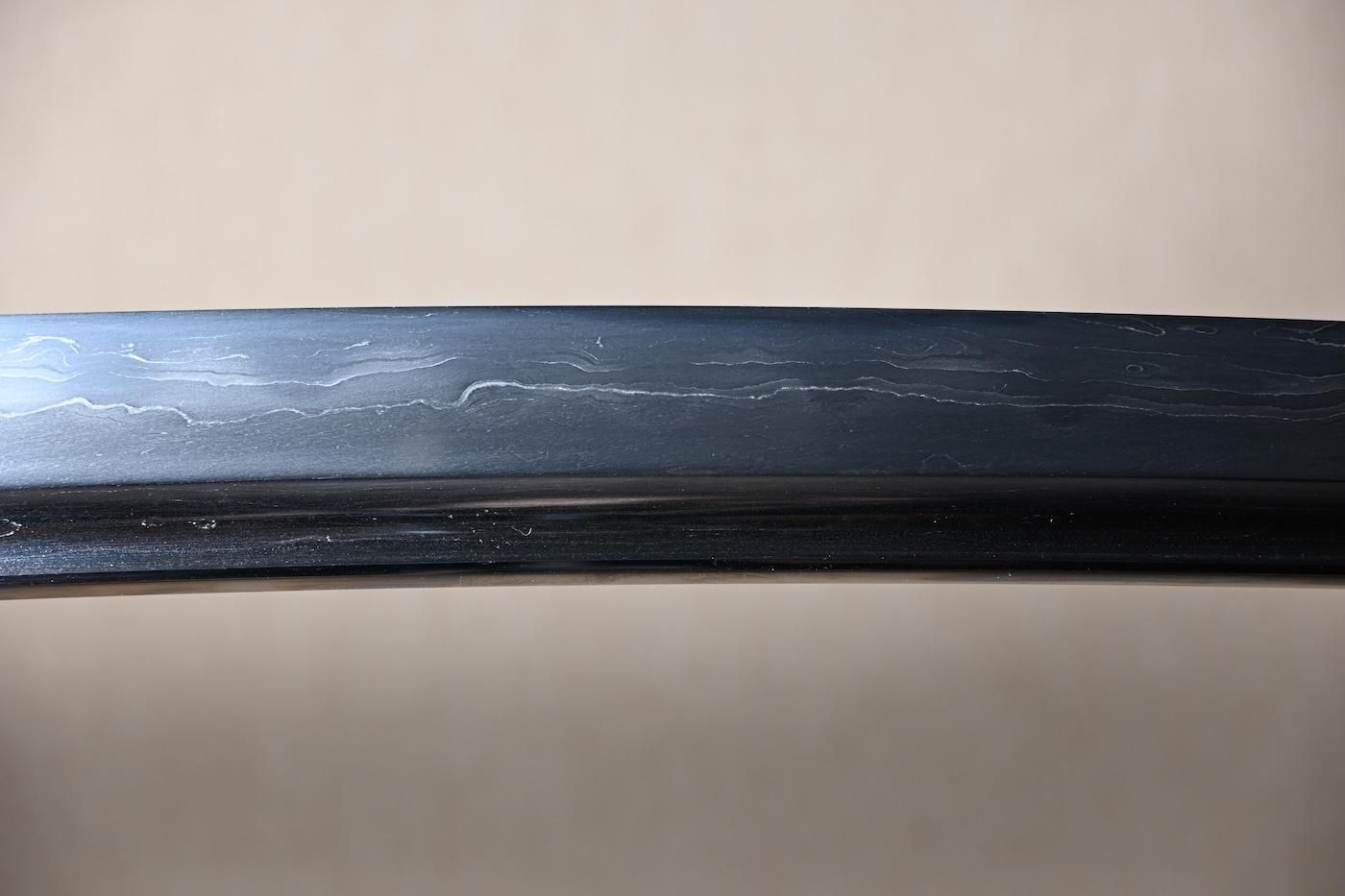
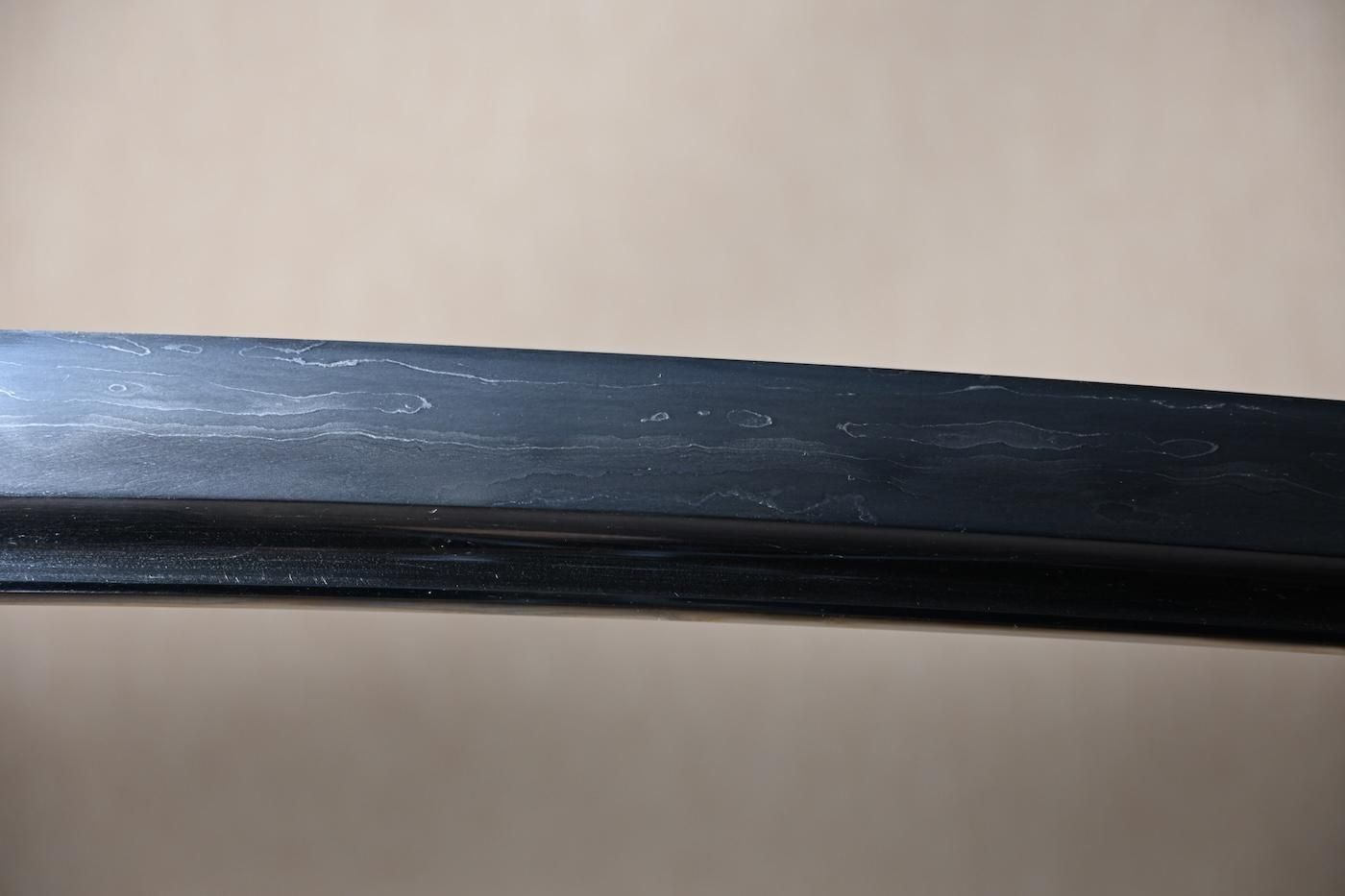
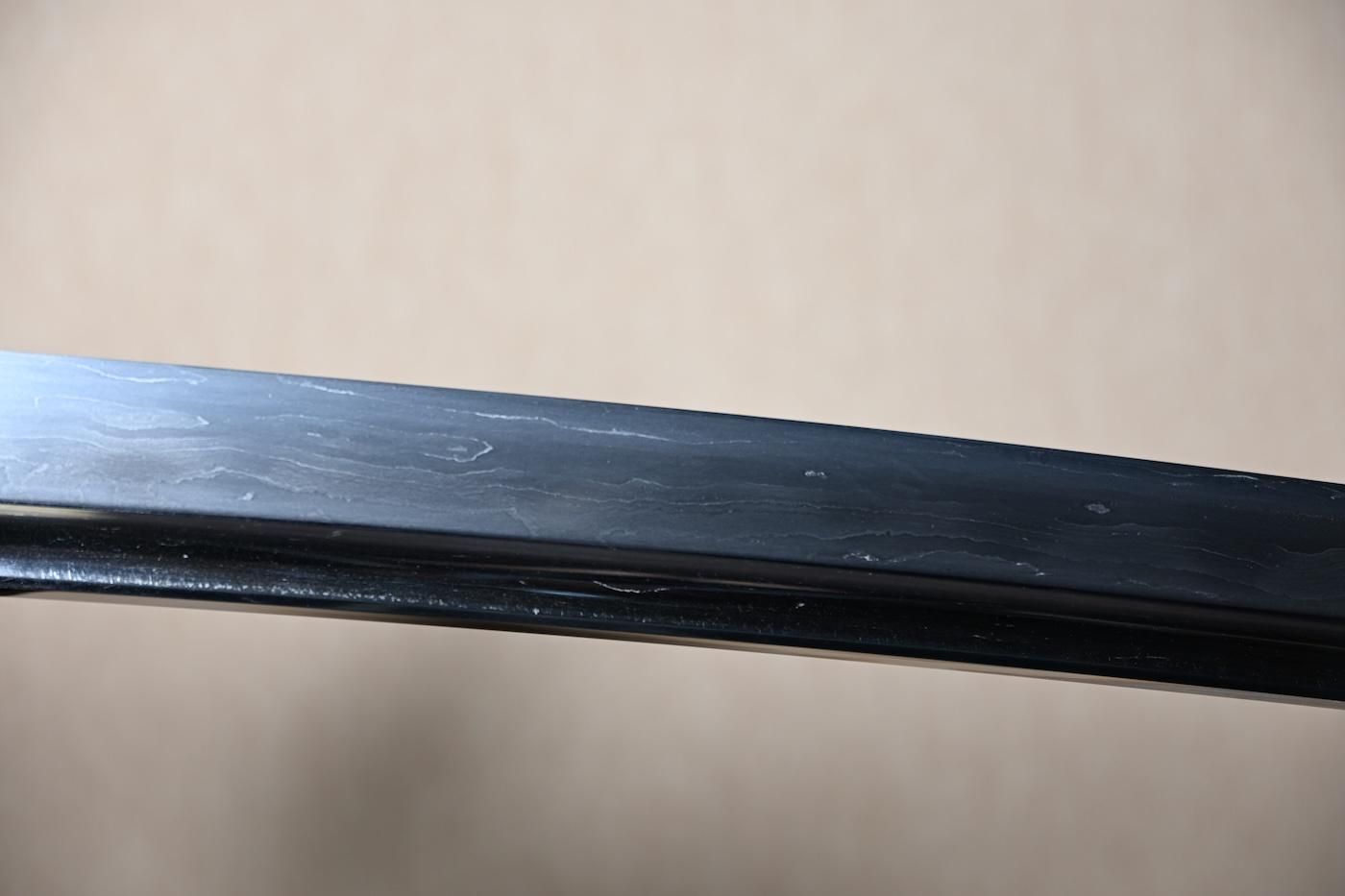
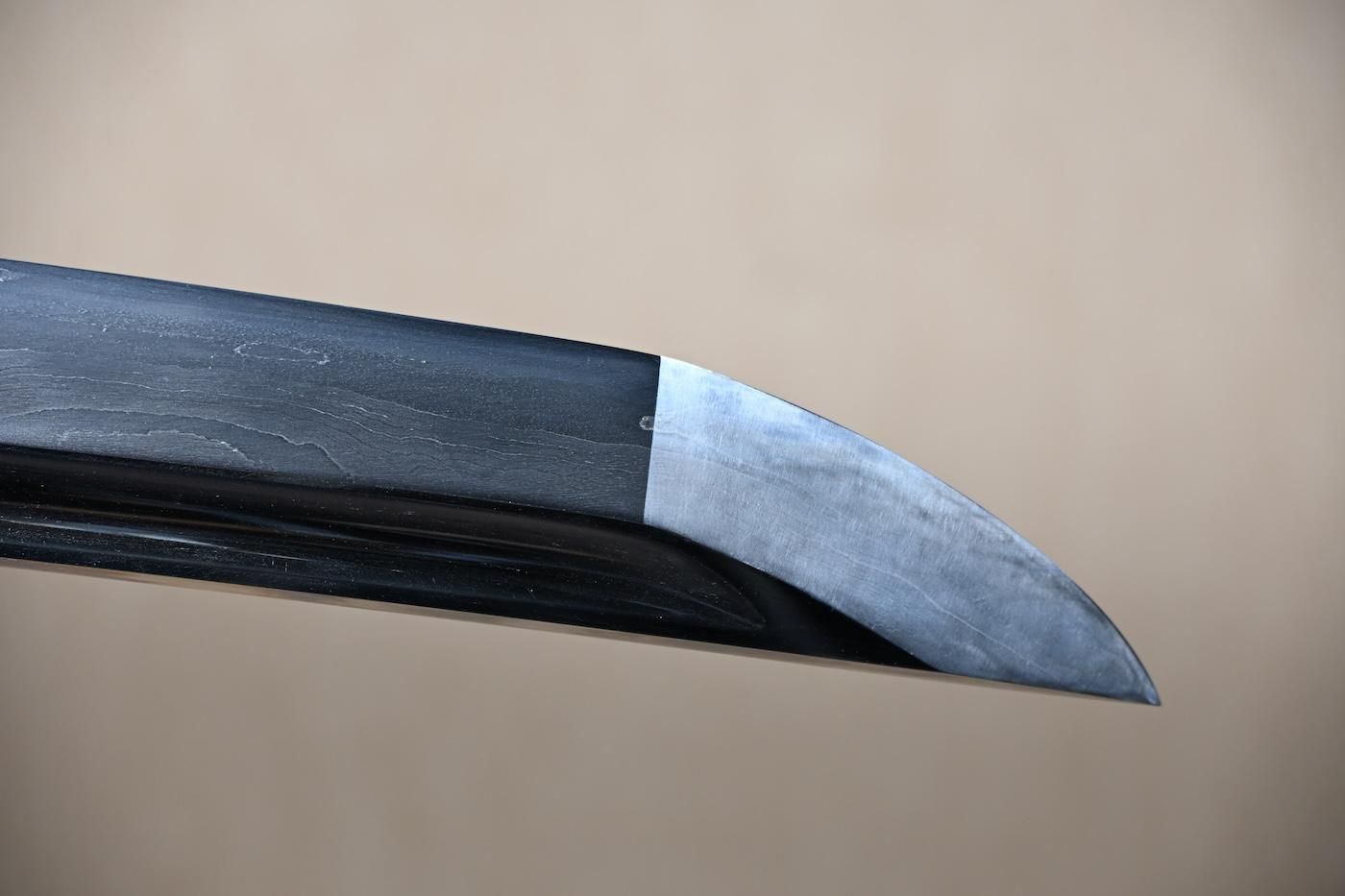
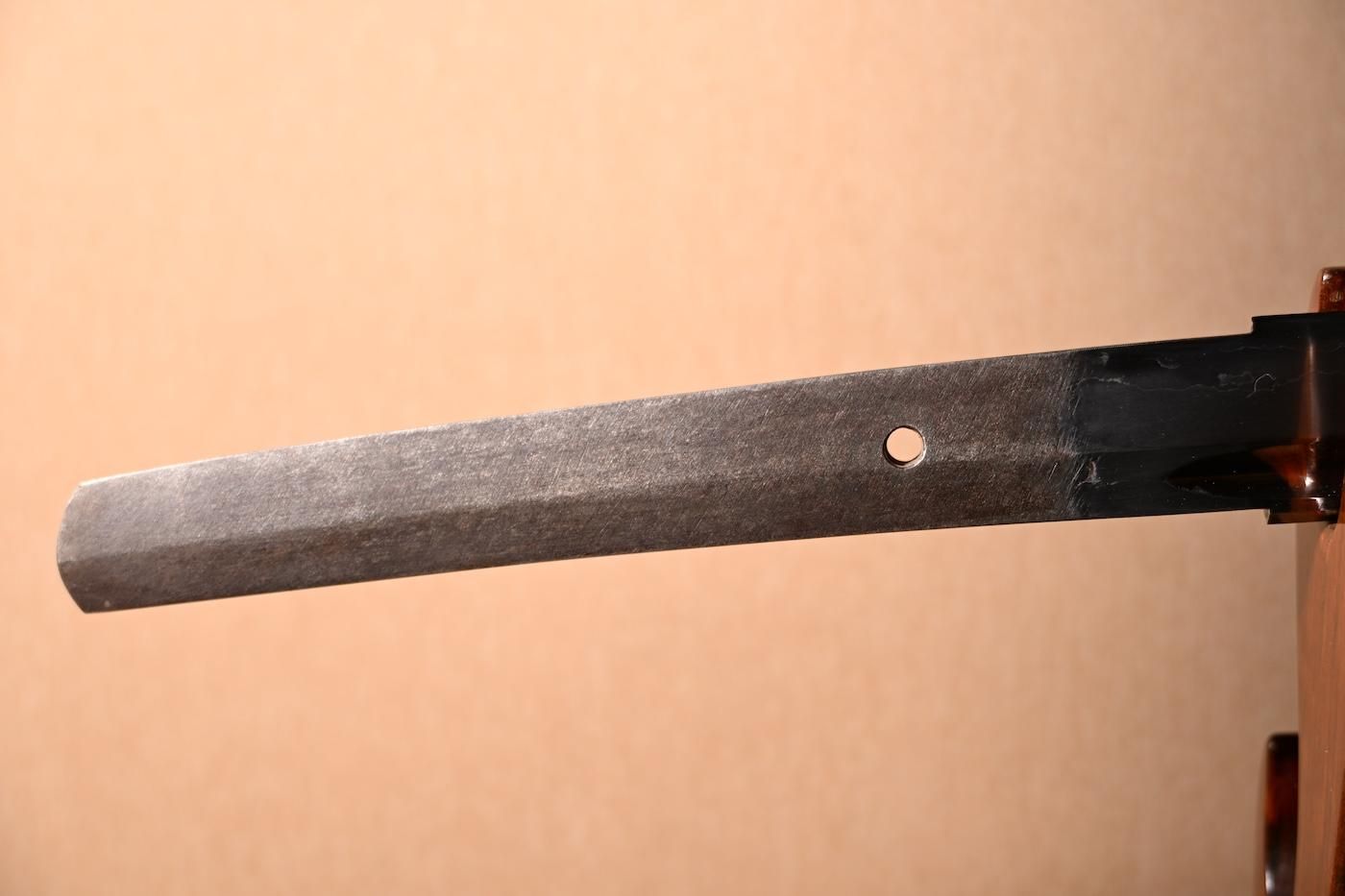
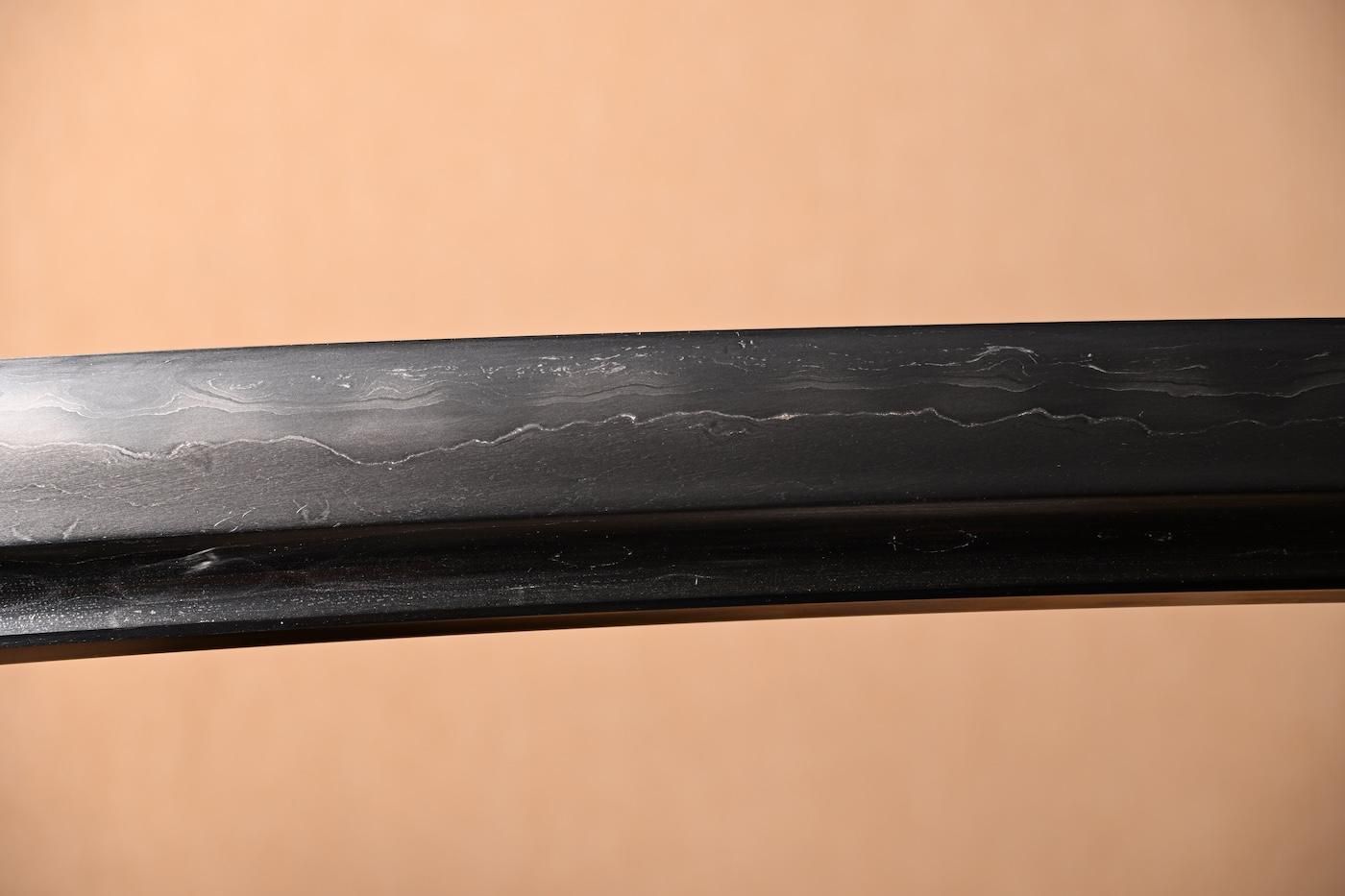
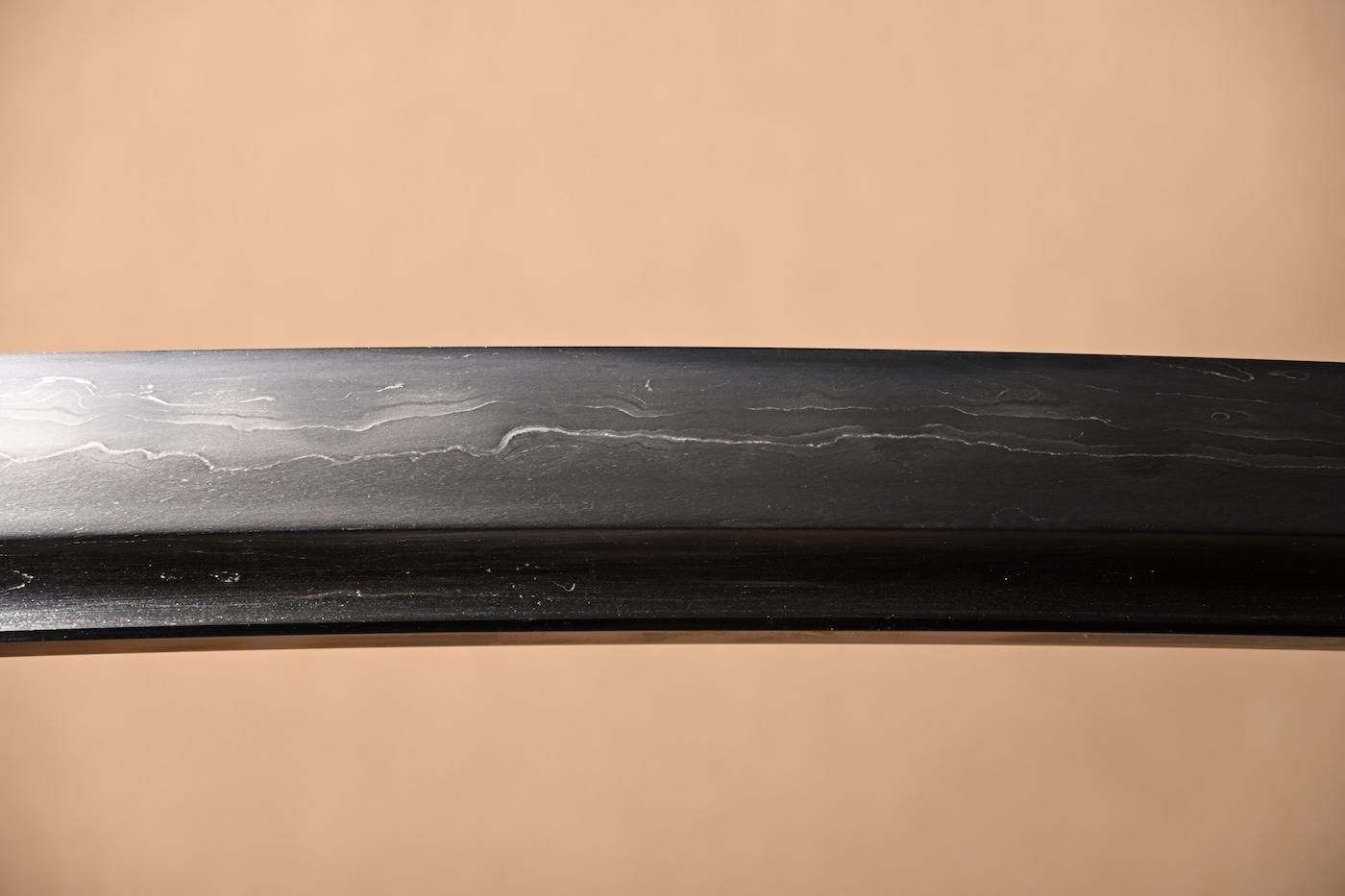
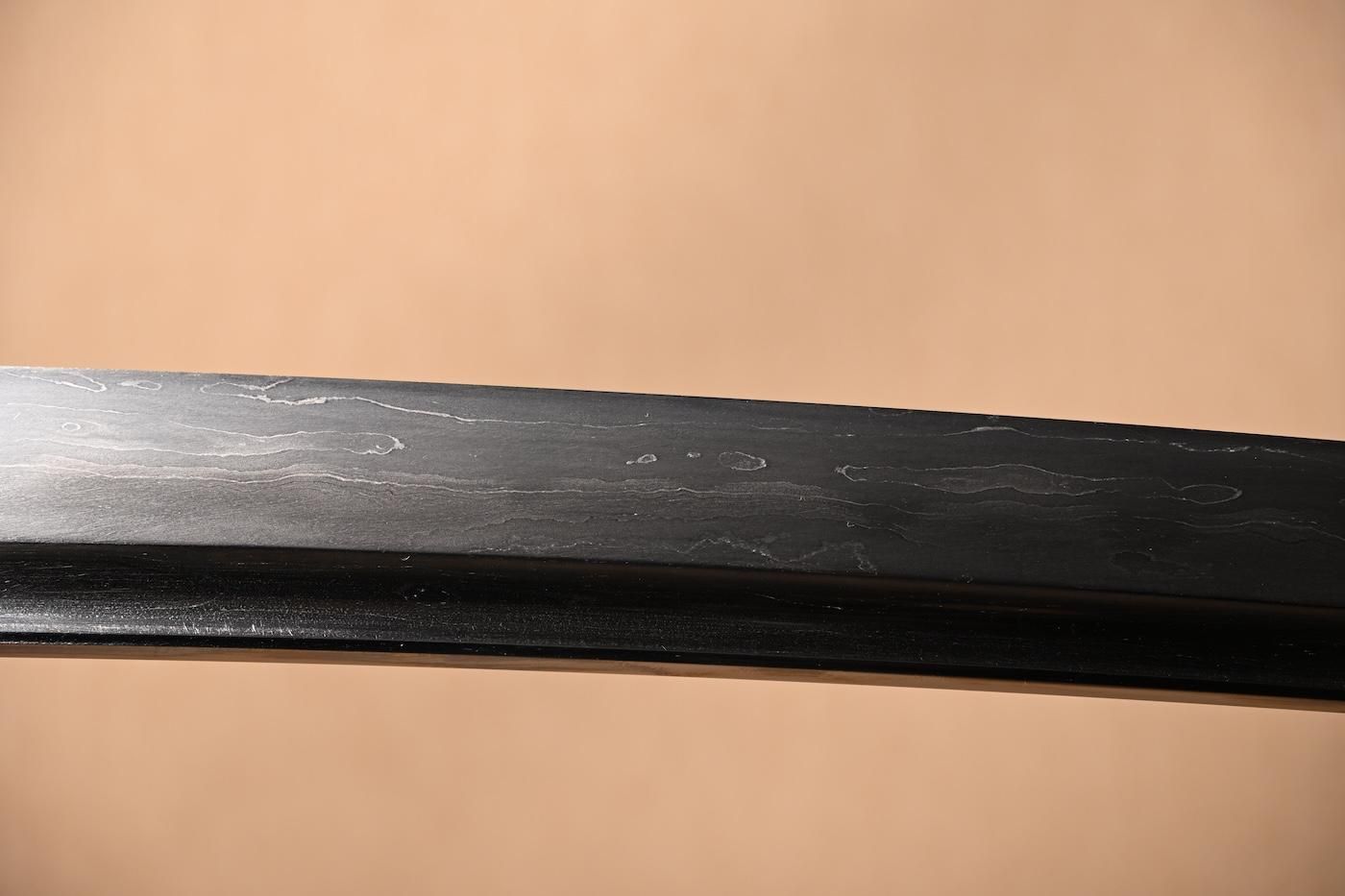
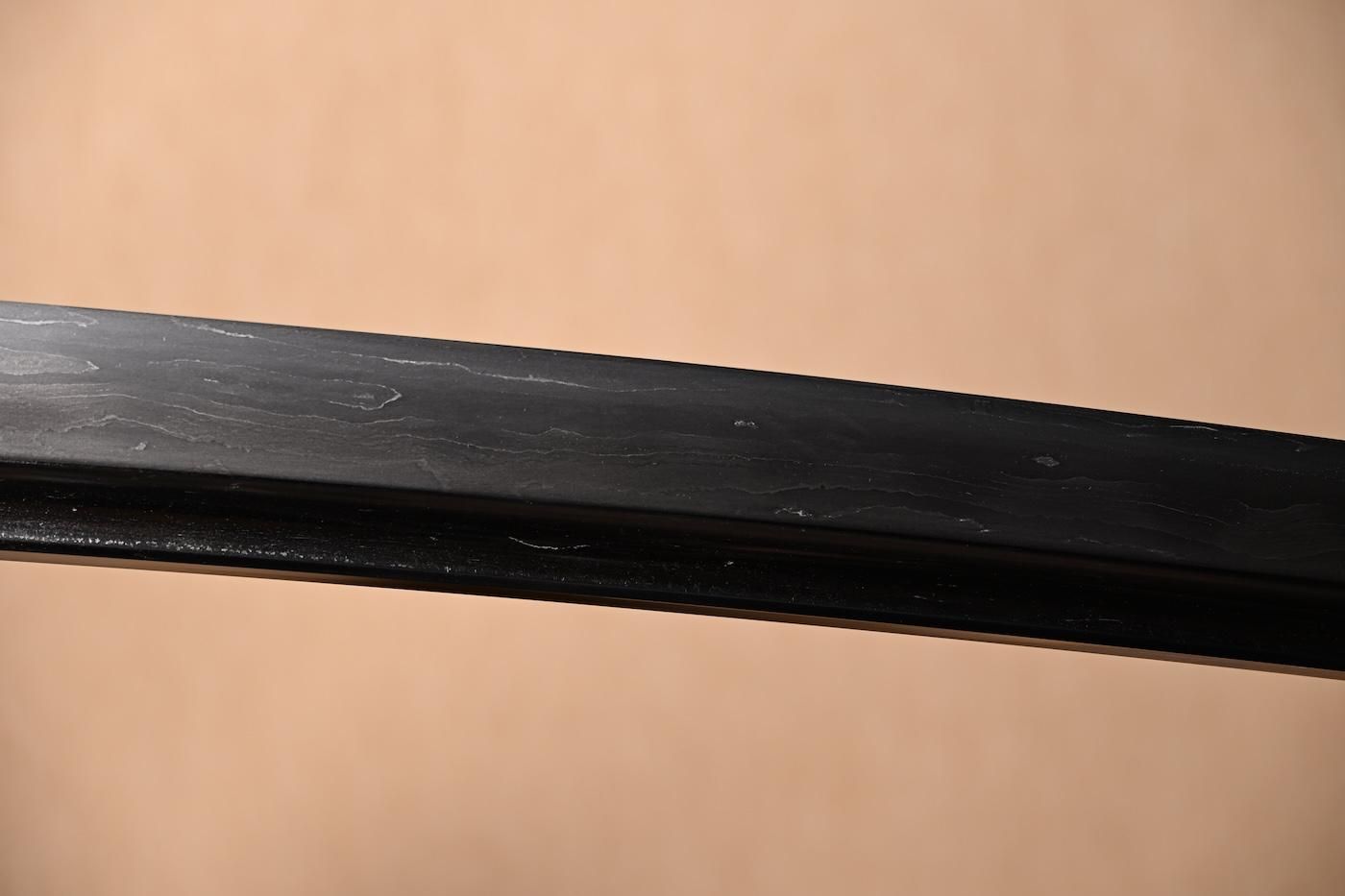
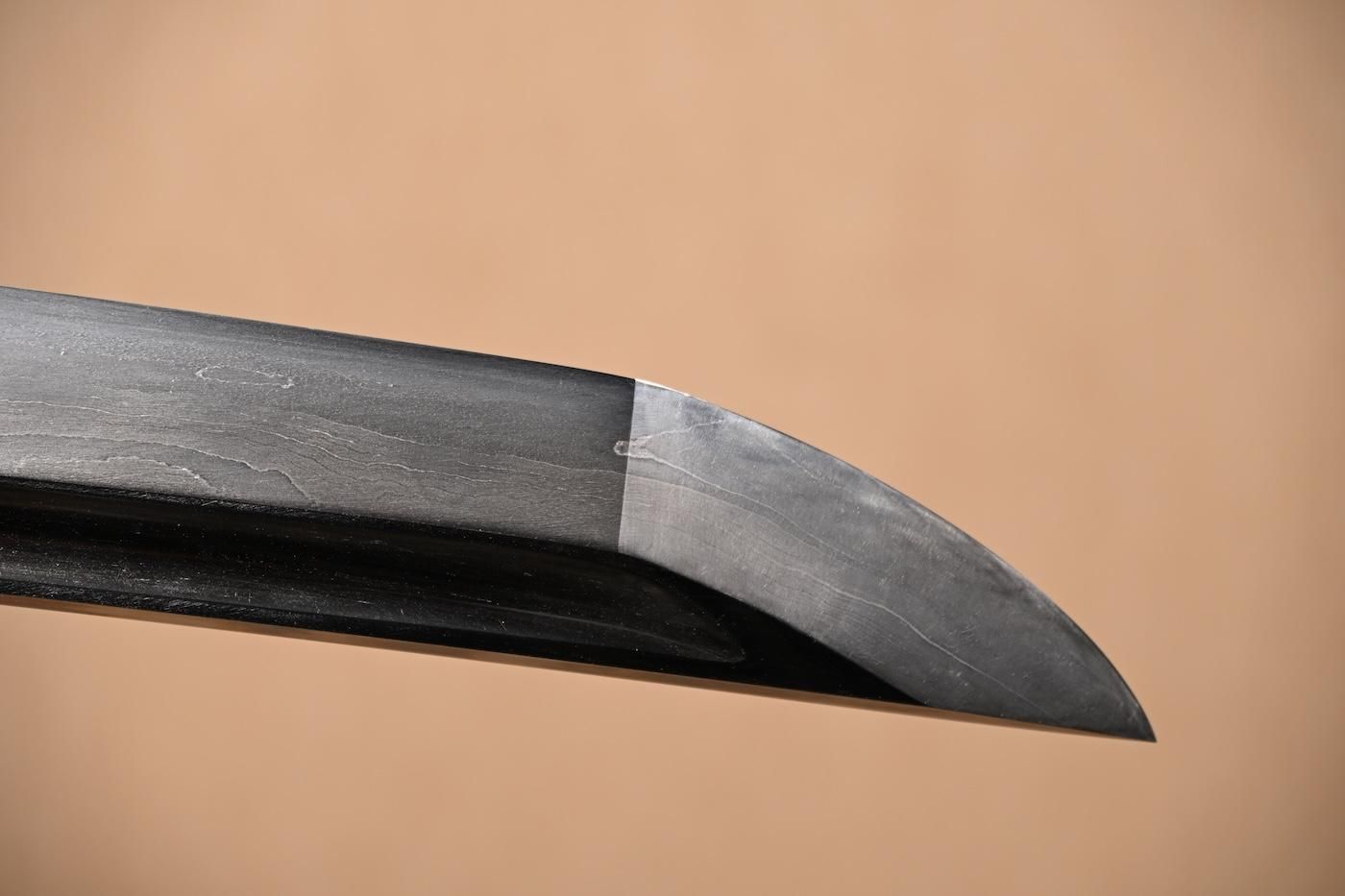
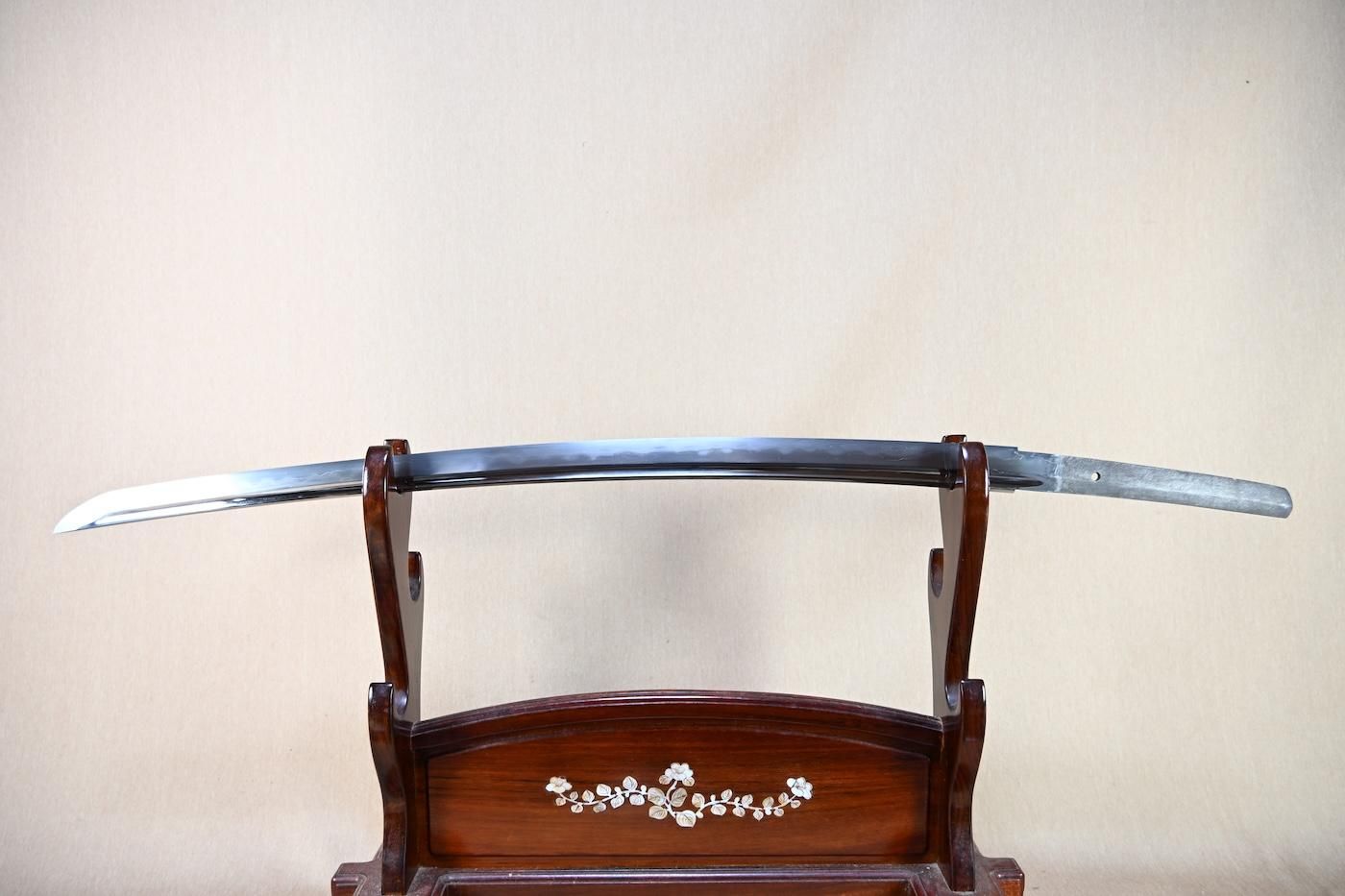
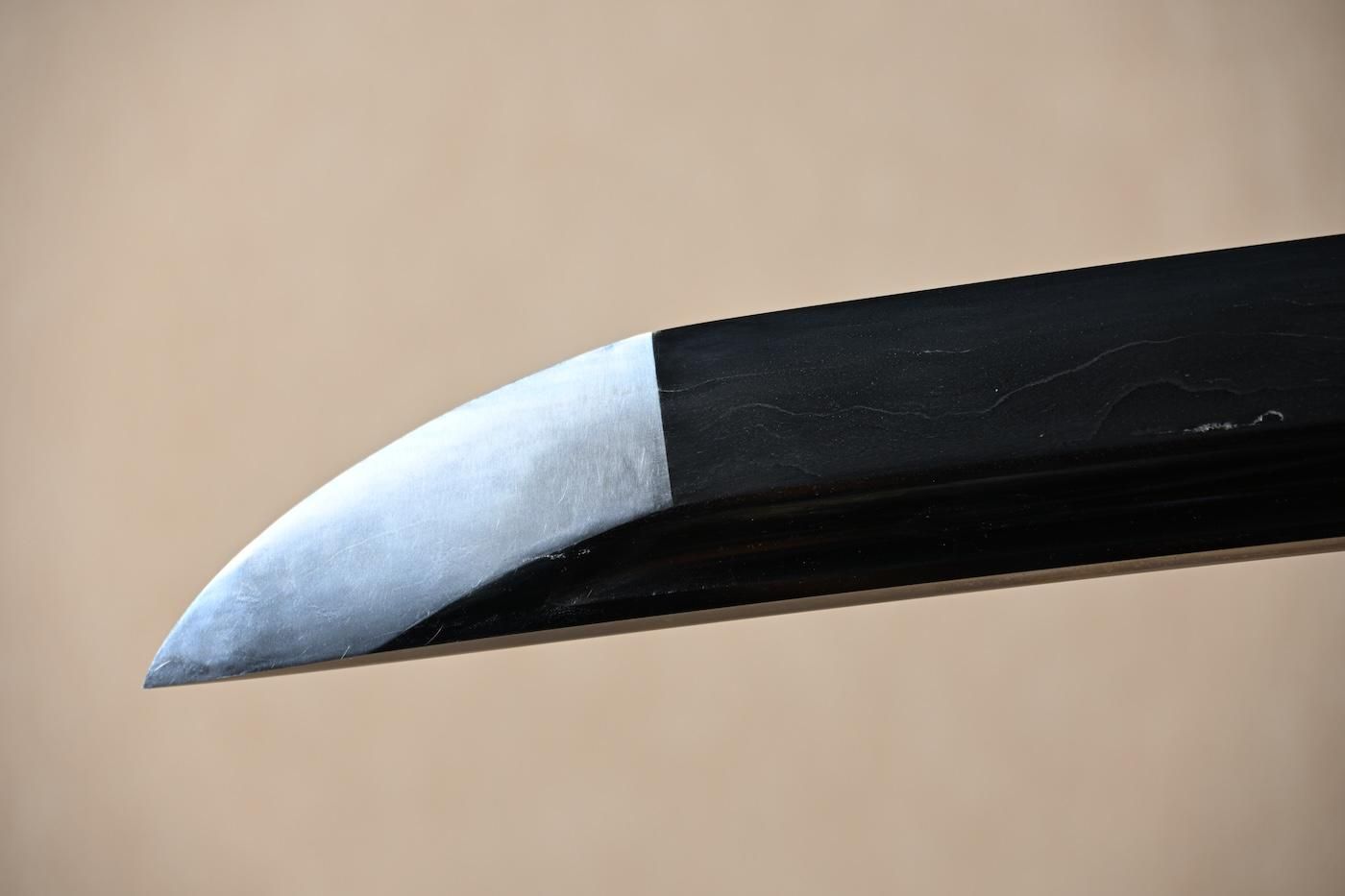
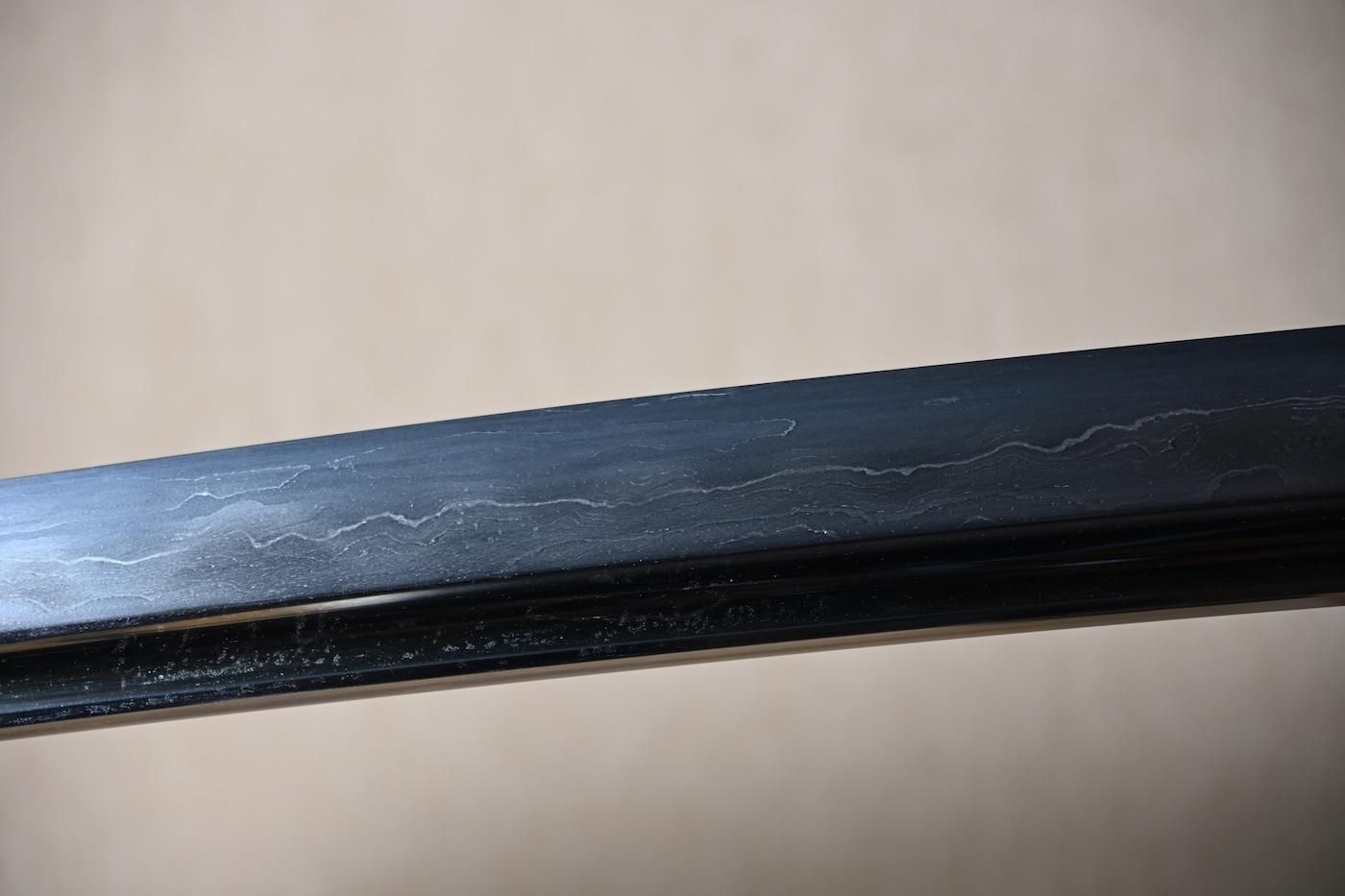
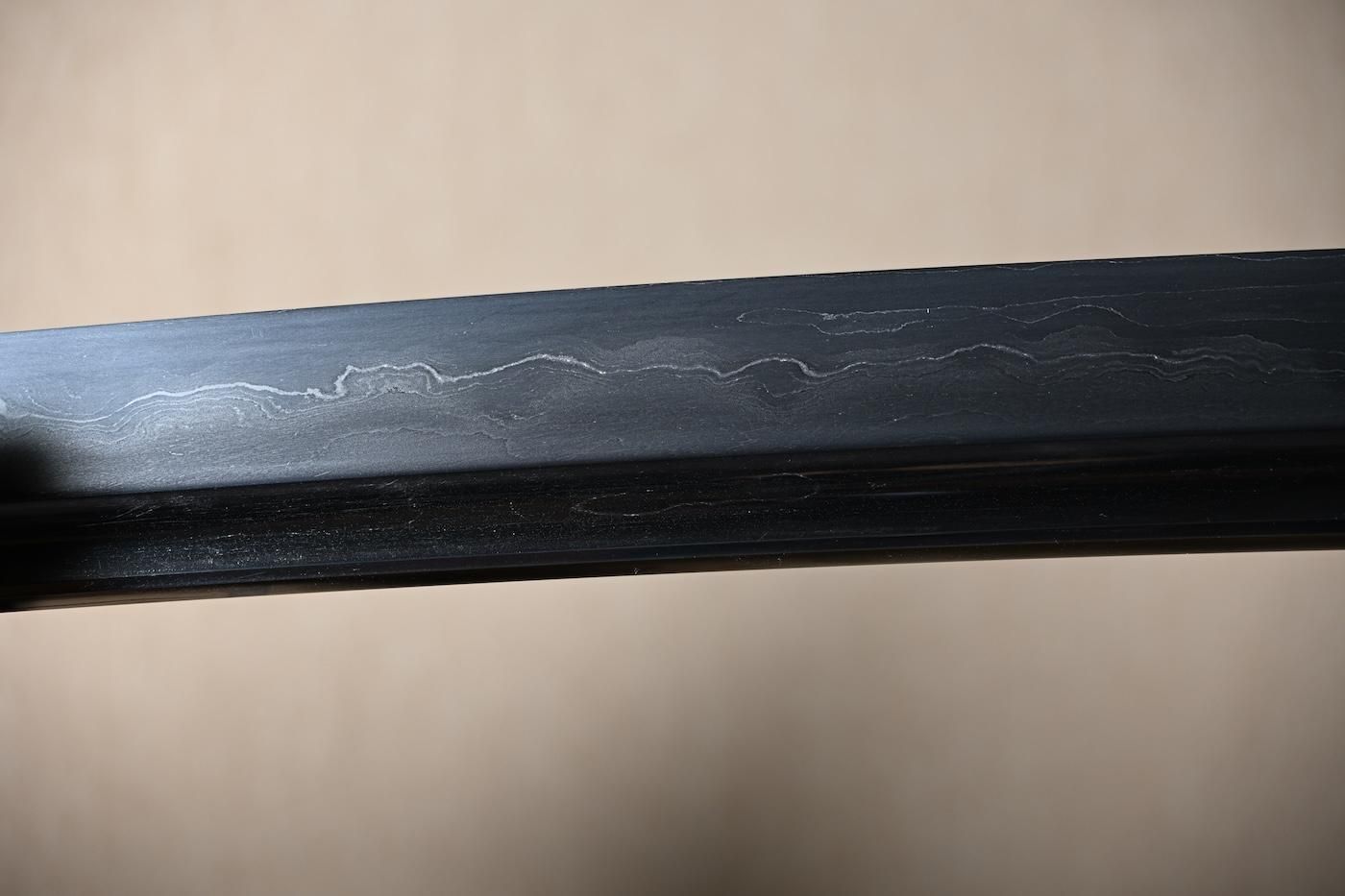
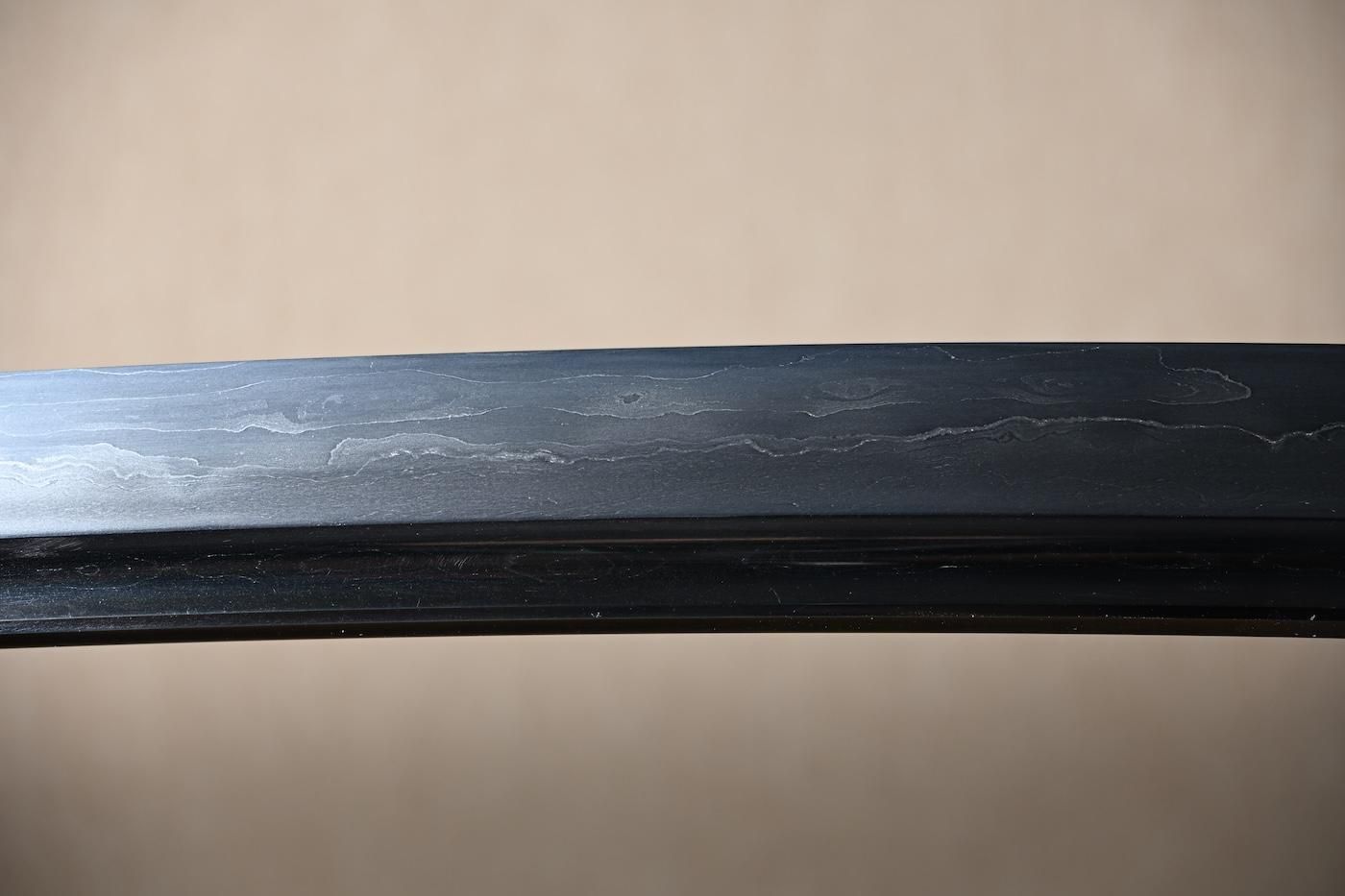
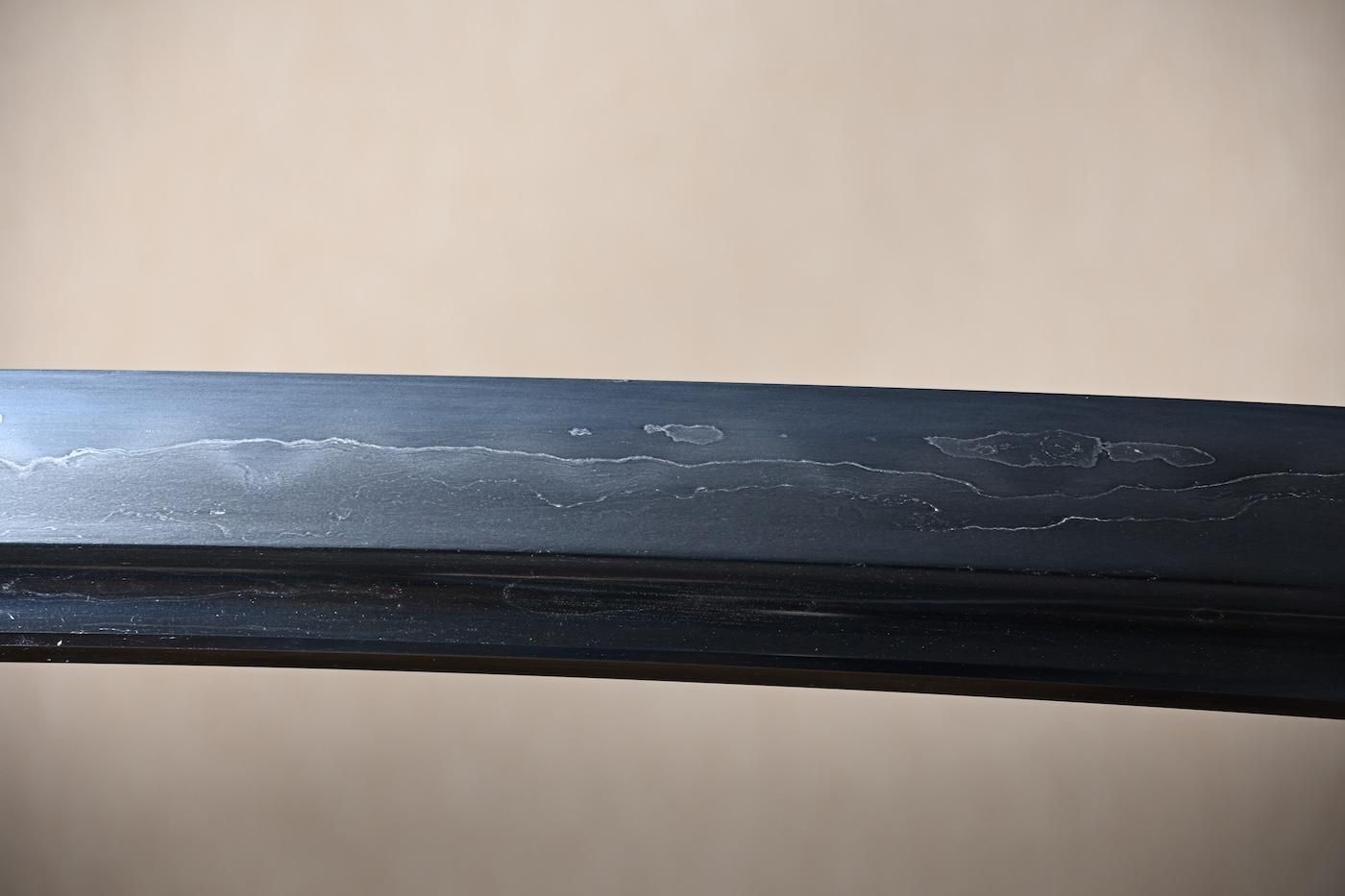
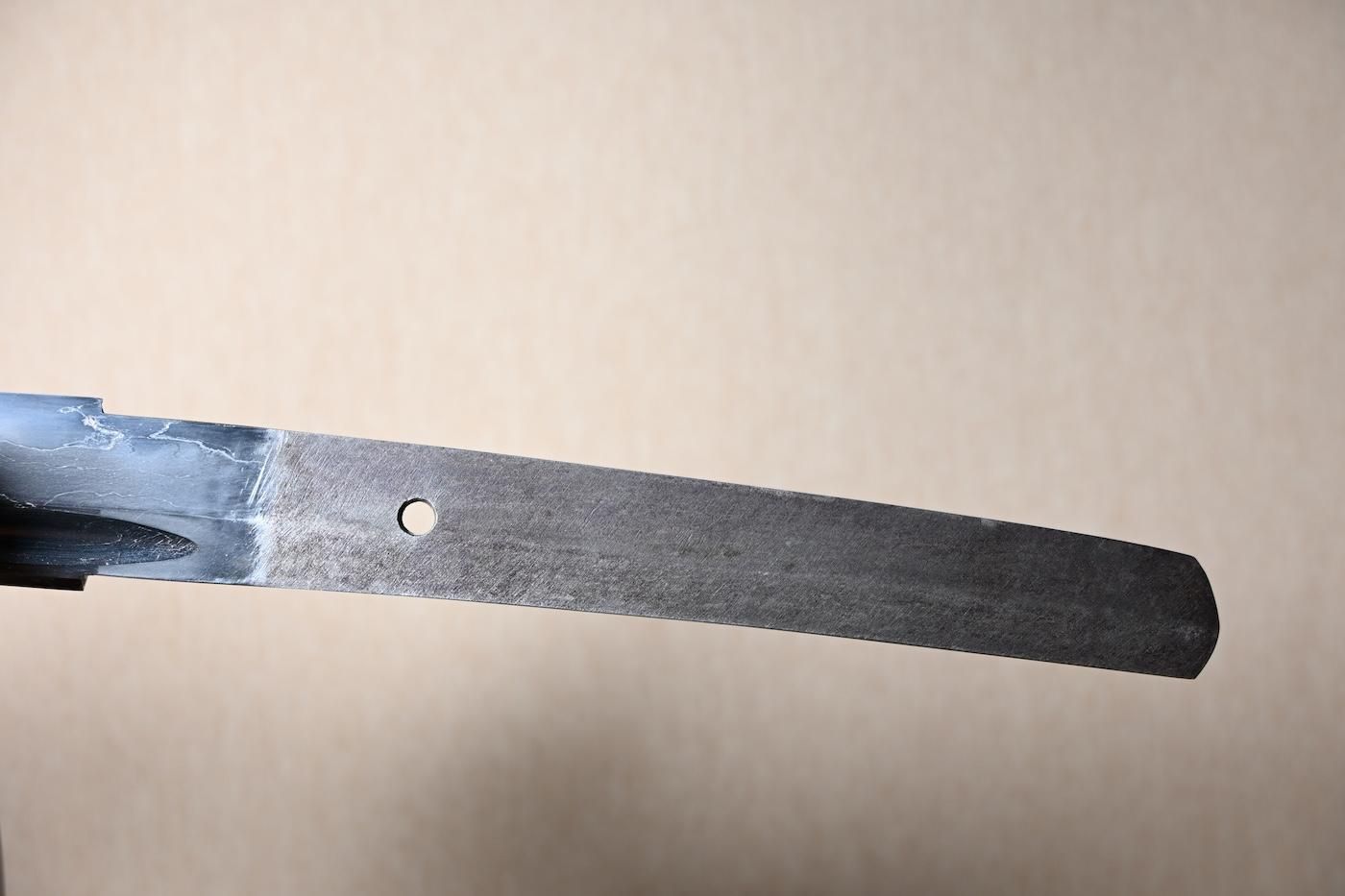
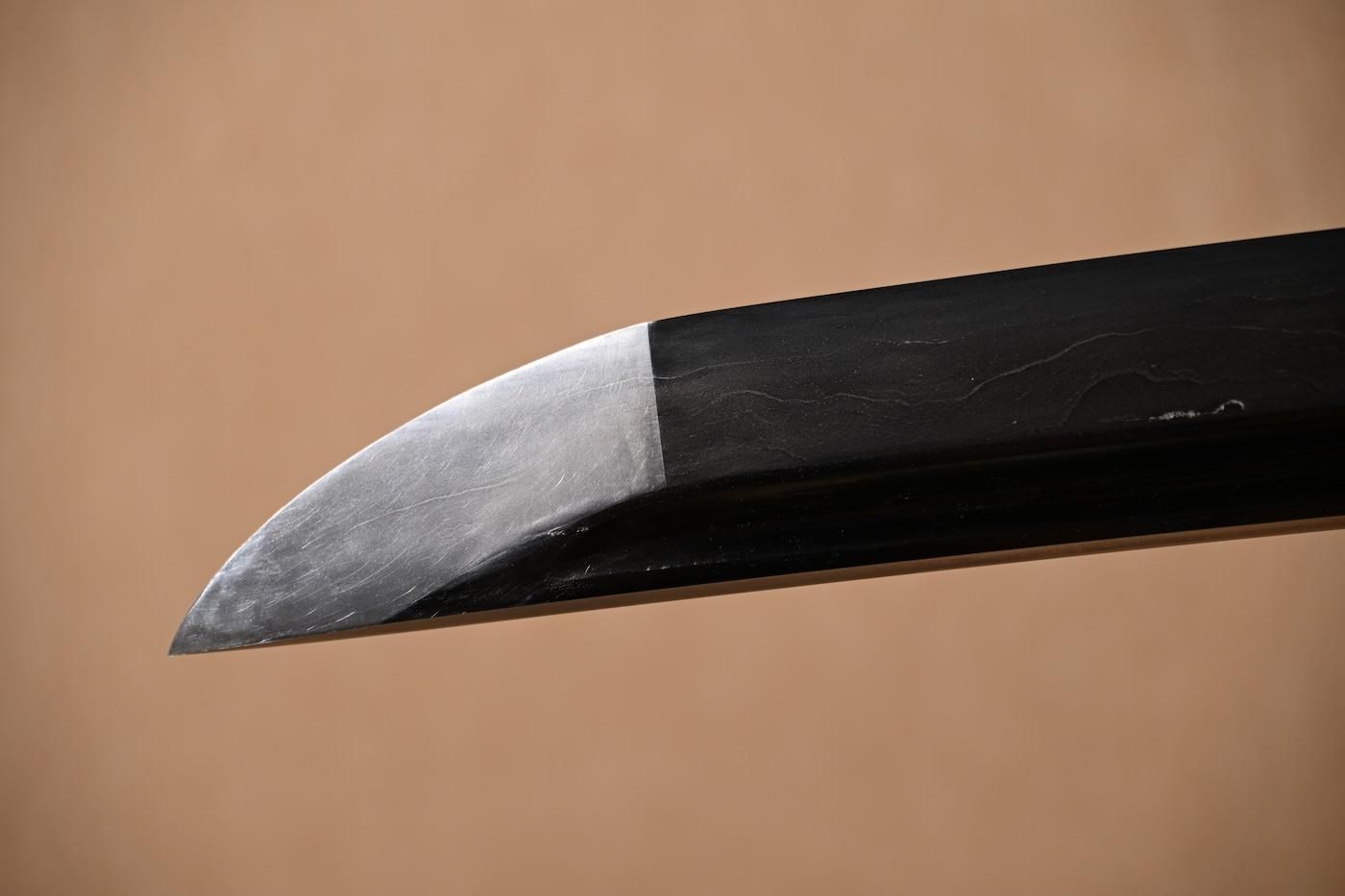
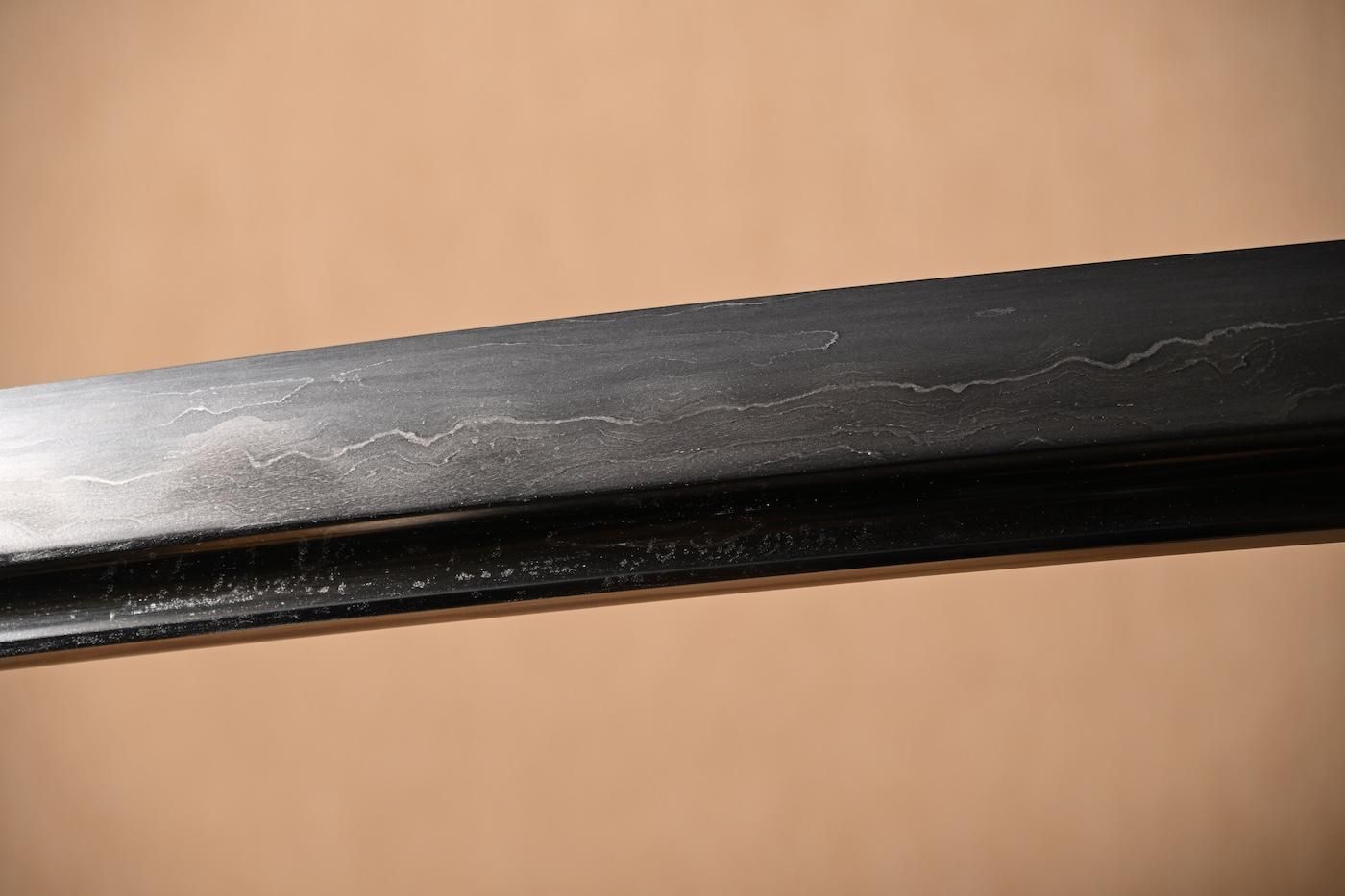
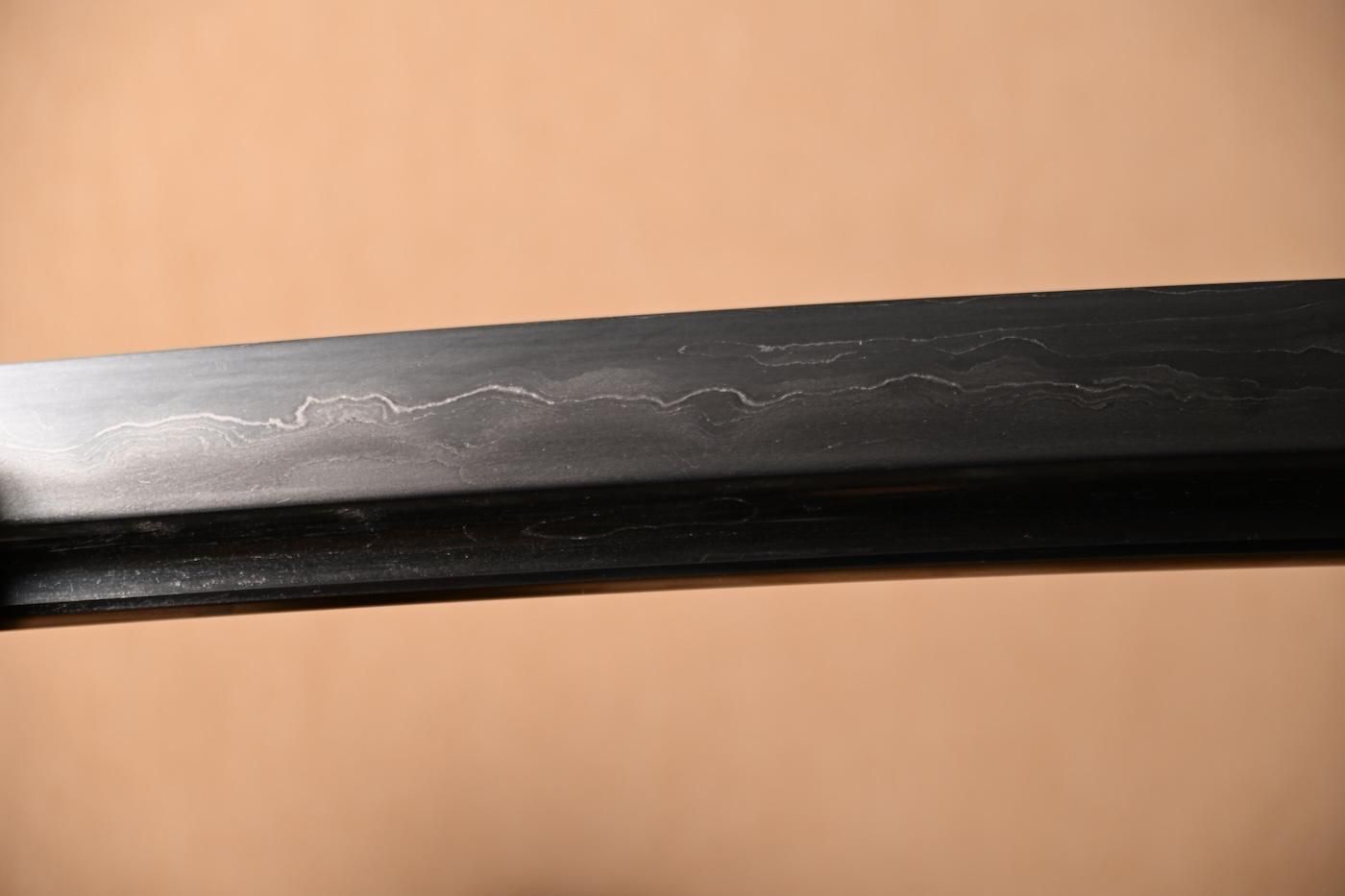
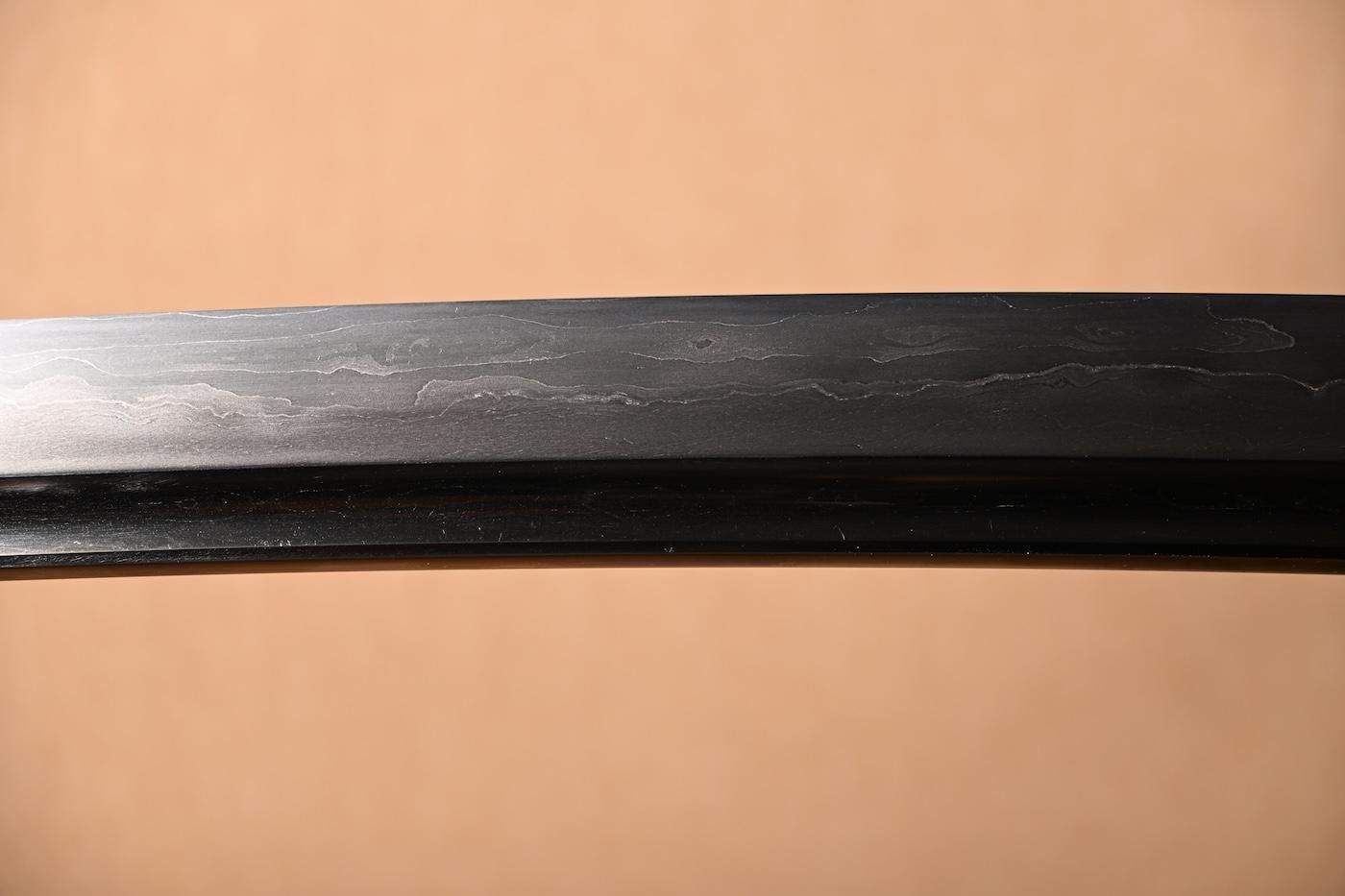
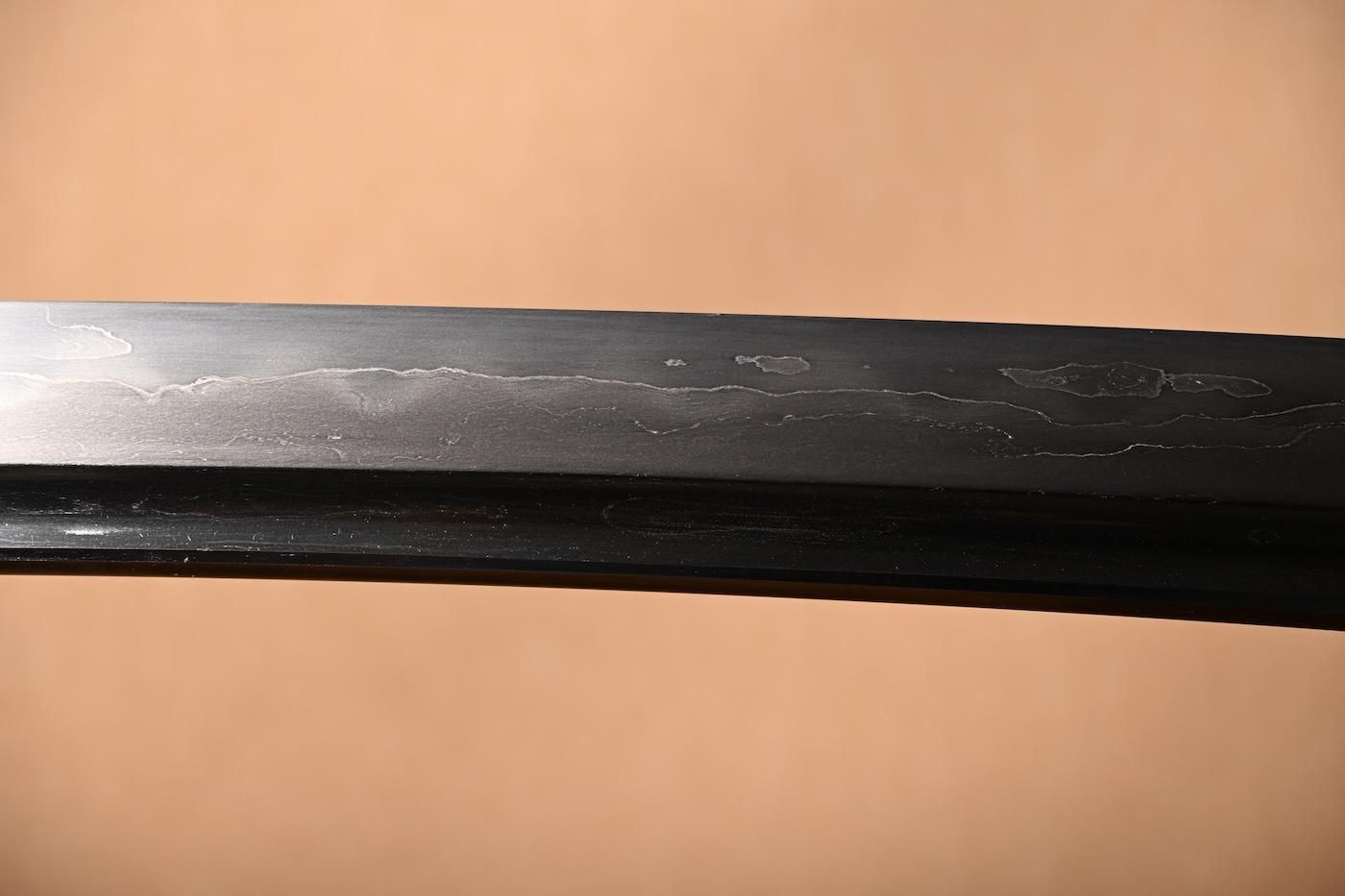
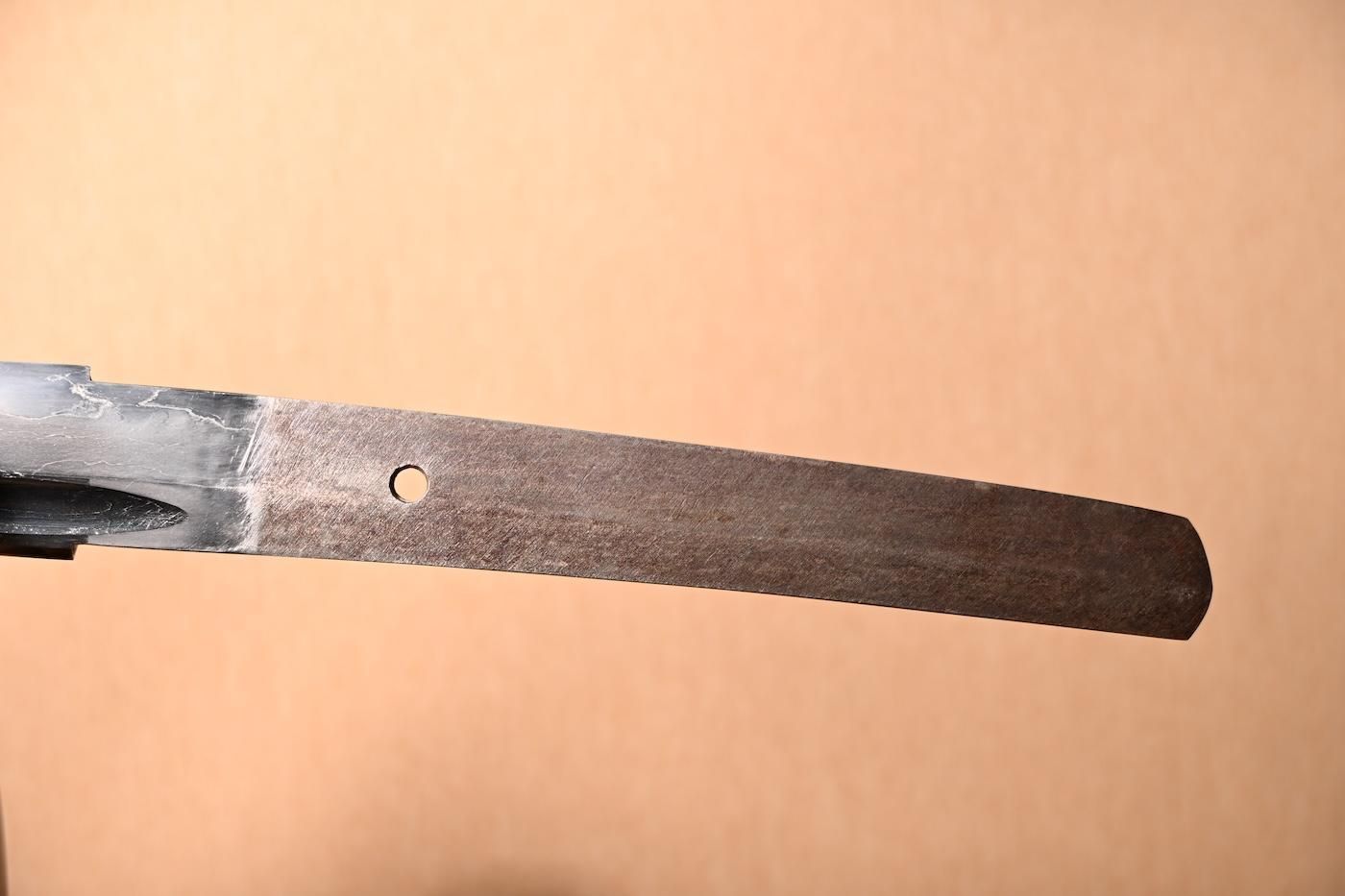
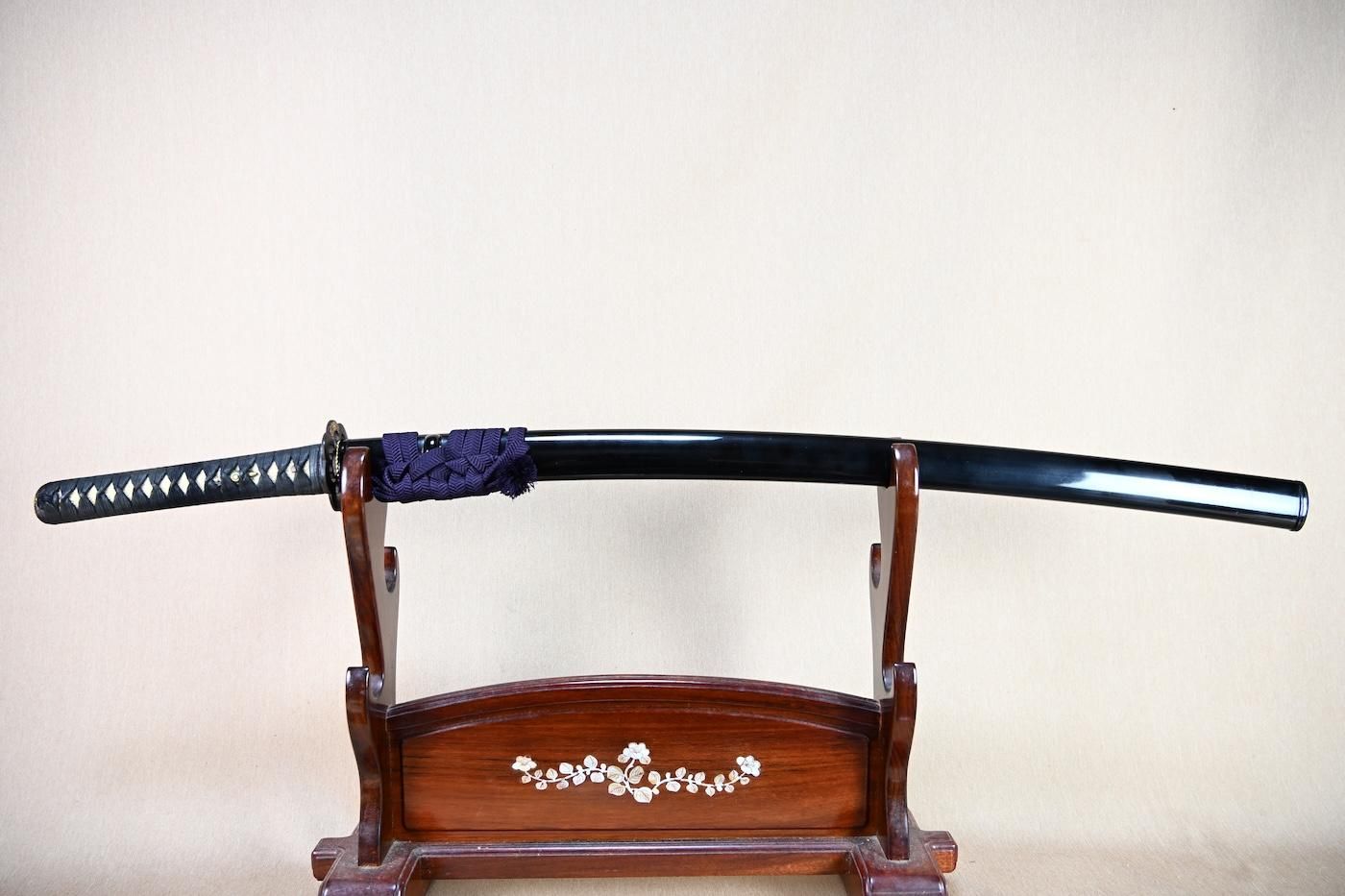
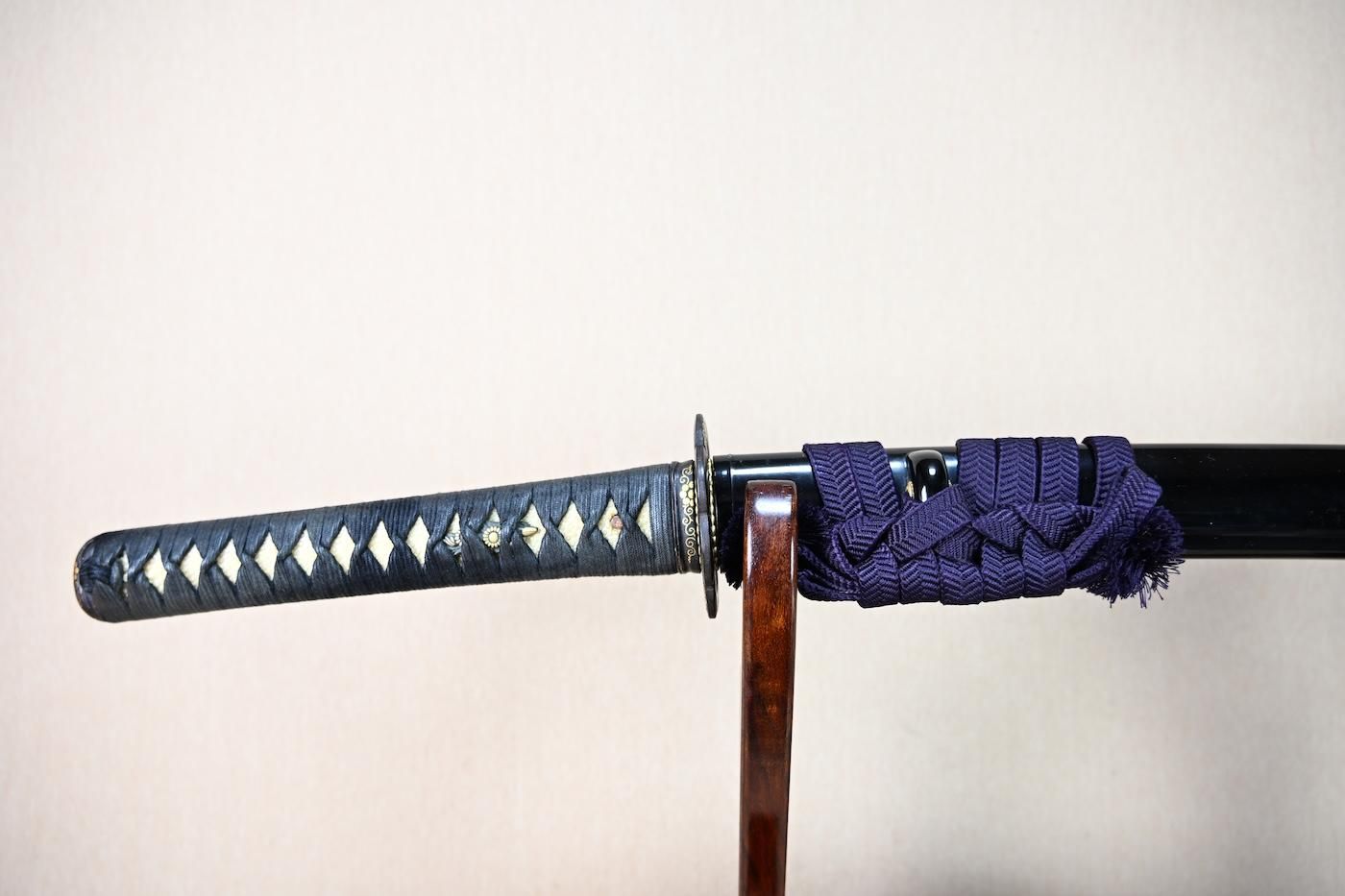
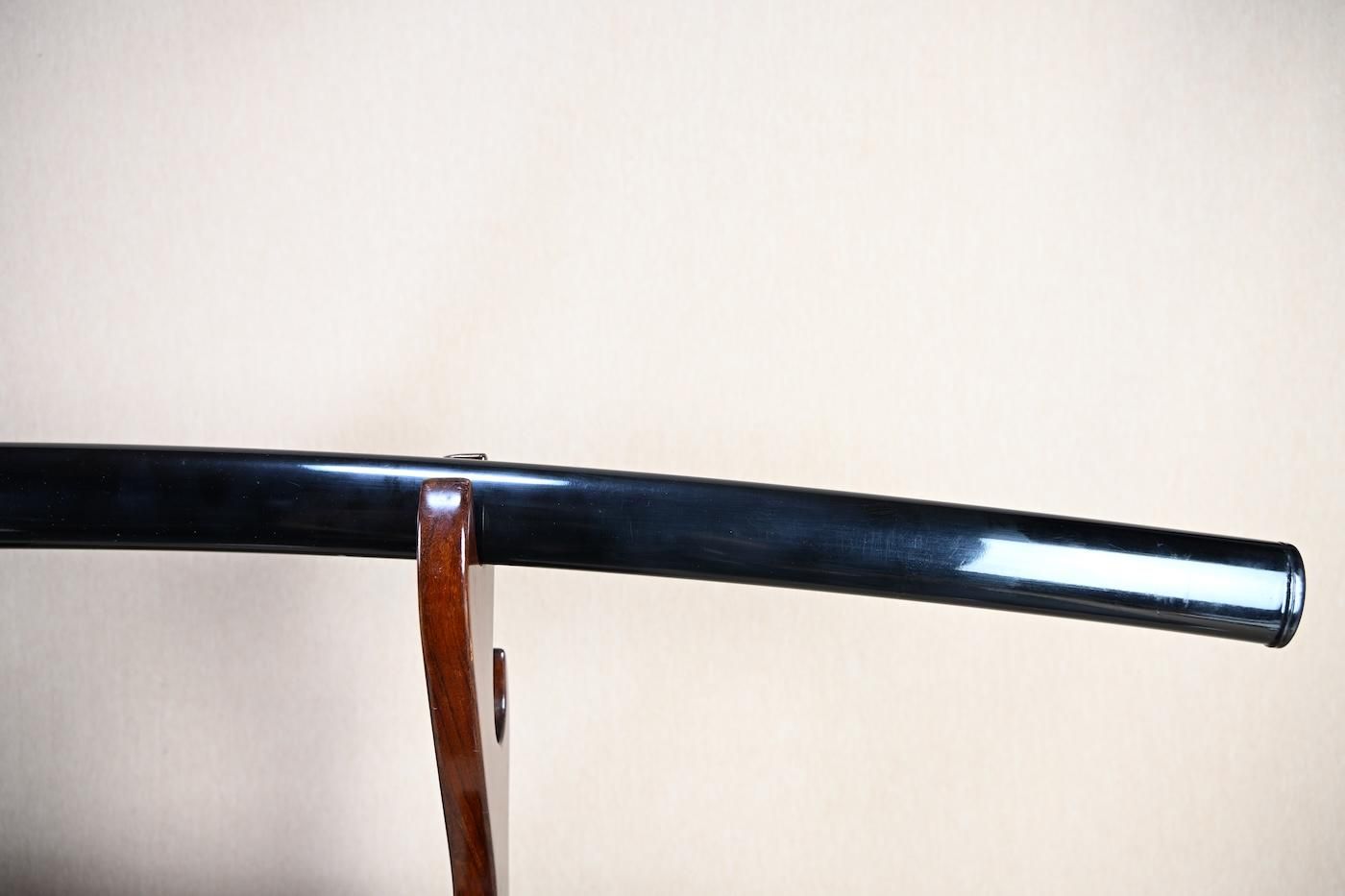
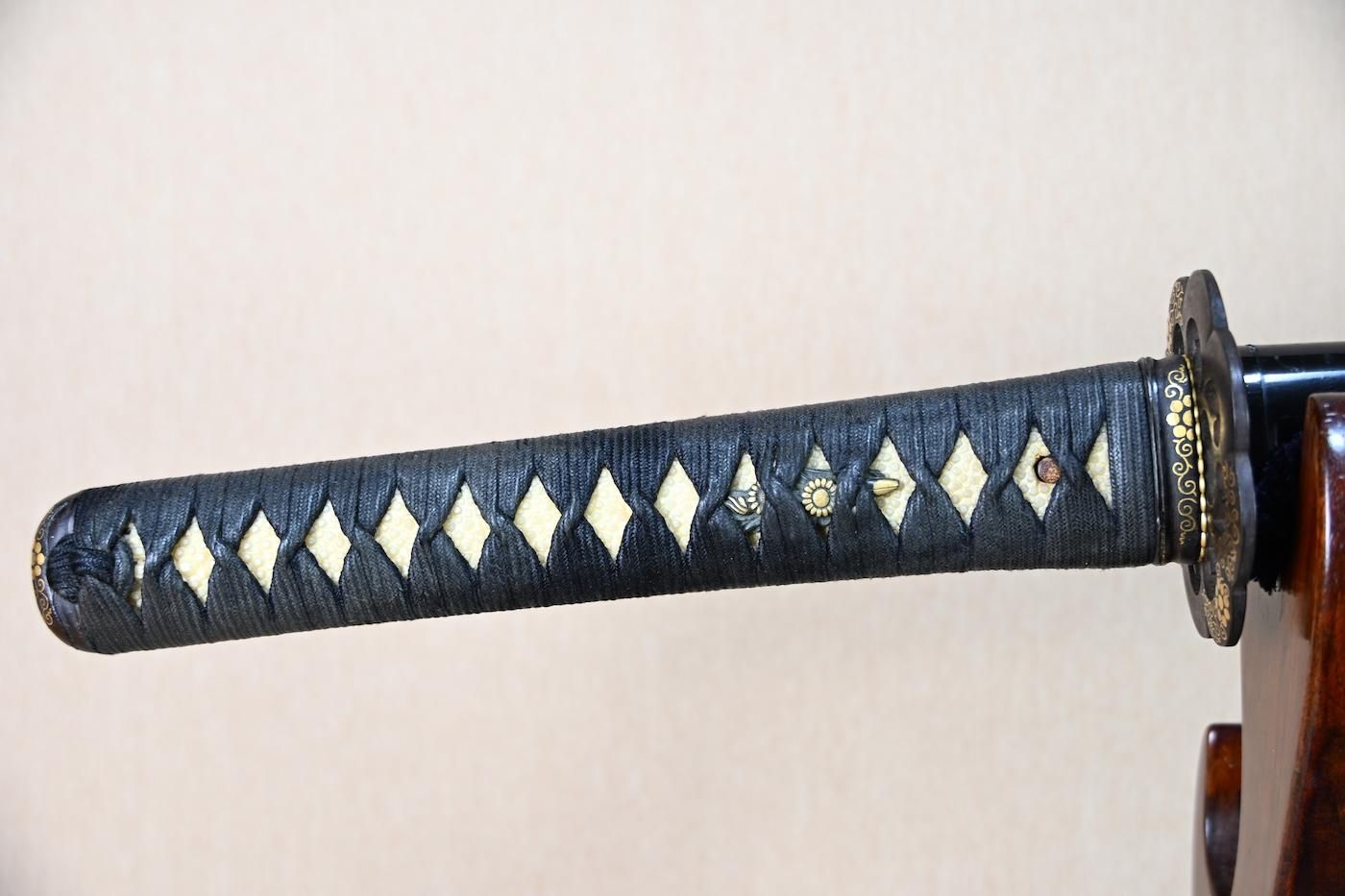
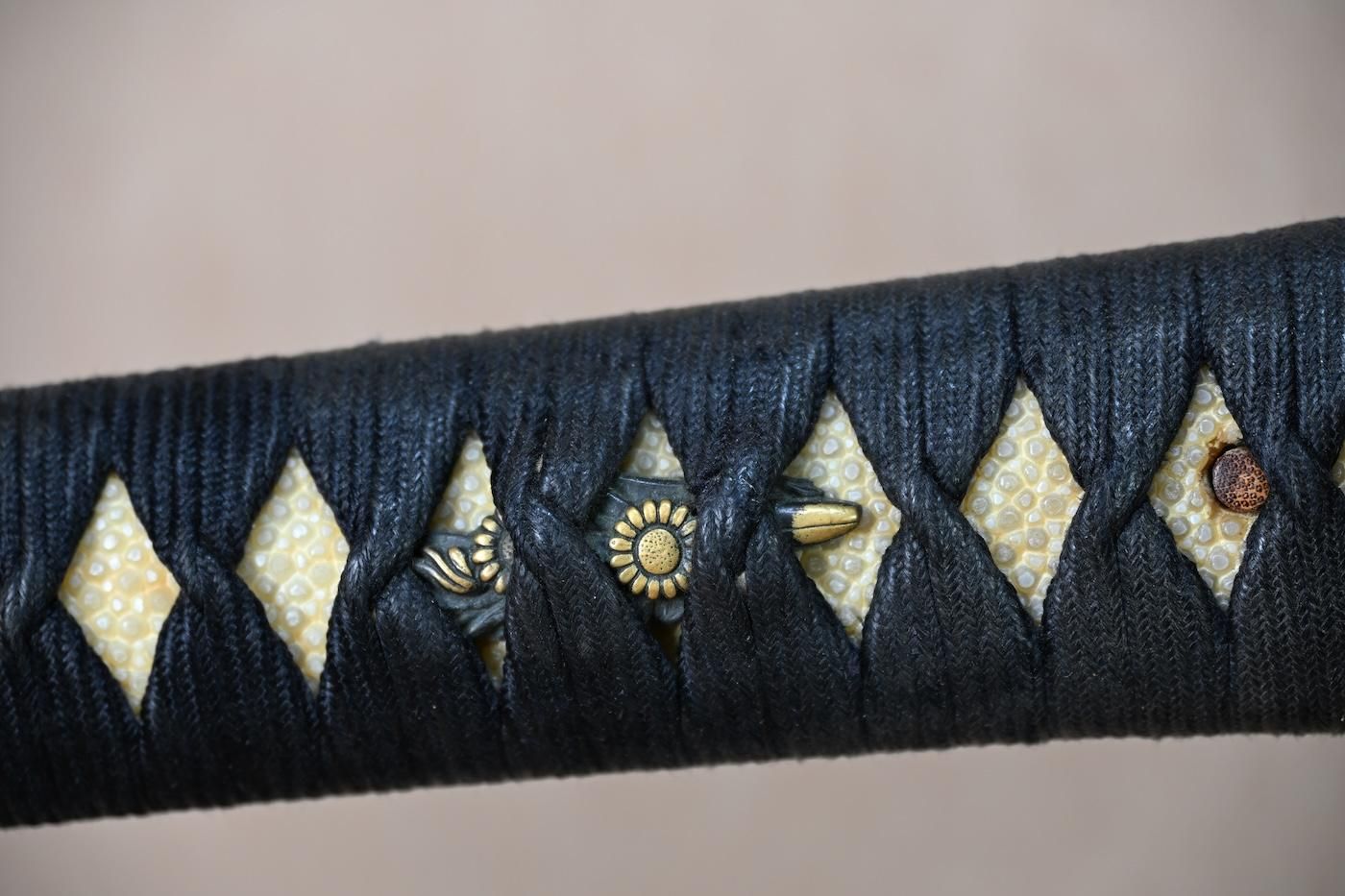
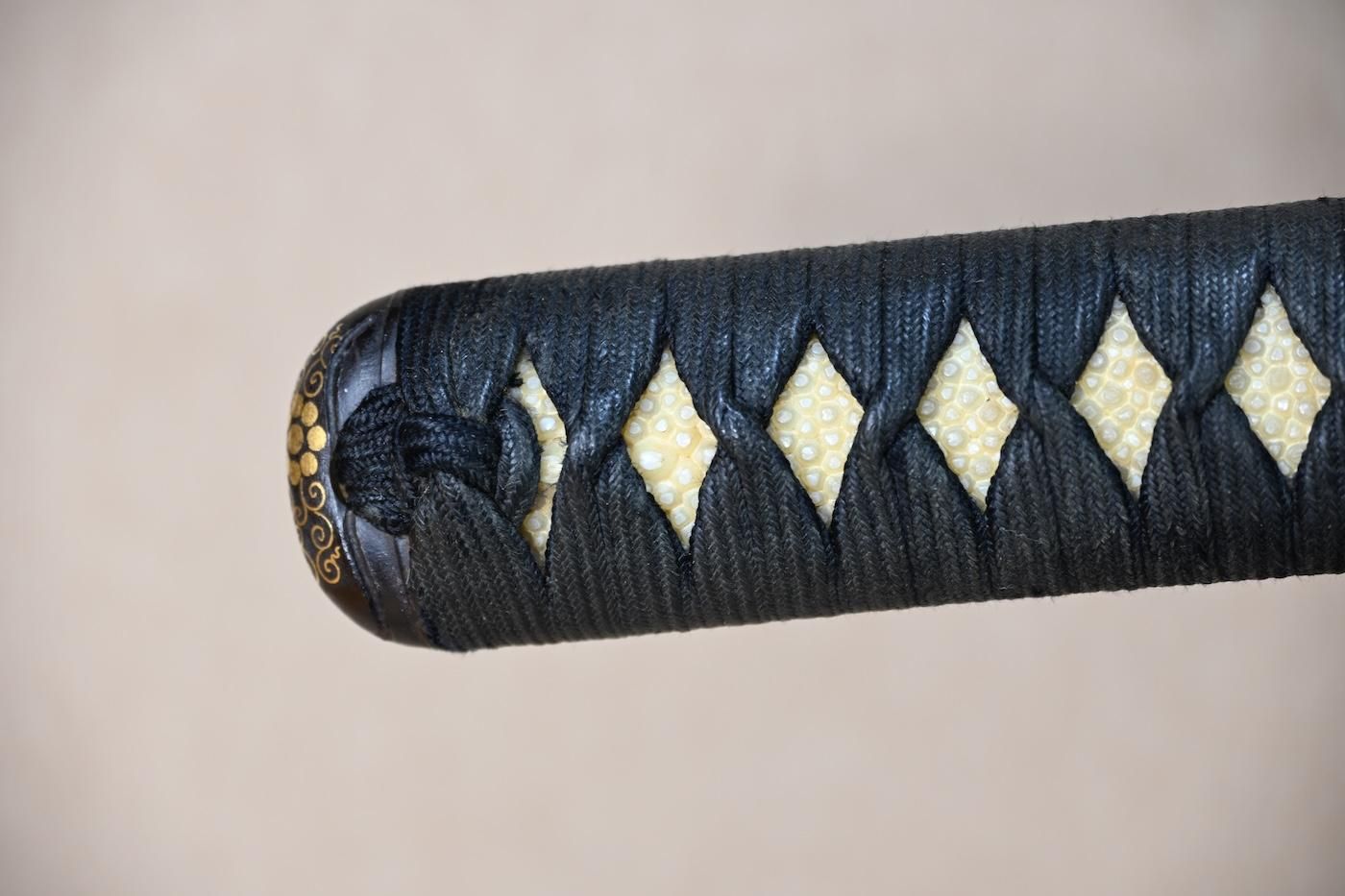
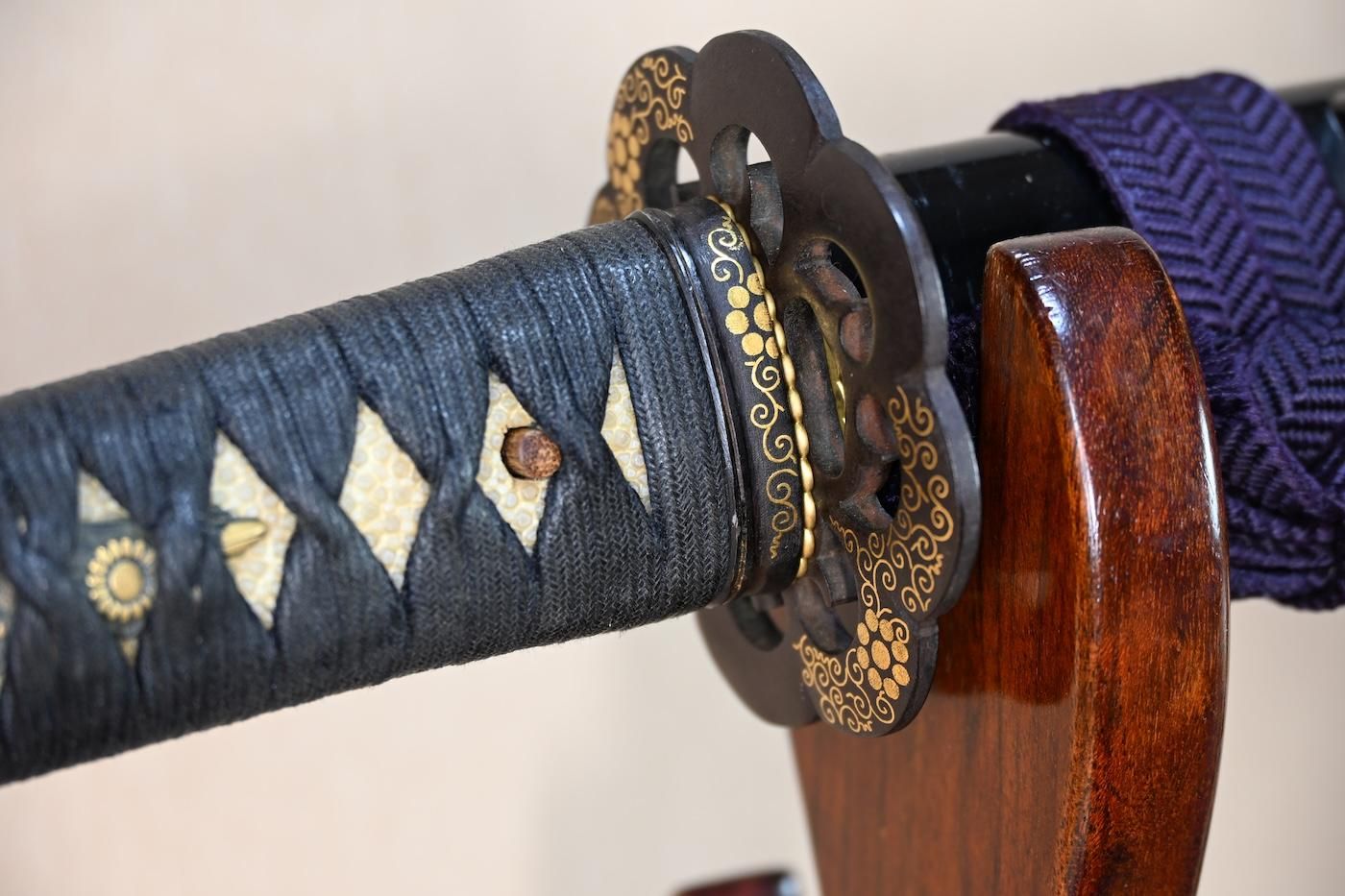
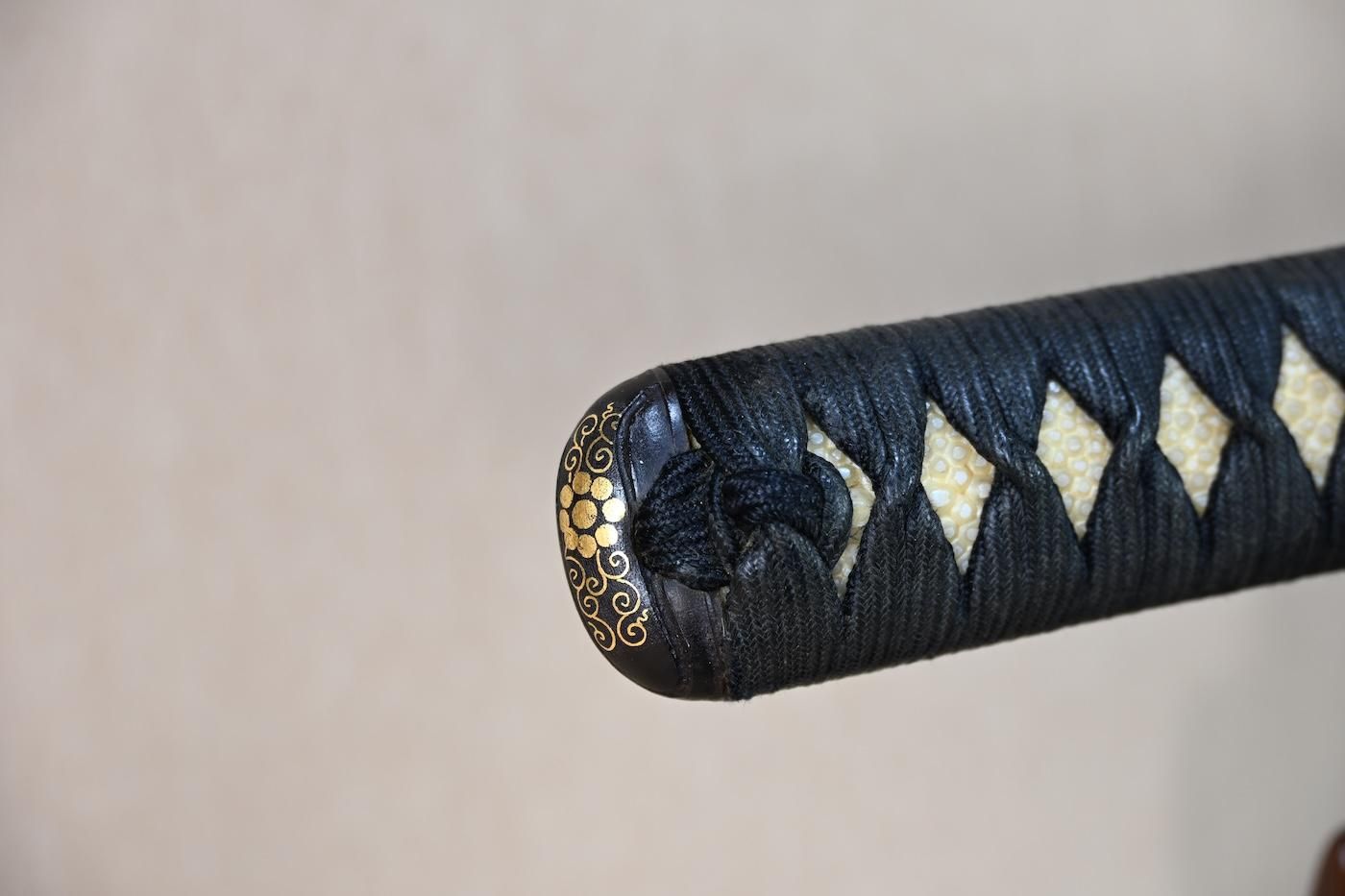
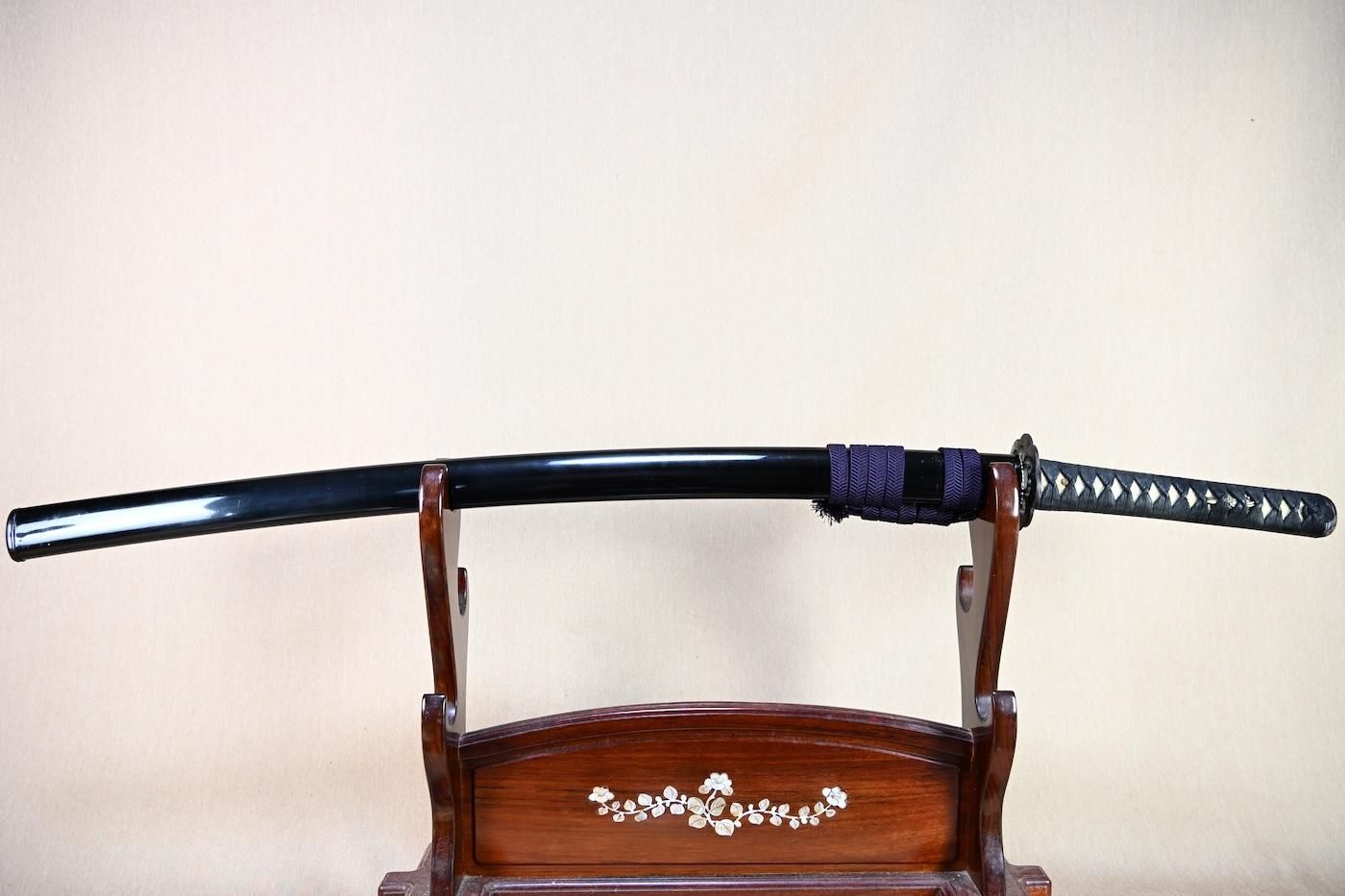
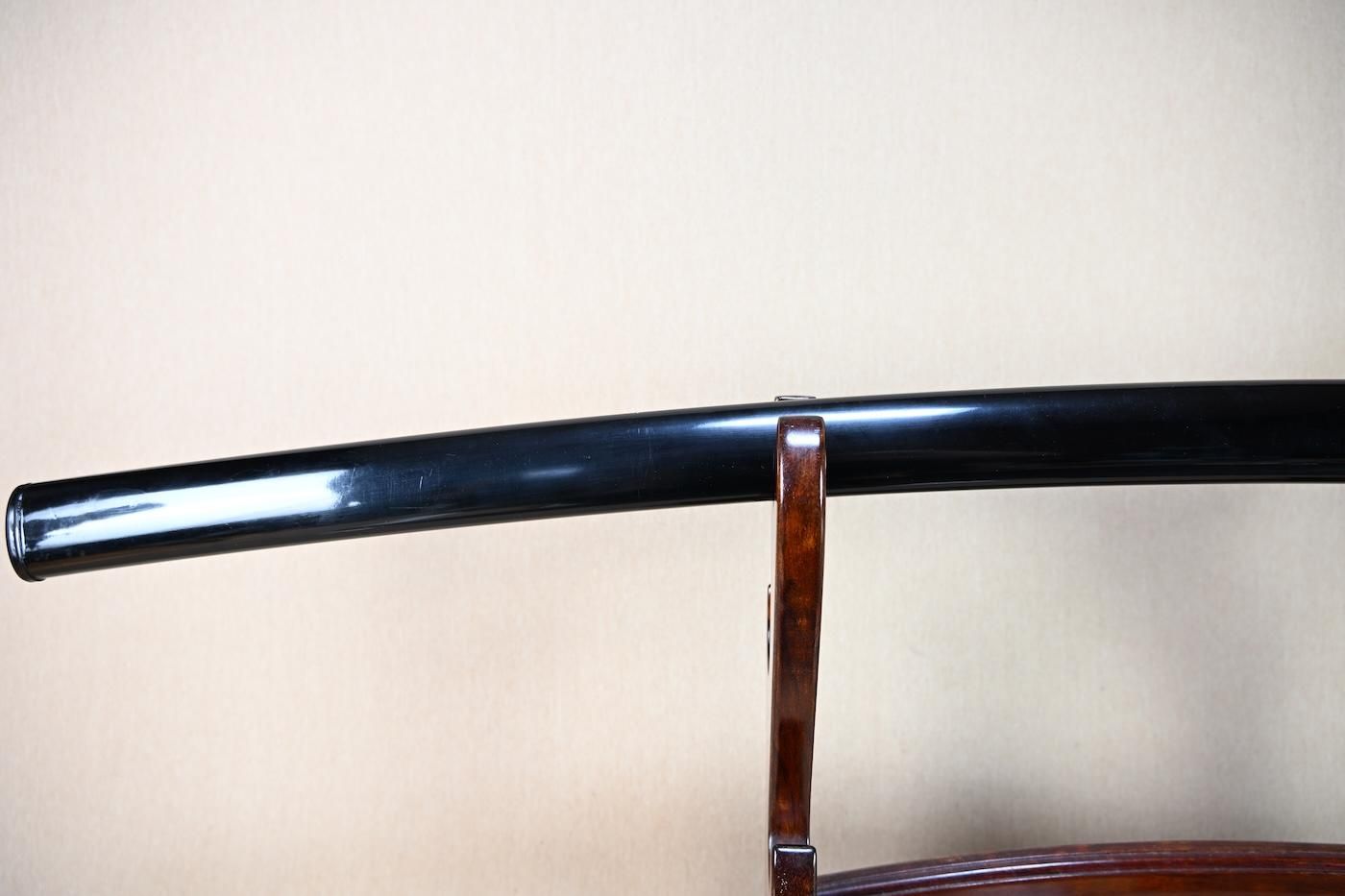
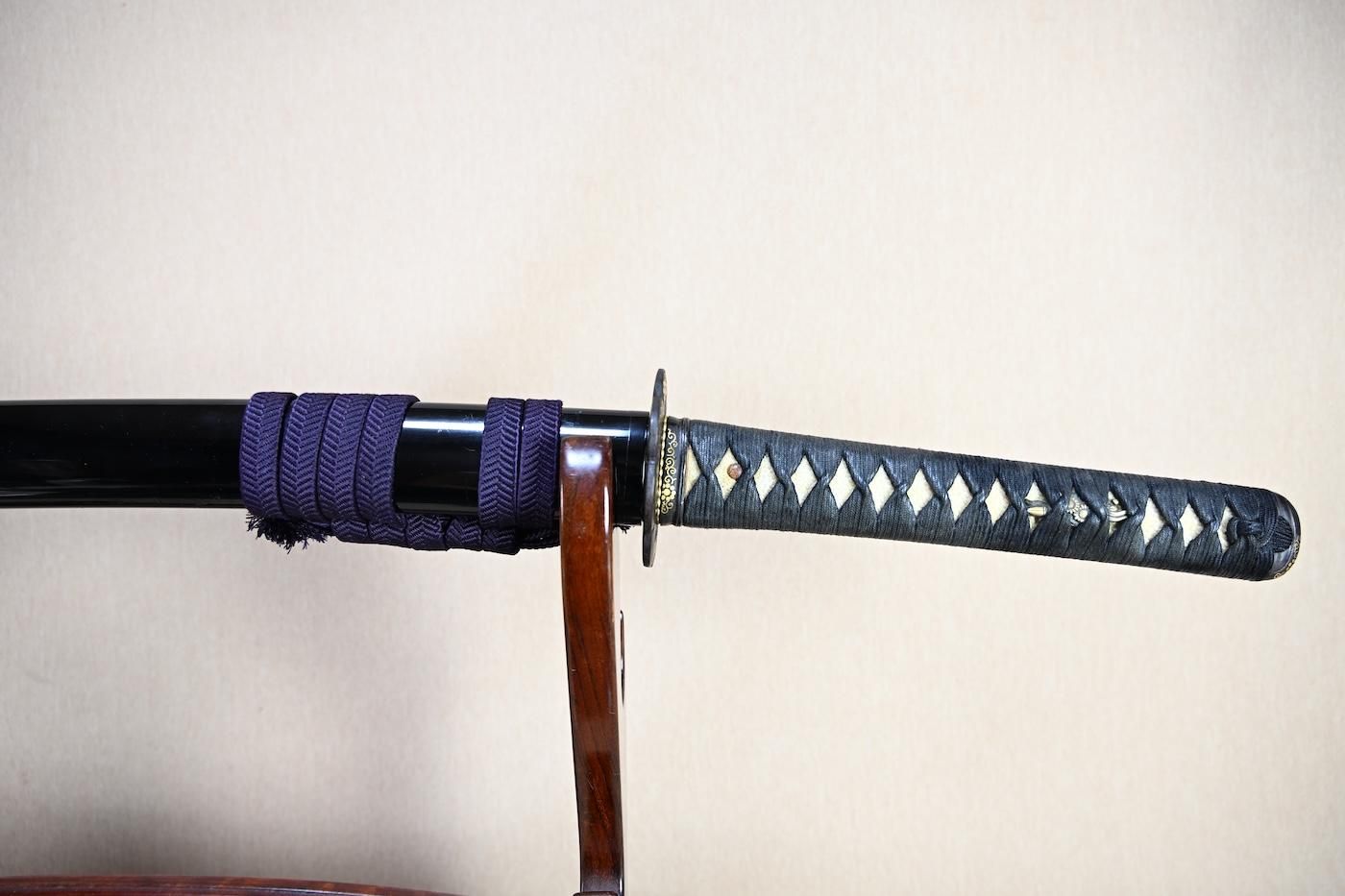
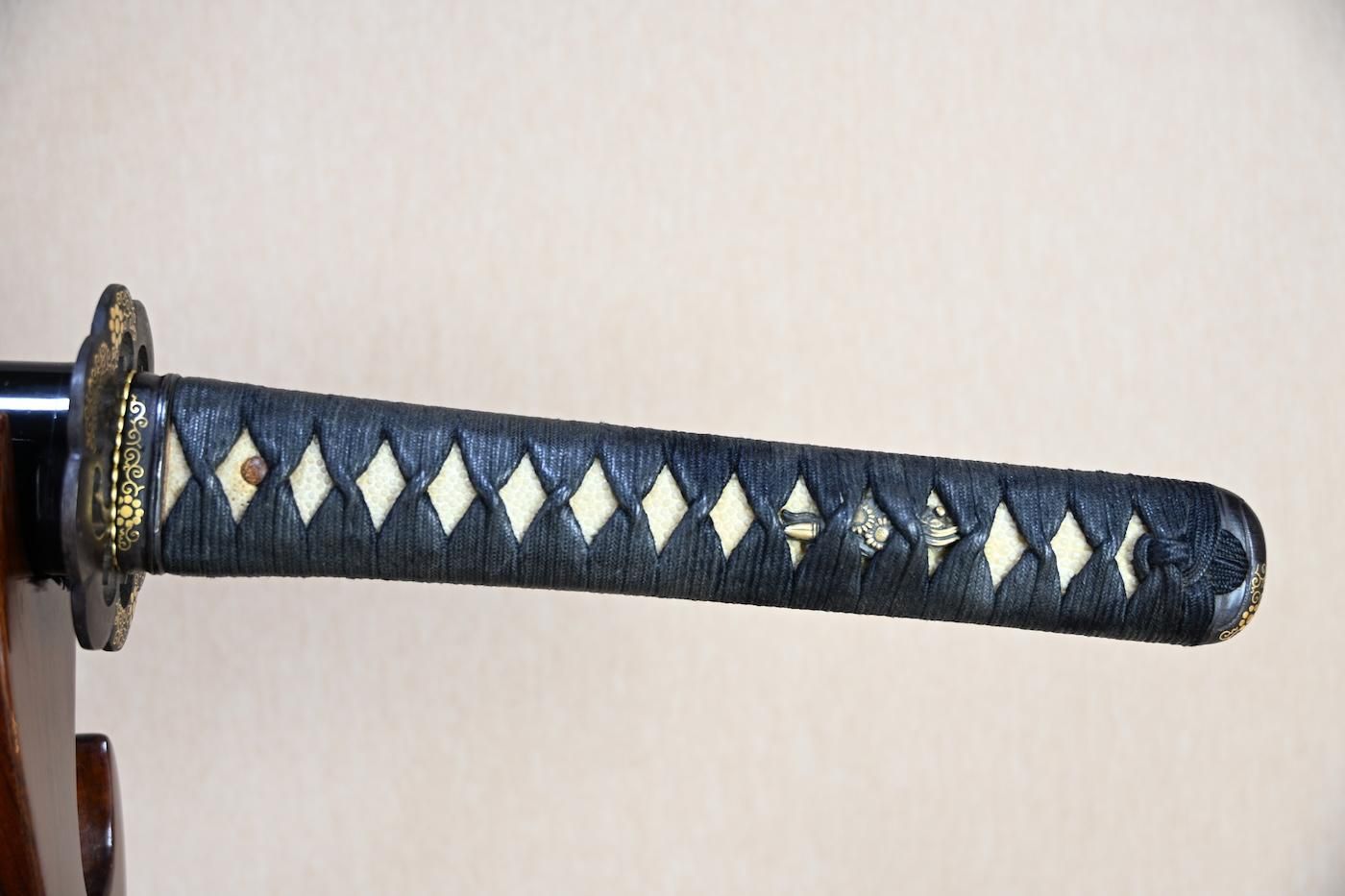
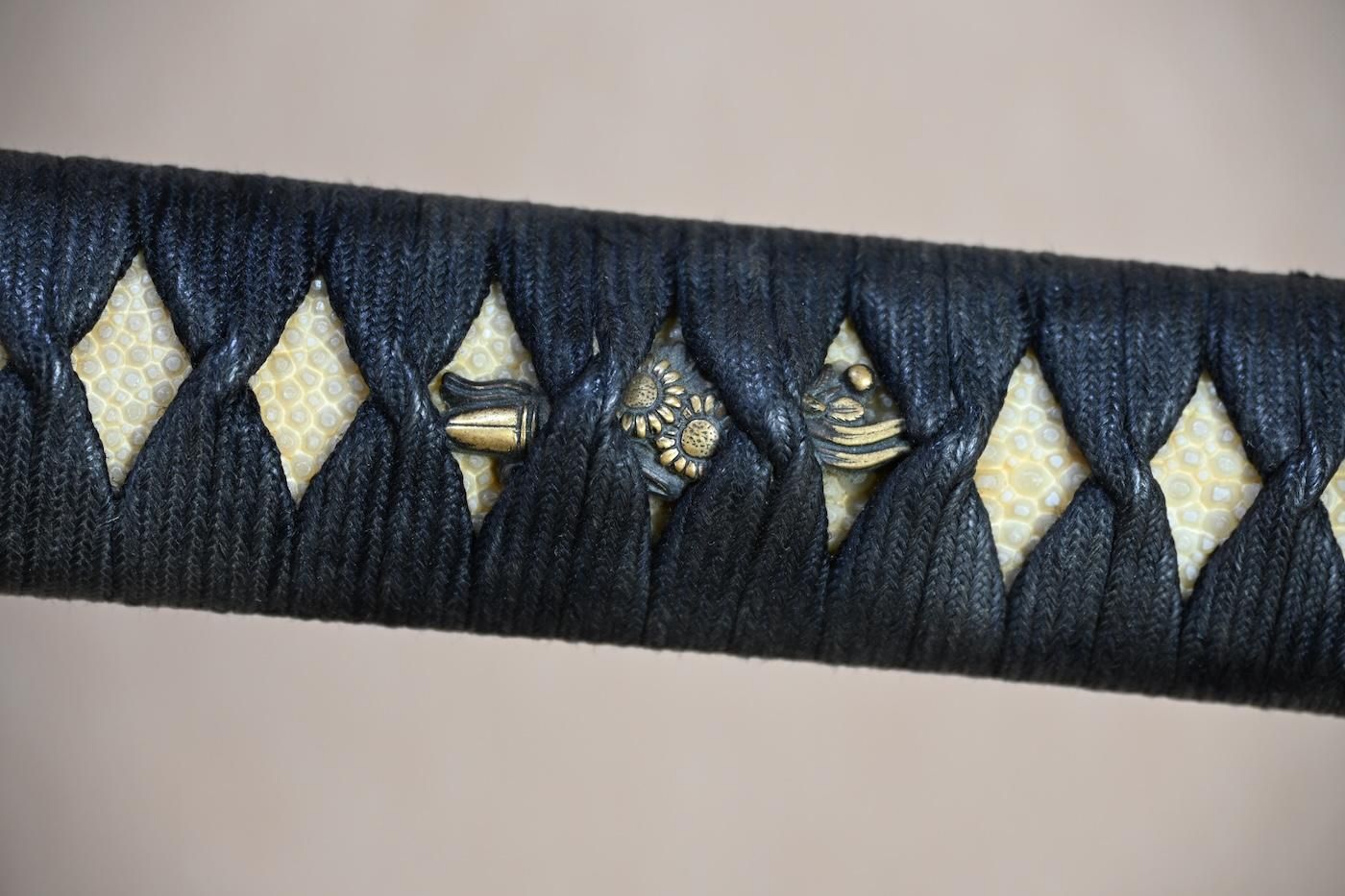
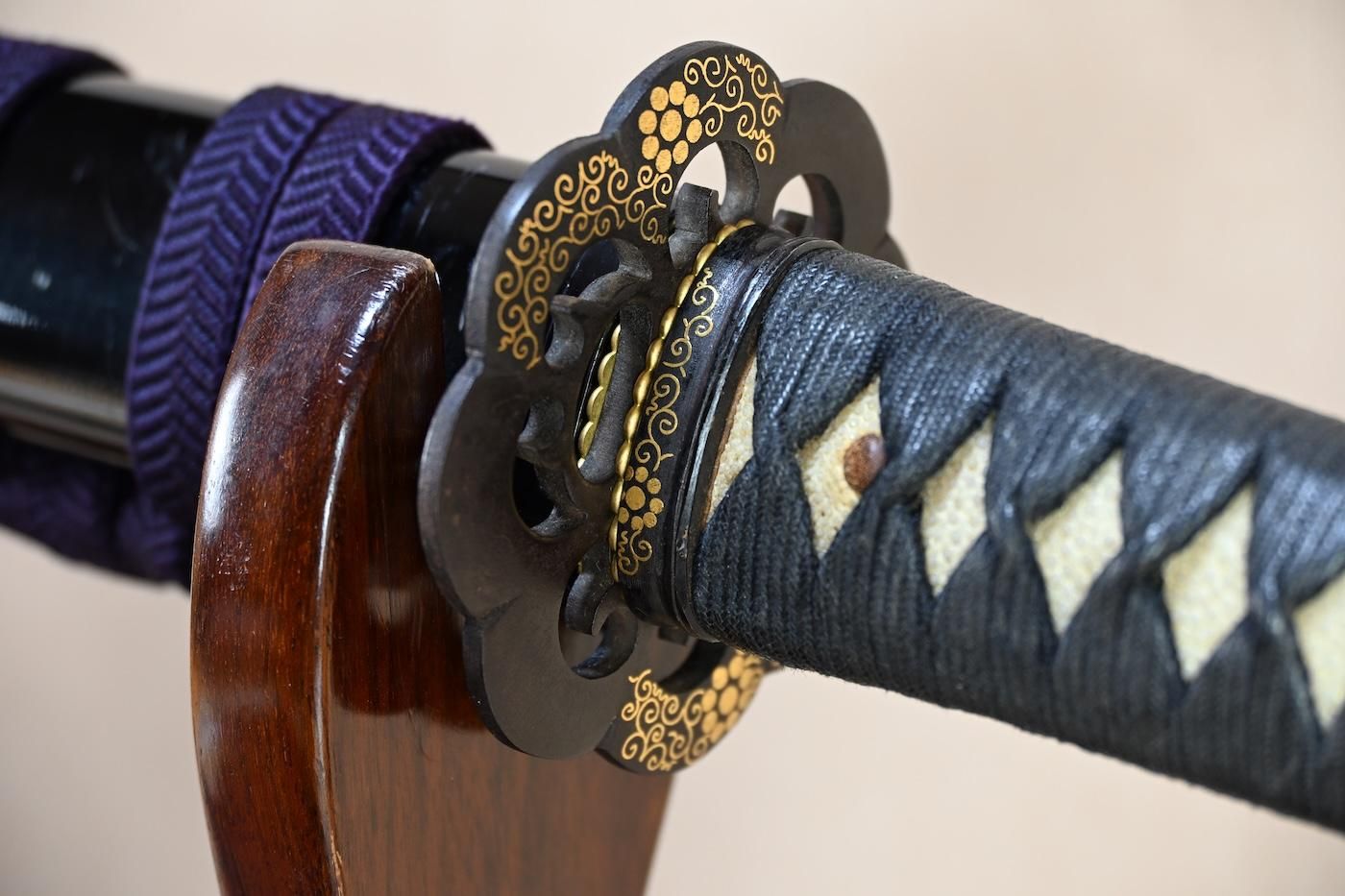
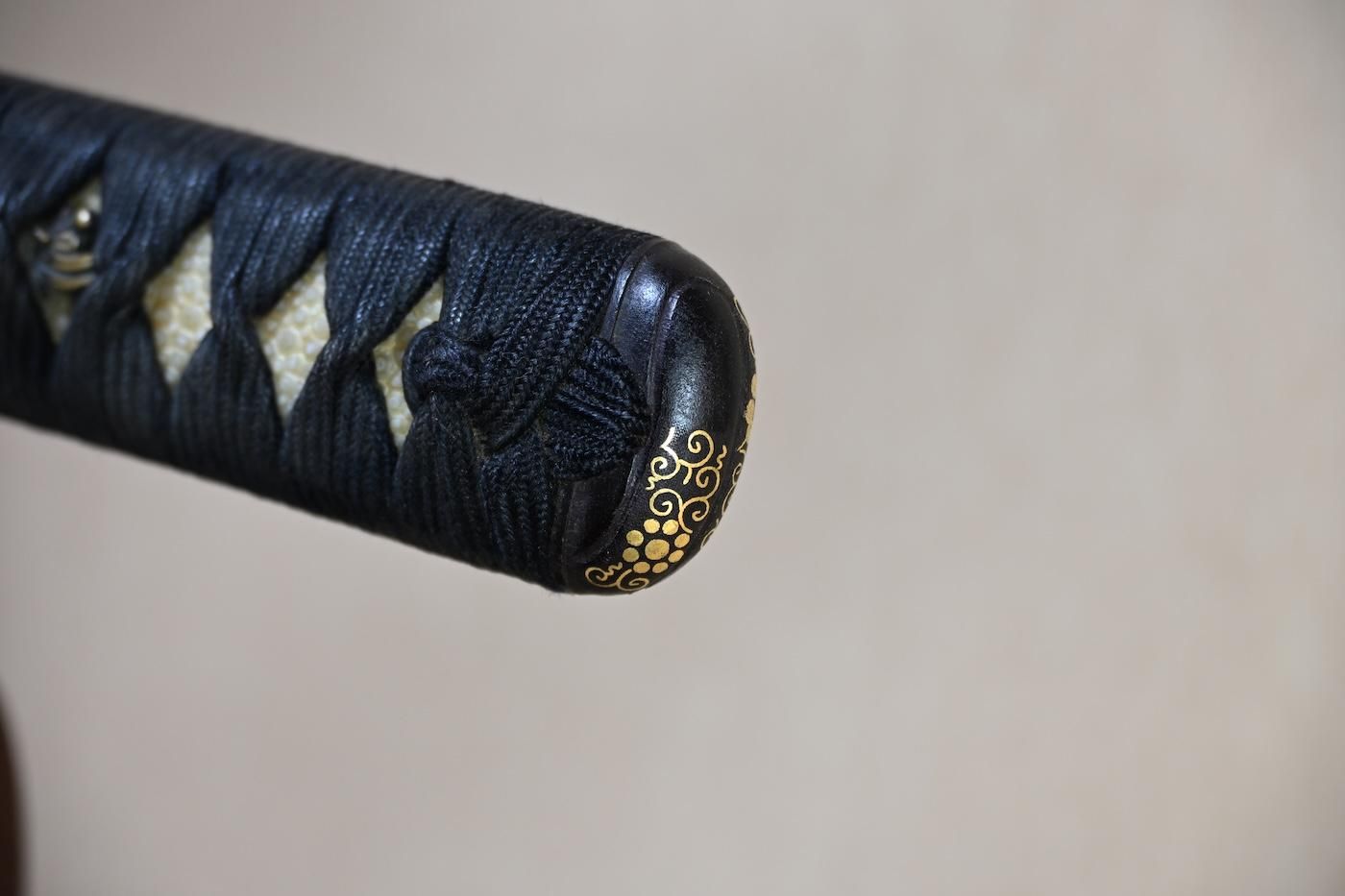
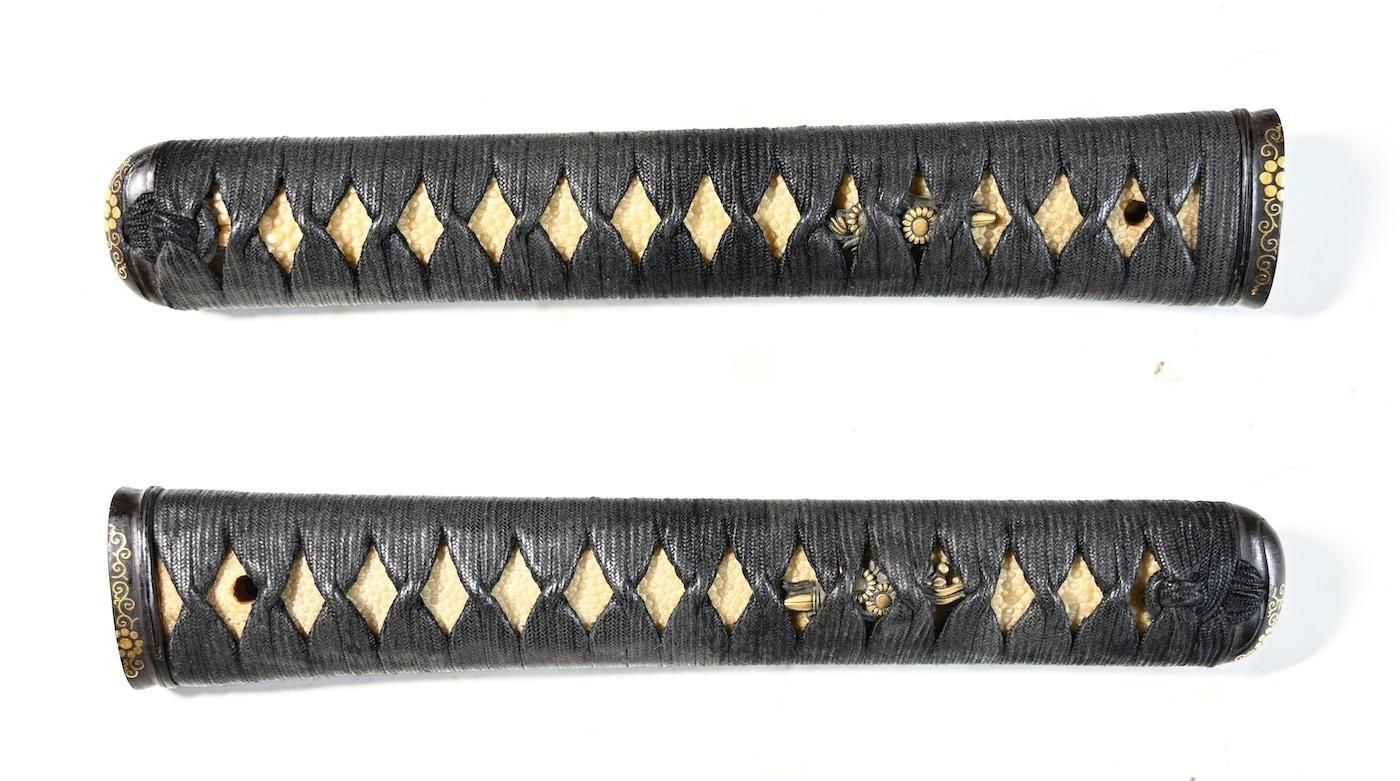
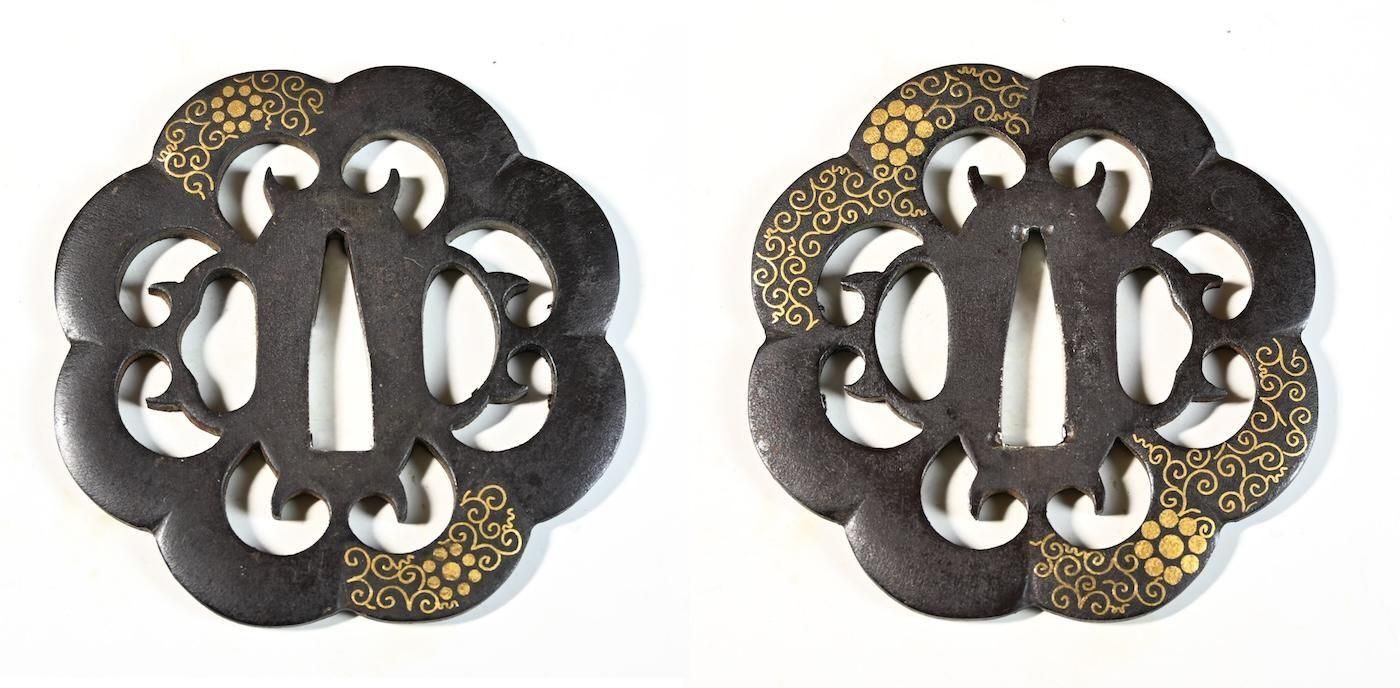
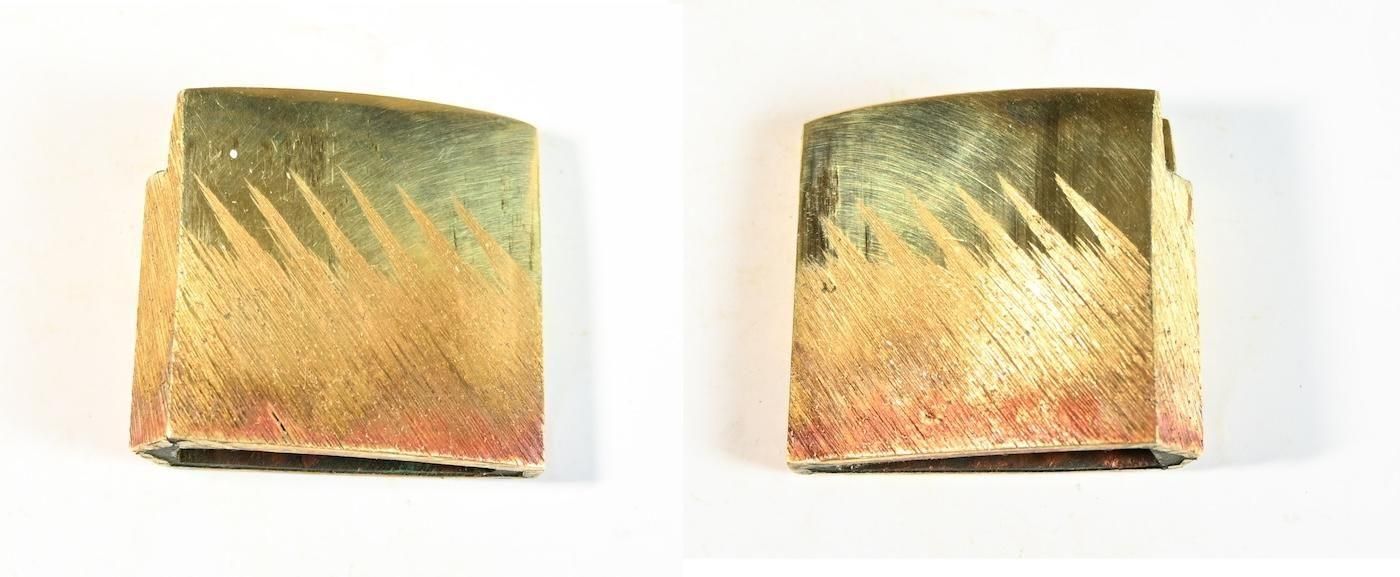
Condition of the toshin A gunome midare midareba is tempered into a rare jigane with a very large hada. It is unusual, and while it is a bit difficult to tell if they are kitae-kizu or characteristics of the jihada, as a whole it is a sword that has been finished in polish and become beautiful. The hi-nari is solid, and the ha is as sharp as a razor; although it has hi, the kasane is present and the mihaba is very wide, so I think it will demonstrate its power even in tatami shizane. Koshirae A modern koshirae for iai is included. The kanagu feature zogan in the Higo koshirae style that was very popular around 20 to 30 years ago. The habaki is a solid kin-kise habaki that would likely cost 200,000 yen if made today.
Offered by Ikeda Art


As written by the shop
Machine translation from the shop's Japanese · may contain errors ·
Shōwa to the present: destruction and revival
The twentieth century nearly killed the craft twice: wartime distortion, then the occupation ban. The NBTHK’s founding in 1948 and licensed forging from 1953 rebuilt the sword as an art, crowned by Living National Treasures and the mukansa rank.
We could not find an authenticity certificate on the seller’s listing. Japanese swords and fittings are normally papered by the NBTHK (or the NTHK). Without one, the attribution is the seller’s own assessment and has not been independently verified — treat it with caution and ask the dealer about certification before buying.
Please contact us promptly after the item's arrival. Except where the item is defective, we cannot accept returns. For returns due to customer circumstances, the cost is the customer's responsibility. In the case of a defective item, we bear the cost.
¥396,000