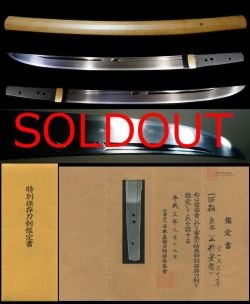
Muromachi turned sword making into an industry: the uchigatana rose with massed infantry warfare, Osafune and Seki produced bundle swords beside custom orders, and the Ming trade carried Japanese blades abroad by the tens of thousands.
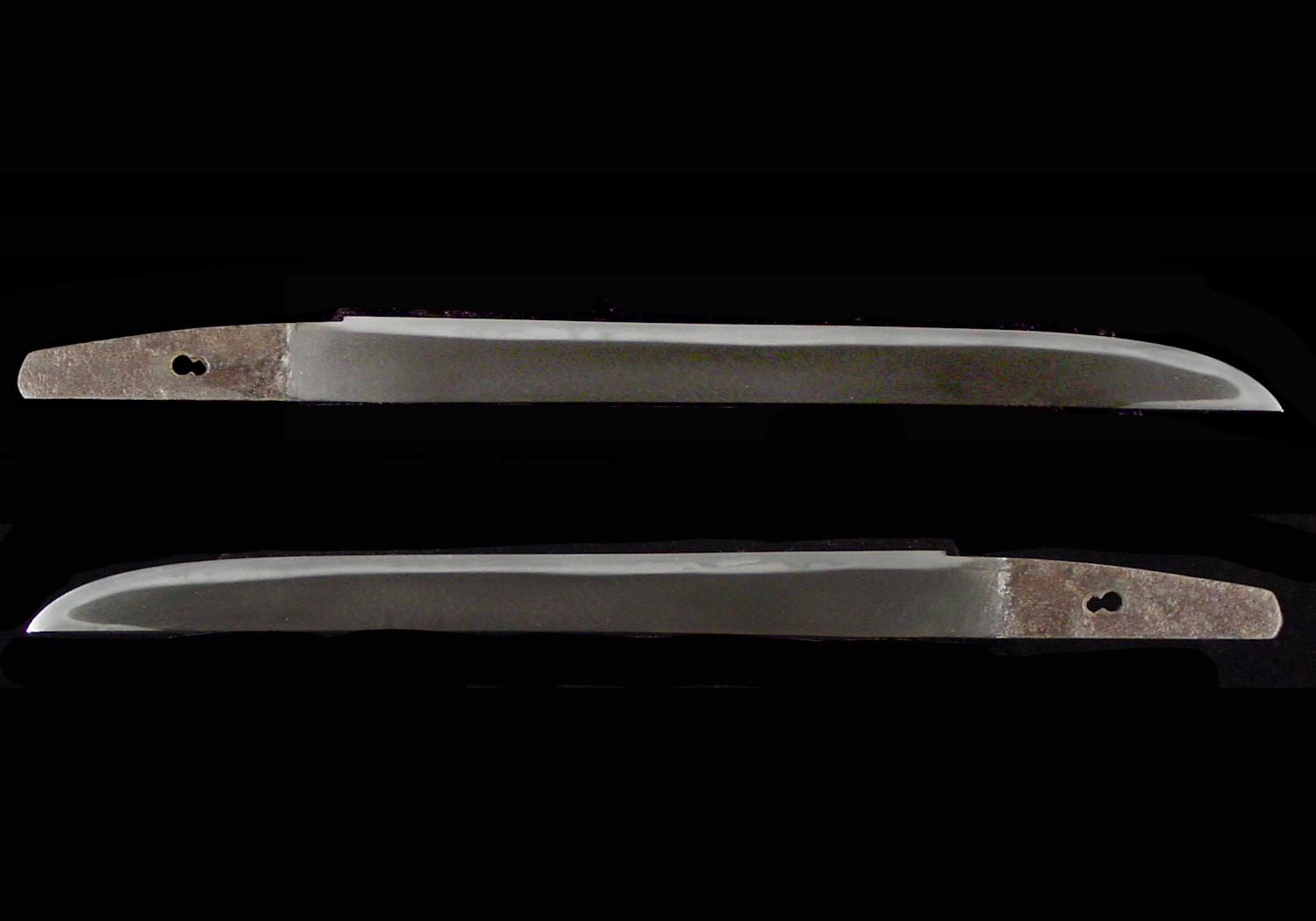
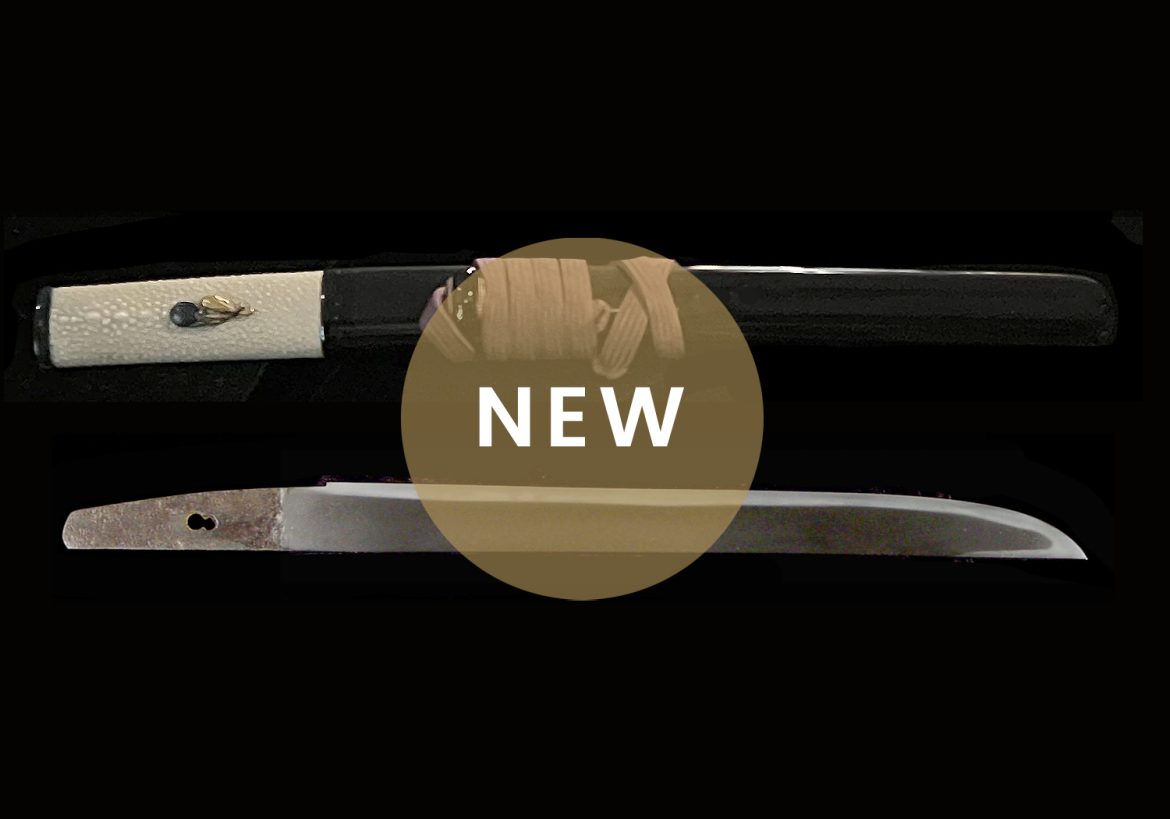
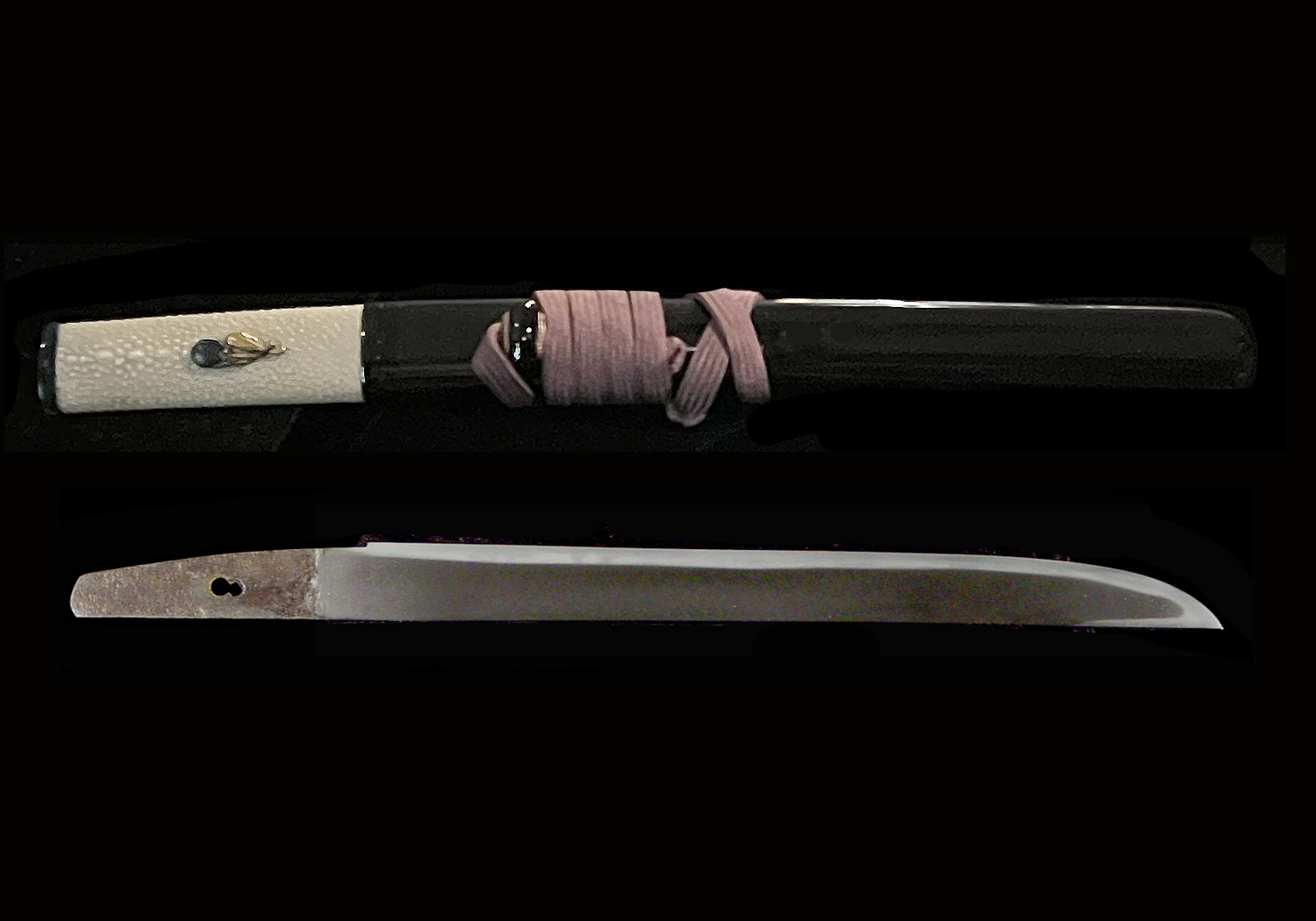
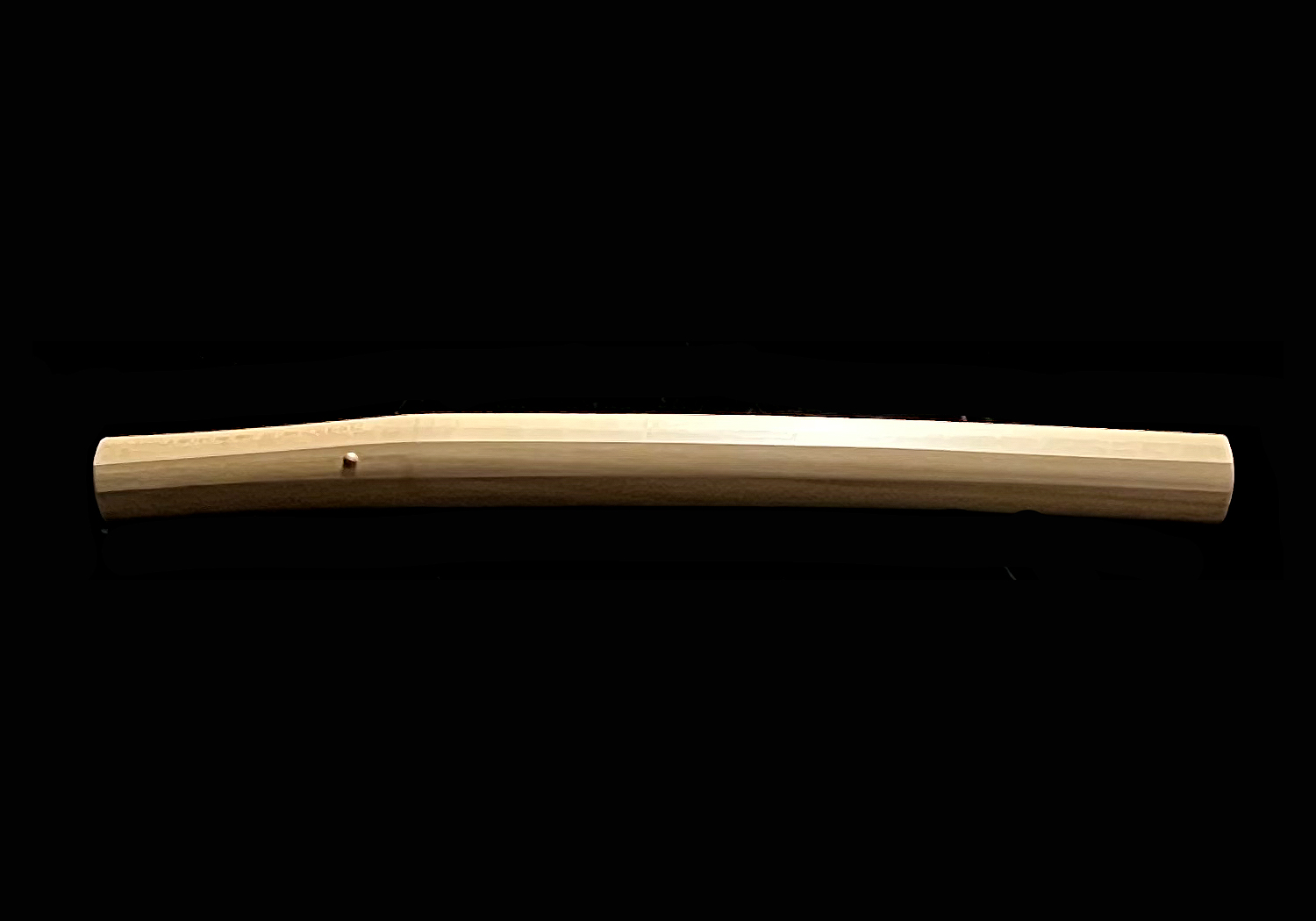
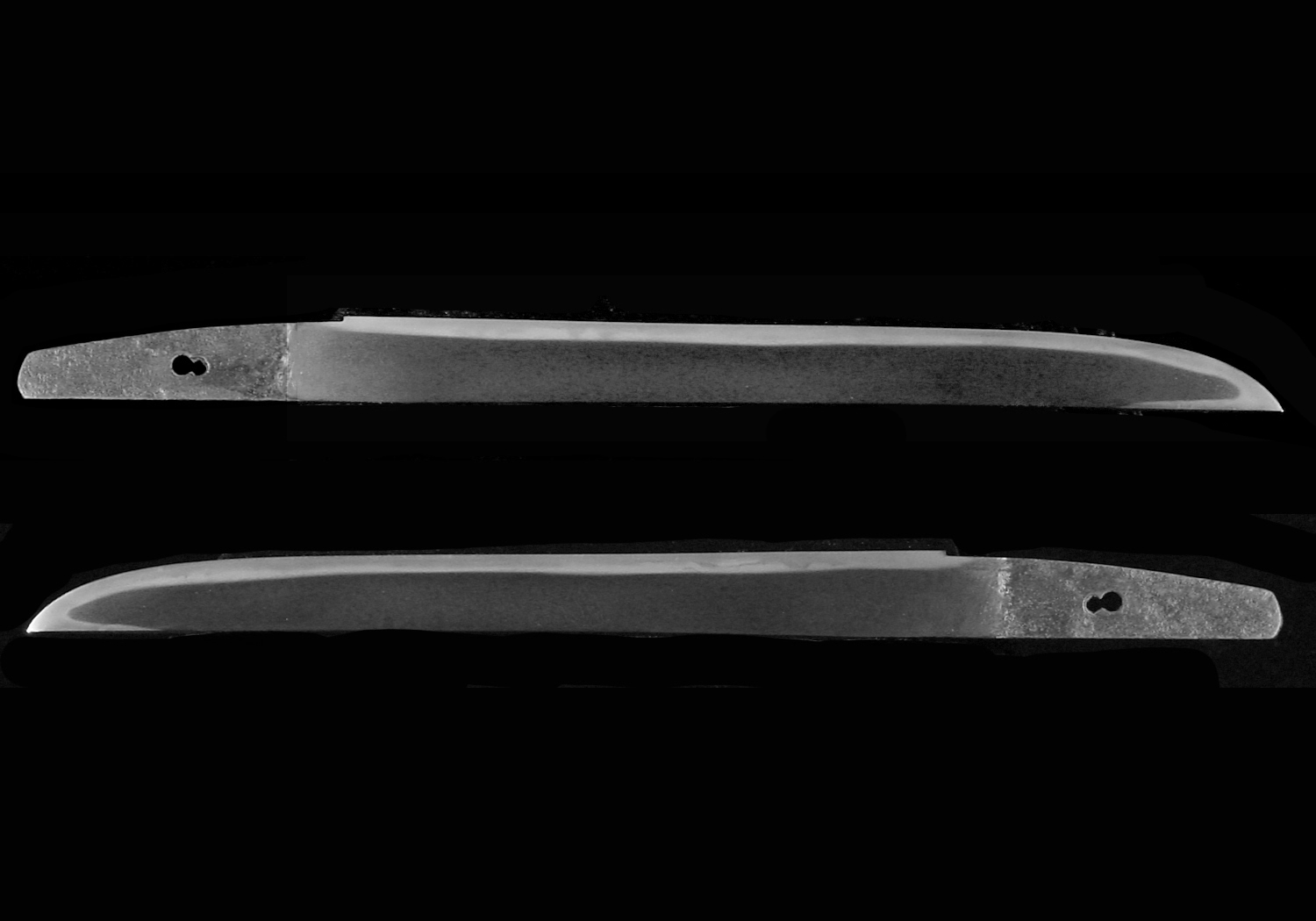
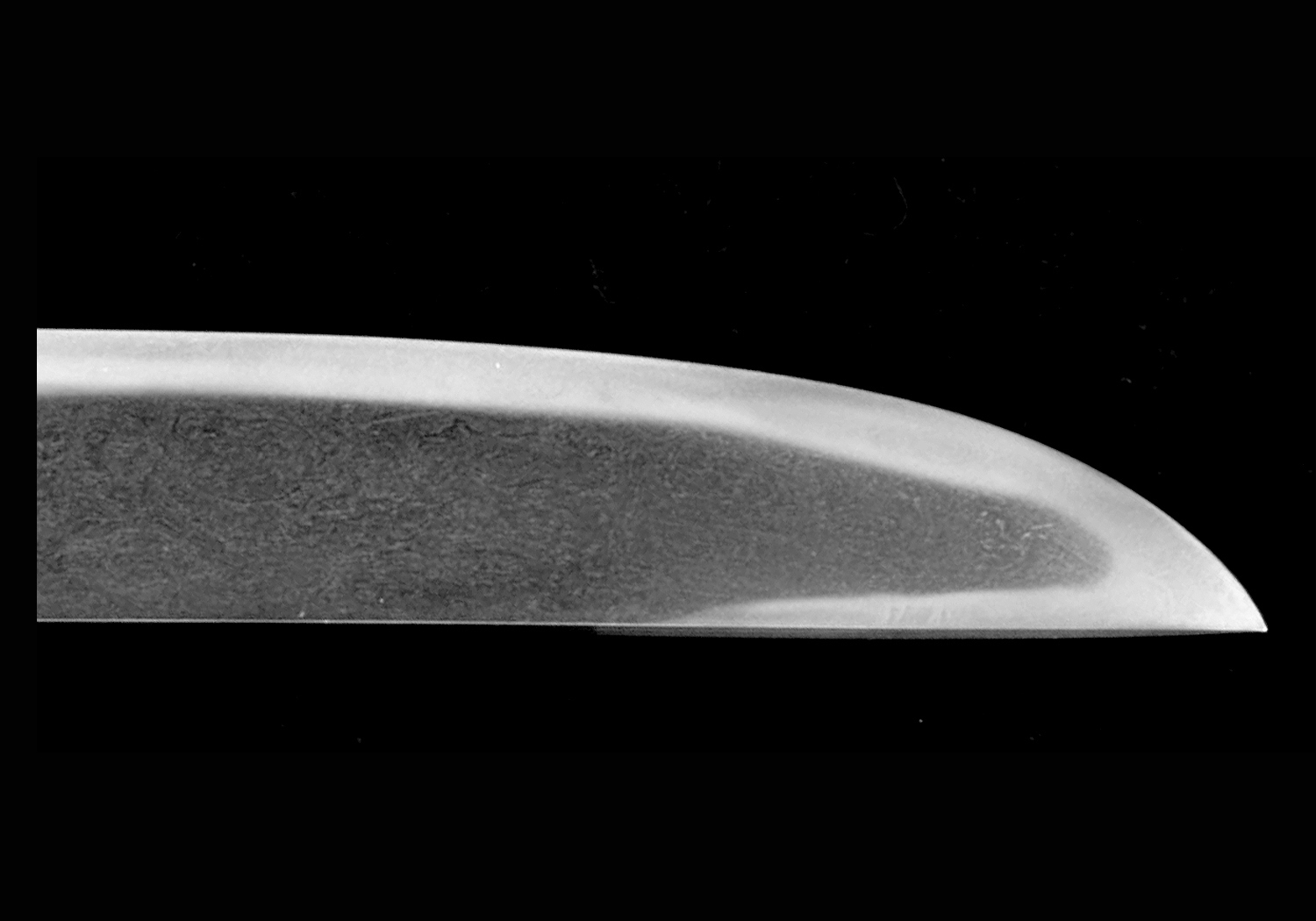
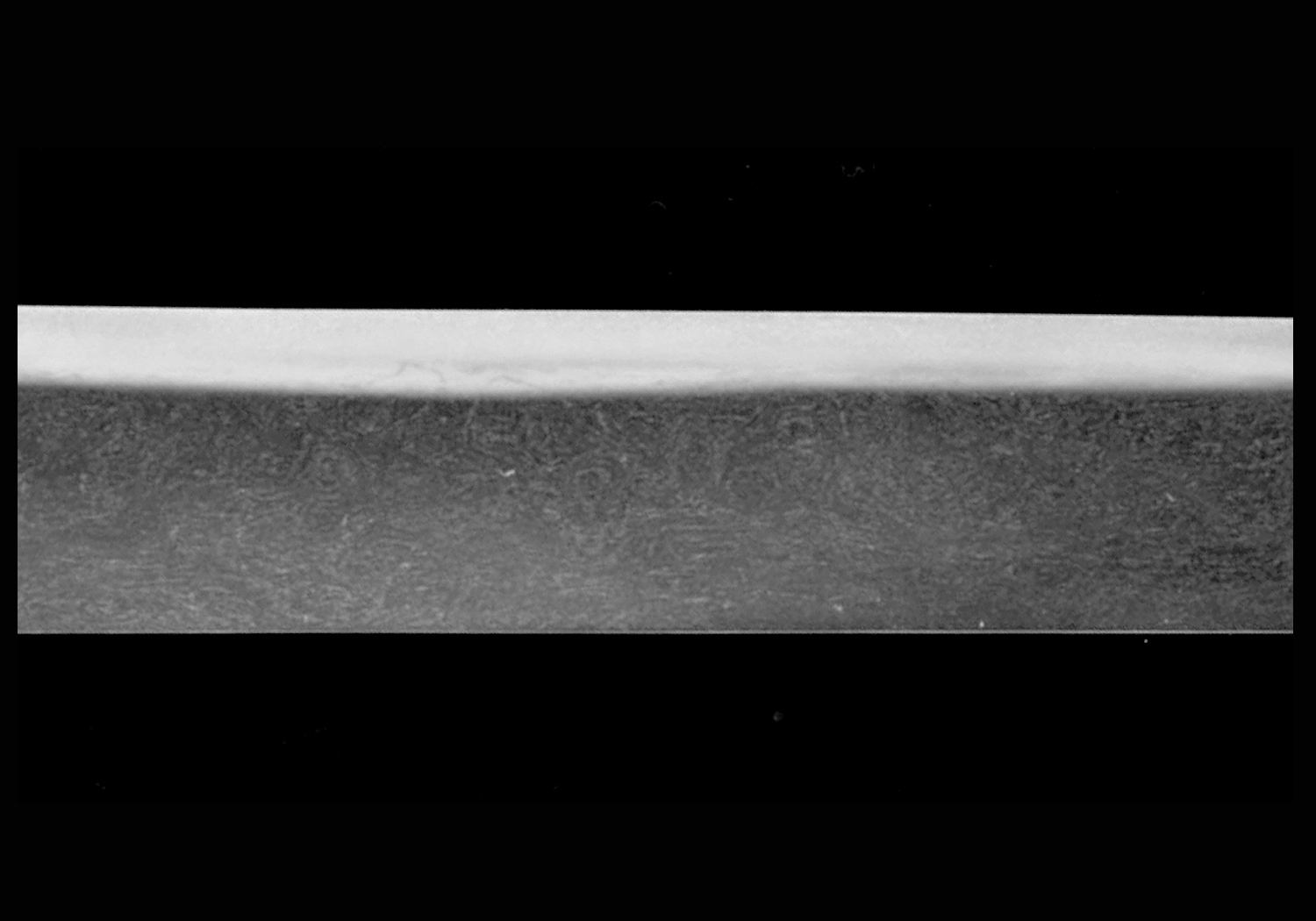
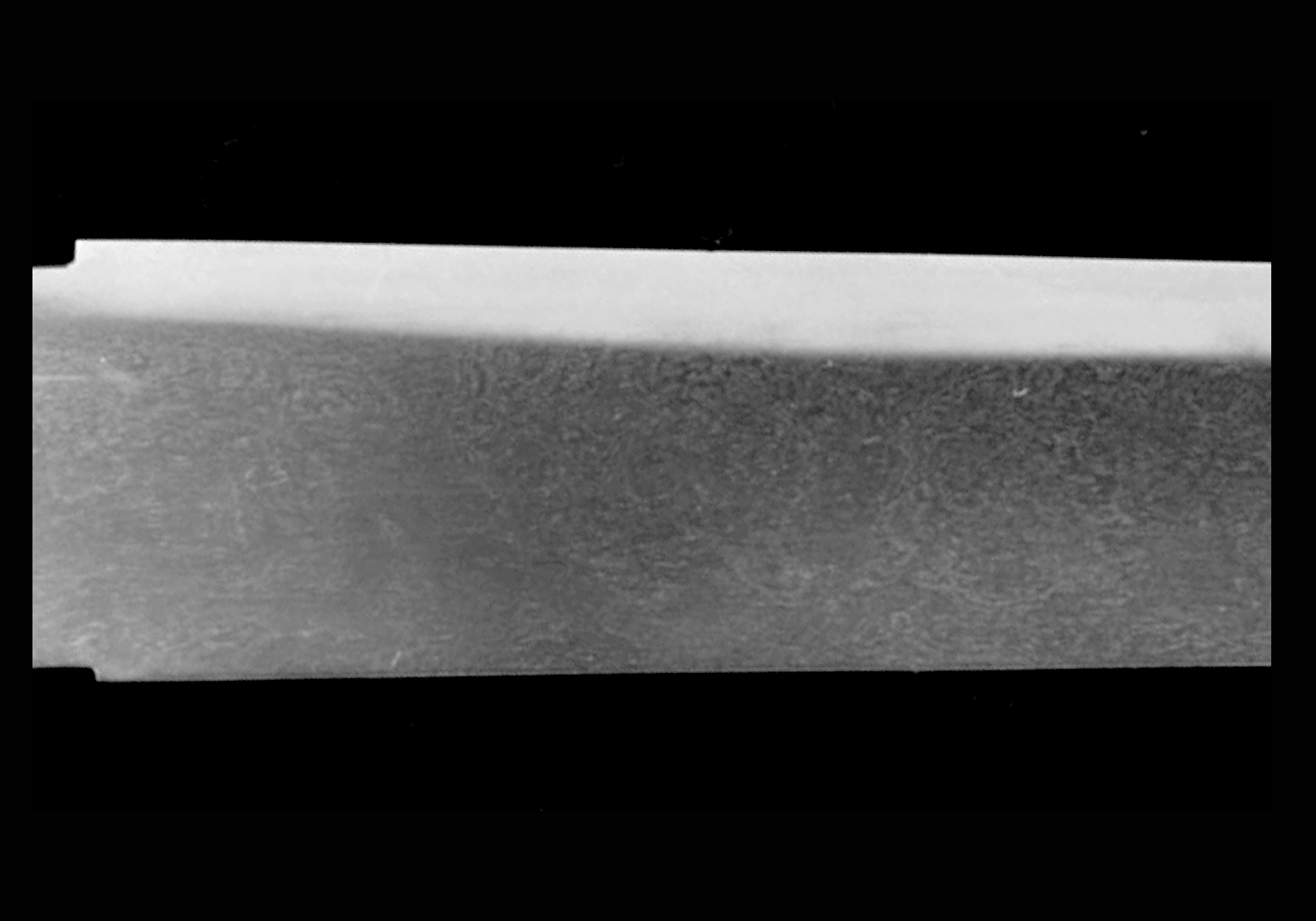
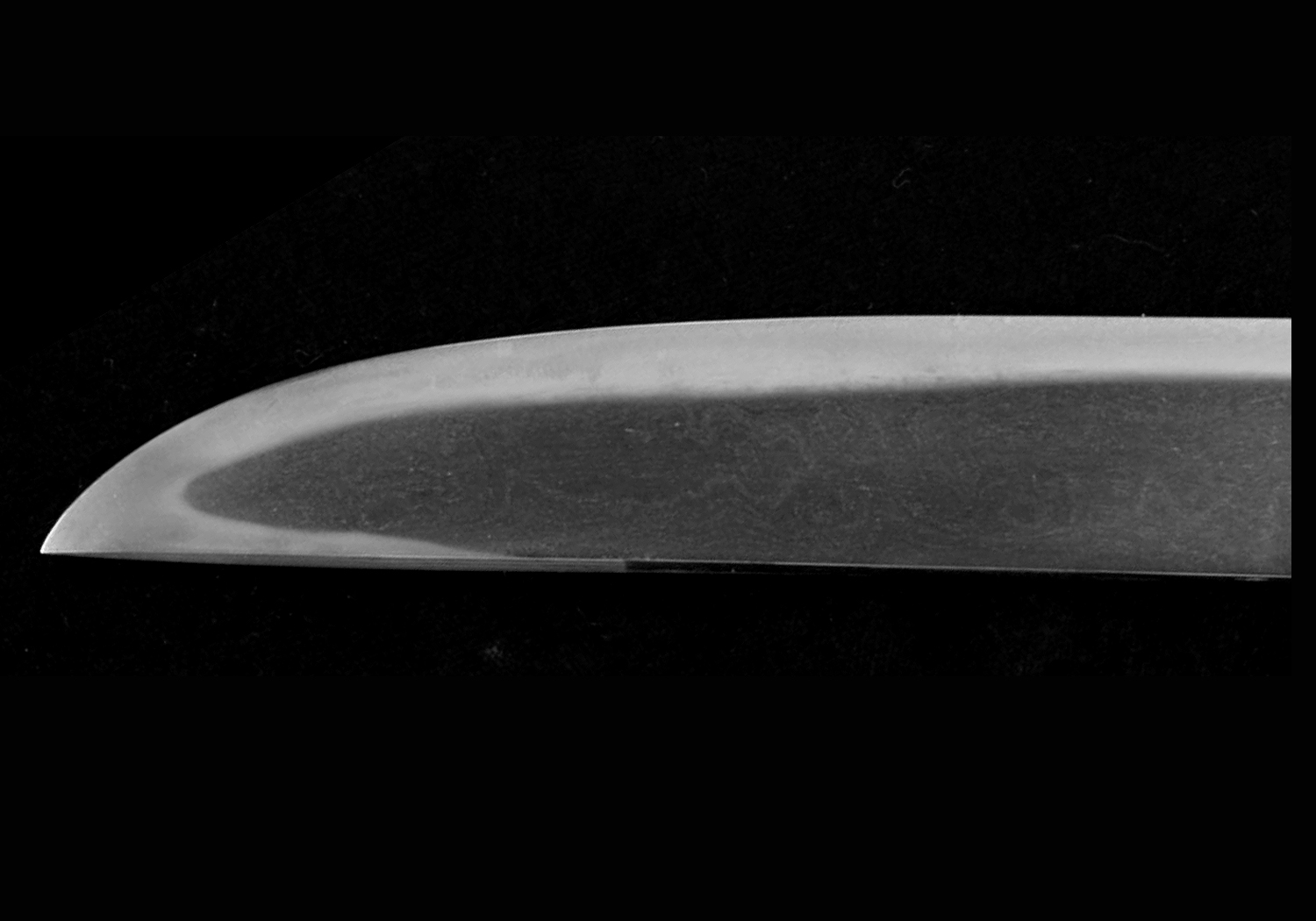
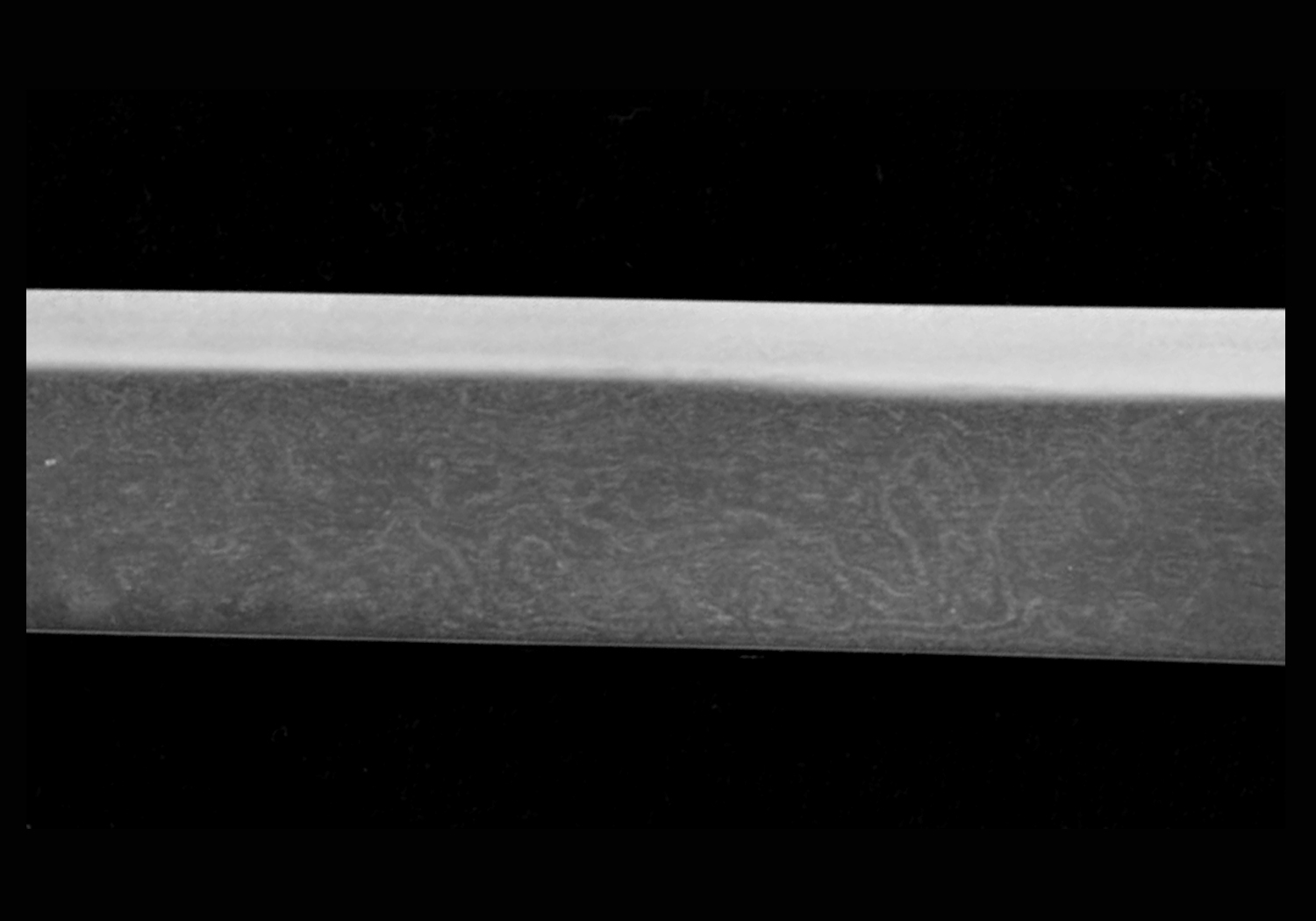
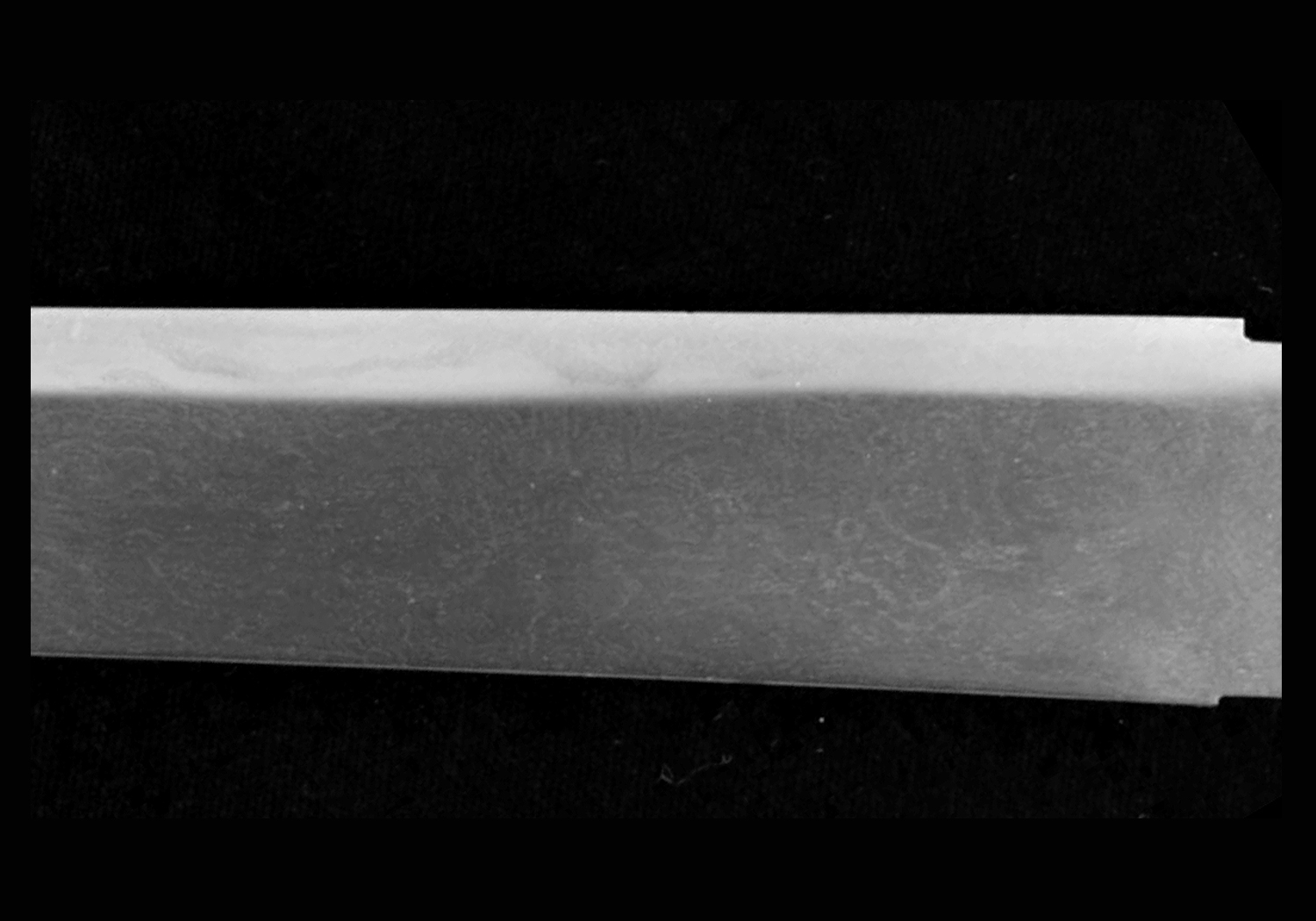
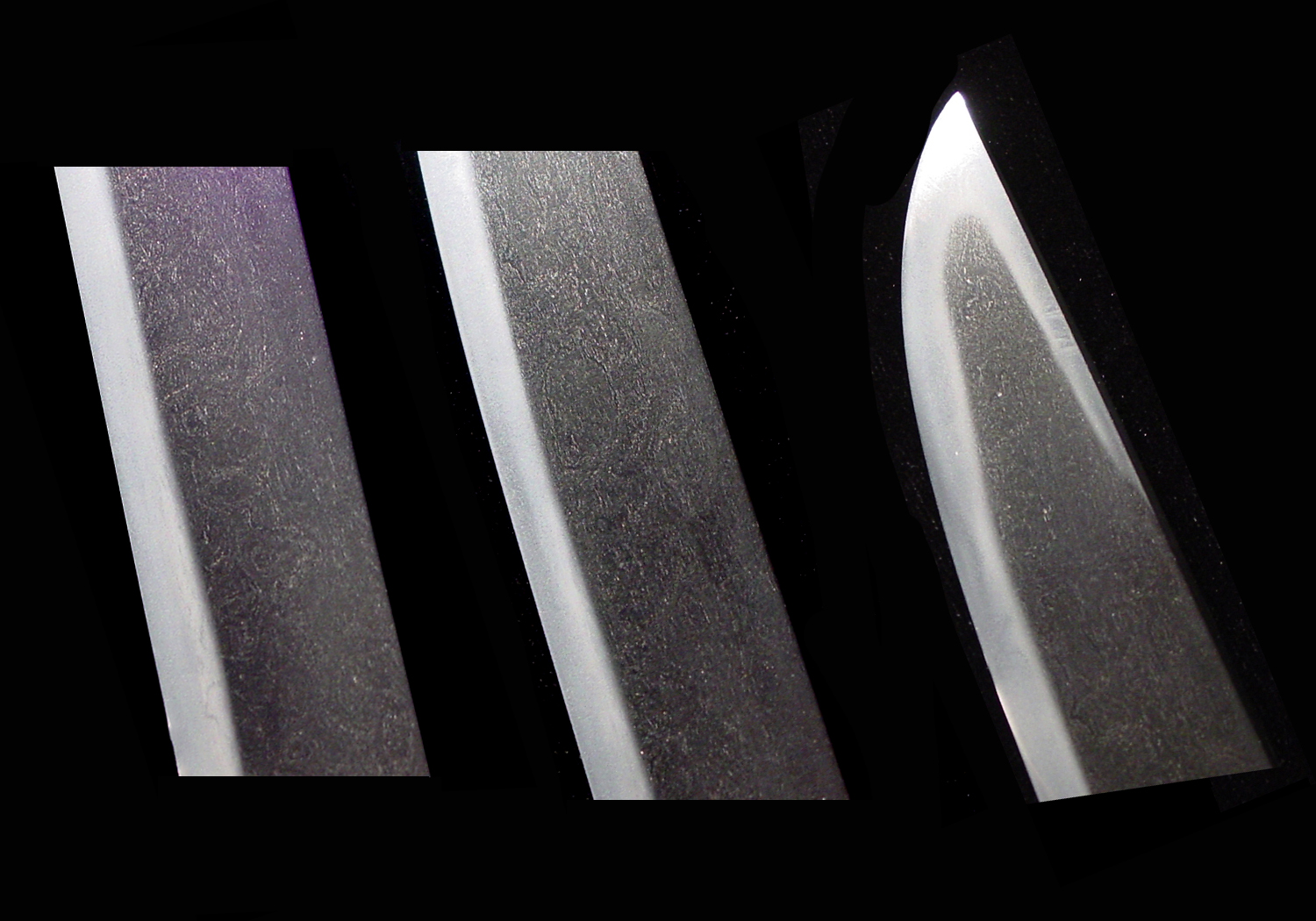
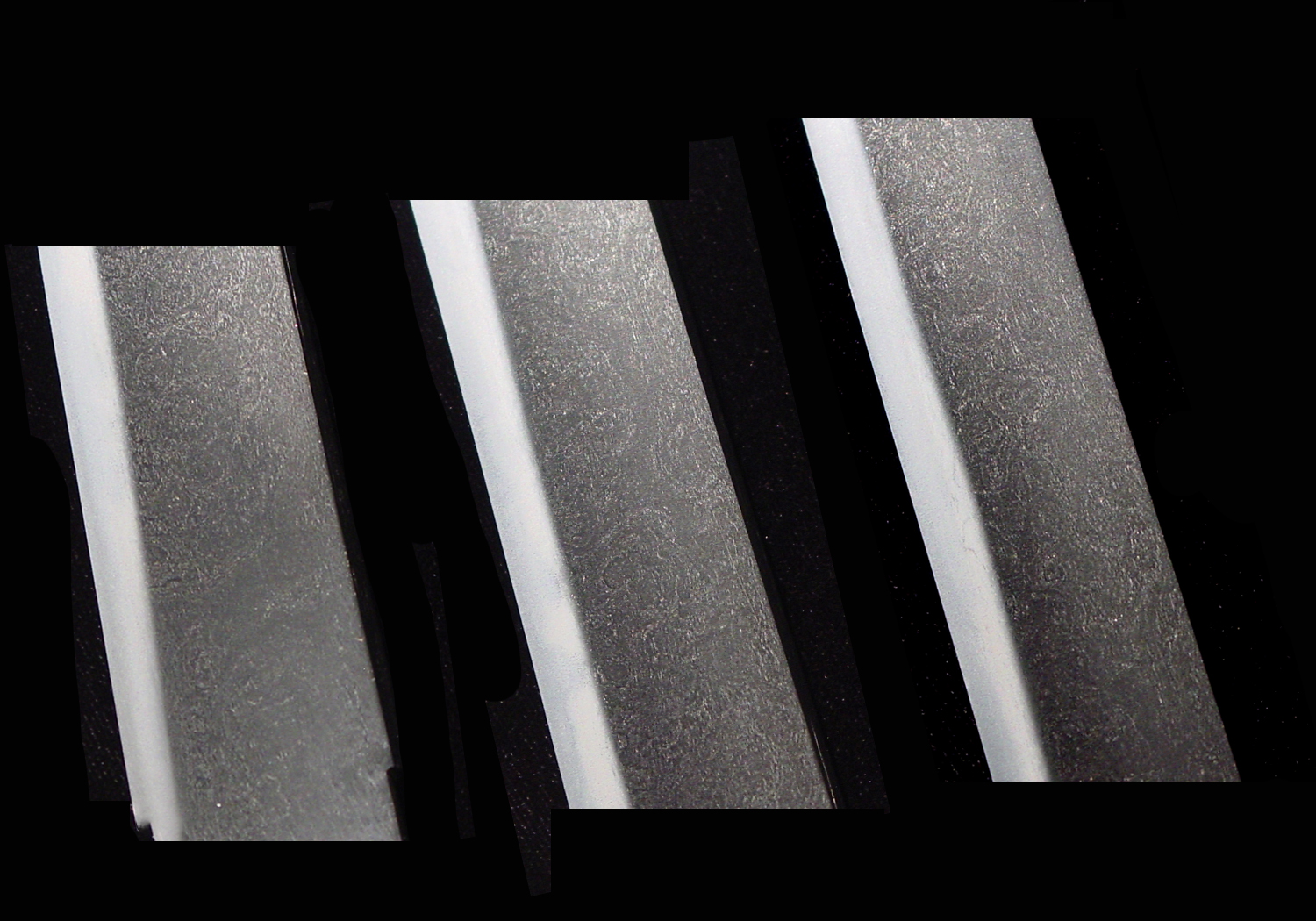
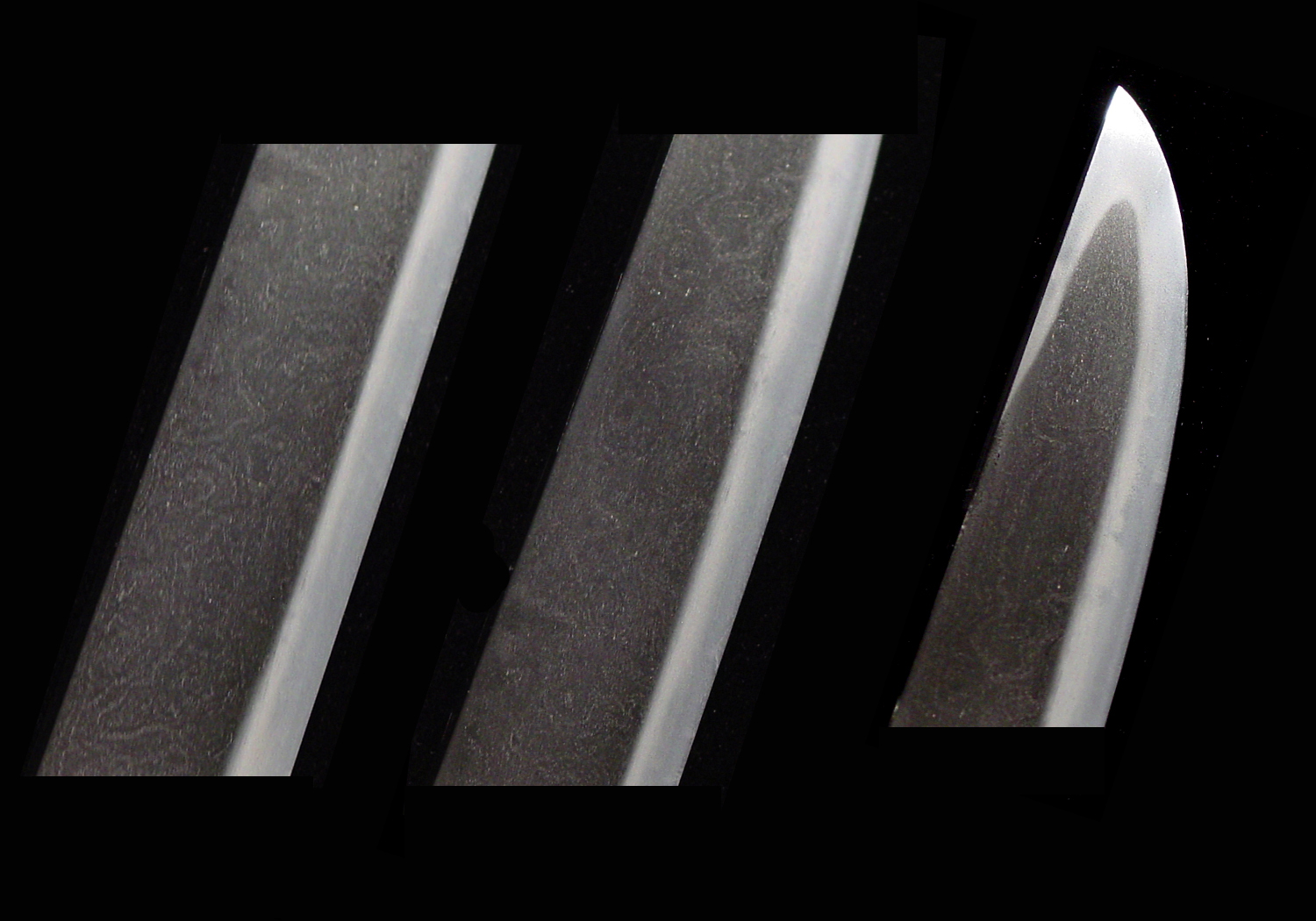
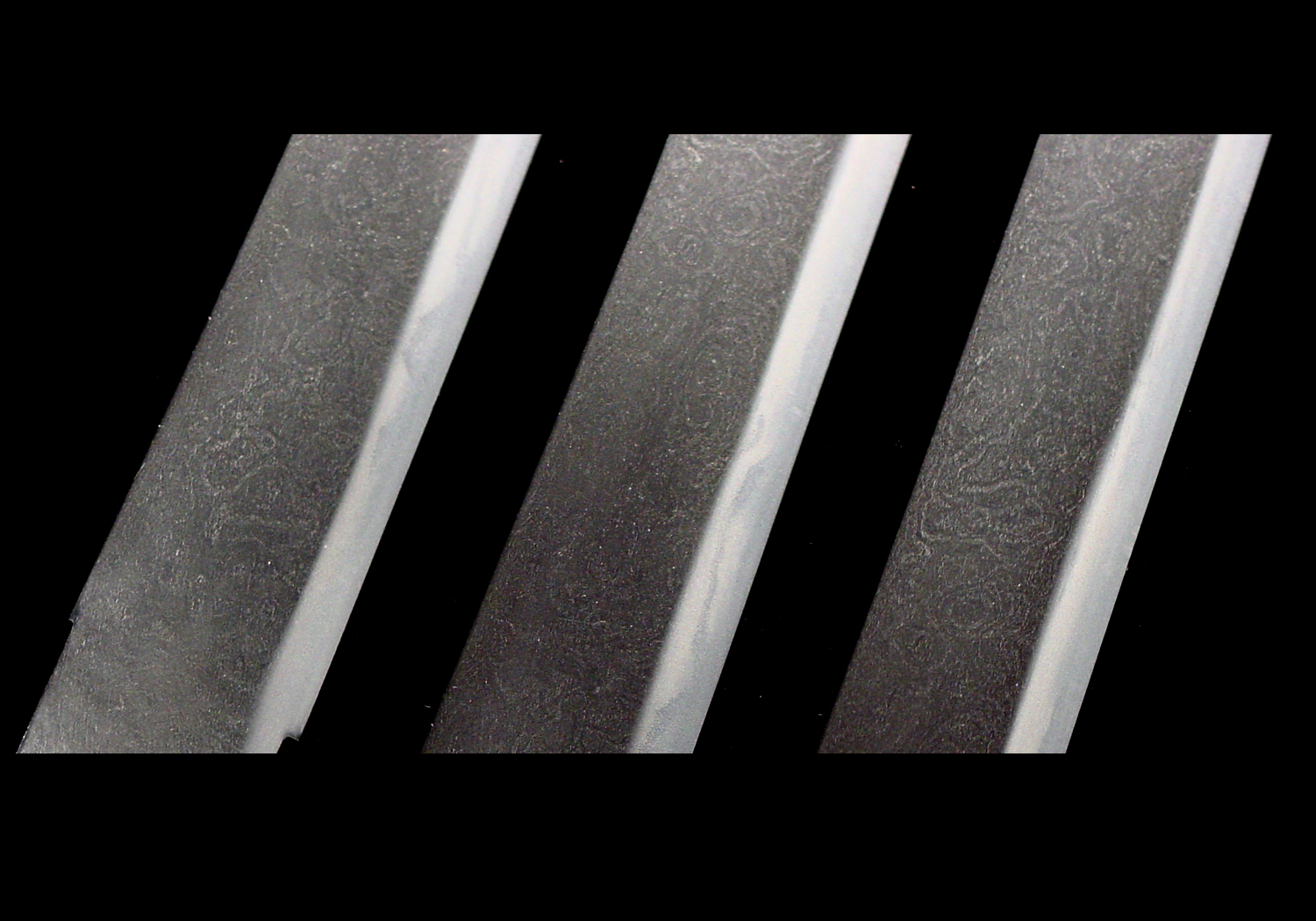
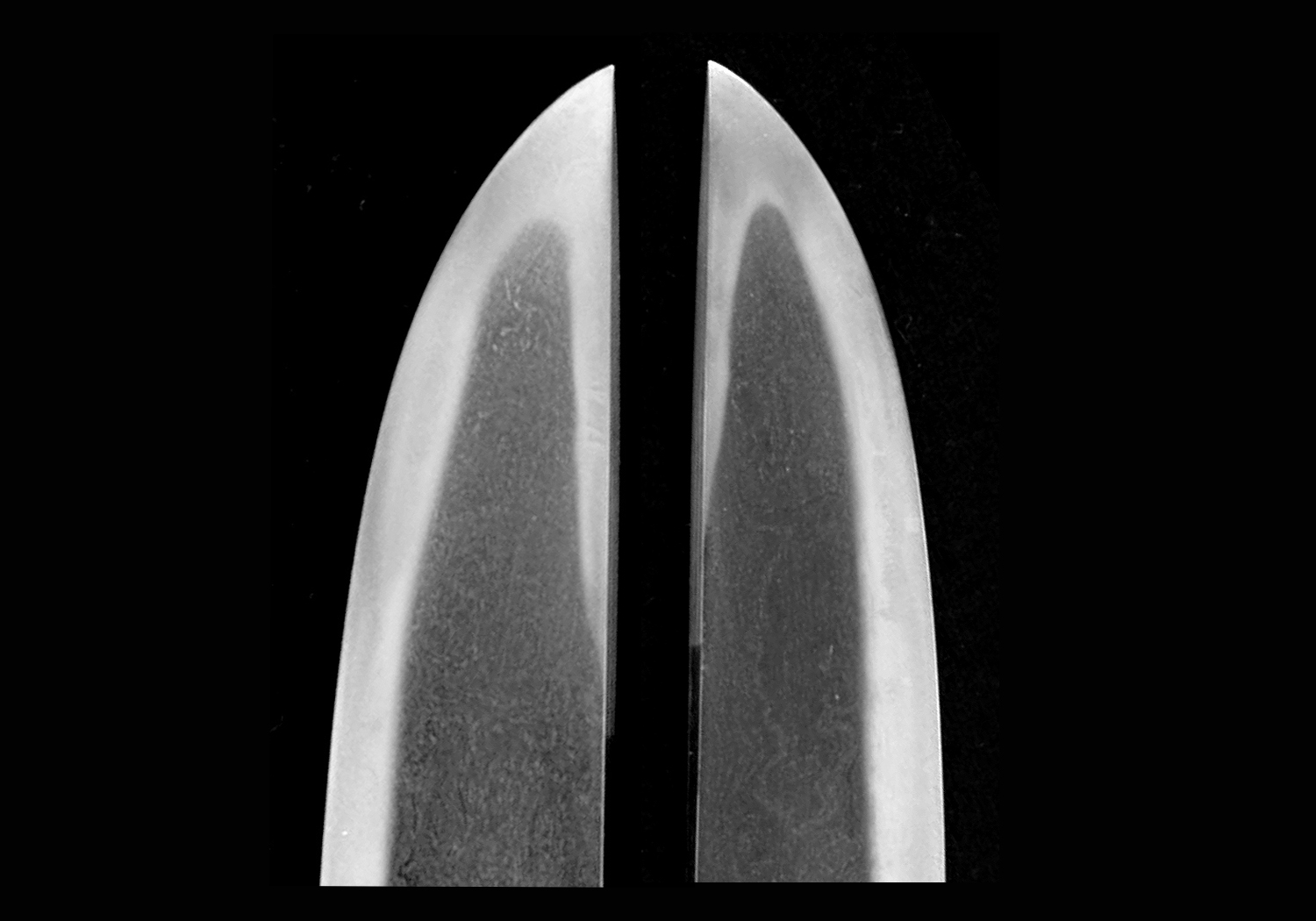
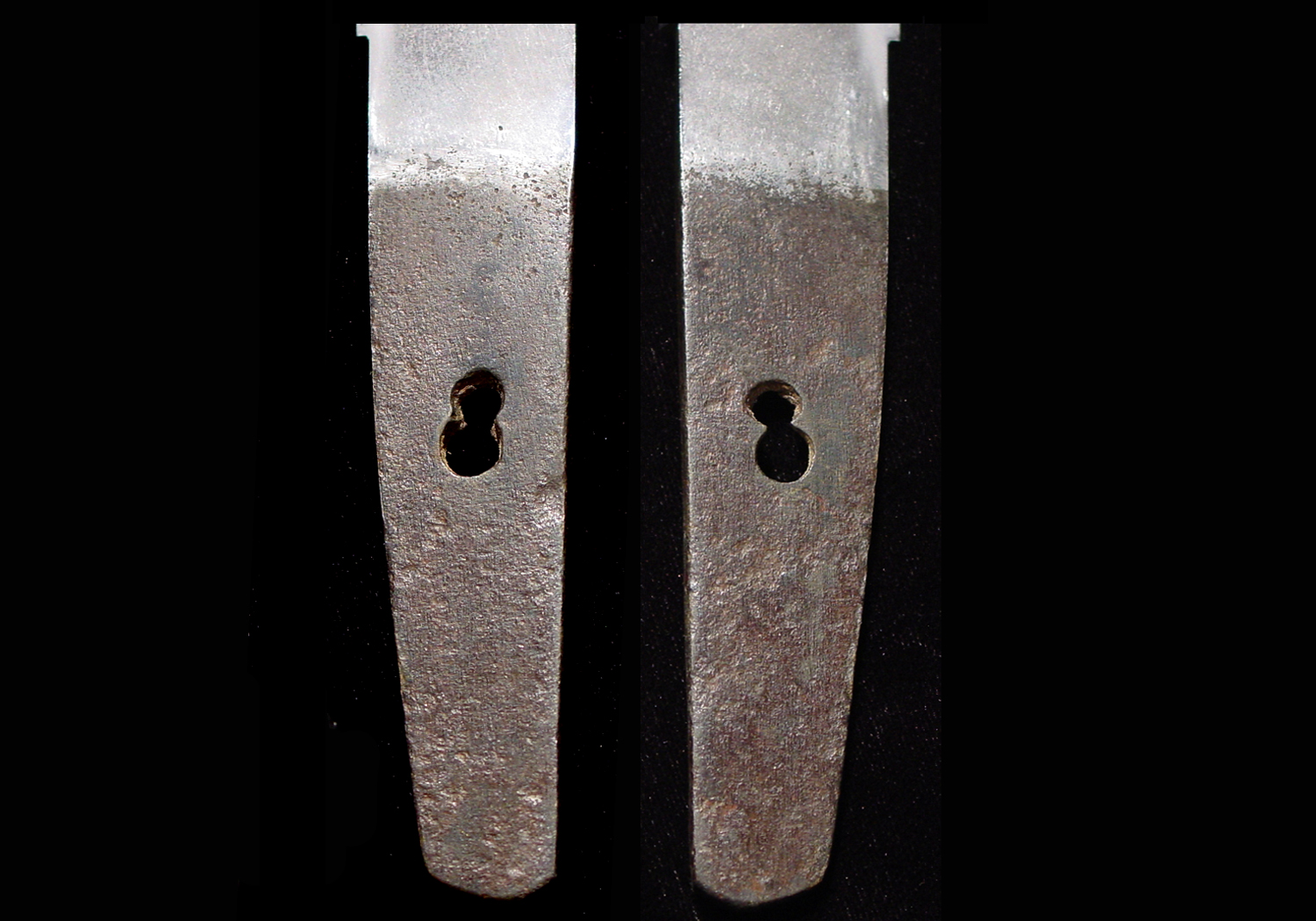
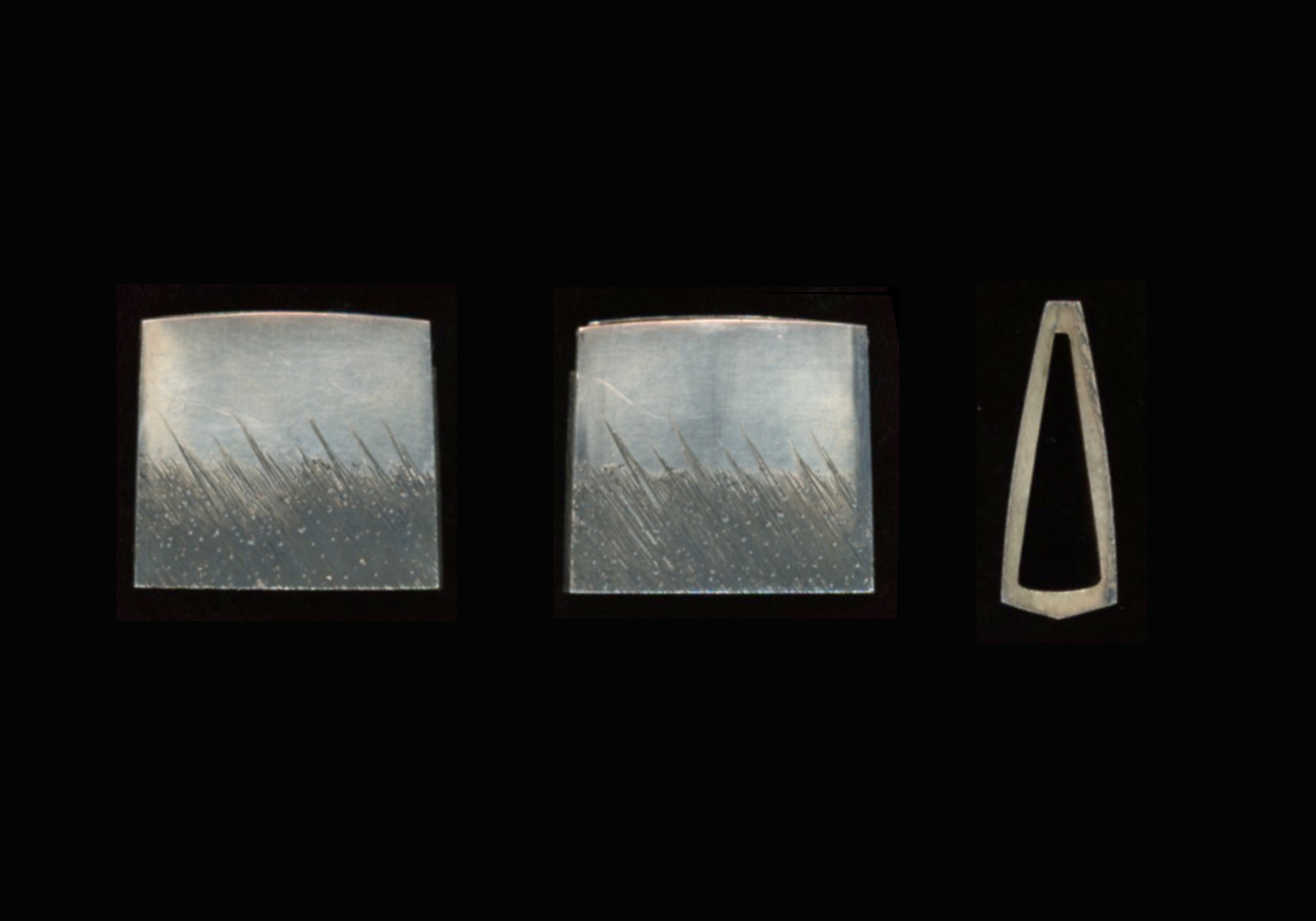
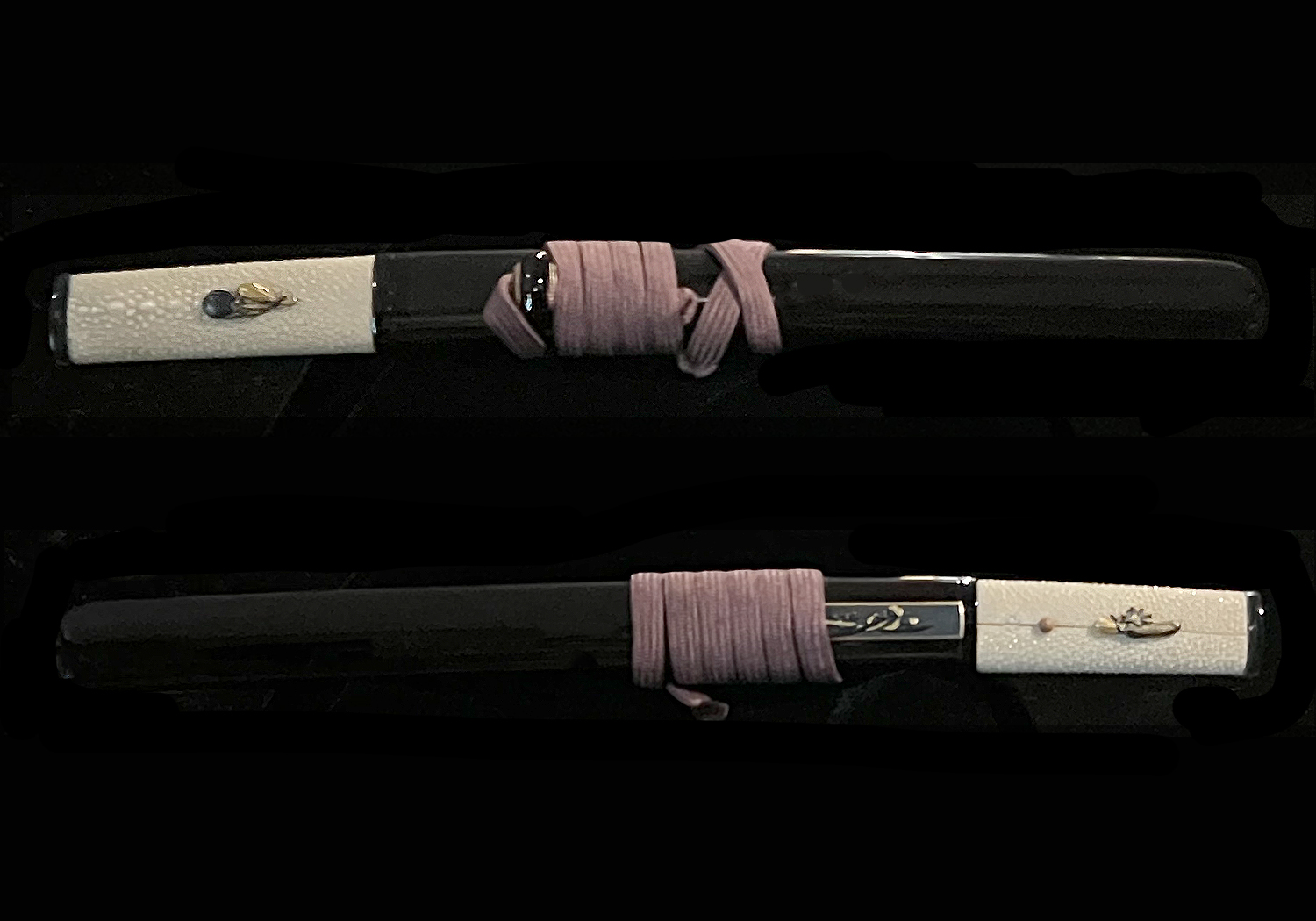
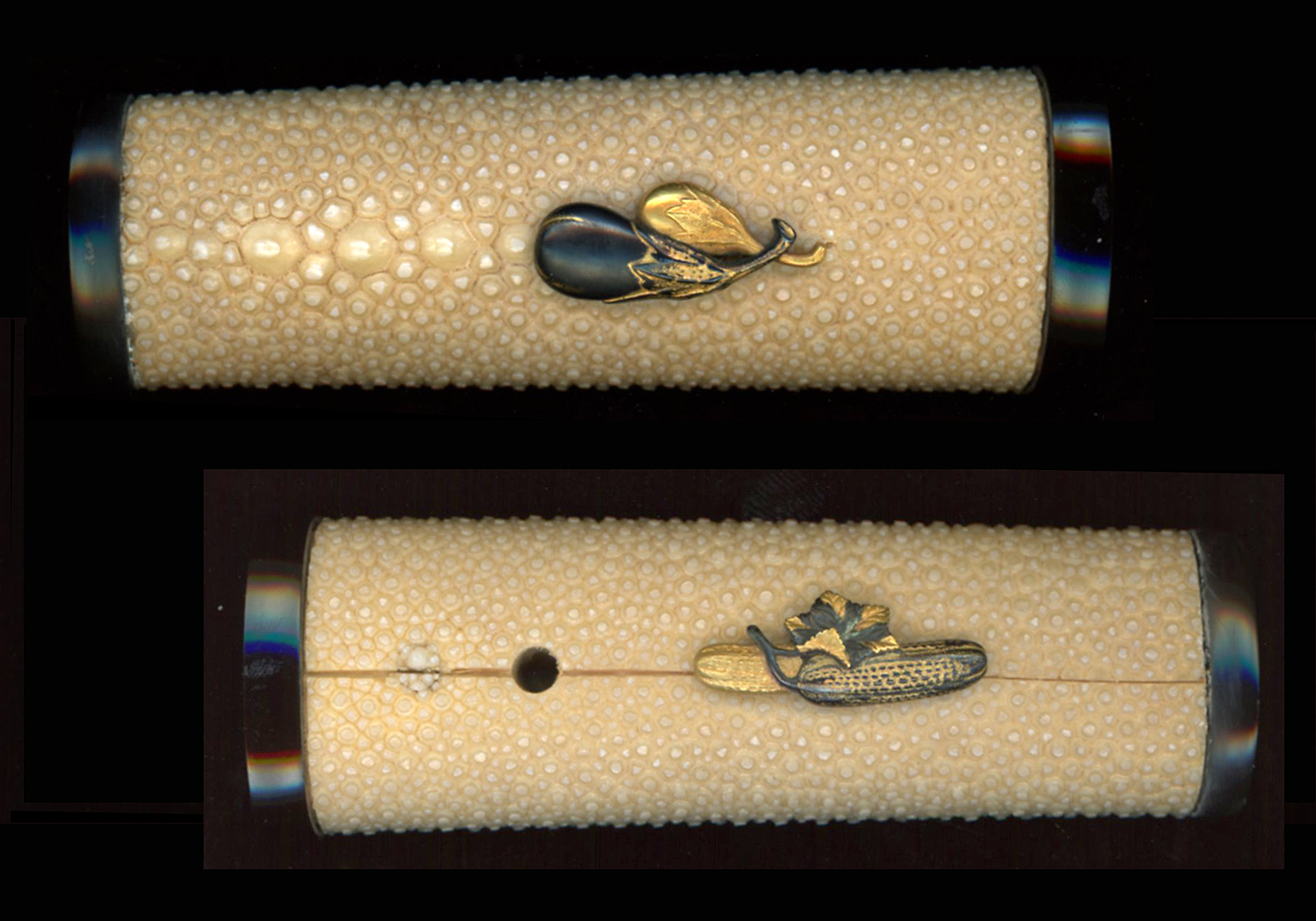
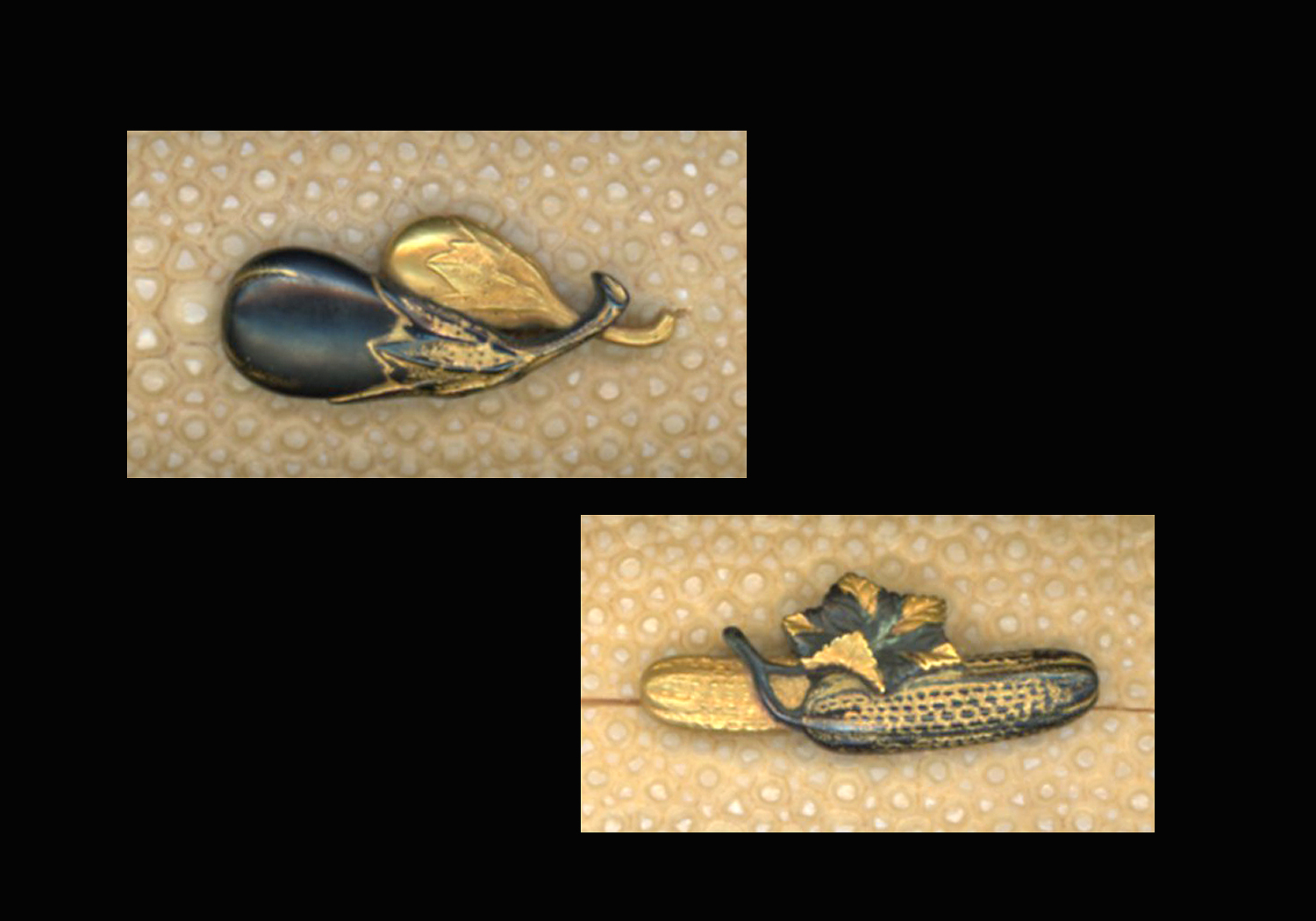
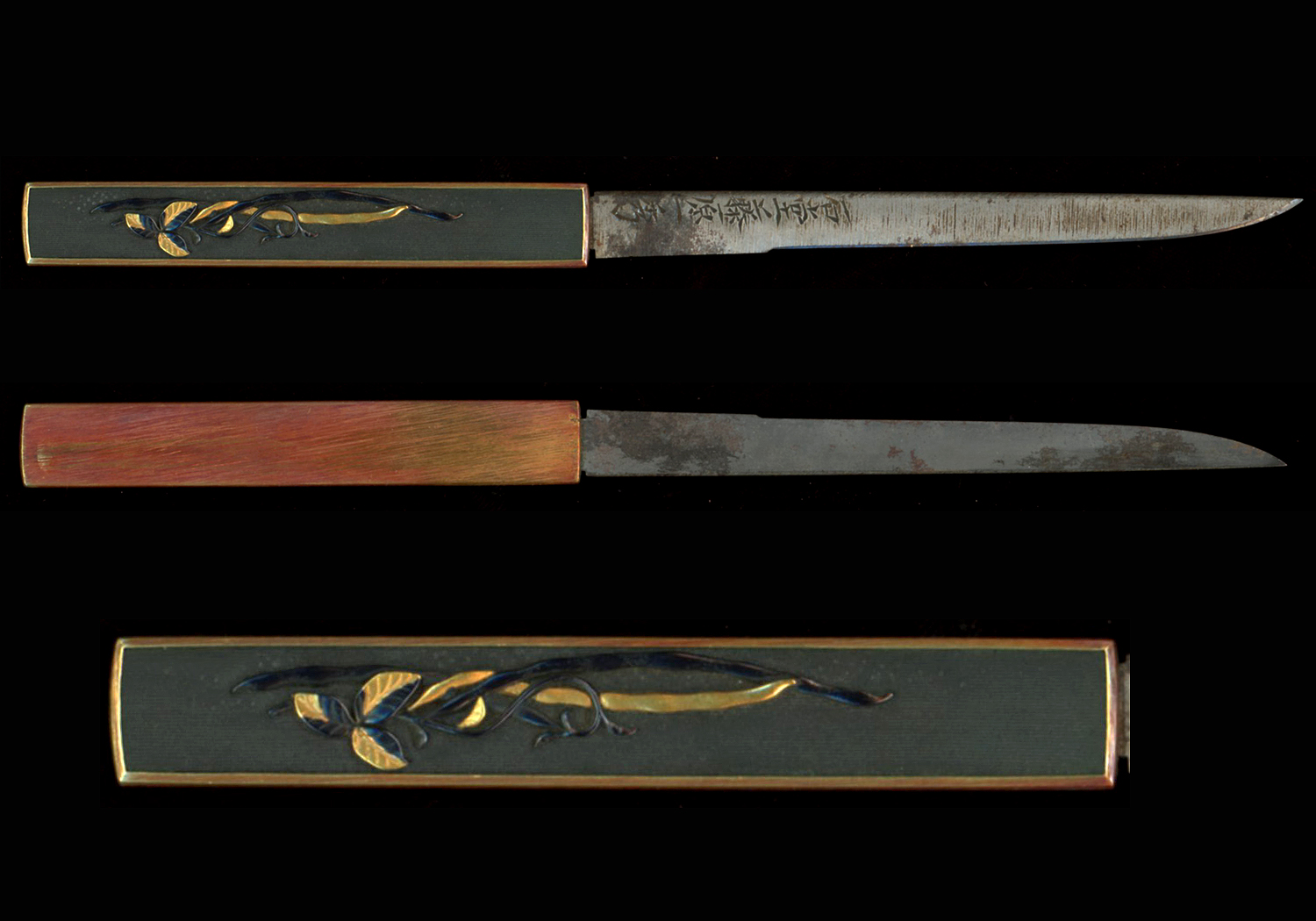
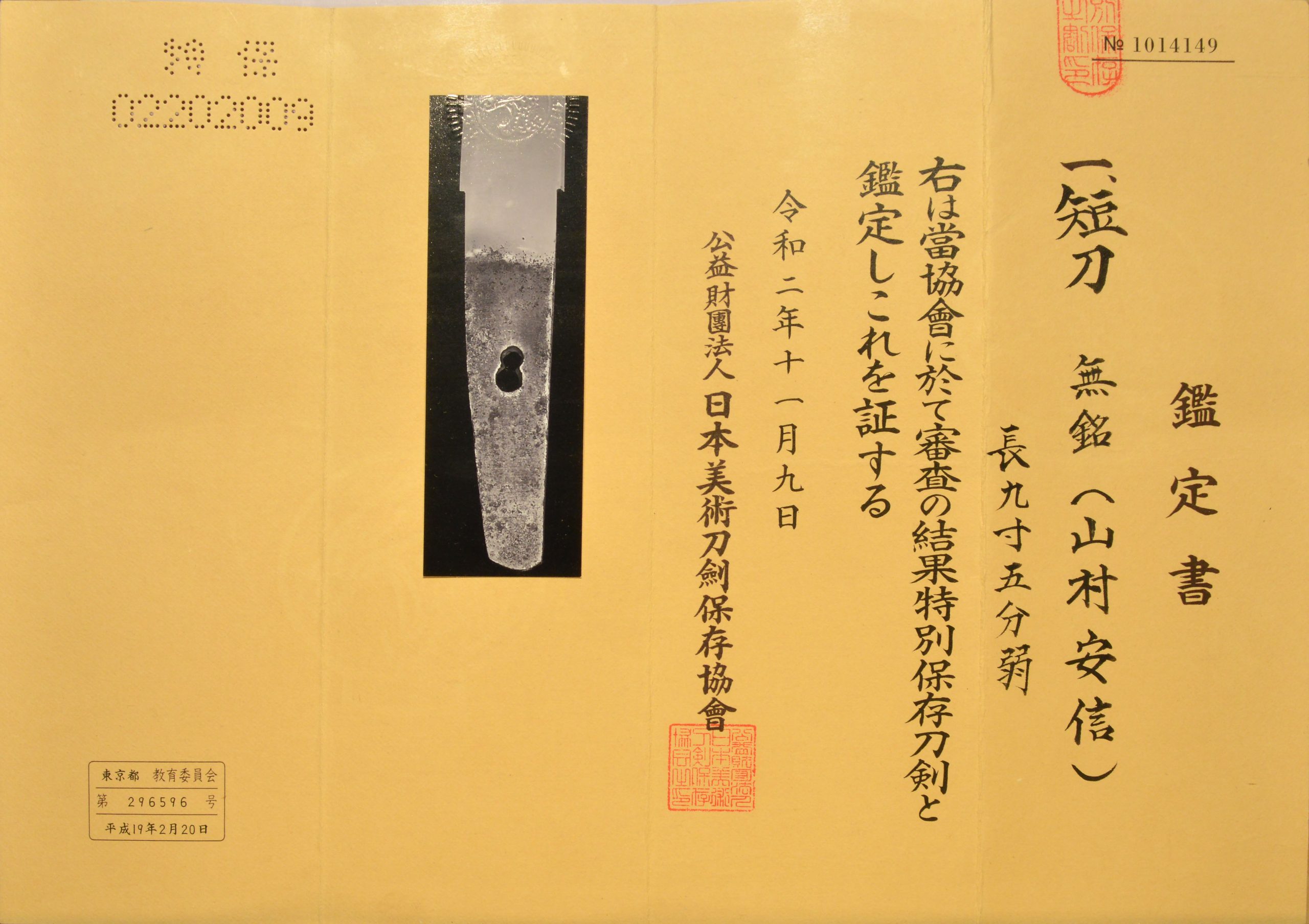
This is a Nanbokuchô era tantô attributed to the Echigo smith Yamamura Yasunobu, who worked around the Kakei and Oei eras. It features a hira-zukuri sugata with a nagasa of 28.7 cm and a wide moto-haba, showcasing a gorgeous itame mixed with o-mokume jigane. The hamon is a shallow notare-midare with peaked gunome, and the blade comes with a solid silver habaki, shirasaya, attractive tantô koshirae, and NBTHK Tokubetsu Hozon papers.
 NihontoWatch
mumei · Oei (1394-1428) · nagasa 28.7cm
Echigo · around 1394-1428
Fujishiro Jo saku · Tōken Taikan top 49%
2 pieces on the market now
The Muromachi period (1392 to 1573)
Muromachi turned sword making into an industry: the uchigatana rose with massed infantry warfare, Osafune and Seki produced bundle swords beside custom orders, and the Ming trade carried Japanese blades abroad by the tens of thousands.
A Hozon-certified blade judged to show notably superior workmanship and a better state of preservation. The bar is higher: re-tempered blades and most unsigned Muromachi/Edo works are excluded.
The NBTHK (Nihon Bijutsu Tōken Hozon Kyōkai, the Society for the Preservation of Japanese Art Swords) is a public-interest incorporated foundation founded in 1948 and supervised by Japan’s Agency for Cultural Affairs (Bunkachō); it is based at the Japanese Sword Museum in Tokyo. Its expert panels physically examine each submitted work (shinsa) and issue a certificate (kanteishō) ranking it by artistic and historical merit. NBTHK papers are the most widely recognized standard of authentication for Japanese swords and fittings.
NBTHK official siteThree-day inspection period and seven-day return period; buyer notifies by email within three days of receipt, no reason needed; full refund once item returned undamaged and unaltered.
$6,500
This is a Nanbokuchô era tantô attributed to the Echigo smith Yamamura Yasunobu, who worked around the Kakei and Oei eras. It features a hira-zukuri sugata with a nagasa of 28.7 cm and a wide moto-haba, showcasing a gorgeous itame mixed with o-mokume jigane. The hamon is a shallow notare-midare with peaked gunome, and the blade comes with a solid silver habaki, shirasaya, attractive tantô koshirae, and NBTHK Tokubetsu Hozon papers.
NihontoWatchmumei · Oei (1394-1428) · nagasa 28.7cm
Echigo · around 1394-1428
Fujishiro Jo saku · Tōken Taikan top 49%
2 pieces on the market now
The Muromachi period (1392 to 1573)
Muromachi turned sword making into an industry: the uchigatana rose with massed infantry warfare, Osafune and Seki produced bundle swords beside custom orders, and the Ming trade carried Japanese blades abroad by the tens of thousands.
A Hozon-certified blade judged to show notably superior workmanship and a better state of preservation. The bar is higher: re-tempered blades and most unsigned Muromachi/Edo works are excluded.
The NBTHK (Nihon Bijutsu Tōken Hozon Kyōkai, the Society for the Preservation of Japanese Art Swords) is a public-interest incorporated foundation founded in 1948 and supervised by Japan’s Agency for Cultural Affairs (Bunkachō); it is based at the Japanese Sword Museum in Tokyo. Its expert panels physically examine each submitted work (shinsa) and issue a certificate (kanteishō) ranking it by artistic and historical merit. NBTHK papers are the most widely recognized standard of authentication for Japanese swords and fittings.
NBTHK official siteThree-day inspection period and seven-day return period; buyer notifies by email within three days of receipt, no reason needed; full refund once item returned undamaged and unaltered.
$6,500