After the Ōnin War broke the Ashikaga order, a century of Sengoku warfare armed nearly every province in Japan. The era rewards a discriminating eye: routine work exists in quantity, and beside it stand custom blades of the first rank.
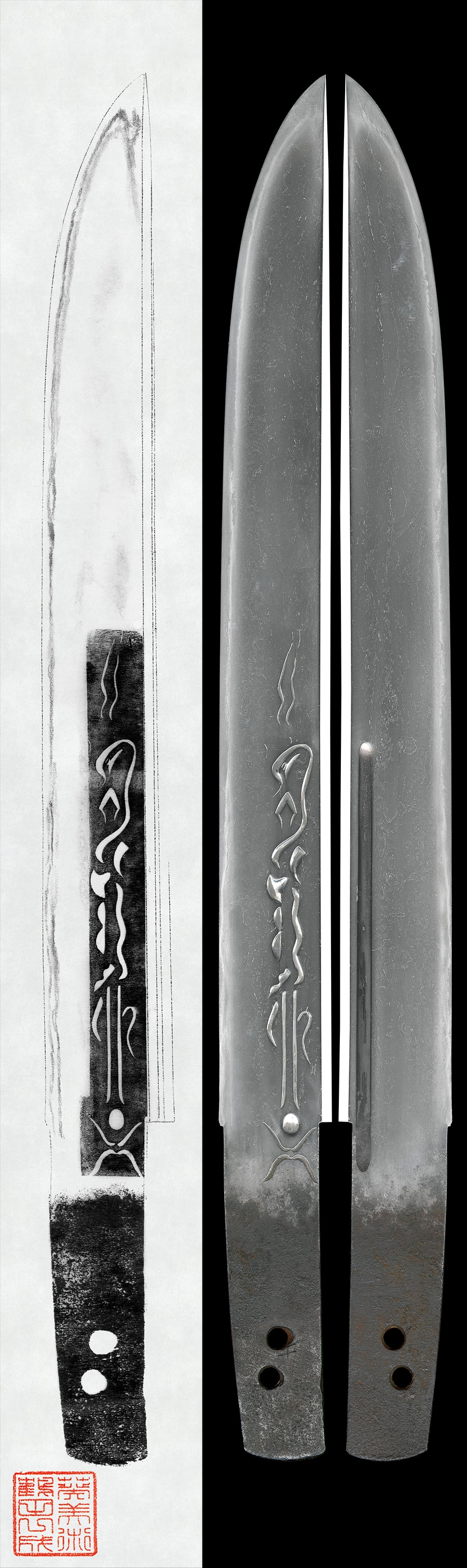
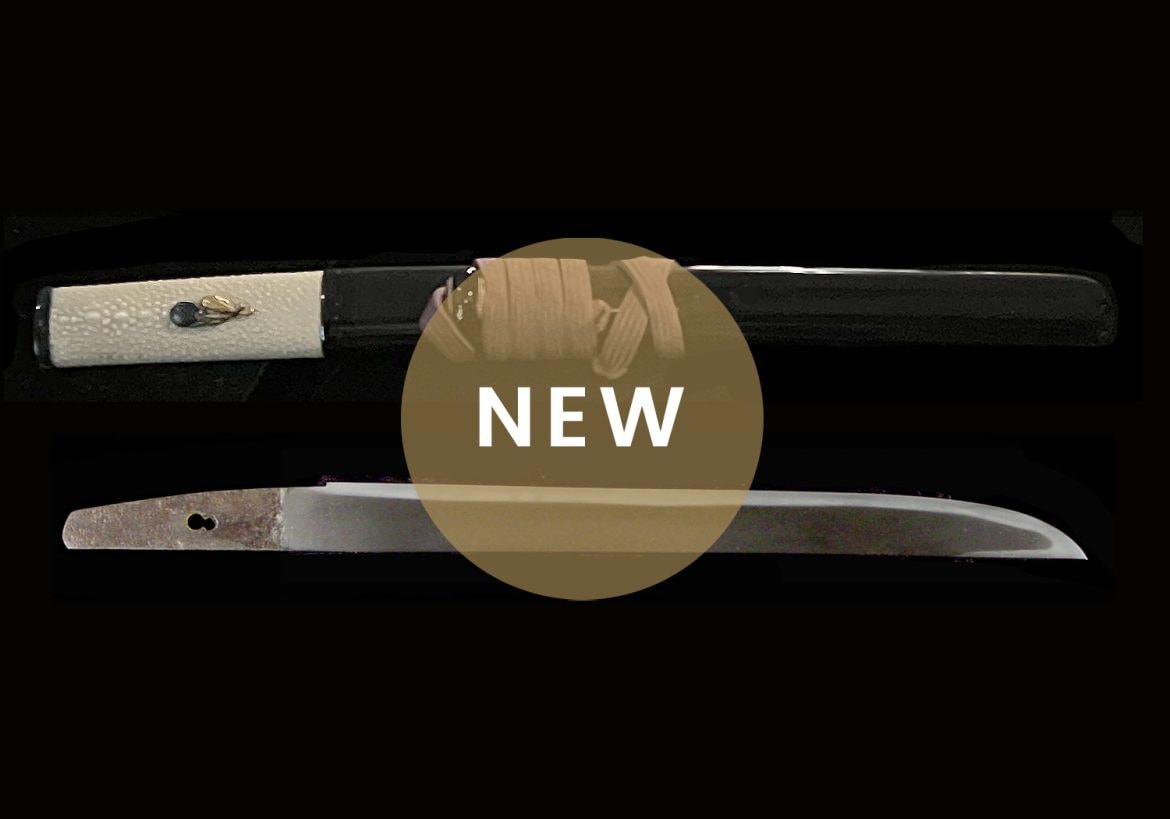
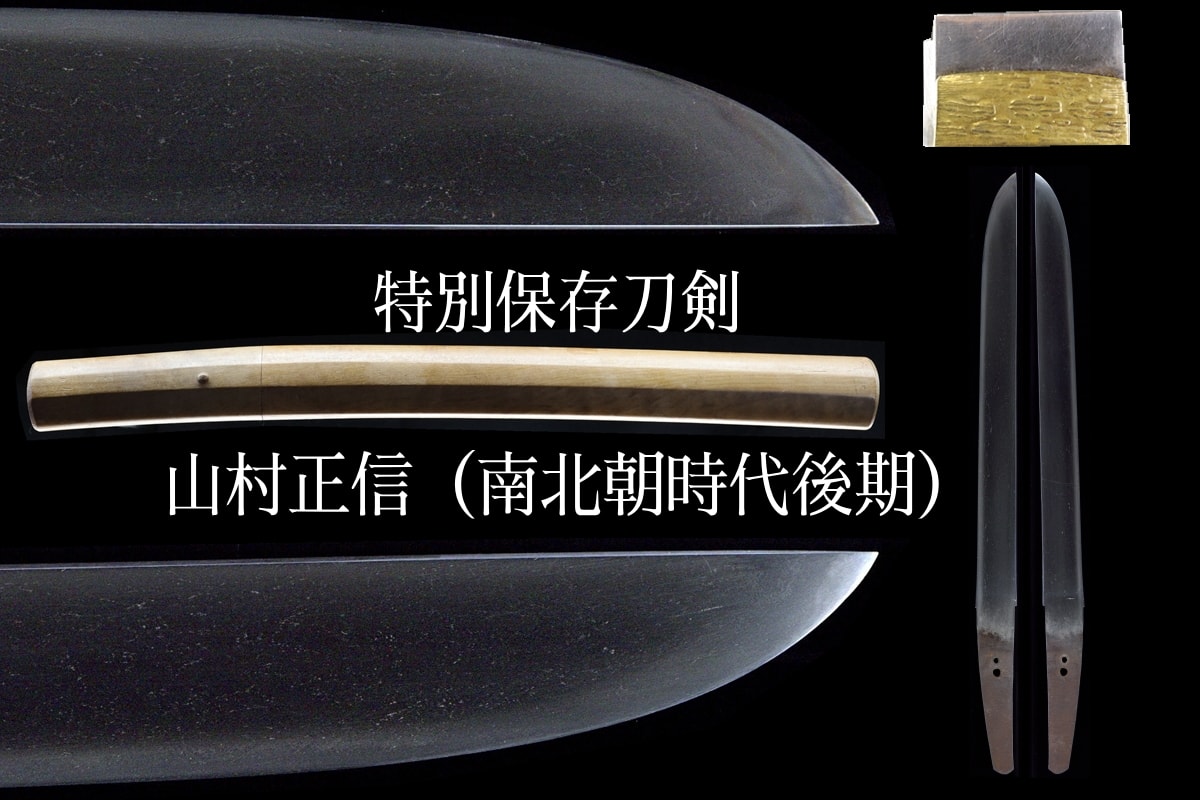
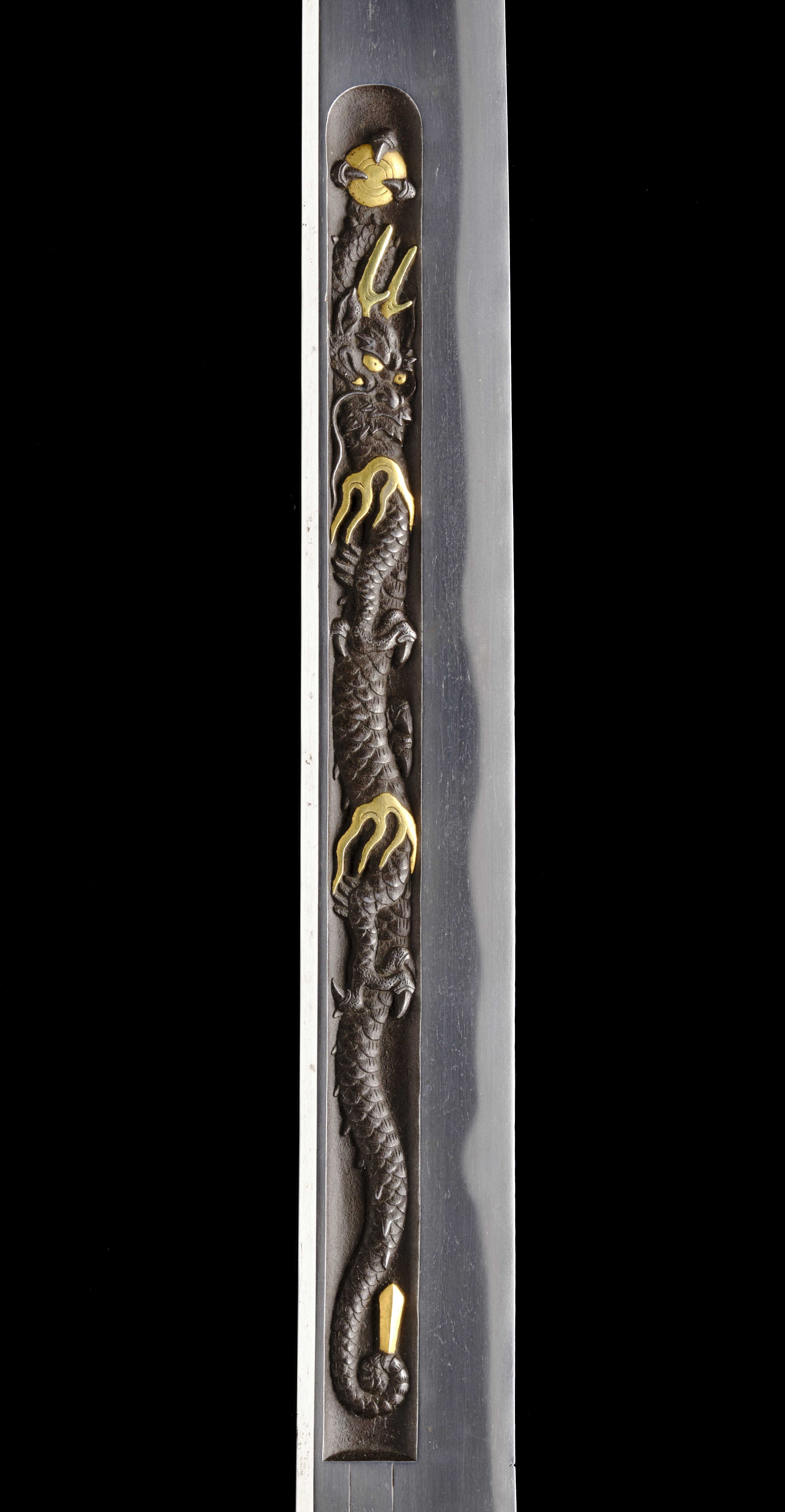
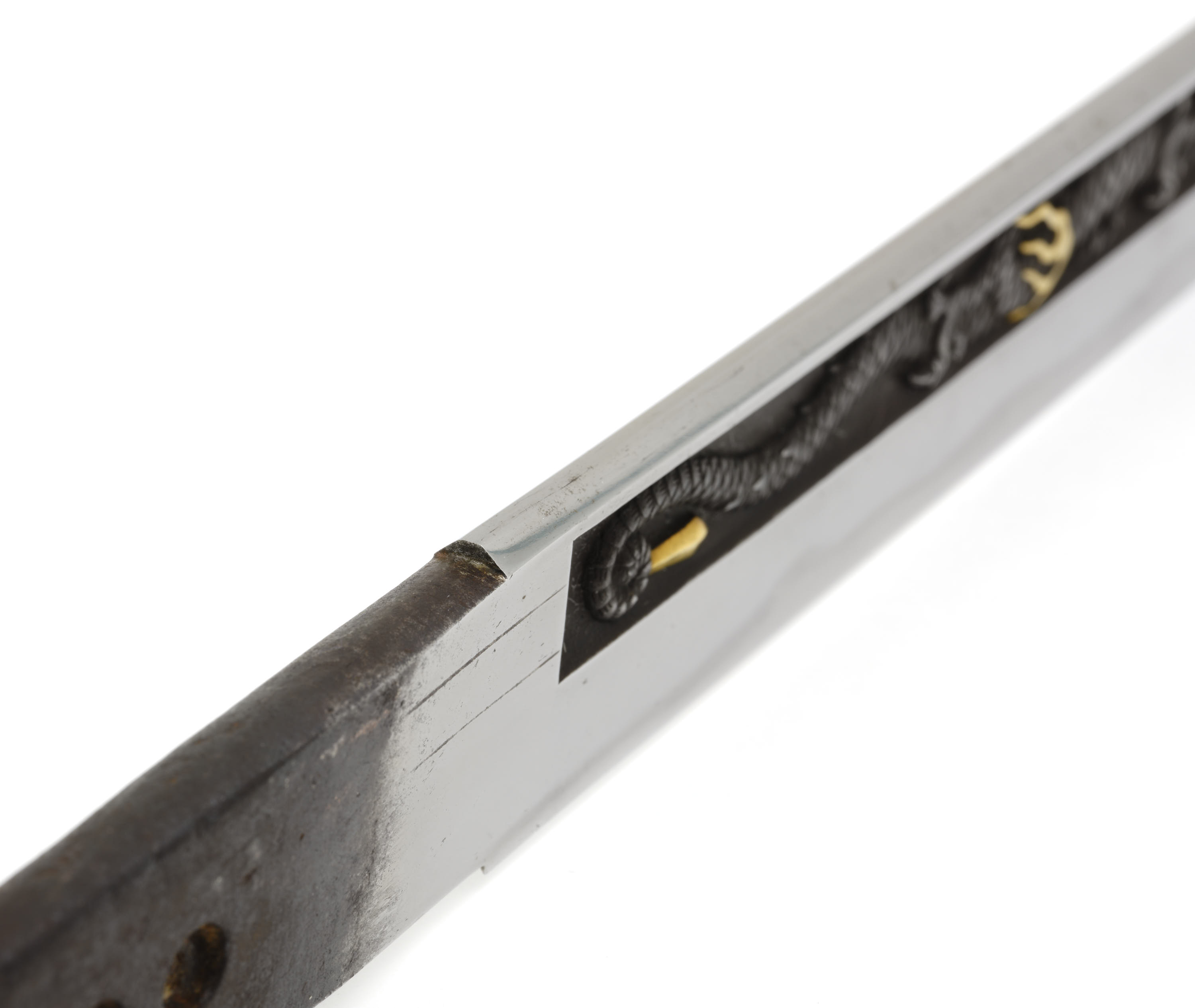
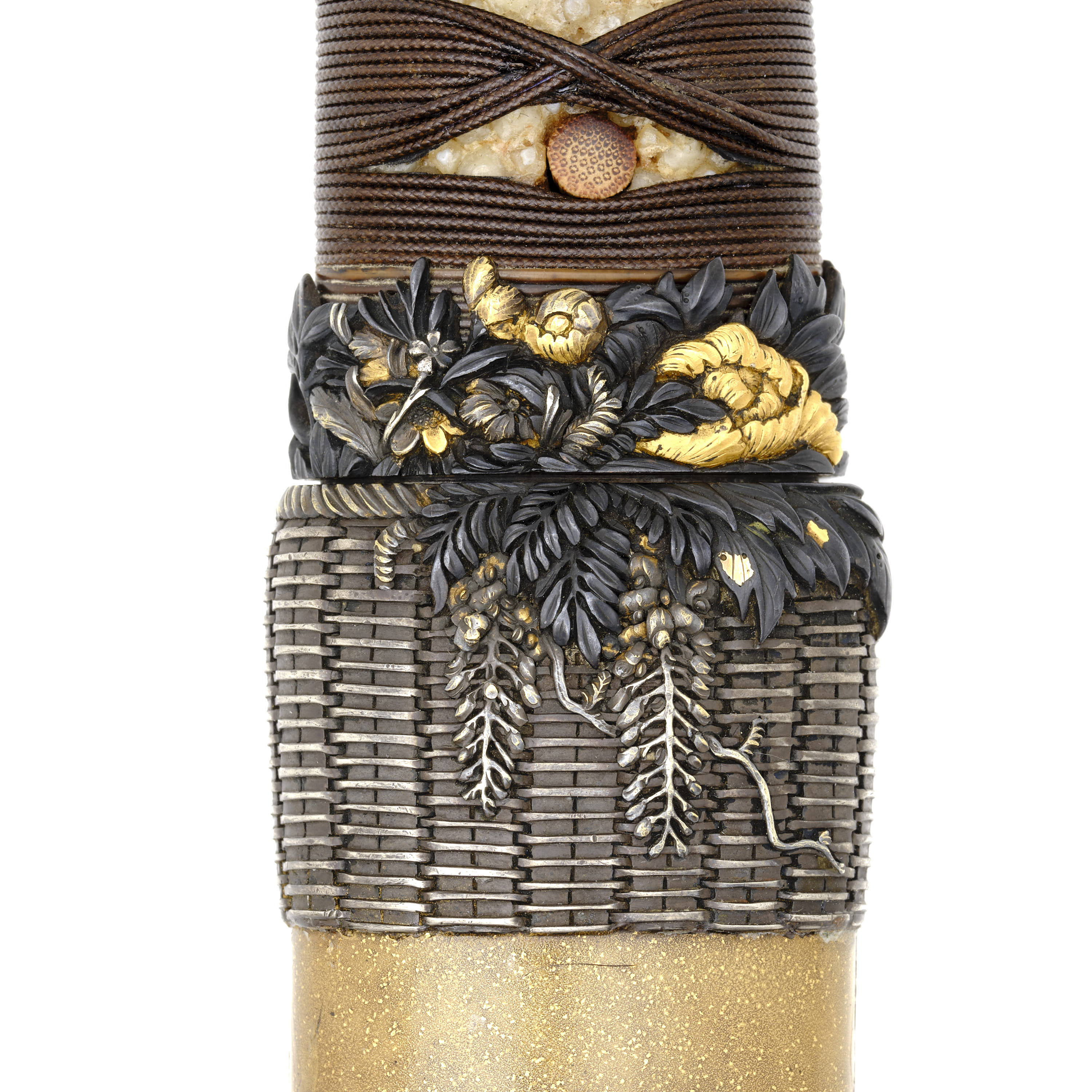
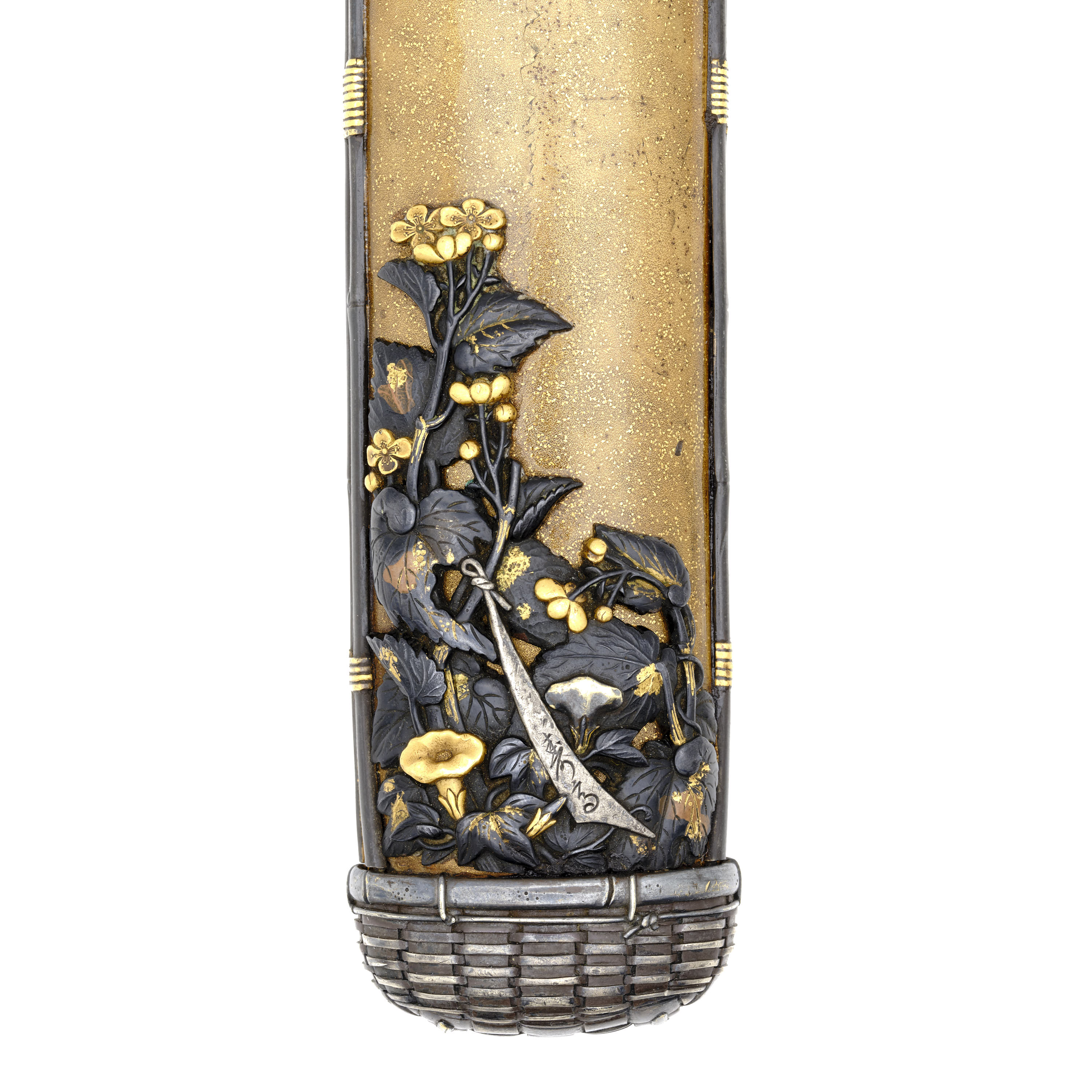
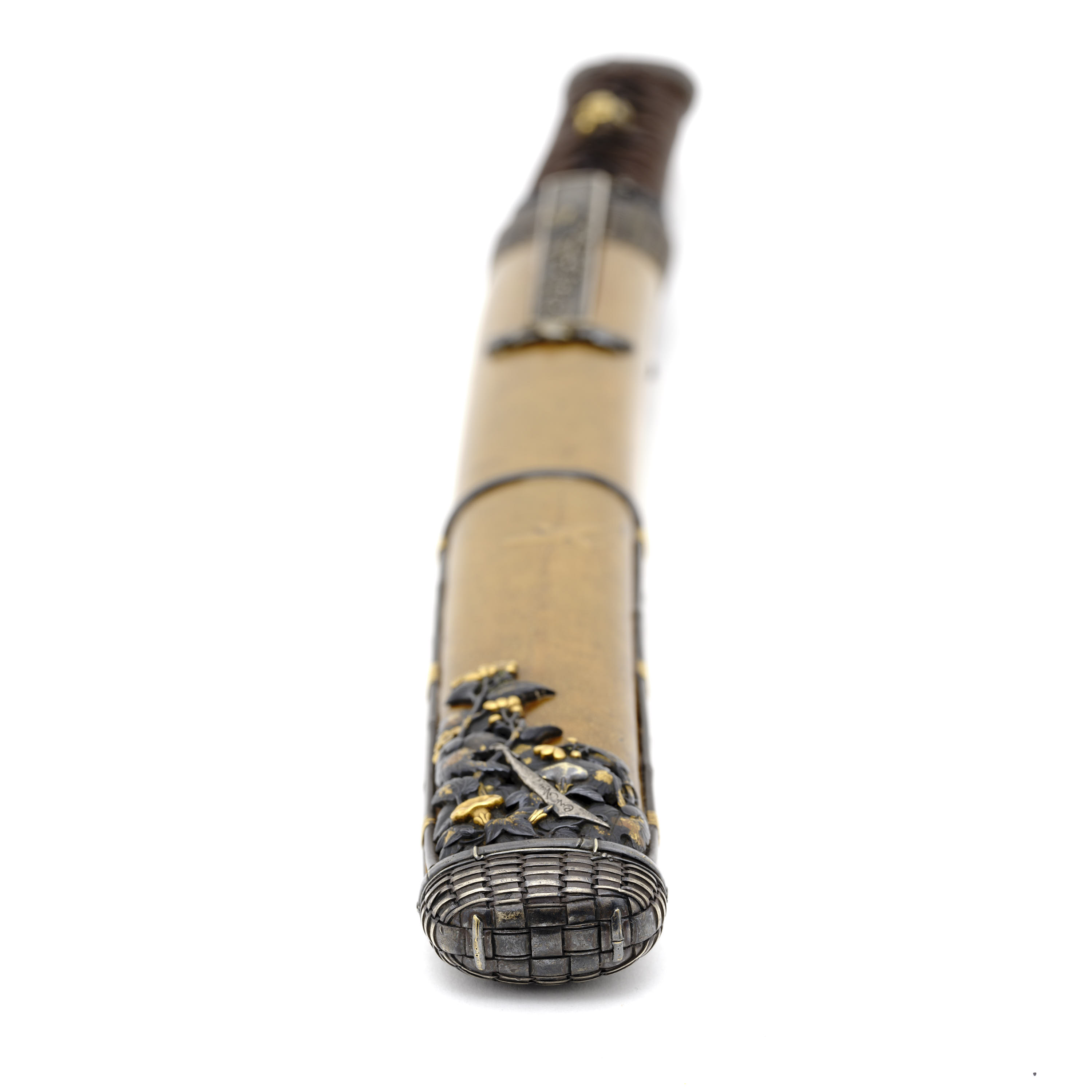
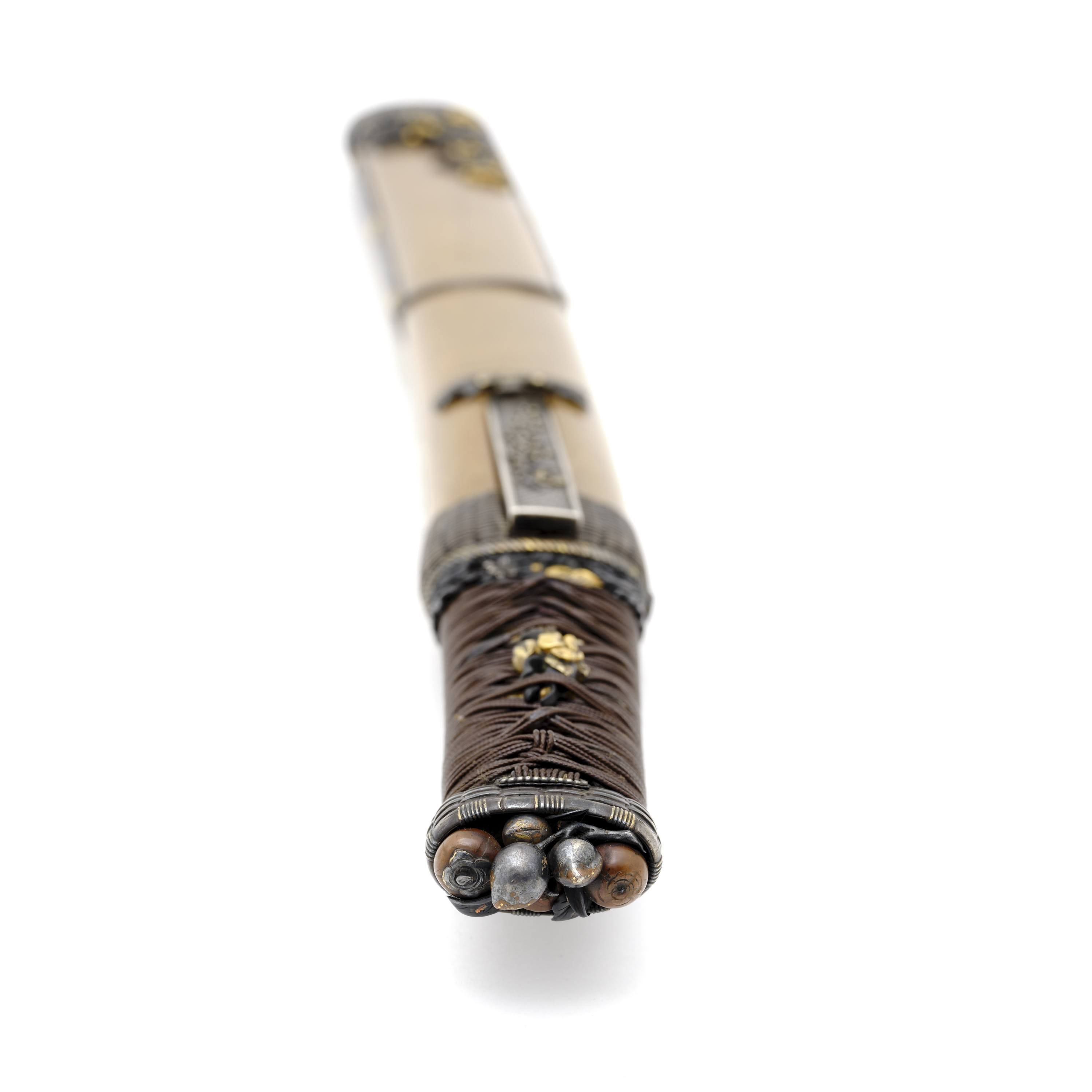
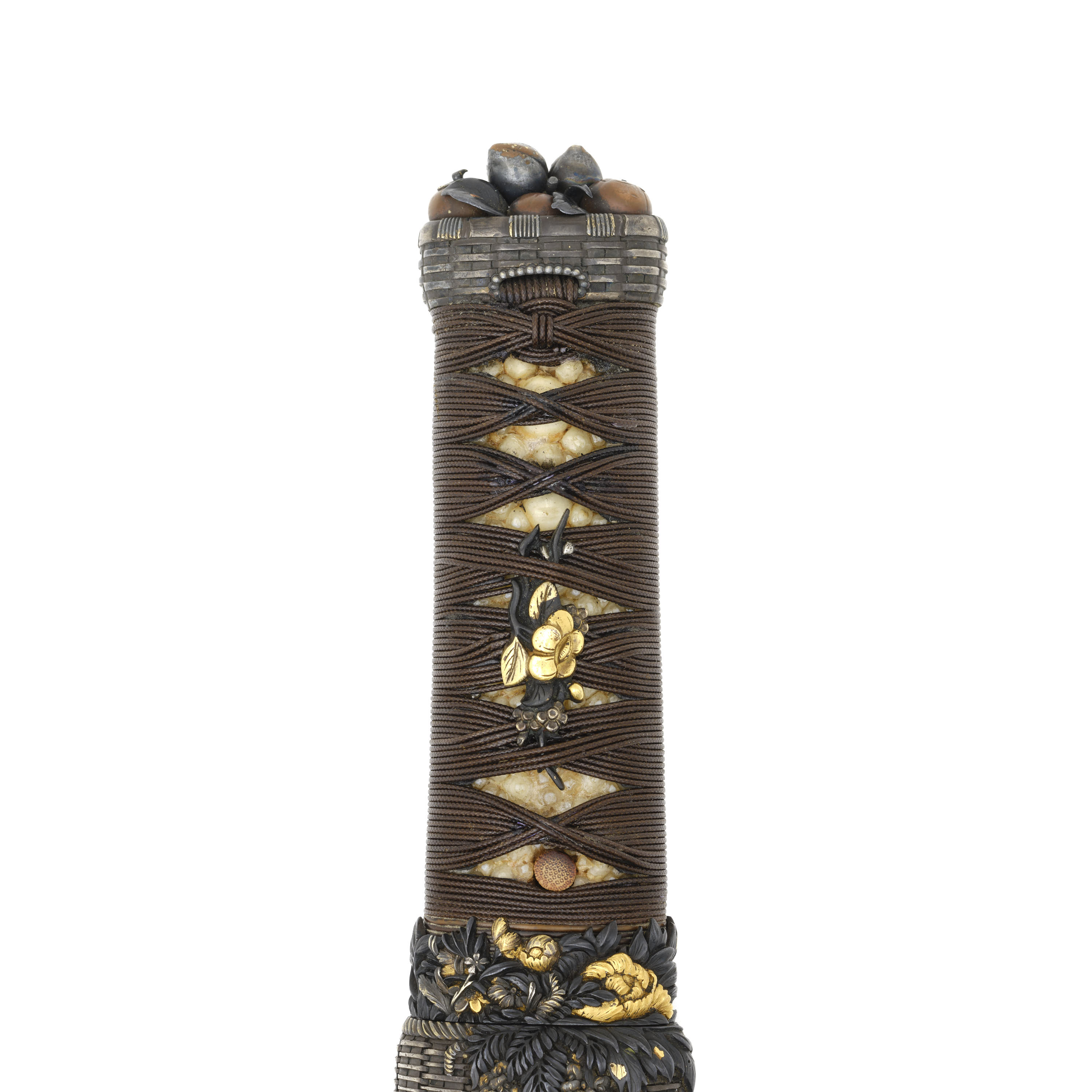
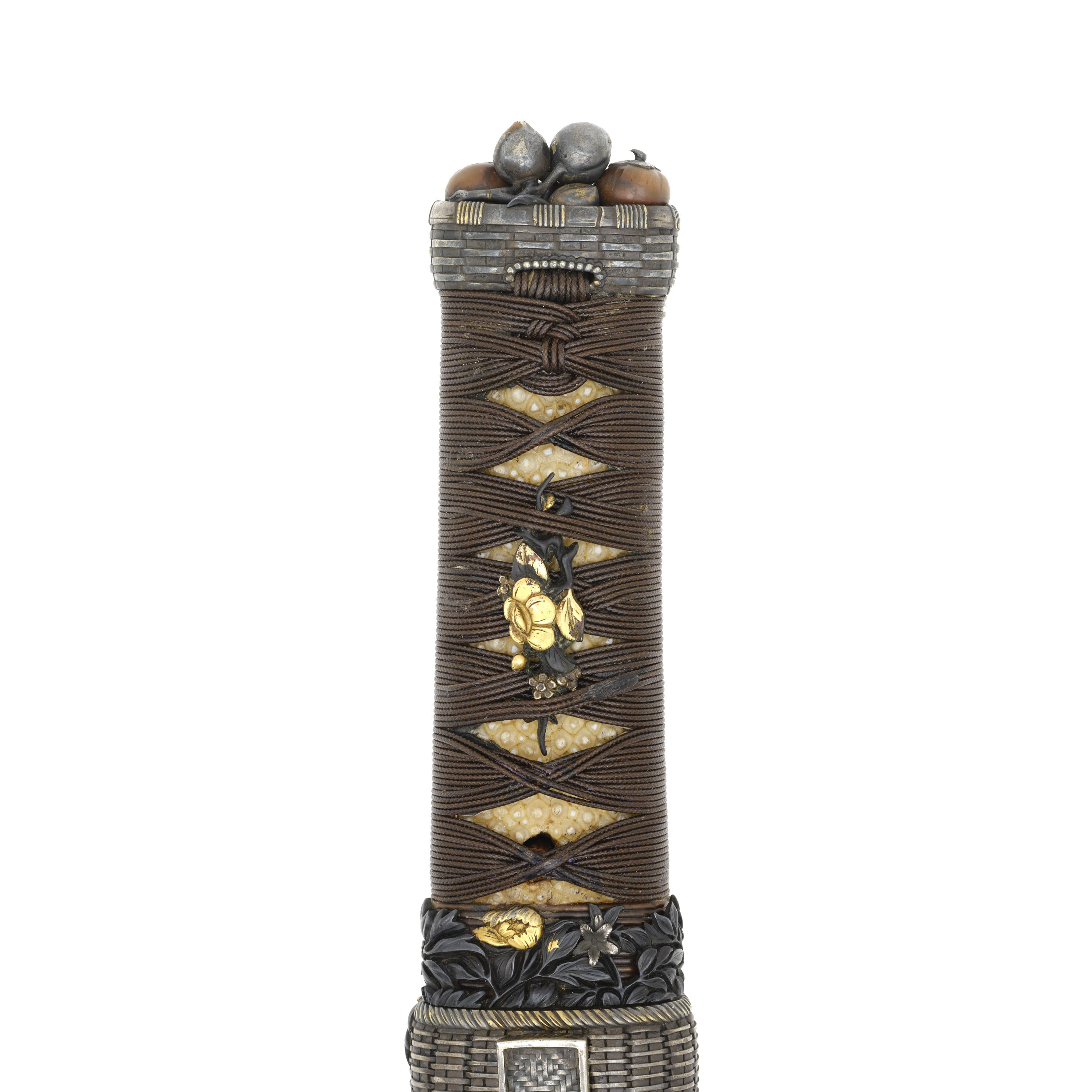
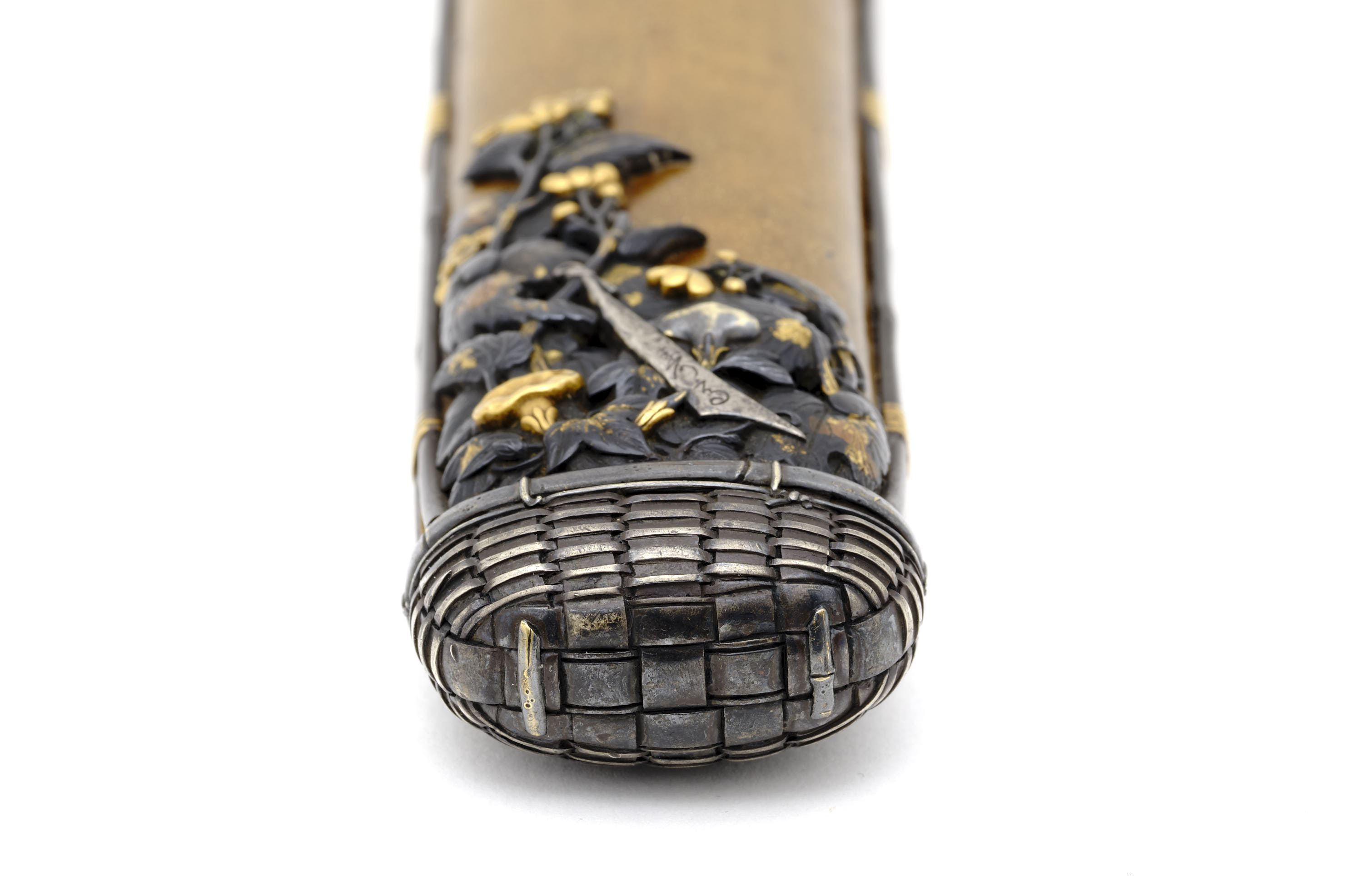
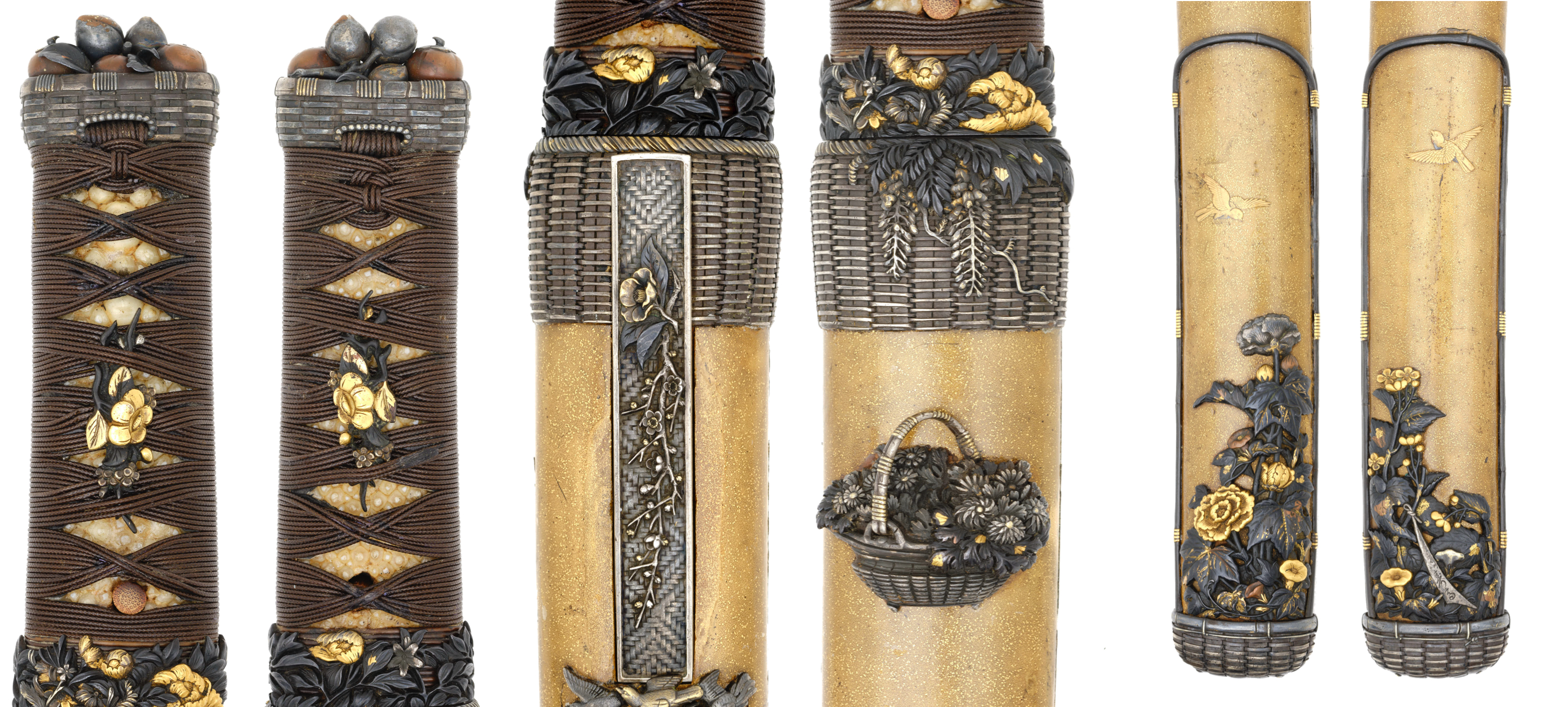
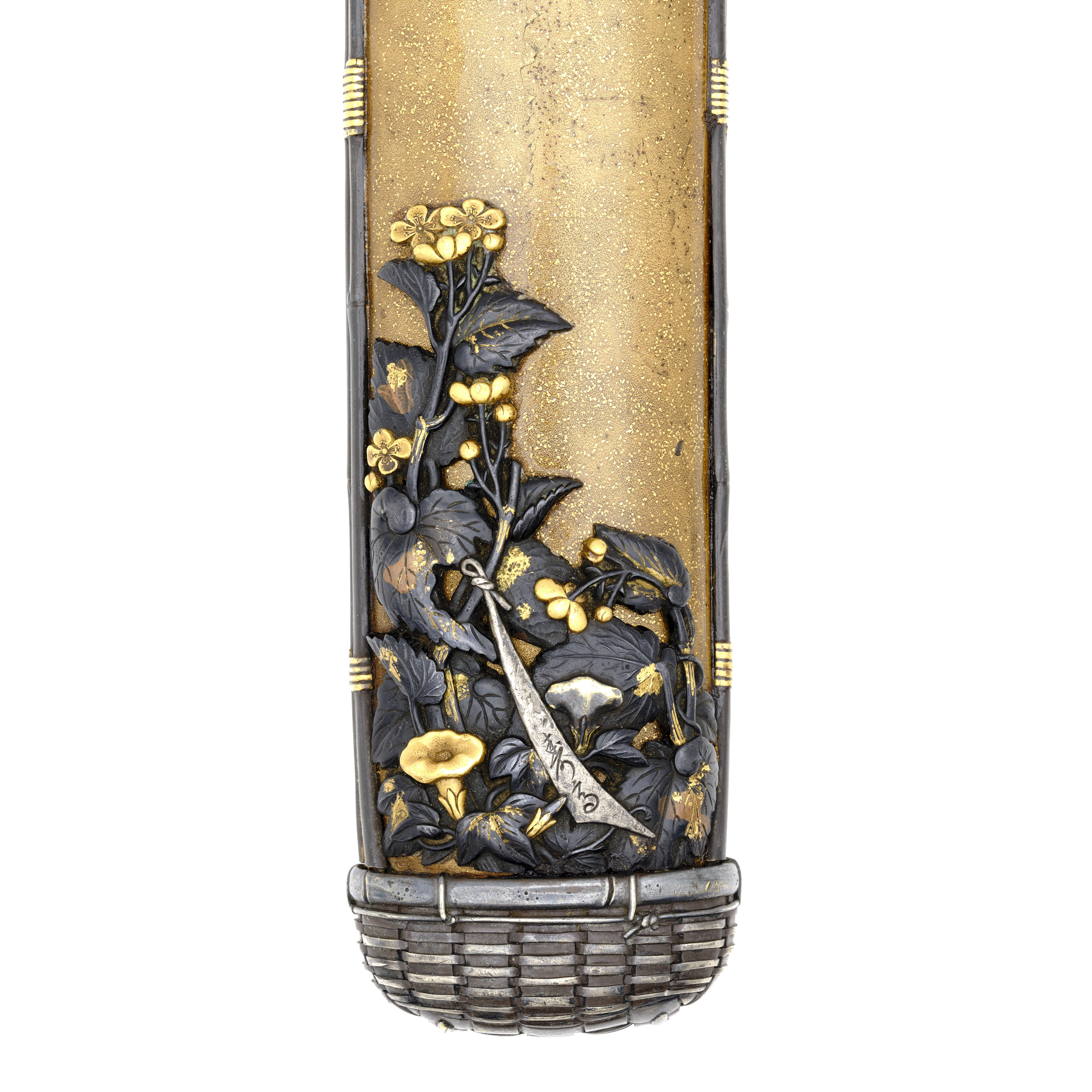
This is a tantō attributed to the swordsmith Yamamura Yasunobu, active around the Ōei period (1394-1428) in Echigo province. The blade features prominent utsuri, horimono of a dragon grasping a sacred jewel, and a Sanskrit character invoking Fudō Myōō. It is accompanied by a fine set of late Edo period koshirae with a sparrows and basket theme, signed by Toshitaka and Ishiguro Masayoshi (gimei), and includes a kogatana blade signed Hokkyo Rai Kunitsugu Nyūdō Hisashi.
 NihontoWatch
mumei · Yamamura · Muromachi · nagasa 28.8cm


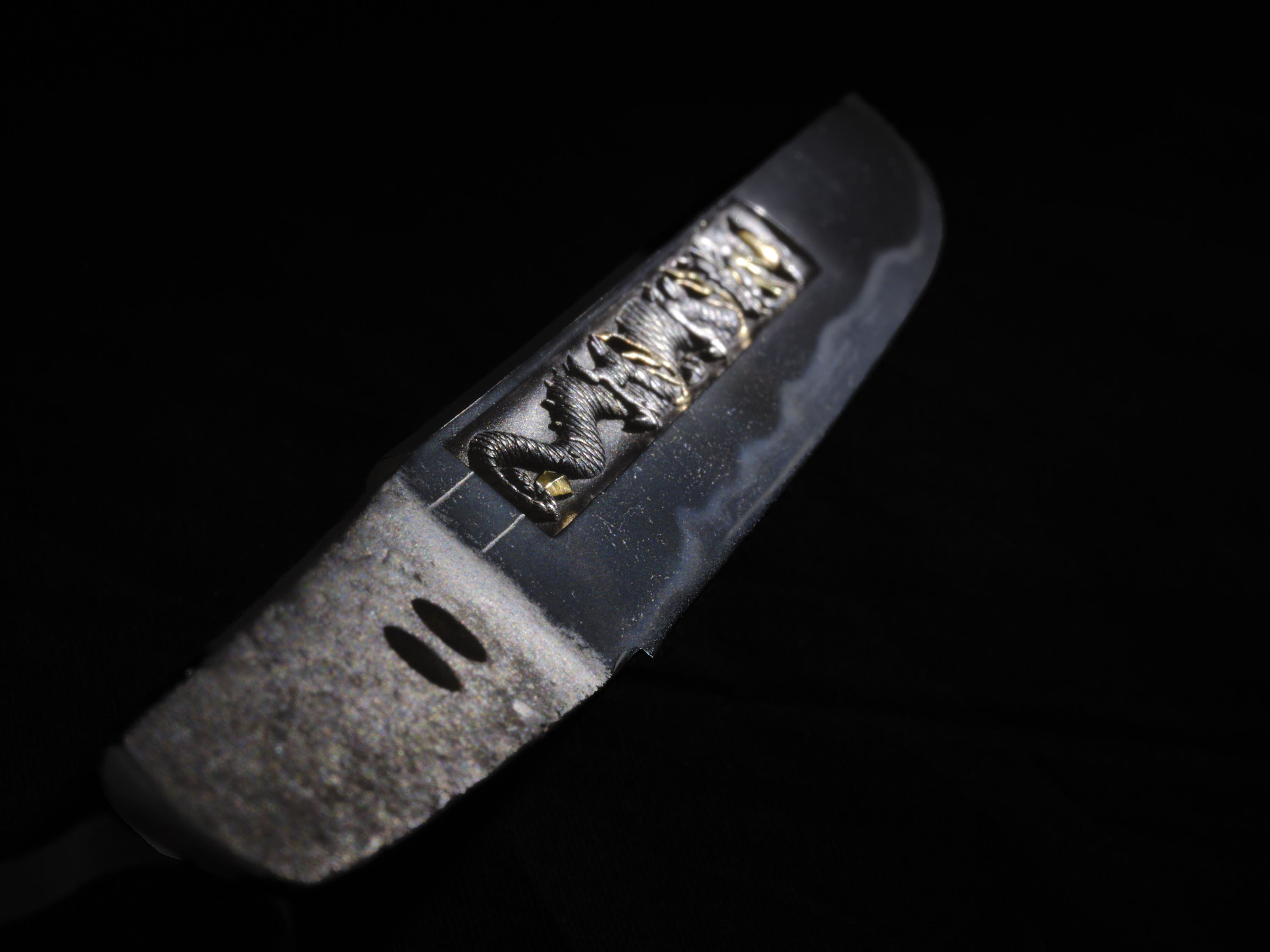
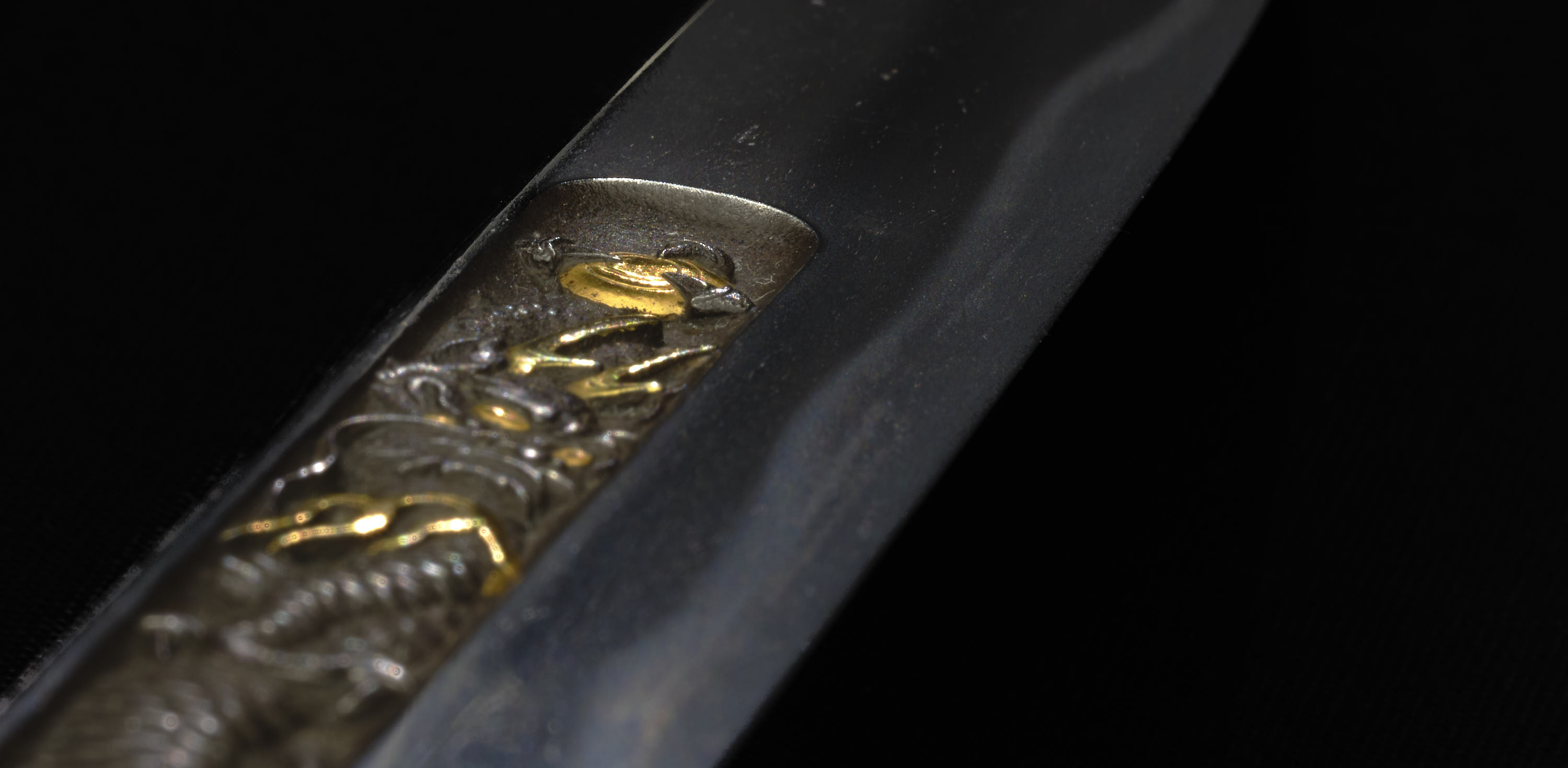
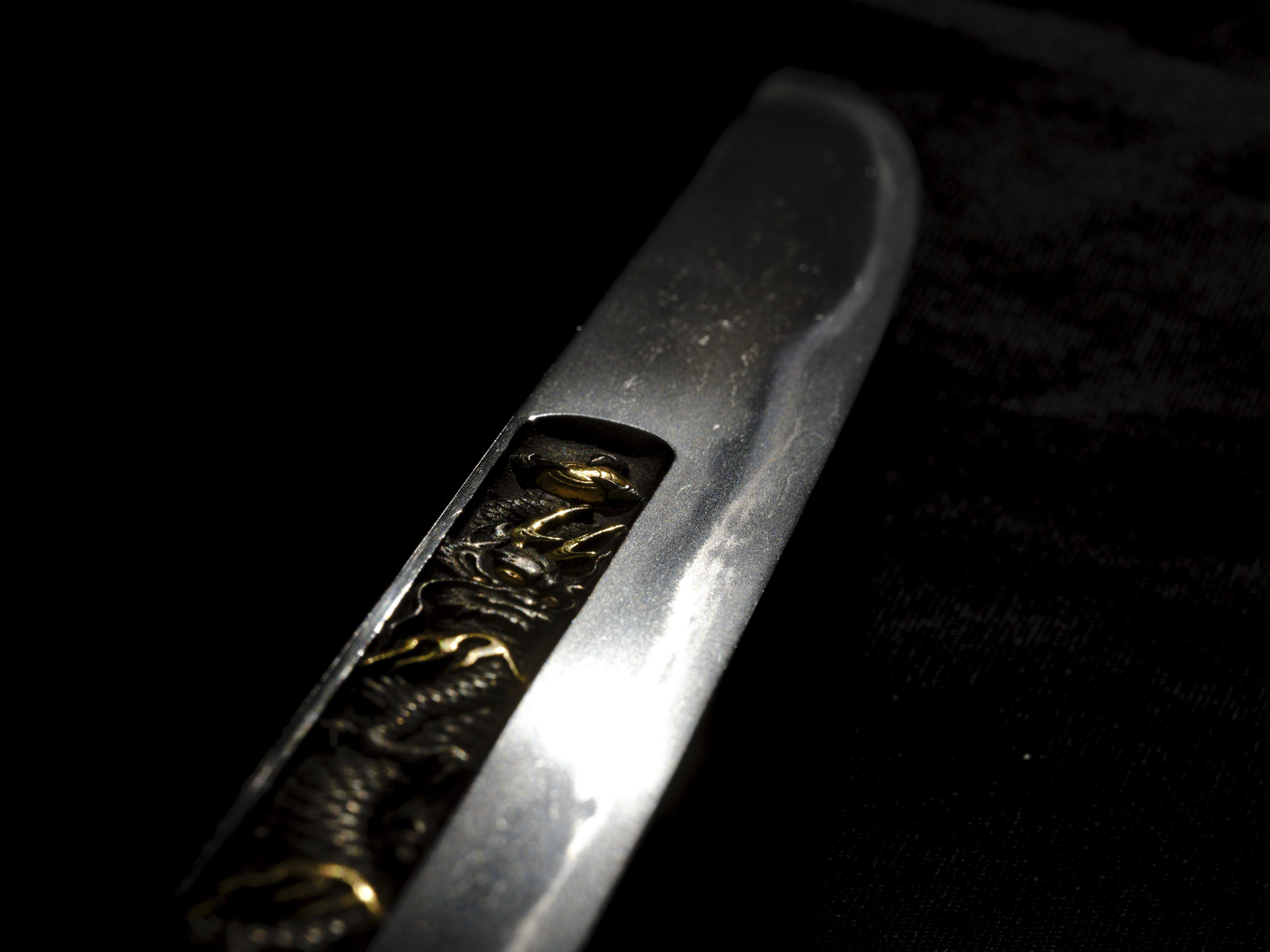
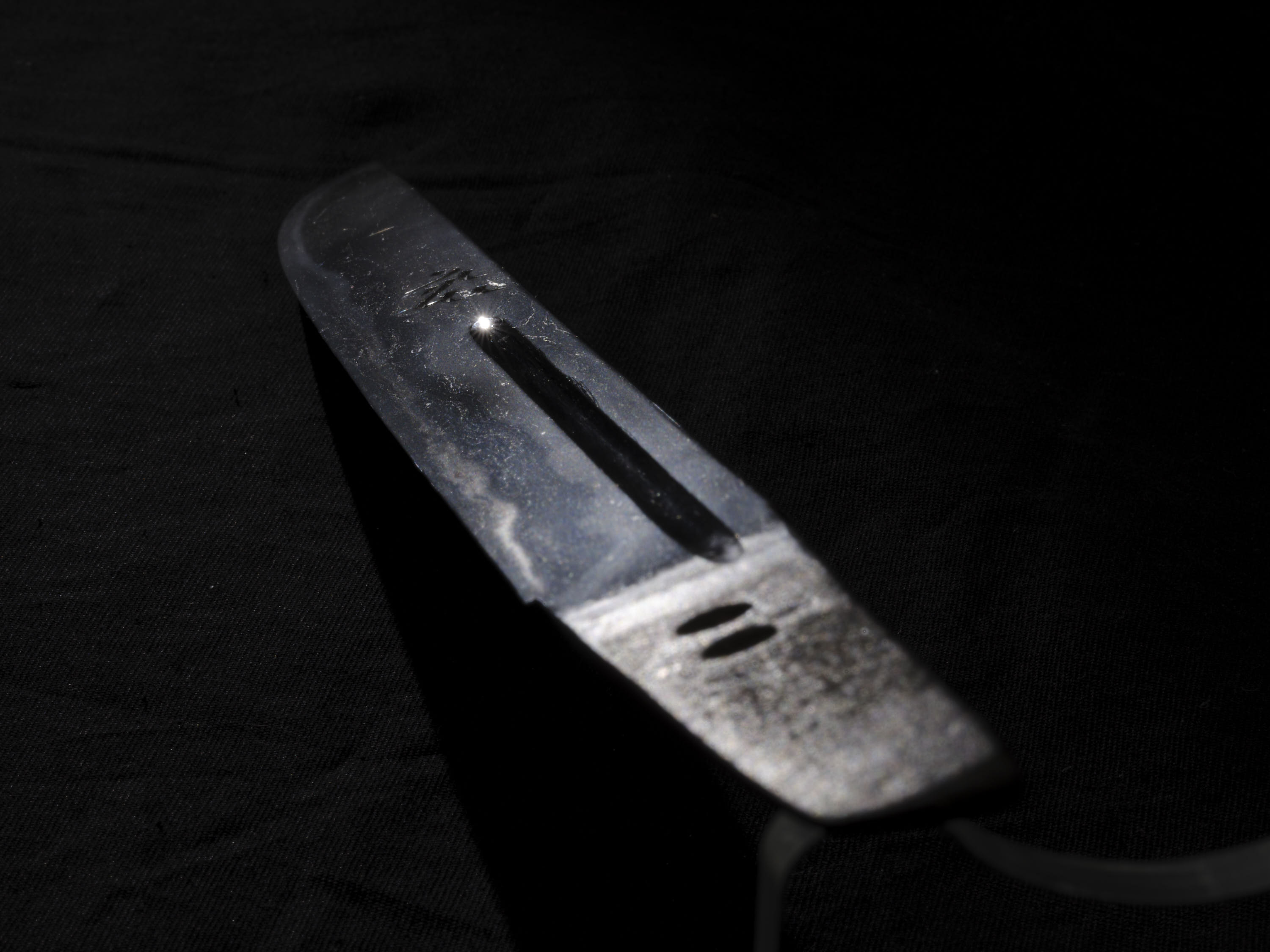



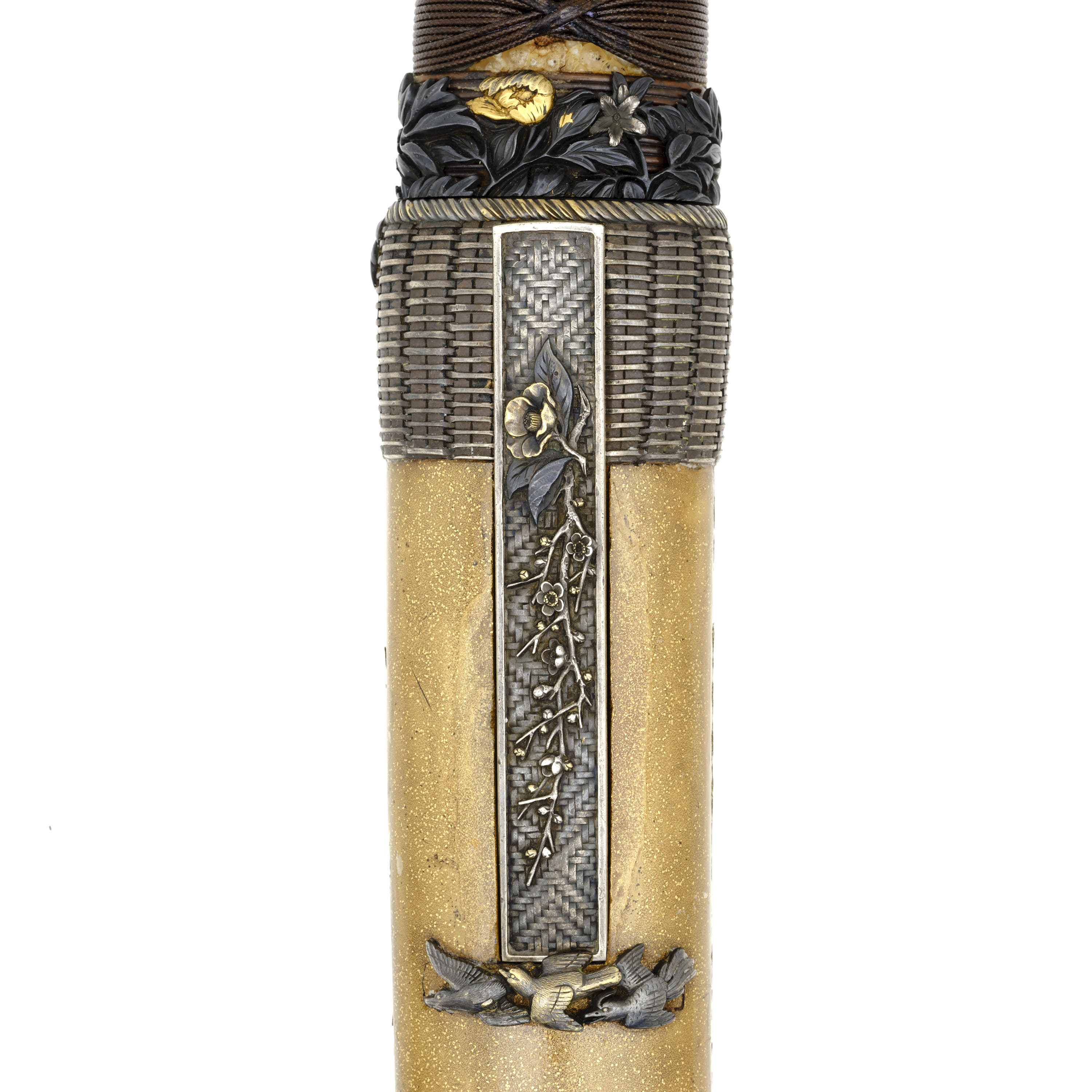
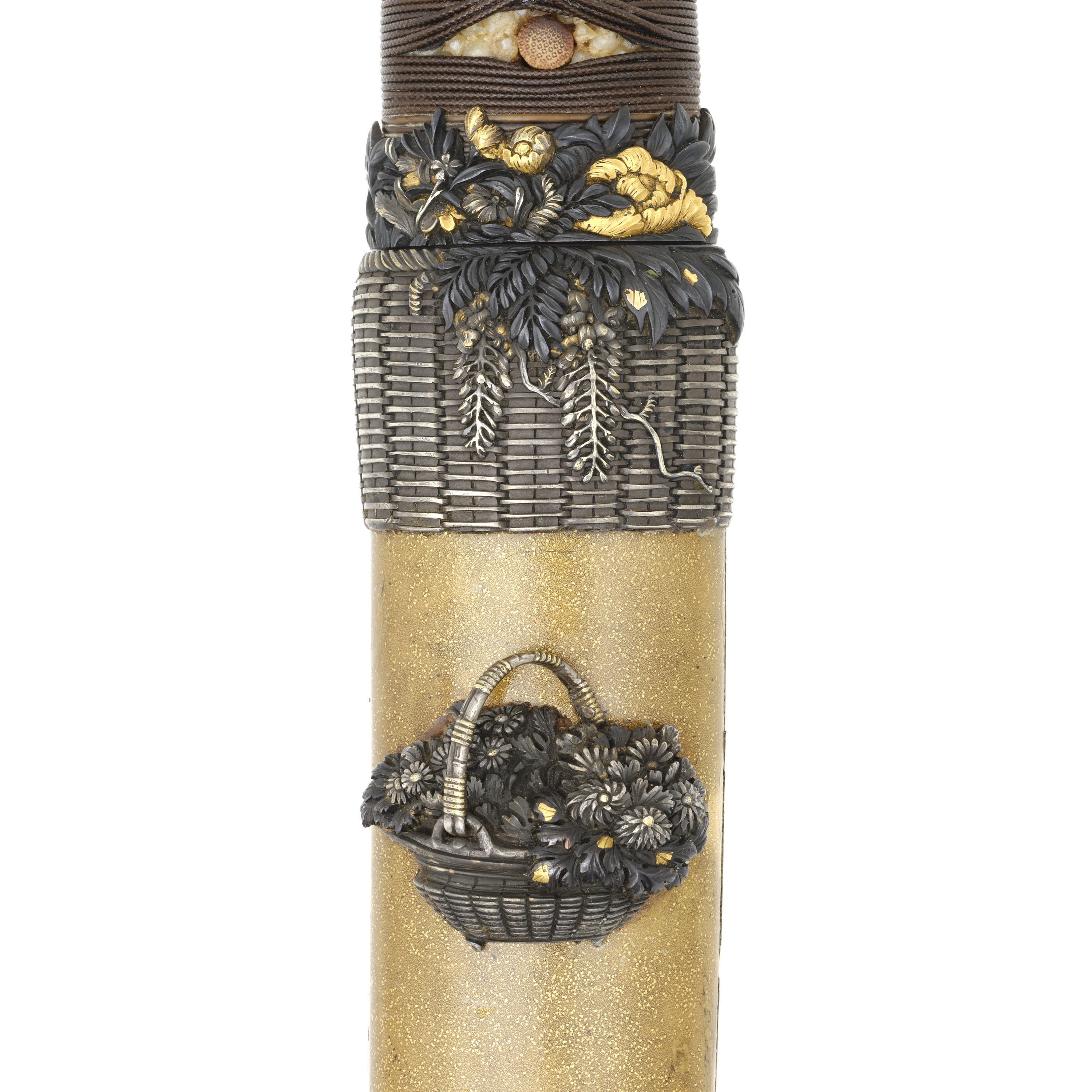
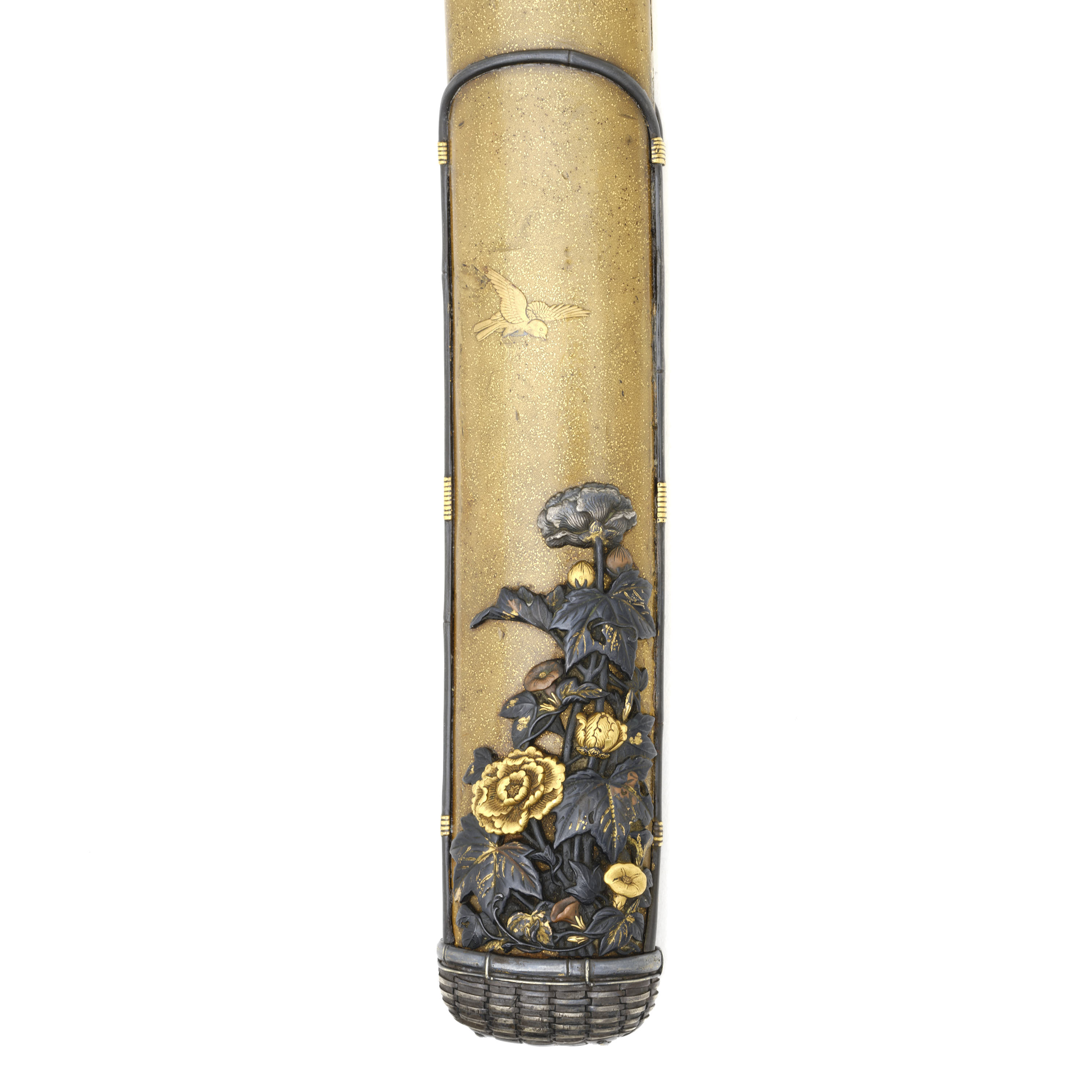
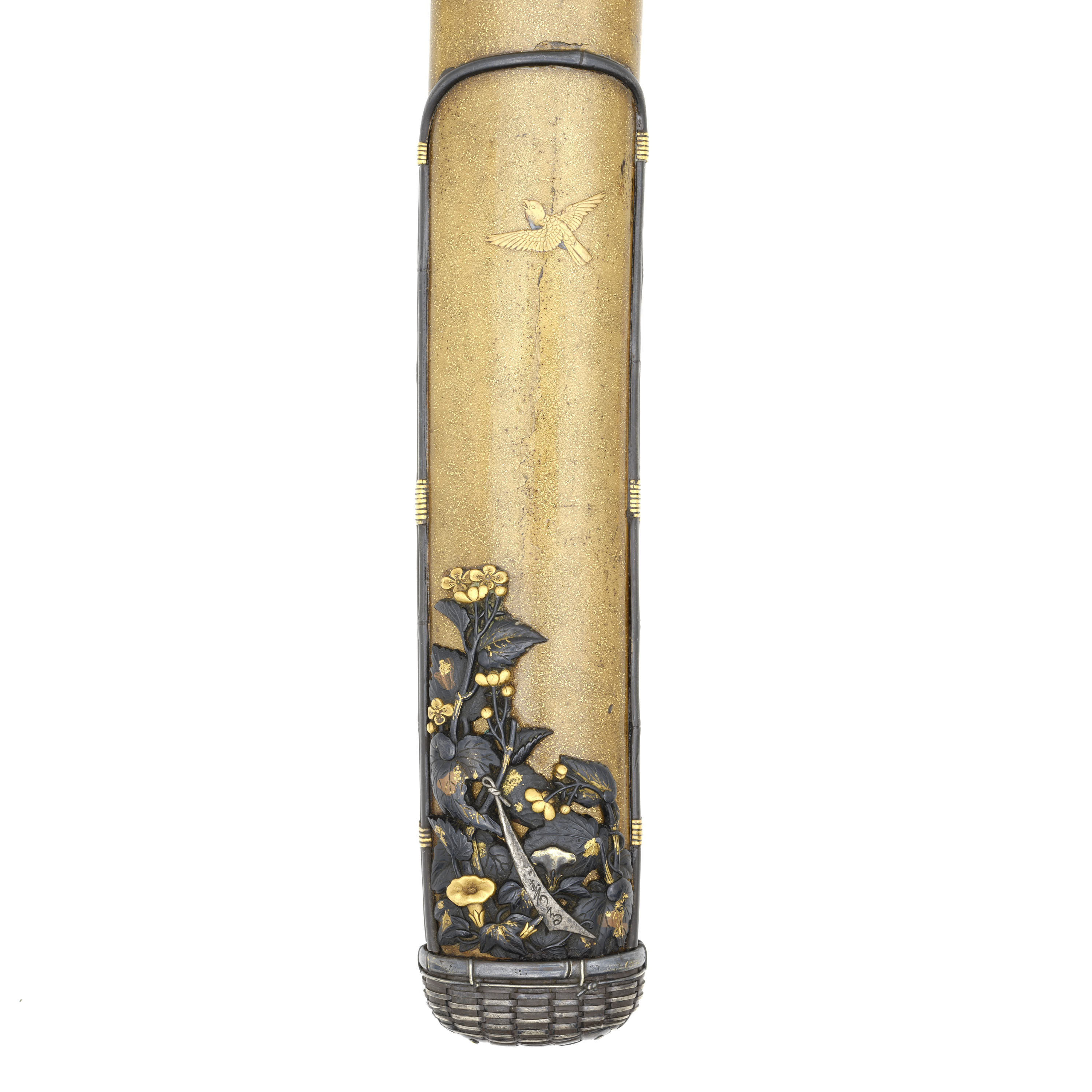
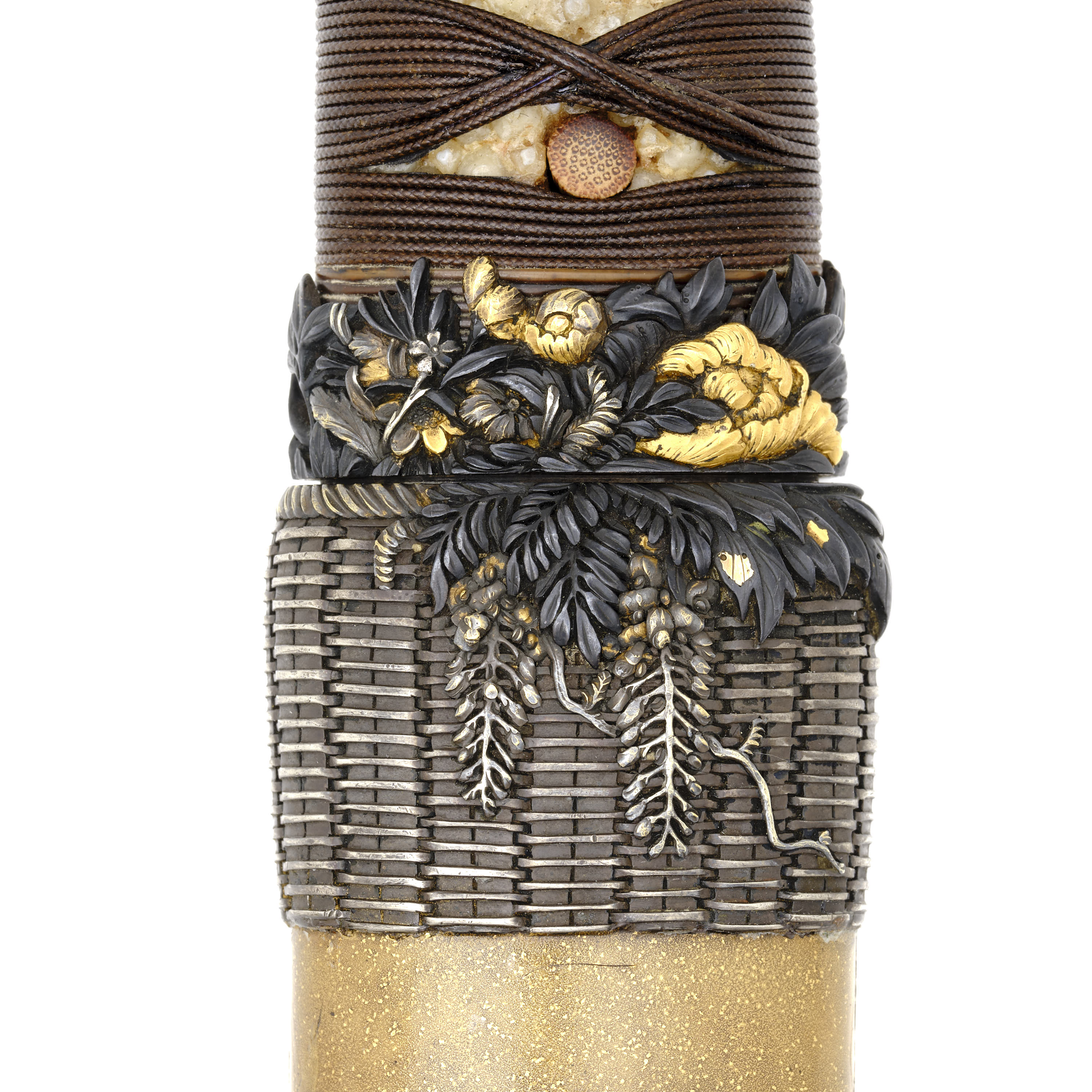
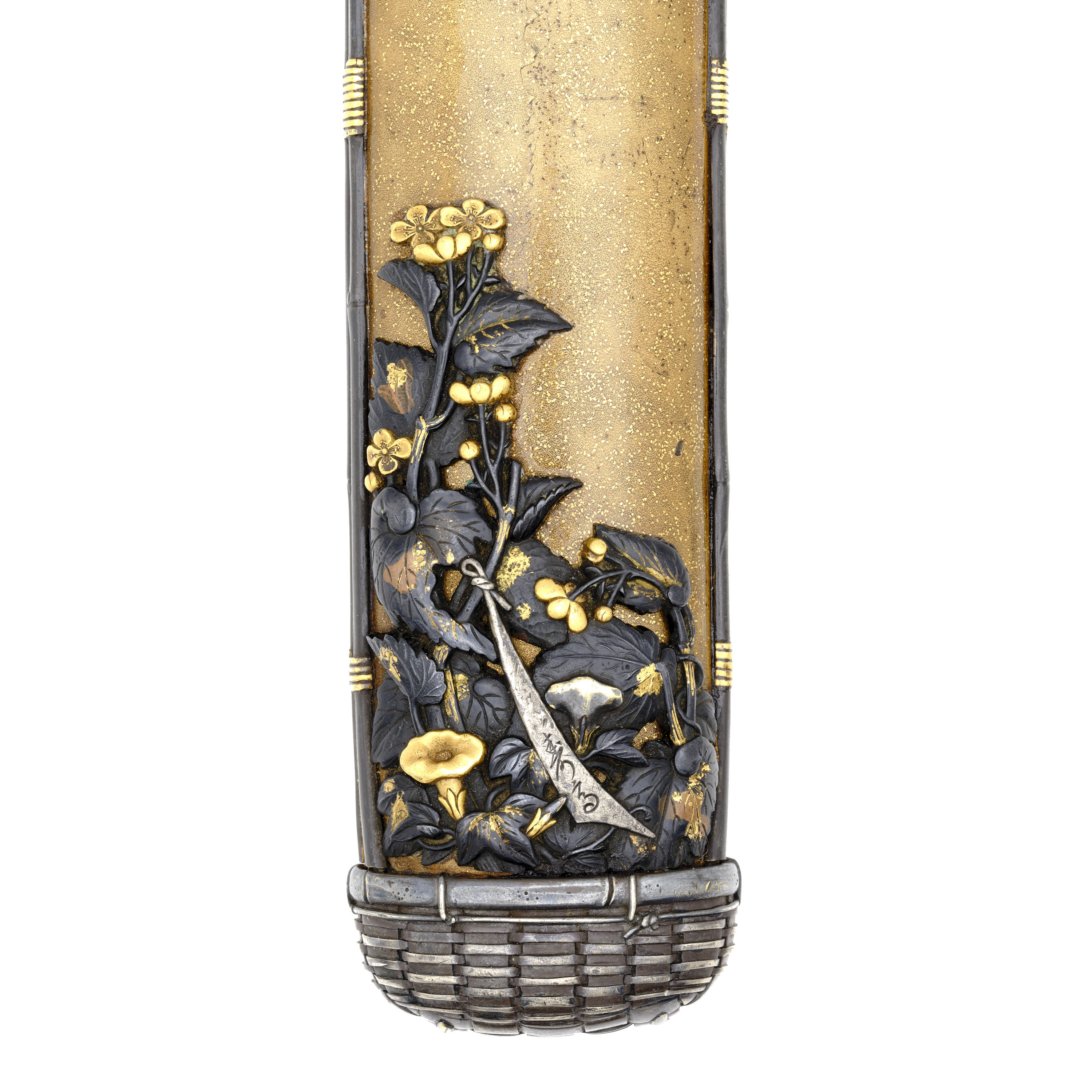
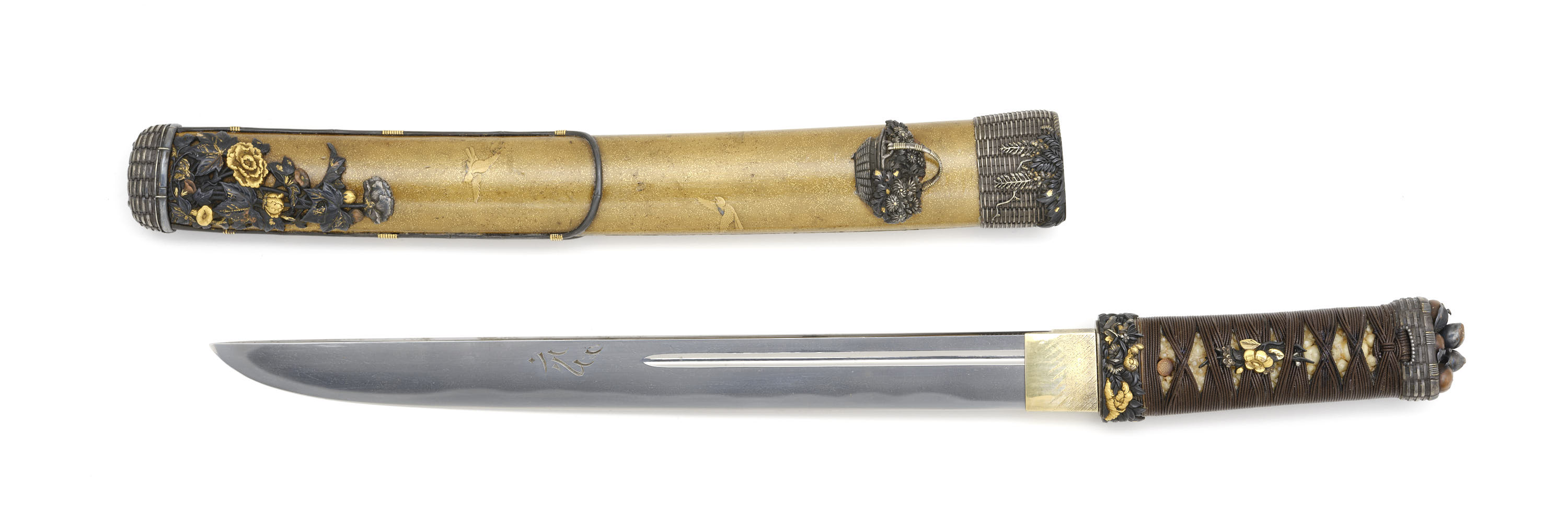
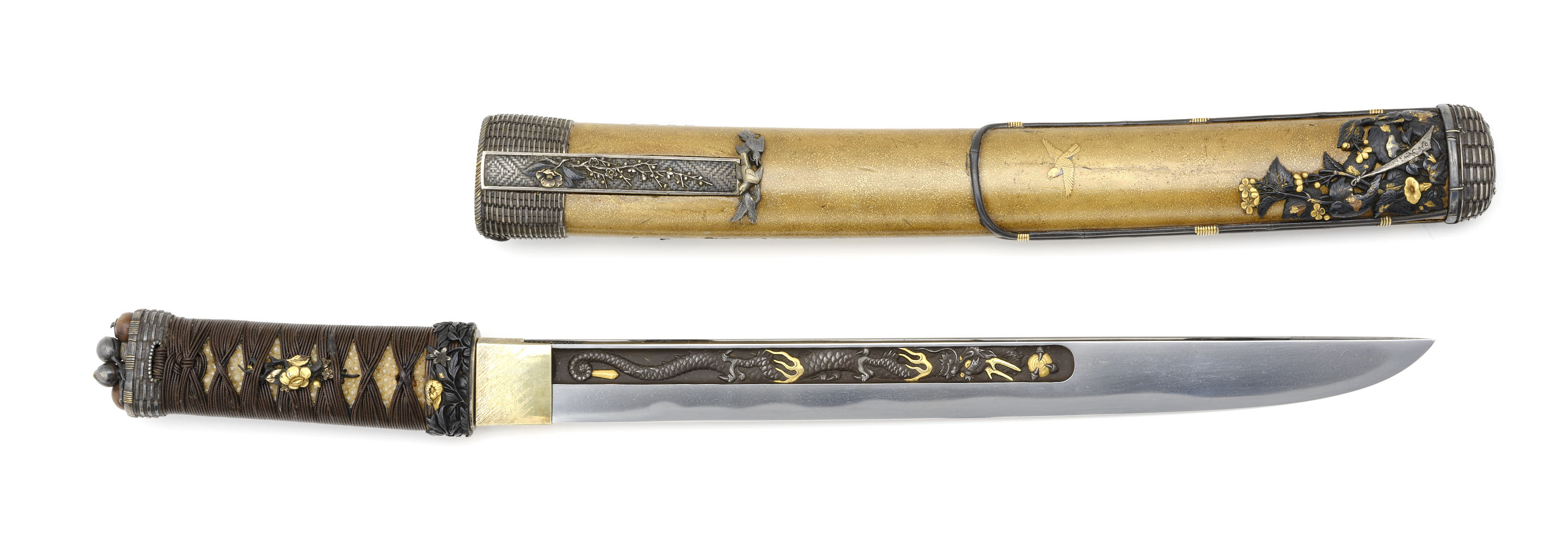
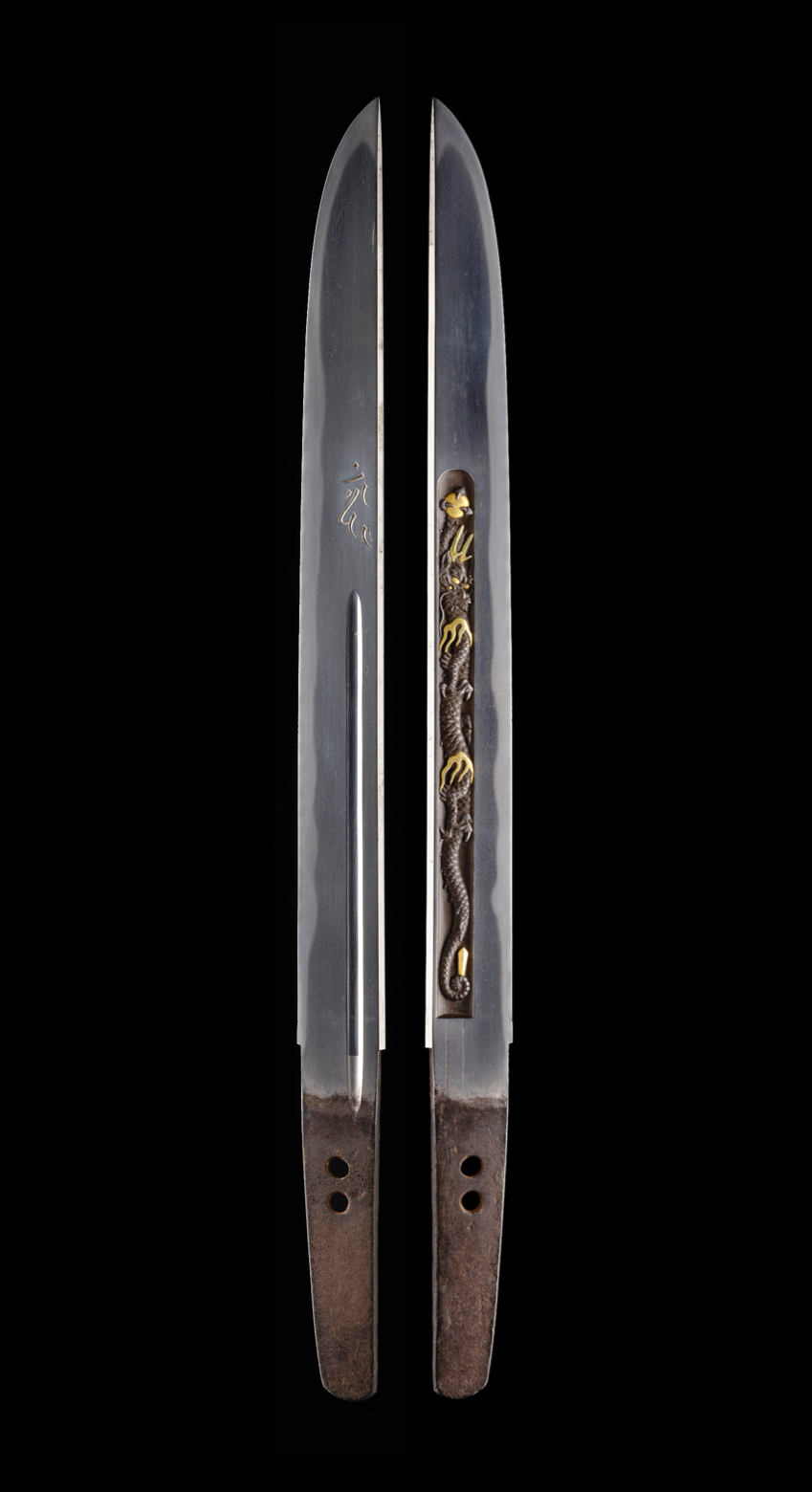
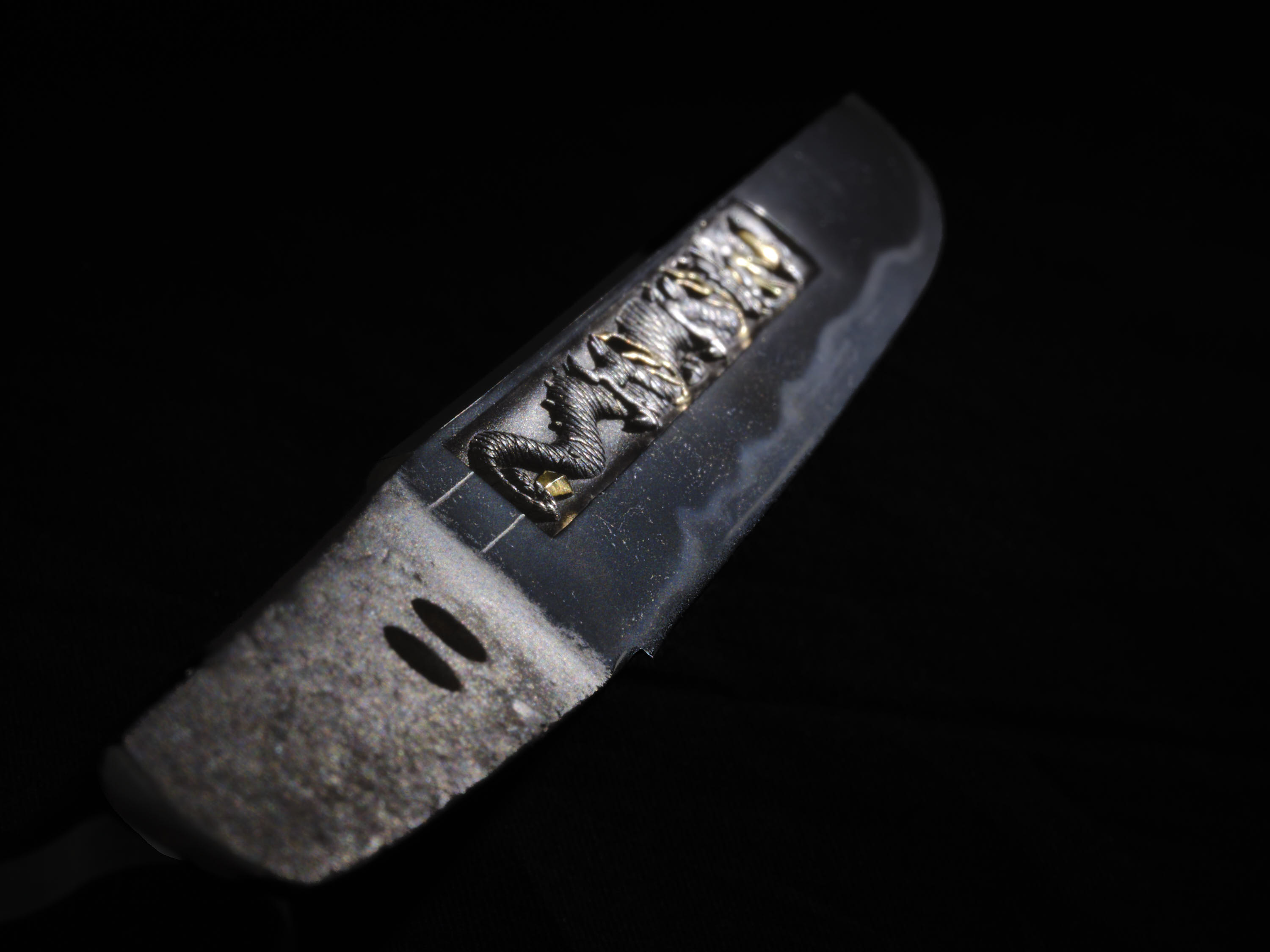
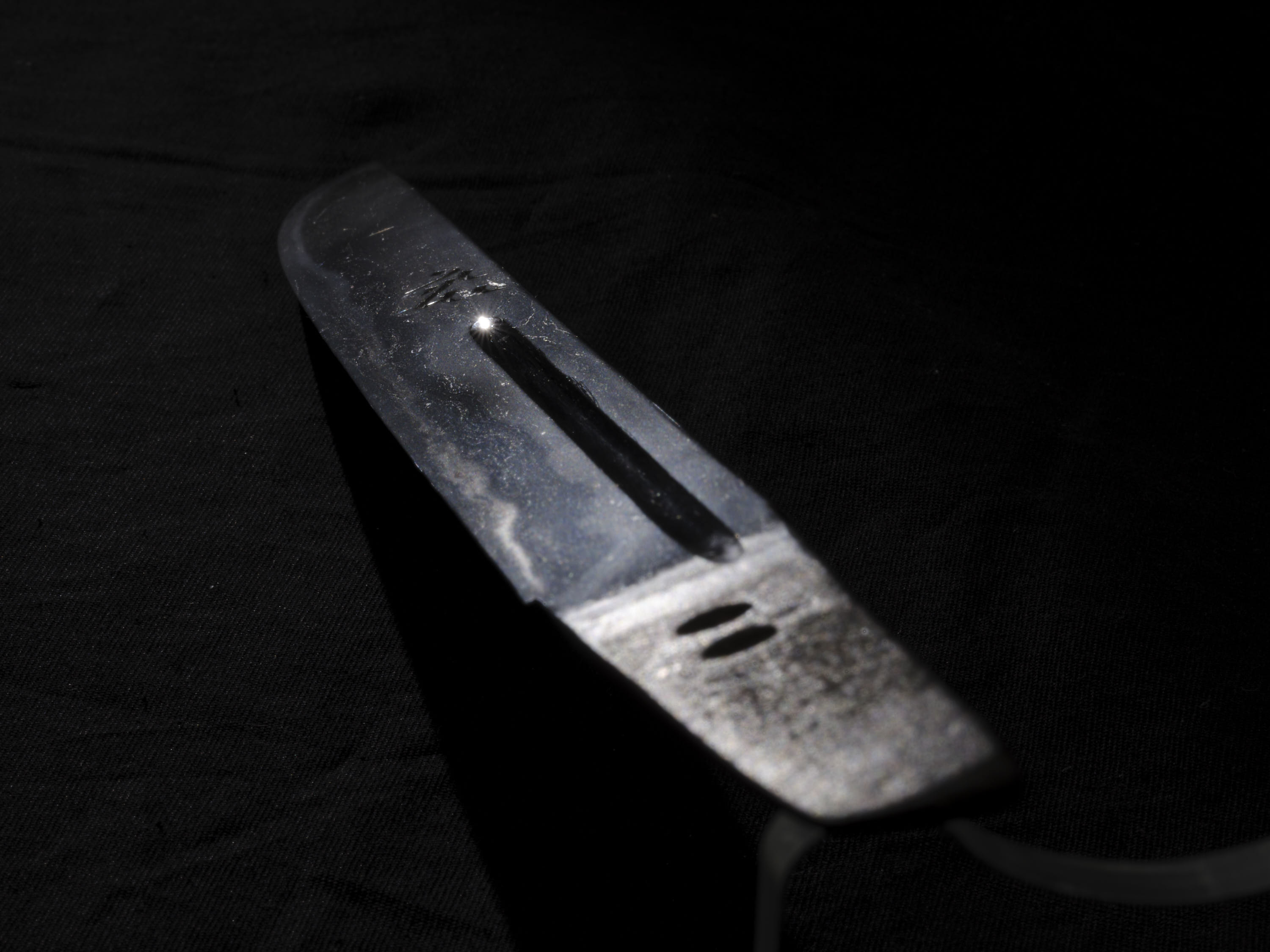




Echigo · around 1394-1428
Fujishiro Jo saku · Tōken Taikan top 49%
The Muromachi period (1392 to 1573)
After the Ōnin War broke the Ashikaga order, a century of Sengoku warfare armed nearly every province in Japan. The era rewards a discriminating eye: routine work exists in quantity, and beside it stand custom blades of the first rank.
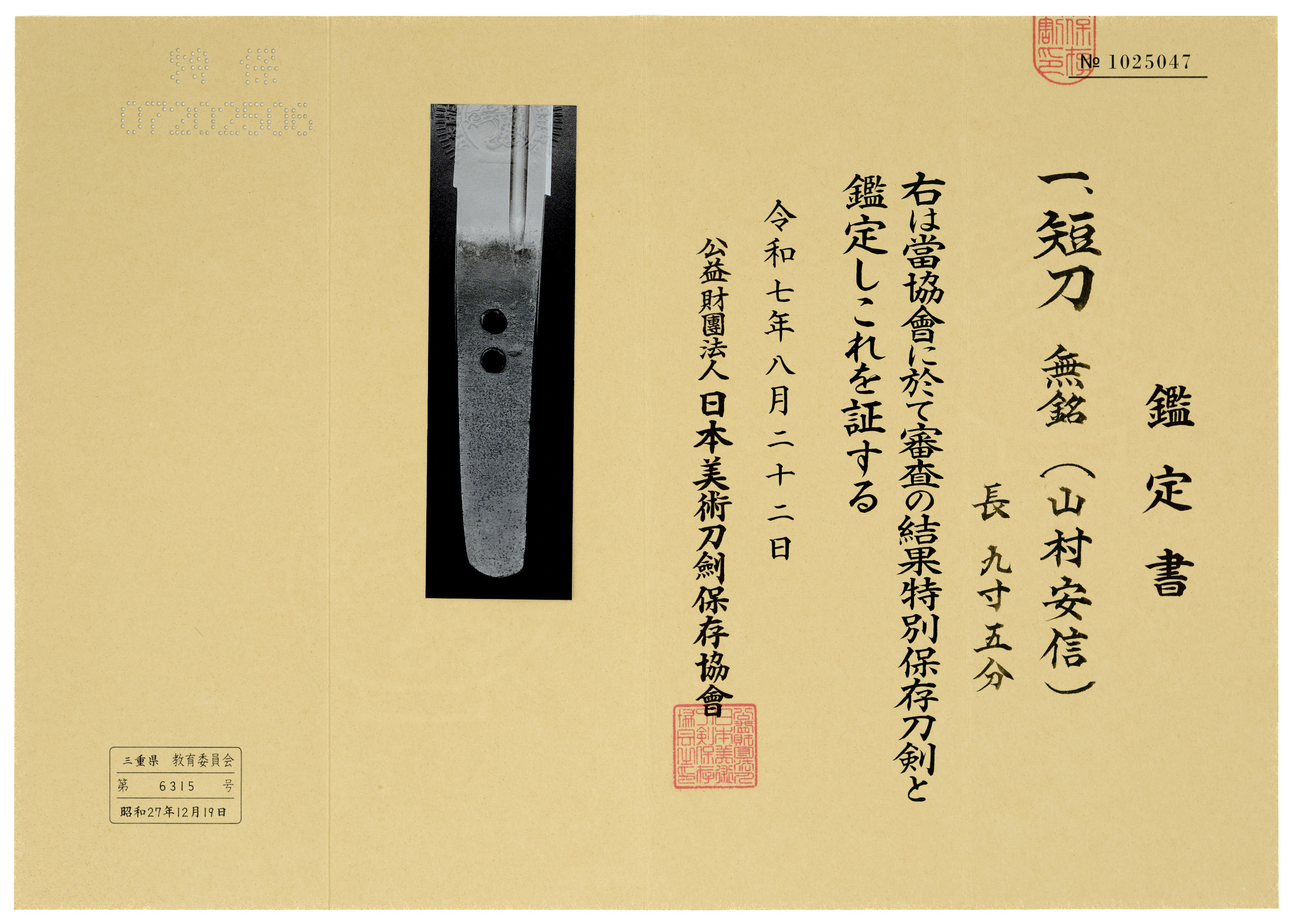
A Hozon-certified blade judged to show notably superior workmanship and a better state of preservation. The bar is higher: re-tempered blades and most unsigned Muromachi/Edo works are excluded.
The NBTHK (Nihon Bijutsu Tōken Hozon Kyōkai, the Society for the Preservation of Japanese Art Swords) is a public-interest incorporated foundation founded in 1948 and supervised by Japan’s Agency for Cultural Affairs (Bunkachō); it is based at the Japanese Sword Museum in Tokyo. Its expert panels physically examine each submitted work (shinsa) and issue a certificate (kanteishō) ranking it by artistic and historical merit. NBTHK papers are the most widely recognized standard of authentication for Japanese swords and fittings.
NBTHK official siteReturns accepted on items ordered from the site when an item does not appear to be as depicted and described; buyer must notify via email within 7 days of receipt. Refund covers purchase price minus shipping, bank fees, and currency conversion. Sales on items paid in terms are final, as are sales of items personally inspected.