The twentieth century nearly killed the craft twice: wartime distortion, then the occupation ban. The NBTHK’s founding in 1948 and licensed forging from 1953 rebuilt the sword as an art, crowned by Living National Treasures and the mukansa rank.
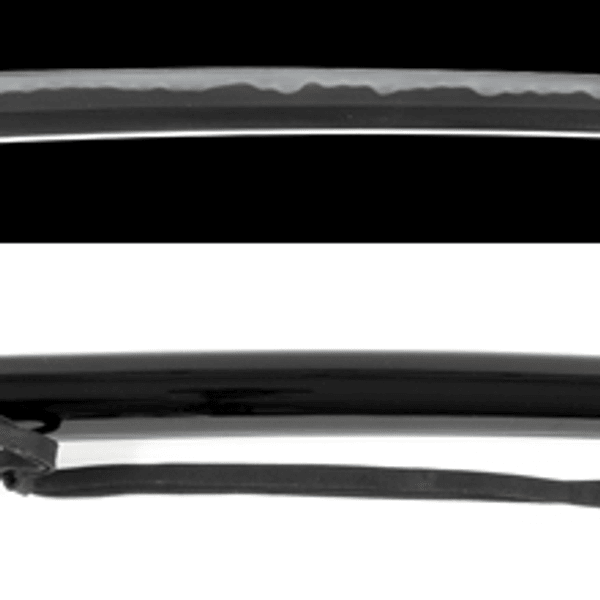
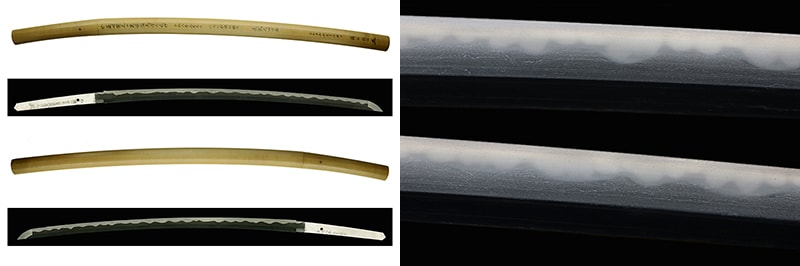
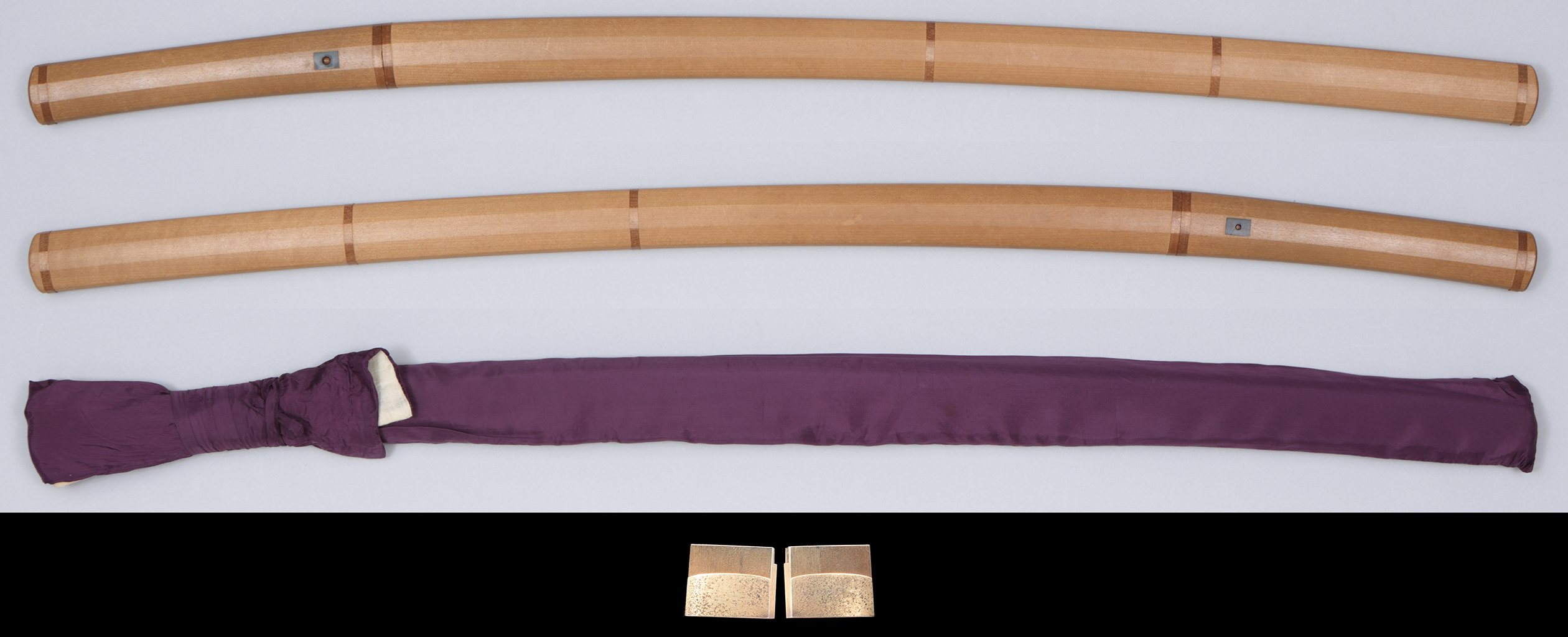
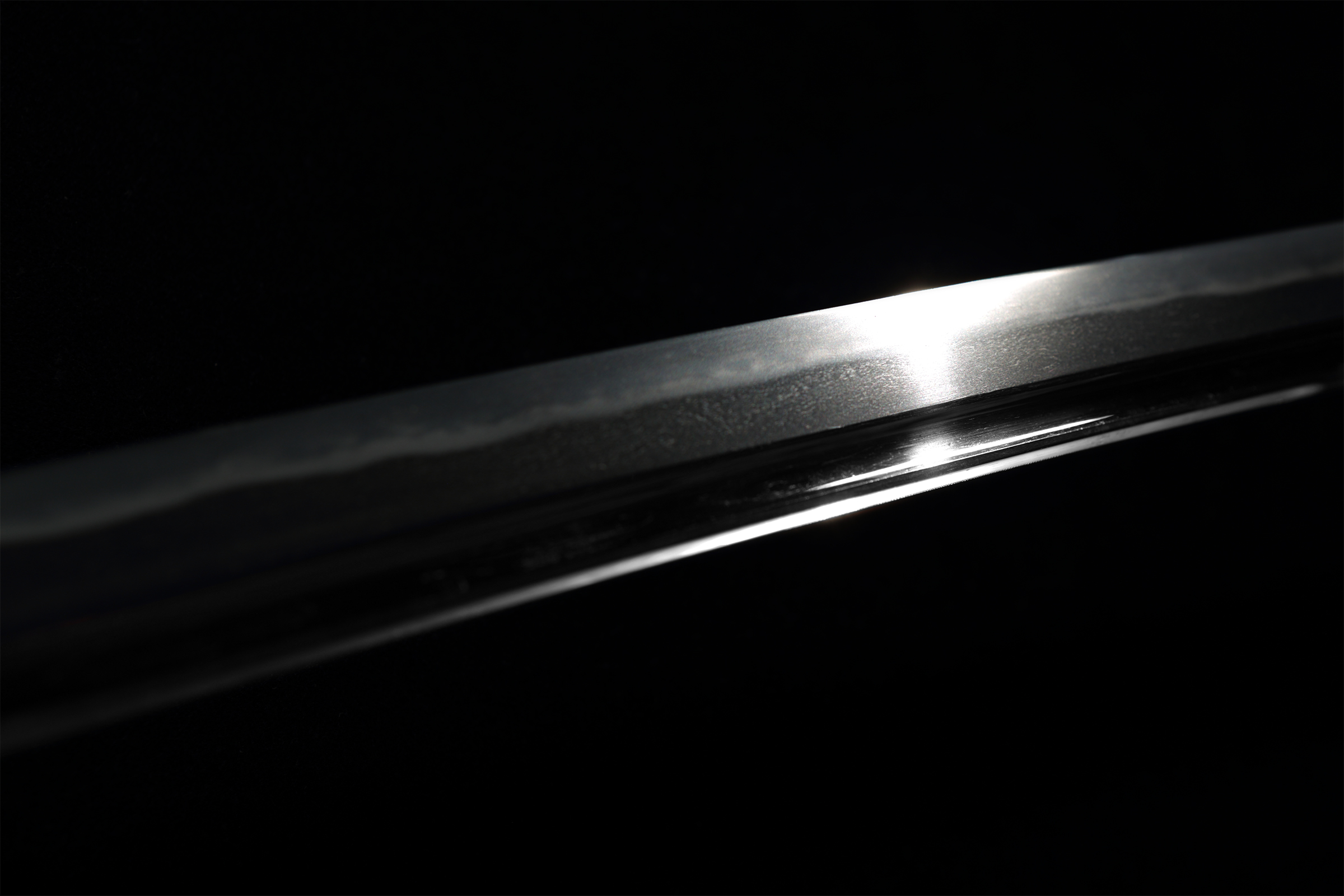
This is a katana made by the 2nd generation Minamoto Moriatsu in Showa 46 (1971). The blade has a wide body and a sturdy appearance, with a flowing itame hada and a gunome midare hamon. There are some minor flaws, including small chips and rust.
 NihontoWatch
mei · Showa (1926-1989) · nagasa 73.5cm · sori 1.7cm


Satsuma · around 1926-1989
3 pieces on the market now
The twentieth century nearly killed the craft twice: wartime distortion, then the occupation ban. The NBTHK’s founding in 1948 and licensed forging from 1953 rebuilt the sword as an art, crowned by Living National Treasures and the mukansa rank.
We could not find an authenticity certificate on the seller’s listing. Japanese swords and fittings are normally papered by the NBTHK (or the NTHK). Without one, the attribution is the seller’s own assessment and has not been independently verified — treat it with caution and ask the dealer about certification before buying.
If you judge that the condition of the delivered item differs significantly from the photos or description on our site, a return is possible. However, the return shipping cost is the customer's responsibility. To use cooling-off, please apply in writing by postal mail within one week of the item's arrival. The return shipping cost is the customer's responsibility.
This is a katana made by the 2nd generation Minamoto Moriatsu in Showa 46 (1971). The blade has a wide body and a sturdy appearance, with a flowing itame hada and a gunome midare hamon. There are some minor flaws, including small chips and rust.
NihontoWatchmei · Showa (1926-1989) · nagasa 73.5cm · sori 1.7cm
Satsuma · around 1926-1989
3 pieces on the market now
The twentieth century nearly killed the craft twice: wartime distortion, then the occupation ban. The NBTHK’s founding in 1948 and licensed forging from 1953 rebuilt the sword as an art, crowned by Living National Treasures and the mukansa rank.
We could not find an authenticity certificate on the seller’s listing. Japanese swords and fittings are normally papered by the NBTHK (or the NTHK). Without one, the attribution is the seller’s own assessment and has not been independently verified — treat it with caution and ask the dealer about certification before buying.
If you judge that the condition of the delivered item differs significantly from the photos or description on our site, a return is possible. However, the return shipping cost is the customer's responsibility. To use cooling-off, please apply in writing by postal mail within one week of the item's arrival. The return shipping cost is the customer's responsibility.
![Katana - by Moriatsu - Commemorative Katana: Signed Sasshu Ju Minamoto Moriatsu, made for Police Superintendent OOOO, Autumn Showa 54 - [2 shaku 4 sun 1 bu, bare blade 708g, with bo-hi] YK-35 Modern Custom Order](/_next/image?url=https%3A%2F%2Fitbhfhyptogxcjbjfzwx.supabase.co%2Fstorage%2Fv1%2Fobject%2Fpublic%2Flisting-images%2Ftoken-hasegawa%2FL640755%2F01.jpg&w=2560&q=90)