Muromachi turned sword making into an industry: the uchigatana rose with massed infantry warfare, Osafune and Seki produced bundle swords beside custom orders, and the Ming trade carried Japanese blades abroad by the tens of thousands.
 NihontoWatchNihontoWatch
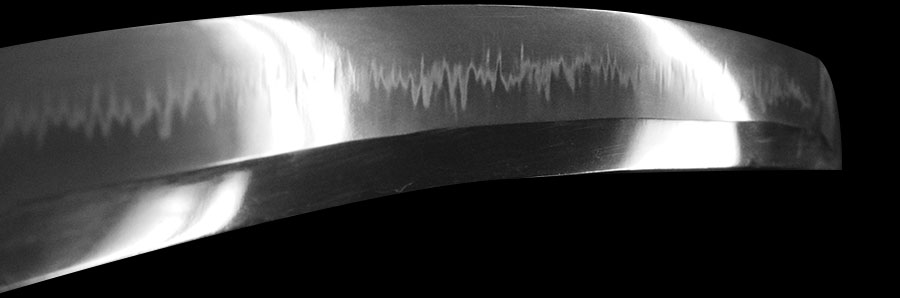
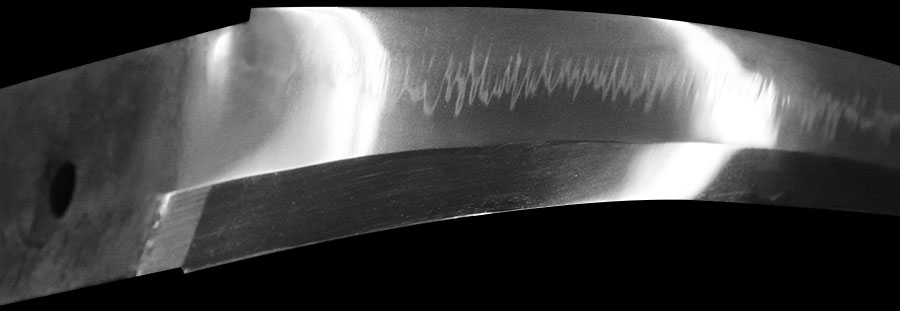
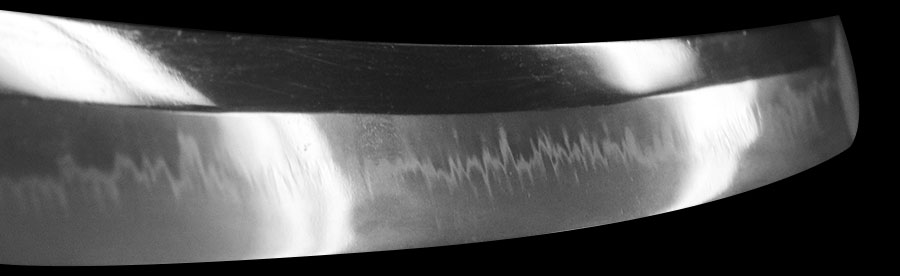
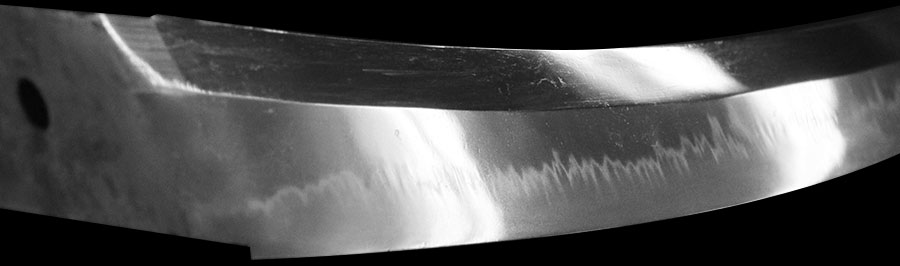
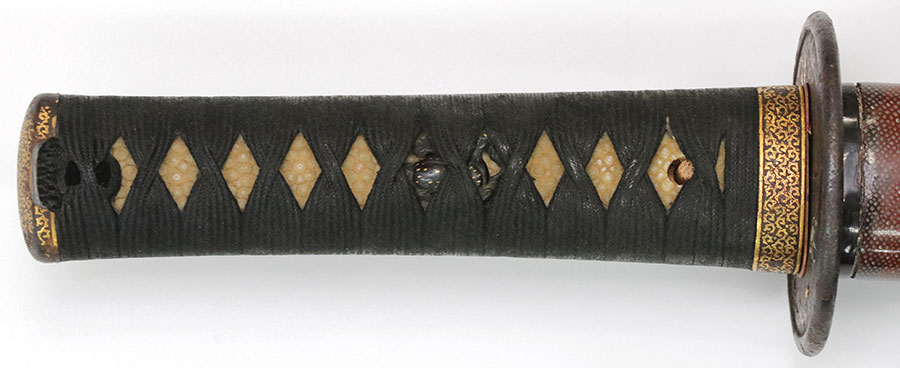
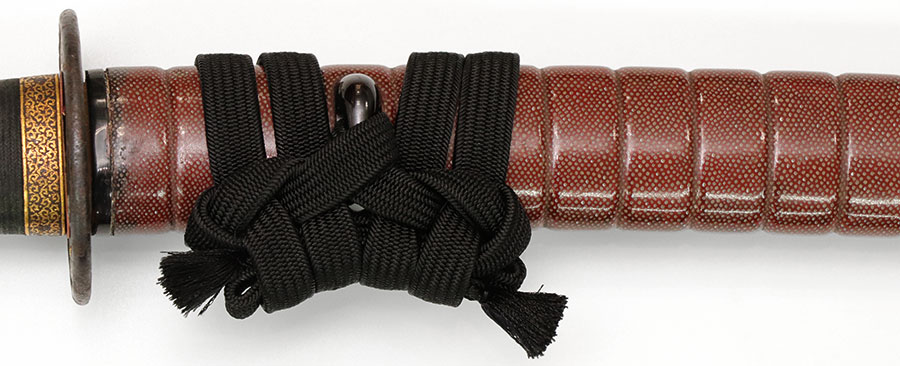
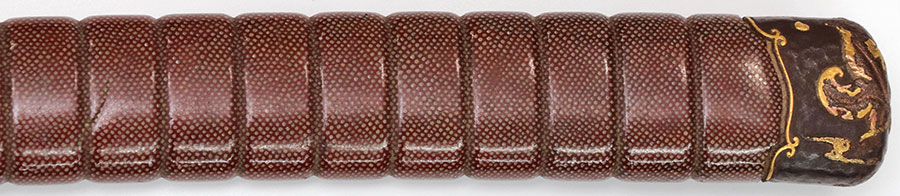
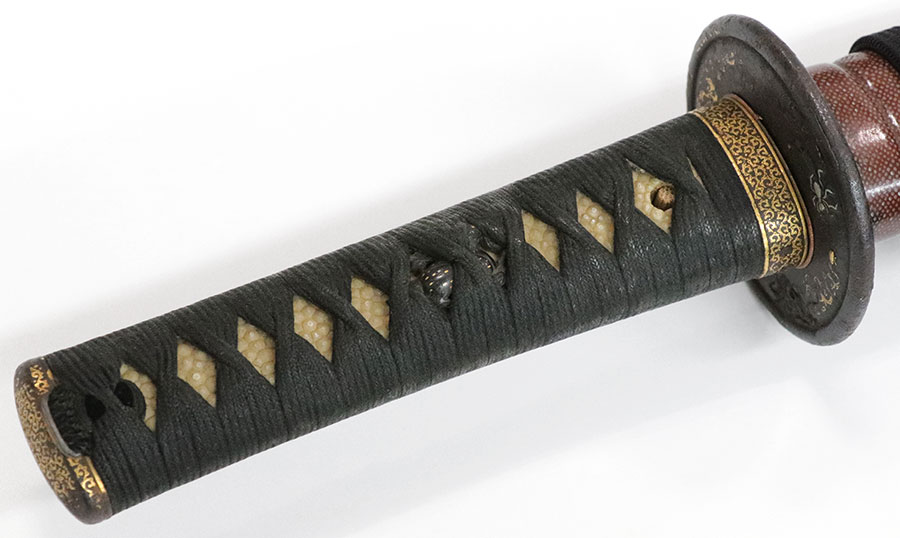
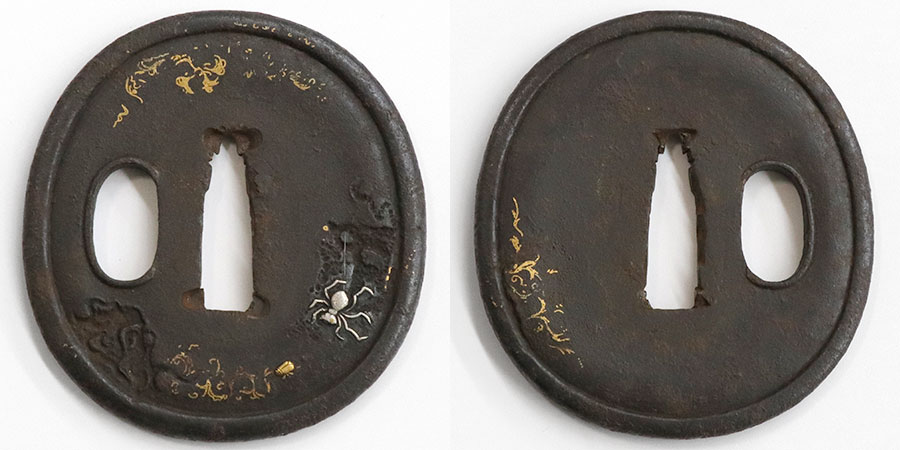
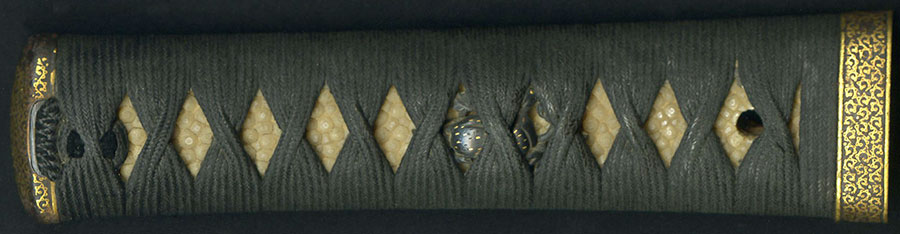
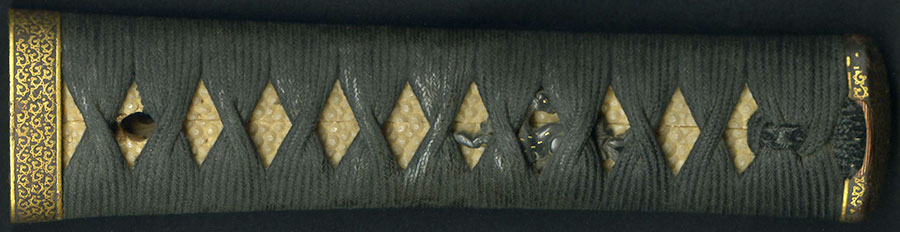
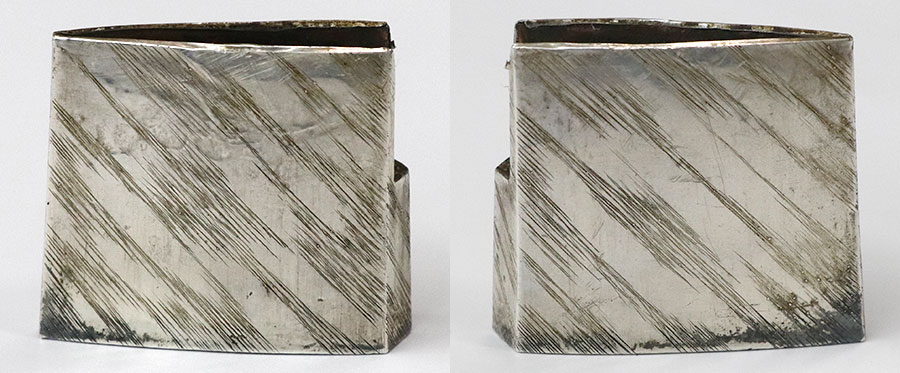
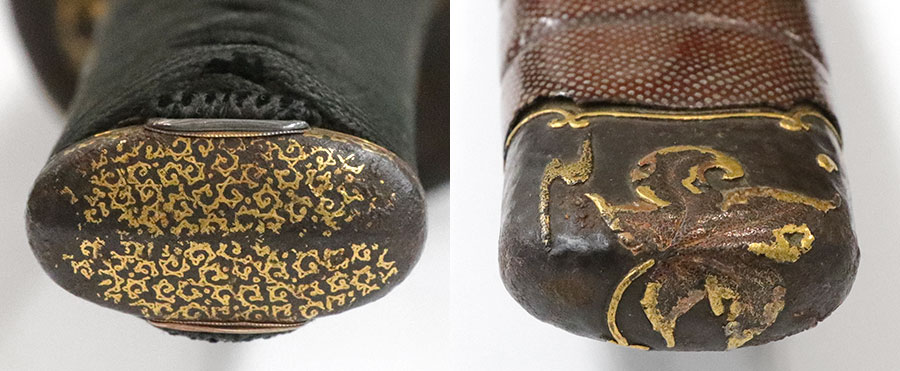
Yamatomori Minamoto no Yasumichi was a master smith of Mino from around the Kanbun era (1661) (362 years ago) in the early Edo period. He belongs to a prestigious lineage of swordsmiths continuing since the time of Akasaka Senjuin Yasumichi around the Meio era (1492) (531 years ago) of the Muromachi period; this wakizashi is by the Yasumichi of the early Edo period Kanbun era, who was a pupil of Kishu Yasutsuna. This wakizashi was made in the Bizen-den of the Ishido school, and its sugata shows the shallow sori of the Kanbun Shinto style, appearing the same as the sugata of Kotetsu; the jigane is a well-tightened itame hada, and a faint midare-utsuri appears in the ji, forging a jigane with great character. The hamon is a nioi-deki gunome choji with many ashi entering, firing a wonderful and spirited ha that is exceptionally well-made. The Edo period koshirae, featuring an expensive inro-kizami saya covered in ai-zame, further adds splendor to this wakizashi. This time, although there is some usu-sabi and such because it is a wakizashi that has been cherished and sleeping in an old family home for a long time and has come out into the world for the first time in its raw state, that too is the charm of its many years of age. We offer this work of art from over 360 years ago at a lower price than a gendaito wakizashi. Please enjoy it.
NihontoWatchOffered by Nipponto
We couldn’t find current papers for this piece. Ask the dealer whether it has been, or can be, submitted to shinsa. — Hoshi
2 on the market













As written by the shop
Machine translation from the shop's Japanese · may contain errors ·
Mino · around 1661-1673
Fujishiro Chu saku · Tōken Taikan top 97%
2 pieces on the market now
The Muromachi period (1392 to 1573)
Muromachi turned sword making into an industry: the uchigatana rose with massed infantry warfare, Osafune and Seki produced bundle swords beside custom orders, and the Ming trade carried Japanese blades abroad by the tens of thousands.
We could not find an authenticity certificate on the seller’s listing. Japanese swords and fittings are normally papered by the NBTHK (or the NTHK). Without one, the attribution is the seller’s own assessment and has not been independently verified — treat it with caution and ask the dealer about certification before buying.
For returns due to customer circumstances, the cost is the customer's responsibility. For returns due to our mis-shipment or a defective item, we bear the cost.
¥380,000