The twentieth century nearly killed the craft twice: wartime distortion, then the occupation ban. The NBTHK’s founding in 1948 and licensed forging from 1953 rebuilt the sword as an art, crowned by Living National Treasures and the mukansa rank.
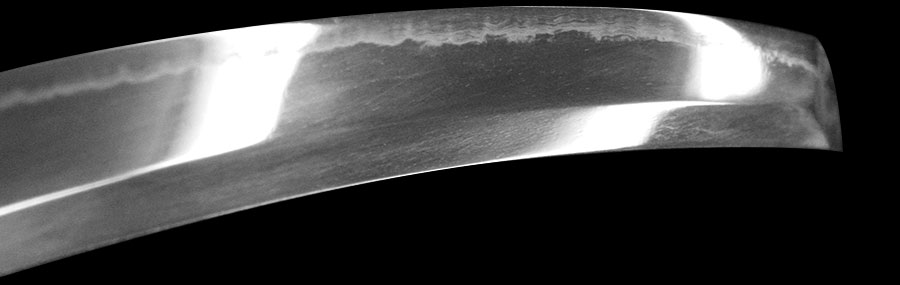
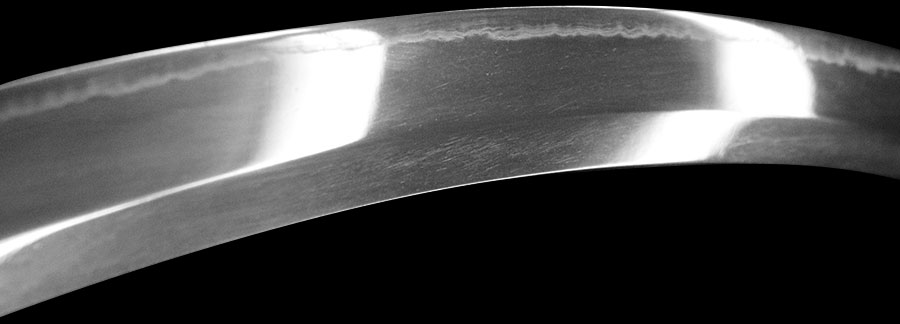
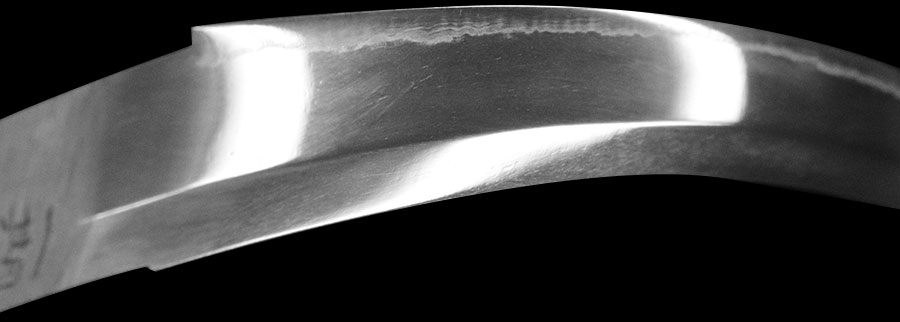
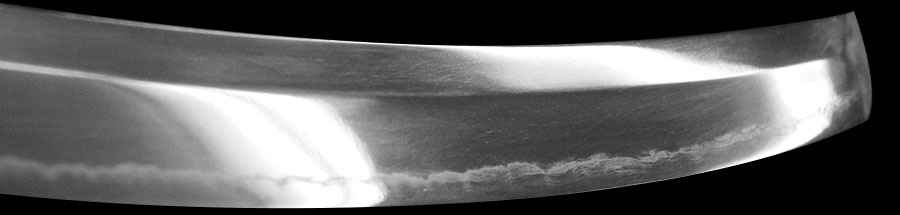
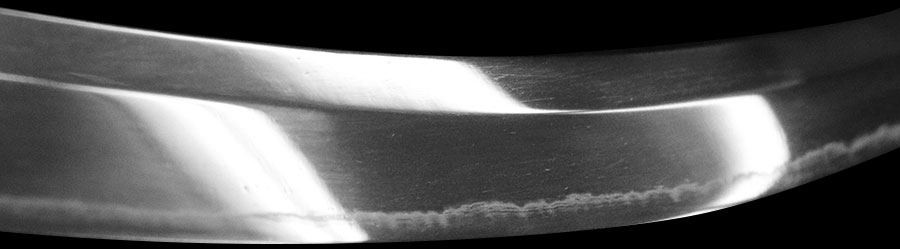
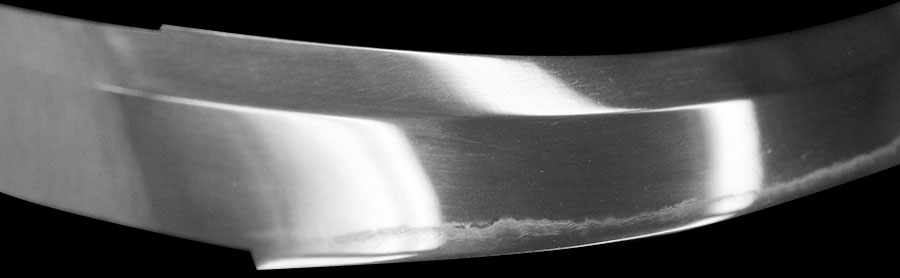
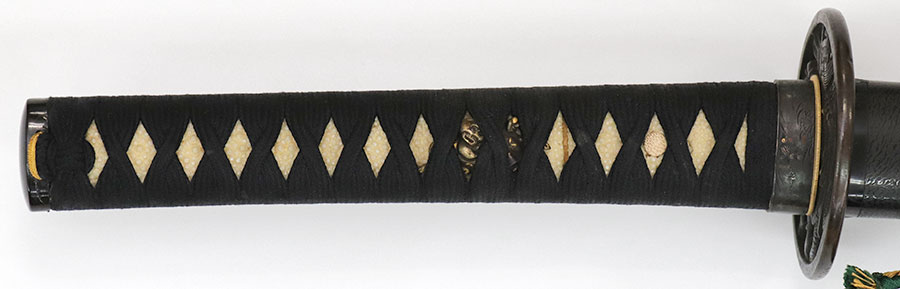
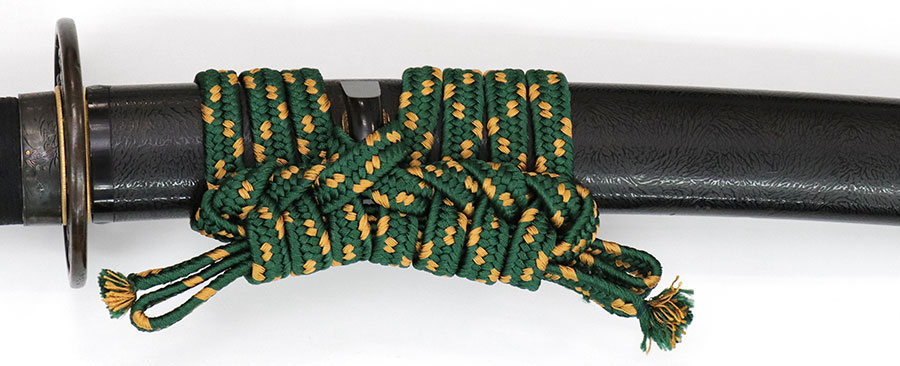
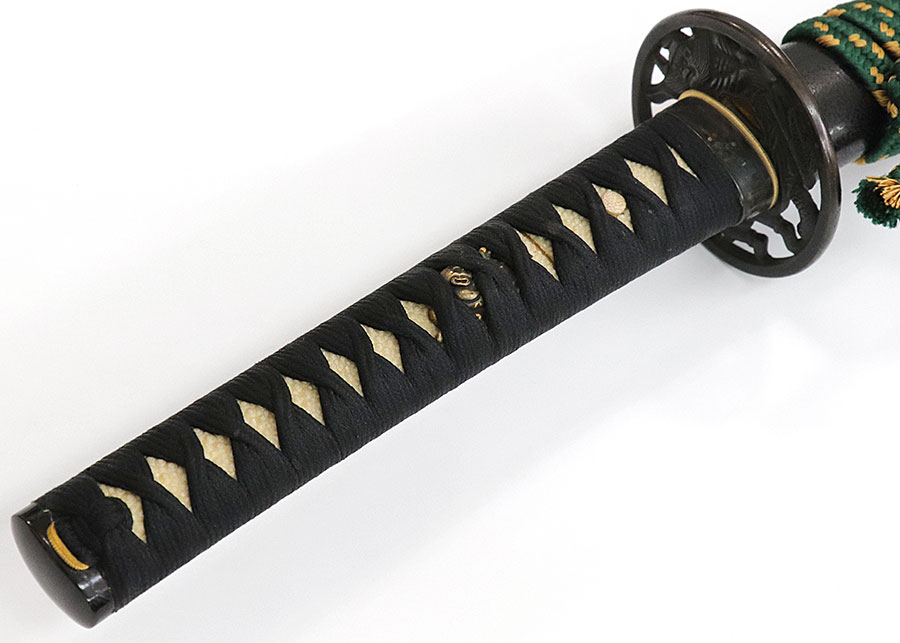
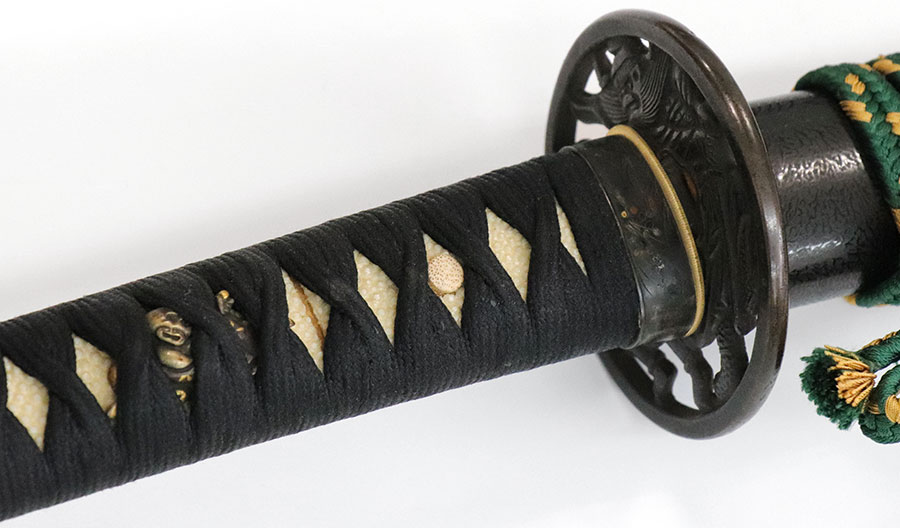
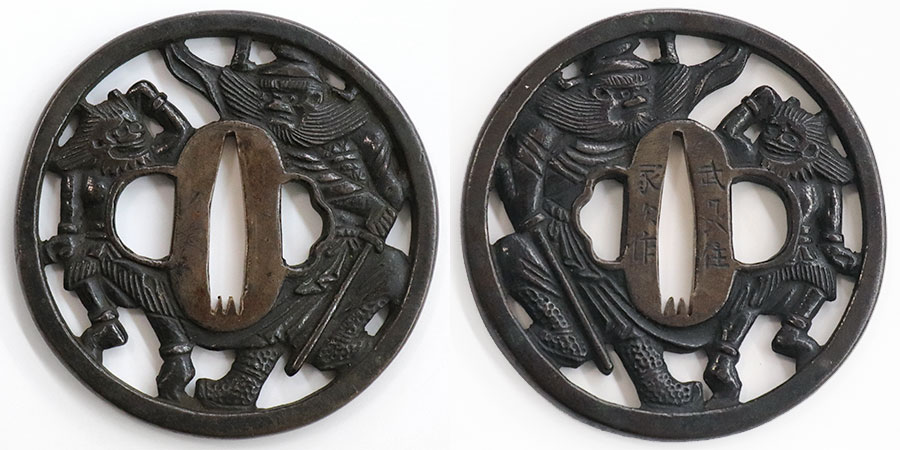
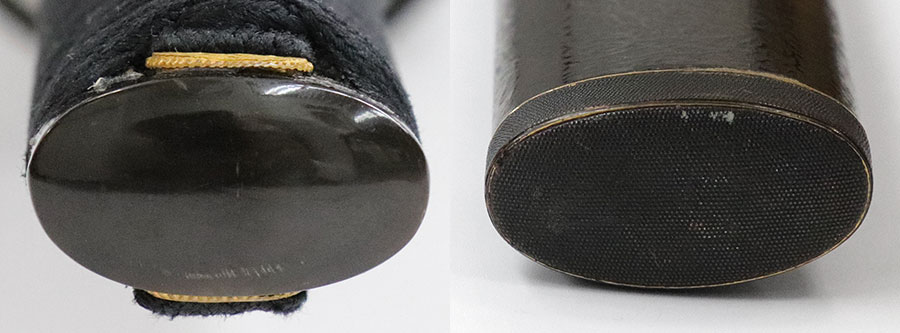
It has arrived, it has arrived! A tachi that copies the famous sword of Sanjo Munechika, who is currently at the peak of popularity due to Touken Ranbu. Sanjo Munechika is said to be a particularly master smith among the many Japanese swords, and the elegant tachi-sugata of the blade—said to be the most beautiful among the Tenka Goken—and the patterns that emerge along the edge of the ha fascinate all who view it. The creator of this Sanjo Munechika-utsushi tachi, swordsmith Hayasaka Nobumasa, real name Mr. Hayasaka Masayoshi, was born in Showa 33, resides in Miyagi Prefecture, and entered apprenticeship under the swordsmith Hokke Saburo Nobufusa in Showa 51. He is a talented swordsmith with numerous prizes in the Shinsakuto-ten (New Sword Exhibitions). This tachi is a masterpiece copying the Sanjo Munechika of the Heian period. As you can see, the sugata shows a deep sori with a significant difference between the moto-mihaba and saki-mihaba starting from the hamachi and munemachi, manifesting the elegant tachi-sugata of the Heian period. The jigane is itame-hada mixed with masame-hada, manifesting chikei in the ji. The hamon is nioi-deki with ko-nie, a suguha-style blade mixed with ko-midare-ba, and along the habuchi, it frequently manifests uchinoke following the kitae-hada; in this regard, it is a wonderfully well-executed copy of a Sanjo Munechika tachi. Swordsmith Hayasaka’s spirit of "Ichigo Ichie" (once-in-a-lifetime encounter) is reflected in the soe-mei stating that he put forth all his sincerity to produce this once-in-a-lifetime masterpiece, adding further brilliance to this Sanjo Munechika-utsushi. The togari (polishing) also has a desirable antique look, and the modern koshirae is elegant. Having received this elegant Sanjo Munechika-utsushi tachi from an old connoisseur with the request to pass it on to the next generation at a low price, we are offering it at a special bargain price. Please do enjoy it.
 NihontoWatch
Heisei · nagasa 72cm · sori 2.5cm



















Mutsu · around 1989-2019
3 pieces on the market now
Shōwa to the present: destruction and revival
The twentieth century nearly killed the craft twice: wartime distortion, then the occupation ban. The NBTHK’s founding in 1948 and licensed forging from 1953 rebuilt the sword as an art, crowned by Living National Treasures and the mukansa rank.
We could not find an authenticity certificate on the seller’s listing. Japanese swords and fittings are normally papered by the NBTHK (or the NTHK). Without one, the attribution is the seller’s own assessment and has not been independently verified — treat it with caution and ask the dealer about certification before buying.
For returns due to customer circumstances, the cost is the customer's responsibility. For returns due to our mis-shipment or a defective item, we bear the cost.
¥750,000
It has arrived, it has arrived! A tachi that copies the famous sword of Sanjo Munechika, who is currently at the peak of popularity due to Touken Ranbu. Sanjo Munechika is said to be a particularly master smith among the many Japanese swords, and the elegant tachi-sugata of the blade—said to be the most beautiful among the Tenka Goken—and the patterns that emerge along the edge of the ha fascinate all who view it. The creator of this Sanjo Munechika-utsushi tachi, swordsmith Hayasaka Nobumasa, real name Mr. Hayasaka Masayoshi, was born in Showa 33, resides in Miyagi Prefecture, and entered apprenticeship under the swordsmith Hokke Saburo Nobufusa in Showa 51. He is a talented swordsmith with numerous prizes in the Shinsakuto-ten (New Sword Exhibitions). This tachi is a masterpiece copying the Sanjo Munechika of the Heian period. As you can see, the sugata shows a deep sori with a significant difference between the moto-mihaba and saki-mihaba starting from the hamachi and munemachi, manifesting the elegant tachi-sugata of the Heian period. The jigane is itame-hada mixed with masame-hada, manifesting chikei in the ji. The hamon is nioi-deki with ko-nie, a suguha-style blade mixed with ko-midare-ba, and along the habuchi, it frequently manifests uchinoke following the kitae-hada; in this regard, it is a wonderfully well-executed copy of a Sanjo Munechika tachi. Swordsmith Hayasaka’s spirit of "Ichigo Ichie" (once-in-a-lifetime encounter) is reflected in the soe-mei stating that he put forth all his sincerity to produce this once-in-a-lifetime masterpiece, adding further brilliance to this Sanjo Munechika-utsushi. The togari (polishing) also has a desirable antique look, and the modern koshirae is elegant. Having received this elegant Sanjo Munechika-utsushi tachi from an old connoisseur with the request to pass it on to the next generation at a low price, we are offering it at a special bargain price. Please do enjoy it.
NihontoWatchHeisei · nagasa 72cm · sori 2.5cm
Mutsu · around 1989-2019
3 pieces on the market now
Shōwa to the present: destruction and revival
The twentieth century nearly killed the craft twice: wartime distortion, then the occupation ban. The NBTHK’s founding in 1948 and licensed forging from 1953 rebuilt the sword as an art, crowned by Living National Treasures and the mukansa rank.
We could not find an authenticity certificate on the seller’s listing. Japanese swords and fittings are normally papered by the NBTHK (or the NTHK). Without one, the attribution is the seller’s own assessment and has not been independently verified — treat it with caution and ask the dealer about certification before buying.
For returns due to customer circumstances, the cost is the customer's responsibility. For returns due to our mis-shipment or a defective item, we bear the cost.
¥750,000


