Description

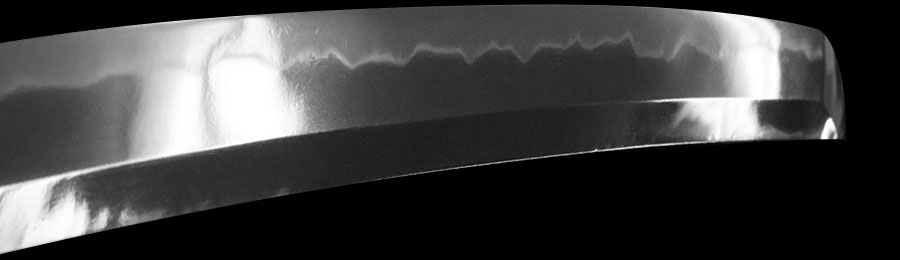
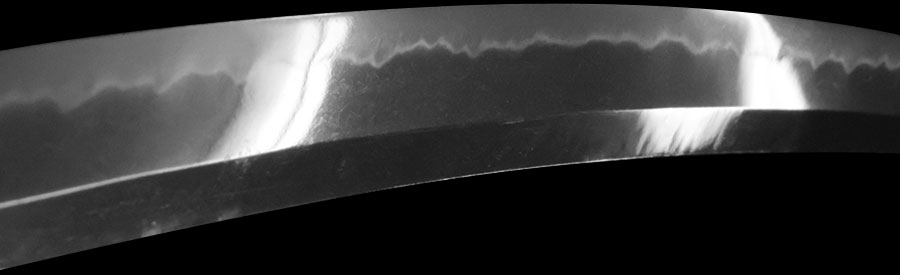
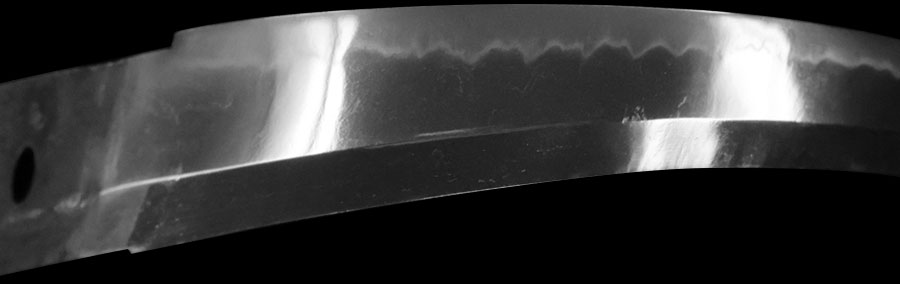
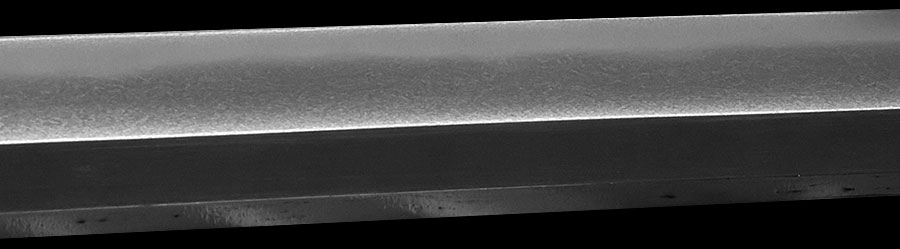
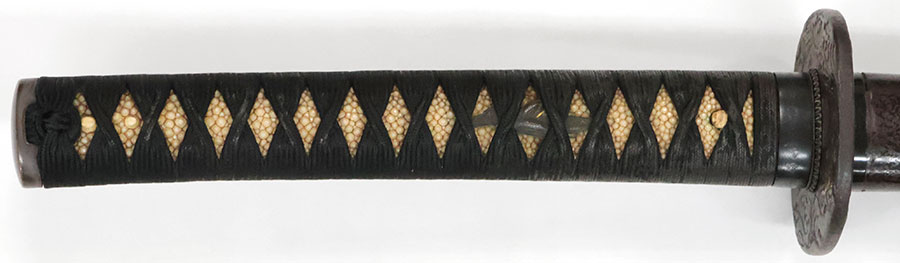
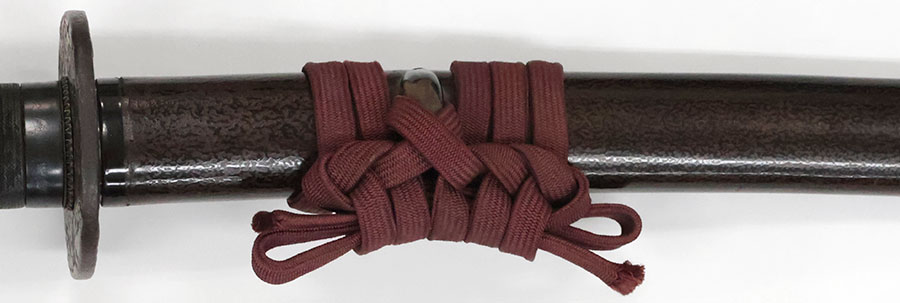
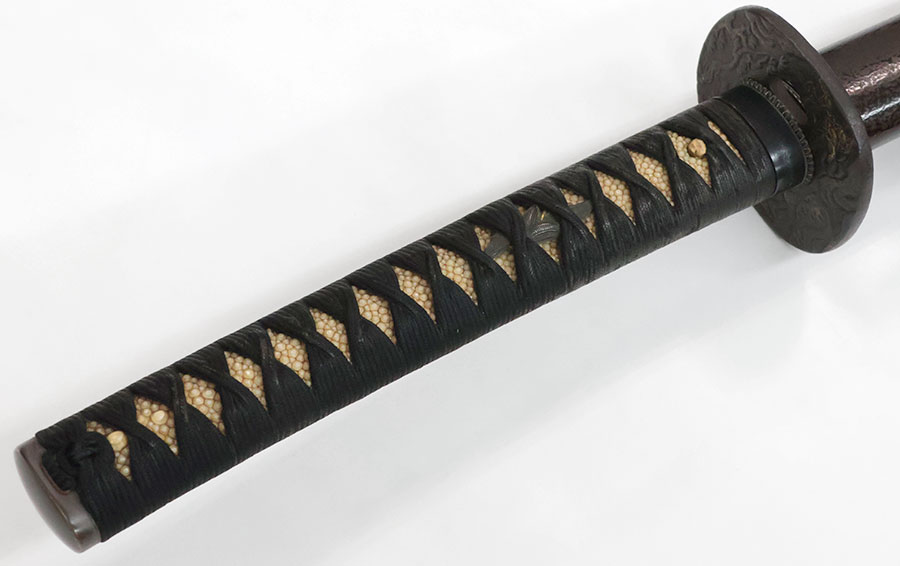
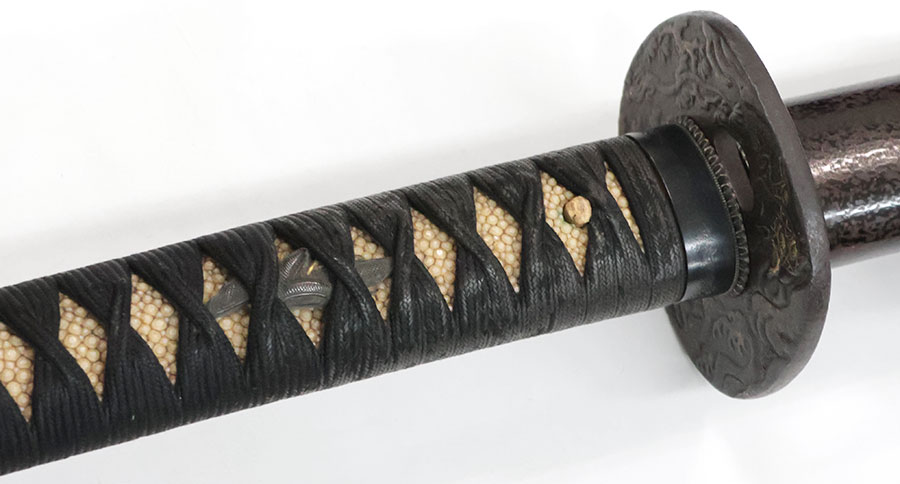
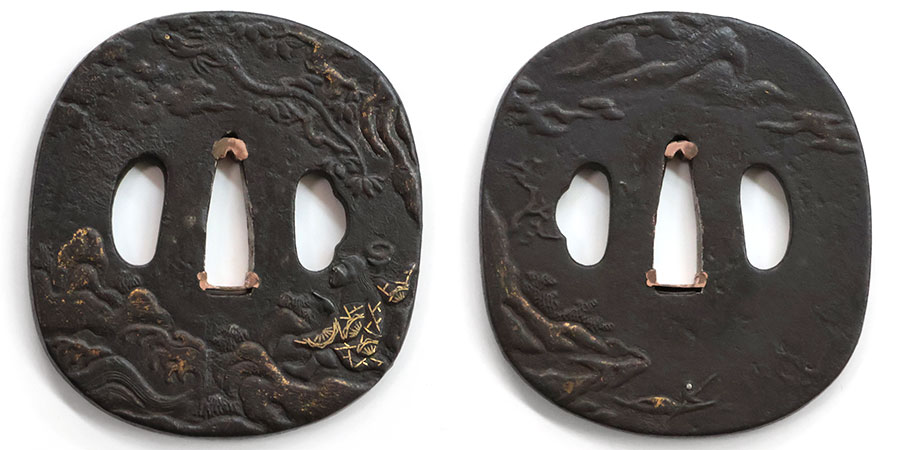
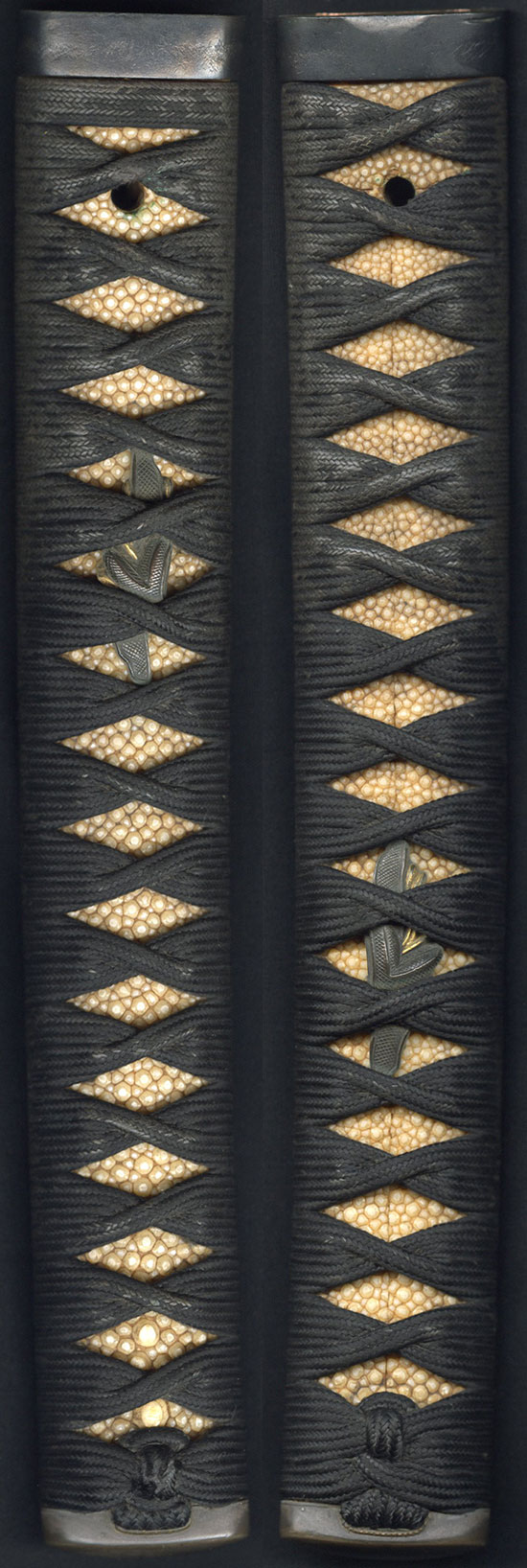
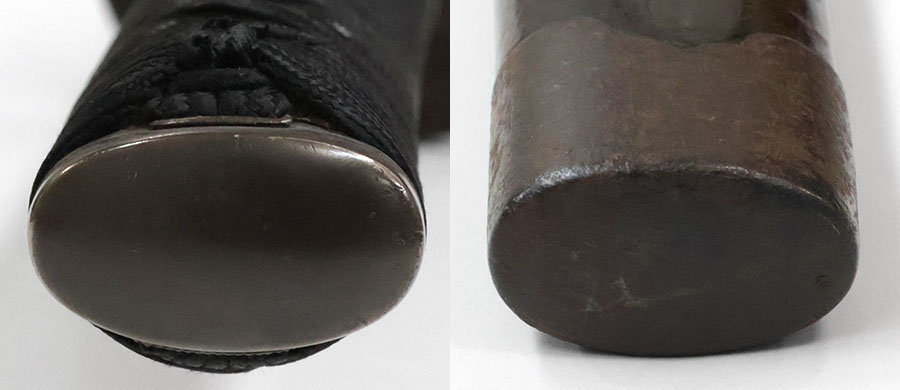
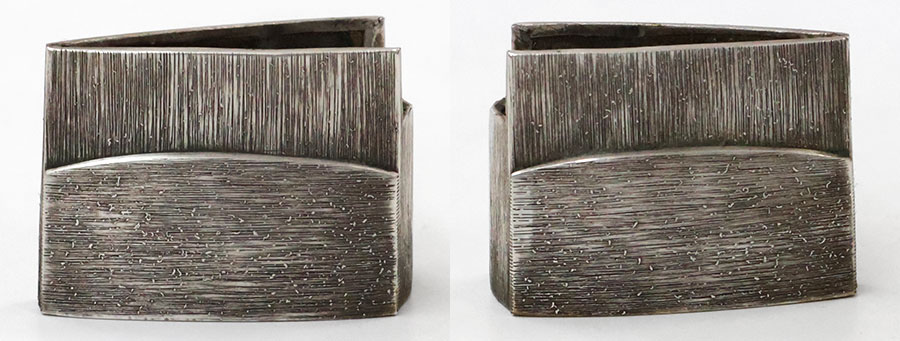
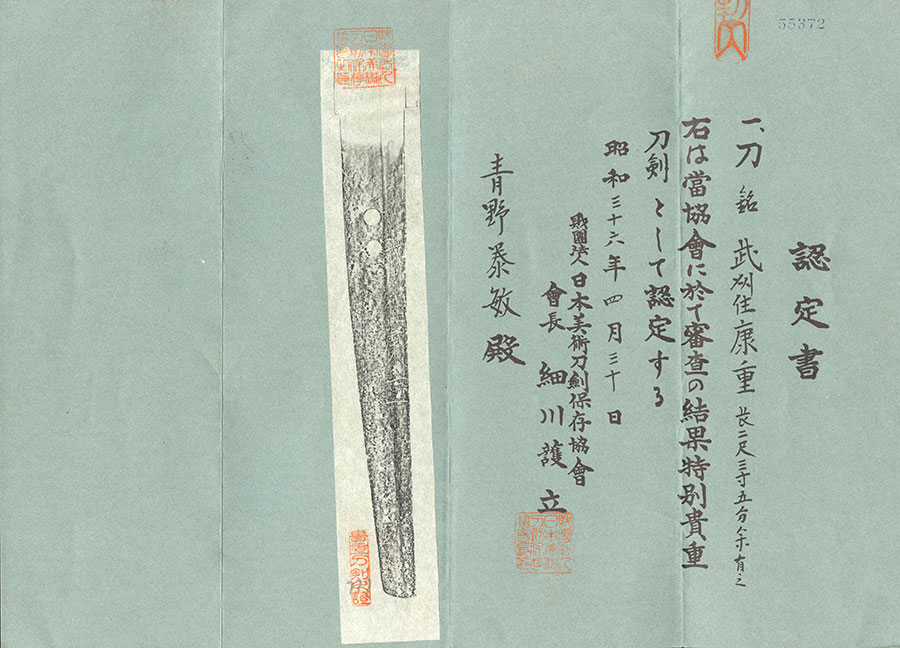
(Showa 36 Tokubetsu Kicho Token) Weight (excluding saya): 1120g It’s here, it’s here! Currently, Tokyo’s Hachioji is booming and burning with excitement thanks to the luxurious members of the "Hachioji Kai," including talents like Hiromi, Saburo Kitajima, Yumin, Roland, Fuwa-chan, Minami Takahashi, Haruna Iikubo, Funky Kato, Hiromu Takahashi, Takaya Kamikawa, Hidetoshi Nishijima, and others from Hachioji. Appearing now is a local sword from that very Hachioji, dating back to the Manji era of the Edo period (1658, 367 years ago), active at the same time as Kotetsu: a katana by Shimohara Yamamoto Naiki Yasushige, who lived in Edo Hachioji. Since ancient times, the Bushu Shimohara smiths, much like the Higo Dotanuki school of Kyushu or the Bungo Takada smiths, forged wazamono blades that were greatly favored by Sengoku warlords as practical weapons. This katana displays a gokai (magnificent/dynamic) sugata with a shallow sori and a noticeable difference between the motohaba and sakihaba. The jigane is a powerfully forged itame-hada with chikei appearing in the ji. The hamon is a nioideki with konie, fired in a spirited gunome-midareba that is truly splendid. The shitsujitsu-goken (unaffected and sincere) koshirae, featuring a kawari-nuri saya with Edo-period tetsu-ji kojiri kanagu, adds even more flair to this Bushu-ju Yasushige blade. On this occasion, an old collector mentioned, "I have grown old, so please pass this on at a low price to someone who will cherish it," and thus we are offering it at a specially discounted price. Not only for Hachioji, but as a local sword of Tokyo (where the lineage resided since the Muromachi period), this katana by Bushu-ju Yasushige is a precious blade that must be preserved. Please enjoy it.

武州住康重 Bushuju Yasushige
Tokubetsu KichōHistorical certification (pre-1982)

武州住康重 Bushuju Yasushige

Katana

¥550,000

Tracked across 76 dealers worldwide · price history · sold archive

Era

Tokuji (1306-1308)

Specifications

Nagasa

71.4 cm

Sori

1.4 cm

Motohaba

2.97 cm

Sakihaba

1.94 cm

About the school

Shitahara School下原派

The Shitahara group (下原) worked at Hachiōji in Bushū, the old province of Musashi, from the end of the Muromachi period and carried its forge on into the Edo period. The setsumei place the lineage among the swordmakers of Musashi in the *kotō* age and name Terushige, Yasushige, Hiroshige, and Chikashige as its leading hands, with the *meikan* recording Terushige across three generations: a shodai in Kyōroku, a nidai in Eiroku, and a sandai in Tenshō. Family signatures tie the work to the Yamamoto house, as on the *naginata* inscribed Bushū-jū Yamamoto Genjirō Terushige, dated Tenshō 19 (1591), and on the Yasushige katana cut "Shimohara-jū Yasushige, made by Yamamoto Yogorō." That same blade was made to order, in this case from Hagiwara Kaminao of Kōshū, marking the group as a working provincial forge serving its region. In the forging the setsumei return repeatedly to an *itame-hada* freely mixed with *mokume* that stands up rather than lying flat, the grain described as *hada-datsu*, often running to *nagare* near the edge and taking on an *ayasugi*-like, whorled or vortex-like cast in the *jigane*. The temper is a moderately undulating *notare* into which *gunome* enter, frequently in regular paired sequences, with pointed *togariba*, a *chōji*-like feeling at times, and *ko-nie* clinging along a *nioiguchi* that can settle into a subdued *shizumi* tone; *sunagashi* and *ashi* appear within the *ha*, and the *bōshi* tends to run *midare-komi* and turn back in *maru*. One katana shows a wet-looking *nureba* surface with angular irregularities and *hakikake*. The setsumei read this hand as a synthesis drawing on late Sōshū and the Muramasa line together with late Mino tendencies, which together account for the standing grain and the paired *gunome*. For kantei the markers are consistent: the risen *mokume* with its *ayasugi* turn, the regularly paired *gunome*, and a build suited to the *uchigatana* of the closing Muromachi years, often with pronounced *sakizori* and an extended *chū-kissaki*. Carving recurs, including *bō-hi*, *bonji*, *gomabashi*, and a deeply cut *kurikara-ryū* whose coiling tail the NBTHK singles out as characteristic. Named and dated pieces anchor the group: the Yamamoto Genjirō Terushige *naginata*, uncommon as a double-edged *ryōba* form, and a Terushige katana appraised between Eiroku and Tenshō that the register calls the *hakubi* of the school. The setsumei note that Shitahara work survives in number into the *shintō* period while outstanding examples remain few, which sets these designated blades apart within the lineage.

Dealer

Nipponto

nipponto.co.jp

¥550,000

View on Nipponto